
Moonshots at @UBER | ✝️ | As seen @ Tesla Optimus/Autopilot, Foundation Robotics
Joined April 2013
- Tweets 13,157
- Following 1,018
- Followers 2,442
- Likes 282,304
1,349 Photos and videos









Dan James retweeted

Jun 12
The "Physical AI" bros are rediscovering what industrial robotics is like in real time lol.
Jun 11

Lighting differences can make a huge difference in robotics. Today, I found a quirk in my model exemplifying this.
> I collected 10h of training data.
> 3h in, I notice that the left arm following the right arm for the final movement could be good for the final insertion subtask.
> I change behaviour.
> But the first 3h didn't include much nighttime data (=dark room).
🎯Result
The same policy reliably exhibits different behaviour on exactly this subtask depending on the lighting.
So many microlearnings to be made in robotics.
10
24
1,231
69,834
Dan James retweeted

Jun 13
Bro has the self awareness of a brick wall
Jun 12

Hasan Piker: “Elon Musk is a fucking failure and yet in spite of his failures, because he happened to be at the right place at the right time, he has failed upwards with his endless wealth. He’s a horrible person, an unbelievably insecure person, and yet he’s the richest person on the planet. We know he doesn’t fucking work hard because he Tweets all the goddamn time”
78
170
7,152
177,163

Dan James retweeted

Jun 12
Chattanooga's new courthouse. The style is called "Greco-Deco". We're taking this worldwide. We're taking this to Mars. This is the answer.

180
659
10,219
436,222

Dan James retweeted

Jun 12
i am genuinely wracking my brain and cannot decide if SpaceX is under or over-priced


499
87
5,752
1,333,866
Dan James retweeted

Jun 11
top 10 greatest tweets i ever read and i mean that

‘24 Jump Street’ is officially in the works with Jonah Hill, Channing Tatum and Ice Cube in talks to return.
(variety.com/2026/film/news/2…)

7
427
7,753
189,735
Dan James retweeted

Jun 11
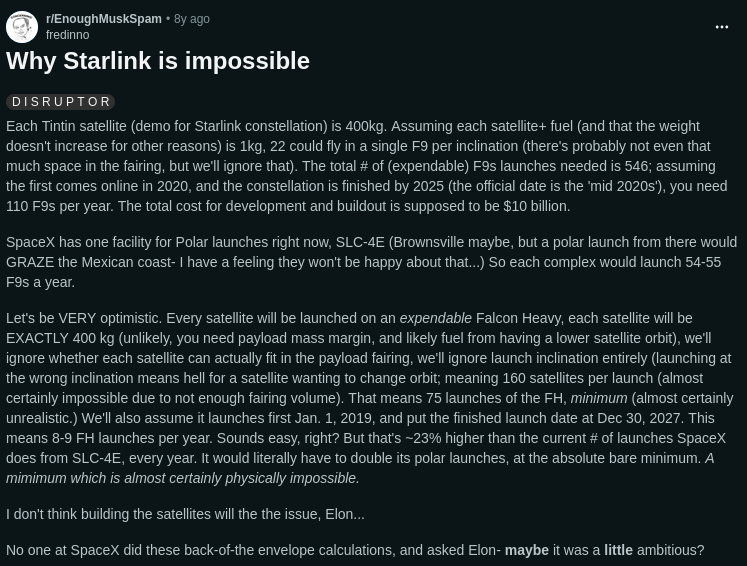
Daily reminder that Redditors "debunked" Starlink as "impossible" 8 years ago.
Just in case you start thinking a phone scratcher has a better mental model of thermodynamics than SpaceX engineers.
397
1,221
23,678
614,100
Dan James retweeted

Jun 11
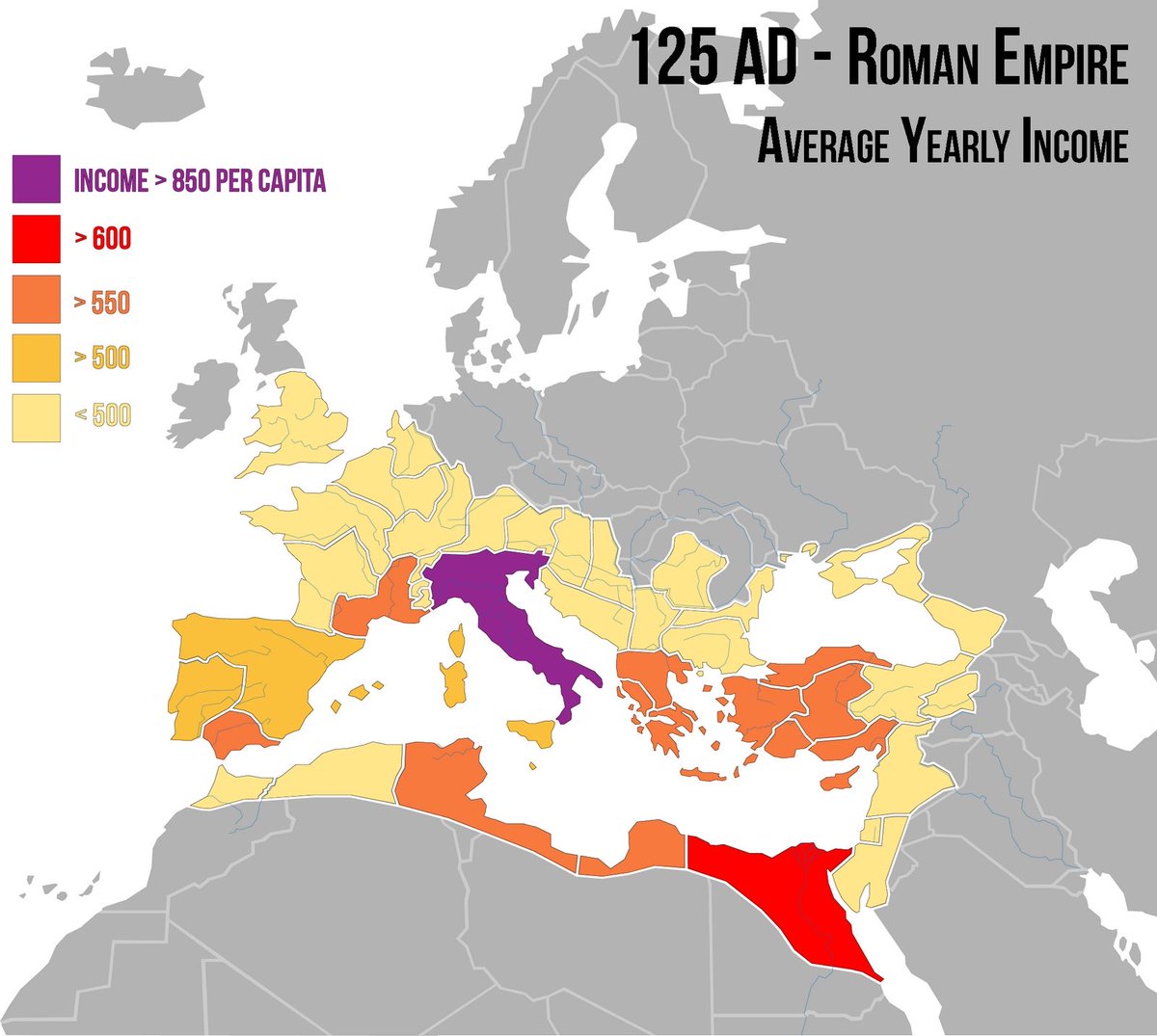
Rome was one of the greatest empires simply by their ability to get Greeks to pay their taxes
Jun 11

In the Roman Empire, Egypt had the highest average yearly income after only Italy
32
603
15,696
340,715
Dan James retweeted

Jun 11
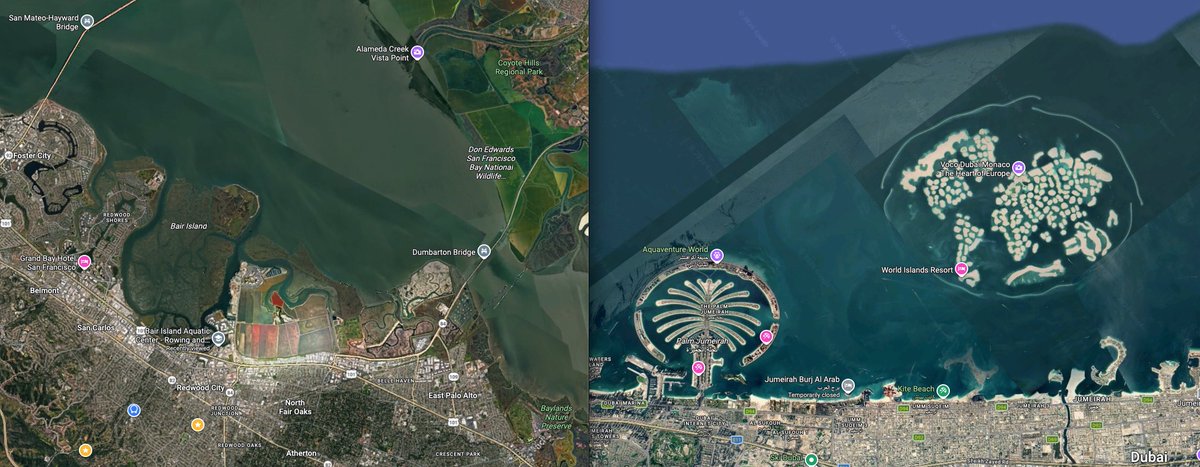
absolutely not, we can’t disrupt the historically rich and ecologically valuable environments of the Lifeless Fetid Salt Pits

17
21
1,609
66,391


Dan James retweeted

Jun 10
There’s an eagle flying around the stadium
1,457
3,562
108,783
11,700,674
Dan James retweeted

Jun 11
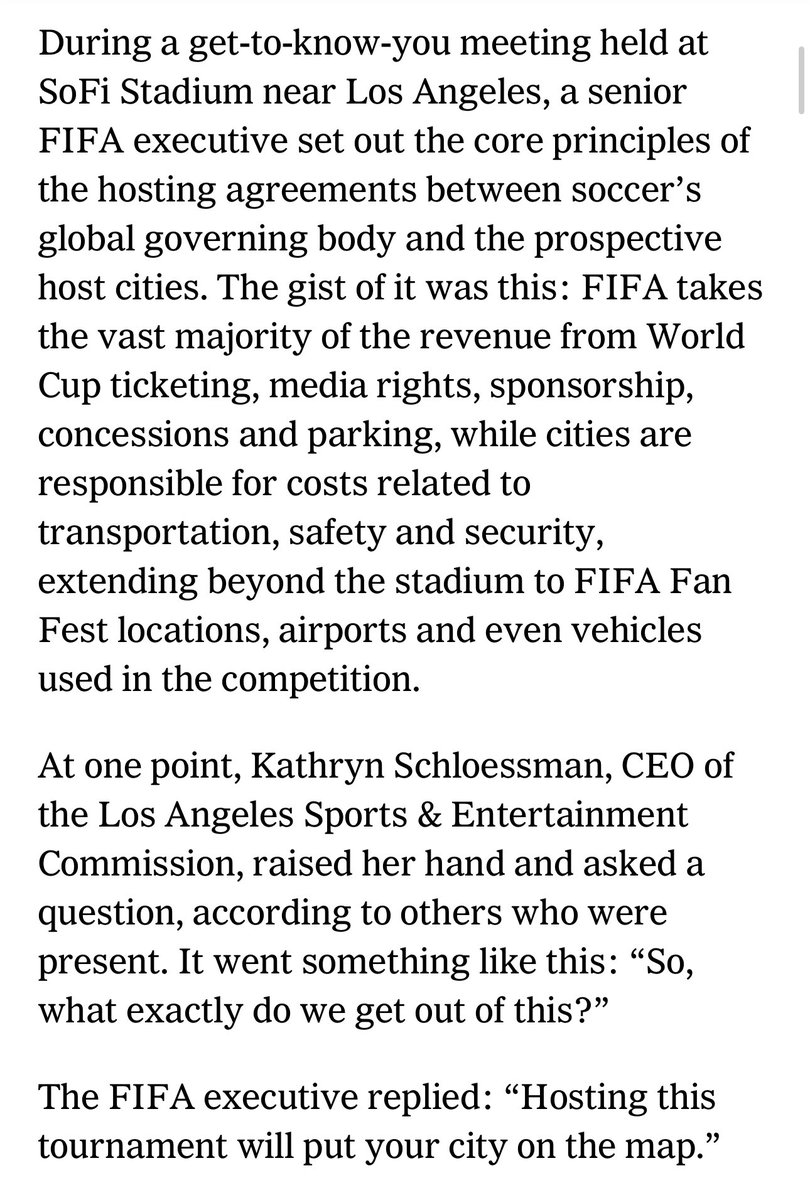
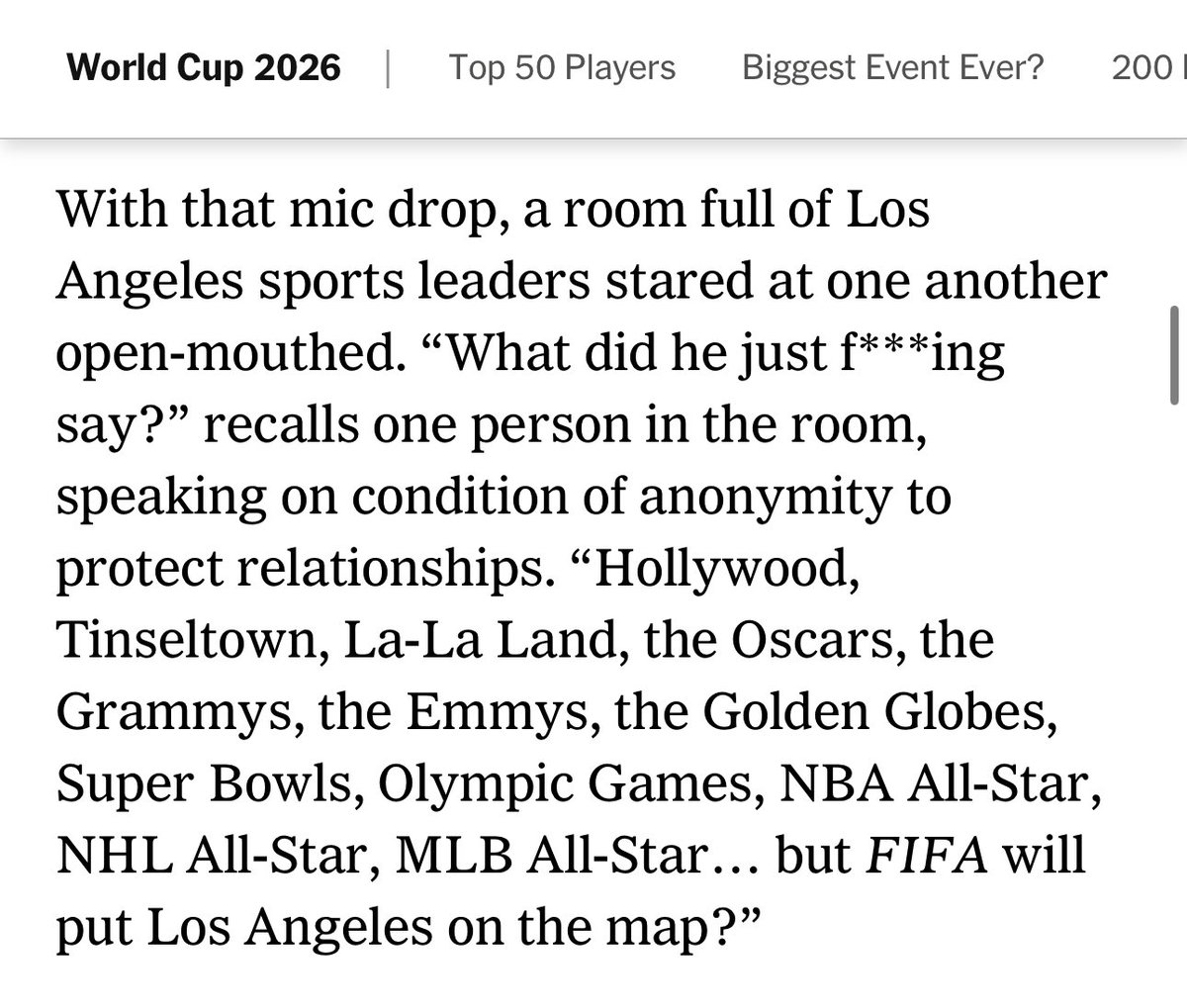
One of my favorite anecdotes from the build-up to this World Cup, which reveals so much about the collision between FIFA and U.S. cities.
The day a FIFA exec told Los Angeles that LA needed to be “put on the map.”
@TheAthleticFC
115
1,040
10,188
915,864
Dan James retweeted

Jun 11
i suspect there's some kind of cycle of cope and ego where, like, these guys want to be the prophets and storytellers who light the way to the future and play with its shadows, but they already fucked up early on by dismissing LLMs and going for legible consensus status instead of encountering the future as it arrived ahead of the crowd, so the frontier passed them by, and now in order to catch up to it and learn from it they have not only a lot of distance to cover, but a huge amount of ego-inertia; they'd have to be publicly wrong, and risk being cringe, and without the lived momentum of surfing the unfolding wave of the future as a visionary and feeling the reality of that more profound reward than instant consensus recognition that comes from reaching toward the visionary engine at the end of time, they are lost and only know to play the losing game of clinging to and proselytizing a bygone world where they themselves belonged to the class of prophets who saw further and more boldly.
Jun 11

maybe sci-fi authors all seem to hate actual AI progress because it legitimately makes it dramatically harder to write sci-fi. setting a halfway realistic story even 5 years into the future now, let alone 10 , forces you to have opinions about how the singularity will go. otherwise you are writing alternate history in a timeline that is probably less interesting than just the actual facts on the ground about what's already happening
generally the closer we get to the singularity the harder it will become to write sci-fi without being an expert on a bunch of things that, if you really were an expert on those things, you'd probably have more lucrative things to do with your time than write sci-fi. in the limit only frontier lab employees and frontier models will be capable of writing sci-fi
25
27
362
84,432
Dan James retweeted

Level of delusion so intense it should qualify as diagnosed psychosis

Day 1 of building GTA 6. Still feels fake typing that out.
Upgraded to Claude Max 20x just for this. Spent a couple hours getting the whole project structured and pushed to the repo. Sandbox is up and running.
No studio, no publisher. Just whoever shows up. We picked Godot on purpose: it's community-owned, so nobody can pull an EPIC on us later and rewrite the deal once we're invested.
The goal: beat the real GTA 6 to launch. Ambitious, probably stupid, doing it anyway.
If you can model, code, build levels, or write music and lore, come join.
Looking for a couple contributors to cook this.
Time to cook. Reply if you're in.
218
2,629
86,007
2,854,938
Dan James retweeted

Jun 10
love how we say "slept like a baby" when babies are, objectively speaking, the worst demographic of sleepers
302
6,939
137,809
1,661,605
Dan James retweeted

Jun 10
Nothing has ever made me prouder to be an American.

Coors Light is rolling out a 'Tallerboy' for the World Cup that holds THREE beers in it
On sale tomorrow on Coors website

154
2,865
74,526
5,653,009
Dan James retweeted

Fascinating bit from The Times obituary of Alex Younger, former MI6 chief:

3
68
927
76,254
Dan James retweeted

Jun 10
we live in age of great moral panics about things that don’t matter and zero moral outrage over some of the most egregious societal sins we’ve ever seen
176
10,995
59,693
851,131
