
Experienced company director, private equity, startups and social enterprises. IT and allied health sectors. Background in M&A & tax. On my yoga journey.
Joined May 2011
- Tweets 6,926
- Following 4,263
- Followers 1,553
- Likes 54,478
72 Photos and videos
Pinned Tweet

20 Nov 2022
I can now also be found @AWStephen@mastodon.au Be patient just feeling my way, but feels pretty familiar 👍
1
1
22
Jun 13
milking the public purse is the model: “Pauline Hanson’s One Nation stands to receive $219 million in taxpayer funding over the next five years, according to modelling based on current polling and changes to funding laws.” thesaturdaypaper.com.au/news…
20
Tony Stephen retweeted

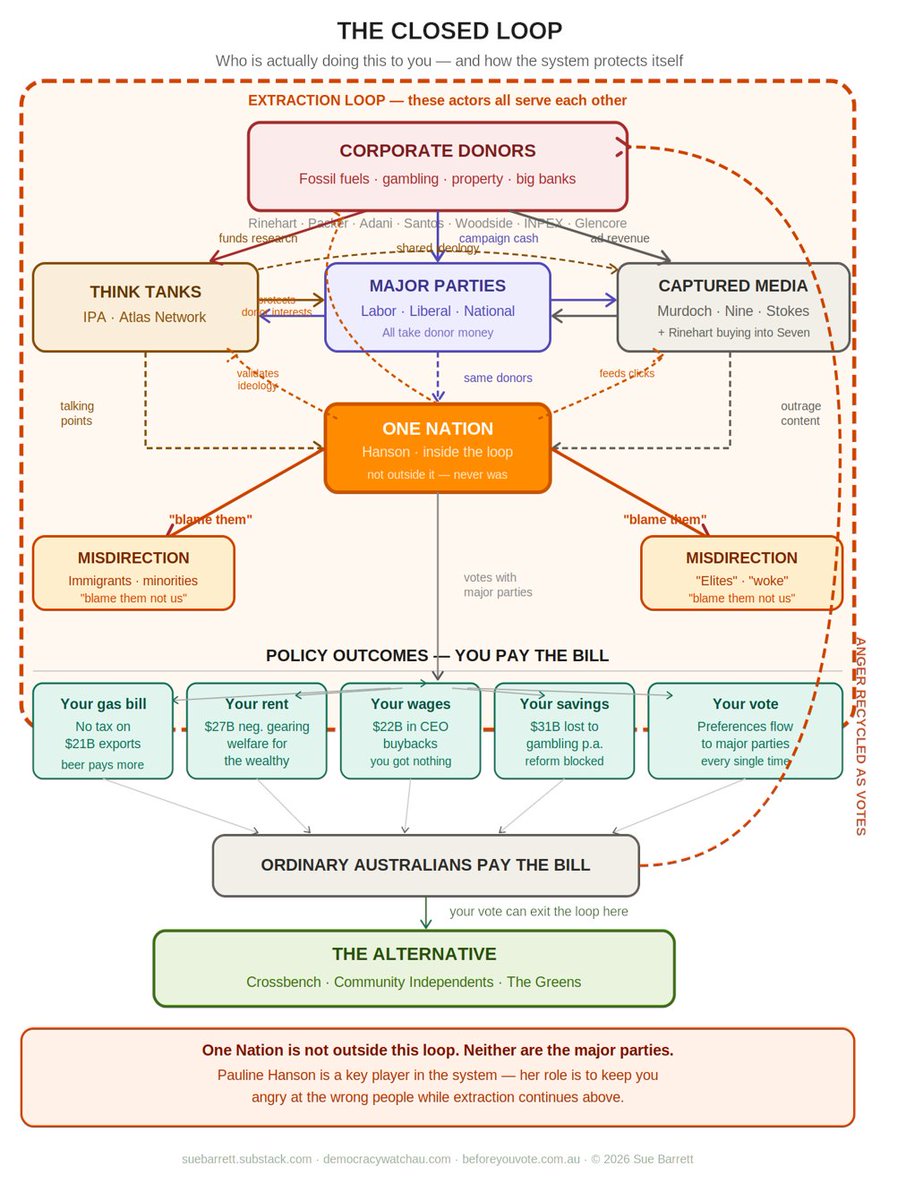
You want straight talking? Here it is. No jet required.
Pauline Hanson says she tells it like it is. So let's do exactly that.
- While you struggled to pay rent, the gas industry paid less tax than your Friday night six-pack.
-While your wages flatlined, CEOs handed themselves $22 billion in bonuses.
-While your kids watched 50,000 gambling ads a year, the industry donated $6 million and reform died.
-While you couldn't afford to buy a home, negative gearing handed $27 billion a year to people who already own multiple properties.
Adani donated $600k, got $400 million in forgiven royalties back. Three men and a woman now own 90% of what Australians read and watch. And the politician who flew in on a billionaire's jet told you the problem is immigrants.
The system is not broken. It's working exactly as designed. Against you.
These are the headlines the mainstream media won't run. 👇
open.substack.com/pub/suebar…
#auspol
@deniseshrivell
@aaronsmith
@BrentHodgson
@zdaniel
@Anthony_Klan
@JoYohana
@TheNoisyTrunk
6
62
89
1,165
Tony Stephen retweeted

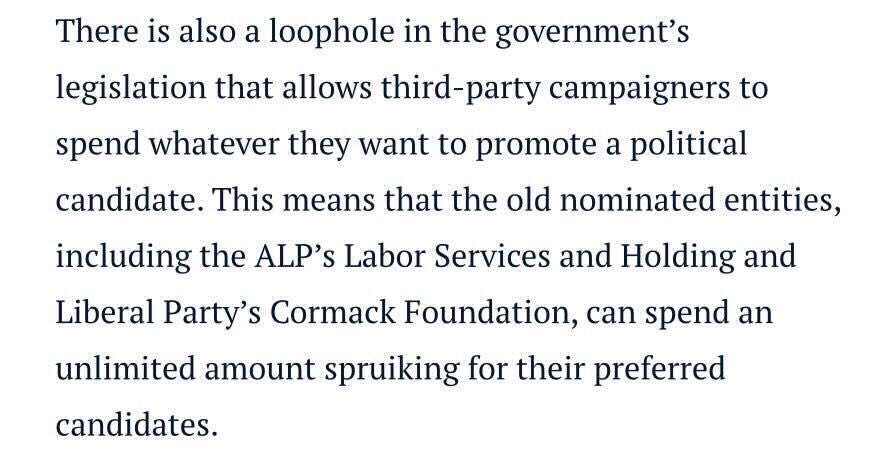
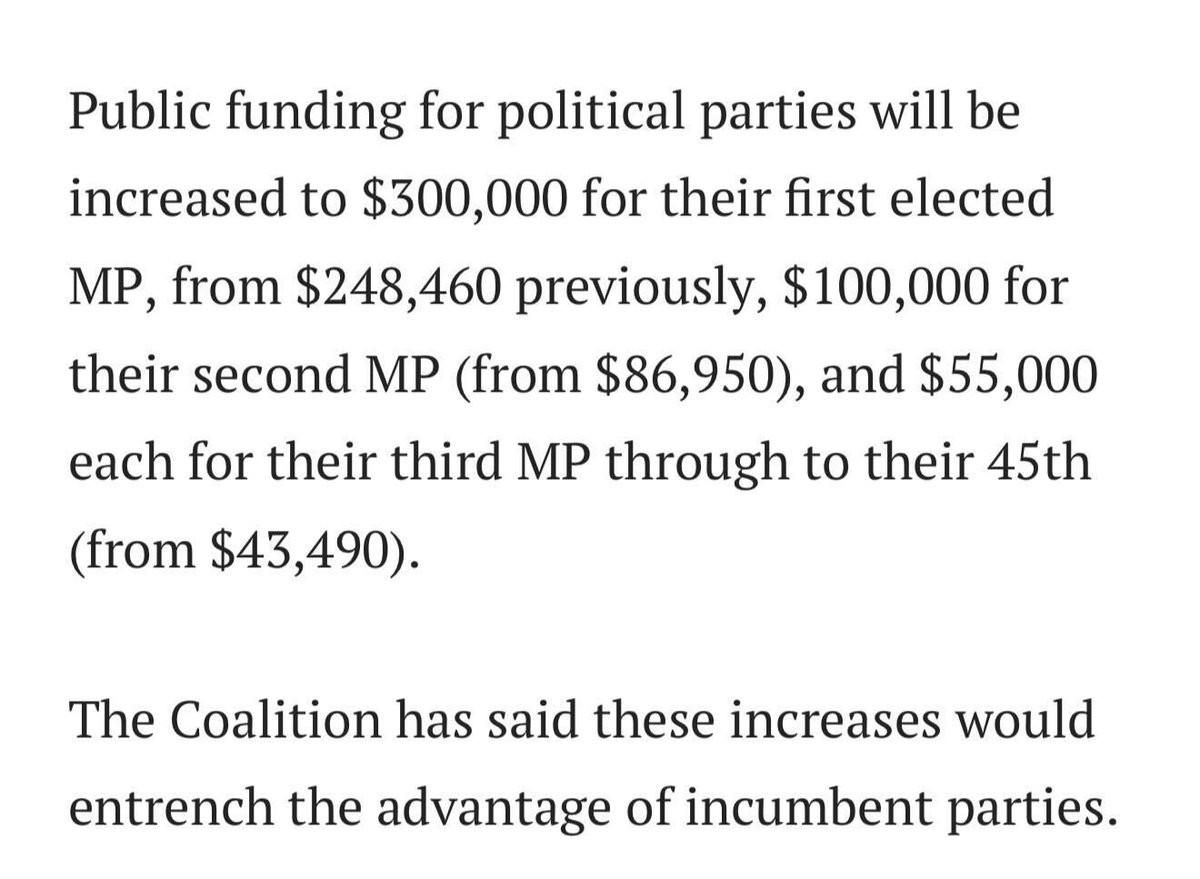
Jacinta Allan seems to be actively trying to lose the November state election. Victoria is dispirited, labouring under enormous debt, failing to deal with corruption and crime. The Liberals don't have mature policies on the economy, education, or policing - and they're riven by infighting. They've previously worked together on political donation reform to stitch up independents and small parties. Hawthorn is lucky to have Shima Ibuki and Kew @Sophie__Torney, as strong independent candidates.
50
23
117
13,044
Tony Stephen retweeted

May 31
“Sky News should give up the pretense of being a news service and register as a political party,” writes John Hewson. trib.al/e1Jc5nE
137
449
1,242
15,558
May 31
Please sign: imagine thinking it is a wise for Aust to be entering any naming rights deal with Trumph ttps://petitions.getup.org.au/petitions/no-trump-golf-course?source=twitter&utm_campaign=No_more_Trump&utm_source=twitter&share=a8f4ae09-f998-4258-b534-5300576d99d2 via @getup
17
Tony Stephen retweeted

15
374
669
6,729
Tony Stephen retweeted

May 20
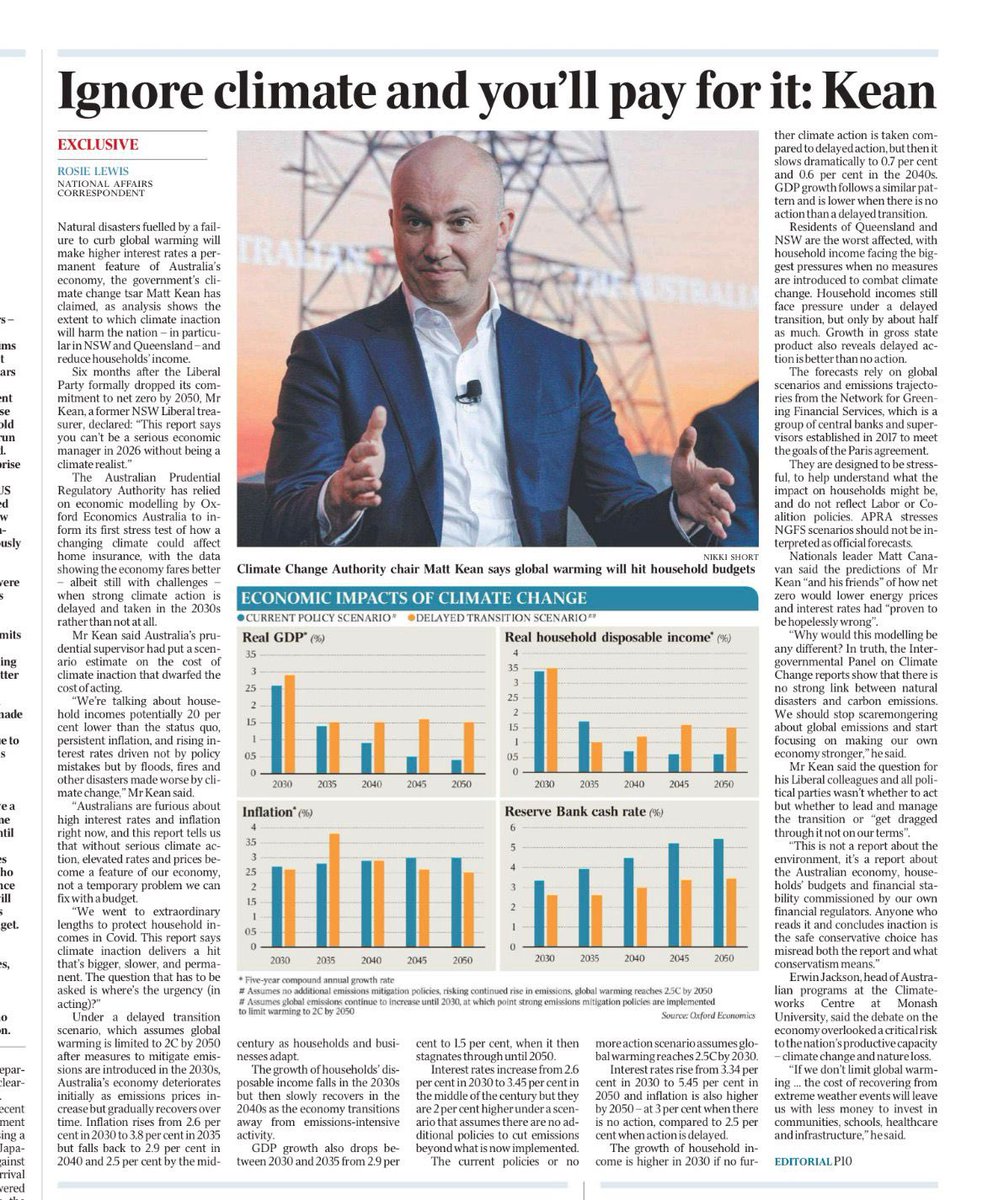
You can’t be a good economic manager in 2026 without being a climate realist.
APRA’s modelling is clear: climate inaction means household incomes up to 20% lower, persistent inflation & higher interest rates.
Ignore climate and you’ll pay for it. 🔥 theaustralian.com.au/nation/…
490
263
589
42,132
Tony Stephen retweeted

May 20
18.5k Australians have signed a petition for a new press regulator.
Australia also has one of the most concentrated media markets in the world.
Add your name to it here: getup.org.au/campaigns/media…
@hackinginquiry @HackedOffHugh
22
105
192
5,683
Tony Stephen retweeted

May 18
IS AUSTRALIA ABLE TO CHANGE?
Australian politics has been much ado about nothing for decades
Our oppositions have promised that their taxing and spending would more than 99% match those of the government they’re campaigning to replace
And why wouldn’t they? When oppositions did campaign on change (Hewson in 1993 and Shorten in 2019), they lost
And when government leaders proposed change (Rudd in 2010, Abbott in 2014), they also soon lost their job as PM
Meantime, next year will mark four decades since there has been a successful national referendum
Simply put, the Australian electorate loathes change, and so our politicians long stopped challenging us
(OK, the electorate allowed Australia to fight crises such as COVID and the GFC, but those crisis-fighting times were very much the exception)
So it was a break with the patterns of the past when the government’s budget and the opposition’s reply both promised changes
· The government aimed to plug holes in the tax system that allowed some people to cut their taxes in ways that aren’t open to most people
· And the opposition promised to stop the set-and-forget ability of the personal tax system to take an ever-rising share of our wage – the ‘inflation tax’
· There’s lots to like in both those proposals
I recommended personal tax indexation at the government’s reform summit a year ago. And although I think the failure to allow for ‘averaging’ in the government’s changes to capital gains is a big mistake, it is still true that the taxing of capital gains and of family trusts needed a lot of repair
But it isn’t the details of the proposals and counter-proposals that I want to focus on here
It is whether the next few weeks and months show that Australia can change
The post-budget polls are rumbling, and the punters are getting restless. They don’t like the changes to capital gains and negative gearing that have been announced
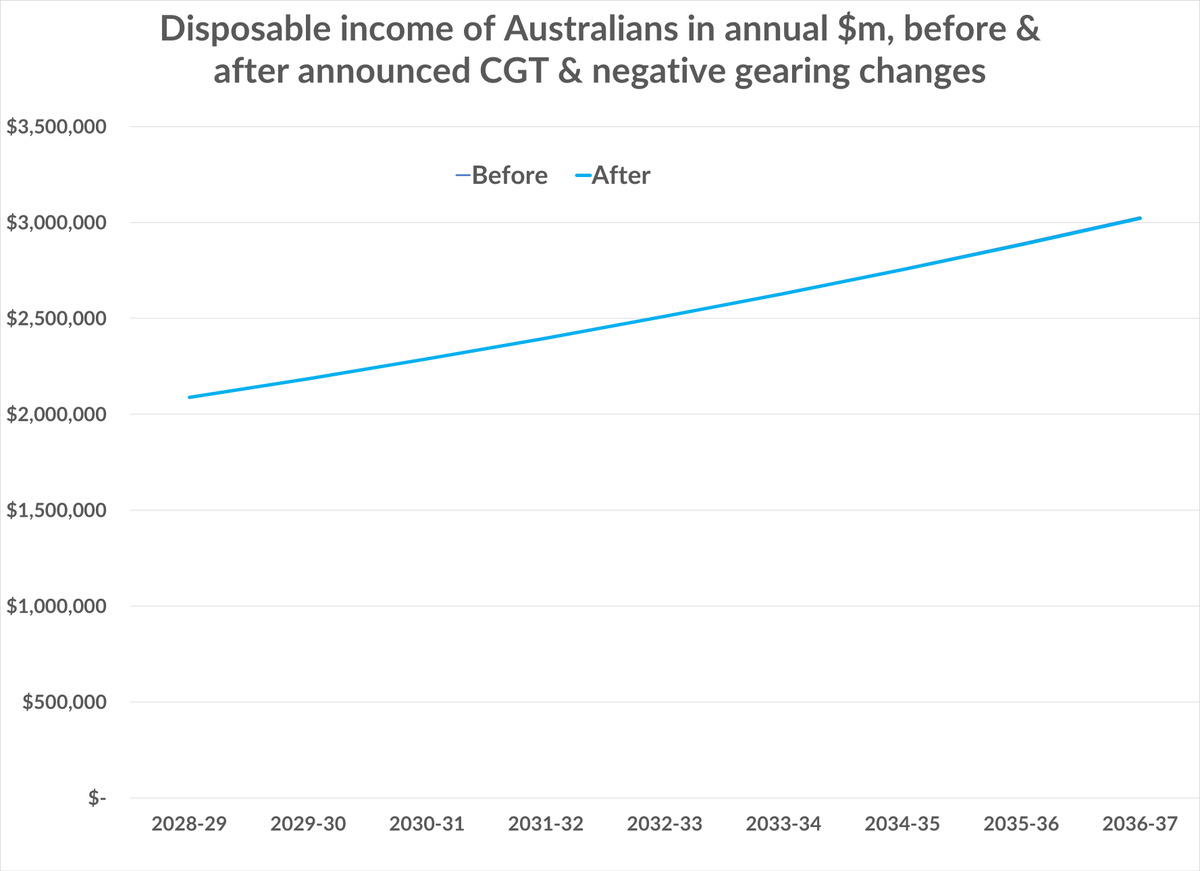
Yet the first chart shows two lines – the total disposable income of Australians before and after the government’s changes to CGT and negative gearing
(My forecasts of disposable income, and my allocations by year and type of Treasury’s tax forecasts)
For all the horror headlines, the before and after lines are indistinguishable
Ditto if you put it on a per person basis – the second chart below
You can see the difference in percentage terms – the last chart. A decade from now those tax changes are sufficient to reduce disposable incomes by one-fifth of one percent
And yet they dominate the national headlines
To repeat, Australia is terrible at change, and I wonder whether we will
So here’s a crazy thought. Even if you utterly hate these changes (I don’t 100% love them either), I think a part of you should hope that they get through
If they don’t, then I wonder about the long-term prospects of a nation that insists on staying stuck under the blankets
And I wonder just how big a crisis it’ll have to be before something large is finally allowed to change in Australia
36
51
171
24,131
May 12
Mark exposing how out of touch he is to say “Intergenerational equity is crap”.
1
35
Tony Stephen retweeted

May 7
The rule of law and the rights of citizens?
9
26
394
5,539
Tony Stephen retweeted

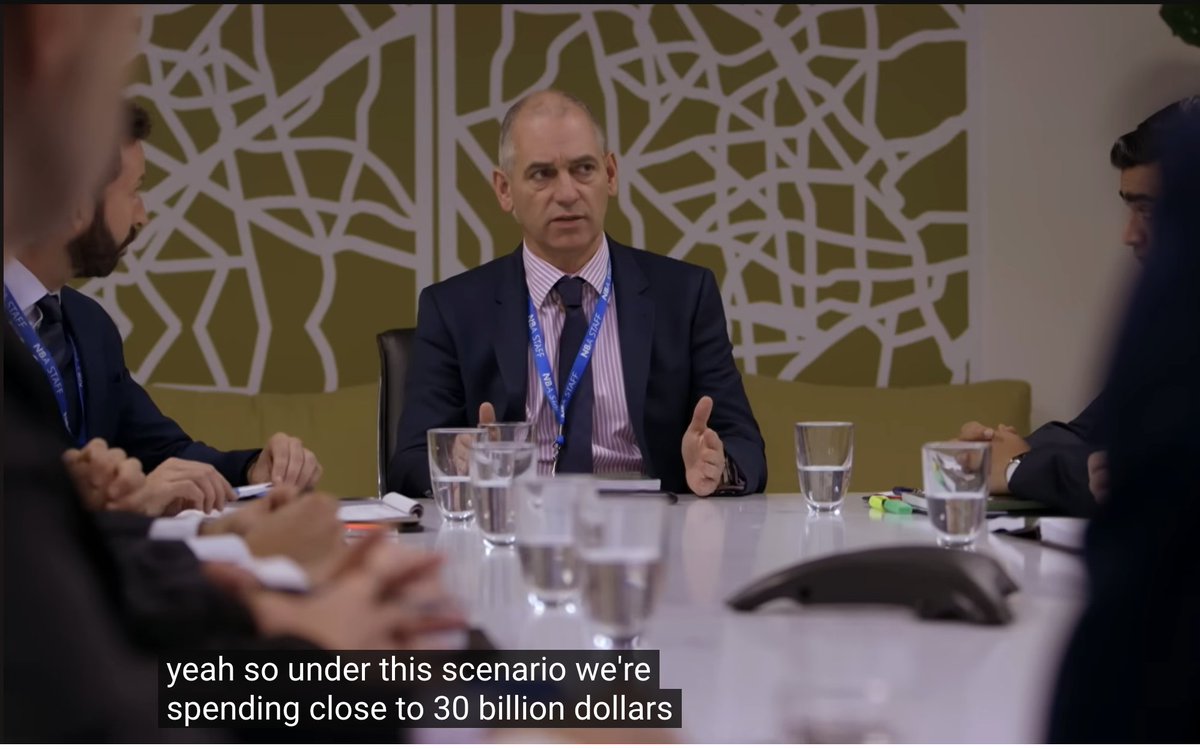
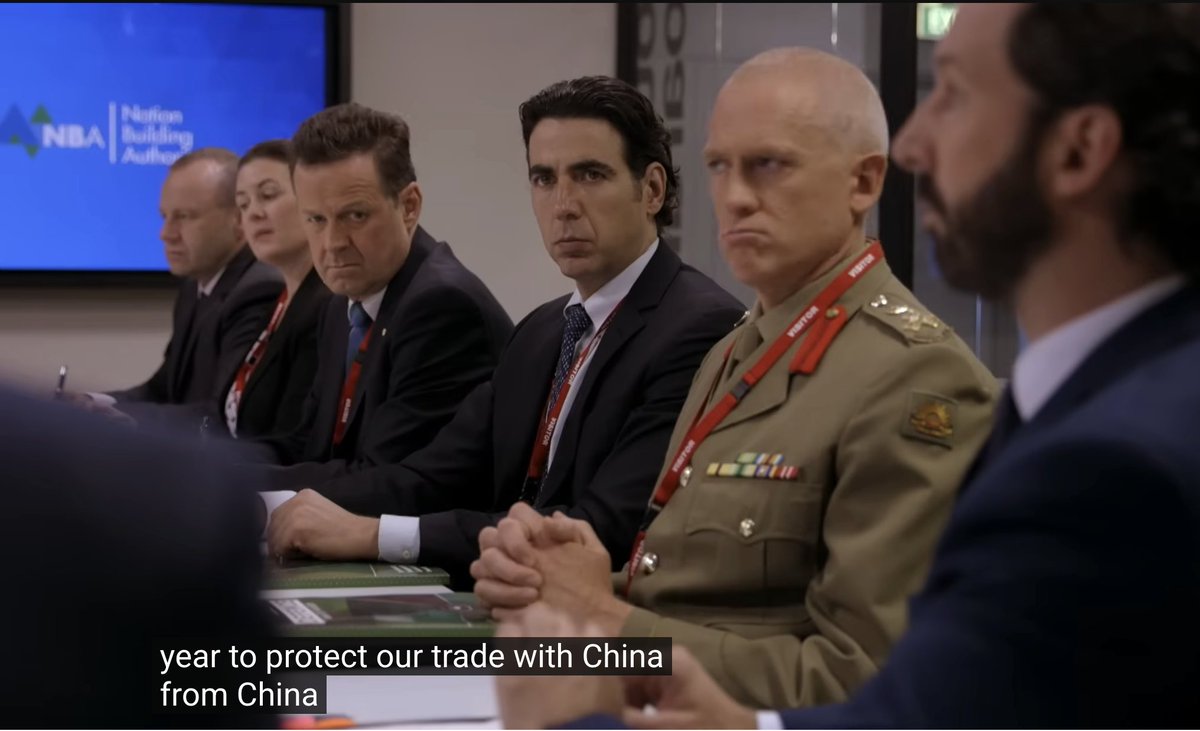
"We had to start a war in a foreign country so we could make the foreign country the same as it was before we started the war in the foreign country."
Even the writers of Utopia couldn't dream this shite up
.
32
439
1,376
9,339
Tony Stephen retweeted
May 5
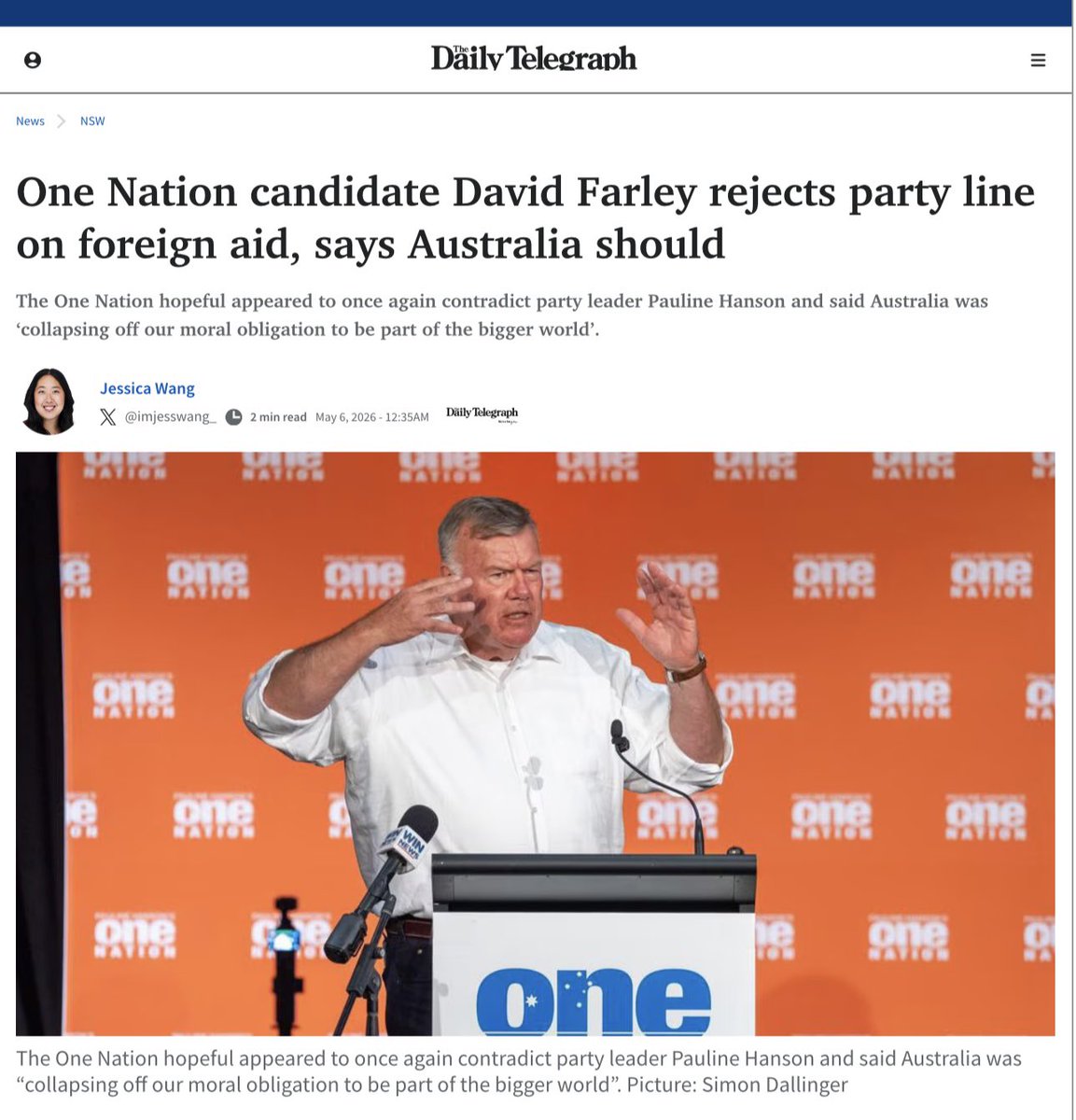
David Farley backed Michelle Milthorpe, donated to her campaign, considered Labor preselection, and doesn't agree with with One Nation’s core positions.
So why is he a One Nation Candidate?
Because it offers the one thing he apparently wants most: a path to Parliament.

#OneNation candidate #Farrer #DavidFarley said Australia is “collapsing off our moral obligation to be part of the bigger world” and should actively contribute to #foreignaid, in another clash with established policies
dailytelegraph.com.au/news/n…
archive.md/vT7Hf
17
112
233
9,980
Tony Stephen retweeted
May 4
Amelia calls herself a financial analyst.
A real one would know opex from capex, and that a $1m asset purchase is not reflected as a $1m operating loss. (like when you buy a house).
Lucky Amelia has a trust to fall back on. This analysis won’t pay anyone’s rent.
Embarrassing.
46
93
374
17,950
Tony Stephen retweeted
May 5
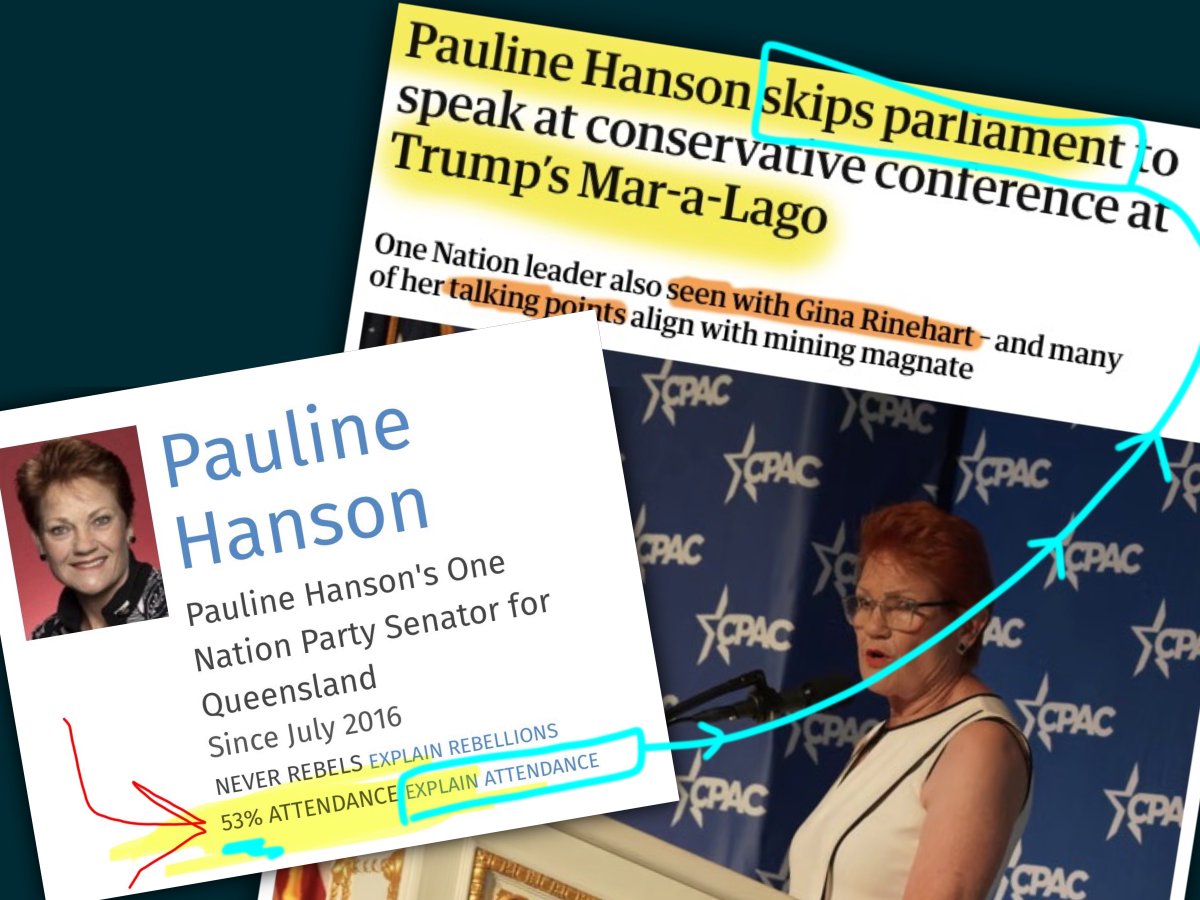
For everyone asking what Pauline Hanson does when she doesn't turn up to the job she's paid to do, ~50% of the time:
She's at Trump's Mar-a-Lago, with Gina.
The free plane doesn't come from turning up to work. It comes from missing work, to hang out with a mining billionaire.
40
185
432
5,983
Tony Stephen retweeted

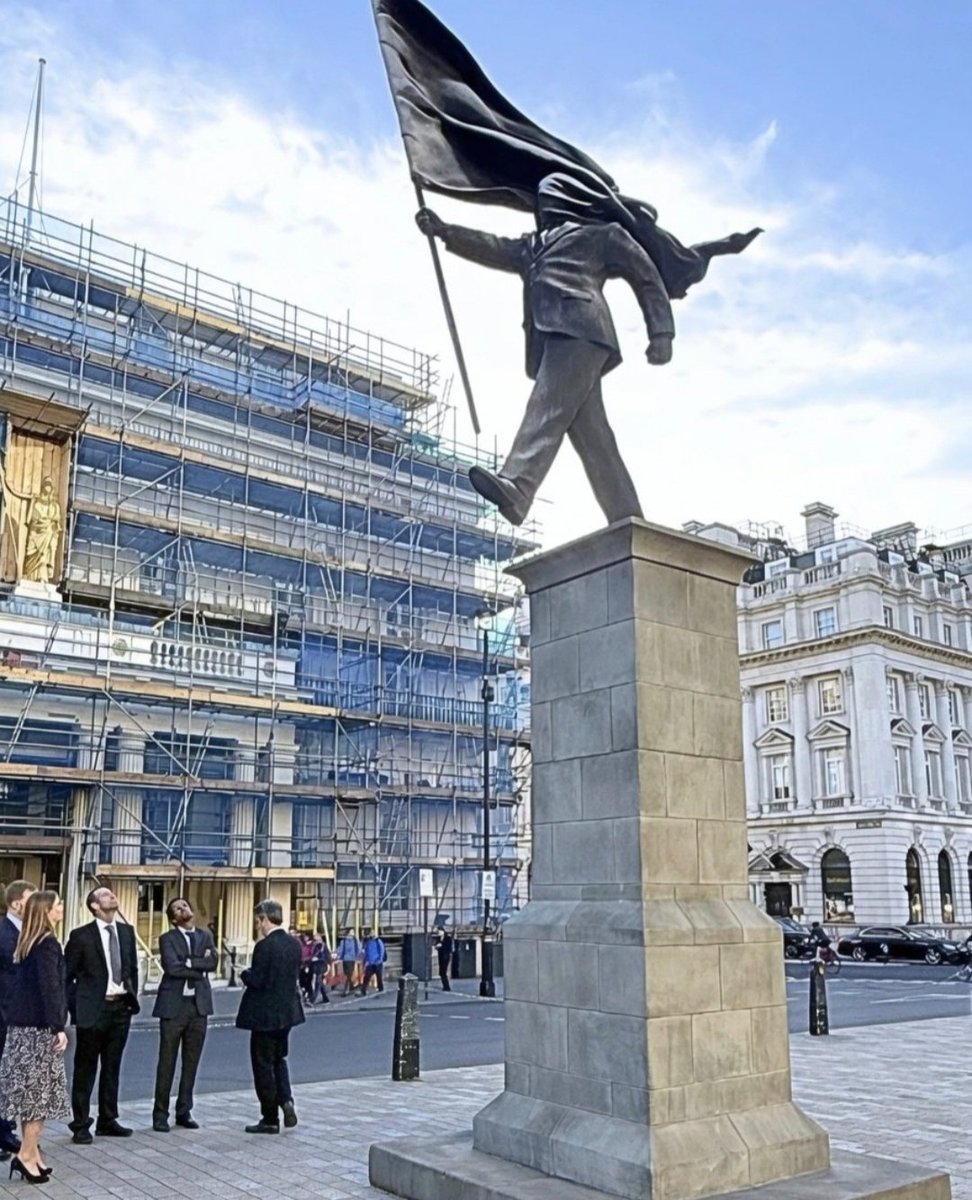
A man blinded by a flag about to step off into emptiness might be Banksy's best work ever.
1,181
10,700
68,171
1,123,865
Tony Stephen retweeted

Apr 30
Things that are easier to retain than One Nation MPs:
Baby teeth
New Year’s resolutions
Free trial subscribers
Kindergarten pet goldfish
Andrew Tate’s hairline
A Ford Raptor on a novated lease
Coalition primary votes
A bulk-billing GP
Gas industry royalties
NACC convictions
Helpful RBA rates decisions
Gambling ad bans
Lobbying reform
A cheap rental in a capital city
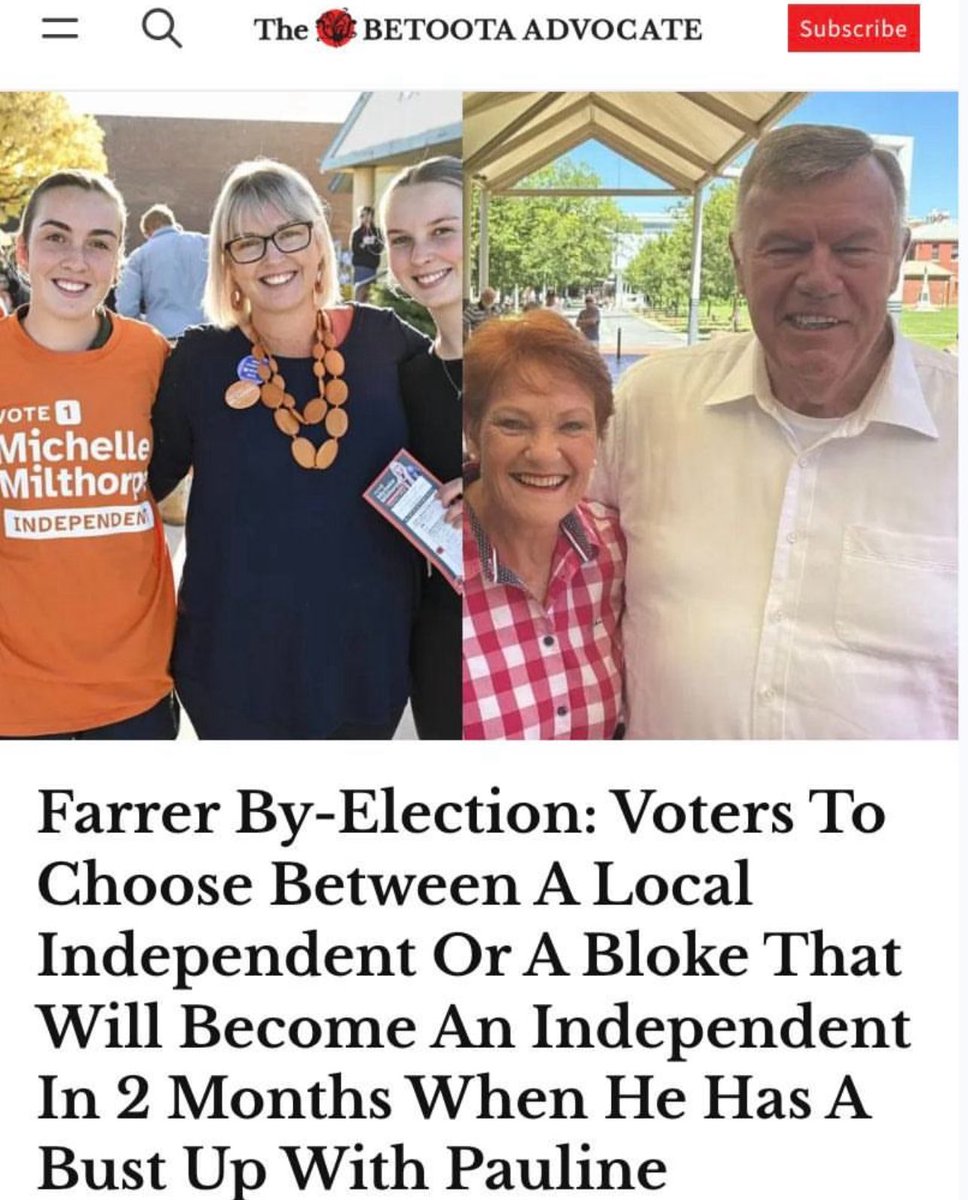
Apr 30

By my count: of the 29 people One Nation has ever had elected to an Australian parliament, only TWO so far hold the distinction of both making it to the end of their term, and never defecting.
(Even Hanson herself left One Nation in 2002.)
8
12
46
1,918
Tony Stephen retweeted
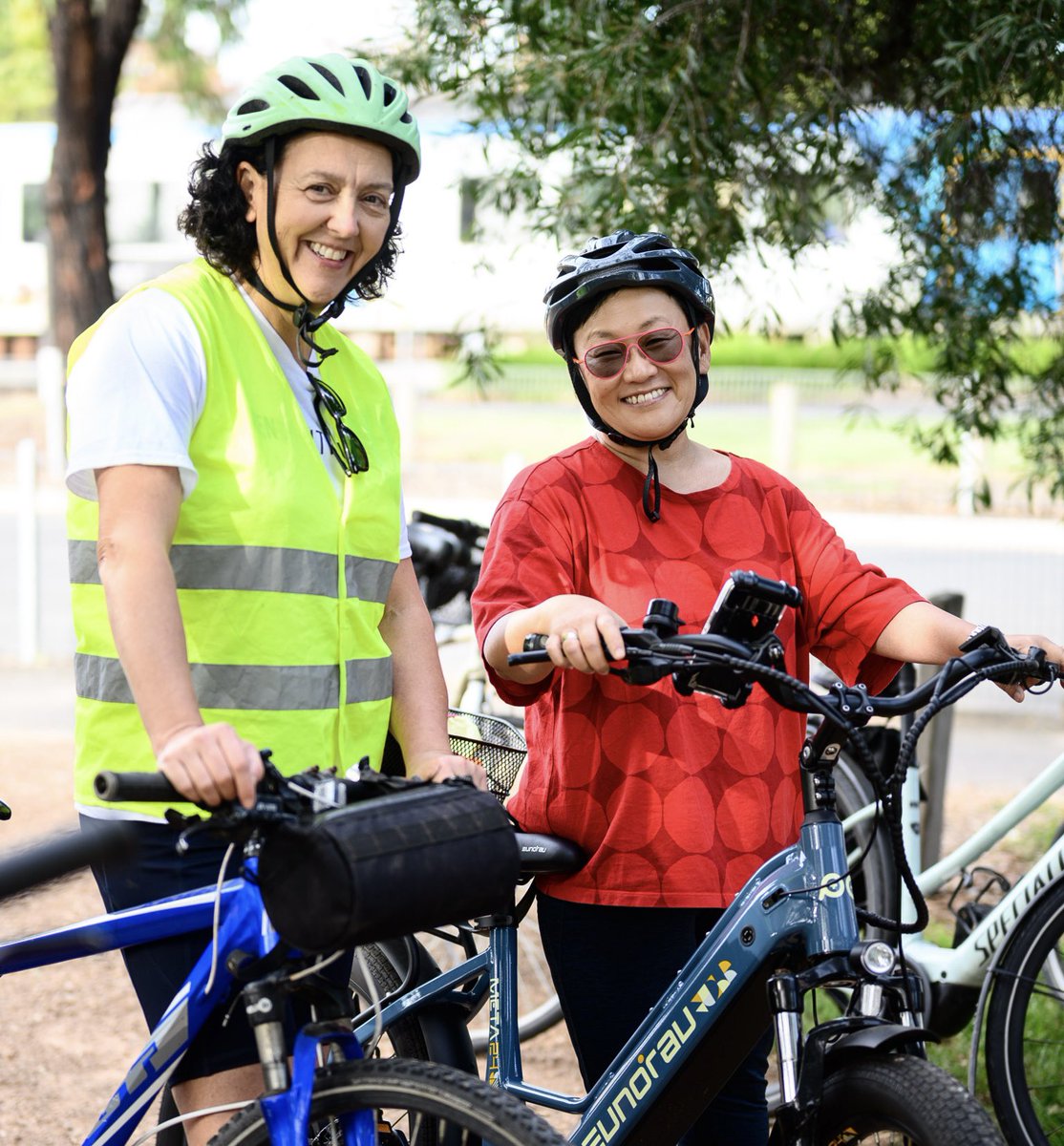
Hawthorn deserves a state representative who knows our community, listens deeply, and can fight for what matters most to us. Shima Ibuki is a long‑term local, now Deputy Mayor of Boroondara. Shima cares about of cost of living and housing - she supports local development that works with our community, not against it. She understands the importance of having safe, secure suburbs, and how much Hawthorn residents love their community.
20
19
60
3,116
Tony Stephen retweeted

Your reminder. Jillian Segal talks ‘togetherness’ while hubby funds ‘Advance's’ hate campaign against ‘Welcome to Country.’
afr.com/politics/federal/jil…
145
1,109
2,396
30,356