
India needs its own institutions that just don’t participate in AI — they shape it.
Joined May 2025
- Tweets 158
- Following 2
- Followers 1,122
- Likes 11
110 Photos and videos
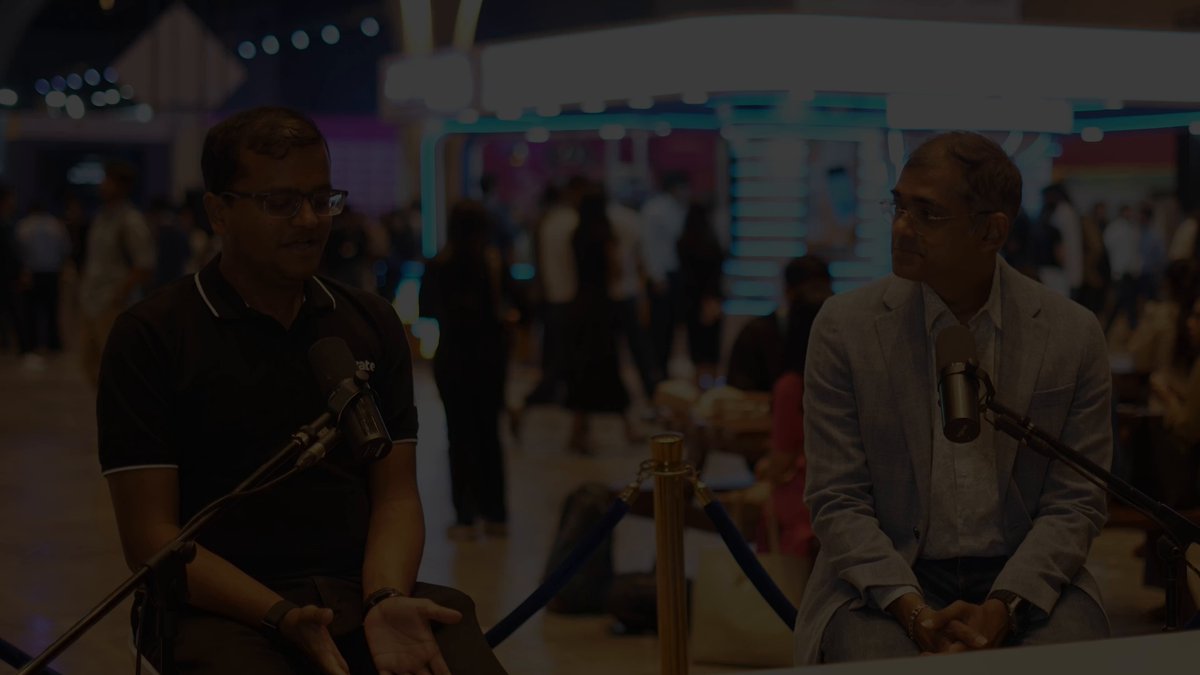

Jun 11
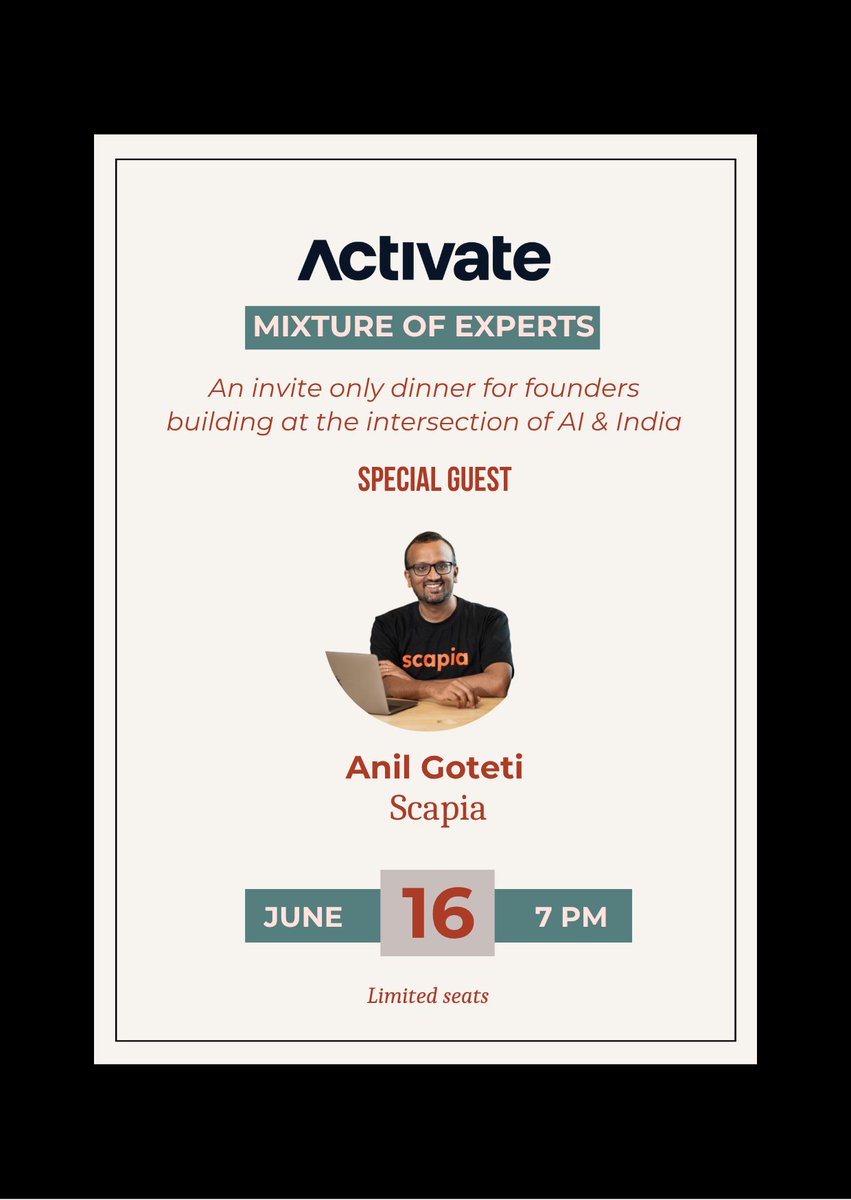
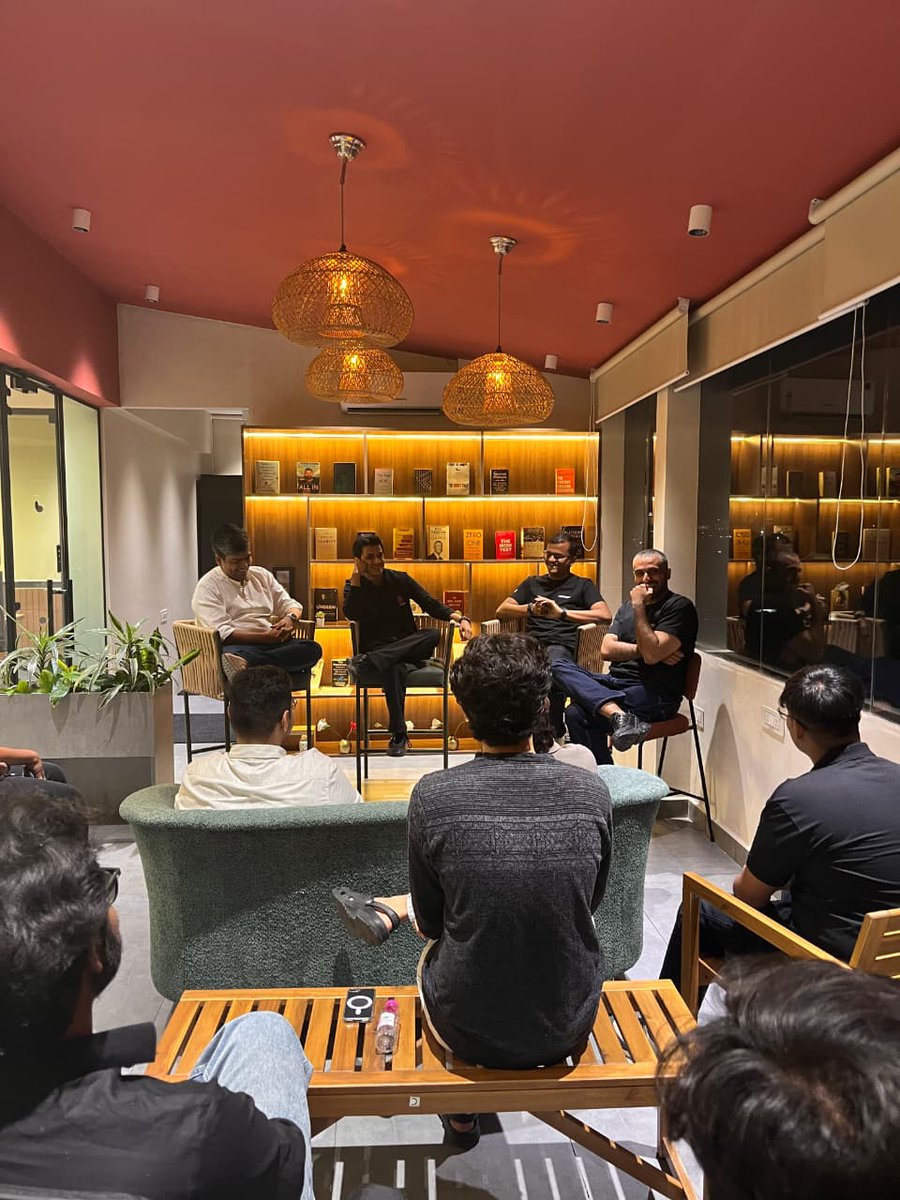
The next edition of Mixture of Experts is here.
We're bringing together operators, builders, and future founders for a private dinner with @anilgoteti (Founder, Scapia) to discuss opportunities across Consumer, Travel, and Fintech. And we have a few open slots for the wider community.
We believe great startups start long before there's a deck, a company, or even a fully formed idea. They start with someone obsessing over a customer problem, a market shift, or an opportunity others don't see.
If you're exploring an idea or thinking about starting up, register here - luma.com/ro0441ht
Know someone who should be in the room? Tag them below.
@aakrit @177pc @soaibgrewal
1
1
5
852
Jun 10
Today marks one of the most important milestones for Activate since we started.
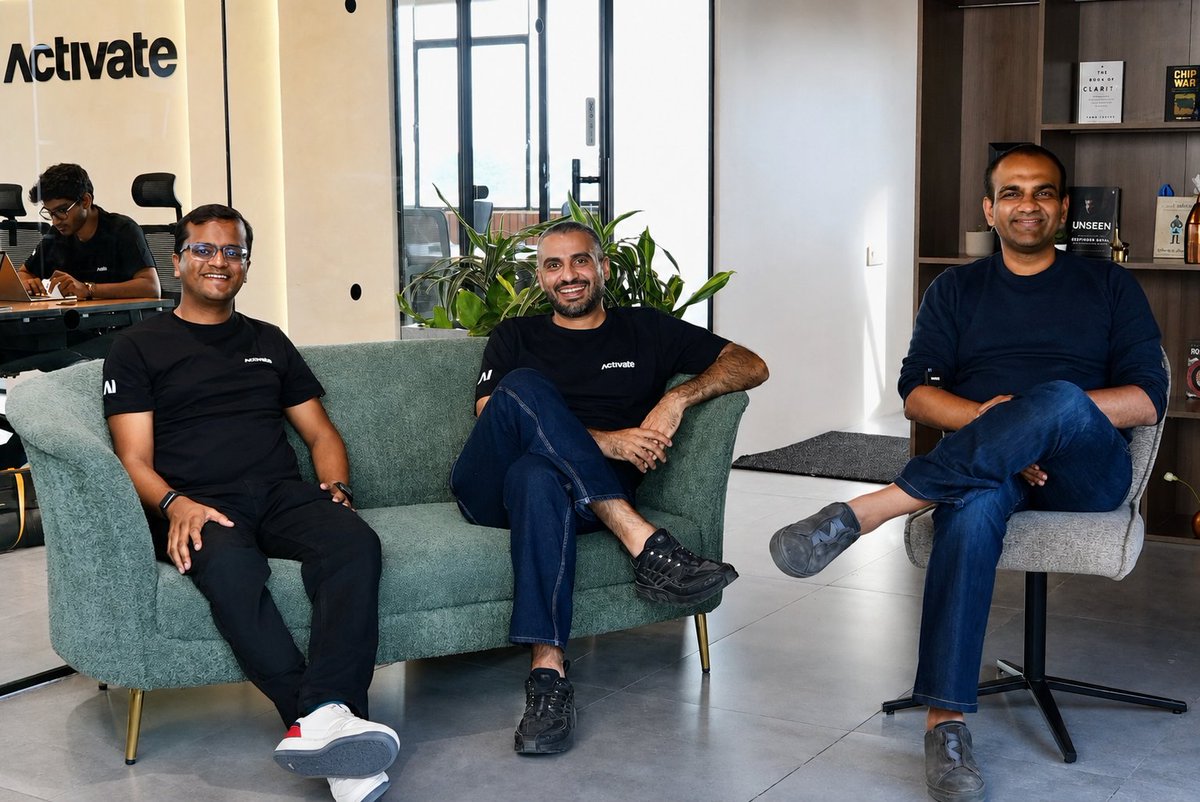
@soaibgrewal joins us as Partner & Head of Ecosystem, to work alongside our founders @aakrit & @177pc in building India's AI landscape.
With 15 years of experience as a founder, operator, investor, designer, and ecosystem builder, Soaib has spent his career helping ambitious founders build ambitious companies.
His journey spans Peercheque, T Ventures, Times Internet, 500 Startups, and BOLD, along with backing some of India's most iconic consumer tech startups. With Plaza, Soaib founded a cross border US-India startup enabling brands to get the most out of social commerce.
As Activate continues to build the platform for the next generation of AI founders, Soaib will lead our ecosystem efforts while also working closely on investments and company-building from day zero.
Welcome aboard, Soaib ⚡
5
44
8,167
Jun 9
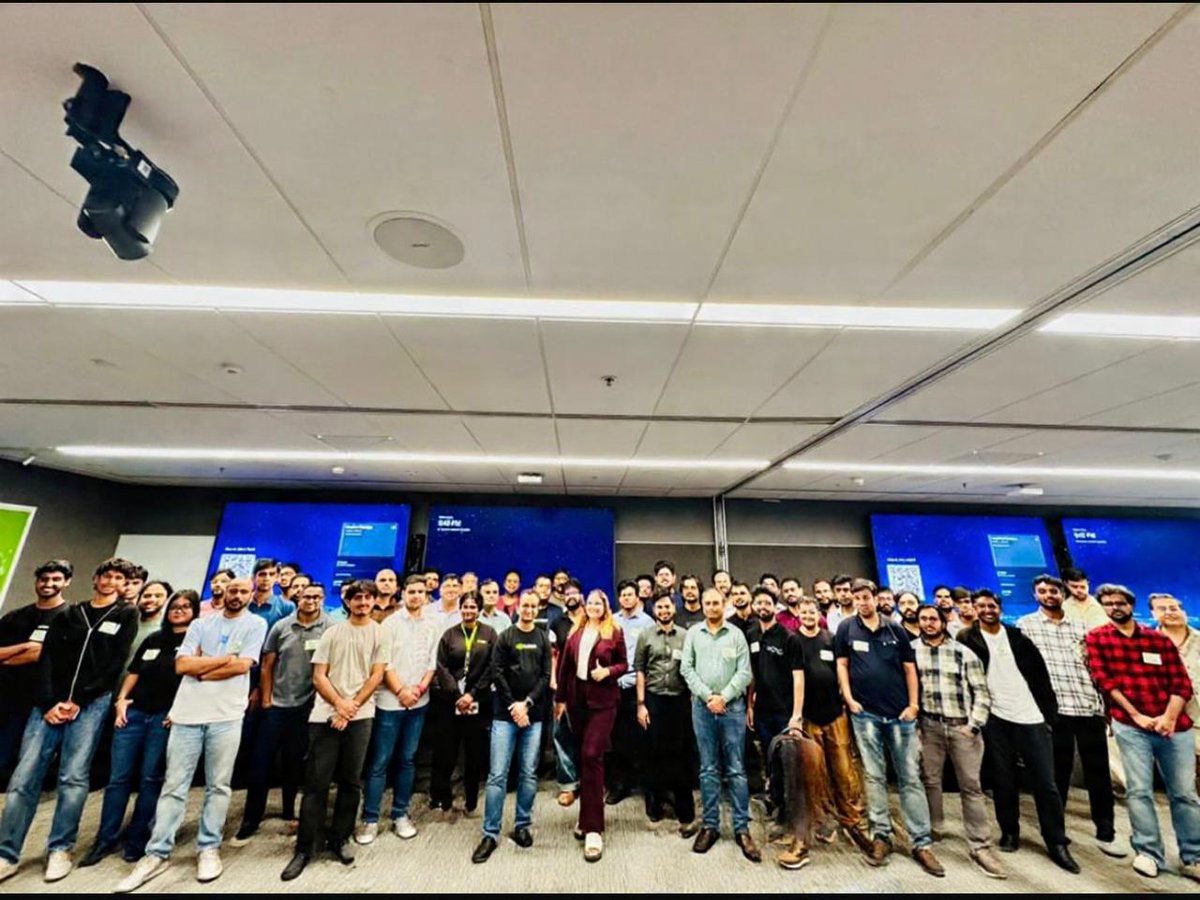
100 AI-native startups. One room. Plenty of ideas. 🚀
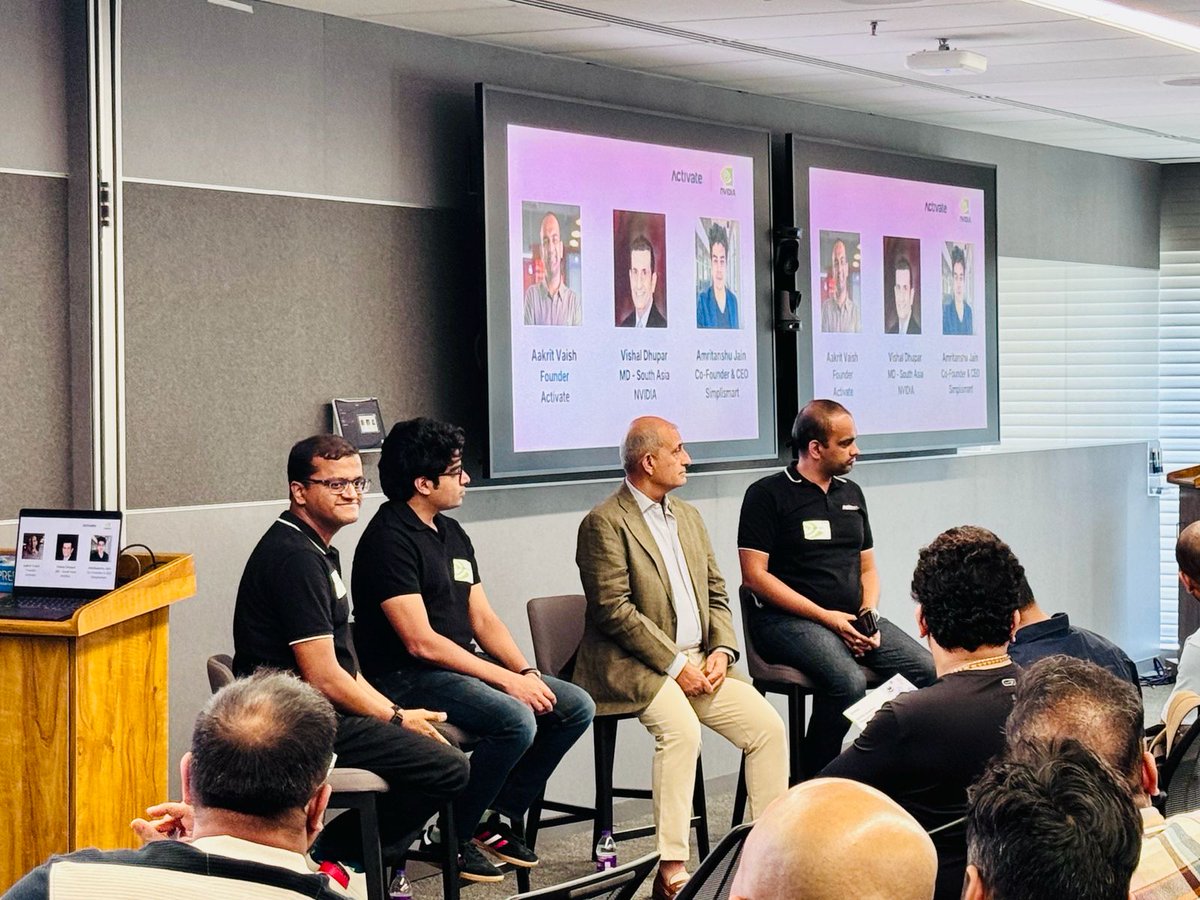
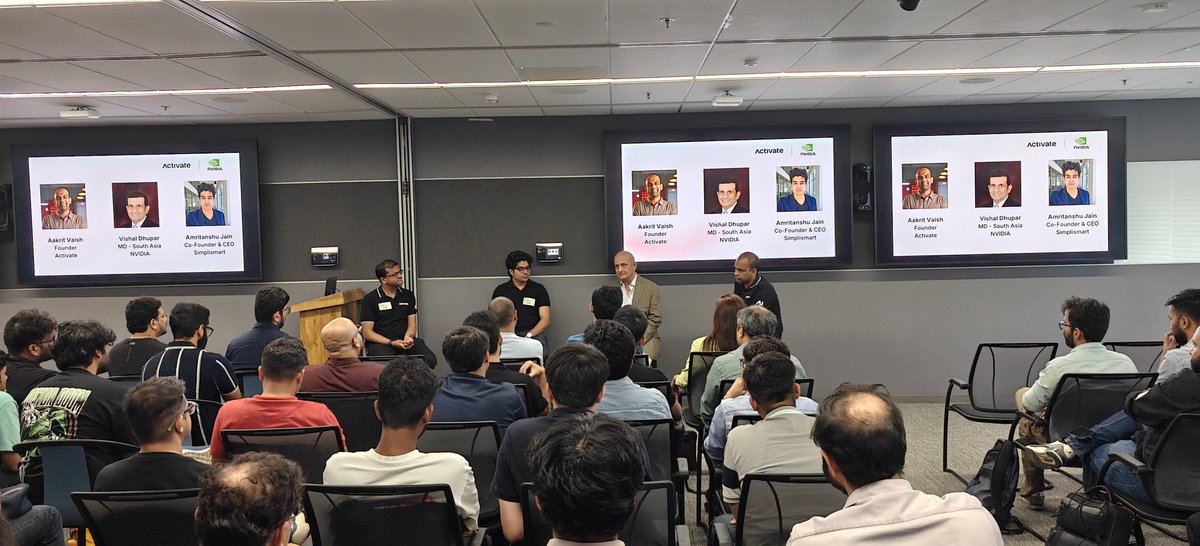
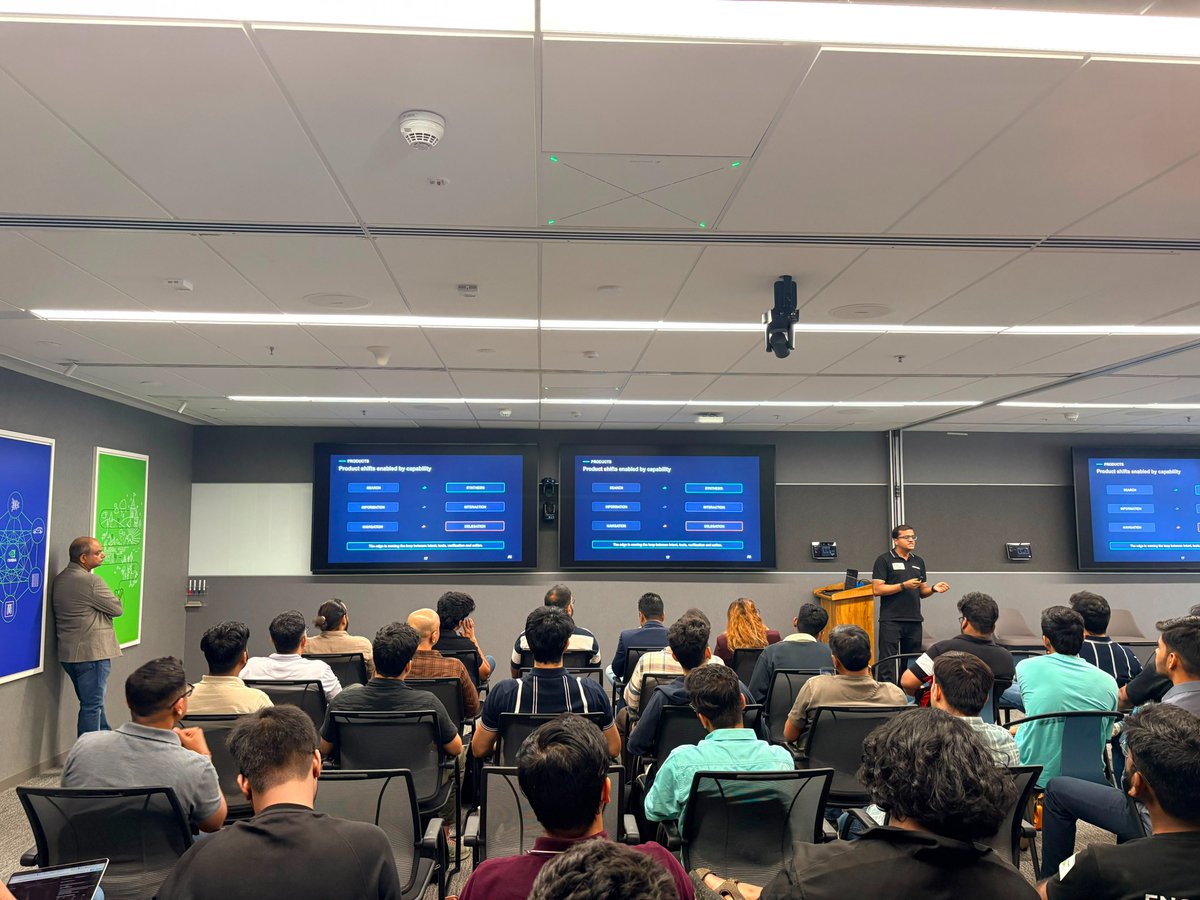
Last week, we partnered with @nvidia to bring together some of India’s most promising AI founders for an evening of insights, conversations, and community.
The evening kicked off with @177pc 's session on Physics, Economics, and Products of AI, followed by NVIDIA sharing how the Inception program supports founders with technology, technical expertise, and ecosystem support.
We also hosted a panel featuring @vishaldhupar, @aakrit, @177pc, and @amritanshu_jain, exploring what it takes to build and back AI startups in a rapidly evolving landscape.
The best part? Founders connecting with founders. Sharing what they're building, exchanging ideas, and discussing the future of AI in India.
@tobiashalloran @kavitaaroor Unnikrishnan A R @arundhati1504
10
364
Jun 8
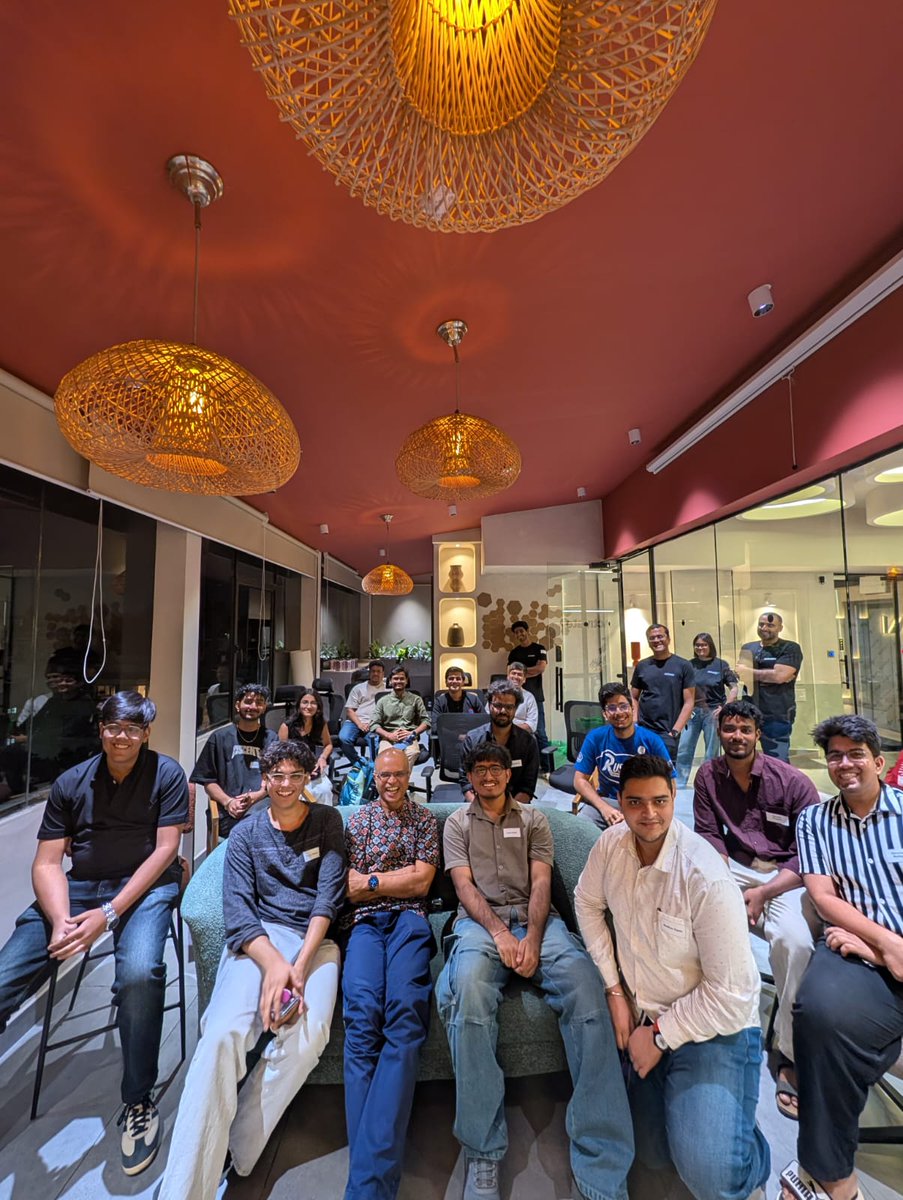
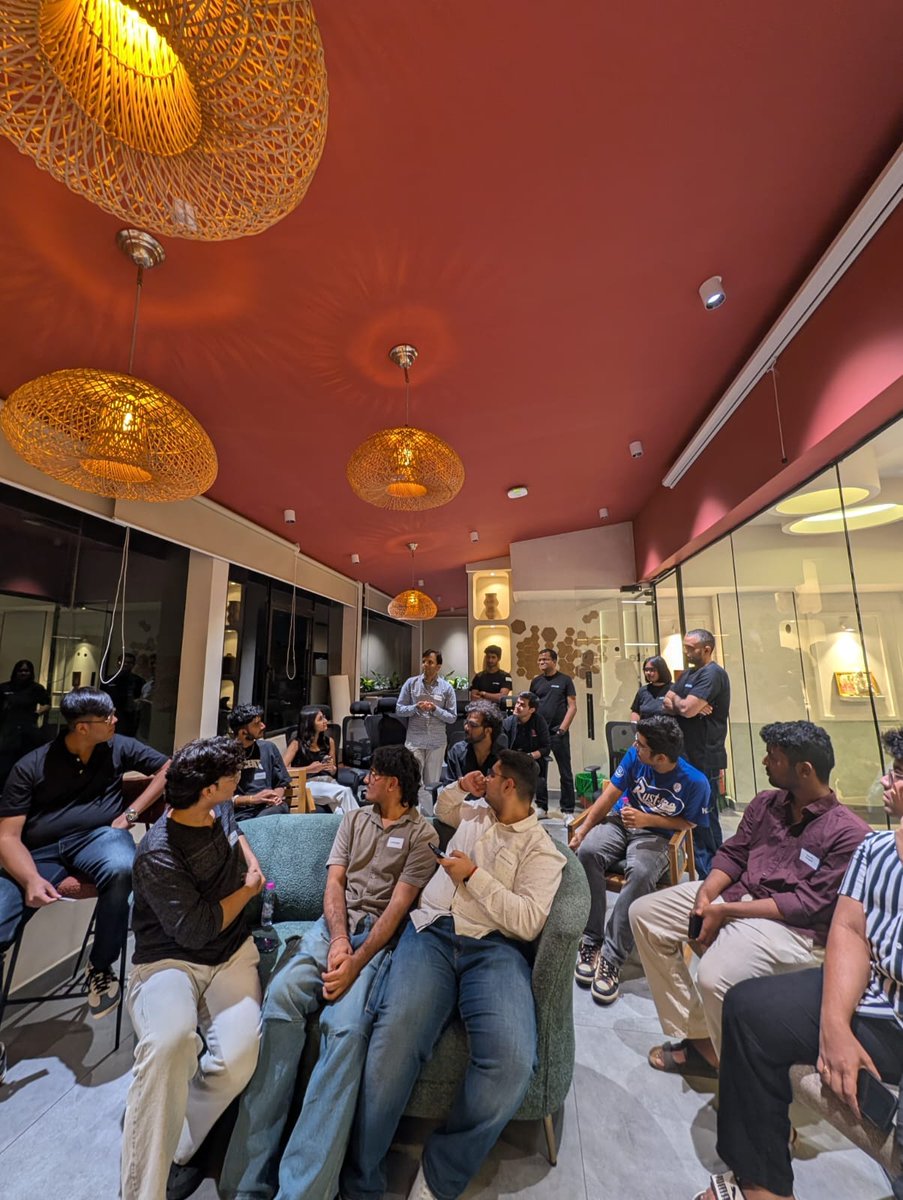
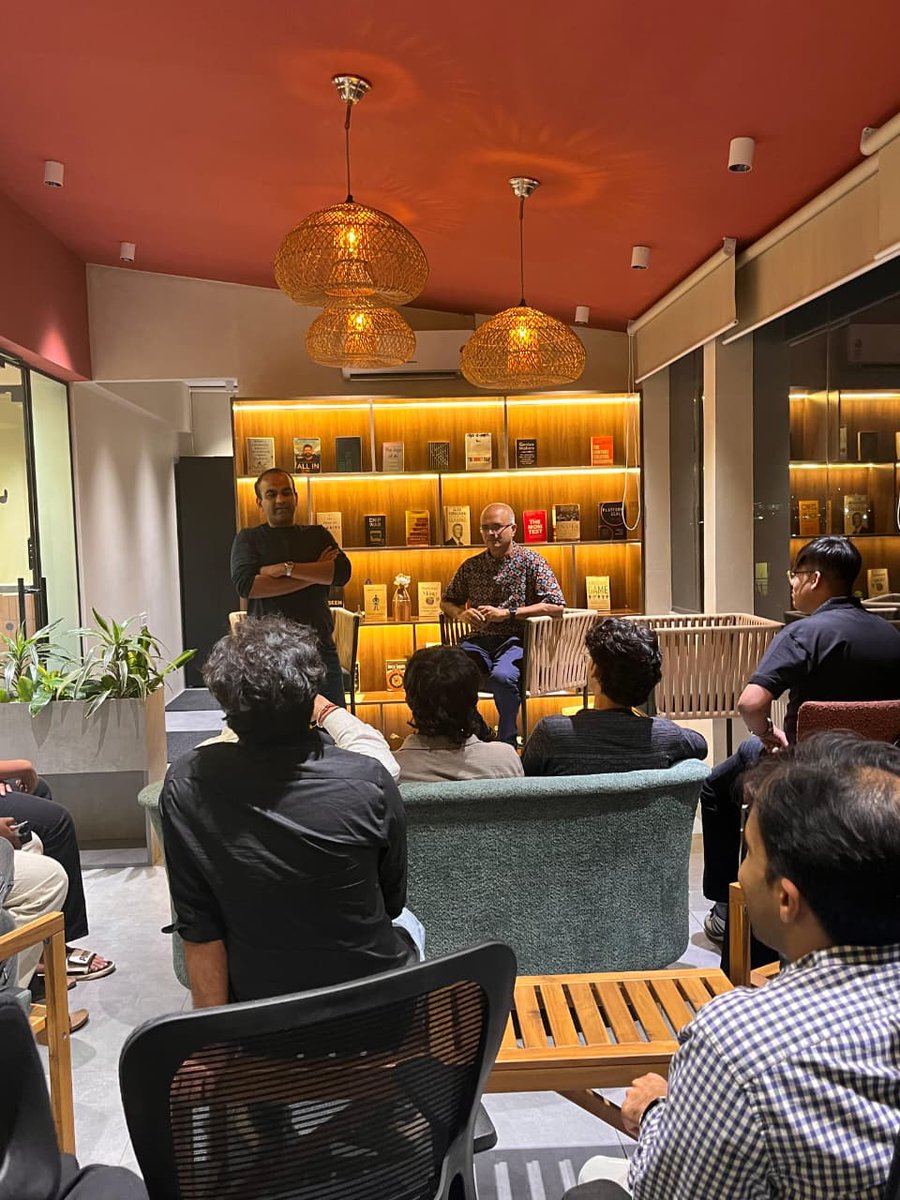
Last week, we kicked off the Activate Fellows Program with an evening of conversations, curiosity, and community.
We started with a fireside chat featuring our mentor @SriramRajamani, followed by a panel with:
• @dementorSam (Co-founder & CTO, Dashverse)
• @DevanshGhatak (Co-founder & CTO, Simplismart)
• @177pc (Partner, Activate)
• @GarvitJuniwal (Head of R&D, Glean)
From building AI startups to navigating early-stage growth and venture capital, the discussions were packed with insights.
The real highlight, though, was meeting our Fellows, their thoughtful introductions and sharp questions made it clear that this is an exceptional cohort.
A great evening of learning, networking, and pizza. Excited for what the next few months have in store.
@aakrit @177pc
1
3
14
2,601
Jun 6
Vedang Patel, Co-founder of The Souled Store, sits down with Pratyush Choudhury at Mumbai Tech Week for a candid conversation on building one of India's most recognizable pop-culture brands over 13 years, and what it has taught him about the Indian consumer. Starting at 23 with a cupboard of t-shirts and a garage, Vedang has scaled The Souled Store across 30 to 40 cities while navigating every wave of Indian retail, from the arrival of COD to online, omni-channel, and now quick commerce. His core lesson: you can't build a business by chasing trends, you just have to be where the consumer is.
Timestamps:
0:00 What The Souled Store is and the 13-year journey
1:28 Why you can't build on trends: the VC advice that flipped
4:07 What's changed in how Indian youth shop
5:10 Inventory management and the problem with fashion quick commerce
6:53 Online vs offline and why you can go more niche online
7:55 How The Souled Store uses AI internally
9:15 AI support agents and why customers don't realize it's AI
10:14 Token-maxing and the honest reality of AI adoption
If you're a founder, builder or operator thinking about consumer brands, retail, or the Indian consumer, this one's for you.
@thesouledstore @aakrit @177pc
3
405
Jun 6
Syed Adil, who leads India growth at Replit, sits down with Pratyush Choudhury at Mumbai Tech Week to talk about why India has quietly become Replit's second-biggest market with no marketing or GTM, and how AI has turned software creation into something anyone can do. Now a complete agentic software-creation platform after a decade as an online IDE and code-completion tool, Replit lets founders, enterprises and small businesses build everything from websites to internal tools without a large engineering team. Adil's core message to aspiring founders: for under ₹5,000 you can ship a working, deployed prototype, so there's no excuse left not to build.
In this conversation, they go deep on:
0:00 Why Replit is at Mumbai Tech Week
0:50 What Replit is and its 10-year journey to an agentic platform
1:58 Why India is Replit's second-biggest market
3:12 Surprising India use cases and tier-2/3 adoption
4:42 Replit's India plans and how to get involved
5:30 Credits for the audience and how to start on Replit
6:03 Parting advice for first-time founders
If you're a founder, builder or operator thinking about AI, no-code building, or shipping fast in India, this one's for you. @Replit @177pc @aakrit
2
8
829
Jun 5
Khilan Haria, Chief Product Officer at Razorpay, sits down with Pratyush Choudhury at Mumbai Tech Week to break down how AI will reshape commerce in India and why the country is positioned to leapfrog the rest of the world. Haria lays out the real opportunity: only 30 to 50 million Indians actively shop online today, and AI could finally bring the next 100 million into digital commerce by making the experience feel as natural and unintimidating as shopping in a store. He also goes candid on how Razorpay is rebuilding itself internally as an AI-native company, including the bold call to rethink mid-management in his own team.
In this conversation, they go deep on:
0:00 How many Indians actually shop online, and the next 100 million
2:16 Breaking down the commerce stack and agentic commerce
2:53 The three dimensions: conversational, voice, and autonomous commerce
4:23 Why some users aren't shopping online: trust, access, and intimidation
5:51 Making online discovery feel like the in-store experience
7:01 What Razorpay is doing to become an AI-native company
8:55 Friday show-and-tells and the AI help channel
10:14 Cutting mid-management and making AI non-optional
11:09 Token-maxing: is the ROI real?
12:33 Parting advice for AI founders
If you're a founder, builder or operator thinking about AI, commerce, or building for the next hundred million Indian consumers, this one's for you. @Razorpay @khilanharia @aakrit @177pc
6
394
Jun 5
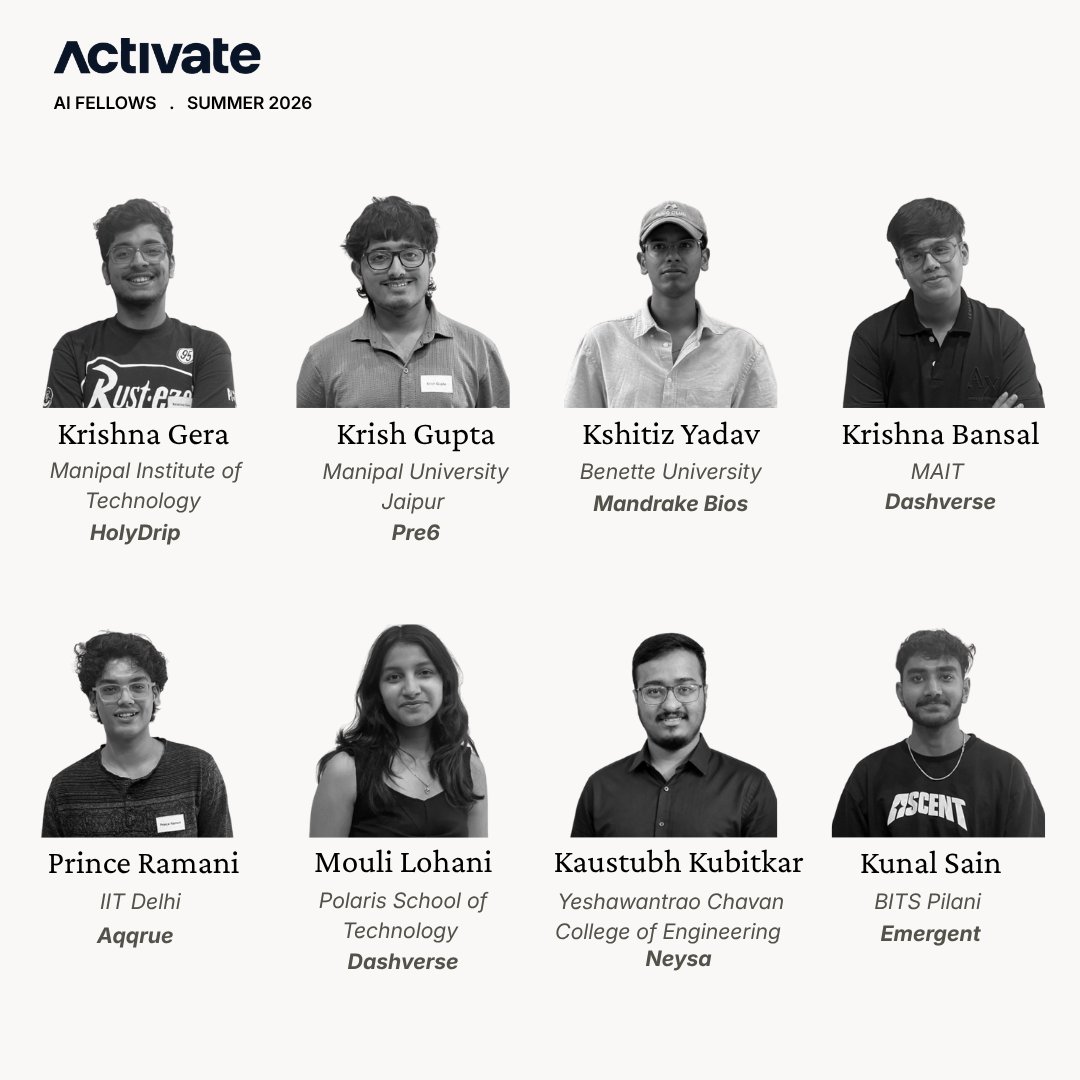
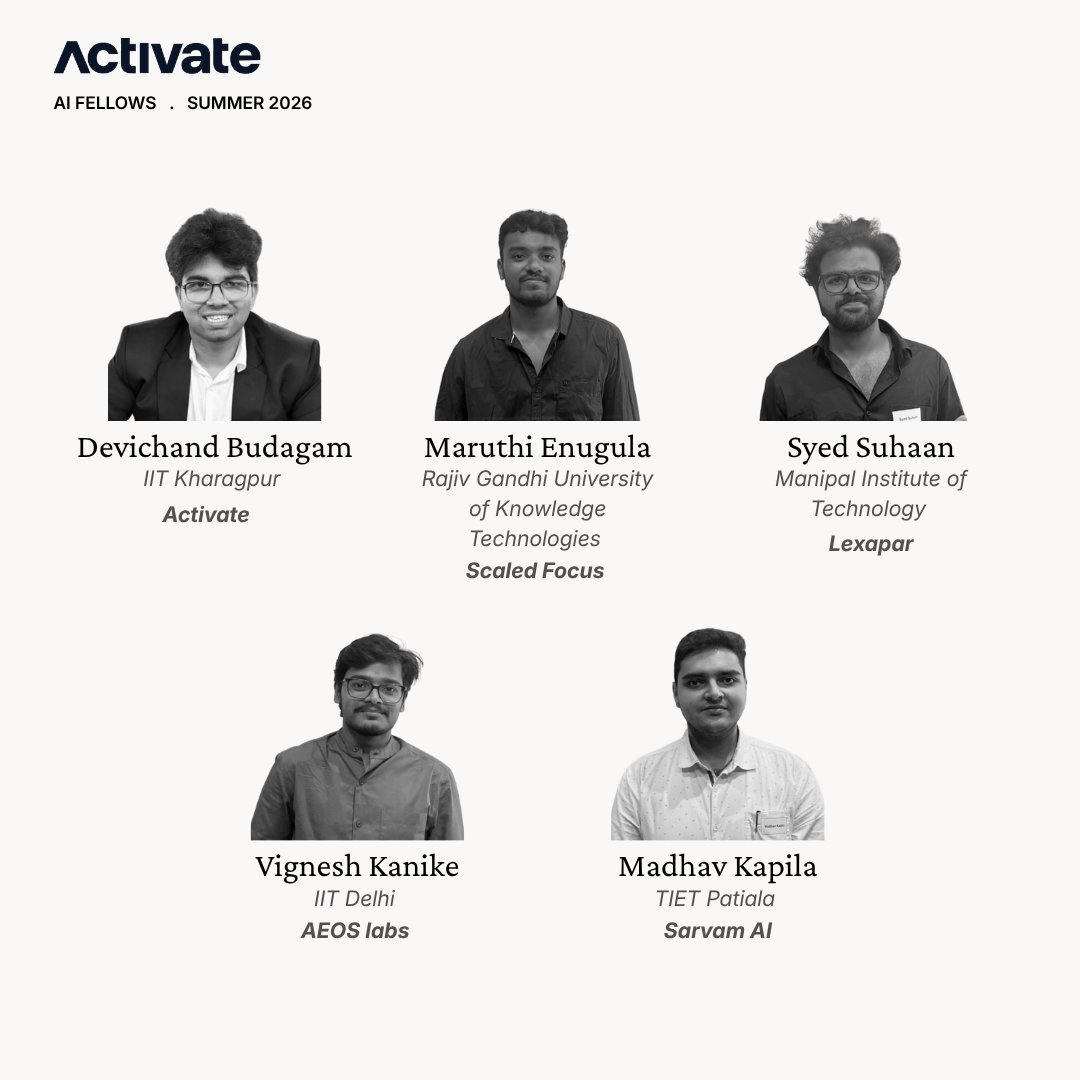
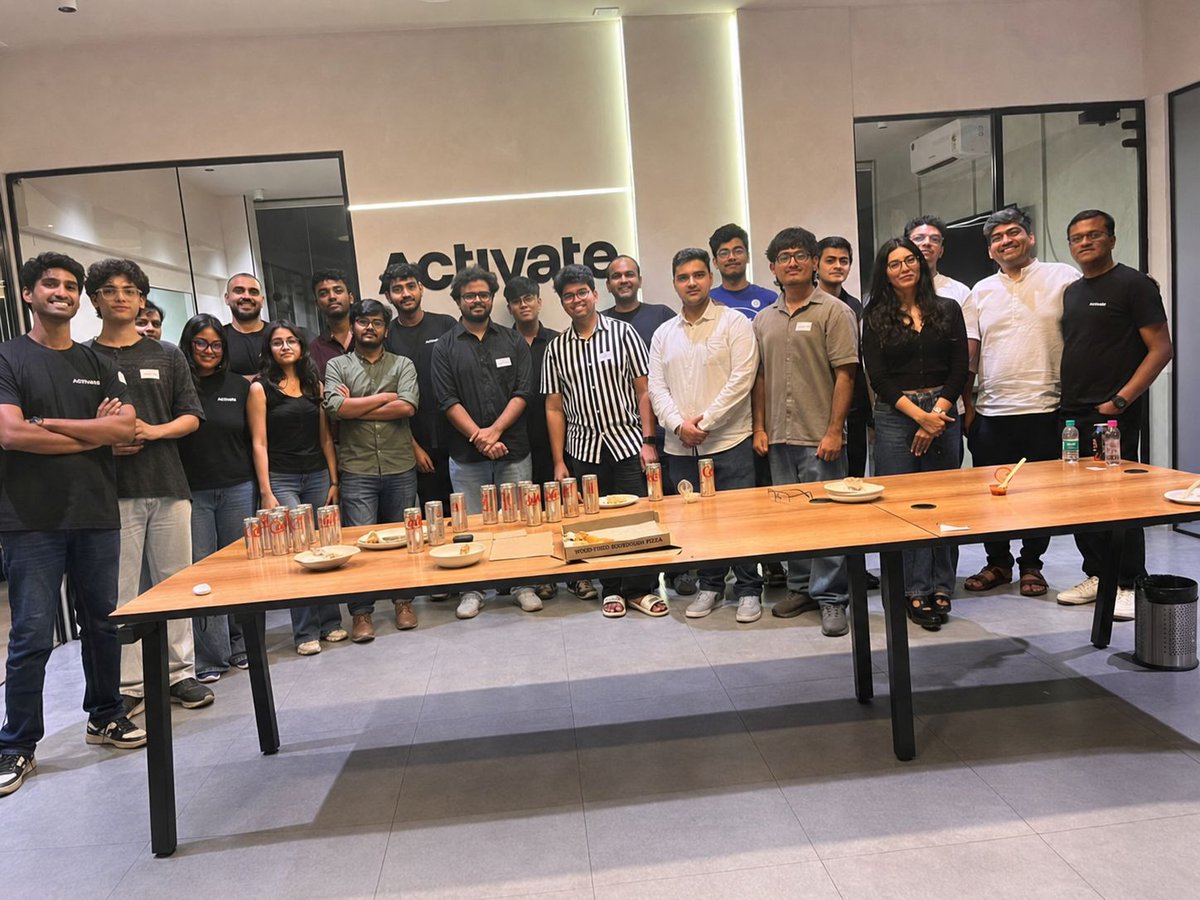
Introducing the Activate AI Fellows – Summer 2026 Cohort 🚀
After reviewing 600 applications from students and builders across the country, we're excited to welcome the first cohort of 14 Activate AI Fellows.
Over the summer, these fellows will work alongside some of the most ambitious AI startups in India, gaining hands-on experience across engineering, research, product, and applied AI while contributing to real-world problems.
Congratulations to our inaugural cohort:
1
33
1,513
Jun 5
- Syed Suhaan, Manipal Institute of Technology, Lexapar
- Vignesh Kanike, IIT Delhi, AEOS Group
- Madhav Kapila, TIET Patiala, @SarvamAI
- Akhilesh Chandra, Shri Jai Narain Mishra PG College, @Deccan_AI
2
2
141
Jun 4
Rajesh Magow, Co-founder and Group CEO of MakeMyTrip, sits down with Pratyush Choudhury at Mumbai Tech Week to break down how India's most-used travel platform is rebuilding itself as an AI-native company. Magow makes the case that MakeMyTrip has always been a tech company that happens to be in travel, and that going AI-native is a company-wide mindset shift, not an incremental upgrade. Rather than fearing that ChatGPT or Google will eat the top of the funnel, he argues conversational AI is actually an opportunity for travel platforms to finally own discovery and trip planning, not just booking.
In this conversation, they go deep on:
0:00 Intro: what MakeMyTrip does today
2:01 Why MakeMyTrip is becoming an AI-native company
3:19 Serving Gen Z, millennials and seniors on one platform
7:28 Is MakeMyTrip worried about losing intent to ChatGPT and Google?
9:20 Why travel is a high-involvement purchase
10:10 The destination wedding opportunity
11:57 Token-maxing, AI ROI, and spending discipline
13:58 Parting advice for AI founders
If you're a founder, builder or operator thinking about AI, consumer products, or building for the Indian traveler, this one's for you.
@aakrit @makemytrip @Rajesh_Magow @177pc
1
2
311
Jun 4
Sharad Sanghi, Founder and CEO of Neysa and the entrepreneur who earlier built Netmagic into India's largest data center company, sits down with Aakrit Vaish and Pratyush Choudhury at Mumbai Tech Week to break down the real state of AI compute in India. Neysa runs an AI cloud acceleration platform offering bare metal clusters, platform-as-a-service, and model-as-a-service, and Sharad makes a sharp case that India's compute challenge isn't supply but cost and capacity. He walks through how Neysa differentiates from hyperscalers like AWS and Google, where the GPU numbers actually stand, and what founders can realistically get today.
Timestamps:
0:00 Intro: Mumbai Tech Week and what Neysa does
2:06 The three services: bare metal, platform, and model-as-a-service
2:48 Bare metal vs platform vs model, explained
3:58 Inference-as-a-service and the workspace offerings
5:29 How Neysa differentiates from AWS and Google
6:15 Explaining the difference to a customer: the private bank example
8:00 Who's using Neysa: enterprise, startups, government, research
10:24 Why global companies want to come to India
11:19 India's real compute problem: cost, not supply
13:15 The GPU math: 60,000 today, 2 million in five years
14:28 How the Neysa team is structured across cities
16:15 Where a startup should start, and the startup program
17:32 Max capacity: from a few hundred to 1,000 GPUs
20:20 Why large-capacity buyers should commit long-term
If you're a founder, builder or operator thinking about AI infrastructure, GPUs, or building at scale in India, this one's for you.
@sharad_sanghi @aakrit @177pc
9
703
Jun 3
Ravindra Yadav, Senior Director of Data Science at Meesho, sits down with Varun Mayya and Pratyush Choudhury at Mumbai Tech Week to break down how one of India's most distinctly Bharat-first companies is rebuilding e-commerce around how people actually shop. With 264 million annual transacting users who browse rather than search, Meesho's challenge isn't adding AI for its own sake, it's making shopping feel as natural as walking into a kirana store. Ravindra unpacks the insight behind Vani, Meesho's multimodal voice assistant, and the on-ground research that revealed a striking truth: nearly 80% of new e-commerce users make their first purchase on someone else's account because the interfaces were never built for them.
In this conversation, they go deep on:
0:00 How Meesho gets users: organic vs influencer channels
1:08 Why Meesho users are browsing-first, not search-first
1:32 Where AI sits in the Meesho stack
2:04 The vision behind Vani: a virtual kirana you can talk to
2:42 DICE and the on-ground insights that shaped Vani
4:04 Why 80% of new users buy on someone else's account
5:00 Making offline shopping behavior internet-native
5:31 How Vani's multimodal voice and visual understanding works
6:39 Building trust in a brand-new shopping modality
If you're a founder, builder or data scientist thinking about AI, voice interfaces, or building for the next few hundred million Indian shoppers, this one's for you.
@aakrit @waitin4agi_ @177pc @Meesho_Official
1
4
648
Jun 3
Arun Srinivas, Managing Director and Head of Meta in India, sits down with Varun Mayya and Pratyush Choudhury at Mumbai Tech Week to break down how Indians actually buy, and where AI and creators fit into it. With nearly three decades spanning FMCG at Hindustan Unilever and now leading Meta's India business, Arun has watched consumption shift from the Doordarshan era to a moment where a viewer in Kanpur follows the same creators and reels as one in Mumbai. He makes the case that the metro versus small-town divide is collapsing, that creators could influence up to a trillion dollars of purchases in India over the next decade, and that the real power of AI sits in the backend, not the buttons a user sees.
In this conversation, they go deep on:
0:00 Intro: Arun on FMCG, Meta, and how Indians buy
0:45 Why fundamental consumer habits haven't changed
3:08 Indian vs global consumer: the blurring lines
4:53 Why rural and metro India now want the same thing
6:07 Influencer marketing: why it's just beginning
6:38 Why brands need a source of authority
8:03 The $1 trillion creator influence stat
8:33 PolicyBazaar and native-language creators
9:42 The US "clipping" trend and Meesho's 10,000 creators
11:16 Micro-dramas, viral series, and brand tie-ins
13:33 How tier-2 and tier-3 India uses Meta differently
15:25 Why founders and creators need to put themselves out there
If you're a founder, marketer or builder thinking about AI, consumer behavior, or the creator economy, this one's for you.
@aakrit @177pc @waitin4agi_ @Meta @metaindia
1
4
555
Jun 2
Anupam Mittal, founder and CEO of Shaadi.com and one of India's best-known investors, sits down with Aakrit Vaish and Pratyush Choudhury at Mumbai Tech Week for a wide-ranging conversation on building AI that actually solves problems. A founding voice behind Mumbai Tech Week itself, Anupam makes the case that the real edge isn't AI but truth, and that most of the hundreds of companies chasing the AI label are missing the problem they should be solving. The conversation moves from the AI quietly reshaping matchmaking at Shaadi.com to his own AI agents, his investor take on "AI washing," and what it takes to reinvent a 24-year-old company.
In this conversation, they go deep on:
Timestamps:
0:00 Intro: Anupam at Mumbai Tech Week and the MTW origin story
1:57 Why Mumbai is "magic": the intersection of disciplines
4:09 What's new at Shaadi: AI-forward, but not for the sake of it
5:53 500 models and a billion data signals a day
7:24 The real power of AI is in the backend
9:01 The counterintuitive real problem in Indian matchmaking
10:39 Why what's bigger than AI is truth
12:04 The GOAT culture: grit, ownership, agility, truth
12:39 His personal AI stack and the agents he built with Claude Code
15:14 The investor hat: why VCs can't tell founders the truth
17:05 How he thinks about investing in AI
19:10 "AI washing" and why solving a problem isn't a company
20:04 Making a 24-year-old company AI-forward without mandating it
22:27 Closing: the tortoise route and a word on Activate
If you're a founder, builder or investor thinking about AI, building to last, or cutting through the hype, this one's for you.
@aakrit @177pc @AnupamMittal @ShaadiDotCom
1
11
4,225