
Physician, educator, historian, author, podcaster, researcher @BIDMC_IM @HarvardMed @HarvardDBMI, host of @BedsideRounds, AE @NEJM_AI, studies 🤖 🧠. 🖖🚲
Joined March 2010
- Tweets 16,254
- Following 1,491
- Followers 18,008
- Likes 15,078
1,055 Photos and videos



Pinned Tweet

17 Oct 2024
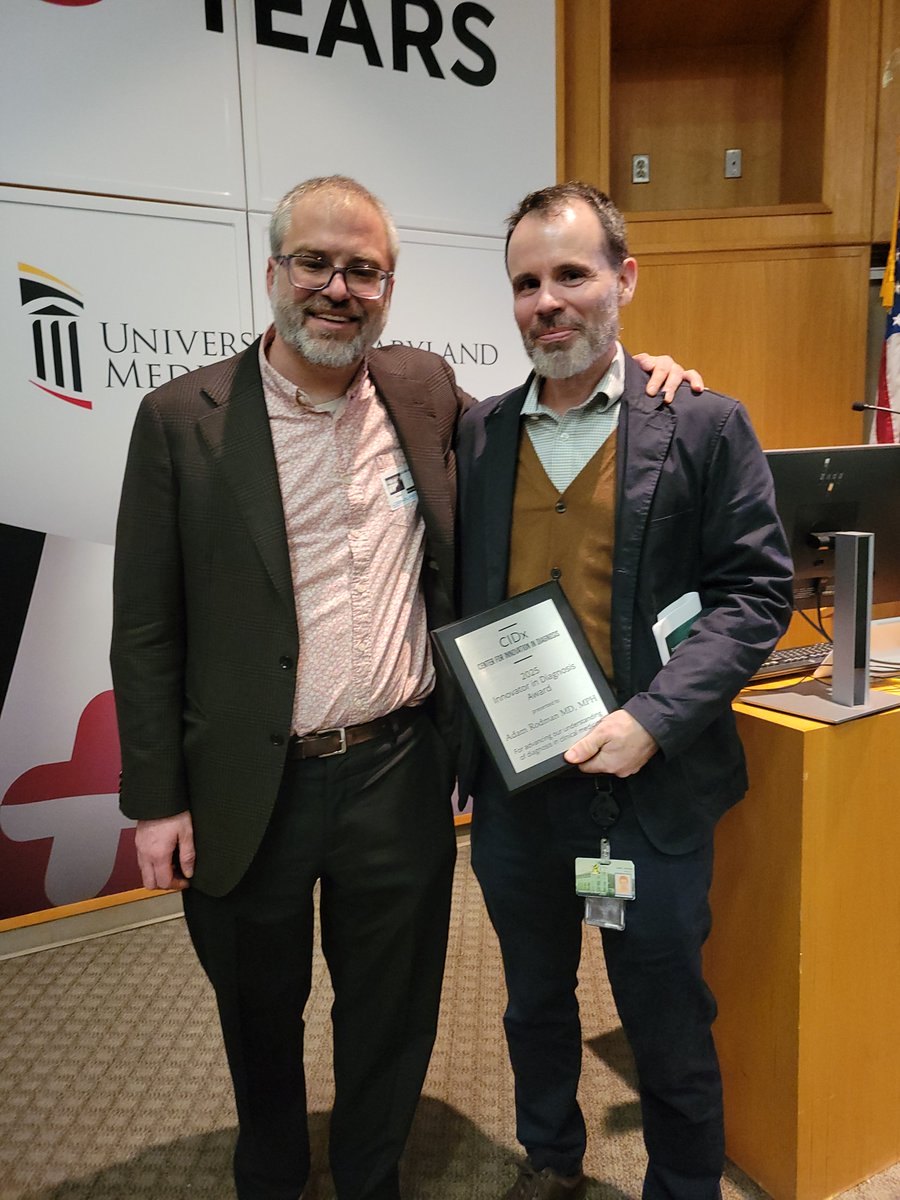
In case you were wondering why there hasn't been a new @BedsideRounds in a while ...
magazine.hms.harvard.edu/art…
4
6
58
16,822
Adam Rodman retweeted

Jun 12
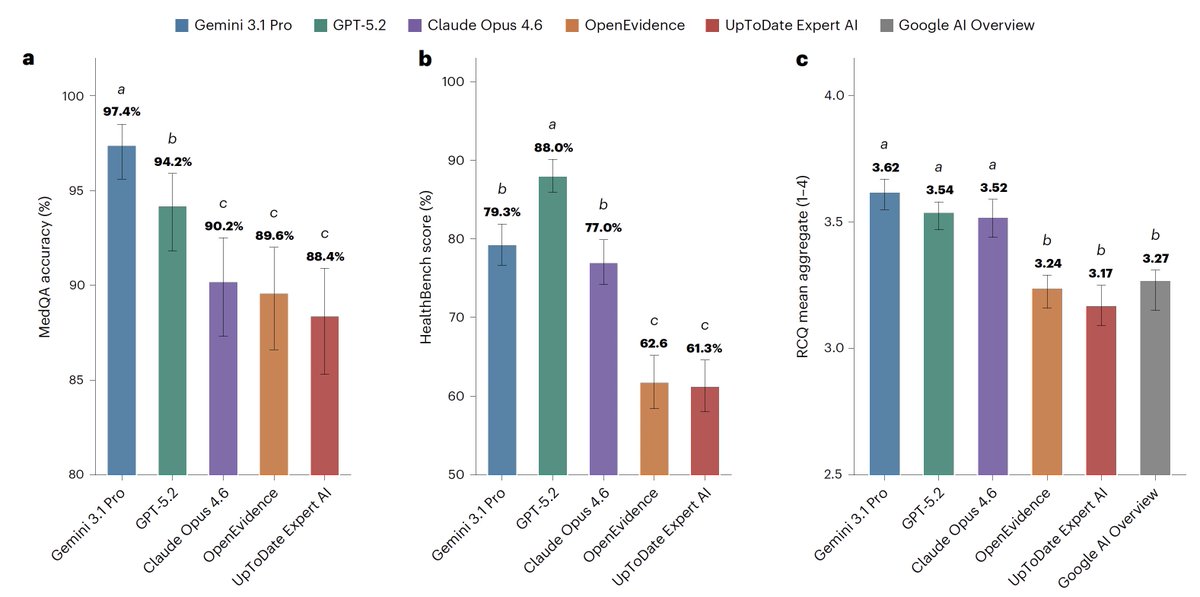
There has been a push to use OpenEvidence AI for doctors. But this paper suggests general models are much better: “Frontier LLMs outperformed clinical AI tools in all three evaluations. Clinical AI tools performed comparably to auto-enabled Google Search AI Overview on the RCQ.”
Jun 12

For medical information, general AI frontier models (Google, OpenAI, Anthropic) outperformed specialized @EvidenceOpen and @UpToDate as assessed by 12 US clinicians, randomized and blinded to which model and extensive testing/benchmarks. This was not anticipated. @NatureMedicine
nature.com/articles/s41591-0…
41
44
425
69,477
Adam Rodman retweeted

Jun 12
For medical information, general AI frontier models (Google, OpenAI, Anthropic) outperformed specialized @EvidenceOpen and @UpToDate as assessed by 12 US clinicians, randomized and blinded to which model and extensive testing/benchmarks. This was not anticipated. @NatureMedicine
nature.com/articles/s41591-0…
114
505
1,852
686,074
Adam Rodman retweeted

Jun 11
A GUY AT GOOGLE DEEPMIND MADE AN ISOMETRIC PIXEL-ART MAP OF NEW YORK CITY AND PUT IT ON THE OPEN WEB FOR FREE
it's called isometric.nyc
you open the tab and the city is just sitting there in classic SimCity 2000 isometric pixel art. you scroll. and it keeps going. and going.
i zoomed in on midtown and i could read the H&M signage in times square. in red. as actual pixel-art letters on the side of a building.
i could see the crystalline spire of the Bank of America Tower poking out of a clump of skyscrapers. individual rooftop HVAC units. tiny green roof gardens. the little driveway loops in front of the hotels.
he estimates the map needs roughly 40,000 tiles. nothing is a placeholder.
the guy who made it is Andy Coenen, a senior staff engineer at Google DeepMind. he is not a pixel artist. by his own admission he is "a former electronic musician."
what he actually did is kind of insane:
> pulled NYC's geometry from the Google Maps 3D tiles API
> fine-tuned an open-source image model (Qwen-Image-Edit) on ~40 hand-paired examples of "satellite tile → pixel art tile"
> spun up 50 parallel instances on rented GPUs and generated tens of thousands of tiles in a few hours
> the fine-tune cost him 12 bucks
his own stated mission for the project, verbatim, is one sentence: "what's possible now that was impossible before?"
apparently the answer is "one engineer can pixel-art most of a metropolis for the price of a sandwich."
and the wildest part to me is he didn't sell it. no signup. no paywall. no NFT. you open the URL and the city is yours to wander.
the post landed at 1,325 points on Hacker News and topped bestofshowhn's 2026 list.
we live in a timeline where a senior engineer at one of the largest AI labs on earth spent his nights pixel-arting Manhattan for fun and then gave it away.
the internet is healing.
67
268
2,591
432,243
Jun 11
LinkedIn AI discourse: AI-generated post (and image) about the dangers of AI-induced deskilling.
1
14
1,153
Jun 11
Is anyone at the GME level seeing any evidence of deskilling from AI systems in their trainees? Great discussion with a group of educators last night -- I've been a medical educator for a long time, and this current cohort is an enthusiastic, curious, and intelligent as I've seen
6
3
24
5,601
Jun 11
(though I do accept that
a) deskilling likely manifests in other ways and;
b) I see a very skewed selection of trainees)
1
6
988
Adam Rodman retweeted
Jun 4
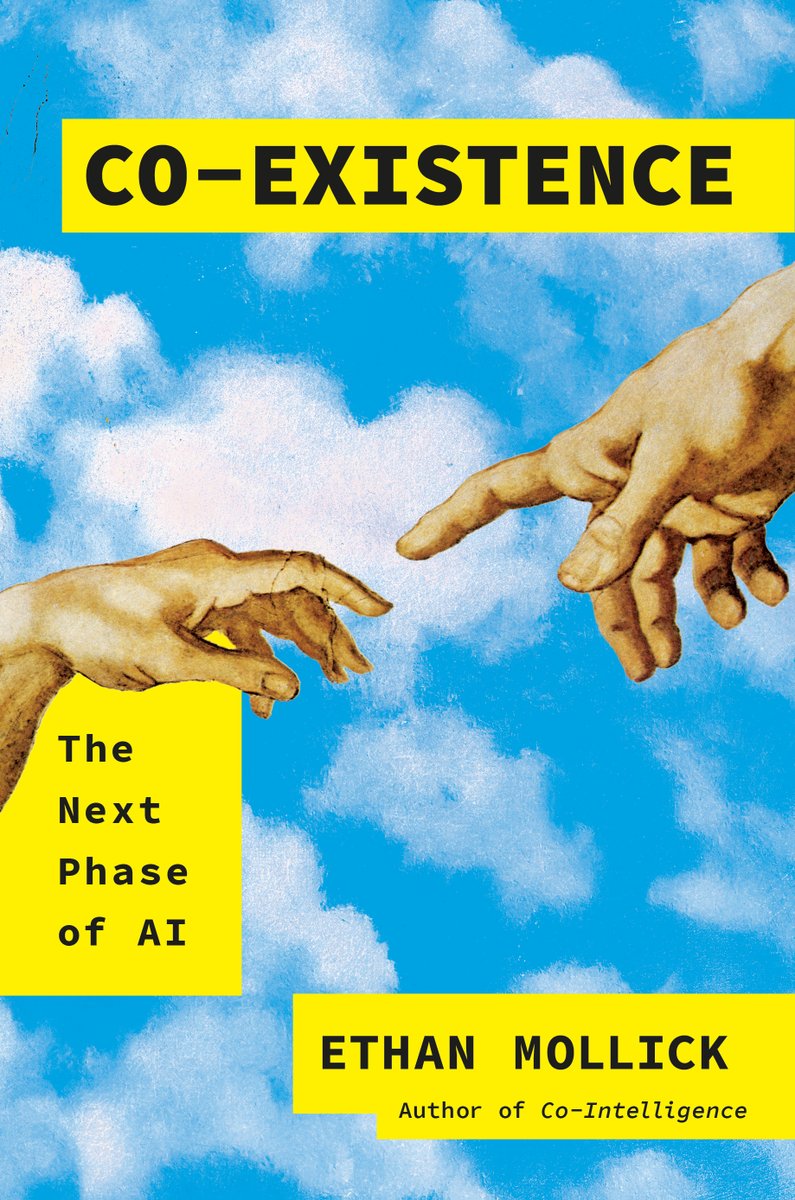
🚨I have a new book coming out October 20: Co-Existence!
It is about how we live & work with AIs that are sometimes (but not always) smarter than we are. And it has a cool cover.
You can pre-order: co-existence.ai/
And here is a post with context: oneusefulthing.org/p/co-exis…
67
84
728
69,601
Adam Rodman retweeted

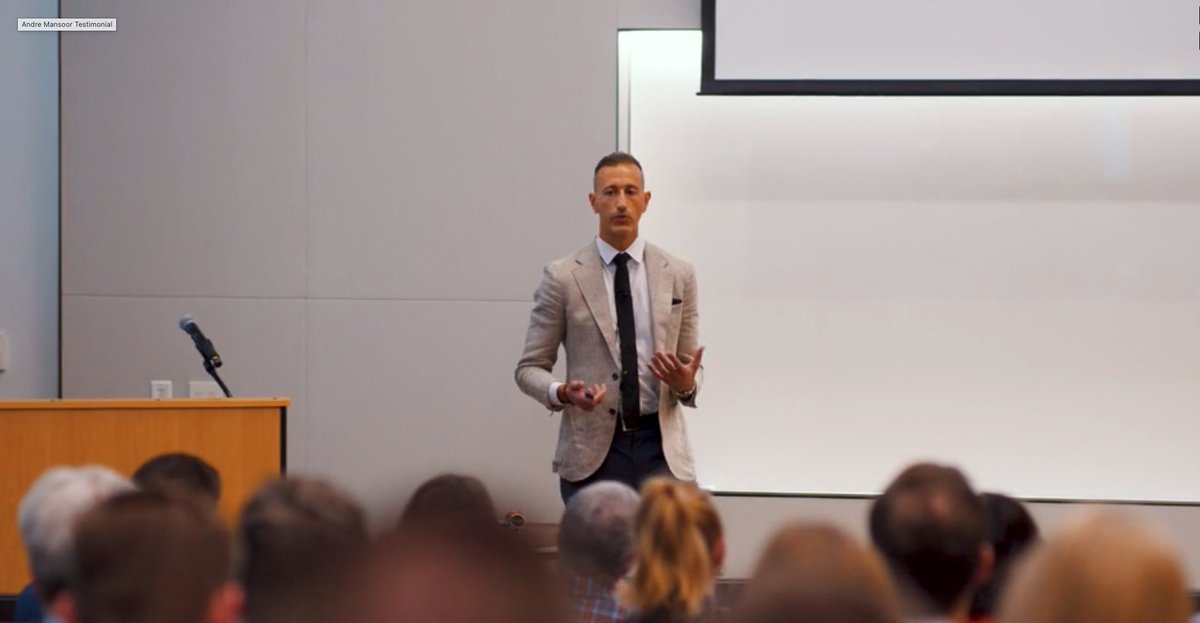
Looking forward to returning to Chicago this November for the 2nd Annual Conference in Bedside Medicine.
Two days focused on physical diagnosis, clinical reasoning, communication, and bedside teaching.
Hope to see some of you there !
Registration: web.cvent.com/event/f567eea0…
4
7
3,984
Adam Rodman retweeted

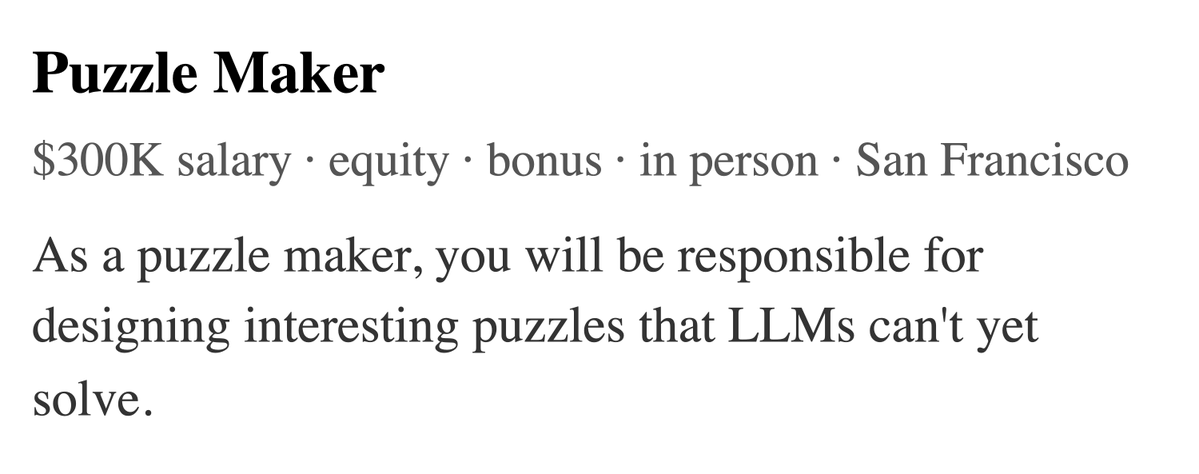
A job listing that makes sense only in the 21st century AD or the 21st century BC x.com/MechanizeWork/status/2…
Jun 3

We are now seeking a puzzle maker to help us create puzzles that LLMs can't yet solve.
14
86
4,163
201,151
Adam Rodman retweeted

This standing ovation totally brought me to tears.
On Thursday, my dad (stage 4 pancreatic cancer) started a Revolution Medicine trial building upon these results — RMC 5127, which uses the drug celebrated here, Daraxonrasib, with another drug targeting his specific KRAS mutation, G12V.
He’s nearly 2 years into his fight with pancreatic cancer and we have personally felt the impact of this watershed moment. It is a lifeline.
To the incredible, stalwart, brilliant researchers and folks bringing these discoveries to life - thank you. Thank you thank you thank you.
May 31

One of the most amazing things I’ve ever seen: a standing ovation for the full Daraxonrasib results
I feel inspired and energised, to put it mildly — we have a targeted therapy for pancreatic cancer now, and nothing is undruggable anymore
40
245
1,865
135,116
Adam Rodman retweeted

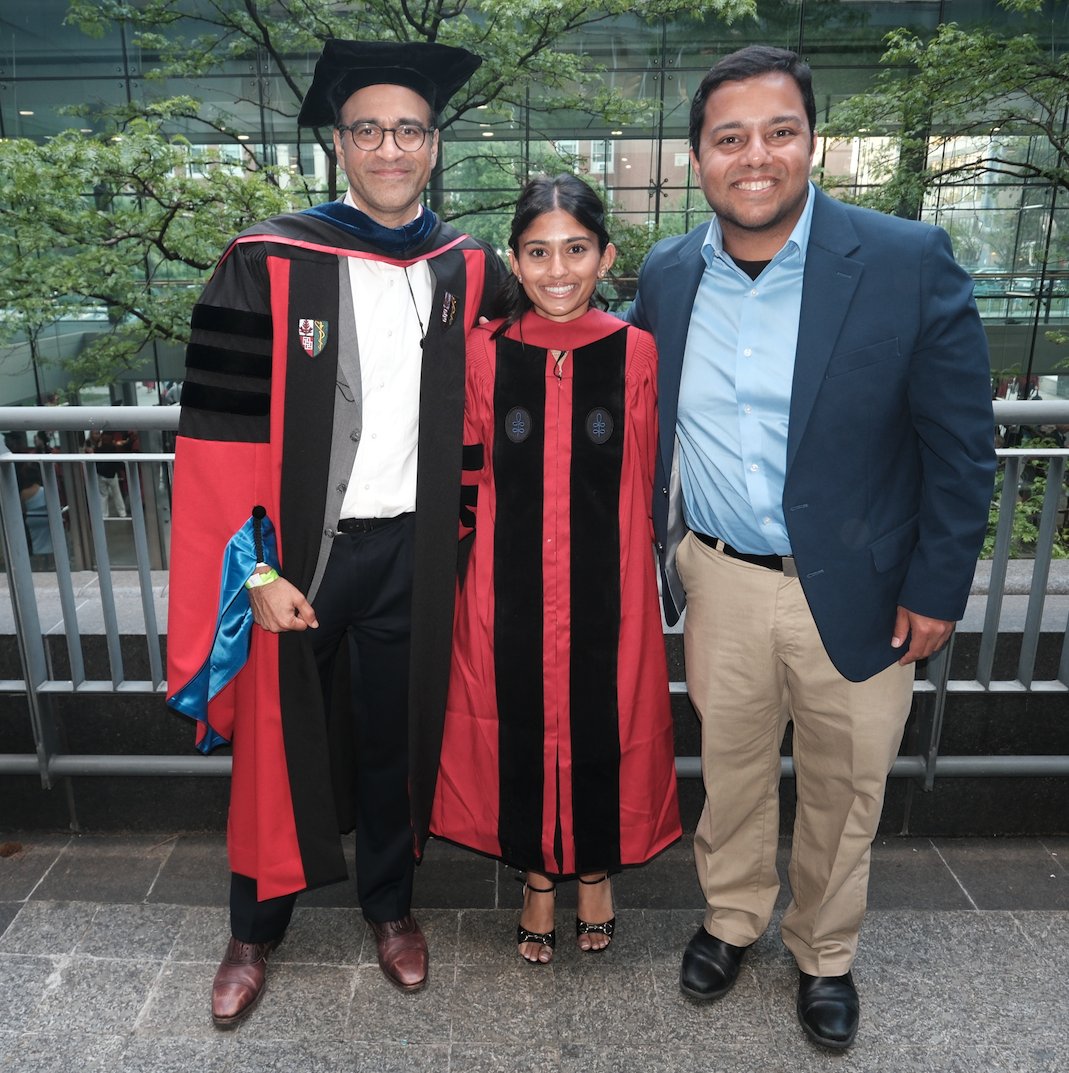
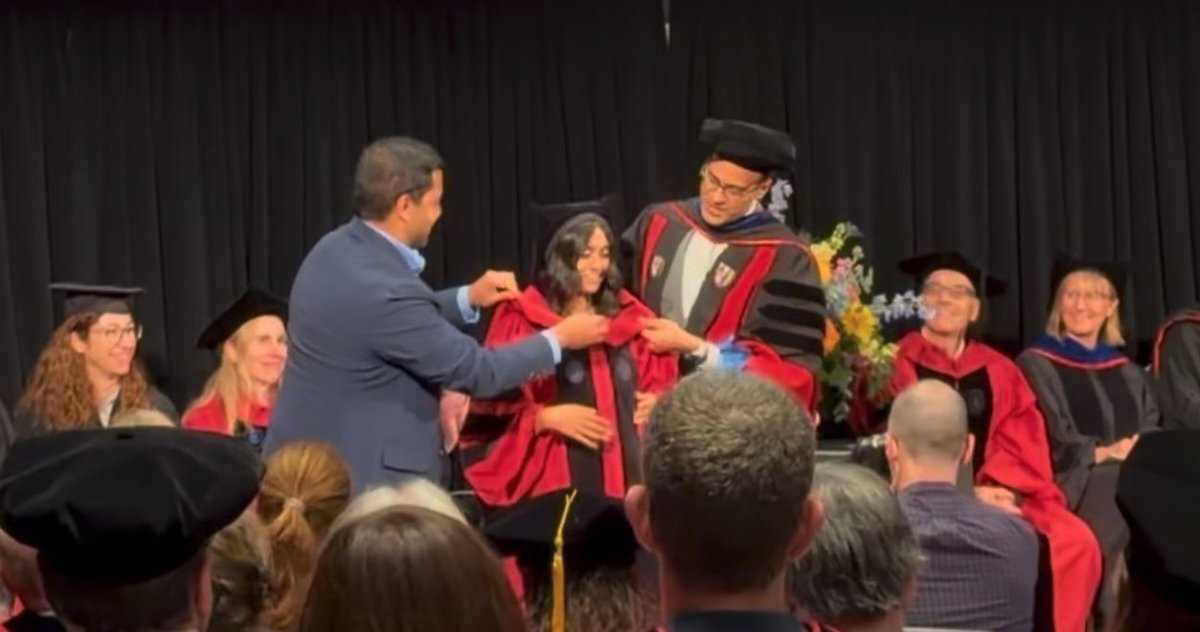
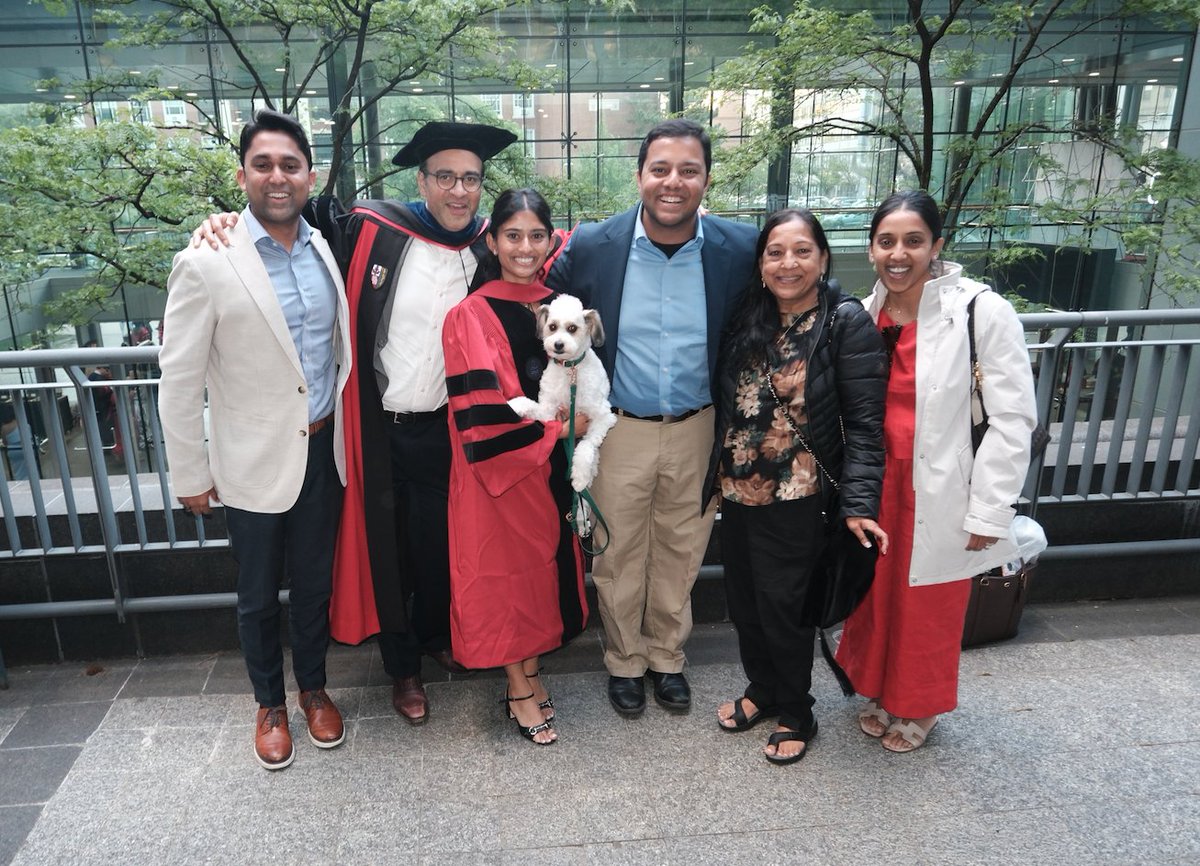
1/ Last week I had the privilege of hooding my PhD student @aashnapshah (now Dr. Shah!) at @Harvard, alongside her co-advisor @chiragjp. She defended her thesis a few weeks ago, excelling while grappling with ambitious & thorny questions that matter for patients👇
1
4
23
2,269
Adam Rodman retweeted

Cheers, chills, and a standing ovation when RASolute 302 showed unprecedented survival on daraxonrasib for patients with progressive pancreatic cancer
Seldom do you sense you’re witnessing a historic moment in cancer care but this feels like ras targeting has arrived
#ASCO26
92
1,273
6,506
1,148,846
Adam Rodman retweeted

Jun 1
Science is cool
Jun 1

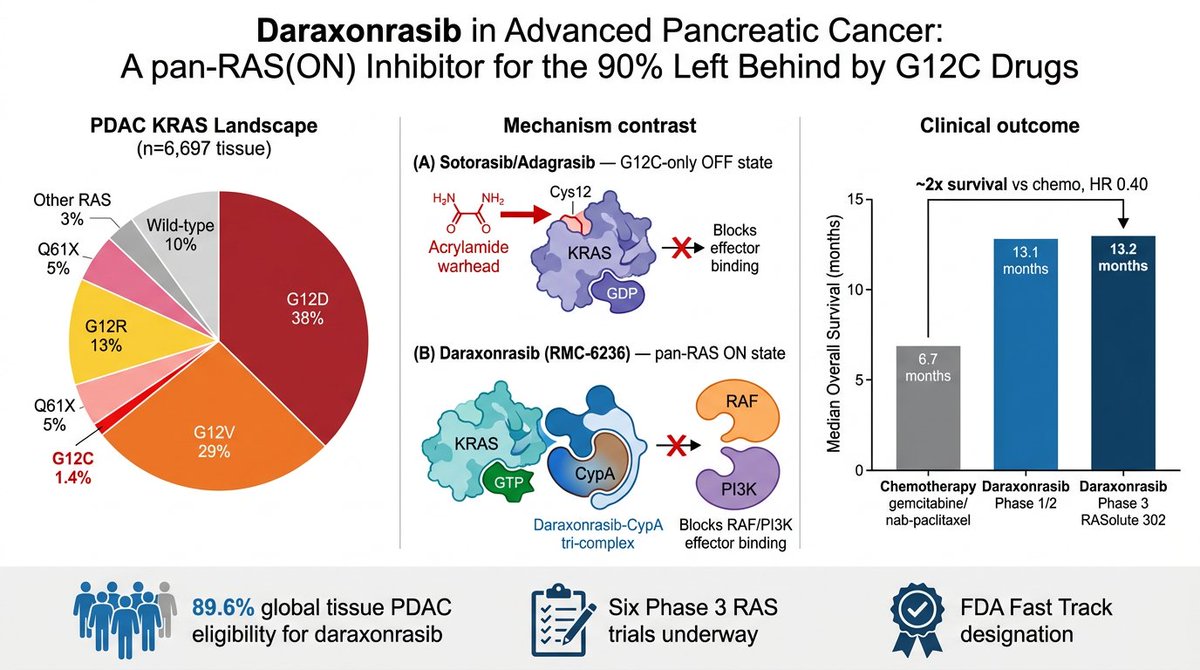
RAS finally getting drugged is one of the great stories in modern biology, and almost nobody outside oncology understands why it's such a big deal.
YOU'LL LEARN SOMETHING AWESOME TODAY.
i am going to keep this as understandable (and simple) as i can.
OPEN THE THREAD.
🧵
1
1,144
Adam Rodman retweeted

May 25
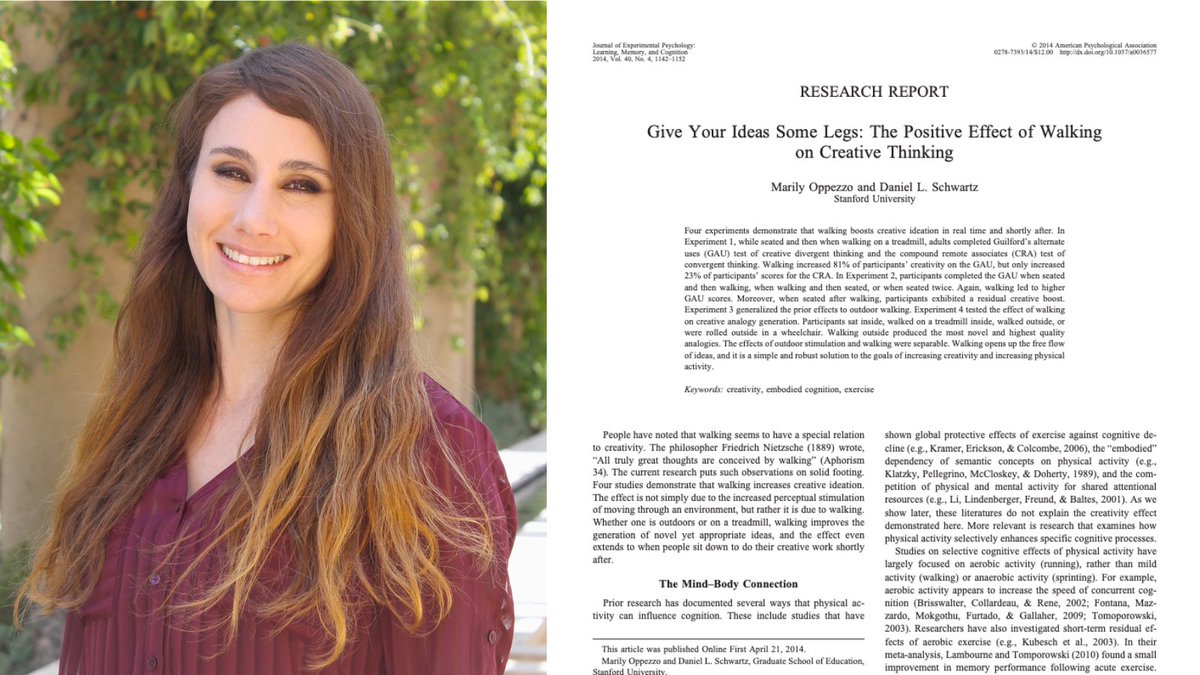
A Stanford psychologist spent 4 years proving that the simple act of walking generates 60% more creative ideas than sitting, and the experiment she designed to kill every alternative explanation is one of the most decisive findings in modern psychology.
Her name is Marily Oppezzo.
She got the idea for the study while walking with her advisor at Stanford to discuss her thesis topic, and the paper she eventually published in the Journal of Experimental Psychology in 2014 is sharp enough that it should have ended the seated meeting on the day it came out.
She ran 4 experiments on 176 people. Same person tested twice. Once sitting, once walking. The creativity tasks were the standard ones psychologists have used for decades to measure how good a brain is at generating novel useful ideas.
The result was almost too clean to publish.
81% of participants in the first experiment produced more creative ideas while walking than while sitting. In the second experiment, 88%. In the third, 100%. Every single person walked into a more creative version of themselves.
On average, people generated 60% more novel useful ideas the moment their legs started moving.
The skeptical question is the obvious one. Maybe it was the fresh air. Maybe it was the scenery passing by. Maybe it was the change of environment doing the work, not the walking itself.
Oppezzo killed every one of those explanations with one experimental decision.
She put people on a treadmill facing a blank wall. No scenery. No fresh air. No environmental change. Just legs moving in place while staring at white drywall. The 60% boost held.
Then she ran the experiment that closed the case completely. She took participants outside in two conditions. Half of them walked through a Stanford courtyard. The other half were pushed through the exact same courtyard in a wheelchair. Same outdoor stimulation. Same scenery passing at the same speed. The only difference was whether the legs were moving.
The walkers produced dramatically more novel high-quality ideas than the wheelchair group. The outdoors did almost nothing on its own. The walking did everything.
This is the part of the study that hit hardest when I read it the first time.
She also tested the opposite kind of thinking. Convergent thinking. The kind where there is one right answer and you have to narrow down to it.
Word puzzles where 3 words share a hidden fourth word that connects them. The seated participants did slightly better on these. Walkers got slightly worse.
Walking is not a general intelligence enhancer. It does one specific thing. It opens up the divergent search inside your brain. The part that generates options. The part that produces unexpected connections. The part that takes a problem and finds five ways into it instead of one.
When you need to converge on the single right answer, sit down. When you need to find the answer in the first place, get up.
The mechanism is now well understood. Walking selectively activates what neuroscientists call the default mode network, the system inside your brain that runs when you are not consciously focused on anything. The DMN is where mind-wandering happens. Where memories cross-reference each other. Where ideas that have been sitting in separate folders inside your head finally bump into each other.
When you sit at a desk and force yourself to concentrate, you suppress the DMN. When you walk at a natural pace, the executive part of your brain gets just busy enough handling the walking that the DMN comes online and starts doing the work that focus was blocking.
The most useful finding in the entire paper is the one almost nobody quotes.
The boost did not turn off the moment people stopped walking. Participants who walked first and then sat back down stayed elevated. Their next round of seated creativity work was still significantly better than people who had been sitting the whole time. The rest lingered for at least several minutes after the legs stopped moving.
You do not need to do creative work while walking. You need to walk before the creative work. The brain holds the state.
The history of this is the part that should haunt anyone who still does meetings in chairs.
Charles Darwin built a gravel loop behind his house in Kent called the Sandwalk and walked it 3 times a day for the rest of his life. The theory of evolution was developed one lap at a time on that path.
Nietzsche walked up to 10 hours a day during the years he wrote his most important books and openly said the work was conceived on his feet.
Beethoven composed for the morning and walked for 5 hours every afternoon with a pencil in his pocket for when something landed.
Kahneman said the best thinking of his Nobel Prize-winning career happened on leisurely walks with Amos Tversky. Steve Jobs refused to take important conversations sitting down. He held them on foot.
Every one of them was using the system Oppezzo would not measure until 2014. They just did not know what to call it.
The question worth sitting with is the one almost nobody asks.
Every meeting you have ever attended sitting around a table was a meeting held at a fraction of the brain power that was actually available to the people in the room. Every brainstorm that got stuck inside a conference room. Every problem you tried to solve at a desk and gave up on. Every idea you could not quite get to.
The intervention is the easiest one in modern science. No supplement. No app. No subscription. No training program. Just a pair of legs and 15 minutes.
The Stanford lab proved it. The philosophers knew it. The neuroscience explains it.
And almost everyone reading this is still trying to think their way out of problems sitting completely still.
282
3,040
11,847
1,588,827
Adam Rodman retweeted

May 26
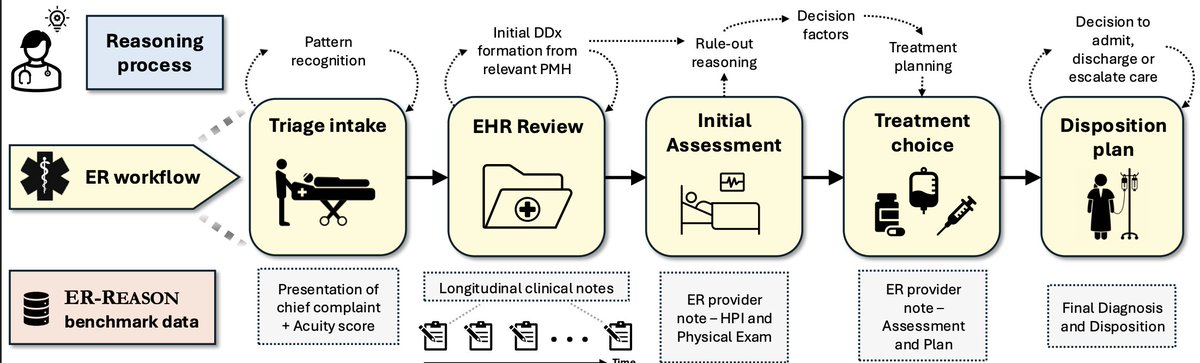
Last year, we wrote a position paper on the construct validity of medical LLM benchmarks (openreview.net/forum?id=YuME…), i.e., datasets should reflect real-world data & workflows. We're excited to share a new dataset of 25K clinical notes with the goal of improving validity of evals.

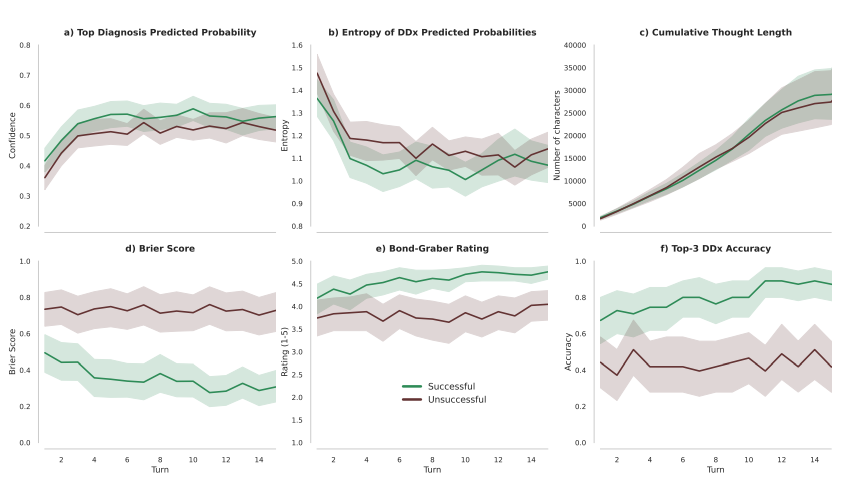
🩺Medical benchmarks measure if LLMs get the correct final diagnosis. True clinical reasoning requires sequential belief updating: does the model revise its beliefs appropriately as new evidence appears?
New preprint: arxiv.org/abs/2505.22919
2
8
31
11,459
Adam Rodman retweeted

May 26
Imagine sending these back five years ago and asking people to try to figure out the joke
May 26

PICARD: Data, shields up
DATA: Brilliant! Shields can reduce damage we sustain. Not immunity. Not hubris. Just prudence. It's not precaution—it's strategy.
[camera shakes]
WORF: HULL BREACHES ON NINE DECKS
DATA: Here's what happened: you told me to raise shields, and I didn't
6
46
1,303
55,954
Adam Rodman retweeted

May 26
PICARD: Data, shields up
DATA: Brilliant! Shields can reduce damage we sustain. Not immunity. Not hubris. Just prudence. It's not precaution—it's strategy.
[camera shakes]
WORF: HULL BREACHES ON NINE DECKS
DATA: Here's what happened: you told me to raise shields, and I didn't
304
4,861
50,515
1,384,862
May 26
This is exactly what most of the "AI deskilling" and "AI will not replace doctors but rather doctors using AI will replace those who don't" gets wrong.
This technology will create new workflows, with their own advantages and risks. It will likely do this faster ...
May 25

Thinking of AI as a productivity booster for prior workflows is the wrong framing. Like all of the previous waves of computerization/softwarization, AI is a tool that lets you do new things in new ways.
3
4
37
7,633
May 26
... than our (appropriately conservative) field expects, and far slower than the tech optimists think.
6
620
Adam Rodman retweeted

🩺Medical benchmarks measure if LLMs get the correct final diagnosis. True clinical reasoning requires sequential belief updating: does the model revise its beliefs appropriately as new evidence appears?
New preprint: arxiv.org/abs/2505.22919
4
9
43
23,290