1,261 Photos and videos





AddisKK retweeted

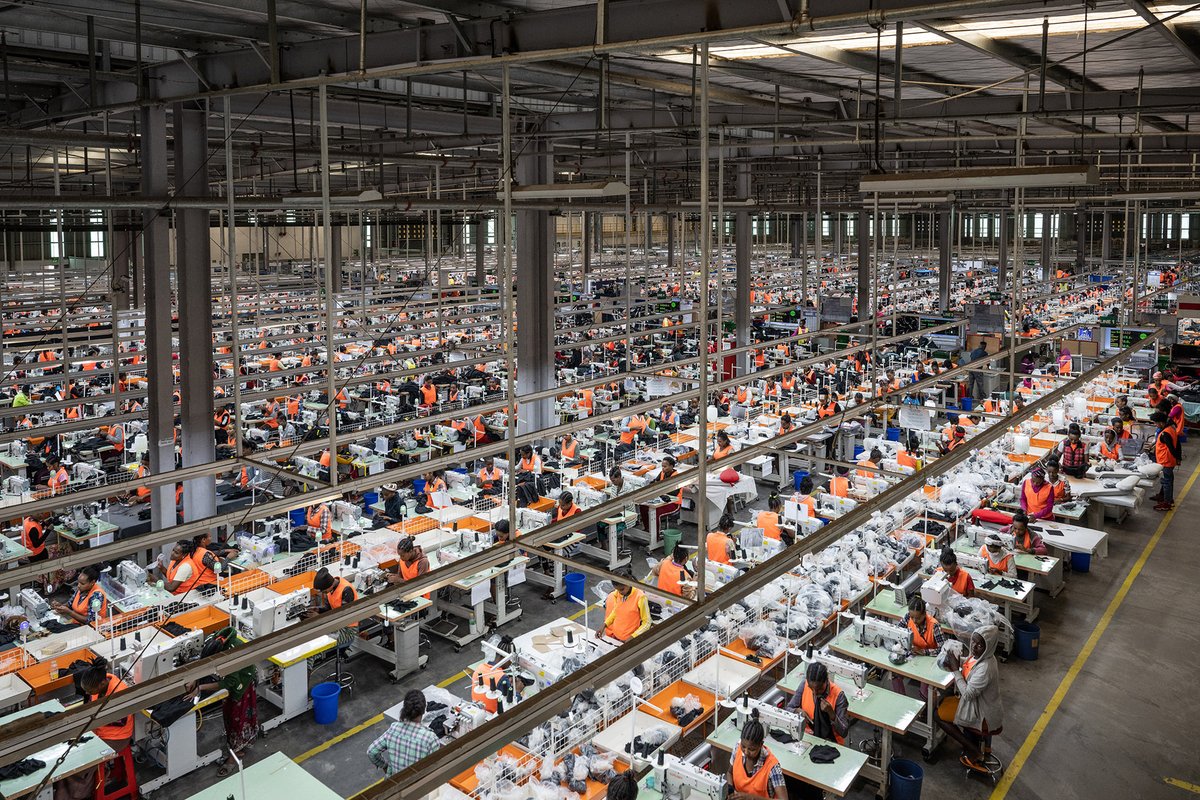
Ethiopia's export exploding from $3 billion to $10 billion thanks to Ethiopia Tamirt.
In 2025, Ethiopia launched "Ethiopia Tamirt" initiative (Made in Ethiopia) which was meant to drive production and consumption of Ethiopian made products.
The initiative saw over 750 industries entering into manufacturing and attracted massive support from Ethiopians.
From the initiative, Ethiopia has saved $4.85 billion in imports and manufacturing sector has grown jumped from 4.8% to 13% in nine months.
Meanwhile the drive has also improved Ethiopian exports from $3 billion in 2025 to $10 billion expected by the end of 2026
1
20
74
2,160

Many Ethiopians feel this is a conversation that needs to happen, even if it makes some in the diaspora uncomfortable.
The Ethiopian diaspora is very active in politics, social media, and international lobbying. Yet, compared to many other African countries, its economic contribution through remittances remains relatively modest. For most Ethiopians, however, the bigger concern is not money - it is peace.
After years of conflict, displacement, and ethnic tension, many Ethiopians are exhausted. What they long for is stability: a country where families can live without fear, where young people can work and build a future, and where development is not repeatedly disrupted by crisis.
What many inside Ethiopia struggle to understand is why a small but very vocal segment of the diaspora often adds to division instead of helping to heal it. Rather than encouraging dialogue and compromise, some amplify conflict, circulate graphic images of past violence, and use highly charged terms such as "genocide" in ways that deepen mistrust between communities. Whether intended or not, such narratives inflames emotions and make reconciliation more difficult, keeping wounds open rather than allowing them to heal.
Many Ethiopians also struggle to understand why some individuals become more extreme after leaving their country. Ethiopia has long been a place where people of different ethnicities and religions live, work, and study together peacefully, despite repeated attempts to create division. Yet some people leave and become more radical in their ethnic or religious identities than those who remain at home, often viewing every issue through the lens of division and conflict.
This raises questions that many believe deserve serious and honest study. Why does this happen? Is it due to frustration or dissatisfaction in host countries? Is it a sense of guilt for not contributing meaningfully despite the sacrifices made by their fellow countrymen for their education and opportunities? Is it the influence of social media that rewards extreme voices over balanced ones? Is it disconnection from everyday realities in Ethiopia? Or is it the isolation that can come from living abroad, away from the diverse interactions that shape life back home? These are important questions that deserve careful and objective answers.
At the same time, there is an important distinction to be made. Criticizing a government is every citizen's right, and no government should be above criticism. But there is a clear difference between opposing a government and wishing for the failure of an entire country - between demanding change and promoting instability.
What Ethiopia needs is investment, jobs, education, and constructive engagement from all its sons and daughters, especially those abroad.
It is important to recognize that the vast majority of Ethiopians in the diaspora are hardworking people who love their country and support their families. The concern is not with them, but with a small vocal minority whose actions deepen divisions rather than ease them.
Many Ethiopians hope the diaspora will increasingly use its education, resources, and global connections to support peace, reconciliation, and development. Governments and political systems will change over time, but Ethiopia remains a shared home for all its people.
The real question is whether the diaspora will help build a more peaceful, united, and prosperous Ethiopia or allow divisions to continue pulling the country apart, fulfilling the wishes of those who want Ethiopia to fail.
This is a conversation many believe is long overdue.

#Ethiopia relies far less on diaspora dollars than many African countries. If our contribution is limited, should we be deciding its future, appropriating the voice of the people, or fundraising for wars whose consequences ppl will bear? Build them schools & hospitals⛔️wars!
1
5
223
AddisKK retweeted

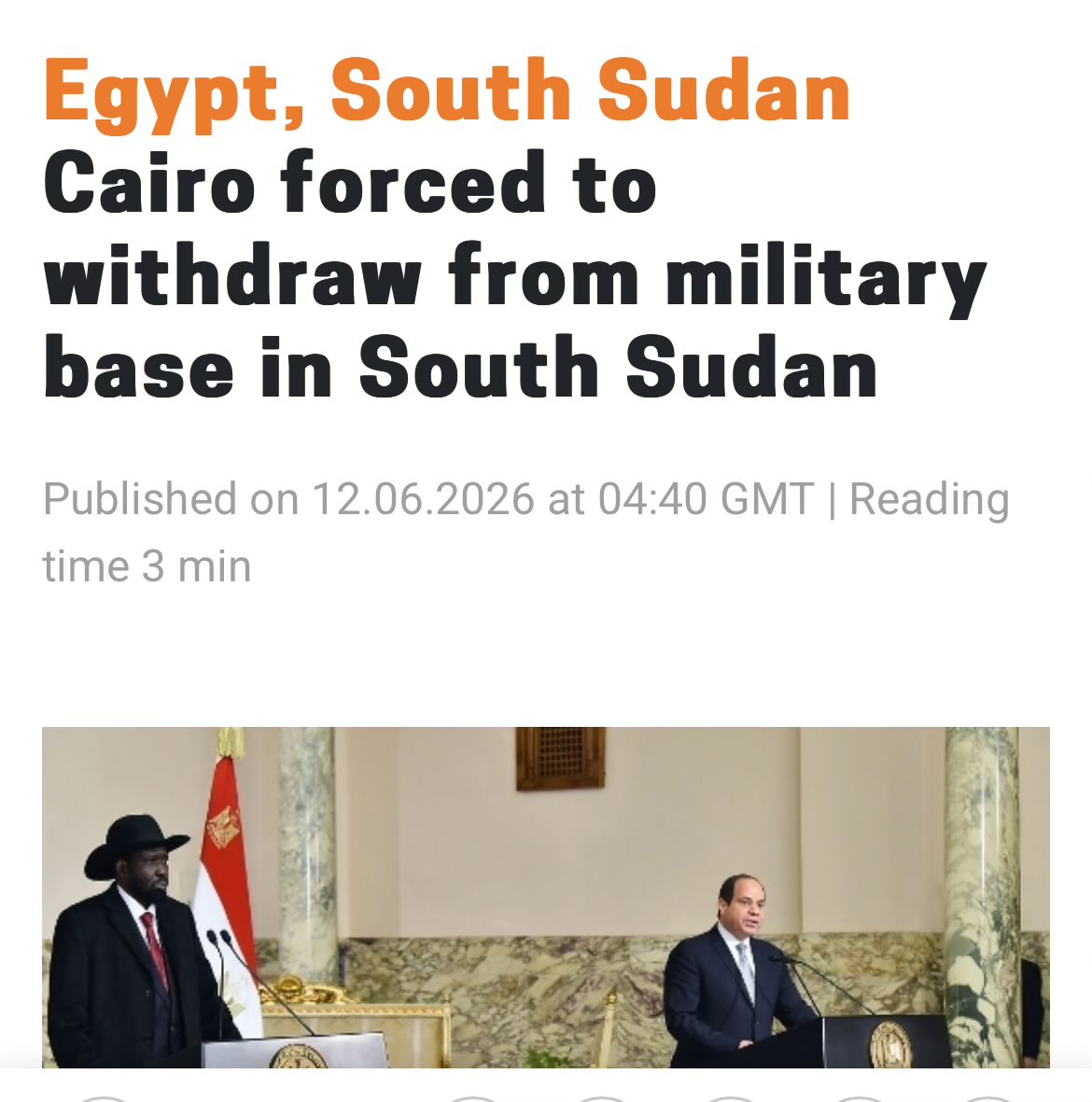
Egypt’s days as the self-appointed big brother of the Nile are over.⬇️
Jun 15

Egypt’s days as the self-appointed big brother of the Nile are over.
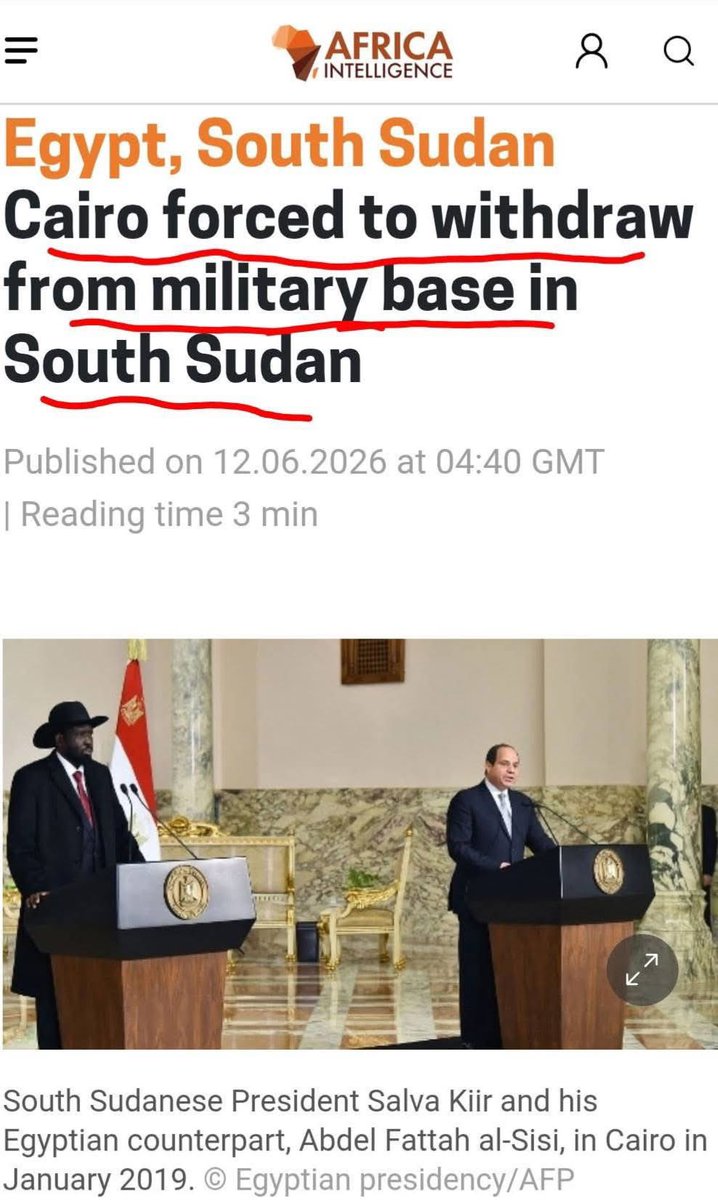
South Sudan has forced Egypt to shut down its strategic military outpost in Pagak, Upper Nile a forward base with surveillance gear and 260 troops monitoring the GERD and Nile waters right on Ethiopia’s border.
Juba’s order strips Cairo of its key intelligence foothold in the interior. For years Egypt has used military footholds and colonial-era water claims to maintain downstream dominance over the Nile Basin.
This closure, amid South Sudan’s alignment with upstream states, marks a direct rejection of that imperial-style control. No more treating African rivers as Egypt’s private monopoly or upstream nations as outposts. The Nile belongs to those who live on it not to Cairo’s encirclement games.
Sovereignty is finally pushing back.
africaintelligence.com/north…
2
8
16
795
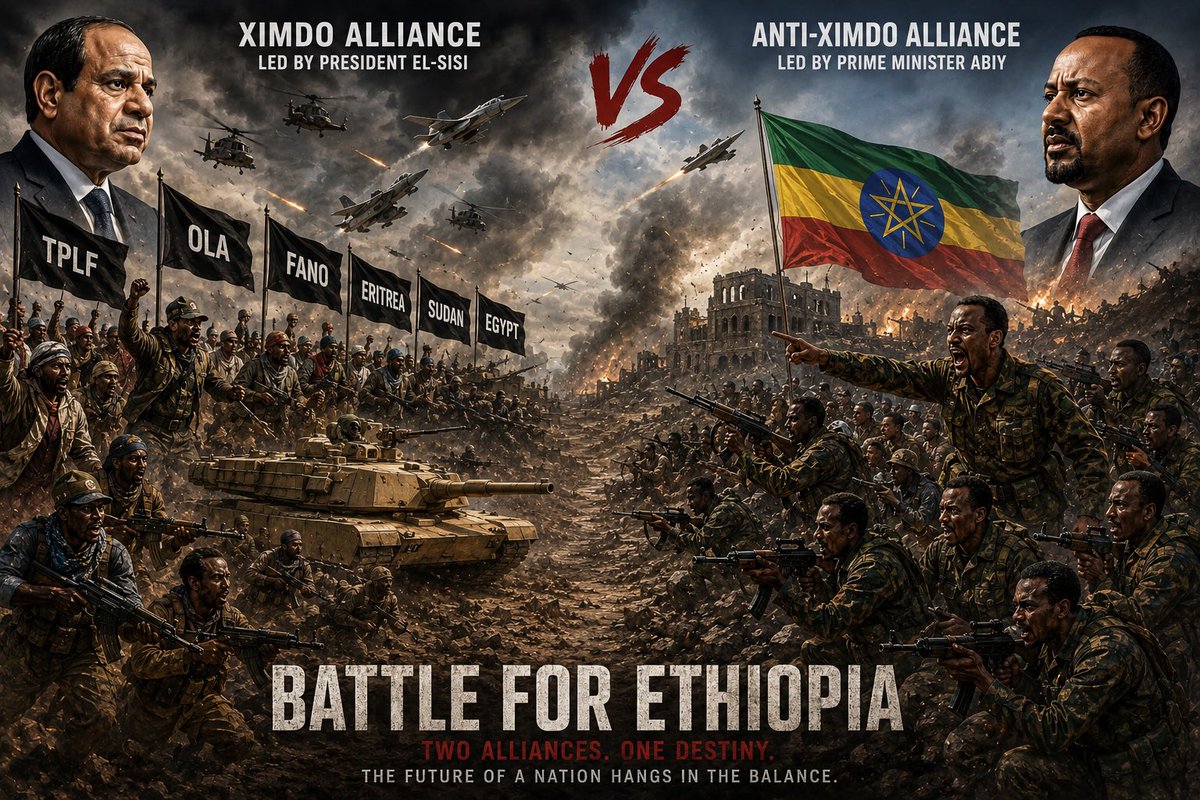
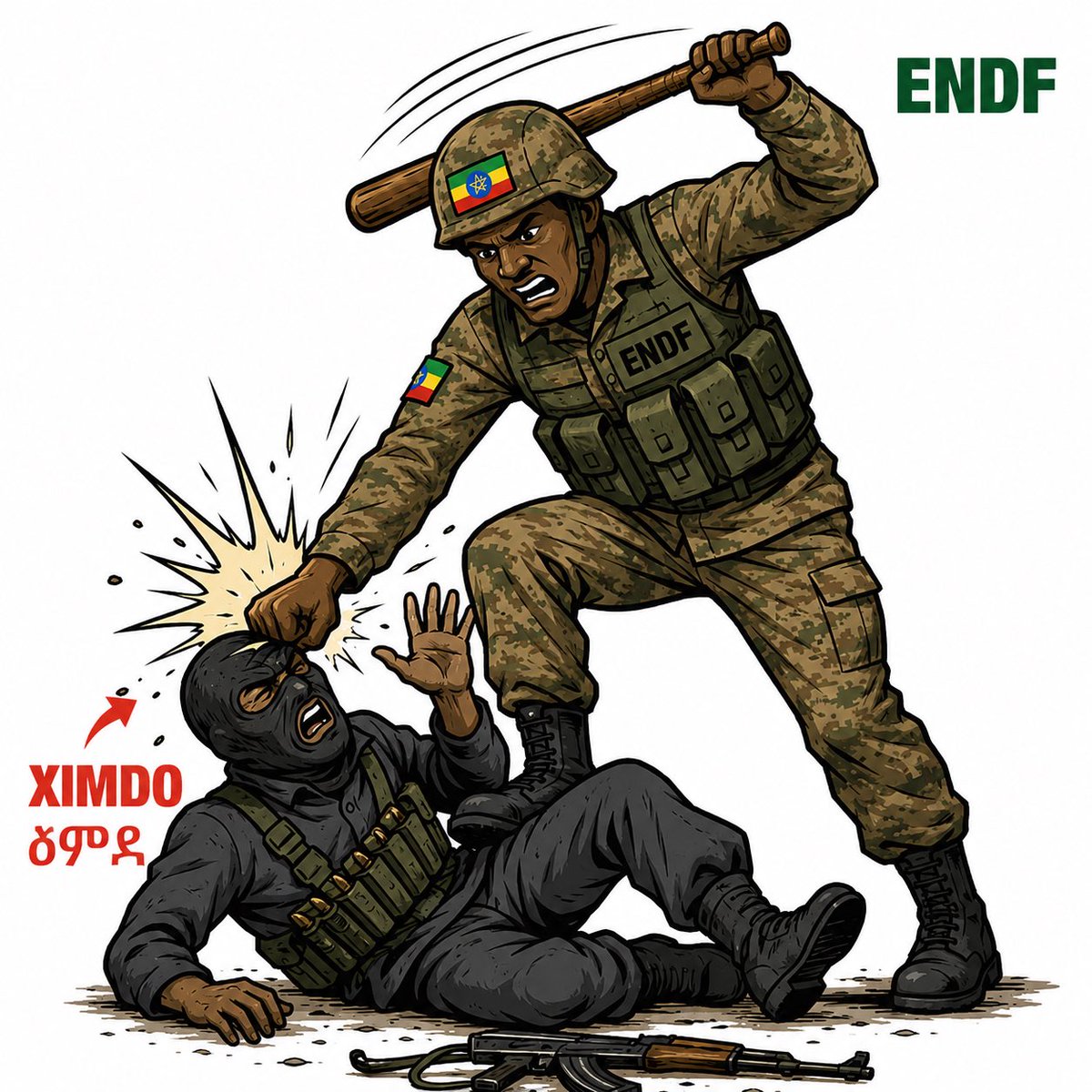
"ፅምዶ" የተባለዉ የሻብያ ፀረ ኢትዮጵያ ፕሮጄክት
"የቆጡን አወርዳለሁ ብላ የብብቷን ጣለች” እንደሚባለዉ ተረት
የሻብያን እድሜ እንደሚያሳጥረዉ አያጠራጥርም
አሁን ሁሉም ኢትዮጵያውያን ሻብያ የሚባል የአፍሪካ ቀንድ አካባቢ ነቀርሳ እያለ በሰላም መኖር እንደማይቻል ግልፅ ሆኖለታል
theafricareport.com/421838/t…
6
12
1,066
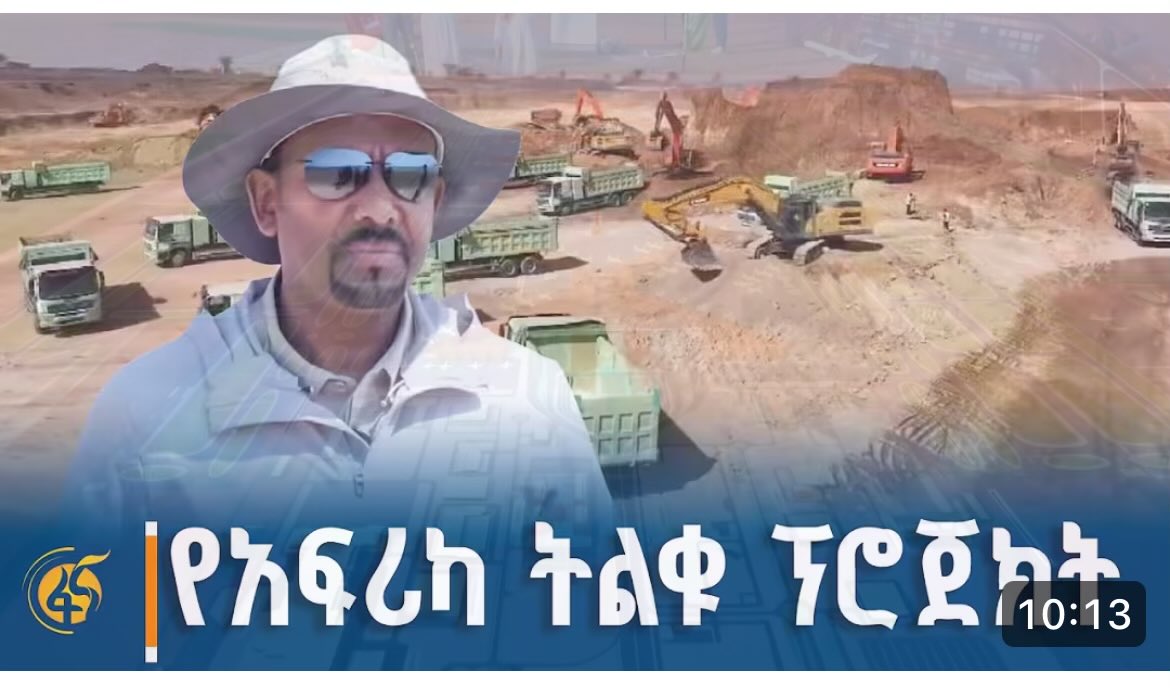
ጠቅላይ ሚኒስትር ዐቢይ አሕመድ (ዶ/ር) በቢሾፍቱ ዓለም አቀፍ አውሮፕላን ማረፊያ ፕሮጀክት ጉብኝት ወቅት ያስተላለ... youtu.be/ZlHWcz1siGk?is=iXY_… via @YouTube
3
14
196
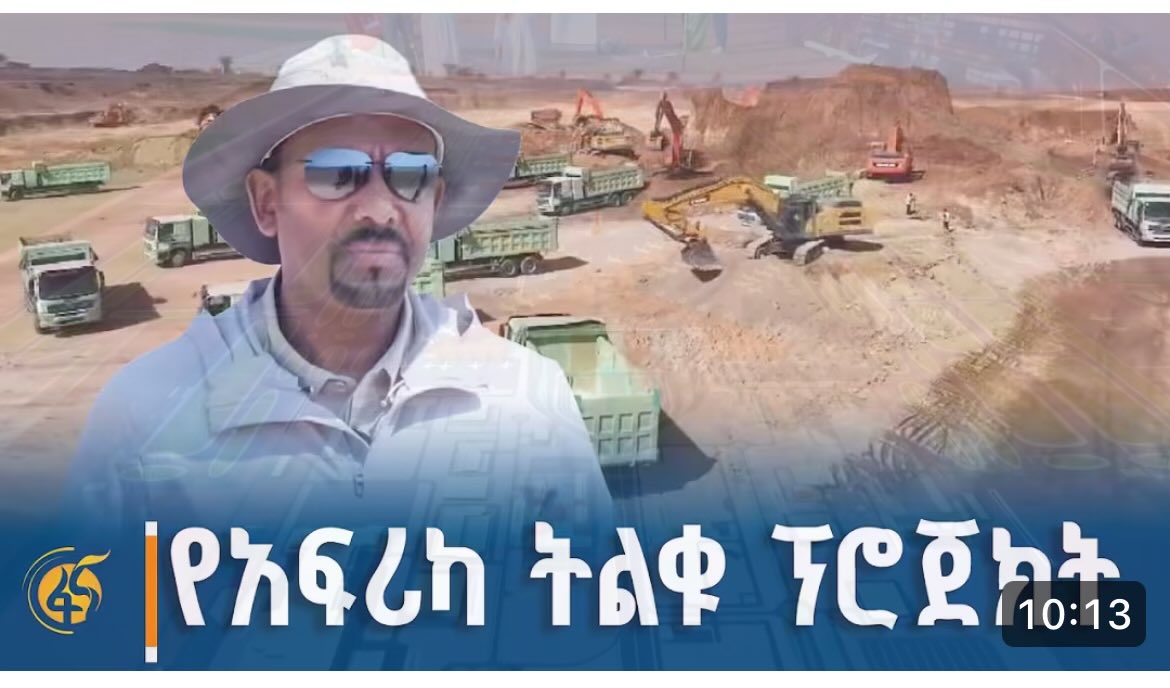
ጠቅላይ ሚኒስትር ዐቢይ አሕመድ (ዶ/ር) በቢሾፍቱ ዓለም አቀፍ አውሮፕላን ማረፊያ ፕሮጀክት ጉብኝት ወቅት ያስተላለ... youtu.be/ZlHWcz1siGk?is=VMP2… via @YouTube
5
16
218
AddisKK retweeted

Jun 14
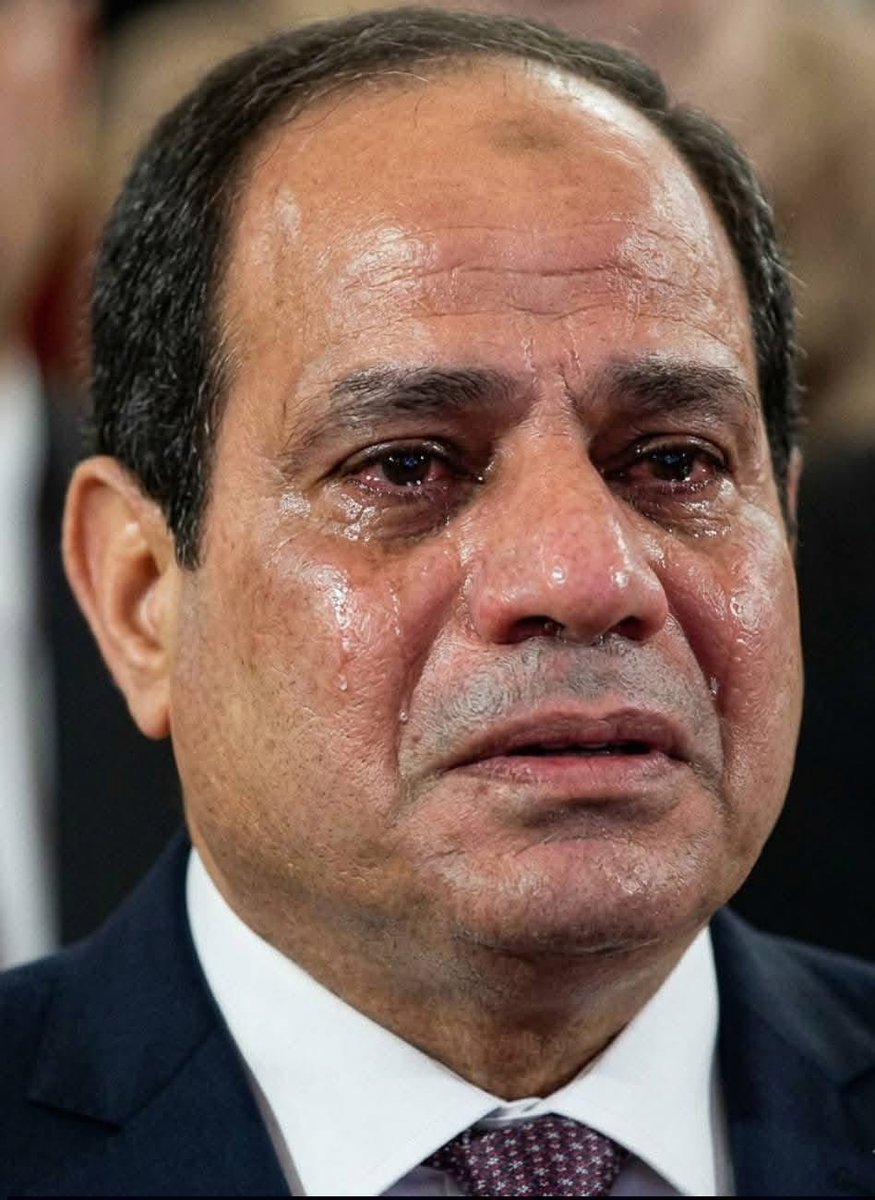
Ethiopia’s sun is rising, while Egypt’s sun is setting. 🇪🇹 💪
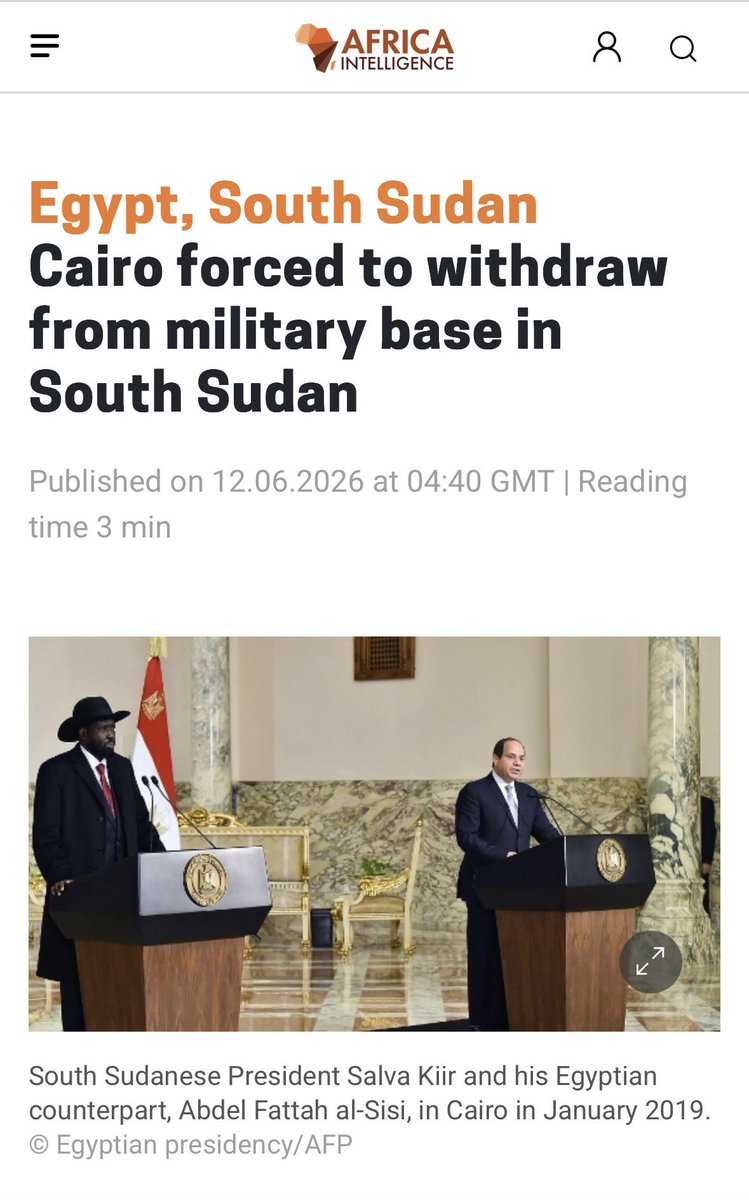
Africa Intelligence confirmed that Egypt shutdown its military camp in South Sudan, near the Ethiopian border. By the way, it was Eritrean military officers who had been providing training at that camp to Gumuz militants and OLF Shane terrorists, targeting Orthodox Christians in Ethiopia. This was a sophisticated strategy of tension operation to exacerbate our country.
South Sudan, Ethiopia’s partner,—who forced Egypt to close the camp and pull out completely—deserves a special thanks.😊

Jun 13

The closure of Egypt’s military base in South Sudan marks a clear power shift in favor of Ethiopia. The facility had been used to provide logistical support to insurgents attacking Ethiopia, in coordination with Eritrea. With the base now shut down, Egypt loses a key tool for projecting power in the region, while Ethiopia gains a strategic advantage without having to act directly. The move represents a significant downgrade in Cairo’s regional influence.
6
10
72
5,142
AddisKK retweeted
Jun 14
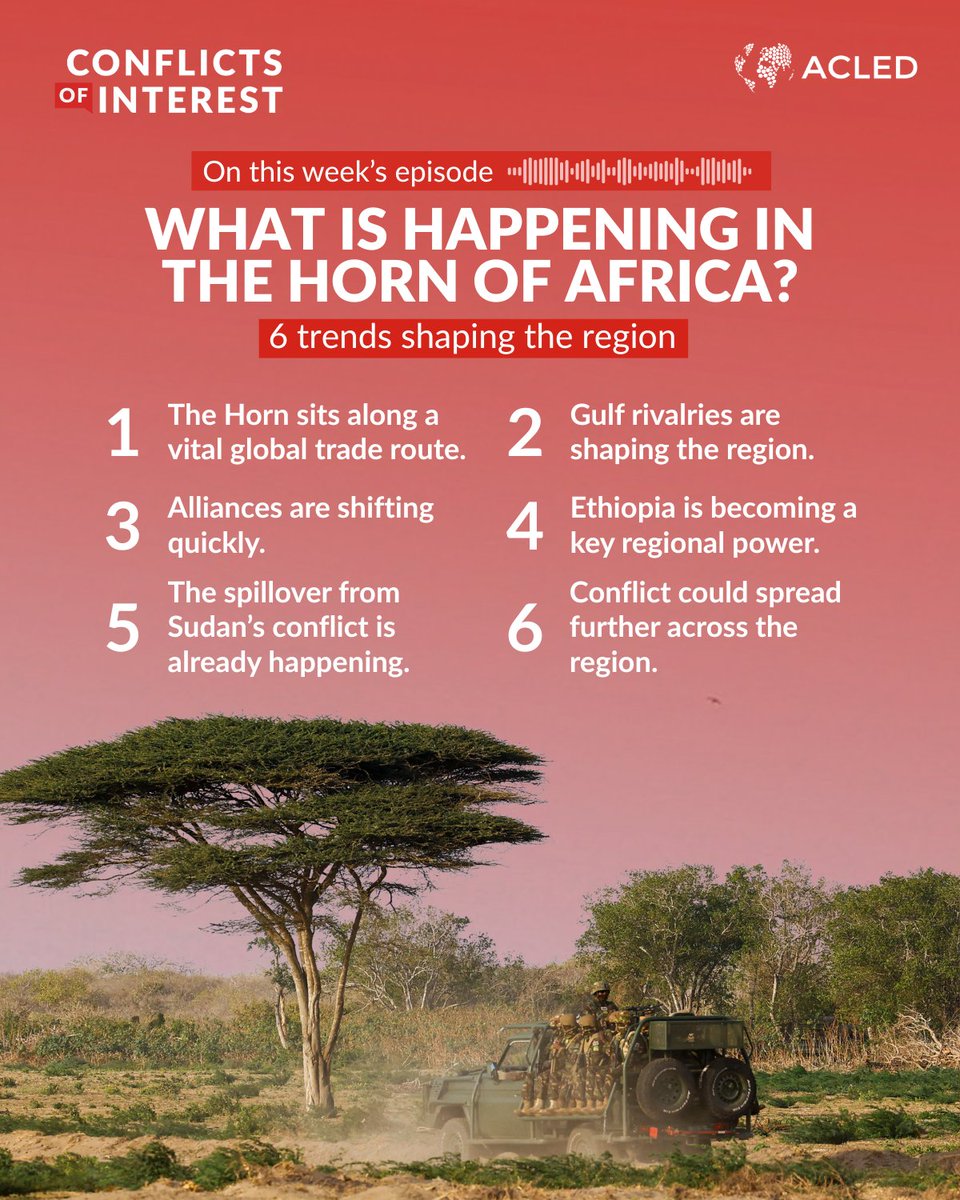
ACLED Horn of Africa Update ‼️
4. Ethiopia is becoming a key regional power🤔
Jun 13

The Horn of Africa is becoming an increasingly important arena for regional competition, shifting alliances, and cross-border conflict.
In the latest episode of Conflicts of Interest, #ACLED experts discuss six trends shaping the region ⬇️
Listen to the full episode to find out more: linktr.ee/ConflictsOfInteres…
6
18
1,474
AddisKK retweeted
The report called on “everyone with any leverage or influence over the TPLF and its patrons in Asmara” to exert maximum pressure on them to avoid a relapse into conflict.” Warning for #Ximdo
trendsnafrica.com/tigray-reg…
1
4
13
517
RT @AmbNebiyuTedla: Ethiopia, Indian Healthcare Group Forge Joint Venture to Advance Specialized Medical Services ena.et/web/eng/w/eng_9021060
8

ይሄንን ትንበያ መዝግባችሁ ያዙታ ✍️
የዛሬ አመት እንነጋገርበታለን 🤣
ፅምዶ -TPLF እንደፎከረችዉ ሻብያን፣ ሱዳንን እና ግብፅን አስተባብራ ኢትዮጵያ ላይ ጦርነት ከከፈተች;-
የሚከተለዉ ይሆናል ተብሎ ይጠበቃል :-
1-ሻብያ አገዛዝ ከኤርትራ ይወገዳል!
2-ከሞት የሚተርፋት ቀንደኞቹ የTPLFባንዳዎች ከርቸሌ ይገባሉ!
3-ኢትዮጵያ የአሰብ ወደቧን ታስመልሳለች!
4-አልቡርሃን ሰሞኑን ያዘዉን የሱዳን መሬት ለተቀናቃኞቹ ለቆ ወደ ፖርት ሱዳን ይፈረጥጣል !
5-መከላከያን ከጀርባ ለመዉጋት የሚሞክሩ የፋኖ እና የሸኔ የህዋት ባንዳዎች በኢትዮጵያ ህዝብ ለአንዴና ለመጨረሻ ጊዜ ተተፍተዉ ህልዉናቸዉ ያበቃል!
TPLF has sought broader security coordination, exploring operational ties with Eritrea, regional Fano militia factions in the neighboring Amhara region as well as elements of the Sudanese Armed Forces (SAF) along the western frontier #Tsimdo or #Ximdo ⬇️
thereporterethiopia.com/5120…
9
34
3,341
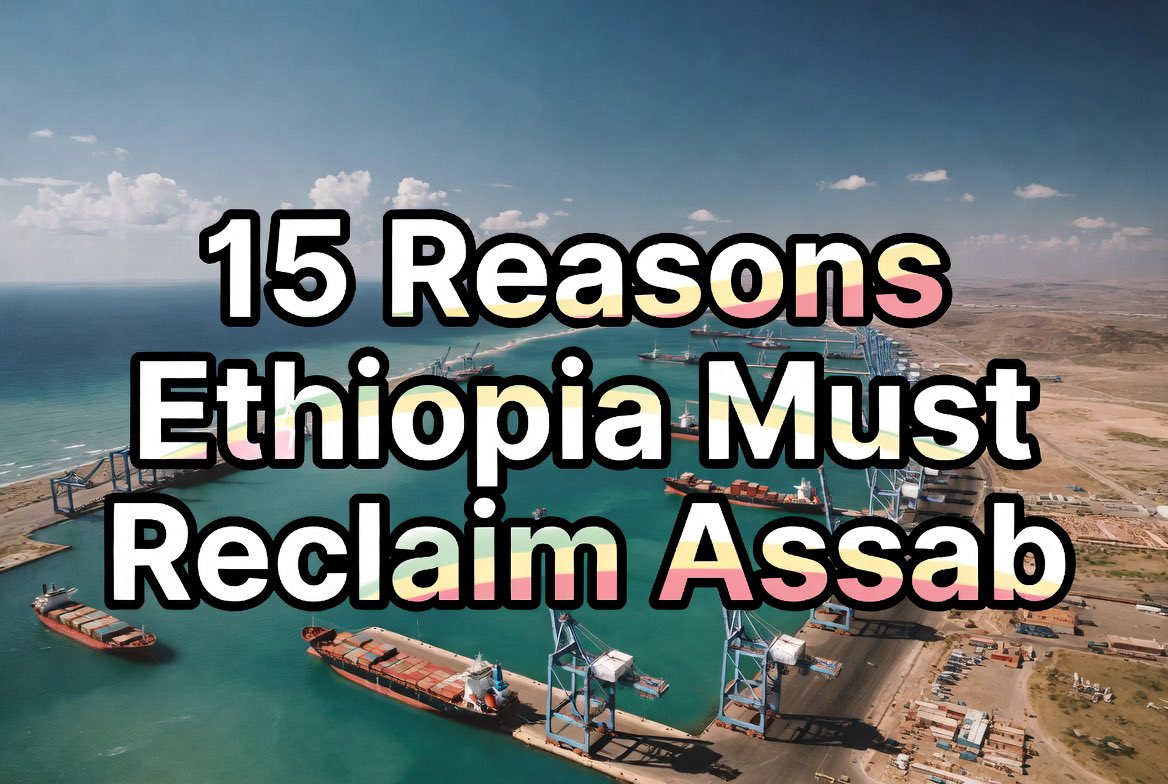
🔥15 Urgent Reasons Why Ethiopia Must Get Assab Port Back‼️‼️‼️‼️‼️‼️👇🏾👇🏾
Justice First:
1️⃣. Justice for the Afar People
The Afar communities, divided by the current border, live under oppressive Eritrean rule (“Shabia”). Returning Assab allows them to reunite with their Ethiopian brothers and escape repression‼️
2️⃣. Return of Displaced Ethiopians
Thousands of Ethiopians were forced from their homes in Assab when Eritrea took control. Reclaiming the port brings these families back, heals old wounds, and corrects a human tragedy that has lingered for decades‼️
3️⃣. Historical Justice - Correcting a Forced Loss
Assab was taken from Ethiopia under pressure from adversaries. Ethiopia built the port, roads, and refinery over decades - it is overdue justice for a nation that was never meant to be landlocked‼️
4️⃣. Blocking Hostile Military Presence
Preventing Egypt (Ethiopia’s historical adversary) from establishing a military base in Assab stops a direct threat to Ethiopian cities. A foreign base there could enable attacks or blockades; Ethiopian control removes this dagger‼️
5️⃣. Strategic Deterrence in the Red Sea
With Assab, Ethiopia could respond in the Bab el-Mandeb Strait if Egypt tries to block Ethiopian ships via the Suez Canal. This mutual deterrence protects national survival and discourages aggression‼️
6️⃣. National Security & Naval Power
Relying on one foreign port for 95% of trade is reckless. A strong Ethiopian navy based in Assab would protect incoming and outgoing ships, secure critical trade routes from piracy and attacks, and contribute to regional peace‼️
7️⃣. Ending Dangerous Dependency
Ethiopia’s relations with the world - by sea, land, air, and even undersea internet cables - currently depend on the goodwill of one neighbor’s leader. Assab restores full sovereignty so no single country can strangle the nation‼️
Economic Liberation: Breaking the Stranglehold
8️⃣. Stop the $1.5–2 Billion Annual Blood Tax
Ethiopia currently pays Djibouti $1.5–2 billion every year in port fees - nearly one-third of its total export earnings. That’s enough money to build the GERD every few years. Assab ends this massive wealth transfer and puts the savings directly into Ethiopian pockets‼️
9️⃣. Lower Prices for Every Ethiopian
Reduced logistics costs mean cheaper fuel, food, medicine, and goods for ordinary citizens. Families would spend noticeably less on daily essentials, easing the cost of living burden on millions‼️
🔟. $19–31 Billion GDP Loss Reversed
Being landlocked costs Ethiopia $19–31 billion every single year - 13–23% of its entire GDP. That’s like setting fire to a huge portion of the economy annually. Direct access via Assab could add 2–3% to annual growth and unlock trapped potential‼️
1️⃣1️⃣. Boost Exports and Farmer Incomes
High transit costs make Ethiopian coffee, flowers, textiles, and leather uncompetitive. Assab slashes these costs, helping farmers and factories sell more abroad, increasing national income and creating jobs for the exploding youth population‼️
1️⃣2️⃣. Attract Massive Foreign Investment
Modern ports with reliable logistics are magnets for FDI. Developing Assab would trigger strong economic growth, special economic zones, and industries - turning Ethiopia into a Red Sea trade hub instead of a dependent backwater
1️⃣3️⃣. From Landlocked Trap to Red Sea Powerhouse
Africa’s second-most populous nation (130 million people) cannot thrive while cut off from the sea. Assab, just 60–75 km from the border, is the natural gateway Ethiopia was robbed of.
1️⃣4️⃣. Correcting the Growth Penalty
Landlocked countries grow up to 6% slower on average and face twice the trade costs. Ethiopia has already paid this penalty long enough. Reclaiming Assab levels the playing field with coastal neighbors.
1️⃣5️⃣. Long-Term Peace Through Strength
A prosperous, secure Ethiopia with Assab contributes to Horn of Africa stability
20
48
1,796