
Journalist| Strategic Leader | Policy Advisor | Institutional Reformer| Non-Profit Leadership| Peace & Governance| @ecaatstate| Member @niprofficial| Èkìtì🇳🇬
Joined April 2009
- Tweets 48,730
- Following 1,676
- Followers 24,342
- Likes 18,172
3,206 Photos and videos













Pinned Tweet

Every child deserves safety, love, protection, and the freedom to dream without fear. The news of kidnapped children is heartbreaking and deeply disturbing. Our thoughts and prayers are with the children, their families, and communities enduring this painful uncertainty.
We call on all relevant authorities, security agencies, community leaders, and every person with useful information to work together tirelessly to ensure the safe and immediate return of these innocent children.
Children should never become victims of violence, conflict, or criminal acts. Their lives matter. Their voices matter. Their future matters.
May hope remain alive, may strength surround the affected families, and may every missing child return home safely.
#BringBackOurChildren #ProtectChildren #EveryChildMatters
1
8
20
938
The Arábìnrin Adérónké JP MNIPR retweeted

I will free Nnamdi Kanu as president, he has done nothing wrong. I will also negotiate with Bandits. - Peter Obi repeats
527
637
1,224
231,174
The Arábìnrin Adérónké JP MNIPR retweeted

Jun 12
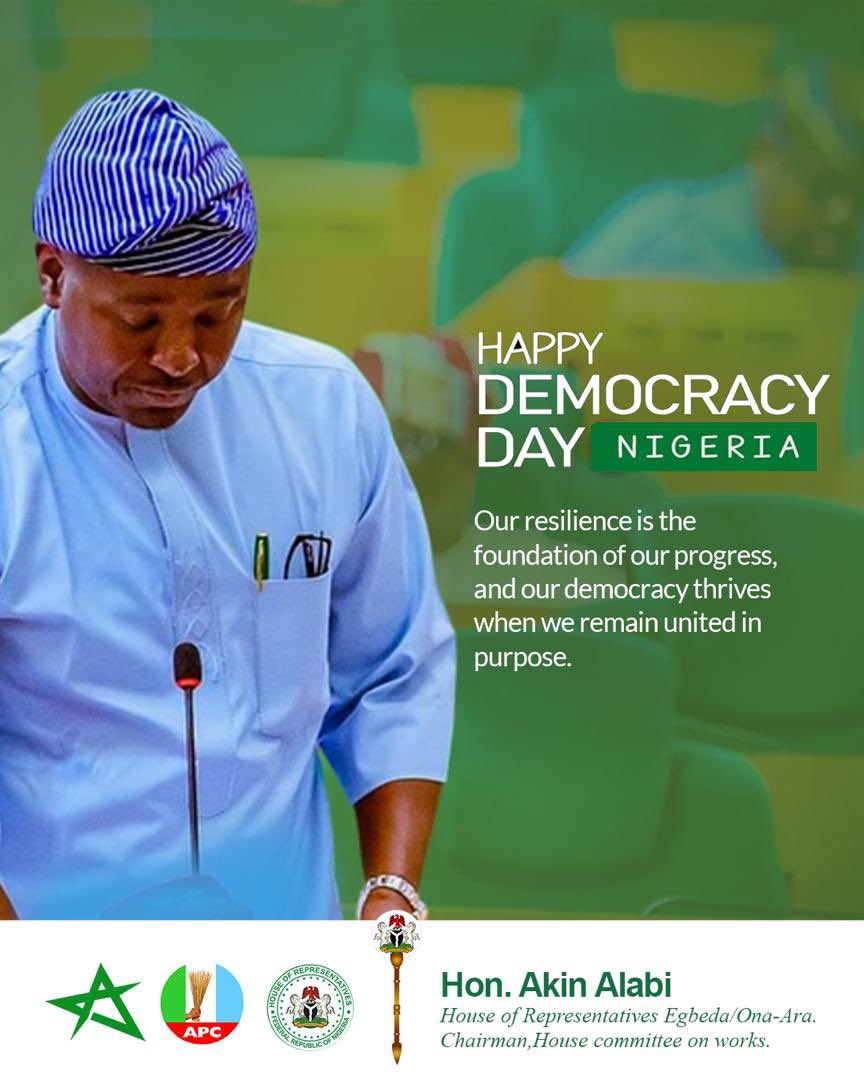
Fellow Nigerians,
On behalf of the good people of Egbeda/Ona-Ara Federal Constituency, I congratulate all Nigerians on the occasion of Democracy Day, 2026.
As we mark this important day, our thoughts and prayers are with the victims of kidnapping and insecurity across the country. In particular, I call on all relevant security agencies to intensify efforts towards the swift rescue of those recently kidnapped in Ogbomosho and ensure that they are reunited safely with their families.
Security is not something we can afford to politicize. It is a collective responsibility that requires the cooperation of government, security agencies, community leaders, and citizens alike.
It is in recognition of the urgent need to strengthen our security architecture that the House of Representatives yesterday passed the constitutional amendment bill for the creation of State Police.
This step reflects our determination to provide more effective, community-based policing and enhance the capacity of our nation to combat crime and insecurity at all levels.
While there is still much work to be done, we must continue to strengthen our democracy, uphold the rule of law, and work together for a safer, more prosperous, and more united Nigeria.
Happy Democracy Day to all Nigerians.
Hon. Akin Alabi
Ajia Olubadan of Ibadanland.
5
18
51
1,589
Today, we join millions of Nigerians at home and in the diaspora to celebrate Democracy Day 🇳🇬
This day is not just a public holiday, but a powerful reminder of the sacrifices, struggles, and resilience that have shaped our democratic journey. It reflects the courage of those who stood firm for justice, the voices that demanded accountability, and the enduring hope for a better Nigeria.
Democracy gives us the power of choice, the responsibility of participation, and the opportunity to shape our collective future. As we reflect on how far we have come, we must also recommit ourselves to unity, nation-building, and good governance.
Our democracy may not be perfect, but it is ours to nurture, strengthen, and protect. Every citizen has a role to play in ensuring progress, stability, and development for present and future generations.
Happy Democracy Day, Nigeria. Together, we move forward.
#democracyday #may29 #NigeriaWorks
1
6
11
215
The Arábìnrin Adérónké JP MNIPR retweeted

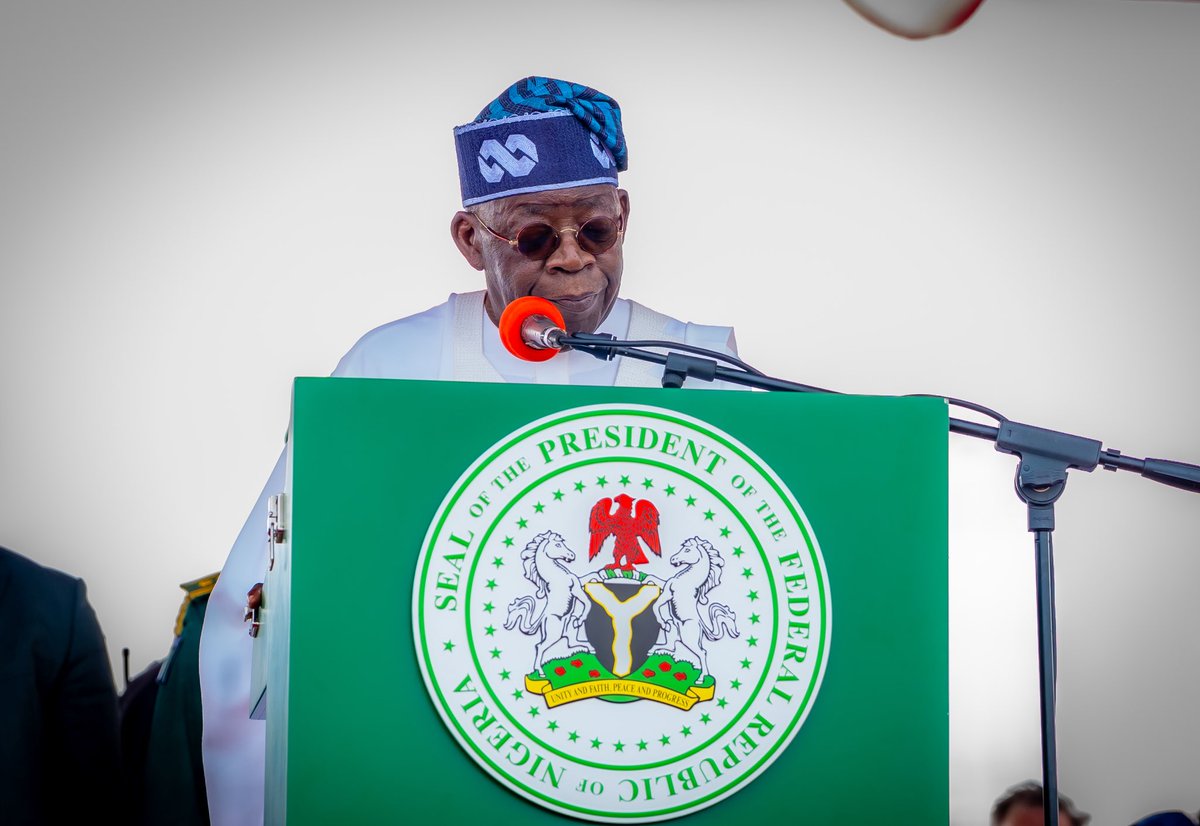
STATEHOUSE PRESS RELEASE
President Tinubu to Address the Nation on Democracy Day
President Bola Ahmed Tinubu will deliver a national address on Friday, June 12, in commemoration of Democracy Day.
The speech is scheduled to air on the network of Nigerian Television Authority (NTA) and Radio Nigeria at 7:00 a.m.
All television and radio stations are requested to hook onto the NTA and Radio Nigeria network to carry the broadcast.
Bayo Onanuga
Special Adviser to the President
(Information & Strategy)
June 11, 2026
289
154
487
37,192
The Arábìnrin Adérónké JP MNIPR retweeted

Jun 11
When duty calls, we respond. We are Progressive for a progressive Nigeria!
Learning from one of the brightest progressive minds I know @AderonkeW . She is my leader and mentor

1
2
6
76
It costs just $100–$200 to take that helicopter ride. People do it all the time, especially in places like Monaco, where it's practically a tourist activity.
So someone takes a $100 helicopter ride and then allegedly pays blogs to publicise it as some grand display of wealth? 😂
Some people are incredibly gullible on social media.
Do men still fall for this kind of tired packaging in 2026? Perhaps the nouveau riche crowd does.
And what traffic exactly are we avoiding? Traffic in Monaco? That's the joke of June. 🤣🤣🤣
16
23
138
15,405
The Arábìnrin Adérónké JP MNIPR retweeted
Beyond the Battlefield: Why Nigeria Needs a Comprehensive Post-Conflict Policy Framework
By Arábìnrin Adérónke
Nigeria's security challenges over the last 25 years have exposed a difficult truth: ending violence is not the same as building peace. While military operations may suppress insurgencies and contain outbreaks of communal violence, sustainable peace requires a deliberate process of healing societies, rebuilding institutions, and addressing the grievances that fuel conflict in the first place.
From the ethno religious crises in Kaduna and Plateau States to the Boko Haram insurgency in the North East, farmer herder clashes across the Middle Belt, and recurring inter tribal conflicts in several communities, Nigeria has witnessed cycles of violence that have claimed thousands of lives and displaced millions. According to the United Nations High Commissioner for Refugees (UNHCR), Nigeria had approximately 3.5 million internally displaced persons by the end of 2024, many uprooted by insurgency, communal violence, and insecurity.
The Boko Haram insurgency alone has killed tens of thousands of people and displaced millions since 2009, making it one of Africa's deadliest conflicts. Meanwhile, data from the Armed Conflict Location and Event Data Project (ACLED) indicates that farmer herder conflicts accounted for over 21,000 fatalities between 1997 and 2024.
Yet beyond these statistics are fractured communities, broken trust, weakened institutions, and generations growing up with memories of violence.
This is where peacebuilding and post conflict recovery become critical. Too often, Nigeria's response to conflict ends when the violence subsides. Relief materials are distributed, security personnel are deployed, and public attention shifts elsewhere. However, genuine recovery requires restoring livelihoods, rebuilding infrastructure, supporting education, providing psychosocial care for victims, and creating opportunities for communities to coexist peacefully once again.
A key policy priority should be the establishment of a National Post Conflict Recovery Framework that coordinates federal, state, and local interventions. Such a framework should include measurable indicators for recovery, community participation mechanisms, and dedicated funding for reconstruction and social reintegration programmes.
Equally important is transitional justice and reconciliation.
Victims of terrorism, religious violence, and communal conflicts frequently feel forgotten. Many have never received compensation, acknowledgement, or justice. Without addressing these grievances, resentment can persist and create conditions for future violence. Transitional justice offers a pathway for recognising victims, holding perpetrators accountable where possible, and restoring confidence in state institutions.
Nigeria can also draw lessons from countries that have successfully used truth commissions to confront painful histories and promote national healing. While various commissions of inquiry have investigated crises in places such as Jos, Kaduna, and other conflict prone areas, implementation of recommendations has often been weak. A more credible truth seeking mechanism would not only establish facts but also combat misinformation, encourage accountability, and promote reconciliation among divided communities.
As someone with an undergraduate degree and a Master's degree in Peace and Conflict Resolution and currently pursuing a PhD in the same field, I have come to appreciate that peace is not merely the absence of violence. Sustainable peace emerges when justice, inclusion, and trust are deliberately cultivated. Research consistently demonstrates that societies recovering from conflict are less likely to relapse into violence when reconciliation and institutional reforms accompany security interventions.
Another critical component is Disarmament, Demobilisation and Reintegration (DDR). Former combatants, whether insurgents, militants, or members
11
35
56
3,833
The Arábìnrin Adérónké JP MNIPR retweeted

Did you know that under President Bola Ahmed Tinubu’s administration, Nigerian security forces have recorded some of the highest numbers of terrorist neutralisations and kidnapped victims rescued in the country’s history?
81
171
378
9,739
The Arábìnrin Adérónké JP MNIPR retweeted

Jun 8
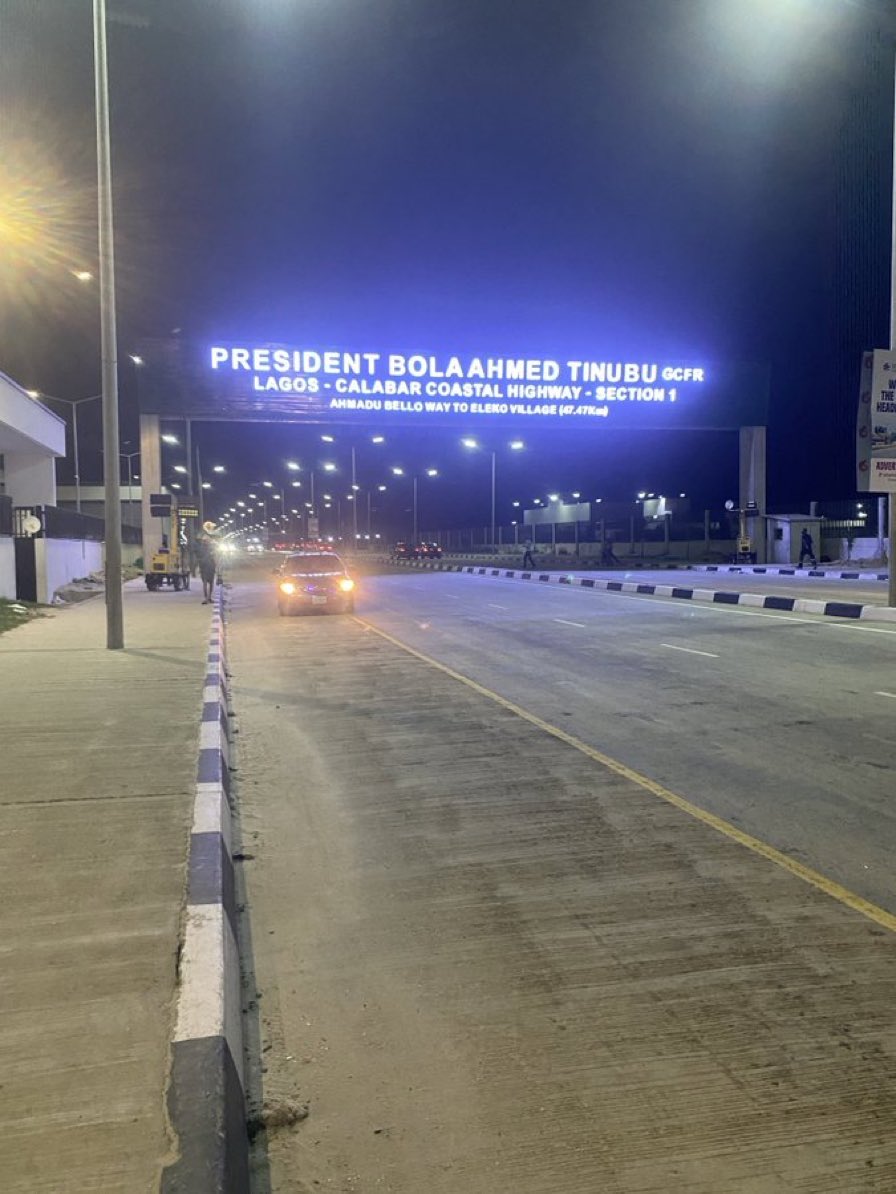
This looks good.
15
30
150
3,010
The Arábìnrin Adérónké JP MNIPR retweeted

Jun 8
Yes Nigeria needs a framework for after we kill all the terrorists. But first we gotta focus on killing ISIS leaders like we did in May. US strikes help make this quicker and smoother.
1
3
123
The secret behind every great achievement is simple: small daily efforts done consistently over time. Success is not built in a day, but it is built every day.
Don’t underestimate the power of showing up, even when progress feels slow. Each positive action is a brick laying the foundation for something greater.
As you start this Monday, stay committed, stay disciplined, and keep taking those small steps. Your future results are being shaped by the choices you make today.
Arabinrin Aderonke MNIPR
Head, Broadcast Media Unit, NRS
Technical Assistant, Broadcast Media, Nigeria Revenue Service
arabinrinaderonke.com
#ArabinrinAderonke
#ArabinrinAderonkeNRS
#Monday
4
14
24
826
The Arábìnrin Adérónké JP MNIPR retweeted

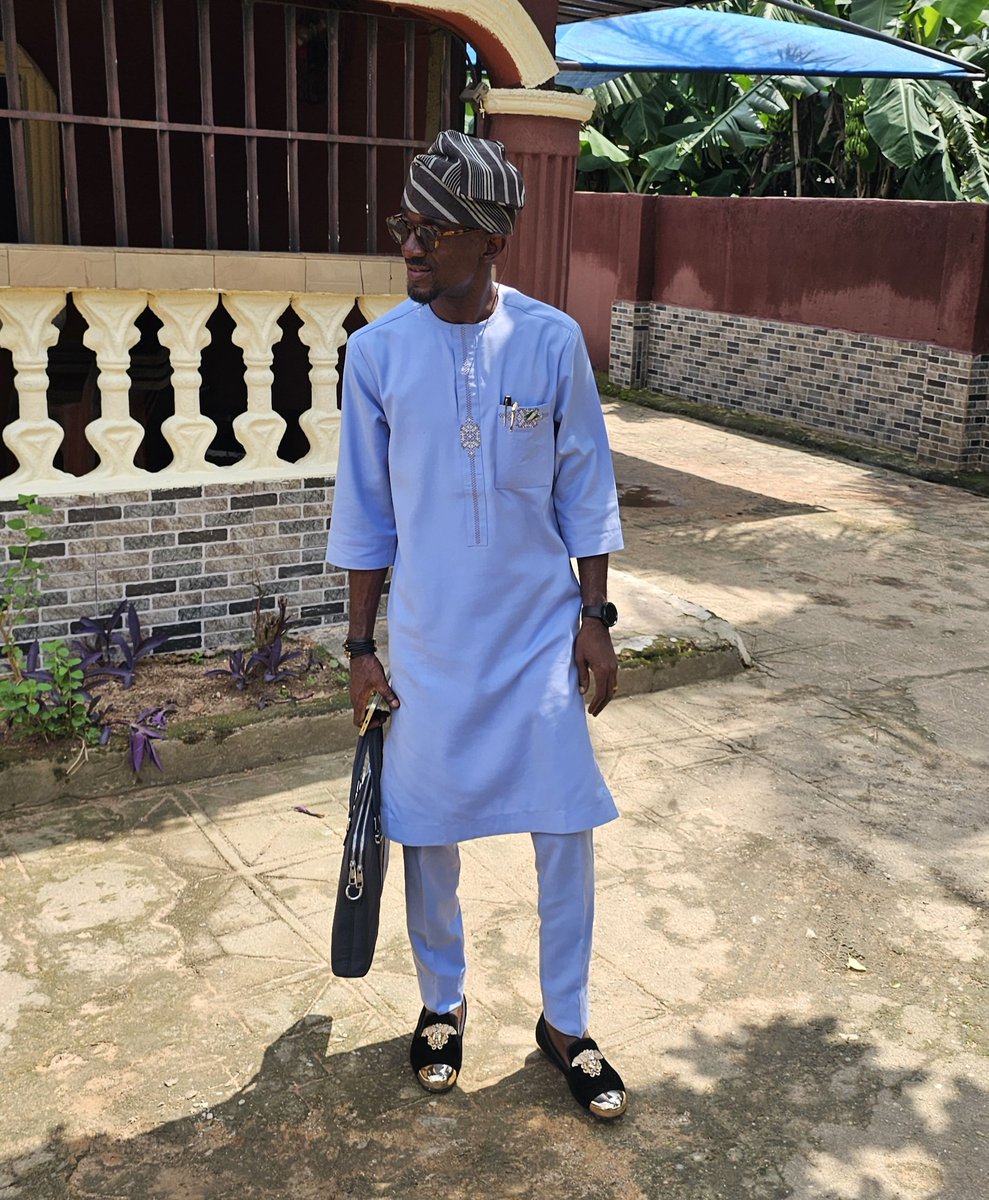
Calling me "Pst Okezie" is now considered a crime against humanity
You can now call me "Senior Pastor Okezie"
I have been elevated to the glory of God.
Elevation service coming soon.
137
39
344
10,353
The Arábìnrin Adérónké JP MNIPR retweeted
Jun 6
Looking forward to 2027. President Bola Ahmed Tinubu till 2031.

959
250
1,660
590,869
The Arábìnrin Adérónké JP MNIPR retweeted
Beyond the Battlefield: Why Nigeria Needs a Comprehensive Post-Conflict Policy Framework
By Arábìnrin Adérónke @AderonkeW
Nigeria's security challenges over the last 25 years have exposed a difficult truth: ending violence is not the same as building peace. While military operations may suppress insurgencies and contain outbreaks of communal violence, sustainable peace requires a deliberate process of healing societies, rebuilding institutions, & addressing the grievances that fuel conflict in the first place.
From the ethno religious crises in Kaduna and Plateau States to the Boko Haram insurgency in the North East, farmer herder clashes across the Middle Belt, and recurring inter tribal conflicts in several communities, Nigeria has witnessed cycles of violence that have claimed thousands of lives and displaced millions. According to the United Nations High Commissioner for Refugees (UNHCR), Nigeria had approximately 3.5 million internally displaced persons by the end of 2024, many uprooted by insurgency, communal violence, and insecurity.
The Boko Haram insurgency alone has killed tens of thousands of people and displaced millions since 2009, making it one of Africa's deadliest conflicts. Meanwhile, data from the Armed Conflict Location and Event Data Project (ACLED) indicates that farmer herder conflicts accounted for over 21,000 fatalities between 1997 and 2024.
Yet beyond these statistics are fractured communities, broken trust, weakened institutions, and generations growing up with memories of violence.
This is where peacebuilding and post conflict recovery become critical. Too often, Nigeria's response to conflict ends when the violence subsides. Relief materials are distributed, security personnel are deployed, and public attention shifts elsewhere. However, genuine recovery requires restoring livelihoods, rebuilding infrastructure, supporting education, providing psychosocial care for victims, and creating opportunities for communities to coexist peacefully once again.
A key policy priority should be the establishment of a National Post Conflict Recovery Framework that coordinates federal, state, and local interventions. Such a framework should include measurable indicators for recovery, community participation mechanisms, and dedicated funding for reconstruction and social reintegration programmes.
Equally important is transitional justice and reconciliation.
Victims of terrorism, religious violence, & communal conflicts frequently feel forgotten. Many have never received compensation, acknowledgement, or justice. Without addressing these grievances, resentment can persist & create conditions for future violence. Transitional justice offers a pathway for recognising victims, holding perpetrators accountable where possible, & restoring confidence in state institutions.
Nigeria can also draw lessons from countries that have successfully used truth commissions to confront painful histories and promote national healing. While various commissions of inquiry have investigated crises in places such as Jos, Kaduna, and other conflict prone areas, implementation of recommendations has often been weak. A more credible truth seeking mechanism would not only establish facts but also combat misinformation, encourage accountability, & promote reconciliation among divided communities.
As someone with an undergraduate degree and a Master's degree in Peace & Conflict Resolution and currently pursuing a PhD in the same field, I have come to appreciate that peace is not merely the absence of violence. Sustainable peace emerges when justice, inclusion, and trust are deliberately cultivated. Research consistently demonstrates that societies recovering from conflict are less likely to relapse into violence when reconciliation and institutional reforms accompany security interventions.
Another critical component is Disarmament, Demobilisation and Reintegration (DDR). Former combatants, whether insurgents, militants, or members

1
2
5
321
The Arábìnrin Adérónké JP MNIPR retweeted

Happy birthday to my little angel ❤️
I know your birthday was last week Sunday, but life had other plans because my little princess wasn’t feeling too well, and honestly nothing matters to me more than your health and smile.
Seeing you weak these past few days broke me quietly as a father because you came into my life after years of pain, waiting, tears, miscarriages, mockery, and silent prayers. Today, my heart is full again seeing you getting stronger.
My daughter, you are only 1 year old, but you changed everything around me. You came into my life when I was losing faith in myself and humanity. You brought peace back into a home that had seen too much sadness. God used your little cry to heal wounds nobody could see.
Sometimes I look at you and still struggle to believe you are truly mine. After all the hospitals, sleepless nights, silent tears from your mother, and the battles we fought quietly, God still looked at us and gave us you.
My little angel, may sadness never know your address. May you never bury your dreams because of fear. May your laughter never disappear from this house. May God protect you from sickness, evil eyes, wicked people, and pain bigger than your age.
You will not fight the battles your mother and I fought before we had you. You will grow with peace, love, favor, wisdom, and grace. Doors will open for you without struggle. The same God that brought you into our lives will never leave you.
Thank you for choosing me to be your father, my little angel. Happy 1st birthday to the child that gave me another reason to stay alive. 🥹❤️




110
36
244
17,952
Beyond the Battlefield: Why Nigeria Needs a Comprehensive Post-Conflict Policy Framework
By Arábìnrin Adérónke
Nigeria's security challenges over the last 25 years have exposed a difficult truth: ending violence is not the same as building peace. While military operations may suppress insurgencies and contain outbreaks of communal violence, sustainable peace requires a deliberate process of healing societies, rebuilding institutions, and addressing the grievances that fuel conflict in the first place.
From the ethno religious crises in Kaduna and Plateau States to the Boko Haram insurgency in the North East, farmer herder clashes across the Middle Belt, and recurring inter tribal conflicts in several communities, Nigeria has witnessed cycles of violence that have claimed thousands of lives and displaced millions. According to the United Nations High Commissioner for Refugees (UNHCR), Nigeria had approximately 3.5 million internally displaced persons by the end of 2024, many uprooted by insurgency, communal violence, and insecurity.
The Boko Haram insurgency alone has killed tens of thousands of people and displaced millions since 2009, making it one of Africa's deadliest conflicts. Meanwhile, data from the Armed Conflict Location and Event Data Project (ACLED) indicates that farmer herder conflicts accounted for over 21,000 fatalities between 1997 and 2024.
Yet beyond these statistics are fractured communities, broken trust, weakened institutions, and generations growing up with memories of violence.
This is where peacebuilding and post conflict recovery become critical. Too often, Nigeria's response to conflict ends when the violence subsides. Relief materials are distributed, security personnel are deployed, and public attention shifts elsewhere. However, genuine recovery requires restoring livelihoods, rebuilding infrastructure, supporting education, providing psychosocial care for victims, and creating opportunities for communities to coexist peacefully once again.
A key policy priority should be the establishment of a National Post Conflict Recovery Framework that coordinates federal, state, and local interventions. Such a framework should include measurable indicators for recovery, community participation mechanisms, and dedicated funding for reconstruction and social reintegration programmes.
Equally important is transitional justice and reconciliation.
Victims of terrorism, religious violence, and communal conflicts frequently feel forgotten. Many have never received compensation, acknowledgement, or justice. Without addressing these grievances, resentment can persist and create conditions for future violence. Transitional justice offers a pathway for recognising victims, holding perpetrators accountable where possible, and restoring confidence in state institutions.
Nigeria can also draw lessons from countries that have successfully used truth commissions to confront painful histories and promote national healing. While various commissions of inquiry have investigated crises in places such as Jos, Kaduna, and other conflict prone areas, implementation of recommendations has often been weak. A more credible truth seeking mechanism would not only establish facts but also combat misinformation, encourage accountability, and promote reconciliation among divided communities.
As someone with an undergraduate degree and a Master's degree in Peace and Conflict Resolution and currently pursuing a PhD in the same field, I have come to appreciate that peace is not merely the absence of violence. Sustainable peace emerges when justice, inclusion, and trust are deliberately cultivated. Research consistently demonstrates that societies recovering from conflict are less likely to relapse into violence when reconciliation and institutional reforms accompany security interventions.
Another critical component is Disarmament, Demobilisation and Reintegration (DDR). Former combatants, whether insurgents, militants, or members
11
35
56
3,833
of armed groups, cannot simply be disarmed and abandoned. Reintegration programmes that provide education, vocational training, counselling, and economic opportunities reduce the likelihood of a return to violence.
To strengthen DDR outcomes, policymakers should prioritise community based reintegration approaches that involve traditional rulers, religious leaders, women, and youth groups. Reintegration must be seen not only as a security initiative but also as a development and social cohesion strategy.
However, none of these efforts can succeed without institutional reform and good governance. Weak institutions, corruption, poor service delivery, and perceived injustice continue to undermine peacebuilding efforts across Nigeria. Many conflicts that appear ethnic or religious on the surface are often rooted in competition over resources, exclusion, political manipulation, and governance failures.
Policy reforms should therefore focus on strengthening local conflict resolution mechanisms, improving access to justice, enhancing security sector accountability, and institutionalising early warning and early response systems. Government must also prioritise inclusive governance that ensures all groups feel represented and protected regardless of ethnicity, religion, or region.
Nigeria's challenge is not simply defeating insurgents or ending communal clashes. It is building a society where citizens trust institutions more than armed groups, where disputes are resolved through dialogue rather than violence, and where diversity is viewed as a strength rather than a fault line.
The future of peace in Nigeria will not be determined solely on the battlefield. It will be determined in communities, institutions, and policy decisions that address the root causes of conflict. Until the country commits fully to peacebuilding, reconciliation, DDR, truth seeking, and governance reforms, many conflicts may end, but the conditions that created them will remain.
Arabinrin Aderonke is a PhD student in Peace and Development studies, an award-winning investigative journalist. Policy analyst, development and peace expert. She writes from Abuja. Contact@arabinrinaderonke.com
1
3
9
362
The Arábìnrin Adérónké JP MNIPR retweeted

Jun 7
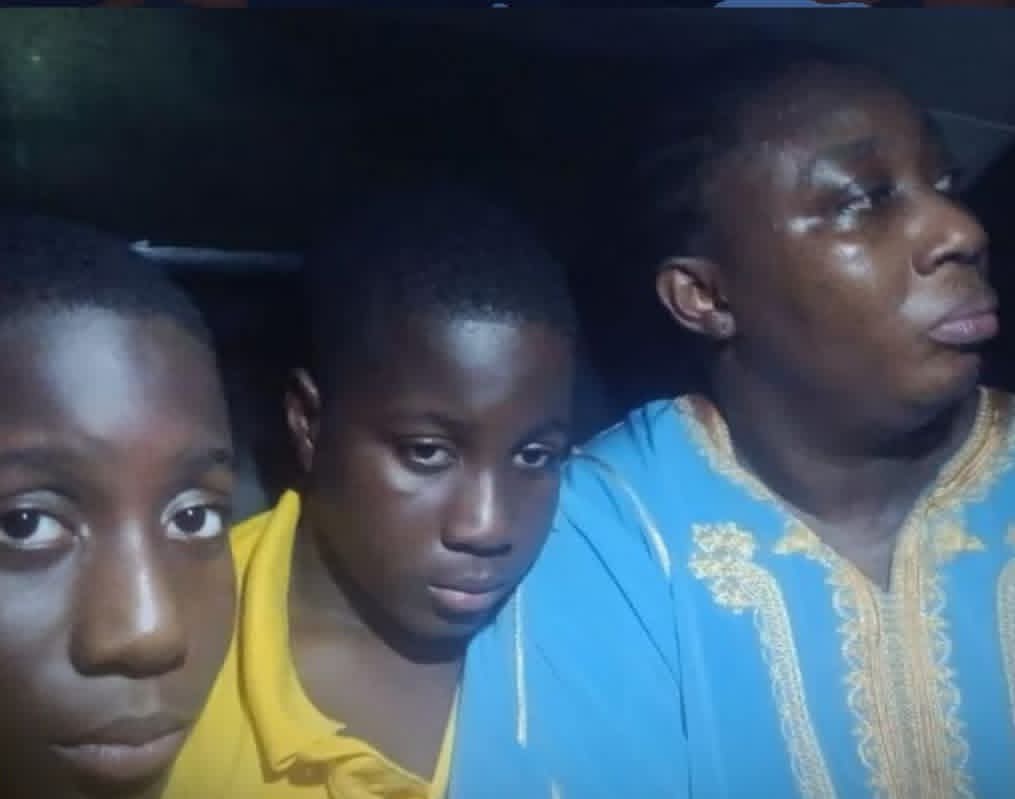
Those who are comparing the Adelabu's sister and her twins situation to the Ogbomoso kids and their teachers are totally wrong.
It is wrong to compare the urban gang of kidnappers who engage in copycat crime to make money and hide victims inside a flat within the community to a band of terrorists operating deep inside the bush. The two set of criminals have different motivations and agenda.
The Ogbomoso children and their teachers will be rescued, and government/security agencies are not selective as falsely claimed. The approach to the two incidents can't be the same.
We should be happy that the woman and his twins are safely home while we pray for quicker rescue of those still in the bush with their abductors.
41
45
128
15,507
Social media and the death of genuine human connection
When was the last time you connected with the authentic version of someone rather than the carefully curated image they present online?
thecable.ng/social-media-and…
1
2
76
The Arábìnrin Adérónké JP MNIPR retweeted
The IGP crack team has arrested Ifechukwu Dennis who originated the fake voice that he passed on to his gullible targets as President Tinubu’s voice. Dennis was arrested in Benin. The police will issue an official statement.
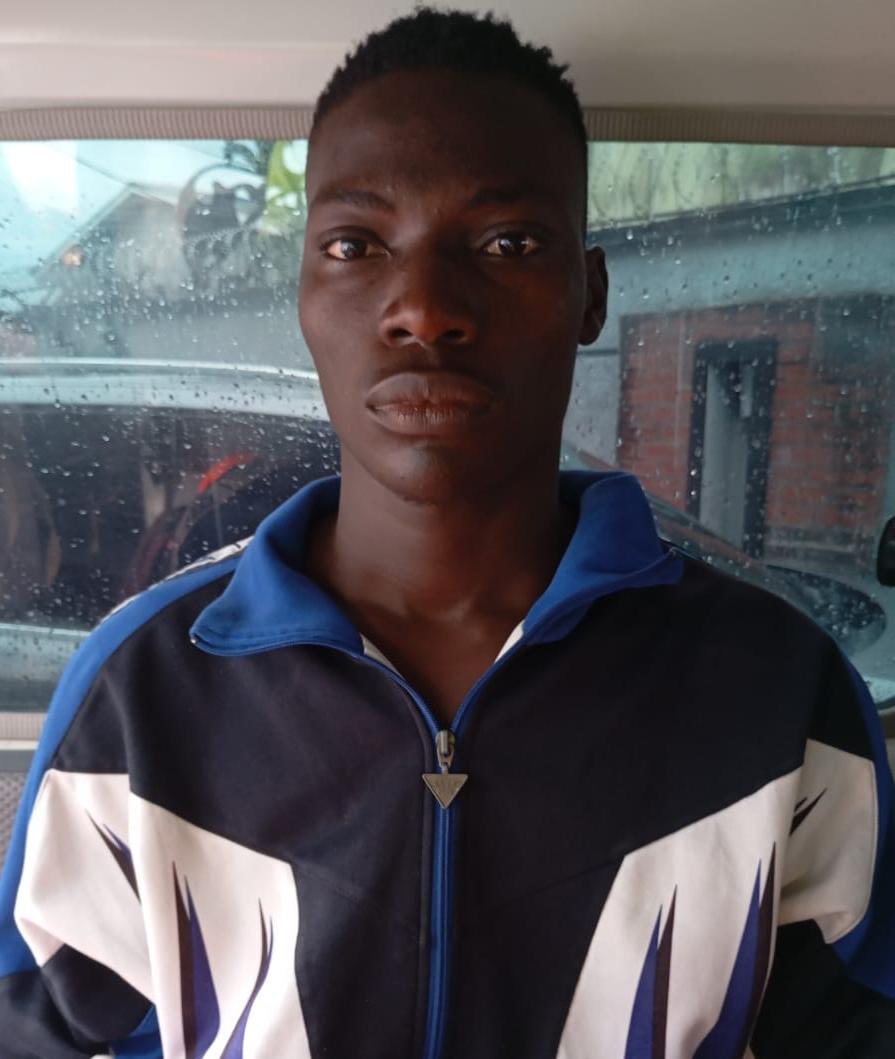

A tech expert has just traced the origin of the fake AI voice note attributed to President Tinubu and revealed the true identity of suspected mastermind of the fake voice note: IFECHUKWU DENNIS.
@OfficialDSSNG
@PoliceNG
5,670
1,152
3,059
1,401,359