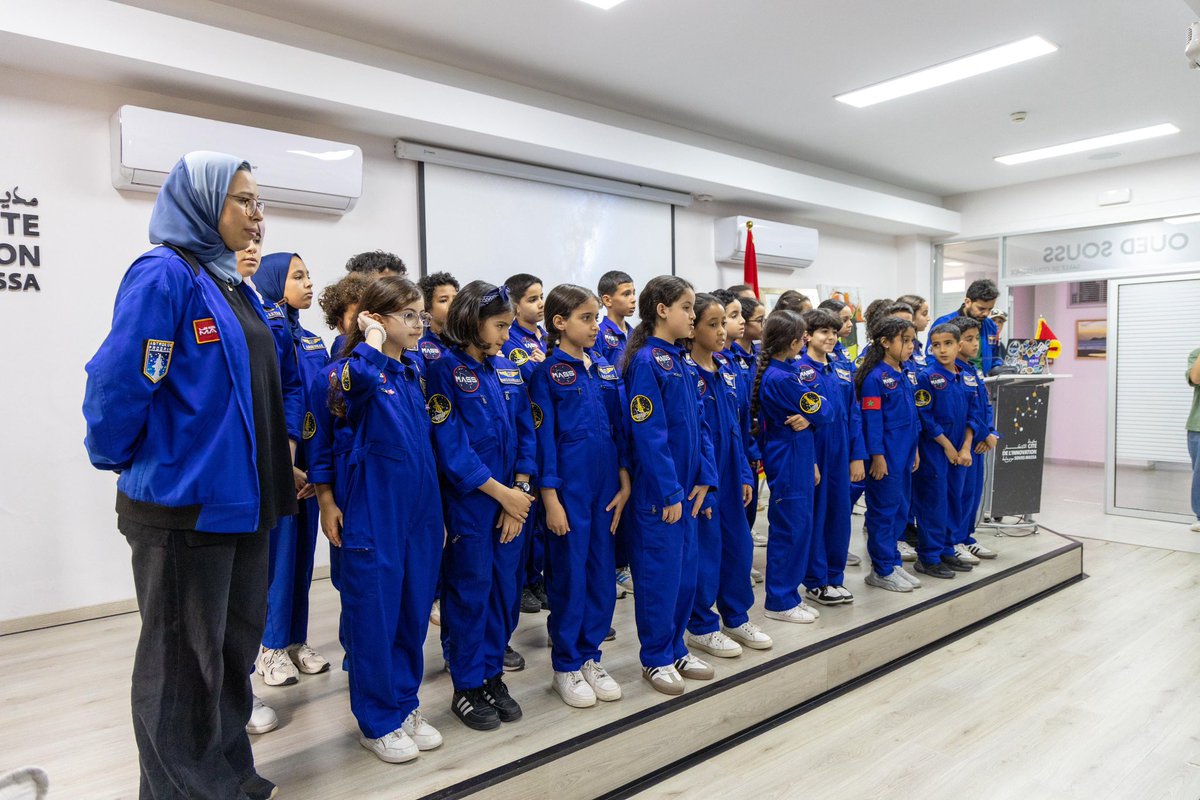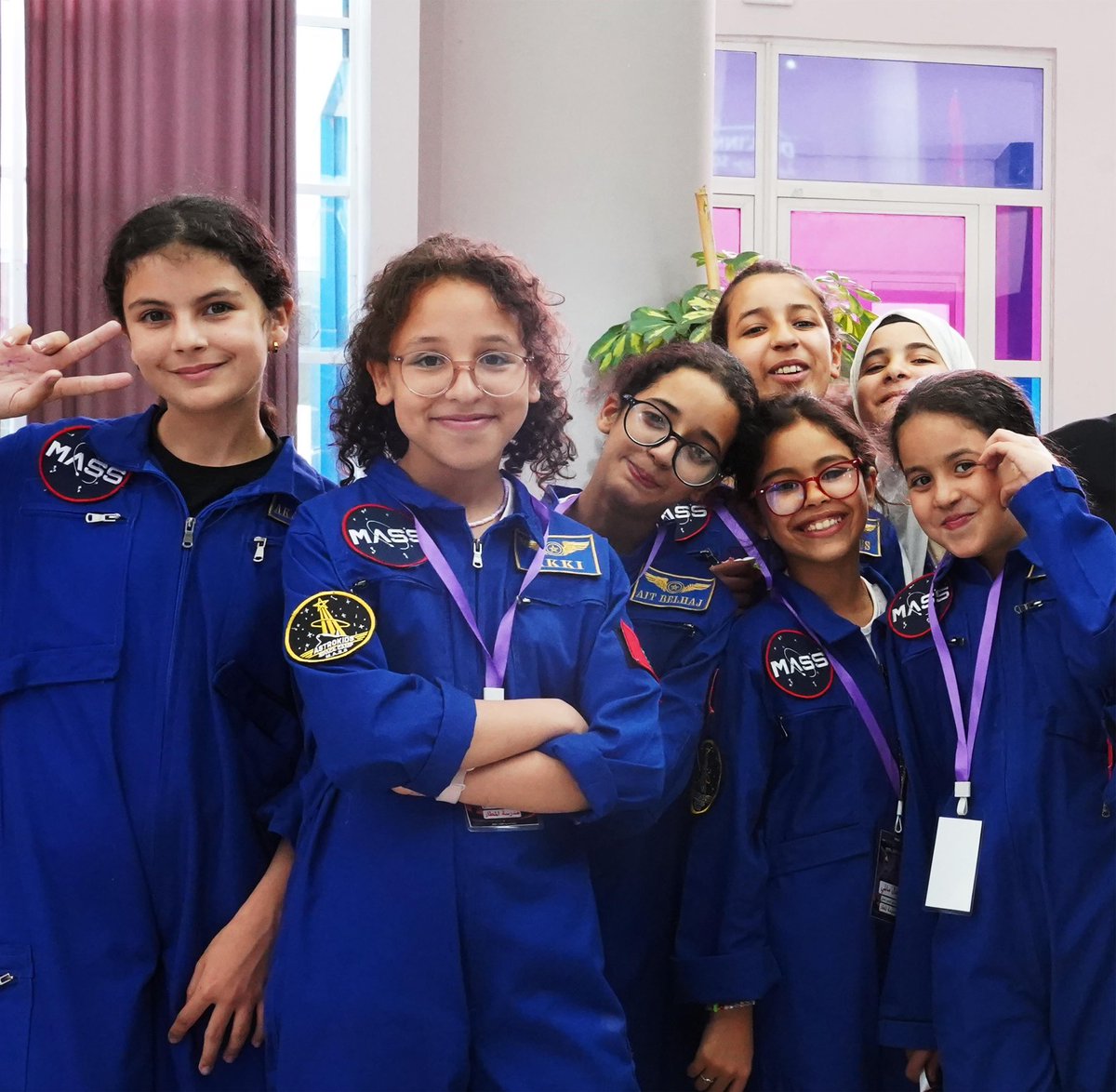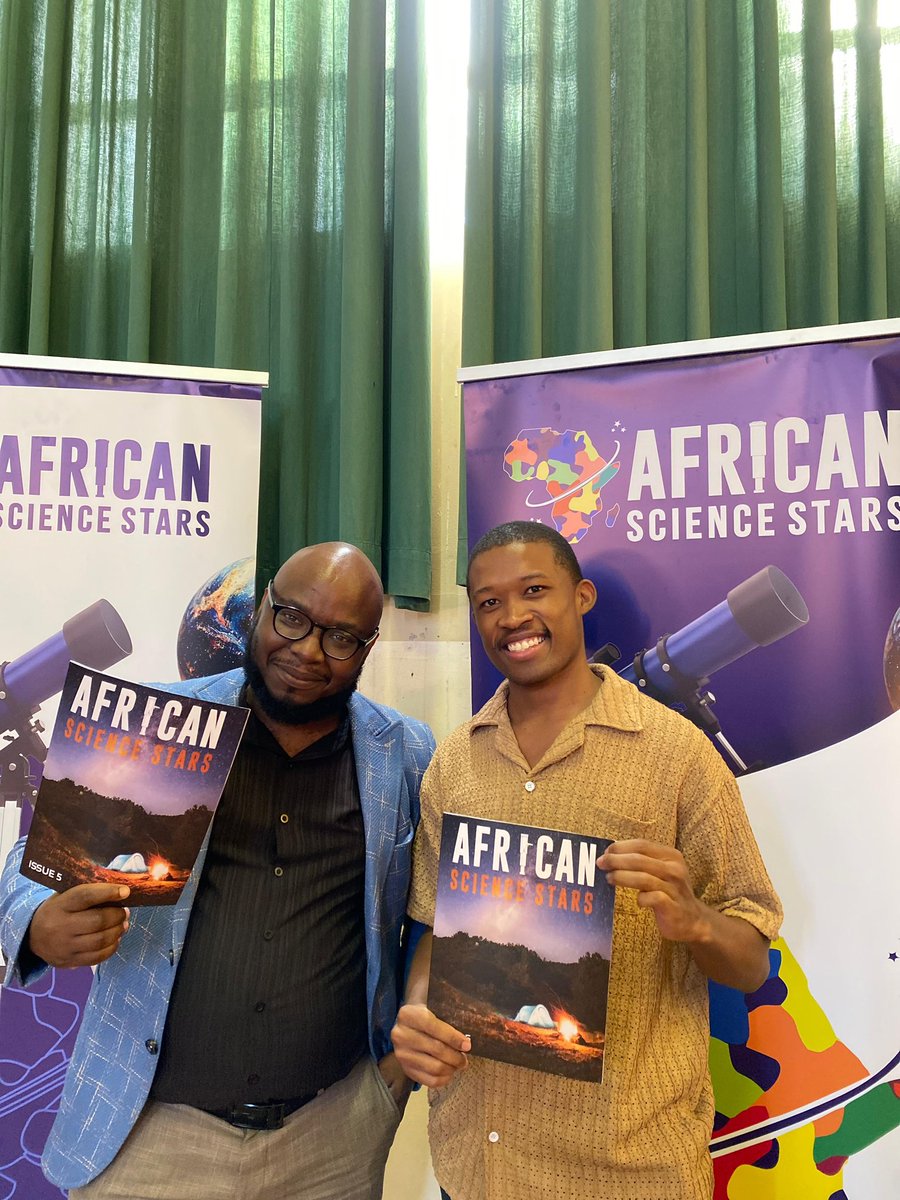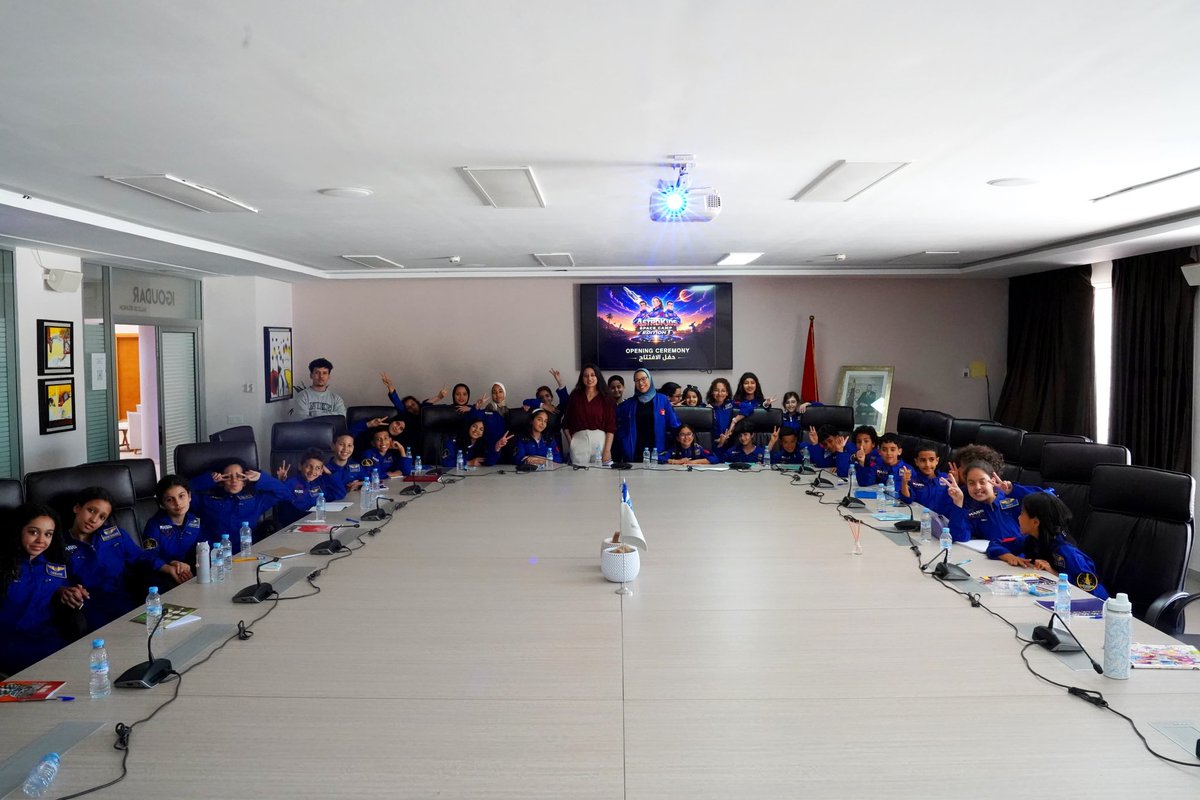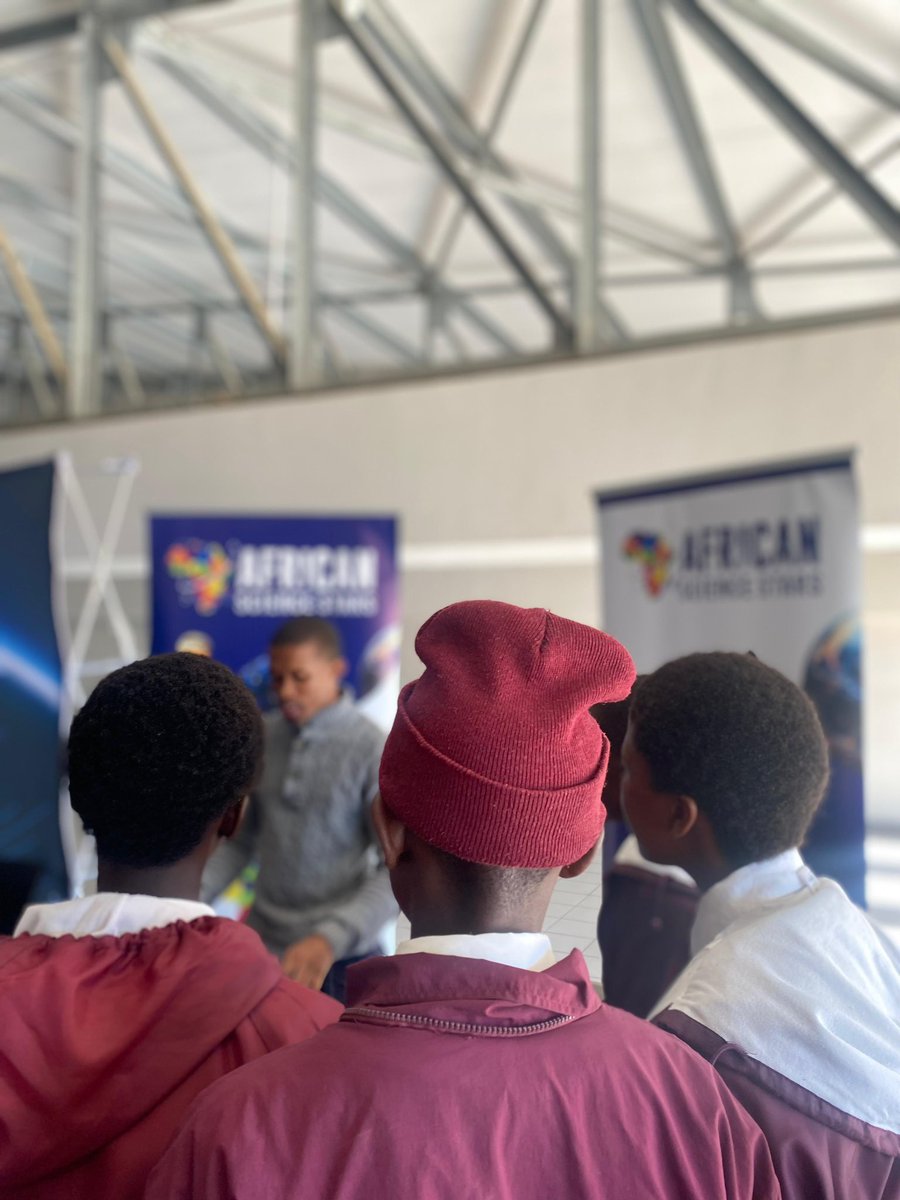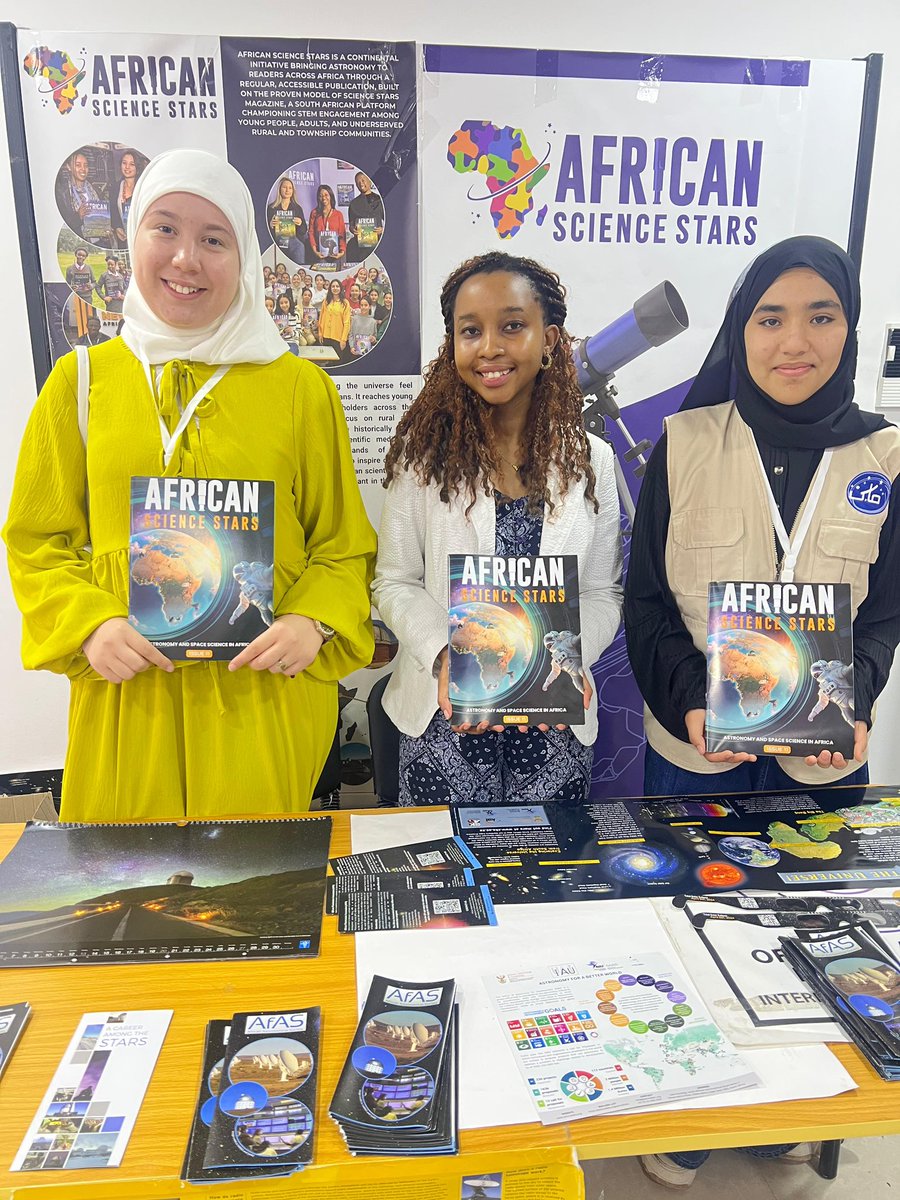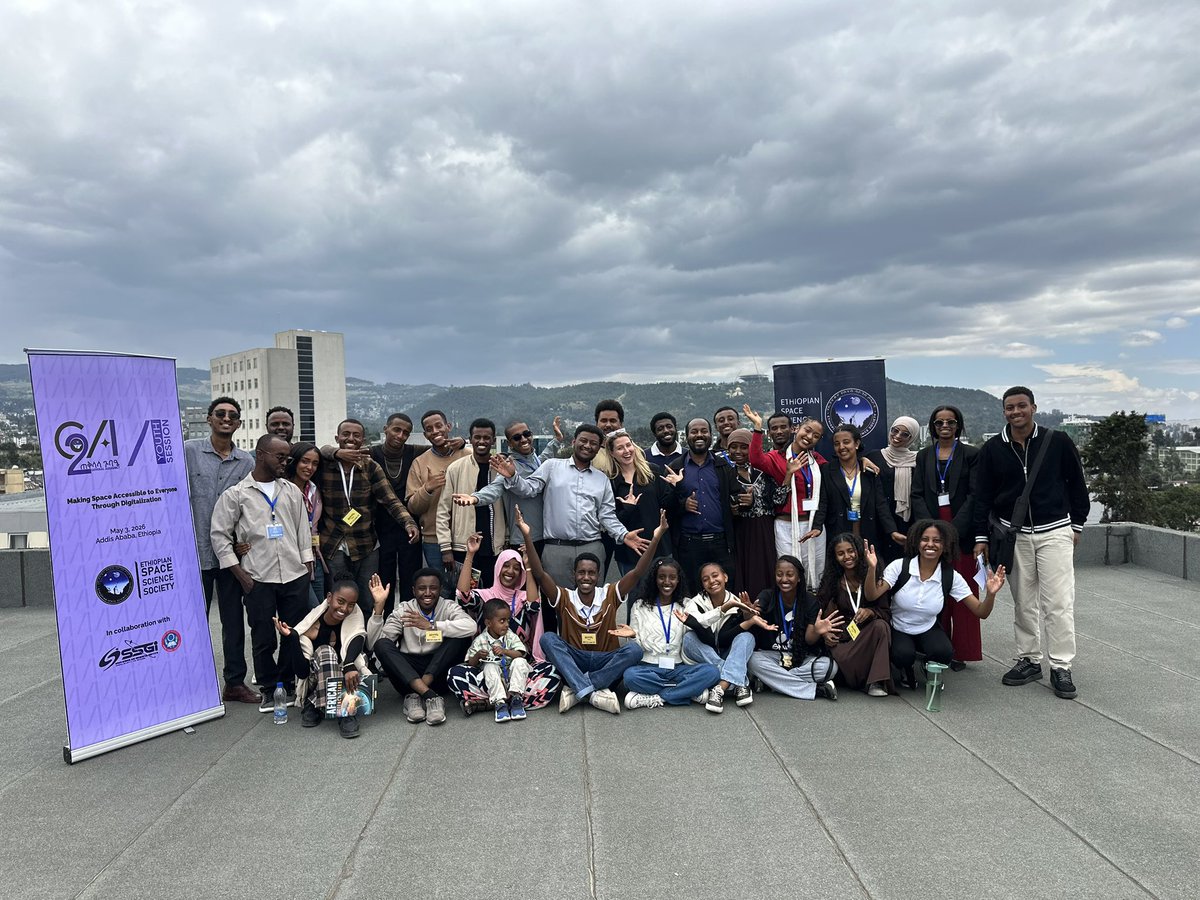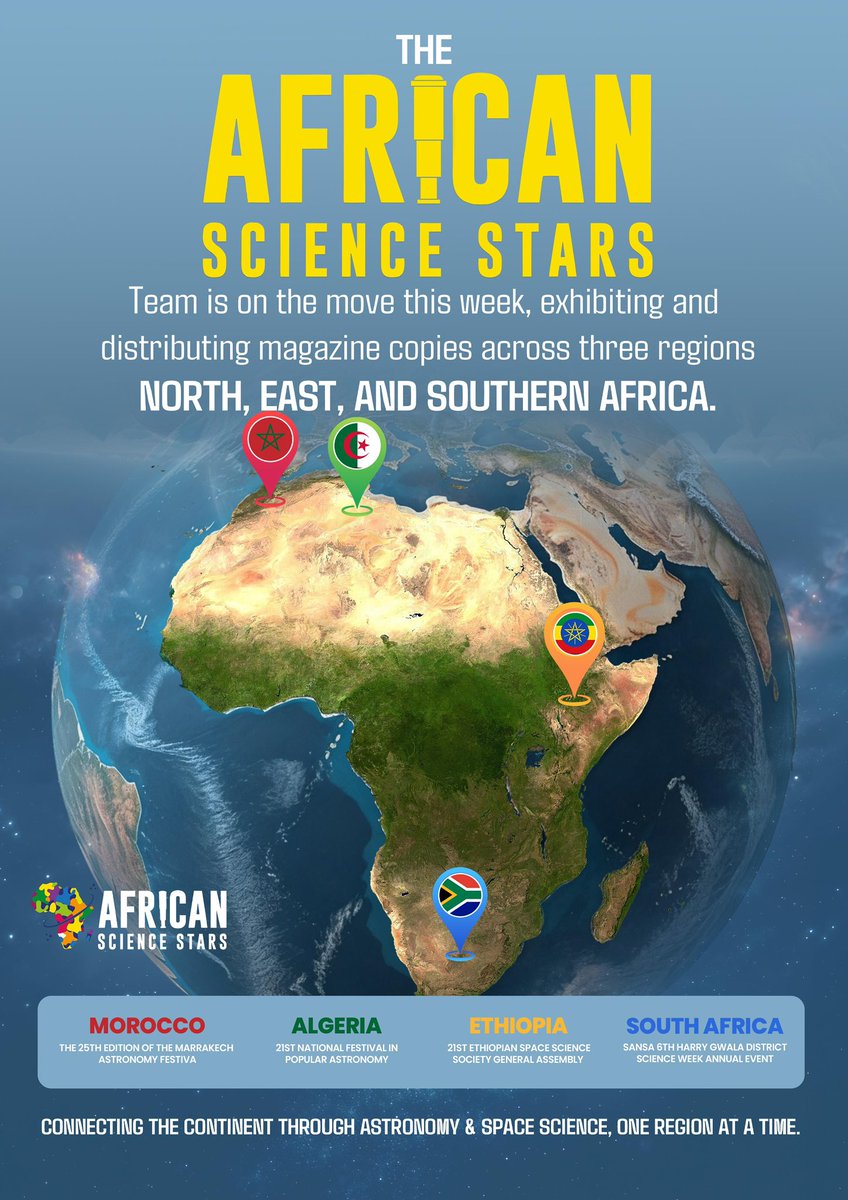
The African Science Stars team has been on the move, exhibiting and distributing magazine copies across three regions - North, East, and Southern Africa. 🇲🇦 🇩🇿 🇪🇹 🇿🇦
Connecting the continent through astronomy & space science, one region at a time.
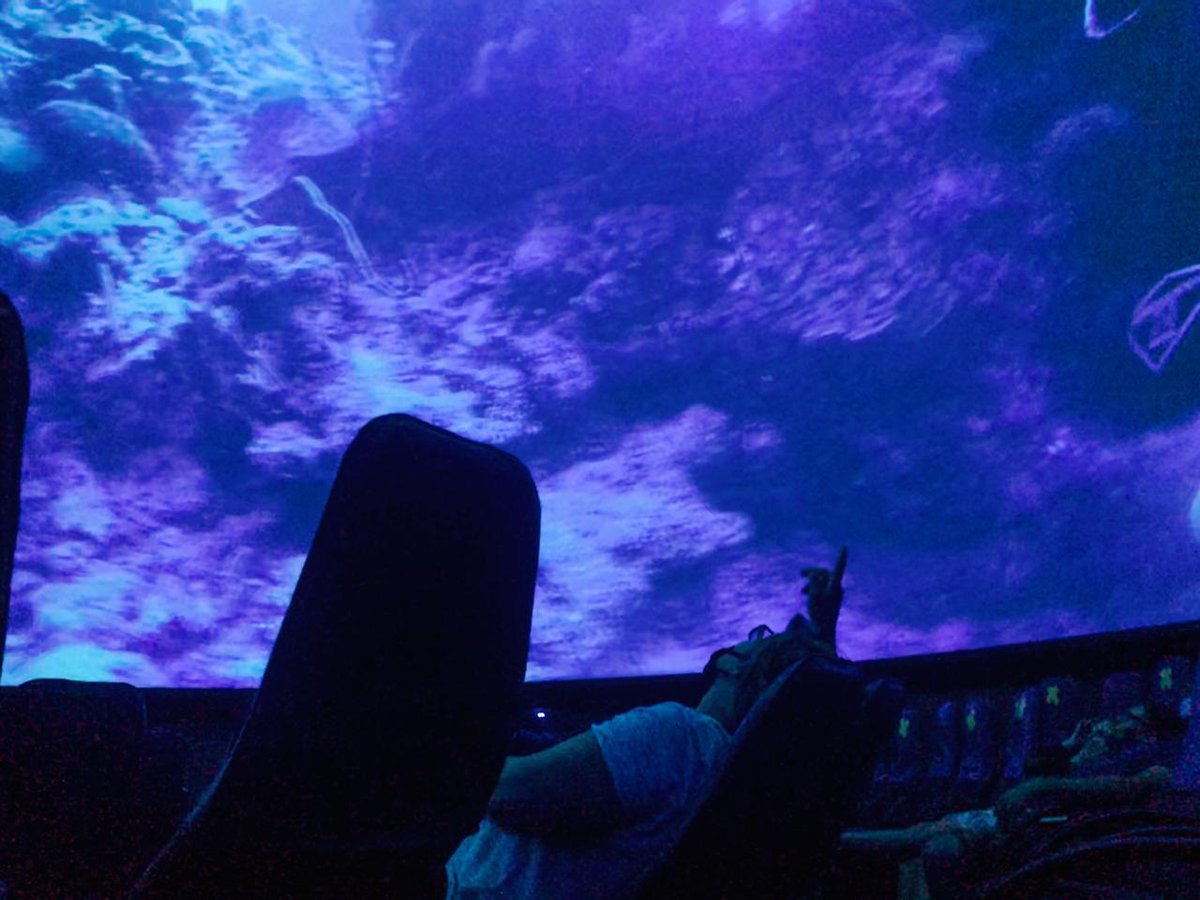
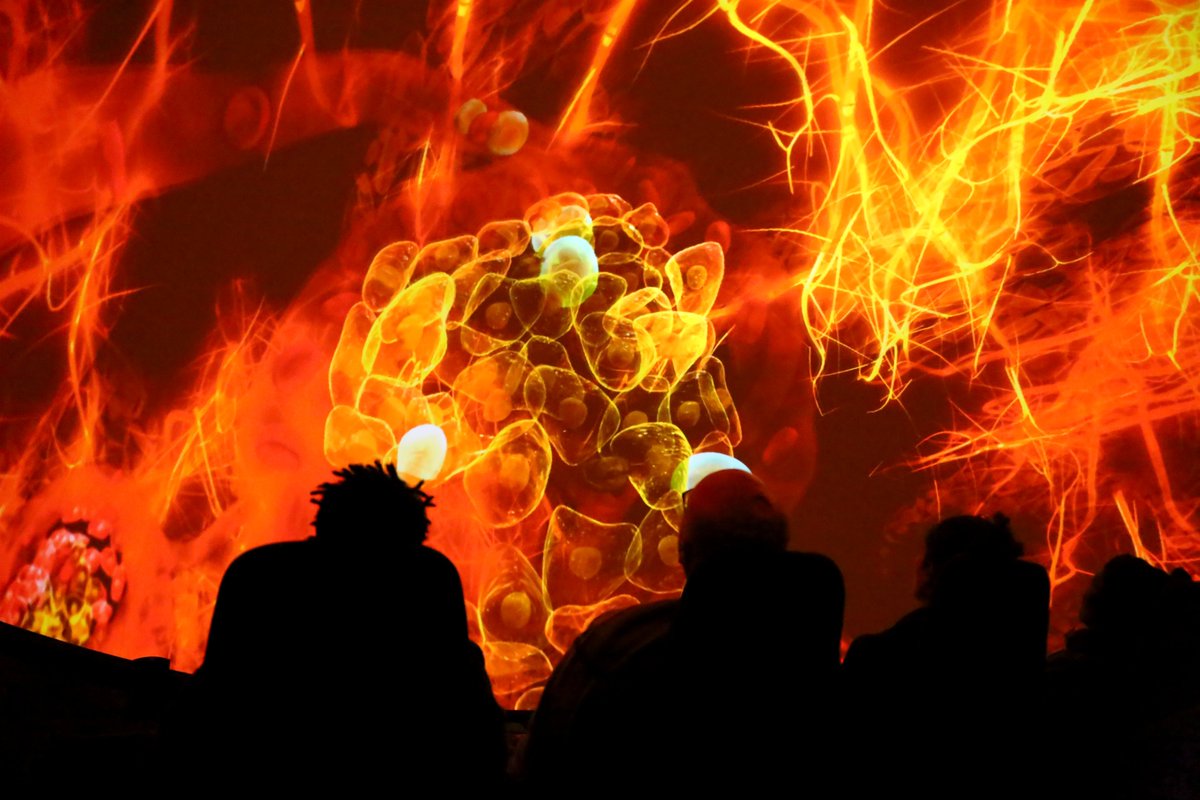
This weekend at the Iziko South African Museum Planetarium & Digital Dome!
🪐 Polaris | 🌍 Perfect Little Planet | ☀️ Our Sun | 🔭 DESI: 5000 Eyes
✨ A cosmic journey for the whole family.
#IzikoPlanetarium#Astronomy#WeekendPlans
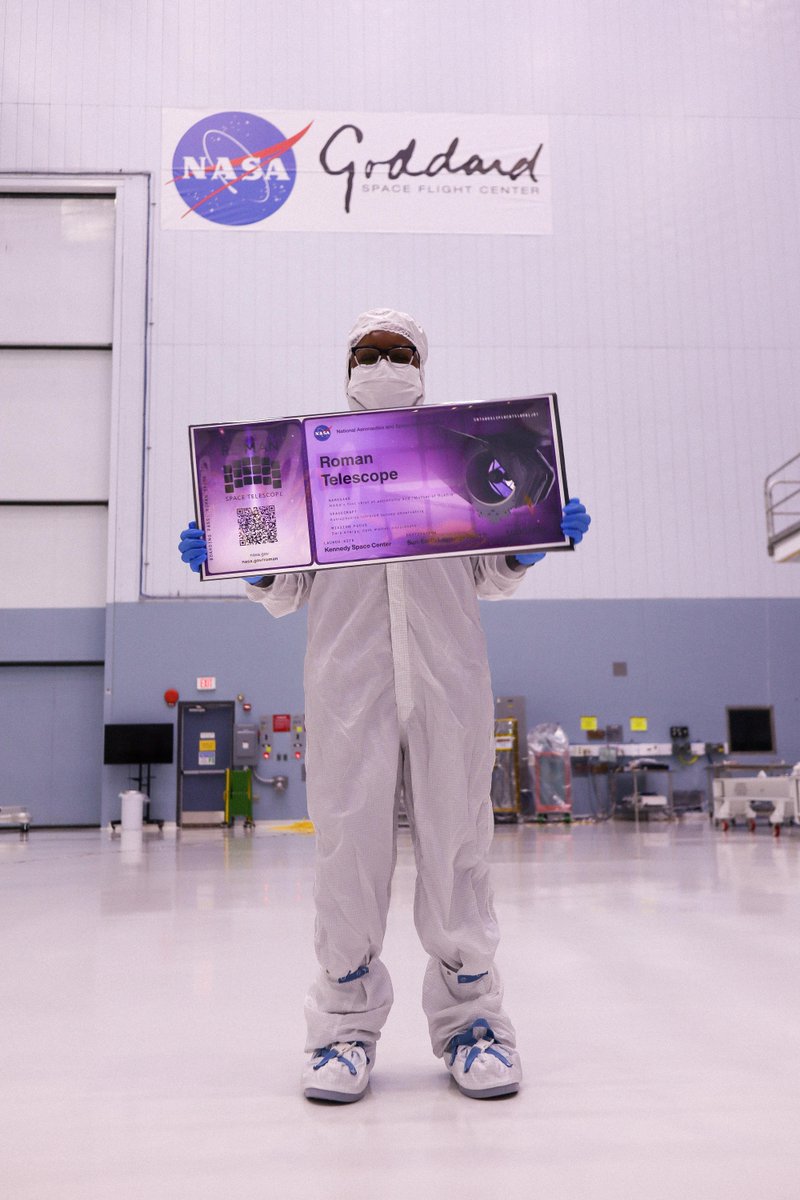
Go far and wide with @NASARoman! NASA’s next space telescope will be joining Webb in L2, a million miles away to join us and your name can come too!
Get your boarding pass to send your name with Roman as we work to create the most complete picture of the universe yet: my.nasa.gov/specialevents/s/…
ALT A person holds a large, purple "boarding pass" for NASA's Nancy Grace Roman Space Telescope in Goddard's large cleanroom wearing a full white cleanroom suit. The boarding pass has the detector logo for Roman, an artist concept image of Roman, as well as a QR code, the telescope, and the NASA logo. "Roman Telescope" is written where the name would go.

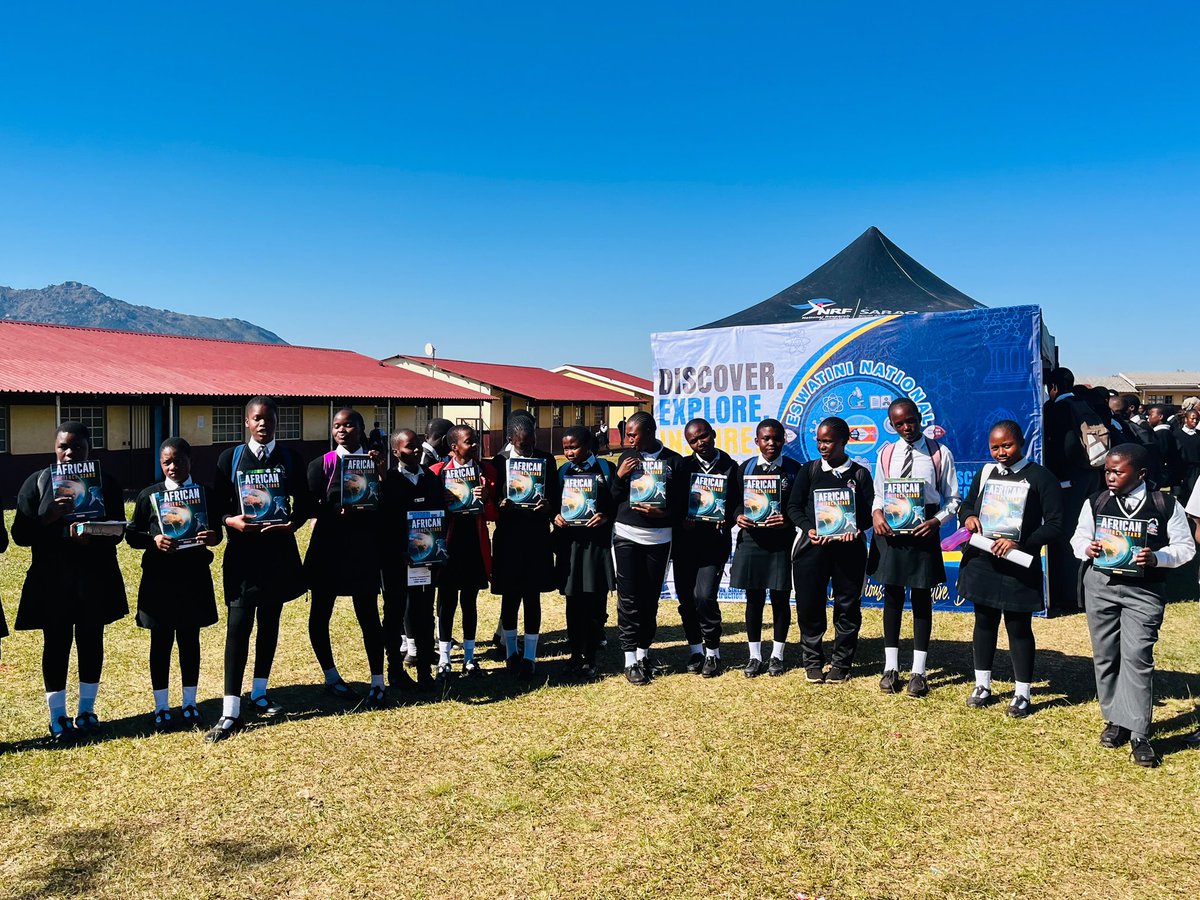
SAASTA was at the Eswatini Science Week, where they proudly promoted the African Science Stars Women in Astronomy Edition. 🚀
The special edition celebrates women in astronomy, inspiring the next generation of scientists, researchers and innovators across Africa. 🌍
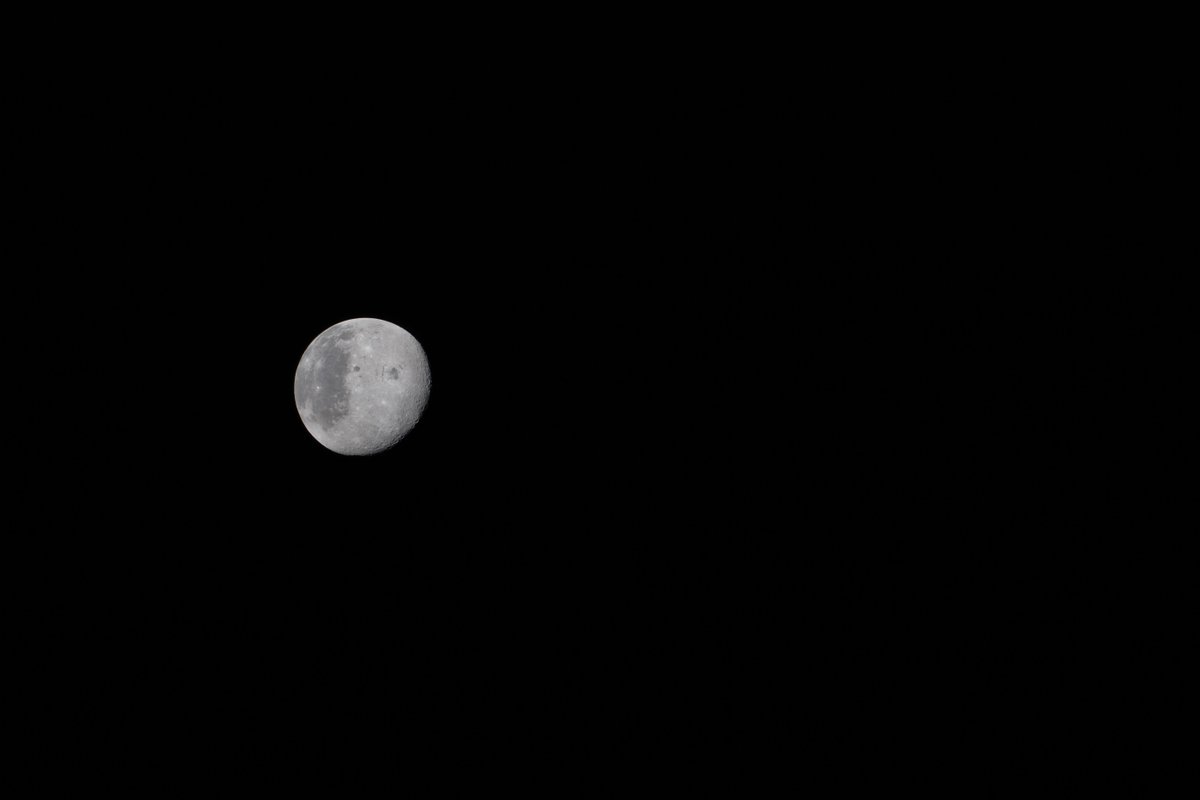
Behold: new and previously unseen imagery from our Artemis II mission!
These images were captured on April 6, 2026, when the four astronauts aboard the Orion spacecraft conducted the lunar flyby portion of their ten-day journey.
ALT This photo of the Moon was captured by the Artemis II crew aboard the Orion spacecraft a few hours before the lunar flyby on April 6, 2026. During the flyby, the crew captured critical science observations as they traveled around the far side of the Moon, traveling farther than any humans ever before. The Moon resembles a gray cratered orb in the distance, standing out against the blackness of space. Credit: NASA
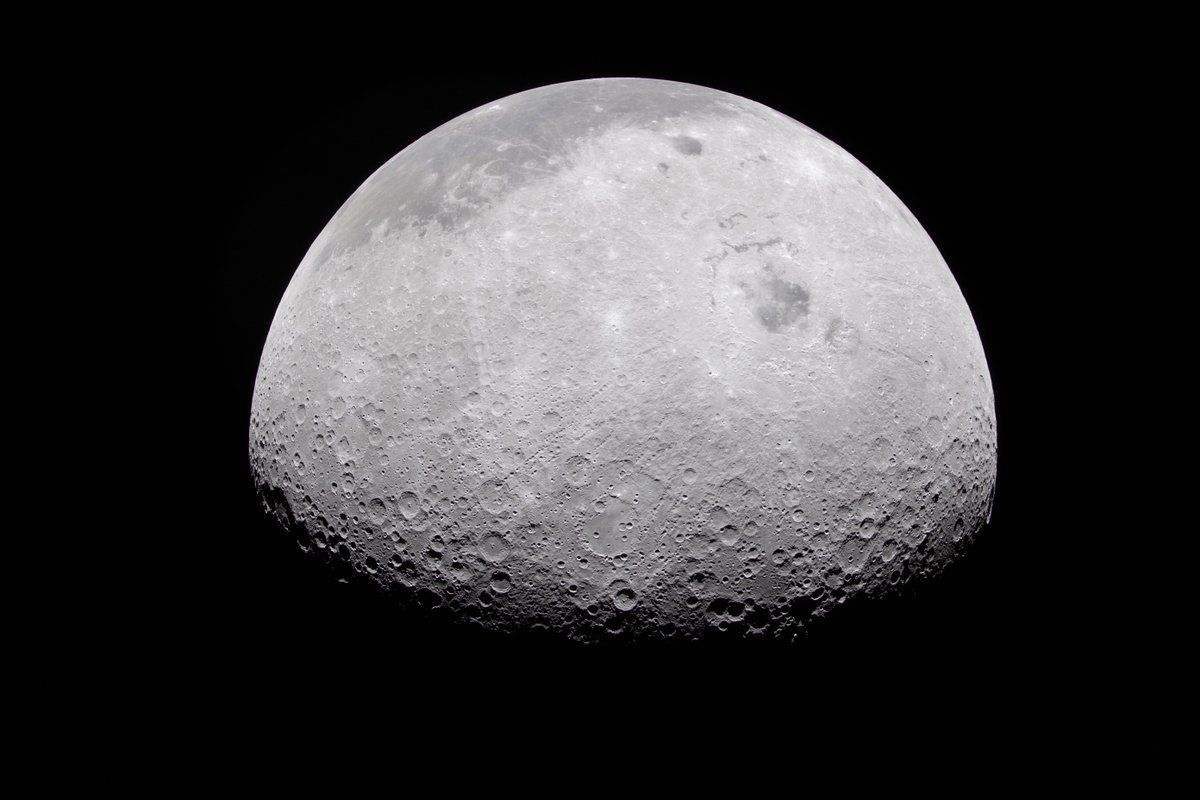
ALT The Moon appears half-illuminated in this photo captured by the Artemis II crew on April 6, 2026. The terminator — the difference between light and darkness — provides a stark contrast and even greater perspective of the Moon's rocky, uneven, and otherworldly surface features. The near side of the Moon, which is what we can see from Earth, appears in the dark gray regions at the top of this image. The Moon stands out against the blackness of space around it. Credit: NASA
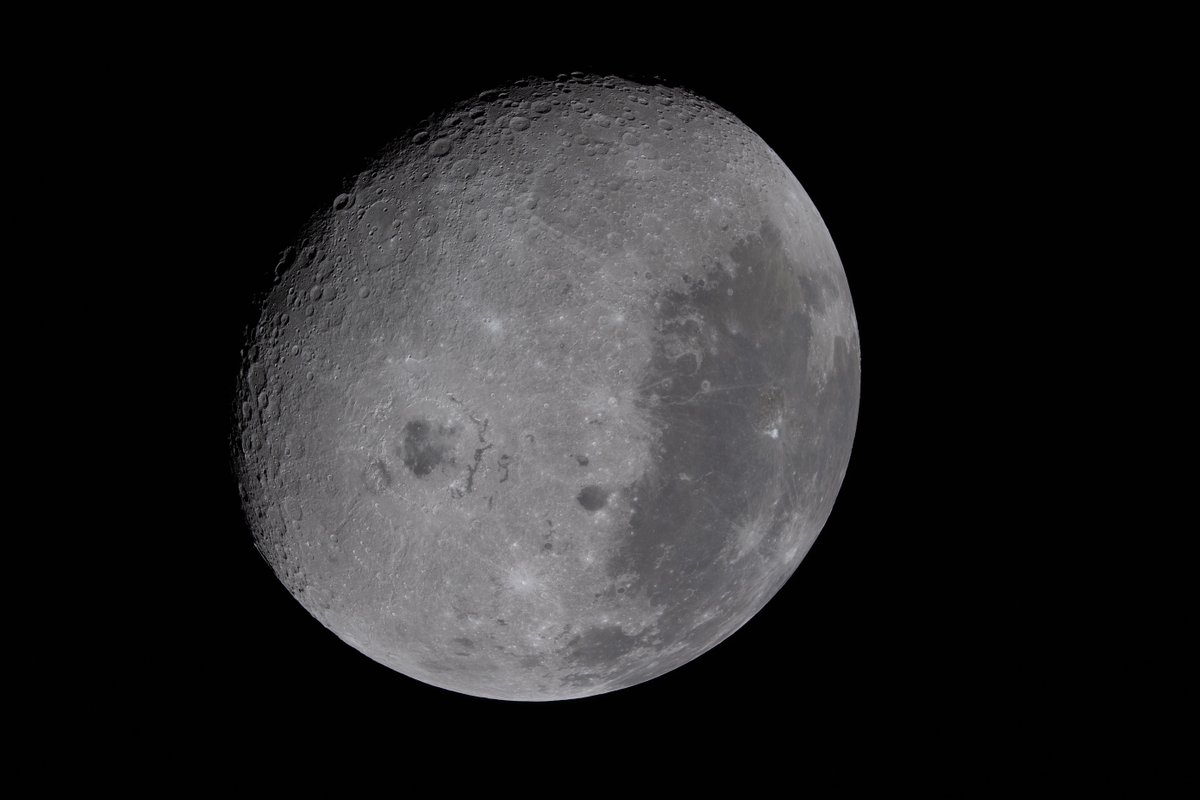
ALT The Artemis II crew was tasked with capturing many key features visible in this image of the Moon, captured on April 6, 2026. The terminator, or the difference in light and darkness, is visible on the top left. The large dark gray area toward center-left is Orientale Basin, while the characteristic dark patches of ancient lava flow we see on the near side are visible on the right half of this image. The Moon stands out against the blackness of space around it. Credit: NASA
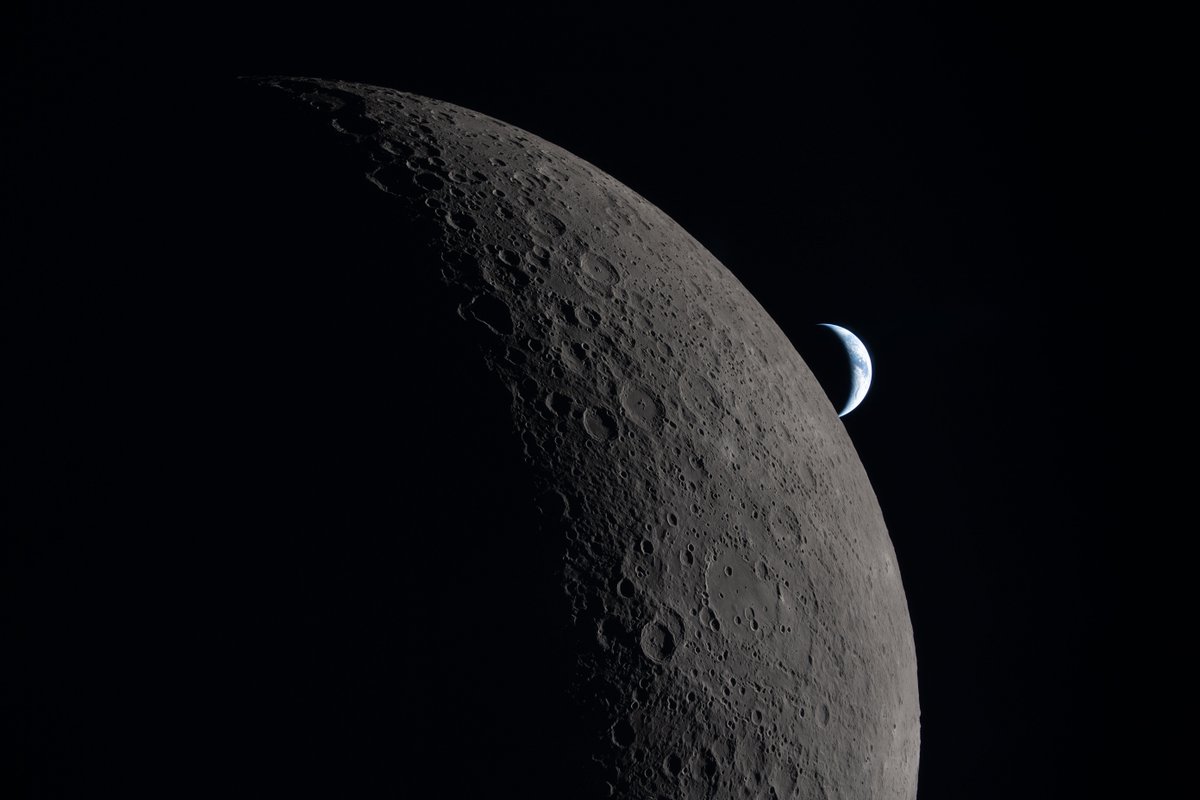
ALT This photo of a crescent Moon and crescent Earth was taken by an Artemis II astronaut during their lunar flyby on April 6, 2026. This image captures one of the final moments before their loss of signal with Earth as the Orion spacecraft flew around the far side of the Moon, reemerging and regaining contact approximately 40 minutes later. Earth can be seen peeking behind the Moon in the distance. The illuminated regions of the Moon and Earth stand out against the blackness of space, while the rest are swallowed in shadow. Credit: NASA
Coming soon: one of history’s most complex missions
Tune in on Tuesday, June 9, at 11am ET, to meet the astronauts flying aboard Artemis III, the mission that will test docking capabilities with commercial landers in low Earth orbit — an important step to crewed lunar landings.
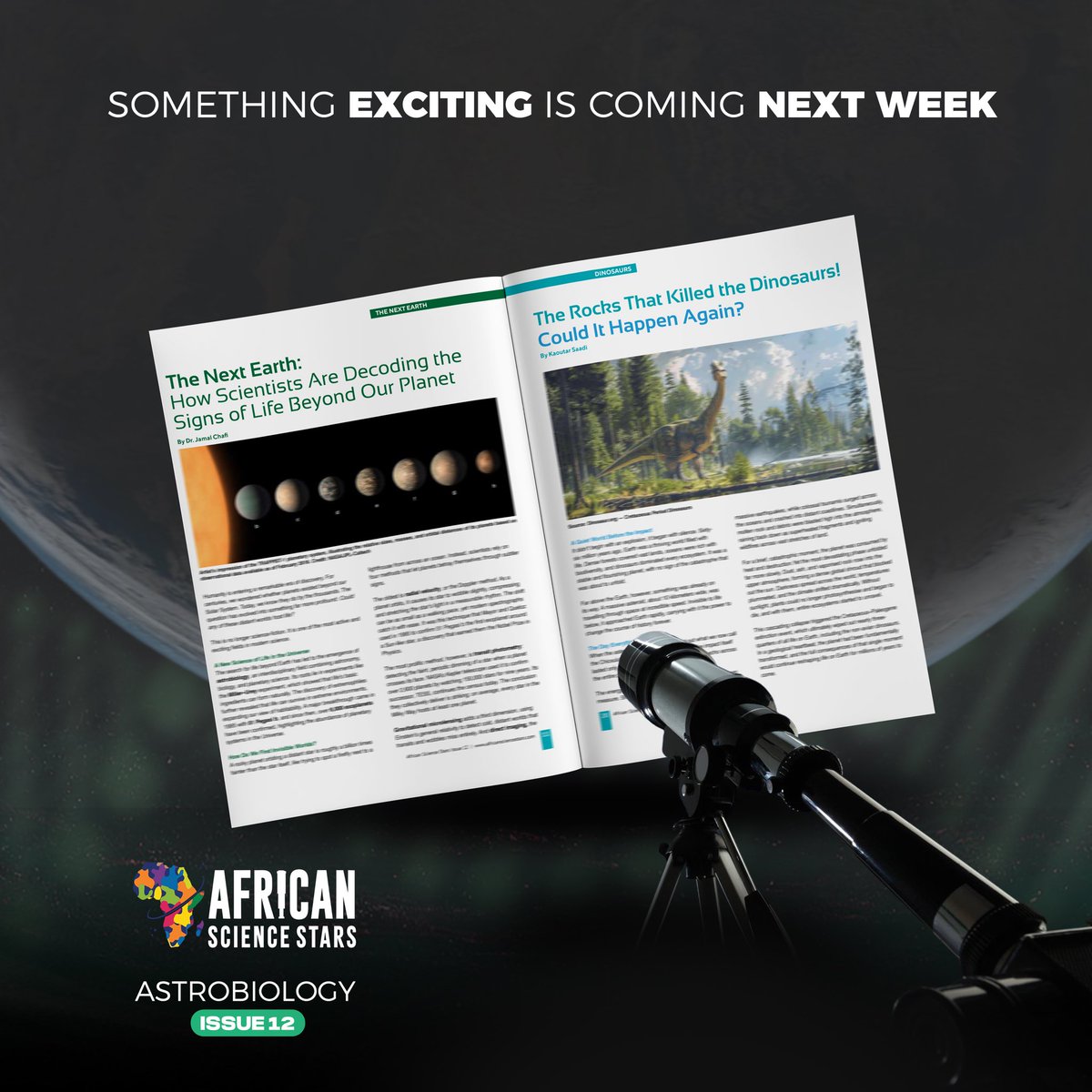
Something exciting is coming next week 🚀
A special edition of curiosity, discovery, and science storytelling is on its way… we can’t wait to share it 🌌
#AfricanScienceStars#STEM#ComingSoon
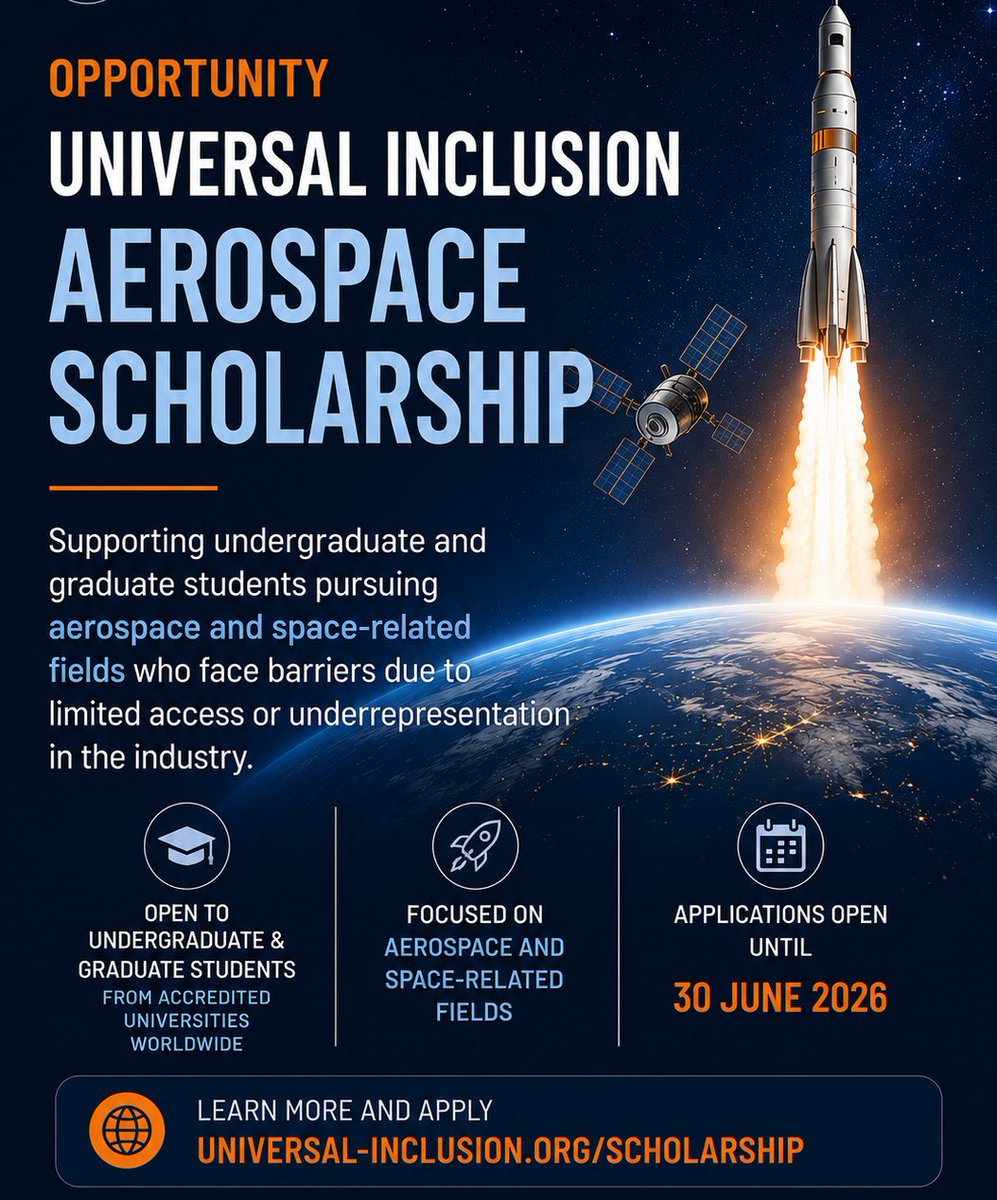
Opportunity: Universal Inclusion Aerospace Scholarship
Supporting students pursuing aerospace and space-related fields who face barriers to entering the industry.
Applications close: 30 June 2026
universalinclusion.org/our-s…
Our @NASARoman space telescope is officially slated to launch on Aug. 30!
Get the details and follow Roman's journey on our new Roman Space Telescope blog: go.nasa.gov/3RQxDIc
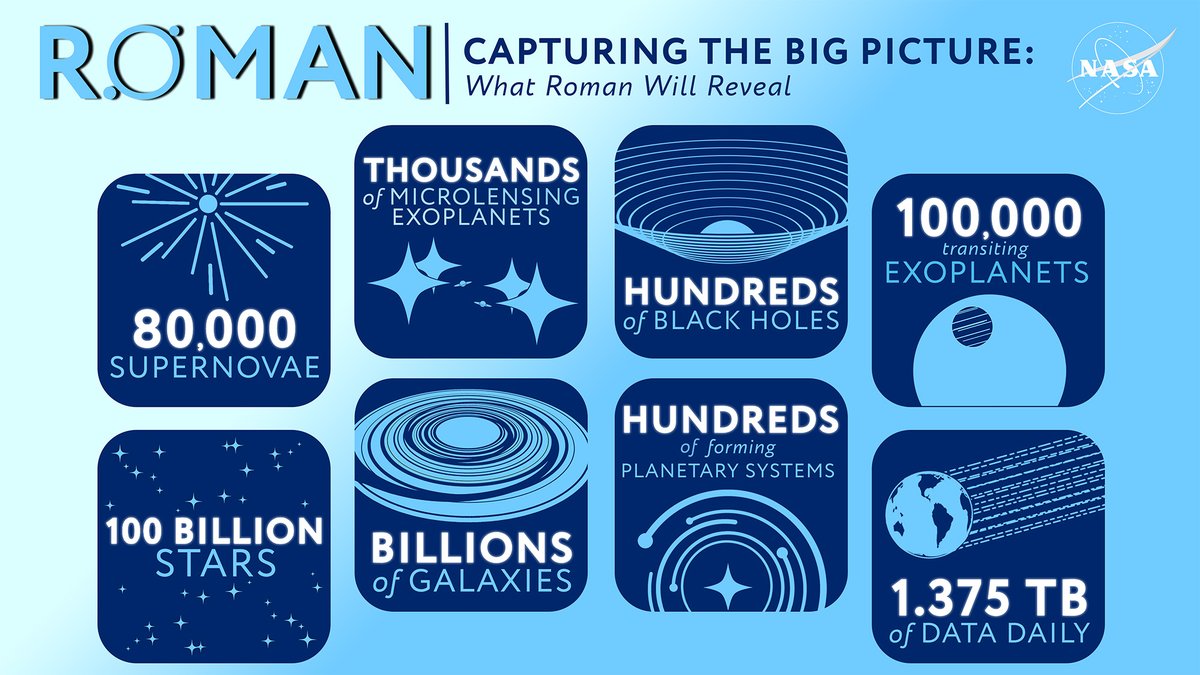
ALT An infographic about the Roman Space Telescope, titled "Capturing The Big Picture: What Roman Will Reveal." Various boxes beneath highlight that Roman will observe, for example, "80,000 supernovae" and "billions of galaxies". Credit: NASA's Goddard Space Flight Center
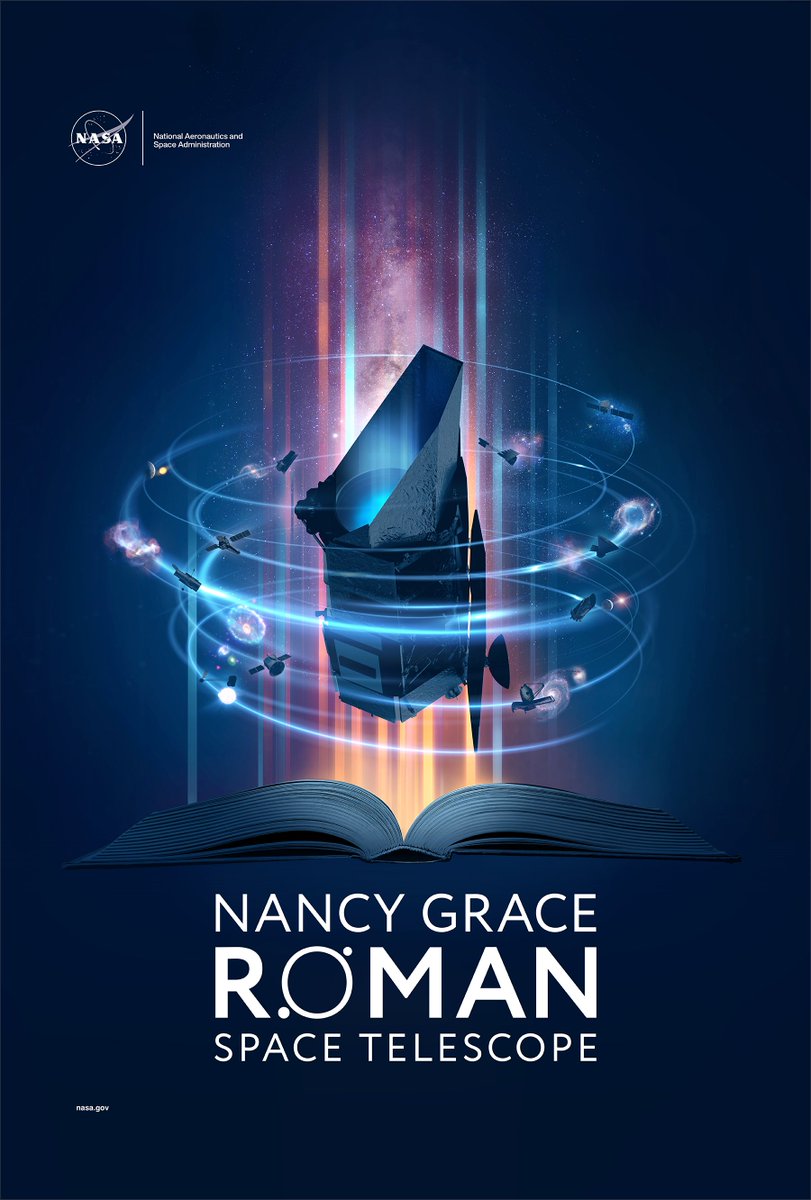
Later this year, @NASARoman will launch into orbit, where it will capture both the big picture and the finer details of the cosmos—observing distant celestial bodies with its wide view.
Add Roman to your phone—download this free poster: go.nasa.gov/49wPwC2
ALT An illustration depicting the Nancy Grace Roman Space Telescope floating above an open book, being orbited by small satellites, telescopes, and celestial bodies. Behind Roman is a rosy stripe of stars and golden light. Credit: NASA/Jenny Mottar
Applications for SARAO Freestanding Postdoctoral Fellowships for 2027 is now open
Submission Deadlines
Call Opening Date: 01 June 2026
Applicant Closing Date: 31 August 2026
Designated Authority (DA) Closing Date: 14 September 2026
Get the application guide on the link
sarao.ac.za/applications-for…
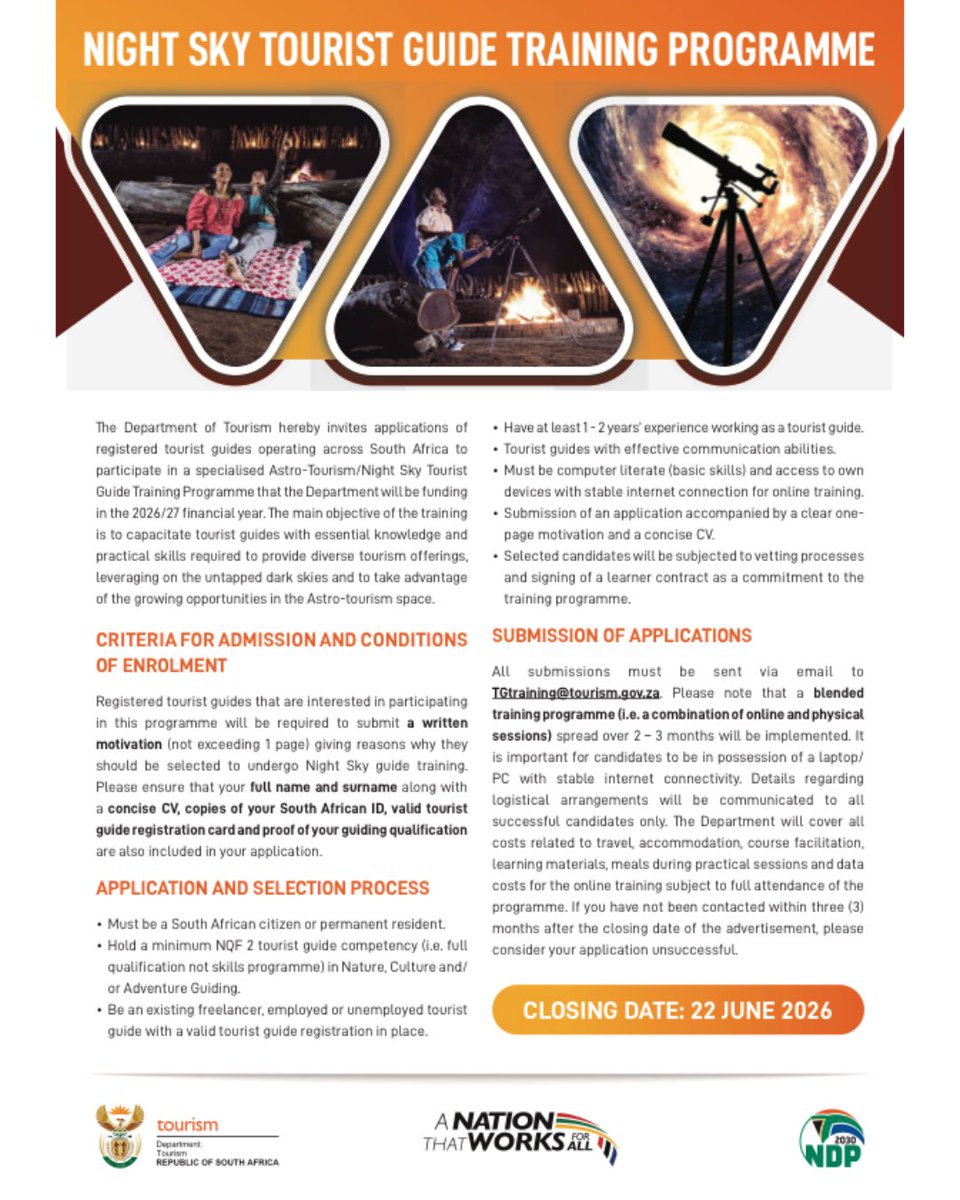
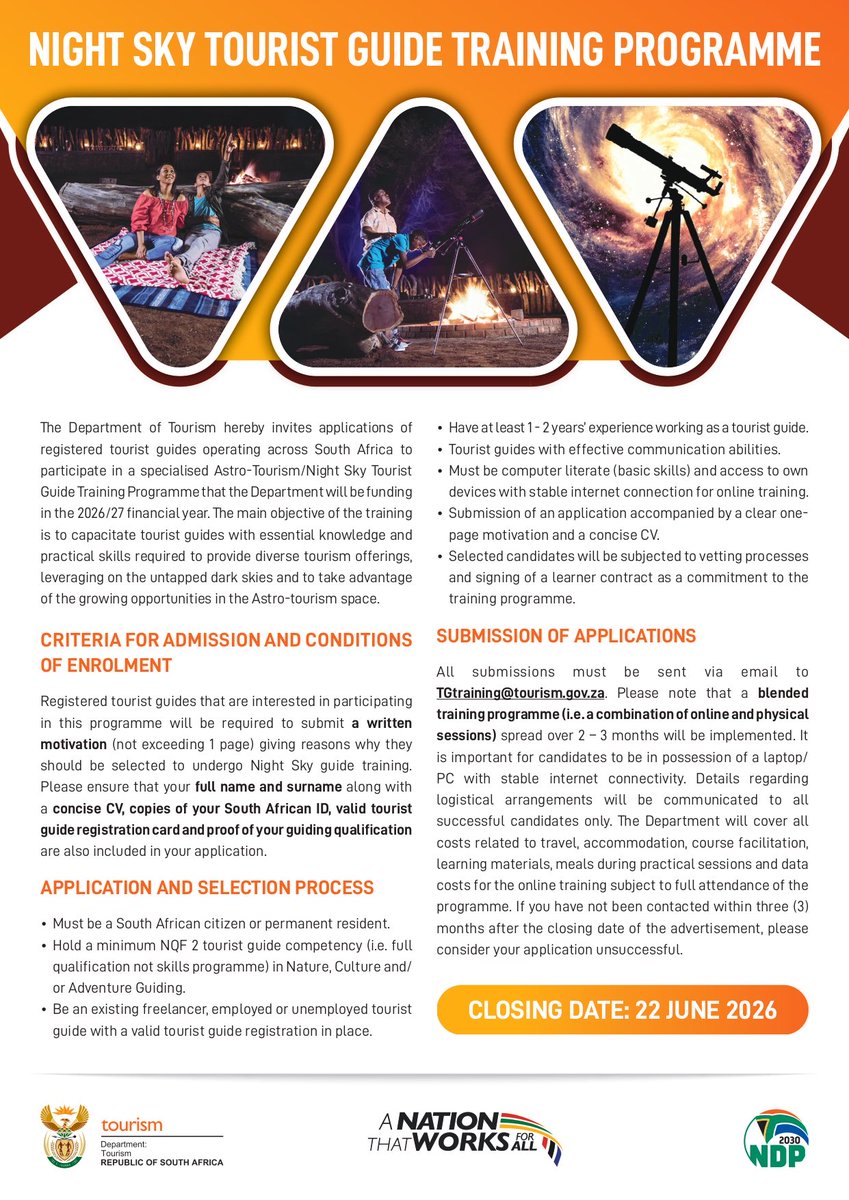
Astro-tourism is a growing niche tourism product in South Africa, as such, the Department of Tourism has a call inviting applications from tourist guides who want to be trained as Astro-guides. Closing date is 22 June 2026. #Astrotourism
Skywatchers: the next full Moon is approaching!
Check out NASA’s Daily Moon Guide, an interactive map that lets you explore the Moon’s surface day by day. See each phase, discover features visible to the naked eye, and learn what you can spot with binoculars or a telescope. go.nasa.gov/3PL8A8U
Join us for the AfAS Africa Day 2026 Panel Discussion.
Date: 1 June 2026
Time: 15:00–16:30 SAST
Online via Zoom: Registration required
Featuring:
• Prof. Amare Abebe
• Dr. Youssef Moulane
• Dr. Priscilla Muheki
• Hubert Mathebula
• Declan Kirrane
#AfricaDay
The Department of Tourism is inviting registered tourist guides to apply for the Night Sky Tourist Guide Training Programme for the 2026/27 financial year 🌌🔭
📅 Closing date: 22 June 2026
📧 Applications: TGtraining@tourism.gov.za
#Tourism#AstroTourism#NightSkyTourism
On Tuesday, June 9, we’ll announce the four astronauts who will orbit Earth aboard the @NASAArtemis III mission!
Watch our live event at 11 a.m. EDT (1500 UTC) to find out who will test the docking capabilities necessary for crewed Moon landings: nasa.gov/news-release/nasa-t…
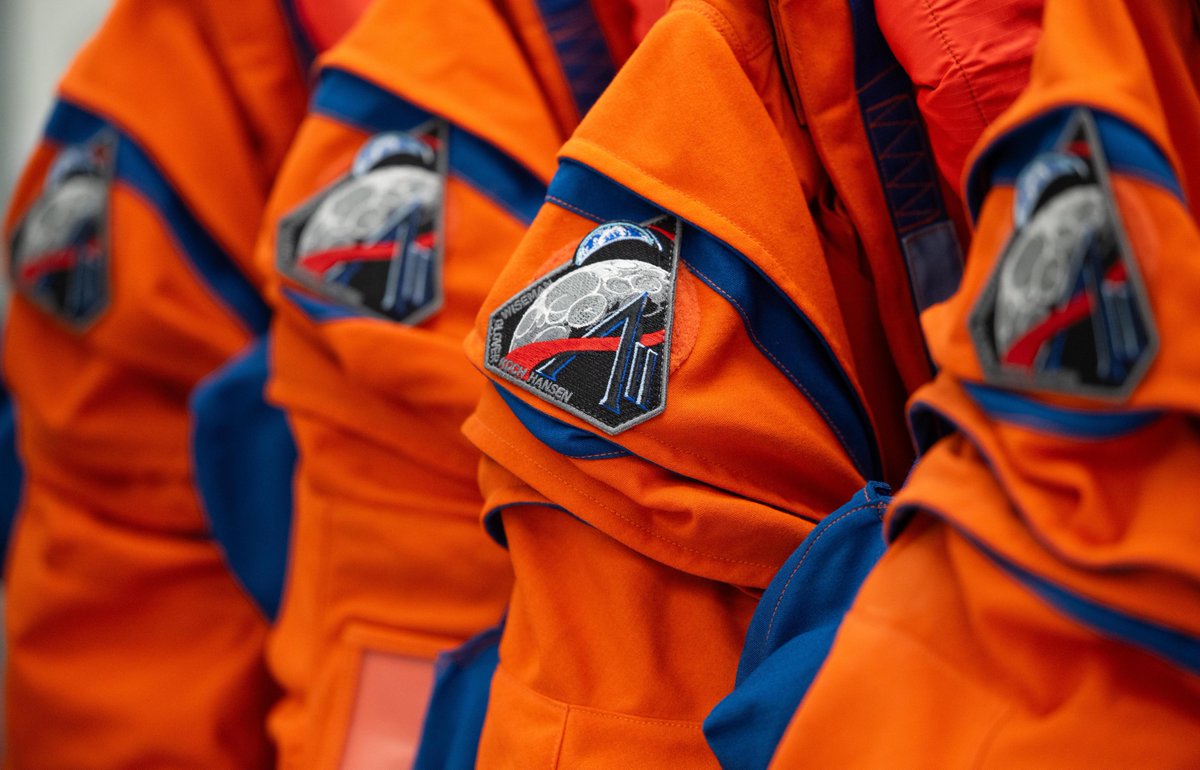
ALT The Artemis II mission patch is seen on the right shoulder of four orange Orion Crew Survival System suits on Jan. 17, 2026, in the suit-up room of the Neil A. Armstrong Operations and Checkout Building at NASA’s Kennedy Space Center in Florida. The mission patch contains imagery of the Moon and the Earth. Credit: NASA/Joel Kowsky
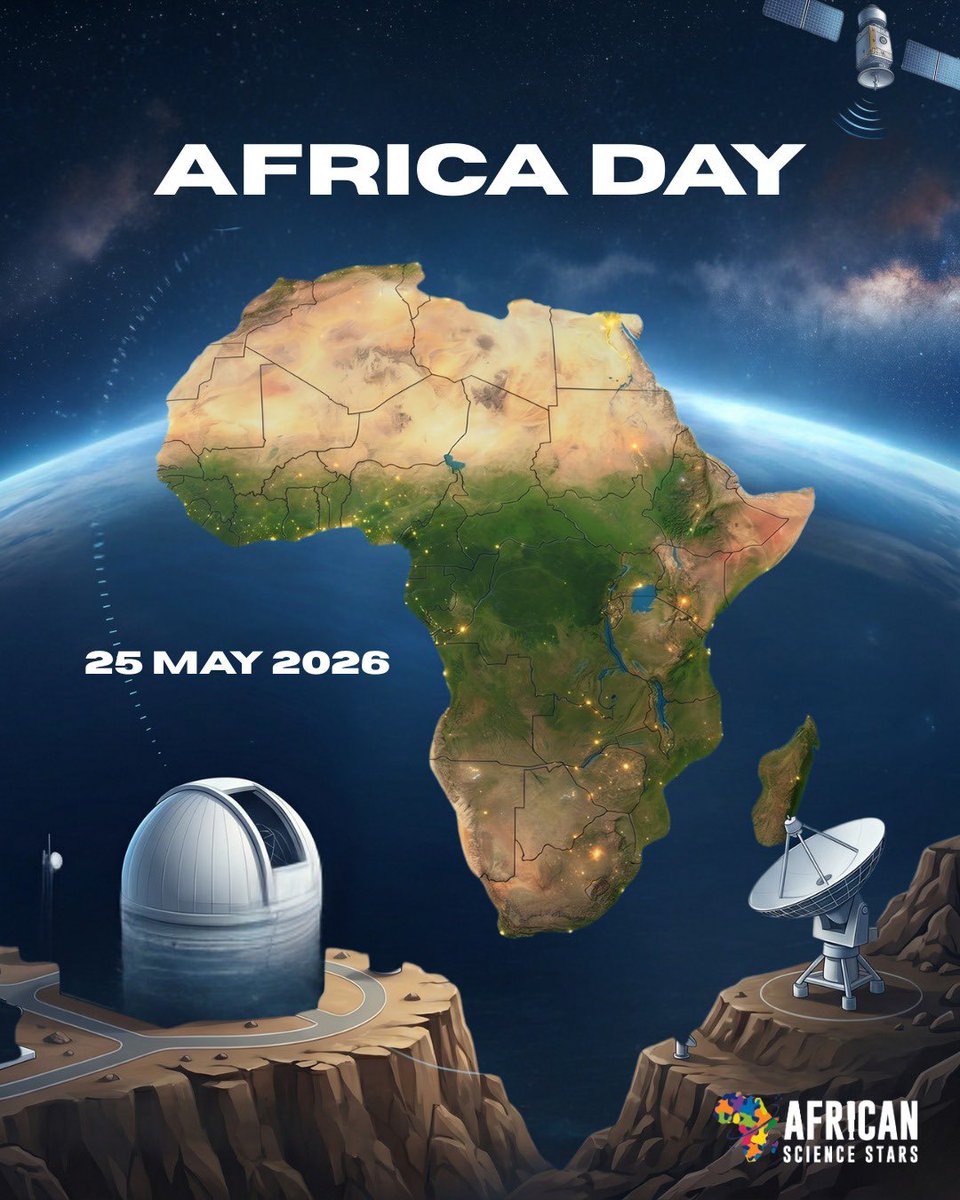
Today we celebrate Africa Day 🌍✨ At African Science Stars, we believe in empowering African minds through science, technology, and innovation to help shape a brighter future for generations to come.
#AfricaDay#AfricanScienceStars#STEM#Innovation#CelebrateAfrica