Joined August 2013
- Tweets 17,054
- Following 1,578
- Followers 14,953
- Likes 21,274
4,637 Photos and videos


Pinned Tweet

12 Aug 2022
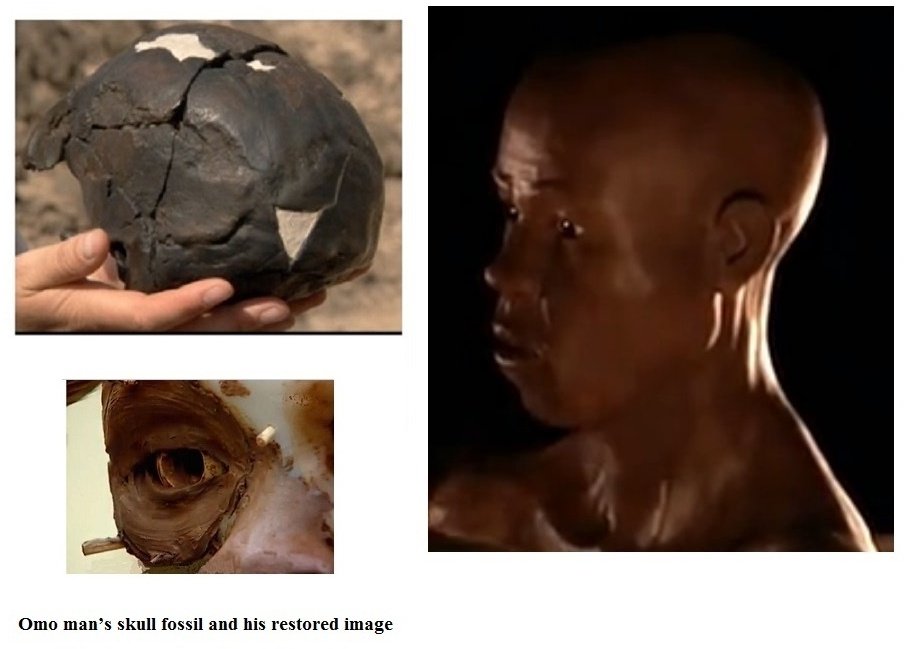
The African Dawn of Humanity Proven To Be 30,000 Years Older
Reconstruction of the Omo I skeletal remains from Ethiopia, the earliest evidence of human beings, dating back more than 230,000 years ago.
12
83
245
African World History retweeted

16 Jul 2024
“Compared with modern populations, the Nazlet Khater mandible is related to modern Khoisanoid groups on the basis of shape, but removed on the basis of size… Nazlet Khater is within the range of variability of Holocene & post-Holocene southern African populations.” — Ron Pinhasi
15 Jul 2024

"During the Upper Pleistocene a ‘proto-Khoisan Negro stock’ was present in East Africa. At the onset of the Holocene, the proto-Khoisan Negro stock became differentiated ... The proto-Negro stock migrated west & the proto-Khoisan varieties migrated south" — R. Pinhasi (@PinhasiL)
2
10
25
6,589
African World History retweeted

Jun 14
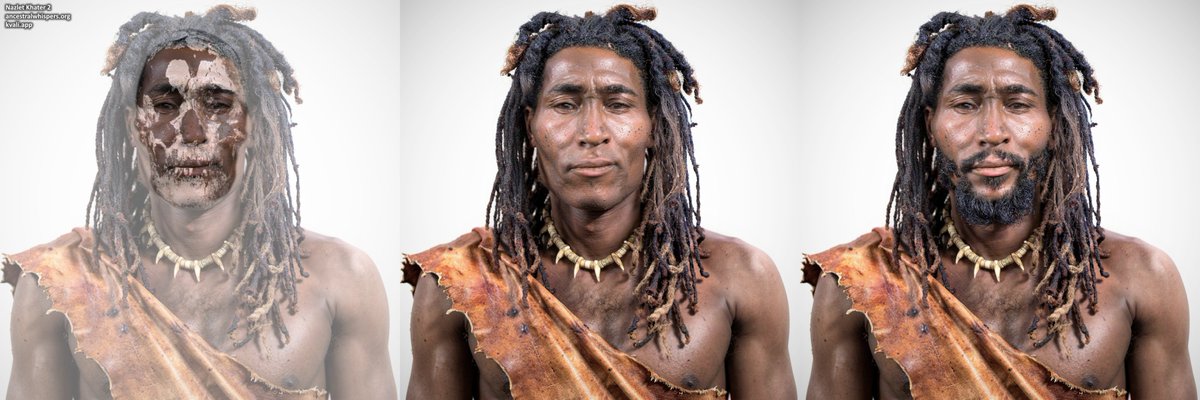
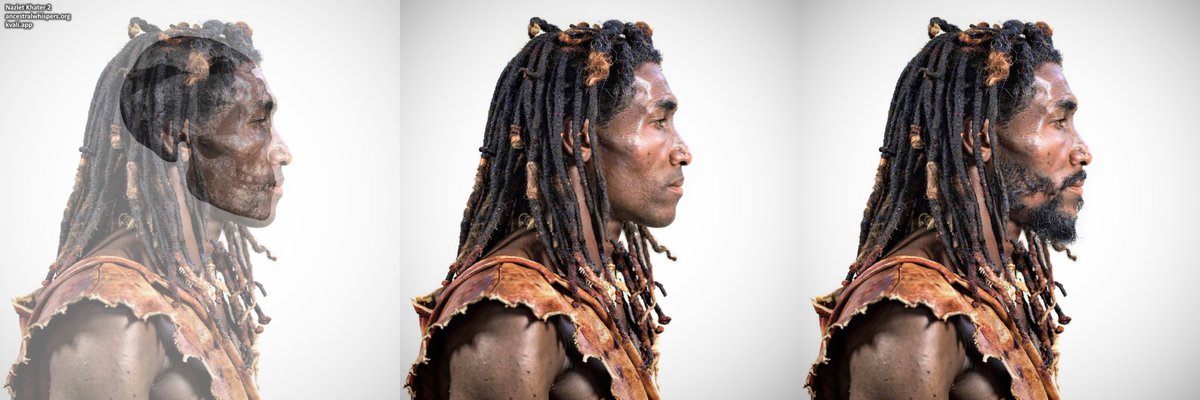
Facial Reconstruction of a 37,000-Year-Old Man from Egypt
In 1980, excavations of a hill near the village of Nazlet Khater in Upper Egypt uncovered two burials. The first skeleton was poorly preserved, but the second, located on the summit of the hill, survived almost intact - only the feet were missing.
The grave was shallow and had been eroded by Nile flooding, causing the skull to become exposed on the surface. The skeleton of an adult male was found lying on his back, accompanied by a large flint axe.
The Nazlet Khater 2 skeleton is one of the few complete human skeleton from the Early Upper Paleolithic of North Africa. The remains belonged to a man aged approximately 20-29 years who stood around 160 cm tall.
Not far from the hill was a flint quarry where prehistoric people extracted raw material. Evidence of intensive mining activity includes trenches, shafts, and narrow tunnels no more than 50 cm high, apparently dug around the same period as the burials.
The stone axe found in the Nazlet Khater 2 grave was probably used for quarrying, as identical tools have been discovered in the ancient mines. The skeletal pathologies are particularly revealing in this regard. Multiple injuries and degenerative changes in the spine and limbs indicate extremely heavy physical labor, typical of mining activities and the regular lifting of heavy loads.
Severe arthritis of the cervical vertebrae suggests that this man habitually carried heavy burdens on his head or with the aid of a forehead strap, as some traditional peoples do today. Damage to the arms indicates extensive use of percussion tools, especially with the right hand. He also had healed fractures of the hands. Evidently, he began performing strenuous labor in adolescence, while his bones were still developing.
Physically, Nazlet Khater 2 differs from other African and European Upper Paleolithic humans, although they share a number of archaic features. His primary morphological characteristics are clearly equatorial, resembling those of the Epipaleolithic inhabitants of Nubia as well as the South African remains from Springbok Flats and Kalomo, which were once considered very ancient (Pinhasi & Semal, 2000) but are now known to be much more recent.
The large cranial vault of Nazlet Khater 2 is typical of Upper Paleolithic humans. The expansion of the braincase in its lower portion is particularly archaic, as are the highly placed temporal lines, resulting in a very narrow minimum frontal breadth relative to the maximum frontal breadth (although the minimum breadth is average in absolute terms and the maximum breadth is large). This configuration likely reflects the powerful development of the chewing musculature, which is also evident in the structure of the mandible. The pronounced brow ridges and rather sloping forehead are likewise typical of Upper Paleolithic people.
The shape of the upper margin of the temporal squama - strongly convex in the front but flattened behind and lacking a parietal notch - may be regarded as primitive, though it could also be described as “Bushmanoid,” since it occurs among San populations and on the skull from Fish Hoek. The overall facial form of Nazlet Khater 2 is relatively low and especially broad across the cheekbones, with a well-developed canine fossa and maxillary notch, while the broad upper jaw exhibits noticeable alveolar prognathism.
Compared with many Upper Paleolithic and all ancient African skulls, Nazlet Khater 2 is distinguished by a moderately high face (despite its great breadth) and by very large, rounded, and relatively high eye orbits. Unusual for Africa is his mesorrhine nose - a nose of intermediate width - resulting from a not particularly wide nasal aperture combined with a very great nasal height. The nasal bones are equatorial: straight, nearly vertical, and rounded in cross-section.
The alveolar process of the upper jaw is flattened in the front and bends markedly at the level of the canines, a distinctly archaic trait. In terms of mandibular features, Nazlet Khater 2 is fully anatomically modern, although the jaw is exceptionally large and robust, as is typical of the earliest Homo sapiens. (Antropogenez, S.V. Drobyshevsky, 2010)
53
116
584
78,609
African World History retweeted

Jun 1
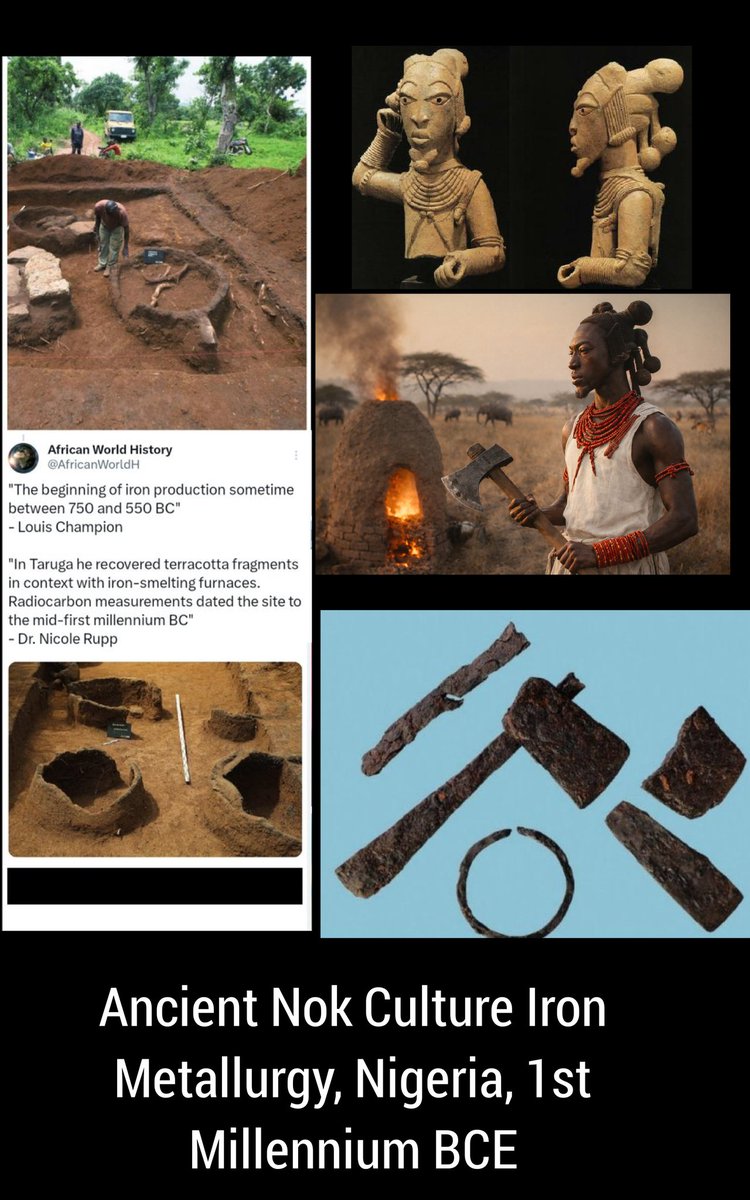
"Several ancient iron production sites dating from the first millennium BCE have been identified in sub-Saharan Africa … These discoveries tend to strenghten the case of local development." theconversation.com/in-seneg…
14
46
1,682
African World History retweeted

The idea is firmly established for Mesolithic Northern Sudan starting with Anthony J. Arkell. For the Western Sahara Gabriel Camps, the same guy known for his work on Berbers, formulated a hypothesis of established cultures of Blacks in the Hoggar Based on tools and skeletons.
1
5
553
African World History retweeted
27 Nov 2023
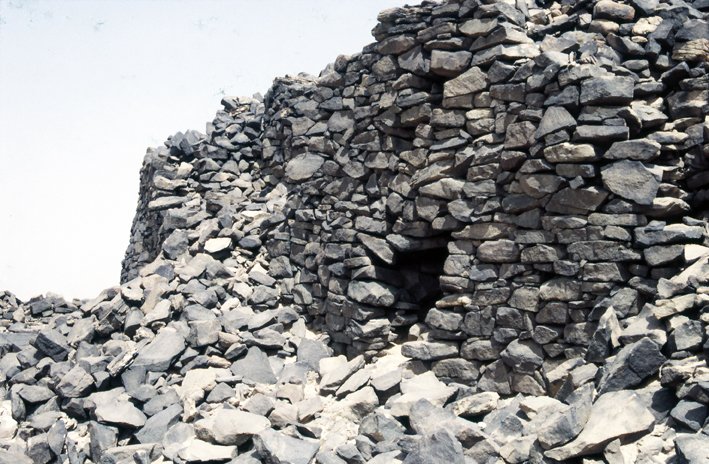
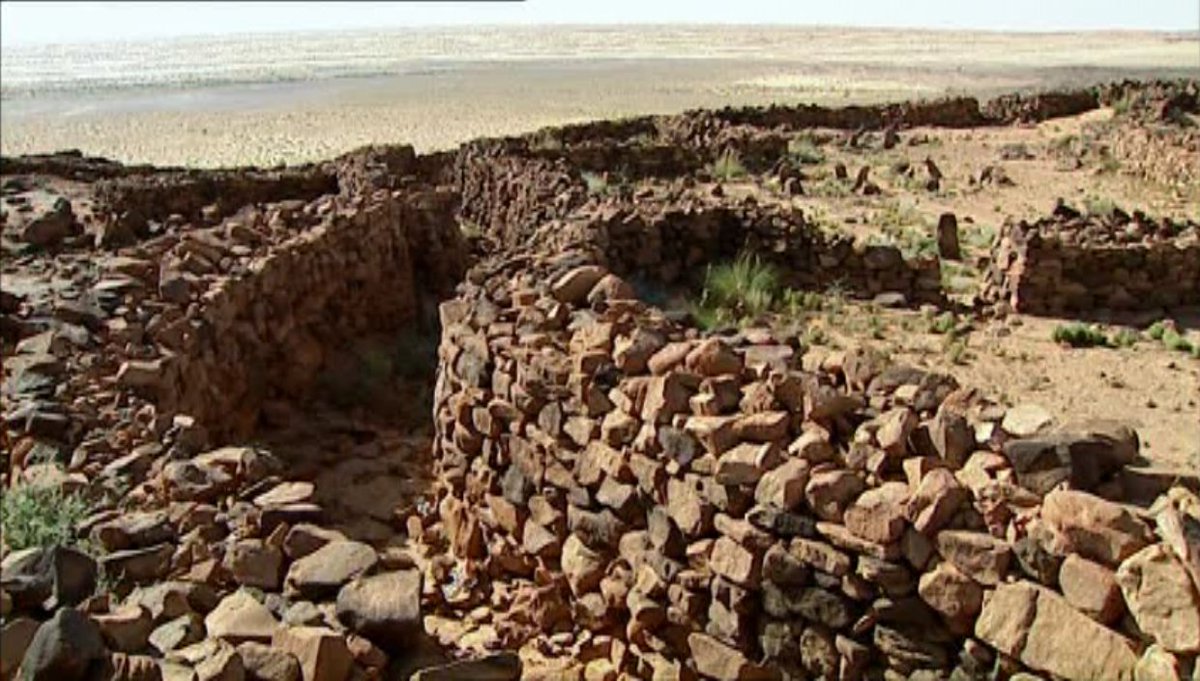
Life in The Ancient West African Tichitt Civilization 3rd Millennium BCE
"Labour division along gender lines is one of the prominent characteristics of domestic economies...Each dwelling appears to have been inhabited by at least one man and one woman"
- Professor Augustin Holl

2
11
42
2,716
African World History retweeted
12 Aug 2025
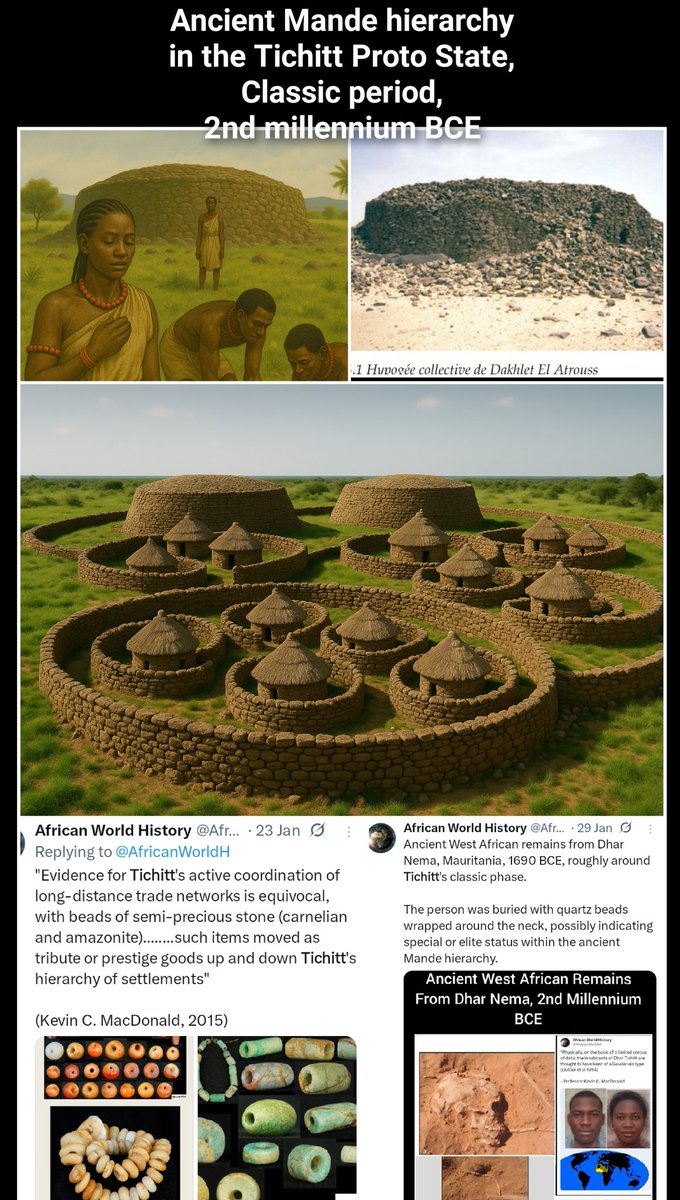
Classic Tichitt
"Tichitt-Walata escarpment was a notable setting for dynamic sociopolitical developments during 2nd millennium BC (population peak 1600–1000 BC) when multiple extensive stone built residential areas were surrounded by thousands of tumuli"
(Stephen Dueppen,2024)
1
34
146
5,136
African World History retweeted
25 Aug 2025
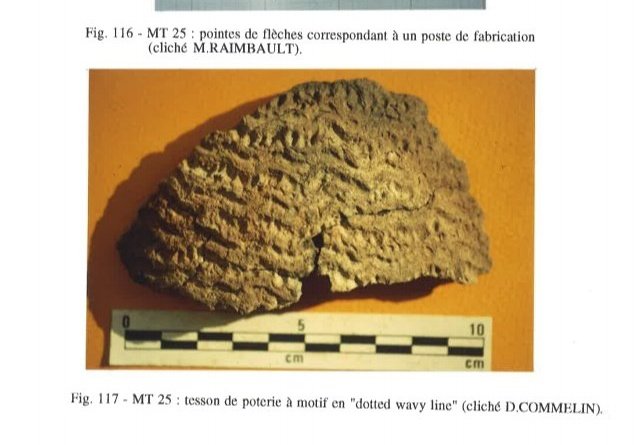
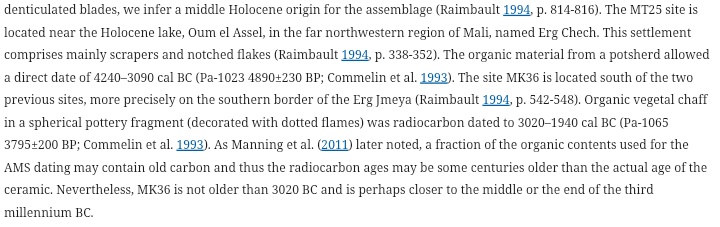
Evidence of pearl millet being gathered
Saharo Sudanese tools and ceramics :
Amekni, Southern Algeria
4850 - 3500 BCE
Ounanian tools and Saharo-Sudanese Ceramics :
Oum el Assel, North West Mali (MT25) 4240–3090 BCE
Erg Jmeya, North West Mali (MK36)
3020–1940 BCE
1
3
8
975
African World History retweeted
25 Aug 2025
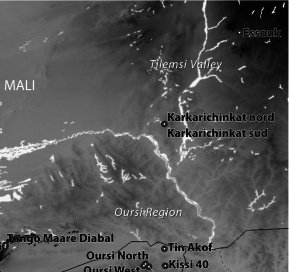
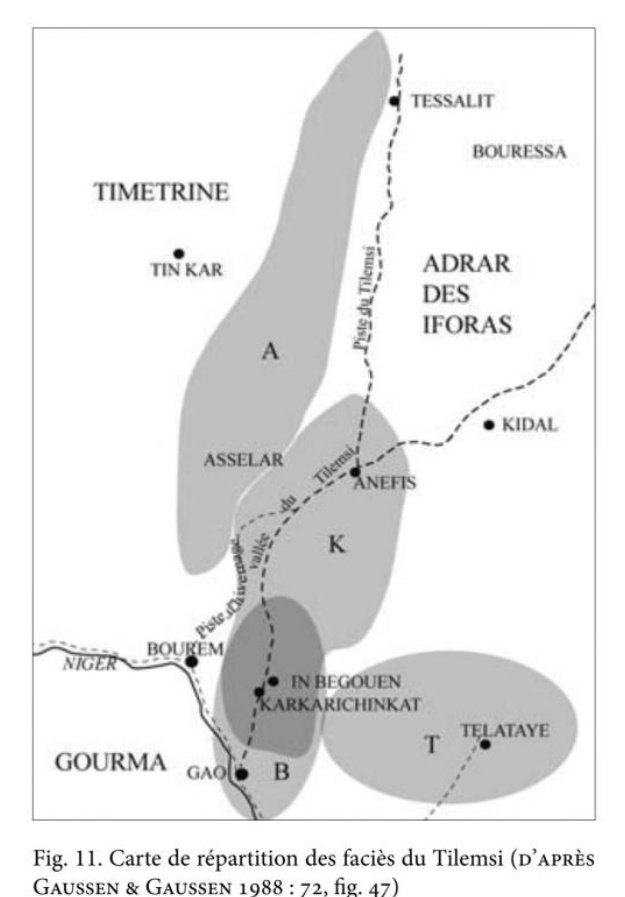
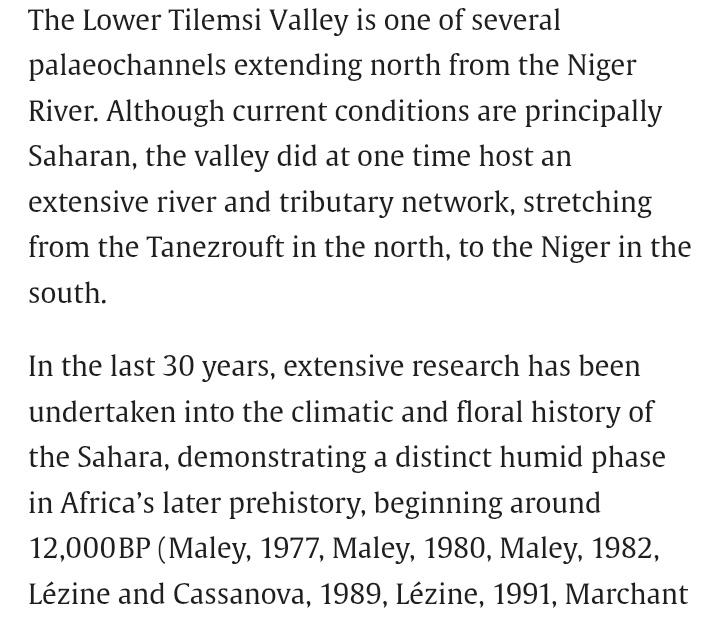
During this time the Tilemsi river on the border between southern Algeria and northern Mali, still flowed through Tessalit down to Karkarichinkat into the Niger river.
(Brian Finucane, 2008)
sciencedirect.com/science/ar…
1
1
3
827
African World History retweeted
25 Aug 2025
At this time in the central and southern Sahara, some foragers began herding cattle, adopted from Eastern Saharan pastoralists.
Antelope skin (that had been tamed during the pre pastoral era), was used in combination with plants to mummify the deceased in southern Libya.
1
2
8
1,076
African World History retweeted
25 Aug 2025
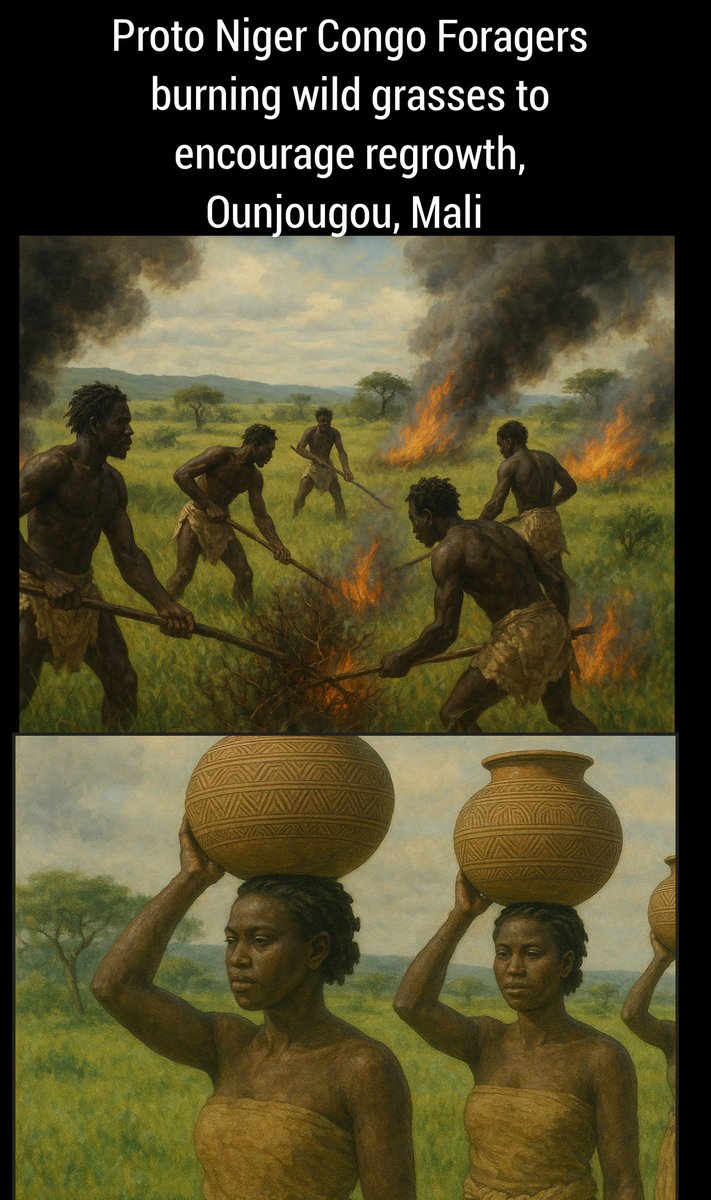
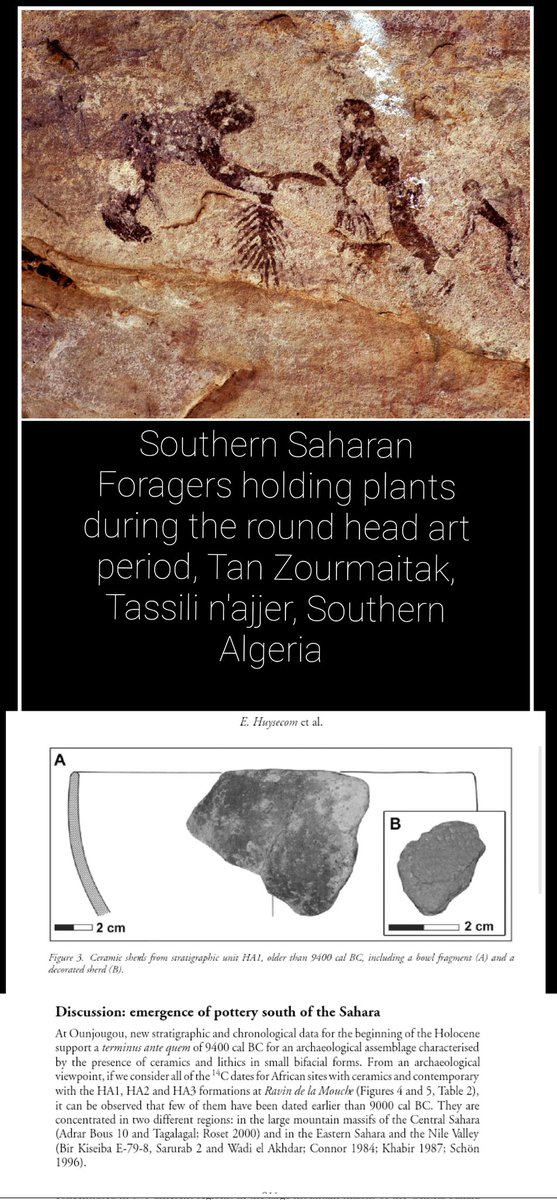
From Ounjougou to Amekni and Tessalit, tracing the origin of ancient West African agriculture
10th millennium BCE - 4th Millennium BCE
(Thread)
1
26
86
4,877
African World History retweeted
6 Nov 2025
Depictions of Indigenous Domesticated African Crops
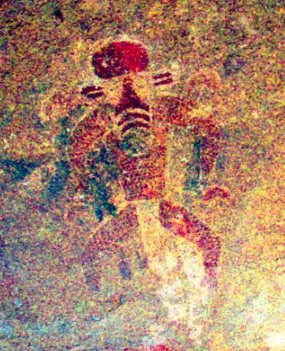
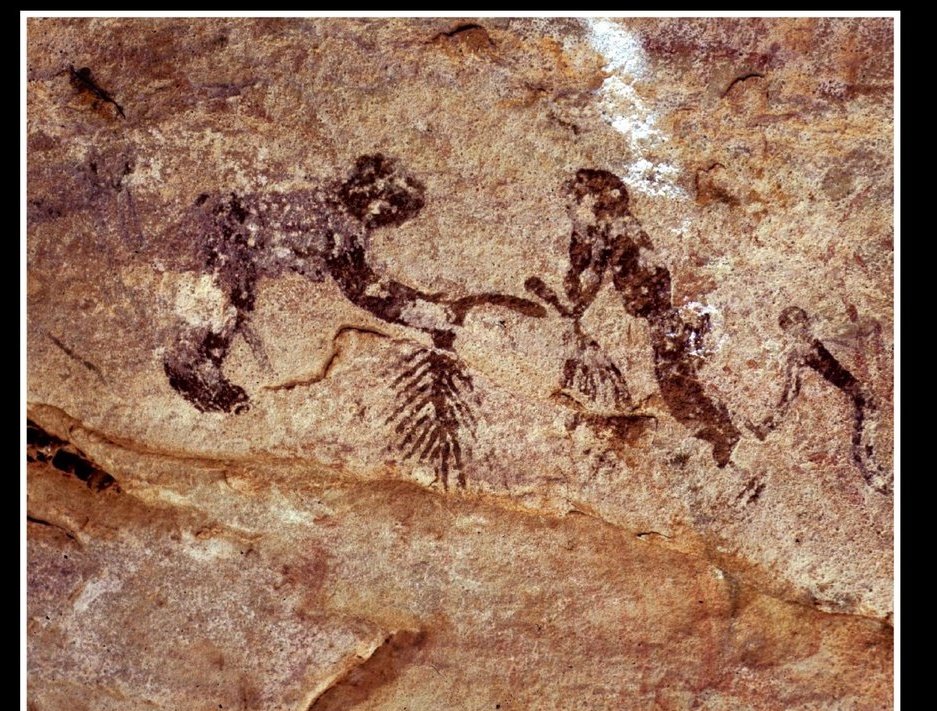
1.) Round head rock art from the southern Green Sahara, depicting West African foragers gathering plants, such as pearl millet. Which were later domesticated in Mali, 3rd millennium BCE.
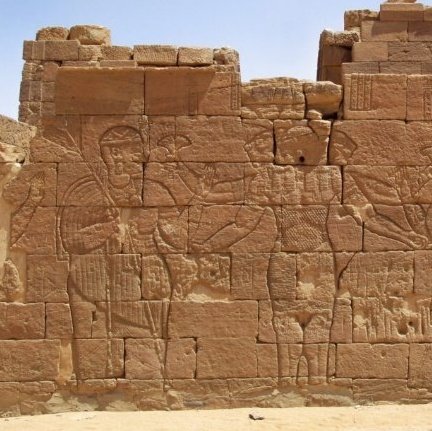
2.) Kushite Lion God Apedemak holding sorghum up to queen Amanitore. Sorghum was domesticated in Sudan, 4th millennium BCE by Nilo-Saharans.
1
24
115
4,476
African World History retweeted
14 Nov 2025
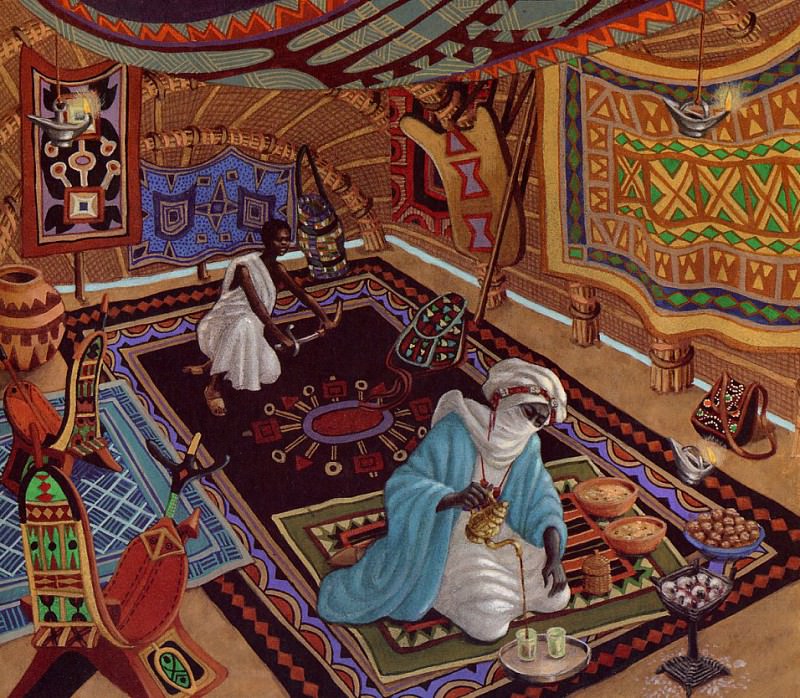
"Among the Mande people, the most highly respected artisans were the smiths.....Since smiths were considered magicians, their work was shrouded in mysticism. They were called "The First Sons of the Earth"
- The Royal Kingdoms Of Ghana, Mali and Songhai by Patricia McKissack
6
92
453
10,289
African World History retweeted
19 Nov 2025
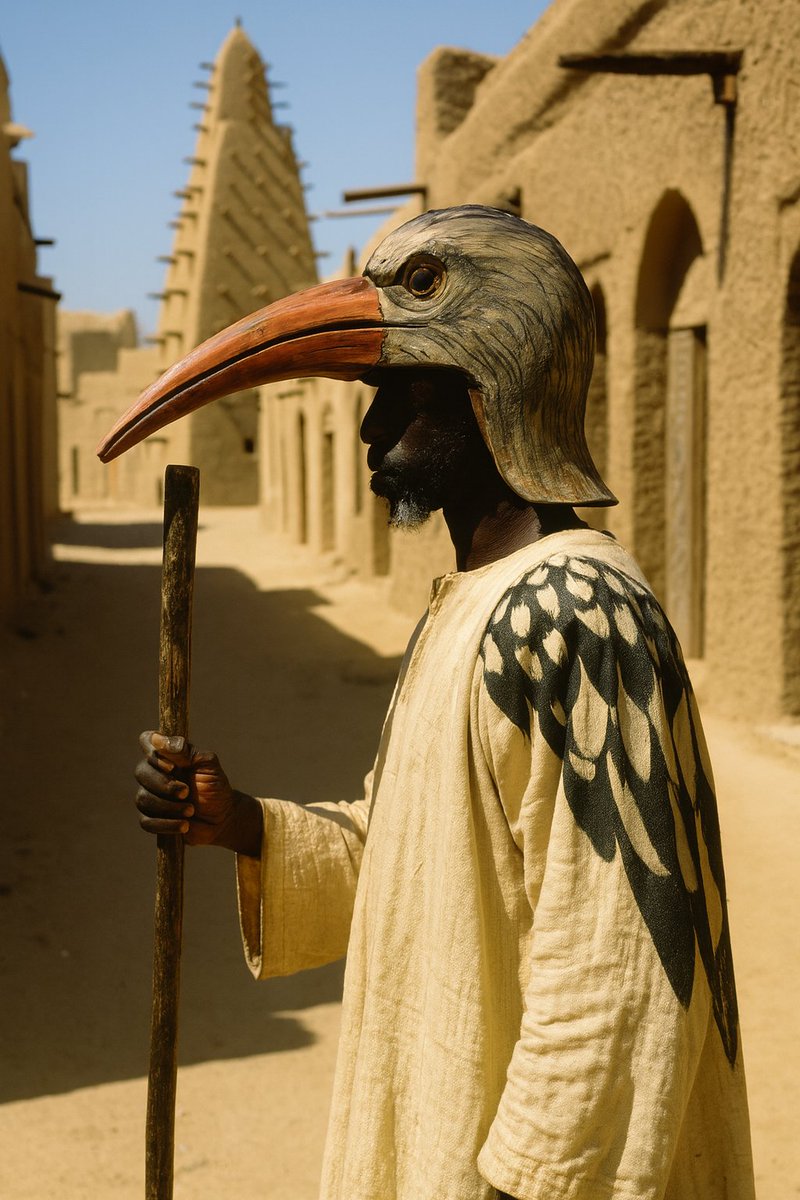
Medieval Mande Griot of The Mali Empire, 13th Century CE
7
43
276
6,823
African World History retweeted
21 Dec 2025
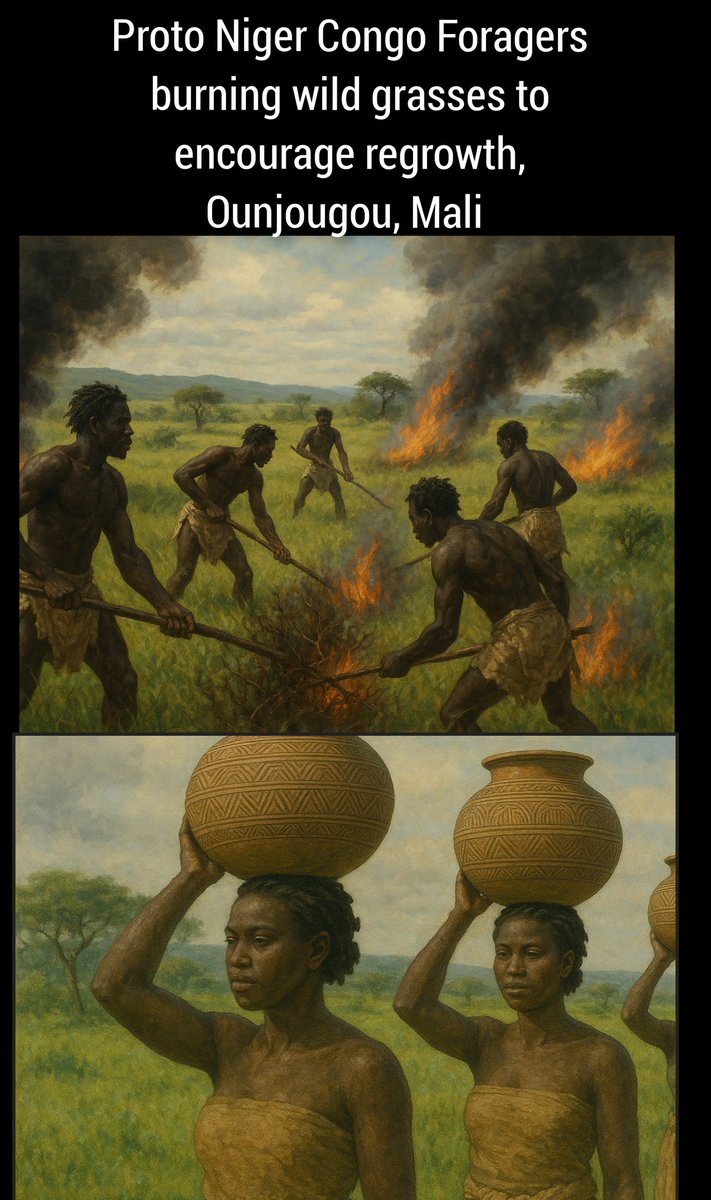
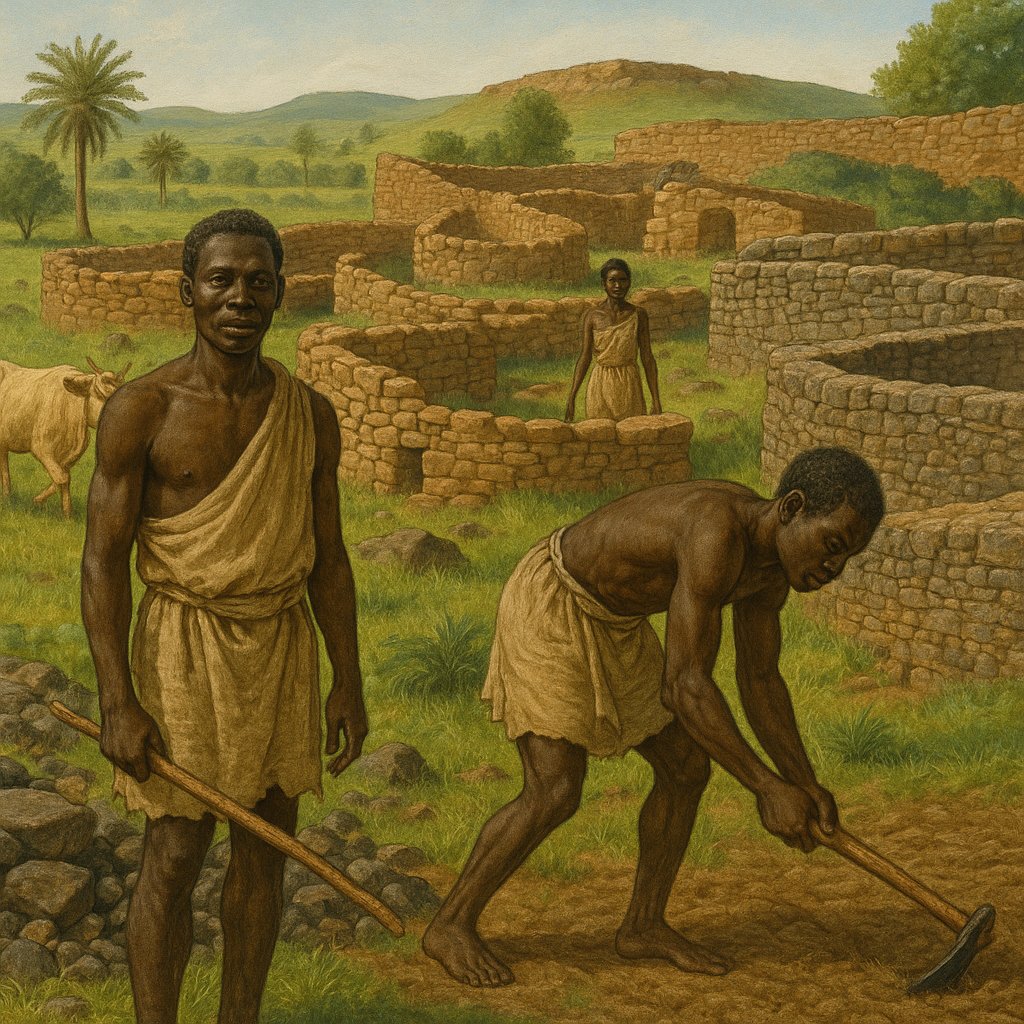
Ancient West African stone settlements (4th-3rd Millennium BCE) in the Malian Sahara, Southern Mauritania and Malian Lakes Region were founded by Mande agro-pastoralists, who were descendants of Ounjougou foragers.
From the border of Mema between Mauritania and Mali and into the inland Niger delta (Dia shoma, Djenne), cradle of Sahelian civilization.
3
30
122
6,987
African World History retweeted
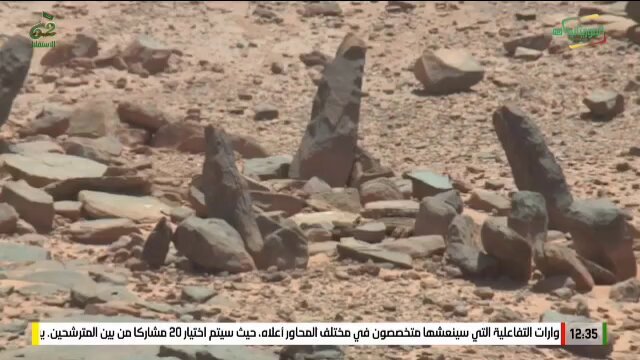
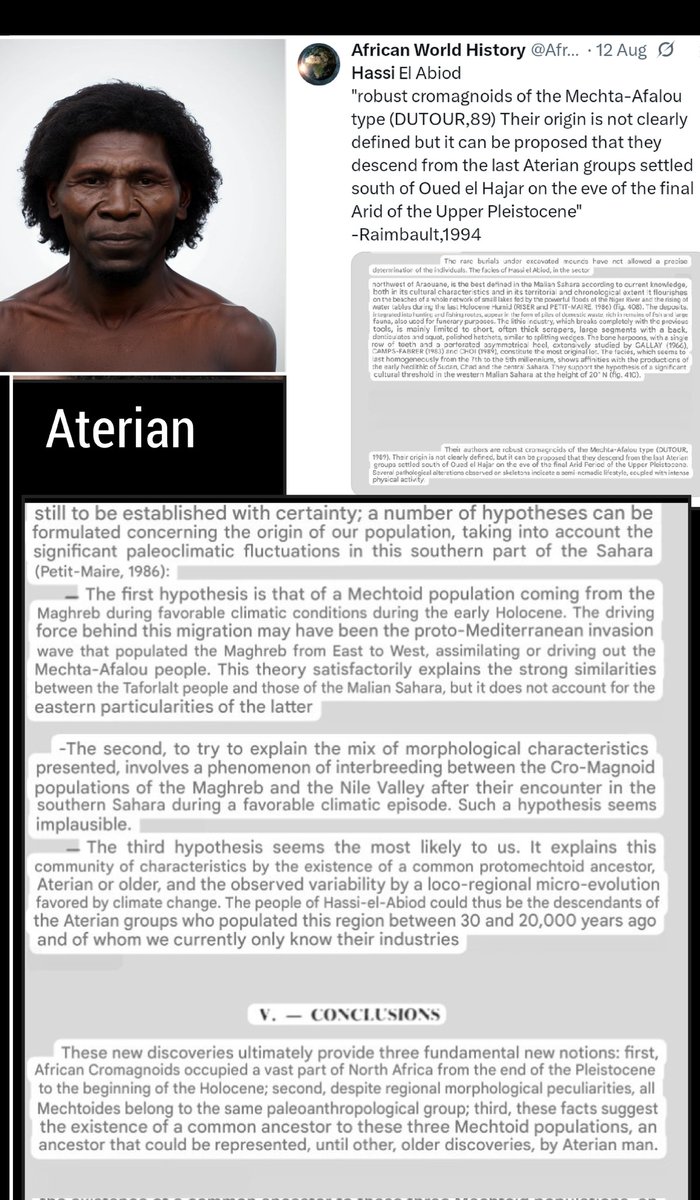
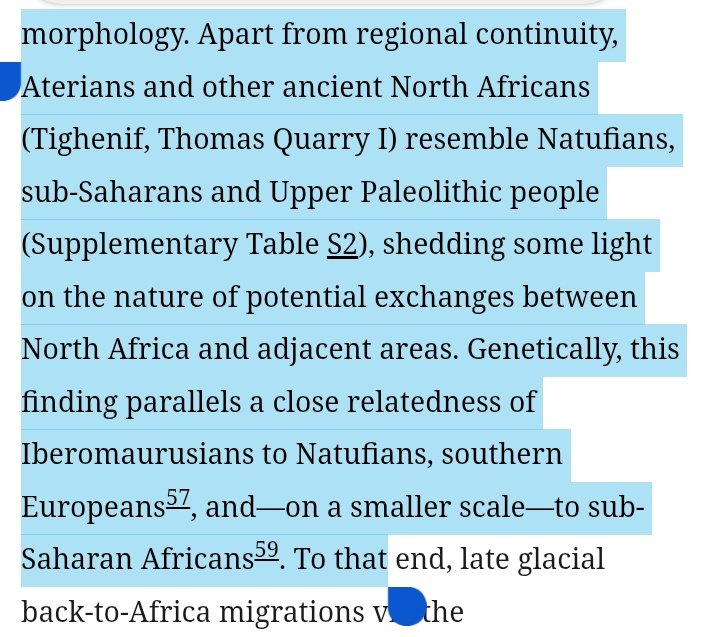
Hassi El Abiod From Ancient Mali
1
5
13
1,063
African World History retweeted
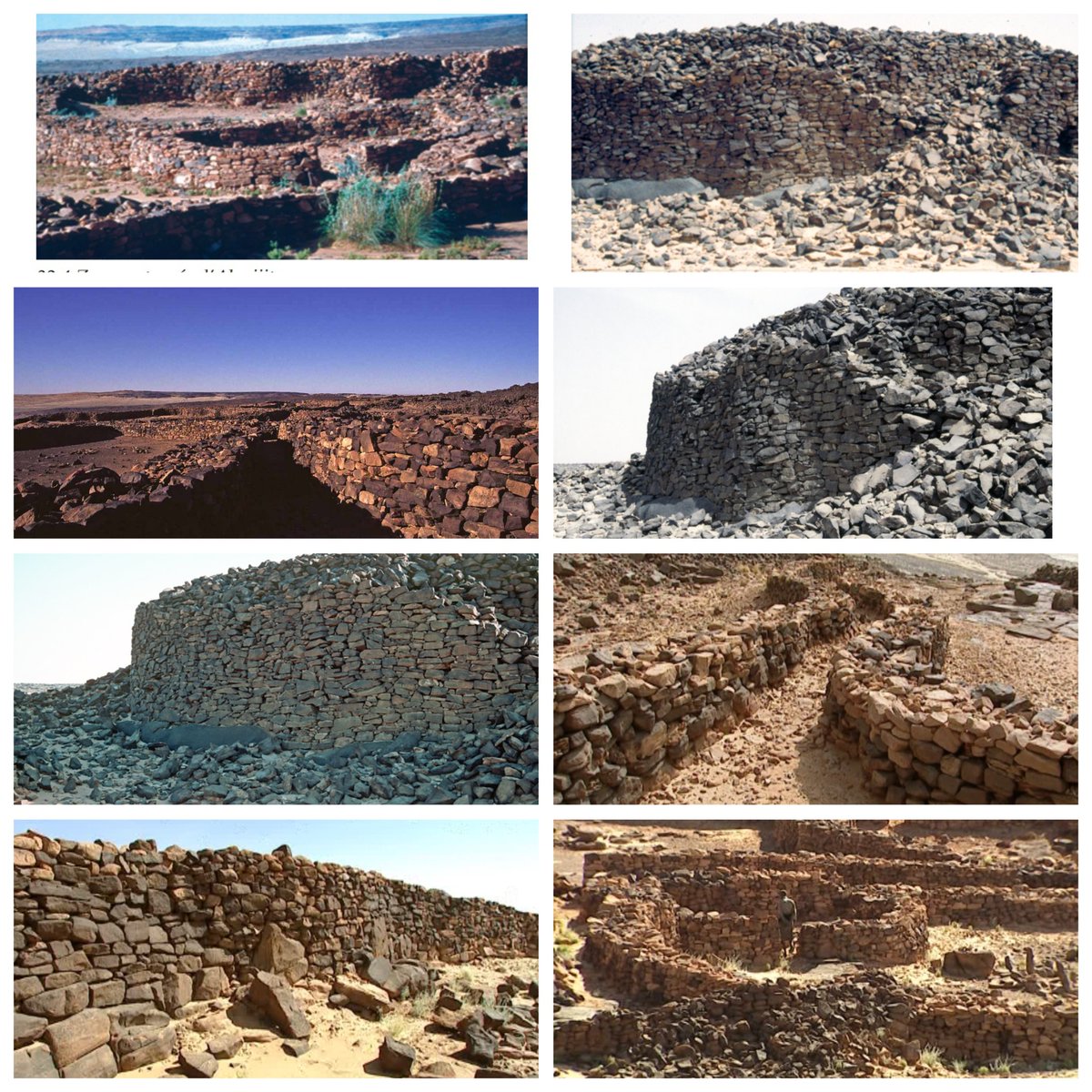
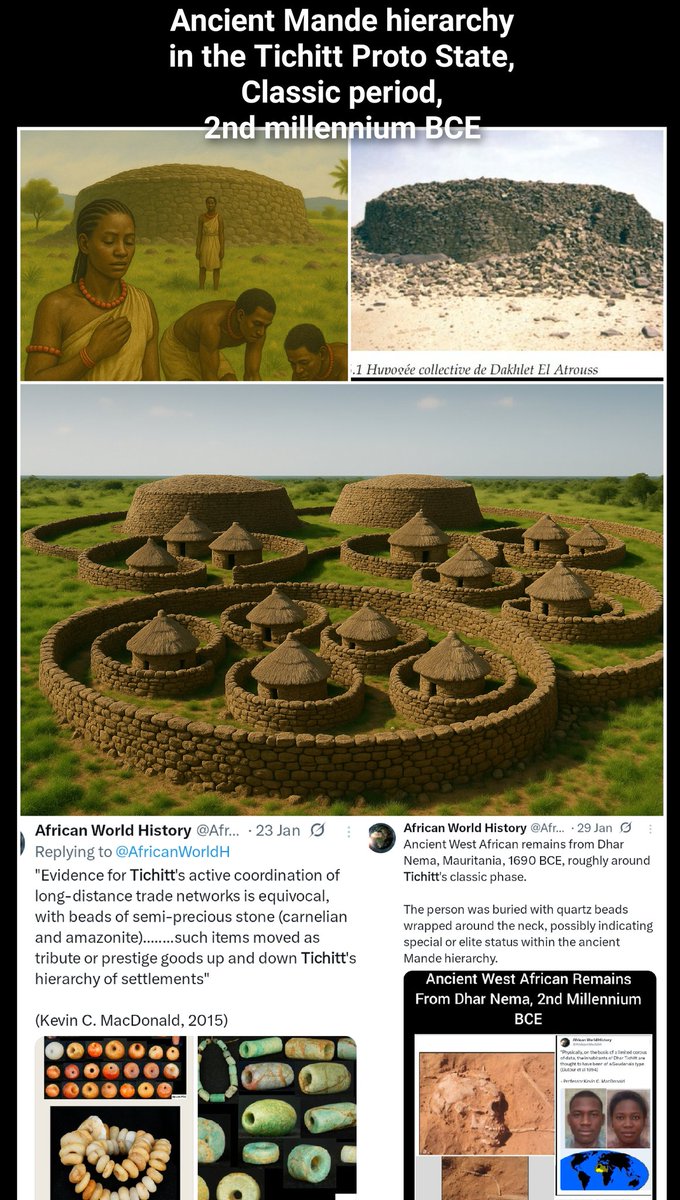
Ancient Mande Proto state, Classic Tichitt, Southern Mauritania and Malian Lakes Region, 2nd Millennium BCE
Founders of Sahelian Civilization, ancestral to Dia-Shoma, Djenno, the Ghana empire and Mali empire, etc.
1
13
62
2,175
African World History retweeted
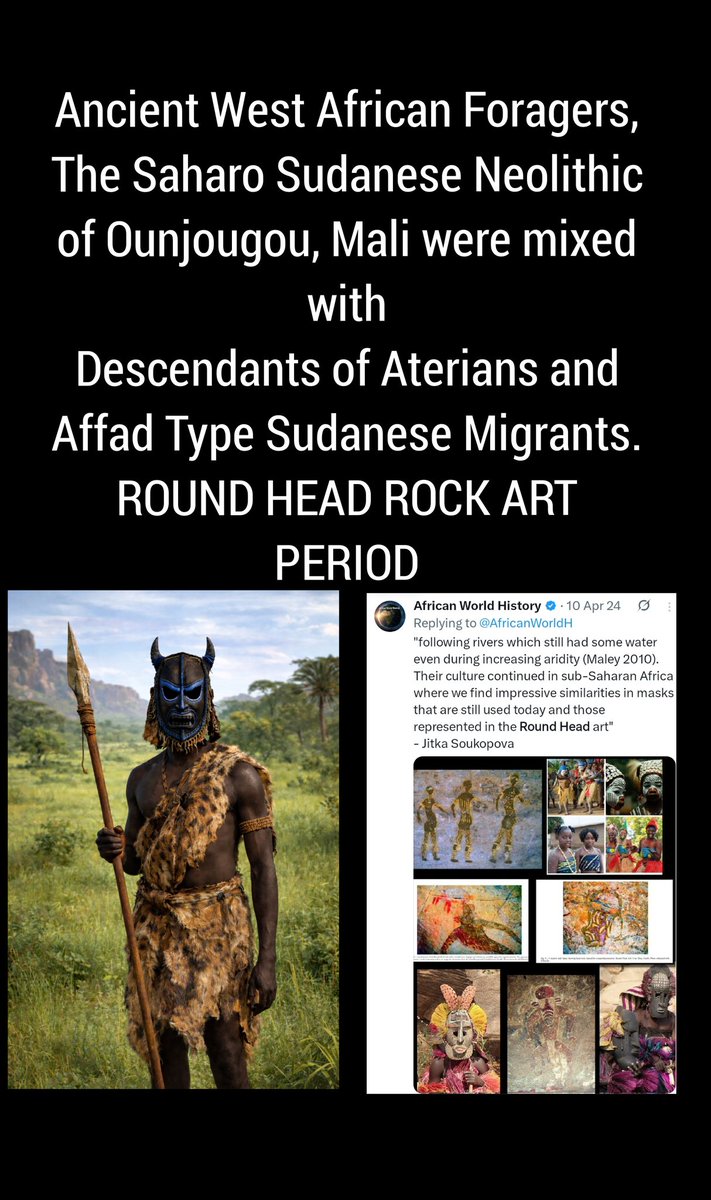
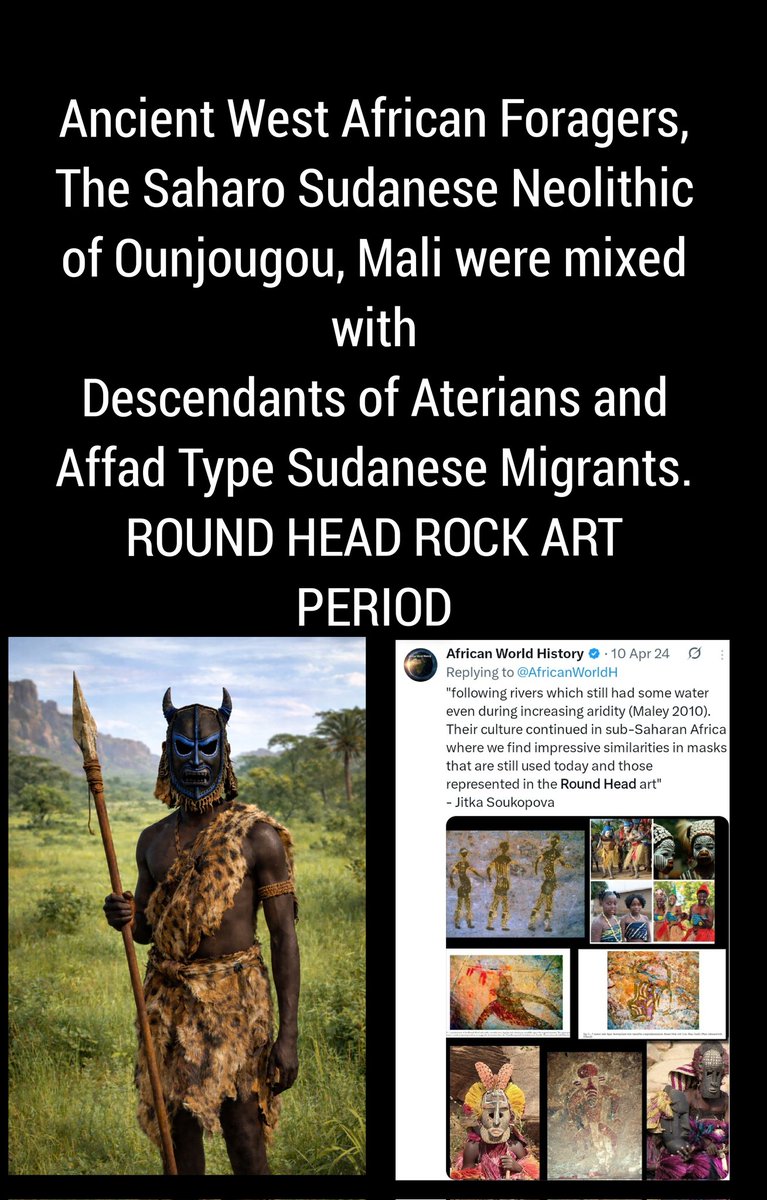
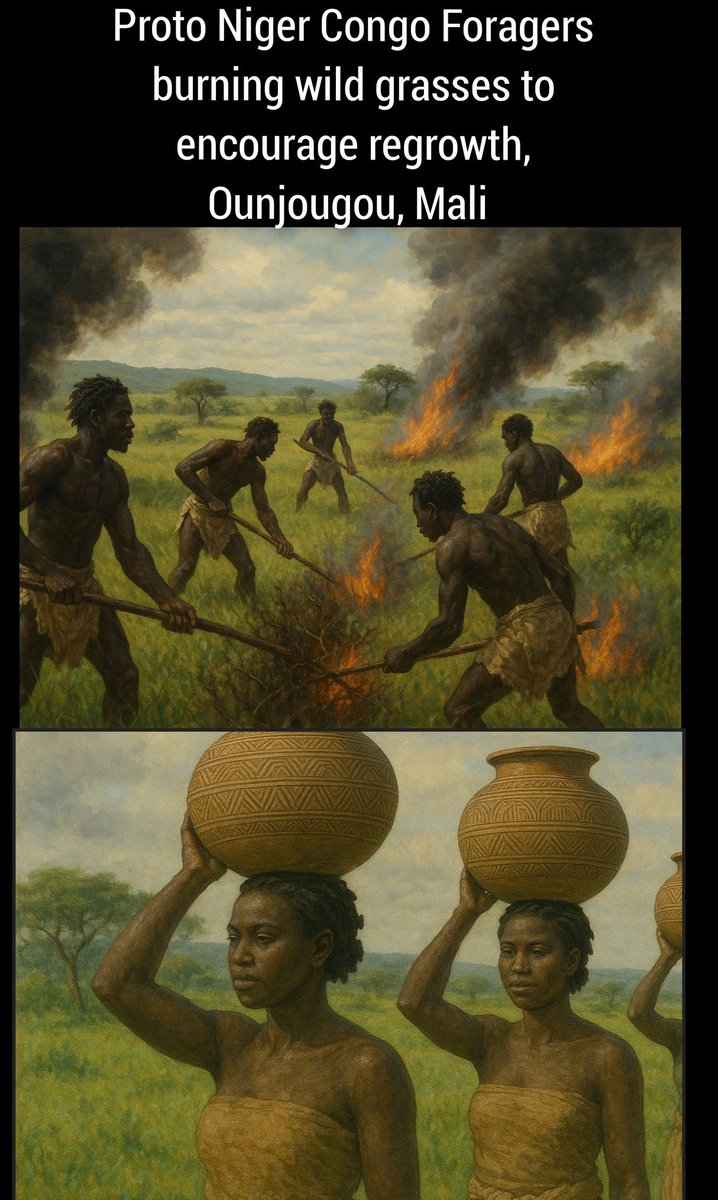
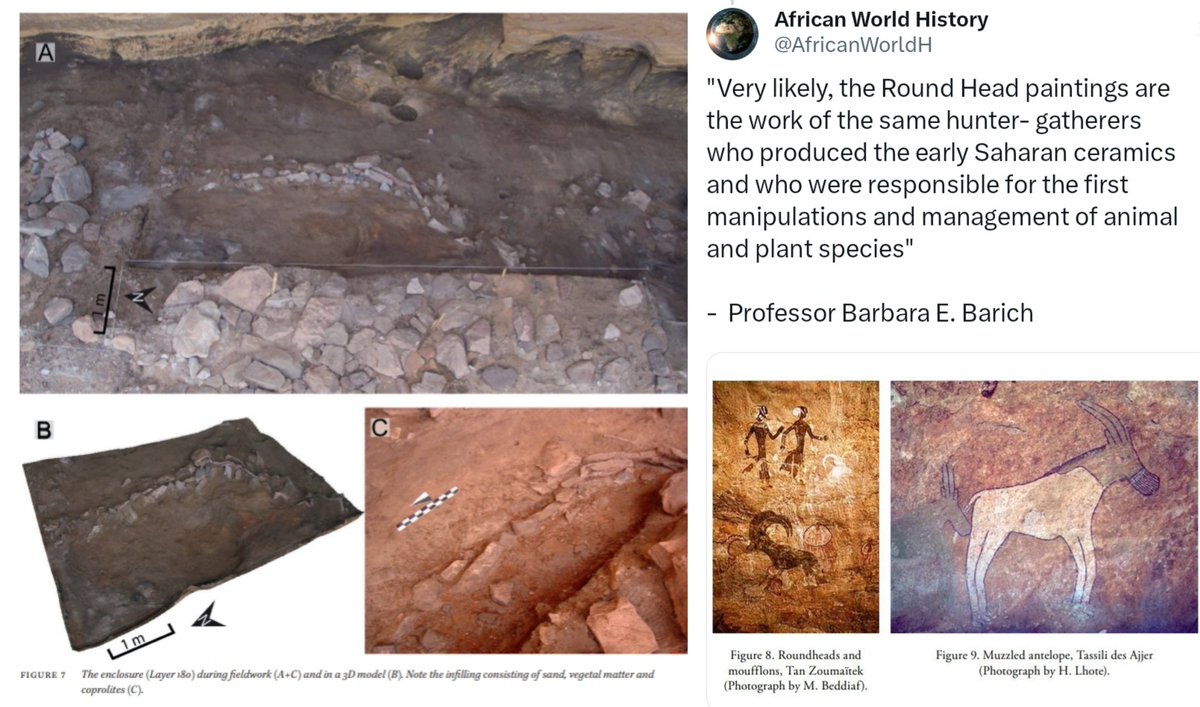
The Ancient West African Foragers of The Saharo Sudanese Neolithic, Ounjougou Mali, 10th Millennium BCE
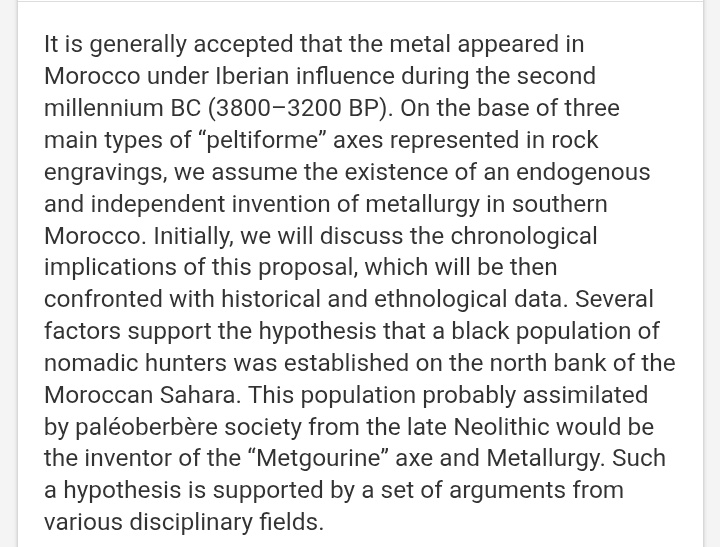
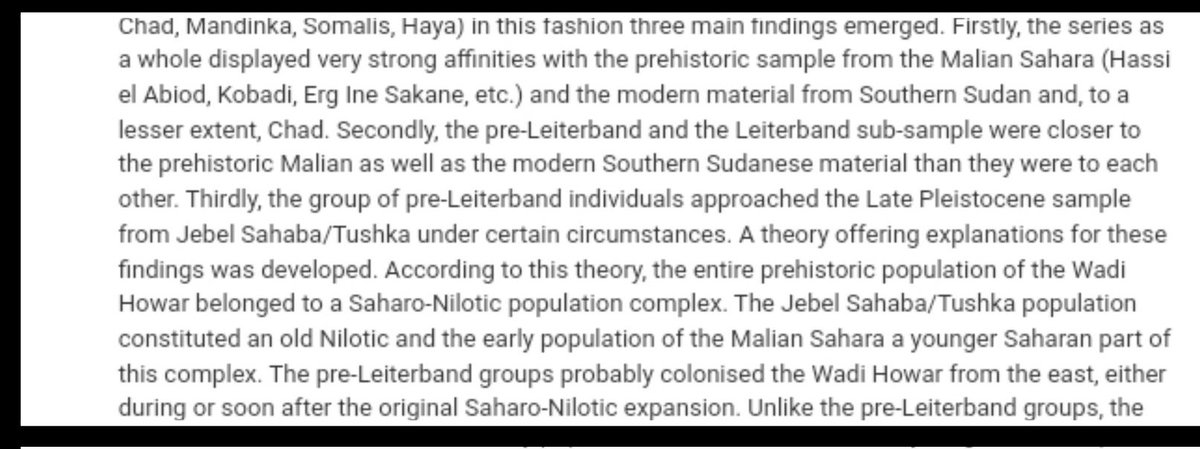
The ancestors of ancient West Africans came from a proto Nilotic type people from Sudan, bringing Affad 23 organizational skills (practiced in proto village settings ) to Ounjougou, Mali while admixing with mixed Aterian descendants
These groups created the ancient West African Foragers of the round head rock art period coming from Ounjougou, Mali. They built stone fortifications for penning and taming animals and stone foundations to huts within proto villages in the central Sahara, a semi nomadic and semi sedentary life style reminiscent of Affad 23 proto village descriptions.
4
24
79
3,174
African World History retweeted
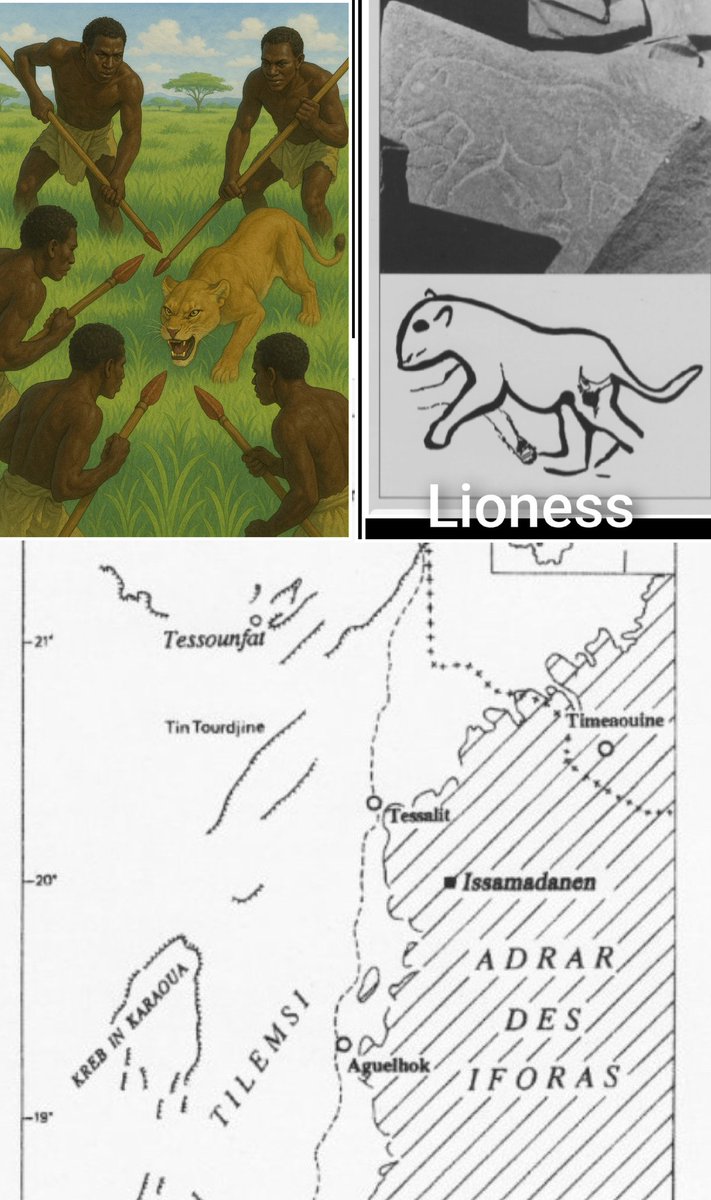
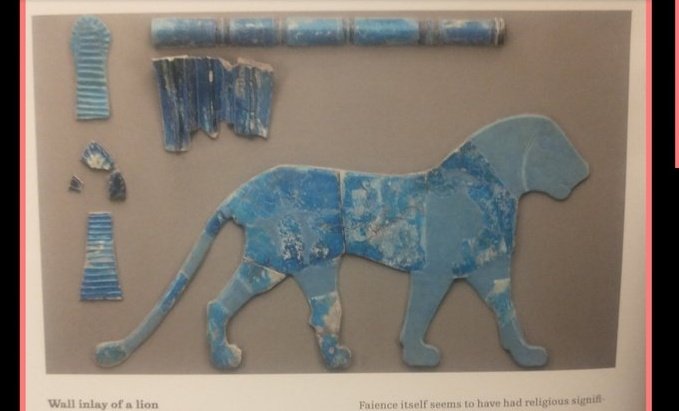
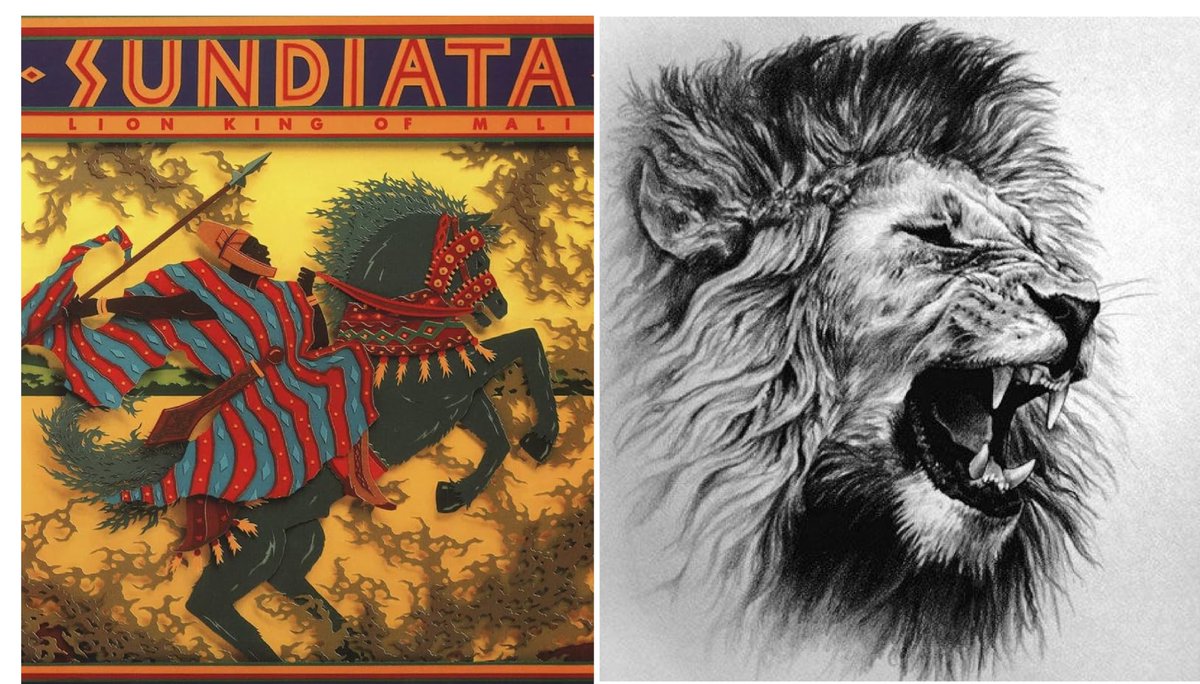
Lion Symbolism In The Ancient West And East African Saharan Cultures of Mali and Sudan, 6th - 2nd Millennium BCE
Lions carved in rock art in Adrar des ifoghas, in the Malian Sahara is linked to early Mande agro-pastoralists in the Tilemsi valley of West Africa.
While in Sudan, lion temple artwork linked to royal symbolism of the kings of classic Kerma, both demonstrate the importance of lion symbolism to early African cultures.
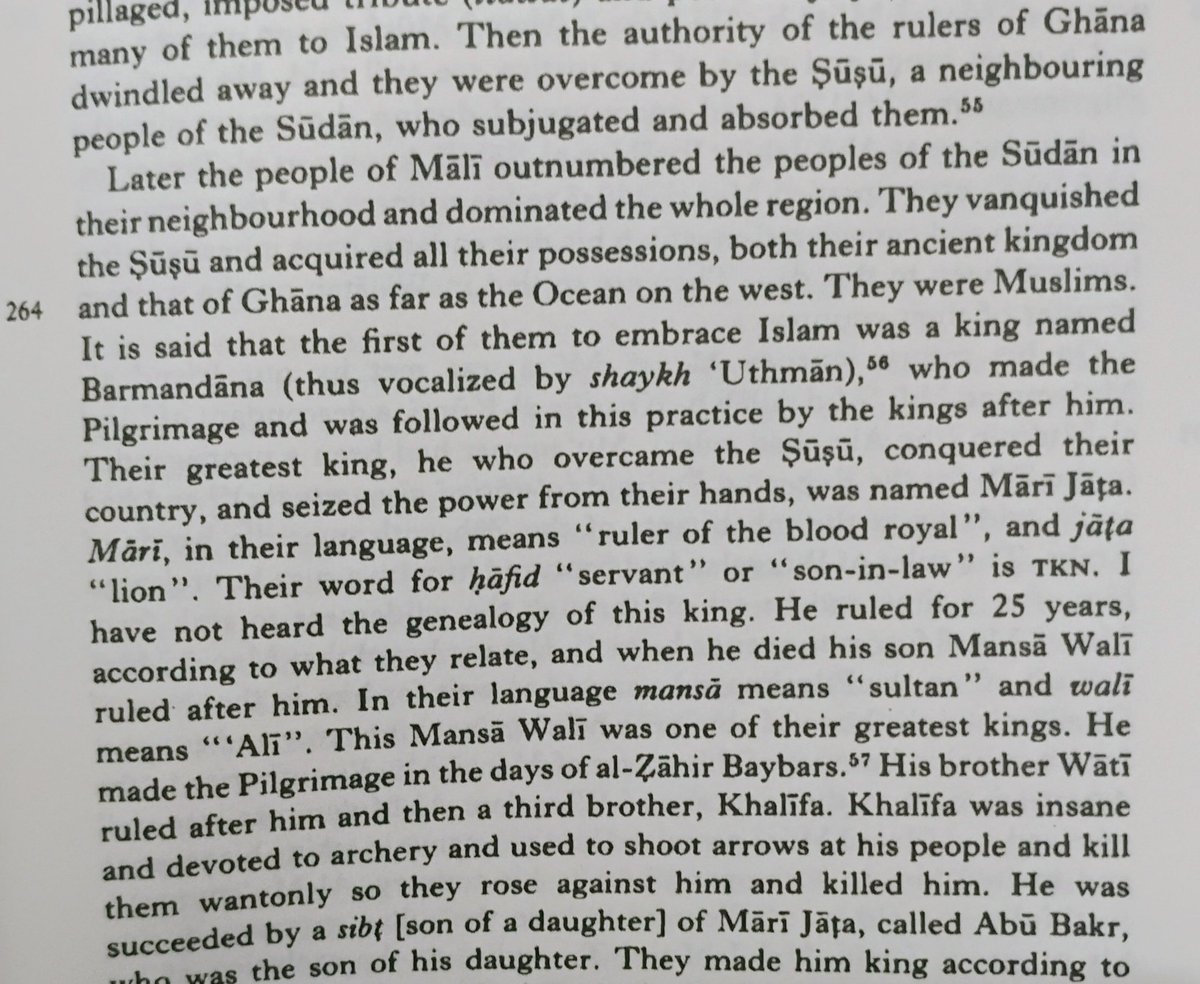
Later medieval Arabic text also spoke of Sundiata Keita ( Mari Jata ) as "the Lion King" of Mali and founder of the Mali empire, perhaps ideas that took root from old Malian Saharan lion symbolism.
2
12
53
2,114
African World History retweeted
"The origin of the Neolithic Culture of Tichitt is unknown, although it is certainly in the east or northeast, that is to say in the north of Mali...."
- Robert Vernet
3
14
54
1,690