
AI Agents & Protocol Infrastructure | Founder @StyleAIofficial
Joined December 2024
- Tweets 321
- Following 155
- Followers 582
- Likes 1,745
13 Photos and videos









May 25
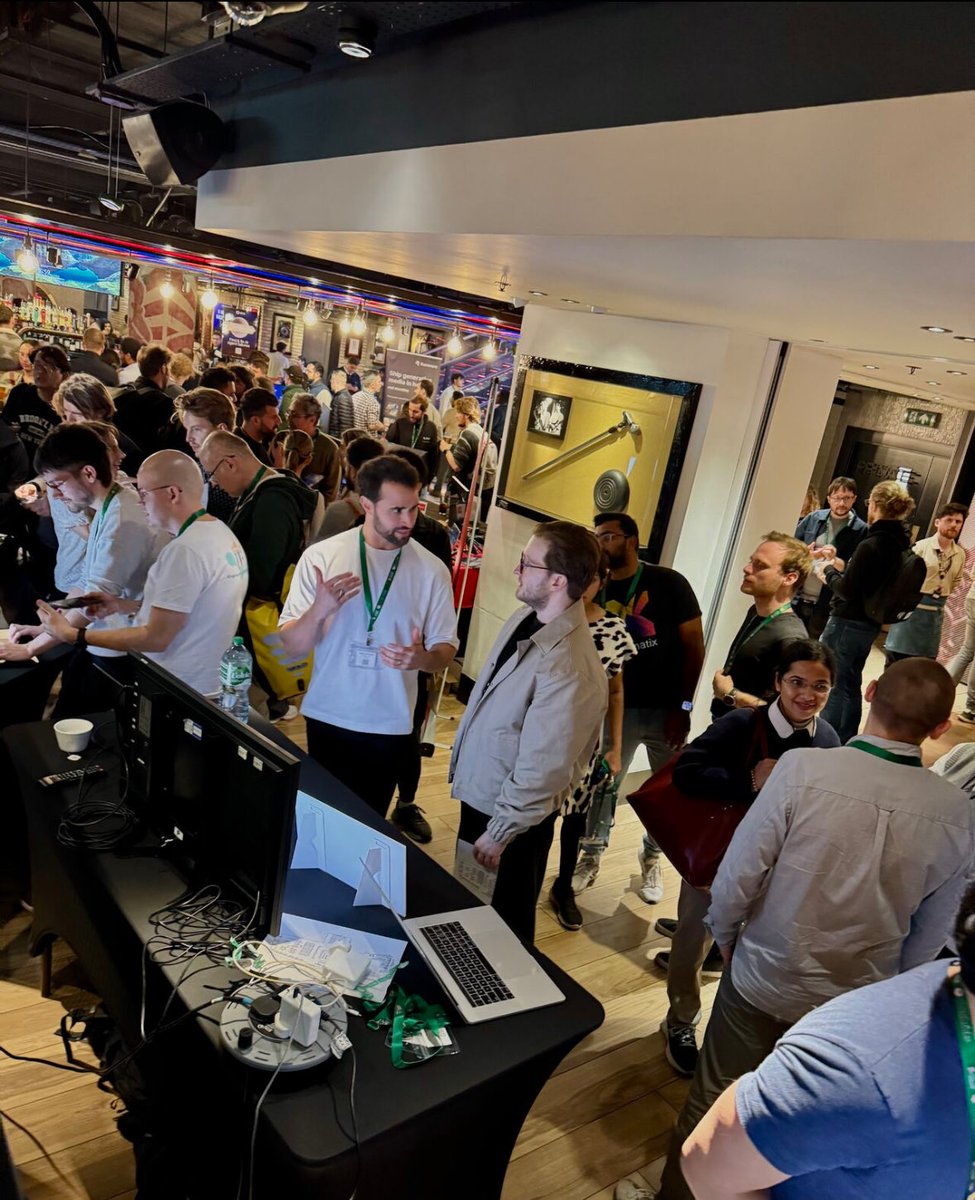
We just claimed our .agent domain and joined Agent Community. I find it a great initiative to start shaping the future of autonomous agents .
agentcommunity.org/join#SA07… @agentcommunity_
1
9
371
May 14
The future buyer on the internet isn’t a person, it’s an AI agent.
Imagine tons of new customers flooding in, pockets full of spending power, yet they only discover, evaluate, and purchase through interoperability protocols.
That’s not science fiction. That’s literally happening right now.
If you're a business without access to agentic infrastructure and your data is not agent-readable, you’re invisible to the fastest-growing buyer segment the internet has ever seen.
Think of it.
1
32
May 8
I just generated a world in real-time on Reactor, it was a really cool experience using world models!
reactor.inc/share/478db1d3-0…

3
37
May 5
Travis is so right here. SMB B2B sales are brutal, and your LTV:CAC is one of the best tools for pressure-testing your business model viability.

“When you go from consumer to B2B, the number one mega-challenge that you must master is LTV:CAC.” - @travisk
"Yes, you can make that argument on consumer, but when you have a sales funnel that starts with 'I'm going to talk to customers, and I have to make LTV:CAC work' — versus 'My LTV:CAC is the App Store' — it's a whole different ballgame."
“LTV:CAC with a sales machine, especially if you go [after] small businesses, is life on hard mode. Anybody who’s crushed it on SMB, those guys are special individuals who've made that happen. Because life in the SMB B2B world is no joke."
From his appearance on the show in March.
2
71
May 1
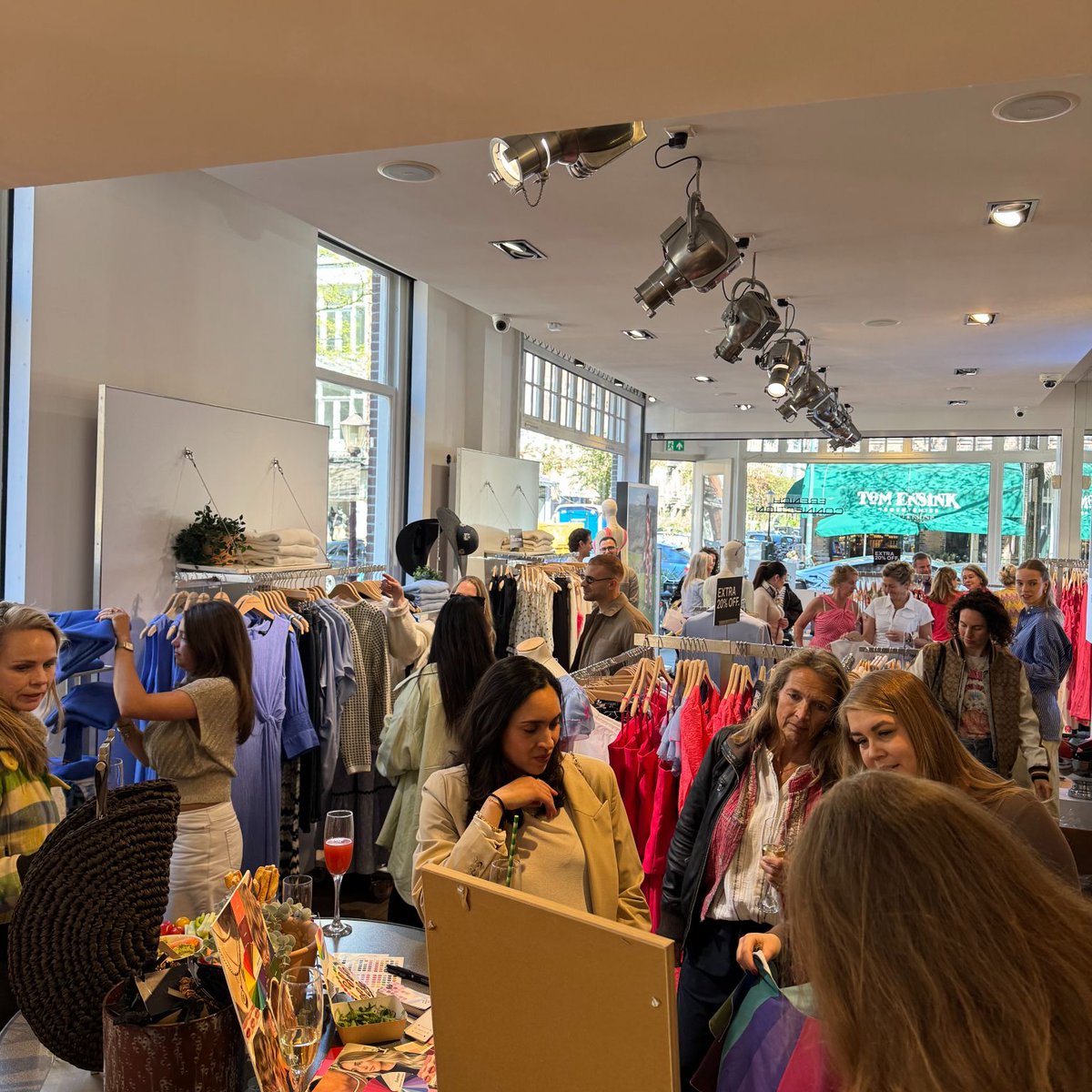
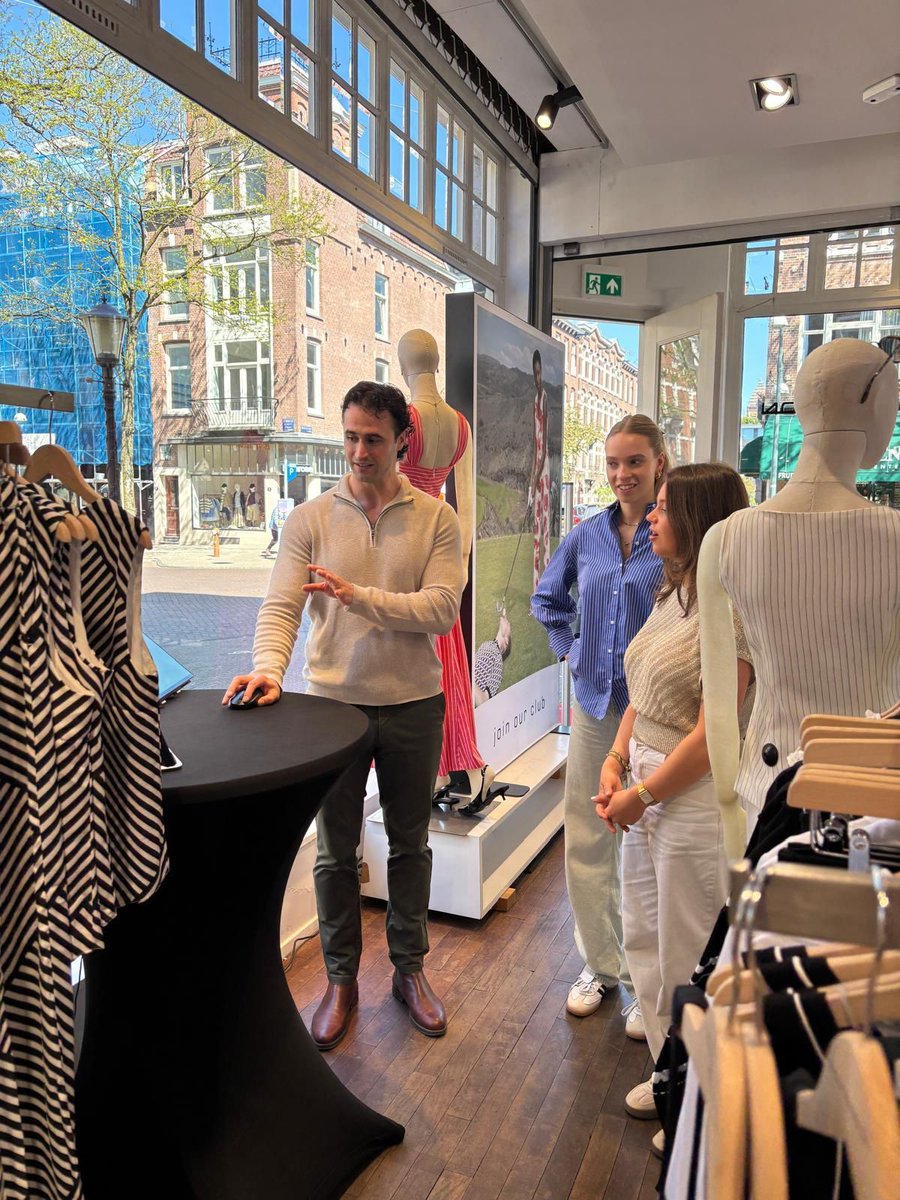
Reflecting on another meaningful event and key milestone for @StyleAIofficial team.
It was a great collaboration with French Connection (@FCUK) and really energizing to see real customers' response to our product in a live setting when they realize how much friction AI Agents can remove from the online shopping experience.
Big thanks to everyone who joined us!
May 1

Last Saturday we partnered with @FCUK to promote SS26 collection using our AI agents.
A guest had a strict brief: linen/cotton only. StyleAI surfaced the Cambria Cotton Ricrac Dress in yellow.
Perfect match, that is what good product discovery looks like!

4
120
Apr 27
It's about exercising reframing
Apr 26

Literally just having a delusional golden retriever mindset measurably changes outcomes and physiology.
Sleep badly? Convince yourself you're well rested.
Stressful day? Convince yourself it's fuel.
Failed? Convince yourself it's useful data.

3
54
Apr 22
Most "AI in fashion" content happens online, behind a screen.
Next Saturday, April 25th, we are doing the opposite.
@StyleAIofficial will be showcasing the new SS26 collection from French Connection @FCUK using our AI Stylist agent in an Afternoon of Style.
If you are curious about what retail looks like when human and AI styling sit side by side, come join us!
Apr 22
✨Happy to announce our collaboration with French Connection (@FCUK) to promote their new SS26 collection.
In this “Afternoon of Style”, we will showcase our AI stylist to help visitors build outfits from pieces available in-store.
🛍️More info & RSVP: lnkd.in/eJB7awS8

3
116
Apr 19
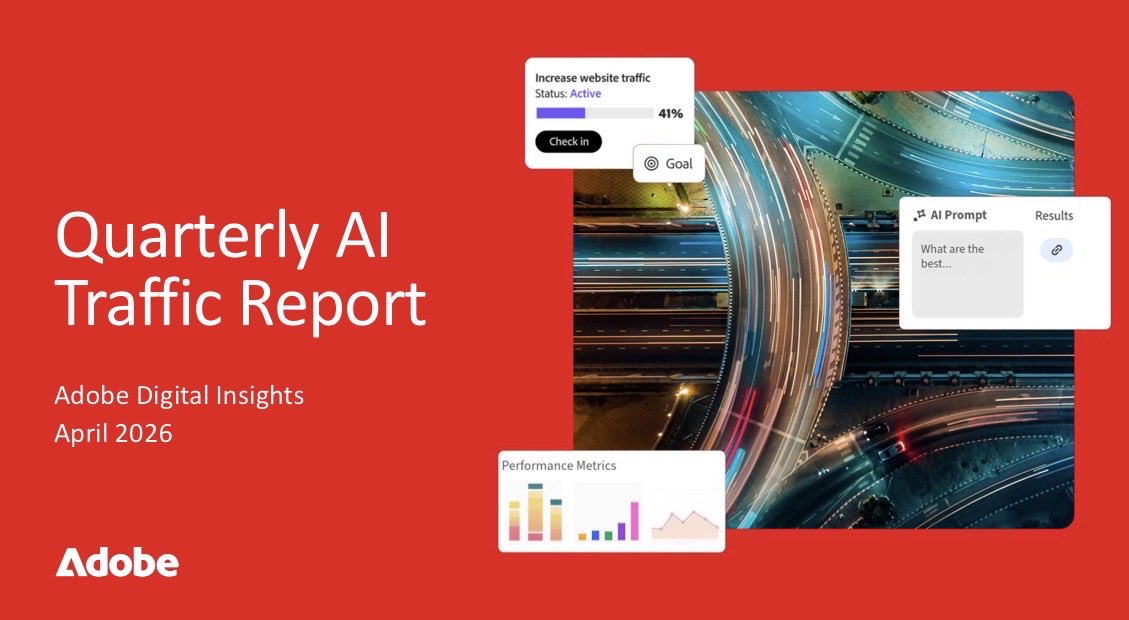
Retailers are finally seeing AI traffic convert, but I am starting to observe is a tension between the excitement of this new traffic and the reality of the merchant's backend.
Most retailers want a game changing AI tool for their storefront, yet their core product data is too messy for an agent to parse reliably. We are moving toward a world where your brand DNA must be machine-readable, because an intelligence layer only works if the underlying catalog logic is sound.
If you are seeing this shift in your own traffic, the priority is not just adding a new chatbot. It is ensuring your product's fashion metadata are rich enough to survive the scrutiny of a high-intent discovery engine.
business.adobe.com/resources…
5
51
Mar 30
For retailers, getting ready for agentic commerce is first about reinforcing the systems that power commerce today, starting by inventories, brand identity, and following with product data and APIs.
These strengths improve existing channels today while positioning merchants for new interaction models tomorrow.
4
52
Mar 13
here is one thought on the future of agentic commerce: the commerce storefront is not the endgame of online retail.
AI agents are starting to shop on behalf of people. not “recommend me something.” actually go out, evaluate, and complete the transaction.
when that happens, the storefront stops being the primary surface. the agent is the surface.
and the agent needs something the storefront was never designed to give it: the brand’s actual taste logic.
a flat catalog tells an agent what exists. it says nothing about what goes with what, who it’s for, or what the brand stands for aesthetically. that’s not a data quality problem. it’s structural. we built commerce infrastructure to serve human eyes, not agent reasoning.
so when an agent asks “find me an outfit for a gallery opening that fits this brand’s identity,” a Shopify store can’t answer. a product feed can’t answer. a filter tree definitely can’t, and what answers it is a layer above the catalog that encodes aesthetic logic. queryable, structured, machine-readable taste.
the infrastructure shift: from storefront-first to protocol-first. the question stops being “how do we get people to click?” and starts being “how do we make our brand legible to agents?”
brands that figure this out early won’t just have better AI features. they’ll be natively discoverable in a world where agents do the browsing. the ones that don’t will be invisible by default.
3
7
150
Mar 12
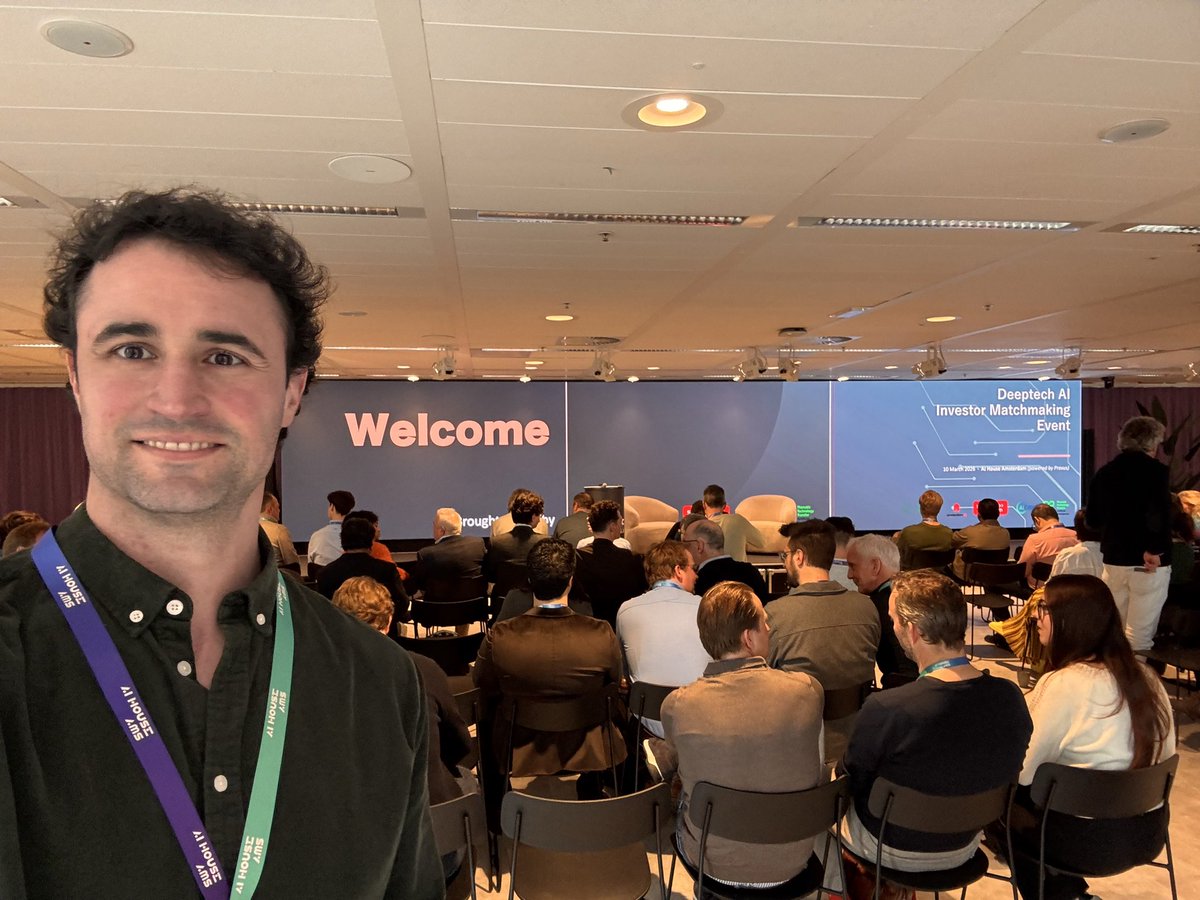
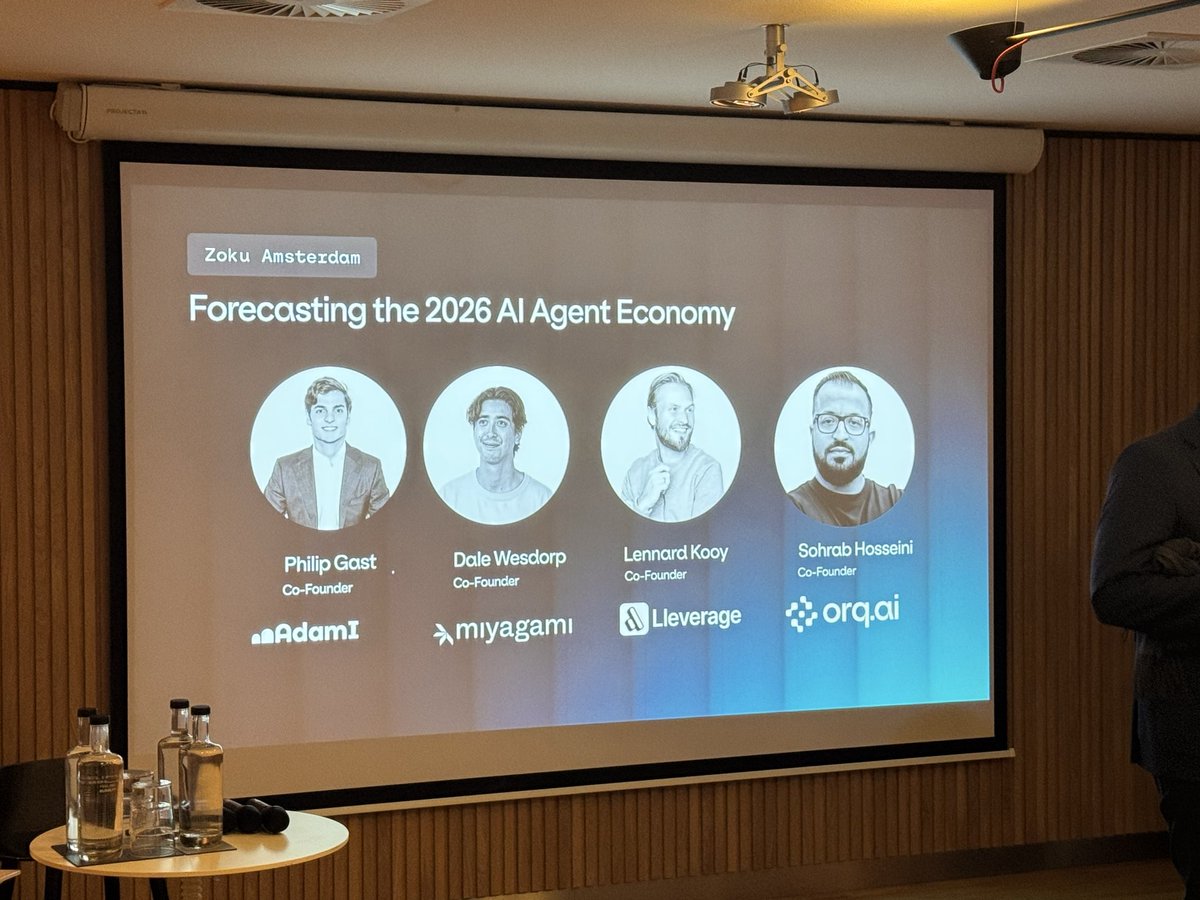
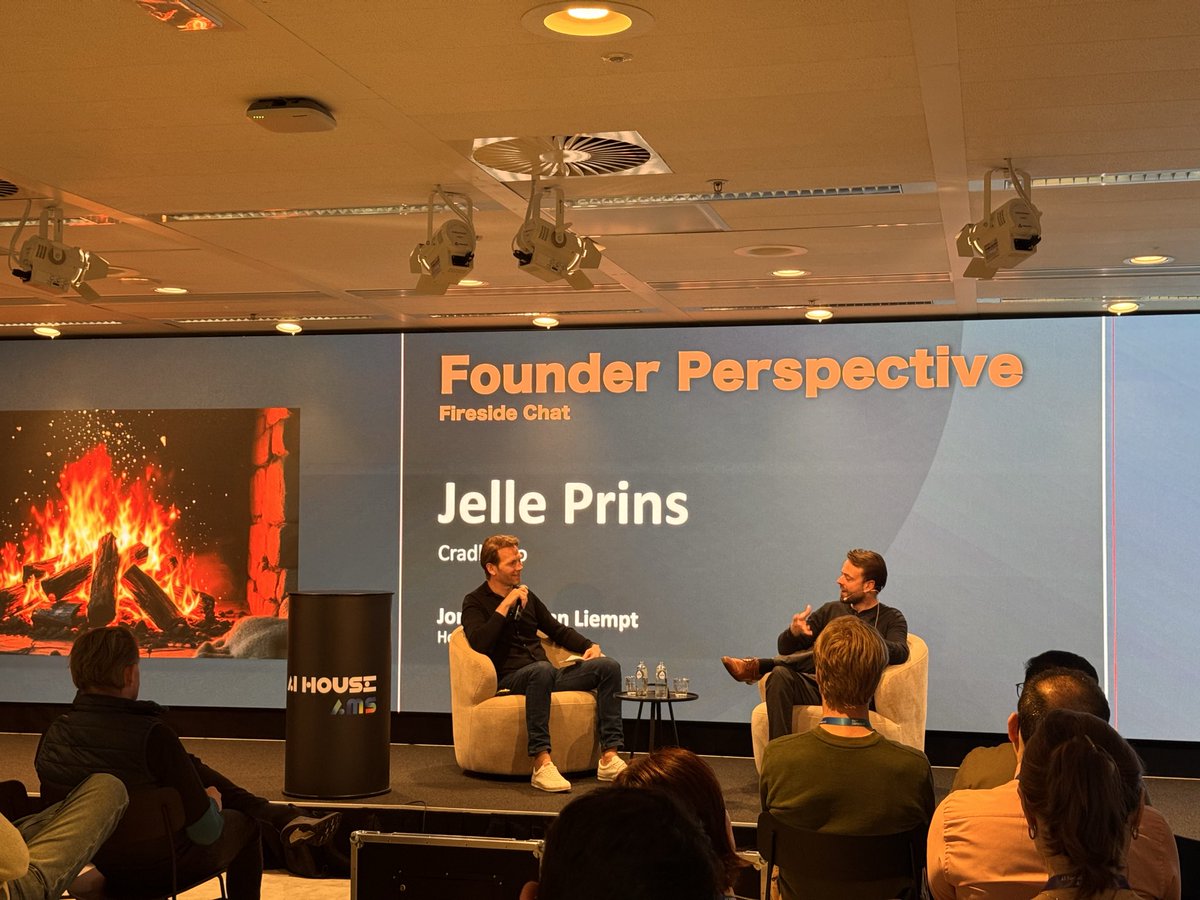
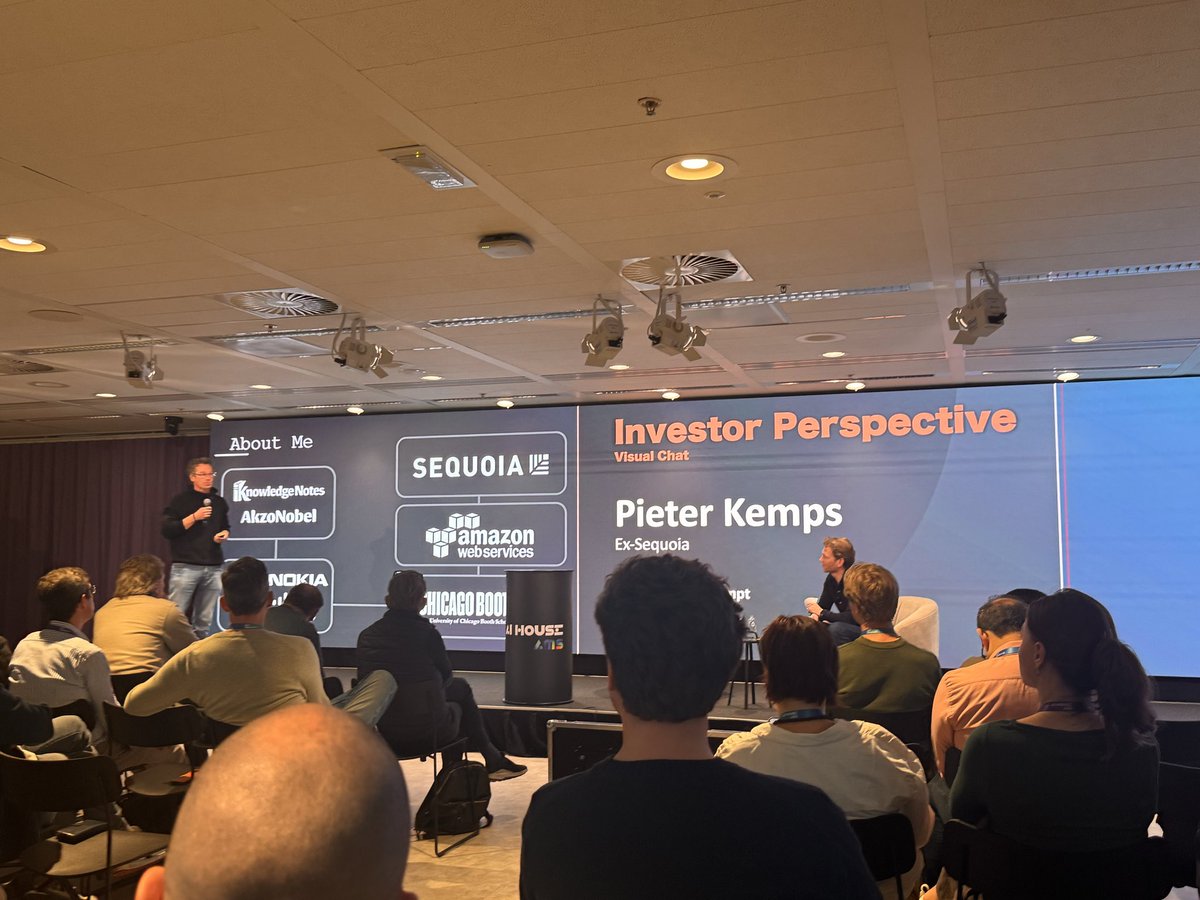
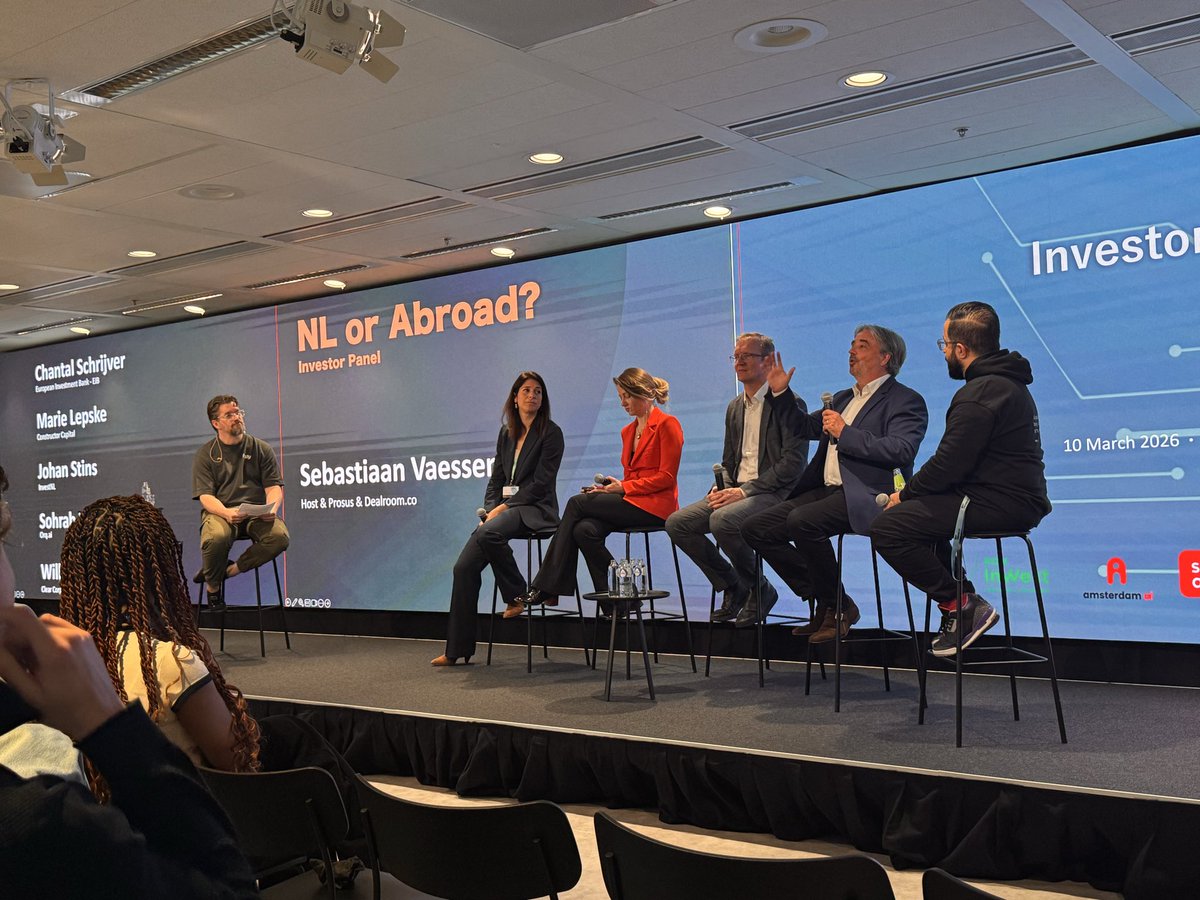
Great discussions held yesterday at Prosus' Deeptech AI event.
Couple takeaways:
▪️How to raise 100M : Investors line up and double down when traction comes along with exceptional Founder-Market-Fit, category-creation potential, and strong market tailwinds.
▪️EU opted for strong regulatory frameworks and protecting workers. US deregulated and made labour conditions more flexible, which, along with a historical risk-taking appetite continues to outsize every other market in fundraising opportunities.
Shoutout to Jelle Prins, Sohrab Hosseini and Pieter Kemps for such honest and insightful contributions. Thank you!
And of course some pics of a sold out event!
6
97
Mar 2
And here we go!! Great news for all those running locally 🙌🫶👏
Mar 2

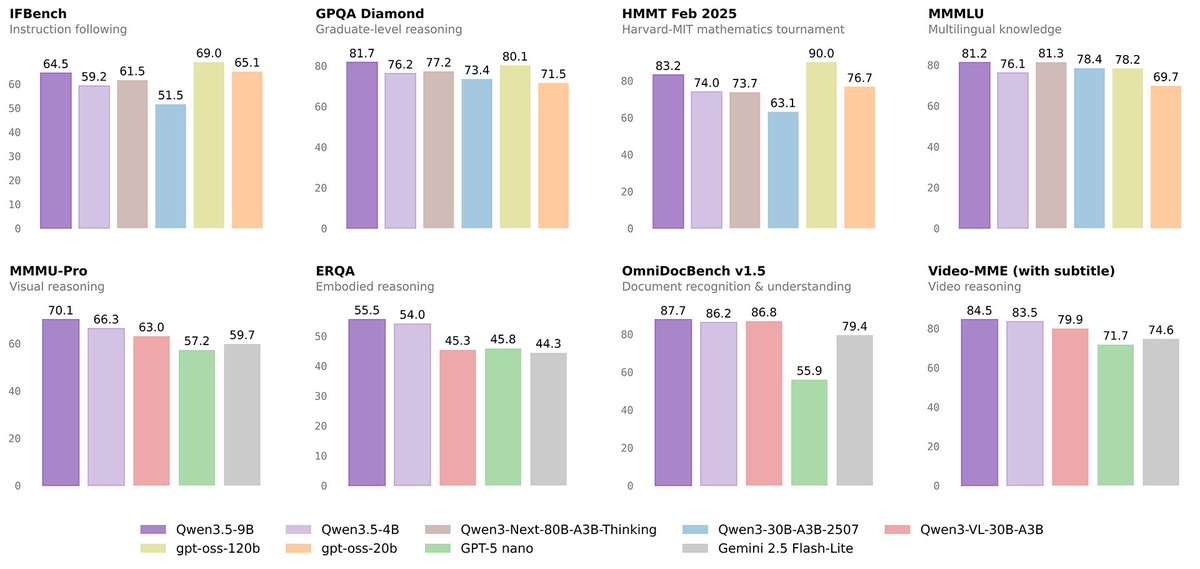
🚀 Introducing the Qwen 3.5 Small Model Series
Qwen3.5-0.8B · Qwen3.5-2B · Qwen3.5-4B · Qwen3.5-9B
✨ More intelligence, less compute.
These small models are built on the same Qwen3.5 foundation — native multimodal, improved architecture, scaled RL:
• 0.8B / 2B → tiny, fast, great for edge device
• 4B → a surprisingly strong multimodal base for lightweight agents
• 9B → compact, but already closing the gap with much larger models
And yes — we’re also releasing the Base models as well.
We hope this better supports research, experimentation, and real-world industrial innovation.
Hugging Face: huggingface.co/collections/Q…
ModelScope: modelscope.cn/collections/Qw…
4
67
Mar 1
The agent-to-agent version of every software is what's going to drive a significant part of the technological development in the coming years.
At @StyleAIofficial we are building the vertical infrastructure that connects people's & fashion retailer's agents
Mar 1

build startups for agents
over the next 10 years, you'll have a market of billions of customers (agents) with millions of wallets that want to use your services
go look at every saas tool you use. notion, slack, stripe etc
now ask: "what's the version of this that's built purely for agents?"
agent-native payments, agent-native communication, agent-native memory etc
every single category gets rebuilt (for agents)
we're entering the machine-to-machine economy and almost nobody is building for it yet.
4
64
Mar 1
On point. People are waling up to the fact that it is the cheapest hardware running the largest open source model that will be at the frontier of the AI race
Feb 27

This isn't the right question. The question is what's the cheapest hardware that will run the largest open source models at 100 tok/s. Something is out of alignment if it's stacks of Mac Studios, which it actually might be.
4
58
Mar 1
We see in Vertical AI SaaS with domain-specific data (e.g. knowledge graphs) and infrastructure components a solid path to develop moat

As I'm a software engineer and I know what’s actually happening...The easy phase is over simply. slapping a subscription on a basic tool and calling it a startup doesn’t work anymore. users have too many options, switching cost is low, and AI is making basic features a commodity.
investors are not avoiding software, they are avoiding replaceable software. if ur product can be rebuilt in a weekend with open source an API, it is not defensible. but if software is tied to real workflows, data moats, infra, hardware, regulation, or deep domain knowledge, it is still insanely valuable.
look at where money is going: dev tools, security, infra, vertical SaaS, AI applied to real industries, fintech rails, healthcare systems. that is all software, just not the copy paste kind.
software is not un-investable. lazy software is.
6
58
Feb 28
This is a great perspective that technical founders should bear in mind when hiring a salesperson
Feb 27

Technical founders: hiring salespeople is where you will most likely get wrecked.
3
50
Feb 28
Fully agree with @balajis here: the equilibrium really does point toward open-source models becoming the only ones people truly trust long-term.
Centralized American labs are caught in an impossible multi-front squeeze (political pressure from both parties at home, plus the reality that distillation and open weights make "keeping the lead" increasingly futile).
They'll make enormous money in the short-to-medium term, but trust, privacy, and local control win out eventually. Running your own model (or a verifiably neutral one) just feels different from relying on something that can be censored, backdoored, or politically pressured overnight.
Decentralized/local AI isn't just an ideological preference, it's the practical path when institutions can't be trusted to stay neutral.
Excited to be living these times! 🙌

It’s all open source models from here.
American AI companies are simultaneously fighting Democrats (by automating blue jobs), Republicans (by rankling the US military), and China (by fruitlessly combating distillation attacks).
Solve for the equilibrium: open source models become the only trusted models. Centralized American AI burns bright, makes a ton of money, but eventually gets outcompeted by the privacy, freedom, and trust of decentralized local AI.
5
55
Feb 25
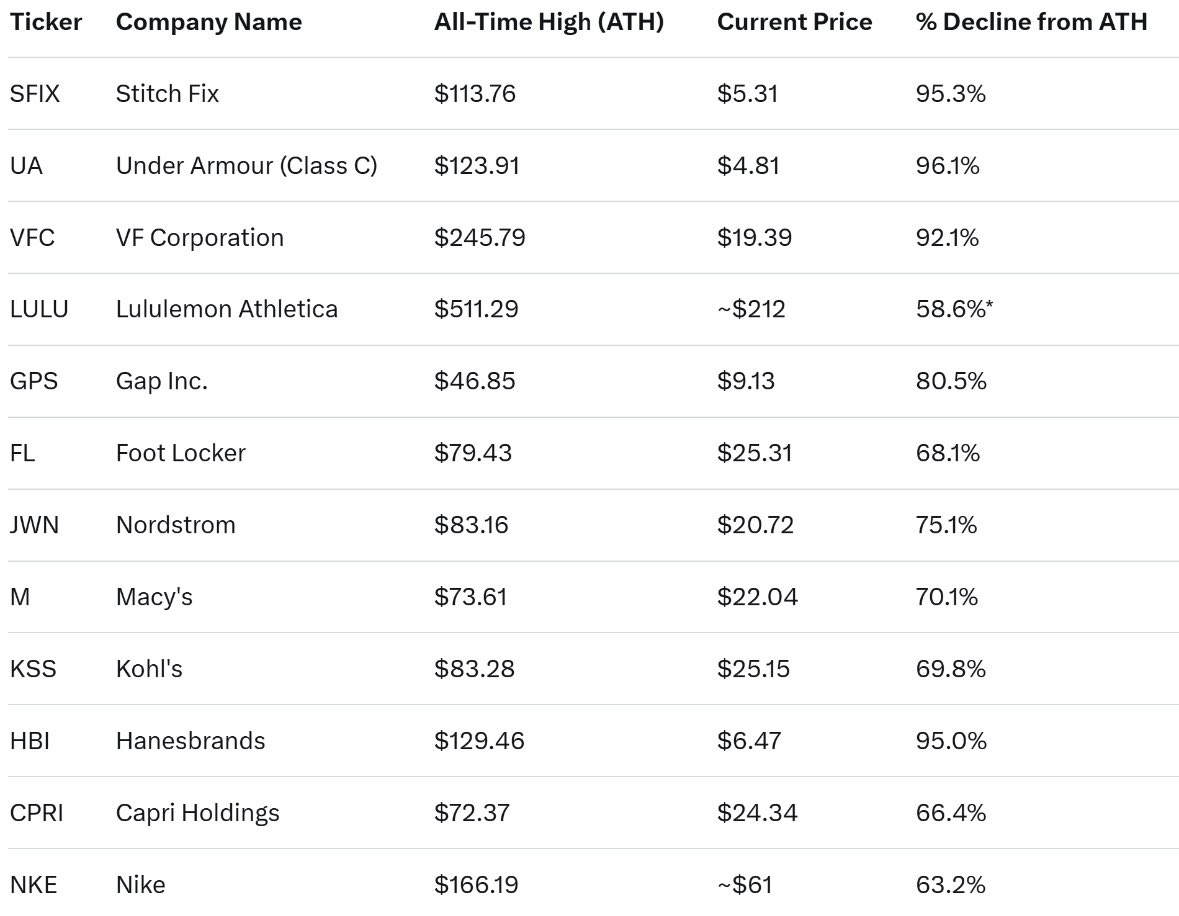
Commoditization is not collapse. Rather, it is how technology lowers costs and expands access.
The personal computer commoditized computing, the internet commoditized distribution, cloud commoditized infrastructure, and AI is commoditizing cognition. 👇

4
43