
Finance prof
Joined January 2009
- Tweets 294
- Following 739
- Followers 1,279
- Likes 201
12 Photos and videos
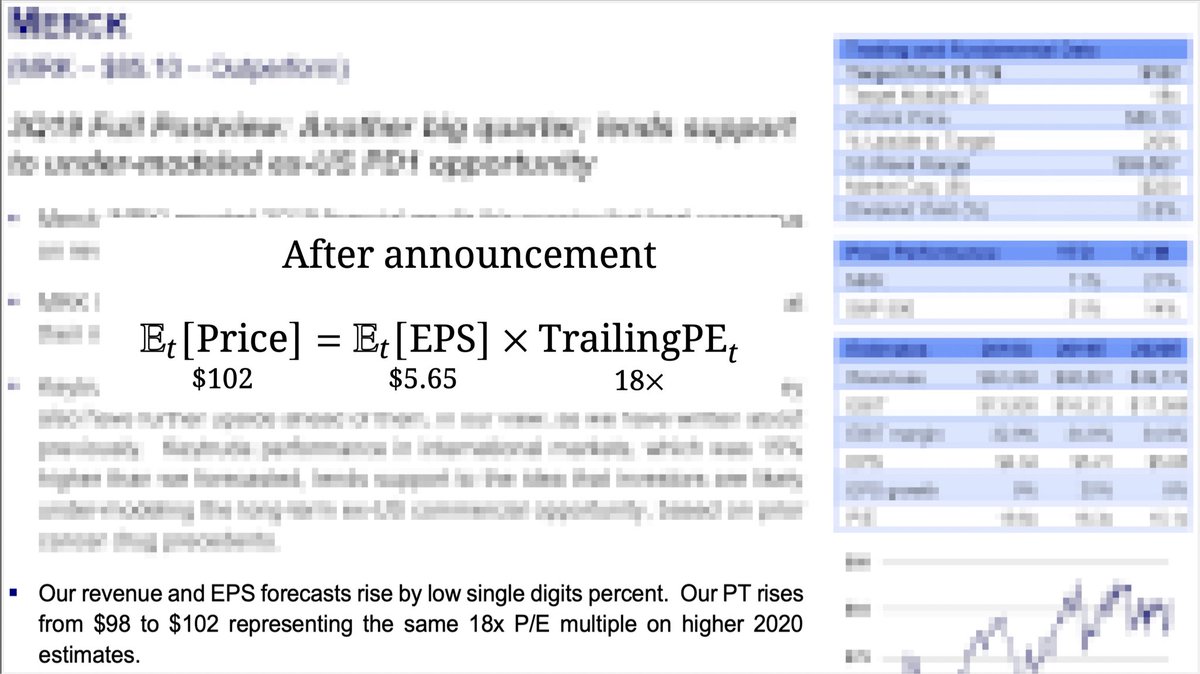
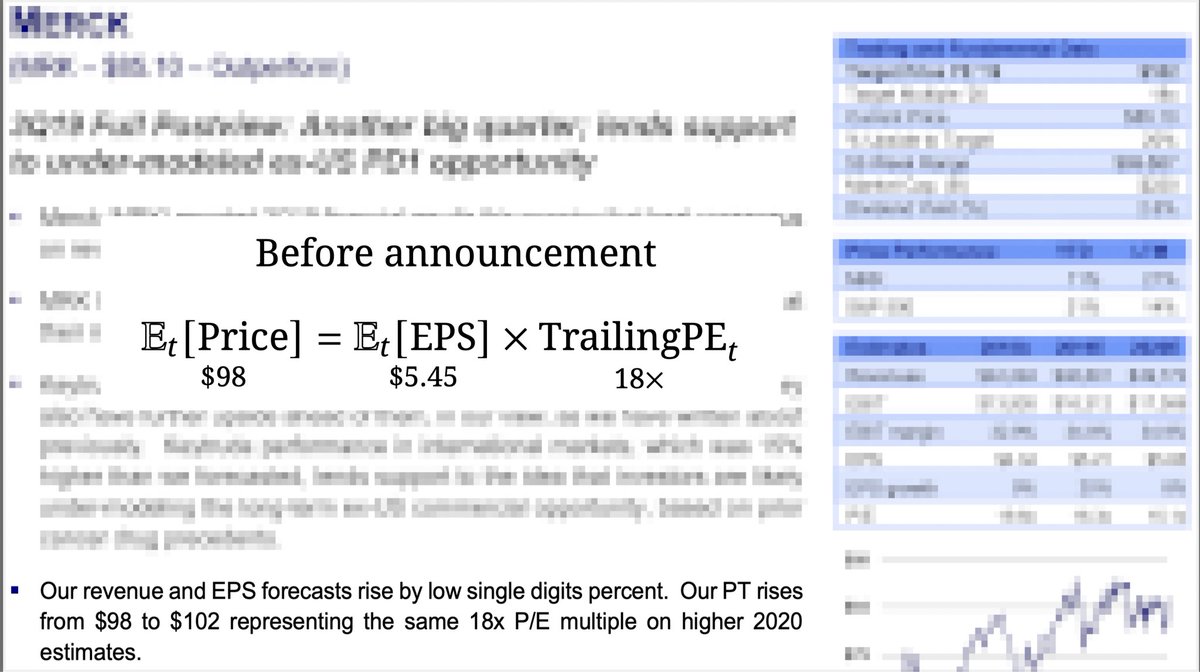
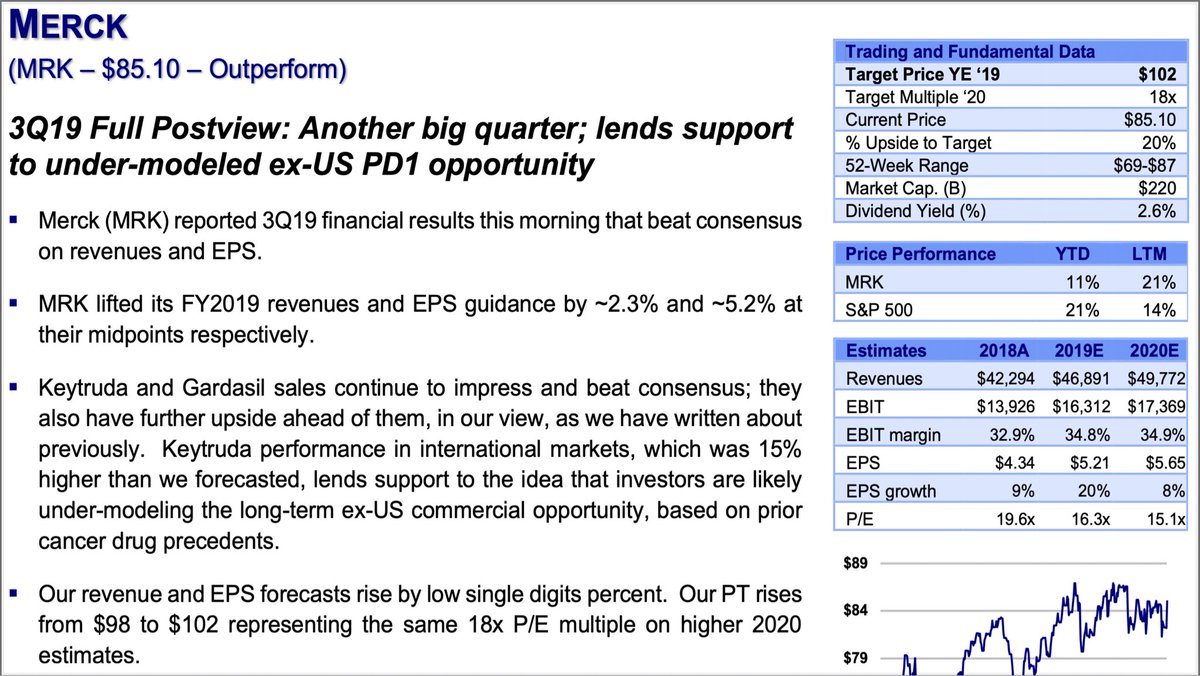
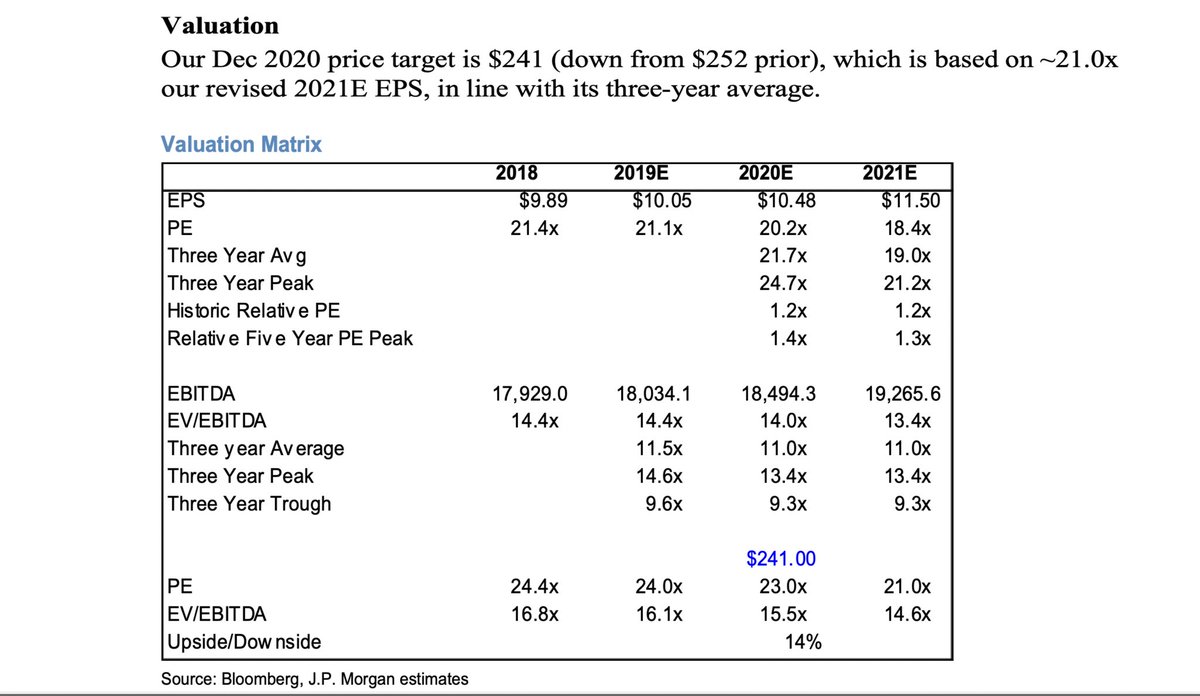
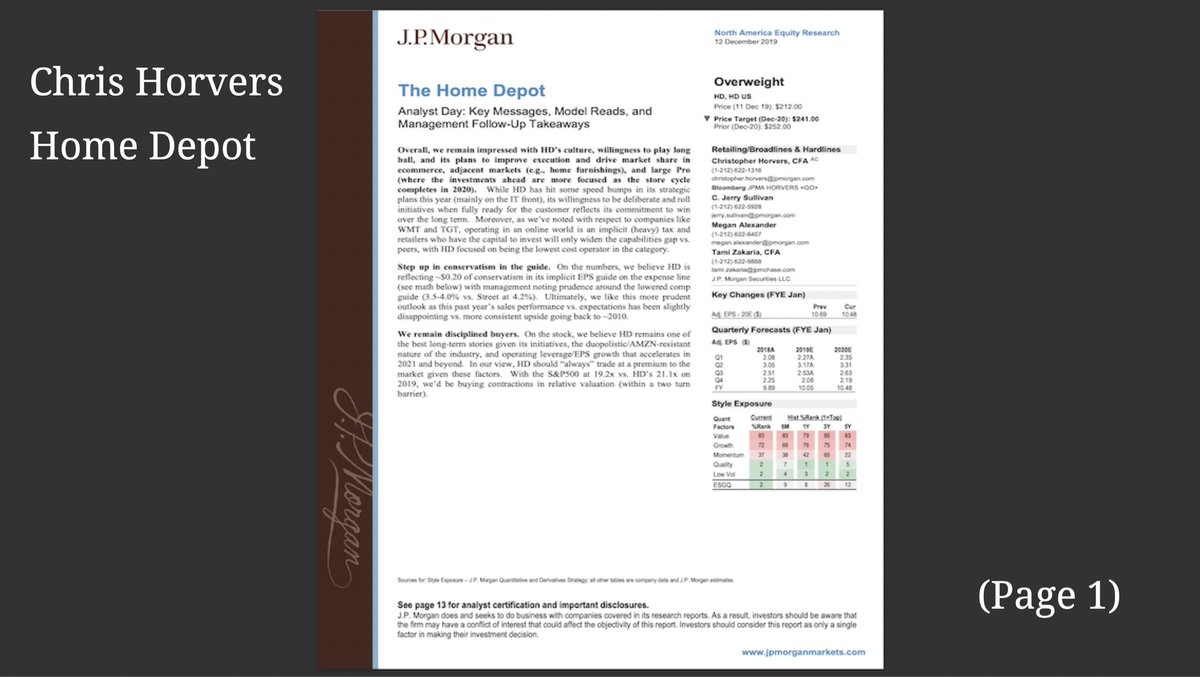
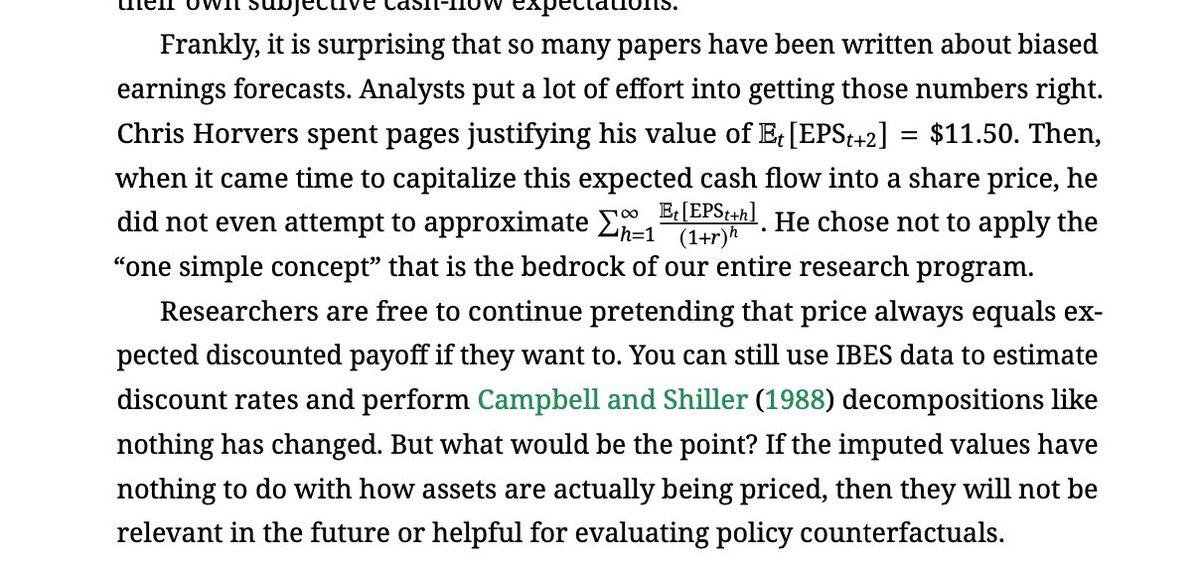
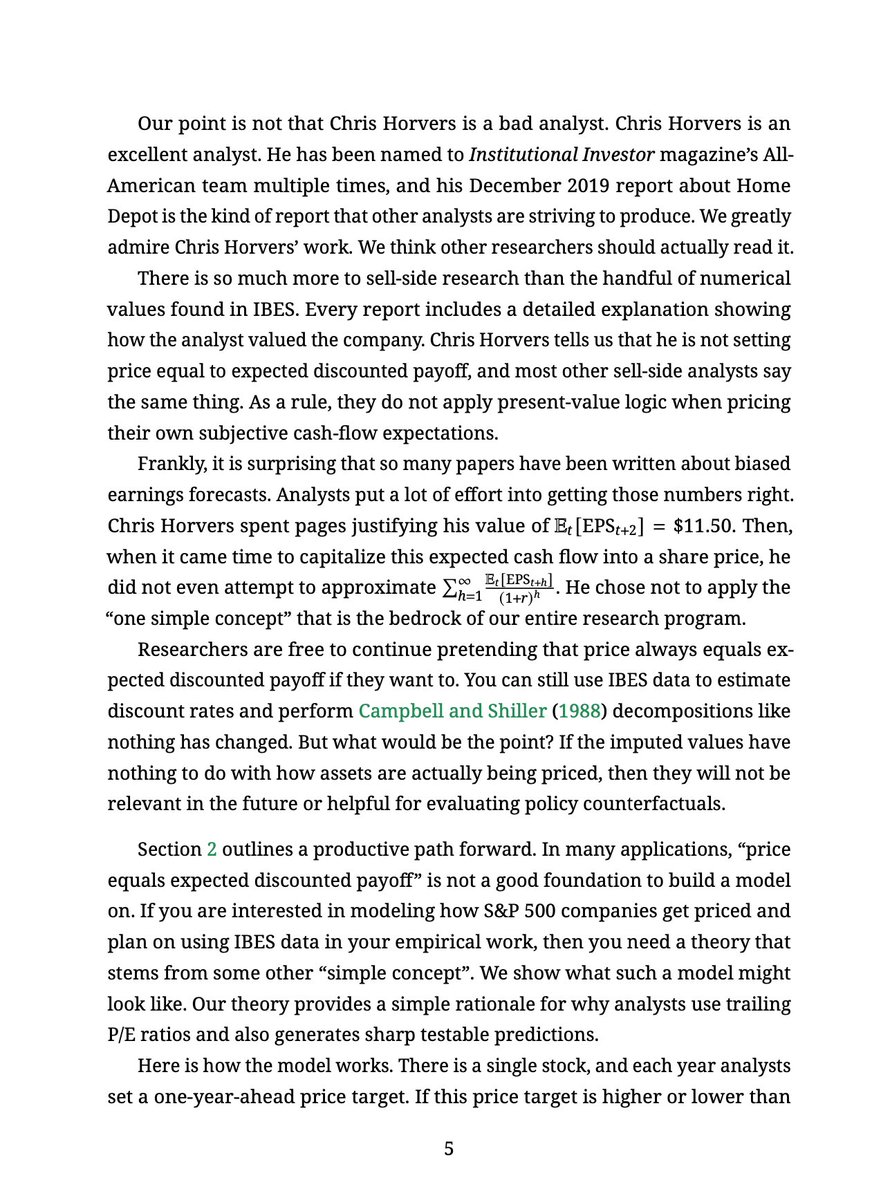
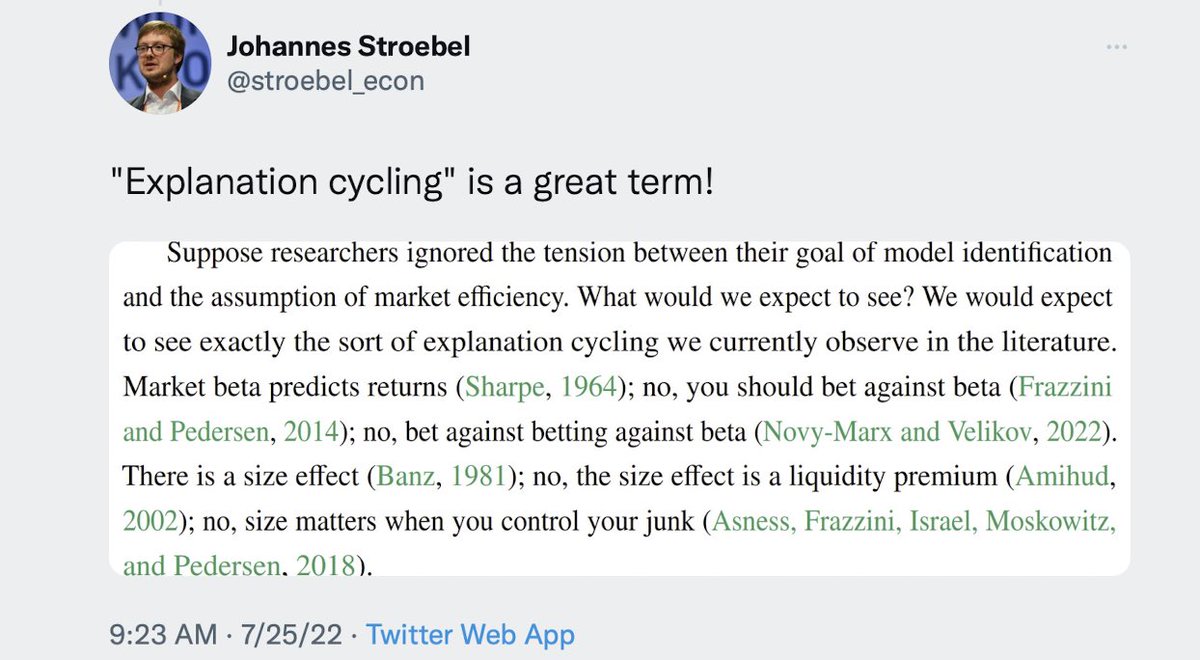
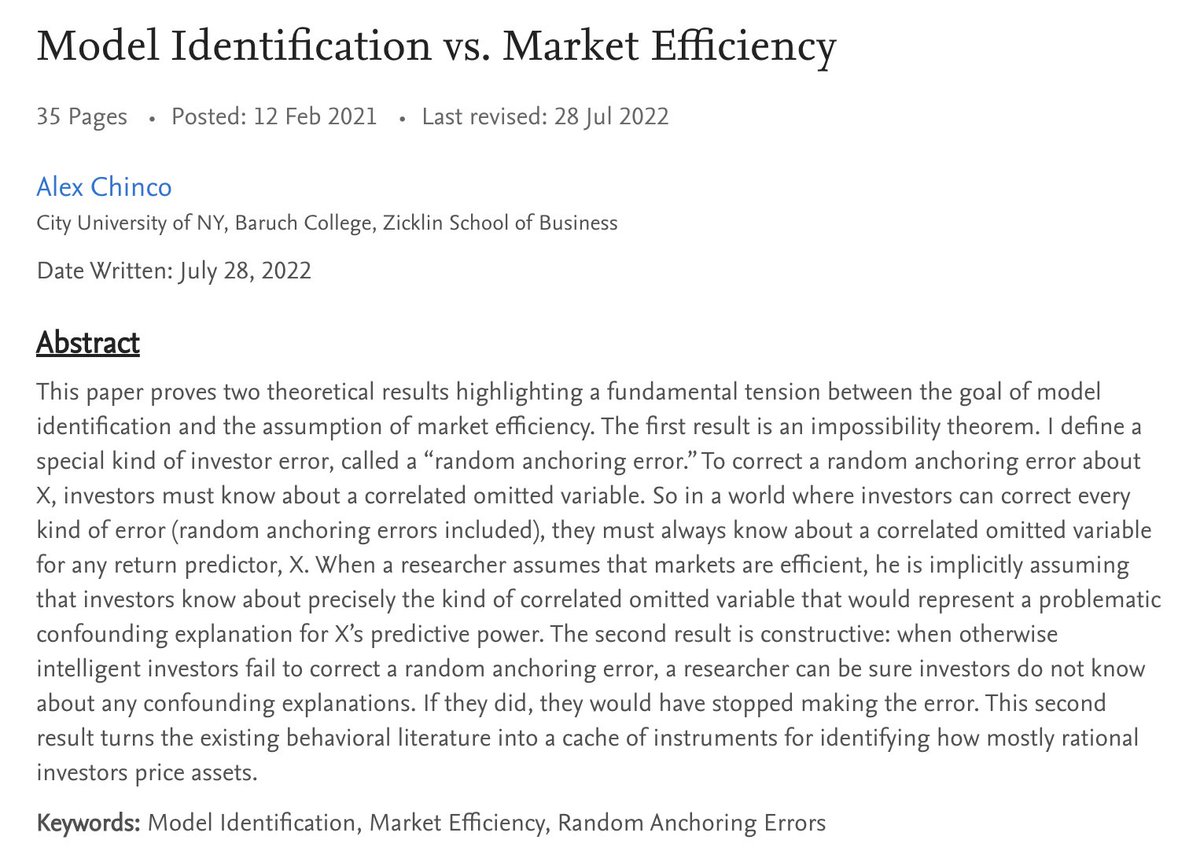

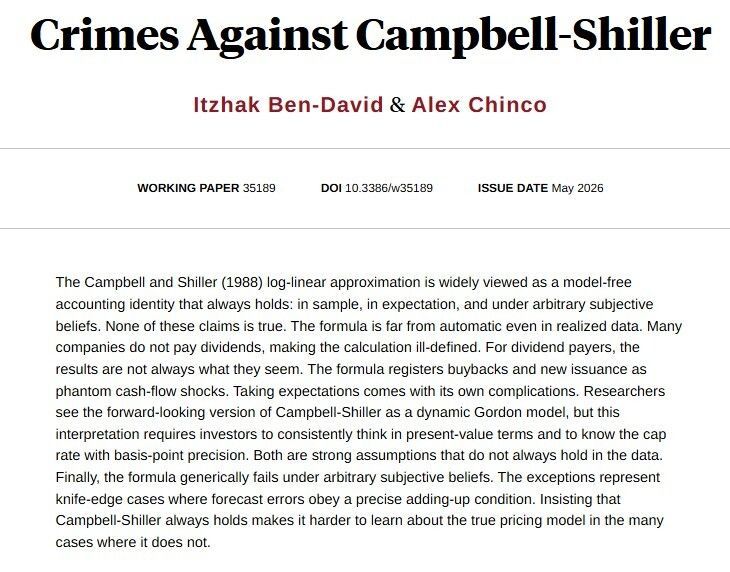
The Campbell–Shiller log-linear approximation is not a universally valid accounting identity, because its interpretation and validity depend on restrictive assumptions about dividends, investor beliefs, and pricing models that often fail in real-world data, from Itzhak Ben-David and @alexchinco nber.org/papers/w35189
2
13
61
8,119
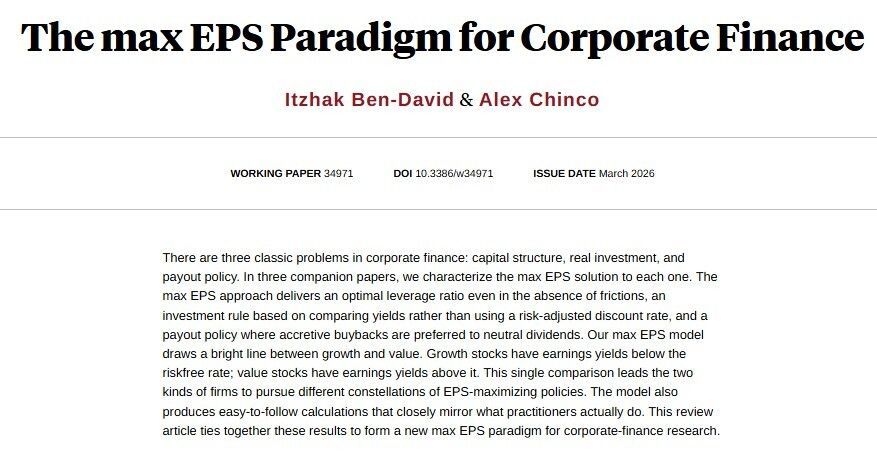
Characterizing the maximum EPS solution to three companion papers, from Itzhak Ben-David and @alexchinco nber.org/papers/w34971
1
3
20
4,393
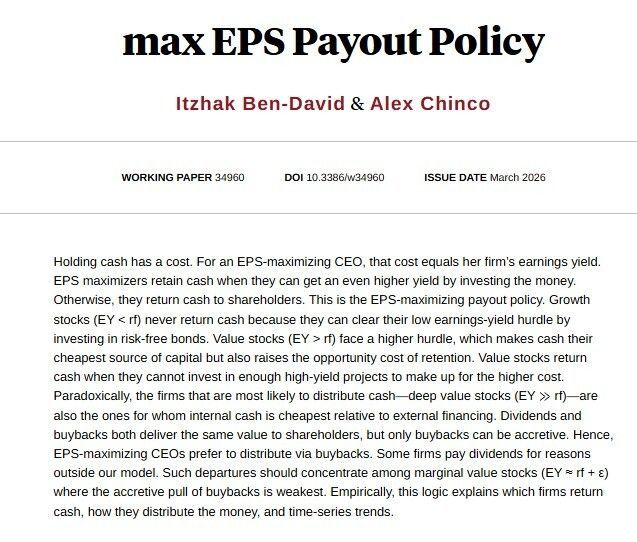
Modeling a CEO looking to maximize EPS payout policy, from Itzhak Ben-David and @alexchinco nber.org/papers/w34960
2
15
3,083
Alex Chinco retweeted

22 Jul 2025
Remember how ETFs can rebalance without ever incurring capital-gains tax?
So what if you seed ETFs with appreciated stocks?
My story today on the latest idea from Wall Street's booming tax-alpha complex: bloomberg.com/news/features/…
6
16
62
20,589
Alex Chinco retweeted

19 Sep 2024
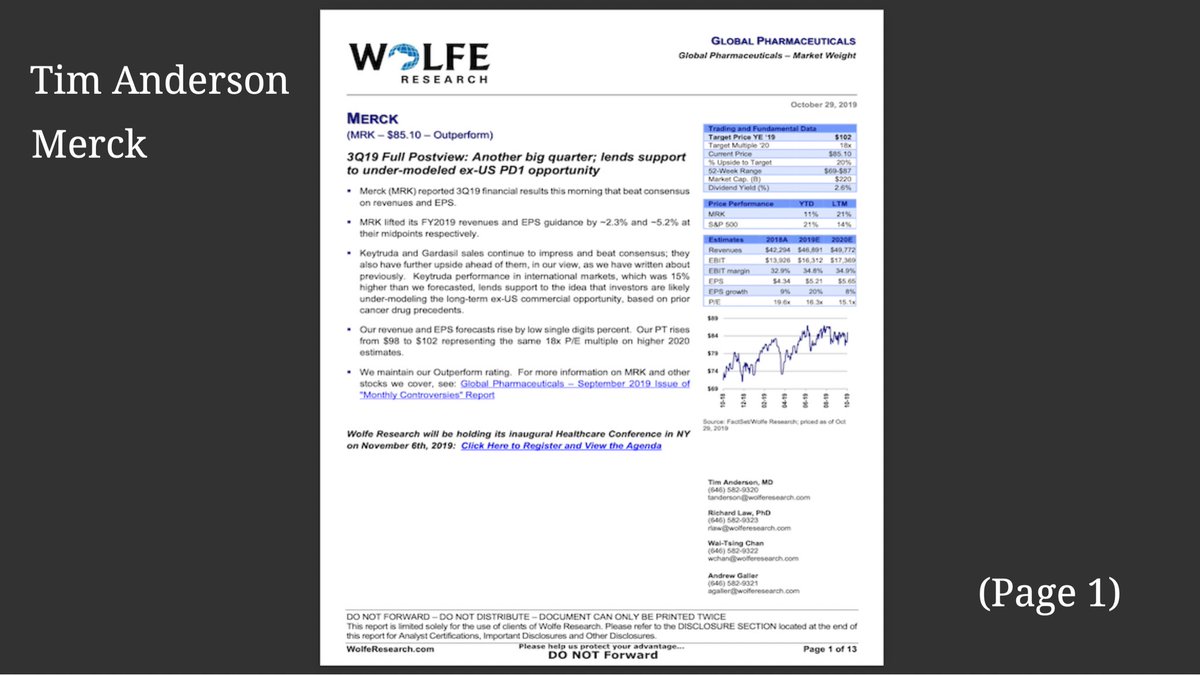
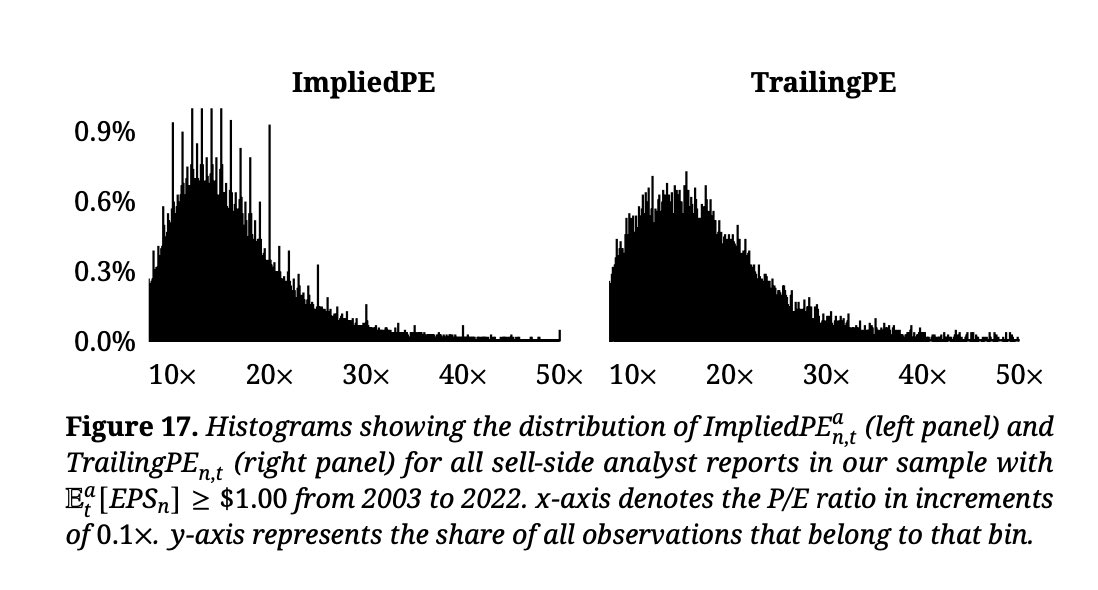
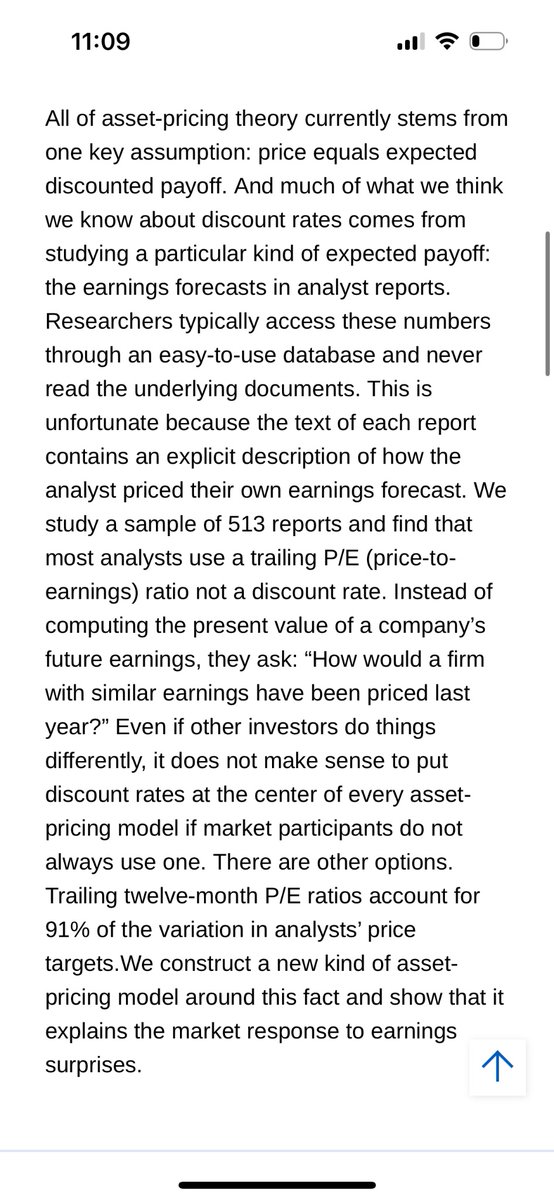
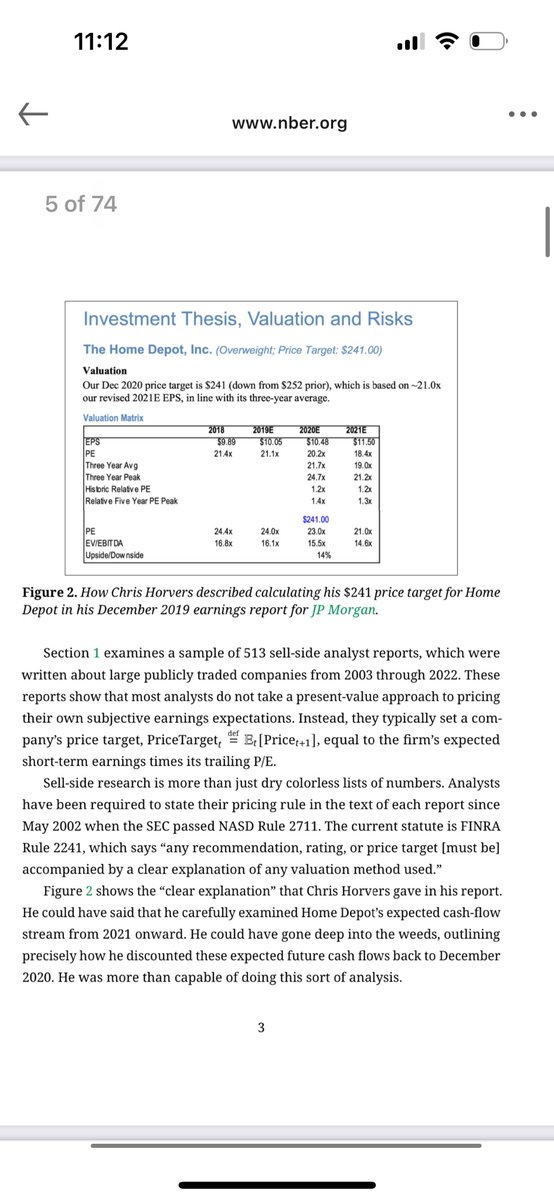
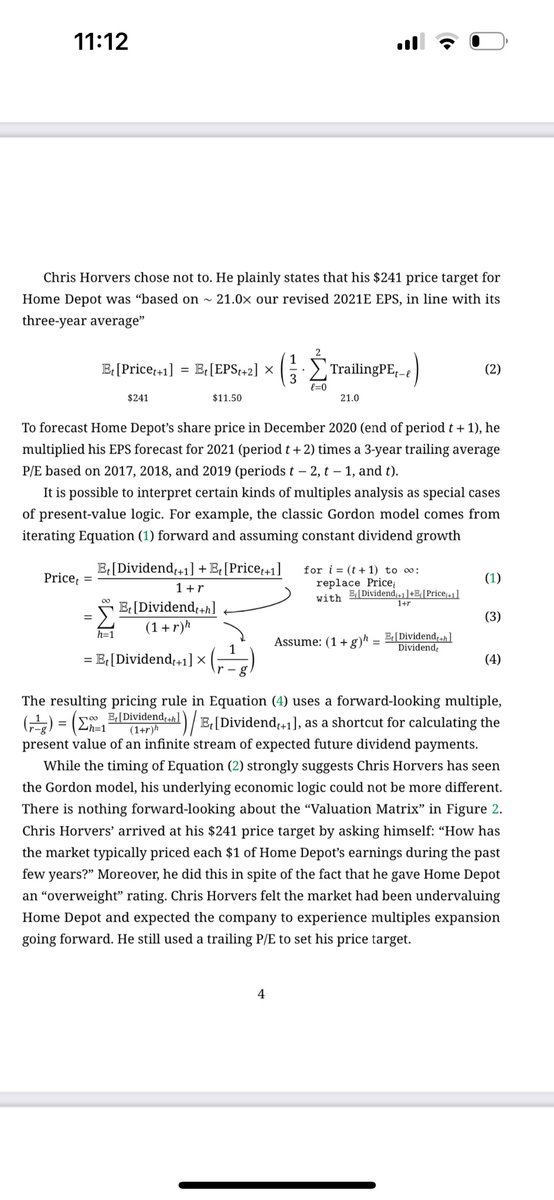
Lots of research has gone into figuring out how sell side analysis (ie in IBES) form expectations. But if you read the reports, it turns out they forecast earnings per share and slap on a trailing P/E multiple
By @AlexChinco and Ben-David
nber.org/papers/w32942
5
15
128
62,316
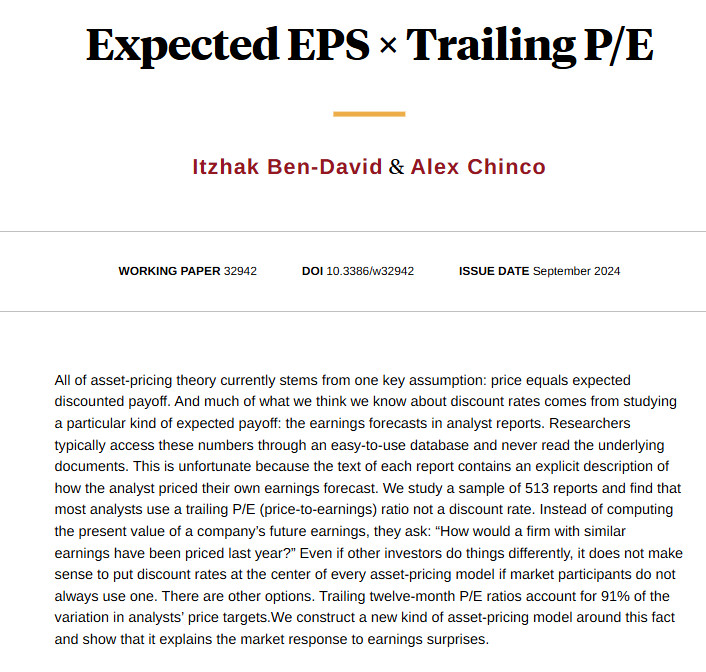
Constructing a new kind of asset-pricing model that explains the market response to earnings surprises, from Itzhak Ben-David and @alexchinco nber.org/papers/w32942
1
10
45
8,148
Alex Chinco retweeted

18 Jul 2024
Good title (and cool paper) @AlexChinco sciencedirect.com/science/ar…
1
4
867
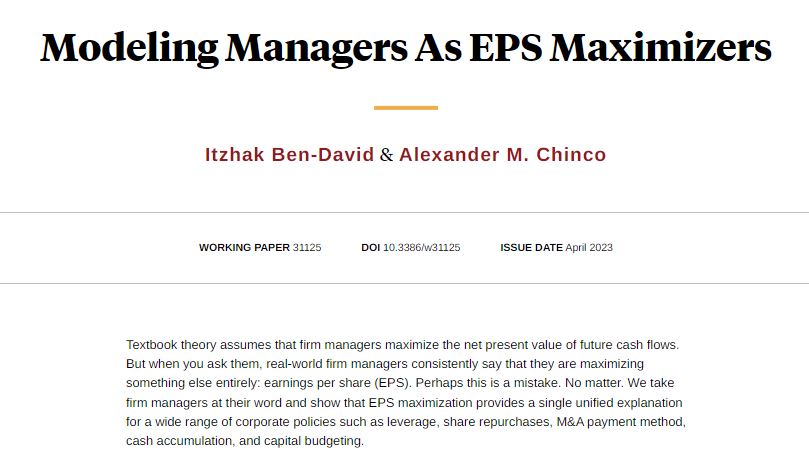
Earnings-per-share maximization provides a single unified explanation for a wide range of corporate policies such as leverage, share repurchases, M&A payment method, cash accumulation, and capital budgeting, from Itzhak Ben-David and @AlexChinco nber.org/papers/w31125
1
16
64
24,238
Alex Chinco retweeted

21 Feb 2023
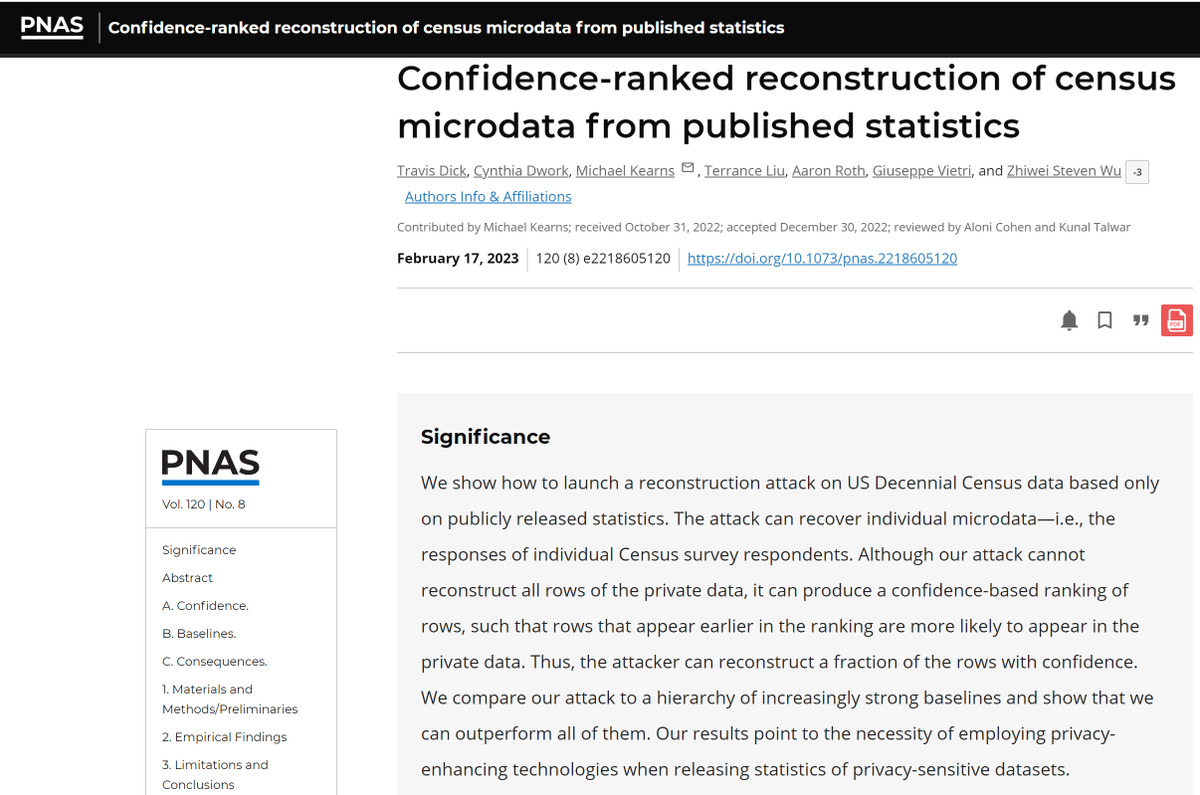
Our paper on reconstructing the private data of US citizens from publicly released Census statistics is now out in PNAS. You can read about it here: blog.seas.upenn.edu/u-s-cens… and find the paper here: pnas.org/doi/10.1073/pnas.22…. Read on for the TLDR. 🧵
3
40
160
36,524
Alex Chinco retweeted

26 Jan 2023
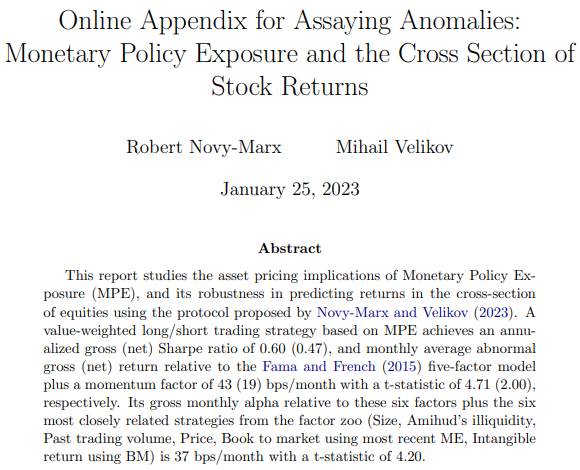
A web app that takes the user’s proposed signal, implements the protocol, and automatically generates a referee-style report (see example 👇) will be out soon. Beta version available @ assayinganomalies.com (3/12)
1
1
11
1,072
Alex Chinco retweeted

25 Jan 2023
🚨 Tips for writing a POSITIVE referee report.
As an author and an editor, I’ve noticed some reviewers are better than others at writing a positive referee report. So, I decided to share 3 simple tips in the thread below. 👇
#EconTwitter
12
239
983
253,022
Alex Chinco retweeted

10 Jan 2023
Congratulations to my fantastic co-authors @tylersmuir and Valentin Haddad for winning the prize for the best asset pricing paper of the year in the Journal of Finance. Very well deserved
afajof.org/prizes/
2
3
33
8,740

9 Jan 2023
Congrats Johannes!
8 Jan 2023

Major congrats to Johannes Stroebel (@stroebel_econ) for winning the 2023 Fischer Black Prize! Very well deserved with an incredible body of work across so many important areas (too many to list in a tweet). Also a big win for the Stanford Econ PhD program afajof.org/news/johannes-str…
11
3,206
8 Nov 2022
Dave’s timing is impeccable…
27 Oct 2022

New paper came out: “The Cryptocurrency Participation Puzzle”, with Ran Duchin, Jun Tu and Xi Wang.
papers.ssrn.com/sol3/papers.…
tl;dr: Zero weights are hard to justify. You can either think crypto is a bubble going to zero, or you can have zero weights, but not both.
(1/N)
1
1
8
19 Oct 2022
Cranks read their own deeper meanings into simple models. Totally agree that Pr[ person has this characteristic | he is crank ] is high. But lots of “good” researchers do this too. It seems like Pr[ person is crank | has characteristic ] might be low.
1/
1
1
1
19 Oct 2022
It also seems like the act of taking things that people previously thought were trivial and endowing them with deeper meaning is the essence of lots of important discoveries. e.g., what happens if we take seriously the negative solution to Dirac’s equation?
4/
1
1
19 Oct 2022
Doing research is a social activity. There are important norms. Some people cross these lines in the sand and end up making important discoveries; they get celebrated. Other habitual line steppers make no impact; we call these guys cranks.
5/5
14 Oct 2022
This is superb!
14 Oct 2022

I highly recommend checking out @jackrusher's Strange Loop talk: youtube.com/watch?v=8Ab3ArE8…
The historical perspective on how we got to where we are with programming is fascinating, and I think the nudge to design computing around how humans think and work is important.
1