
Loves fast Saabs, hates fast Stroads. I rant about politics, the military, & municipal policy. Opinions are solely my own. UofC MPP GOAT-Thesis.
Joined January 2013
- Tweets 20,550
- Following 911
- Followers 2,224
- Likes 64,834
4,512 Photos and videos









Pinned Tweet

2 Feb 2025
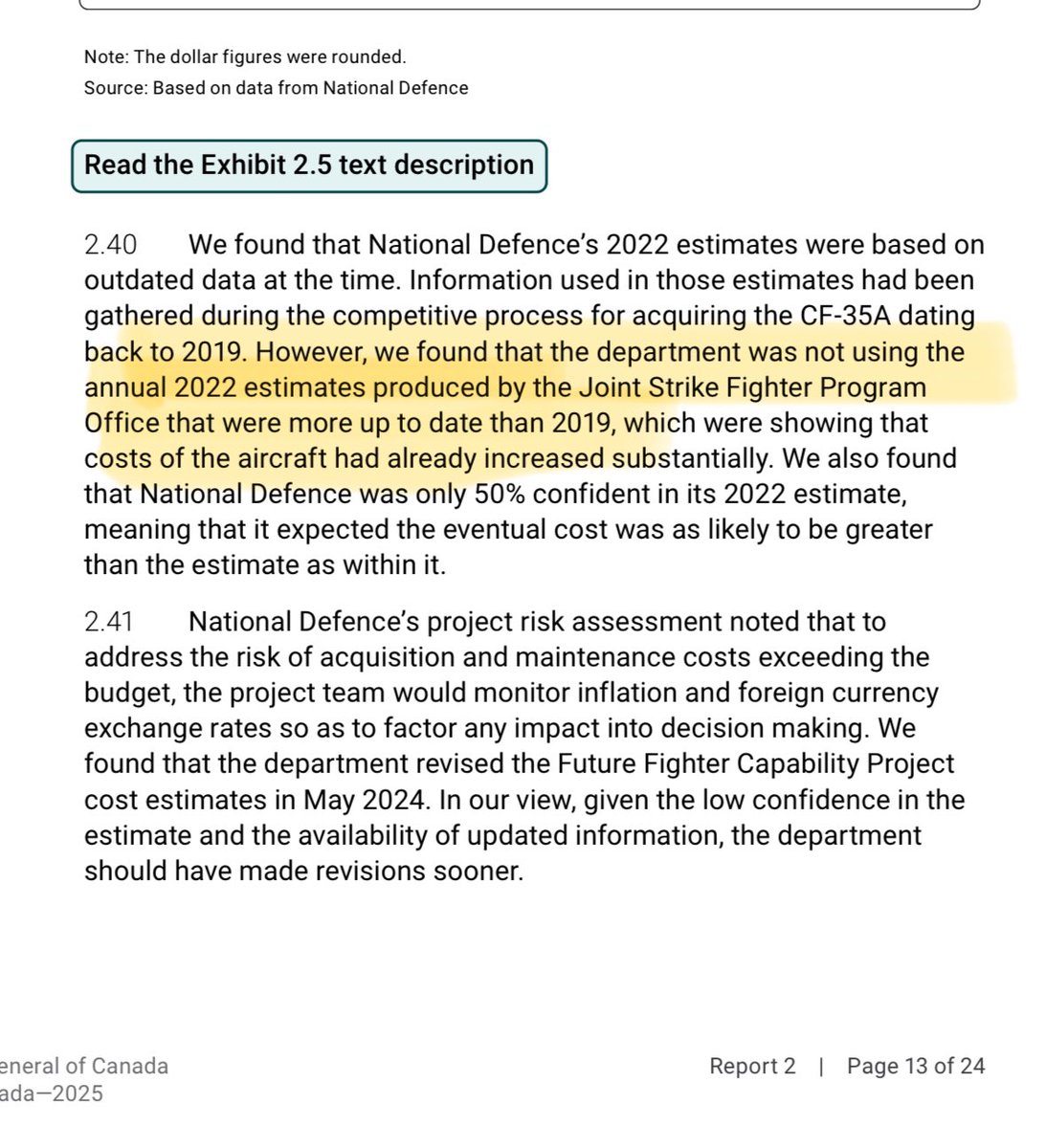
A thread on how Canada can respond to tariffs by cutting the F35A order in half and buying the runner-up F39E to serve as the bulk of Canada's air power over the next 40 years. Using my slides from a previous RCAF Association debate & research from my @policy_school thesis.

307
685
3,554
642,563
Also true in Canada.

A LOT of US building code—especially fire code—is based on vibes or rent seeking without any thoughtful consideration of trade offs including costs and actual outcomes. In many cases, they make housing more scarce, expensive, ugly and difficult to upgrade.
3
151
Alex McColl retweeted

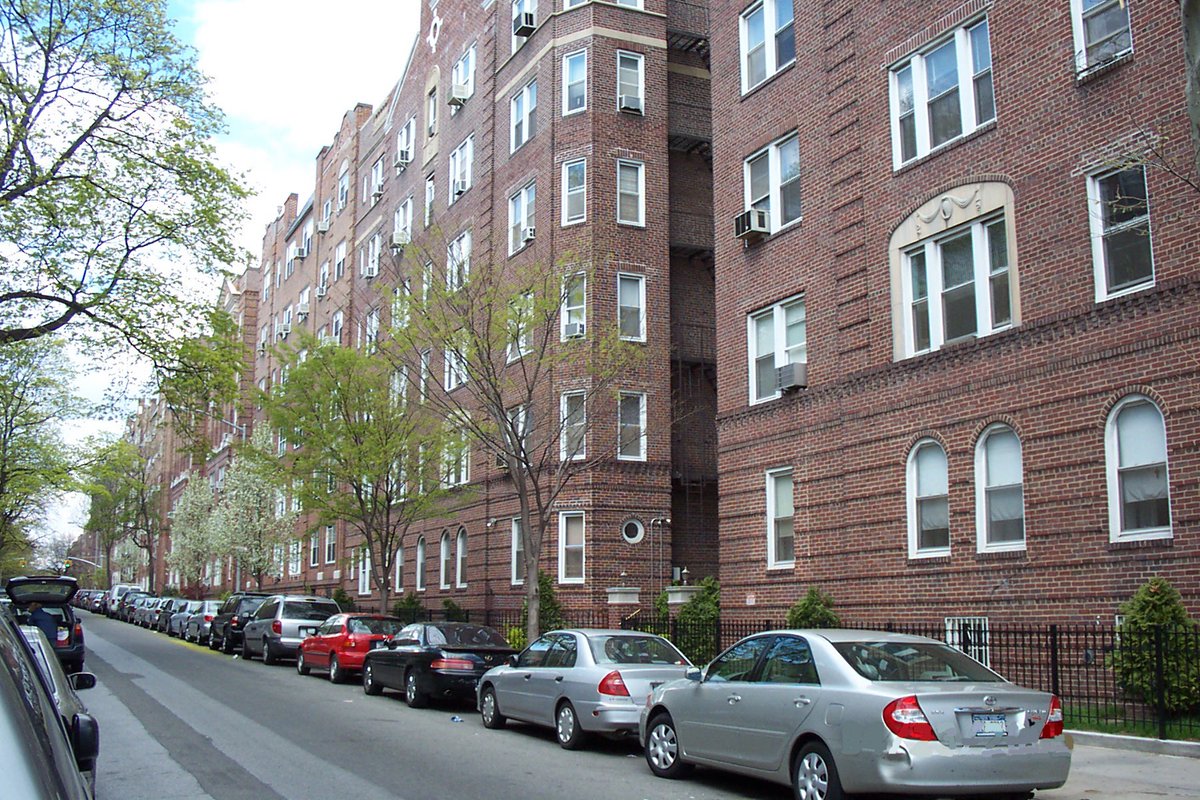
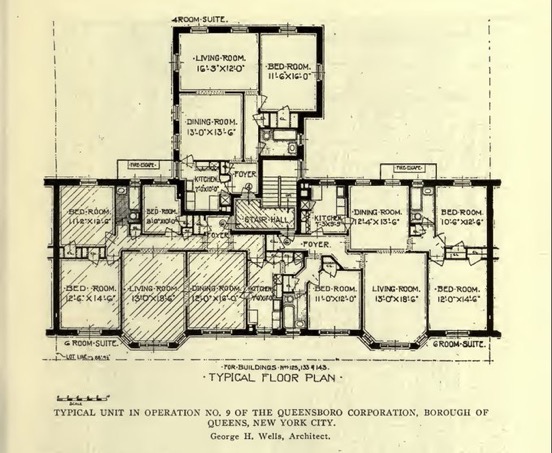
When the directors of the Queensboro Corp. -- the developer responsible for much of present-day Jackson Heights, Queens -- traveled to Europe in 1914, they were not afraid that borrowing from foreign models would produce a theme park. They were searching for better ways to build out Queens.
Manhattan offered a cautionary example. Its residential buildings were often narrow and deep, with excessive lot coverage, inadequate light, and little meaningful open space. In Berlin and other European cities, the Queensboro directors found new innovations on the old perimeter block model: wide, shallow buildings aligned to the street, no side setbacks, and organized around large interior courtyards.
They adapted that model in Jackson Heights, creating some of the finest residential areas in the country, combining extraordinary population density with abundant light, air, greenery, and shared open space.
Then, rather than allowing the model to evolve and spread, American cities largely outlawed it through zoning and building codes. Setback requirements, lot-coverage limits, height restrictions, parking mandates, and increasingly rigid egress rules made it difficult or impossible to build new neighborhoods like Jackson Heights. We imported one of Europe’s most successful urban innovations, proved that it could work beautifully in an American context, and then effectively prohibited ourselves from building more of it.



Perfect example of how walkable city "Urbanists" are just another species of Disney adult that want to live in an all-inclusive theme park. Florence is not this way because some 21st century urban planner built it. You can't just build a Florence in Indiana.
2
6
89
5,424
Jun 13
If we’re going to be treated poorly regardless, then we might as well buy Canadian made military equipment.

Joint Canada-U.S. military officer summit shelved ctvnews.ca/canada/article/jo…
41
64
616
28,845
Alex McColl retweeted

Jun 12
America: "Hey, Canada, buy our military equipment. It's really good if you integrate with us!"
Also America: "Hey, Canada, you are no longer allowed to militarily integrate with us."
Hell of a sales strategy.
Joint Canada-U.S. military officer summit shelved ctvnews.ca/canada/article/jo…
12
48
319
13,765
Jun 13
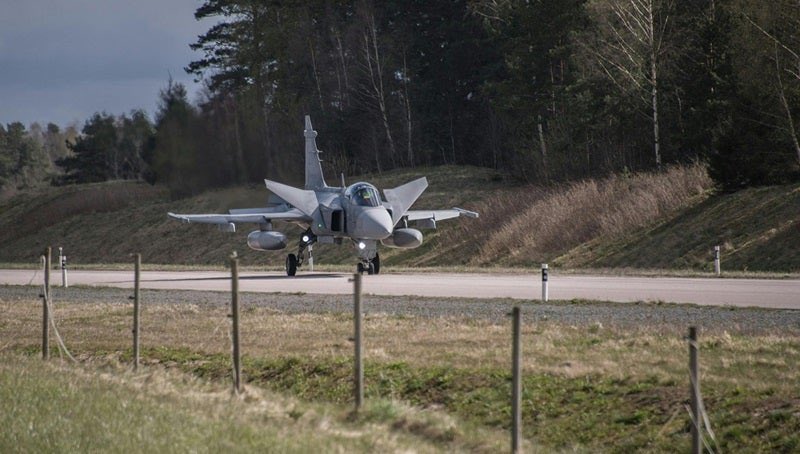
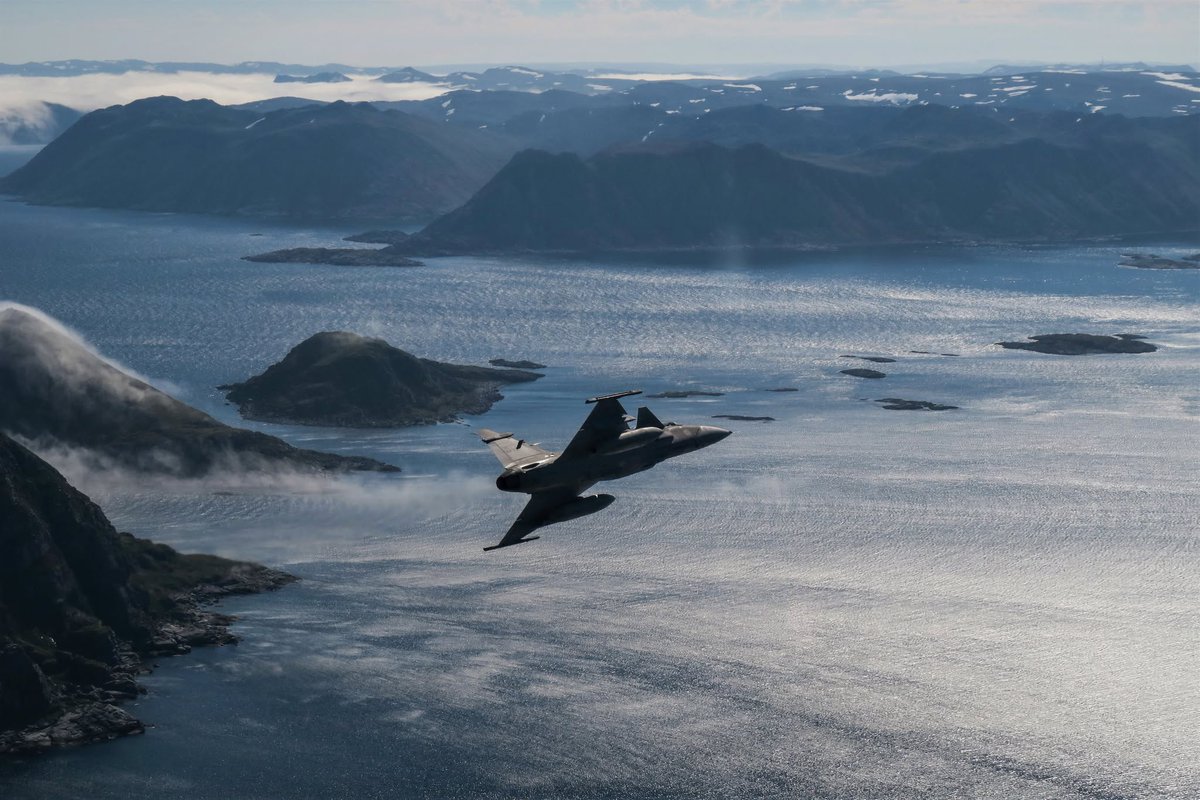
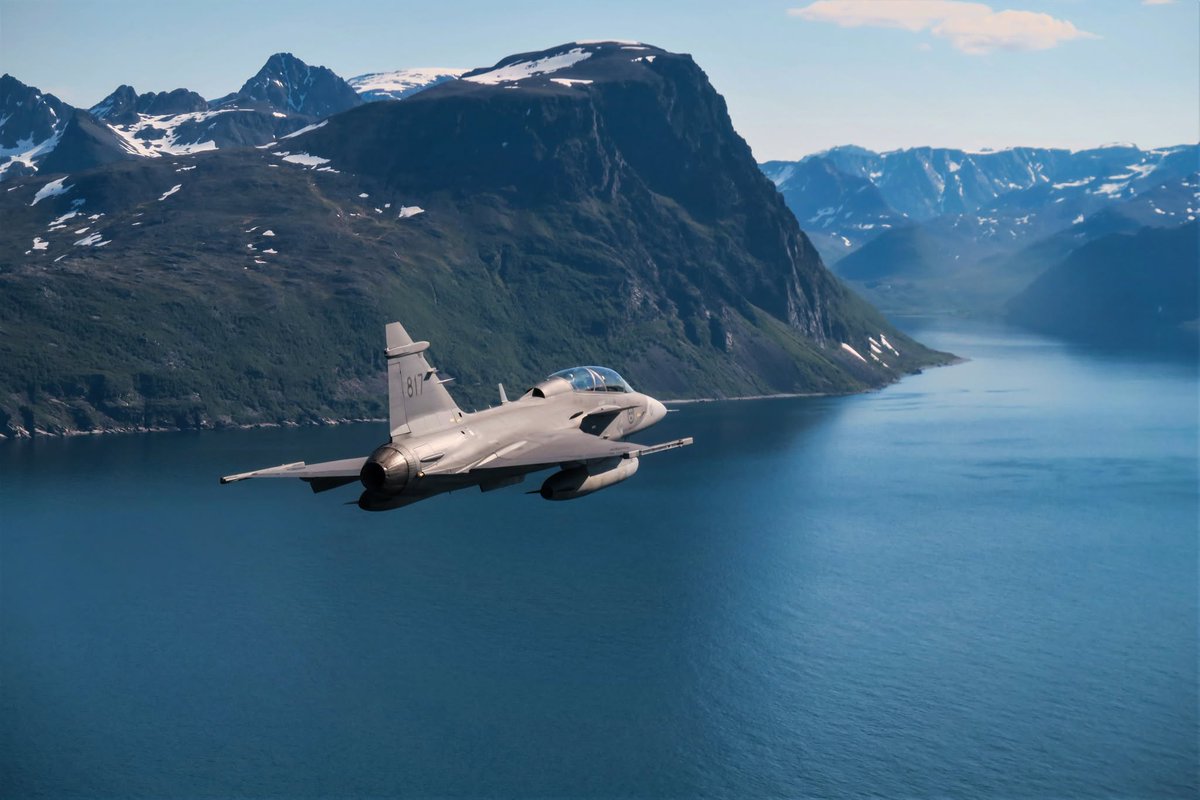
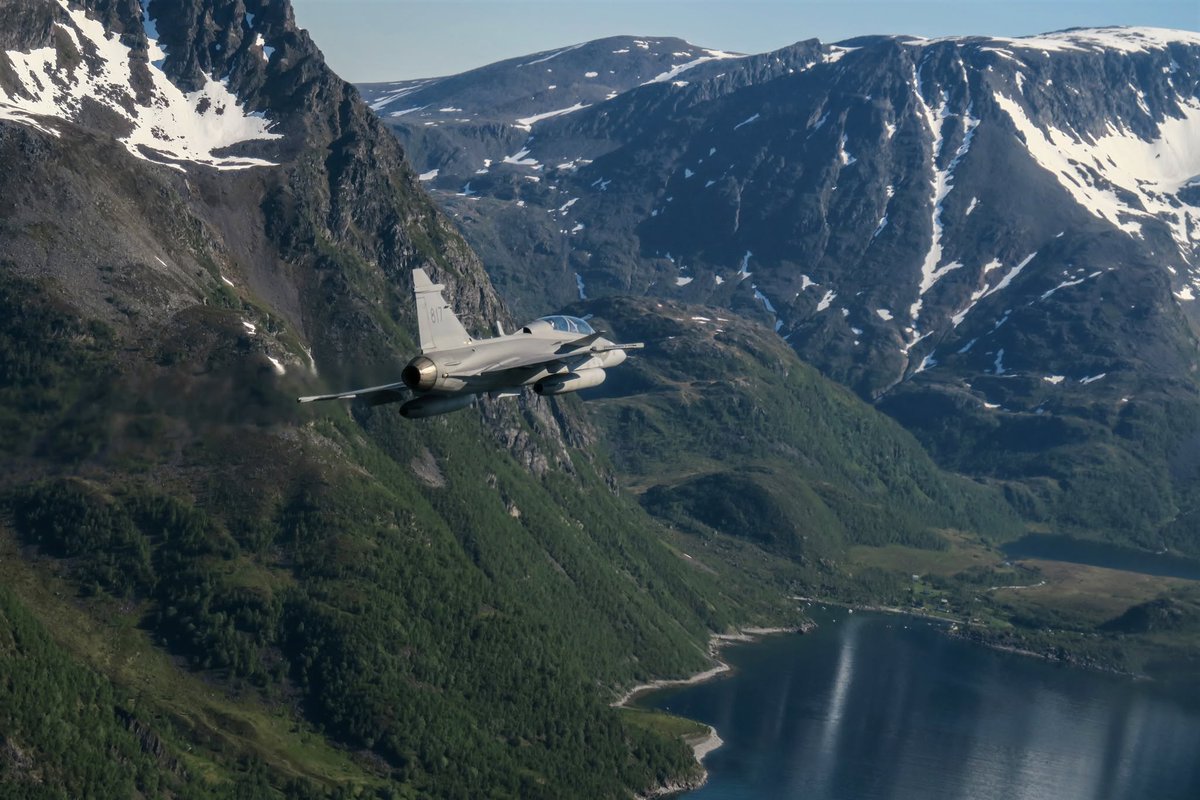
Gorgeous Gripen photos.

3
40
780


Jun 11
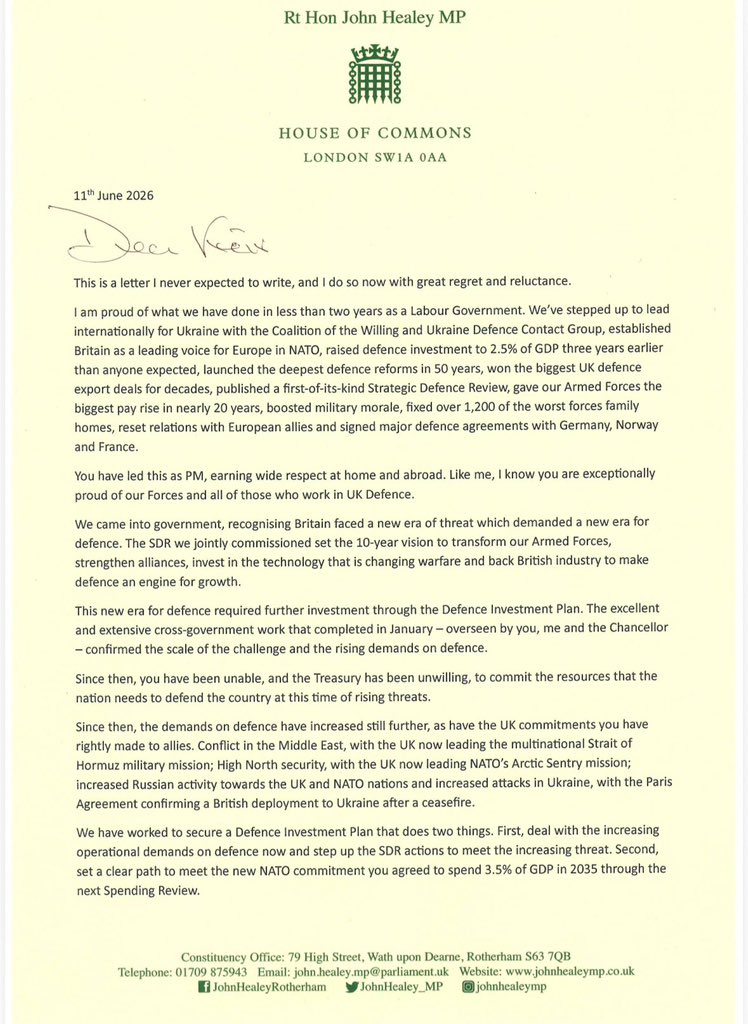
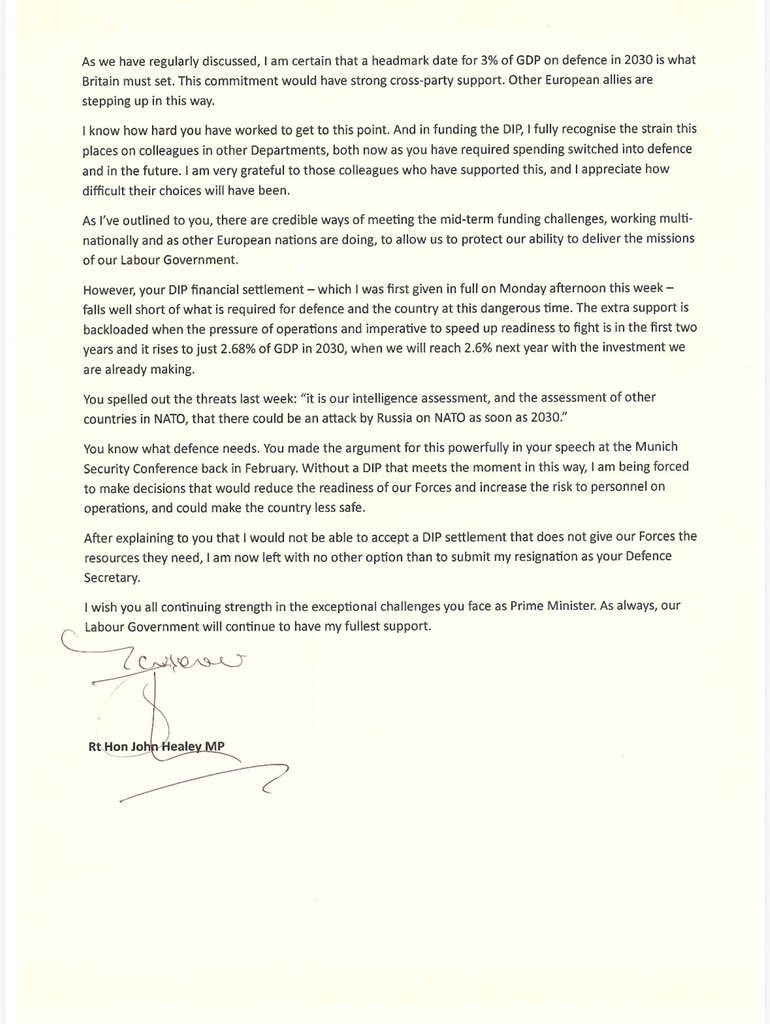
Yikes.

1
5
287
Jun 11
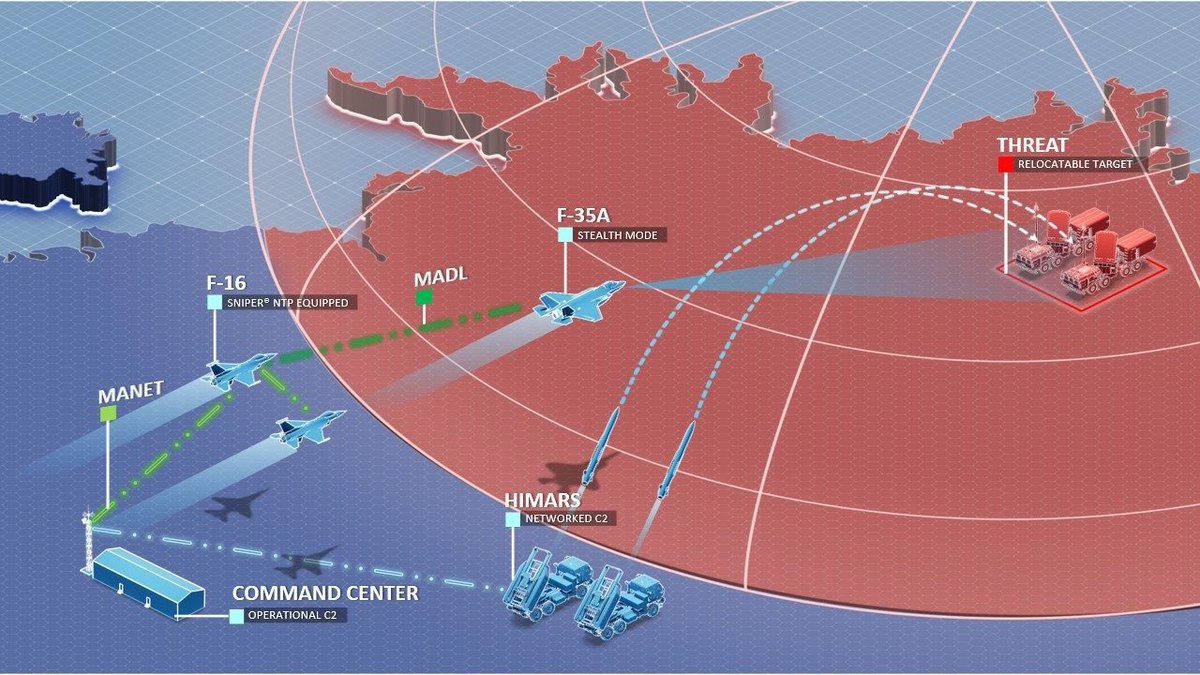
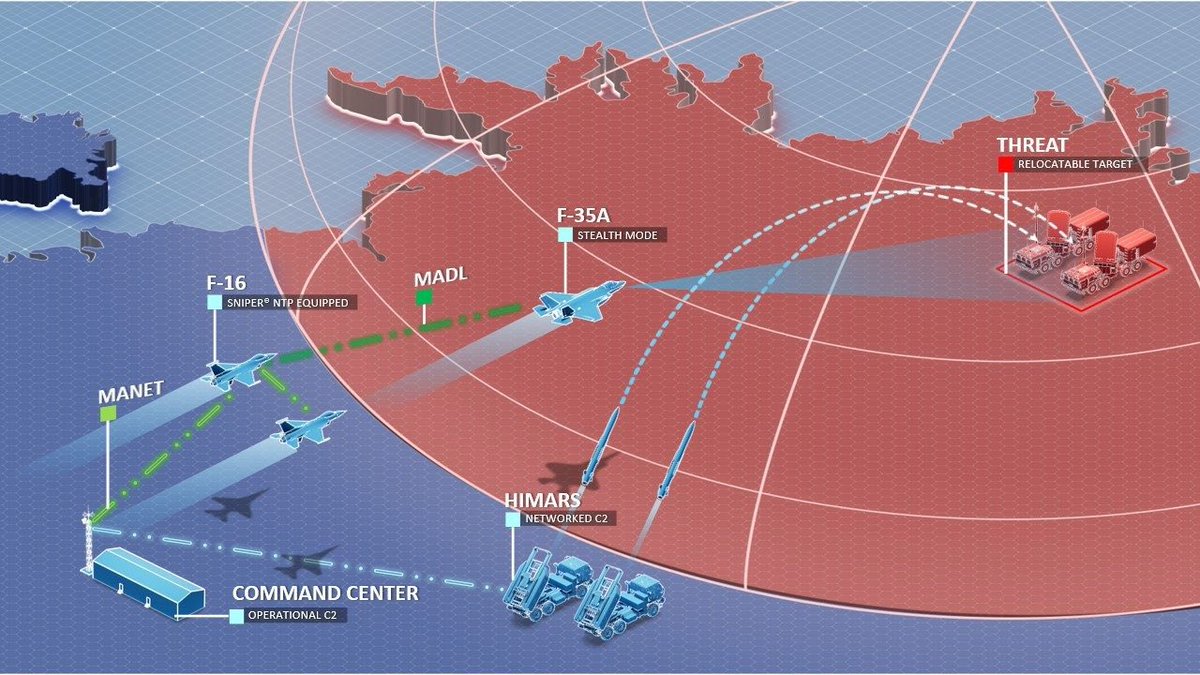
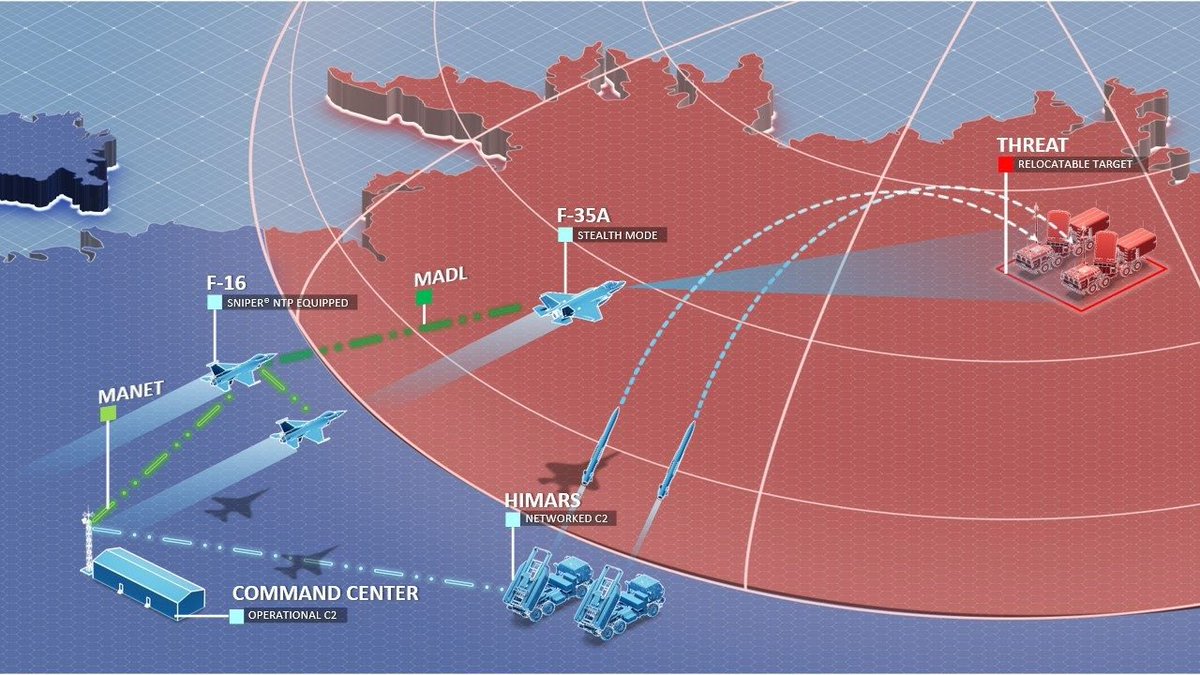
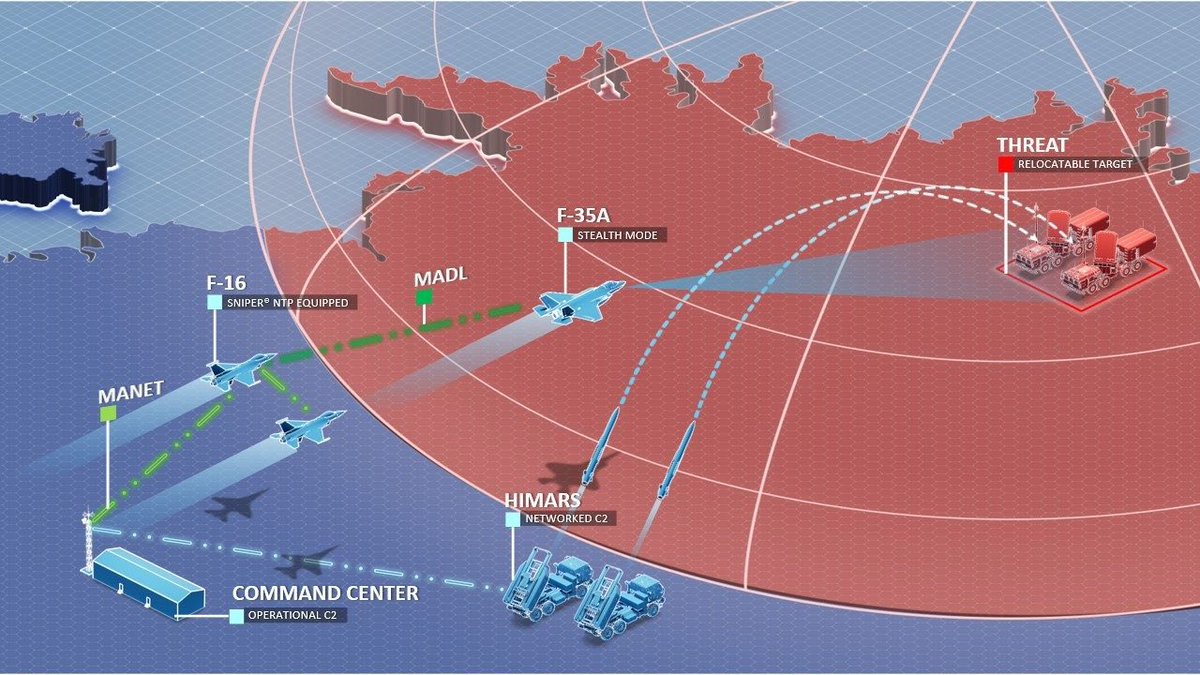
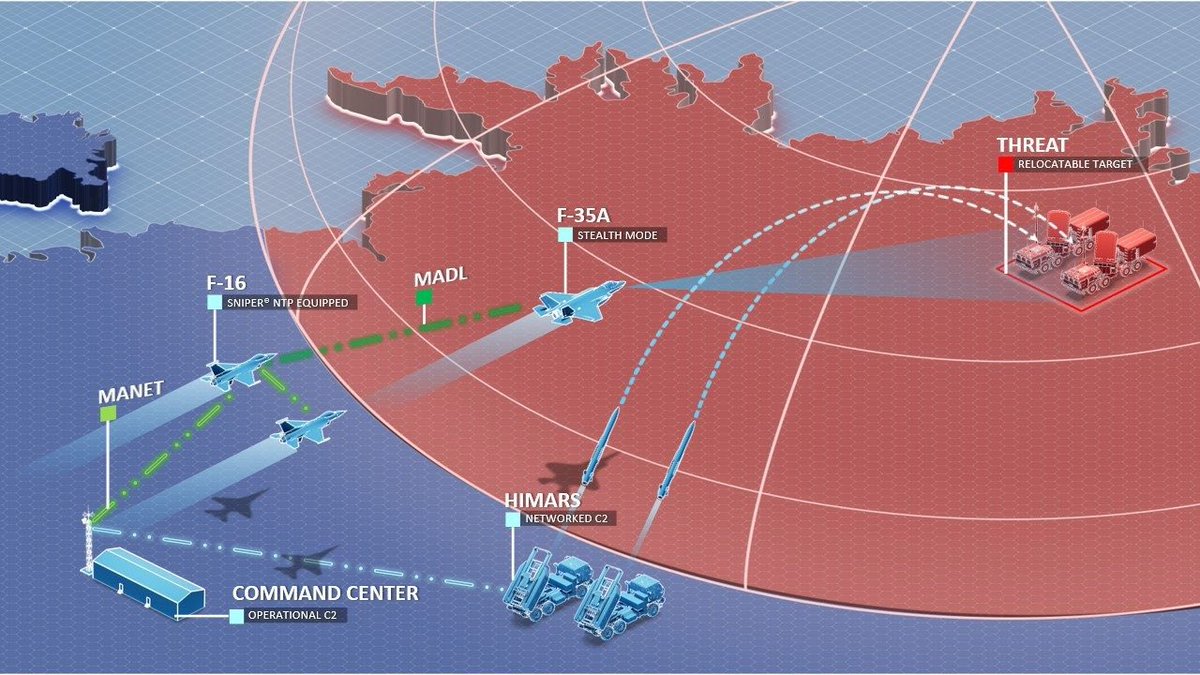
It’s still a problem as the E-7 and the F-22 don’t have MADL today. But it’s first and foremost a political issue about getting approvals to install MADL, it’s not really a technical issue. Lockheed is selling a version of the Sniper pod that allows legacy jets to use MADL.
Jun 11

Saab's surveillance jet deal with Canada faces a U.S. stealth tech hurdle. Trump administration's refusal to share could lead to a missing link for NATO, @Murray_Brewster reports cbc.ca/news/politics/saab-ca…
Find out more at nationalnewswatch.com

5
9
47
4,234
Jun 10
France is buying GlobalEye.
Sweden has a mixed history working with Germany on Taurus.
France could buy Gripens to replace the Mirage 2000 fleet.
Sweden could buy FCAS; carrier fighters work on short dispersed runways.
In many ways, FCAS makes sense for Sweden.
Jun 10

Rt @LesEchos 🇫🇷🇸🇪
#France may be pivoting toward #Sweden’s Saab for its next-generation fighter ambitions as the Franco-German #FCAS program unravels.
If confirmed, this would mark a significant shift in Europe’s defense landscape and reshape the continent’s next-generation fighter jet plans.
lesechos.fr/industrie-servic…
37
18
312
36,777
Alex McColl retweeted
Jun 10
It’s perfectly reasonable to lament how hard it is to build major projects in Canada. It’s unreasonable to use that lament to justify inaction. We can fix our broken systems and build a better future.
1
3
12
236
Jun 10
It’s important to remember that the “recruitment crisis” is not about Canadians not wanting to sign up. It’s that too many want to join, resulting in backlogs and waiting lists. Follow @MarcKieley - his team is doing great work fixing the on-boarding bottleneck.
Jun 10

A year ago, we announced our plan to rebuild, rearm, and reinvest in the Canadian Armed Forces.
Since then, we’ve increased recruitment by 13%, given our service members the biggest pay raise in a generation, and hit the 2% NATO spending target — and we’re not slowing down.

ALT Prime Minister Carney meets with members of the Canadian Armed Forces in Trenton, Ontario.
5
3
42
1,689
Jun 9
CV90, and all its variants, for Canada!

Rysslands anfallskrig mot Ukraina har ökat hotet mot Natos luftrum. Drönare har slagit ned på allierad mark i Rumänien, och flera luftrumskränkningar har skett i Baltikum. Under 2026 har den svenska styrkan i Lettland därför stärkts med ytterligare luftvärn för att möta hotet.
4
4
70
3,098
Jun 9
Maybe we should stop sending welfare cheques to elderly millionaires?
OAS is the only major welfare program in the country that does not have an asset test.
Jun 9

DOCUMENTS: Feds spend $14.5 billion/year on Old Age Security for pensioners with incomes over $60,000. Beneficiaries numbered 1,729,000, including 328,400 who earned more than $100,000.
blacklocks.ca/pay-seniors-ea…
@ESDC_GC @TerryDowdall @GenSqueeze #cdnpoli

2
2
14
718
Jun 9
A NATO order for GlobalEye would explain the urgency of Canada announcing our order at CANSEC.

💥Scoop: Ten NATO nations to order Saab GlobalEye
First deliveries expected as early as 2031 to replace Boeing’s AWACS lalettre.fr/fr/politique_exe…
2
15
173
12,106
Alex McColl retweeted

Jun 7
Last year, we gave our Canadian Armed Forces members the biggest raise in a generation — because their pay should reflect the weight of their responsibilities.
643
244
1,893
100,365
Jun 6
A mixed fleet of ~140 would bring us back up to the original CF-18 fleet size and would be a welcome expansion of the RCAF fighter force. With the proliferation of low-flying propeller drones, an affordable mixed fleet with a 70mm anti-drone capability becomes critical.
Ottawa's mixed fleet of F-35s and Gripens could total more than 100 aircraft, sources say. GlobalEye supply chain could be used for major Gripen project as negotiations continue, @danlebla reports cbc.ca/news/politics/f-35-gr…
Find out more at nationalnewswatch.com

12
12
139
6,902
Alex McColl retweeted

Jun 5
Oh man there’s so much to unpack there.
First it’s become a proxy between conservatives and progressives in many cases. Just another football to kick around. So it gets a religious-level fervor from certain types.
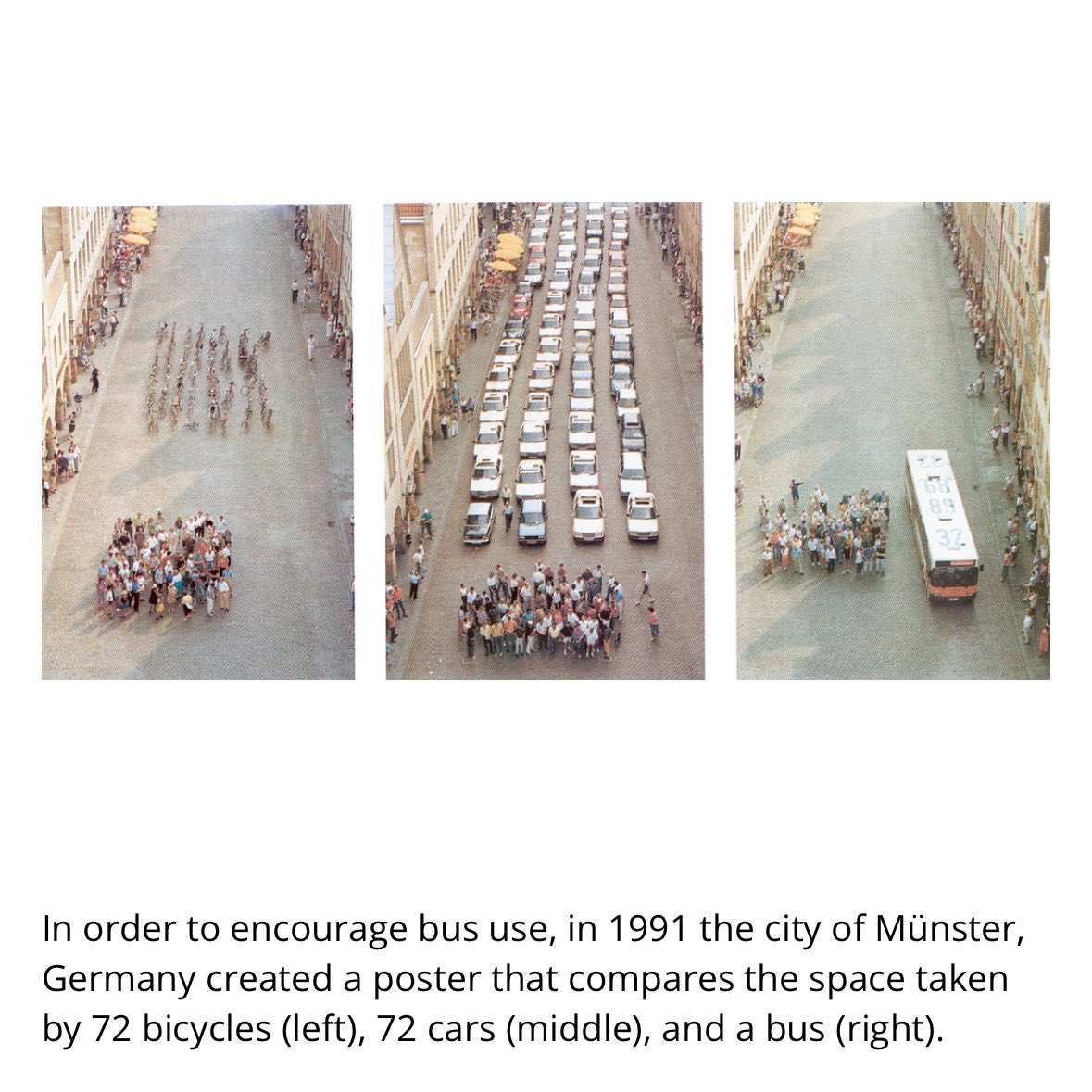
Second is people actually suck at understanding spatial use. You can show them this graphic, explain how someone using an alternative means less people for them to fight, they won’t care.
Third is some are allergic to any math, statistics, etc about how something helps anyone not them. Telling them something might help others, reduce injuries and deaths doesn’t matter if they think it’s not directly helping them.
And fourth but probably not least, we’ve done a pretty crappy job rolling out a lot of bike infrastructure, creating added negatives that would be avoided if we just used the examples that work without Americanizing them.
12
4
66
1,964
Jun 5
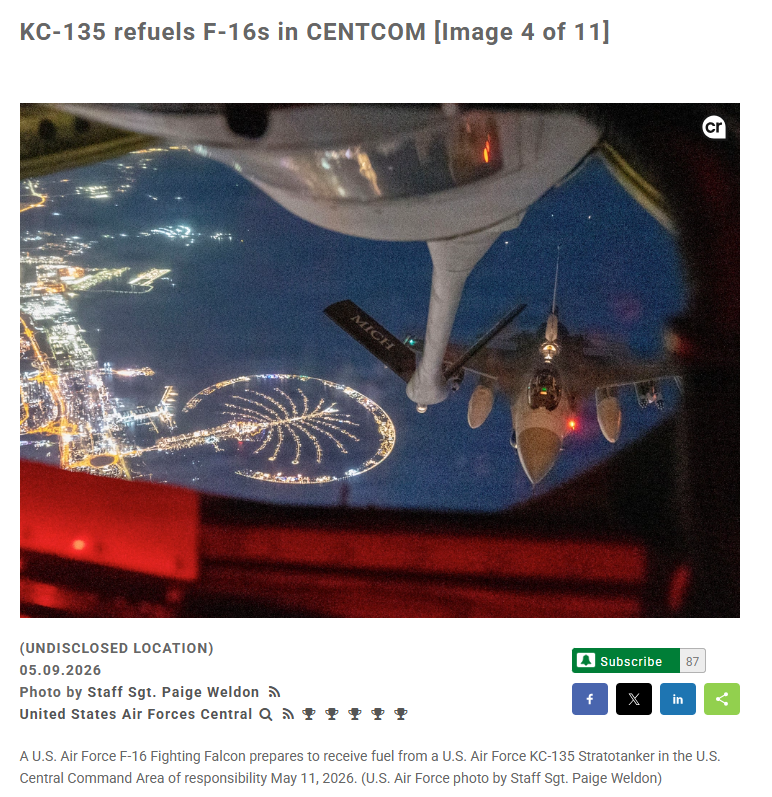
While the “undisclosed location” bit is funny, check out the 70mm anti-drone rockets under the wings. This is a clear example of a lower cost aircraft flying a high value (but lower risk) counter-drone mission that’s only going to become more common in future conflicts.
Jun 4

CENTCOM has released this photo of an F-16 refueling in an "undisclosed location."
1
1
14
933
Jun 4
Brazil always planned on ordering multiple lots of Gripens, COVID just delayed many military spending plans.
Jun 4
🇧🇷 🇸🇪 #Brazil and #Sweden sign intent to deepen technological cooperation.
Brazil express interest in buying another 20 F-39E #Gripen. Made in Brazil.
Procurement decision to be taken by next 🇧🇷 government.
MinDef Pål Jonson and Brazil’s MinDef José Múcio in Stockholm, June 4.

3
6
79
4,088
Jun 3
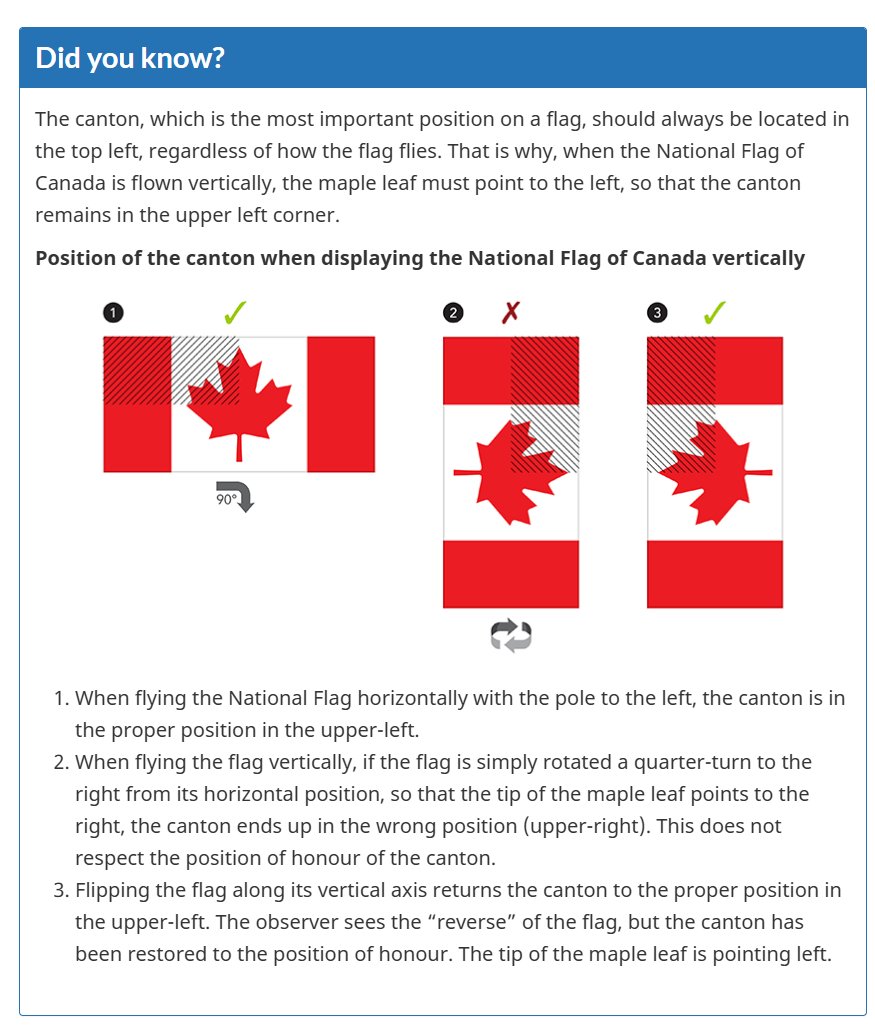
Any chance they'll fix it? It's upside down.
Jun 3

More details, photos, and videos!
dailyhive.com/vancouver/grou…
1
336