Joined February 2026
- Tweets 46
- Following 61
- Followers 18
- Likes 33
Photos and videos

Amazing to have the AiroSystem in house.
The goal is to optimize your breathing to maximize the oxygenation at the cellular level. It’s not just about endurance performance, it’s about human and metabolic optimization. You don’t need to do hard workouts, you need to have the right stimuli to the right person to help the adaptation.
Stay turned to know how IHHT can help your client 😎

1
211
Training is never black or white. Every exercise has a purpose and have a space in your training. You need to know where !!
May 12

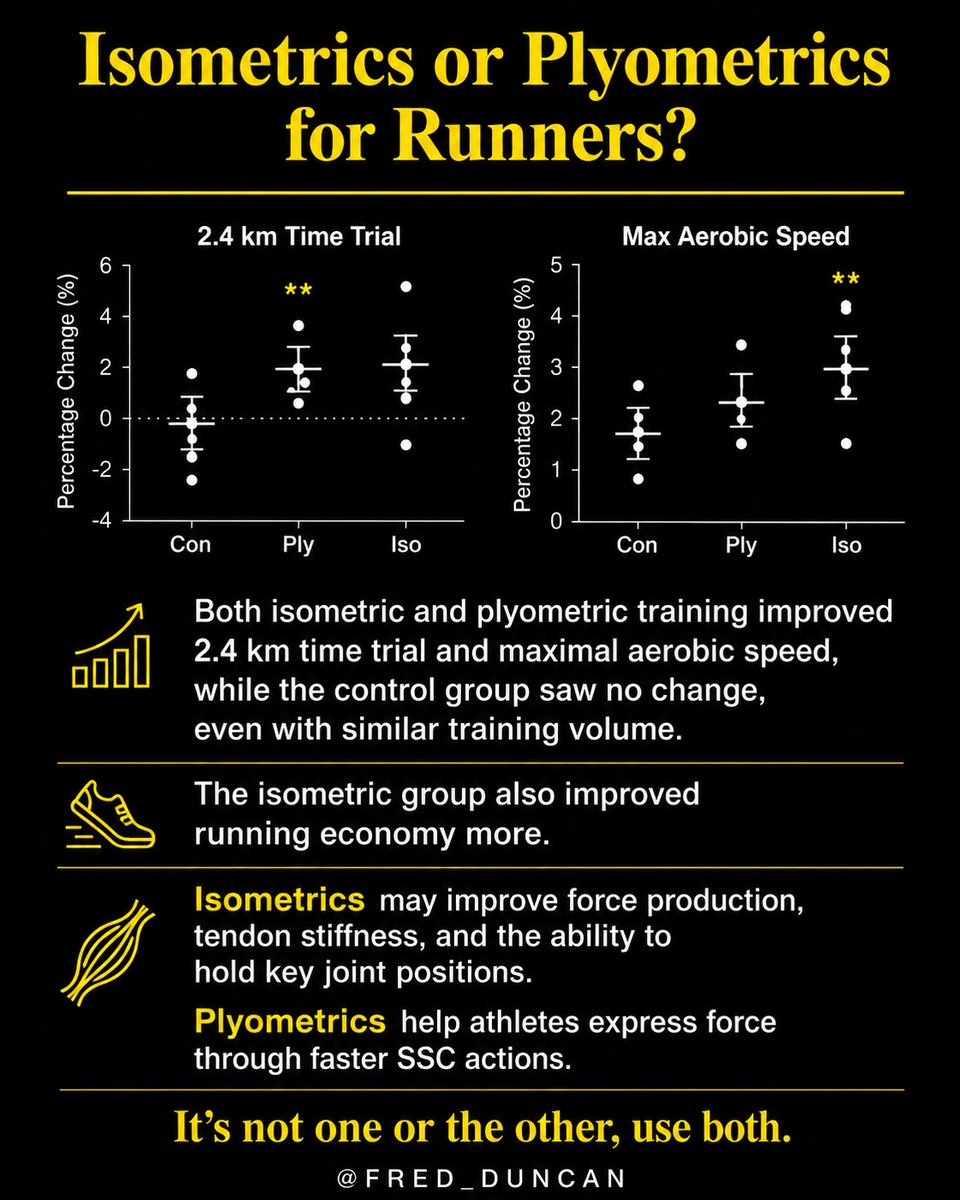
Both matter.
Isometrics can help improve force production, tendon stiffness & the ability to hold key joint positions.
Plyometrics help athletes express force through faster stretch-shortening cycle actions.
For runners and field sport athletes, I don’t see this as an
52
Understand human physiology/performance helps you to understand why aerobic work will help every type of sports direct or indirectly but it’s fundamental.
May 7

I'm tired of hearing that aerobic work makes kids slow.
Especially in 400 training.
The same idea that refuses to let a 400 kid touch a tempo run is the idea that explains why so many of those kids tie up at the 300m mark like they're running through wet cement.
"Too much aerobic work would steal their speed."
Cool. I agree leg speed matters in a 400.
But here's the idea I want dead. The Aerobic Tax. The notion that every aerobic mile withdraws from some imaginary speed account. That tempo runs dull the kick. That a kid who ran a steady 4-mile on Monday somehow can't fire on Friday. That a 400 athlete who builds an engine in the offseason will somehow show up in April with no top end.
It doesn't work that way.
You don't lose speed because you ran long. You lose speed because you stopped training speed.
But more than that. Your kid isn't dying at 300 because he's TOO AEROBIC. He's dying at 300 because there's no aerobic floor underneath the speed. The race is 49 seconds. He has speed for 29 of them. The other 20 are aerobic whether you trained them or not.
Pull up the training log. Find the tempo runs. Find anything that built the engine that has to carry the speed across the line.
If it isn't there, the kid isn't dying because he ran fast. He's dying because nobody built what he needed to FINISH fast.
The 400 isn't a speed event with an aerobic problem.
It's an aerobic event with a speed finish.

1
4
676
Going through specific tennis assessments with our tennis players.
I personally don’t care about shiny numbers, look how high he is jumping he is ranking like a D1 player. No.
Testing is useful to understand the athlete, how he is moving, how he is reacting, how he is handling the load. We create what? A comprehensive profile.
With this profile you can guide the athlete, exchange with his skills coach, program strength training adapt for him. Someone elastic needs different exercises/angulation than someone who develops a lot of force.
So yes it’s less shiny but that’s real work to help the athlete.
1
2
325
You are a human before being an athlete ! Respect how you body moves and great results will comes with less potential injuries.
This theory is valid for every motion (football throw, change of direction, pedaling, golf swing, tennis etc)

Do your players actually need more separation?
Not always. 👇
3
67
Alexis Giraudineau retweeted

Apr 22
Classic

Apr 22
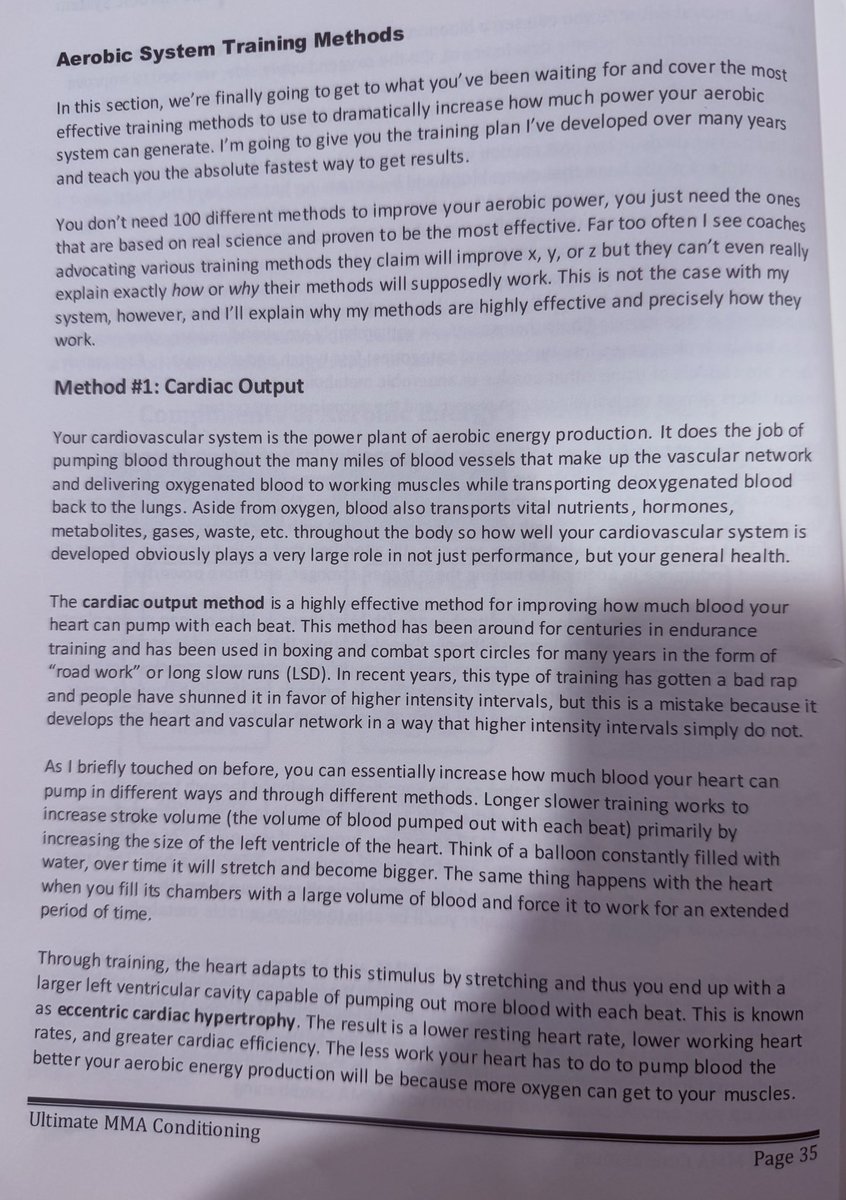
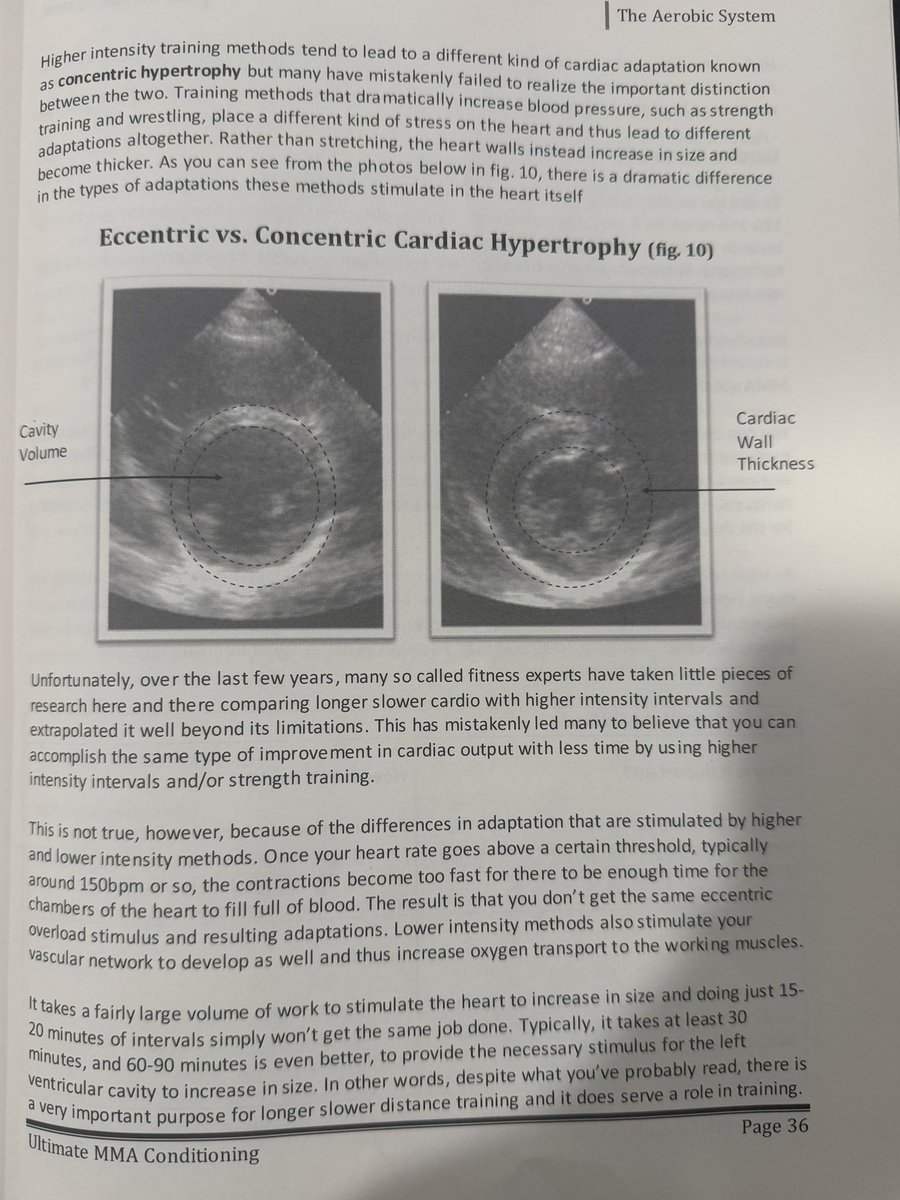
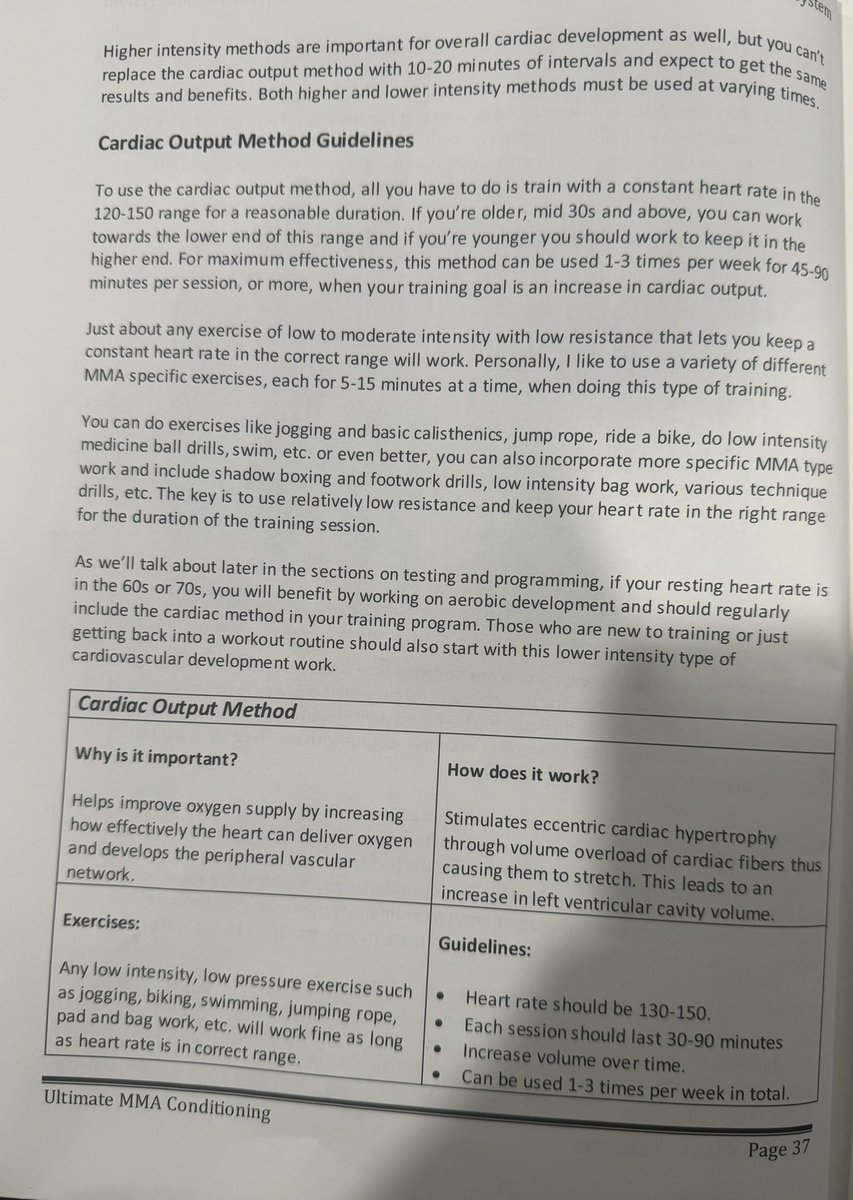
Aerobic Power:
Ultimate MMA Conditioning
by Joel Jamison
I’ve posted this book before. It’s based in MMA, but it can absolutely send you down some rabbit holes that can help with 🏈 players/WRs.
🧵 of some pages that will be useful for you to deep dive on.
1
5
332
Alexis Giraudineau retweeted

Apr 22
Not every change in athlete monitoring data is meaningful.
A small drop in jump height or change in force output…
Is it fatigue? Or just normal variation?
So how do we decide what actually matters?
3
3
15
5,467
It’s true for everything !!
In coaching why are you using protocol or equipment that you don’t know the output?
Learn first then use it !!!
Apr 21

When presenting, knowing your content sounds obvious, but it’s often where we fall short.
It’s easy to spend time perfecting PowerPoint slides while overlooking the most important part: what you’re actually going to say.
1
53
Think twice next time that you cross your arm and fingers. One way is more natural so that’s why you need to understand your profile and how you move as an athlete so you can optimize your natural motion, not the one who looks cool on social media (or the one you coach believe into).
Cross your hands. Now switch them.
Cross your arms. Now switch them.
One way felt natural. Quick. no thought.
The other? You could do it… but you had to think.
That’s the difference.
Nobody cares how we cross our arms.
But we care what a swing or delivery looks like.
So what happens when we coach athletes into positions that require more thought and energy?
Less repeatable. More timing dependent. Harder under pressure.
The goal isn’t forcing positions.
It’s finding what’s natural.
Different athletes need different solutions.
#MotorPreferences | MPE
1
51
Alexis Giraudineau retweeted

Apr 17
3 key sprinting phases and how to train them! 🏃💨
Based on a fantastic overview of sprinting performance by Haugen et al. (2019) in Sports Medicine - Open.
It's *open access* so be sure to read the full article!

8
33
2,133
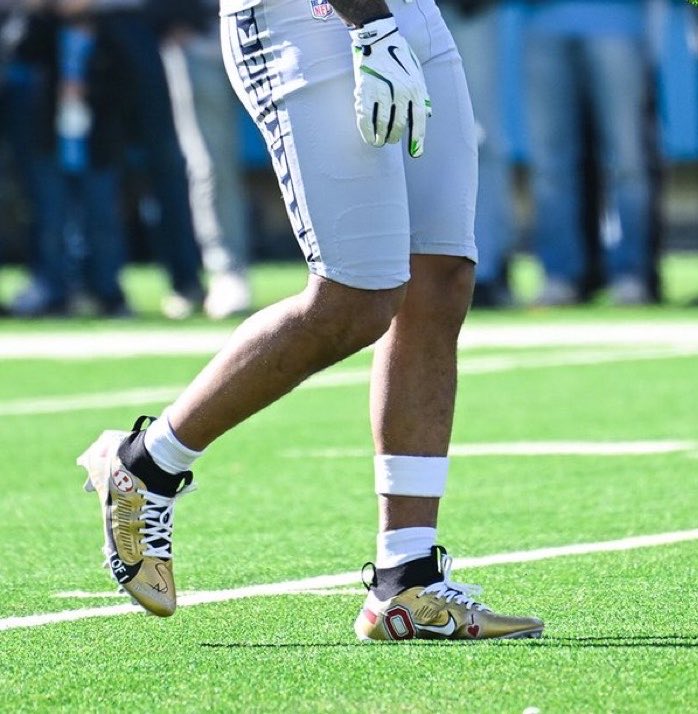
Wearing the right size of shoes matters more than you think.
Your brain use your foot to collect sensory information to adapt the position of his body and initiate movement.
To much time people go up in size because the shoes is to narrow, if it’s the case just change model, take one who is larger. If not your foot will create some extension reflexes and increase your risk of injury and decrease your performance.
Think simple before trying to complex explanations. 🫡

NEW: Jaxon Smith-Njigba wore a size 12 at Ohio State and had hamstring issues.
Seattle switched him to a 10.5 and the problems went away.
The Seahawks have been using body scans to customize gear for each player and it’s paying off 👏

29
Approach validate by top athletes ✅
Test-Train-Recover in a collaborative team is the key to achieve high level and decrease confusion.
1
1
216
RT @EthanMeyer_25: Extremely blessed to be invited to the @youareathlete All-American showcase in Houston Texas. Can’t wait to show out and…
1
5
Alexis Giraudineau retweeted

Apr 14
KPIs are essential to any athletic program. Not only do you get quantifiable improvements, but athletes will also raise their competitiveness, intensity and desire to improve themselves. Practices become more efficient. Expectations are readily seen. Record, Rank & Publish
Apr 14

I love promoting KPIs!
Might there be better KPIs than squat & clean?
How about MPH and TRUCK STICK.
Vertical and Horizontal Jumps?
1
1
2
950
Understand the contraction, understand your motion and you will understand your athletes better !!
Apr 14

How to spot this easy👇🏻
Jumpers who rely on high relative strength use more knee flexion to generate impulse (they squat deeper).
Jumpers who are highly elastic need less knee flexion to generate same impulse.
You can profile athletes quickly using Jumps.
1
1
247
Alexis Giraudineau retweeted

Built Different. Chasing Numbers. Earning Results.
If you’re ready for the next level, comment “WORK” and be part of something bigger.
1
3
56
Keep that in mind when you are testing your athlete and when you plan their future programs!
Apr 10
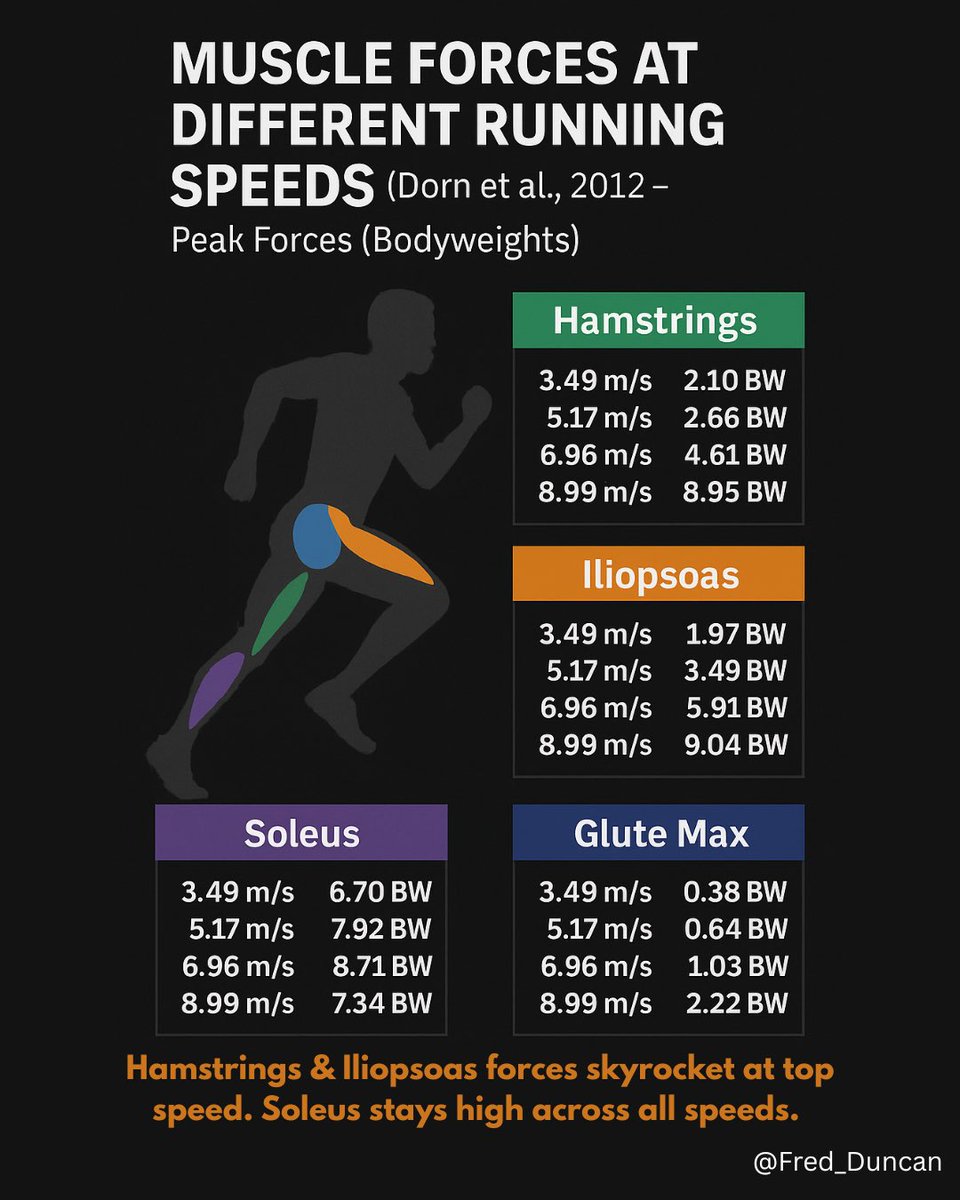
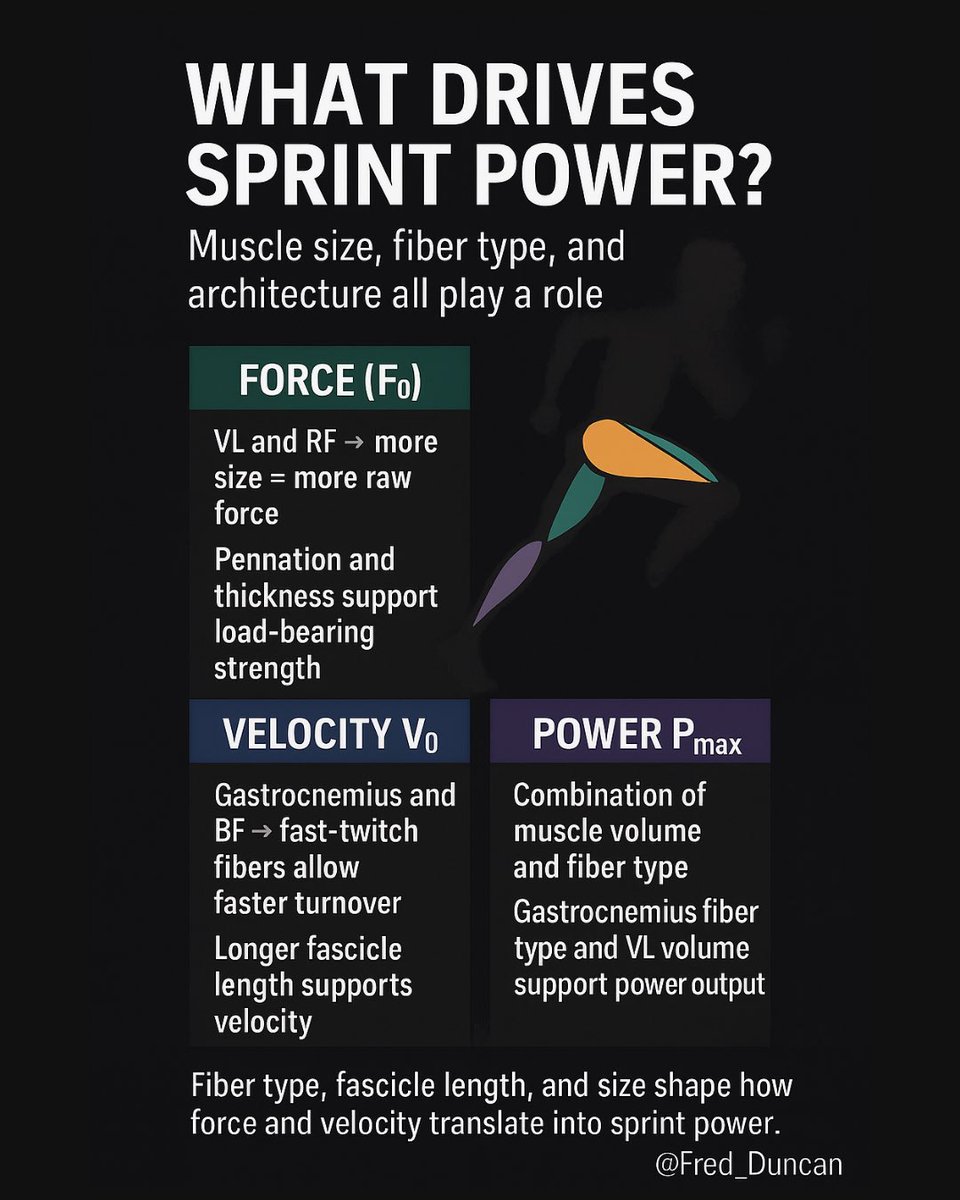
This study modeled peak muscle forces across four running speeds and the numbers tell you something important about what sprinting demands.
The hamstrings go from 2.10 times bodyweight at 3.49 m/s to 8.95 at 8.99 m/s.
The iliopsoas shows a similar jump, rising to 9.04 times
1
53
Don’t forgot to validate your test before starting any interpretation.
Make sure you know your movement if you want to use it and assess people with it !
Apr 10
We’re quick to invalidate a squat jump if there’s a countermovement.
But how often do we question whether a countermovement jump is actually a countermovement jump?
Eccentric peak velocity (EPV) helps assess how well it’s loaded.
Watch here 👇
youtube.com/watch?v=ai5BxKKs…
35