(Moving to Bluesky, not posting anything here) Science, visualization and communication. Research engineer at @PhysMedParis @INSERM. Doing commission work too.
Joined September 2013
- Tweets 841
- Following 761
- Followers 491
- Likes 11,057
137 Photos and videos



Pinned Tweet

4 Oct 2023
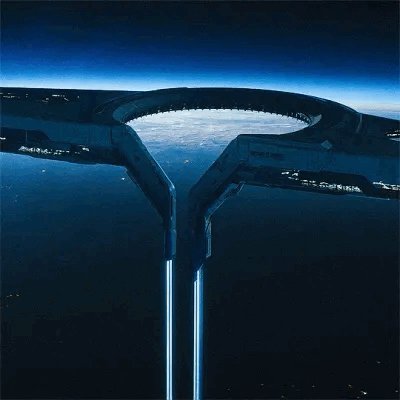
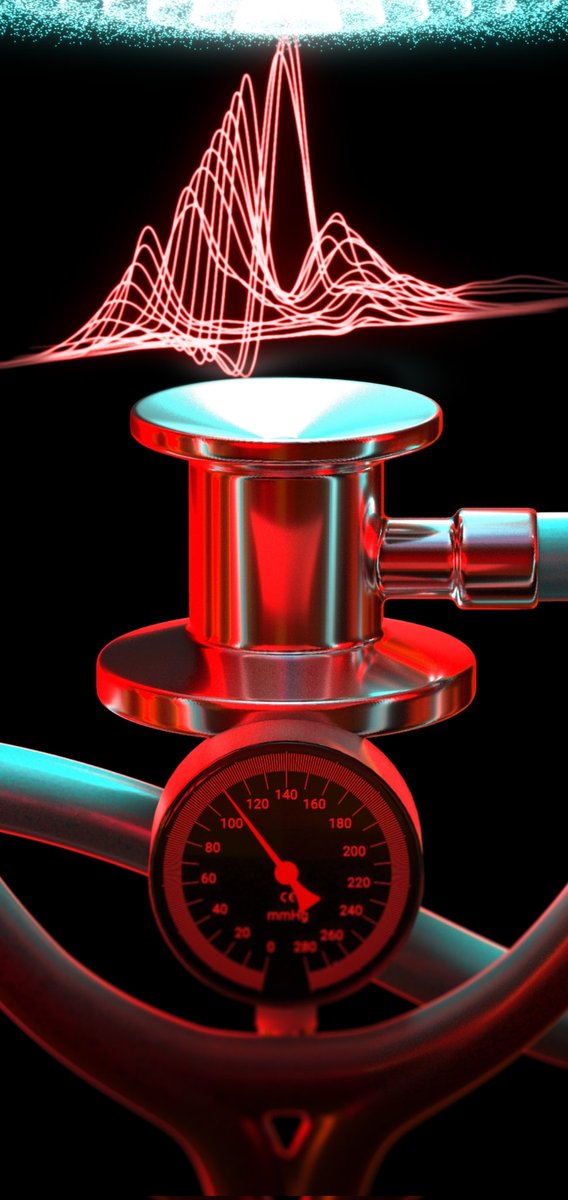
Really proud that my design was selected to make the cover! It illustrates the beautiful scientific work carried out by @JeromeBaranger and @TanterM on Korotkoff sounds! We now know where these sounds come from👩⚕️🩺📢!
@PhysMedParis @Inserm @ESPCI_Paris @psl_univ @CNRS
4 Oct 2023

One method of assessing blood pressure involves listening for “Korotkoff sounds,” often described as tapping or thumping noises.
Research out this week in Science Advances shows Korotkoff sounds are caused by shear vibrations in the surrounding tissues: scim.ag/4ls

2
2
21
2,125
Alexandre Dizeux retweeted

15 Nov 2024
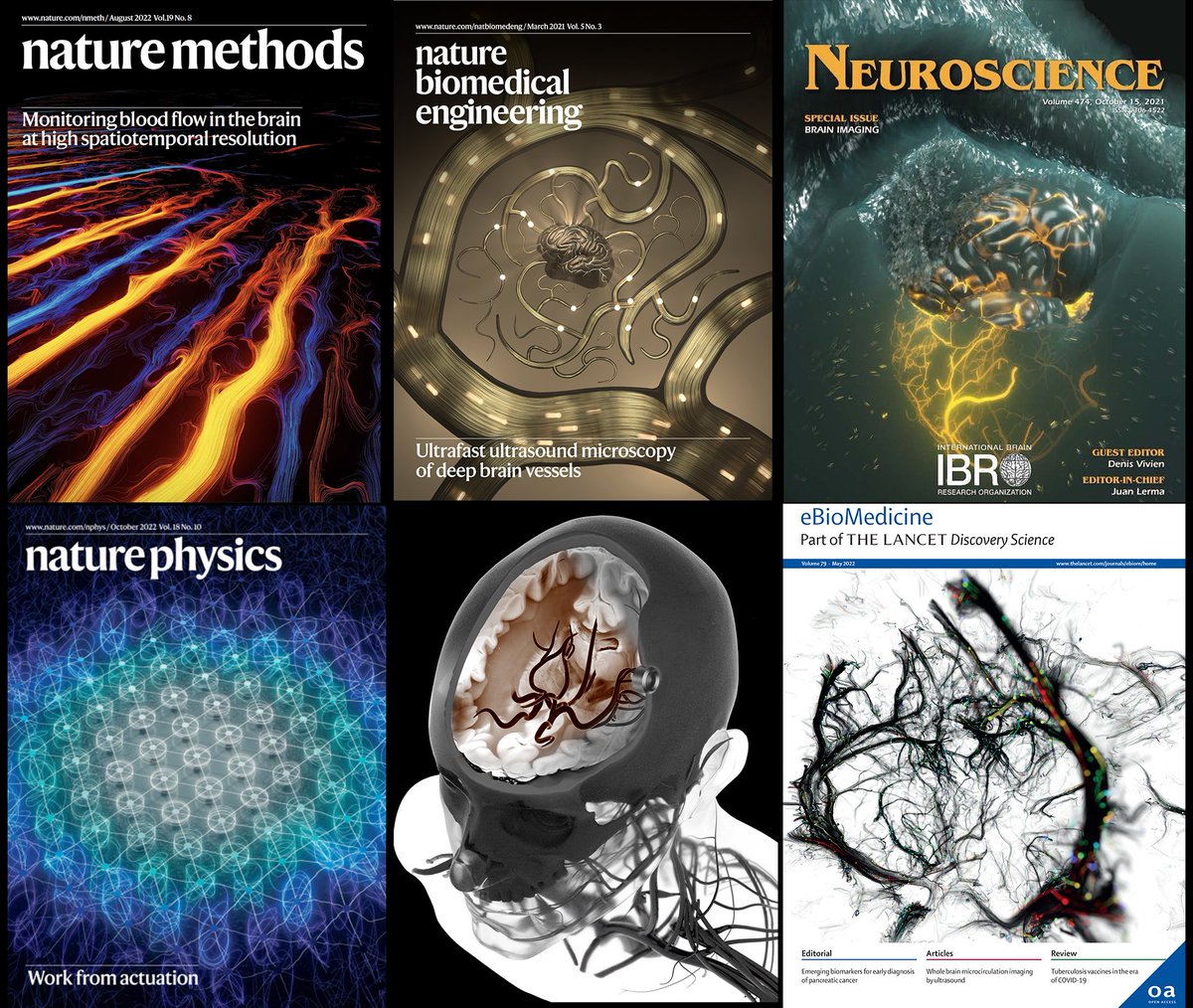
A deep dive into brain imaging, illustrated by the amazing artist @Vaskange, with whom we share the same passion for infinite zoom and tiny details! Thank you @Vaskange for this pleasant collaboration and for depicting our research in such a great artwork.
1
7
20
2,650
Alexandre Dizeux retweeted

24 Oct 2024
🚨Big news! Five years in the making, our Zebrahub paper is now published in #Cell 🎉. We’ve built a timecourse atlas of zebrafish embryonic development, combining #scRNAseq data and #lightsheet live imaging, and delved deep into the dynamics of key progenitors.
cell.com/cell/fulltext/S0092…
Explore the datasets here:
zebrahub.sf.czbiohub.org
Led by @Merlin_Lange with key contributions by @ale_agranados, @Shruthi94Vijay, @jobragantini, @Sarah_E_Ancheta and @yangjoonkim
#zebrahub #devbio #cell #Biology #imaging @CellCellPress @czbbiohub #CZBiohubS
16
152
669
83,657
29 Apr 2024
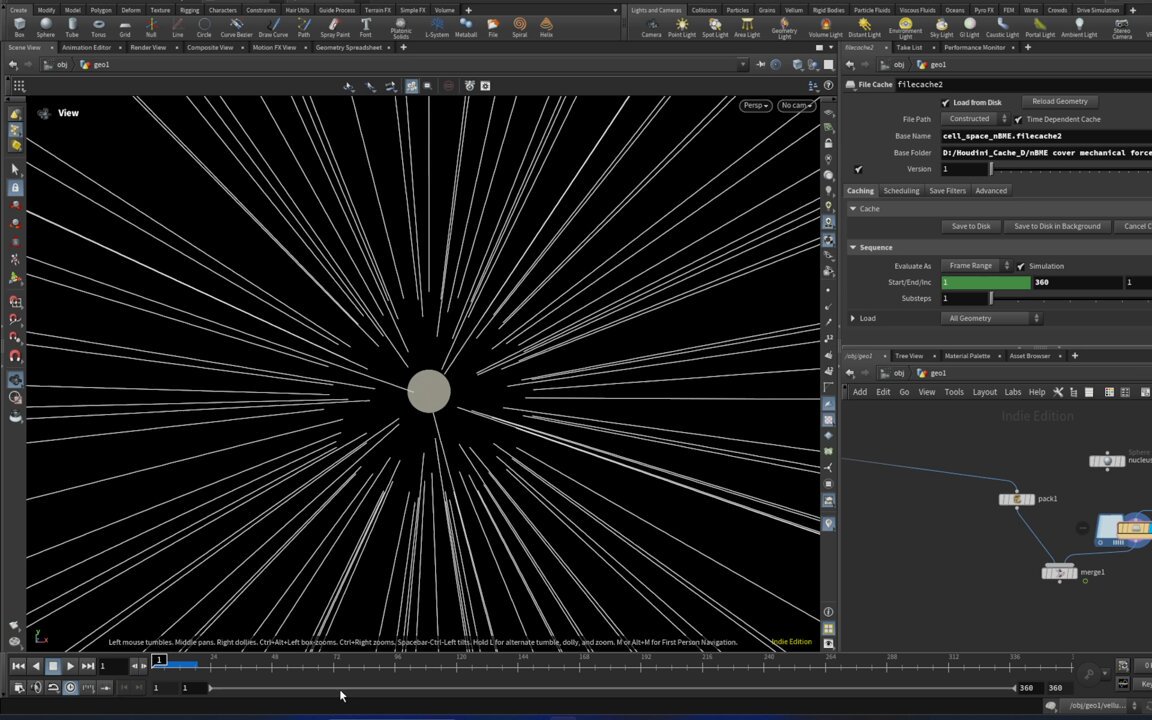
Using @sidefx houdini vellum solver for modelisation can be mesmerizing ! here I try to model the nucleolus for an upcoming cover proposal. The rough endoplasmic reticulum is already done.
1
38
2,471
Alexandre Dizeux retweeted

20 Mar 2024
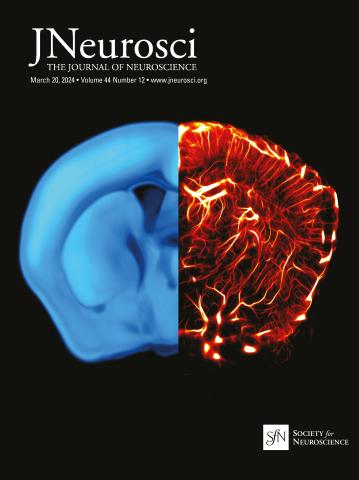
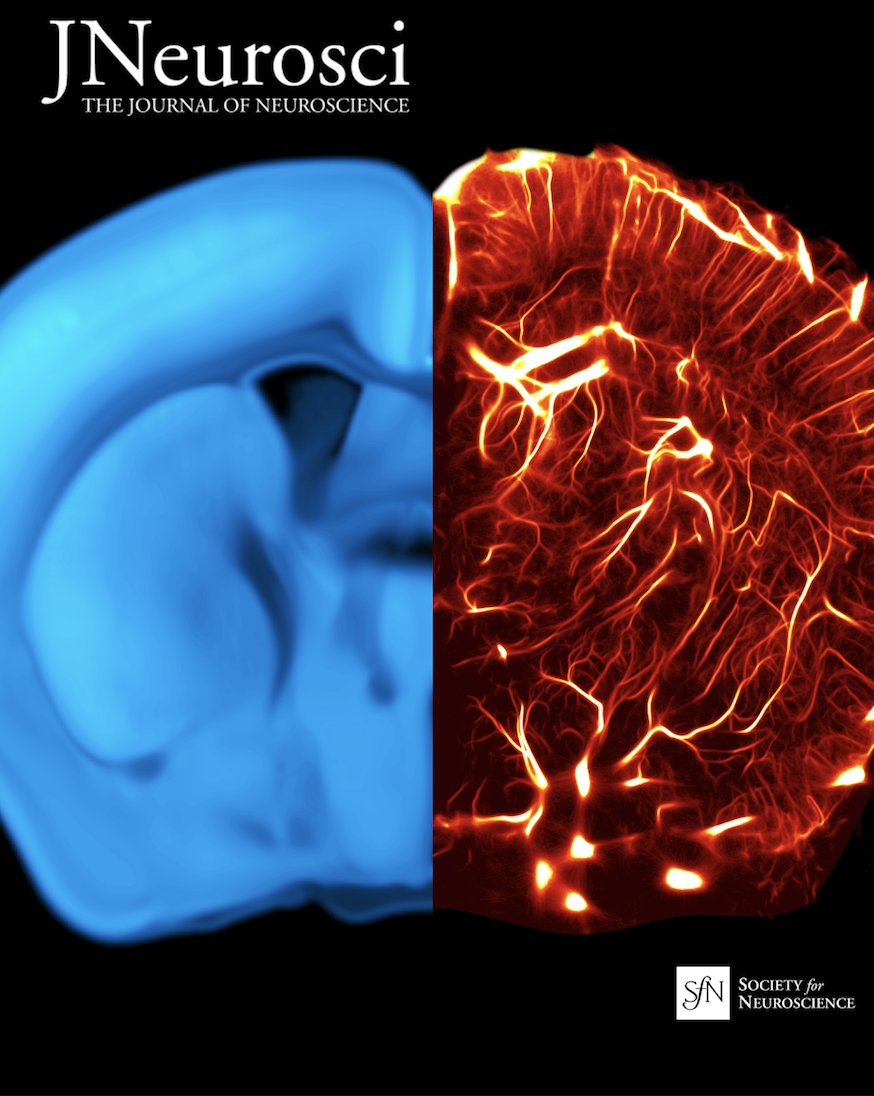
Functional Ultrasound imaging and Ultrasound Localization microscopy for the study of thermal coding in rodents by @koorliyil @PezetSophie and colleagues @PhysMedParis makes the cover of @SfNJournals (@AlexandreDizeux credit)
20 Mar 2024

This Week in The Journal #JNeurosci | Heterogeneity Identified in Rett Syndrome Mouse Model; Mechanistic Insight into Memory Improvement from Novel Social Interaction
jneurosci.org/content/44/12/…
1
8
26
3,765
20 Mar 2024
Another cover ! 🤩
20 Mar 2024

Functional Ultrasound imaging and Ultrasound Localization microscopy for the study of thermal coding in rodents by @koorliyil @PezetSophie and colleagues @PhysMedParis makes the cover of @SfNJournals (@AlexandreDizeux credit)
1
2
20
3,156
Alexandre Dizeux retweeted
13 Mar 2024
#BrainAwarenessWeek Ultrasound for brain research: lots of exciting topics going on, from exploring the cerebrovascular network to restoring brain functions #fUS #ULM #fULM #sonogenetics #neuromodulation
2
11
22
1,428
Alexandre Dizeux retweeted

16 Jan 2024
I am thrilled to announce that our last study on sensory thermal encoding in the mice brain out as an early release in ‘The journal of Neuroscience’.
doi.org/10.1523/JNEUROSCI.09…
Cover prepared by Alexandre Dizeux
1
5
14
2,100
Alexandre Dizeux retweeted
9 Jan 2024
New @PhysMedParis article on functional Ultrasound connectivity by @koorliyil @AdrienBertolo @AlexandreDizeux @TDeffieux @TanterM @PezetSophie & colleagues published in jneuroscience: Specific and non-uniform brain states during cold perception in mice jneurosci.org/content/early/…
4
6
588
Alexandre Dizeux retweeted
26 Dec 2023
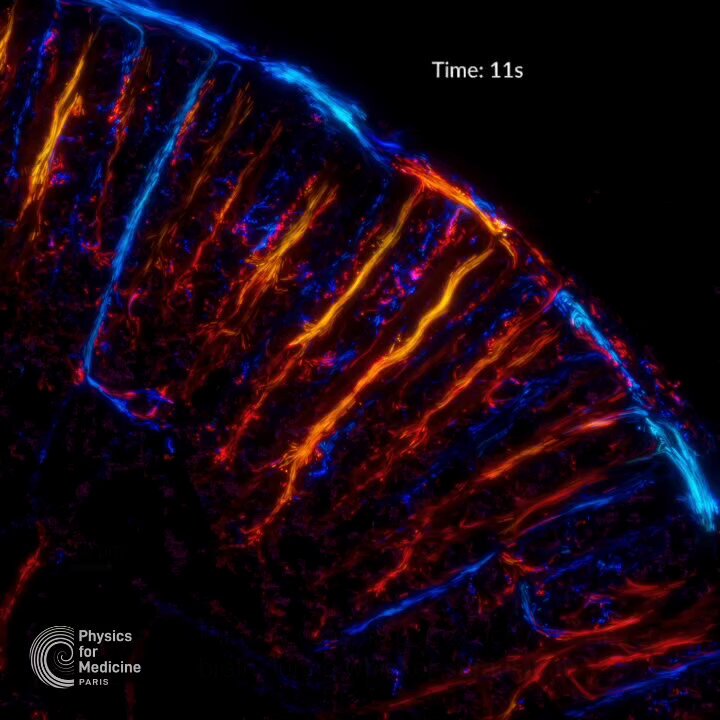
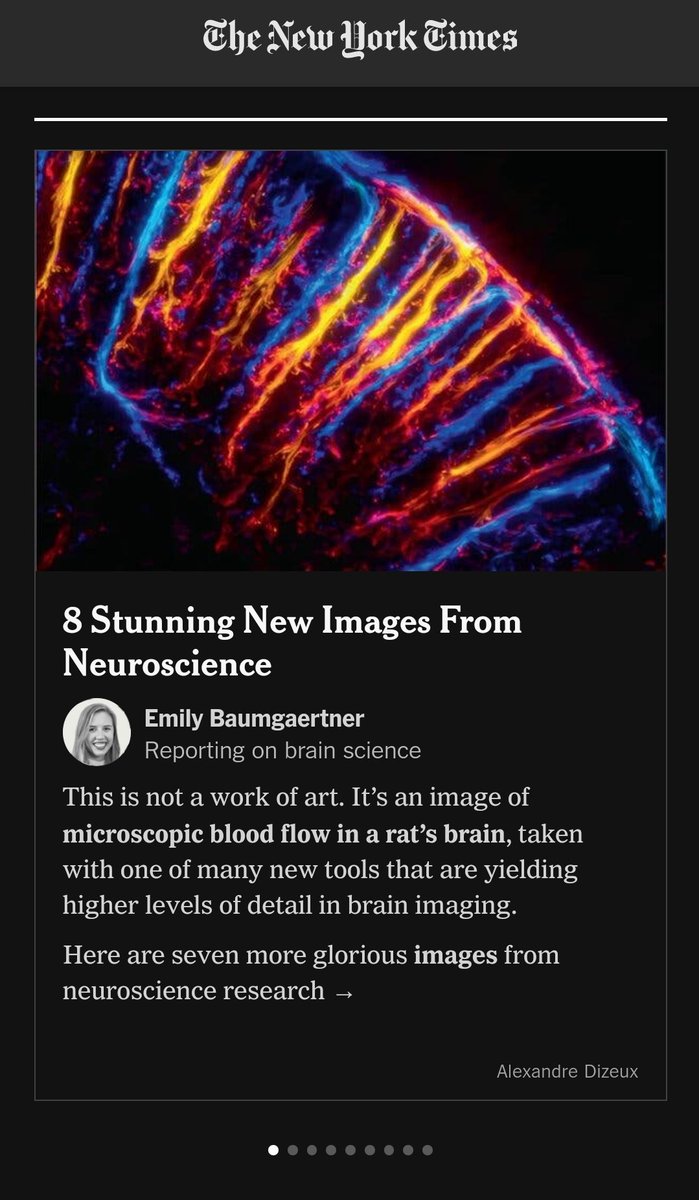
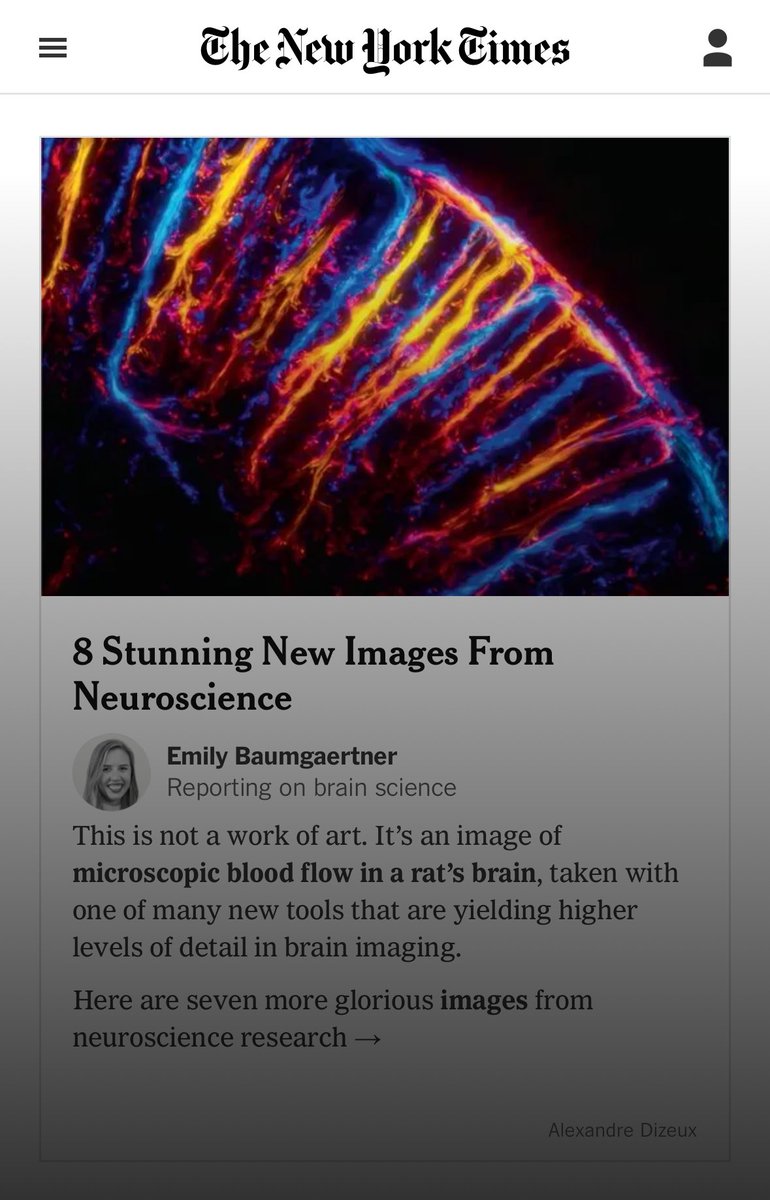
Real Christmas gift ! Ultrasound Localization Microscopy image of Brain vessels by our team @AlexandreDizeux @PhysMedParis @CharlieDemene @PezetSophie N. Renaudin with @Iconeus @inserm @psl_univ @ESPCI_Paris chosen by @NYTScience @nytimes as 2023 Stunning New Image of the brain
4
25
121
15,065
26 Dec 2023
Super proud to have one of my images featured in the New York Times 🤩 🤩 ! A big highlight for functional ultrasound localization microscopy (fULM), an imaging technique developed at @PhysMedParis @CharlieDemene
@TanterM @PezetSophie @Inserm @ESPCI_Paris nytimes.com/interactive/2023…
1
4
17
856
26 Dec 2023
The video related to the image and the paper published in @naturemethods nature.com/articles/s41592-0…
2
8
25
1,068
22 Dec 2023
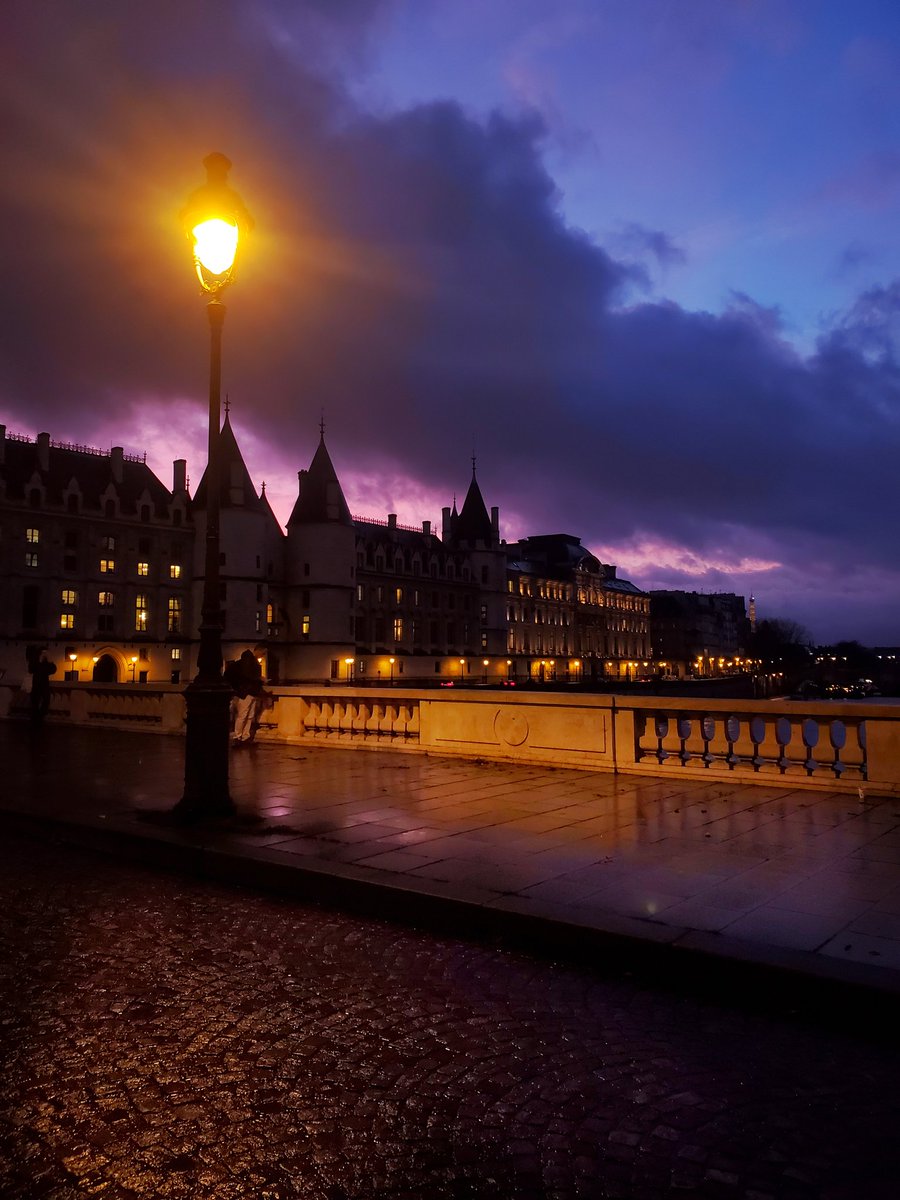
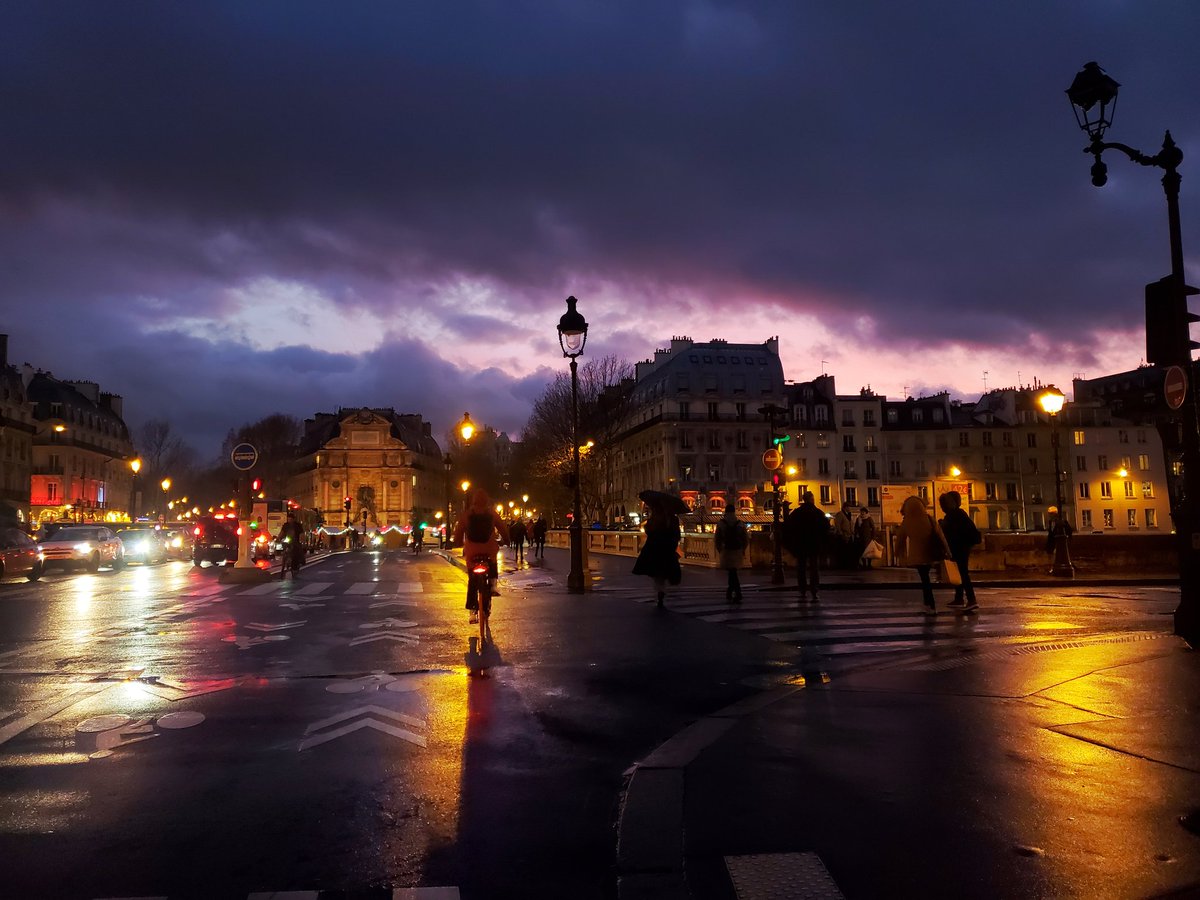
Shopping for Christmas, taken from Pont au Change, Paris.
1
233
Alexandre Dizeux retweeted
16 Oct 2023
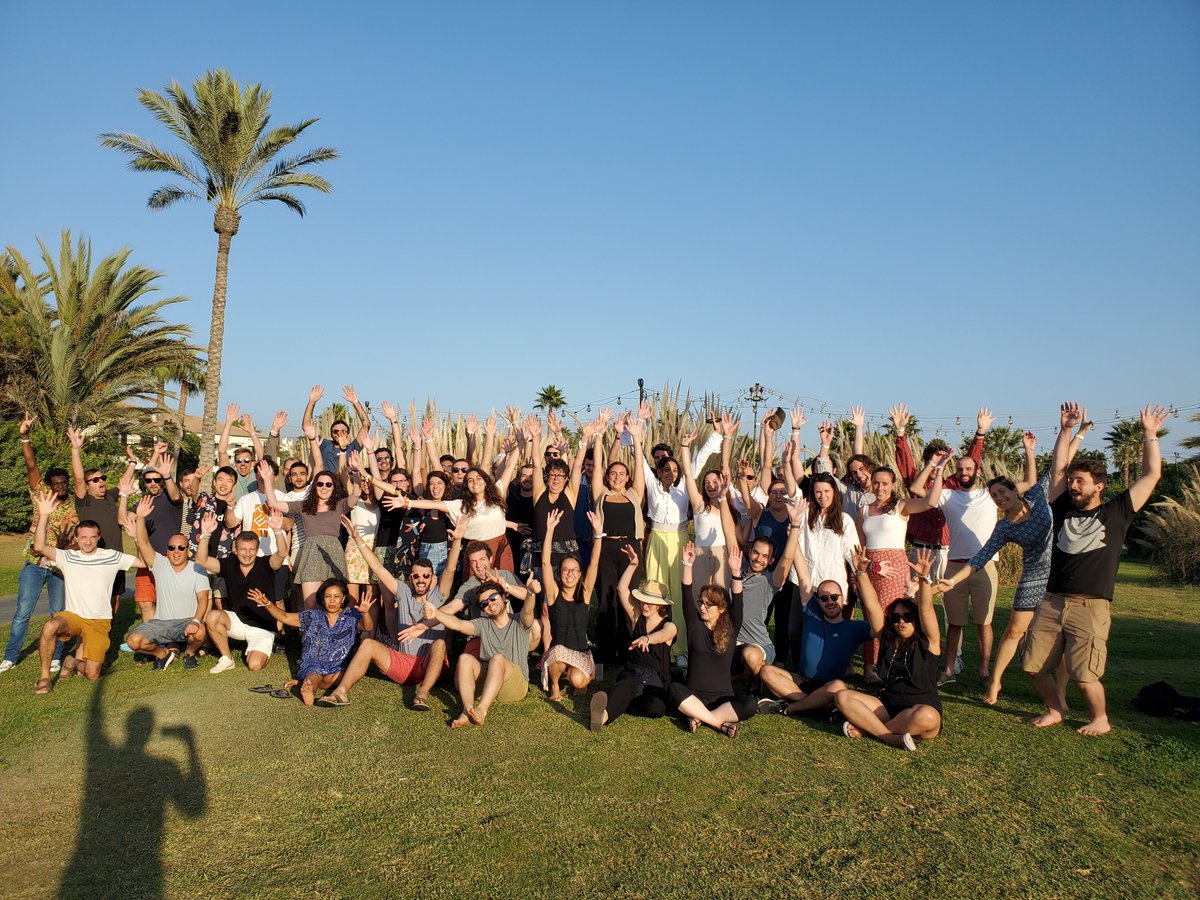
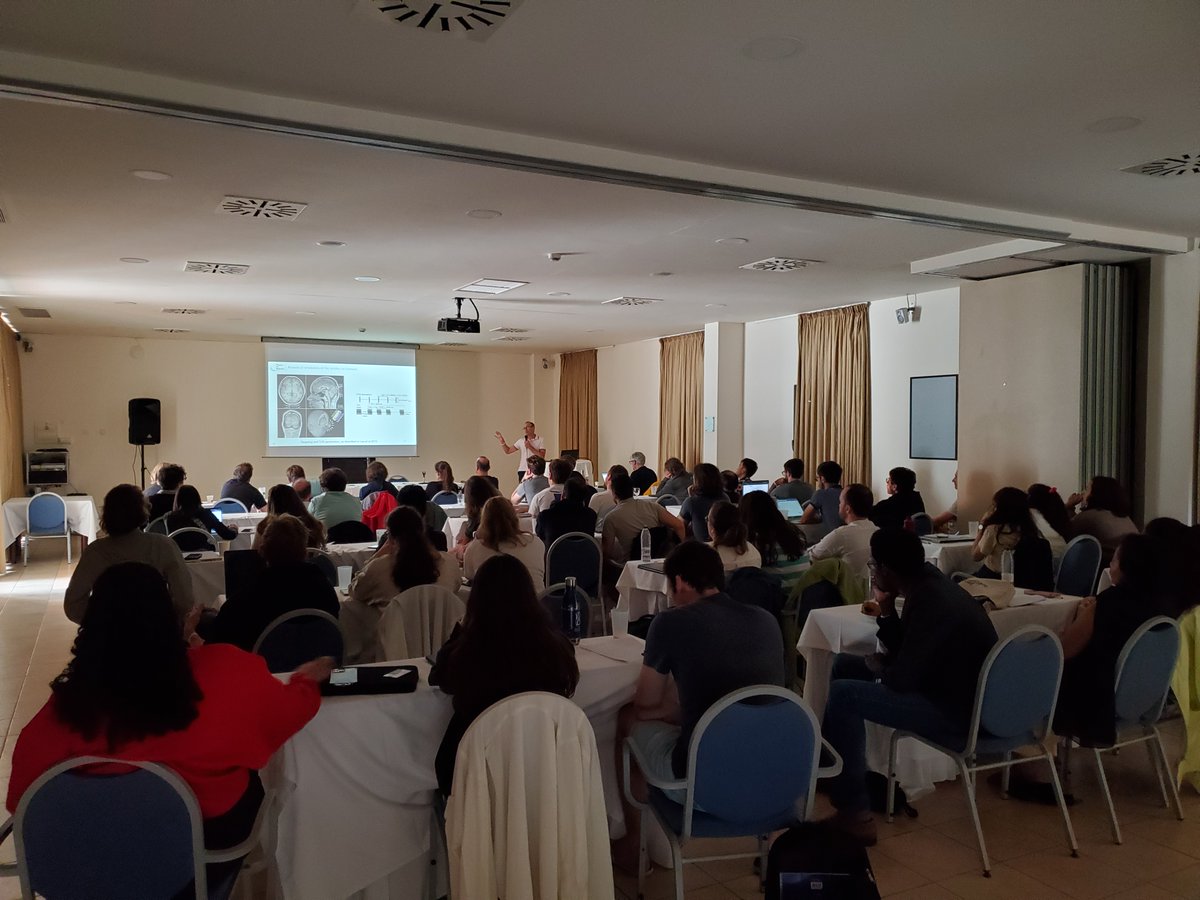
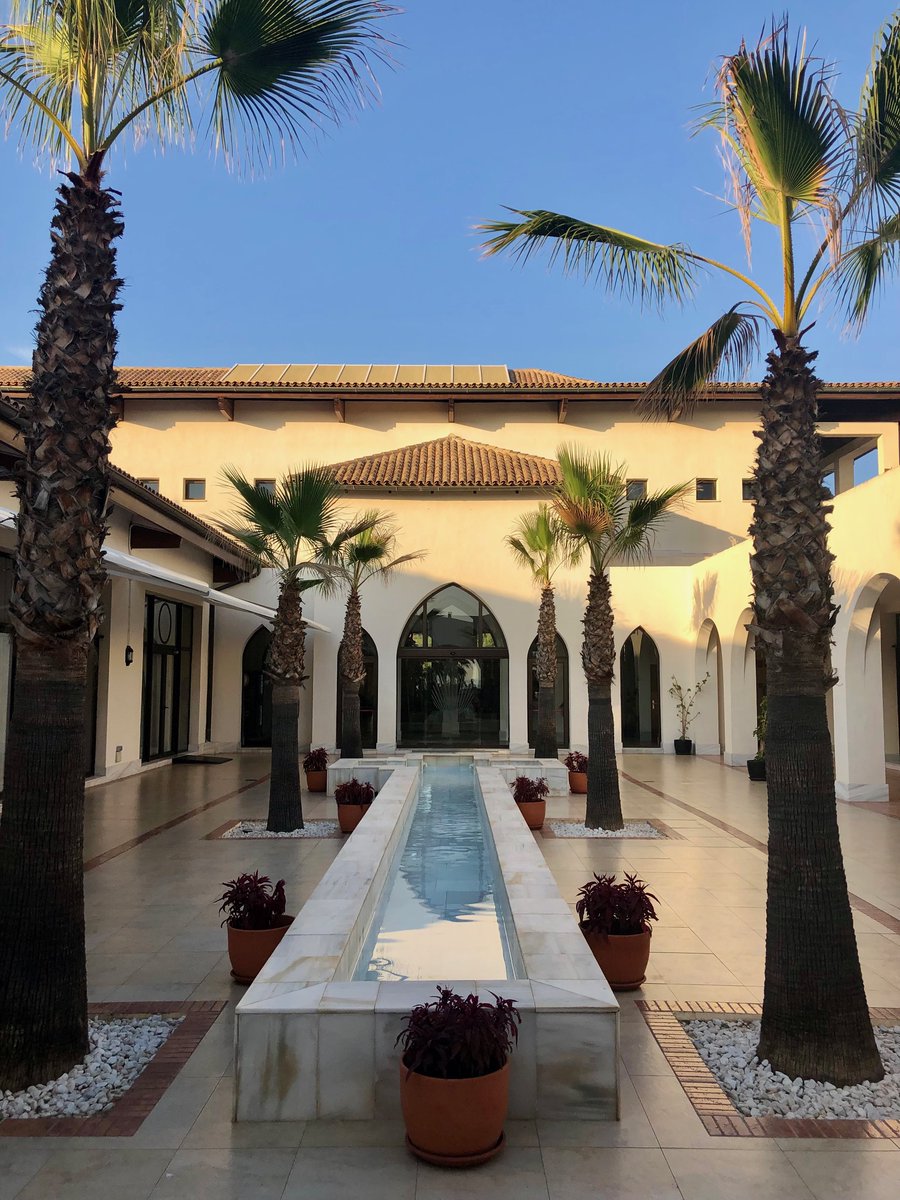
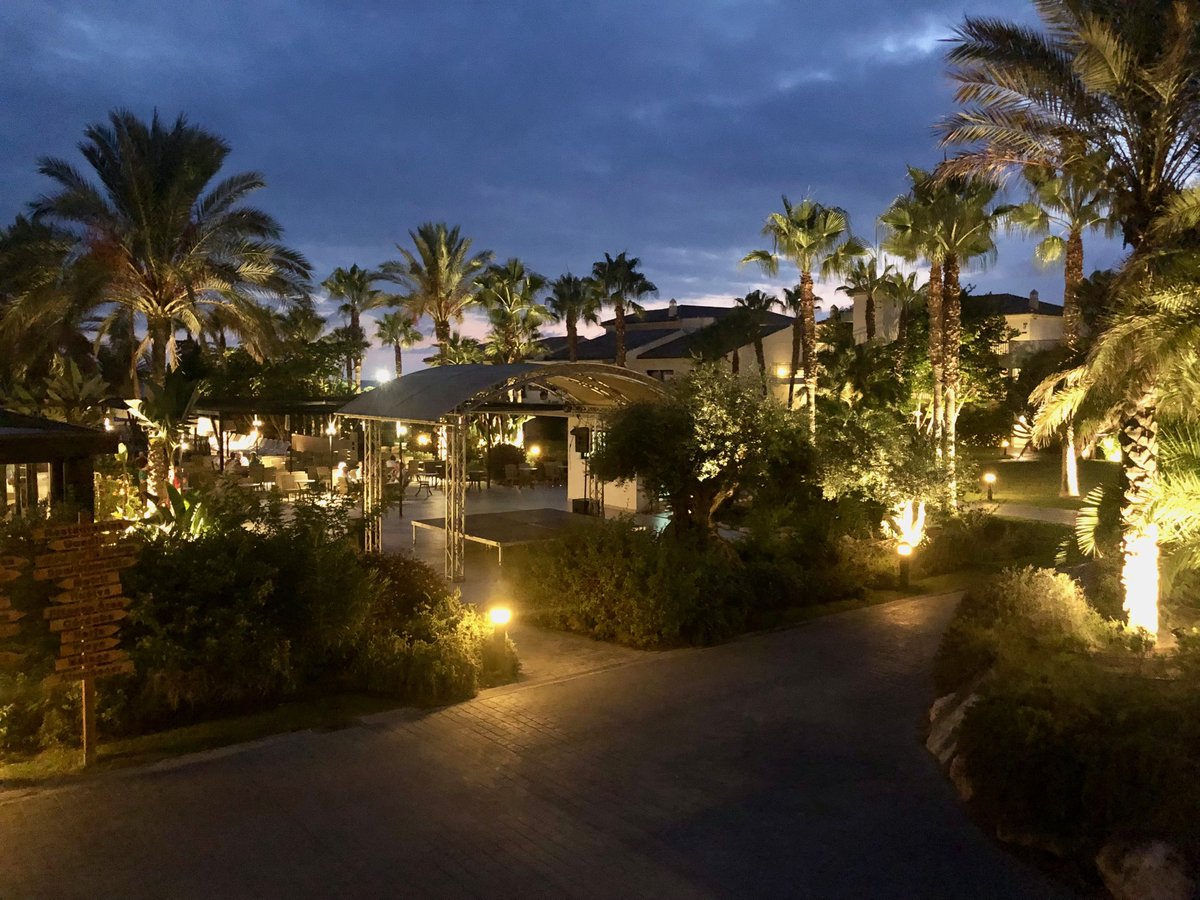
A full week of great scientific talks, scientific discussions and team work for the @PhysMedParis internal seminar "Beldi V" in Malaga ! Many thanks to everybody in the lab for a very strong involvement in the research and team !
4
14
1,858
4 Oct 2023
RT @EricTopol: Debunking a myth.
You know the blood pressure "Korotkoff sounds," first described in 1905 for measuring blood pressure. They…
83
4 Oct 2023
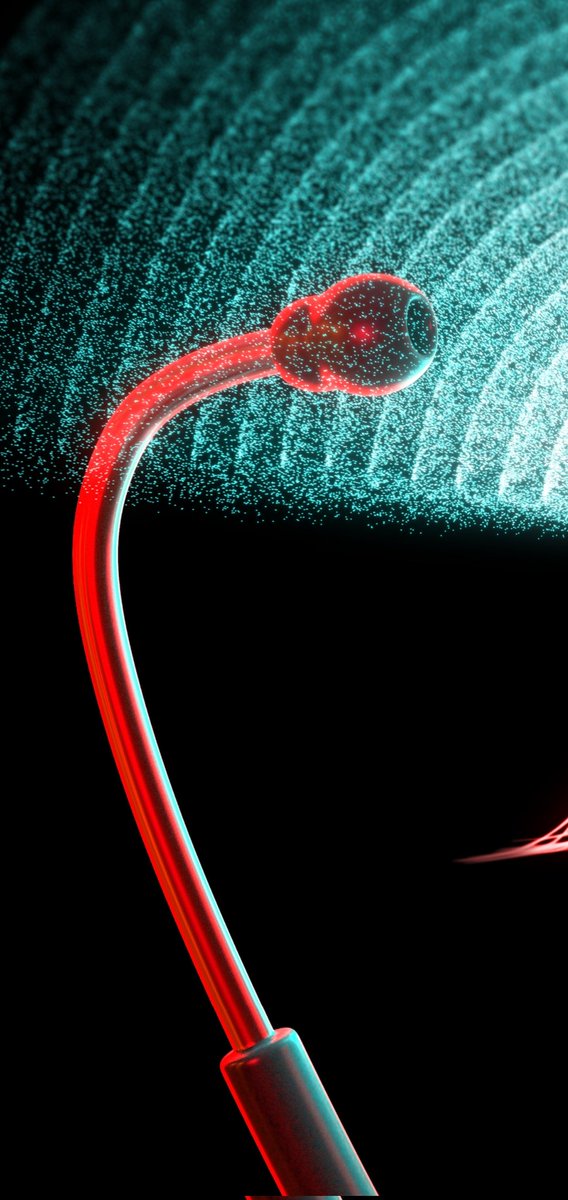
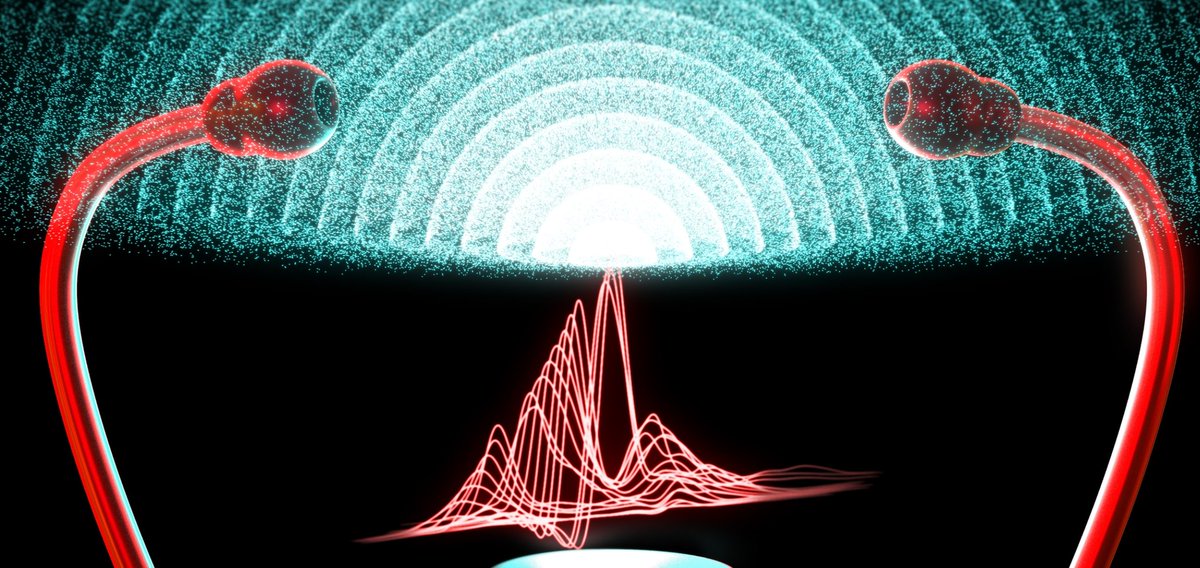
Really proud that my design was selected to make the cover! It illustrates the beautiful scientific work carried out by @JeromeBaranger and @TanterM on Korotkoff sounds! We now know where these sounds come from👩⚕️🩺📢!
@PhysMedParis @Inserm @ESPCI_Paris @psl_univ @CNRS
4 Oct 2023
One method of assessing blood pressure involves listening for “Korotkoff sounds,” often described as tapping or thumping noises.
Research out this week in Science Advances shows Korotkoff sounds are caused by shear vibrations in the surrounding tissues: scim.ag/4ls
2
2
21
2,125
4 Oct 2023
I've done this 3D video animation by importing experimental data into @sidefx houdini and then rendered with @redshift3d #science #visualization
1
5
785
Alexandre Dizeux retweeted
17 Jul 2023
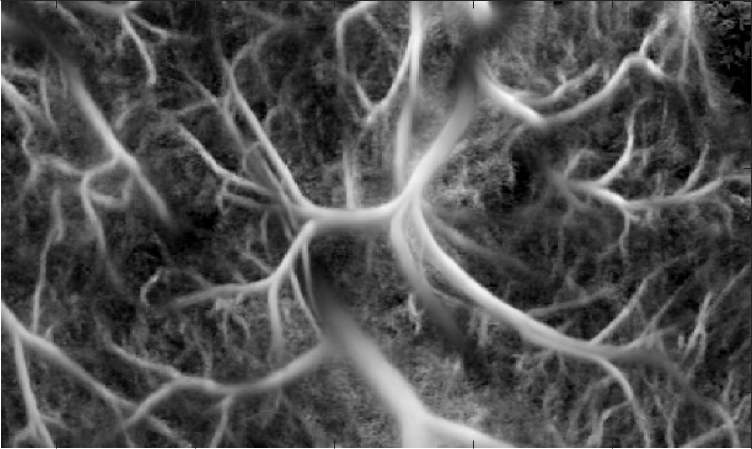
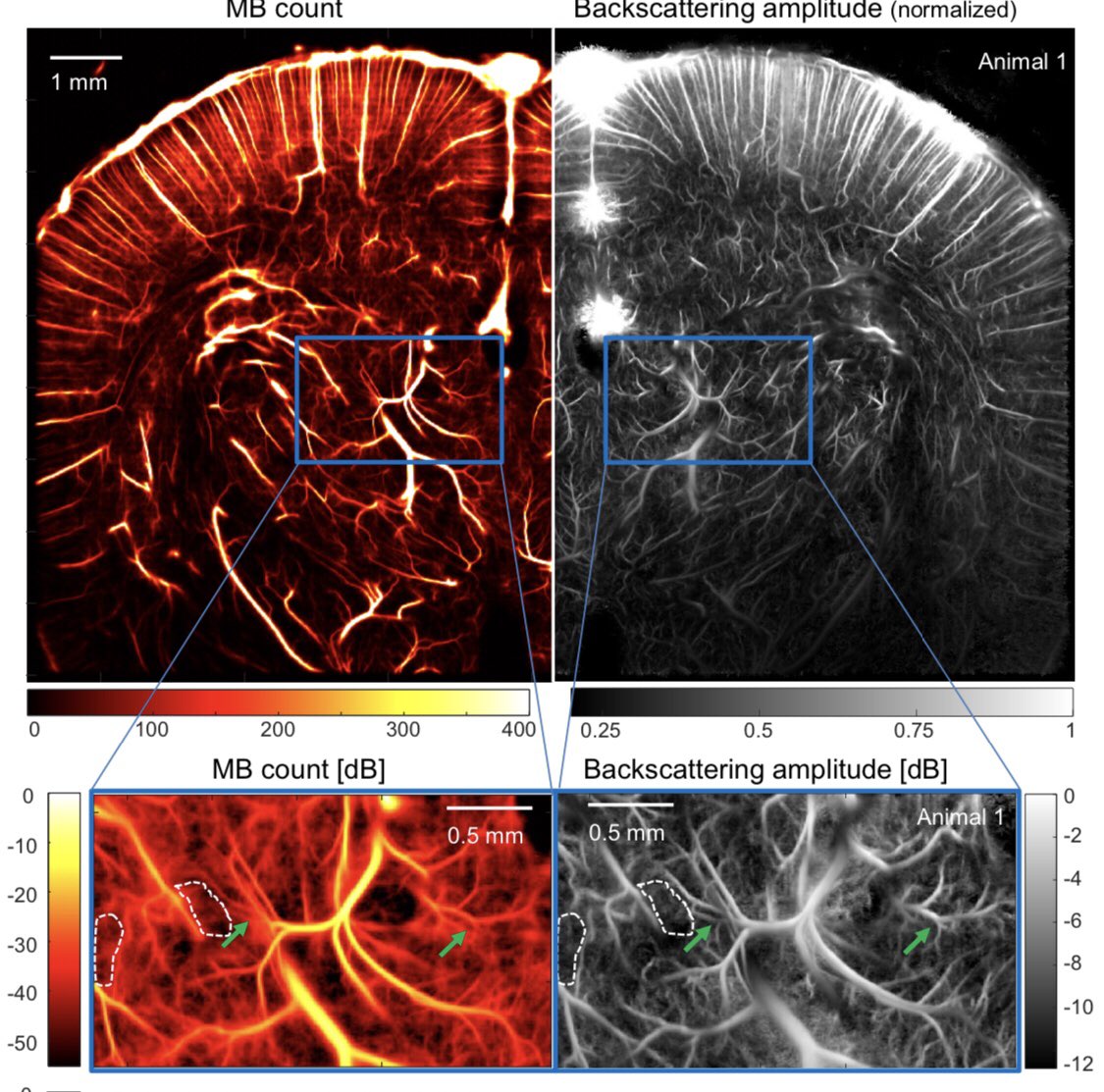
Recent @PhysMedParis work on Backscattering Ultrasound Localization Microscopy by Noemi Renaudin, Nathalie Ialy-Radio @pezetsophie @CharlieDemene @TanterM was just released in @SciReports. Beautiful images and improved hemodynamic quantification in #ULM !
rdcu.be/dg229
5
12
1,799
Alexandre Dizeux retweeted
3 May 2023
This new @PhysMedParis preprint @BioXriv from Noemi Renaudin and our team @PezetSophie @CharlieDemene shows how to exploit Backscattering amplitude in Ultrasound Localization Microscopy for enhanced superresolution imaging and smart access to the third dimension with 1D probes
2 May 2023

Backscattering Amplitude in Ultrasound Localization Microscopy biorxiv.org/cgi/content/shor… #bioRxiv
2
10
77
13,731