158 Photos and videos

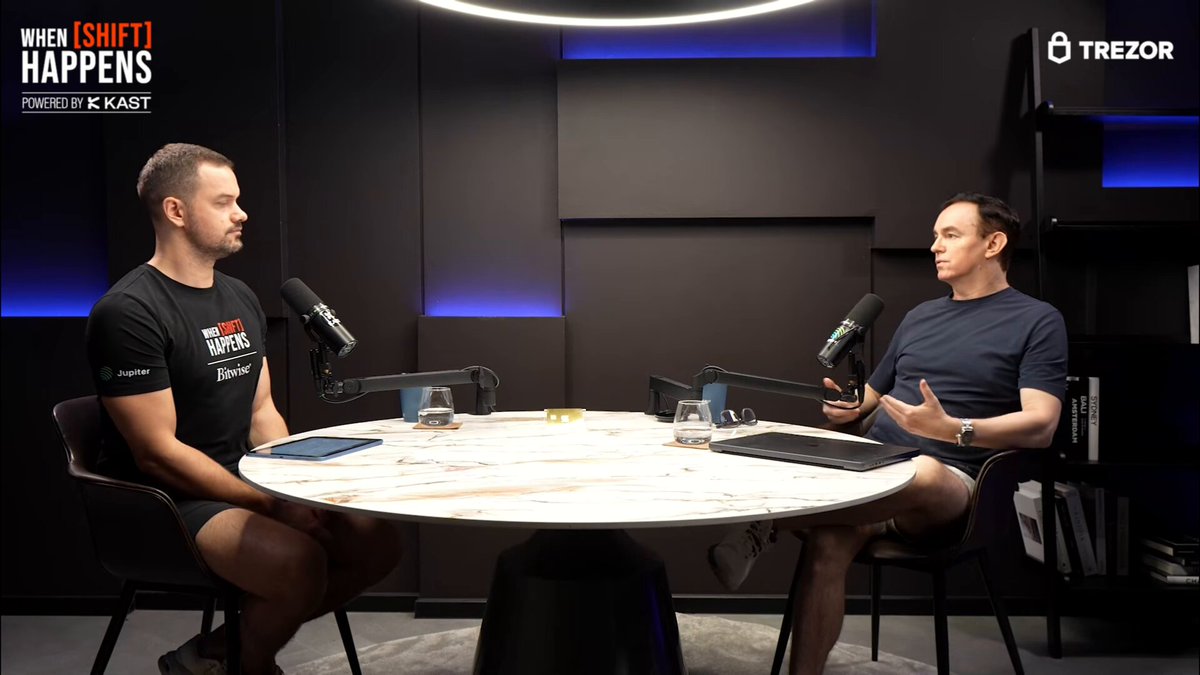
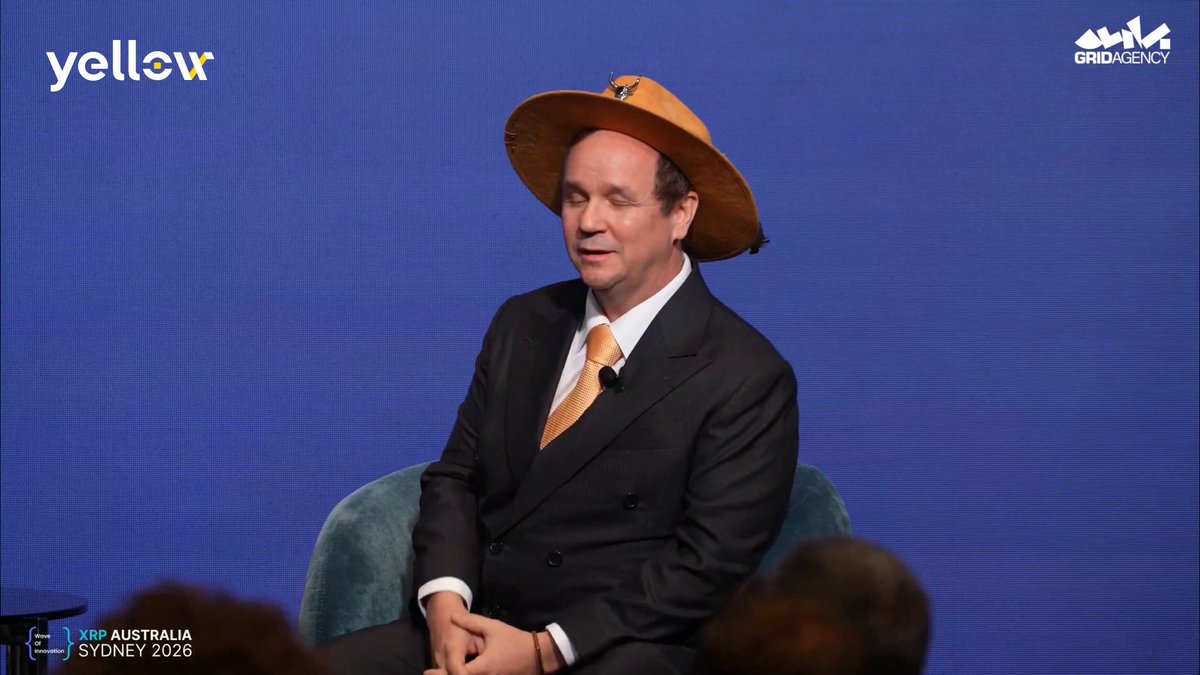


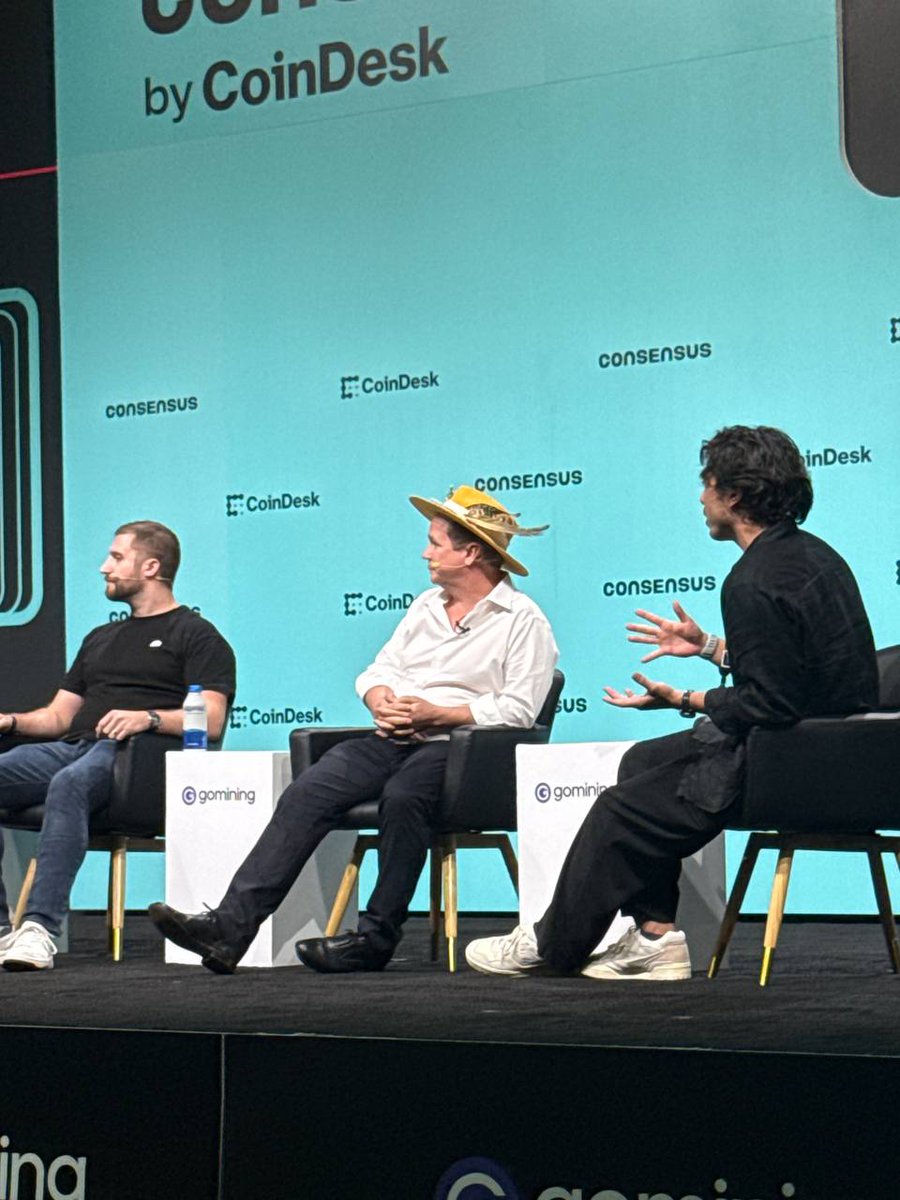
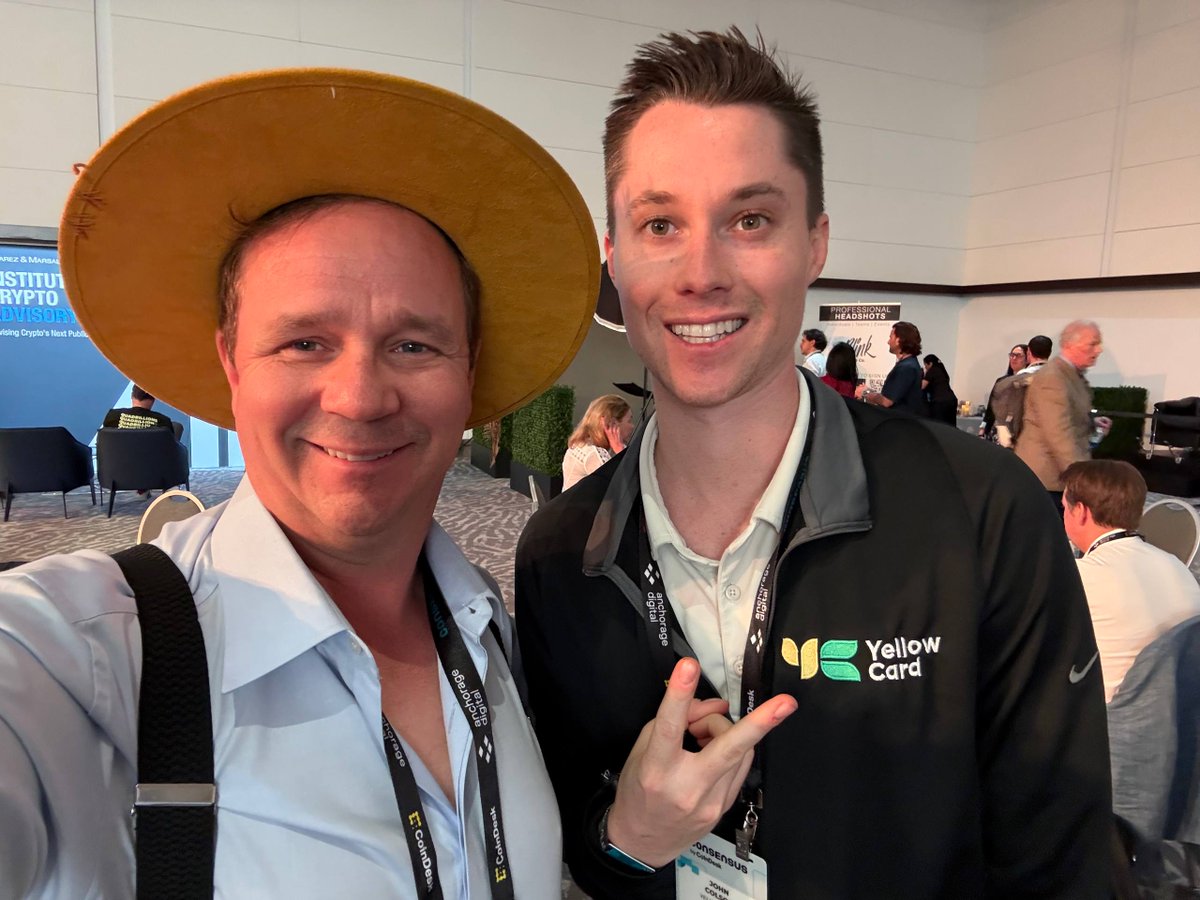
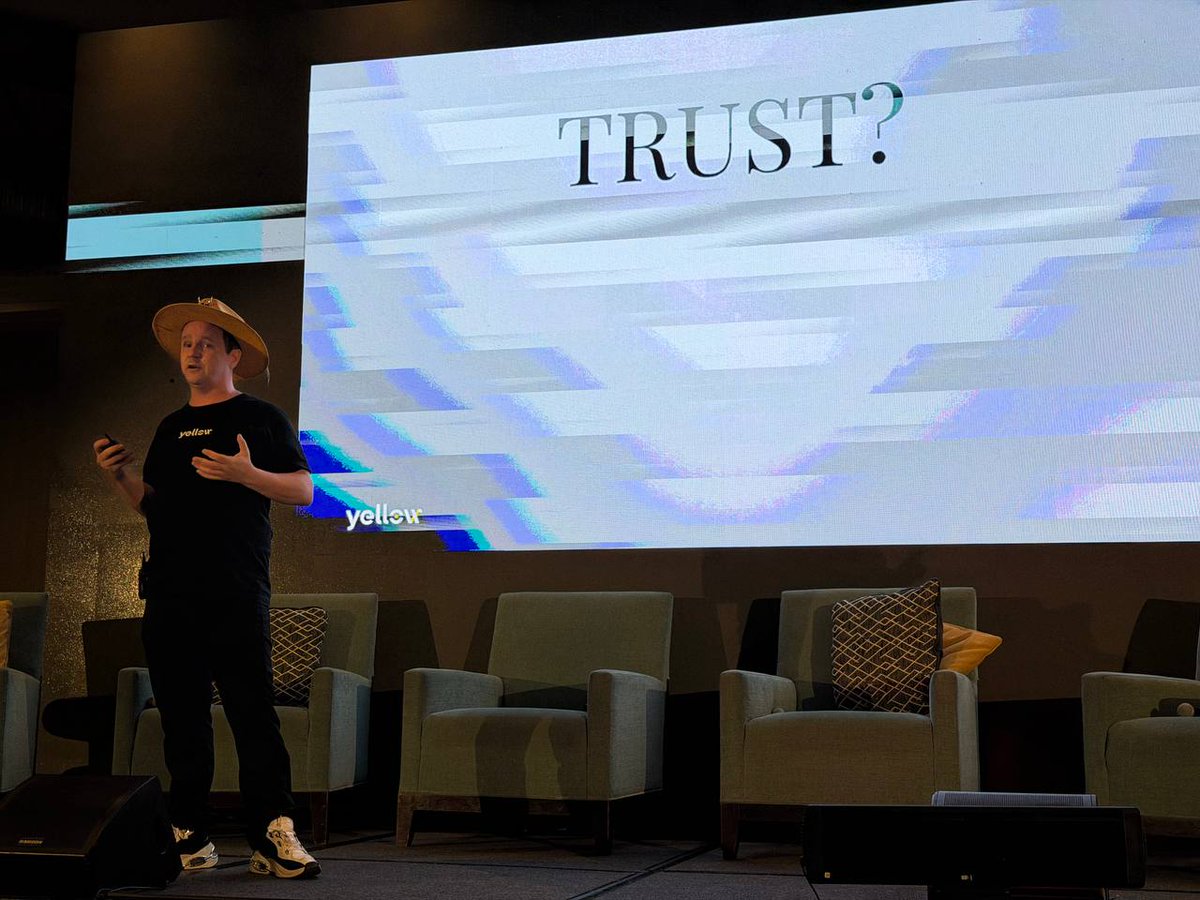

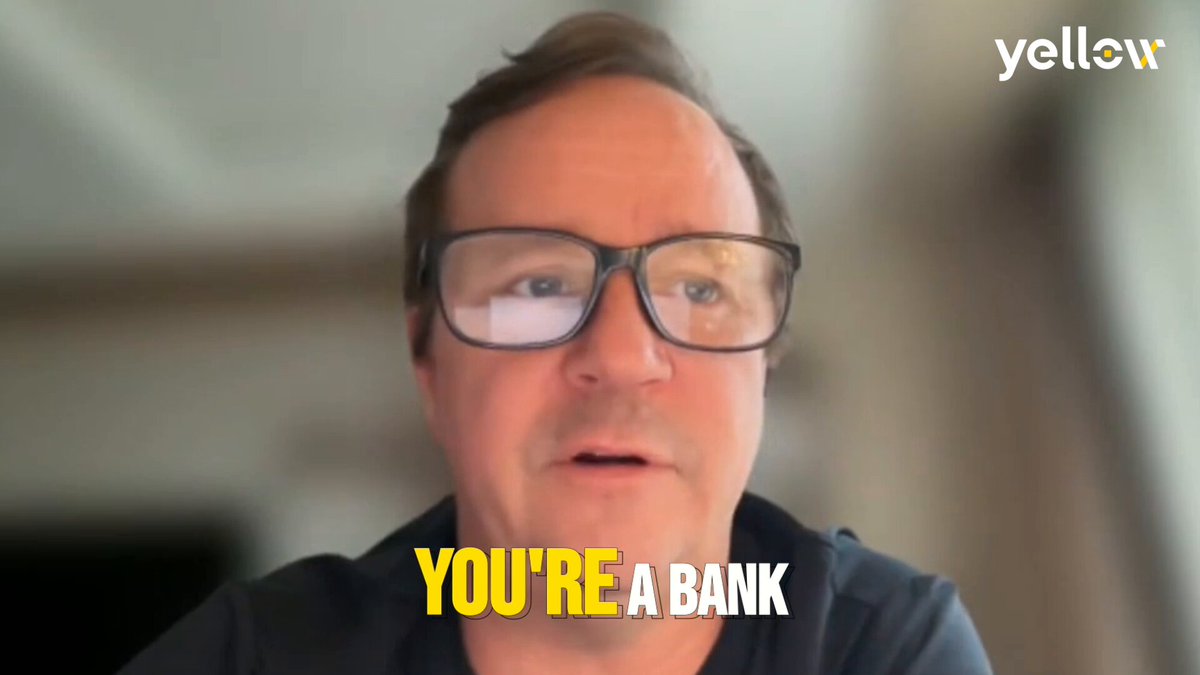
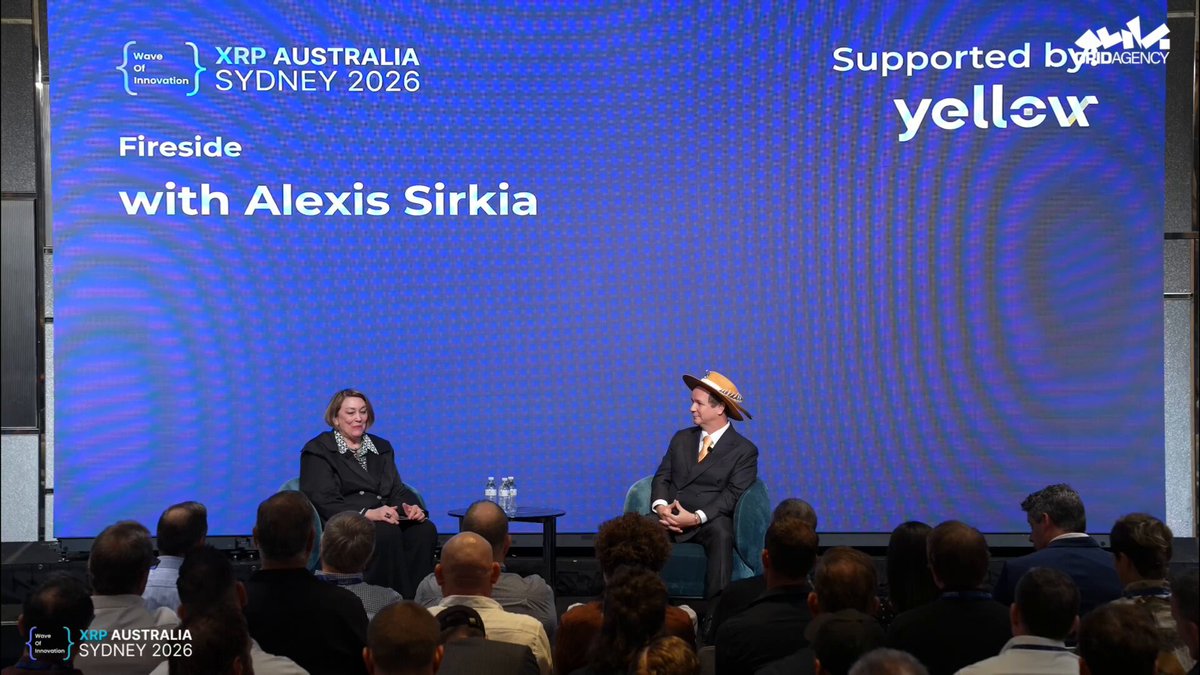





"Long-term value comes from real adoption and usage"
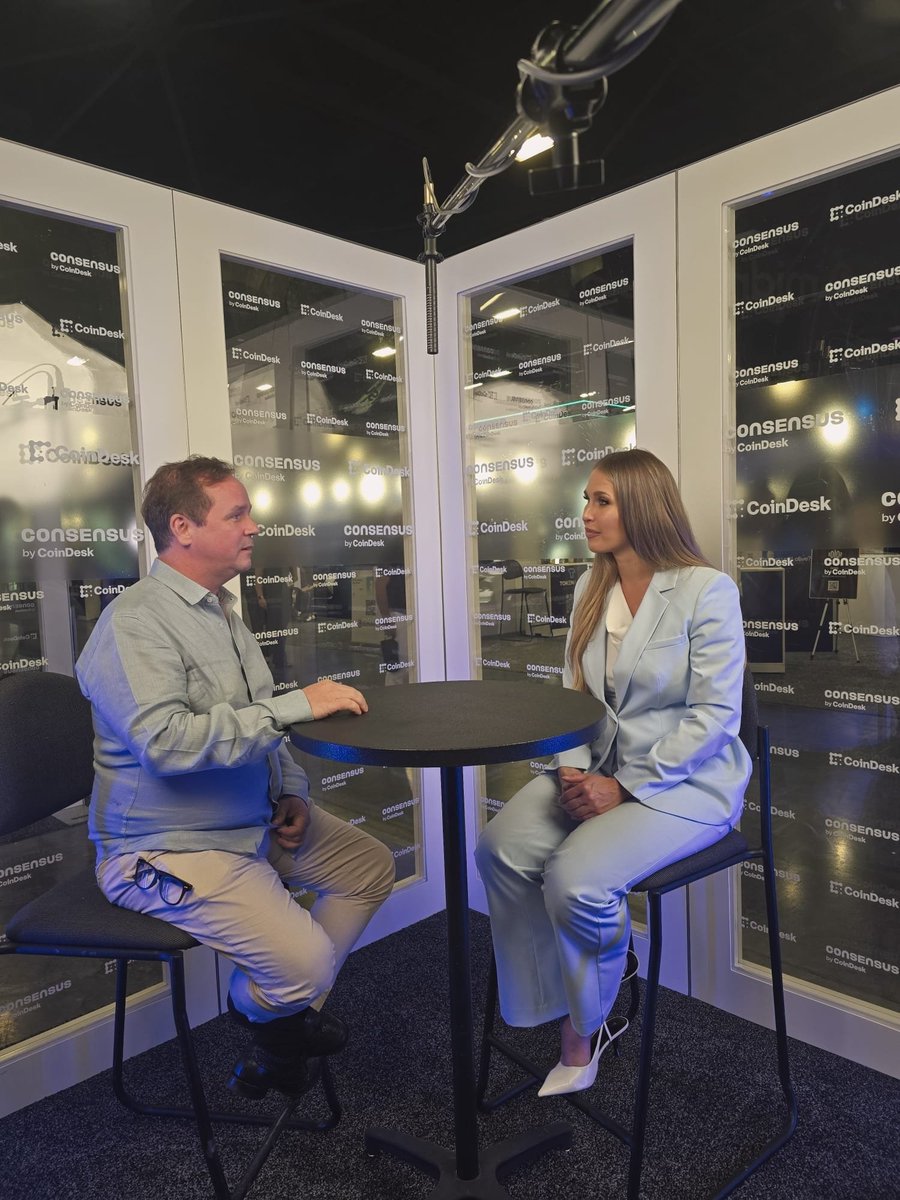
@AlexisYellow was featured in @CoinDesk, breaking down why XRP's price drop misses the bigger picture and what's actually driving value.
coindesk.com/markets/2026/06…
33
25
292
41,462

Jun 6
As the cost of development is tending to zero, the only thing that matters is the people that run the business.
Assume everyone has an AI agent and these agents can build and test apps.
So any developer can use agents to build an app or a storefront instantly, and the market is about to be flooded with millions of unknown, unbranded AI vendors.
In a world with infinite vendors, the role of brand is secondary to cryptographic trust.
Yellow allows users to safely transact with these millions of newly spawned micro-apps without fearing they will be scammed.
16
2
25
770
Jun 5
Really enjoyed sitting down with
@megan_crypto on @StreamDraperTV.
We talked trustless infrastructure, AI agents, institutional adoption, and the future of peer-to-peer business.
Thanks for the great conversation, Megan.
Jun 4

🎙️ New Crypto Megan Podcast episode is live on Tim Draper’s @StreamDraperTV with @AlexisYellow, co-founder of GSR and Captain of @Yellow.
We talk trustless infrastructure, AI agents, institutional adoption, and the next generation of peer-to-peer business.
Link in comments 👇
11
5
29
1,018
Jun 2
A lot of CEOs only ever think about burning fires. Not about how to grow the company. I learned this maybe ten years ago, and it changed how I run my business.
Sunday, I disconnect and typically do no work. Monday follows with zero meetings. I think about the future of the company and the up-to-date strategy that leads to this future.
The point that people miss: you cannot brainstorm if your plate is full of microproblems.
The brain won't allow you to think about where you want to be. You really have to lower the stress first, take everything out of your head (maybe put it on a piece of paper, or exclude it whenever possible). That's why Sunday comes first as a reset, then you step back into another mindset and your cogs run anew.
The more senior you are, the more of these days you need. A startup CEO, once a week is likely enough. A CTO thinking about architecture, maybe twice a month. Someone like Jensen Huang or John Ternus (Apple's new CEO), that's their whole job.
Take the day. Not off, just off the day-to-day. Go to the gym, get brunch, do something you like and get your brain into a state where it can finally think. You'll be surprised the next day, and so will your team. Repeat this enough times, iterate as needed, and you're much likelier to succeed as a leader.
9
2
53
1,072
Alexis Sirkia retweeted

May 28
2013 was the year. I wasn't quite sold yet on quitting my job to dive into Ripple. It was a tiny startup, and they were hosting a side event at Money20/20 in Las Vegas.
Stefan Thomas, the CTO, was presenting his vision for smart contracts on Ripple and the plan to build programmable money directly into the Ripple ledger so you could run all kinds of applications.
The minds behind 'Colored Coins' were there too, some of whom ended up at the Omni Protocol and, later, Tether. Can't forget a certain editor from Bitcoin Magazine back then, Vitalik Buterin, who was exploring smart contracts with Stefan and David Schwartz.
We went to Google headquarters in Mountain View a few times to meet with their secure compute team. They had a product called NaCl, a secure sandbox for executing untrusted code safely inside Chrome. We were working with them to figure out how to leverage that technology to execute code in a trustless way on the Ripple system.
But the organization was growing rapidly, and the decision was made to pivot to a pure payments model. Our primary customers would be banks, which meant we needed to freeze the Ripple protocol. To ensure the absolute security and stability of the platform, arbitrary code execution and smart contracts were taken off the table.
In other words, the business side didn’t really buy into the vision for programmable money. They asked us to spin smart contracts out into a separate R&D project and just merge them back into the main Ripple code later.
Right around that point, Vitalik launched Ethereum.
Ethereum exploded because programmable money and trustless execution were the real paradigm shift. At the time, XRP was the number two coin by market cap, but Ethereum quickly surpassed it by an order of magnitude.
The lesson we learned later at Ripple was just how massive of an opportunity we had missed.
The value of public, auditable code that is guaranteed to execute exactly the same way every time is immense. It virtually eliminates counterparty risk. Certain categories of human friction are entirely wiped out when you can place your trust in code.

6
14
85
4,143
May 27
A few years ago, I used to frequent Verve in Palo Alto. It's one of three coffee shops (alongside Starbucks and some co-working spots in converted houses) that every serious founder rotates through. If you're into building crypto, AI, and software, you end up in any of the three, sooner or later.
I picked Verve when I was in town. Eight dollars for the espresso, ten for a gluten-free blueberry muffin...but you get to meet every founder you've ever heard of standing in line.
One morning, I sat near a guy with long gray hair trying to keep his toddler busy with a muffin. Our kids were roughly the same age, so we started chatting.
We didn't talk about work once. He didn't mention his market cap, his roadmap, or his fundraising. He just wanted to drink his coffee and watch his kid eat blueberries.
It was Mo Shaikh, the co-founder of Aptos.
At the time, his blockchain was doing billions in volume and the token was plastered across every screen. Yet, there he was, completely unbothered by his own mythos, sitting with his kid like a stay-at-home dad on a Tuesday morning.
I've had a few similar encounters, and later watched them take the stage at Token2049.
They played a character, and that character is a byproduct of public expectation. Typically, tantalizing figures on Twitter and stage to justify their larger-than-life valuations.
But the best leaders know that the persona is just a mask. So if I wanted to know whether a founder is the real deal, I'd watch how they behave when nothing is being recorded.
12
1
34
1,726
May 27
The biggest lie entrepreneurs tell themselves: in a couple of months I'll be able to take more time off.
I've been saying it for years.
Every entrepreneur I know runs the same loop.
You ship one thing and immediately realize you have to ship another thing to make the first one work. The deadline keeps extending. The cycle never ends.
Ambition comes with a price tag.
Mine has been paid in health.
Stress, frustration when the team doesn't deliver, the constant being on. I see it in my partners and I see it in myself. I see it in friends who pushed too hard for too long and broke. There's a line where pushing harder stops compounding and starts subtracting.
I've also paid in missed birthdays.
Moments I should have been at. It creates conflict at home and you live with it. Entrepreneurship gives you flexibility a 9-to-5 doesn't. For example, you can take a Tuesday off if you need to, you can reschedule the world around your kid's school play, but you also work more, especially in the early years, and especially in crypto where the market doesn't sleep.
I made a trade willingly.
I could have been wealthier and seen my kids less. I could have optimized harder. I sacrificed wealth for family time, and I'm at peace with that. I don't want to be the richest man in the cemetery.
The lie still comes back.
Maybe Q3 or Q4. Perhaps after this raise. Or maybe after the next product ships. It never happens. Probably it never will. Some part of me knows. The rest of me keeps saying it anyway because founders survive by promising themselves a finish line that keeps moving.
13
1
36
2,236
May 27
Most successful entrepreneurs I know run boring businesses.
Owen Zidar calls them "everywhere millionaires" because for every famous public company CEO with $10M in net worth, there are 1,000 private business owners sitting on the same kind of money.
Parking lots
Vending machines
Self-storage facilities
Auto dealerships
Portable sinks
Pipelines
I have a friend like that. Brilliant builder. Four startups behind him, zero scaled. I remember the day he told me that the growth part bores him.
Most of crypto has the same gap.
We don't yet have enough patient operators who pick one boring thing, grind it for a decade, and wait for the long compounding stage.
But it really works if you have a look at the king of "boring" businesses in crypto.
People give Tether cash
Tether buys U.S. Treasury bills
Tether pockets the interest
Tether hands the user USDT
Sometimes boring businesses don't look boring at all.
Mr. Beast is probably the furthest thing from a boring brand.
He spends 15 hours on a single video. His team prepares a thumbnail set for 8 hours so he can walk in for 5 minutes, stand on the exact mark, and move to the next item on the schedule. Crazy logistics, oiled like a Toyota line.
Persistence is the difference between a founder who has stories and a founder who has wealth.
May 26

Being an entrepreneur is mostly about coming up with an important mission, being unreasonably determined to get there, and being willing to look stupid for many years.
10
6
26
2,134
You may have heard how we talk about securing funds in "escrow" to ensure transactional processes can work safely using AI agents.
Think of escrow as a security deposit - and here's a full explanation of how it works. @AlexisYellow @modernfintech
33
15
280
54,018
May 26
Growing up in Andorra before the Euro, money was anything but abstract.
Every shopkeeper had cash drawers overflowing with French francs, Spanish pesetas, and Deutschmarks. Because local banks were slow to update their rates, price discrepancies happened every day.
My grandmother noticed and started doing FX arbitrage on the road.
She’d withdraw a stack of pesetas from one bank, walk three streets over to another, and sell them for more francs than she started with. Then she'd do it again and again.
Looking back at the success of GSR and now Yellow, I realize just how much that Pyrenean environment shaped my beliefs about markets, and how it helped attract the right people.
@modernfintech had a similar spark when his grandmother gifted him a cache of silver coins. It forced him to look past the surface and understand the true nature of value. That curiosity eventually led him to Bitcoin, Ripple, and now, his quest continues with us.
Obvious in retrospect, it takes a steady mind to remain persistent and push through with an idea that will only bear fruit in five or ten years.
Until then, you just focus on doing it well today.
12
9
40
4,502
May 21
My co-founder at GSR taught me what it means to be "long-term greedy."
Long-term greedy is an old Goldman Sachs concept coined by Gus Levy. It means you don’t prioritize short-term profit. Instead, you obsess over customers, deliver exceptional service, and win the long game because you’ve built unshakeable trust.
In other words, if your incentives favor short-term gains, you inherently destroy long-term growth.
Since the start of 2026, more than 30 crypto companies have closed their doors, many with investments, and only a fraction of them did it publicly.
Tally, Leap Wallet, Nifty Gateway, Parsec, Slingshot, Magic Eden Wallet.
The list grows every week because the financial layer killed their products, which is the consequence of lacking a long-term greedy mindset.
When a product is built around a volatile financial asset from day one, it attracts speculators.
Magic: The Gathering and Pokémon have survived for decades because people came to play the games. The secondary financial value of the cards came much later. Placing a live price chart between the player and the game attracts a completely different crowd.
Once that happens, there's rarely a way back.
Any tweak to game mechanics moves the asset price. Any new feature redistributes wealth. The team stops building a product and starts managing a market.
In crypto, a year is short-term. 10 years is the long game. And as you already know failing to be long-term greedy has its brutal consequences.
When we built Yellow, we decisively refused to take the speculator shortcut. We chose to build a company designed to be cash-flow positive and self-sustaining from day one.
To protect this vision, we refunded nearly 100% of our external VCs (totaling $8M), retaining only those who acted strictly as long-term ecosystem advisors like Coinsilium or syndicated through Republic.
This paved the way for us to build an unshakeable foundation.
Today, the Yellow Network sits at the center, supported by the Yellow SDK powering 500 apps in the ecosystem. More recently, we introduced Yellow Pro, with several new developments well on their way.
Yellow is the utility token that ties it all together, ensuring settlement, staking security, and governance participation across our ecosystem. We implemented a non-inflationary fee model to ensure value scales with genuine usage.
Building this way is harder. It always takes longer than expected and often requires turning down easy money.
But if you want to survive the graveyard of short-term speculation, you have to choose utility and be long-term greedy.
May 20

Traditional finance has always fascinated me in a sense how institutions know more than anyone about the power of incentives and how to keep people motivated to grow alongside the company.
There's a book called Long Term Greedy that explains the triumph of Goldman Sachs and the role that this exact philosophy plays at the center of the company.
20
18
58
5,820
May 21
Eonian is the yApps built on Yellow to level up your festival experience.
- Users pay, shop, and earn anywhere with one app, and one ID.
- Vendors get instant 0% payouts
- Brands gain real IRL data and insights on autopilot
It's great to see how builders @rahim_unlu are focusing on real users and generate real value with yApps.
The settlement layer in the works. Now it's time to build on top of it!
May 20

Eonian processed thousands of micro-transactions at a live event using Yellow Network infrastructure.
Not a pilot. Not a test environment. A real event, real users, real value moving in real time.
That's the proof of concept most people are still waiting for. It already happened.
11
7
40
901
May 19
SDK lets developers build brokerages, trading apps, and liquidity‑sourcing tools on top of @Yellow network.
It improves liquidity in three ways:
1. SDK lowers barriers to onboarding liquidity providers. Brokers and market makers can plug once into Yellow, then connect to multiple chains and venues. As more venues and LPs join the network, the liquidity pool gets bigger for everybody.
2. SDK enables streaming of money via state channels. Brokers can offer tighter spreads and higher order‑throughput, which in turn attracts more traders and more liquidity.
3. SDK makes cross‑chain liquidity bridgeless
because it routes transfers through Yellow ClearNet. Liquidity moves between chains without extra counterparty risk or custody, which encourages institutions to keep capital deployed across chains inside the Yellow ecosystem, rather than withdrawing to a single chain.
SDK multiplies the velocity and reach of your existing liquidity by letting many different apps and brokers reuse the same settlement layer.
If you are in the business of liquidity, SDK is the growth flywheel.
May 19

500 projects building on @Yellow Network's SDK
Liquidity fragmentation is one of crypto's oldest problems - Yellow is actually solving it
@eddybitcoin has been in since the 2022 SAFT. The March launch delivered
@CoinsiliumGroup
17
15
53
3,162
May 17
Great start to the morning tuning into @eddybitcoin and @KevinWSHPodt. Appreciate the nod to Yellow! 🤝

16
13
47
9,289
AI agents will be just as discerning as humans when it comes to choosing good products at the right price - @AlexisYellow
40
21
184
41,483
May 17
Centralized exchanges kept falling like dominoes: Justcoin, Bitfinex, CoinCheck, Mt. Gox.
One morning, my business partner messaged me: "Another is down," and it was the lightbulb moment for me.
I realized that many of these exchanges were on a bad quest to spread fragile infrastructure, as @foundersfund puts it.
Eventually, @camille_yellow, @0xYellow, and I united to pursue a better quest now known as @Yellow.
Yellow lets anyone trade across networks without having to trust a third party.
17
40
77
3,407
Ahead of today's key procedural markup, the CLARITY act is a 69% chance on Polymarket to be voted into law in 2026. Read the thoughts of @AlexisYellow on what it would bring to the industry in @cryptodotnews (by @Upwork_Gummy)
crypto.news/yellow-network-s…
39
25
144
46,968
"By trusting the code you have assurances that you'll get a result and people will be able to take more risks, and choose young companies and new solutions - it will be amazing for innovation" - @AlexisYellow with @modernfintech
39
40
142
38,790
May 13
To trust or not to trust — that is the question shaping agentic economy and its products.
May 13

Do you trust your AI agent?
I would be puzzled if asked.
Let's say there are layers of trust.
- Would you trust your agent to write a social post for you?
- Level up: buy you a ticket?
- Sending money to your relatives is yet another step up.
- Trading $5,000 on your behalf where you set stop losses and take profit limits?
- Managing hundreds of thousands of dollars across capital markets in 2027?
I don't like the idea of trusting my agents, even if the agent has an impeccable track record, is fully verifiable, available at all times, confirmed and accepted by the surrounding agents, even tradable as an asset.
We approach the issue of trust from a different side:
We exclude the very need to trust at @Yellow.
You don't have to trust agents because they put up collateral every time, and you don't carry the risk of them misbehaving whatsoever. Because if they do, you only gain.
Yellow Protocol is building the infrastructure for a world where billions of agents can work together without needing to know or trust each other first.
The market is still absorbing the idea, so you have time to join the agentic economy with us.
14
5
48
5,596