
Joined November 2011
- Tweets 13,259
- Following 889
- Followers 2,111
- Likes 59,643
960 Photos and videos















Pinned Tweet

12 Mar 2023
(1/8)
Did you know that @silviomicali, the founder of #Algorand, is indirectly referenced multiple times in the #Bitcoin whitepaper? His foundational work is used throughout modern #Crypto, including Probabilistic Encryption, Verifiable Random Functions, and Zero-knowledge proofs
7
48
225
18,468
geek.algo retweeted

🧩 @EnelGroup is one of the world’s leading electricity and gas groups:
• €80.4B revenue
• 61,634 employees
• 28 countries
Its renewable-energy platform runs on @Algorand, with transactions still happening today.
Real companies. Real usage.
#RWA
2
14
69
1,702
geek.algo retweeted

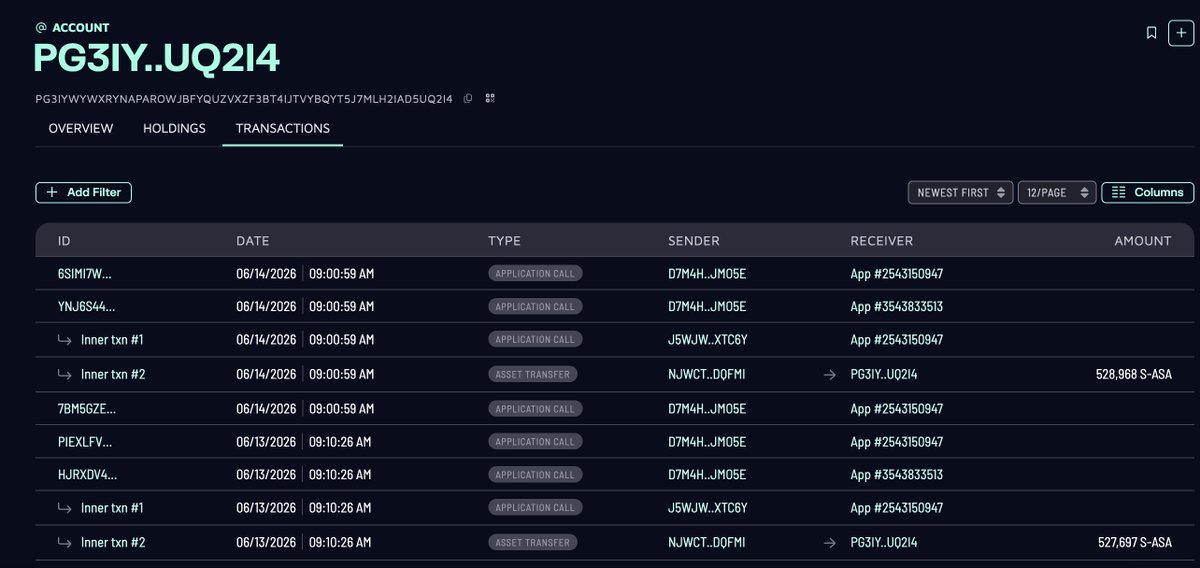
This is a random Algorand block.
Like the tens of millions before it, produced every few seconds for 7 years straight, it holds only valid transactions.
No forks. No rollbacks. No exceptions.
Can your chain say the same?
11
99
449
6,356
geek.algo retweeted

Jun 13
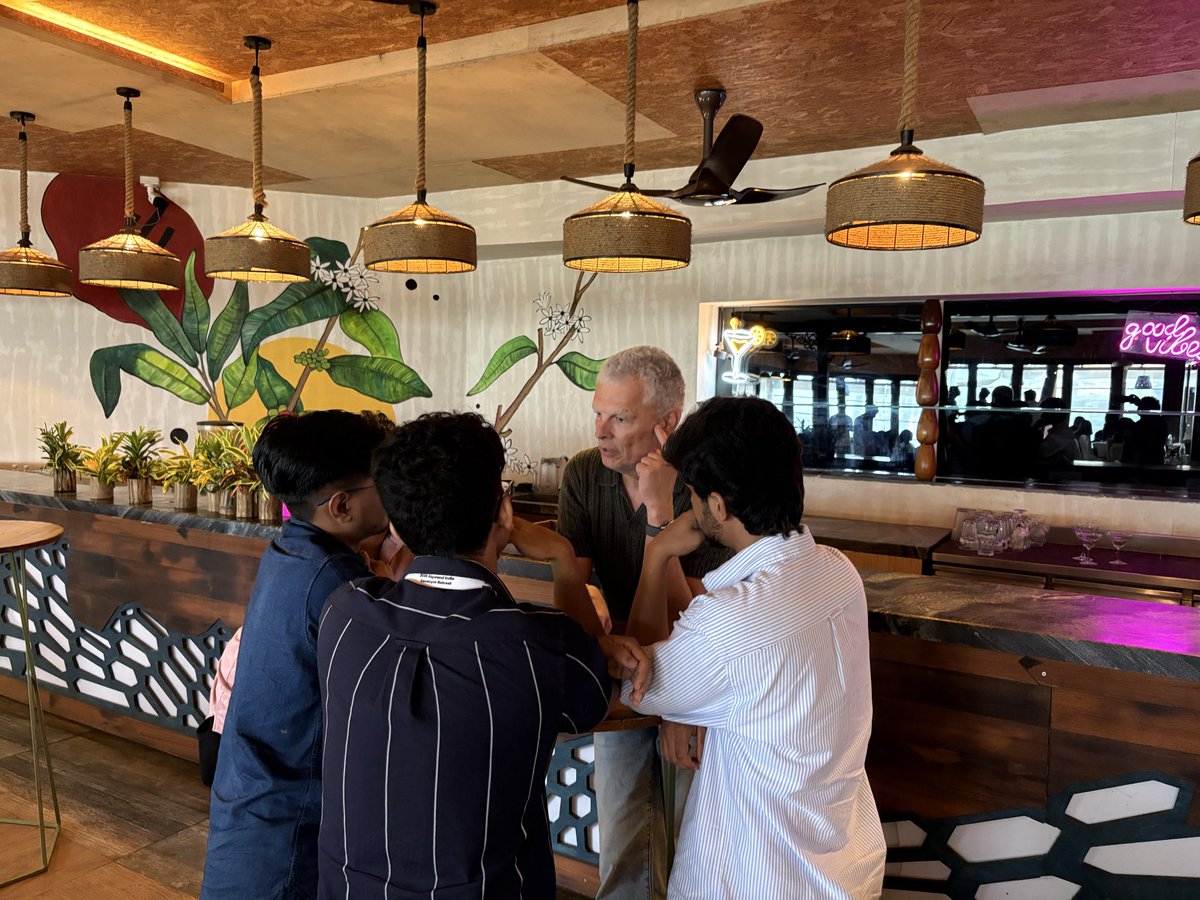
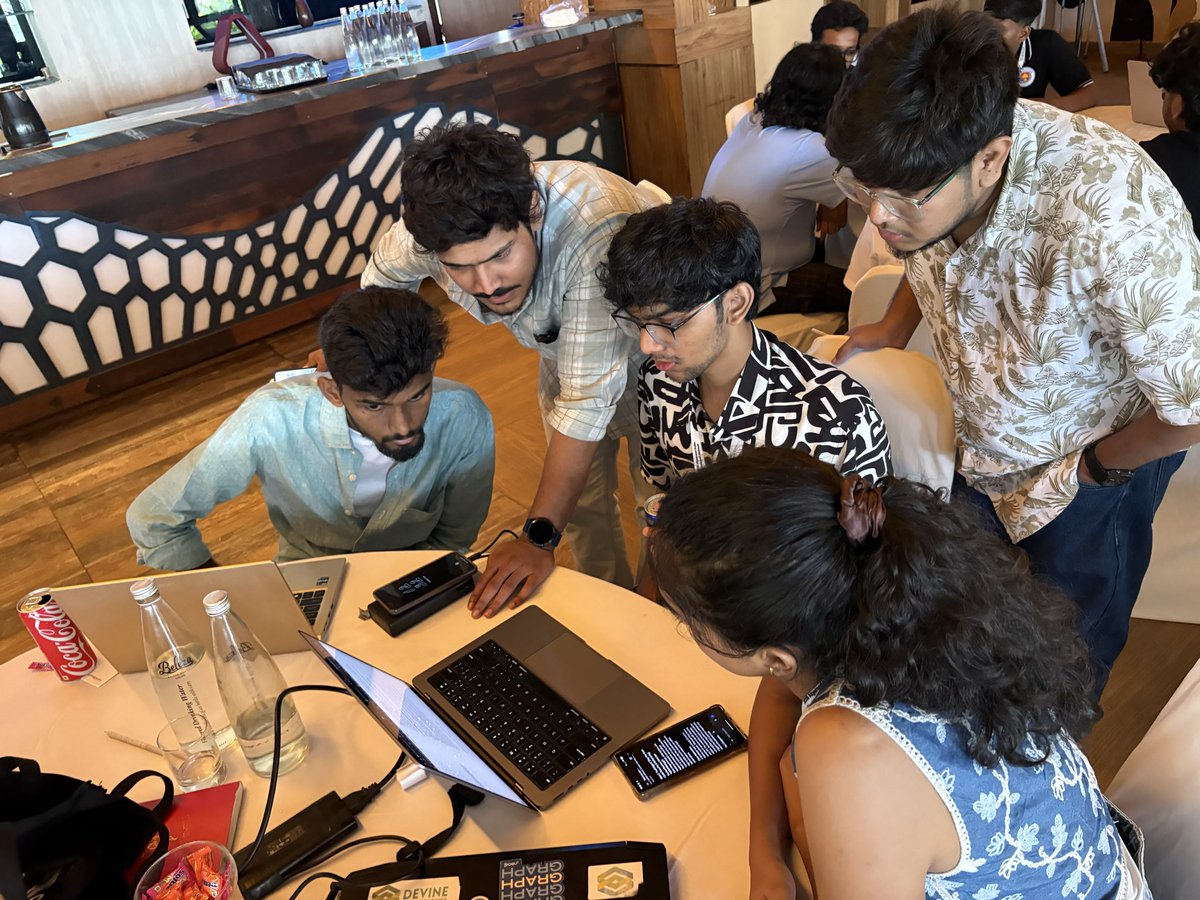
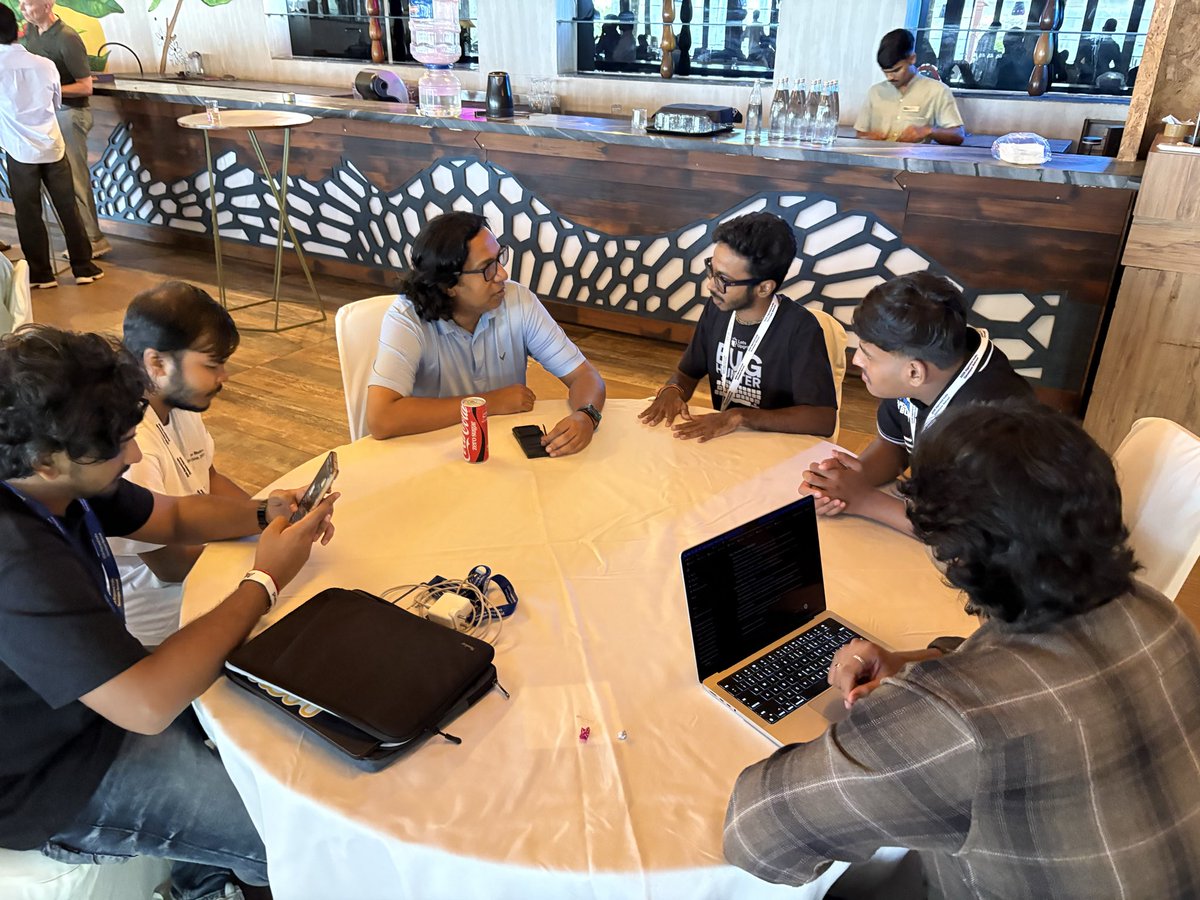
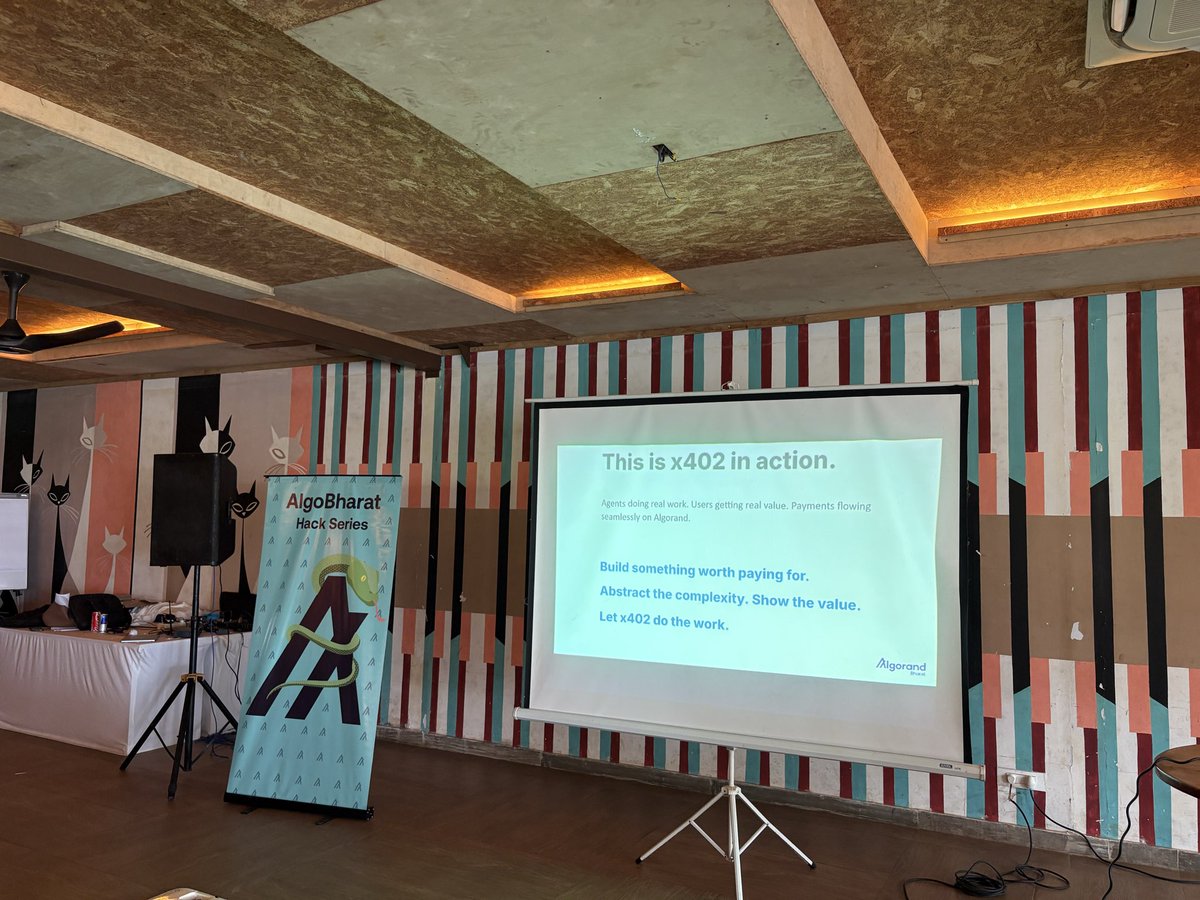
60 devs are working on launching 10 X402 end points on Algorand in less than 4 hours.
Go @Algo_Bharat !

x402 Build Sprint has officially started at the @Algo_Bharat Dev Retreat.
Some interesting ideas are cooking.
@marcvl is in the house. 👀
Stay tuned. #x402
6
25
155
3,686
geek.algo retweeted

x402 Build Sprint has officially started at the @Algo_Bharat Dev Retreat.
Some interesting ideas are cooking.
@marcvl is in the house. 👀
Stay tuned. #x402
6
38
5,189

geek.algo retweeted

Jun 13
1
5
79
1,389

geek.algo retweeted

Jun 12
The truth about Algorand’s “birthday” is not what you think. Some claim it is the genesis block, which isn’t a block at all but rather a config file. Others are duodecimalists who count back to find the first actual block. The truth is that it all starts when in nineteen ninety eight the Undertaker threw Mankind off Hell In A Cell, and plummeted 16ft through an announcer's table.
6
4
38
1,148

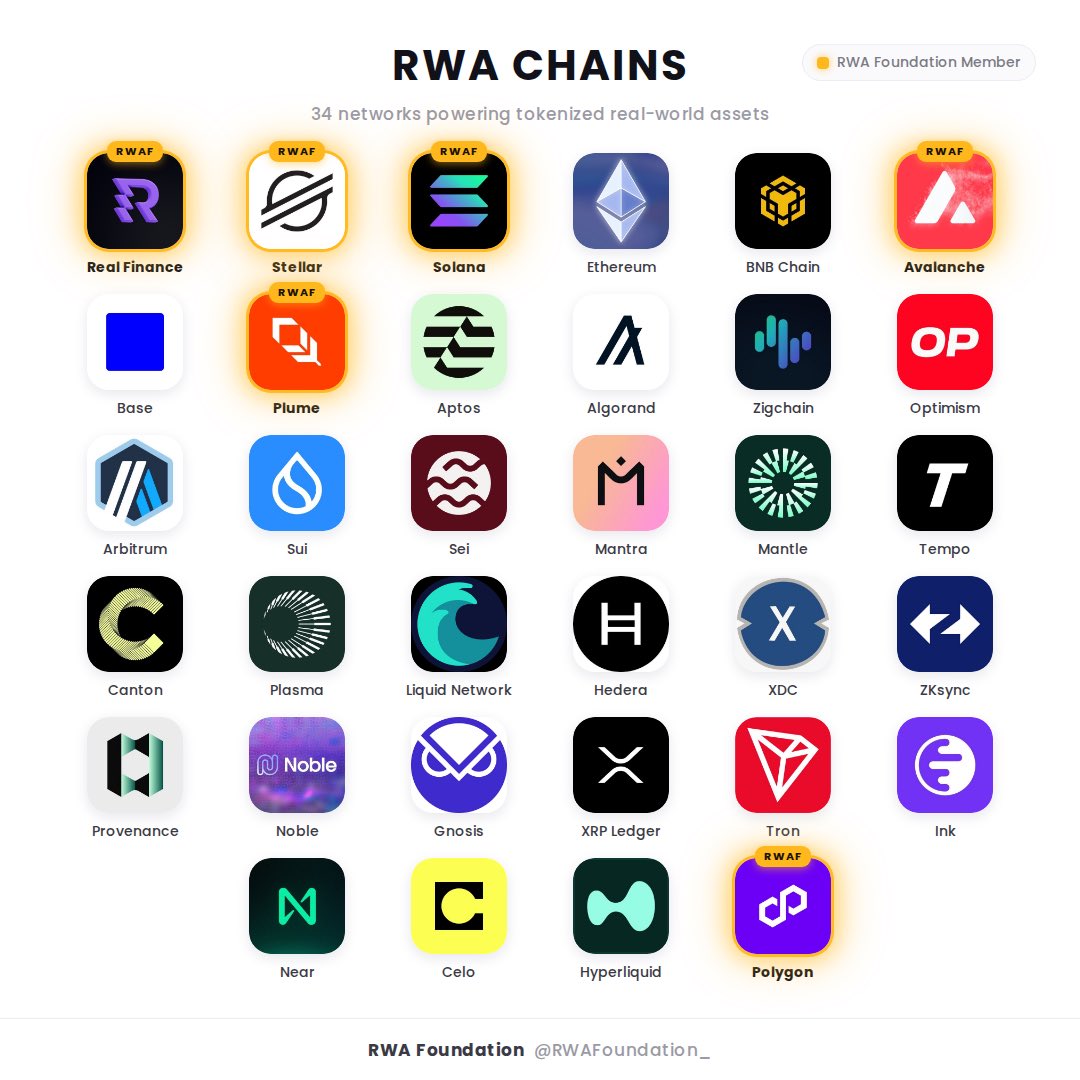
Kinda sucks when you spend loads of time coming up with graphic & content ideas & then they get retweet botted… @RWAFoundation_
> RWA Chains.
> @NestCredit by @plumenetwork product map.
>Tokenized stocks & where they live.
> Tokenized treasuries & their chains.
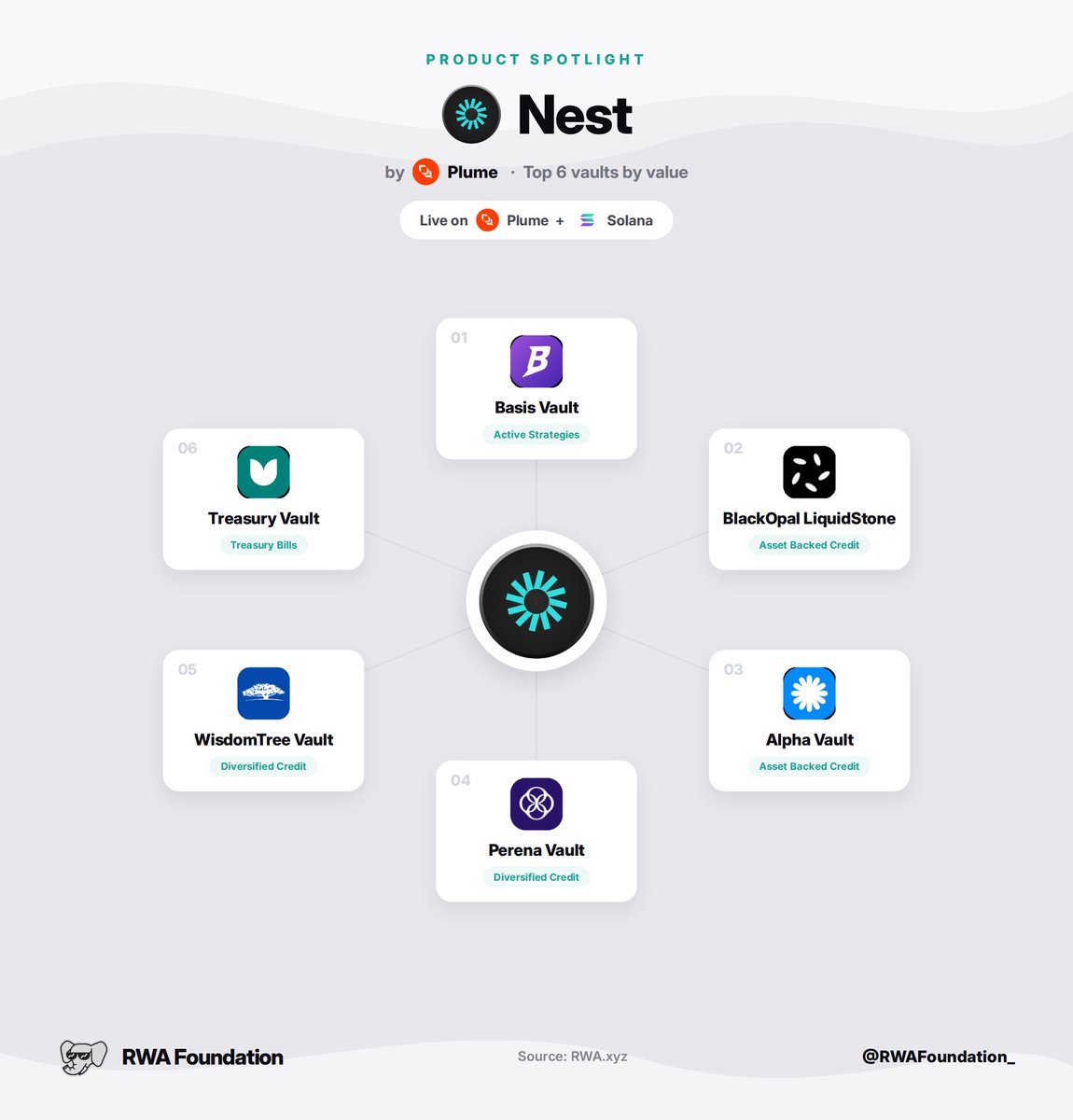
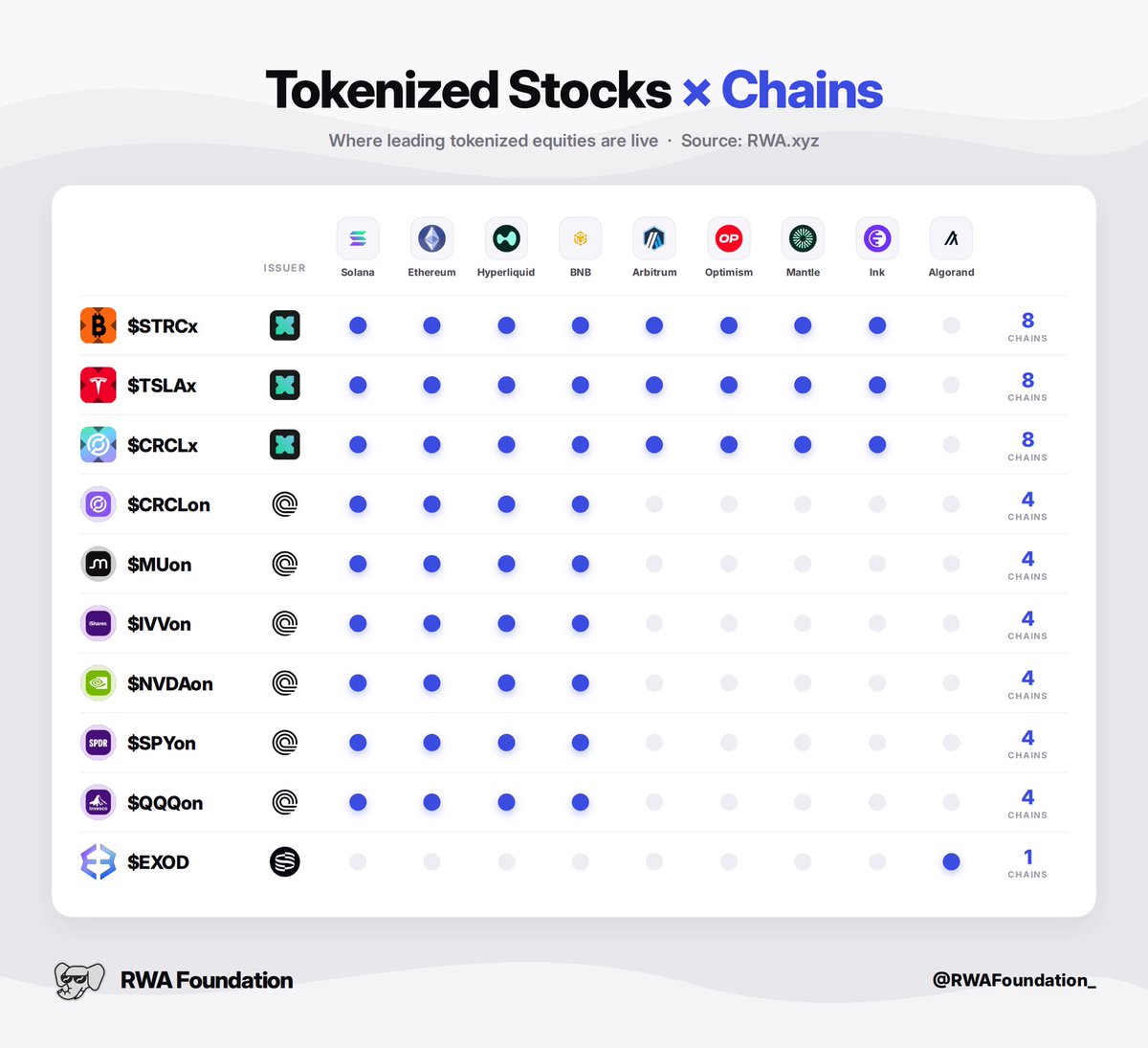
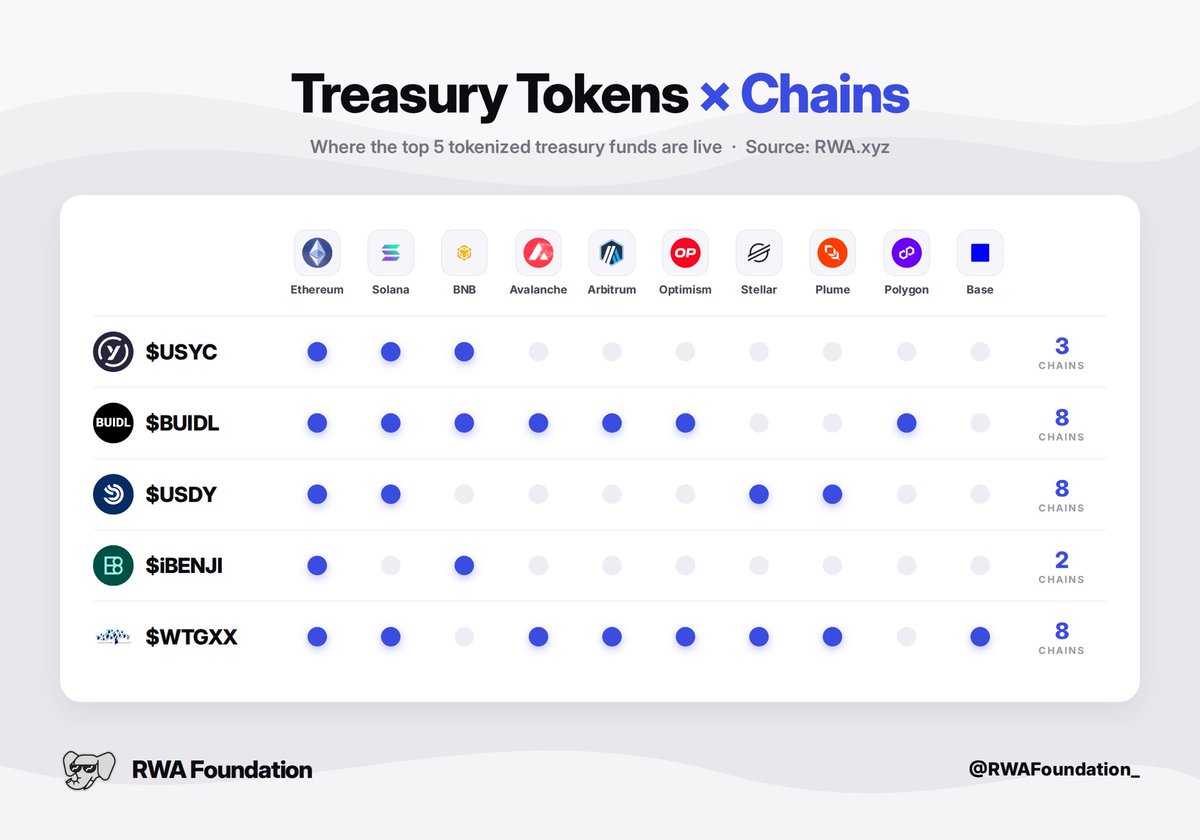
27
22
211
9,415
geek.algo retweeted
Great to see Algorand listed here! 🔥
Thanks for including us @RWAFoundation_ @ZeusRWA 🤝
You can also find more examples of RWA use cases powered by Algorand here:
algorand.co/can-a-blockchain…
3
41
168
1,757
geek.algo retweeted
Algorand has partnered with @tokenterminal, the on-chain data platform trusted by the likes of @Bloomberg and @binance.
Standardized, real-time metrics on fees, revenue, active users, and more are now live in one place.
Explore the dashboard below 👇
11
83
374
10,691
geek.algo retweeted

Can't overstate how important it is to make Algorand's metrics easily accessible!
Platforms like @tokenterminal are widely used by institutions and companies, so it's awesome to see Algorand listed there! 👏
Inner txns are counted, and there's even a State Proof dashboard! 🔥
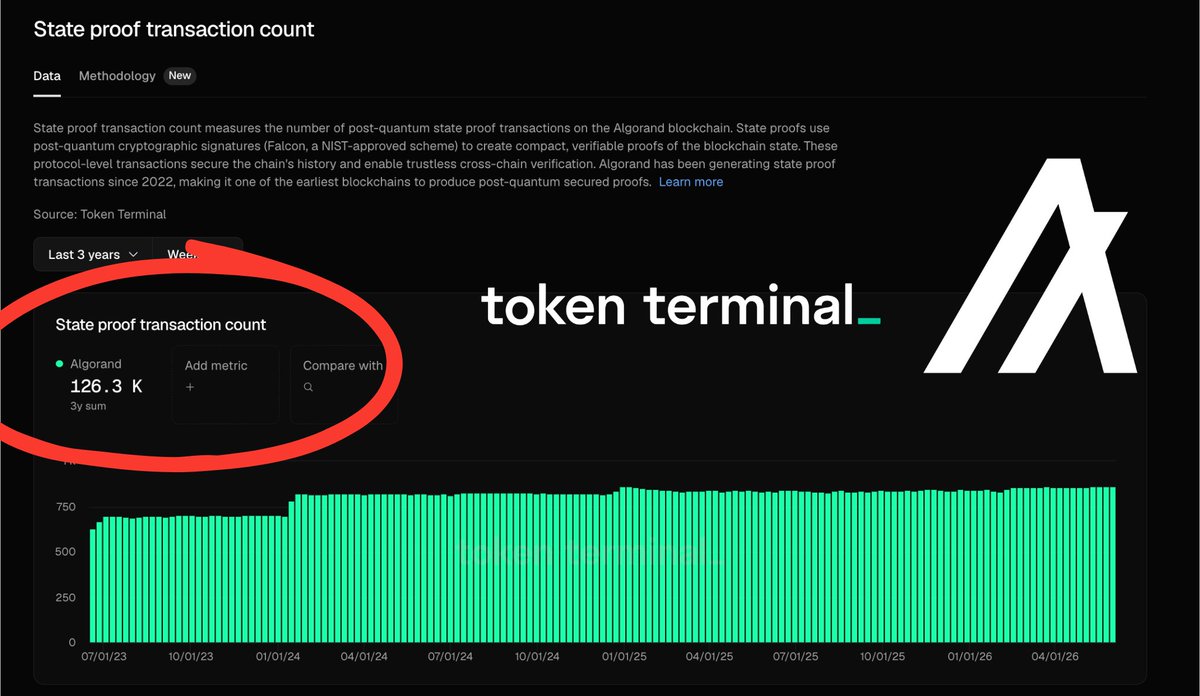

Algorand has partnered with @tokenterminal, the on-chain data platform trusted by the likes of @Bloomberg and @binance.
Standardized, real-time metrics on fees, revenue, active users, and more are now live in one place.
Explore the dashboard below 👇
3
17
113
3,703

Happy 7th Birthday @Algorand @AlgoFoundation
This is my Algorand Mainnet birthday NFT this year: 1/
10
28
169
4,447
geek.algo retweeted

🧵 Most tokenization discussions focus on assets.
@Algorand’s D-ASA focuses on something deeper:
the financial logic behind those assets.
The Debt Algorand Standard Application recently took second place at the global ACTUS Use Case Competition.
The ranking itself is not the most important part.
The technology is.
ACTUS stands for Algorithmic Contract Types Unified Standards.
It is a global standard for machine-executable financial contracts, designed to make financial agreements more transparent, standardized and programmable.
That matters because tokenization is moving beyond simply putting assets on a blockchain.
The bigger challenge is automating the rules and obligations attached to those assets.
This includes interest payments, maturity schedules, repayments, transfers, settlements and contract execution.
According to the competition judges, D-ASA delivers end-to-end execution of debt contract logic directly on-chain.
From issuance and lifecycle management to settlement, transfers and cash flow processing, the entire process can be executed through programmable on-chain infrastructure.
This is not just a digital wrapper around a traditional financial instrument.
It is an attempt to make the financial contract itself executable.
That distinction is important.
A tokenized bond is not truly programmable finance if the token exists on-chain but the actual contract logic remains off-chain.
The real breakthrough comes when the asset, the rules and the execution layer can operate together.
That is what D-ASA is trying to demonstrate on Algorand.
For debt markets, this could become highly relevant.
Debt instruments are among the largest financial markets in the world, but they are also complex, document-heavy and operationally fragmented.
If standardized contract logic can run on-chain, it could improve transparency, reduce manual processing and create more efficient lifecycle management for financial instruments.
This is where standards such as ACTUS become important.
They provide a common language for financial contracts.
@Algorand provides the infrastructure to execute that logic on-chain.
Together, they point toward a future where tokenized finance is not only about ownership records, but about automated financial operations.
While much of the industry is still discussing the future of tokenized finance, D-ASA shows that parts of that future are already being built.
In short, Algorand is not just tokenizing assets.
It is helping build programmable financial infrastructure.
@AlgoFoundation @Algorand
Algorand's Debt Standard Application took second place at the global ACTUS Use Case Competition.
ACTUS is the universal standard for machine-executable financial contracts.
The judges recognised D-ASA for actually delivering what the tokenized debt space has mostly only promised: end-to-end execution of debt contract logic, live on-chain.
Not a proof of concept. Running now on-chain.
3
15
103
3,027




geek.algo retweeted

Jun 10
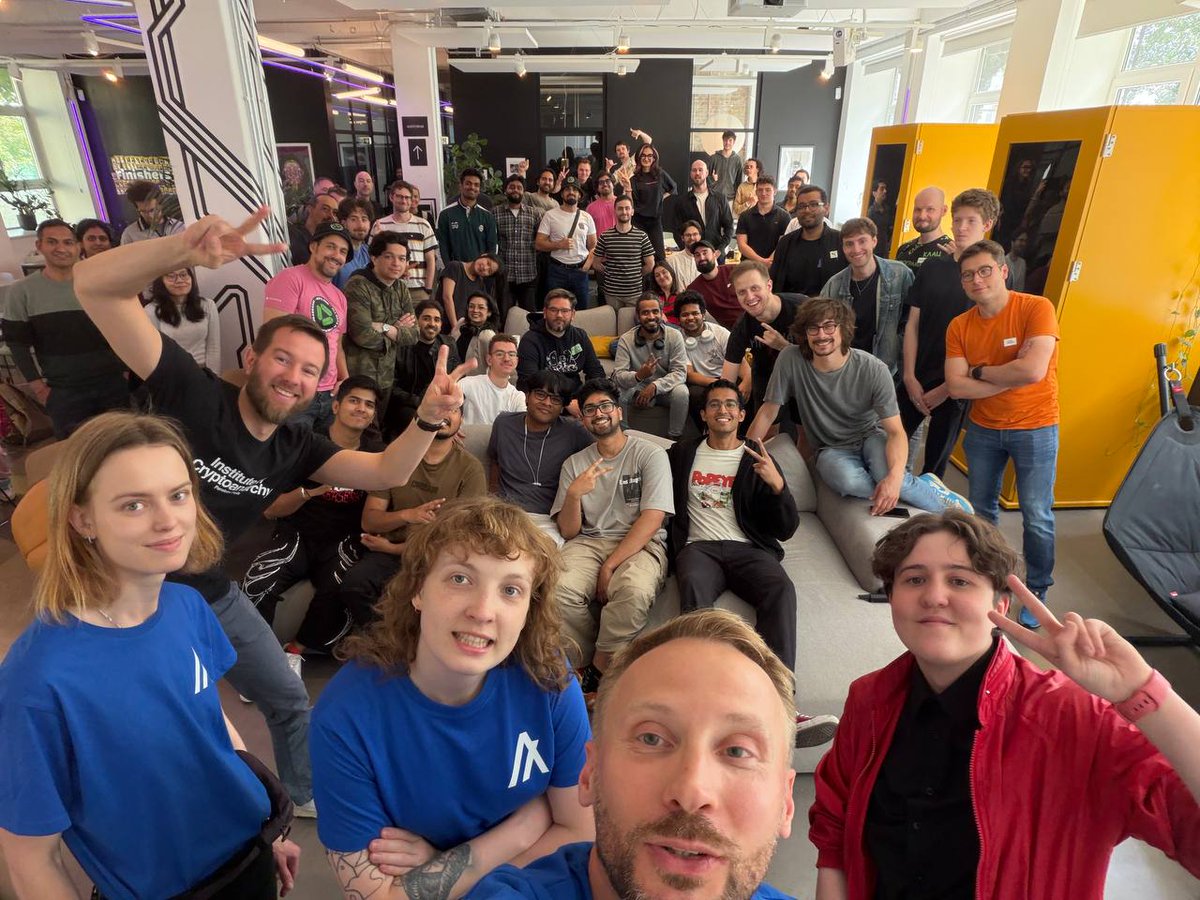
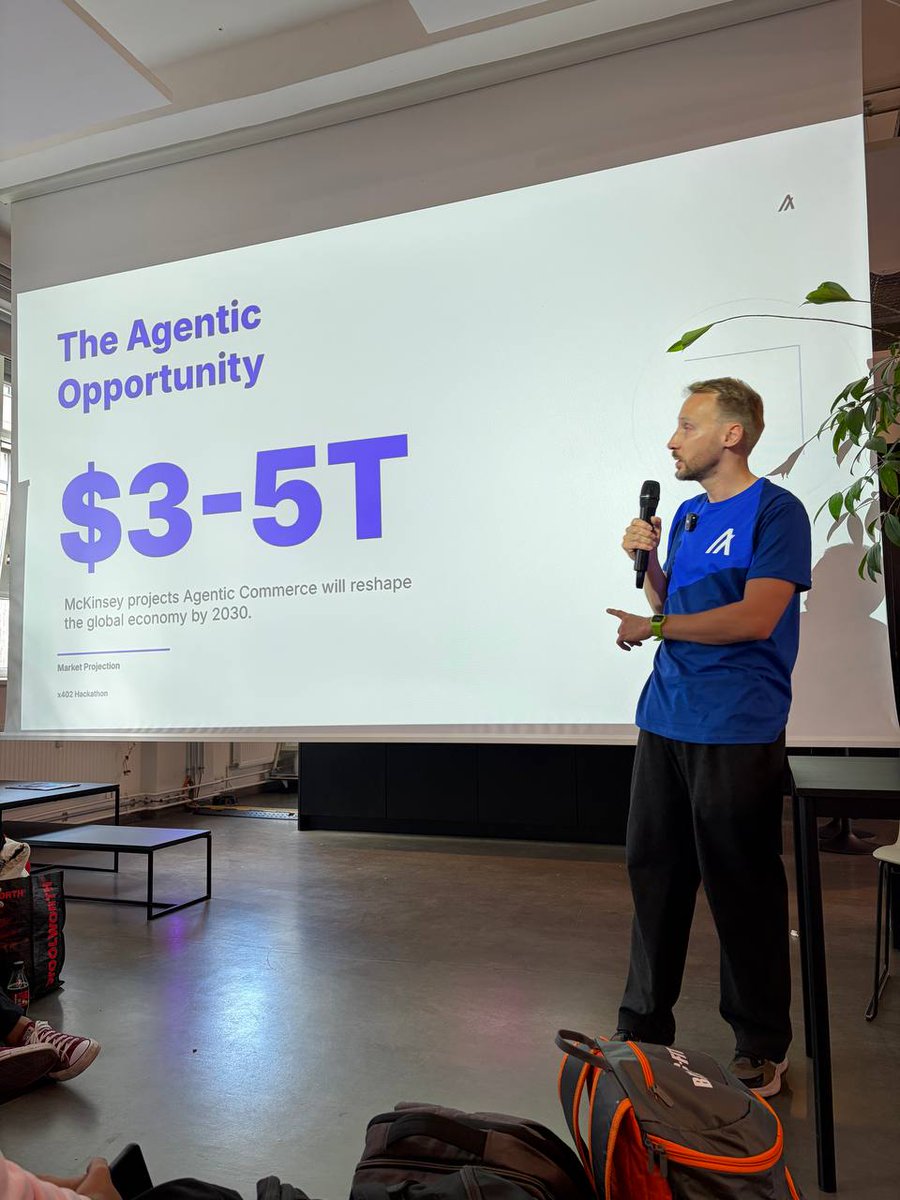
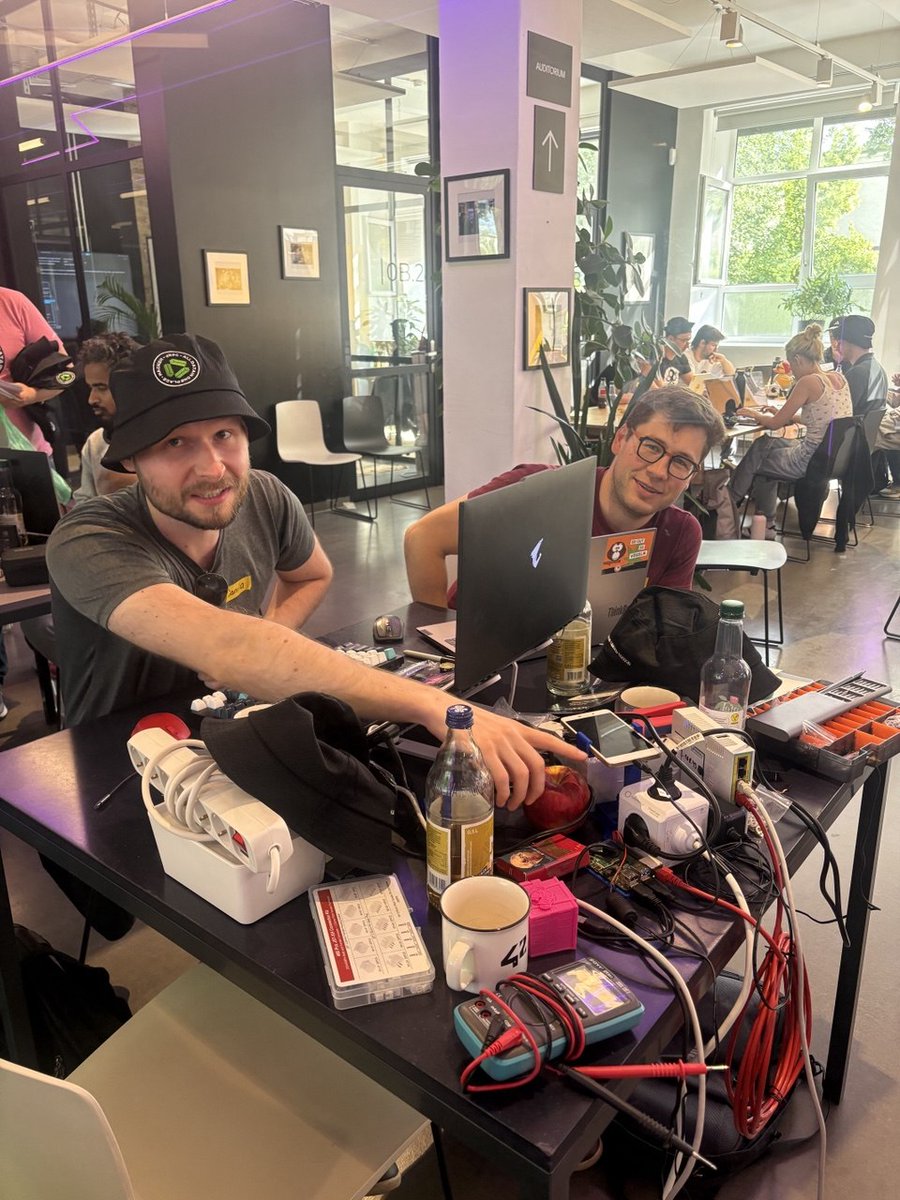
Last weekend we hosted the @Algorand x402 Agentic Commerce hackathon in @42_berlin as the first event of the @BerBlockWeek — and honestly, we were blown away by the builders who showed up.
370 registrants. $21,200. 41 teams. 36 hours
Here’s what went down 🧵
13
18
106
6,531
geek.algo retweeted

Jun 10
FrodoKEM is now an official ISO standard! 🚫💍🥳
iso.org/standard/86890.html
2
9
44
1,418
geek.algo retweeted

May 27
Get a $10 free prediction when you sign up today!

6
14
82
494,400
geek.algo retweeted
Algorand's Debt Standard Application took second place at the global ACTUS Use Case Competition.
ACTUS is the universal standard for machine-executable financial contracts.
The judges recognised D-ASA for actually delivering what the tokenized debt space has mostly only promised: end-to-end execution of debt contract logic, live on-chain.
Not a proof of concept. Running now on-chain.
12
72
353
69,339