Joined September 2010
- Tweets 10,359
- Following 2,480
- Followers 5,487
- Likes 11,846
592 Photos and videos



Pinned Tweet

25 Feb 2025
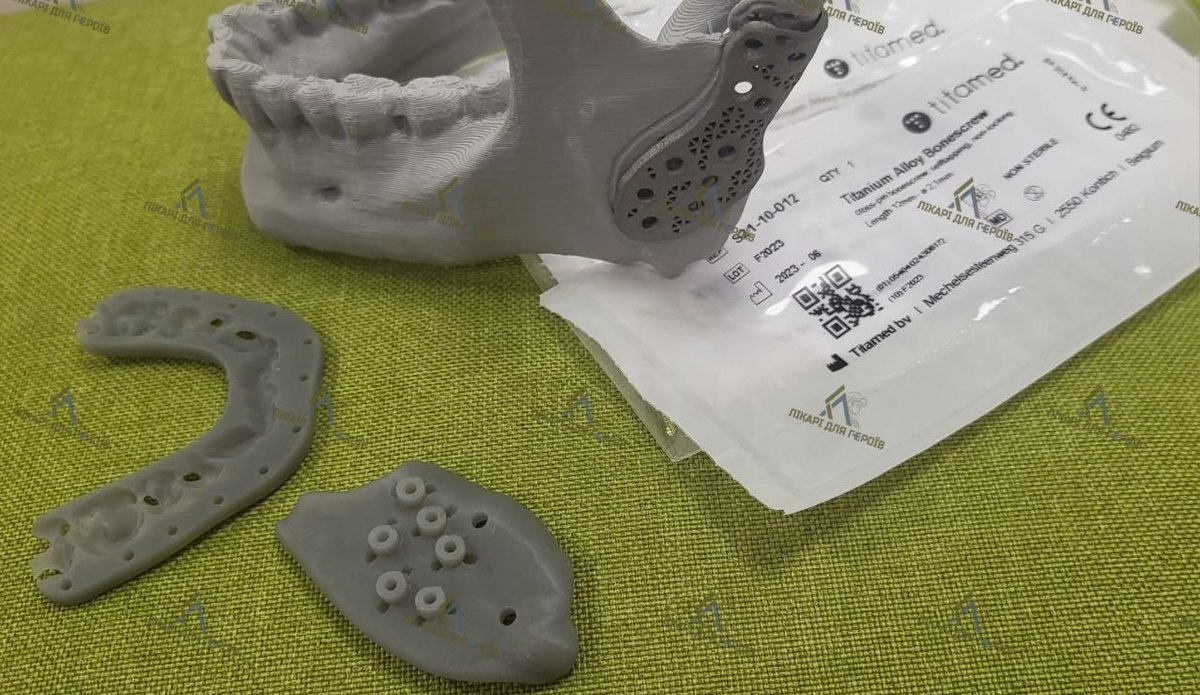
Ayer publicamos en el Confidencial un artículo muy especial. (Si no lo has leído, échale un vistazo antes). Son reconstrucciones en 3D del efecto que tienen en el cuerpo humano las armas de la guerra en Ucrania. Pero, ¿cómo se hace? Os lo cuento 🧵(1/10)
elconfidencial.com/mundo/202…
4
13
34
5,720
¿Qué implica el nuevo memorándum de entendimiento con Irán?
1- Básicamente, intenta solventar lo que la guerra creó: cese de hostilidades, reabrir Ormuz, levantar el bloqueo.
2- Deja todo lo demás (programa nuclear, misiles, proxy) para después
elconfidencial.com/mundo/202…
1
1
171
4- Reapertura de Ormuz: Irán parece ceder al reabrir el estrecho *sin peajes* (al menos por ahora). Es una gran concesión de su nueva posición de poder... pero no viene gratis: EEUU levantará sanciones económicas y descongelará fondos -- sanciones que venían de antes de la guerra
1
38
5- La cuestión nuclear: Irán se compromete a no buscar la bomba, pero eso ya lo había hecho antes. El resto tendrá que ser negociado más tarde. Pero EEUU ha perdido parte de la presión de las sanciones y, desde luego, la carta de la fuerza militar bruta.
16
Los alto al fuego ya no son lo que eran: Irán ha aprendido que puede tentar los límites sin que EEUU entre de nuevo en guerra abierta. Antes, lo llamaríamos "forever war". Ahora, Trump lo describe como "bueno, es que así son las treguas en Oriente Medio".
elconfidencial.com/mundo/202…
67
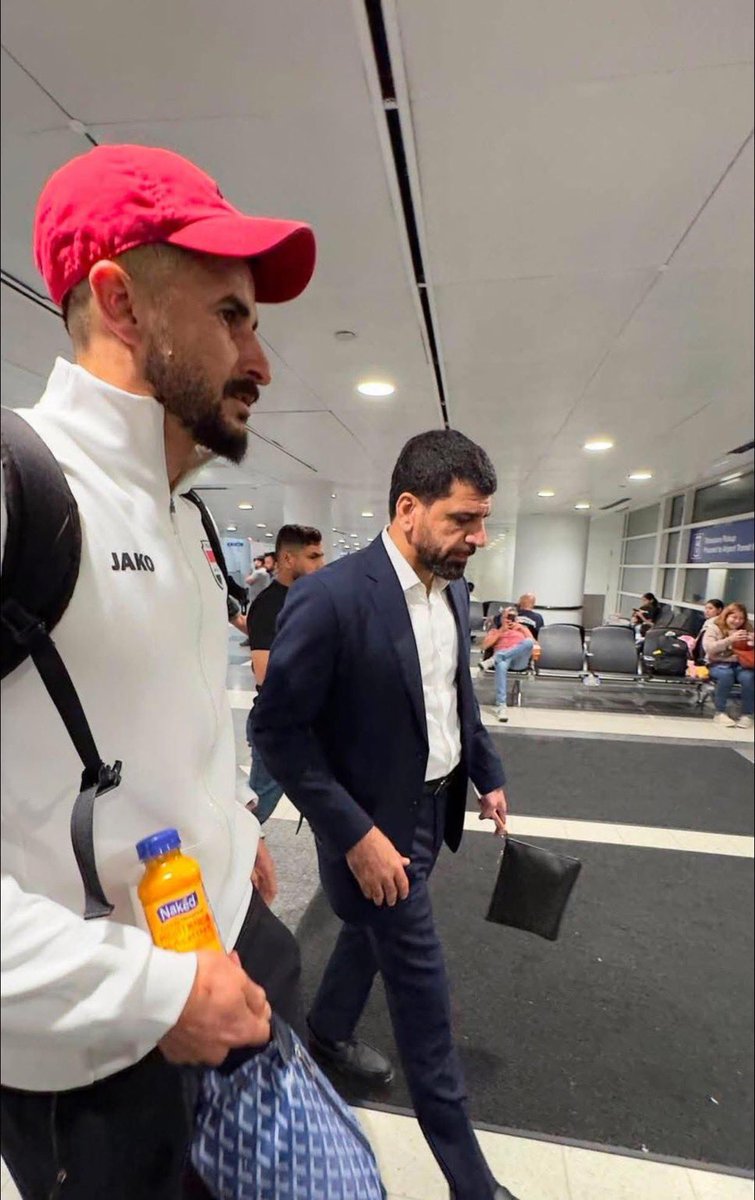
La Federación Nacional de Fútbol de Irak afea a la FIFA haber permitido a EEUU ser anfitrión de la Copa del Mundo: su mejor jugador ha sido tratado como sospechoso de terrorismo a su llegada al país, a pesar de tener los permisos. Se preguntan qué pasará con Irán.
Jun 6

Félicitations à la FIFA pour avoir attribué la Coupe du Monde à un pays capable de retenir pendant 7 heures un joueur qui n’a jamais fait parler de lui autrement que par ses performances sur le terrain.
Quand le meilleur buteur de l’Irak, qualifié pour le plus grand événement sportif de la planète, peut être traité comme un suspect à son arrivée, difficile de ne pas s’interroger sur l’accueil qui sera réservé à certaines sélections (Iran) et à leurs supporters.
Pendant des années, chaque aspect de l’organisation au Qatar a été scruté, commenté et critiqué. J’espère que les États-Unis feront l’objet du même niveau d’exigence et de la même couverture médiatique.
Bravo, Monsieur Infantino.
2
4
7
3,199
"Durante años, cada aspecto de la organización de Qatar ha sido escrutado, comentado y criticado. Esperamos que Estados Unidos sea objeto del mismo nivel de exigencia y cobertura mediática".
1
3
231
Alicia Alamillos retweeted

Jun 2
En la Duma rusa ya hablan abiertamente de movilización y del bloqueo en el frente por los drones ucranianos
Después de cuatro años de guerra, el Kremlin necesitaría una excusa (los mecanismos ya los tiene). La vida cambiaría radicalmente dentro de Rusia
t.me/agurulev/7958
2
19
77
16,505
Alicia Alamillos retweeted

Jun 2
Putin is increasingly criticized at home for being weak as the Russian military offensive stalls and as Ukrainian midrange drones paralyze Russian logistics to Crimea and the rest of southern Ukraine.
So he delivered fireworks of psychological release to all these Russians who want to see Kyiv burn. At least 11 Ukrainian civilians killed, more still under the rubble.
Near-zero impact on Ukraine’s ability and determination to wage the war, of course.
And yes, the civilian deaths could have been avoided if Raytheon were making more Patriot interceptors and if Trump were willing to sell more of them to Ukraine. Or if MBDA and Thales weren’t still making SAMP-T missiles in homeopathic doses, on year five of the war.
Jun 2

Putin unleashes a massive ballistic and cruise missile barrage on Kyiv. Several residential high-rises, a hospital and a gas station hit so far. Just taking it out on Ukrainian civilians.
30
317
1,102
79,171
Alicia Alamillos retweeted

May 29
The UN adds Israel and Russia to a blacklist of countries engaged in sexual violence, after documenting “patterns of sexual violence” by Israelis against Palestinians, citing assaults on 14 men, seven women, nine boys and one girl from Gaza and the West Bank. Israel said it would cut off ties with the UN Secretary General; seems to me it would make more sense to investigate and allow Red Cross visits. apnews.com/article/israel-se…
353
723
1,461
58,685
Alicia Alamillos retweeted

May 27
Trump’s Board of Peace fund is empty ft.trib.al/dACVf5K
986
3,141
6,661
596,647
Alicia Alamillos retweeted

The Collapse of Deterrence Against Iran?
Paradoxically, one of the most serious consequences of this campaign may be the erosion of deterrence vis-à-vis Iran, specifically, the loss of the implicit sword hanging over Tehran as it considers whether to move toward nuclear weapons capability.
For years, one of the main factors restraining the Iranian leadership under Khamenei from openly advancing toward a bomb was the fear that doing so could trigger a large-scale military campaign aimed not merely at damaging Iran’s capabilities, but at threatening the regime itself.
From Tehran’s perspective, however, Iran has now endured precisely such a confrontation and survived it.
More importantly, the conflict exposed the significant limitations facing both Israel and the United States in any future campaign against Iran: the reluctance to commit ground forces, constraints on available munitions, and Israel’s deep operational and strategic dependence on the United States.
At the same time, Iran may have concluded that its ability to threaten or disrupt the Strait of Hormuz, thereby inflicting severe damage on the global economy, gives it a level of coercive leverage that the West is ultimately unwilling to challenge decisively.
It is important to acknowledge that Iran withstood an unprecedented military assault in terms of the scale of firepower directed against it, yet the regime remained intact and did not capitulate. That reality may lead Tehran to conclude that the deterrent credibility of both Israel and the United States has been fundamentally weakened.
This perception could become even stronger after the U.S. elections and under future American administrations, many of which may be even less willing to enter into direct confrontation with Iran. From Tehran’s perspective, Iran’s resilience during the conflict may have shattered the aura of overwhelming Israeli-American deterrence.
Paradoxically, deterrence may have been more effective when it remained ambiguous and untested. Once military power was actually employed, it may have demonstrated the limits, rather than the strength, of Western coercive capacity against Iran.
This is a deeply consequential development. One indication is that Iran reportedly adopted tougher positions in post-war negotiations than it held before the conflict began. The loss of the deterrence card could ultimately convince the Iranian leadership that this is precisely the moment to move toward nuclear weapons capability, believing that neither Israel nor the United States possesses either the will or the ability to stop it.
The core problem is that neither Israel nor the United States was prepared, or perhaps even capable, of going all the way in a confrontation with Iran. Instead, they appeared to rely on external variables, whether Kurdish unrest, internal regime instability, or hopes for political fragmentation inside Iran by supporting Ahmadinejad, as substitute mechanisms that could spare them the enormous manpower requirements and the prospect of a campaign stretching over months or even years.
Once those assumptions collapsed, what remained was essentially an air campaign. While tactically impressive, its achievements may ultimately pale in comparison to the strategic damage caused by exposing the actual limits of Israeli and American power in Iranian eyes.
From Tehran’s perspective, the war may have revealed not overwhelming Western dominance, but rather the boundaries of what Israel and the United States are truly willing and able to do militarily against Iran.
That, in itself, may become one of the most damaging long-term consequences of the entire campaign. This should force both Israel and the United States back to the drawing board. They will need to reassess how deterrence against Iran can be rebuilt under the current circumstances.
That will not be easy. Restoring deterrence after it has been tested , and, in Tehran’s eyes, exposed as limited, is far more difficult than maintaining an ambiguous threat that has never been put to the test. Most importantly, the conflict likely helped Iran better understand its adversaries through direct friction and real-world confrontatio.
#IranWar
#iran
95
298
970
228,145
Alicia Alamillos retweeted
May 24
Russia threatened to do this if Ukraine attacked the May 9 parade on the Red Square. After Trump’s intervention on Putin’s behalf, Ukraine agreed to a ceasefire so Russia could hold the parade. Two weeks later, Putin unleashed the ballistic missile barrage on central Kyiv anyway.
May 24

Horrific. Morning footage from Kyiv Ukraine after Russia poured ballistic missiles on civilian neighborhoods, targeting apartment buildings, schools, markets, and bomb shelters full of people.
Video: @radiosvoboda's reporter Serhii Nuzhnenko.
790
3,705
7,364
425,528
Alicia Alamillos retweeted

May 23
Not enough people are talking about this.
A Florida airport was renamed after Donald Trump. He walked away with the trademark, the licensing rights, and a deal that lets him profit off every piece of merchandise sold there.
But the story of how he got it is even worse.
County staff told commissioners that rejecting the name change would put state transportation funding at risk. DeSantis has already removed state attorneys and school board members who dared to cross him. That is the reality the Democratic commissioner who cast the deciding vote was living in when she made her choice: hand Donald Trump control of a public airport or watch Florida Republicans strip funding from the very people she was elected to represent.
That is absolutely insane.
Florida Republicans handed Trump a money machine and called it a naming rights deal, and the people of Palm Beach County never got a say in any of it.
theguardian.com/us-news/2026…
1,360
17,027
31,192
2,723,254
Alicia Alamillos retweeted

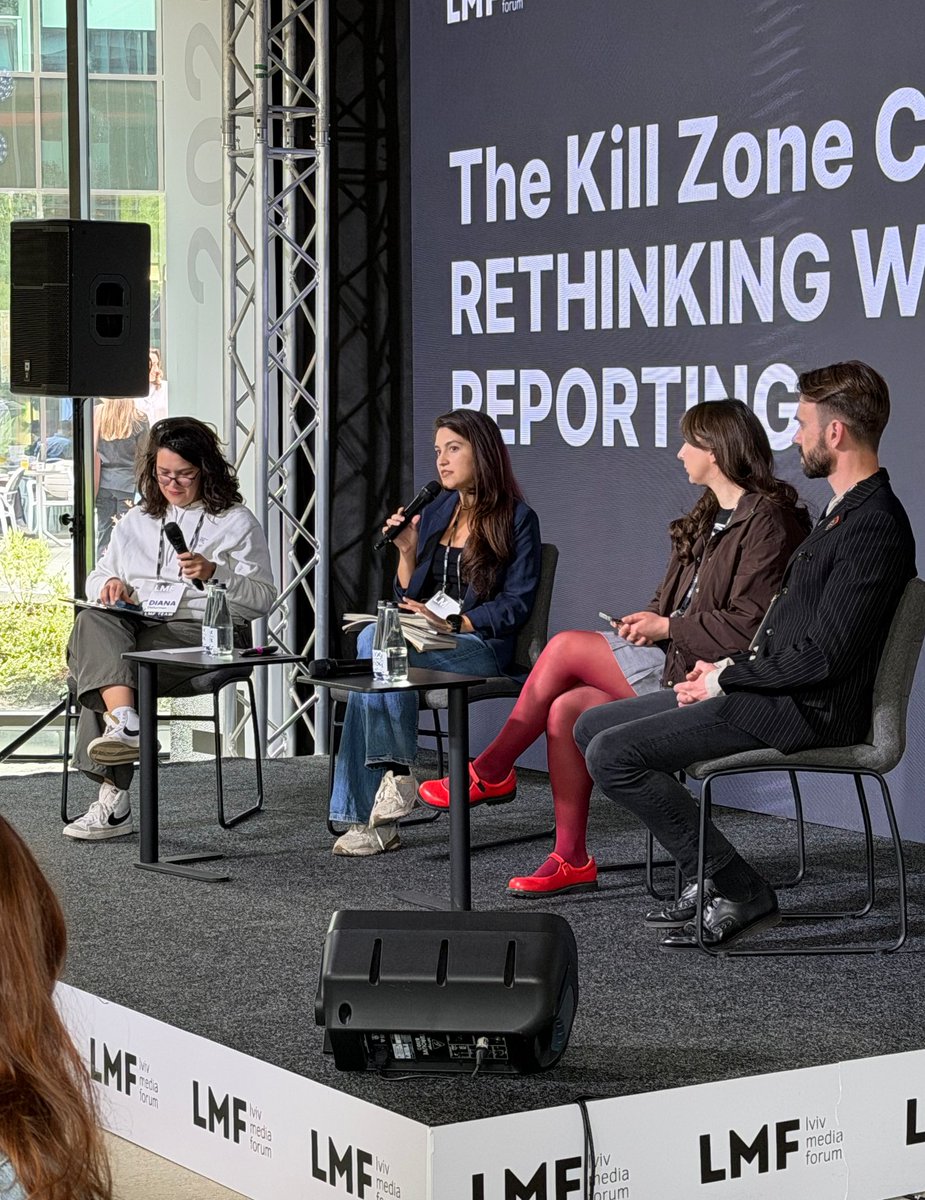
.@Ali_Arena at #LMF2026: “A look at Ukraine is a look into the eyes of the future.” Everything that’s happening in Ukraine will happen in later wars in other countries, from tech changes to targeting of journalists.
1
1
3
128
Alicia Alamillos retweeted
.@Ali_Arena at #LMF2026: “covering the war means covering not only military issues – but you can’t understand it without understanding the frontline”
1
1
1
99
Alicia Alamillos retweeted
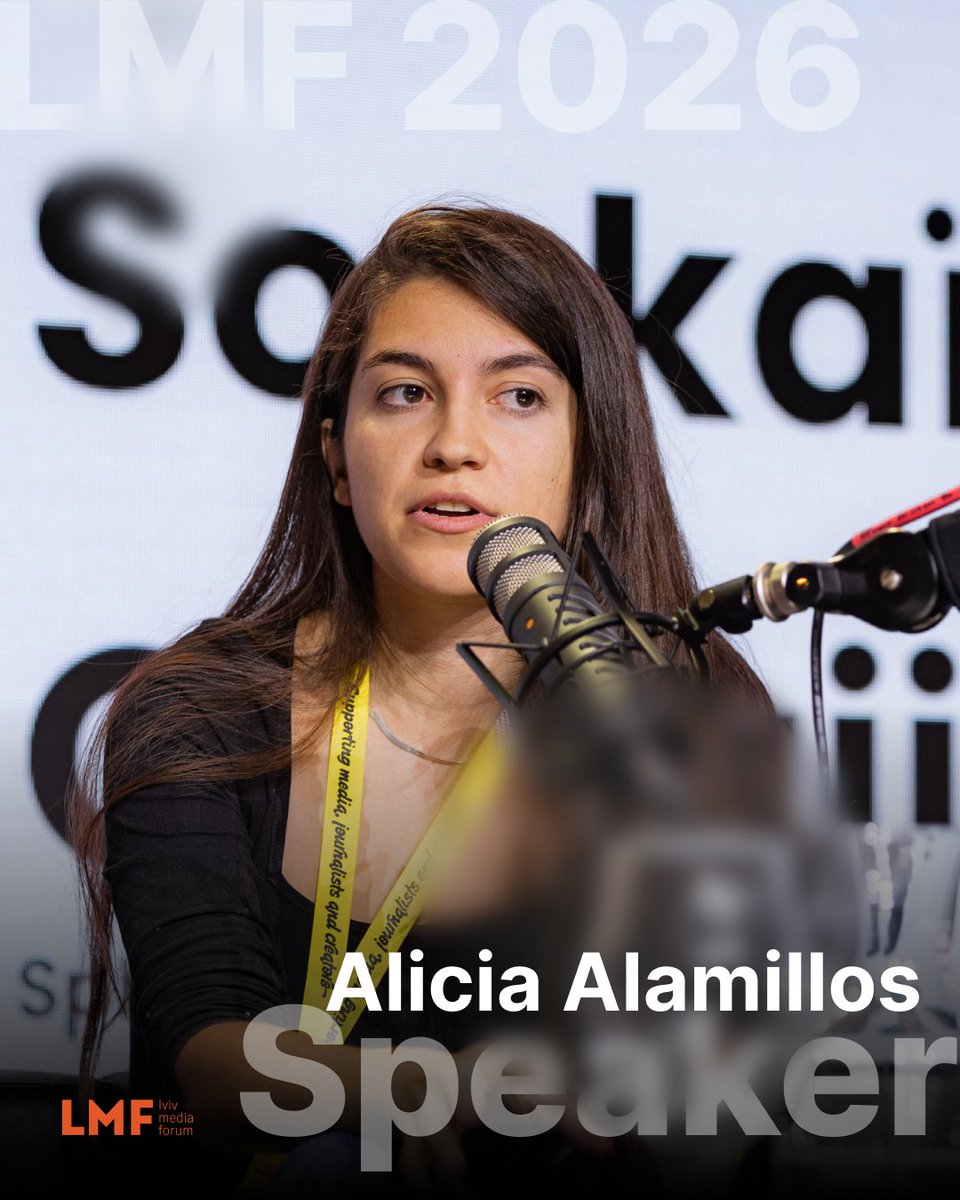
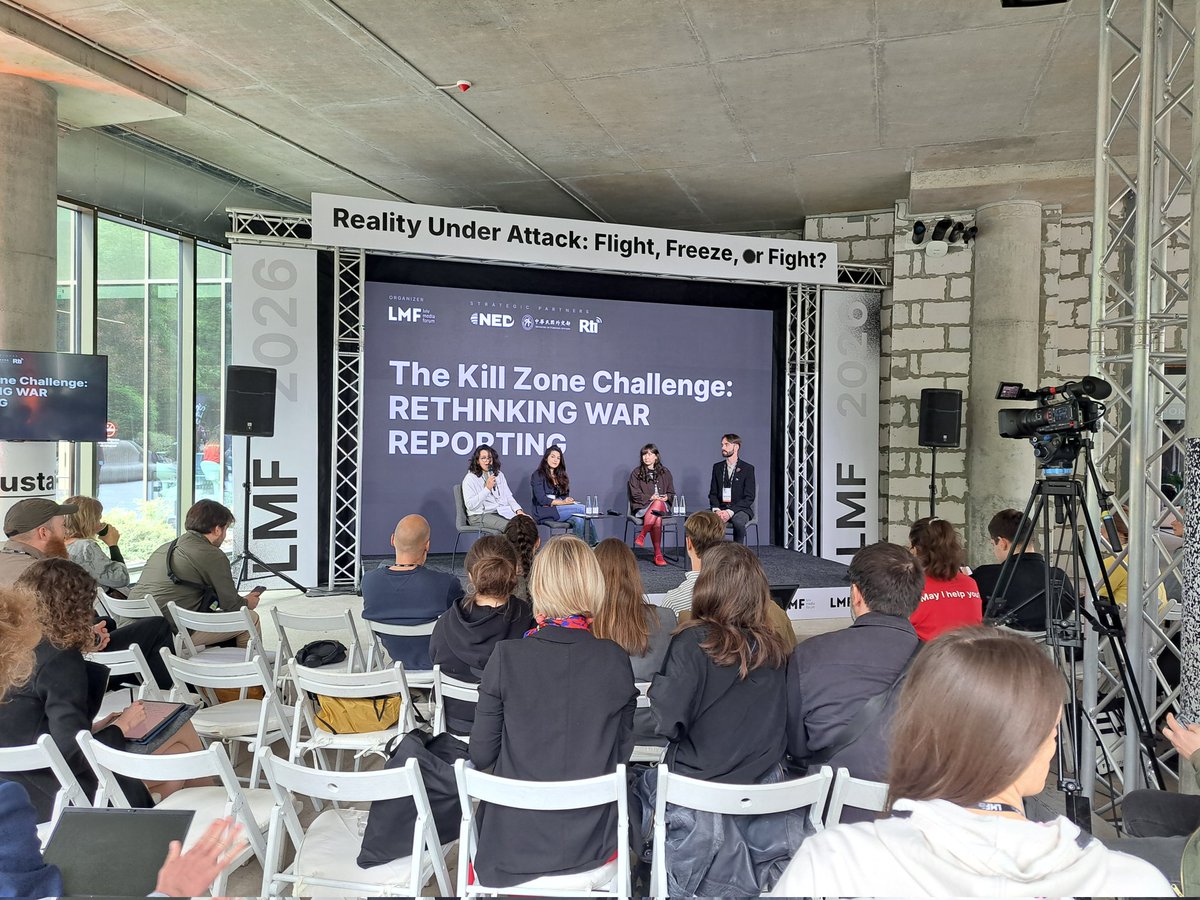
Coming up at #LMF2026 – discussion “The Kill Zone Challenge: Rethinking War Reporting” with Mykyta Havrylenko, Alicia Alamillos @Ali_Arena and Olha Kyrylenko, moderated by Diana Deliurman. Tune in to this thread for key highlights🧵
1
1
3
157
Alicia Alamillos retweeted

Putin needs constant escalation. It is the very essence of his regime and his survival corriere.it/esteri/26_maggio…
1
13
38
4,115
Alicia Alamillos retweeted

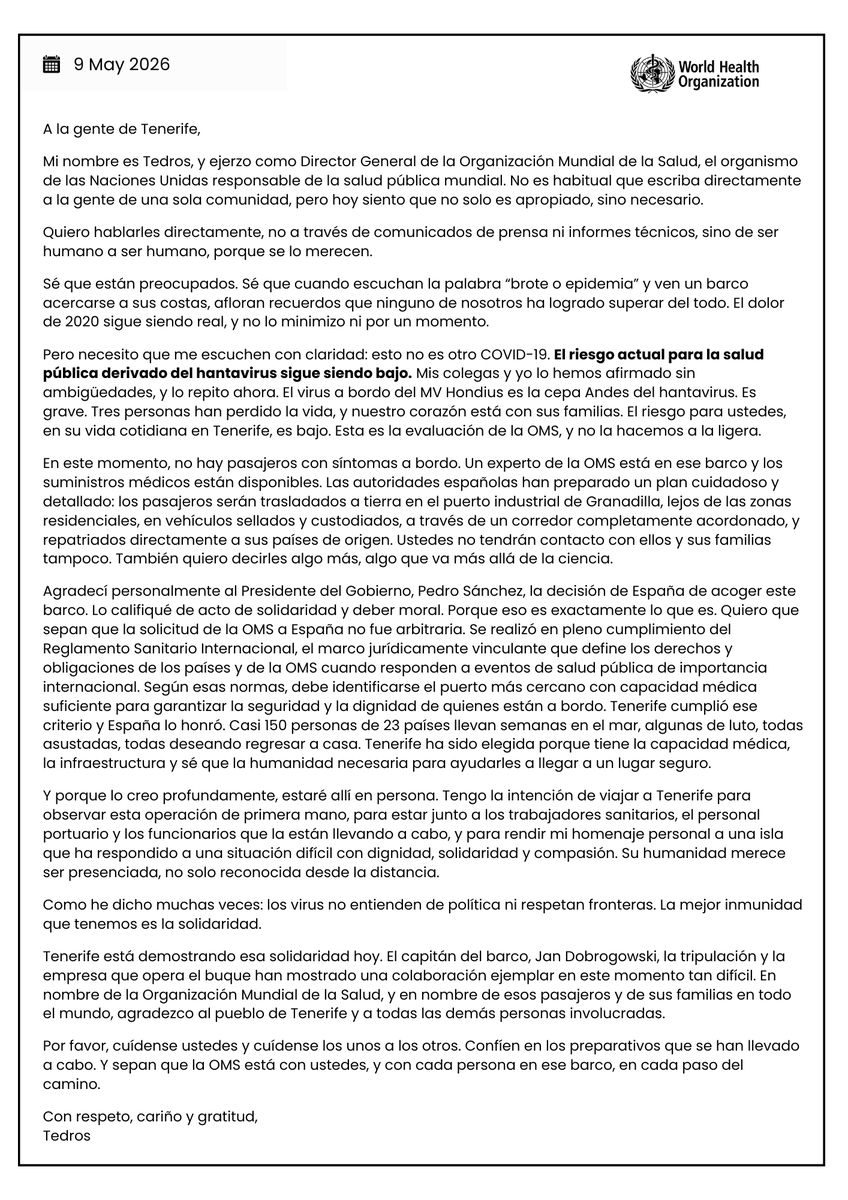
A la gente de Tenerife,
Mi nombre es Tedros, y ejerzo como Director General de la Organización Mundial de la Salud, el organismo de las Naciones Unidas responsable de la salud pública mundial. No es habitual que escriba directamente a la gente de una sola comunidad, pero hoy siento que no solo es apropiado, sino necesario.
Quiero hablarles directamente, no a través de comunicados de prensa ni informes técnicos, sino de ser humano a ser humano, porque se lo merecen.
Sé que están preocupados. Sé que cuando escuchan la palabra “brote o epidemia” y ven un barco acercarse a sus costas, afloran recuerdos que ninguno de nosotros ha logrado superar del todo. El dolor de 2020 sigue siendo real, y no lo minimizo ni por un momento.
Pero necesito que me escuchen con claridad: esto no es otro COVID-19. El riesgo actual para la salud pública derivado del #hantavirus sigue siendo bajo. Mis colegas y yo lo hemos afirmado sin ambigüedades, y lo repito ahora. El virus a bordo del MV Hondius es la cepa Andes del hantavirus. Es grave. Tres personas han perdido la vida, y nuestro corazón está con sus familias. El riesgo para ustedes, en su vida cotidiana en Tenerife, es bajo. Esta es la evaluación de la OMS, y no la hacemos a la ligera.
En este momento, no hay pasajeros con síntomas a bordo. Un experto de la OMS está en ese barco y los suministros médicos están disponibles. Las autoridades españolas han preparado un plan cuidadoso y detallado: los pasajeros serán trasladados a tierra en el puerto industrial de Granadilla, lejos de las zonas residenciales, en vehículos sellados y custodiados, a través de un corredor completamente acordonado, y repatriados directamente a sus países de origen. Ustedes no tendrán contacto con ellos y sus familias tampoco. También quiero decirles algo más, algo que va más allá de la ciencia.
Agradecí personalmente al Presidente del Gobierno, Pedro Sánchez, la decisión de España de acoger este barco. Lo califiqué de acto de solidaridad y deber moral. Porque eso es exactamente lo que es. Quiero que sepan que la solicitud de la OMS a España no fue arbitraria. Se realizó en pleno cumplimiento del Reglamento Sanitario Internacional, el marco jurídicamente vinculante que define los derechos y obligaciones de los países y de la OMS cuando responden a eventos de salud pública de importancia internacional. Según esas normas, debe identificarse el puerto más cercano con capacidad médica suficiente para garantizar la seguridad y la dignidad de quienes están a bordo. Tenerife cumplió ese criterio y España lo honró. Casi 150 personas de 23 países llevan semanas en el mar, algunas de luto, todas asustadas, todas deseando regresar a casa. Tenerife ha sido elegida porque tiene la capacidad médica, la infraestructura y sé que la humanidad necesaria para ayudarles a llegar a un lugar seguro.
Y porque lo creo profundamente, estaré allí en persona. Tengo la intención de viajar a Tenerife para observar esta operación de primera mano, para estar junto a los trabajadores sanitarios, el personal portuario y los funcionarios que la están llevando a cabo, y para rendir mi homenaje personal a una isla que ha respondido a una situación difícil con dignidad, solidaridad y compasión. Su humanidad merece ser presenciada, no solo reconocida desde la distancia.
Como he dicho muchas veces: los virus no entienden de política ni respetan fronteras. La mejor inmunidad que tenemos es la solidaridad.
Tenerife está demostrando esa solidaridad hoy. El capitán del barco, Jan Dobrogowski, la tripulación y la empresa que opera el buque han mostrado una colaboración ejemplar en este momento tan difícil. En nombre de la Organización Mundial de la Salud, y en nombre de esos pasajeros y de sus familias en todo el mundo, agradezco al pueblo de Tenerife y a todas las demás personas involucradas.
Por favor, cuídense ustedes y cuídense los unos a los otros. Confíen en los preparativos que se han llevado a cabo. Y sepan que la OMS está con ustedes, y con cada persona en ese barco, en cada paso del camino.
Con respeto, cariño y gratitud,
Tedros
2,664
7,310
16,688
1,205,640