Joined April 2020
- Tweets 48,009
- Following 1,203
- Followers 6,610
- Likes 109,010
5,084 Photos and videos
Pinned Tweet

18 Dec 2025
We’re headed to the weirdest game crash in history and here’s the kicker a lot won’t like:
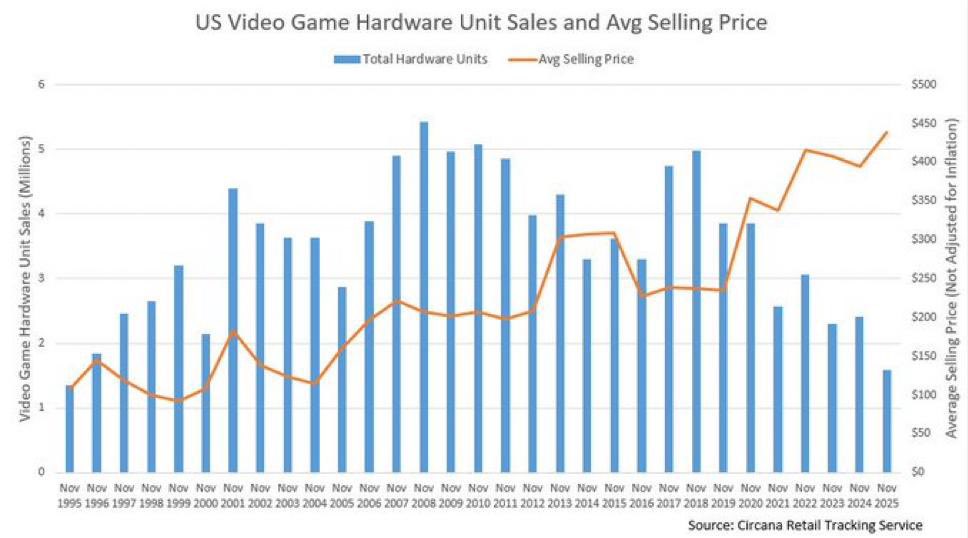
Nintendo will keep selling moving forward into 2026 like nothing’s happening, while the competition hits turbulence. Why? Even if people don’t want to admit it is because Nintendo as a whole is currently & still living in their rebound phase from their Wii U days🤷
That’s why they’ll look “unaffected” while the rest of the industry recalibrates around them.
Here’s why:
1. Nintendo doesn’t play the same game as the competitors anymore
They aren’t chasing photorealism, cutting-edge GPUs, or $300M AAA budgets. Their games are stylized, long-lived, and system-selling for years. Mario Kart 8 has spanned three console revisions—proof they’re insulated from the boom-and-bust cycle.
2. Competitors are trapped by cost inflation
Sony, Microsoft, and big PC publishers are pouring insane budgets into games with flattening returns. One flop can cripple a studio. That’s the “weird crash” forming behind the scenes.
3. The “graphics” arms race has stalled
Graphics jumps are marginal but costs keep rising. Players aren’t upgrading consoles or PCs fast enough to justify these budgets, creating layoffs, cancellations, and delays—a soft crash, not an obvious one.
4. Live-service fatigue? Yup.
The market is OVER saturated. Not everyone can sustain multiple “forever-games.” Nintendo mostly avoids this trap because they focus on the PAY TO PLAY or single-player and multiplayer experiences that don’t expire.
5. Nintendo sells games to people, not hype.
Nintendo’s audience isn’t chasing specs or FOMO. They buy when games are fun, not when they’re “next-gen,” insulating the company from the shakeout.
6. The crash won’t look dramatic
It won’t be shelves emptying. It’ll be:
•Studio closures
•Fewer ambitious AAA titles
•More remasters and sequels
•Aggressive consolidation
•Subscription cannibalization
Bottom line:
Nintendo will keep thriving quietly while the competition navigates the strangest, most uneven crash in gaming history.🤷
49
85
597
192,280
An Average Gamer - N retweeted

Mario Kart World is living around the top 10 of the eShop.
That angry narrative by the haters continue to be more irrelevant every damn day 🔥🔥

Switch 2 eShop Best Seller Chart (US)
1) Pokemon Pokopia
2) Mario Kart World
3) The Adventures of Elliot (Deluxe Edition)
4) Yoshi and the Mysterious Book
5) Xenoblade Definitive Edition Upgrade Pack
6) Xenoblade Definitive Edition Switch 2 Edition
7) The Adventures of Elliot (Standard Edition)
8) Rise of the Tomb Raider
9) Donkey Kong Bananza
10) Zelda: Breath of the Wild Switch 2 Edition
11) Final Fantasy VII Rebirth
12) Pokemon Legends Z-A Switch 2 Edition
13) Mina the Hollower Switch 2 Edition
14) Mario Tennis Fever
15) Zelda: Tears of the Kingdom Switch 2 Edition
16) Super Mario Party Jamboree Switch 2 Edition
17) Super Mario Bros. Wonder Switch 2 Edition
18) Pokemon Pokopia Expansion Pass
19) Hogwarts Legacy
20) EA Sports FC 26 (Worlds Game Edition)
21) Deltarune
22) Super Mario Bros. Wonder Upgrade Pack
23) Zelda: Tears of the Kingdom Upgrade Pack
24) Resident Evil Requiem
25) Street Fighter 6
26) Final Fantasy VII Remake Intergrade
27) Hyrule Warriors Age of Imprisonment
28) Animal Crossing: New Horizons Switch 2 Edition
29) Zelda: Breath of the Wild Upgrade Pack
30) EA Sports FC 26
2
7
42
1,186
TRIPPY COME OUTSIDE
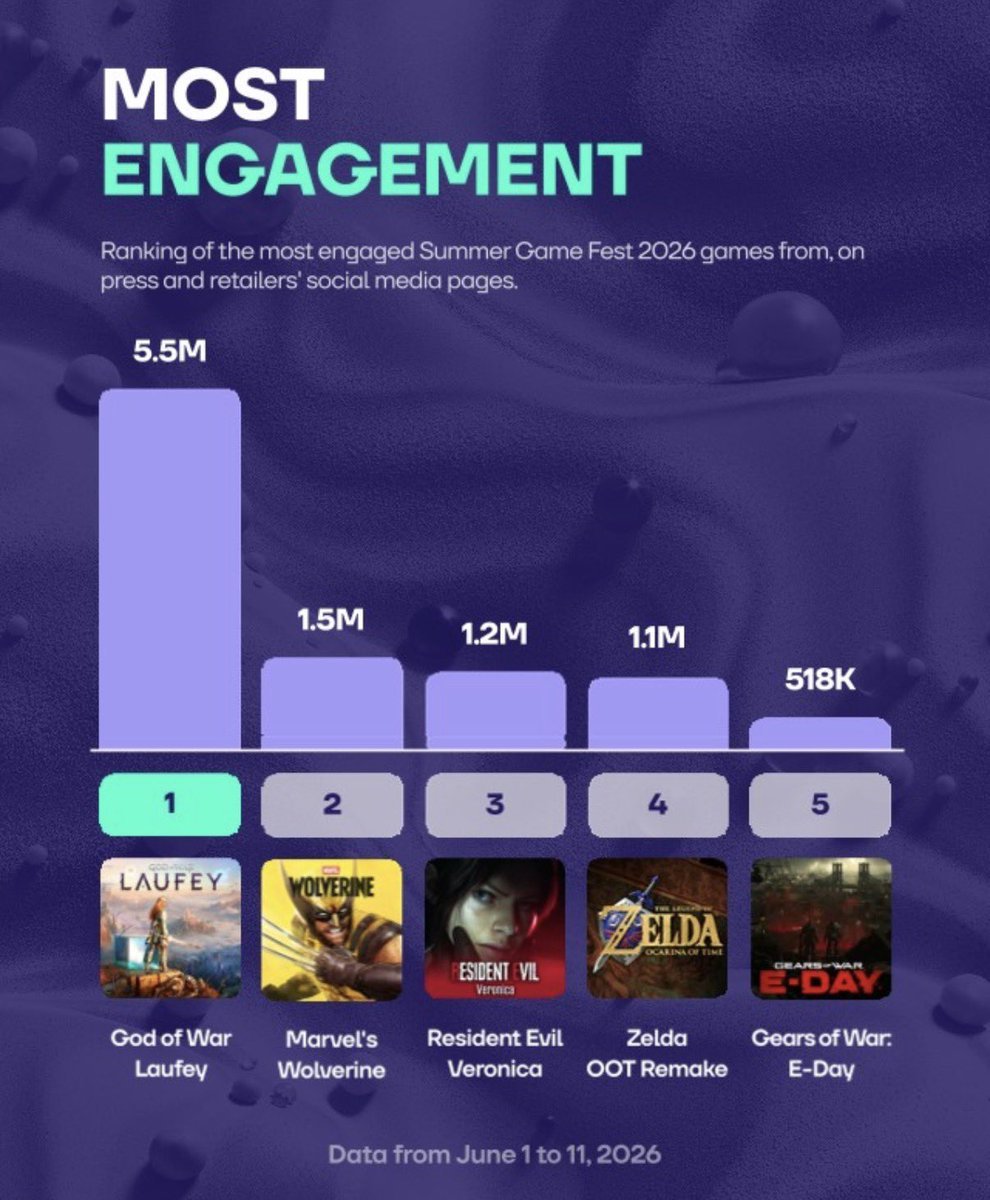
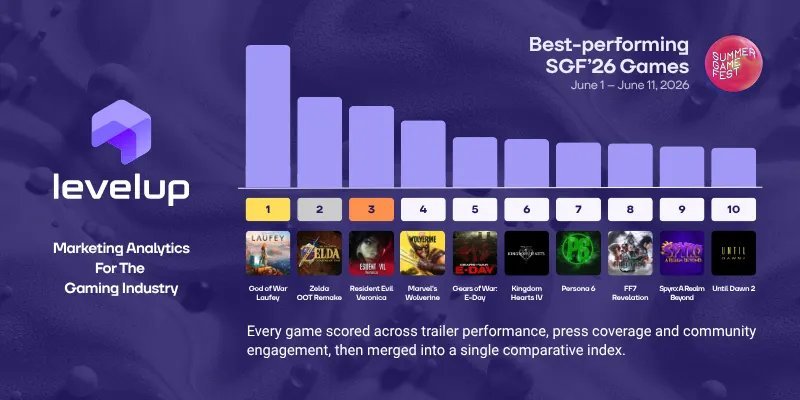
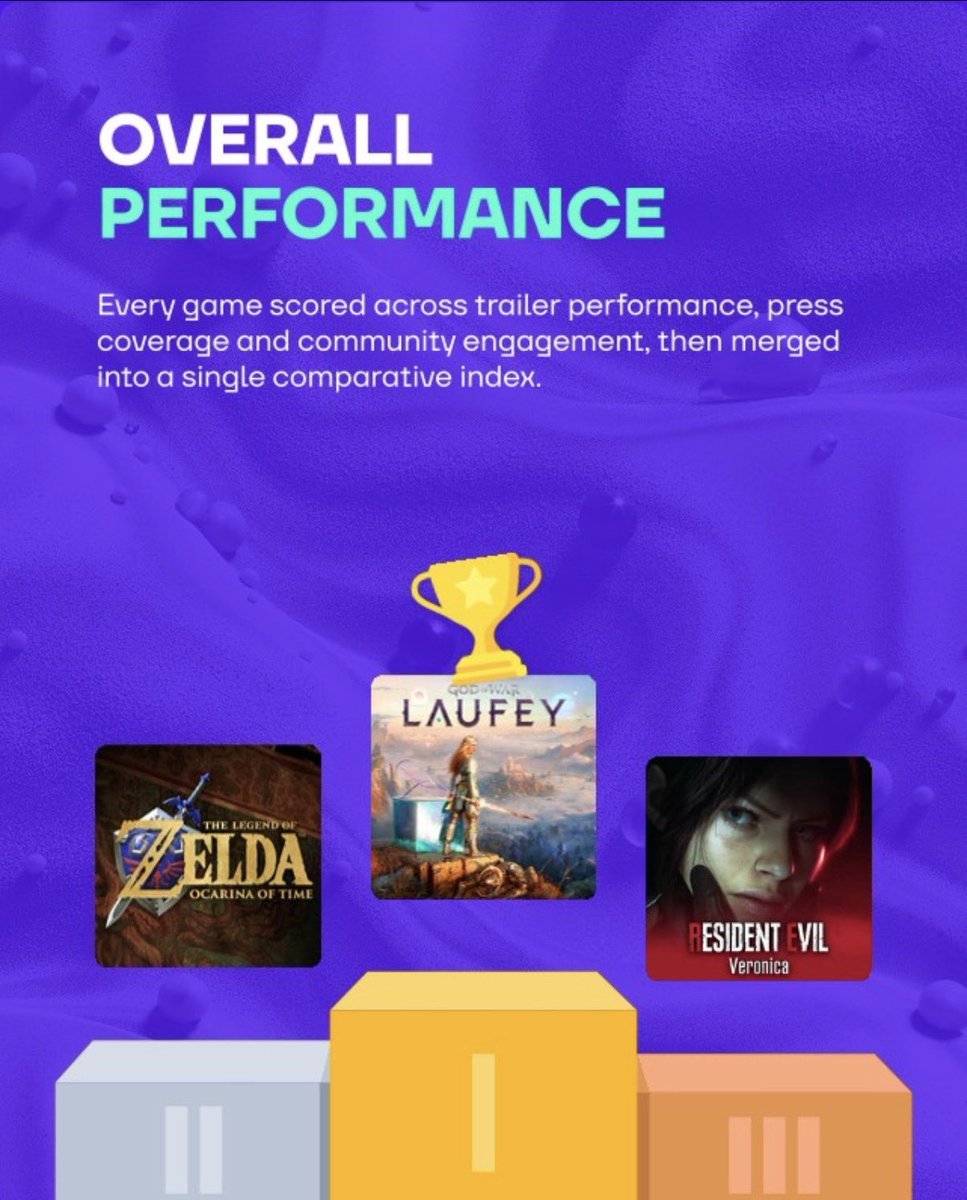
OCARINA OF TIME WAS THE BEST PERFORMING TRAILER!

4
8
76
2,218
An Average Gamer - N retweeted

5h
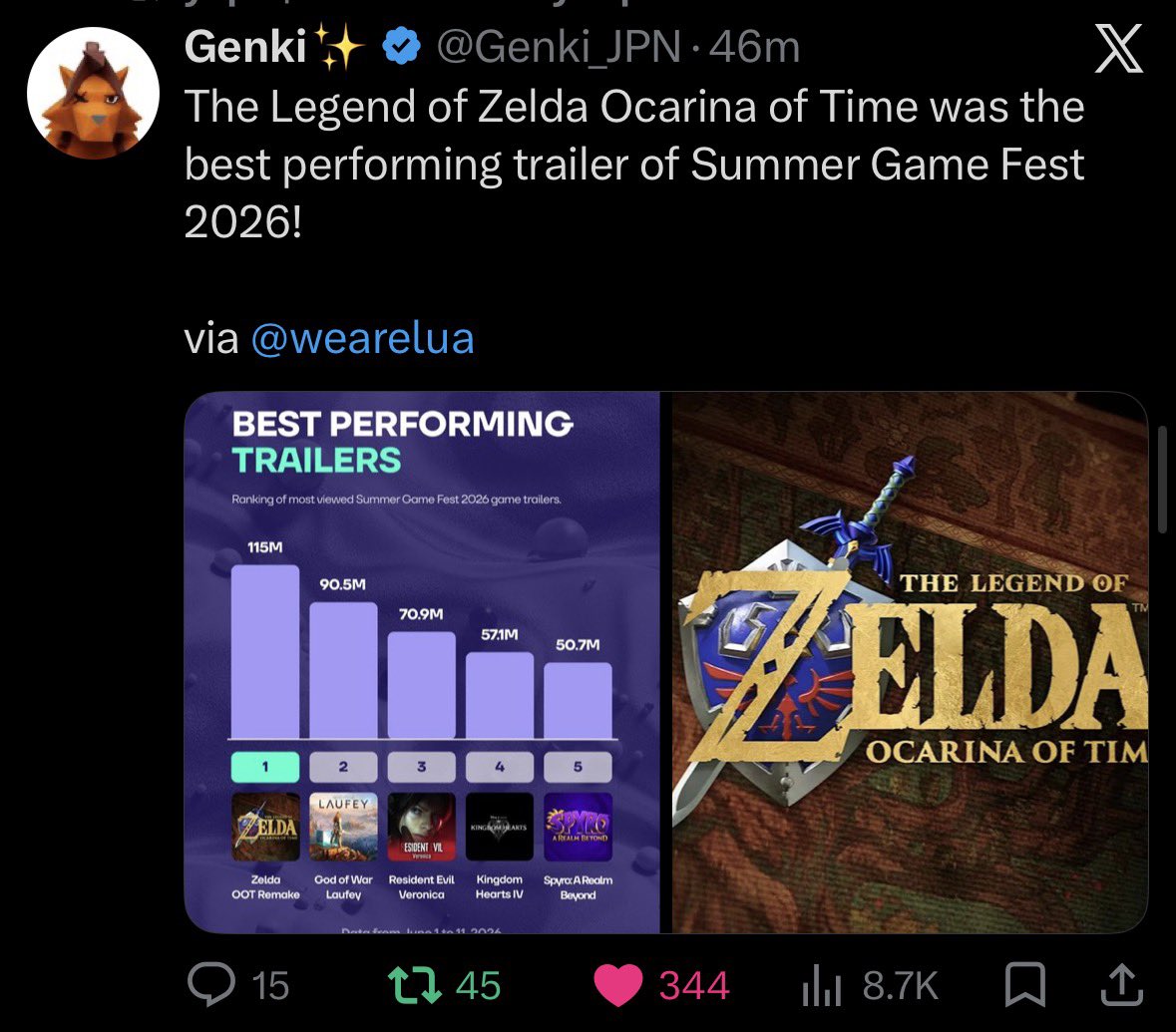
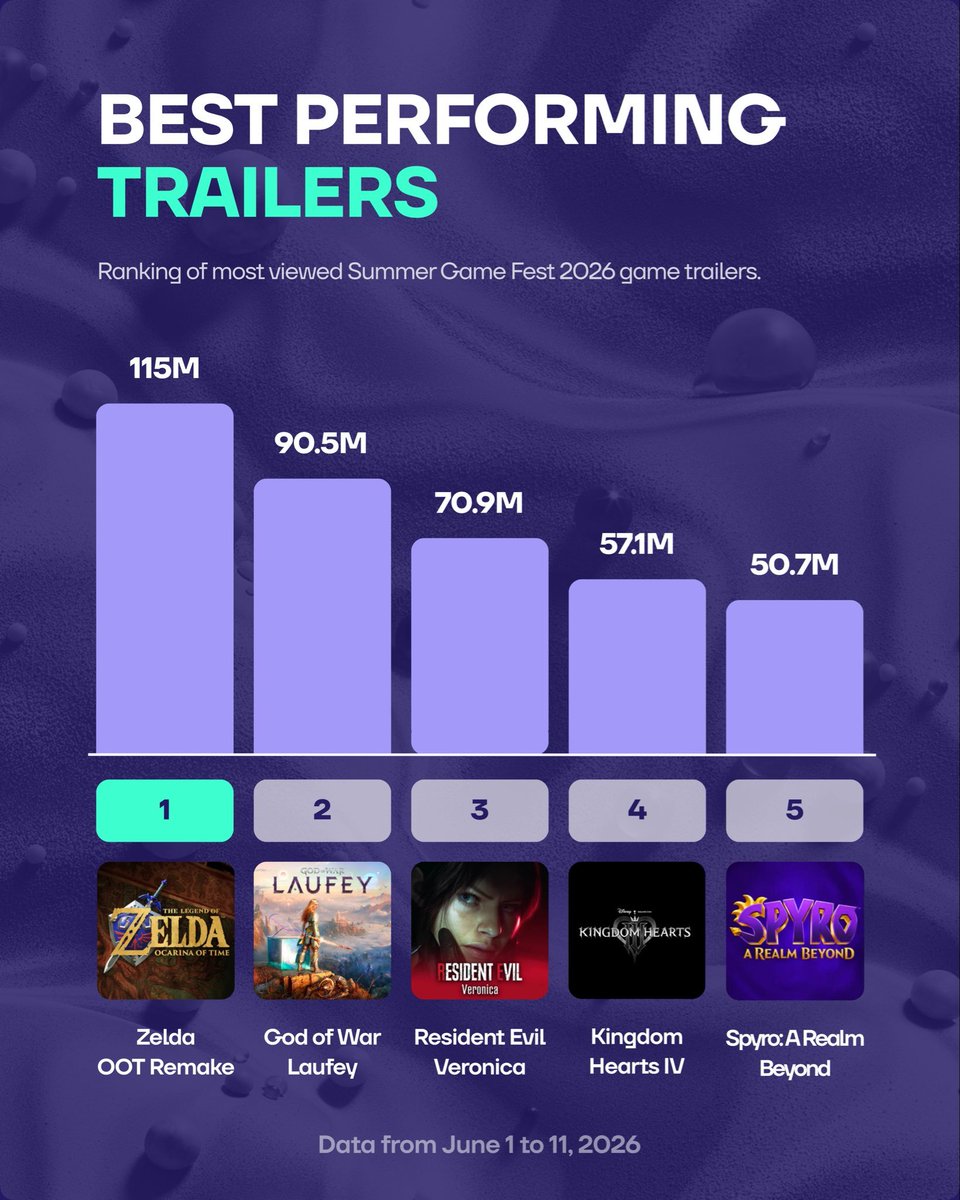
The Legend of Zelda Ocarina of Time was the best performing trailer of Summer Game Fest 2026!
via @wearelua
54
225
2,940
106,885
An Average Gamer - N retweeted

It’s very possible that Microsoft will have built a gaming monopoly and then hand it all over to Saudi.
Jun 12

Microsoft considered cutting Xbox off entirely and making it easier to sell, report says gamesradar.com/games/microso…
6
3
16
1,778
Pokopia & Mario Kart World still going strong
Switch 2 eShop Best Seller Chart (US)
1) Pokemon Pokopia
2) Mario Kart World
3) The Adventures of Elliot (Deluxe Edition)
4) Yoshi and the Mysterious Book
5) Xenoblade Definitive Edition Upgrade Pack
6) Xenoblade Definitive Edition Switch 2 Edition
7) The Adventures of Elliot (Standard Edition)
8) Rise of the Tomb Raider
9) Donkey Kong Bananza
10) Zelda: Breath of the Wild Switch 2 Edition
11) Final Fantasy VII Rebirth
12) Pokemon Legends Z-A Switch 2 Edition
13) Mina the Hollower Switch 2 Edition
14) Mario Tennis Fever
15) Zelda: Tears of the Kingdom Switch 2 Edition
16) Super Mario Party Jamboree Switch 2 Edition
17) Super Mario Bros. Wonder Switch 2 Edition
18) Pokemon Pokopia Expansion Pass
19) Hogwarts Legacy
20) EA Sports FC 26 (Worlds Game Edition)
21) Deltarune
22) Super Mario Bros. Wonder Upgrade Pack
23) Zelda: Tears of the Kingdom Upgrade Pack
24) Resident Evil Requiem
25) Street Fighter 6
26) Final Fantasy VII Remake Intergrade
27) Hyrule Warriors Age of Imprisonment
28) Animal Crossing: New Horizons Switch 2 Edition
29) Zelda: Breath of the Wild Upgrade Pack
30) EA Sports FC 26
1
3
17
563
I feel like I missed something big
12 Nov 2015

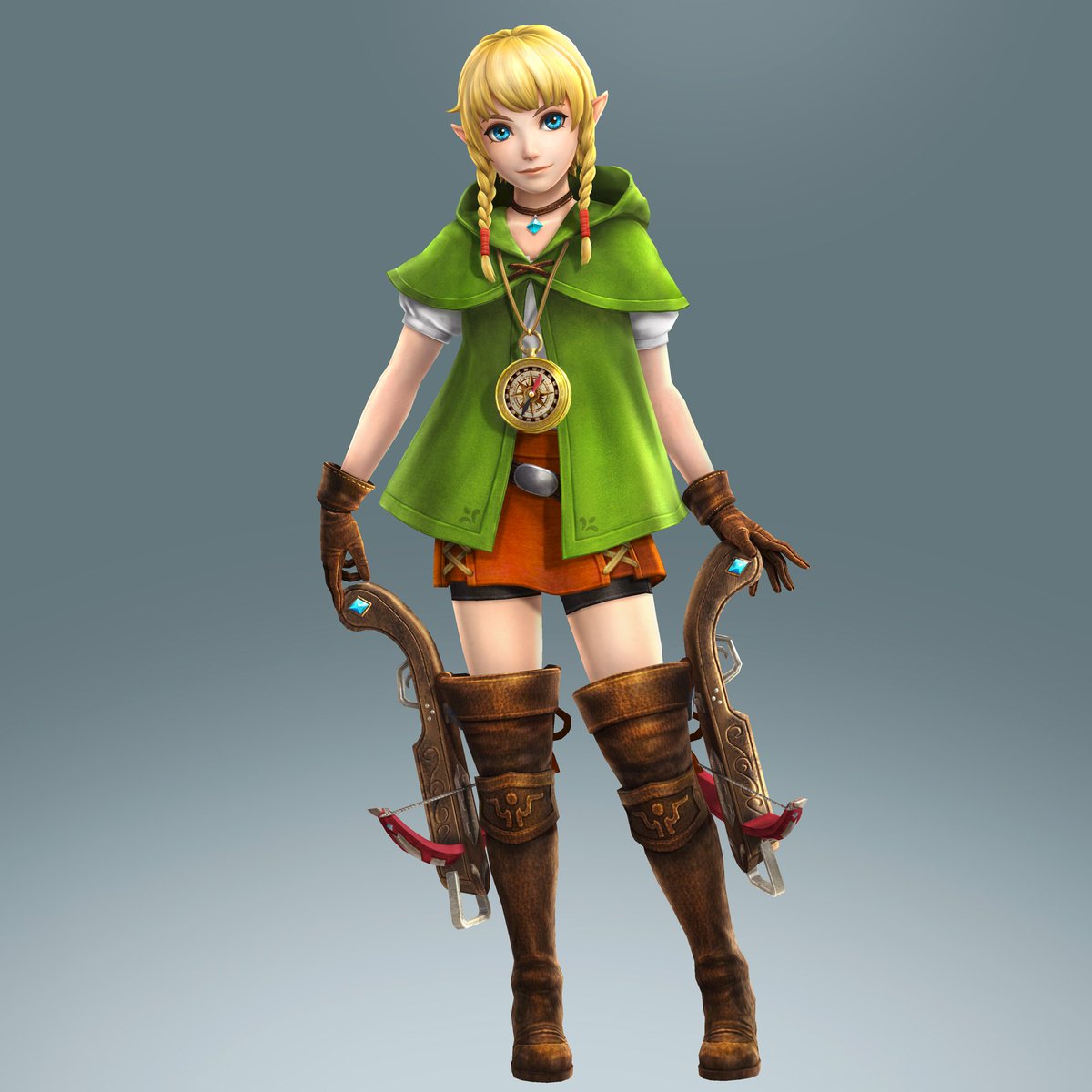
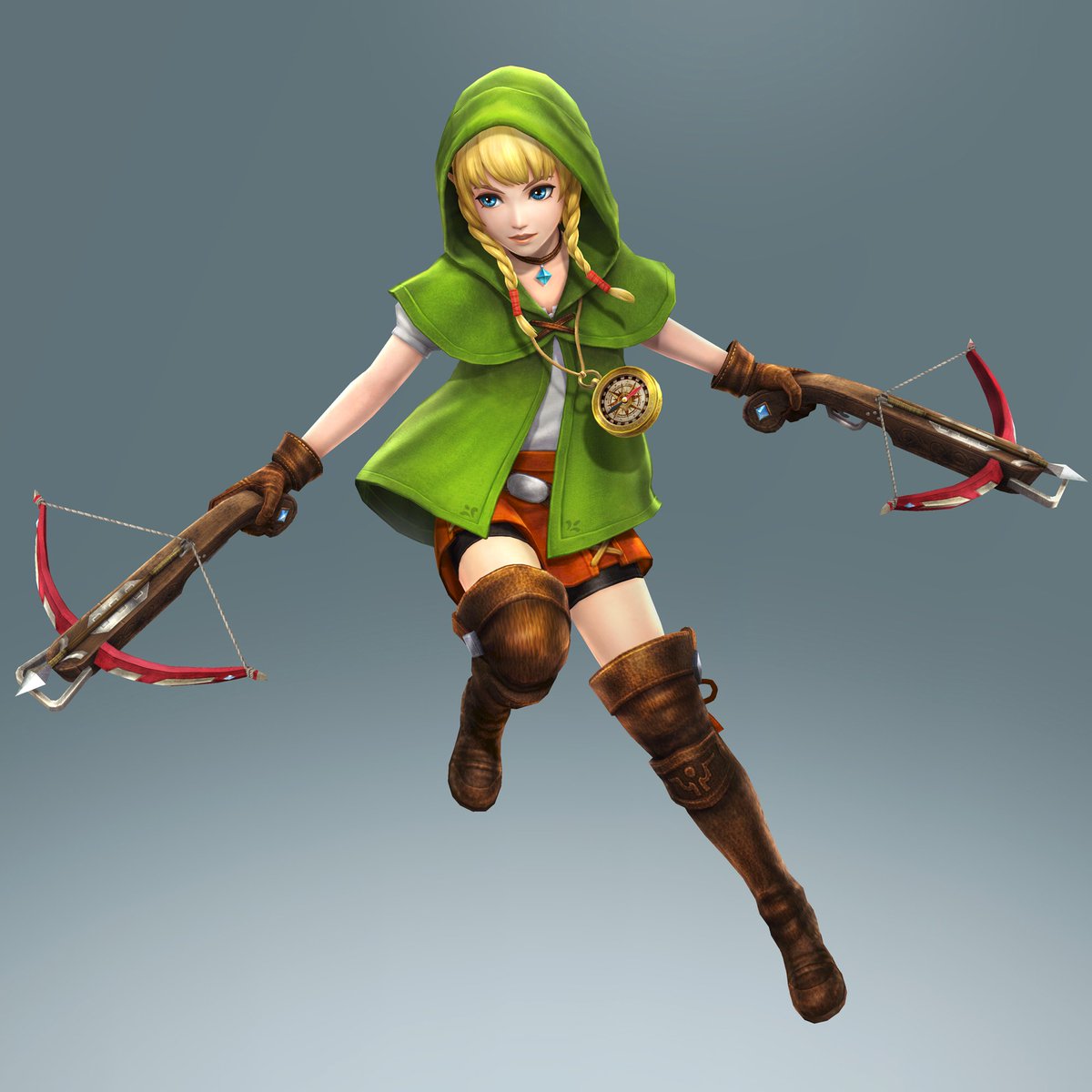
A new playable female character named Linkle enters the Zelda universe in #HyruleWarriors Legends. #NintendoDirect
3
13
673
I never got to play the original when it came out
Im excited to play it in the big 2026

Starting to realize that 90% of remake hate just stems from insecurity that what you grew up with is no longer new, and in some cases dated
2
2
10
566
An Average Gamer - N retweeted

Starting to realize that 90% of remake hate just stems from insecurity that what you grew up with is no longer new, and in some cases dated
325
136
1,489
572,269
An Average Gamer - N retweeted

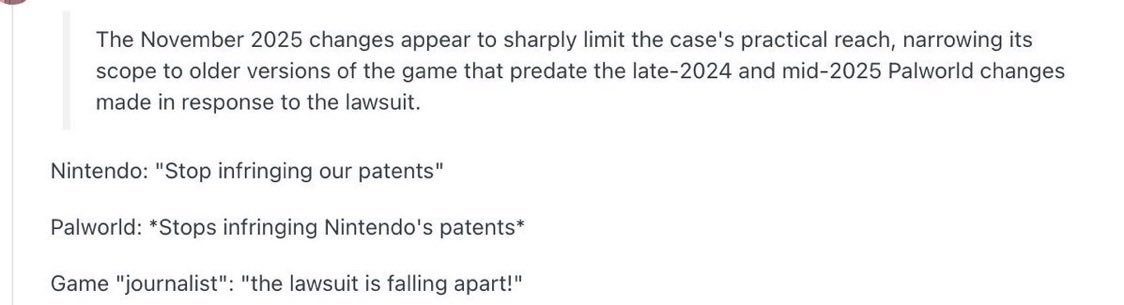
@anaverageGamerX I'm tagging out bro, I don't know how you deal with this everyday lmao.
Brother they are miserable and they get so pissy if you criticize their indie alternatives to anything Nintendo.

Got called a right winger for saying they plagiarized their designs from pokemon(they did.)
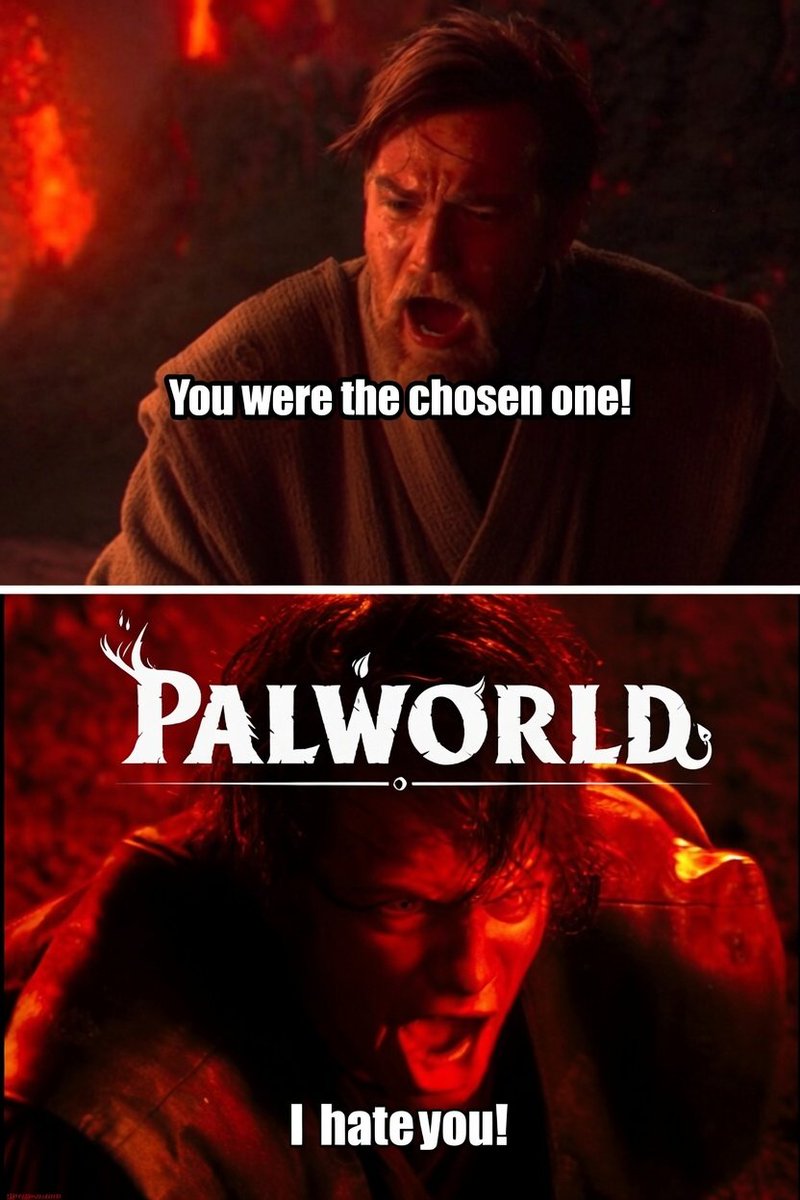
Got called a retarded Nintendo fanboy cuz I asked for palworld gameplay footage.
Got reminded several times "they're an indie bro, you can't criticize my indies bro."
1
2
2
241
An Average Gamer - N retweeted

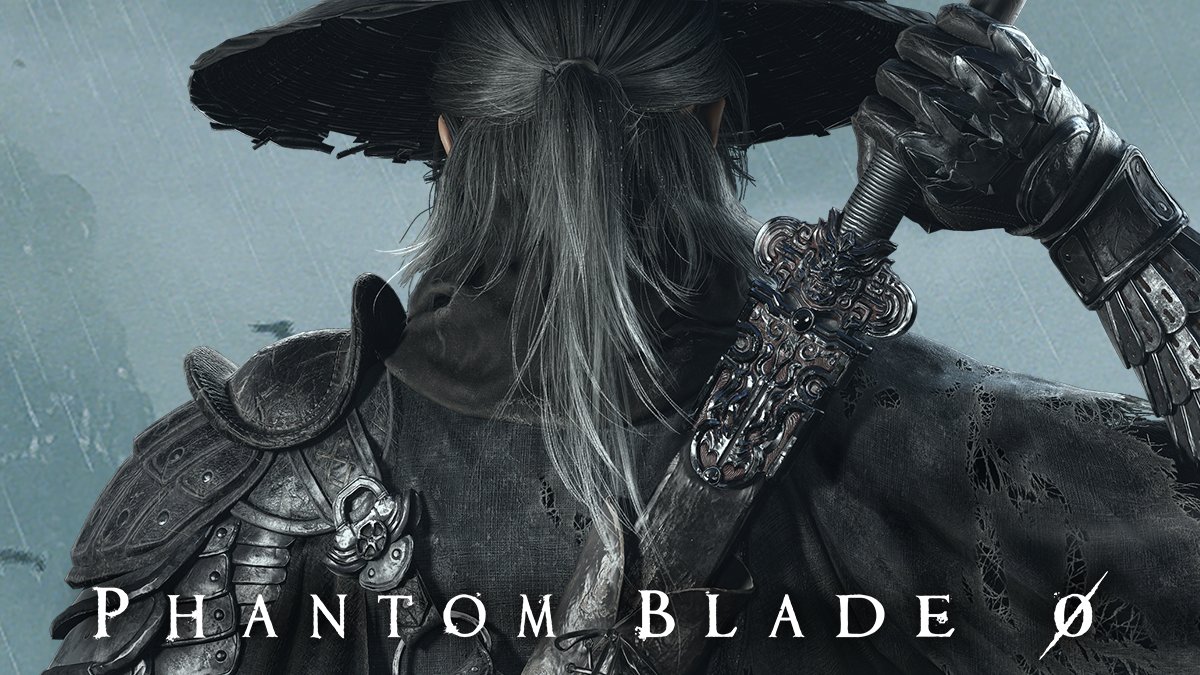
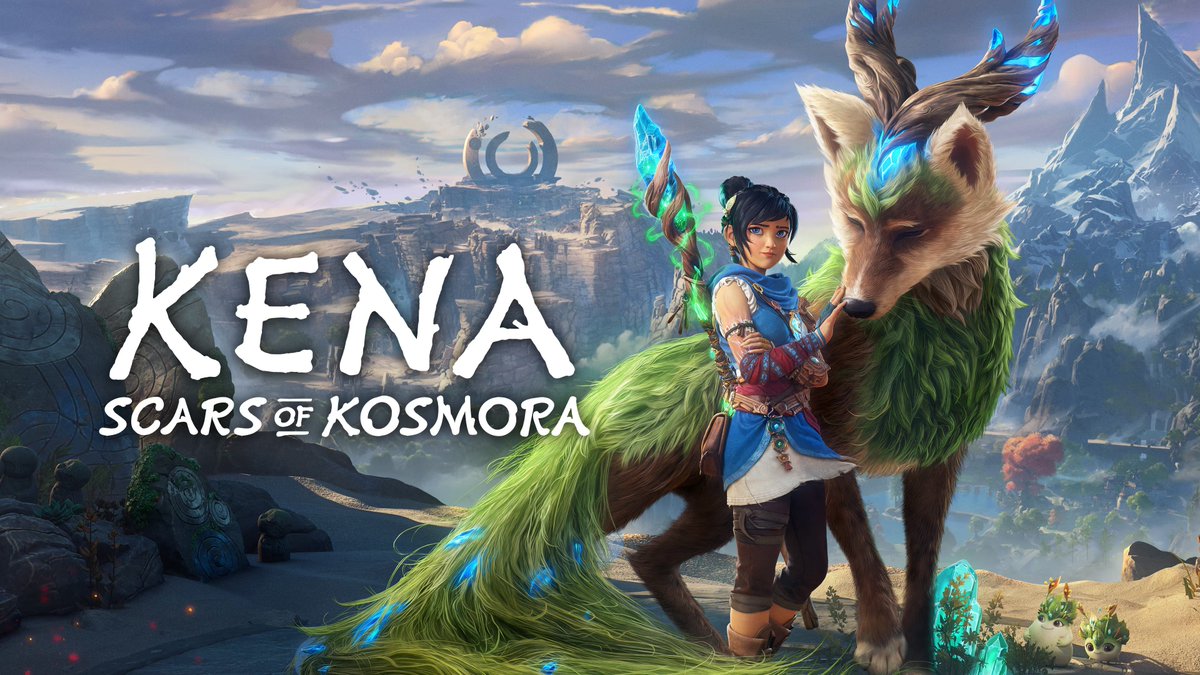
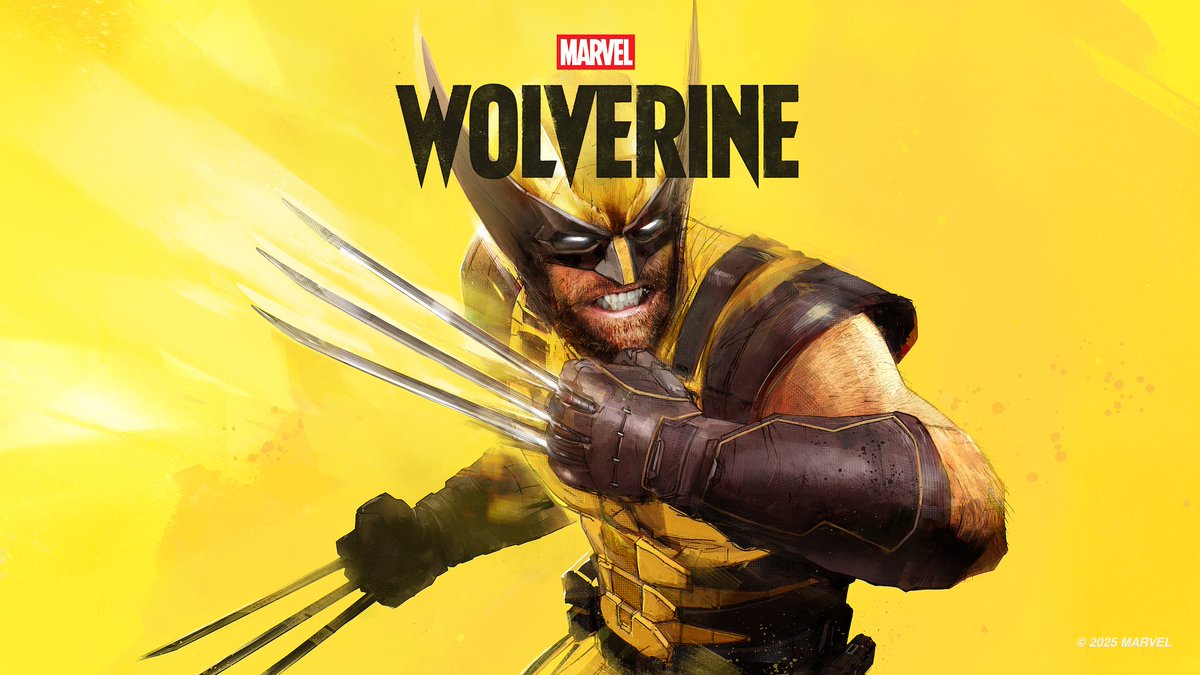
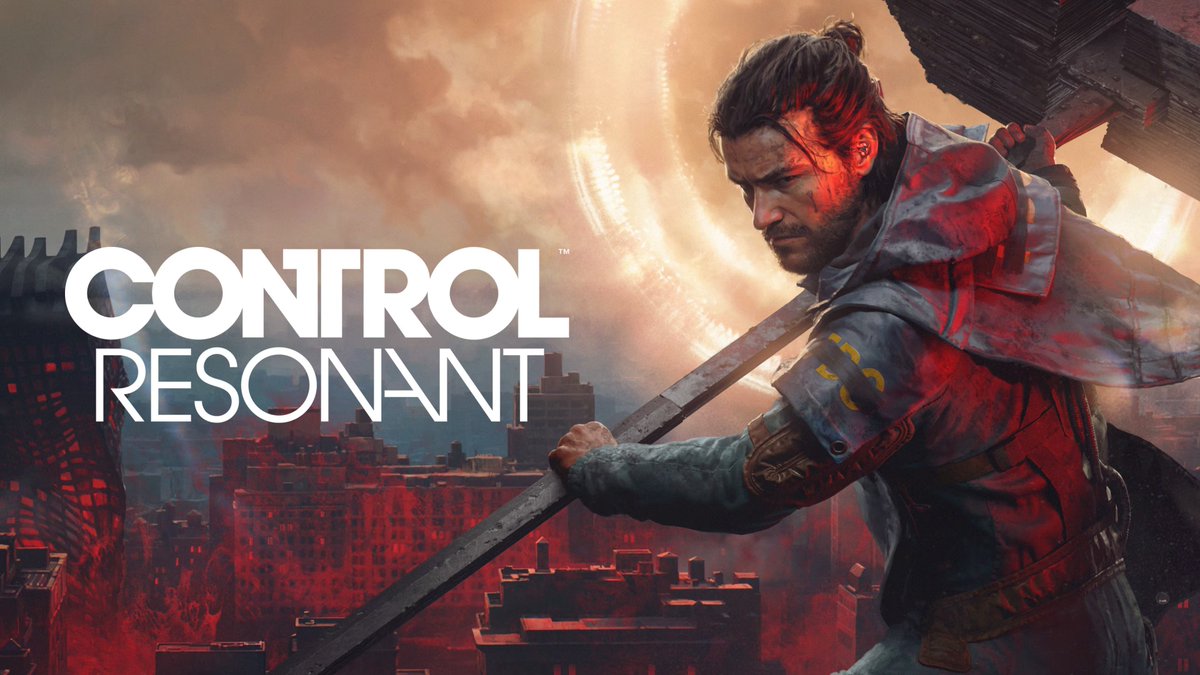
Mine is Zelda OoT remake, Splatoon Raiders, Wolverine and GTA VI!

1
2
14
511
An Average Gamer - N retweeted

Yes. But not Fire Emblem, though I’ll nab it for $70.

Are you going to buy Ocarina of Time on Nintendo Switch 2 even if it costs $80?
14
2
88
6,742
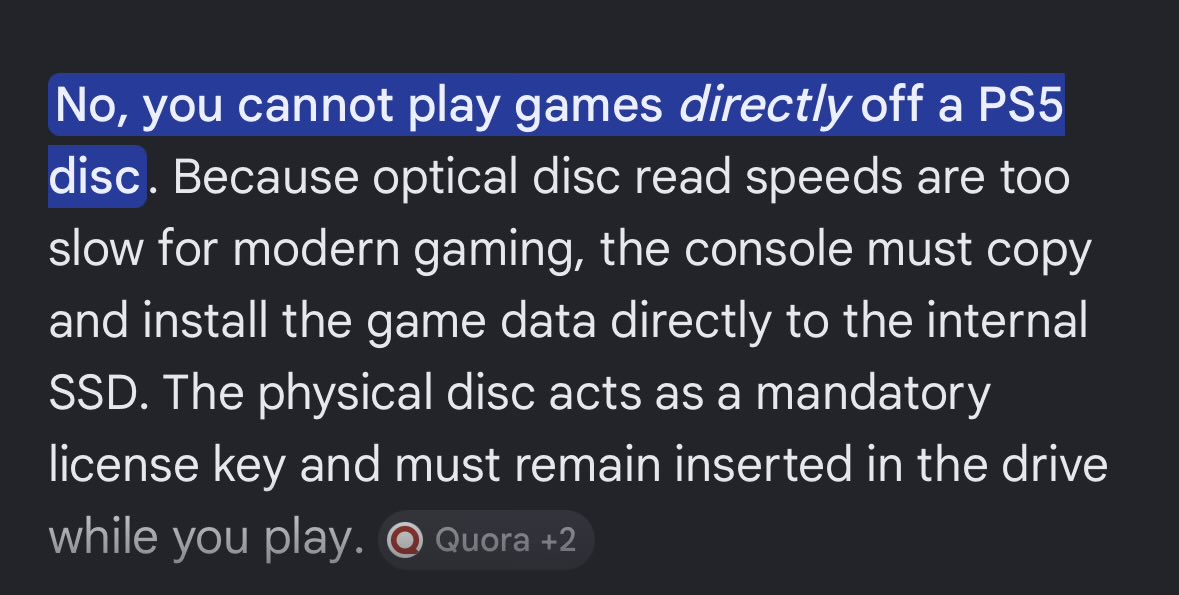
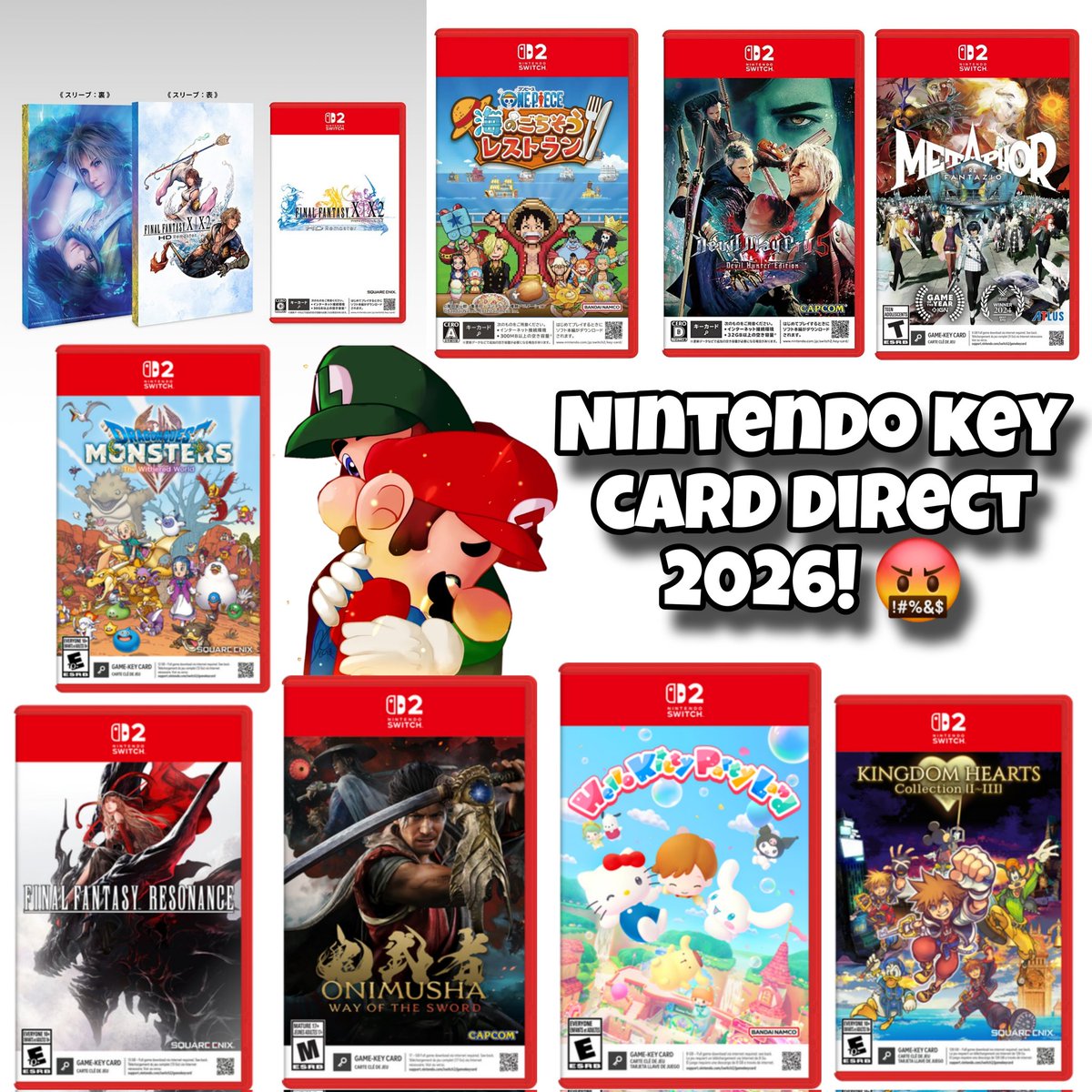
The level of propaganda Sony has gotten away with to convince people their discs are still true physical media needs to be studied.
The last console that could fully store and read games directly from discs was the Wii U.
This whole war against GKC is performative as hell.

Hard to be excited for all the "new" announcements at the Nintendo Direct. When majority of them or just key cards. Tell me why should I or anyone else buy a Switch 2 again???
56
96
974
40,375
Point is: true physical media has been given up on other platforms and no one cried….
2
50
2,885
An Average Gamer - N retweeted

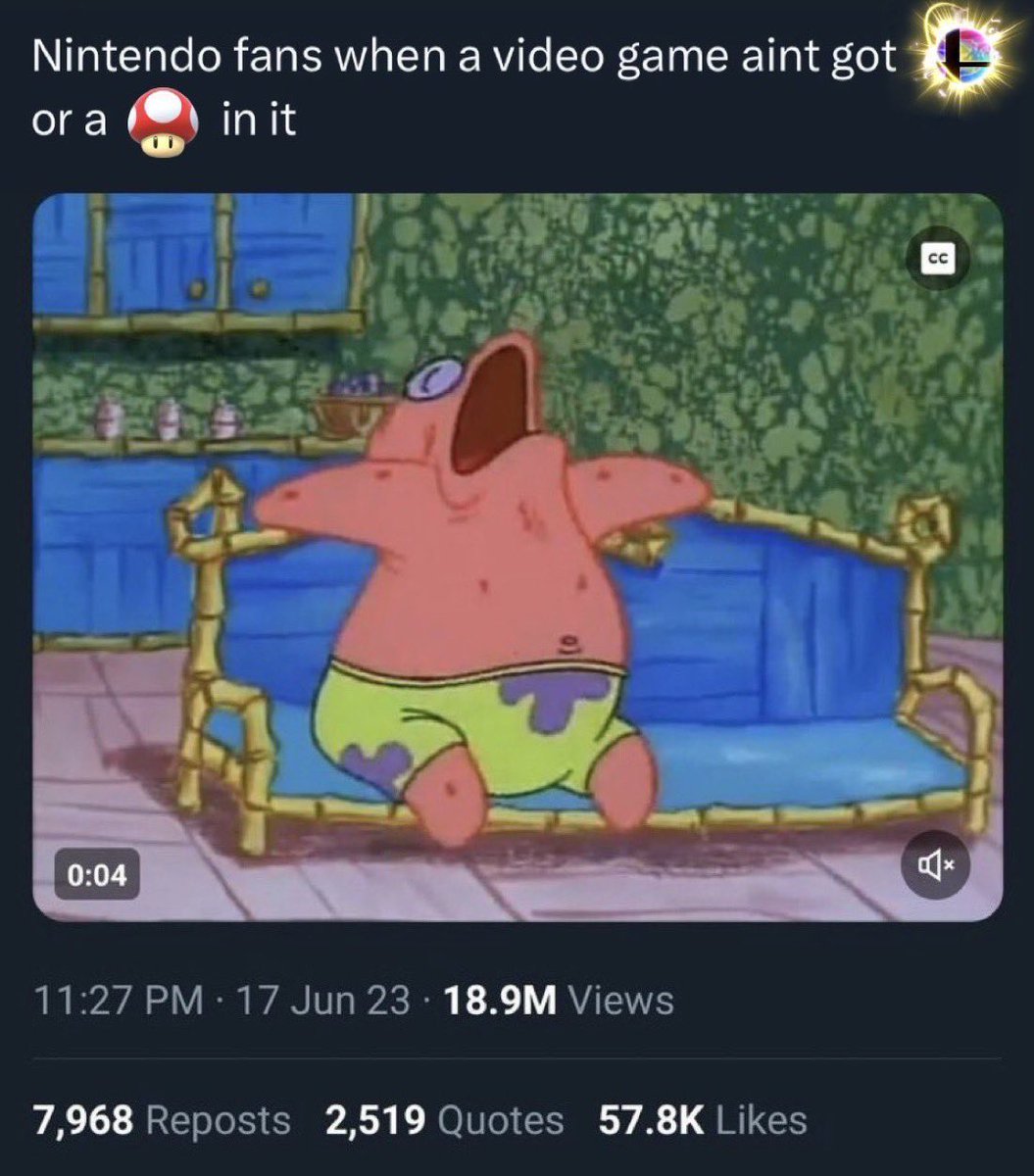

It's time to admit Nintendo hasn't made a good game since 2018
73
4,860
54,132
691,240
Bro is unable to enjoy life & became an online bully himself 💀
Tried flexing those Subnautica 2 sales numbers again to feel better😂👍

I thank god everyday I was bullied a little.
2
21
901
An Average Gamer - N retweeted
@Nintendo do it you cowards!

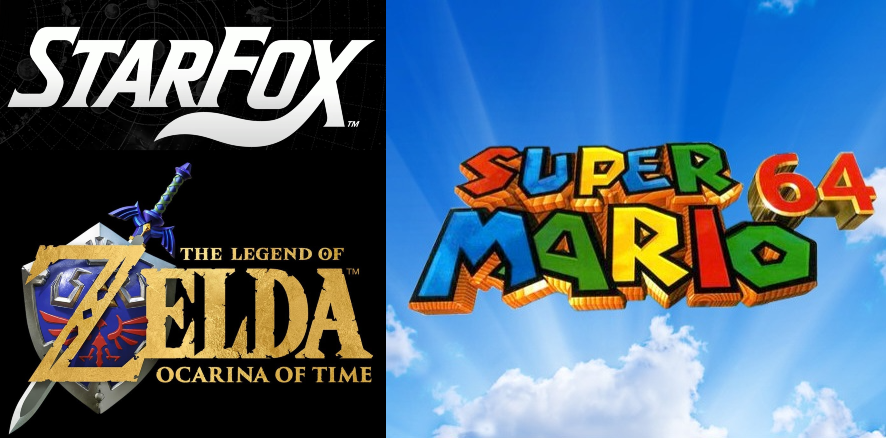
I'm beginning to sense a pattern here ...
If we keep this up, our next new 3D Mario will literally just be a 64 remake y'all
3
1
16
529
An Average Gamer - N retweeted

87
742
10,144
279,391
An Average Gamer - N retweeted

Of course it wouldn't.

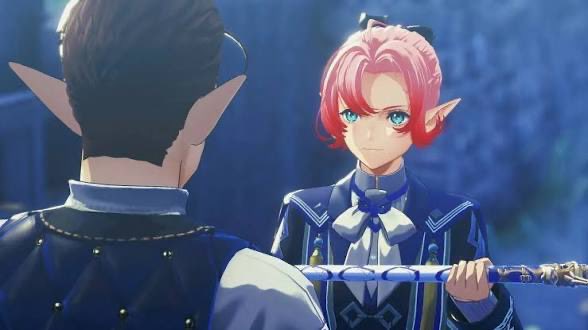
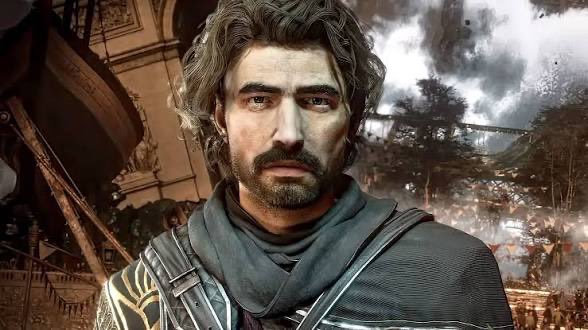
Opinião impopular: Clair Obscur não teria sido o fenômeno que foi se o gráfico fosse de anime.
5
7
71
3,067
I was there watching these shows on Saturday mornings and in the after-school cartoon blocks. After what happened with Totally Spies, I can already tell this new season isn’t going to do the original run justice.
I got tricked once. Not again.

2
18
898
An Average Gamer - N retweeted

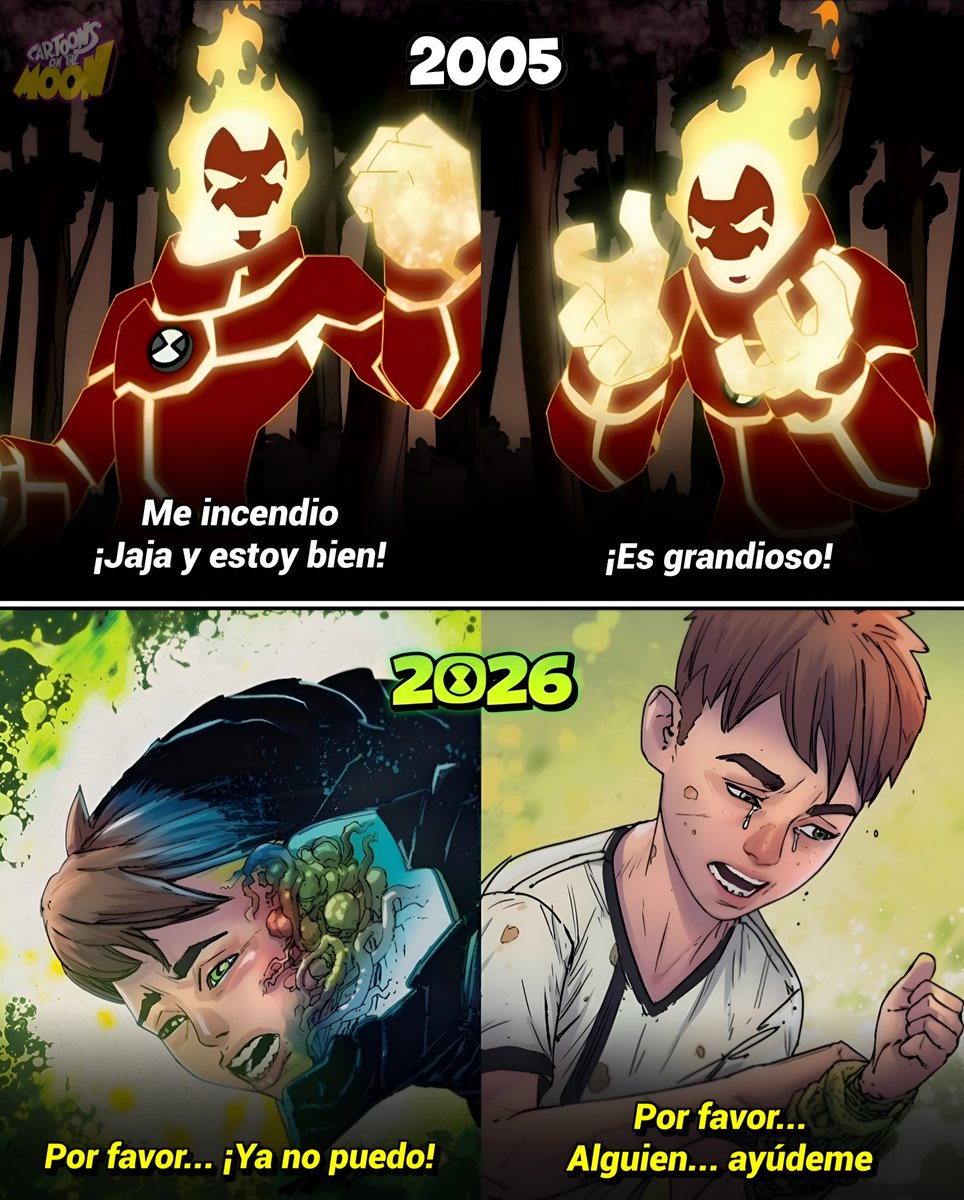
Voy a sonar bien nostálgico, pero que un artefacto con la intención de preservar la vida y la cultura de las especies traiga consigo un proceso muy doloroso de transformación no le veo mucho sentido
Demasiado edgy para mis gustos xd

A diferencia de la serie, Ben sufre cada que se transforma en el cómic de BEN 10 de Dynamite.
215
449
9,748
251,589