Principal Engineer @Adobe AEM. OSS. CPC @openjsf. @oreillymedia author github.com/web-fragments/web…
Joined April 2012
- Tweets 18,256
- Following 1,038
- Followers 7,391
- Likes 36,485
1,504 Photos and videos









Pinned Tweet

10 Jun 2024
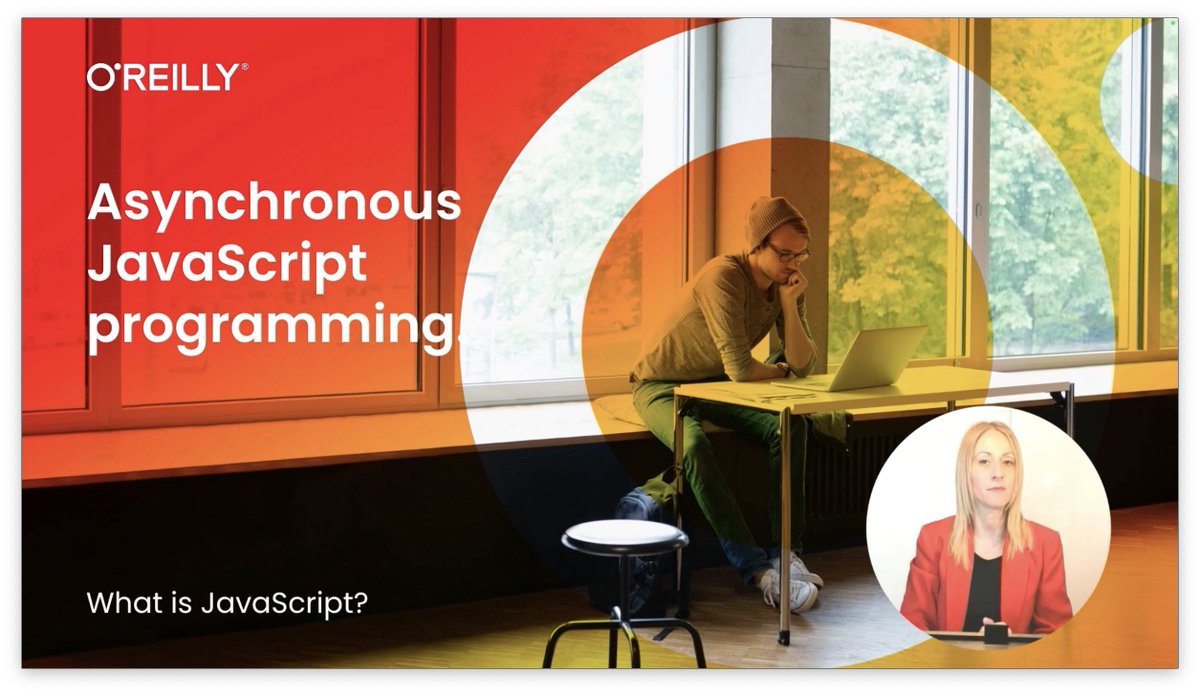
This is JavaScript for non-developer or beginner developers that want to learn technical fundamentals, and how to make strategic decisions, to confidently participate of a cross-functional team conversation. >>
10 Jun 2024

Super proud of @AnfibiaCreativa who just released 23 bite-sized videos to help you explore the fundamentals of JavaScript.
Check it out on @OReillyMedia!
👉🏽 learning.oreilly.com/search/…
ALT Super proud of @AnfibiaCreativa who just released 23 bite-sized videos to help you explore the fundamentals of JavaScript.
2
4
26
8,080
Quick professional update: I have joined @Adobe AEM Engineering, as a Principal Engineer working on AEM Agents, Agent orchestration and other tools. I am super excited for the future and for going back to full-time engineering and my roots in the Adobe Experience Manager stack.
2
1
6
312
I will continue to contribute to open source and to github.com/web-fragments/web…, Node.js and the web standards that I deeply care about.
1
134
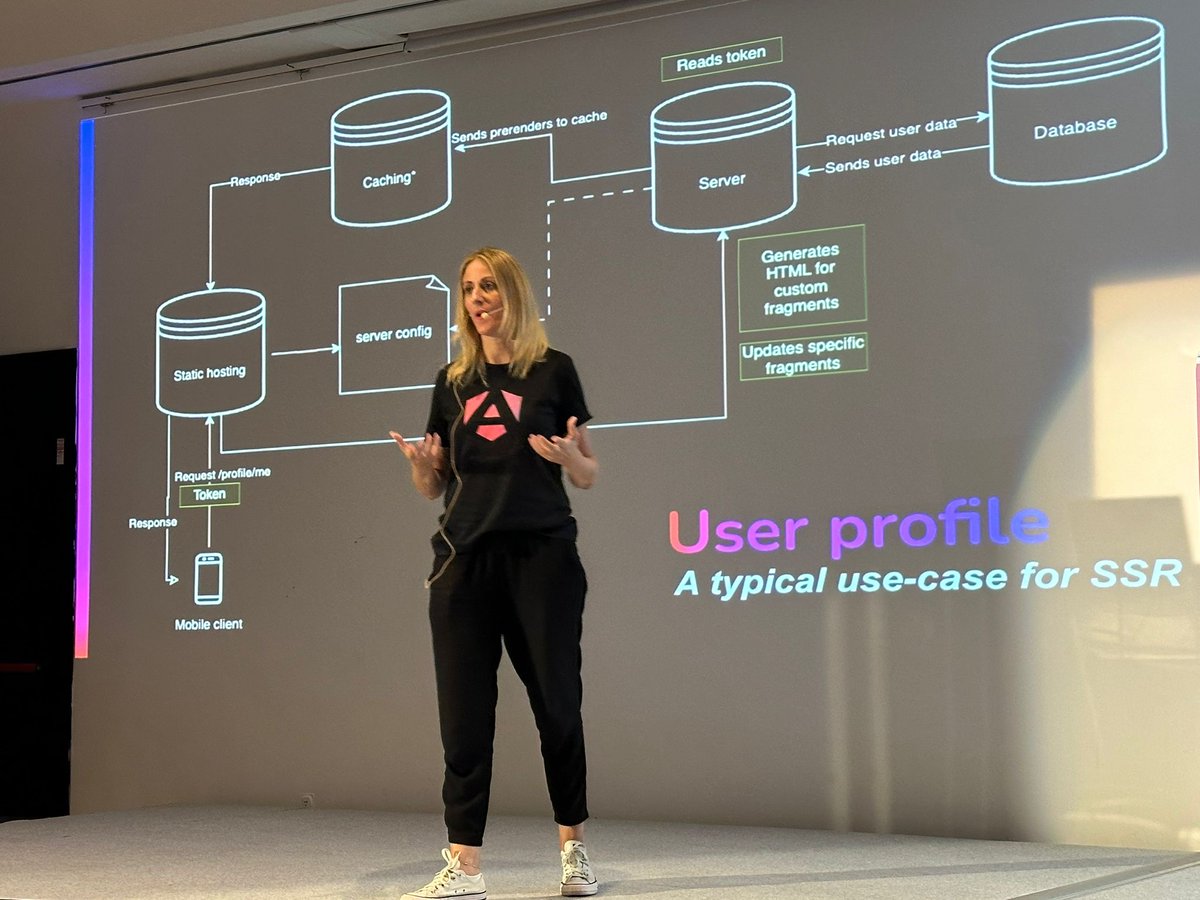
This is the most accurate and polished explanation on github.com/web-fragments/web… a different architecture for micro-frontends. Huge appreciation for @jeffwhelpley who chatted back and forth with us, to make sure the technology was well represented.
Please give a play and like.
Jan 5

Web Fragments: The Future of Micro-frontends
See the full video here: youtu.be/jtz7bBVKcOg
@IgorMinar @AnfibiaCreativa @CloudflareDev
1
3
269
24 Oct 2025
When you come back to X-Twitter after weeks (months?)
221
Natalia Venditto🦋 retweeted

23 Oct 2025
At 11am PT tomorrow, @IgorMinar and @AnfibiaCreativa, join @tannerlinsley and I to talk about Web Fragments, a fresh take on Microfrontends.
youtube.com/live/sneufVyPfiY…
8
67
15,994
24 Oct 2025
I am not around here very often anymore, but we had such a great time with @RyanCarniato @tannerlinsley @IgorMinar dissecting Web Fragments, I had to come back and share
Curious? Watch!
youtube.com/live/sneufVyPfiY…
1
3
332
23 Oct 2025
Yup! Live, unfiltered, OSS and micro-frontends! Tune in!
23 Oct 2025

At 11am PT tomorrow, @IgorMinar and @AnfibiaCreativa, join @tannerlinsley and I to talk about Web Fragments, a fresh take on Microfrontends.
youtube.com/live/sneufVyPfiY…
2
638
Natalia Venditto🦋 retweeted

21 Oct 2025
I've heard so many say that Gen AI will be the end of the web and that everything will be disintermediated in chat apps or through MCP servers.
In reality we have first row seats to massive growth in both the amount of sites getting built and in the amount of builders on the web.
And now we're seeing a full revival of the browser wars of the 90ies or 2000s with the new wave of AI browsers.
This is great news for the open web. Nothing drives progress like browser innovation and competition.
More bullish than ever.
5
3
23
2,683
Natalia Venditto🦋 retweeted

23 Sep 2025
🚀 BIG NEWS: We just open-sourced the Intelligent Command Center (ICC) for Node.js!
After years of watching teams struggle with Node.js on Kubernetes, we're changing the game.
The problem? K8s was built for Java/.NET, not Node.js's async model.
The cost? 40% overprovisioning. 🧵

6
34
329
34,544
Natalia Venditto🦋 retweeted
5 Sep 2025
The npm team has shipped OIDC publishing from GitHub and GitLab! Has anybody tried it yet? Finally no more npm token leaks!
docs.npmjs.com/trusted-publi…
14
12
90
10,272
Natalia Venditto🦋 retweeted
18 Aug 2025
I see the following tweet getting attention. It’s fundamentally incorrect. WebSockets are scalable.
There is nothing special about MQTT or any other binary protocol you can invent that make your application scale better. (Differences exists ofc, but not at high level).
There are two key drivers:
1. the cost of maintaining a persistent connection in your OSS and infra
2. the capability of your application to offer stateful guarantees while allowing clients to reconnect to multiple servers
MQTT semantics provide a fantastic base for this for the 2nd part. Most WebSocket-based applications fail spectacularly at this.
WebSocket is a *very costly* protocol, as it cost a relatively high amount of CPU time to decode the messages and encode them again, but you can make it scale very well if needed.
17 Aug 2025

Websockets which a lot of people use while building realtime communication (such as chatapps) are not scalable for large userbase.
It can be good for small scale startups but large scale companies don't use it.
Most of the times, either companies write their own custom protocols or use pubsub models like MQTT.
In websockets, open connections are all handled by application servers. This requires alot of resources. Horizontal scaling can't be done beyond a point since u can't add infinite/a lot of servers becz its expensive.
Since browsers only have websocket for two way communication, most companies build their protocol by taking websocket as transport layer. And don't use it as application layer with socketIo.
5
8
186
19,593

August was not hot enough in Barcelona, so at @ReactJsBCN, we're hosting a Summer Vibes Panel 🏖️ to discuss the Future of Frontend Development.
Panel members include:
@AnfibiaCreativa @motanelu @bpaulino0
In Barcelona on August 19th, don't miss out
meetup.com/reactjs-barcelona…
2
3
4
581
Natalia Venditto🦋 retweeted

7 Jun 2025
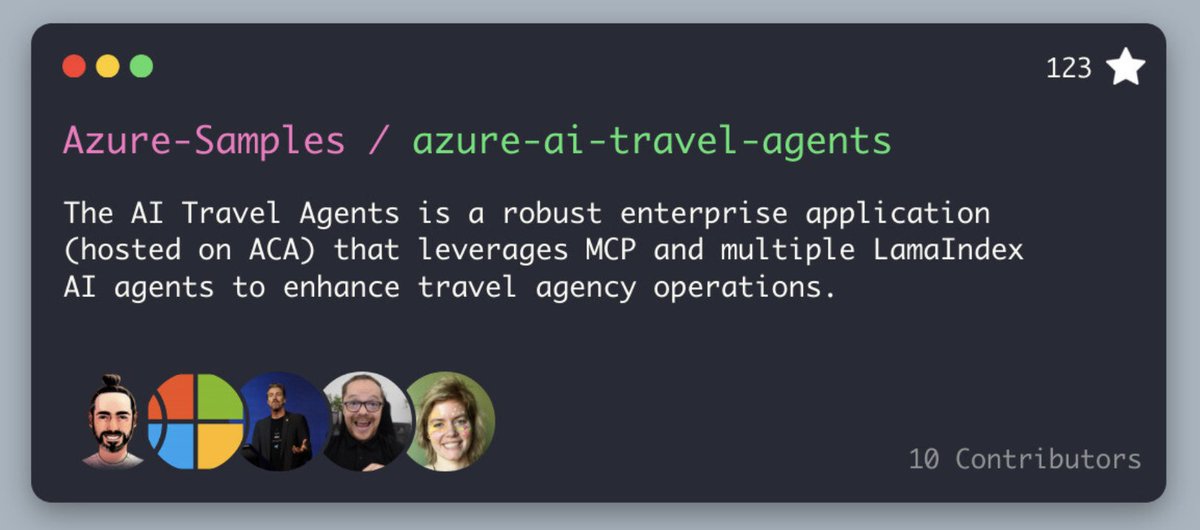
Introducing our latest open source MCP-powered demo 🎊
Featuring:
✅ @llama_index and @angular
✅MCP in Java, Python, .NET and TypeScript
✅@Azure @OpenAI, @GitHub Models, @Docker Model Runner & Foundry Local
⭐️ Blog: aka.ms/azure-ai-travel-agent…
⭐️ Code: aka.ms/azure-ai-travel-agent…
4
26
87
9,569
5 Jun 2025
Our team at Microsoft @Azure developer experiences and tools is looking forward to chatting with JavaScript/TypeScript devs who work with startups/enterprise and are actively using AI powered code generation platforms for production apps or features. Please reach out via DM!
2
4
875
Natalia Venditto🦋 retweeted
15 May 2025
📗 We’ve written the ultimate guide to help you master Node.js.
Here's what's inside:
🔄 Do not block the event loop
📶 Monitor Node-specific metrics
🎬 Use Node LTS versions in prod
🤖 Automate testing, code review
⛓️💥 Avoid dependency creep
2
34
257
12,357
Natalia Venditto🦋 retweeted

13 May 2025
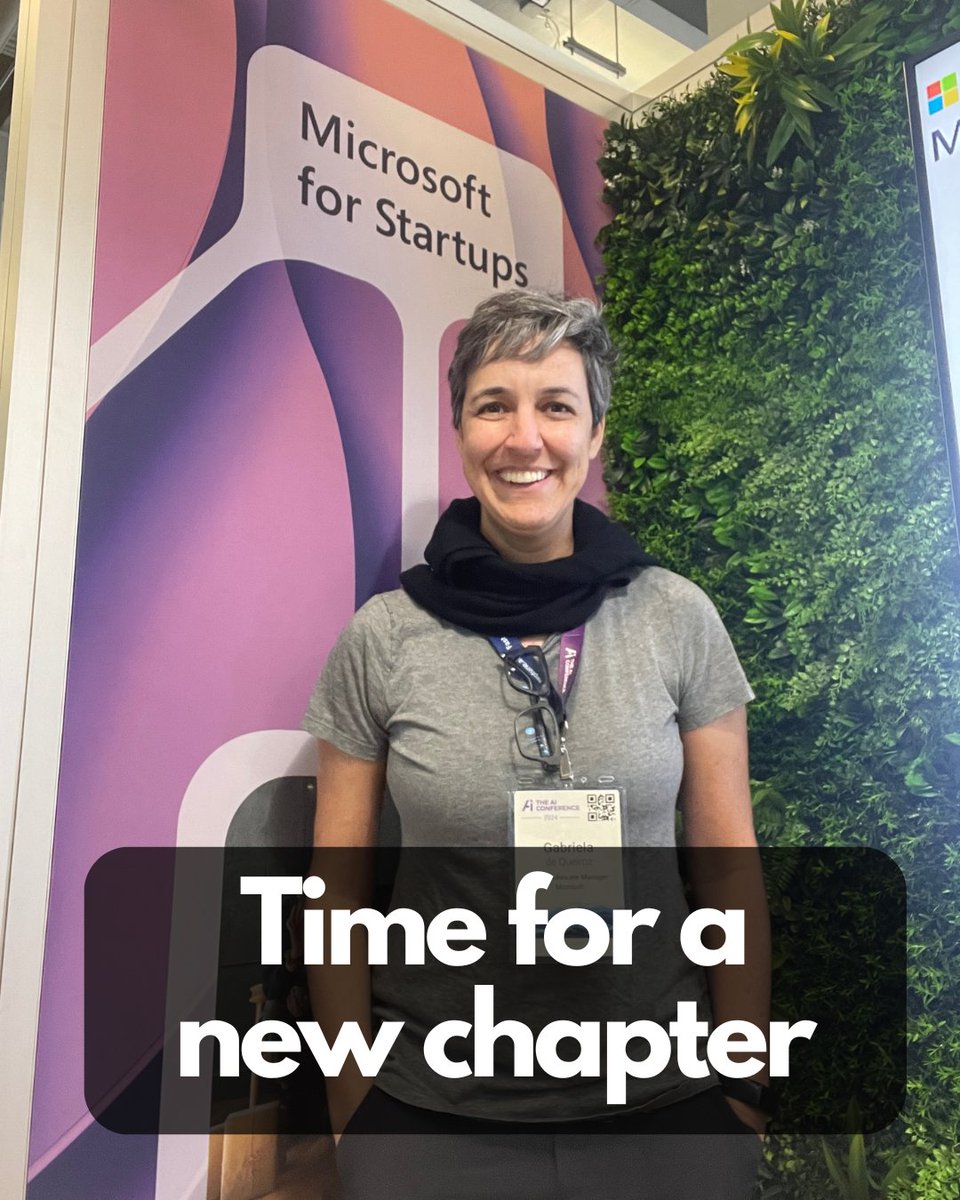
💔 Bittersweet news to share: I was impacted by Microsoft’s latest round of layoffs.
311
509
8,647
1,807,614
Natalia Venditto🦋 retweeted
8 Apr 2025
Do not push code you don't understand, to production.
1
2
10
1,244
5 Apr 2025
once a frontend engineer… always a frontend engineer
7
405
5 Apr 2025
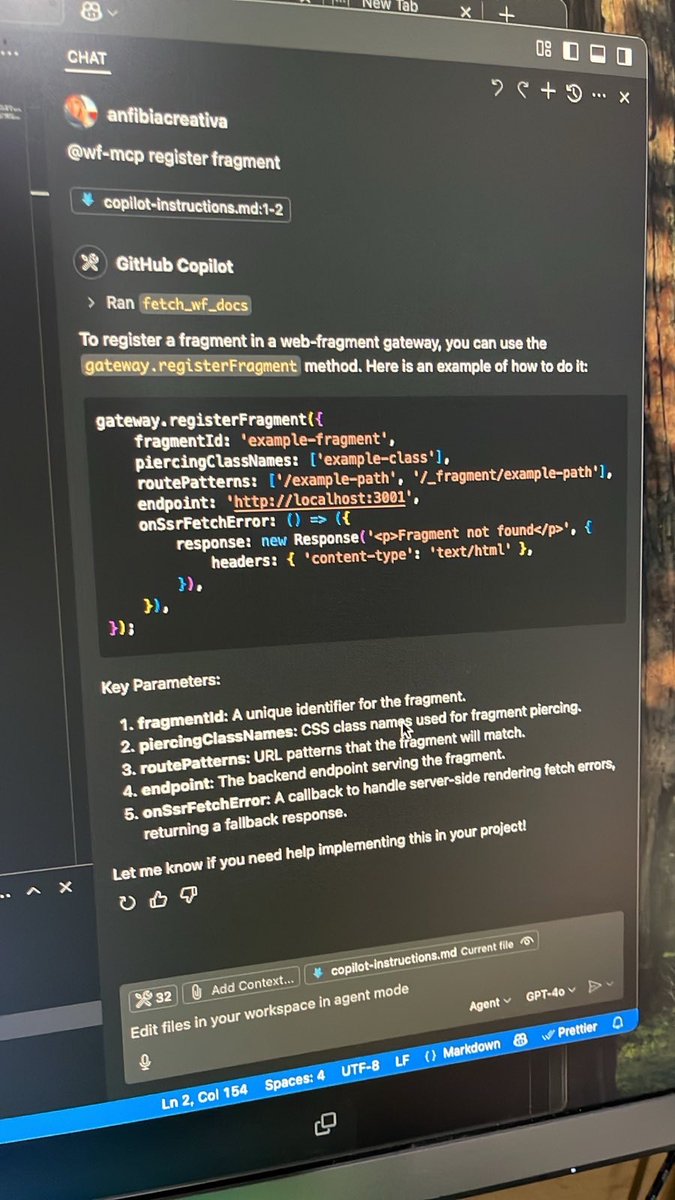
I got an mcp server ready to help you migrate your frontend platform to web fragments with GitHub Copilot on #VSCode and at the same time @igorminar.bsky.social and I are working on shared dependencies and state management feats
3
366
Natalia Venditto🦋 retweeted

14 Mar 2025
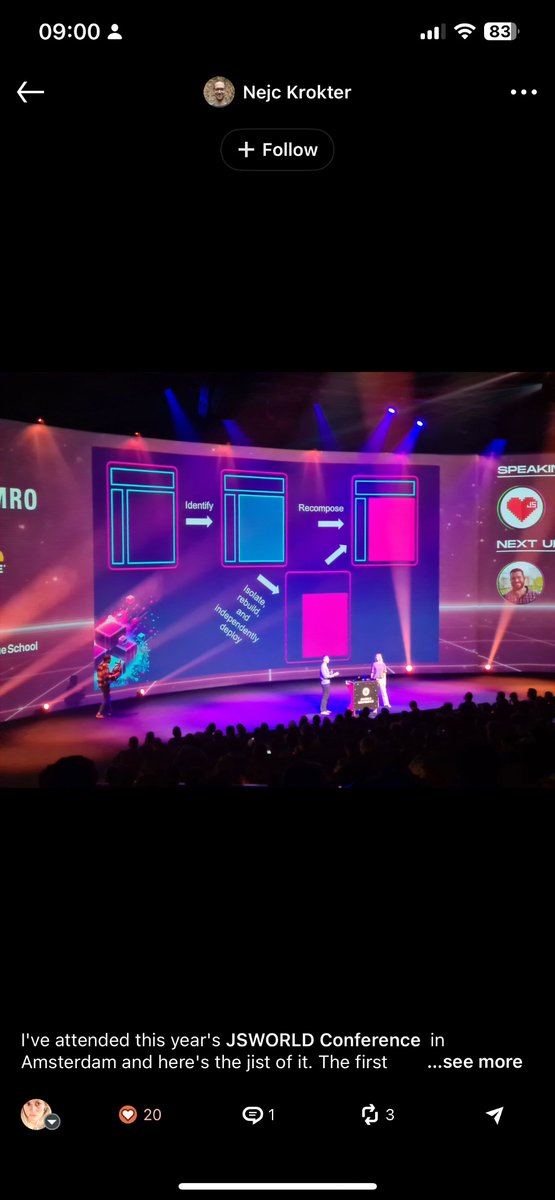
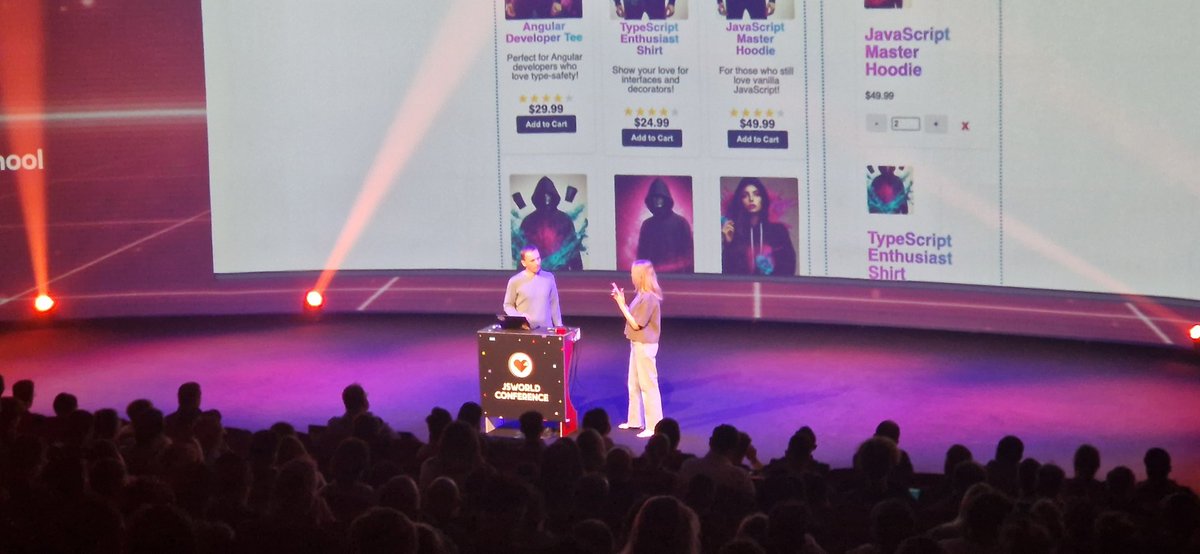
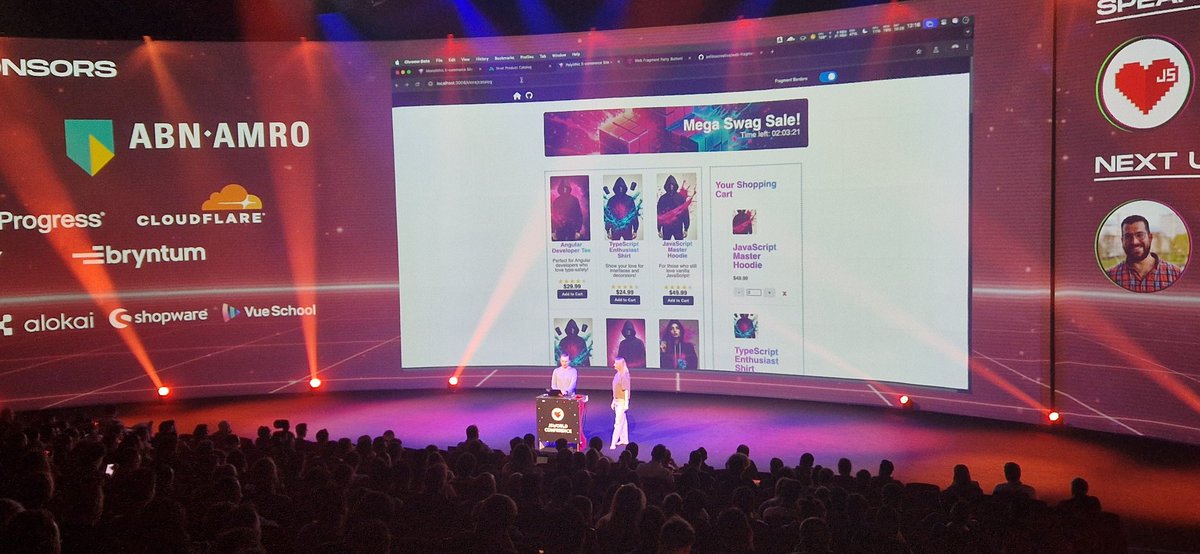
I am always inspired to see my good friend @AnfibiaCreativa live on stage at @JSworldconf 😍.
Web Fragments for the win 🏆 🙌
2
6
719