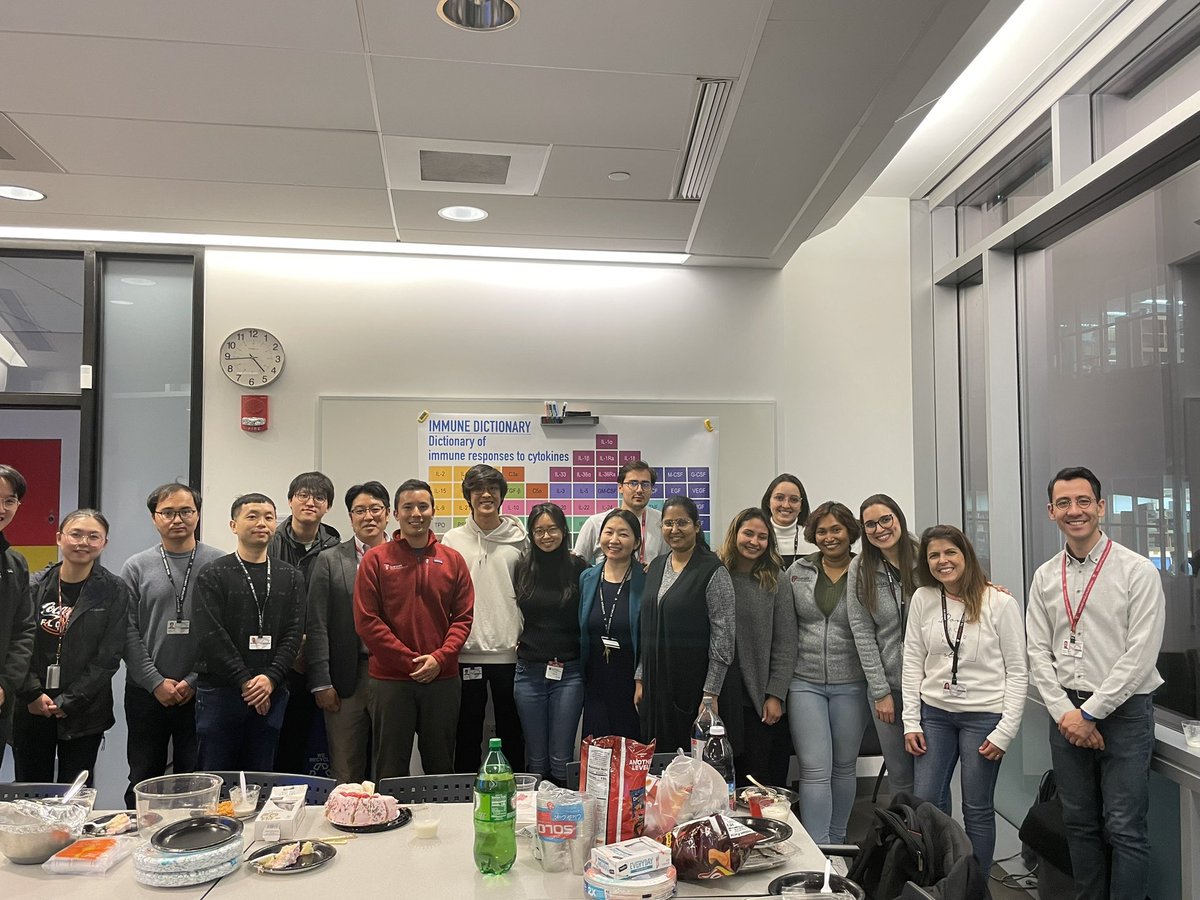
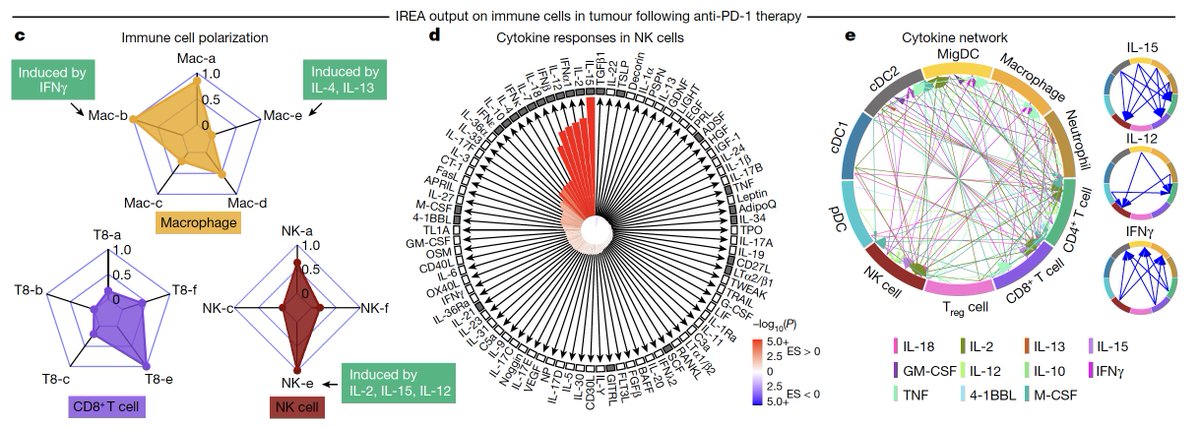
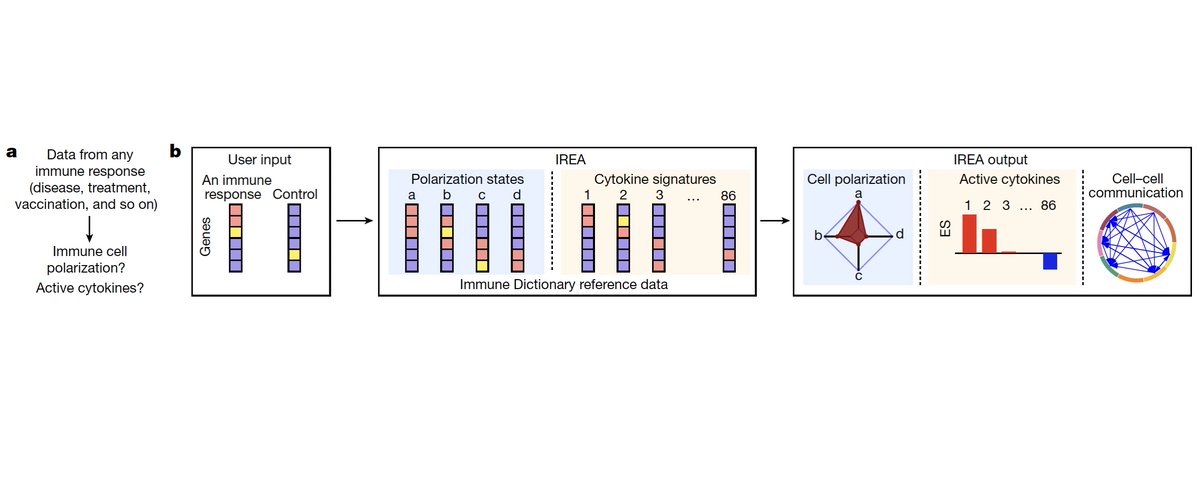
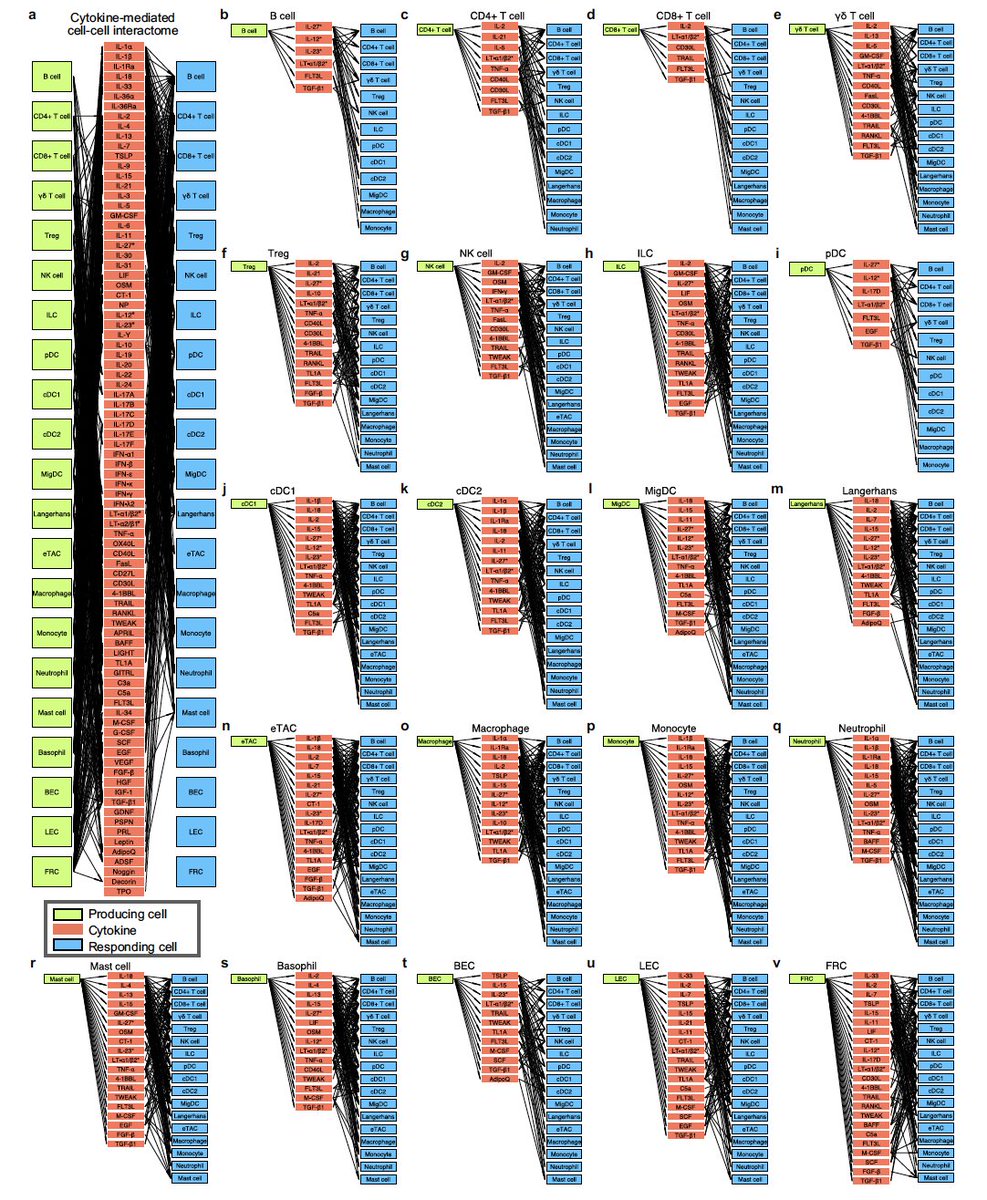
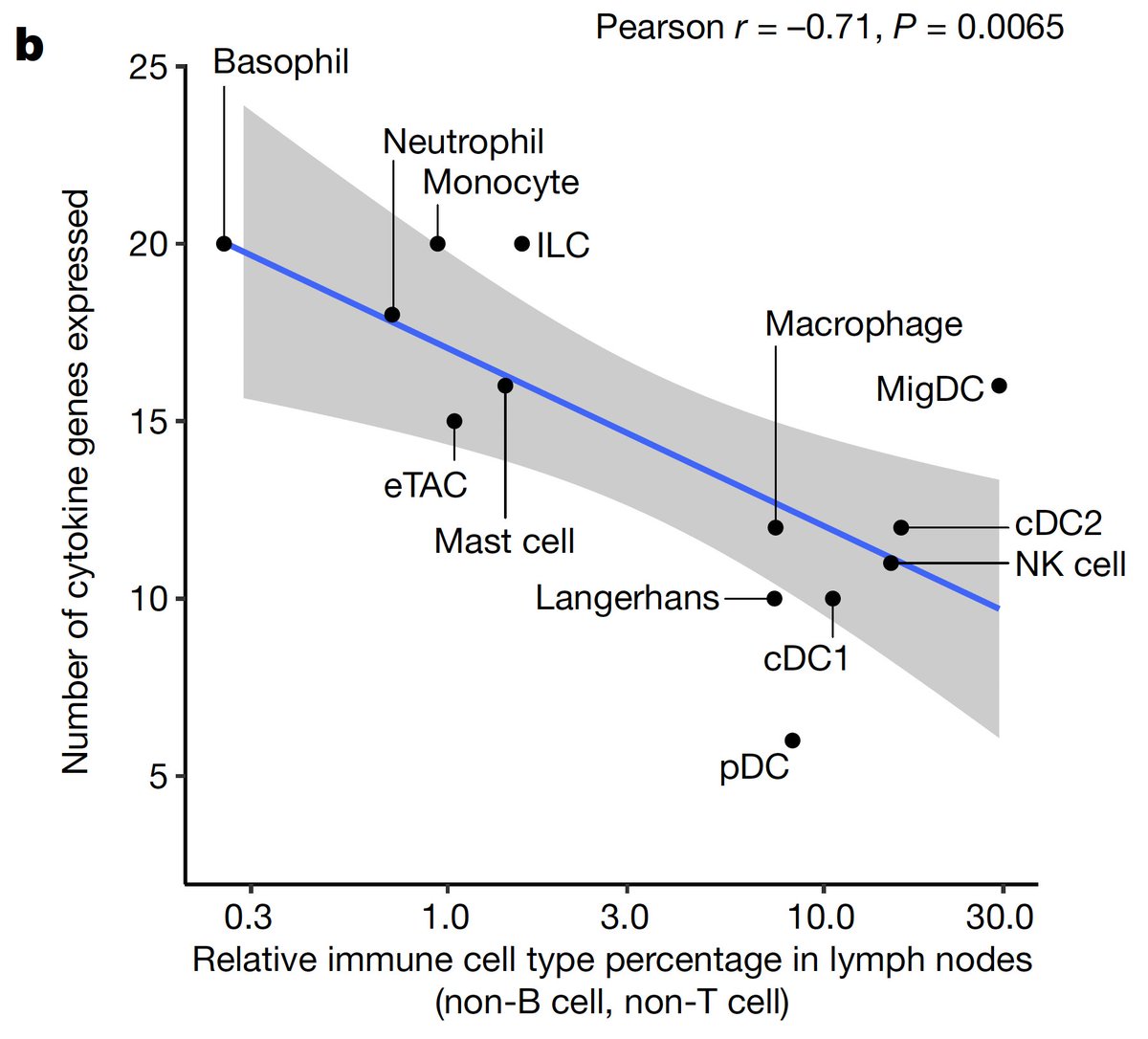
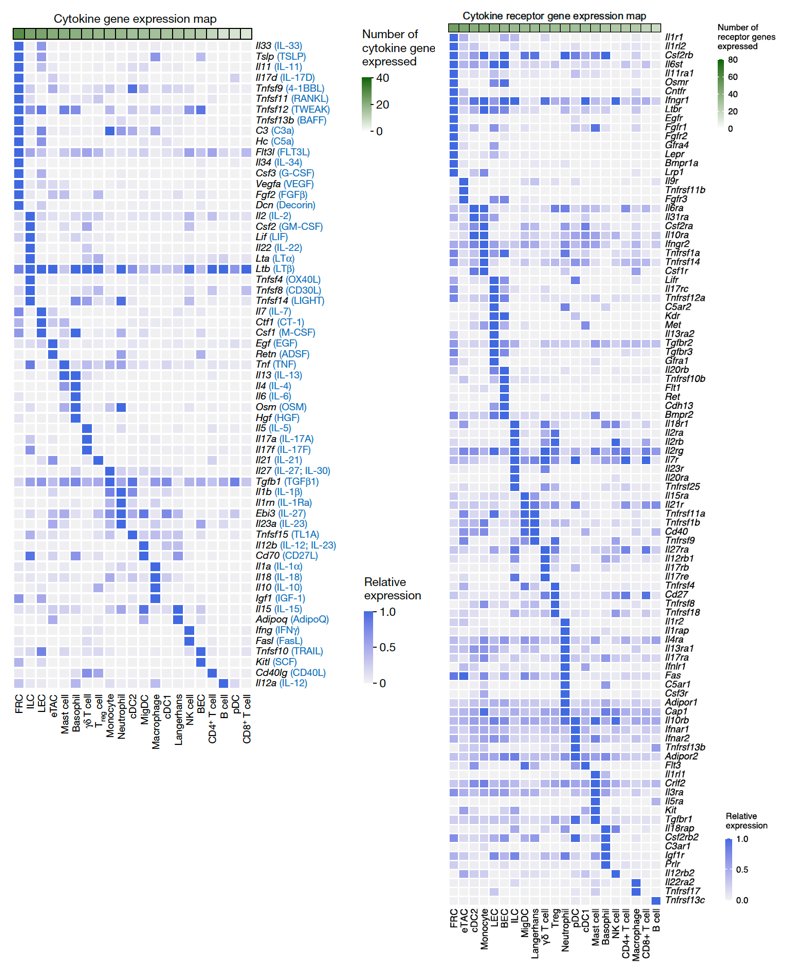
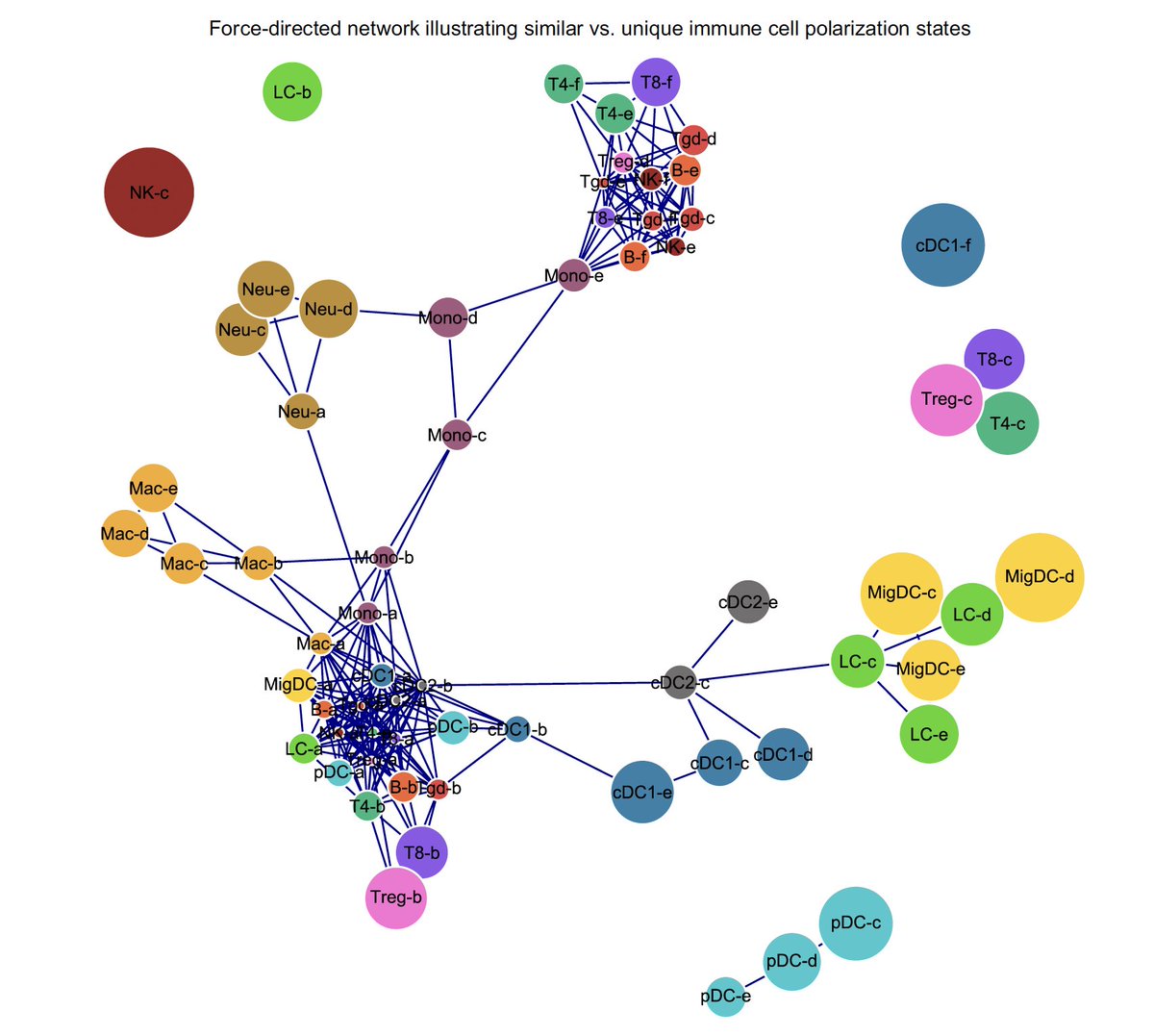
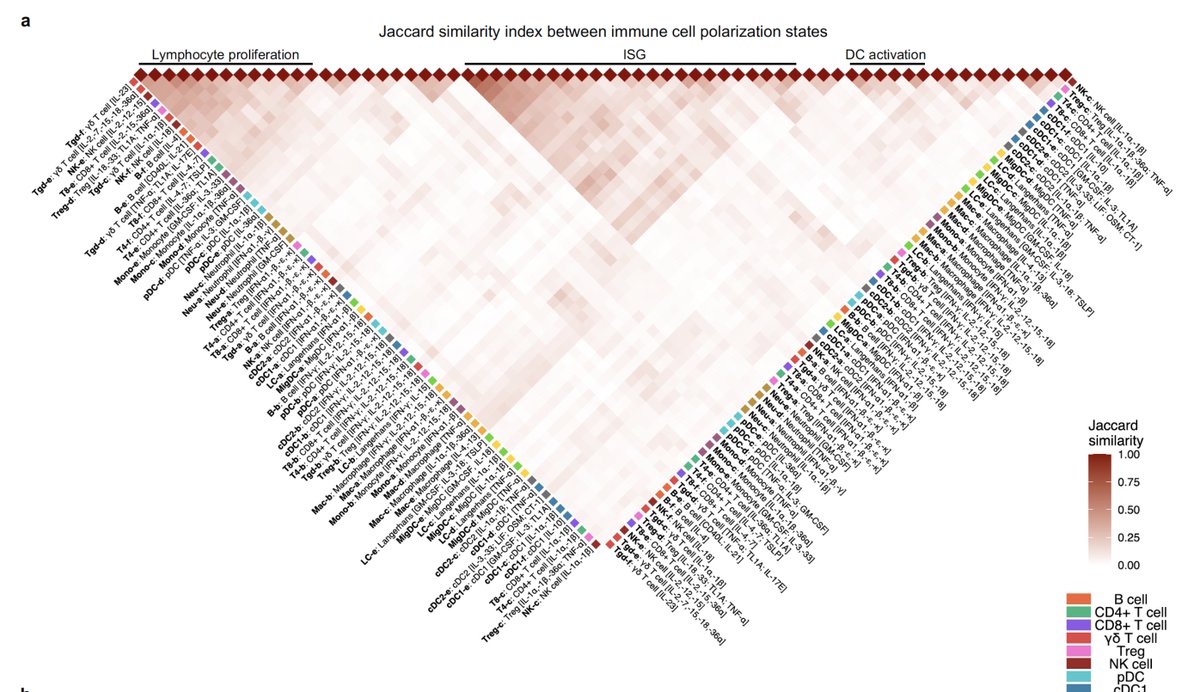
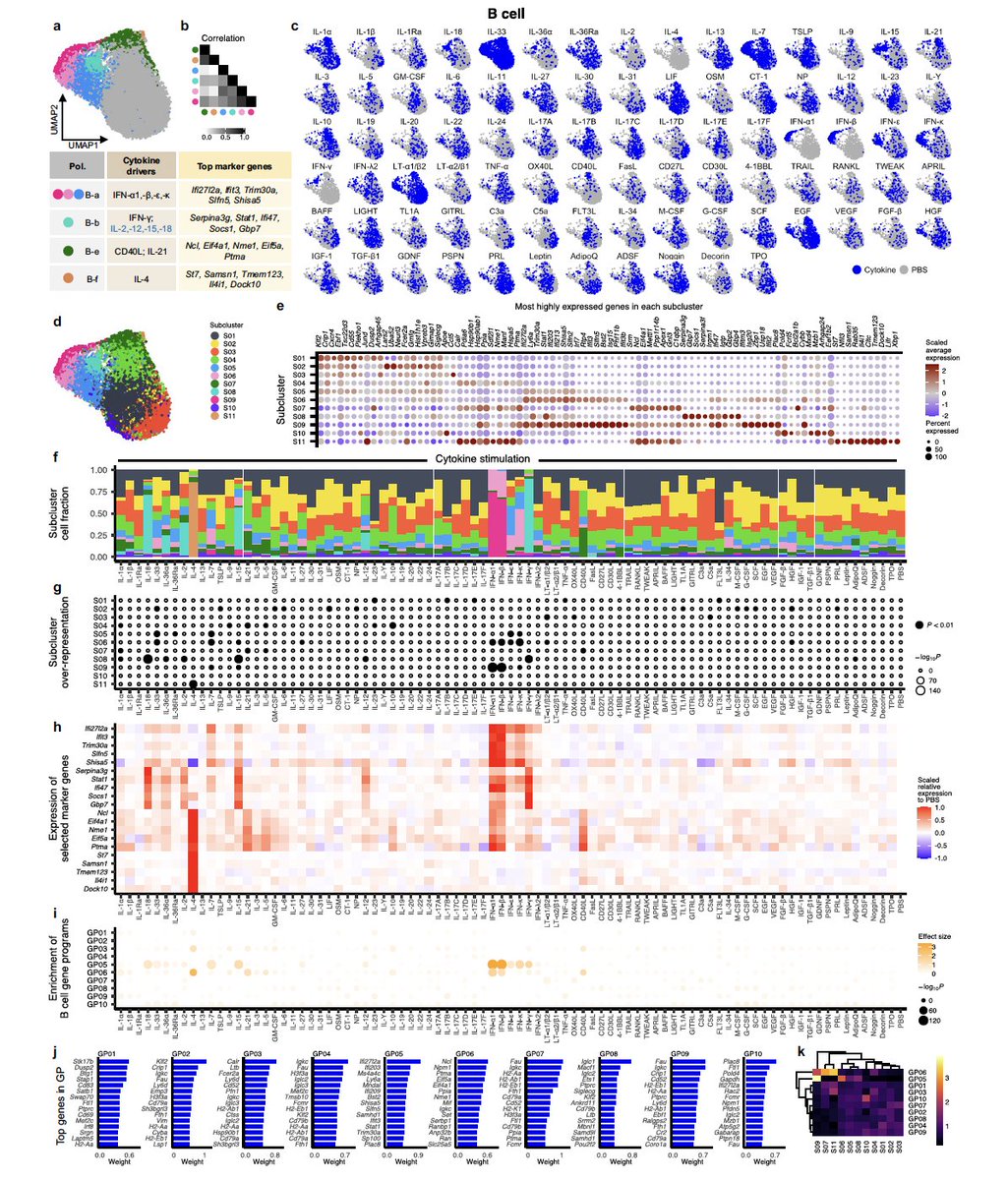
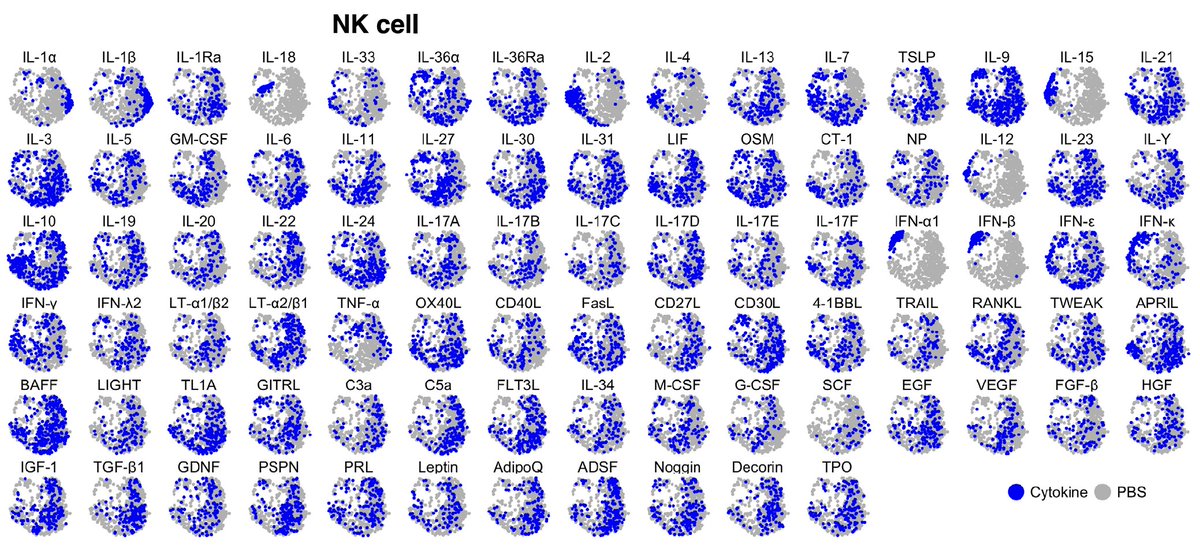
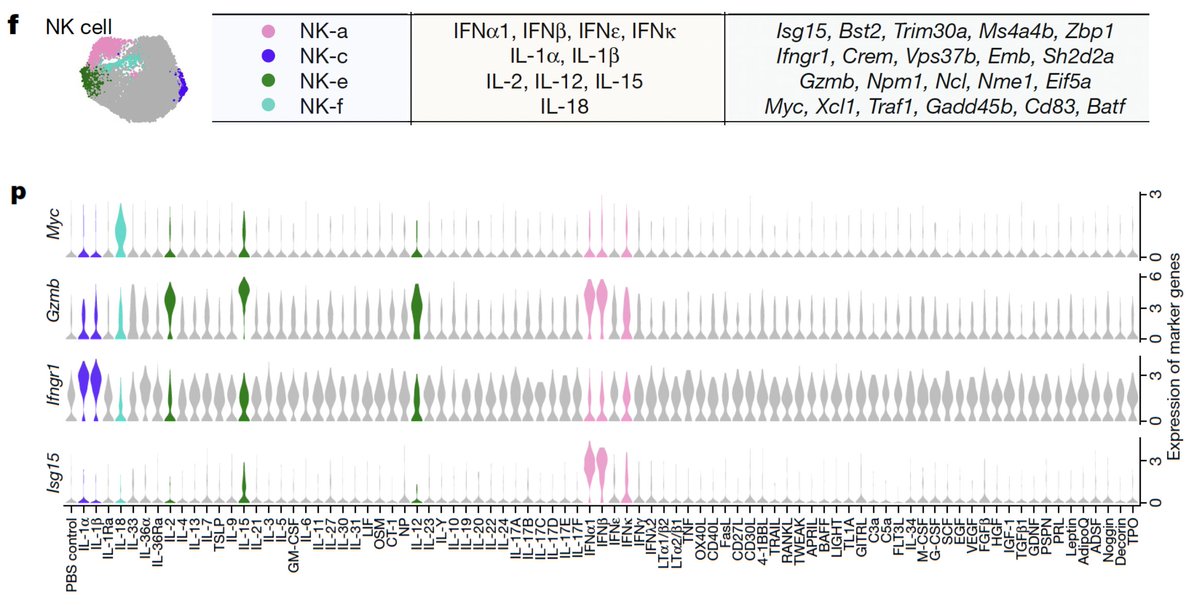
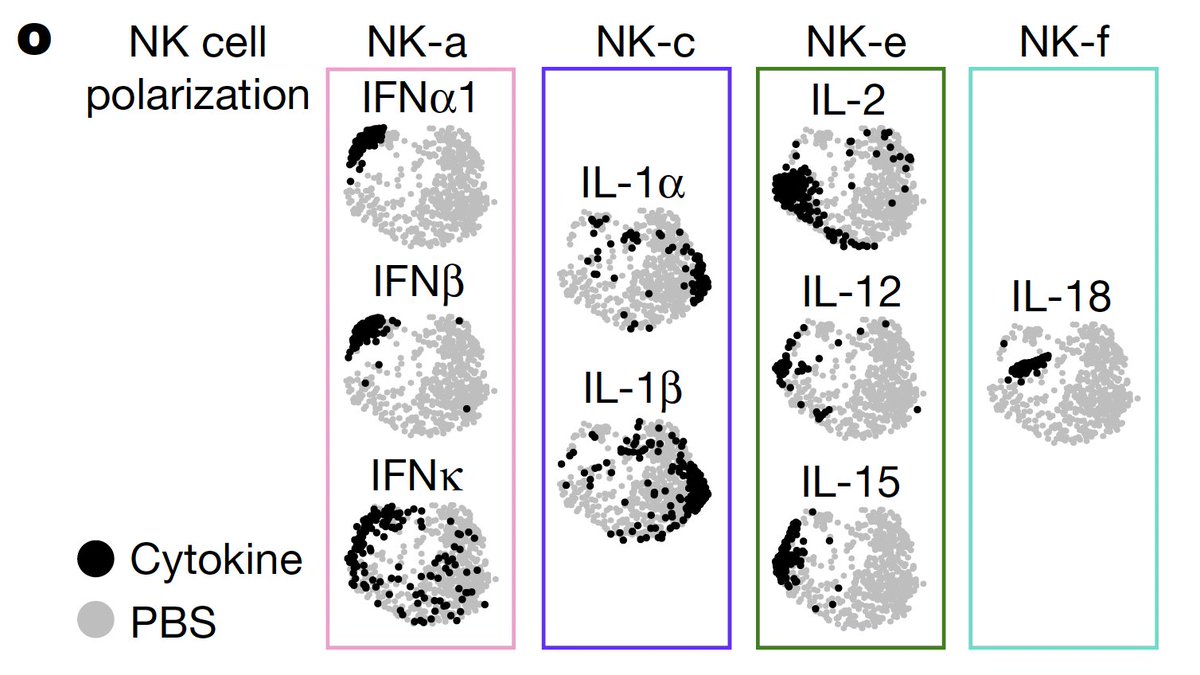
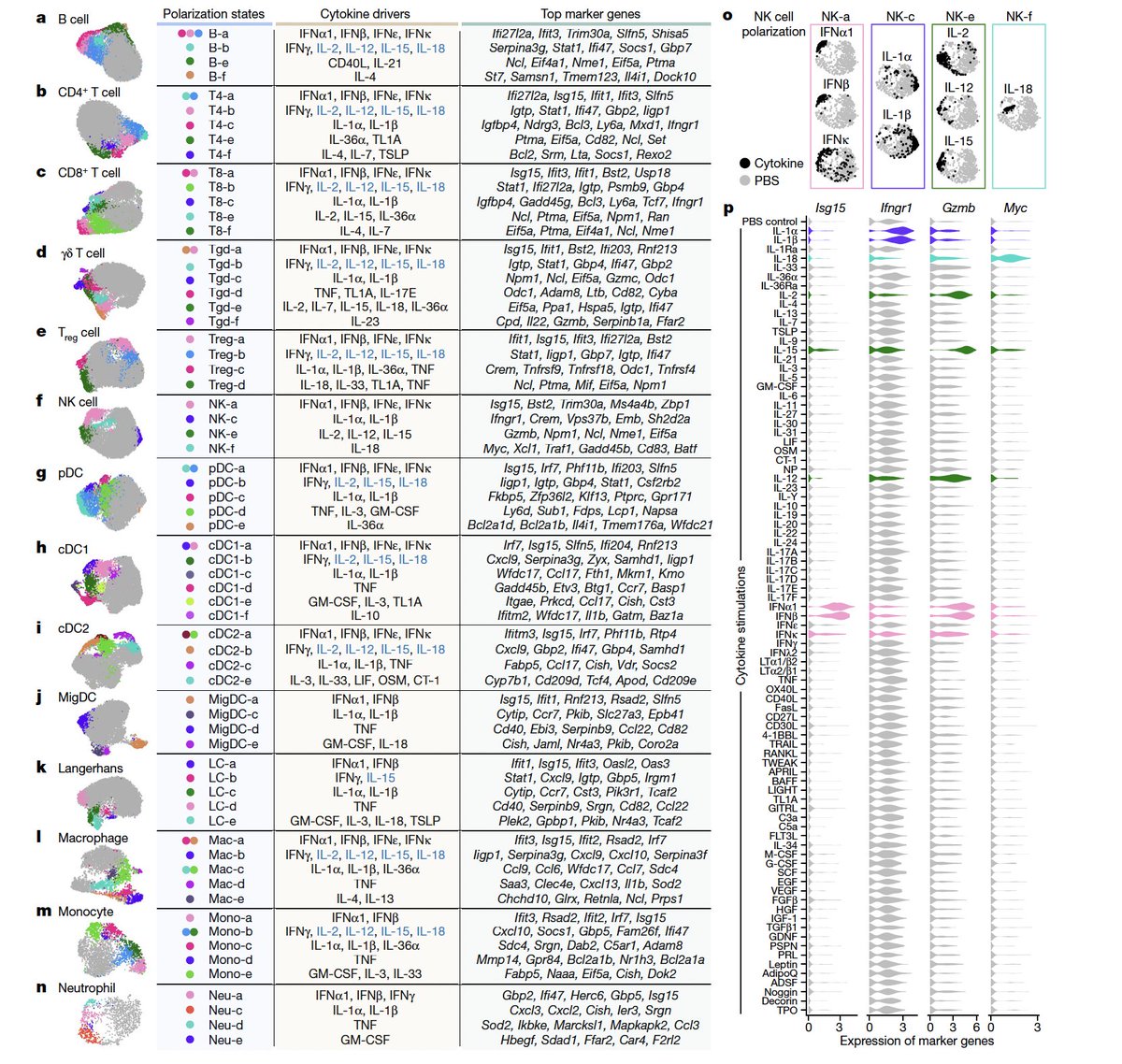
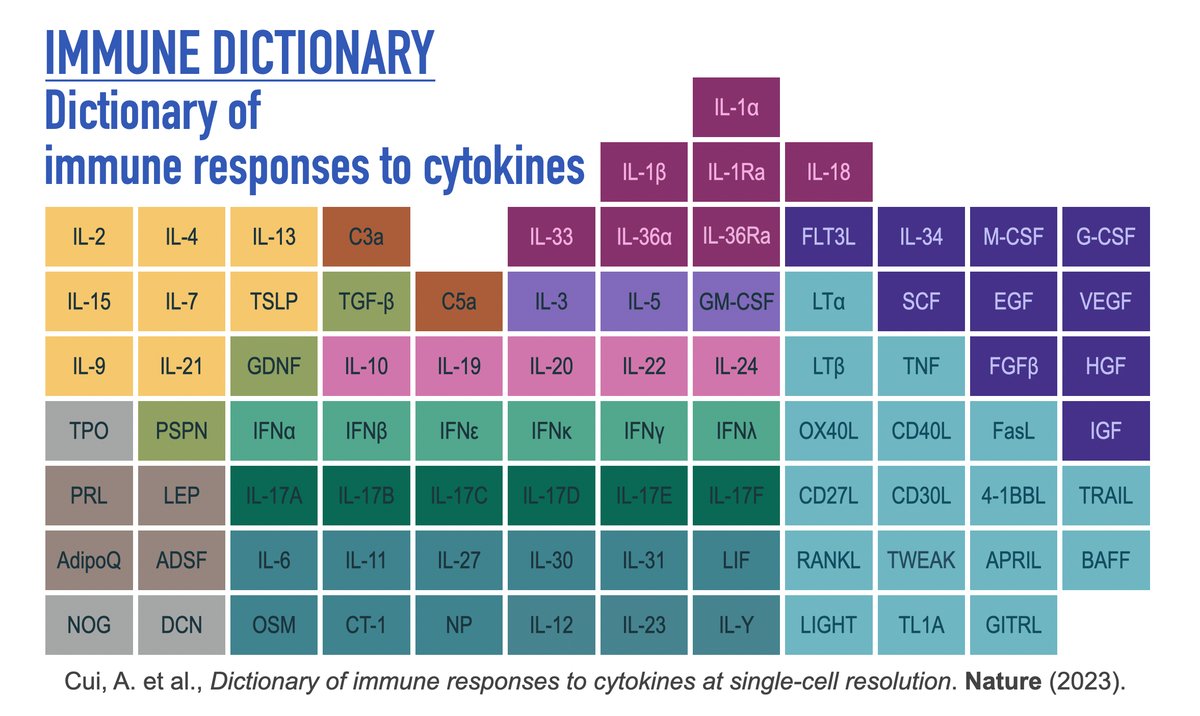
ALT The Immune Dictionary is a large-scale compendium of single-cell transcriptomic profiles of more than 17 immune cell types in response to each of 86 cytokines in vivo, a reference for understanding the complex immune system. The image lists the 86 cytokines, representing almost all major cytokines in the immune system, studied in the dictionary.
For more information, see our Nature (2023) publication "Dictionary of immune responses to cytokines at single-cell resolution": https://www.nature.com/articles/s41586-023-06816-9
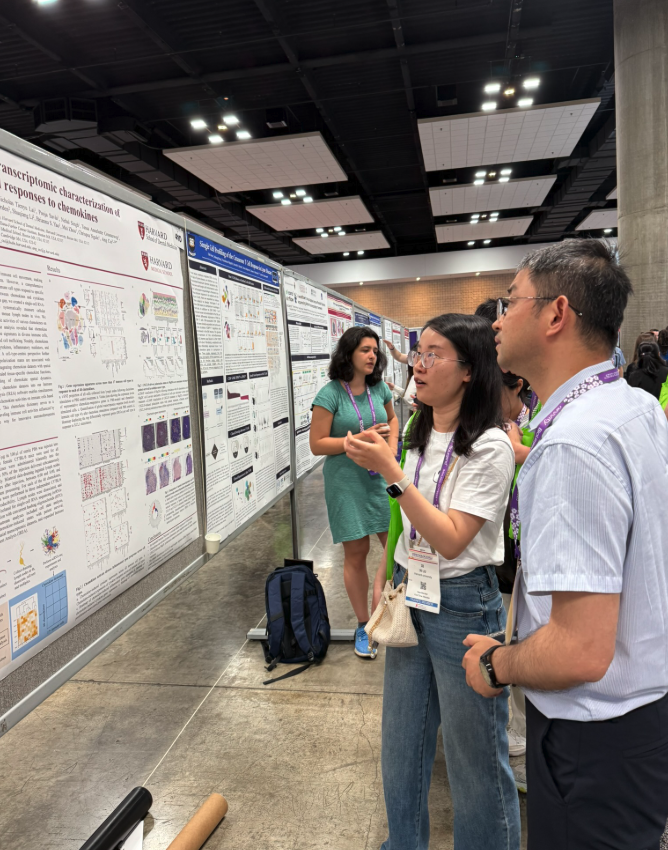
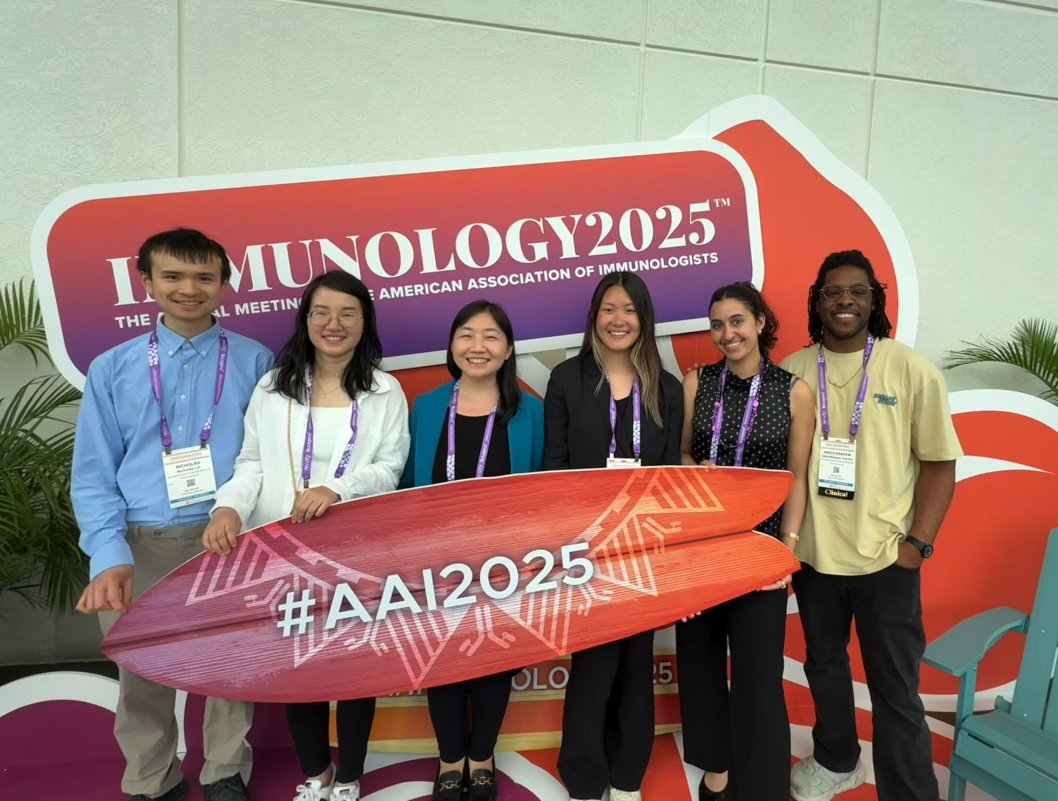
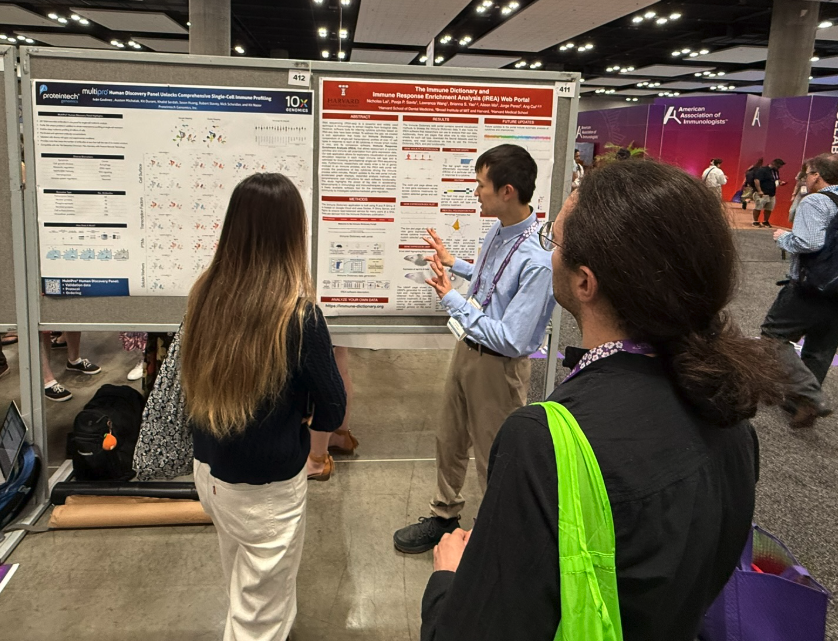
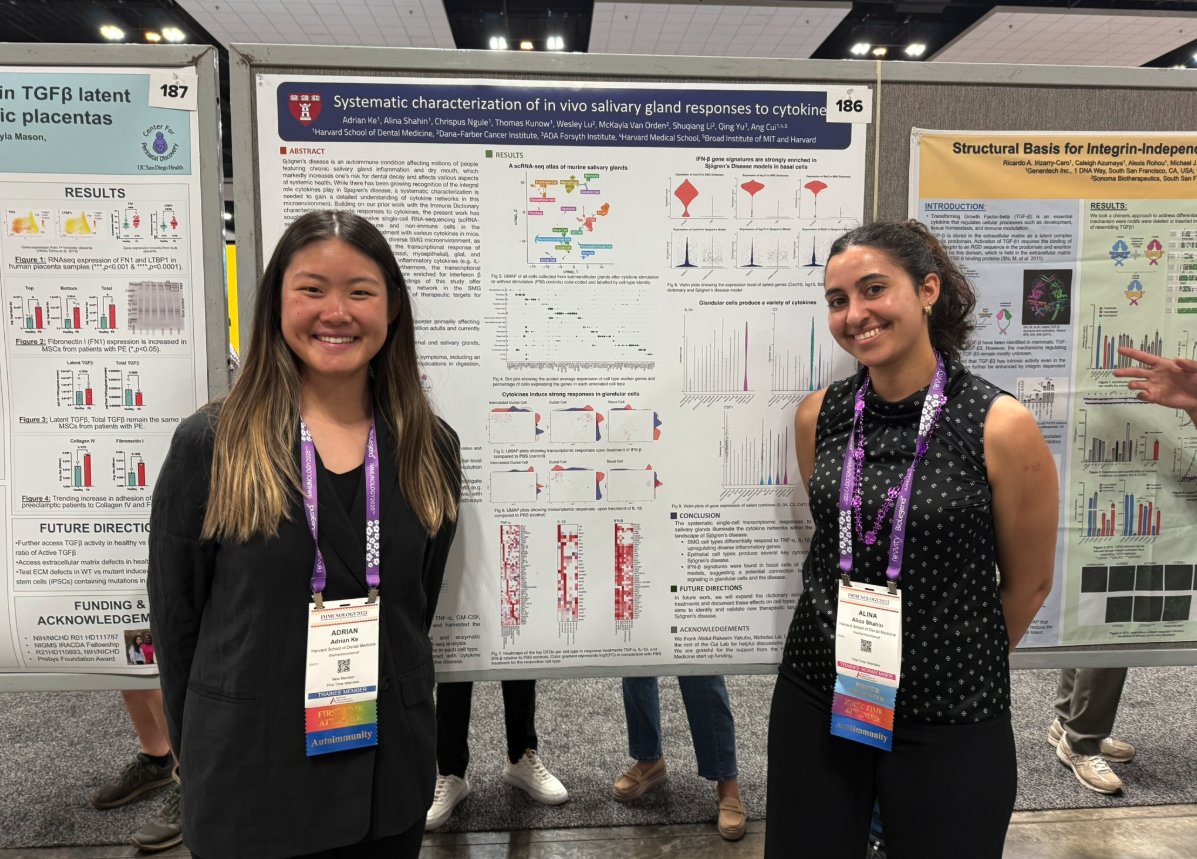
My lab was very happy to present our latest work at #AAI2025@ImmunologyAAI in Honolulu, Hawaii! Exciting scientific exchanges with colleagues truly dedicated to driving immunology & immunotherapy research forward.
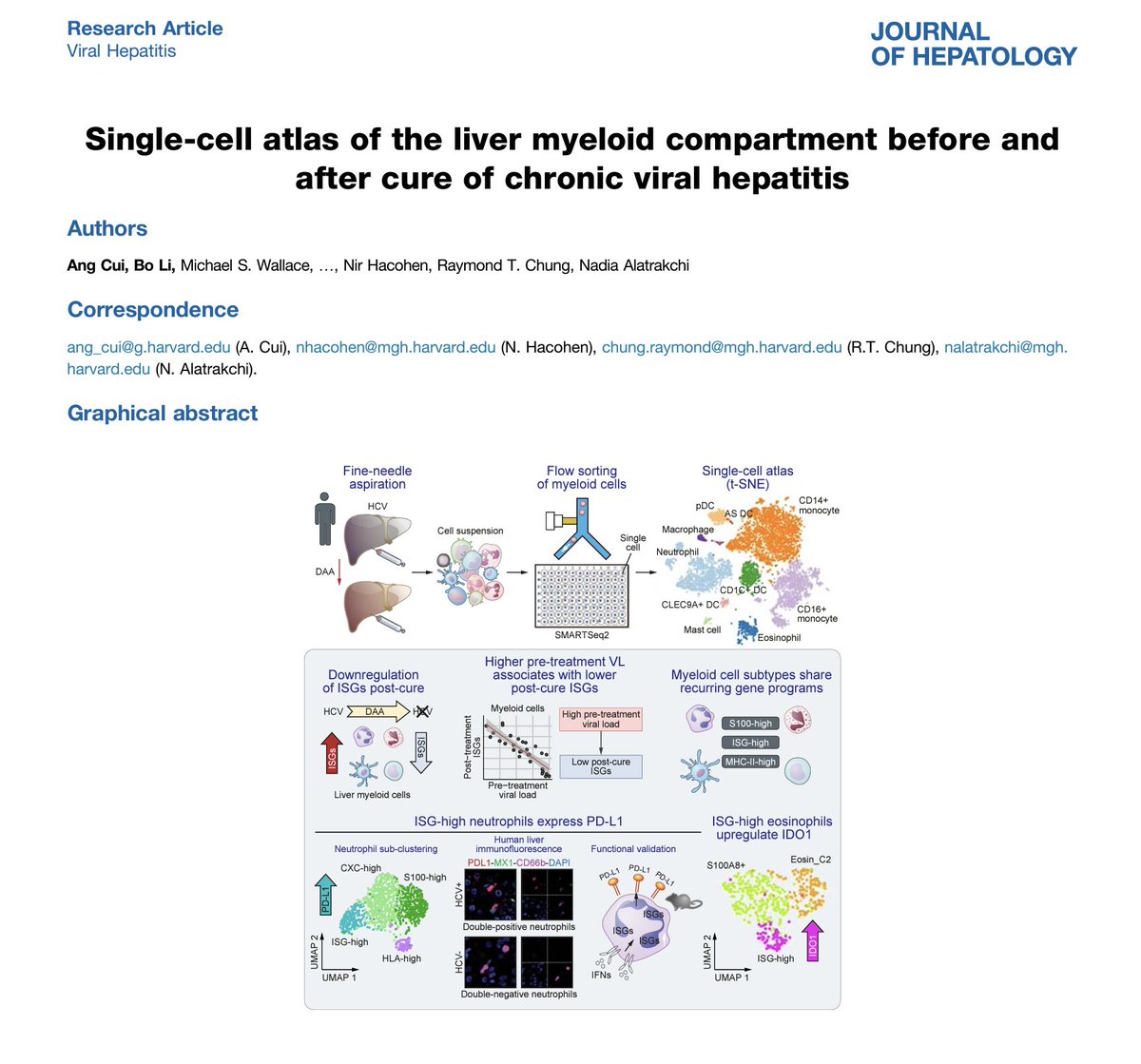
Happy to share our publication on a single-cell atlas of human liver immune (myeloid) cells in #HCVCure in the @JHepatology !
A tribute to one of the most remarkable medical breakthroughs of modern times: the #HCVCure. Since the introduction of direct-acting antivirals in 2011, hepatitis C virus (#HCV) infection has become the first chronic viral infection to be curable, with newer generation antivirals achieving a >95% success rate within just 8-12 weeks of treatment.
What lessons can we learn from this success?
Paper: journal-of-hepatology.eu/art…
Editorial: journal-of-hepatology.eu/art…
As part of a Phase 3b open-label clinical trial, we used single-cell genomics to systematically profile myeloid cells in the livers of individuals with HCV before and after viral clearance. We identified cell populations with immunoregulatory potential during active infections: ISG-high neutrophils and eosinophils were found to upregulate PD-L1 and IDO1, respectively, and proliferating dendritic cells increased post-cure. Further, we identified a correlation between pre-treatment viral load and the post-cure host immune state. We hope the data will inspire the development of immunotherapeutic strategies for other infections that currently lack a cure.
Acknowledging our incredible team for making this work possible @nalatrak, #BoLi, @raychungmd, #NirHacohen, #MichaelWallace, #AnnaGonye, #ChrisOetheimer, #HaileyPatel, @PierreTonnerre, #GeorgLauer, and many others.
@broadinstitute@MGHMedicine@harvardmed#HCV#Liver#Infections#ImmuneCells#SingleCell#DirectActingAntivirals#DAAs
ALT Cui, Li et al., (2024) Single-cell atlas of the liver myeloid compartment before and after cure of chronic viral hepatitis. Journal of Hepatology. https://www.journal-of-hepatology.eu/article/S0168-8278(23)00190-3/fulltext
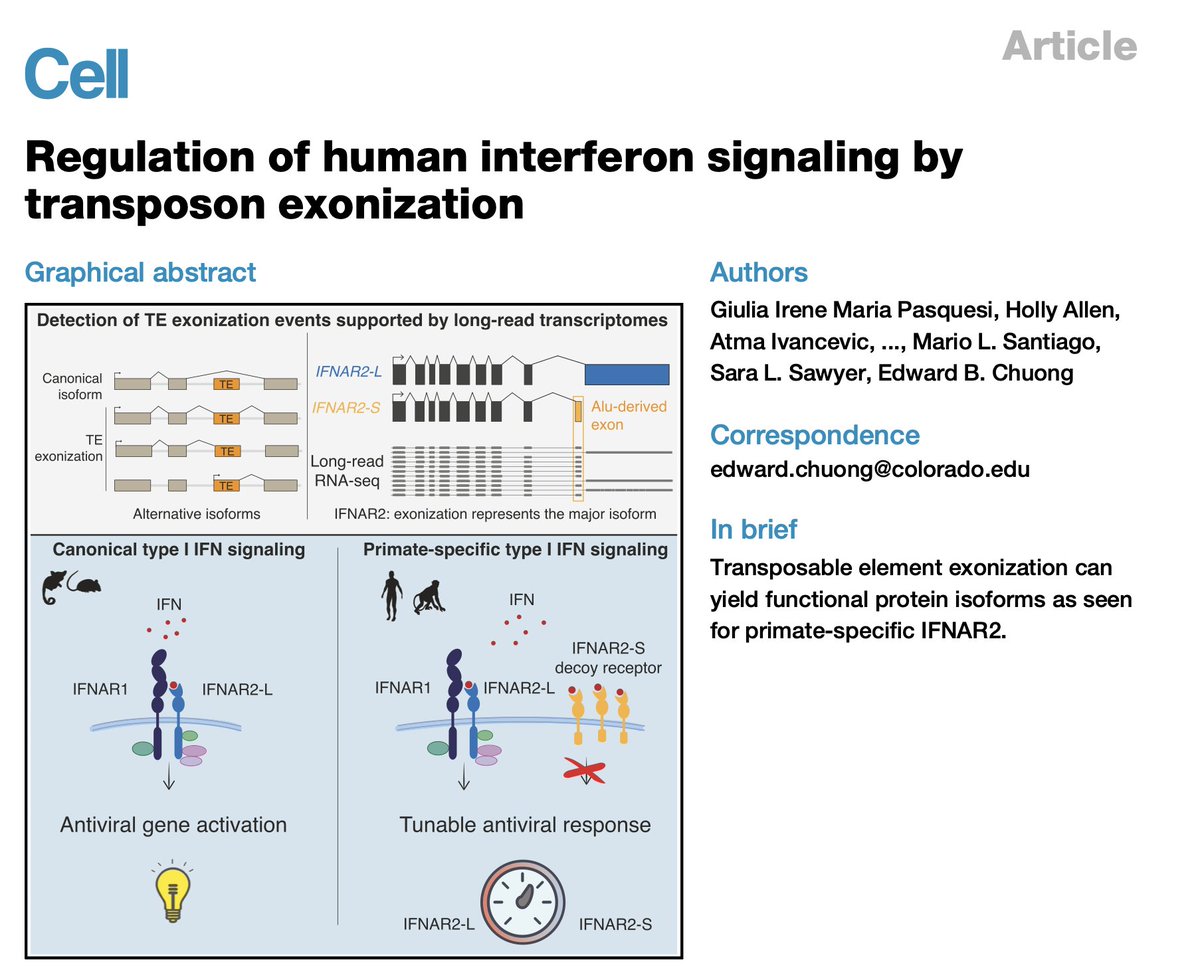
I’m excited to share our latest study led by
@GiuliaPasquesi out today in @CellPressNews , uncovering a new way transposons have been repurposed for human interferon signaling! Read on for a thread on cryptic splice variants, decoy receptors, and viruses (1/N) 👇🧵
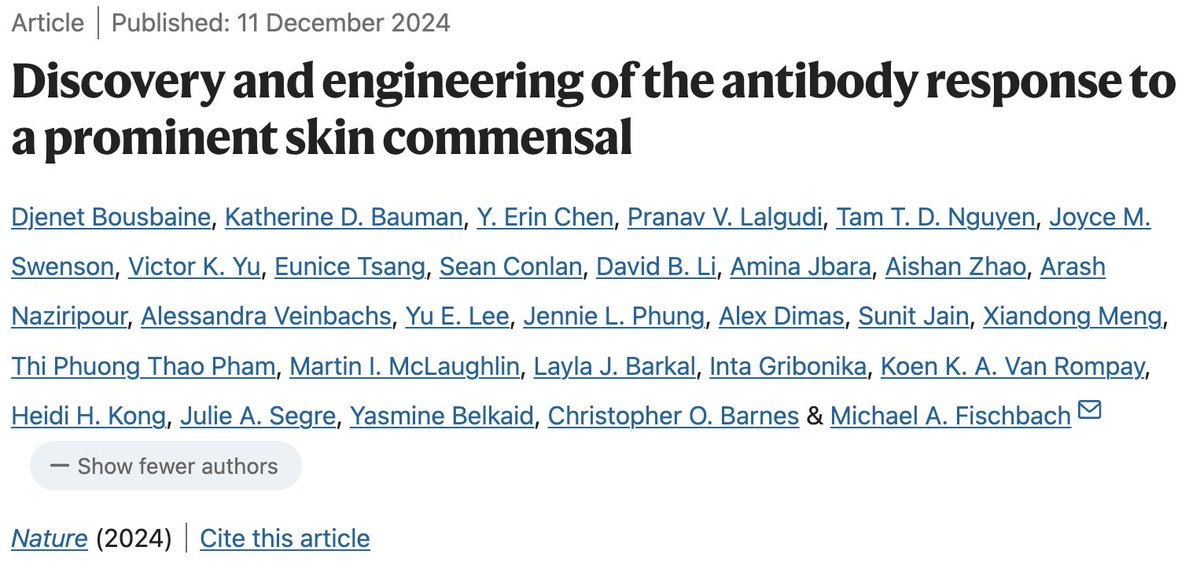
Today we report that an engineered skin bacterium, swabbed gently on the head of a mouse, can unleash a potent antibody response against a pathogen. Could lead to topical vaccines that are applied in a cream. @DjenetBousbaine led the charge... @Nature 1/55
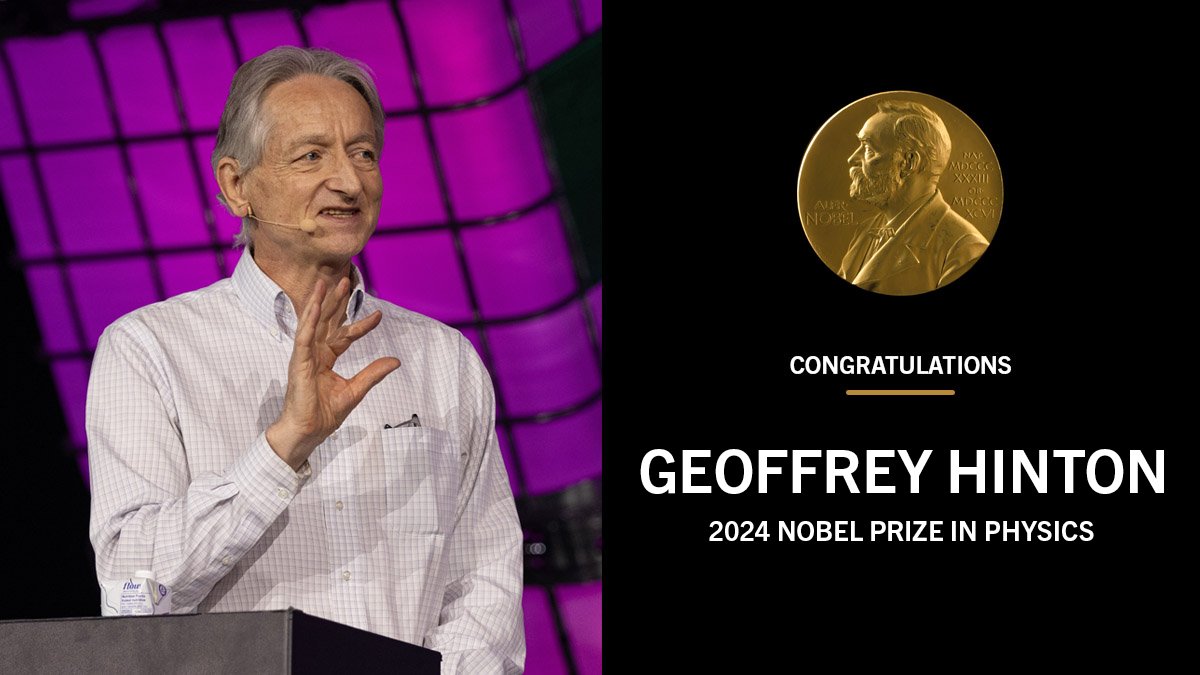
#UofT Professor Emeritus Geoffrey Hinton has won the 2024 Nobel Prize for Physics.
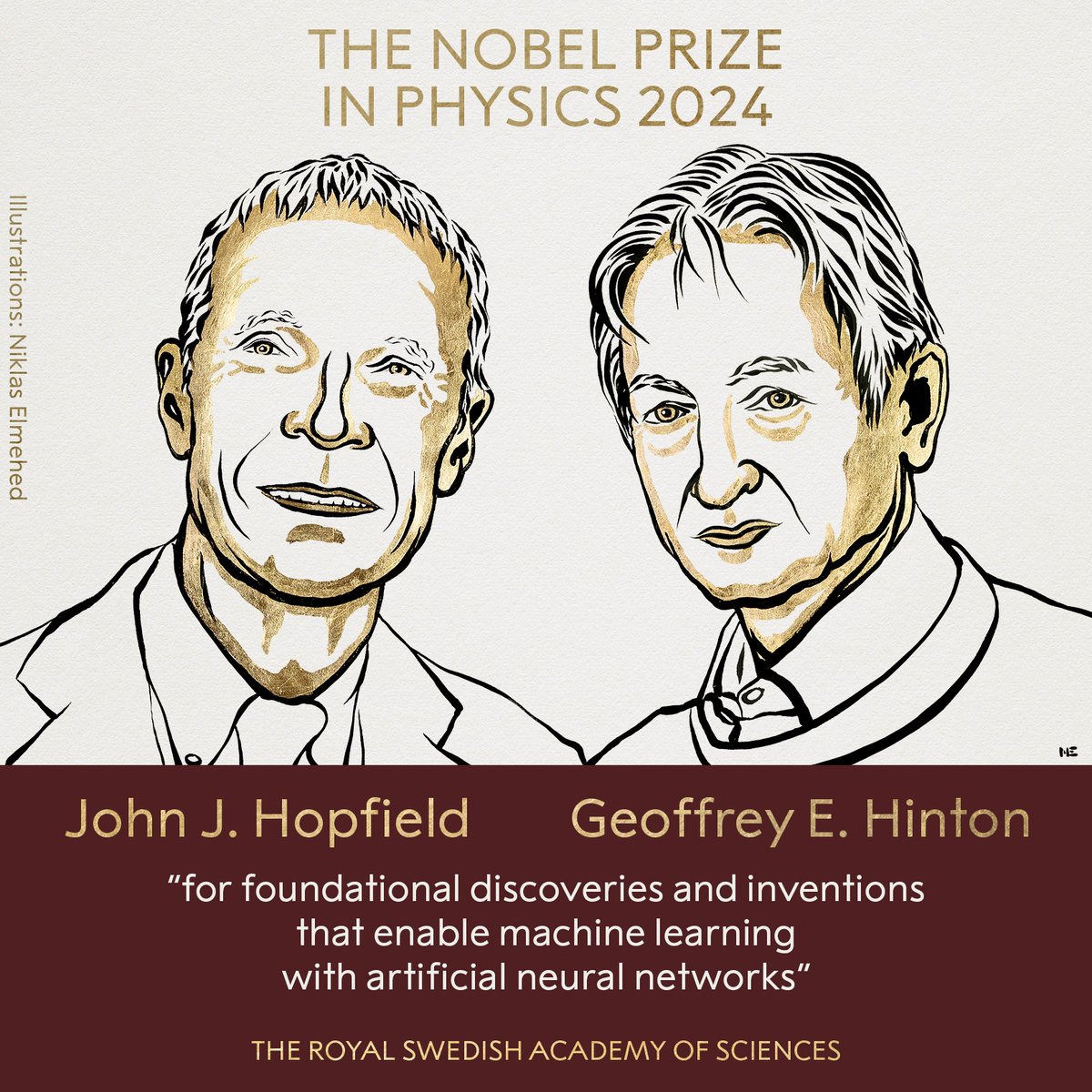
Hinton shares the prize with John J. Hopfield “for foundational discoveries and inventions that enable machine learning with artificial neural networks.” #NobelPrizeuoft.me/aXz
ALT Photo of Geoffrey Hinton at a recent conference. Text reads, "Congratulations Geoffrey Hinton. 2024 Nobel Prize in Physics."
BREAKING NEWS
The Royal Swedish Academy of Sciences has decided to award the 2024 #NobelPrize in Physics to John J. Hopfield and Geoffrey E. Hinton “for foundational discoveries and inventions that enable machine learning with artificial neural networks.”
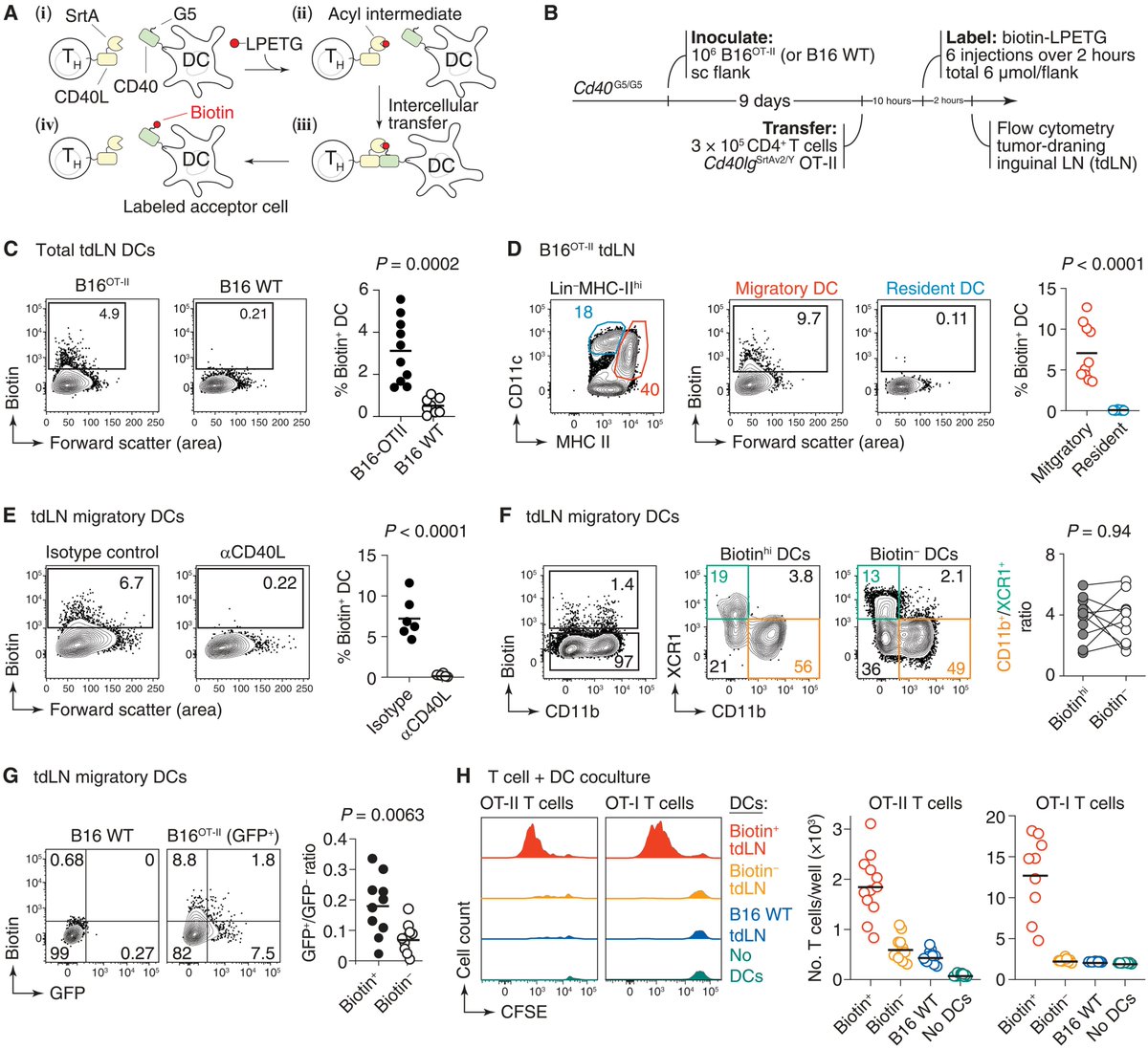
I am happy to share a large part of my postdoctoral work published in @SciImmunology! Using LIPSTIC, we identify and characterize antigen-presenting dendritic cells (DCs) in the tumor-draining lymph node and tumor microenvironment
science.org/doi/10.1126/scii…
A6: @AngCuiPhD created the Immune Dictionary, a large-scale perturbational scRNA-seq dataset of the immune system, by systematically profiling single-cell transcriptomic responses to 86 cytokines across 17 immune cell types in mouse lymph nodes in vivo. nature.com/articles/s41586-0…
Figuring out the wide range of immune cells, cytokines, and functions of cytokines in those cells, has been a major challenge in cytokine-based therapies. Find out about a potentially well-organized “Immune Dictionary” that will help tackle the issue.
antibuddies.org/2023/12/24/a…