
I am a Daly Postdoctoral Fellow at Harvard university interested in planetary magnetic fields #FirstLoveMars 🚀🚀
Joined November 2016
- Tweets 45
- Following 130
- Followers 140
- Likes 221
Photos and videos
Anna Mittelholz retweeted

30 Nov 2024
#JobAlert
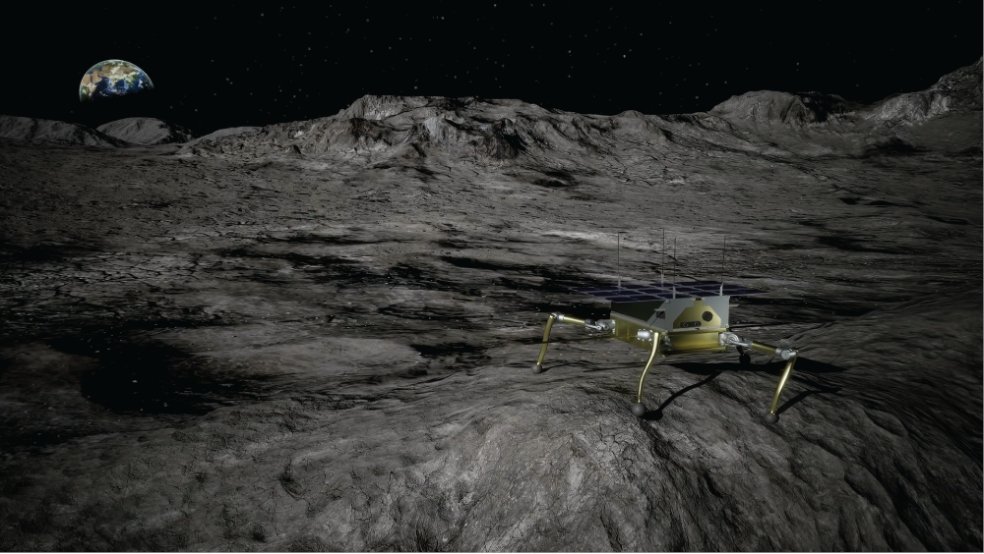
Walk with us on the Moon!
@AnnaPlanetMars, @leggedrobotics and I are looking for a lead robotics engineer for the LunarLeaper mission.
jobs.ethz.ch/job/view/9708
1
1
2
178
Anna Mittelholz retweeted

#space #engineering #jobalert
The Robotic Systems Lab, @leggedrobotics, is looking for a Robotics Lead Engineer for the LunarLeaper project, a European space mission to investigate lava tubes on the Moon. Our very own @AnnaPlanetMars is already on board.
jobs.ethz.ch/job/view/9708
1
2
216

27 Aug 2024
Philip and I had lots of fun chatting about @LunarLeaper, our little robot aiming to explore lunar lava caves. Thanks @BBC for coming by!! 🌜🚀🇨🇭
@ETH_EAPS
27 Aug 2024

Watch the BBC video about ETH's Spacehopper. Spencer Kelly visited us in Zurich and wanted to know everything about the #SpaceMission that the little three-legged friend will be going on. 🤖 brnw.ch/21wM6G8
1
9
451
Anna Mittelholz retweeted

27 Aug 2024
Watch the BBC video about ETH's Spacehopper. Spencer Kelly visited us in Zurich and wanted to know everything about the #SpaceMission that the little three-legged friend will be going on. 🤖 brnw.ch/21wM6G8
8
17
3,392
Anna Mittelholz retweeted
27 Jan 2024
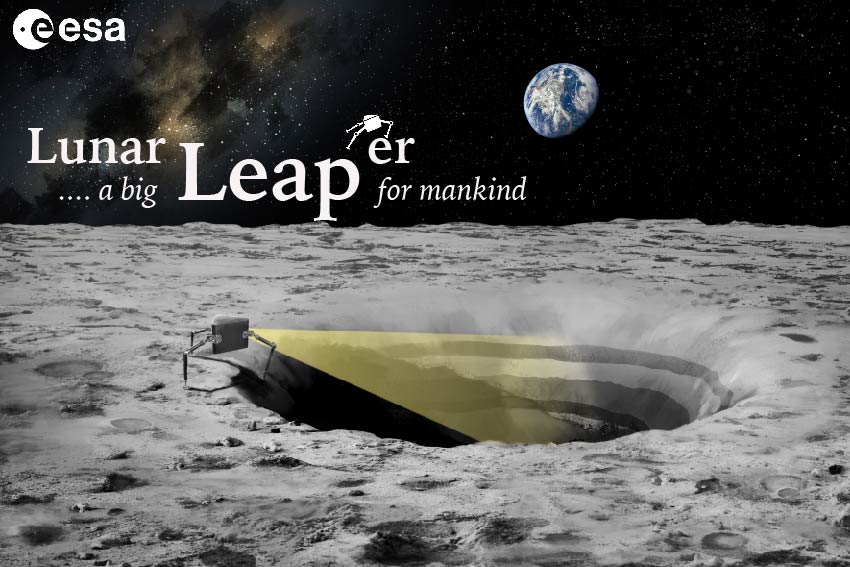
@AnnaPlanetMars and I led a team to propose a low-cost way to explore lunar lava tubes with @leggedrobotics:
LunarLeaper will use all advantages of legged robotics to approach a potential skyhole in Marius Hills.
lunarleaper.space
@ETH_en @ETH_ERDW @eth_dmavt
1
3
12
698
Anna Mittelholz retweeted
#phd #jobalert
@AnnaPlanetMars is looking for a doctoral student to investigate the origin of lunar crustal magnetisation as part of her @snsf_ch research project “Using magnetic fields to explore terrestrial bodies in our Solar System”.
Magnificent! jobs.ethz.ch/job/view/8298
2
5
562
Anna Mittelholz retweeted

9 May 2023
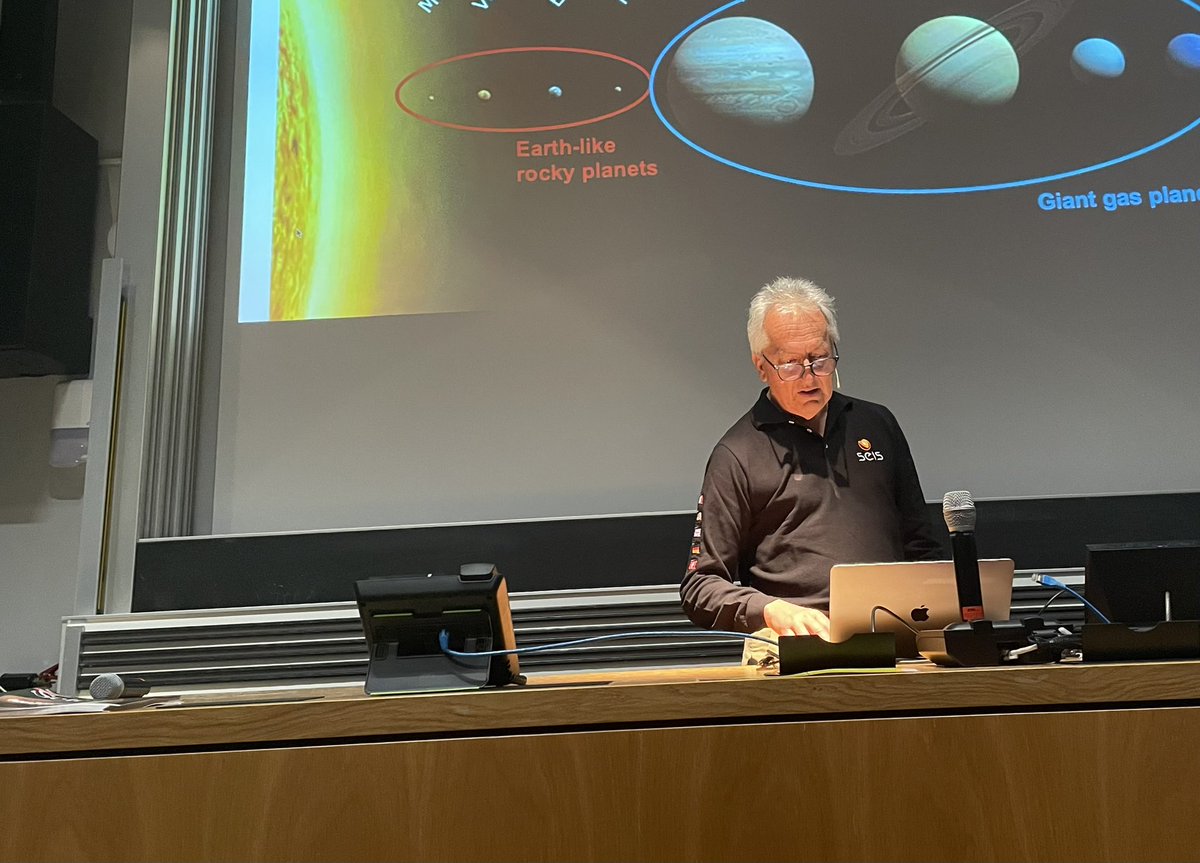
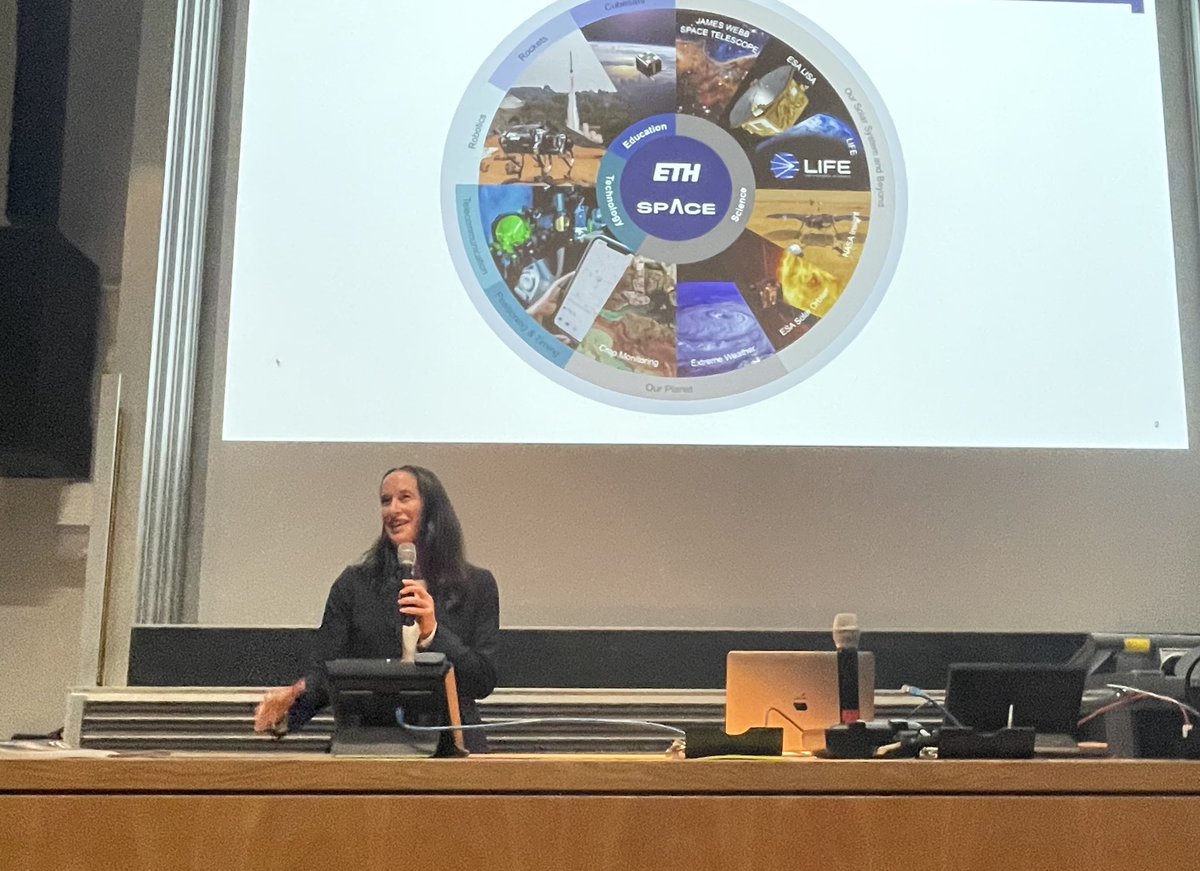
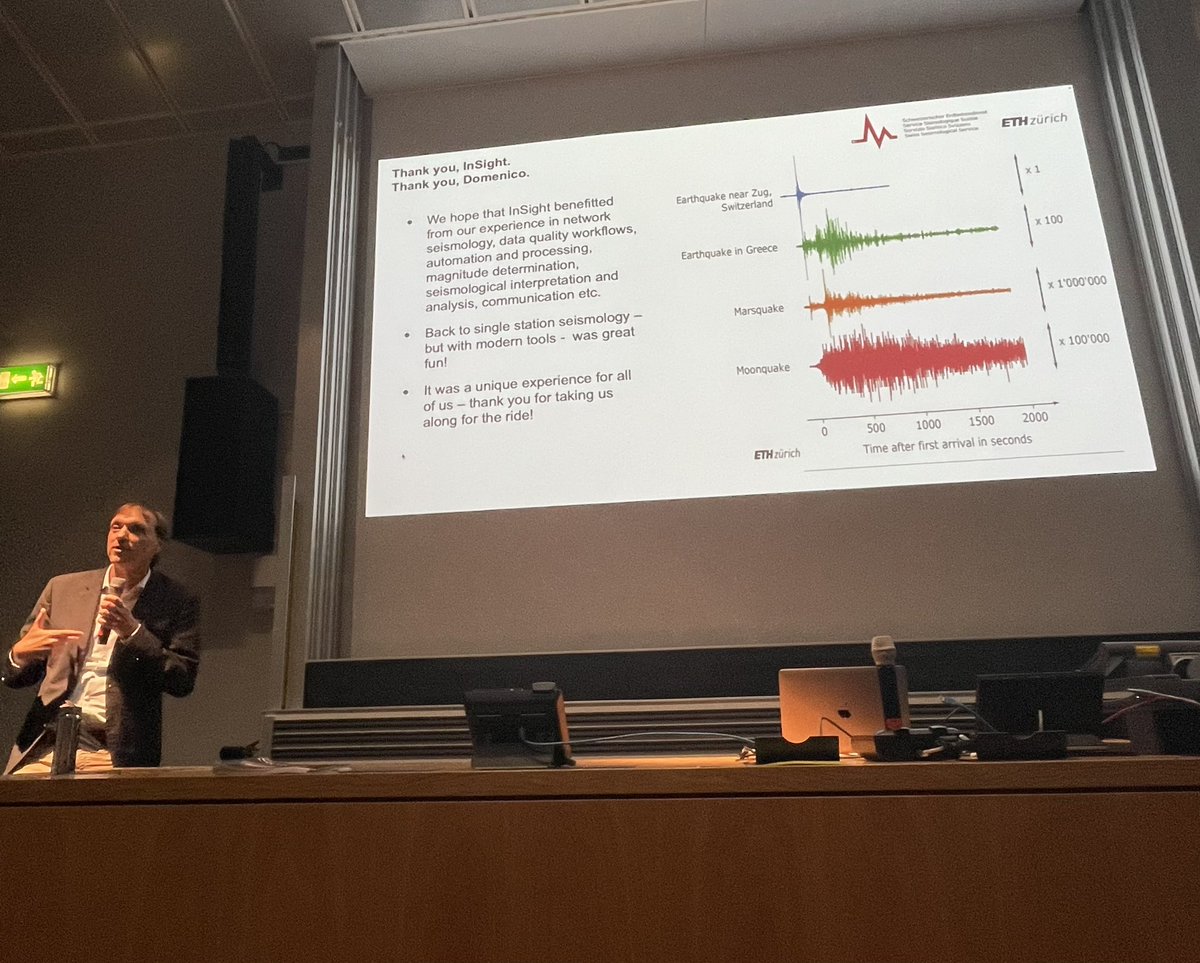
At @ETH_en today, celebrating the successful @NASAInSight mission and especially the great team of students, engineers, & staff led by Prof. Giardini who were key contributors. This mission has led to 100 publications by this team and has reshaped how we think about Mars. 🟠🛜
7
42
4,284
Anna Mittelholz retweeted

18 Apr 2023
New paper alert!!!
Mid-Proterozoic geomagnetic field was more consistent with a dipole than a quadrupole pubs.geoscienceworld.org/gsa…
2
7
523
Anna Mittelholz retweeted
#phd #jobalert @AnnaPlanetMars is looking for a doctoral student to study planetary magnetism. This research is part of her SNSF Ambizione project “Using magnetic fields to explore terrestrial bodies in our Solar System” which she will take on here at ETH Zurich. Apply now!
6 Apr 2023

You are looking for an exciting opportunity to study the Martian magnetic field? Perfect!!
jobs.ethz.ch/job/view/JOPG_e…
#ETH #Mars #phdchat #AcademicTwitter
1
3
620
6 Apr 2023
You are looking for an exciting opportunity to study the Martian magnetic field? Perfect!!
jobs.ethz.ch/job/view/JOPG_e…
#ETH #Mars #phdchat #AcademicTwitter
2
17
18
5,437
6 Apr 2023
I am looking for a PhD student interested in planetary magnetic fields, especially the Martian one, starting on September 1, 2023 at ETH in Zurich. Check out this link and feel free to distribute this / apply.
1
5
481
Anna Mittelholz retweeted

16 Feb 2023
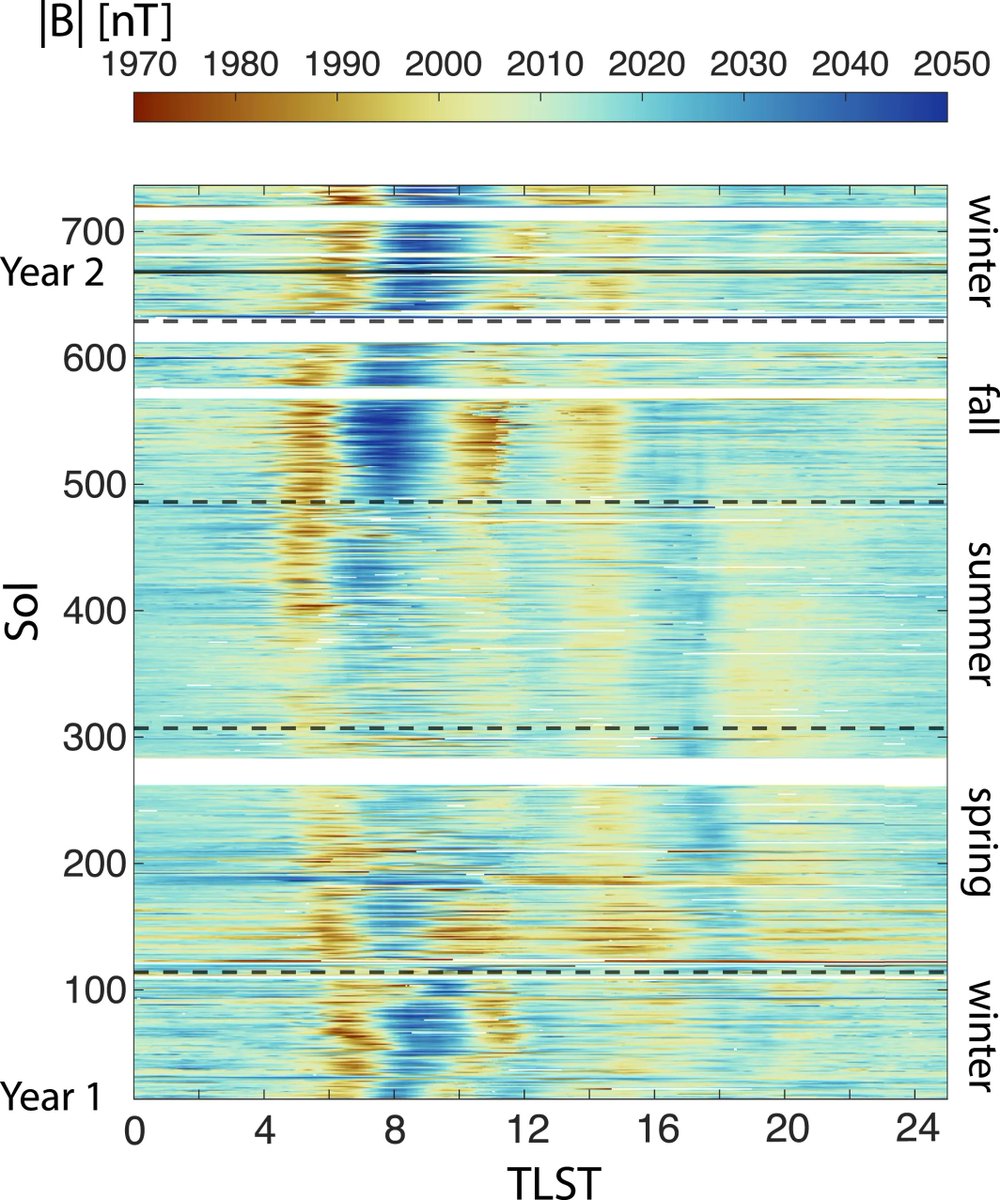
Mars' External Magnetic Field as Seen From the Surface With InSighthttps://doi.org/10.1029/2022JE007616 Time variations in the surface magnetic field are primarily driven by the ionosphere. They are also affected by atmospheric seasonal variations.
5
7
991
25 Jan 2023
InSight has been the first magnetic observatory on Mars! We summarize magnetic field observations of external fields with timescales of minutes up to a year. Check out the paper published in #JGRPlanets #JGR lnkd.in/es-AKZE6
1
8
521
Anna Mittelholz retweeted

31 Oct 2022
📢 Please RT: fully funded @GW4plusDTP PhD 📢 Come work on the intensity of volcanic eruptions with me (@UniExeCornwall), @samengwell (@BritGeoSurvey), @ArnauFolchDuran (@GEO3BCN_CSIC) & @Matthew__Watson (@UoBristolVolc) !
👉tinyurl.com/volcanophd
A few perks below 👇(1/3)
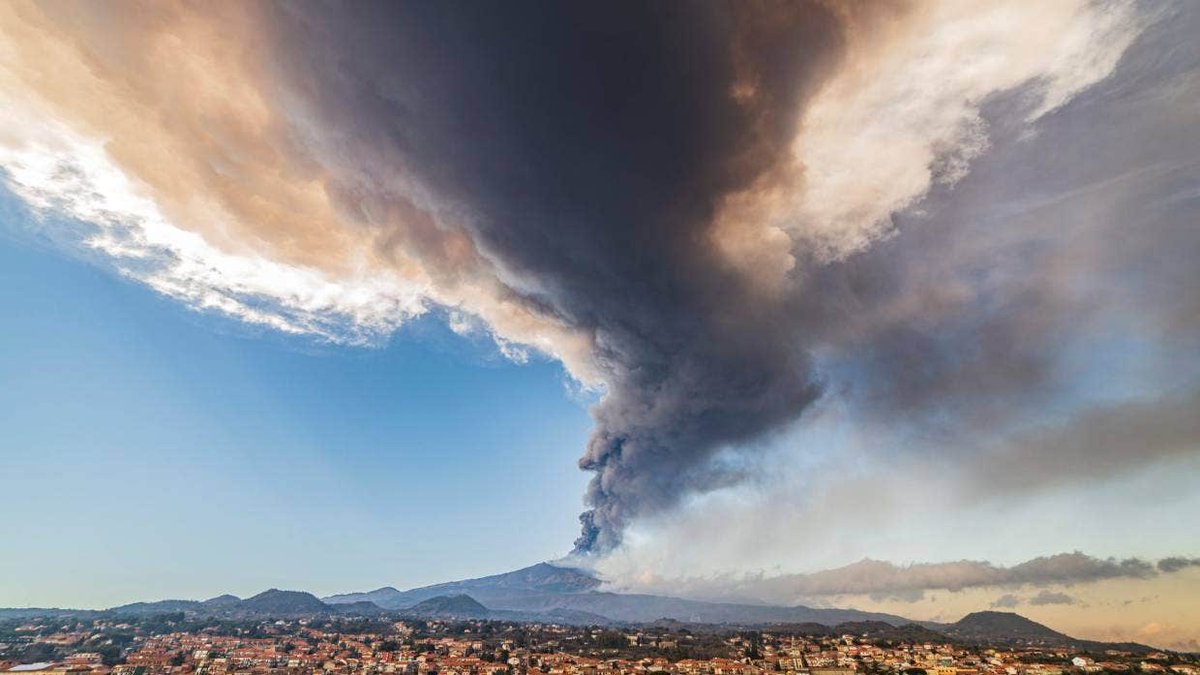
ALT Volcanic plume generated by the 23rd February 2013 Mount Etna (Italy) eruption. credit: Salvatore Allegra/AP
4
49
78
27 Oct 2022
Mars is ALIVE 😎!! Check out our new paper on seismic activity in the Cerberus Fossae graben system @exoseismologist @FynnMitsuki
27 Oct 2022

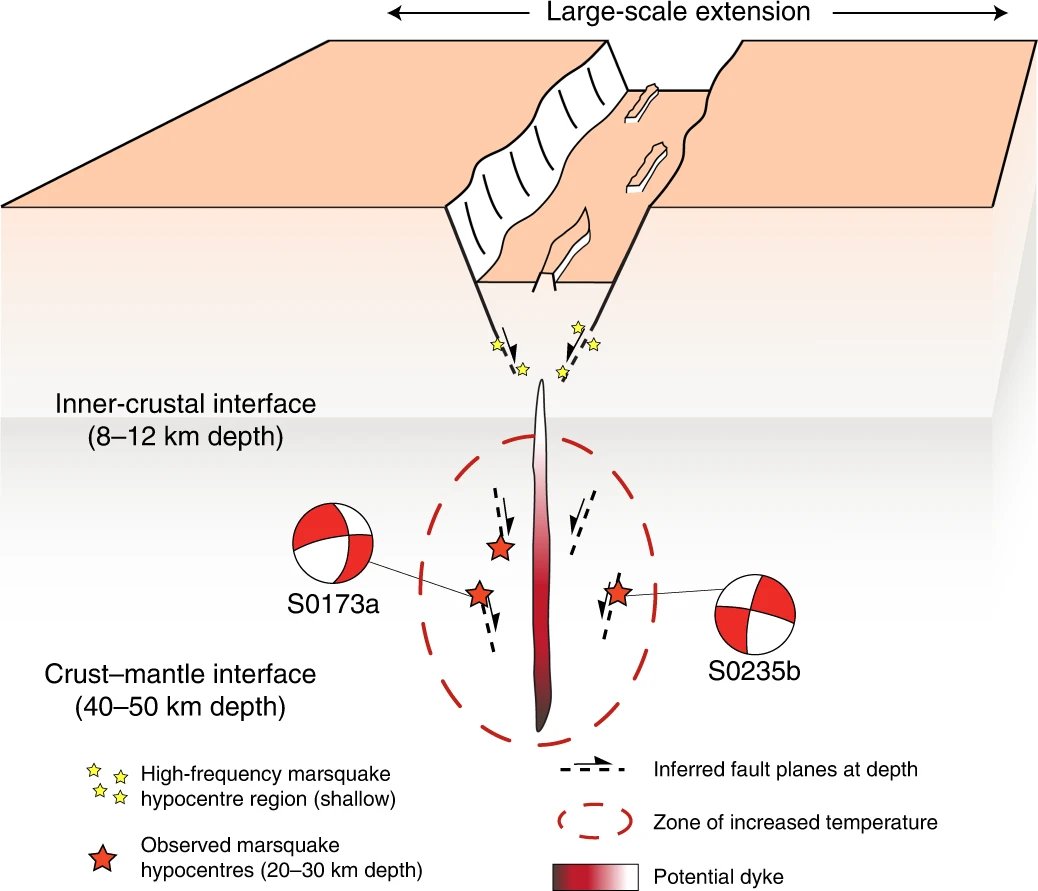
Mars' Cerberus Fossae fault region is the source of half of the whole planet's seismic moment, indicating that it is still actively opening and that there is a warm source at ~40 km depth below it. @exoseismologist, @AnnaPlanetMars, et al.: nature.com/articles/s41550-0…
5
30
Anna Mittelholz retweeted
27 Oct 2022
Paper alert: TECTONICS OF CERBERUS FOSSAE UNVEILED BY MARSQUAKES
nature.com/articles/s41550-0…
With @AnnaPlanetMars @FynnMitsuki and many others.
Thread
1
5
12
Anna Mittelholz retweeted
Many congratulations to
@AnnaPlanetMars on receiving a SNSF Ambizione grant for her #geophysics project "Using Magnetic Fields to Explore Terrestrial Bodies in our Solar System".
7 Sep 2022

#Ambizione: the SNSF has awarded 67.6 million francs to 83 early-career researchers. They will receive an average of 815,000 francs to run their first independent research project at a higher education institution in Switzerland. #SNSF_Research
sohub.io/udfq
1
1
Anna Mittelholz retweeted
19 Sep 2022
We finally detected an impact with InSight's seismometer and NASA made a slightly silly video about it all!

Bloops on Mars
@NASAInSight detected not one – but four – meteoroid impacts on the Red Planet. Not only are the sounds of interest to scientists, but impact craters provide clues into Mars’ past and interior structure. Learn more in the video below.
2
5
26
Anna Mittelholz retweeted

New Research: The Martian Crustal Magnetic Field frontiersin.org/articles/10.… #SpaceSci
1
1
3