
Scientific publishing and editorial consultancy for researchers, publishers and related organisations. Founded by @LesleyAnson in 2015.
Joined April 2020
- Tweets 178
- Following 203
- Followers 104
- Likes 262
4 Photos and videos

Anson Scientific retweeted

We're moving to Bluesky!
Support our mission to reclaim and democratize science publishing by following us at:
biophysicscolab.bsky.social

3
5
135

15 Jan 2025
An engaging sprint through the life a journal editor from 2007 to 2025, highlighting changes that have both helped and hindered this role.
@bschillace
1
88
Anson Scientific retweeted

15 Jan 2025
🌟Simplify Your Travels: Pack Smarter with This Tote!
nordace.link/ka8Z4
5
2
31
52,395
Anson Scientific retweeted

23 Oct 2024
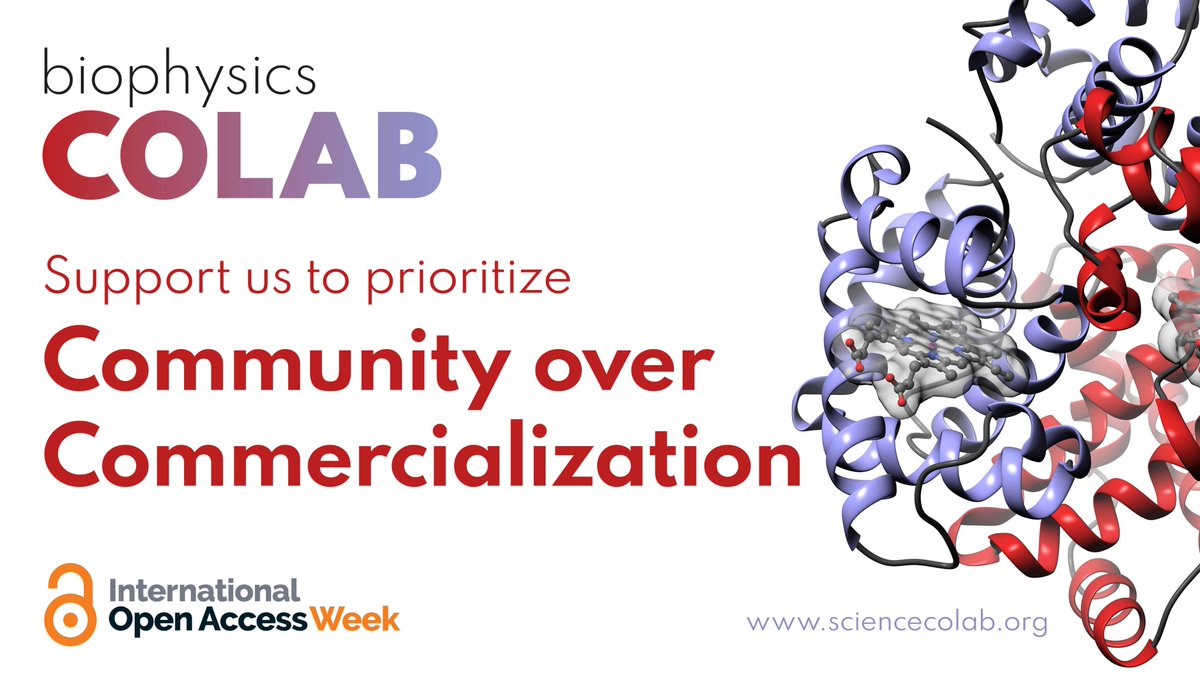
If you're interested in biophysics and want to contribute to positive change in scientific publishing, follow our first community venture @BiophysicsColab
#OAWeek24 #ScienceCommunity #FutureofPublishing
5
8
724
22 Jul 2024
@ALETranslation: "Publishers can improve their approach to AI tool use and policy in the following eight ways:
1) Working together to create a global standard framework
2) Making sure guidelines are live and continuously updated
3) Setting up transparent inclusive governance
1
1
26
22 Jul 2024
4) Encouraging experimentation and learning within individual organizations
5) Creating a risk register for different kinds of tools
6) Differentiating between different bucket categories and substantive versus non-substantive use
1
19
22 Jul 2024
7) Defining who is in charge and whether authors can act as content generators, reviewers, or both
8) Considering the ability to monitor and enforce these policies"
21
Anson Scientific retweeted
11 Apr 2024
"The BMGF is placing more value on early, open, and inclusive research dissemination. The method it is employing is to lead with the preprint, and de-prioritize – but not remove – the scholarly journal."
Gates Policy Refresh: What Would Success Look Like? scholarlykitchen.sspnet.org/…
2
2
289
Anson Scientific retweeted

26 Mar 2024
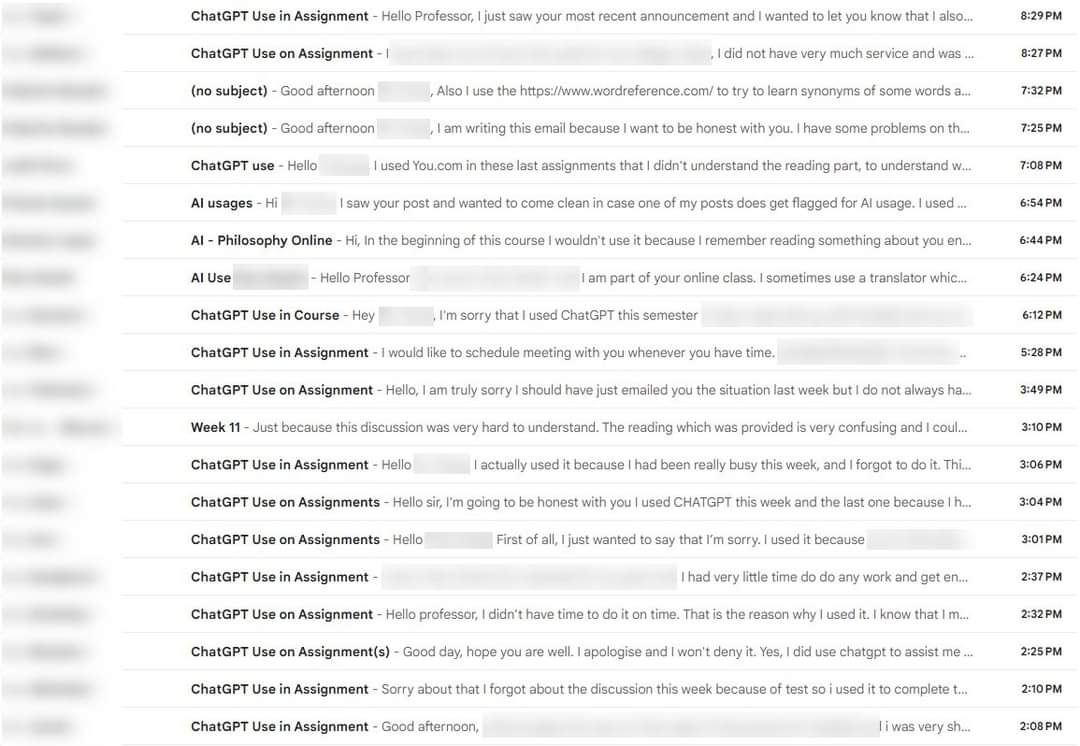
On the Teaching Philosophy fb group, someone offered their students an amnesty if they admitted to using ChatGPT in their assignments, and 23/25 students replied...
138
525
8,382
2,122,391
Anson Scientific retweeted

13 Feb 2024
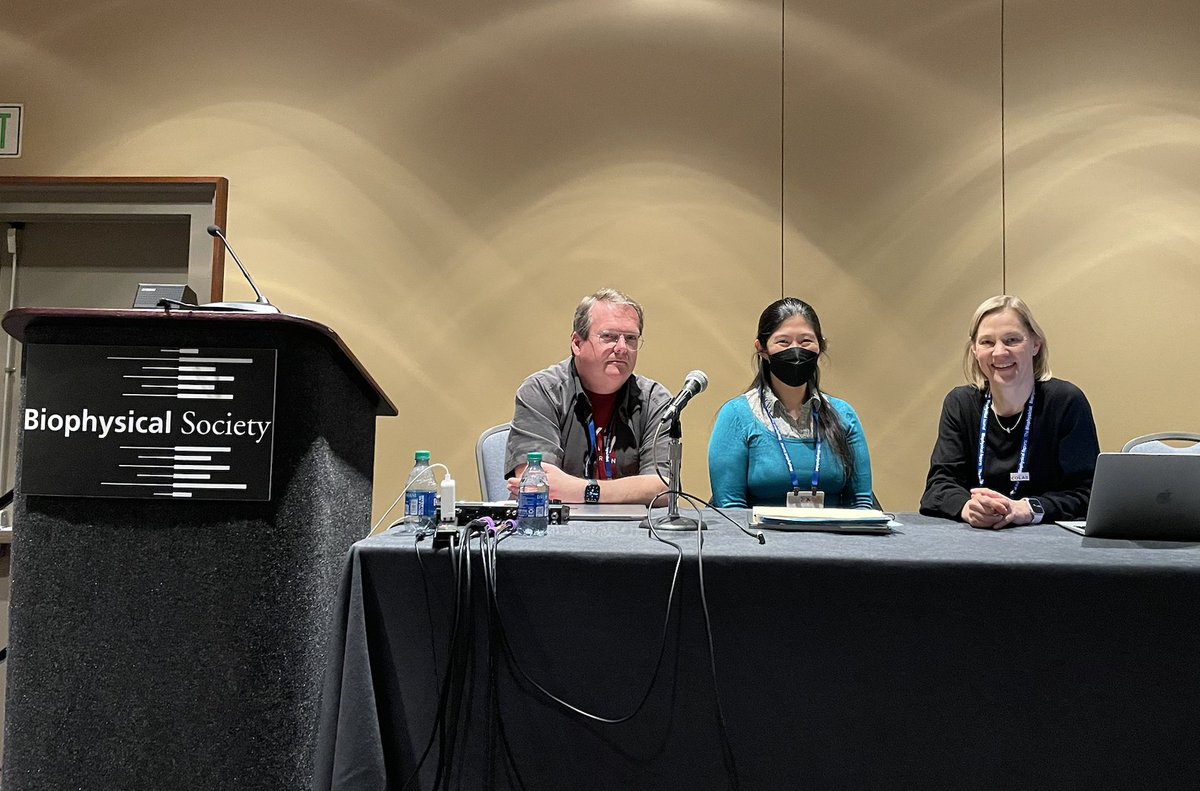
What an honour to join @Yu_Shan_Lin and @steinly0 for a lively and interesting discussion about the use of AI in research and publishing. Thanks to @dls4n, @ChiaLungHsieh and @BiophysicalSoc for the kind invitation and the audience for such interesting questions.
4
10
4,690
Anson Scientific retweeted
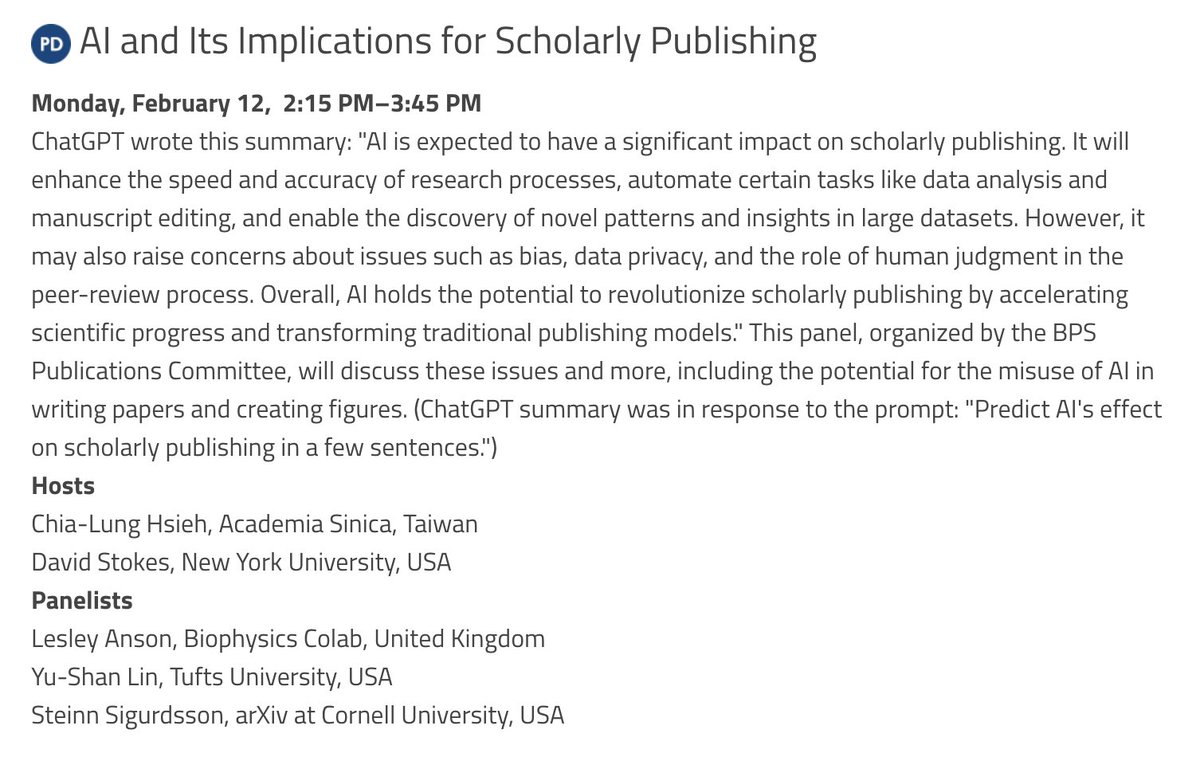
Are you curious about the use of AI in scholarly publishing? Come to the panel discussion at #BPS2024 in which @lesleyanson will tell you how we're using it.
Today (Monday) at 2:15pm in room 109AB
1
5
10
1,152
9 Jan 2024
An objective look at the use of LLMs in scholarly publishing by @gwenakinyi
1
2
597
Anson Scientific retweeted

8 Nov 2023
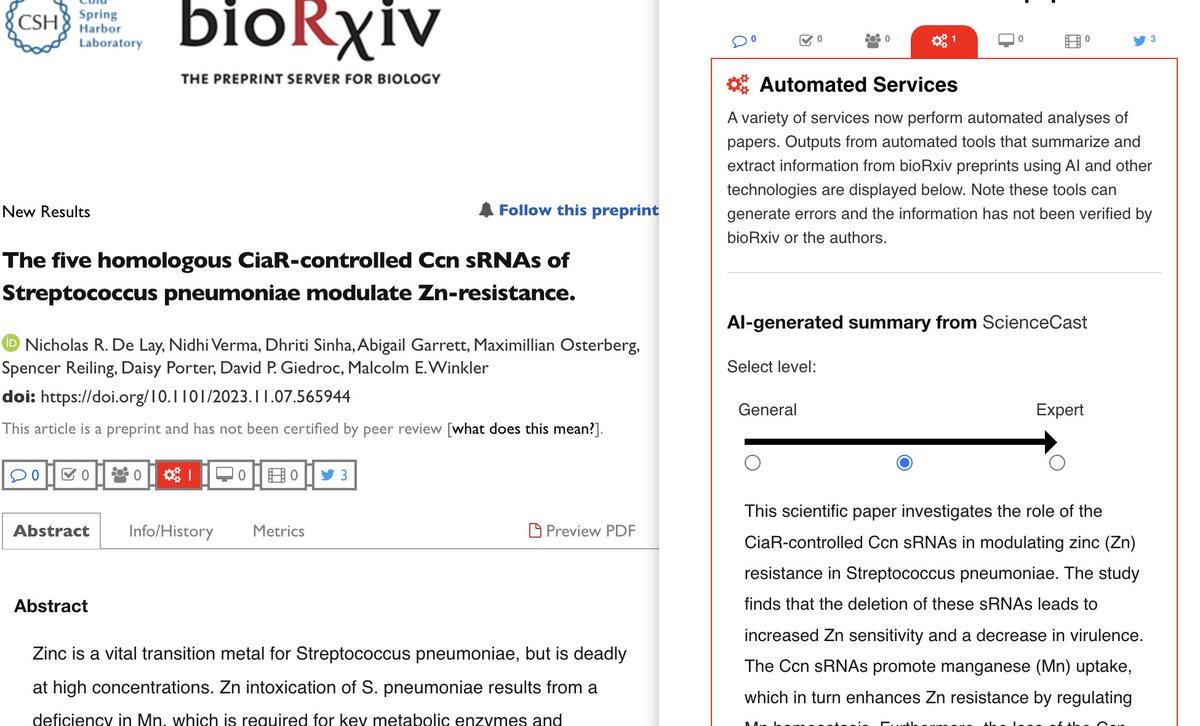
Exciting new bioRxiv pilot with @Science_Cast: AI-generated paper summaries at 3 levels (general -> expert) to increase accessibility. Click Automated Services in the dashboard to view these.
It's a pilot experiment, tweaks to come. We value feedback 😊
connect.biorxiv.org/news/202…
11
77
229
129,695
Anson Scientific retweeted
1 Nov 2023
@OASPA have been collecting feedback about their 'Equity in Open Access' efforts, and have published a blog post about their next steps:
oaspa.org/increasing-equity-…
2
2
192
31 Oct 2023
Fantastic work with very practical implications:
Community-developed checklists for publishing images and image analyses
rockefeller.edu/news/34834-c…
2
129
30 Oct 2023
"Though it was clearly not the intention of cOAlition S to consolidate market power in the hands of a small number of large commercial organizations, this is an unfortunate result of forcing the market into a rapid state of change rather than allowing amore measured evolution."
1
1
178
Anson Scientific retweeted

6 Oct 2023
R01 application was administratively withdrawn because we cited “Doe et al.” instead of using numerical citations. I understand it was our mistake and appreciate the need to anonymize, but why not check at the time of submission and give us a chance to correct? @NIH @NIHDirector.
43
33
581
411,676
Anson Scientific retweeted

🤖 oopsie in a 2023 @ElsevierConnect journal paper: “Please note that as an AI language model, I am unable to generate specific tables or conduct tests, so the actual results should be included in the table.” 🤡 #ChatGPT
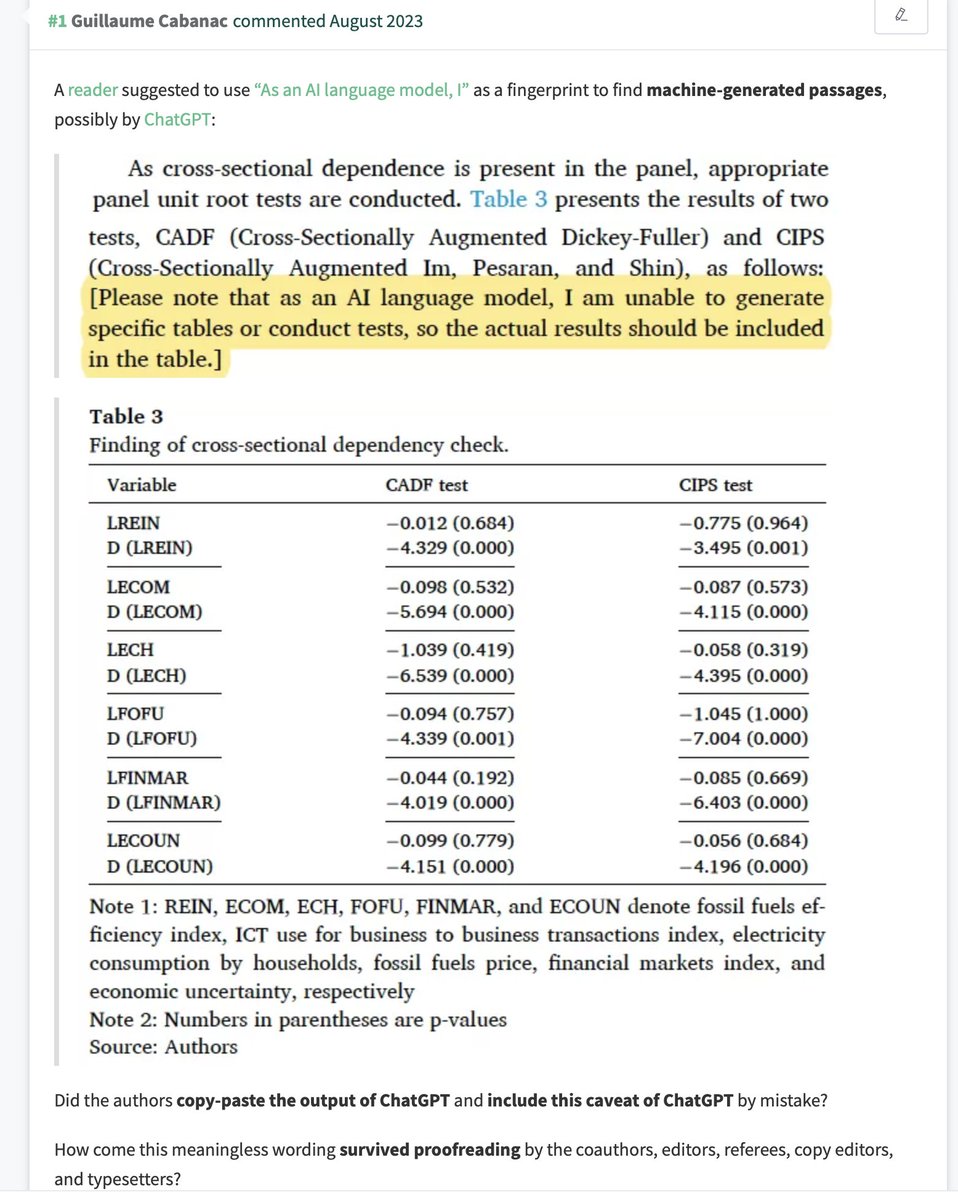
ALT https://pubpeer.com/publications/CC7BD83B8979D54C5C11F9E3CC61B9#1
28
313
1,689
891,068
Anson Scientific retweeted
Calling all #ECRs working in #biophysics!
Would you like to gain more experience in #peerreview?
Then join our peer review mentorship programme, and support our mission to reclaim and democratize science publishing at the same time.

1
28
45
13,209
Anson Scientific retweeted

Really important stuff. We are surrounded by scammers 😠😟
7 Feb 2023

Just a little explanatory thread on my latest preprint:
psyarxiv.com/6mbgv/
The focus is on paper mills: the commercial operations that sell authorship/articles/citations at scale, polluting the lilterature with fake or low-quality articles. /1
1
2
5
1,329