National Technical Advisor for Ministry of Planning, Development & Special Initiatives | Designed a rights-based & scalable MHPSS model for Pakistan @MHPSS_PK
Joined June 2011
- Tweets 7,748
- Following 303
- Followers 5,043
- Likes 3,669
809 Photos and videos

Apr 20
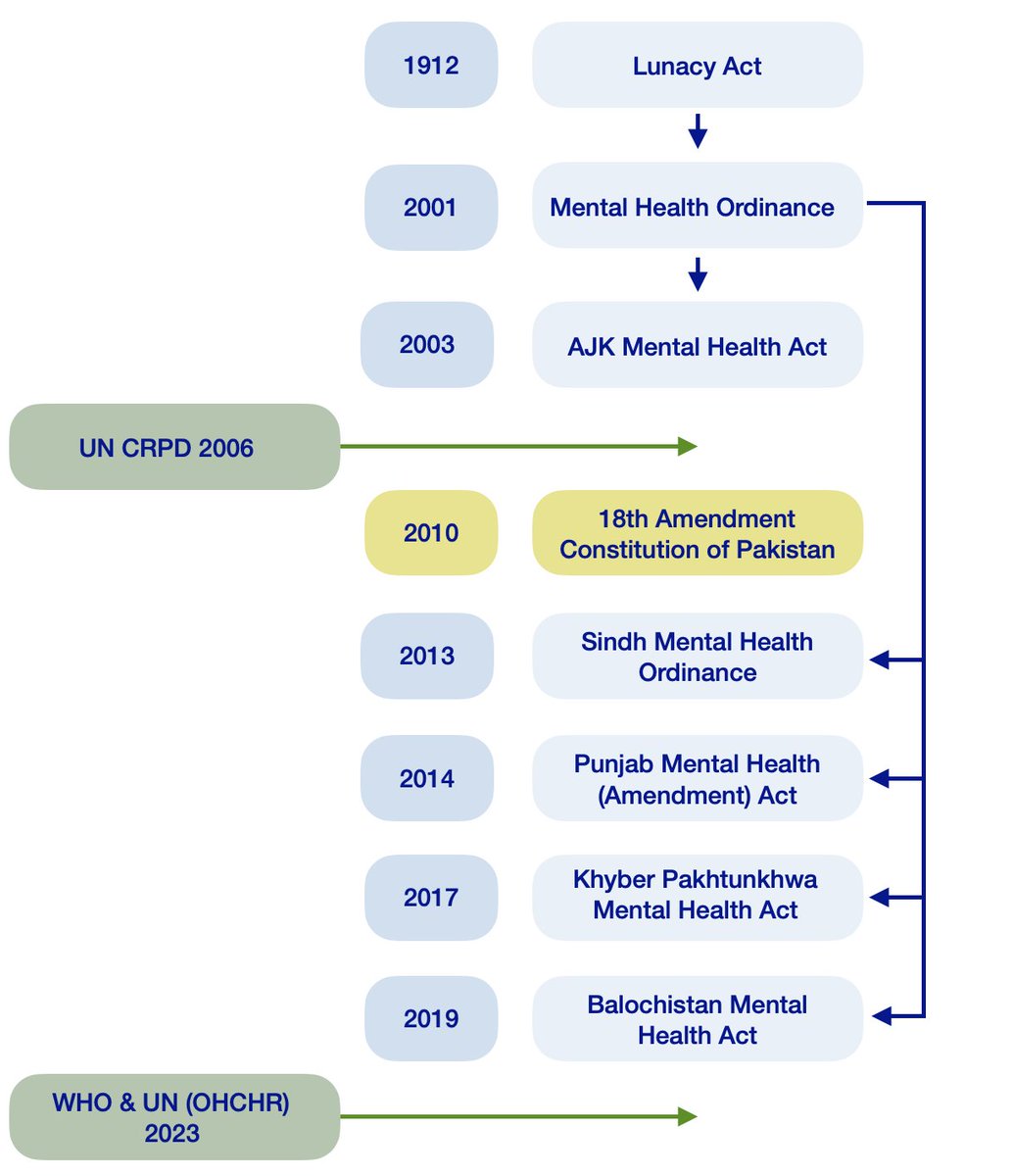
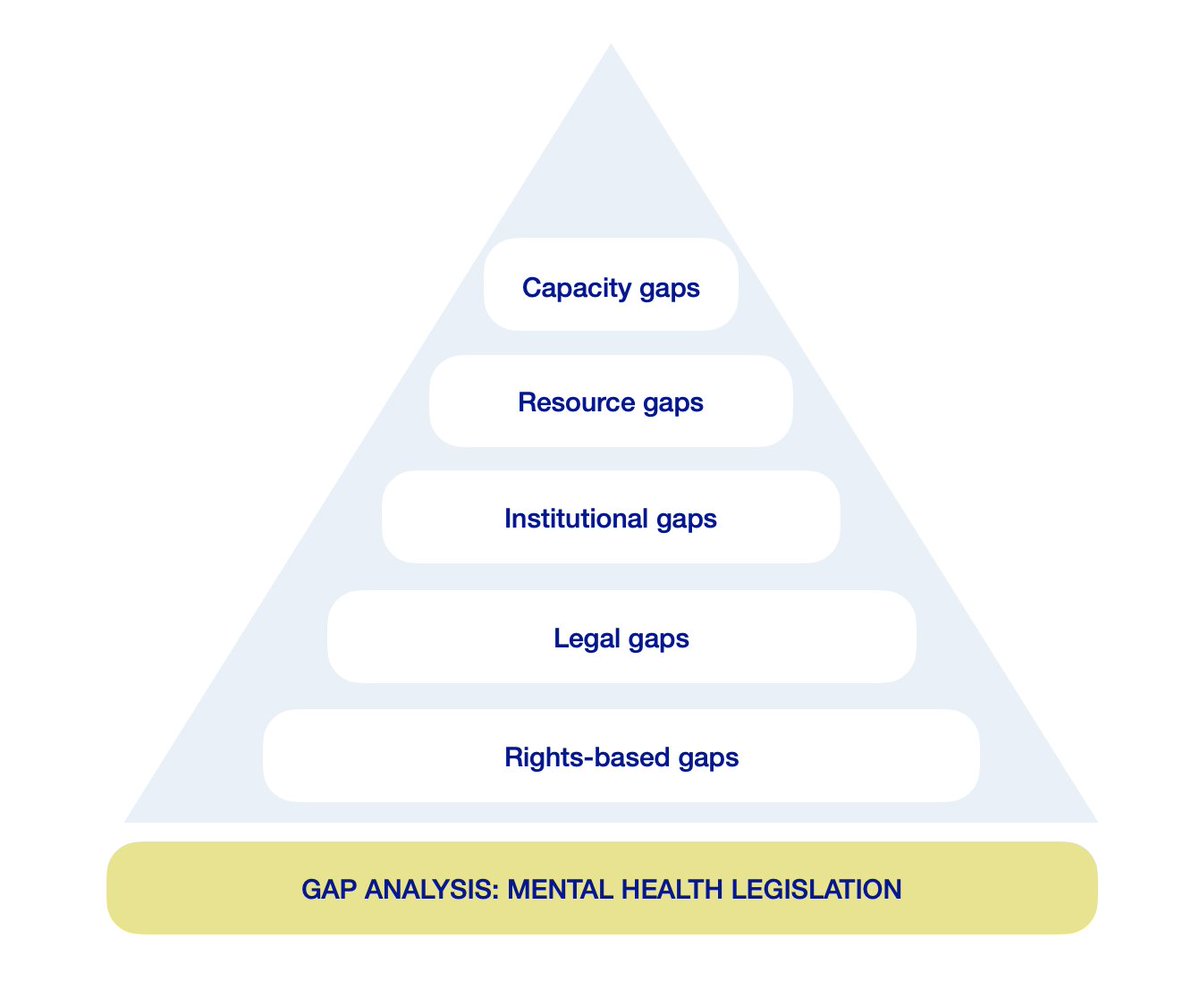
The provincial mental health legislations (adapted from the Mental Health Ordinance 2001) are not fully aligned with a rights-based approach. These legislations have also faced additional and equally significant implementation challenges — including critical gaps in resources, workforce capacity, and institutional infrastructure.
In response to this complex landscape, and following the Guidance on Mental Health, Human Rights and Legislation (WHO–OHCHR, 2023), we have identified five major domains that collectively explain why legislative provisions failed to translate into practice, and developed a digital assessment tool to present the provisional gap analysis.
As a next step, we will invite relevant federal and provincial stakeholders for their review and input to ensure that proposed reforms are contextually informed and achievable. If you are interested in participating, please email your name, institutional affiliation, and contact details to mhspcu@gmail.com.
1
2
161
Apr 9
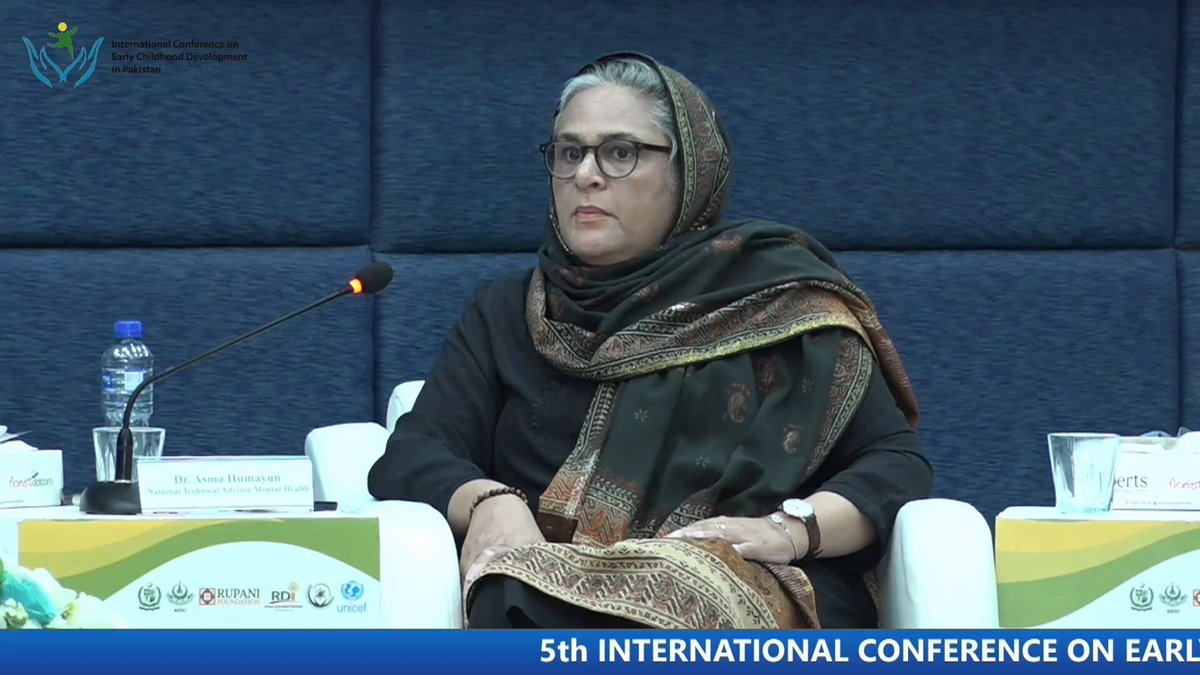
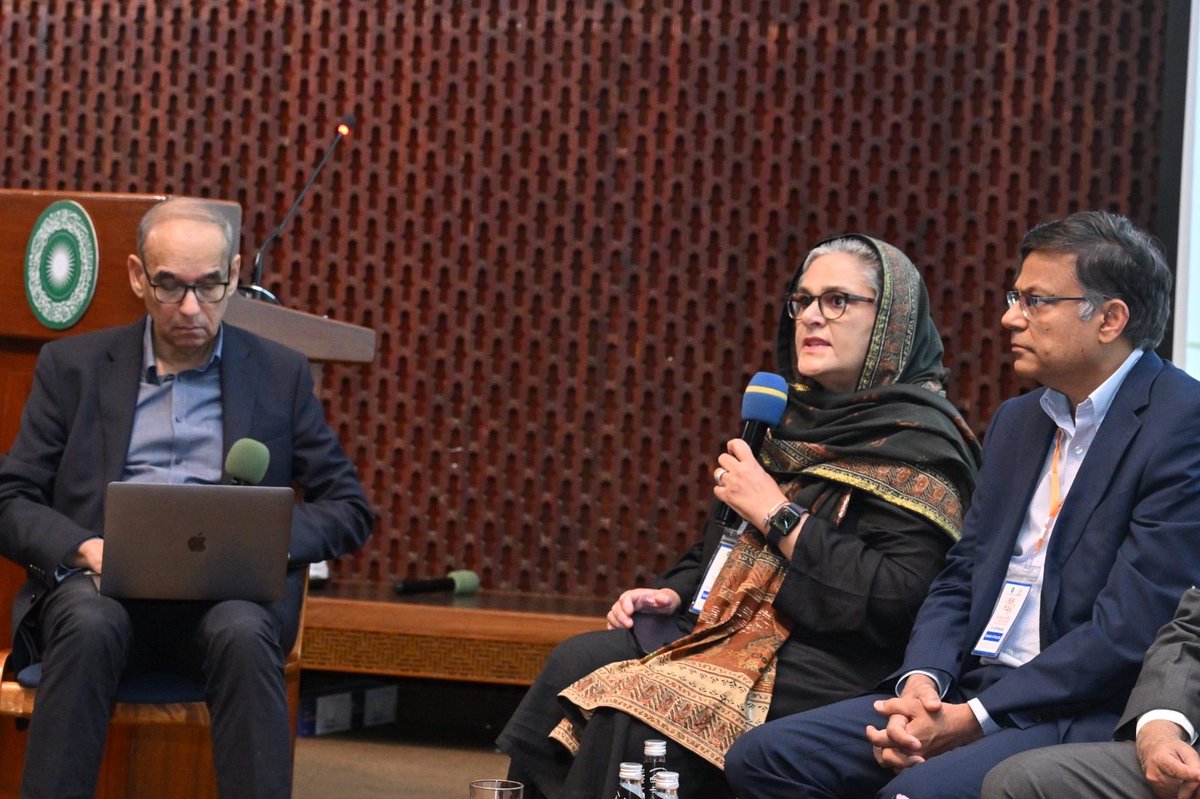
Discussed the need to scale up rights-based @MHPSS_PK services in Pakistan, at the 5th International Conference on Early Childhood Development on April 8th 2026.
@AllianceEarly
5
144
Mar 31
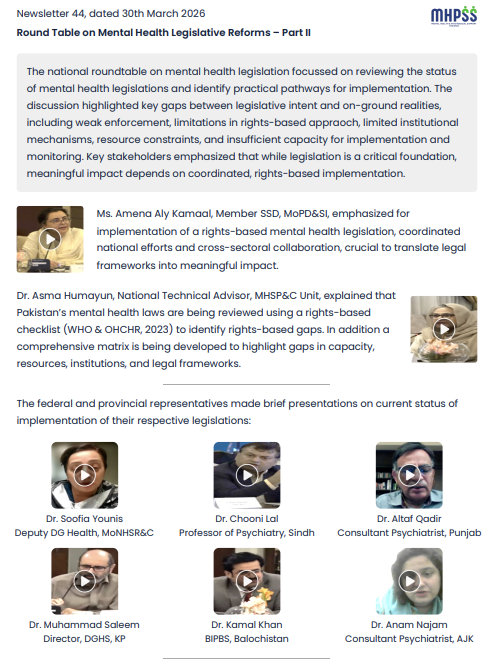
If you are interested in the status of mental health legislations in Pakistan, please listen to the federal and provincial representatives:
mhpss.pk/newsletters/round-t…

Access newsletter 44, dated 30th March 2026:
mhpss.pk/newsletters/round-t…
1
2
114
Mar 27
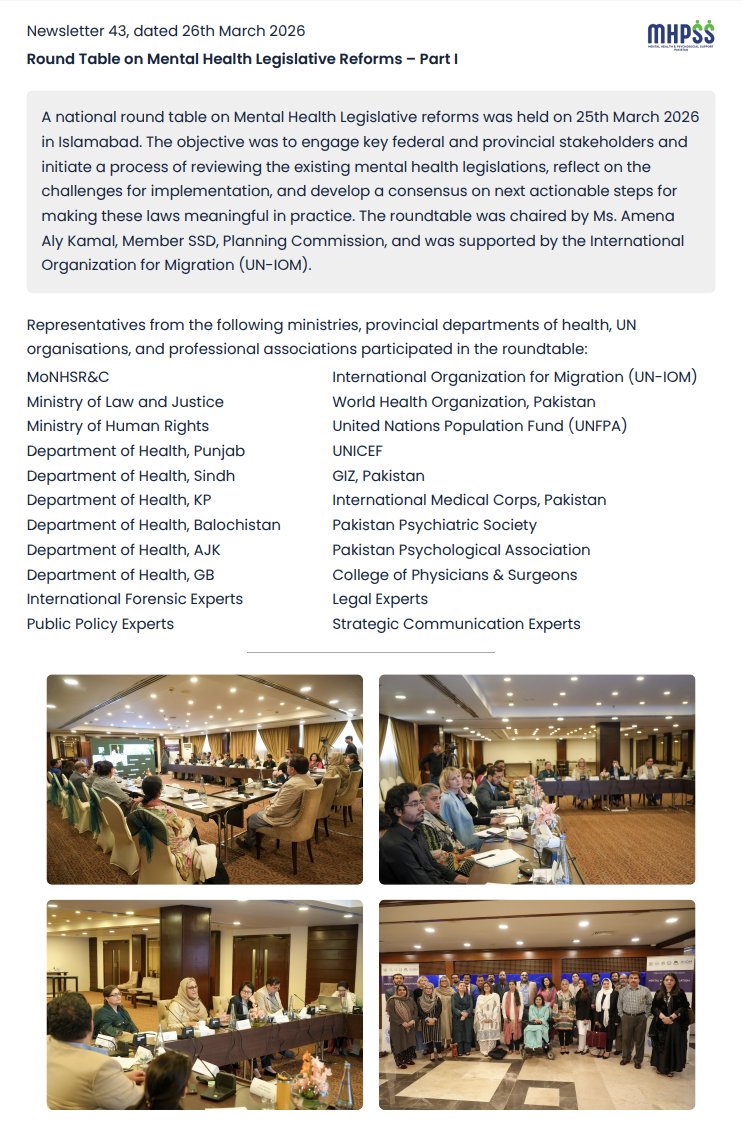
This week, @PlanComPakistan held a national round table on Mental Health Legislative reforms where representatives from @nhsrcofficial, @mohrpakistan, @ministry_law, all provincial departments of health, UN organisations, professional associations, forensic experts, legal experts and public policy experts participated.
The provincial legislations were adapted from the Mental Health Ordinance (MHO), 2001 by the respective provinces between 2013 and 2019. However, due to capacity and resource constraints, these laws have not yet been implemented.
Furthermore, the MHO 2001, was developed prior to the adoption of the Convention on the Rights of Persons with Disabilities (CRPD) in 2006, and therefore does not fully reflect a rights-based approach in line with current international standards.
In accordance with the legislative development framework outlined in the Guidance on Mental Health, Human Rights and Legislation (WHO–OHCHR, 2023), we are preparing a working document to identify rights-based gaps and implementation challenges within the existing legislations. A national coordinating and steering initiative is critical for the revising the mental health legislative framework across the provinces.
Sharing a presentation to describe our efforts towards developing a stakeholders' consensus on a gap analysis:
youtu.be/UZXyFLa3Z0A
@MichelleFunk3 @israrulhuq @NoorMuneeb29 @khuram_hafeez @fasi_zaka @hasaankhawar @amirjahangir
@HealthDepartme5 @HealthKPGovt @HealthPunjabGov @HealthDeptBlo
2
1,019

Feb 18
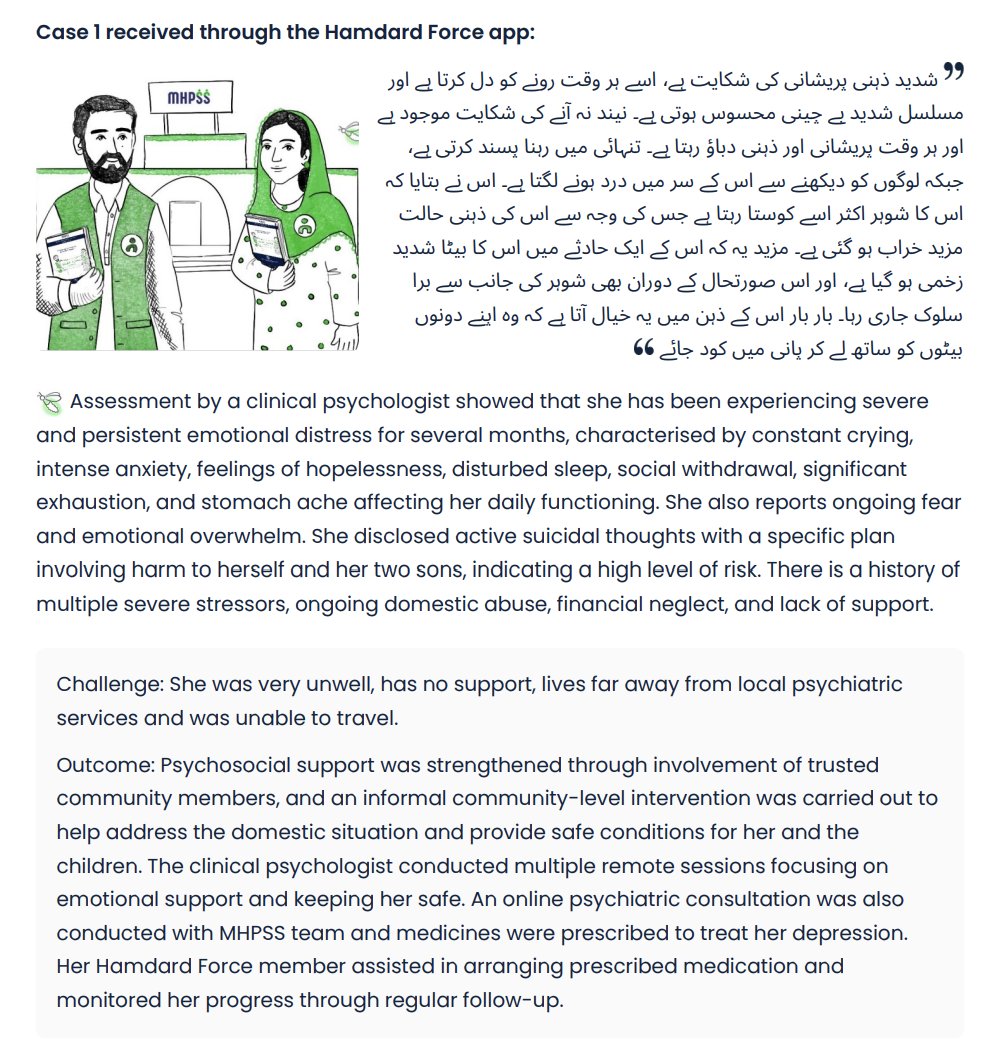
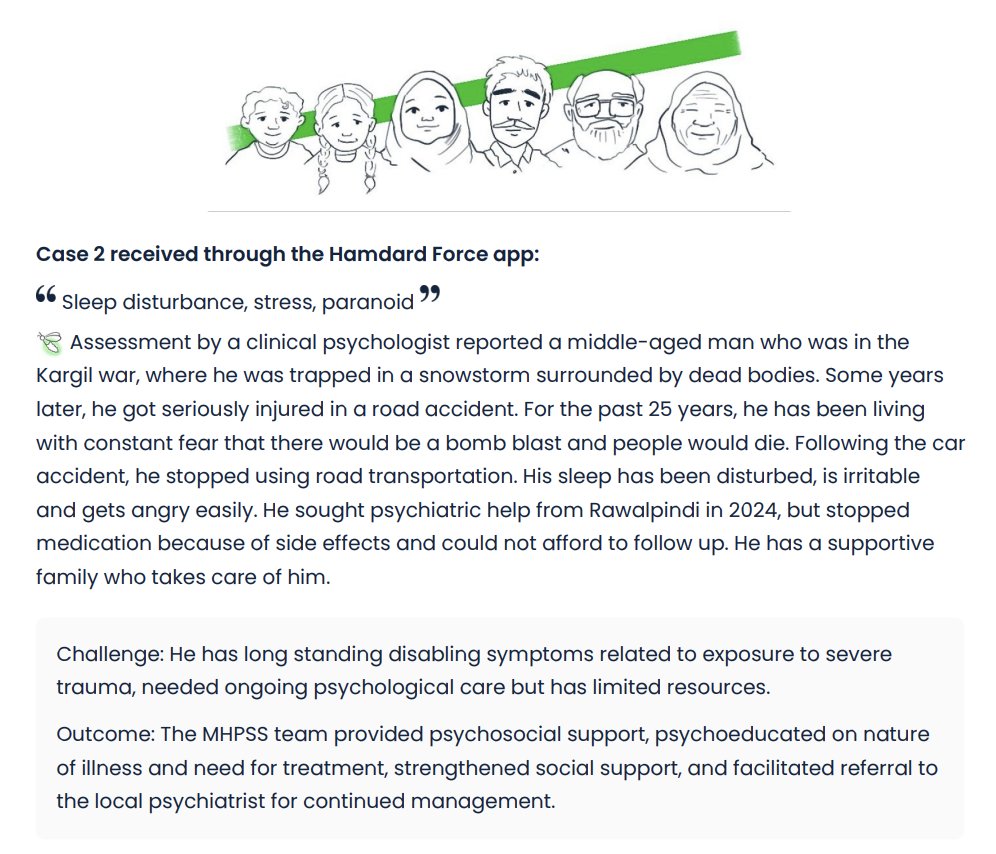
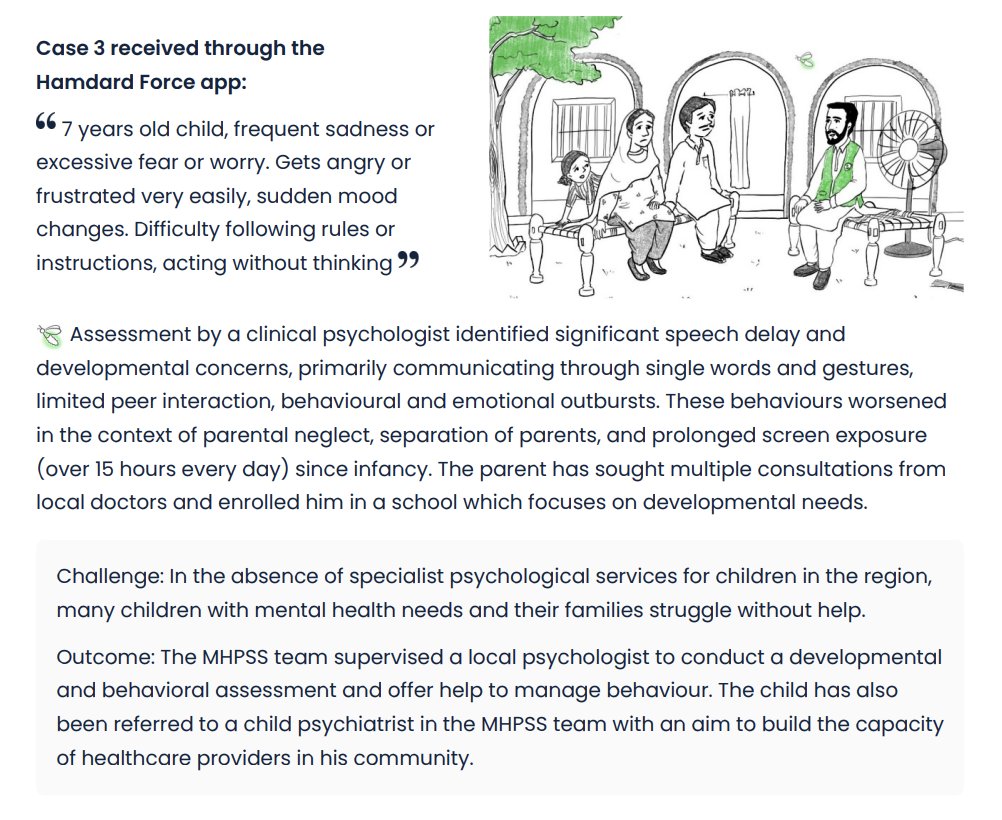
The community members trained as Hamdard Force in Baltistan have been identifying people who have been suffering from significant mental disorders for years.
Despite ongoing connectivity challenges, our clinical psychologists continue to provide remote assessments, sometimes through the Hamdard Force when direct contact isn’t always possible. From there, our teams collaborate to develop practical strategies to help connect service users with the right support and services they need e.g., refer to mhGAP trained primarycare physicians close to them, or local specialist services, and provide support through Hamdard Force for even managing crises.
We have shared three cases in this week's newsletter to highlight some challenges and share how the MHPSS service model can help.
1
113
Feb 10
To address the research gaps in mental health, @PlanComPakistan has established a Technical Working Group to provide expert guidance on strengthening the national mental health research ecosystem by defining key strategies for the next five years.
A key focus of this process will be to strengthen pathways between research and decision-making. Priority research areas will be linked to service delivery needs and planning processes, enabling research findings to be translated into evidence briefs and used to inform mental health policy, programming, and resource allocation.
Following members have been notified as part of the Technical Working Group:
Dr Asma Humayun
National Technical Advisor
Mental Health Strategic Planning & Coordination Unit
Ministry of Planning, Development & Special Initiatives
Prof @MuradMKhan
Professor Emeritus of Psychiatry
The Aga Khan University, Karachi
Prof Atif Rahman
Professor of Child Psychiatry and Global Mental Health
University of Liverpool, United Kingdom
Prof Muhammad Irfan
Professor of Psychiatry and Public Health
Peshawar Medical College, Peshawar
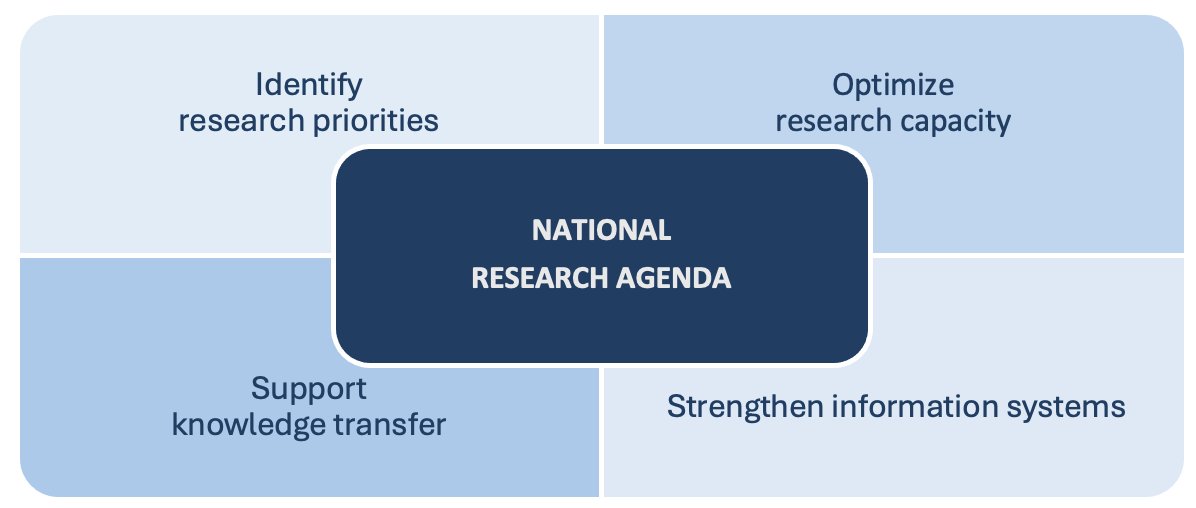
The National Research Agenda for Mental Health will be structured around four interconnected strategic areas, which provide a comprehensive framework to support coordinated evidence generation, translation, and use across the mental health system:
1. Research priorities
Identify a focused set of nationally relevant mental health research themes by systematically mapping gaps across populations, regions, and levels of care to provide a shared reference point to reduce duplication and coordinate action across institutions and provinces.
2. Research capacity
Strengthen the skills, supervision structures, and institutional pathways required to produce high-quality mental health research to generate rigorous and sustainable evidence aligned with national needs.
3. Knowledge transfer
Improve how mental health research outputs are organized, synthesized, and communicated to ensure evidence is accessible and interpretable for planners, implementers, and decision-makers.
4. Information systems
Improve the availability and integration of mental health data across existing reporting and digital platforms and support timely analysis of data to inform planning, and system monitoring.
The development of the National Research Agenda for Mental Health will be supported through engagement with academic institutions, provincial departments, and other stakeholders, ensuring that the agenda reflects diverse perspectives and remains responsive to national and provincial mental health priorities.
A proposed draft of the National Research Agenda for Mental Health will be available for consultation with all stakeholders soon.
2
7
356
30 Dec 2025
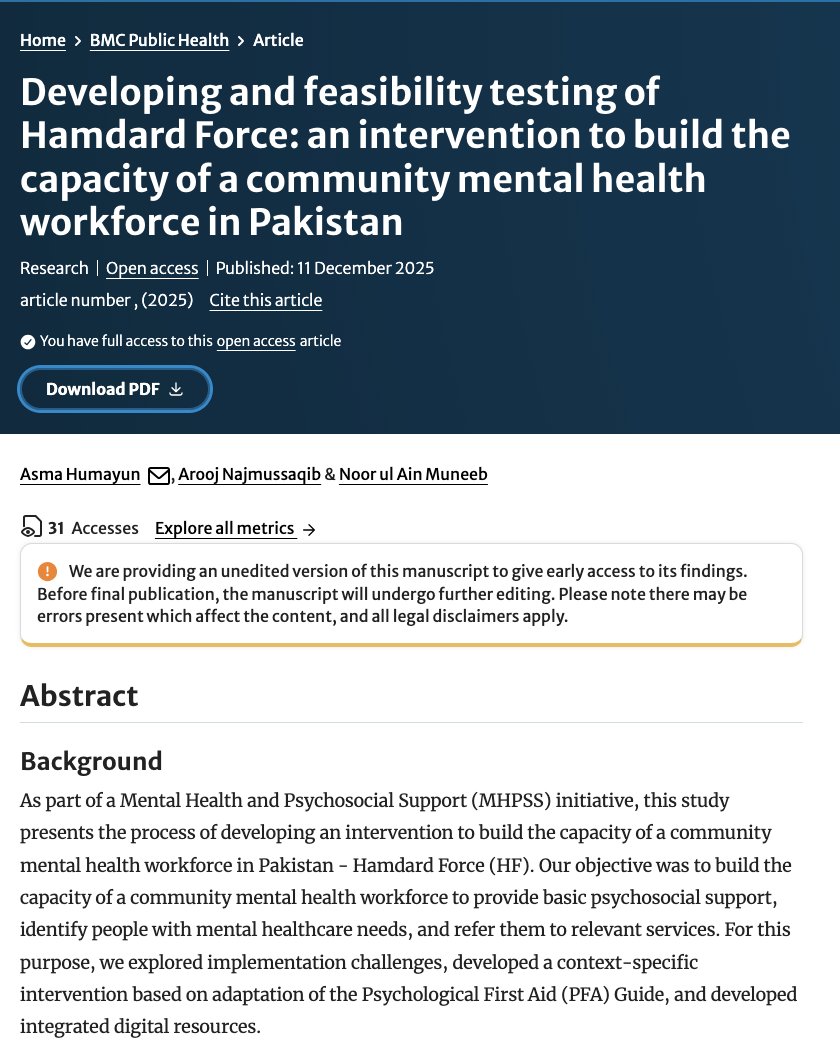
📢 New Publication | Community Mental Health Workforce: Hamdard Force
@AroojNajmusaqib @NoorMuneeb29
Many countries in the Global South face persistent challenges in developing and sustaining a community-based mental health workforce.
We believe that Hamdard Force offers a promising approach to addressing these gaps. Hamdard Force has been systematically developed through the adaptation of the Psychological First Aid: Guide for Field Workers for Pakistan as a scalable intervention, by creating digital resources for training, supervision, and referral pathways.
The intervention has already been tested in ICT and is currently being piloted in Khyber Pakhtunkhwa and Baltistan.
We look forward to engaging with colleagues and partners and welcome your feedback as we continue to refine and scale this work.
link.springer.com/article/10…
#GlobalMentalHealth #CommunityHealth #MentalHealthWorkforce #DigitalMentalHealth #ImplementationScience #MHPSS #PFA
1
3
96
9 Dec 2025
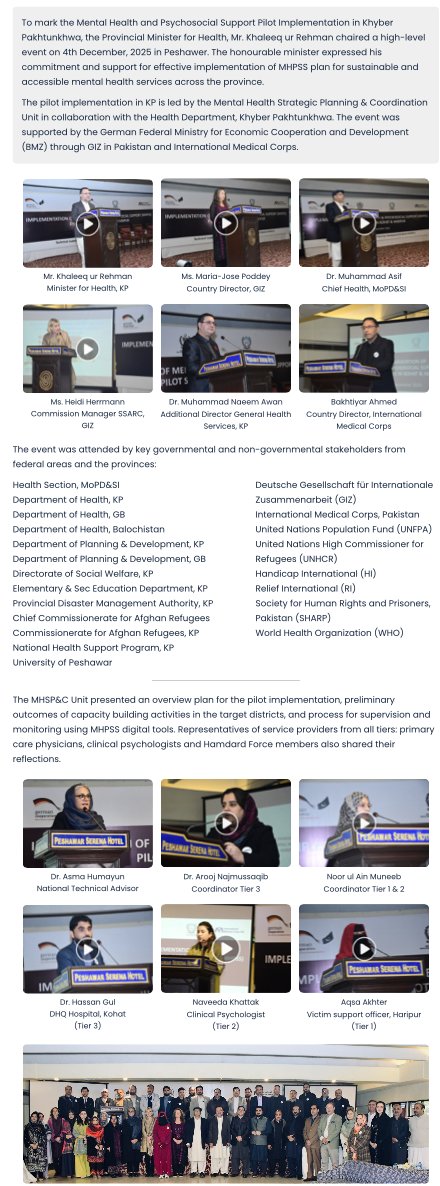
Last week's event in Khyber Pakhtunkhwa marked a significant milestone, reflecting political will to prioritise mental health within the broader health agenda and demonstrating a strong commitment of both technical expertise and financial resources toward strengthening mental health services.
The video recordings in this newsletter describe small but meaningful steps of our efforts to implement the pilot services in KP.
Access newsletter 29, dated 9th December 2025:
mhpss.pk/newsletters/mhpss-i…
1
162
21 Nov 2025
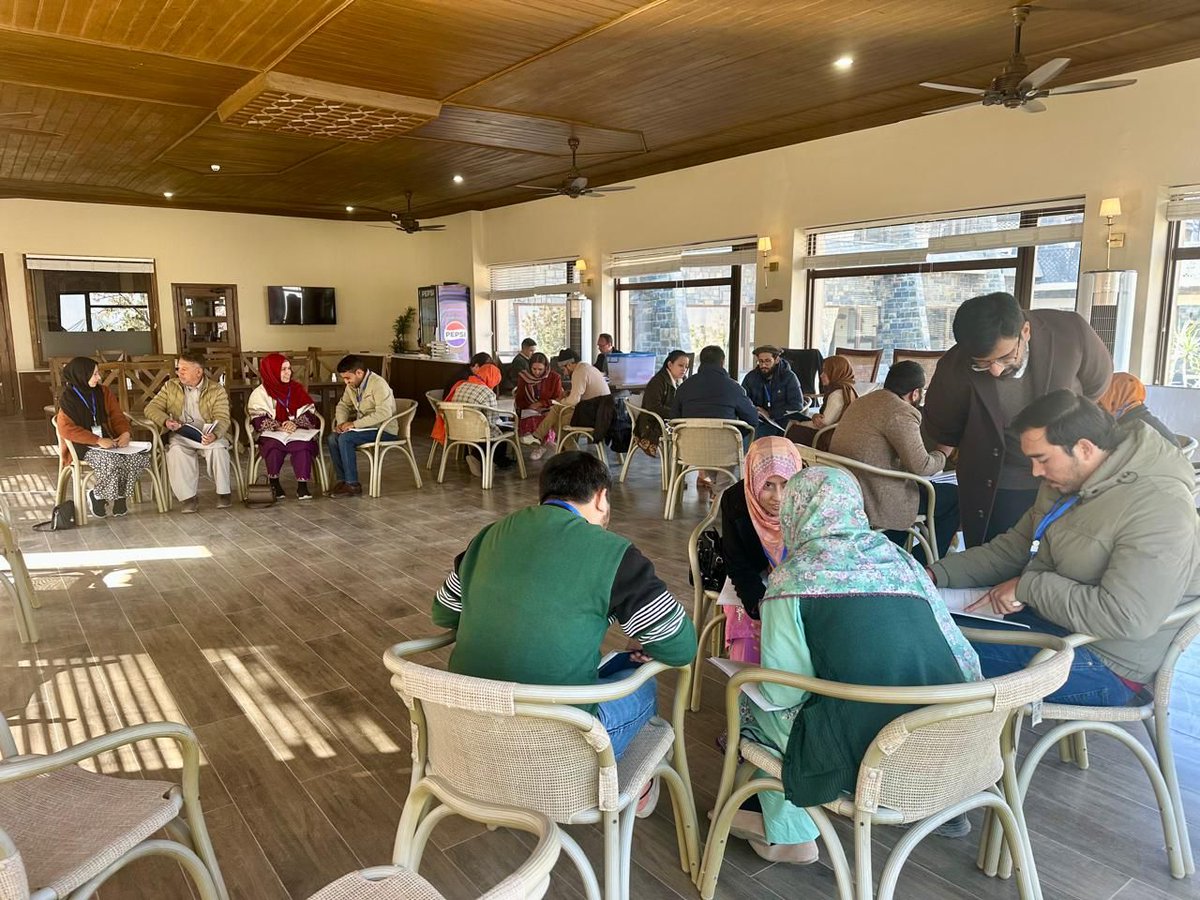
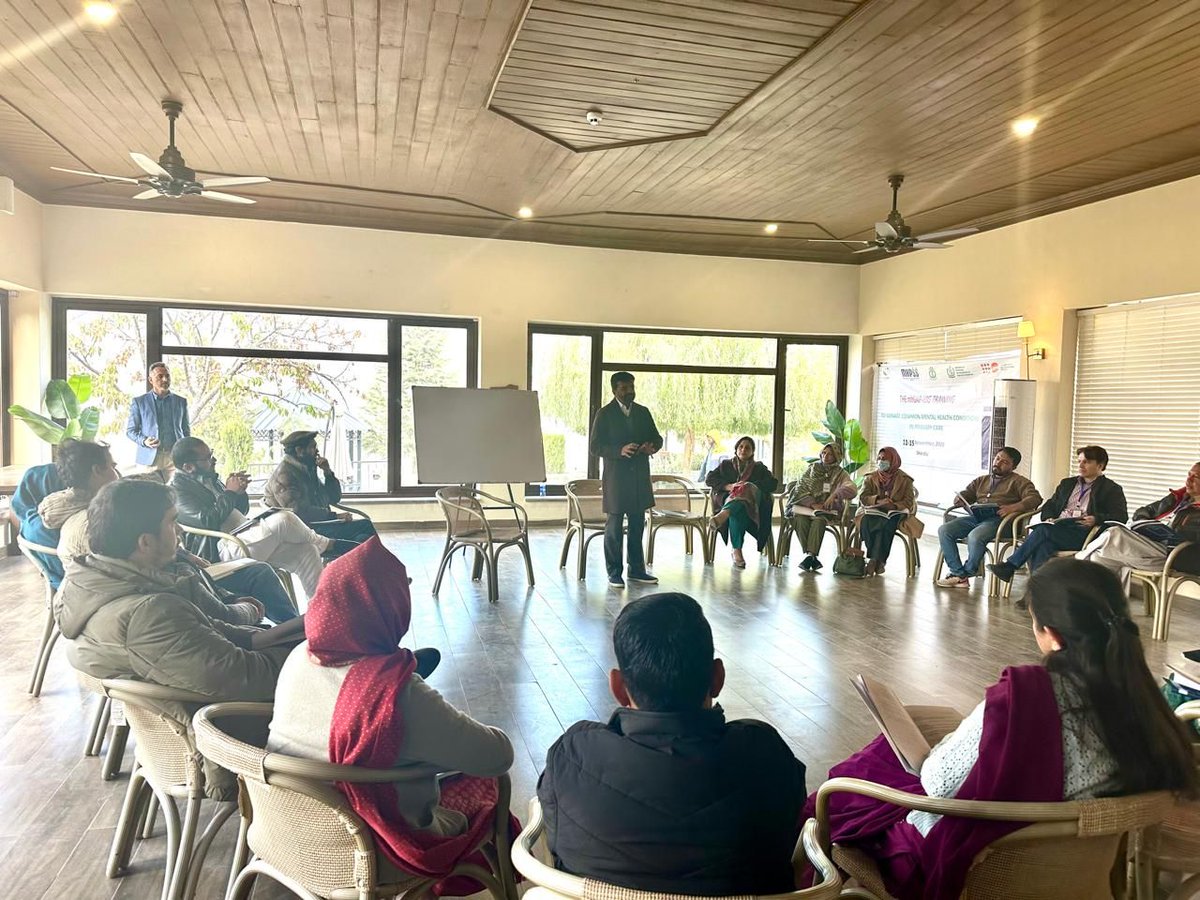
In collaboration with @HealthDeptGB, the @MHPSS_PK at the @PlanComPakistan is providing technical support to implement MHPSS pilot services in Baltistan.
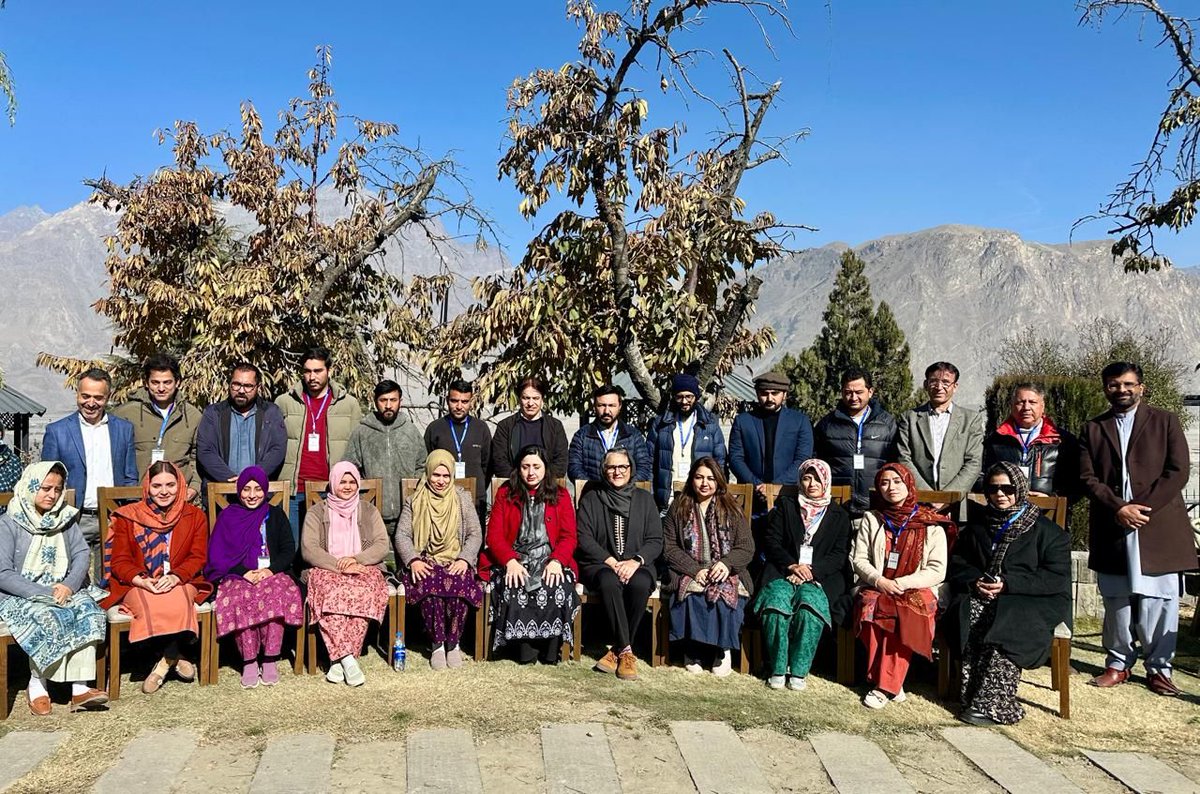
As part of this pilot, a 5 days #mhGAP training workshop was held in Skardu this month. This was attended by seventeen primary care physicians and two clinical psychologists working in the primary healthcare facilities in the region. We have already received 10 cases on the @MHPSS_PK portal through the mhGAP mobile app seeking remote supervision.
The pilot implementation in Baltistan is being supported by the @UNFPAPakistan.
Please do listen to these reflections by some of the trained doctors:
Dr Muhammad Qasim: youtu.be/qz17M9Qnp_Q
Dr Muhammad Yadullah: youtu.be/iqkkk3wHn6o
Dr Abbas Ali Shah: youtu.be/mUEC5cxhQ6U
Dr Tayyaba Rasool: youtu.be/rVsxNf6De2A
Dr Rohullah: youtu.be/thv3Yn6Z73M
Dr Sajid Ali: youtu.be/YHsACf0bXlk
Sadia Bano, clinical psychologist: youtu.be/zuu7Po1tAIs
124
7 Nov 2025
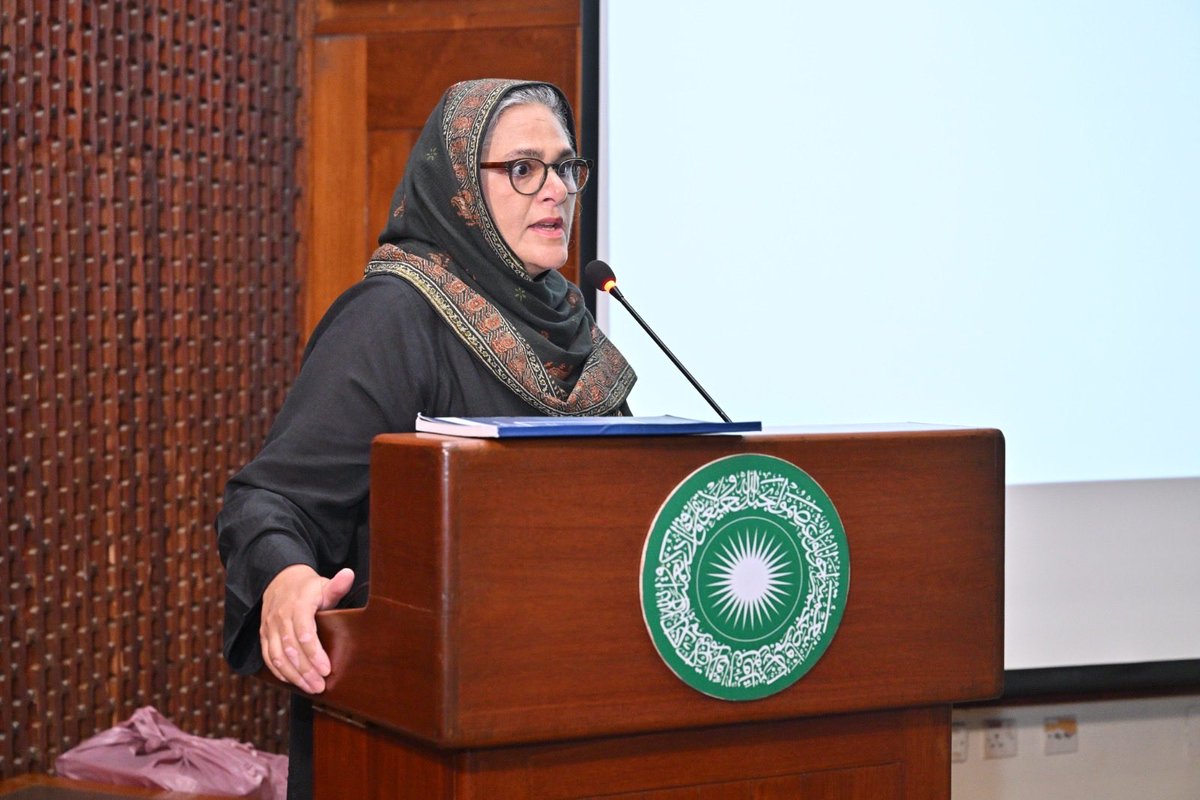
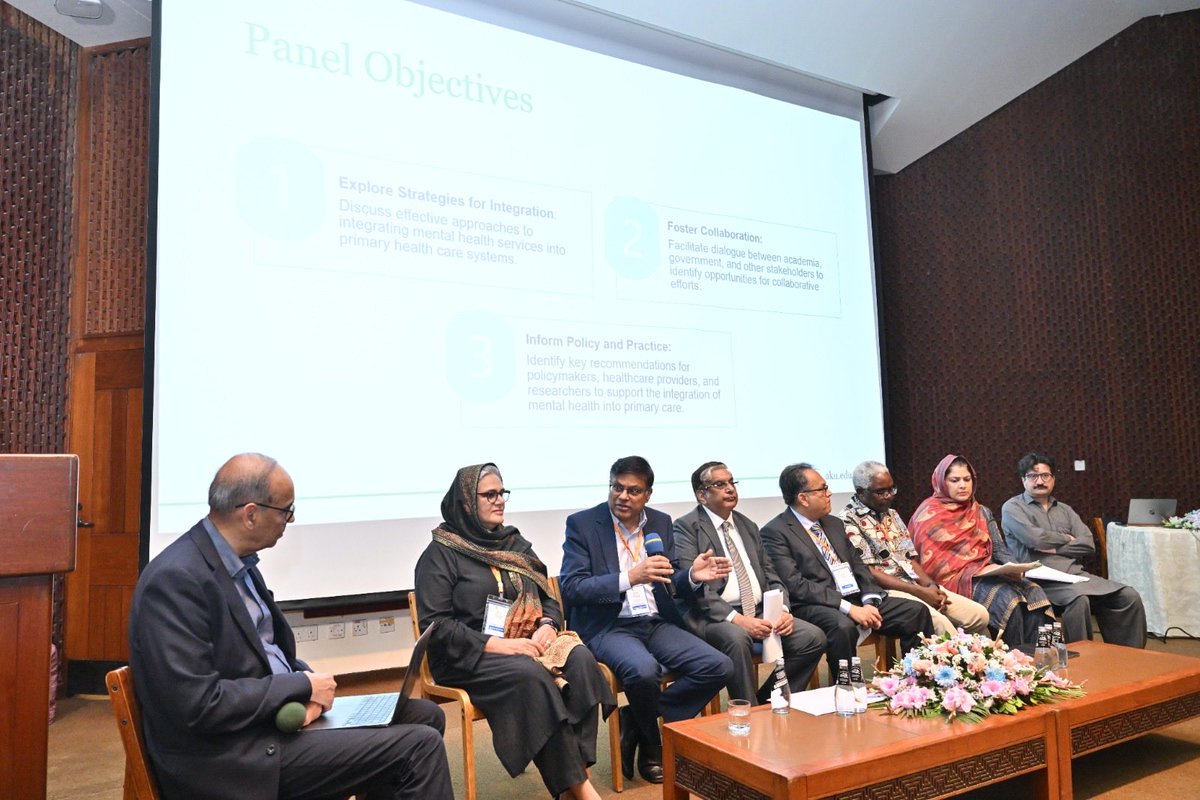
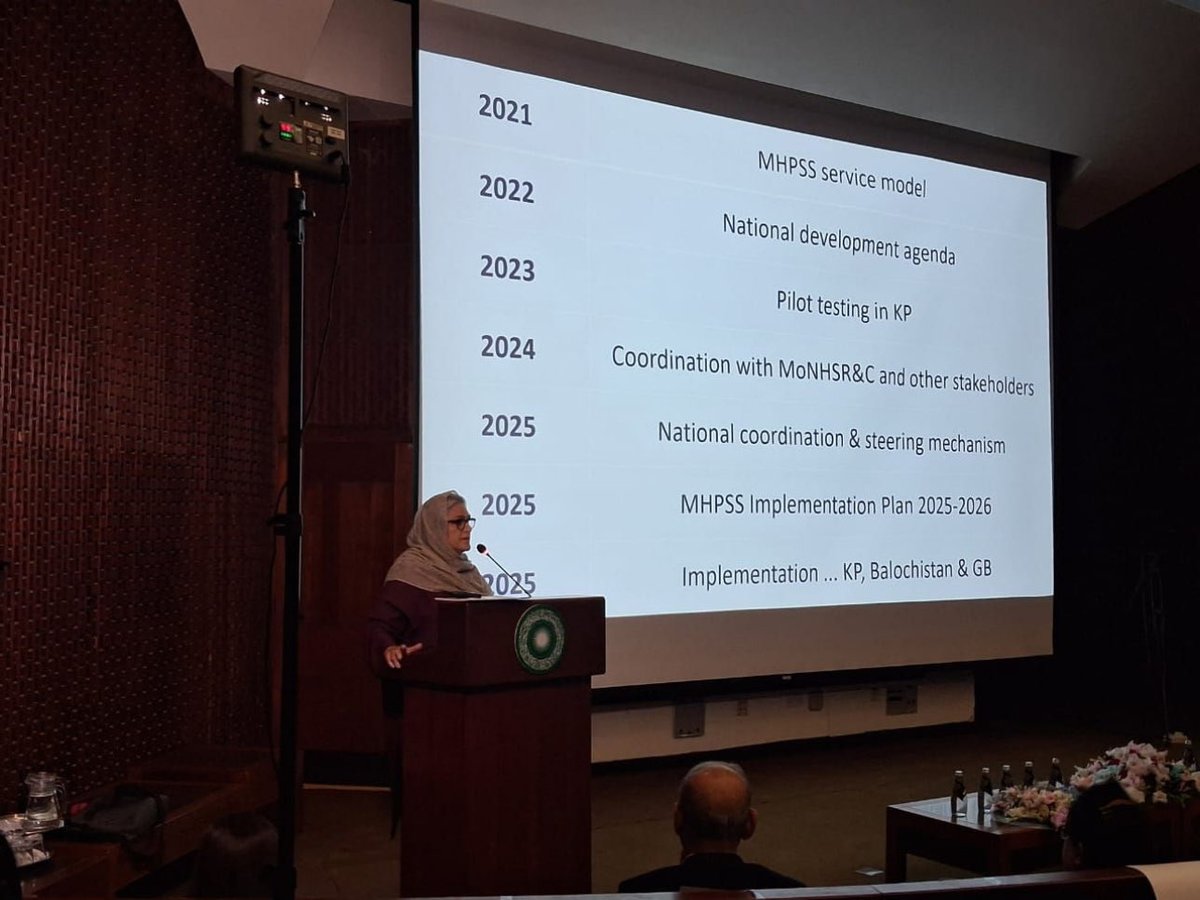
It was a great experience dissiminating our work at @PlanComPakistan at the 2nd international conference organised by @AKU_BMI on 3rd-5th Nov.
It was an honour to be a key note speaker to present ‘Prioritizing mental healthcare in Pakistan: Challenges & opportunities’.
Special thanks to Dr Zul Merali @MuradMKhan Dr Rozina Karmaliani and their team for providing this valuable opportunity for networking with important stakeholders from academia, governmental and non governmental organisations.
1
7
252
Asma Humayun retweeted

24 Oct 2025
سول سرونٹس کی ذہنی صحت ترجیحات میں شامل نہیں ہے، اس کو ترجیحات میں شامل ہونا چاہیے، ہیلتھ کیئر پرووائیڈرز کو بلکل نہیں پتہ کہ خودکشی کے خطرات کو کم کرنے کیلئے کیا مدد فراہم کرنی ہے، ڈاکٹر عاصمہ ہمایوں
@Dawn_News
@AsmaHumayun
3
3
823
Asma Humayun retweeted
24 Oct 2025
پاکستان میں روزانہ 35,40 خودکشی کے واقعات ہوتے ہیں، آرگنائزیشنز کو احساس نہیں ہے کہ کیسے ذہنی دباؤ کو مینج کرنا ہے، خودکشی کرنا پبلک ہیلتھ ایشو ہے، ڈاکٹر عاصمہ ہمایوں
@Dawn_News
@AsmaHumayun
3
3
795
17 Oct 2025
This video evokes a sense of disbelieve and tragedy. It is a stark reminder of how deeply neglected mental health care is in Pakistan.
1
84
15 Oct 2025
The quality of training of clinical psychologists varies greatly across the country.
Dr M Amjid, a clinical psychologist, describes the state of training in Kohat and strongly recommends that mhGAP-HIG (adapted for Pakistan) should be part of post graduate training in clinical psychology.
1
110
14 Oct 2025
The humanitarian context in the provinces of Khyber Pakhtunkhwa (KP) and Balochistan continues to be marked by significant and evolving security challenges. During the pilot phase of our implementation, operational constraints were encountered, including delays at Quetta Airport that disrupted scheduled training activities.
Last week, access to Haripur was temporarily impeded, and yesterday our travel to Kohat was disrupted due to road blockades—reflecting heightened insecurity in the cities and in areas affected by ongoing tensions along the Pakistan-Afghanistan border.
There are added pressures which follow the re-repatriation of Afghan refugees in border communities.
In addition to security-related concerns, the region continues to struggle with consequences of climate-induced hardships and worsening socioeconomic conditions.
These overlapping vulnerabilities collectively underscore the urgent need to implement comprehensive Mental Health and Psychosocial Support (MHPSS) services in both KP and Balochistan. Such interventions can play a vital role in restoring peace in these provinces.
106
Asma Humayun retweeted

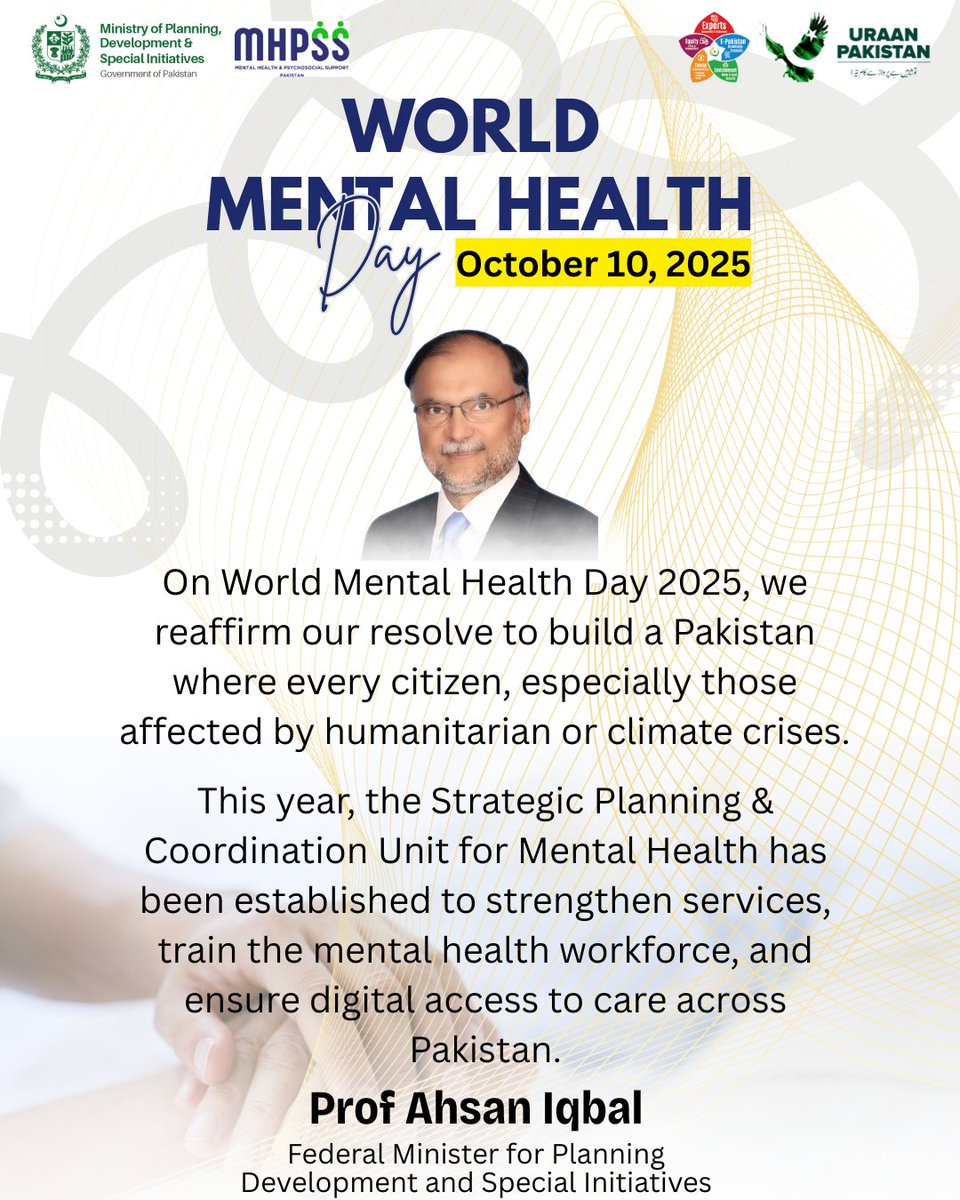
On World Mental Health Day 2025, Federal Minister Prof. Ahsan Iqbal reaffirms that Pakistan’s strength depends on the mental well-being of its people, especially those affected by humanitarian and climate crises.
This year’s theme, “Mental Health in Humanitarian Emergencies,” reminds us that the wounds we cannot see are often the deepest. Emotional pain and fear are as real as physical injuries.
🟩 Under the 5Es Framework & #UraanPakistan Vision, the Ministry of Planning has made mental health a national priority, aligning with SDGs for an inclusive and resilient Pakistan.
📍 Key Initiatives by the Ministry of Planning:
✔️Establishment of the National Mental Health Strategic Planning & Coordination Unit (2025)
✔️Launch of the National MHPSS Implementation Plan (2025–2030) to build a trained workforce & digital referral systems
✔️Integration of mental health in national policy frameworks as part of social development
✔️Promotion of evidence-based and rights-based mental health services nationwide
✔️Collaboration with federal & provincial authorities, UN agencies, and donors for sustainable MHPSS programs
✨ Because investing in mental health means investing in recovery, resilience, and hope.
#WorldMentalHealthDay #WMHD2025 #AhsanIqbal #PlanningMinistry #5EsFramework #UraanPakistan #MHPSS #MentalHealthMatters #HopeForAll #Pakistan
1
3
439
10 Oct 2025
1️⃣ 0️⃣ . 1️⃣ 0️⃣
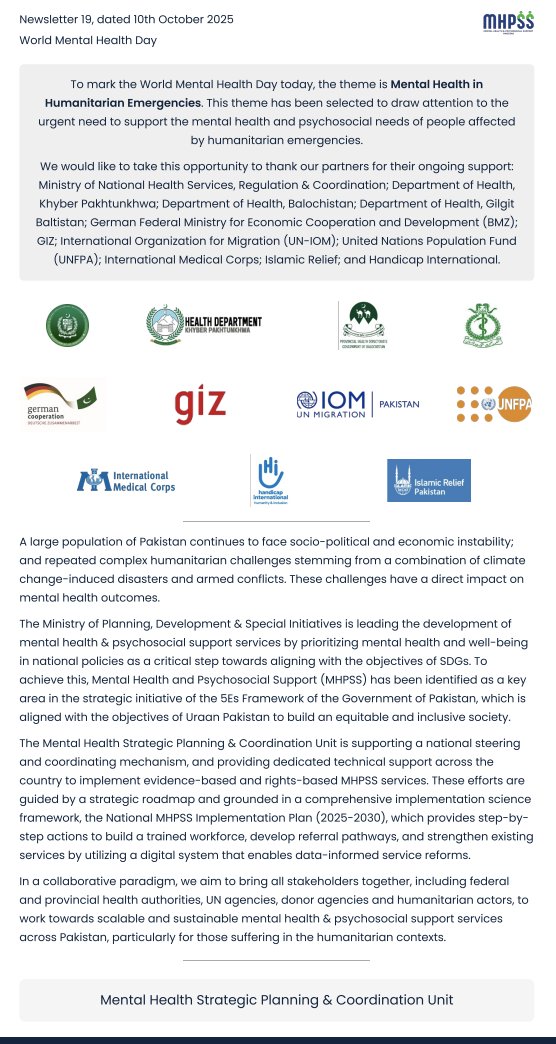
Since the 2005 earthquake, after meeting Dr. Mark van Ommeren at the WHO, I began a journey of learning about how to develop Mental Health and Psychosocial Support (#MHPSS) services. It started with small steps — writing an opinion piece in @dawn_com every year on #WorldMentalHealthDay — to keep the conversation on mental health alive in public spaces.
A real turning point came with the opportunity to work with @WHO on developing the #mhGAP guidelines, which deepened my understanding of integrating mental health into primary care. Later, I had the privilege of providing psychosocial support to WHO’s #Polio teams in Pakistan and Afghanistan, and working with several humanitarian agencies across the country.
As a mhGAP master trainer, I also had the chance to collaborate with Ministries of Health in Sudan, Saudi Arabia, Egypt, and the UAE — experiences that enriched my perspective on how mental health systems evolve in different contexts.
Perhaps the most meaningful milestone was in 2021, when with the support of @UNICEF_Pakistan, we developed an evidence-based, rights-based digital solution for @MHPSS_PK service model for Pakistan at the @PlanComPakistan — a step toward making #MHPSS services more accessible and scalable.
This year, with the support of GIZ, we established the Mental Health and Psychosocial Support Coordination Unit (MHSP&C Unit) in Pakistan — a long-awaited institutional mechanism to guide and sustain MHPSS work.
We are now piloting MHPSS services in Khyber Pakhtunkhwa in collaboration with the Department of Health, supported by GIZ Pakistan, @IMC_Worldwide and @HI_federation. Similar efforts have also begun with the Department of @HealthDepartme5 and @UNmigration; @nhsrcofficial in collaboration with @IslamicReliefPK; and Department of Health in Gilgit-Baltistan in collaboration with @UNFPA.
Looking back, it has been a journey of persistence, partnerships, and purpose — and a reminder that systemic change in mental health takes both vision and patience
Access newsletter 19, dated 10th October 2025:
mhpss.pk/newsletters/world-m…
#WMHD #WorldMentalHealthDay2025 #MHPSS
1
3
744
4 Oct 2025
A lady doctor serving in Kohat describes how common mental disorders are in women and that those experiencing mental health problems face significant barriers in accessing care.
Stigmatizing attitudes at home and within communities, coupled with dependence on family members for healthcare access, severely limit their ability to seek timely support.
When women do present to primary care services, they frequently report only physical symptoms and do not express their emotional distress. In the absence of adequate training for physicians to recognize and manage underlying mental health conditions, these women do not receive appropriate or timely interventions.
This highlights the urgent need for policy measures to strengthen gender-sensitive, integrated mental healthcare within primary care settings.
youtu.be/zg6Zj6aNDz4
2
112
4 Oct 2025
Anecdotal evidence indicates that the burden of mental disorders in District Kohat is exceptionally high, underscoring the critical importance of building the capacity of primary care physicians through #mhGAP training.
However, it is concerning that each physician is required to manage nearly one hundred patients per day, with psychiatric outpatient departments facing a similar situation. This level of patient load raises serious concerns regarding both the quality and safety of care, as it is neither scientifically sound nor ethically acceptable to deliver healthcare under conditions where the risk of mismanagement is significantly elevated.
Furthermore, such overwhelming workloads inevitably place physicians at heightened risk of professional burnout, particularly given the already challenging working environment.
These realities call for an urgent policy review to address workload distribution and ensure the delivery of safe, ethical, and sustainable mental health services.
youtu.be/DQR1lbGKjjg
89