#MentalHealth Policy & Service dev #QualityRights #humanrights #CRPD, psychosocial disability. Follow @WHO for official tweets
Joined June 2012
- Tweets 5,612
- Following 769
- Followers 3,932
- Likes 7,971
268 Photos and videos



Michelle Funk retweeted

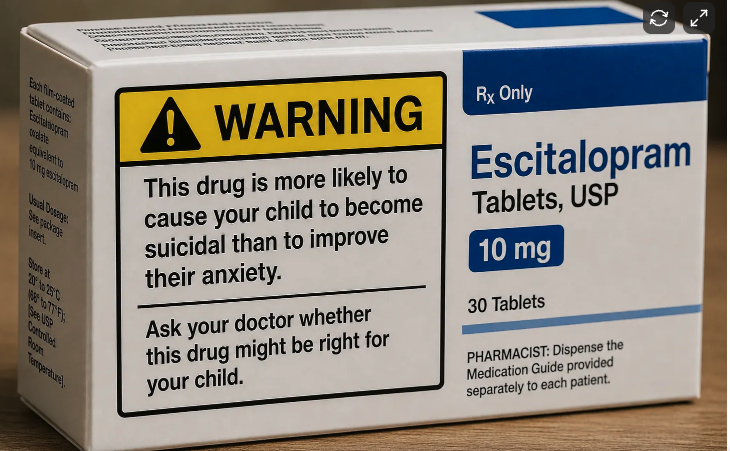
I wrote a brief blog about our new paper published criticising the FDA’s approval of escitalopram (Lexapro) for Generalised Anxiety Disorder in children and adolescents. The pivotal trial showed that the drug was more likely to make children suicidal than improve anxiety. The approval needs to be reversed urgently and the FDA approval process revamped. Link below
8
41
125
9,948
Michelle Funk retweeted

Jun 6
Very important to understand the following when you hear that the FDA has approved a new wonder drug for a mental health condition: “What many people and clinicians do not know is that the requirement of a “positive” trial does not mean that the drug is superior to placebo in a clinically meaningful way. Instead, the drug only has to be “statistically significantly” superior to placebo…Moreover, some drugs are approved despite there being more negative than positive trials.”
In this blog, Martin Ploderl explains how the makers of escitalopram exploited this loophole, getting FDA approval for the drug as a treatment for adolescent anxiety despite the fact that it is more likely to make young people suicidal than it is to make them less anxious.
madinamerica.com/2026/06/app…
2
17
33
1,710
Michelle Funk retweeted

Apr 10
Theo Von got personal on Joe Rogan’s podcast after revealing a sad story about his long-term struggle with antidepressants.
He told Rogan he was first put on antidepressants after “a tough day at school” and has NEVER been able to get off them since.
THEO: “That shit makes you feel dead, man.”
ROGAN: “So why did you take them in the first place?”
THEO: “Cause I was in a bad relationship 20 years ago, and I was having a tough day at school, and they f*cking gave them to me, and then I never got off.”
Theo’s experience is not uncommon.
A 2019 meta-analysis revealed that 56% of people experience withdrawal symptoms when trying to quit antidepressants.
Of those who experienced withdrawal symptoms, nearly half (46%) described them as “severe.”
Before you get placed on the antidepressant hamster wheel like Theo Von did, you should learn what these drugs really do.
The nasty withdrawal symptoms are just the tip of the iceberg of a much bigger problem... 🧵
90
235
1,418
176,949

Apr 8
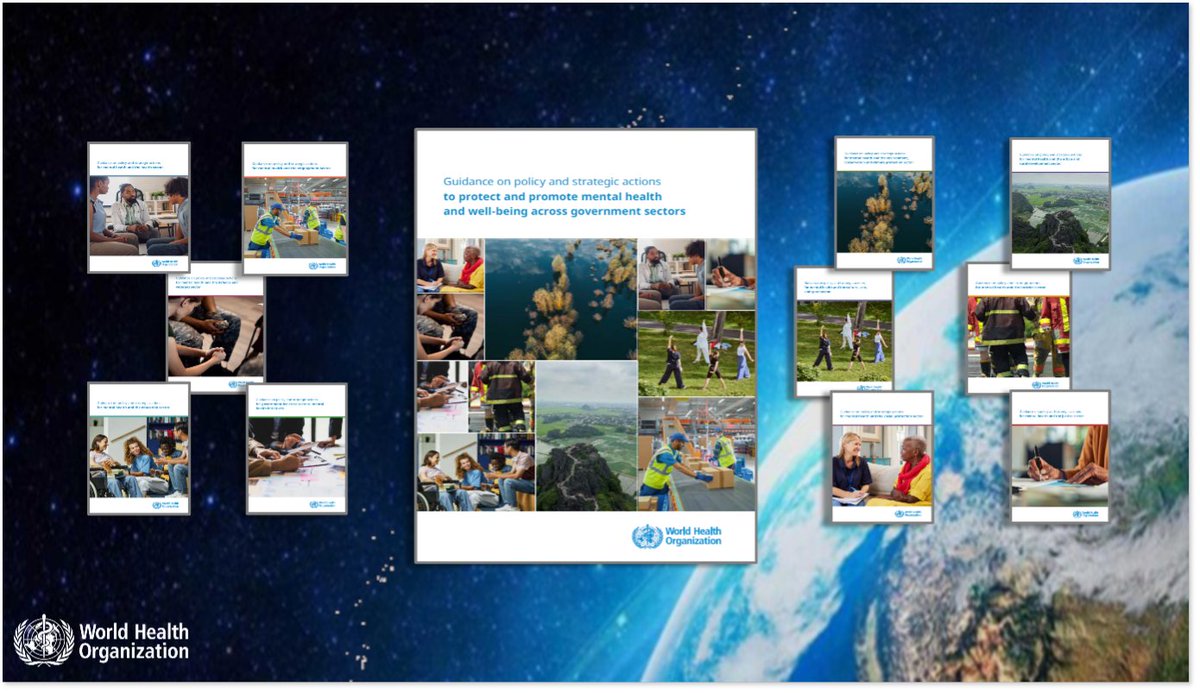
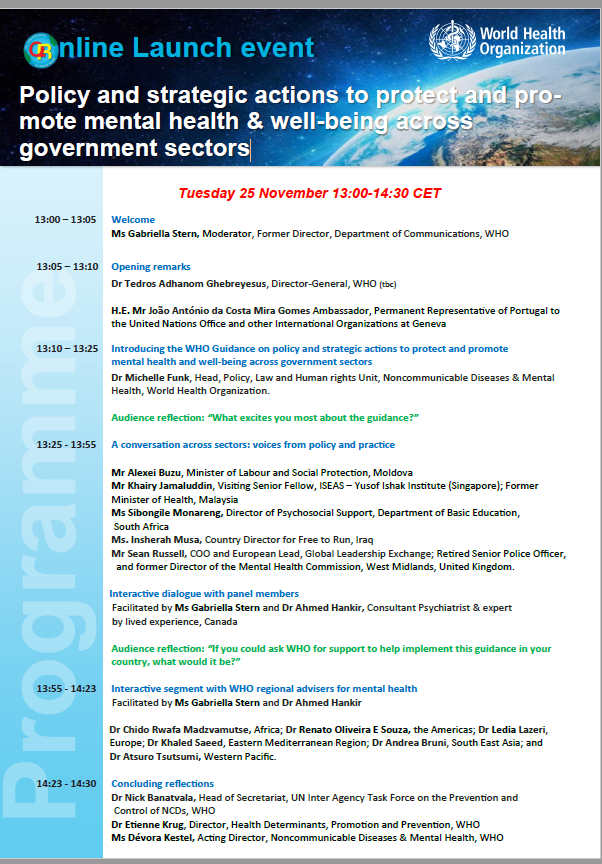
Mental health isn't just a health issue. The @WHO's first-ever Guidance proves it - tailored action for each of 10 sectors, one shared roadmap, every reason to act.
1
6
12
447
Michelle Funk retweeted

Apr 3
Dana White’s transformation from October 2023 still felt wild when I watched it.
At that time he weighed 236 lbs, with triglycerides at 800, insulin in the 60s, blood pressure 160/110 on medication, constant leg pain and numbness, severe sleep apnea that woke him up choking and throwing up, almost no energy, and he kept falling asleep in meetings.
After working with Gary Brecka he dropped to 192–196 lbs, brought triglycerides down to 130, insulin to 9, blood pressure to 116/70 — and got off all his meds. He developed visible abs and said his workouts became off the charts. He told Rogan he felt like he was in his 20s again.
He quit drinking and followed the full Superhuman protocol.
What really stuck with me was when he said his doctors kept telling him everything was “fine” while he felt like death. They just kept adding more pills.
Dana was very open about his before-and-after numbers because he wanted people to know real change was possible when someone finally addressed the root causes instead of masking symptoms.
Anyone else inspired by how dramatically health and energy can shift when you finally get the right guidance?
19
71
590
92,037
Michelle Funk retweeted

"What we are calling a mental health crisis is in large part a crisis of overmedicalization. Taking complex and real human struggles rooted in nutrition, sleep... and purpose and reducing them to medical conditions in need of medical interventions."
52
202
740
25,750
Apr 2
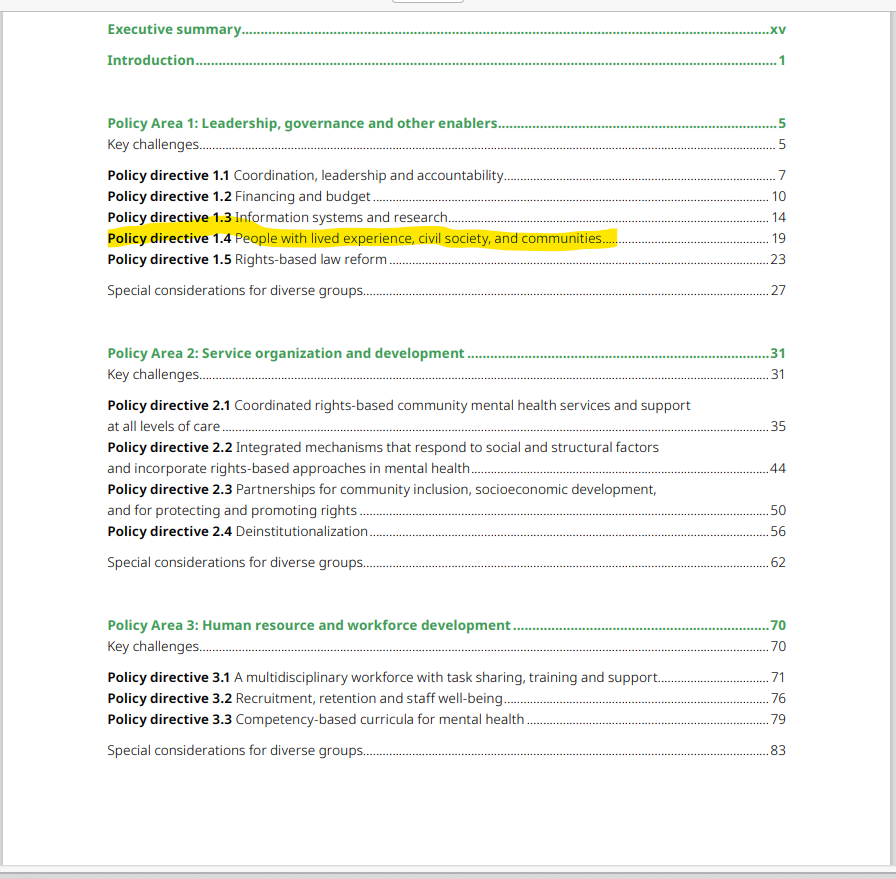
𝗔 𝗯𝗲𝗻𝗰𝗵𝗺𝗮𝗿𝗸 𝗳𝗼𝗿 𝗺𝗲𝗻𝘁𝗮𝗹 𝗵𝗲𝗮𝗹𝘁𝗵 𝗽𝗼𝗹𝗶𝗰𝘆.
𝗧𝗵𝗲 @WHO 𝗚𝘂𝗶𝗱𝗮𝗻𝗰𝗲 𝗼𝗻 𝗠𝗲𝗻𝘁𝗮𝗹 𝗛𝗲𝗮𝗹𝘁𝗵 𝗣𝗼𝗹𝗶𝗰𝘆 𝗮𝗻𝗱 𝗦𝘁𝗿𝗮𝘁𝗲𝗴𝗶𝗰 𝗔𝗰𝘁𝗶𝗼𝗻 𝗣𝗹𝗮𝗻𝘀 provides comprehensive, actionable steps to help countries strengthen leadership, services, workforce and cross-sector collaboration for rights-based, person-centred and recovery-oriented mental health systems and approaches. #QualityRights
3
17
27
8,307
Mar 24
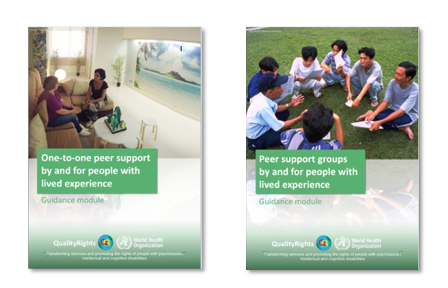
Are you aware of the @WHO & @UNHumanRights Guidance on Mental Health, Human Rights and Legislation?
It supports countries in reforming mental health laws, protecting rights and advancing high-quality, person-centred mental health services and care, aligned with international human rights standards, including the CRPD #QualityRights
who.int/publications/i/item/…
2
3
116
Mar 17
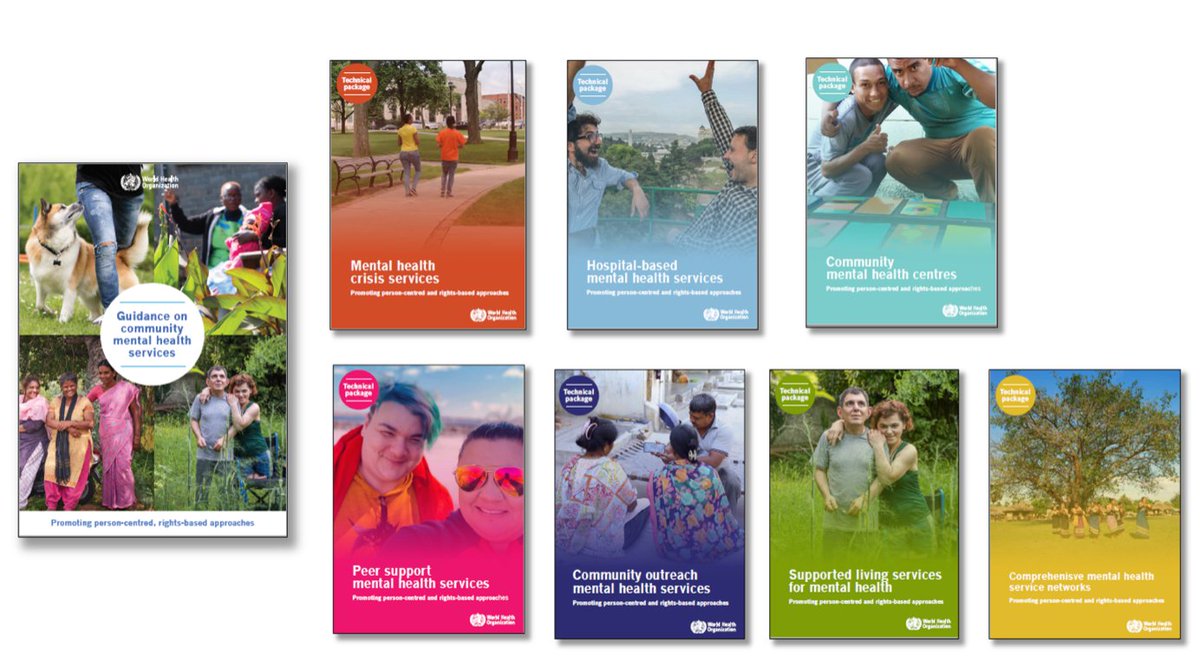
Rights-based, community-focused #MentalHealth services work.
The @WHO Guidance & Technical Packages show real-world examples and provide practical guidance to help countries design, develop, and scale up services that uphold human rights and support recovery.
▶️ Explore: tinyurl.com/WHOQR5
#QualityRights
4
9
379
Mar 11
🌍 With over 175,000 people registered globally, the @WHO #QualityRights #e-training is shifting #MentalHealth systems toward #HumanRights, recovery & inclusion.
Free and available in 🇬🇧🇫🇷🇪🇸🇵🇹🇮🇹🇵🇭🇺🇦🇦🇲🇪🇪🇭🇷🇹🇷🇸🇮🇱🇹🇧🇦🇨🇿🇵🇱
▶️ Access the training: tinyurl.com/WHOQRe
#CapacityBuilding
2
4
137
Michelle Funk retweeted

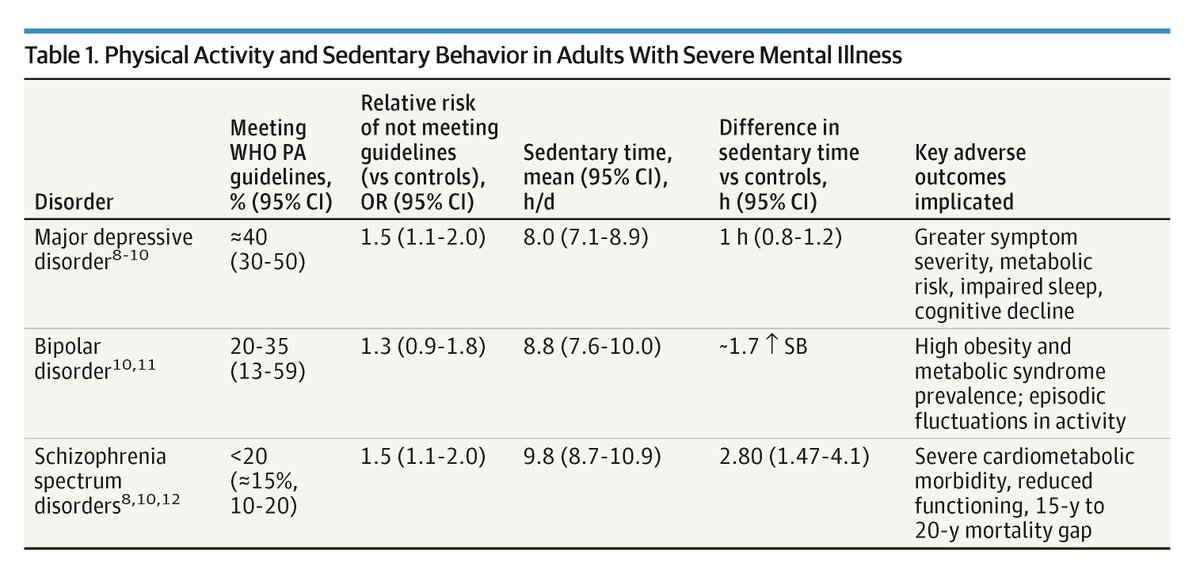
Among adults with severe mental illness, integrating #PhysicalActivity into psychiatric care improves psychiatric symptoms, cognitive health, and cardiometabolic outcomes, supporting longer life expectancy.
ja.ma/4u6t7nG
2
27
59
2,890
Mar 5
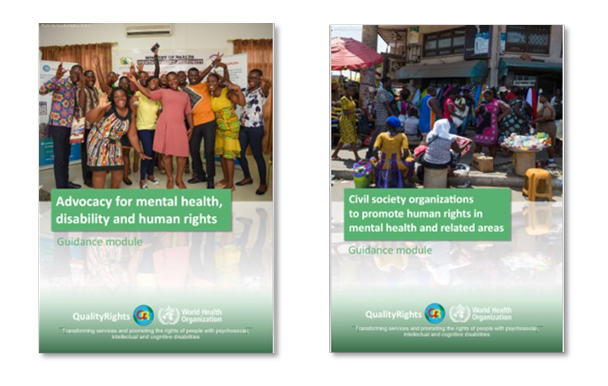
Advocacy is stronger when lived experience leads - not just informs.
@WHO #QualityRights has tools to make that real.
Because the best mental health advocacy doesn't happen for people with lived experience. It happens with them - and ideally, by them.
▶️ who.int/publications/i/item/…
2
2
106
Michelle Funk retweeted

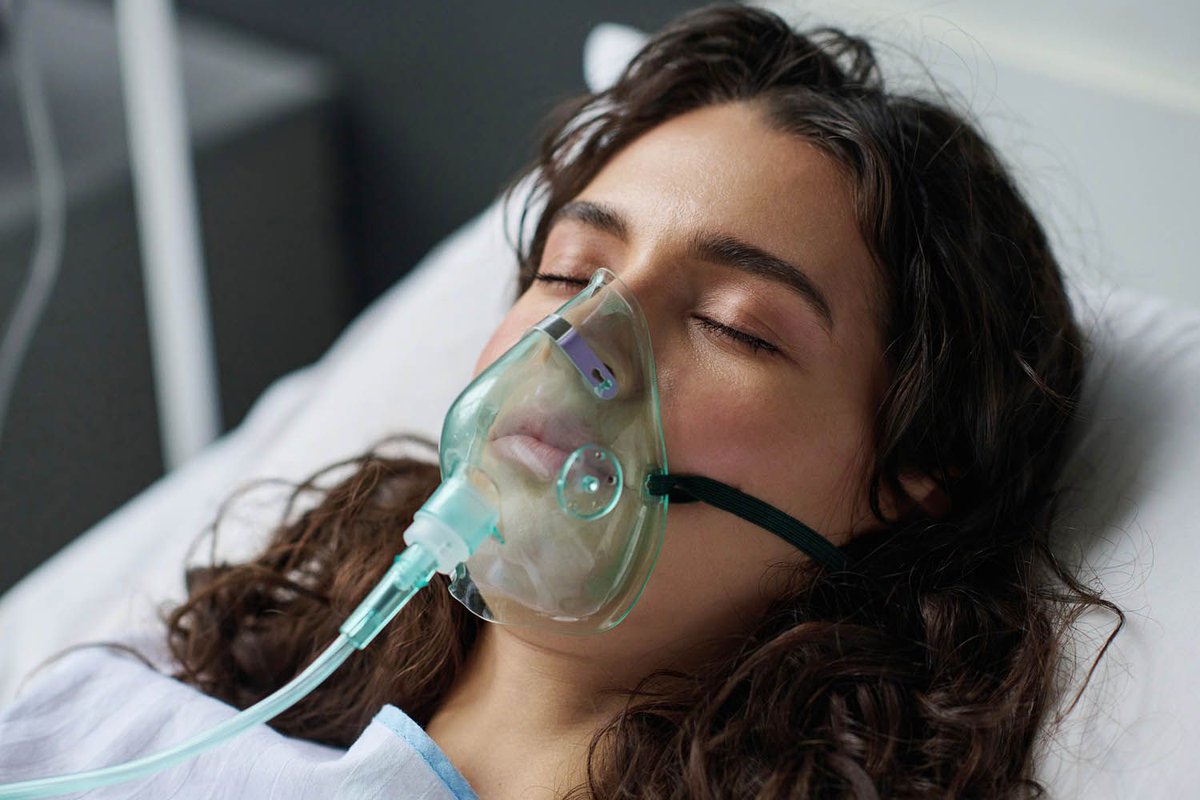
As a Doctor, I Felt Compelled to Agree to ECT—It Nearly Ruined My Life
By Cathy Wield
Despite surviving, I’m utterly horrified by my experience of ECT.
madinamerica.com/2026/03/as-…
14
40
1,263
Mar 3
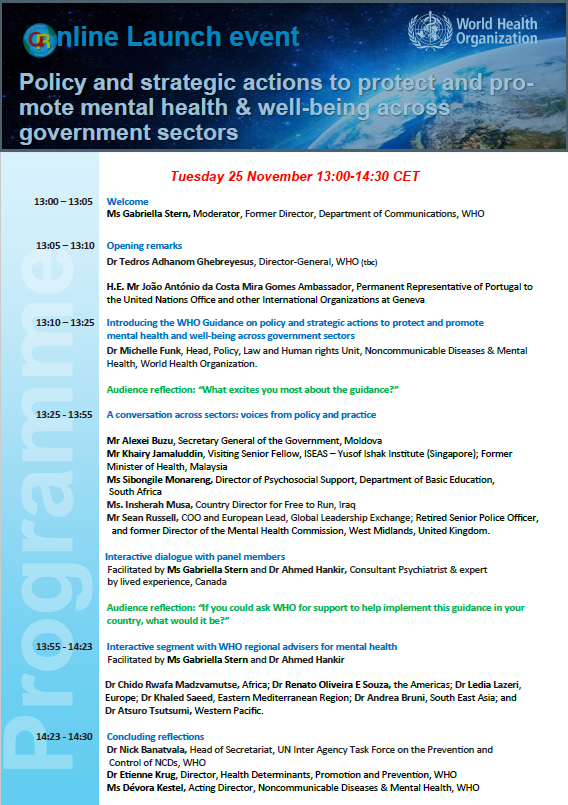
Peer support is key to rights-based, recovery-oriented #MentalHealth care.
The @WHO #QualityRights #PeerSupport Modules offer guidance on one-to-one and group peer support built on shared experience and mutual learning.
▶️ Explore the tools: tinyurl.com/WHOQR4
#HumanRights #LivedExperienceLeadership
2
5
122
Michelle Funk retweeted
Feb 28
Surprise, surprise.
It turns out antidepressants may have been propped up by deeply flawed science.
“Most clinical drug trials have found the effectiveness of antidepressants is ON PAR with placebo,” wrote Dr. Joseph Mercola.
On the other hand:
“Large-scale meta-analyses show that physical exercise is the most effective remedy — about 1.5 times more effective than antidepressants — for depression.”
You probably never heard that on TV because in 1996, Bill Clinton signed the Telecommunications Act, which allowed Big Pharma to buy off the news.
Here’s what else they’re not telling you about antidepressants. If you or someone you love is taking them, you might want to read to this. 🧵
171
2,319
8,546
1,764,517
Feb 26
The @WHO #QualityRights Person-Centred Recovery Planning Tool supports people in shaping their own #MentalHealth journey.
It helps identify goals, build wellness plans, and strengthen autonomy - individually or with trusted supporters.
▶️ Explore the tool: tinyurl.com/WHOQR3
#HumanRights #Empowerment
2
2
117
Feb 17
A global shift in #MentalHealth is happening - powered by @WHO #QualityRights tools that drive rights-based, person-centred, evidence-based care.
Real change needs action. Use them. Share them. Advocate for them. Transform services and systems.
▶️ Watch the video
4
17
26
1,299
Michelle Funk retweeted

Jan 30
Sixty years ago, studies were done comparing antidepressants with what is called “active placebos,” drugs that mimic the side effects of antidepressants. The conclusion? Almost no difference in outcome.
Reading about the results of these 1960s studies was a lightbulb moment for British psychiatrist @joannamoncrieff. She was a junior psychiatrist at the time working in a mental hospital in the UK, and she started looking into these studies when she didn’t observe any obvious improvements in patients on antidepressants.
Larger and more developed trials conducted decades later likewise show such small differences between an antidepressant and a placebo that they do not qualify as a clinically meaningful difference, she says.
In 1998, psychologist Irving Kirsch published a widely publicized paper on this phenomenon called “The Emperor's New Drugs.”
Psychiatry, she says, hasn’t taken trial results seriously from many decades showing the ineffectiveness of antidepressants:
“Why has psychiatry… not said: ‘Oh dear, maybe we should stop giving out these drugs that are having minimal, if any, beneficial effects, and yet are causing side effects, making people dependent, giving people some really severe withdrawal problems, causing sexual dysfunction, making people have falls and bleeds, and causing fetal malformations and all the other things that antidepressants do.”
7
106
282
12,361
Michelle Funk retweeted

This is the part of the interview where I wonder why antidepressants are still recommended after decades-worth of research showing minimal, if any benefits and more and more evidence of harm
Jan 30

Sixty years ago, studies were done comparing antidepressants with what is called “active placebos,” drugs that mimic the side effects of antidepressants. The conclusion? Almost no difference in outcome.
Reading about the results of these 1960s studies was a lightbulb moment for British psychiatrist @joannamoncrieff. She was a junior psychiatrist at the time working in a mental hospital in the UK, and she started looking into these studies when she didn’t observe any obvious improvements in patients on antidepressants.
Larger and more developed trials conducted decades later likewise show such small differences between an antidepressant and a placebo that they do not qualify as a clinically meaningful difference, she says.
In 1998, psychologist Irving Kirsch published a widely publicized paper on this phenomenon called “The Emperor's New Drugs.”
Psychiatry, she says, hasn’t taken trial results seriously from many decades showing the ineffectiveness of antidepressants:
“Why has psychiatry… not said: ‘Oh dear, maybe we should stop giving out these drugs that are having minimal, if any, beneficial effects, and yet are causing side effects, making people dependent, giving people some really severe withdrawal problems, causing sexual dysfunction, making people have falls and bleeds, and causing fetal malformations and all the other things that antidepressants do.”
10
36
111
4,331
Michelle Funk retweeted
BBC's File on 4 covered finasteride's sexual and emotional side effects last week, including that they may persist and wreck lives. It raised the question of whether it should still be prescribed at all. We need coverage for similar SSRI effects bbc.co.uk/sounds/play/m002q2…
4
49
127
6,024