
Lecturer (Assistant Prof) at Dept of Meteorology, Reading (prev Sheffield & Cambridge). Working on climate change solutions. jm-weber.github.io
Joined January 2019
- Tweets 106
- Following 119
- Followers 183
- Likes 158
11 Photos and videos
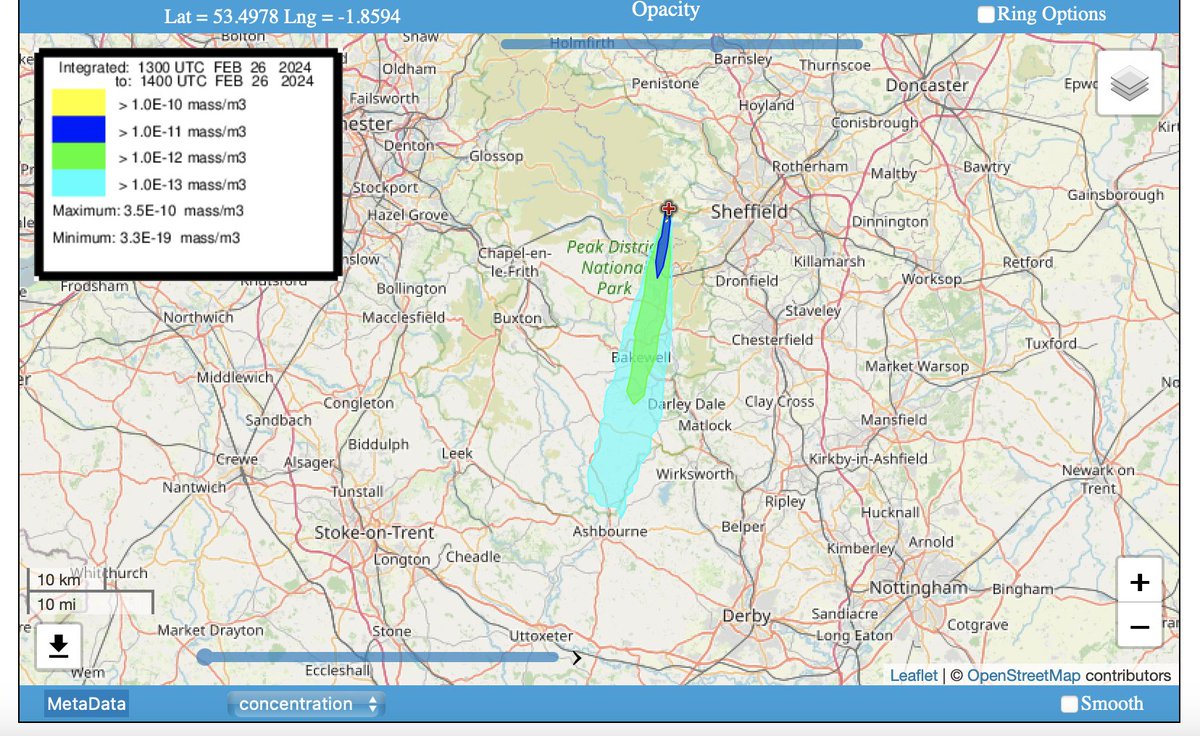
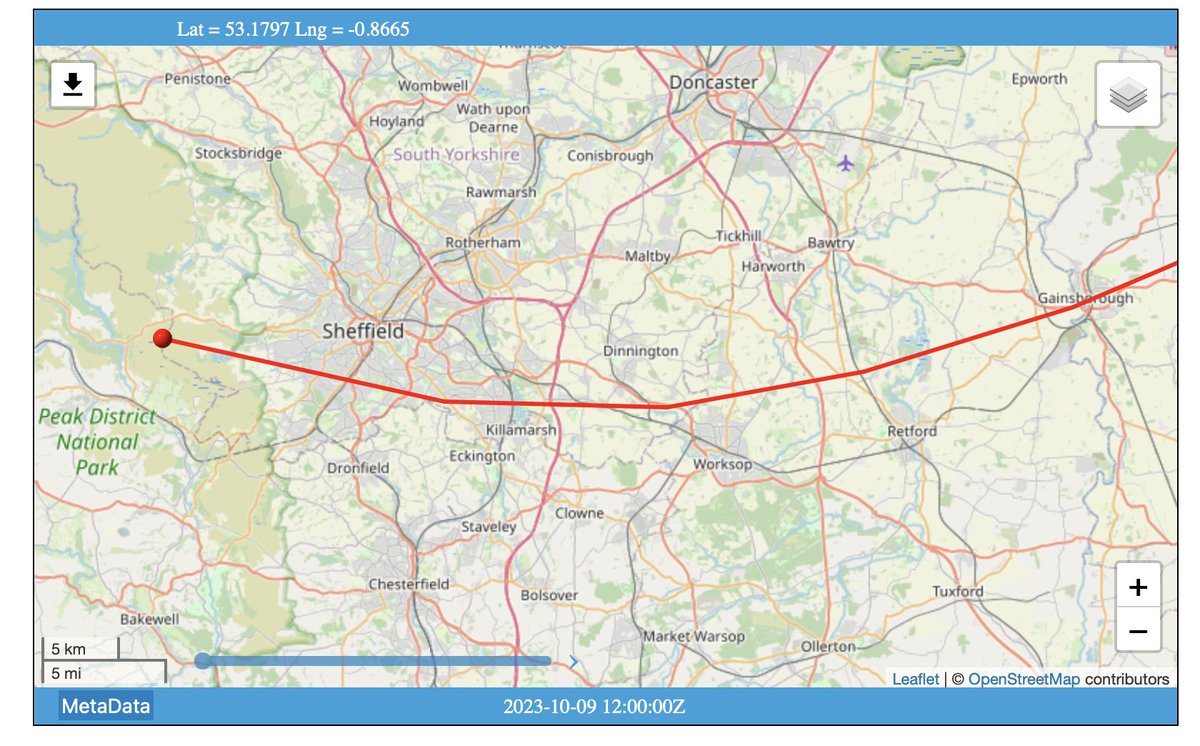
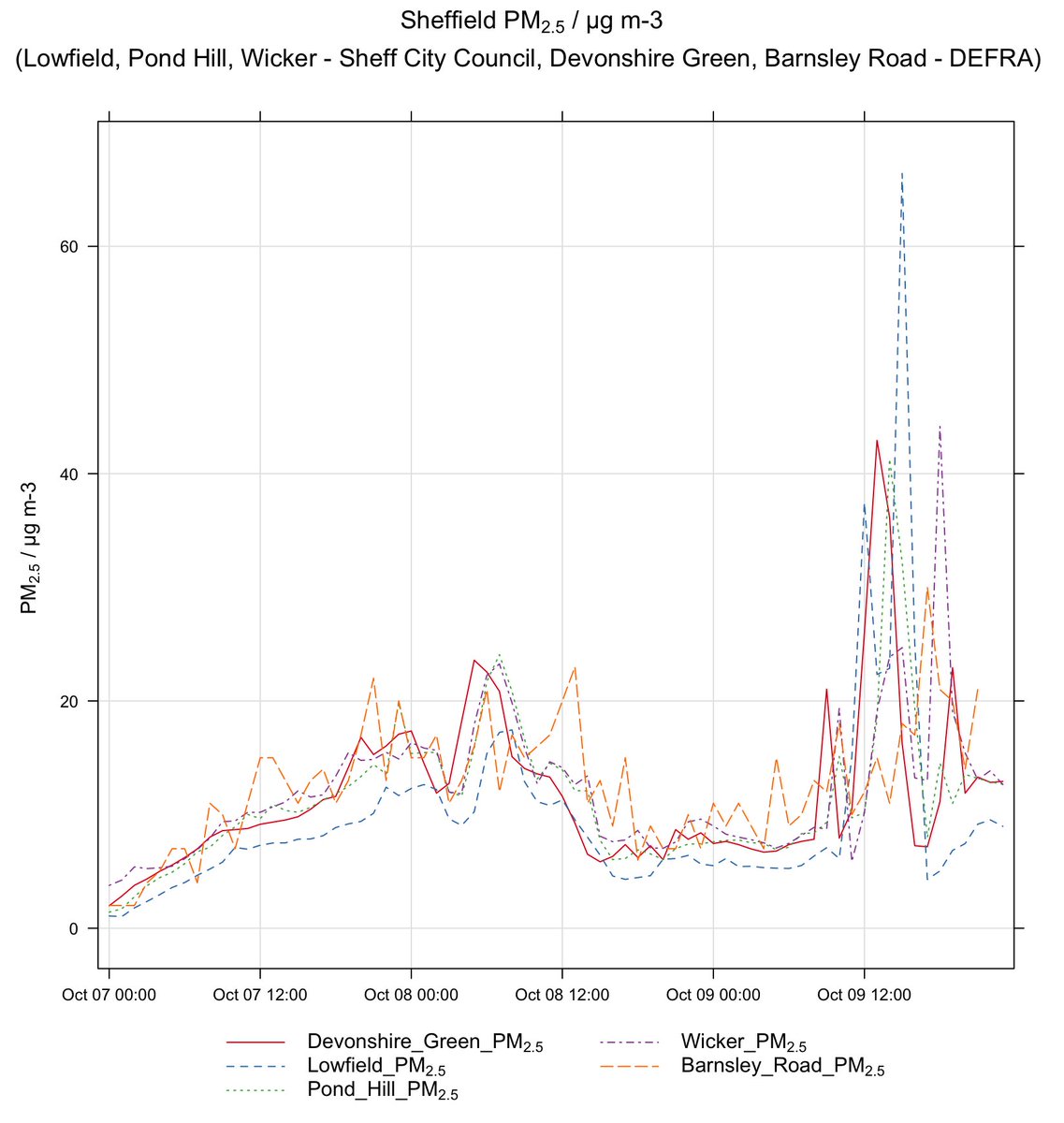
Pinned Tweet

23 Feb 2024
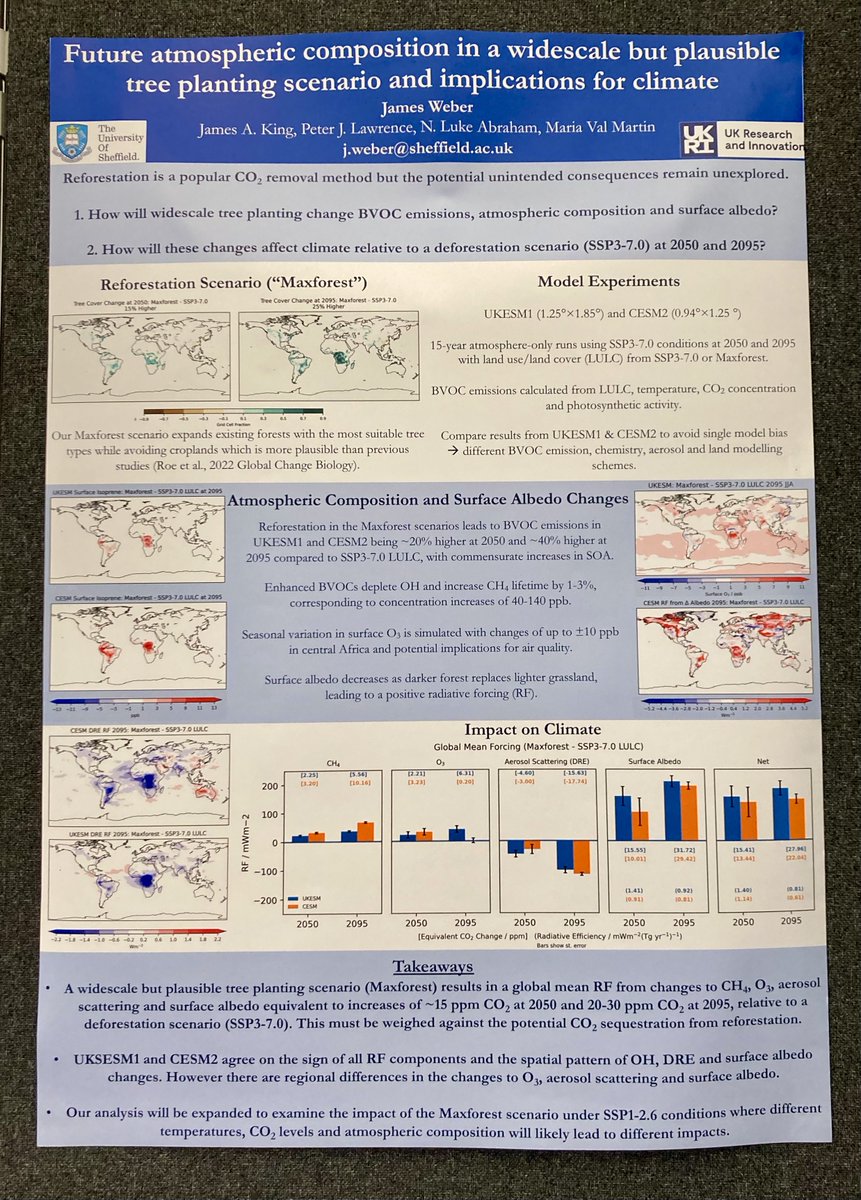
Our paper science.org/doi/10.1126/scie… is new in @ScienceMagazine today. We looked at the impact wide scale forestation (reforestation, afforestation and forest enhancement) would have on atmospheric composition and albedo, comparing these changes to the beneficial removal of CO2. 1/
5
27
72
30,996
May 29
Our paper looking at the impact of methane emission reductions on stratospheric ozone recovery has been published in GRL agupubs.onlinelibrary.wiley.…. While methane emission reductions slow surface temperature increases and improve air quality (1/n)
1
2
89
May 29
...we find that they slow stratospheric ozone recovery. This is driven by a reduction in ozone production, and an increase in ozone destruction as gas phase species derived from halocarbons and nitrous oxide become more efficient at destroying ozone. (2/n)
1
24
May 29
This means that if methane emission reductions are pursued, the ongoing efforts to reduce emissions of halocarbons and nitrous oxide will become even more important. My thanks to all my co-authors, @UniRdg_Met and the @NERCscience InHALE project.
21
15 Jul 2025
Our new paper on UK air quality finds NO2 and PM2.5 showed robust decreases over 2015-2024 while ozone has increased. All pollutants breach the WHO targets too frequently however. NO2 mainly from traffic, PM2.5 predominantly from sources further afield pubs.rsc.org/en/content/arti…
1
3
243
15 Jul 2025
My thanks to Helen Dacre for her guidance and contribution and the brilliant Openair software from David Carslaw and colleagues.
1
1
101
James Weber retweeted

9 Jan 2025
Checkout our new paper published in ACP this week. We explore how perturbed BVOC emissions driven by land cover changes impact the global atmospheric aerosol burden.
acp.copernicus.org/articles/…
1
5
253
James Weber retweeted

20 Nov 2024
📣Big news! Our tag-team effort on common variants in rare neurodevelopmental conditions is now out in @Nature! 📣
Co-first authoring with the brilliant @qinqin_huang🌟—proof that teamwork does make the dream work. 💪 nature.com/articles/s41586-0…
8
37
114
27,542
James Weber retweeted

29 Jul 2024
An article on "Air Quality in a UK Town – A 10-year case study" by Dr. James Weber (@Atmos_Pem) is the topic of our latest @UniRdg_Met research blog.
You can check it out here!
blogs.reading.ac.uk/weather-…
5
10
1,572
12 Jul 2024
A belated thank you to @SaraMBlich and Ilona Riipinen for hosting me at @AcesSthlmUni. I enjoyed giving a seminar on BVOCs and climate and discussing how we can improve the modelling of organic aerosols in @UkesmProject. Hopefully the start of a productive collaboration.
12
497
James Weber retweeted

11 Jul 2024
Interested in a PhD on #Dust? 17 available to start during 2025 across Europe, including 3 at @UniRdg_Met. Fully funded opportunities.
11 Jul 2024

The DUST DOCTORAL NETWORK (#Dust_DN) will train a cohort of scientists to become leaders in the field of *atmospheric dust*.
Seventeen prestigious PhD opportunities are opening in Europe; more details on our website: dust-dn.cyi.ac.cy/ (apply by the end of August 2024).

4
7
387
James Weber retweeted

11 Jul 2024
Come join us and work on understanding and constraining the chemistry and climate impacts of aviation NOx emissions in the future! jobs.cam.ac.uk/job/47373/
@AtmosScience @AtmChemAeroJobs @NERCscience #JetZero
8
9
1,949
10 Jun 2024
Our paper on the impact of N2O emissions reductions from agricultural soil treatments on stratospheric ozone and climate has been published in npj Climate and Atmospheric Science and is available at nature.com/articles/s41612-0… 1/n
1
4
10
1,368
10 Jun 2024
The radiative impact of the lower N2O mixing ratios and removal of CO2 via the enhanced rock weathering of the basalt used to treat the agricultural soil (one of two methods considered) equates to a beneficial 9–11 ppm CO2 removal by 2075. 3/n
1
2
2
345
10 Jun 2024
My thanks to my co-authors @DrJamesKeeble, @theabro, David Beerling and @MValMartin. Work done at @ScienceShef using @UkesmProject. #climatechange #n2o #climatechangesolutions
2
325
James Weber retweeted
3 May 2024
Pleased to announce a new 2 year PDRA position in our group @ChemCambridge @AtmosScience to investigate the climate impacts of aviation NOx emissions! Advert to job posting will follow soon. DM me if interested and please forward to anyone you think may be interested! @RMetS_Jobs
1
8
15
1,489
25 Mar 2024
Our paper on combining observations of marine isoprene with modelling in @UkesmProject has been published in @NatureComms. Our study suggests that prior emission estimates of marine isoprene need to be scaled by at least 20x so that models can match observed concentrations. 1/n
1
1
13
735
25 Mar 2024
the pre-industrial to present day change change in composition. My thanks to @atmos_vf and all other co-authors.
1
1
226