
Learner & choreographer of learning. I create resources for high school science. Visit me at:
Joined November 2022
- Tweets 1,560
- Following 932
- Followers 1,385
- Likes 6,876
62 Photos and videos







Pinned Tweet

18 Oct 2025
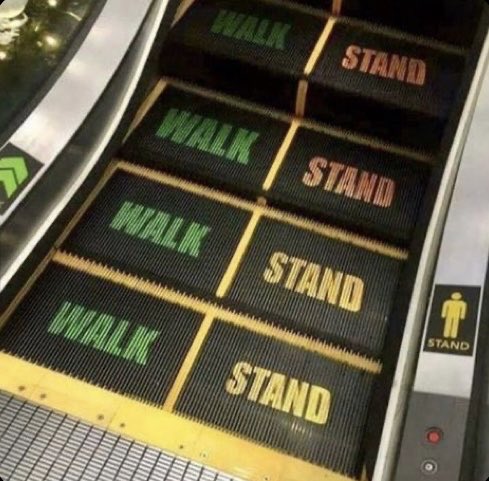
Science! Where the rubber meets the road—at the intersection of literacy and numeracy. 💪🏆
1
1
5
826
Jun 13
😂


1
1
32

Jun 12
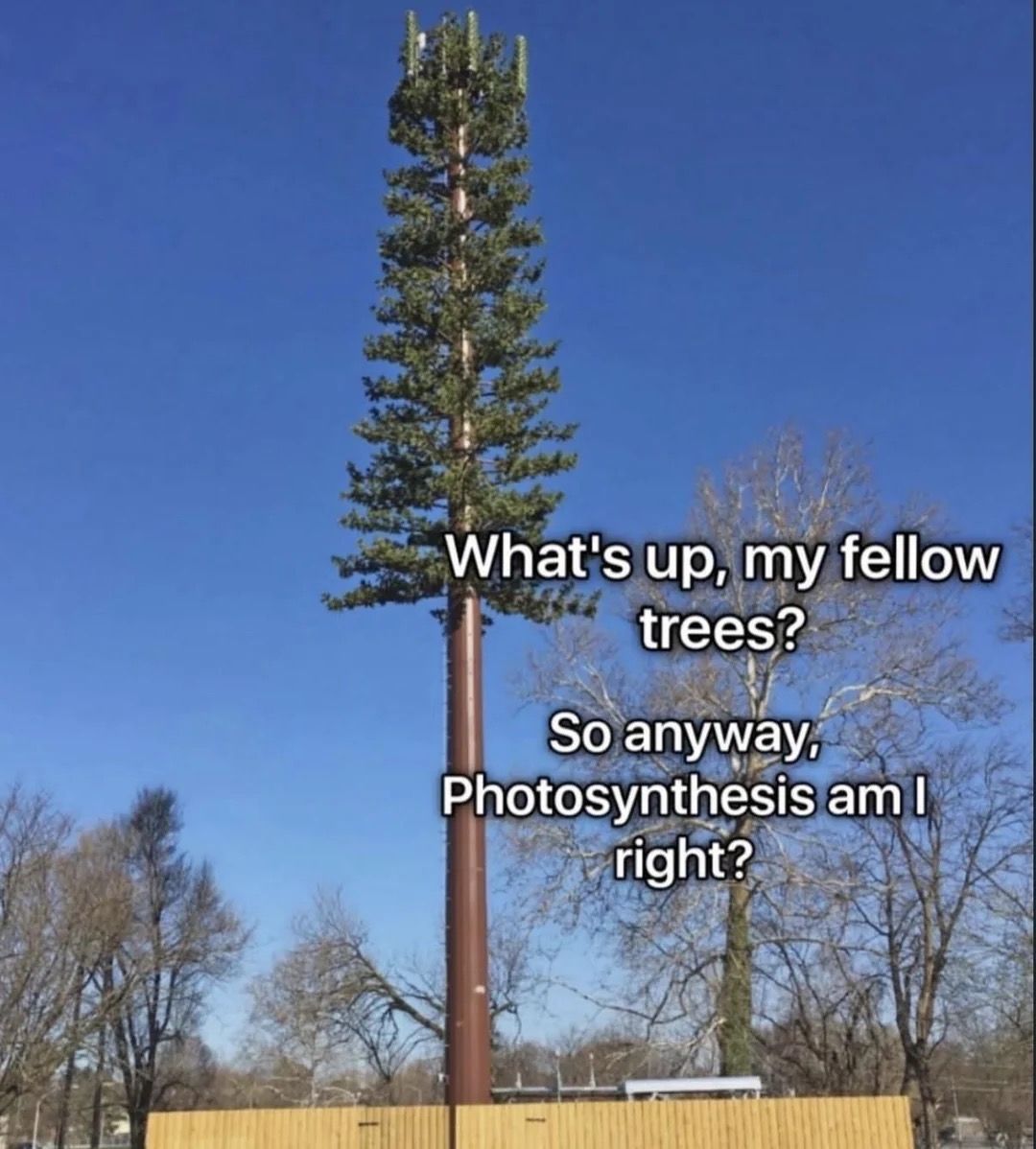
What’s wrong with this picture? Physics edition.


17

AwesomeScience retweeted

Jun 11
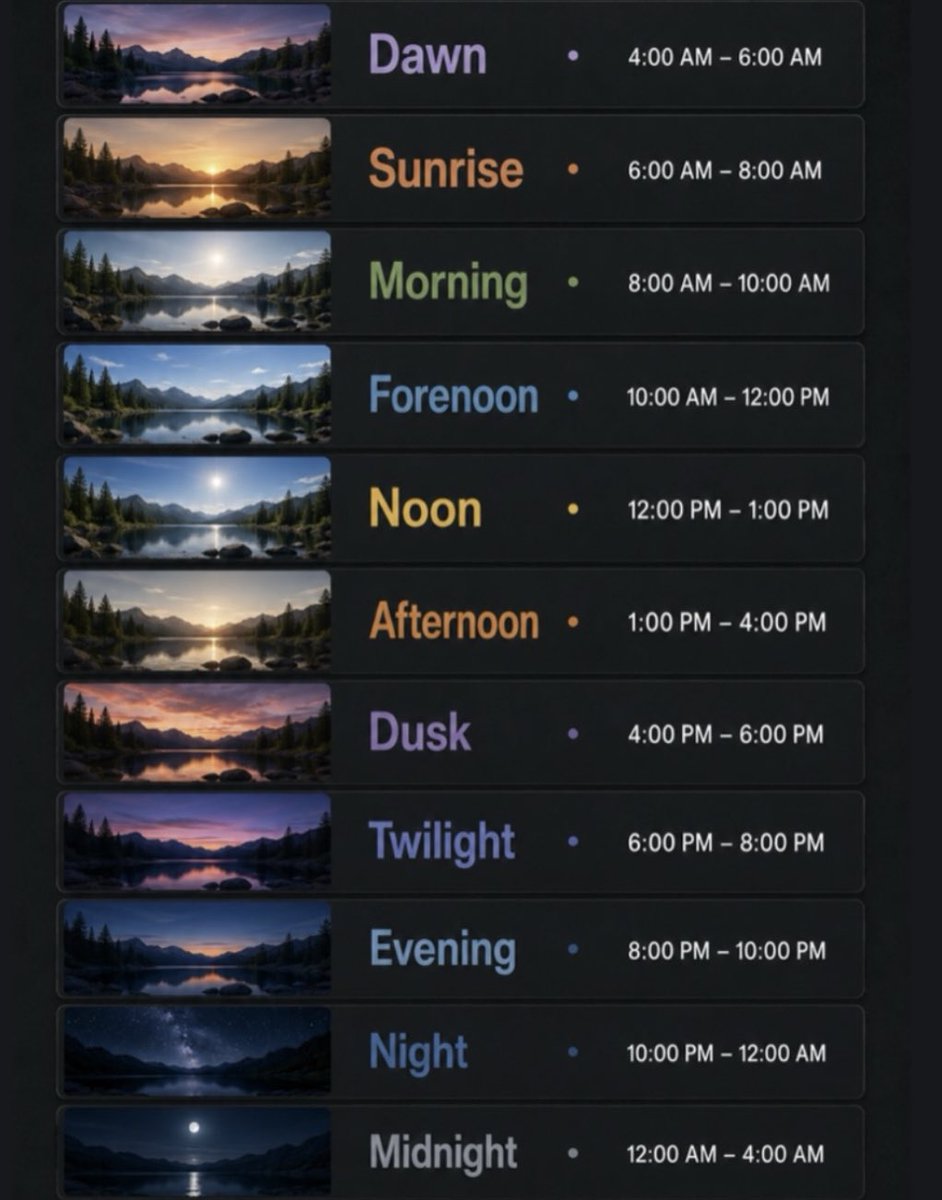
What each time of day is actually called
121
7,624
38,387
701,460
AwesomeScience retweeted

Jun 11
Each extra day a kid plays outside drops their odds of mental health problems by up to 14%. Free. Ancient. No clinician required. We swapped it for screens, then built an industry to treat the wreckage.
2
8
734
Jun 11
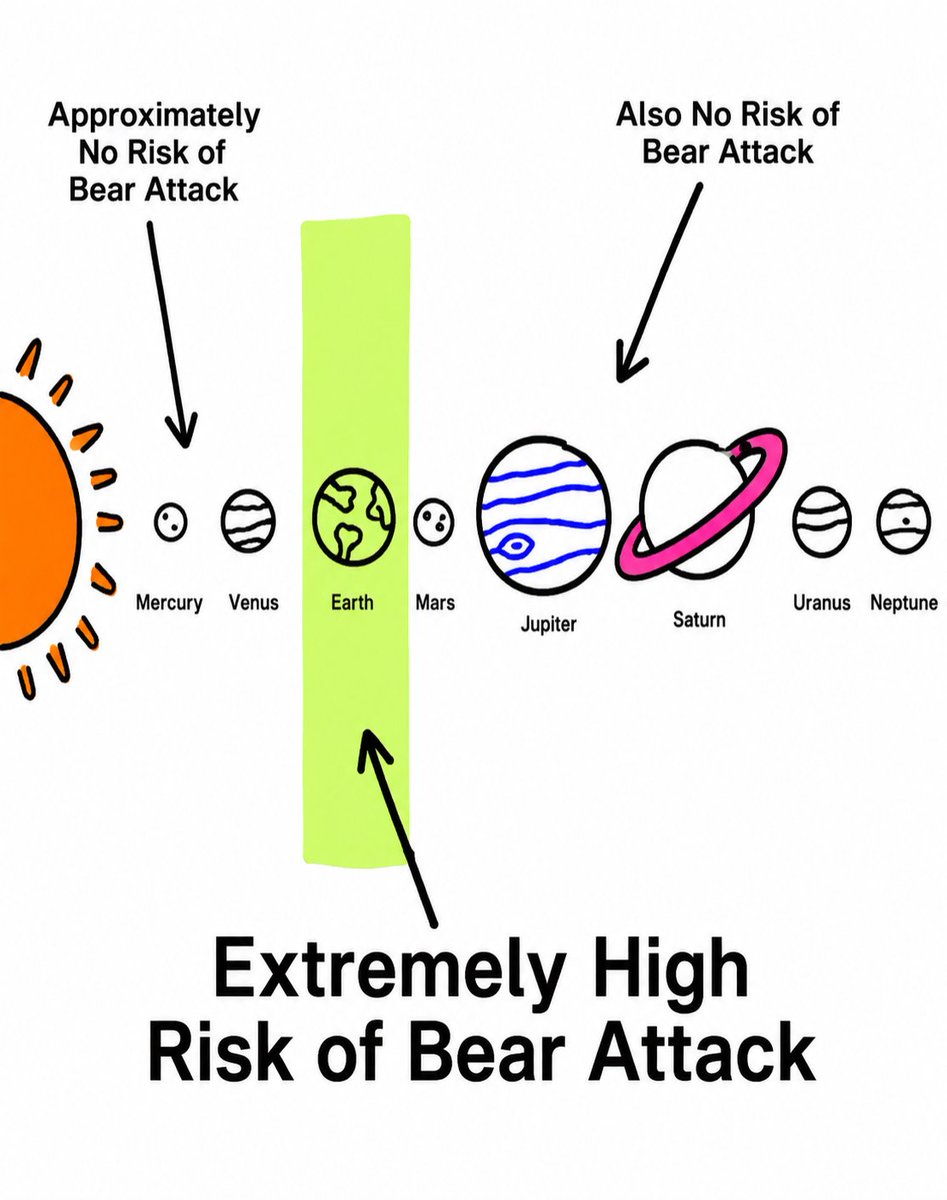
Checks out

18

AwesomeScience retweeted

Jun 9
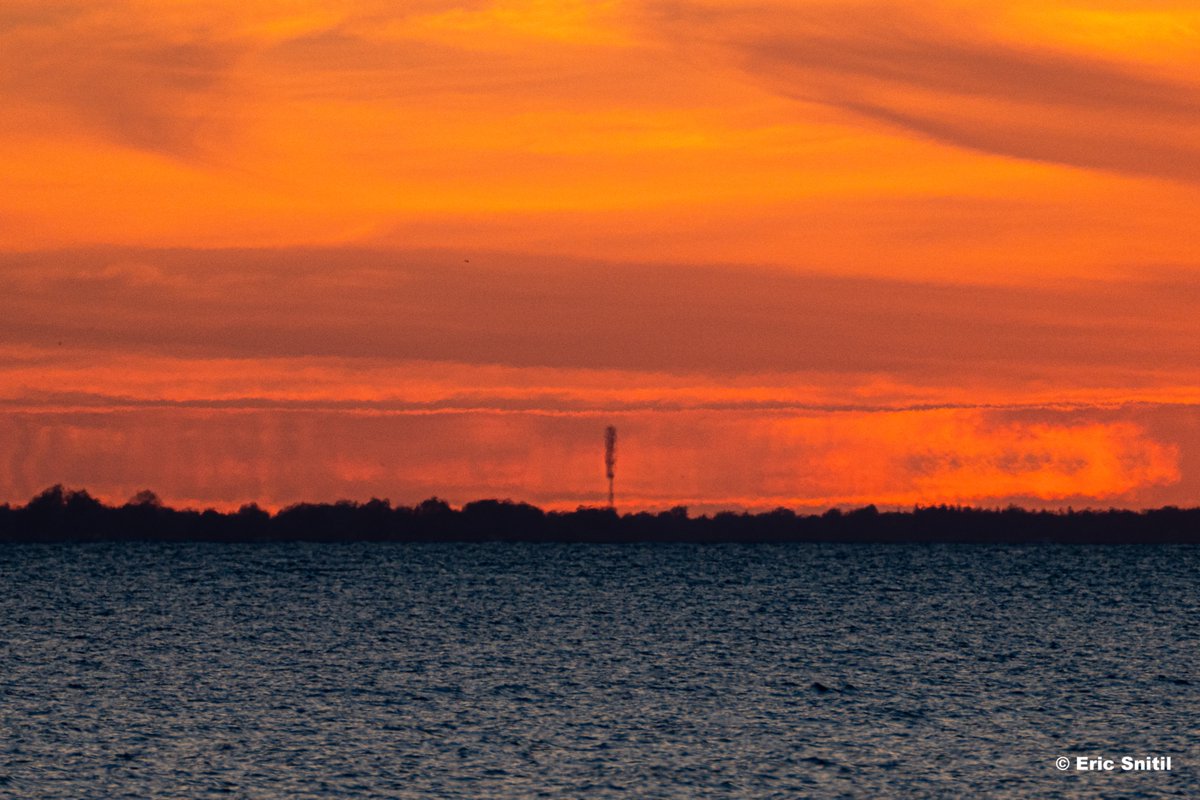
WHOA! You've got to see this. This is the view looking northwest from Rochester, New York this evening. See that needle in the distance? That's not supposed to be there. But it is. You're looking at the CN Tower in Toronto, Canada over 100 miles away. The 1,815 foot observation tower should not be visible at this great distance. But under certain conditions, the bending of light can make it seem like it's right in front of you.
This is a spectacular example of a mirage. Layers of cool vs. warm air bend and warp light. It can distort objects, enlarge them, even make them feel like they're right in your backyard. Note how wonky the even sky looks adjacent to the CN Tower in this image. The mirage is affecting the clouds and sky as a whole. I've seen some strange mirages through the years and this is the most pronounced cases of the CN Tower I've captured.
96
465
3,682
158,815
AwesomeScience retweeted

"Trees are poems that Earth writes upon the sky."
Khalil Gibran
Ralph Emerson art

40
1,172
5,111
71,225
This is where we are at now: the Universal Translator
Jun 8

ok this is the most awesome project i've ever seen in AI:
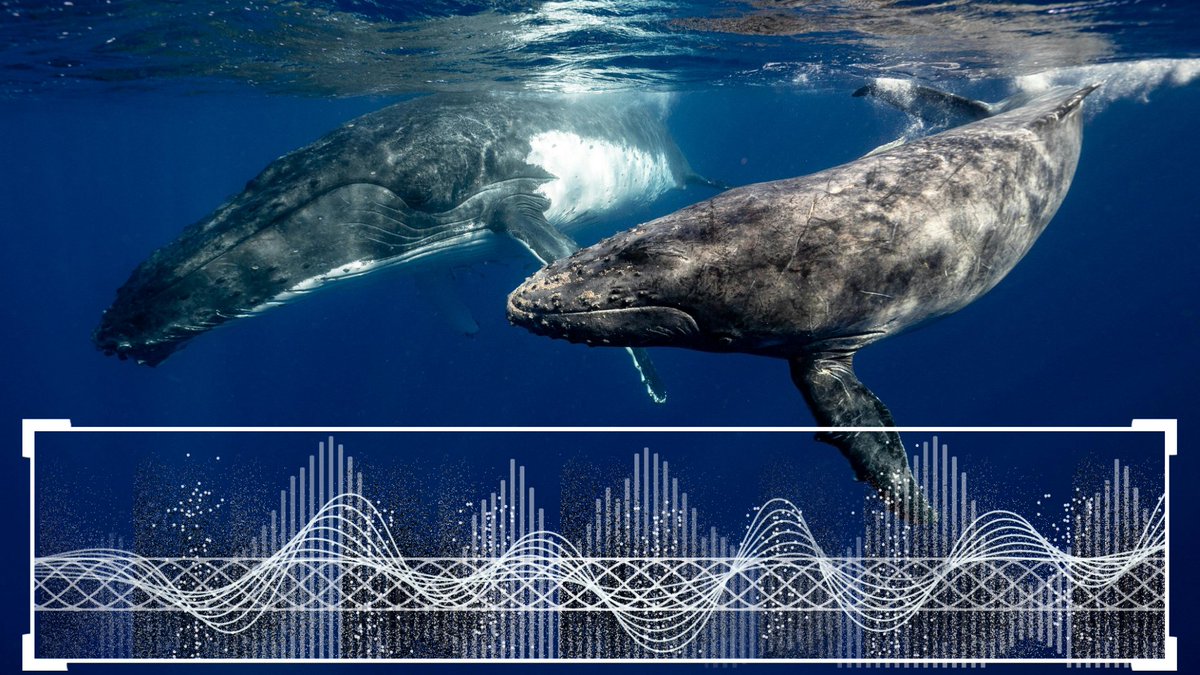
a startup called Earth Species Project is teaching AI to understand and talk with animals
there's 8 million species on Earth, yet we can fully understand just one of them: us humans.
but the founders think AI is the first tool powerful enough to close that gap
so they built NatureLM-audio, the first large language model trained on animal sound instead of human text
instead of training from scratch, they took a model that already understands human audio and fine-tuned it on animal recordings (birds, whales, primates, etc)
the bet was that the patterns AI learns from human speech would carry over to animals
and it worked better than they expected. the model started doing things nobody trained it to do, like:
- counting how many animals are in a recording
- telling distress calls apart from friendly ones
- identifying species it had never heard before
it's the same emergent behavior we saw when language models got big enough to surprise their own builders, except pointed at the animal kingdom
a few of the (amazing) breakthroughs they've had:
1. they solved the "cocktail party problem" for animals. the AI can pull one individual voice out of a noisy group recording, like isolating a single sperm whale's clicks from the whole pod
2. they tagged wild crows with tiny recorders, captured 127,000 calls, including the quiet murmurs between family members that normal microphones never pick up.
the model can even tell an adult's call from a chick's. a whole layer of crow conversation we couldn't record before is now on tape
3. most of their work is the AI learning to listen. but with zebra finches, they've started generating brand new synthetic calls and playing them back, which is the first real step from understanding animals toward actually TALKING to them
what makes it particularly meaningful is that it feeds straight into conservation
> with the Hawaiian crow (nearly extinct, only a few hundred left) understanding their calls helps researchers decide which birds to breed together and where to release them.
> with whales, mapping their songs shows exactly how ship noise drowns out their communication, which tells you how to reroute ships so you stop killing them
and they're open-sourcing all of it, so any researcher can build on top
we might actually find out what the animals have been saying this whole time
20
AwesomeScience retweeted

Jun 6
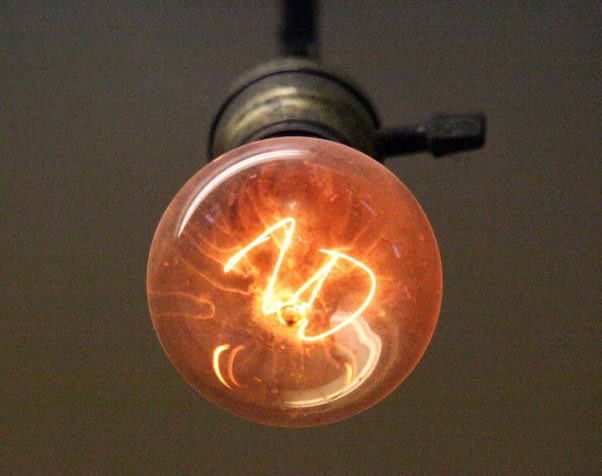
Still She Glows: A 125 Year Old Lightbulb That Has Been On Since Before The Wright Brothers Took Flight.
This week she turns 125 Years old and defies just about all planned obsolescence plans.
The list filament says it all ironically:
NO.
I will not go dark.

53
124
654
47,753

AwesomeScience retweeted

Jun 3
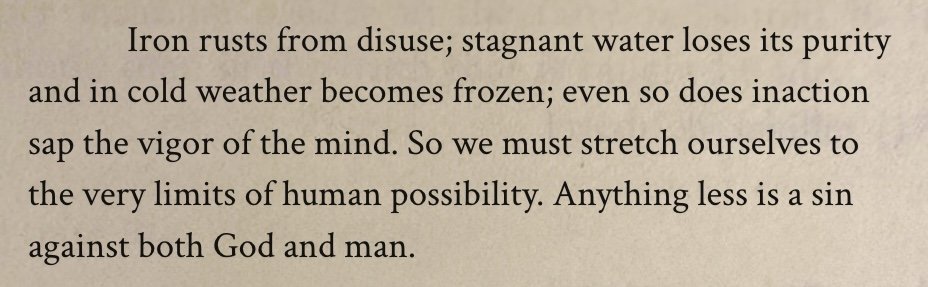
Leonardo da Vinci's greatest paragraph
88
5,949
33,468
648,799

AwesomeScience retweeted

Jun 2
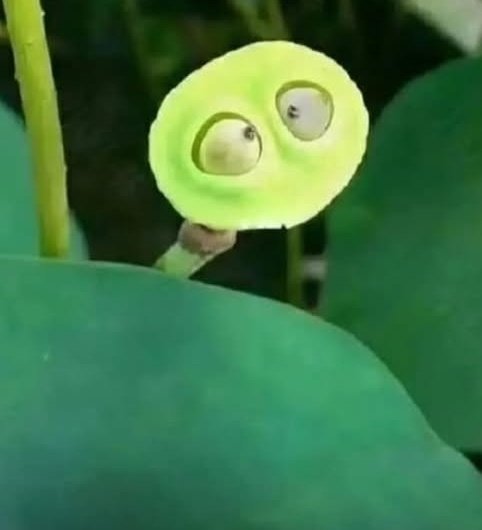
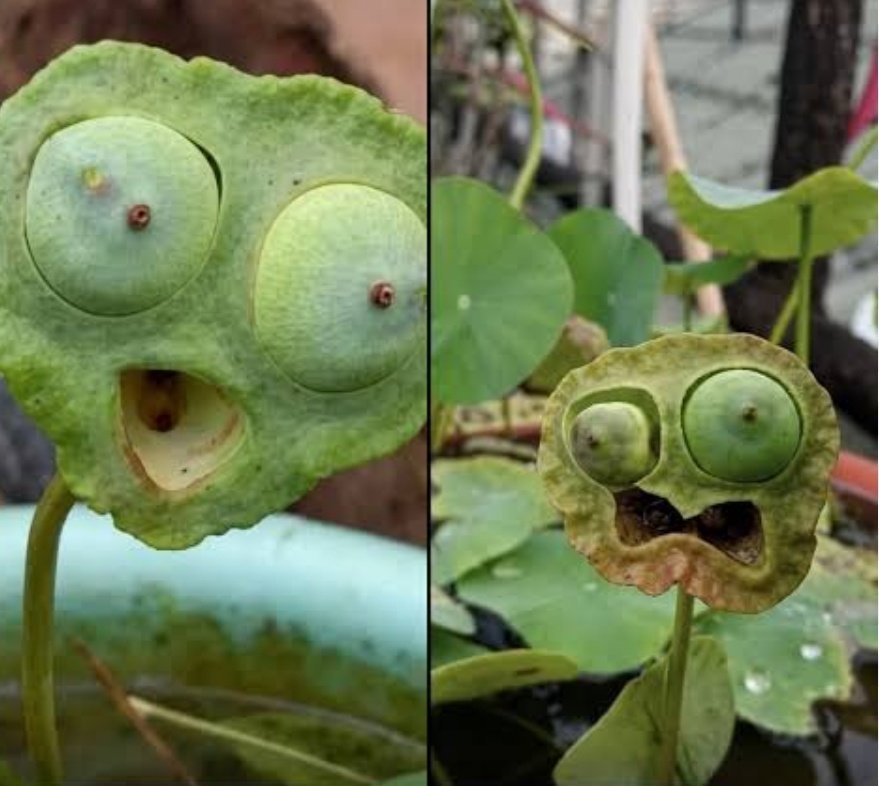
He descubierto que las vainas de semillas de loto tienen expresiones locas y es mi cosa favorita de hoy
48
1,244
9,858
156,469
AwesomeScience retweeted

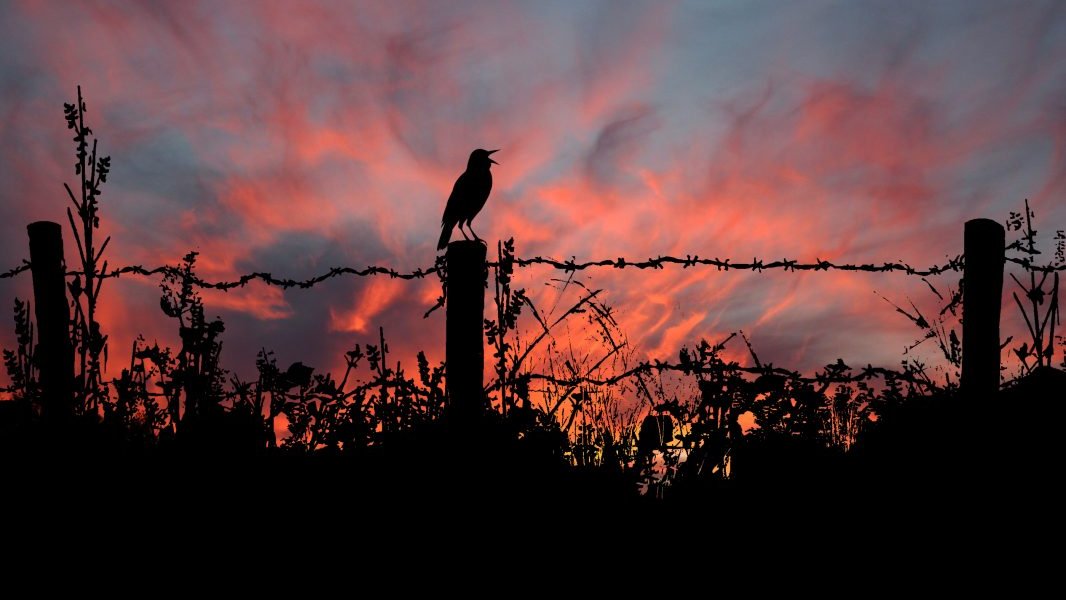
The bird singing outside your window before sunrise hasn't eaten in 8-10 hours.
The dawn chorus is a seriously costly display to a bird. Most songbirds wake up at their daily energy low point and the first thing they do is broadcast their location, fitness, and territory ownership to every other bird, predator, and rival within earshot.
Why do it at the worst possible time? Because it's an honest signal. A male that can afford to sing first, loudest, and longest before he has eaten is telling every female in the neighborhood that he is well-fed, healthy, and has access to a good territory. You can't fake that.
Research has consistently found that males who lead the dawn chorus hold higher-quality territories and attract mates faster. Birds in noisy human environments sing earlier and harder to compensate, at real metabolic cost.
The half-hour of birdsong outside your window before sunrise is the most energetically expensive 30 minutes of that bird's day. It's not background. It's a fitness audition.
123
1,076
6,853
289,099