
I help businesses grow through smart digital marketing 🚀 | DM for collaboration 📩 ayeshasiddikap14@gmail.com
Joined October 2024
- Tweets 35,273
- Following 61
- Followers 13,108
- Likes 33,831
560 Photos and videos


Pinned Tweet

Jun 12
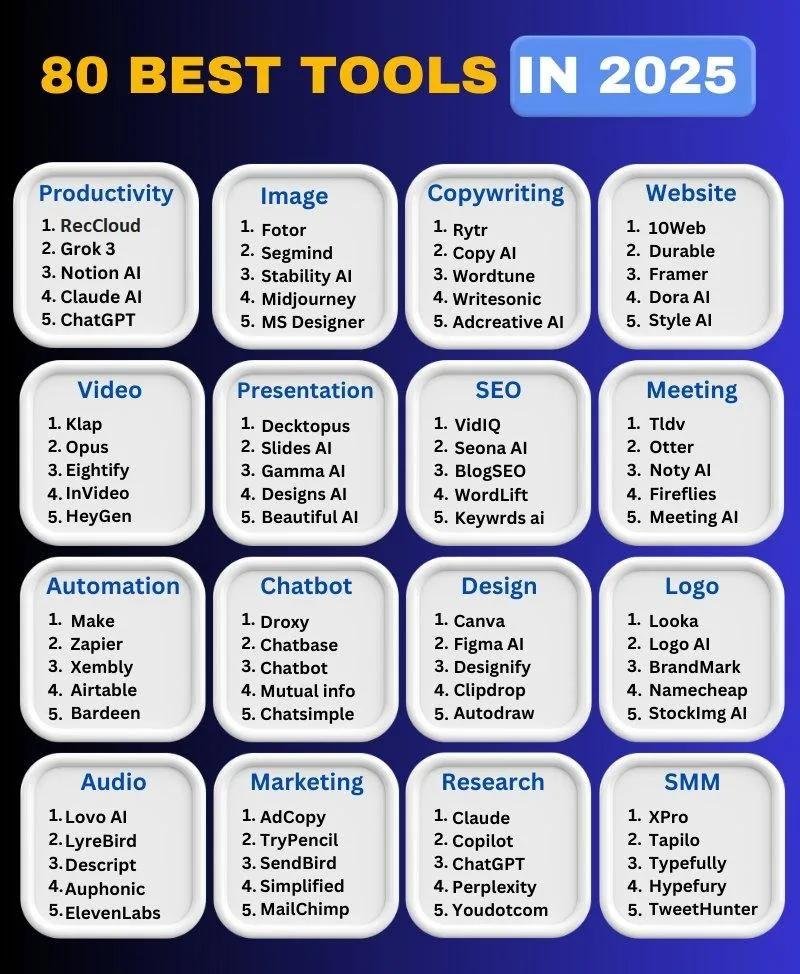
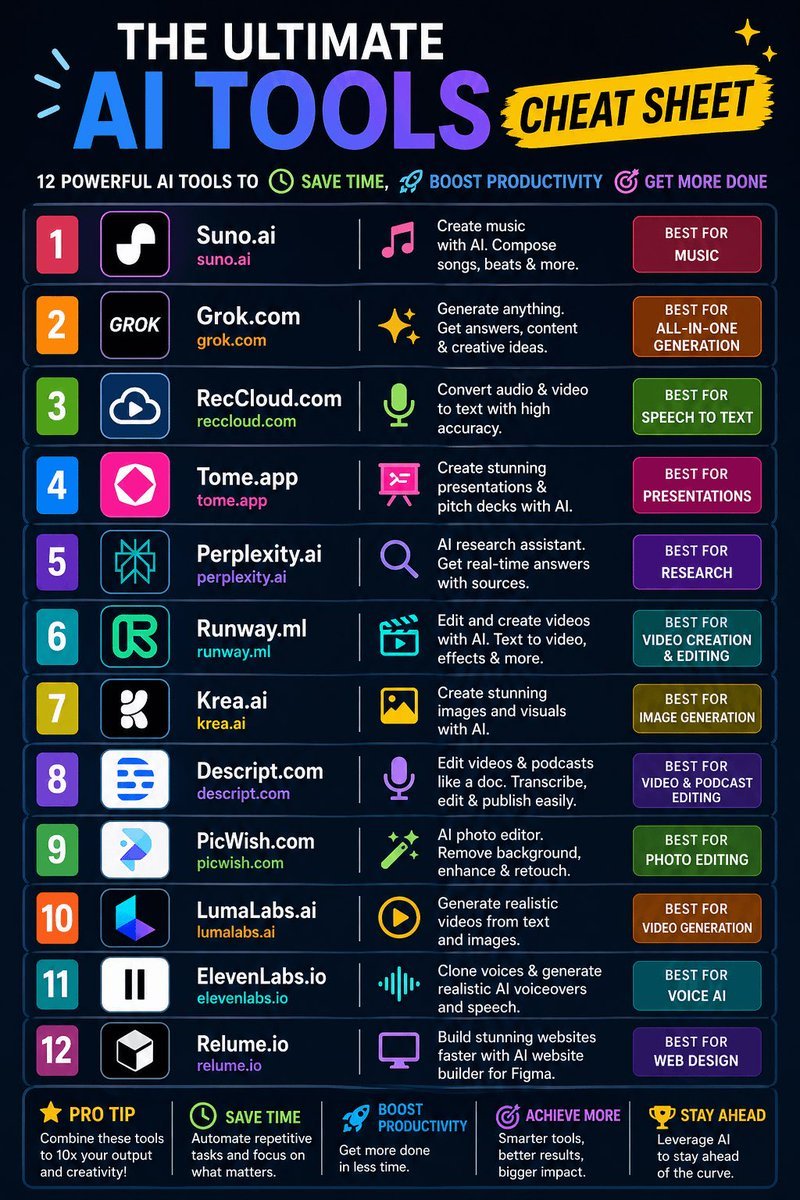
Top AI Tools That You Cannot Miss Out! 💥
1. ChatGPT.com (solve anything)
2. Reccloud.com (generate voice)
3. Tome.app (build presentations)
4. Pika.art (create videos)
5. Gamma.app (design docs)
6. Suno.ai (make music)
7. Picwish.com (image editing)
8. Perplexity.ai (research assistant)
9. Krea.ai (logo design)
10. Fliki.ai (voiceovers)
11. Runway.ml (film editing)
12. Relume.io (web design)
13. LumaLabs.ai (3D models)
14. Descript.com (edit audio)
15. ElevenLabs.io (clone voices)
44
50
93
3,248

Ayzaa retweeted
Jun 12
Top AI Tools That You Cannot Miss Out! 💥
1. ChatGPT.com (solve anything)
2. Reccloud.com (generate voice)
3. Tome.app (build presentations)
4. Pika.art (create videos)
5. Gamma.app (design docs)
6. Suno.ai (make music)
7. Picwish.com (image editing)
8. Perplexity.ai (research assistant)
9. Krea.ai (logo design)
10. Fliki.ai (voiceovers)
11. Runway.ml (film editing)
12. Relume.io (web design)
13. LumaLabs.ai (3D models)
14. Descript.com (edit audio)
15. ElevenLabs.io (clone voices)
44
50
93
3,248
Ayzaa retweeted

Jun 12
🚨BREAKING: PowerPoint is officially outdated.
Claude can now create your full presentation in minutes — start to finish.
Here are 6 powerful prompts to do it all in one go.
(Save this & skip PowerPoint forever) 👇🏽
37
54
119
5,128
Ayzaa retweeted

Jun 12
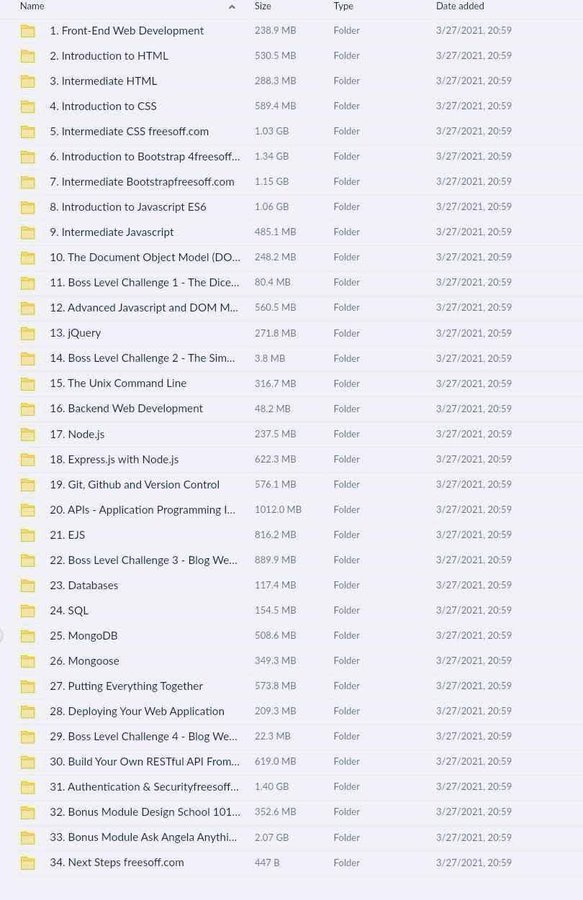
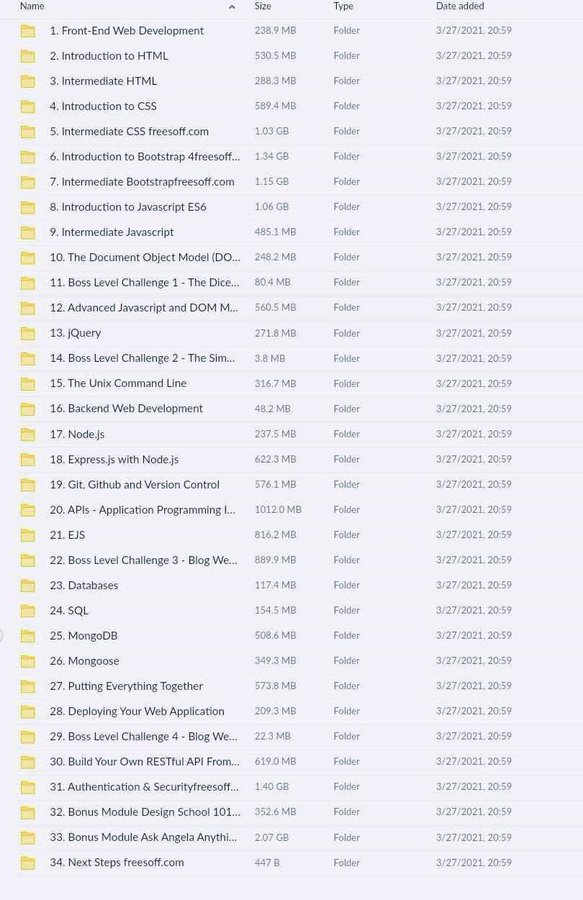
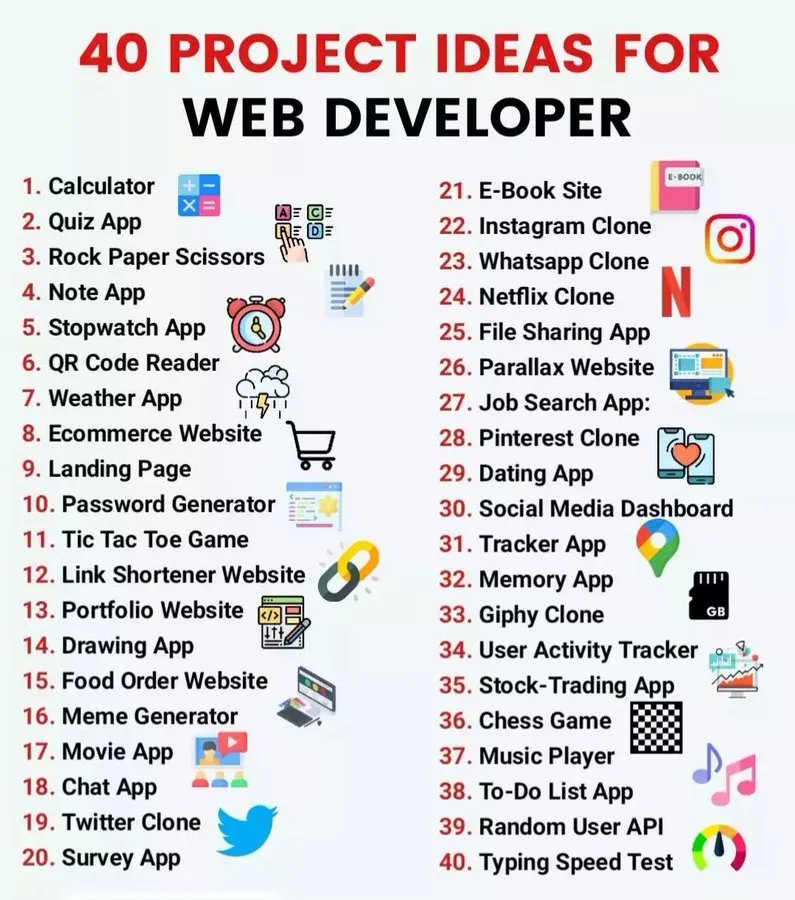
Web Development Projects for Beginners to boost their resume!
1. Portfolio Website
github.com/rammcodes/Dopefol…
2. Landing Page
github.com/yomarsanchez/easy…
3. Cinema Website
github.com/stanislavstoyanov…
4. Quiz Web App
github.com/SafdarJamal/quiz-…
36
86
162
5,288
Ayzaa retweeted

Jun 12
UPLOAD YOUR OWN FLOOR PLAN TO MAKET
HAVE IT RECOGNIZED AND EDITABLE IN MINUTES
One of the most requested features weʼve ever received just launched.
Check it out:
33
20
64
6,801
Ayzaa retweeted

Jun 12
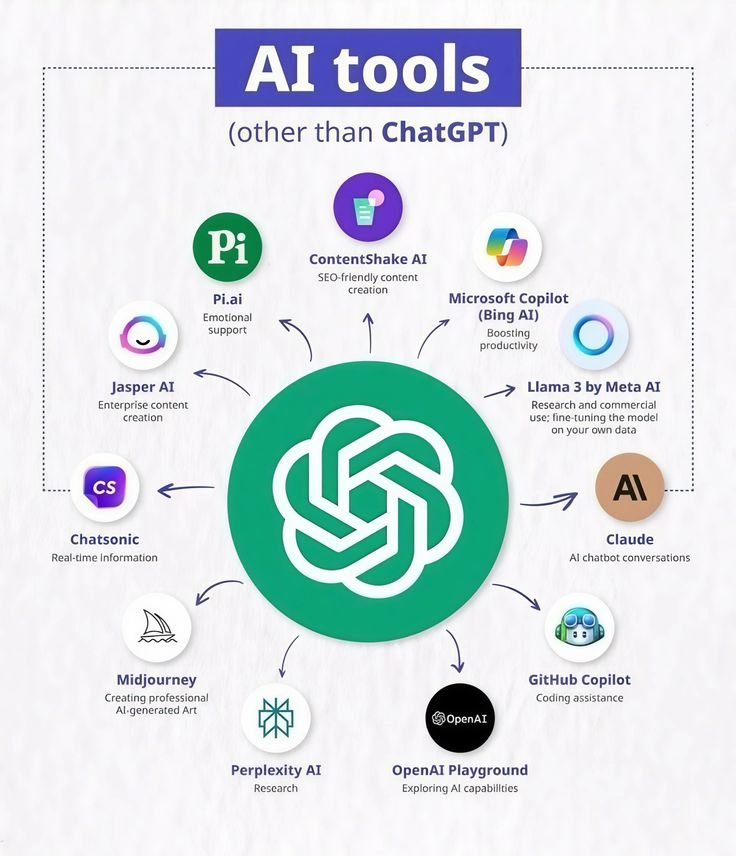
Most people are paying for 10 AI tools every mo💸
But this single dashboard replaces all of them:
• Claude
• Copilot
• Jasper
• Midjourney
• Perplexity
• Chatsonic
• Pi AI
• ContentShake
Free For Today only.
Get it?
1️⃣Like & RT
2️⃣Comment "DM"
3️⃣Follow @Tips_With_AI
35
34
67
2,036
Ayzaa retweeted

Jun 12
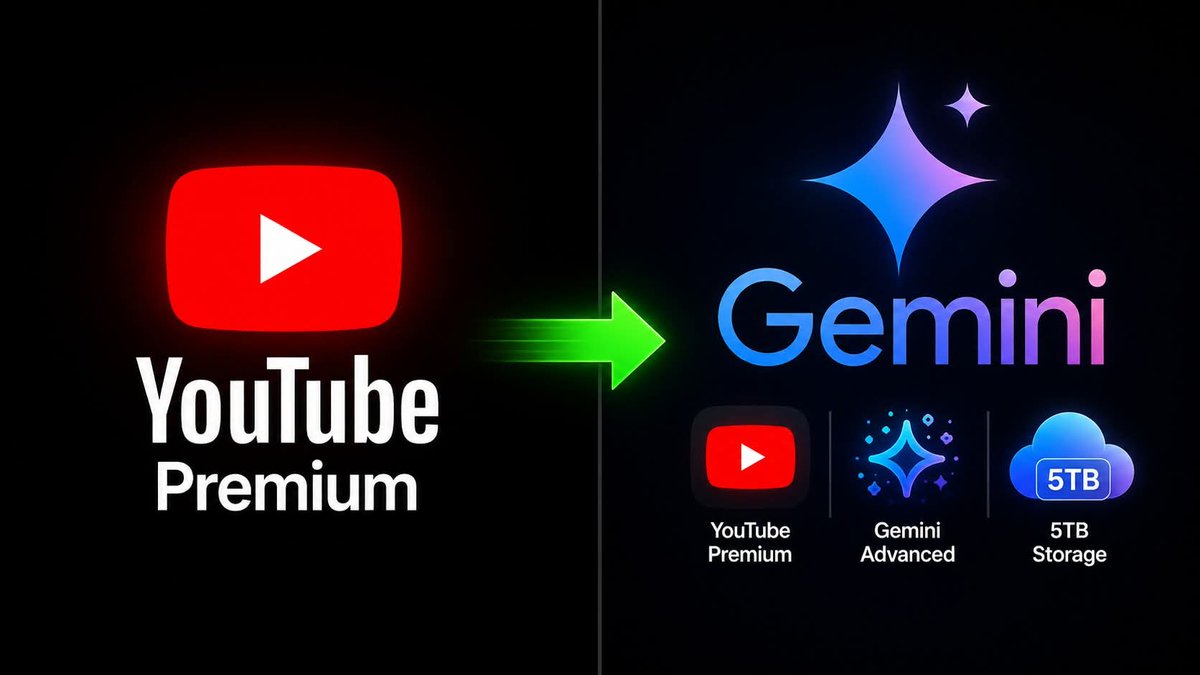
🚨 IF YOU PAY FOR YOUTUBE PREMIUM READ THIS
Google just added YouTube Premium inside the Gemini subscription for the same price.
You can now get the most powerful AI on the planet AND ad-free YouTube in the same bundle.
Here is how to make the switch 👇🏽
53
64
247
50,886
Ayzaa retweeted

Jun 12
This guy used Claude to build a Quant Bot and made $589,139 on Polymarket
25,388 predictions with a 63% win rate in 77 days
That comes out to roughly $7,651 in profit per day and almost 14 trades per hour
With $217K in deposits, he is now up 2.7x, which is about 271.5% ROI
The bot strategy is simple:
It finds markets where the pricing is still off,
gets in before the odds fully catch up,
and repeats the same setup again and again across many entries.
The edge on each trade is small, but scale and repetition turn it into a massive result
Most profitable trades:
$17,839 → $36,318 ( $18,478, 103.58%)
$3,112 → $15,011 ( $11,898, 382.22%)
$10,676 → $22,178 ( $11,502, 107.74%)
What makes it work is not one huge trade. It is the same small advantage, applied fast, applied often, and repeated until the pricing gap is gone
Giving this free for 24 hours.
To get it:
1. Comment 'Prediction'
2. Like and retweet this
3. Follow
@ZayvenKnox
so I can DM you
40
51
87
3,063

Ayzaa retweeted

Jun 12
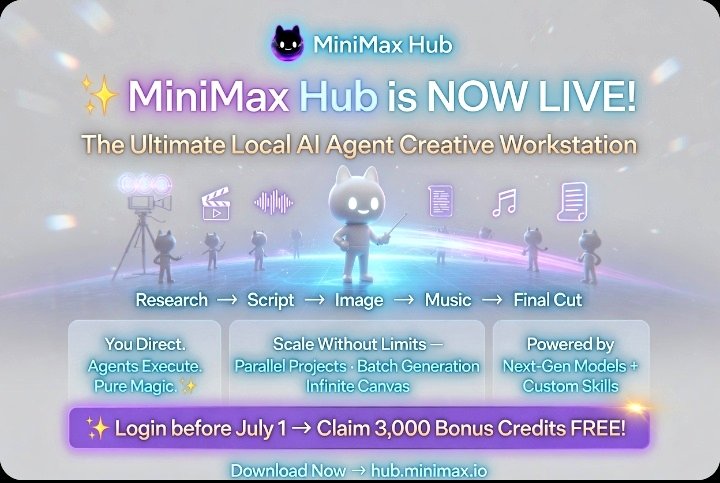
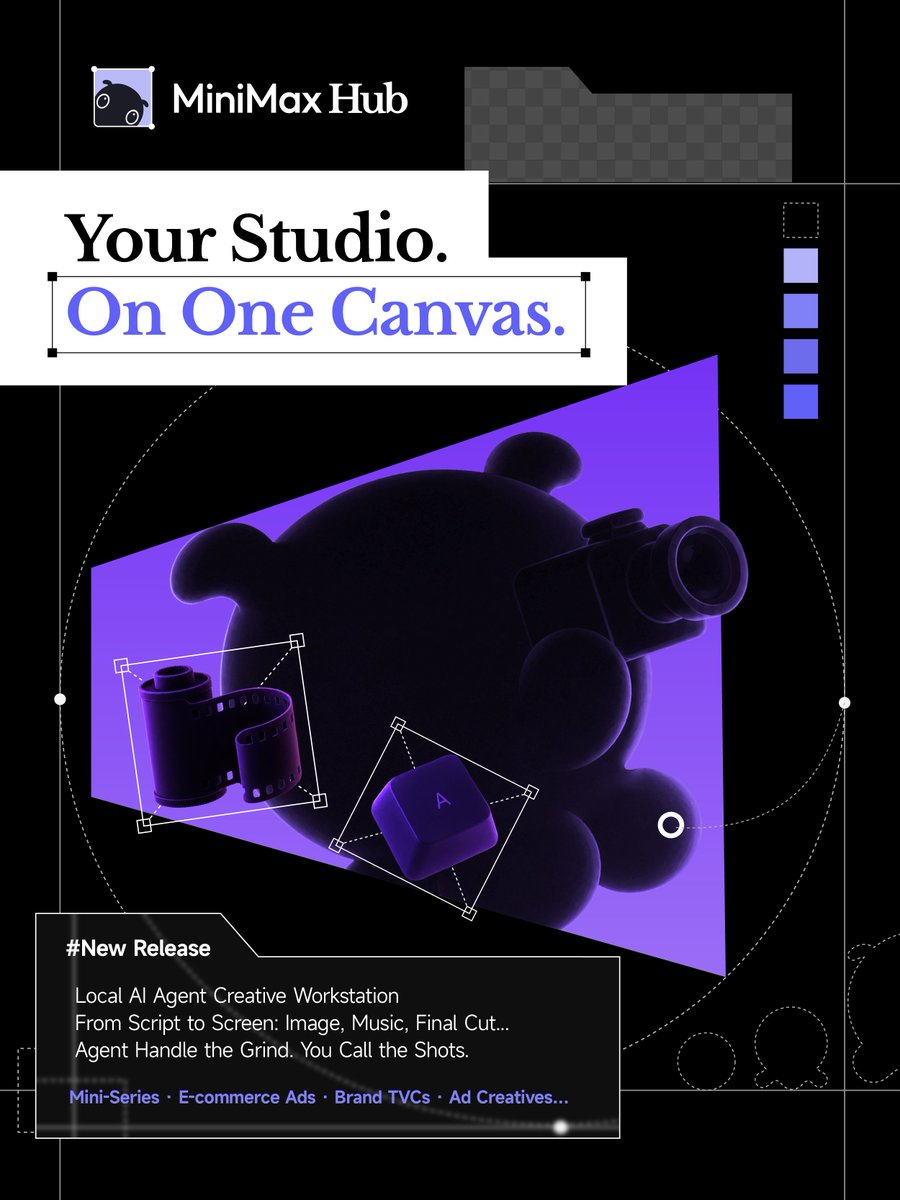
Introducing MiniMax Hub: your local AI creative workstation. It automates the full video process research, scripting, images, music, and editing. Unlimited projects, top AI models, and Photoshop integration for easy, powerful creation
Jun 12

🐙MiniMax Hub Official Launch
Your Local AI Agent Creative Workstation Live Now!
The agent paradigm is shifting: from coding to creating!
Research ➡️ Script ➡️ Image ➡️ Music ➡️ Final Cut
Agents handle the grind. You call the shots.🔥
Built for Elite Workflows💡
🌟Scale Without Limits
Parallel Projects & Batch Generation & Infinite Canvas
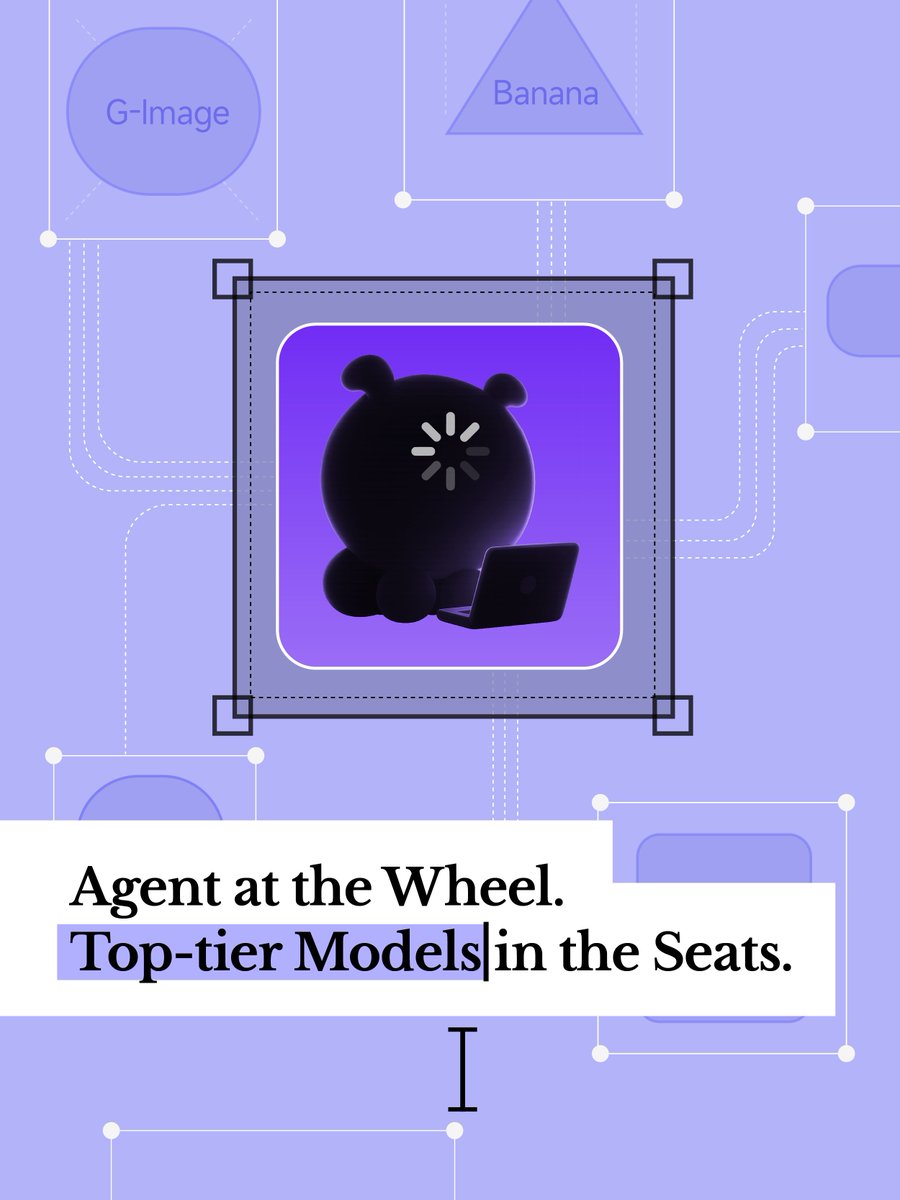
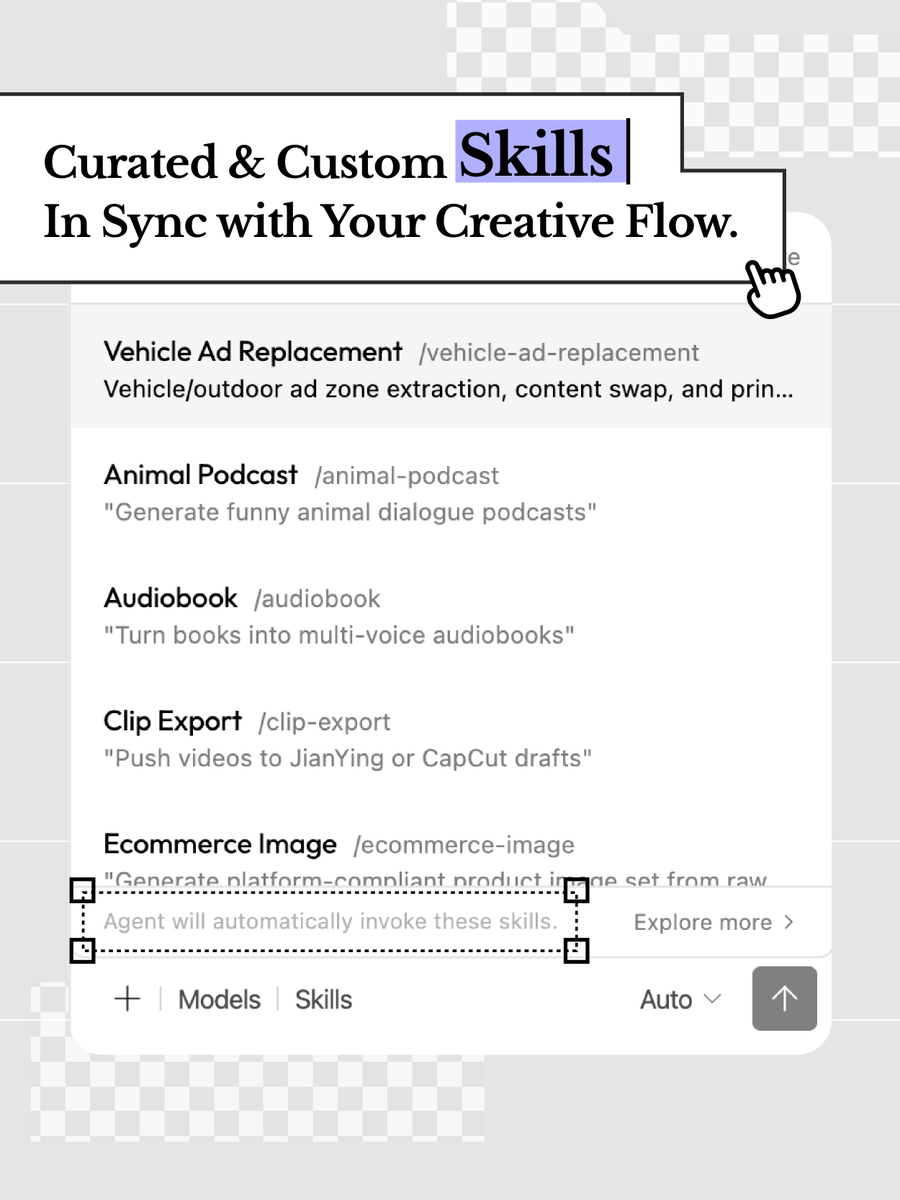
🌟Next-Gen Model Power
Top-tier Models & Custom Skills & Curated Toolkits
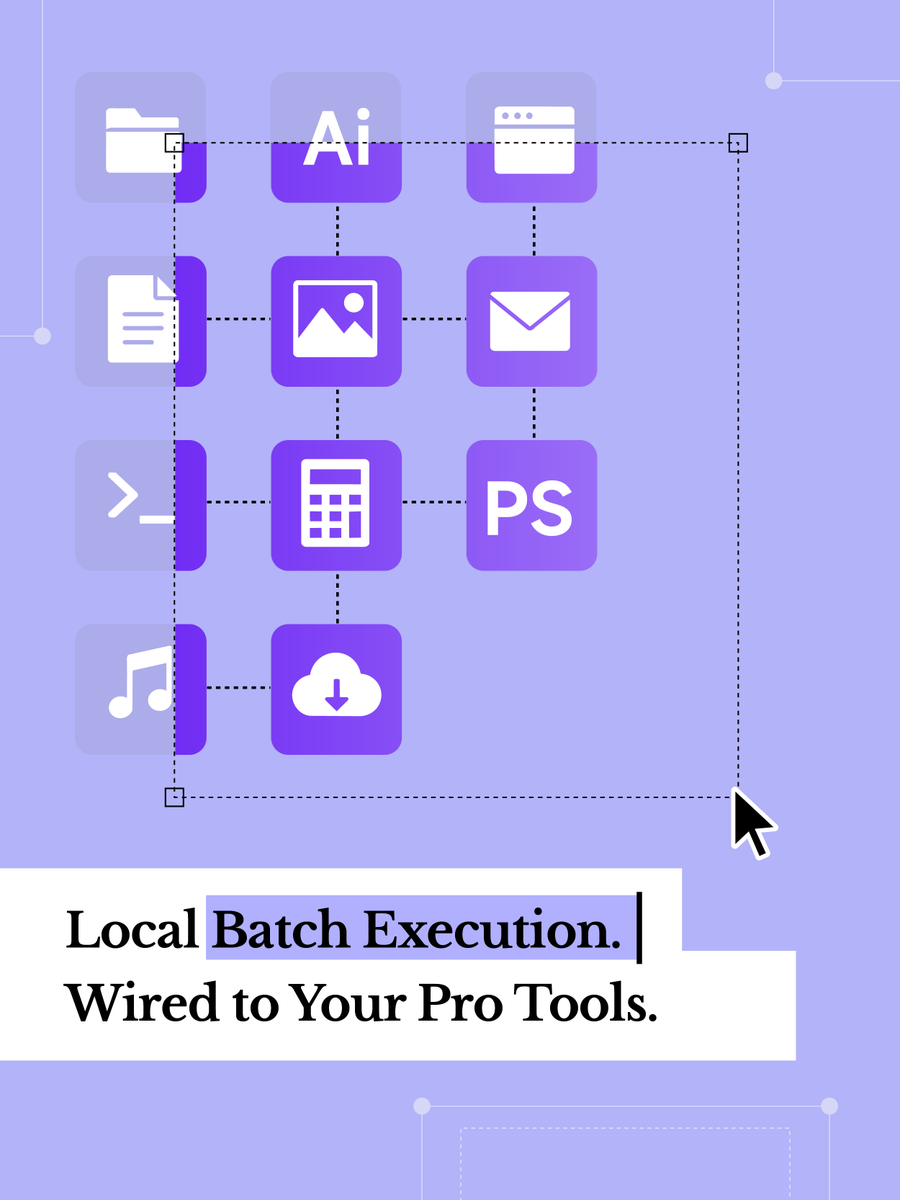
🌟Seamless Local Flow
Access Local Assets/Apps & Instant Export/Import
💰Login before July 1 & Get 3,000 bonus credits!
46
71
121
15,236
Ayzaa retweeted

Jun 12
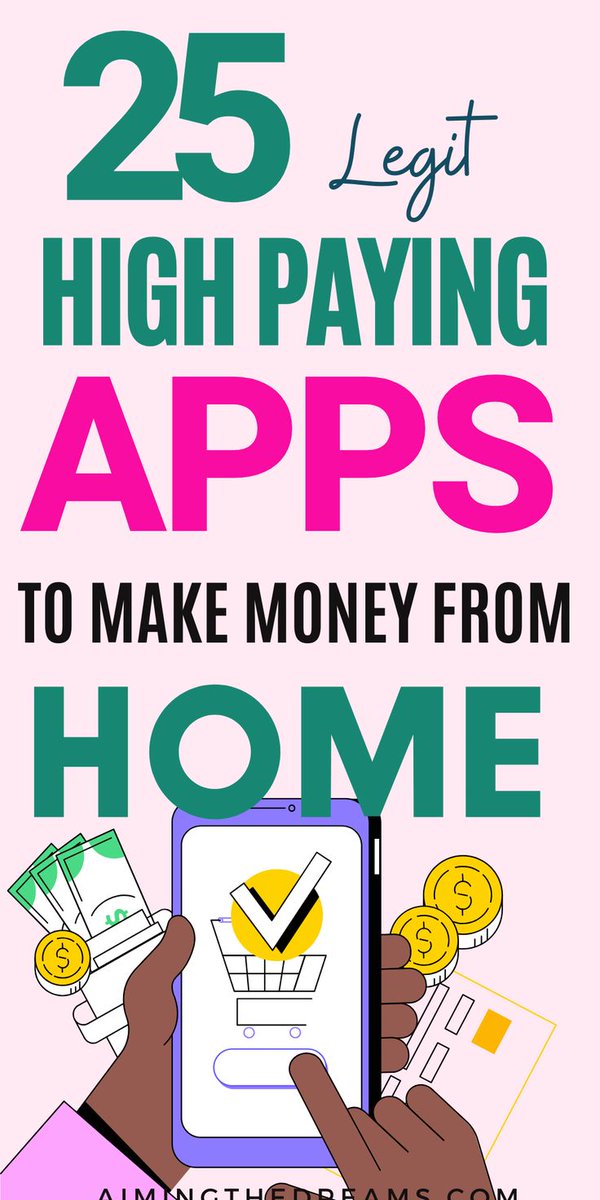
25 High-Paying Apps to Make Money from Your Phone 📱💵
Tired of scrolling for free?
These apps actually pay you:
✅ $100 day income
✅ Work-from-anywhere
✅ Zero cost
Mobile/ PC with internet
Rt & like
Reply “Apps”
& I’ll DM you the full list (FREE)
29
18
39
714
Ayzaa retweeted

Jun 12
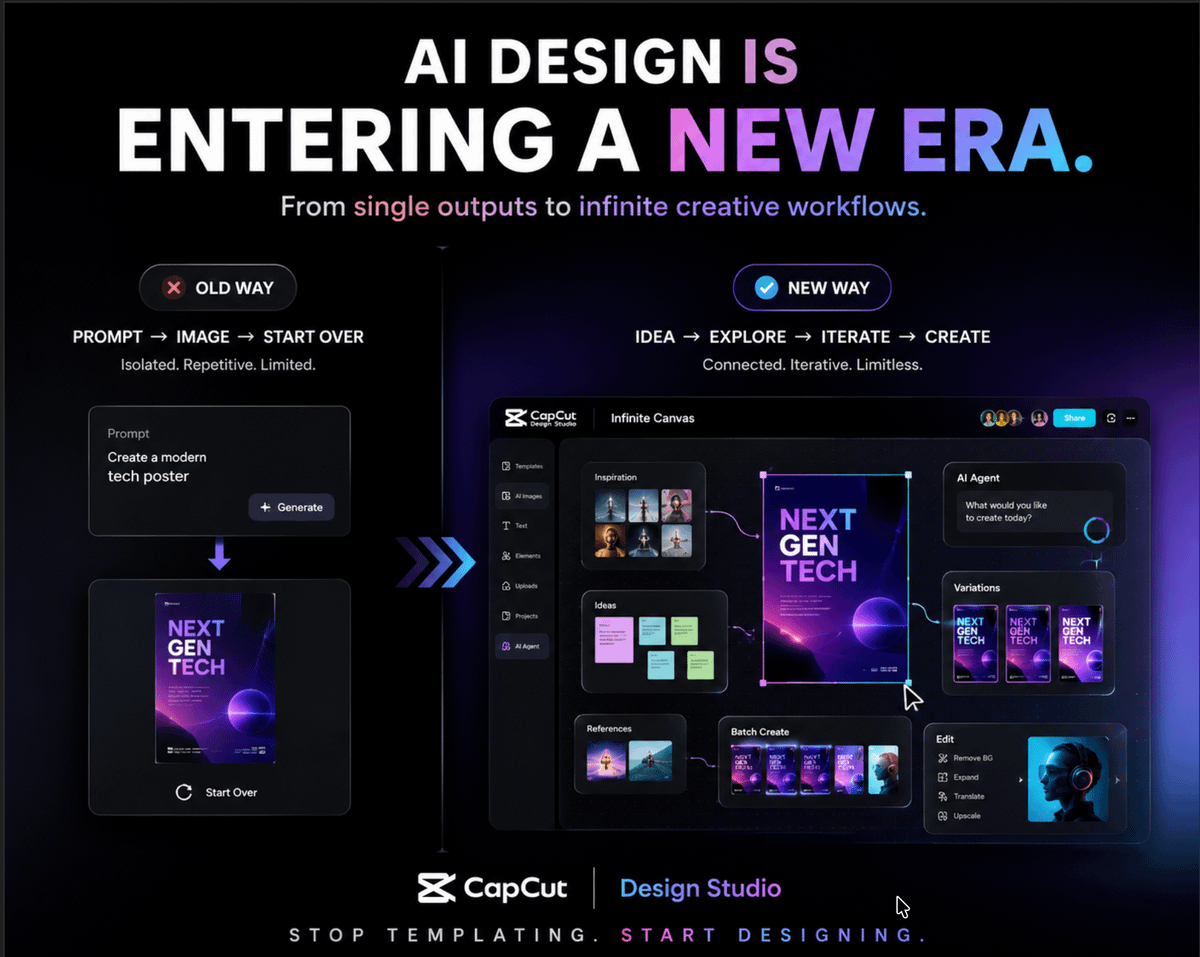
Tired of the same old AI design process?
It's not just about faster image generation anymore—it's about maintaining a seamless creative flow.
Let me share why CapCut Design Studio is turning heads in the world of AI creativity 👇
18
11
28
63,175
Ayzaa retweeted

Jun 12
Faceless You Tube channel laptop internet= $5000 per month
Usually, I charge $87 for this proven guide, but today you'll get it 100% Free.
Like = comment 'Faceless’& I'll send you my ultimate guide for FREE.
Must follow me to get the guide in DM.
Free for 48 hours.
27
41
56
1,789
Ayzaa retweeted

Jun 12
I just reviewed the morning routine of a 36-year-old working mom with ADHD.
The way she described her 6:30 AM wake-up explained executive dysfunction better than any medical textbook.
33
35
67
7,467
Ayzaa retweeted

Jun 12
$36 a year. That's what Apple quietly charges you for iCloud storage you barely touch.
I freed 47GB in 10 minutes without spending a cent.
Here are the 5 steps to copy:👇
38
58
102
5,770
Ayzaa retweeted

Jun 12
🚩 MusT Reado. A UC Irvine professor has been measuring real-world focus times for over 20 years.
In 2004, the average was 2.5 minutes.
By 2012, it dropped to 75 seconds.
Today, it’s down to 47 seconds, with a median of just 40 seconds. Half of all task switches happen even faster.
You’re not imagining things.
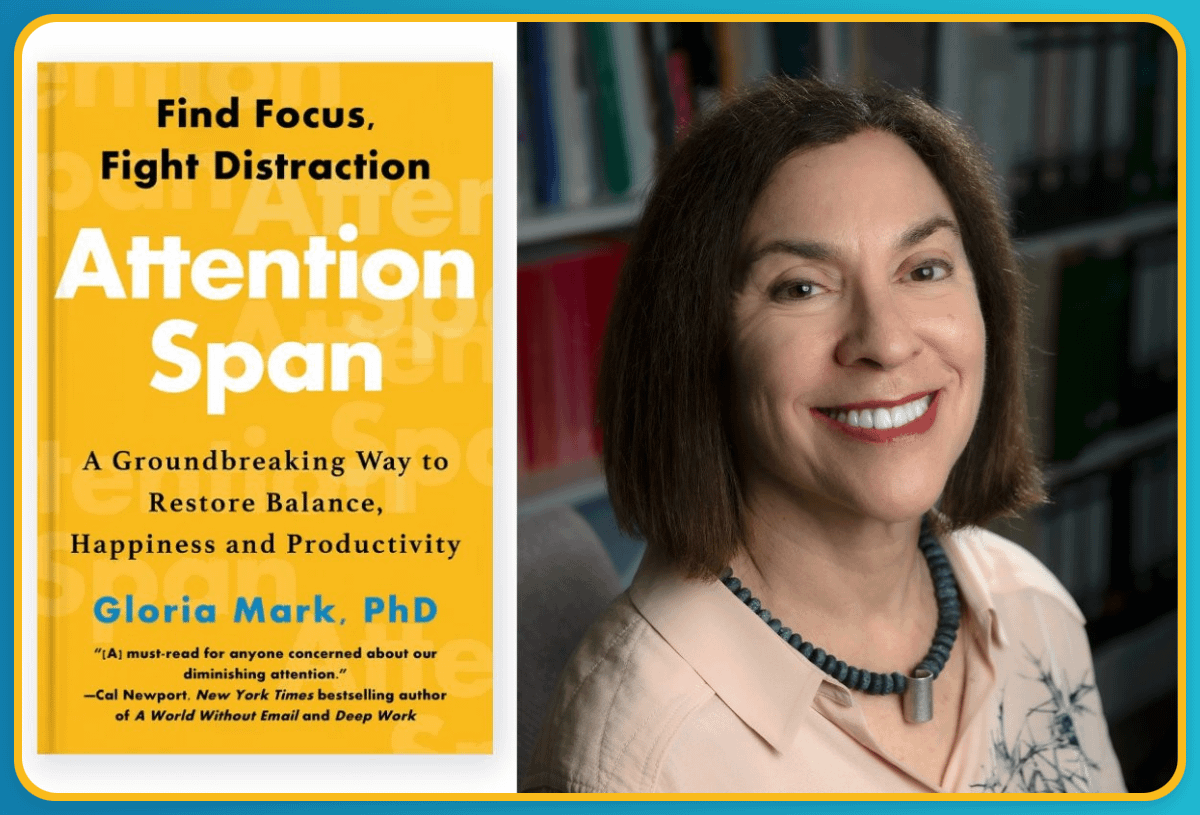
Her name is Dr. Gloria Mark, Chancellor’s Professor of Informatics at UC Irvine. Her book *Attention Span* was named the #1 Best Business and Management Book of 2023 by The Globe and Mail.
Why her findings are so credible:
- She didn’t rely on self-reported guesses.
- She observed real workers with stopwatches, then later used software that tracked every keystroke and window switch.
- She even added heart-rate monitors and physiological sensors.
- Multiple follow-up studies from 2014–2020 confirmed the same 47-second average.
What happens in your body with every switch:
- Blood pressure rises.
- Stress hormones spike.
- Your nervous system gets jolted.
Over the course of a day, this creates a steady undercurrent of low-grade stress.
The real hidden cost:
It takes an average of 25 minutes and 26 seconds to fully regain deep focus after an interruption. When distractions keep coming, you spend most of your workday just trying to climb back into a focused state, rarely reaching it.
This isn’t a willpower problem.
Our environment has trained us for constant switching:
- Phones checked hundreds of times a day.
- Short-form videos delivering fresh stimuli every few seconds.
- Non-stop pings from email, Slack, and Teams.
For two decades, our brains have been conditioned to expect a new distraction roughly every 47 seconds.
The encouraging news:
Your brain is plastic. It can unlearn this habit. People who protect even short stretches of uninterrupted time can quickly rebuild their ability to focus.
The 47-second attention span isn’t your natural state. It’s what the modern environment trained you to become.
You didn’t lose your attention, something took it. And you’re the one who can take it back.
14
28
42
1,750
Ayzaa retweeted

Jun 12
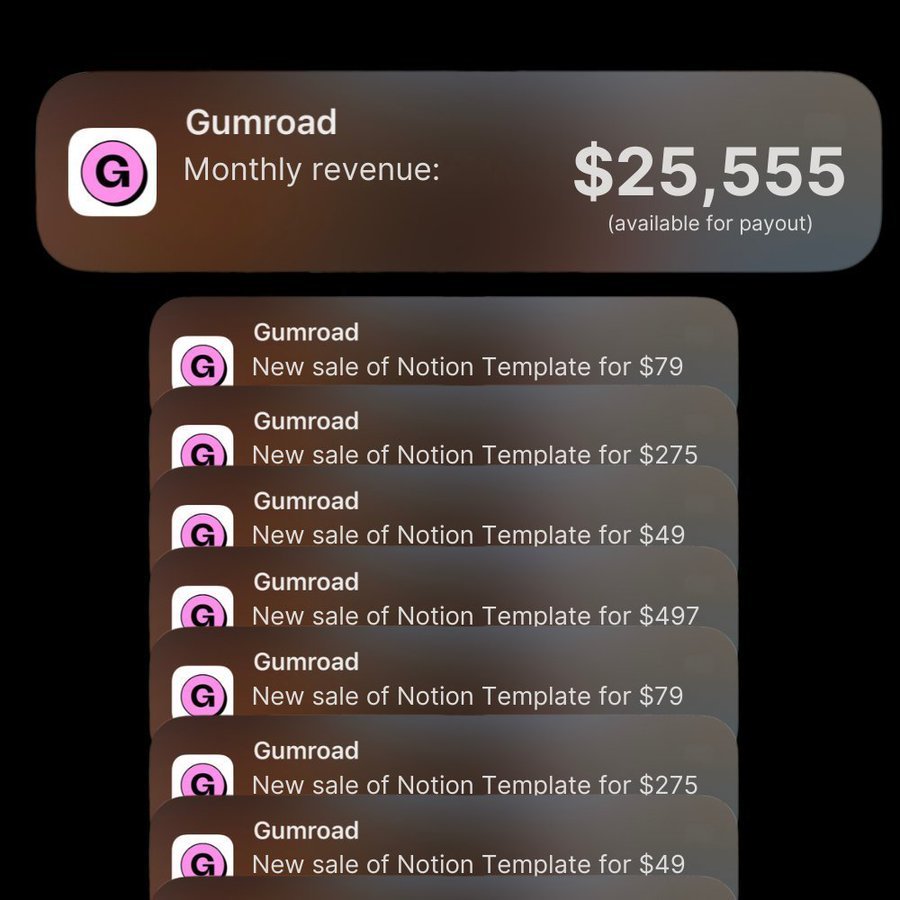
You can earn over $25,000 per month if you have:
1. A laptop
2. An internet connection
3. Just 2 hours a day
I’m sharing my exact step-by-step blueprint completely free.
Like this post and comment “SEND”, and I’ll DM it to you.
122
41
146
4,799
Ayzaa retweeted

Jun 12
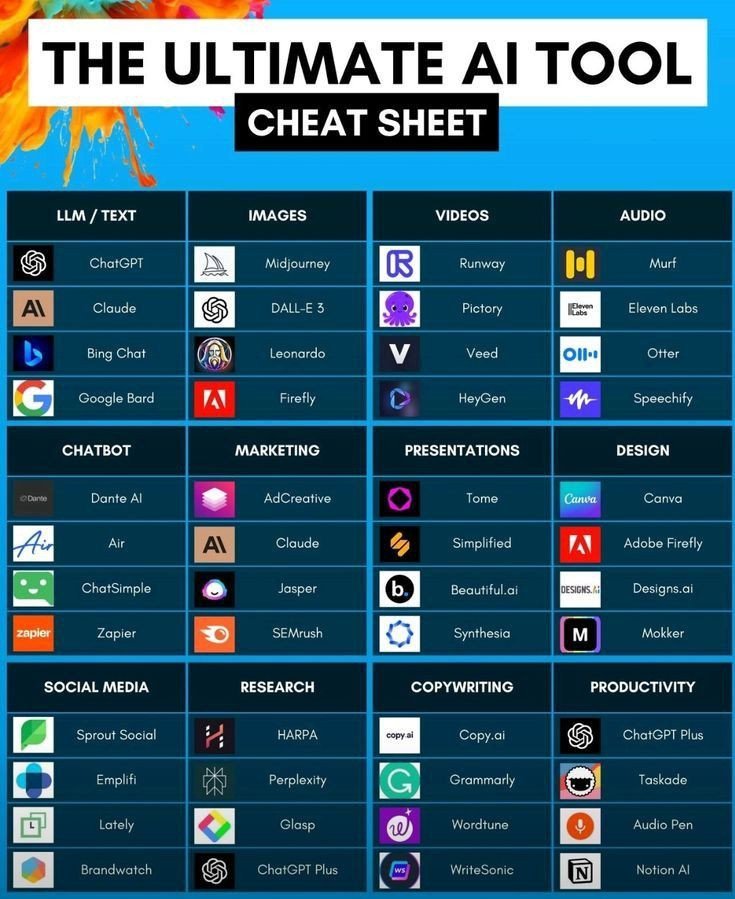
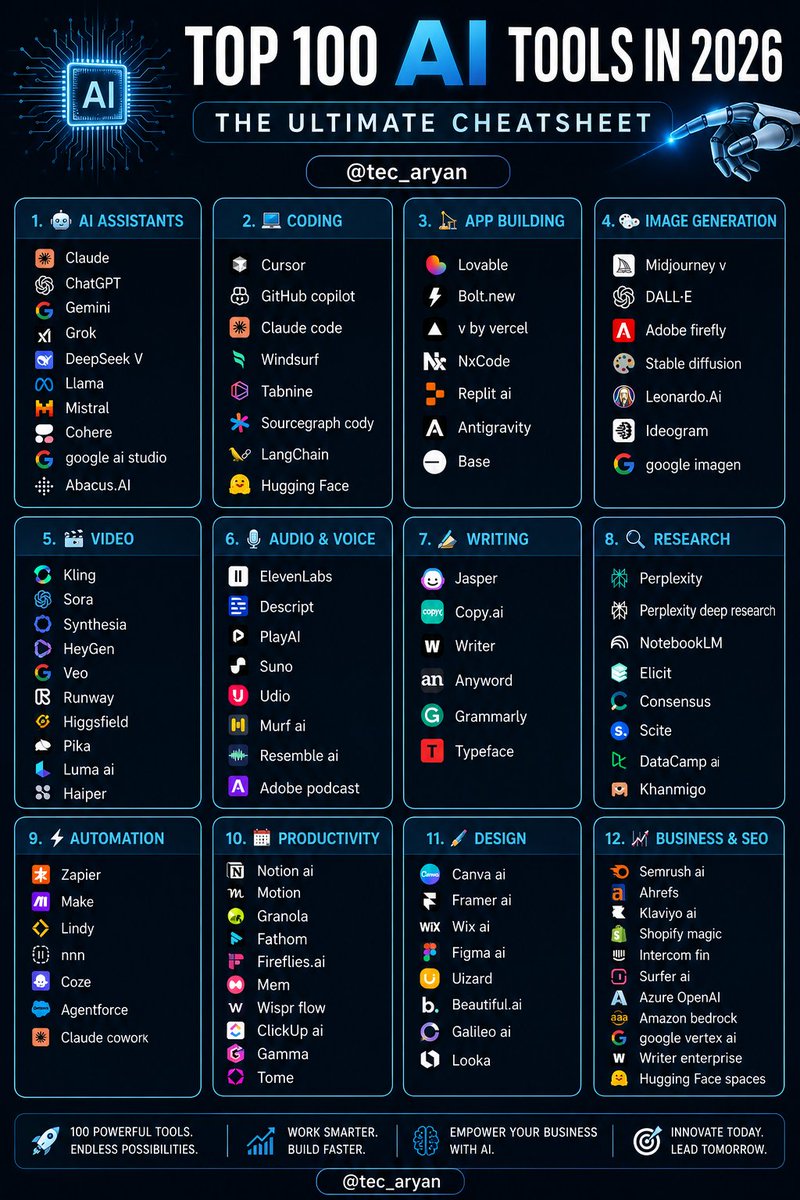
Top 100 AI Tools in 2026 (The Ultimate Cheatsheet)
Save this. You'll thank me later 👇
🤖 AI Assistants
→ Claude
→ ChatGPT
→ Gemini
→ Grok
→ DeepSeek V
→ Llama
→ Mistral
→ Cohere
→ google ai studio
→ Abacus.AI
💻 Coding
→ Cursor
→ GitHub copilot
→ Claude code
→ Windsurf
→ Tabnine
→ Sourcegraph cody
→ LangChain
→ Hugging Face
🏗️ App Building
→ Lovable
→ Bolt.new
→ v by vercel
→ NxCode
→ Replit ai
→ Antigravity
→ Base
🎨 Image Generation
→ Midjourney v
→ DALL·E
→ Adobe firefly
→ Stable diffusion
→ Leonardo.Ai
→ Ideogram
→ google imagen
🎬 Video
→ Kling
→ Sora
→ Synthesia
→ HeyGen
→ Veo
→ Runway
→ Higgsfield
→ Pika
→ Luma ai
→ Haiper
🎙️ Audio & Voice
→ ElevenLabs
→ Descript
→ PlayAI
→ Suno
→ Udio
→ Murf ai
→ Resemble ai
→ Adobe podcast
✍️ Writing
→ Jasper
→ Copy.ai
→ Writer
→ Anyword
→ Grammarly
→ Typeface
🔍 Research
→ Perplexity
→ Perplexity deep research
→ NotebookLM
→ Elicit
→ Consensus
→ Scite
→ DataCamp ai
→ Khanmigo
⚡ Automation
→ Zapier
→ Make
→ Lindy
→ nnn
→ Coze
→ Agentforce
→ Claude cowork
📅 Productivity
→ Notion ai
→ Motion
→ Granola
→ Fathom
→ Fireflies.ai
→ Mem
→ Wispr flow
→ ClickUp ai
→ Gamma
→ Tome
🖌️ Design
→ Canva ai
→ Framer ai
→ Wix ai
→ Figma ai
→ Uizard
→ Beautiful.ai
→ Galileo ai
→ Looka
📈 Business & Seo
→ Semrush ai
→ Ahrefs
→ Klaviyo ai
→ Shopify magic
→ Intercom fin
→ Surfer ai
→ Azure OpenAI
→ Amazon bedrock
→ google vertex ai
→ Writer enterprise
→ Hugging Face spaces
22
37
82
2,900
Ayzaa retweeted

Jun 12
I just released a new PDF
1. Trading with Claude AI
2. Trading Prompts
Published it completely free
Who wants it?

122
45
161
14,074