
Joined July 2013
- Tweets 36,421
- Following 1,136
- Followers 79,248
- Likes 32,856
3,906 Photos and videos

Pinned Tweet

4 Nov 2021
تغییرات اقلیمی به زبان ساده
برای آنهایی که مایل به شناخت مهمترین بحران تاریخ معاصر بشر هستند. خطری که مرز نمیشناسد و شامل محیط زیست، عدالت، اقتصاد و سیاست میشود:
۱. دی اکسید کربن چیست؟
۲. ردپای کربن چیست؟
۳. طرحهای جبران کربن یعنی چه؟
۴. فرق اقلیم و آب وهوا چیست؟
31 Oct 2021

کاپ۲۶
کربنصفر شدن یعنی چه؟
نقش دیاکسیدکربن در تغییرات اقلیمی چیست؟
سیاوش ارلان گزارش میدهد
200
53
569
دعوای پیرس مورگن و مارک لوین سر توافق ایران و آمریکا برای اونهایی که این دو رو میشناسند بانمکه.

a) It’s ‘Piers’.
b) I knew you’d bottle it, Warmonger. All mouth and no trousers, as we say back home.
c) On your little-watched show tonight you raged at President Trump for wanting to end the Iran war, and urged him to keep bombing. Did Netanyahu tell you to say that?
5
6
103
8,543
The electronic signing of the Iran-US MOU shows just how wary Iranians are about the optics of shaking hands with their leaders' killers. The humiliation that hardliners may feel anyway, makes it easy for them to lose perspective; Iran was attacked by two of the world's greatest fighting forces, intent on nothing less than annihilation or unconditional surrender, yet not only survived without a proper air force, navy or ground force engagement, but negotiated a deal which both sides now must sell to their hardline constituencies without looking too compromised.
11
20
173
8,483
Jun 13
نخست وزیر پاکستان: نهایی شدن «توافق صلح» ایران و امریکا احتمالا ظرف ۲۴ ساعت آینده، سپس «امضا الکترونیک» توافق.
Jun 13

We are closer to a peace deal than ever before. With finalisation likely expected in the next 24 hours, Pakistan is preparing for the electronic signing of the peace deal immediately after, followed by technical level talks next week.
We would like to thank United States of America and Islamic Republic of Iran for their ongoing commitment during the negotiations, and we extend our sincere appreciation to our brothers in the region for their support. We are confident that this historic peace deal will form a strong foundation for lasting peace.
@realDonaldTrump
@JDVance
@SecRubio
@SteveWitkoff
@SEPeaceMissions
@drpezeshkian
@araghchi
10
8
211
12,270
Jun 13
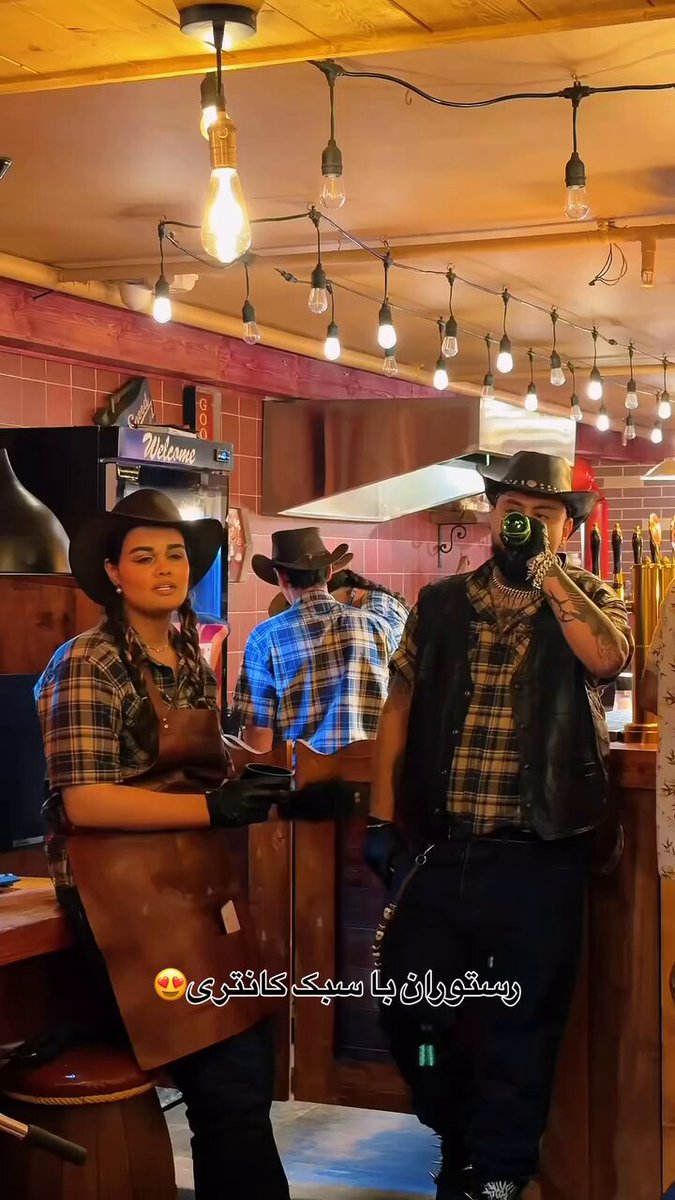
From hidden jazz clubs in Tabriz to American Western-style diners, Iran’s alternative hospitality scene always finds its crowd, even at times of war ... excuse me, ceasefire.
4
9
70
5,507
Jun 13
فروختن تفاهمنامه به مخالفانش در ایران کار دشواریست. این مخالفان خیابان و تا حدی صدا و سیما رو در اختیار دارند. یکی از اونها به تصمیم گیران در جمهوری اسلامی هشدار میده که آمریکا و اسرائیل دارن با بهره گیری از تفاهمنامه و باز شدن تنگه هرمز، خودشون رو برای حمله ای دیگه آماده میکنند و لذا ایران باید آماده بشه که تمام زیرساختهای کشورهای منطقه رو از بین ببره. روشنه که در نهایت این قبیل صداها در حلقه های بالای تصمیمگیری ج.ا نفوذ کافی رو ندارند.
Jun 12

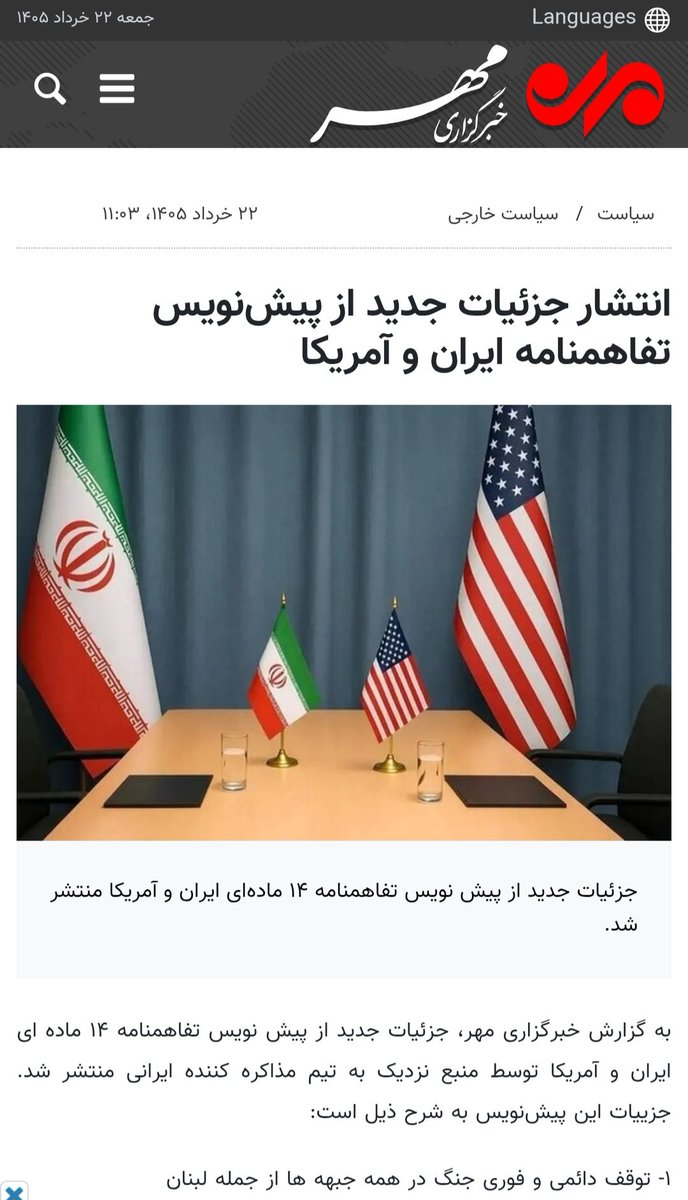
جزئیات پیشنویس تفاهمنامه ۱۴ مادهای ایران و آمریکا یعنی
۱- بازشدن #تنگههرمز در قدم اول. یعنی حل مشکلات اقتصادی و سیاسی ترامپ. کشورها معمولا مهمترین اهرم قدرت خود را در قدم اول به طرف مقابل تقدیم نمیکنند.
۲- بعد از باز شدن تنگه هرمز و کاهش قیمت نفت:
ذخایر نفتی آمریکا دوباره پر میشود.
و در فرصت ایجاد شده سامانههای نظامی آمریکا و اسرائیل ترمیم و بازسازی میشوند.
۳- این یعنی تکرار چرخه حمله، آتشبس، مذاکره، حمله. دشمنی افرادی که رهبر معظم انقلاب اسلامی را شهید کردند علیه ایران کم نشده. پیدا کردن بهانه برای خروج از تفاهمنامه برای ترامپ کار مشکلی نیست. ترامپ نباید بتواند ادعا کند که هزینه حمله نظامی دوم به ایران قابل تحمل بوده. آمریکا و اسرائیل با استفاده از این فرصت تنفسی، خود را برای حملات بعدی آماده خواهند کرد. طراحی برای کودتای دوم نیز در دستور کار است.
۴- تحریمهای اصلی علیه ایران تحریمهای کنگره است، نه تحریمهای قوه مجریه. به این ترتیب ترامپ با عنوان اینکه نمیتواند کنگره را مجبور به برداشتن تحریمها کند دبه خواهد کرد.
۵- از سال ۲۰۱۵ هر توافقی با ایران ذیل قانون اینارا نیاز به رأی مثبت کنگره دارد. با توجه به نفوذ لابی اسرائیل، کنگره به برداشته شدن تحریمها علیه ایران رأی مثبت نخواهد داد. نفوذ نتانیاهو در بین نمایندههای دمکرات و جمهوریخواه بیشتر از ترامپ است.
راهحل:
۱- لطفا این تفاهمنامه را امضا نکنید.
۲- لطفا لیستی از تأسیسات آبشیرینکن و تأسیسات نفتی هدف ایران در منطقه منتشر کنید. در صورت حمله مجدد به ایران، این تأسیسات باید به گونهای تخریب شوند که بازسازی آنها حداقل دو سال زمان ببرد.
تخریب محدود بازدارندگی لازم را ایجاد نمیکند. ترامپ به تخریب محدود این تأسیسات به عنوان پروژه بازسازی برای شرکتهای آمریکایی نگاه میکند. اما تخریب گسترده قیمتهای جهانی نفت و گاز را برای حداقل دو سال بالا نگه میدارد و بازدارندگی لازم را ایجاد میکند. مسیرهای جایگزین تنگه هرمز باید در اولویت اهداف ایران باشد.
۳- لطفا تنگه هرمز را برای حداقل دو ماه دیگر باز نکنید. در سه ماه گذشته ایران بیش از ۳۰ میلیارد دلار نفت فروخته، این مبلغ برای مدیریت اقتصادی دو ماه آینده کافی است.
۴- لطفا دریافت عوارض از تنگه هرمز را فراموش نکنید. بر اساس برآوردهای بینالمللی عوارض حاصل از تنگه هرمز میتواند بیشتر از دو برابر فروش نفت باشد. بخشی از راه حل مشکلات اقتصادی کشور همین است، نه در توهم رفع تحریمها ماندن.
mehrnews.com/x3cjcs
13
6
175
21,534
Jun 13
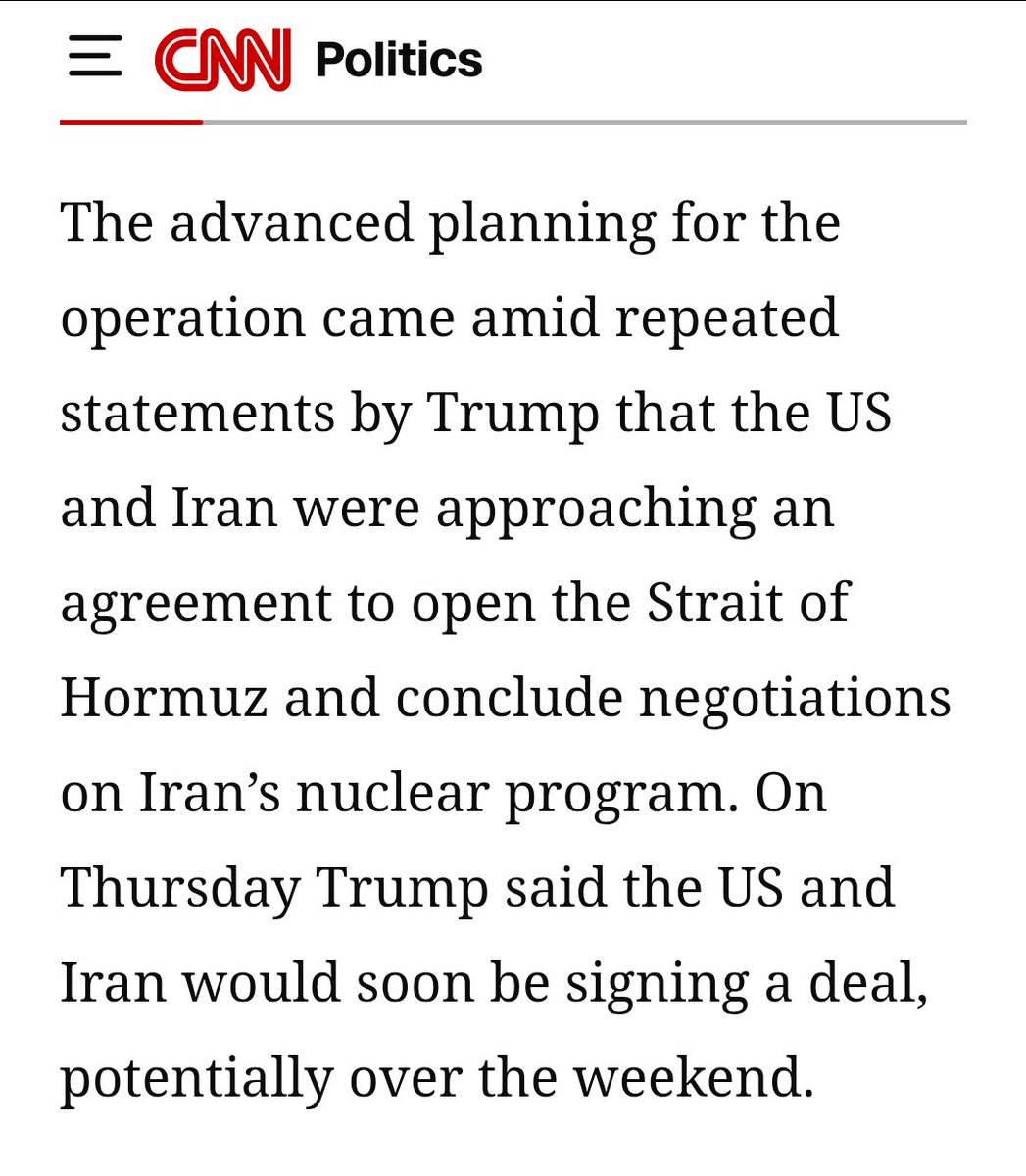
در این روزهایی که تحرکات دیپلماتیک برای امضا تفاهمنامه ایران و آمریکا به اوج رسیده، سی ان ان فاش کرد که ماه گذشته که ترامپ مثل الان از قریب الوقوع بودن توافق با ایران حرف میزد، داشت برای تصاحب اون ۴۴۰ کیلو اورانیوم غنی شده از طریق یک عملیات جسورانه نظامی برنامه میریخت. نهایتا خودش به این نتیجه رسید که به ریسکش نمیارزه.
16
26
396
23,786
Siavash Ardalan retweeted

Jun 12
پزشکیان: پیچیدگی جنگ اقتصادی از جنگ نظامی بیشتر است
رئیسجمهور ایران در نشست مشترک وزارت دفاع و وزارت نیرو گفته است که «پیچیدگیهای جنگ اقتصادی به مراتب بیشتر از جنگ نظامی است.»
مسعود پزشکیان در این جلسه گفته است که «دشمنان تلاش میکنند از طریق ایجاد اختلال در مسیر تامین منابع لازم برای تقویت حوزههای آب، برق، گاز و معیشت مردم، نارضایتی عمومی ایجاد کرده و توان مدیریتی کشور را زیر سؤال ببرند.»
پس از آتشبس در حملات آمریکا و اسرائیل به ایران که بیشتر از دو ماه از آن می گذرد، ایالات متحده دست به محاصره دریایی ایران زده و همزمان تحریمهای اقتصادی را شدت بخشیده است.
از این رو مدیریت مصرف و ارتقای بهرهوری به یکی از ارکان امنیت اقتصادی و تابآوری ملی در ایران تبدیل شده است.
bbc.in/4aLD4i5
4
21
6,414
Jun 12
جانباختگان اعتراضات دی ماه از چه تیپ افراد جامعه بودند؟ ابوالفضل حاجی زادگان، پژوهشگر اجتماعی، در بررسی نمونه ای متشکل از ۹۵۷ نفر از کشته شدگان و واکاوی اکانتهای ۴۷۷ نفر از اونها، نوع نگرش و سلایقشون رو تشریح میکنه. اونها از ۱۲۰ شهرستان مختلف بودند. ۲۳٪ ساکن تهران. دو سوم، ۳۰ سال به پائین. بیشترین مشاغل در بین اونها آرایشگر، تتوکار، مربی ورزش و تعمیرکار بودند. دندانپزشک و سینماگر و استاد دانشگاه هم بودند. ۱۳٪ زن. اغلب علاقه مند به رپ و هیپ هاپ ایرانی. رضا پهلوی، آیسان اسلامی و علی کریمی بهترتیب بیشترین میزان مرجعیت را در بین کشتهشدگان داشتهاند. از هر ۷ معترضِ کشتهشده در دی ۱۴۰۴، ۳ نفرشان اکانت رضا پهلوی را دنبال میکردند. سهم پستهایی که احساسات مرتبط با تاب آوری و غم را بازتاب میدهند در طول سه سال گذشته میان اکانتهای کشته شدگان اعتراضات دی ماه، افزایش چشمگیری نشون میداد. من این اطلاعات رو خیلی خلاصه کردم. اصل این مطلب رو حتما بخونید جالبه.
mashghenow.com/?p=6405
60
122
1,134
72,311
Jun 12
«برای ده روز مدام یک شهرهای موشکی در استان یزد زیر بمبارانهای سنگین آمریکا و اسرائیل قرار گرفت ولی همچنان از همون نقاط موشک ها دوباره شلیک می شدند». استقامت شهرهای موشکی ایران در برابر بمبهای سنگرشکن موضوع گزارش روزنامه فایناشال تایمز
ft.com/content/94d9c8d4-c38d…
45
113
1,481
42,835
Jun 11
طبق مشاهدات حمیدرضا عزیزی، هدف آمریکا از حملات مکرر به ایران در طول دوران باصطلاح آتش بس، از بین بردن قدرت ایرانیها برای بستن تنگه هرمزه. داره هر شب مواضع ایران رو در مناطق ساحلی میکوبه که نتونه مانع عبور و مرور کشتی ها بشه. در همین رابطه، حملات متقابل ایران علیه پایگاه های آمریکا نتوانسته بازدارندگی لازم رو ایجاد کنه. لذا استراتژیستهای ایرانی با دیدن این وضعیت به نقد واکنش های ایران پرداختند و دارن توصیه میکنند که نیروهای مسلح ایران باید واکنش های پرریسک تر، غیرقابل پیش بینی تر و پرهزینه تری از خودشون نشون بدن که شرایط جدید عادی سازی نشه و بازارها احساس نکنند ایران دیگه کنترلی بر تنگه هرمز نداره. از جمله راهکارهای توصیه شده هدف قرار دادن سامانه های انرژی در منطقه، حمله مستقیم به ناوهای امریکایی و طرح ریزی یک استراتژی تازه.
Jun 10

New U.S. Strikes on #Iran: Coercive Diplomacy or A New Round of War?
🔹By now, it has become clear that coercive diplomacy is not the reason – or at least not the only reason – behind the repeated U.S. strikes on southern Iran. The choice of the targets, together with the political signaling accompanying them, suggests that there is an attempt to erode Iran’s leverage over the Strait of Hormuz and open the strait through military means.
🔹On the one hand, the strikes over the past week, especially in the past two days, have been concentrated on Iranian air defense systems, command-and-control centers, facilities related to the Iranian Navy’s drone operations, and radar systems.
🔹On the other hand, Donald Trump admitted openly for the first time that the United States has been helping ships pass through the strait over the past month and has thereby contributed to increasing the flow of oil to global markets.
🔹Taken together, these developments suggest that the Trump administration wants, on the one hand, to operationally weaken Iran’s ability to target shipping in the Strait of Hormuz and, on the other hand, to signal at the highest political level that the security situation around the strait is improving, thereby reassuring shipping companies.
🔹At the same time, it has become clear that the Iranian responses, in the form of targeting U.S. bases around the Persian Gulf, have not had any meaningful deterrent effect vis-à-vis the United States. Rather, the United States appears to have calculated that the benefits of continuing these strikes outweigh the costs.
🔹This has led to different conclusions and proposals within Iran’s strategic community. On the one hand, there are criticisms that Tehran has become too cautious and too predictable in its response to the United States. This, critics argue, has allowed the adversary to make a reliable assessment of the costs and benefits of escalation and to confidently plan its targeting of Iranian territory.
🔹The suggestion is that Iran needs to become more risk-taking and less predictable in its responses by, on the one hand, acting directly against the U.S. naval presence in the region and its warships and, on the other hand, targeting energy infrastructure in the region so that Trump’s strategy of reassuring the energy markets will not succeed.
🔹 On the other hand, there are warnings that these developments may be part of a broader pattern of preparations for a new large-scale war coordinated between the United States and Israel. The argument is that, just as the United States has concentrated on targeting Iranian air defense systems and radar installations in the south, Israel, in its latest strikes, targeted the same types of facilities in central Iran. Together, they may be weakening Iran’s defenses in order to secure a free hand in a new round of large-scale war.
🔹Overall, this is why the ceasefire, which has now been reduced to little more than a name, appears not to have brought any meaningful benefits for Tehran, and the process of rethinking the country’s strategic options seems already to be underway.
43
24
561
54,524
Jun 10
این بنده خدا زبونش مو دراورد از بس که گفت اقدام نظامی نمیتونه ایران رو تسلیم خواسته های آمریکا کنه. از همون روز اول و قبلش همینو گفت و الان هم داره همینو میگه: اگر میخواهید مذاکره کنید، چرا رهبران ج.ا رو کشتید؟ اگر میخواهید ج.ا رو ساقط کنید، چرا دارید مذاکره میکنید؟ پس یا هدف رو سرنگونی با همه الزاماتش قرار بدید (حمله زمینی)، یا مصالحه کنید.

Neither threats nor a U.S. military strike are likely to move Iran from its current position, especially when Tehran views Washington as inconsistent and unreliable in its commitments.
A return to a broader military confrontation would make a diplomatic agreement less likely, not more. From the Iranian perspective, recent actions in the maritime domain are already being interpreted as violations of the ceasefire framework.
One can certainly be frustrated with Iran's position. But if the objective was to reach an agreement, it would have been wiser to keep alive figures such as Ali Khamenei, the ultimate decision-maker, and Ali Larijani, who historically played an important role in bridging gaps between the parties. If the purpose was to topple the regime, why negotiating with them?
The current situation is the direct result of profound mistrust on both sides, combined with a growing recognition that the status quo is unsustainable. Without an agreement in the near future, further escalation is likely. Yet escalation by itself is unlikely to produce meaningful Iranian concessions.
The bottom line is that no military operation, whether limited or extensive, short or prolonged, is likely to compel Iran to accept a deal in the US terms. More likely, an Iranian response would push the parties even further away from diplomacy.
That is the reality facing the administration today. If President Trump genuinely wants a deal, he will have to engage with at least some of Iran's core demands. If he is unwilling to do so, then he should be prepared for a prolonged confrontation rather than a negotiated settlement.
#IranWar
48
49
983
68,463
Jun 10
امریکا خبر داد که حدود نیم ساعت پیش حملاتی رو علیه ایران آغاز کرد. روشن نیست که این حملات تموم شدند یا همچنان ادامه دارند. منابع خبری ایران از شنیده شدن صداهای انفجار در نقاط متعدد کشور خبر دادند.
Jun 10

U.S. Central Command forces began launching additional self-defense strikes today at 5:15 p.m. ET against multiple targets in Iran at the Commander in Chief’s direction. The strikes are in response to Iran’s unwarranted and continued aggression.
9
7
180
21,698
Jun 10
ترامپ دوباره داره تهدید به زدن نیروگاه ها و پل های ایران میکنه. بعدشم نوشته که نیروهای مسلحشون رو نابود کردیم. مثل کشتی گیری قوی تری که وقتی نمیتونه با رعایت قواعد درگیری حریف رو ضربه فنی کنه، تهدید به دراوردن چاقو میکنه.
Jun 10

NEW: President Trump tells me he "may keep going" with strikes against Iran and is getting closer to targeting Iranian power plants and bridges.
The President also spoke about the U.S. military helicopter that was downed saying that an Iranian drone lodged between the two pilots. The drone was on fire, but didn't explode, according to President Trump.
50
36
752
27,108
Siavash Ardalan retweeted

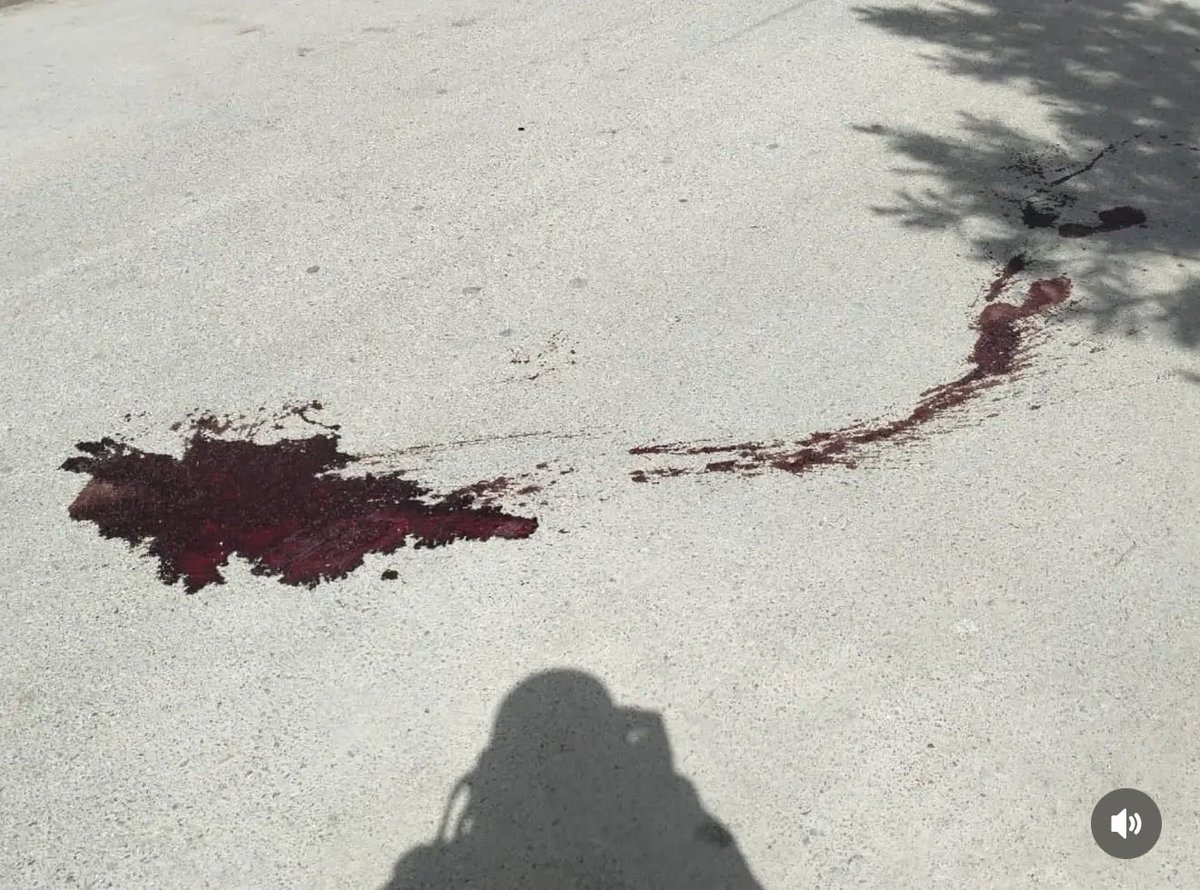
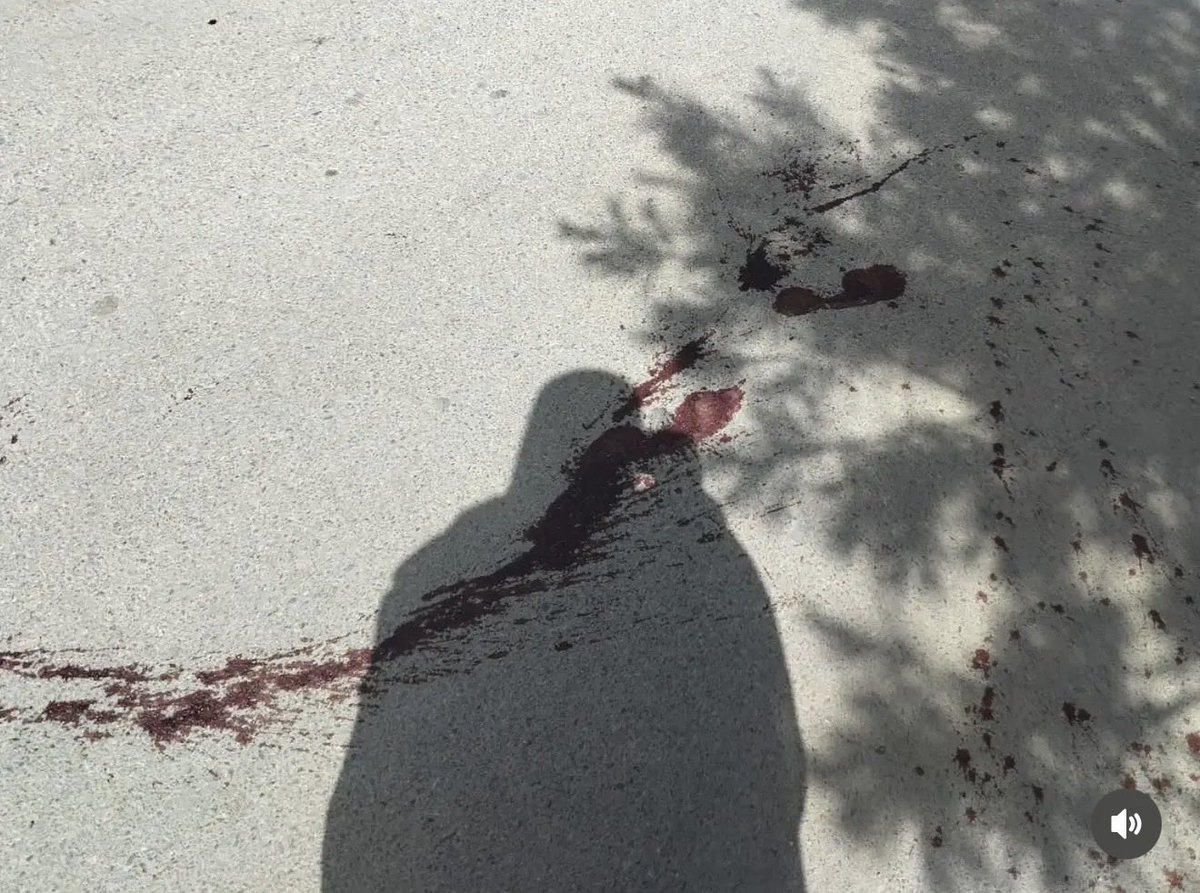
این خون شرف و آزادی ست در خیابان های هرات ..
200
976
9,454
528,975


Siavash Ardalan retweeted

Jun 8
#حامد_تیزرویان عکاس حیات وحش با قرار وثیقه آزاد شد.

25
104
1,882
21,748