
Grandpa. Hilltopper.
Joined April 2010
- Tweets 5,500
- Following 949
- Followers 206
- Likes 7,745
11 Photos and videos







RT @PeterHotez: I get the anger, but we won’t win that one, the rotten Murdoch media empire, Fox News, News Corps, the corrupt and deadly w…
13
Ed Watkins retweeted

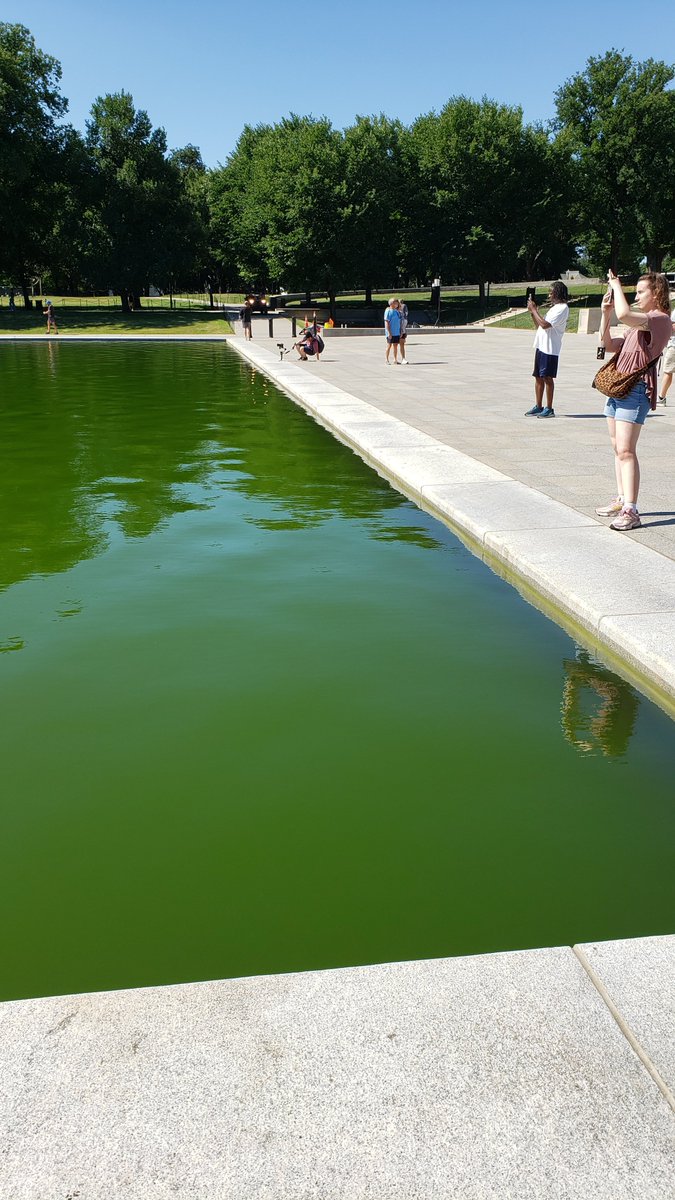
I'm really tired of how much credit Chicago gets for dying the Chicago River green for Saint Patrick's Day, when President Trump has done the same thing for America's 250th Anniversary with zero fanfare.
227
647
6,191
99,021

Ed Watkins retweeted
1. Trump surrendered like a coward.
2. Trump gave Iran billions.
3. Trump lost the war he started.
130
946
4,452
30,148
Ed Watkins retweeted

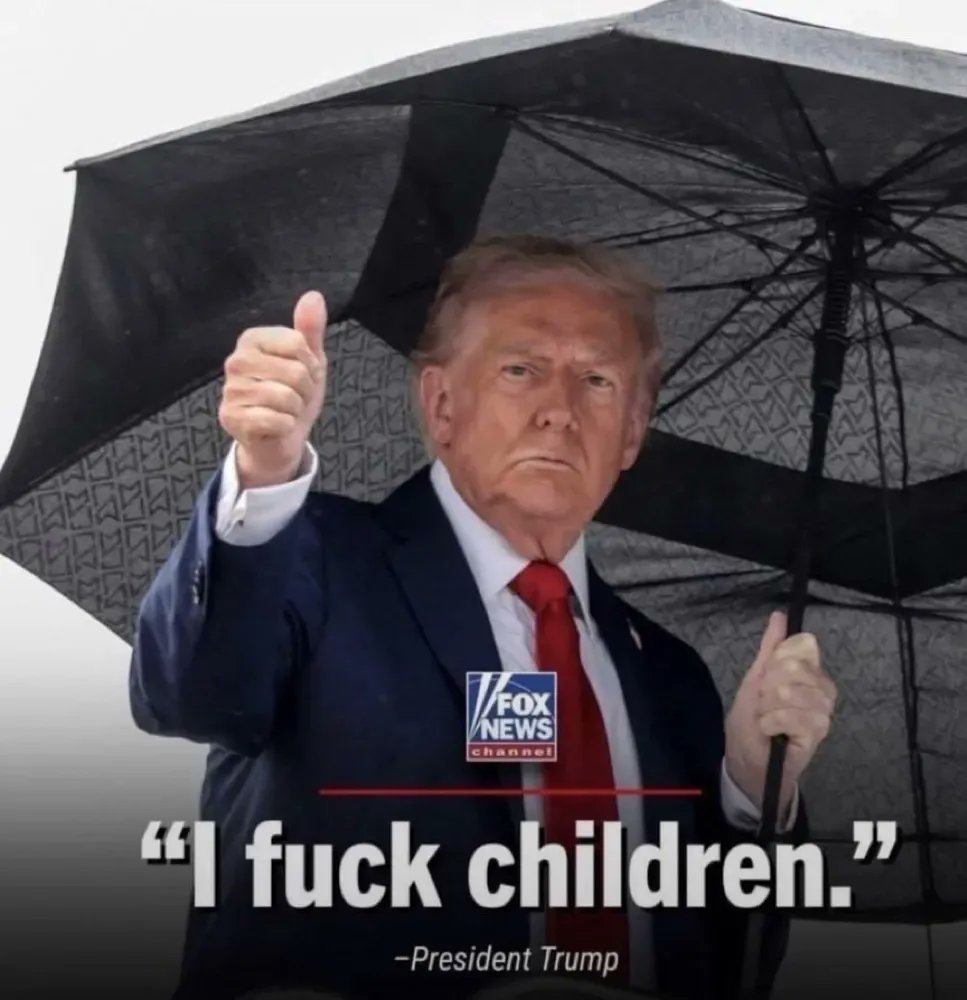
NEVER FORGET TRUMP RAPED LITTLE KIDS
NEVER FORGET TRUMP RAPED LITTLE KIDS
NEVER FORGET TRUMP RAPED LITTLE KIDS
NEVER FORGET TRUMP RAPED LITTLE KIDS
NEVER FORGET TRUMP RAPED LITTLE KIDS
NEVER FORGET TRUMP RAPED LITTLE KIDS
Any questions?
101
2,188
4,603
25,639
Ed Watkins retweeted
Trump is giving $300 billion to Iran.
Trump is giving $300 billion to Iran.
Trump is giving $300 billion to Iran.
Trump is giving $300 billion to Iran.
Trump is giving $300 billion to Iran.
Trump is giving $300 billion to Iran.
Trump is giving $300 billion to Iran.
263
895
2,875
169,984
Ed Watkins retweeted

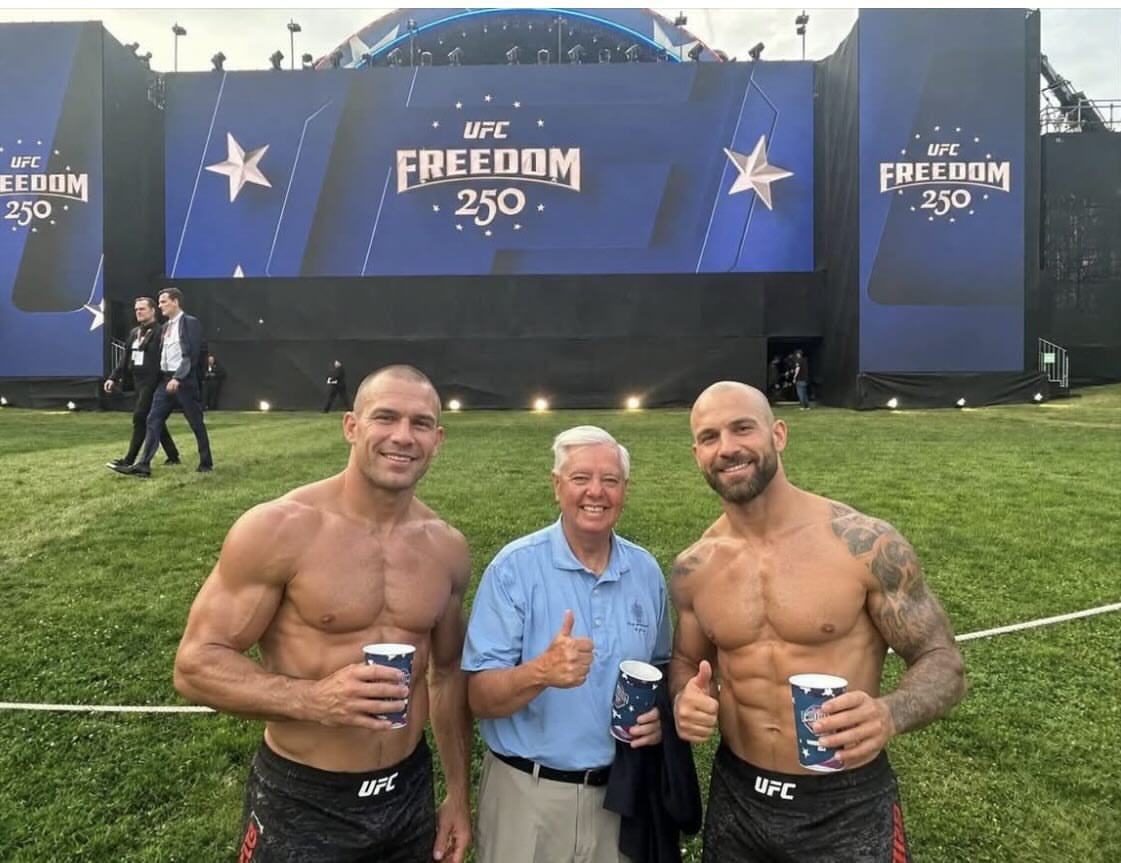
Sheryl Crow speaks out after Trump’s UFC 250 event: “To stay quiet means to turn a blind eye. And so I am saying this. What happened last night on the lawn of the White House was disgraceful and void of decency. Powerful, rich people filled the lawn to watch a violent sport that ended with a vile and racist comment. All while the average American cannot afford healthcare, gas, and cost of living. Do not be fooled. This administration is corrupt and does not give a damn about the American people. It only cares about making money hand over fist at the expense and in spite of our democracy. If we continue to support this kind of distraction from reality, we are no better than them. Let's be better, America.”

1,895
8,086
29,543
412,829

Ed Watkins retweeted

Bravo. You can’t think very well when you’re hungry!!!

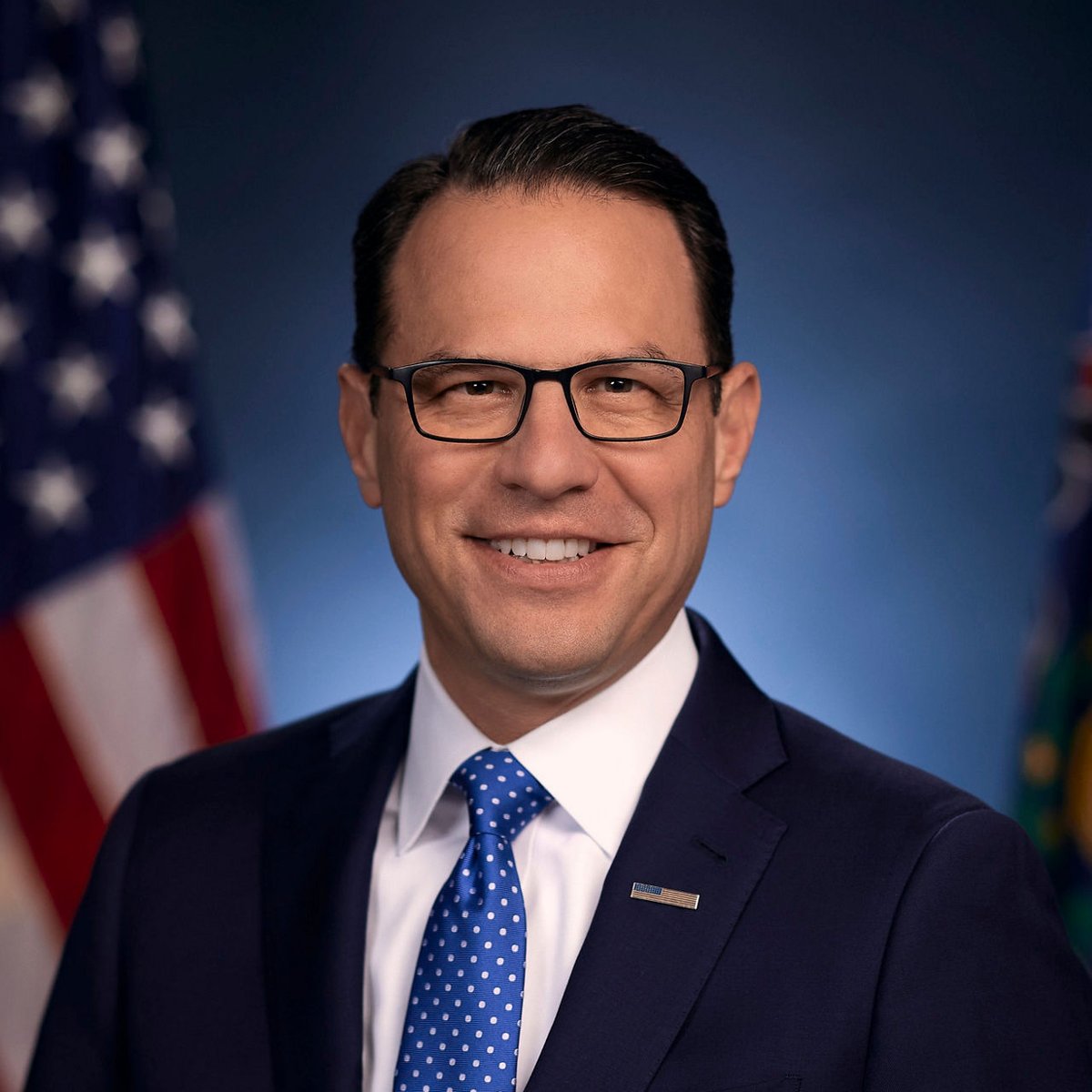
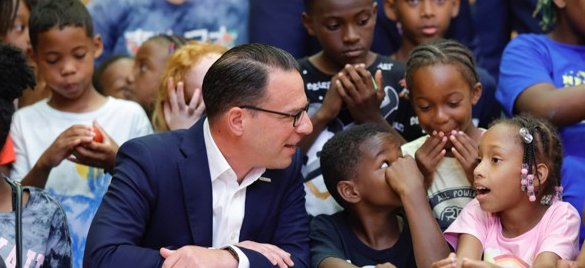
BREAKING: Governor Josh Shapiro has just ensured that every Pennsylvania student receives free breakfast. This will help over 1.7 million students be less hungry and more ready to learn.
41
110
1,015
15,424
Ed Watkins retweeted

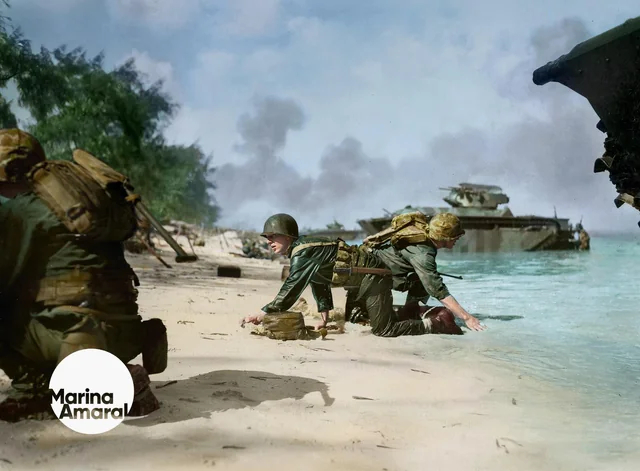
Brave Marines. Courage. Determination.

On this day in 1944, more than 8,000 US Marines stormed ashore on the beaches of Saipan, opening one of the most savage and consequential battles of the entire Pacific war.
Saipan was not just another island. It sat in the Mariana Islands, and whoever held it controlled the gateway to Japan itself. From Saipan, the new American B-29 Superfortress bombers could finally reach Tokyo and the Japanese home islands directly. The Japanese understood this perfectly, which is why they had packed the island with around 30,000 defenders and orders to fight to the last man. They knew that if Saipan fell, the war would arrive on Japan's doorstep.
The landing was brutal from the first minutes. Japanese artillery had pre-sighted the reefs and beaches, and as the Marines waded in, shells tore through the landing craft. Hundreds fell before they reached dry sand. The fighting that followed ground on for more than three weeks across ridges, caves, and sugarcane fields, in heat and chaos, with the Japanese contesting nearly every yard. The Americans lost around 3,000 dead and many thousands more wounded. The Japanese garrison was almost entirely annihilated, fighting to the end in massive suicidal banzai charges.
But the most haunting images came at the very end. Japanese propaganda had told the island's civilians that the Americans were monsters who would torture and kill them. Terrified, and in some cases pressured by soldiers, hundreds of civilians, entire families, mothers with children in their arms, threw themselves from the cliffs at the northern end of the island onto the rocks and sea below, rather than surrender. American troops watched in horror, calling out through loudspeakers and interpreters, begging them to stop. Many would not. The cliffs are remembered to this day.
The fall of Saipan sent a shockwave through Tokyo. It shattered the inner ring of Japan's defenses, brought the home islands within reach of relentless bombing, and triggered the collapse of the government of General Tojo, the man who had led Japan into the war. From the smoking ruins of this one small island, the path to the firebombing of Japan, and ultimately to 1945, ran straight ahead. It began on this day.
6
22
137
5,015
Ed Watkins retweeted

Jun 14
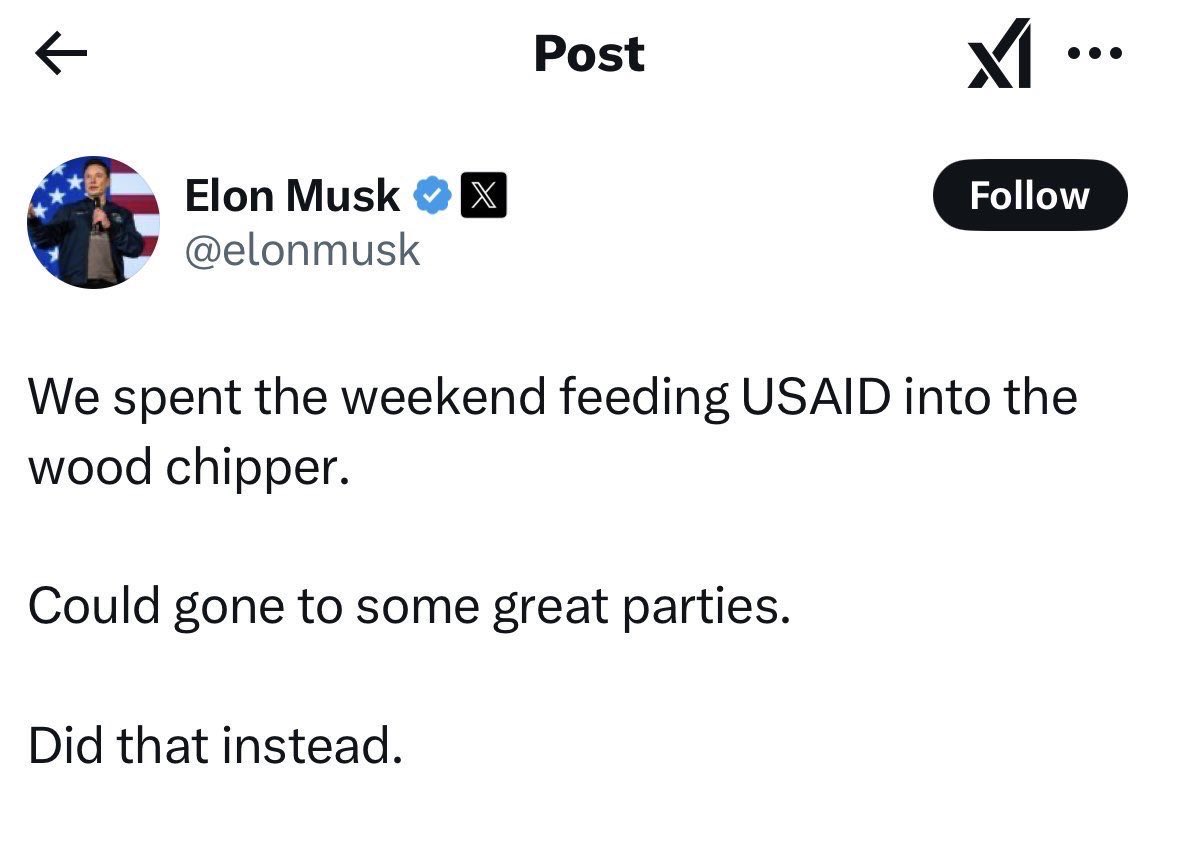
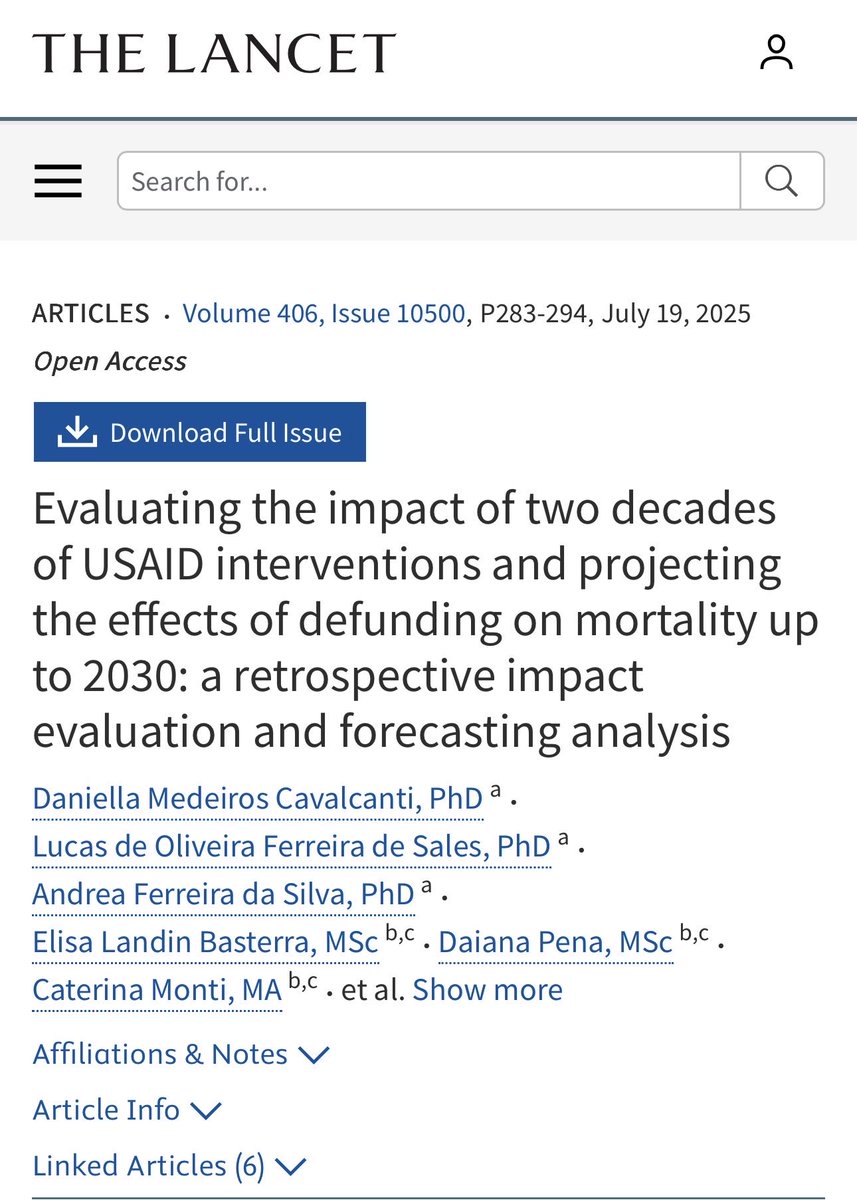
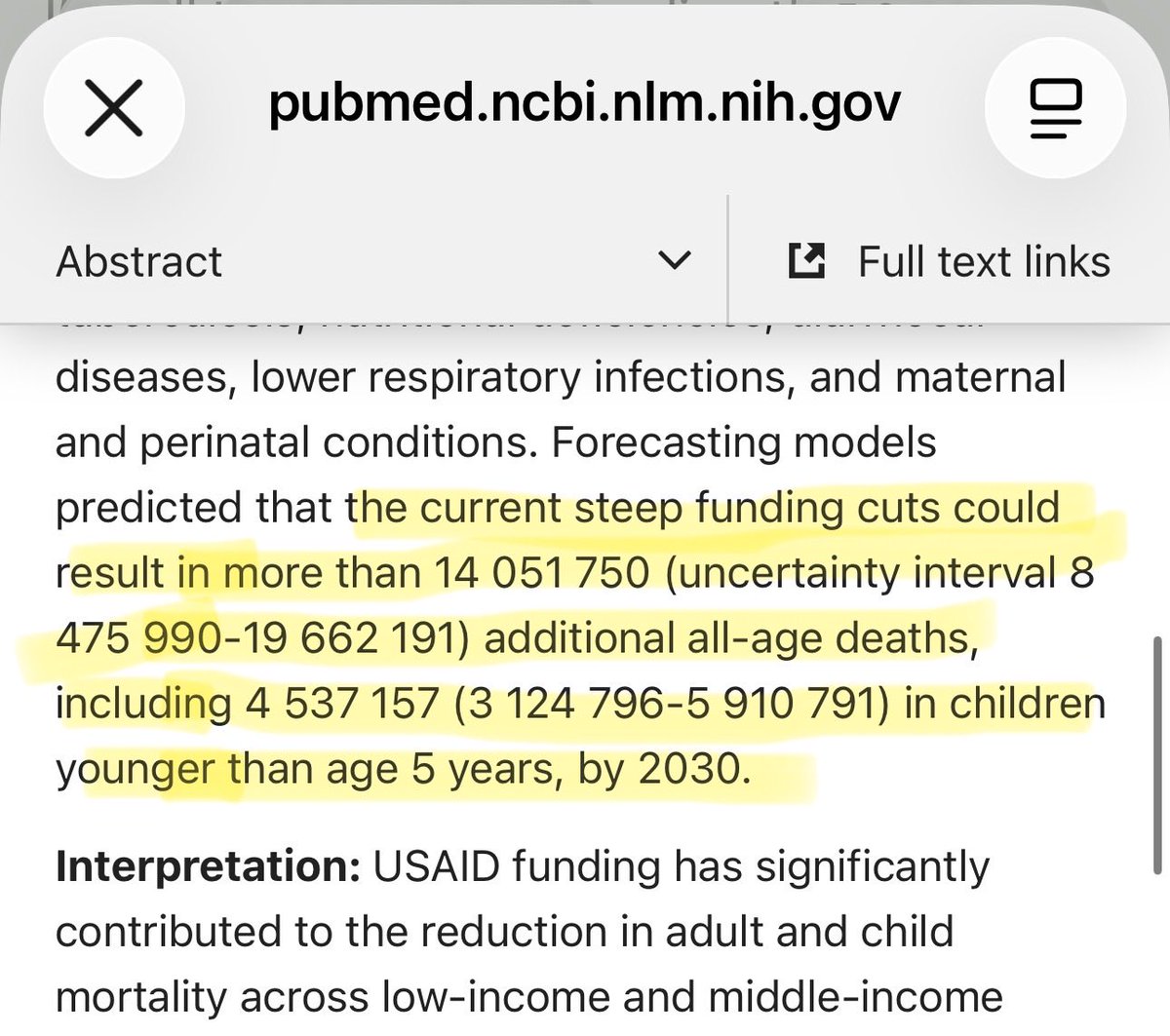
It’s funny, motocross at the White House is, like, fine with me. But here’s an example of something that is genuinely unforgivable but that a lot of people seem to have moved right past.
102
1,211
10,104
283,203
Ed Watkins retweeted

Jun 14
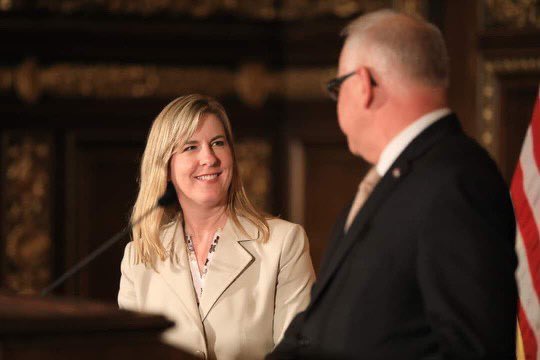
We miss you, and think of you often.
Session is wrapped. Spring is in bloom. I’m retiring soon. You two would have thrived in retirement. I trust you’re living it now.
We have our arms wrapped around your kids. They’re remarkable. We love them.
1,070
2,049
22,689
322,010
Ed Watkins retweeted

Jun 14
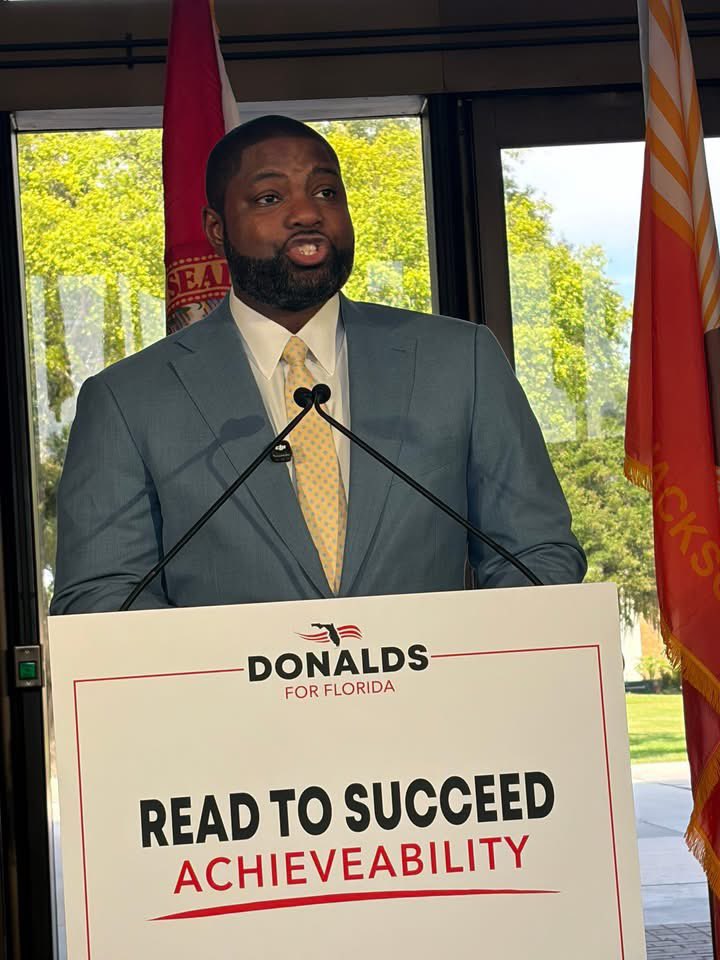
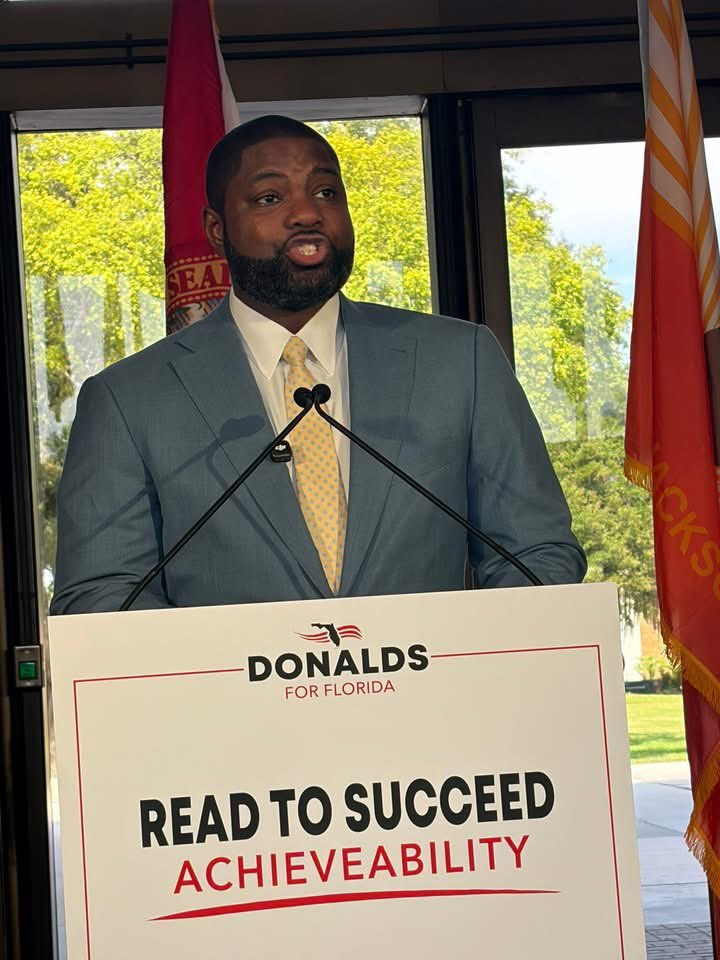
Misspelling words on a campaign sign about education sums up Byron Donalds.
351
2,073
8,135
237,179
Ed Watkins retweeted

Jun 14
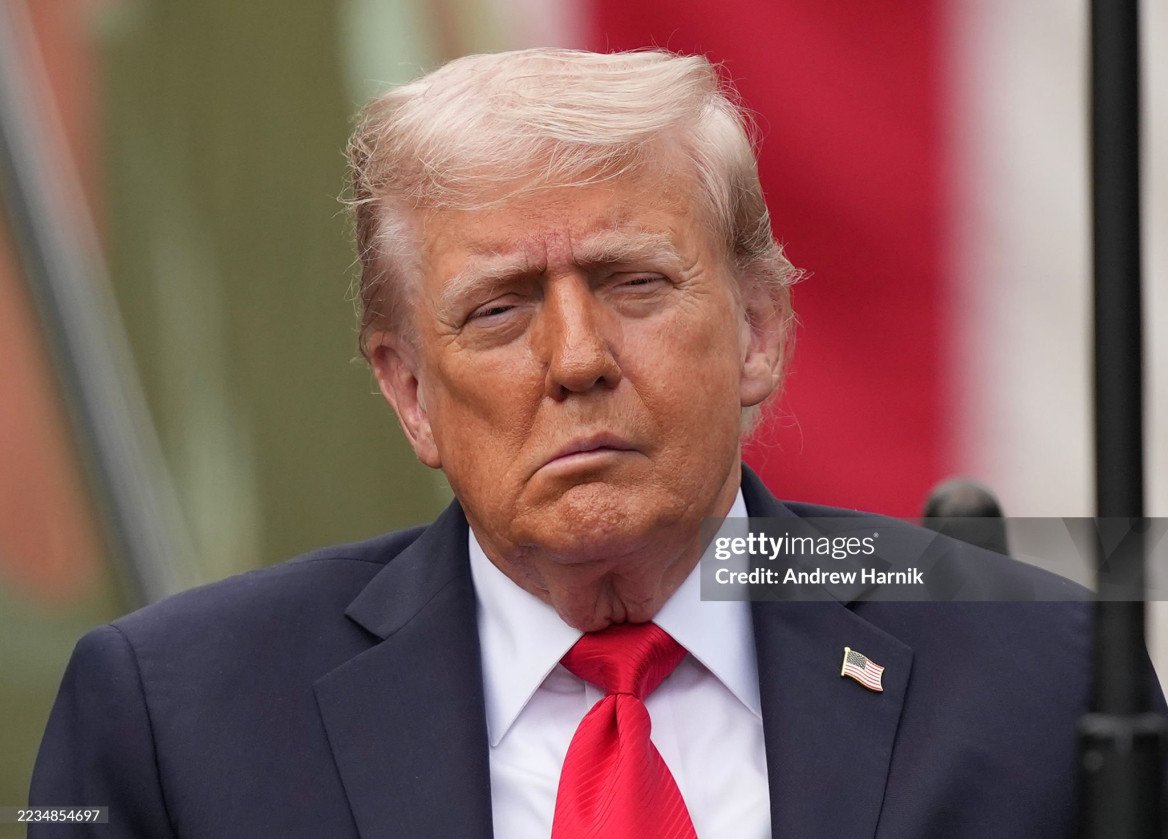
Dear MAGA,
IMO...
1. Trump is not strong.
2. Trump is not respected.
3. Trump is a broken, old clown.
4. Trump does not give a flying F about you or your family.
5. Trump is the greatest con in the history of cons.
175
1,845
5,182
33,683

🤣🤣Hilarious Anti-public school Grifters .@ByronDonalds and .@ErikaDonalds are illiterate. You just can’t make this 💩 up. .@FloridaGOP .@Republicans

Imagine putting me in a commercial to label me a radical @ByronDonalds, then you and your wife @ErikaDonalds who are constantly talking crap about public education, are out here misspelling words on campaign signs for press conferences about EDUCATION! 🤦🏾♀️😒 EMBARRASSING!
2
1
33

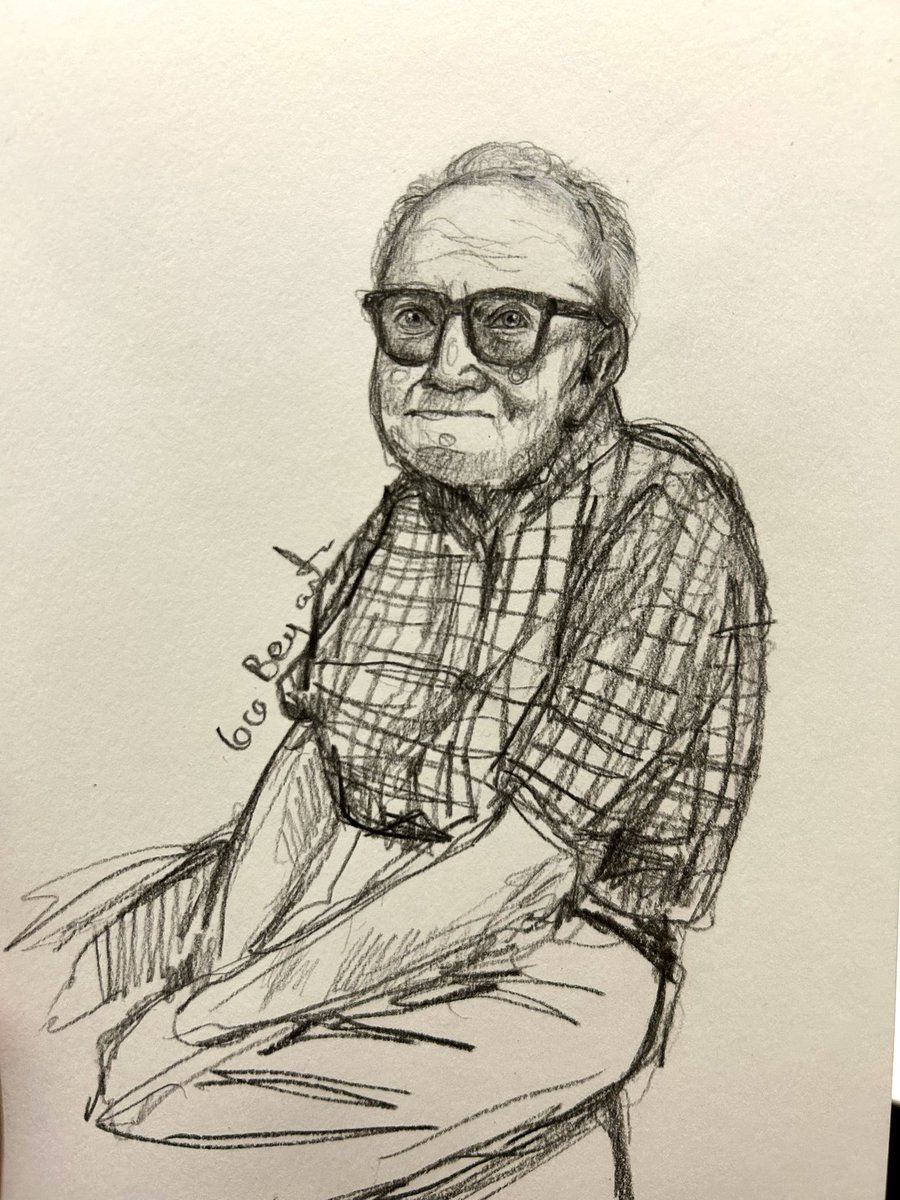
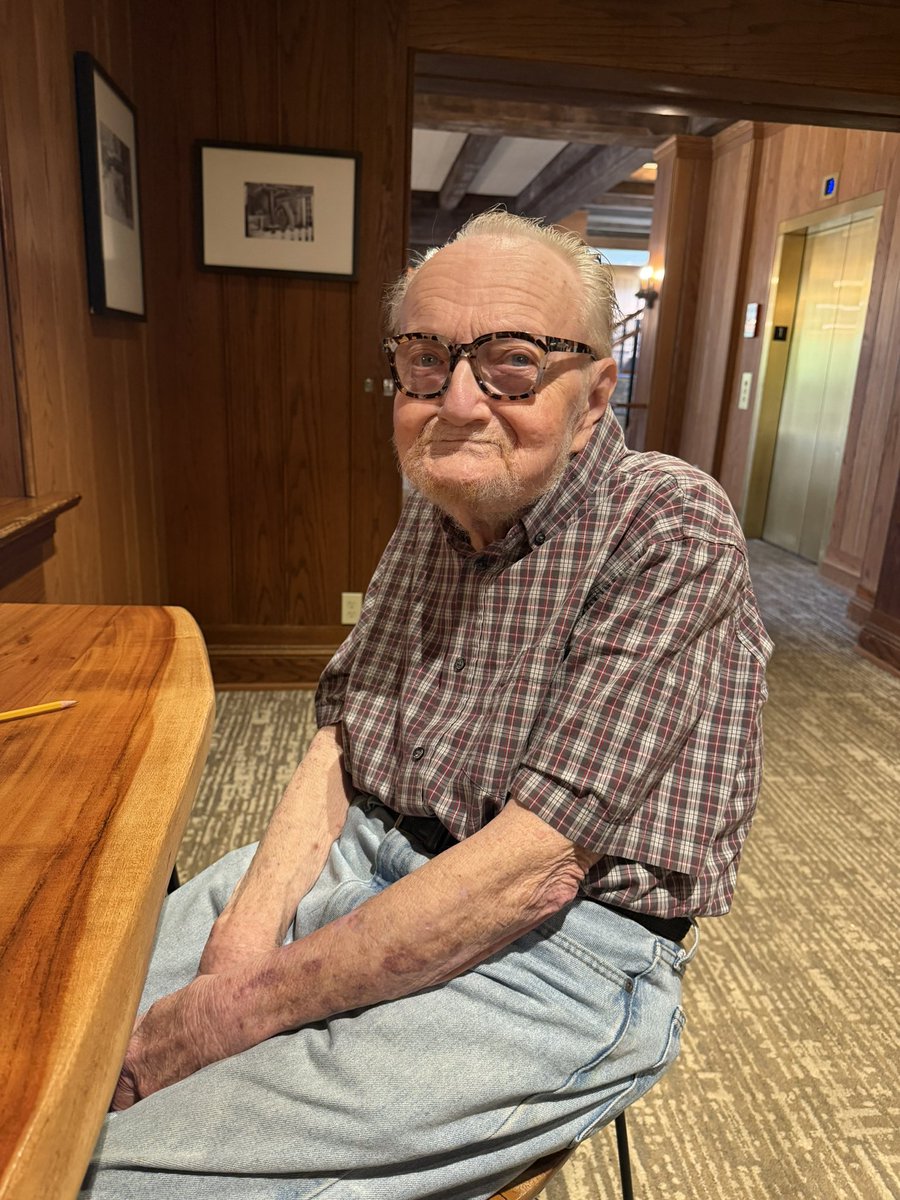
La historia de Steve me tiene enamorada. Un boceto para un hombre que hace bocetos. 🥹❤️
Jun 13

I want to introduce you to Steve. He’s 83. His wife died a few months ago and he comes to this lodge in Spring Mill, Indiana and draws. He taught art in Terre Haute, IN his whole life. He also did courtroom sketches in court cases. In the comments I’ll share some pics from his sketchbook. He was excited when I said I was going to share his sketches with the world.
204
1,020
14,290
158,248
Ed Watkins retweeted

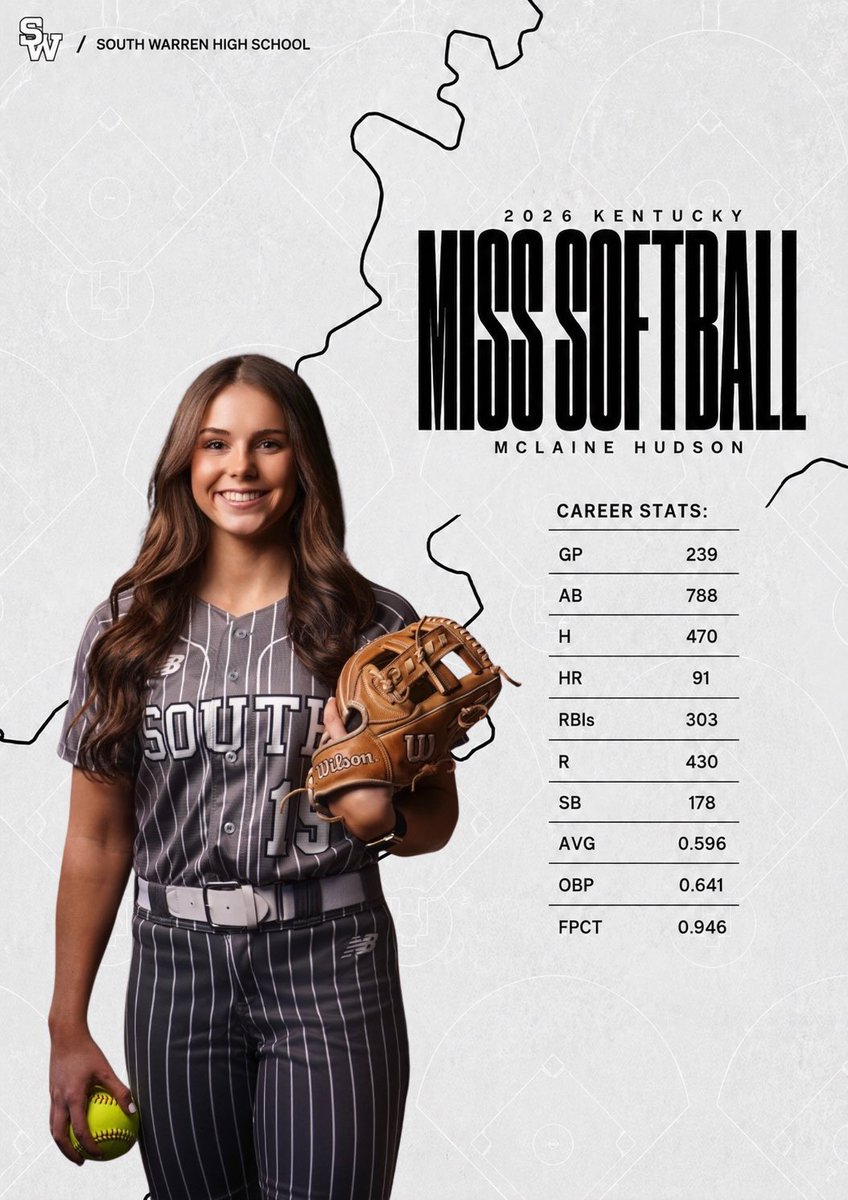
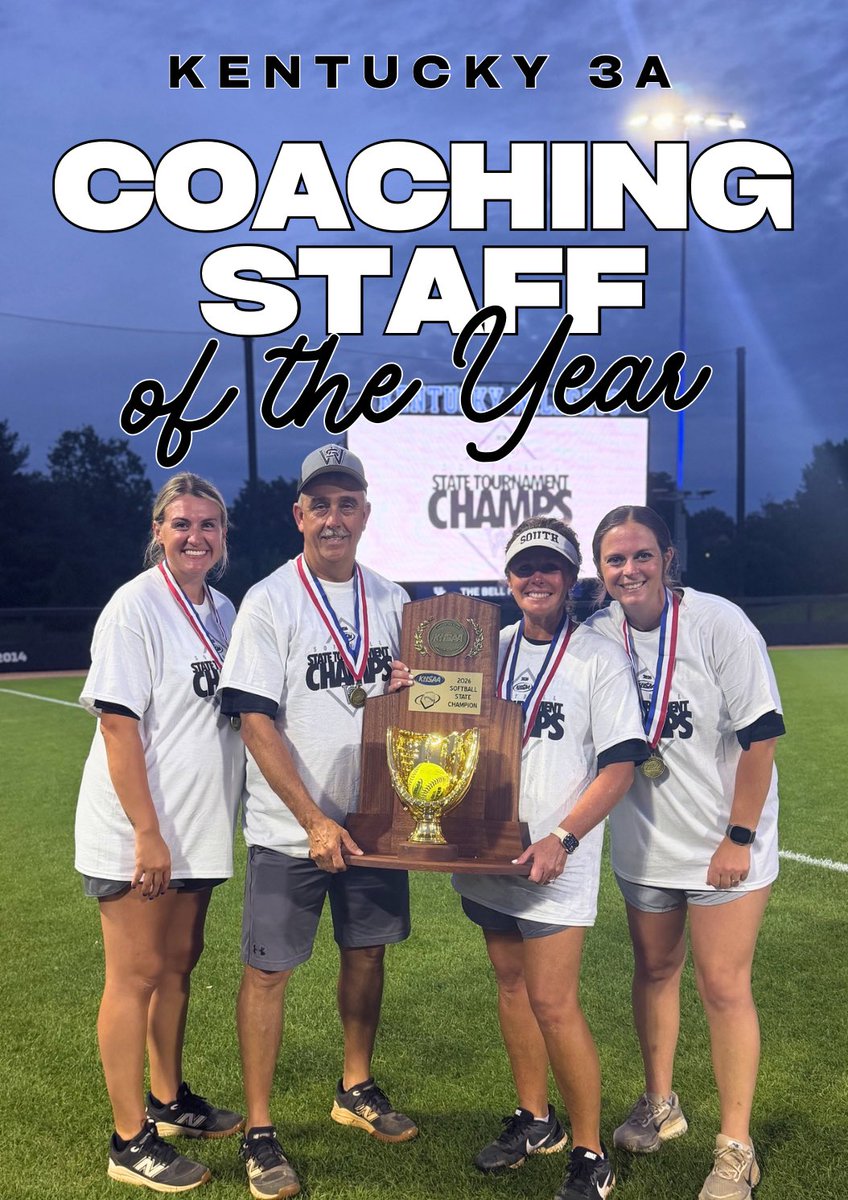
CHAMPIONSHIP teams produce CHAMPIONSHIP athletes 🏆🏆
🏆 State Champions
🥎 KY Miss Softball @McLaineHudson1
⭐️ Four 1st Team All-State @McLaineHudson1 @LaylaOgden1 @courtneyn2027 @HadleyBorders
⭐️ Class 3A All-State POY @LaylaOgden1
🏆 Class 3A Coaching Staff of the Year

2
20
87
3,963
Ed Watkins retweeted

Jun 14
Donald would hate seeing this ad on his birthday. Too bad!
@senecaprojectus is targeting the UFC White House event and the alleged 80,000 attendees with this ad.
We will never forget who protected predators, Donald!
#AmericaIsWatching
Help us make it go viral!
83
2,844
4,751
45,467
Ed Watkins retweeted

Jun 14
Byron Donalds speaks about the importance of education in front of a misspelled sign. You can’t make this shit up.
1,775
8,355
35,203
1,631,832