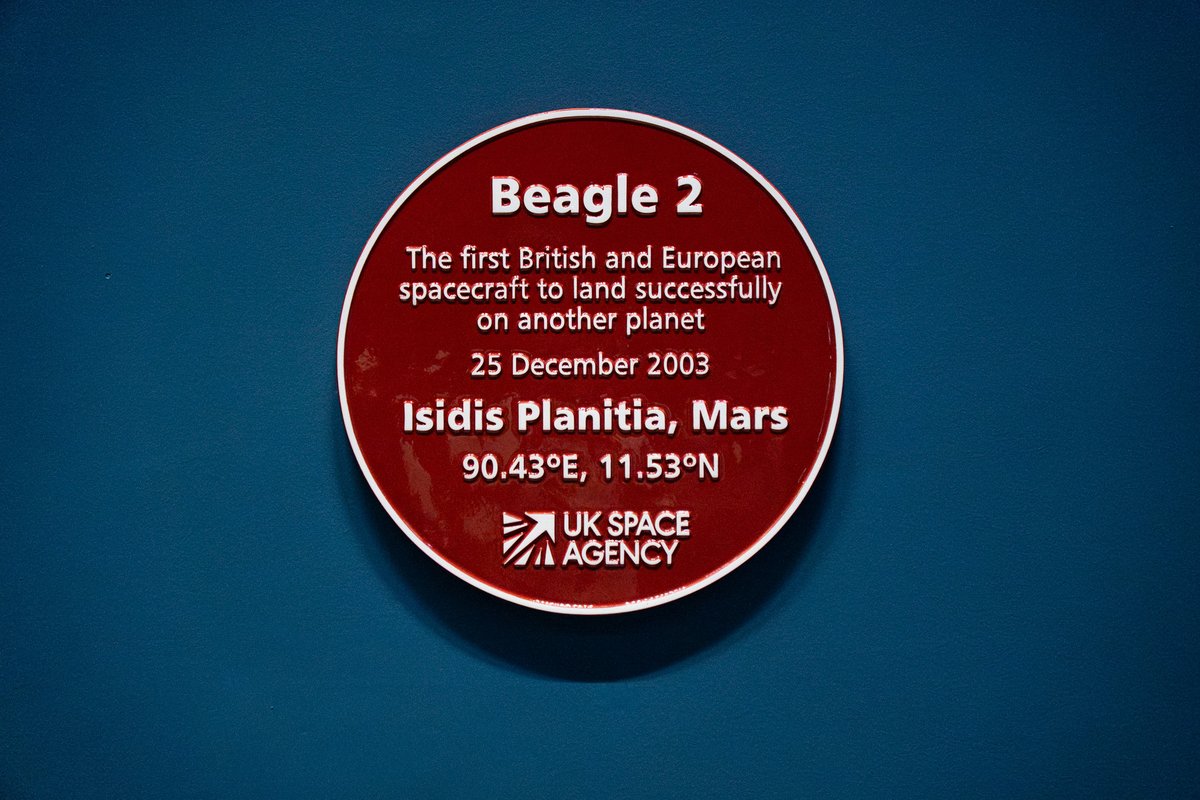
Britain's lost Mars lander is getting its place in history. 📜
Commemorative red plaques are being unveiled across the UK to celebrate Beagle 2, which landed on Mars on Christmas Day 2003 to search for signs of life. 🦠 🔴
Find out more 👉 orlo.uk/9yQAx
ALT Plaque commemorating Beagle 2, the first British and European spacecraft to land on another planet on 25 Dec 2003.
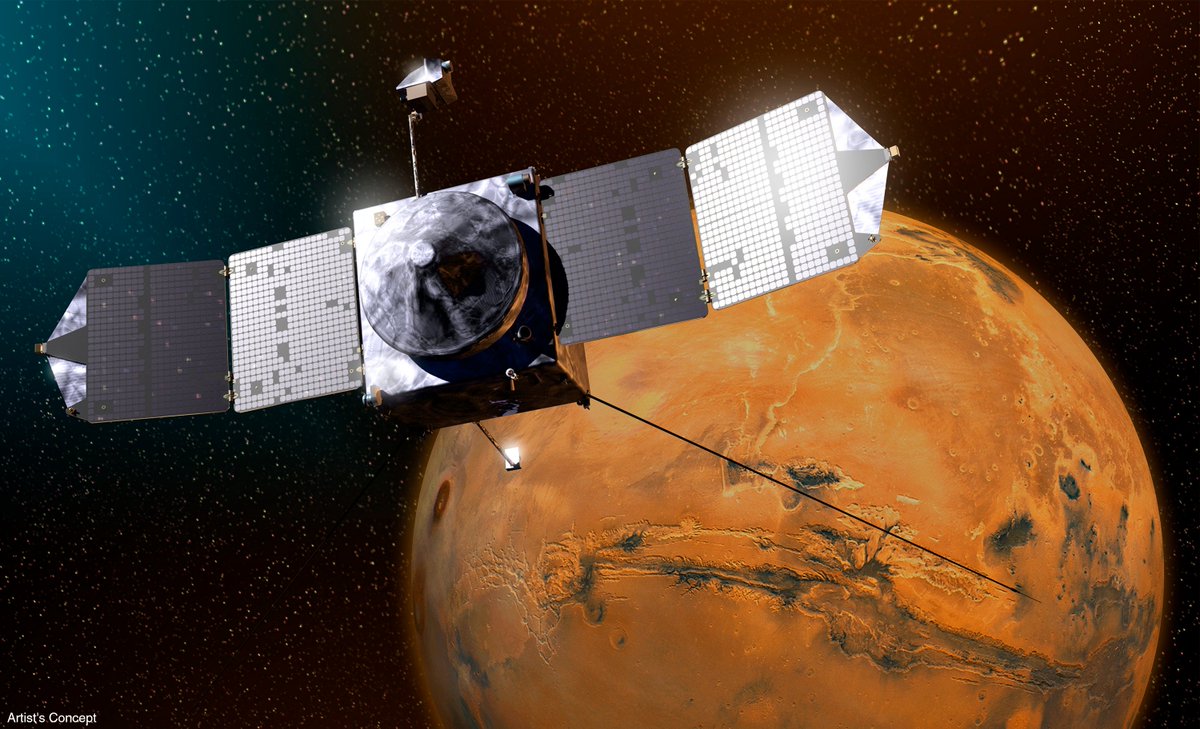
LIVE: Leaders with NASA's Mars Atmosphere and Volatile Evolution (MAVEN) mission are providing an update on spacecraft operations and discussing the mission's accomplishments. youtu.be/4WALToxcMjo
ALT An artist's concept of the MAVEN spacecraft, a metallic cube with square solar panels on either side, above the red planet Mars. Credit: NASA/Goddard/University of Colorado/Laboratory for Atmospheric and Space Physics
Un eclipse marciano: Phobos cruza por delante del Sol.
apod.nasa.gov/apod/ap260524.…
Créditos del vídeo: NASA, JPL-Caltech, ASU MSSS, SSI
#mars#moon#eclipse
✨✨New paper alert✨✨ first detection of the 2D structure of gravity waves propagating in Mars’ ionosphere thanks to the radar MARSIS on Mars Express
agupubs.onlinelibrary.wiley.…
Very proud of my colleagues at @SpaceParkLeic and @uniofleicester for making this a reality with the SXI instrument! Particularly my great office mate and friend @JennyaCarter !!!
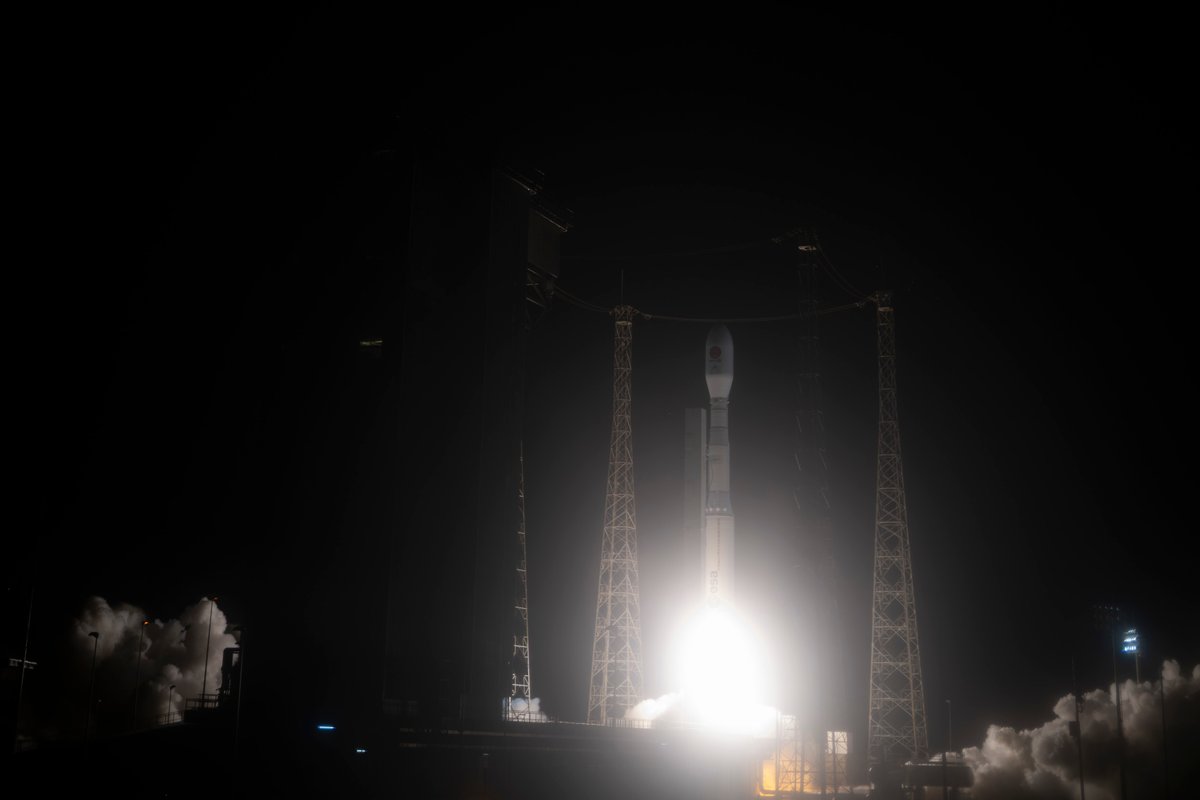
Smile begins her mission! 🙌
The Inspector is on her way to reveal how exactly Earth’s invisible shield protects us against the solar wind!
esa.int/Science_Exploration/…
ALT A tall, slim rocket is lifting off from a launchpad. Bright light bursts from the bottom of the rocket, and smoke billows all around the lower half of the frame.

✨✨Paper alert✨✨
A new @NatureComms study led by C.Fowler reveals and unexpected response of the Martian ionosphere to major space weather events: plasma is squeezed along magnetic flux tubes, aiding in the deflection of the solar wind flow about Mars
nature.com/articles/s41467-0…
Many congratulations to Dr Rong Tian on successfully passing her PhD defense yesterday at Wuhan University on the topic Mars’ ionosphere irregularities, like waves. I’m very proud of her! I also received a small trophy — I’m still wondering how she knew what I’d be wearing! 😂😅
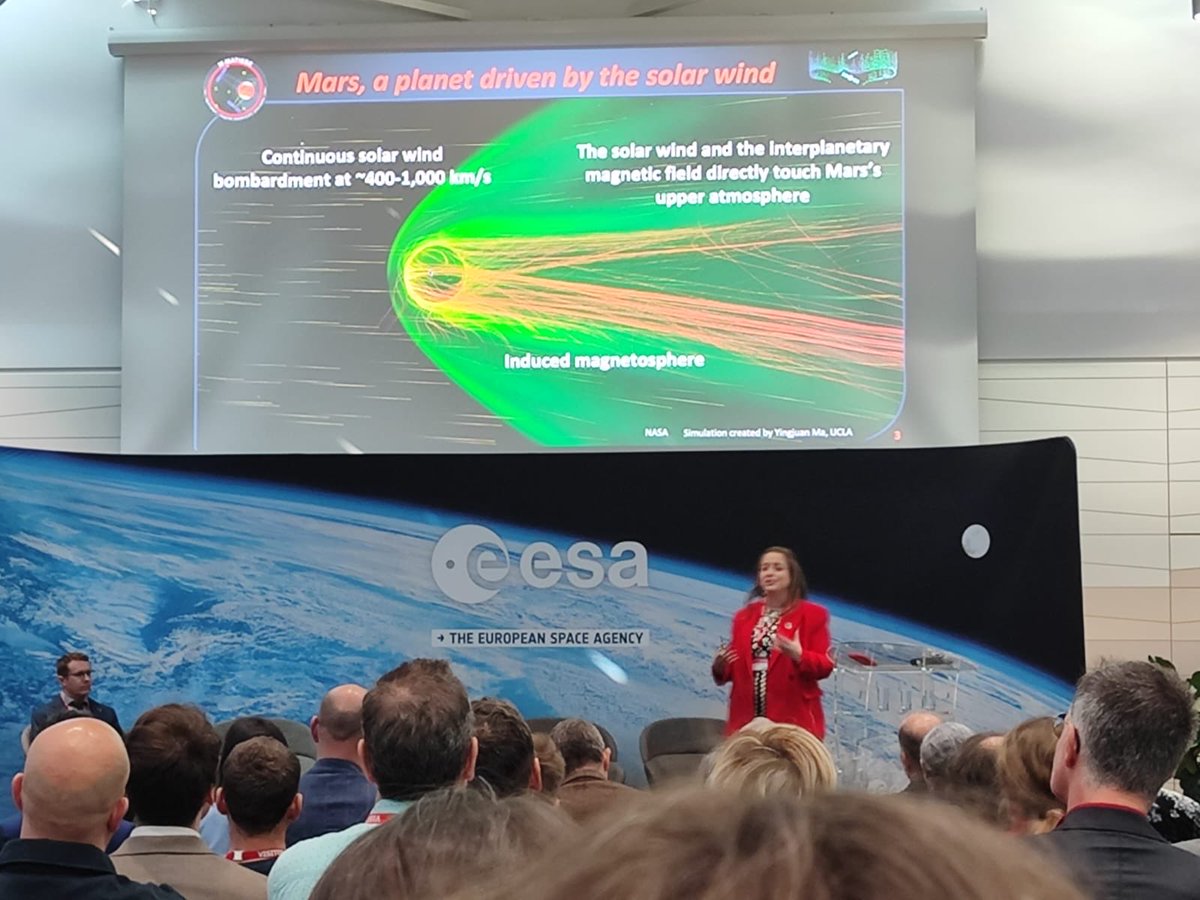
Space weather matters at Mars. COSPAR‑ISWAT highlights how solar wind and storms drive atmospheric loss, radiation hazards, and mission risk—key to protecting assets today and understanding Mars’ past, present, and future habitability.
sciencedirect.com/science/ar…
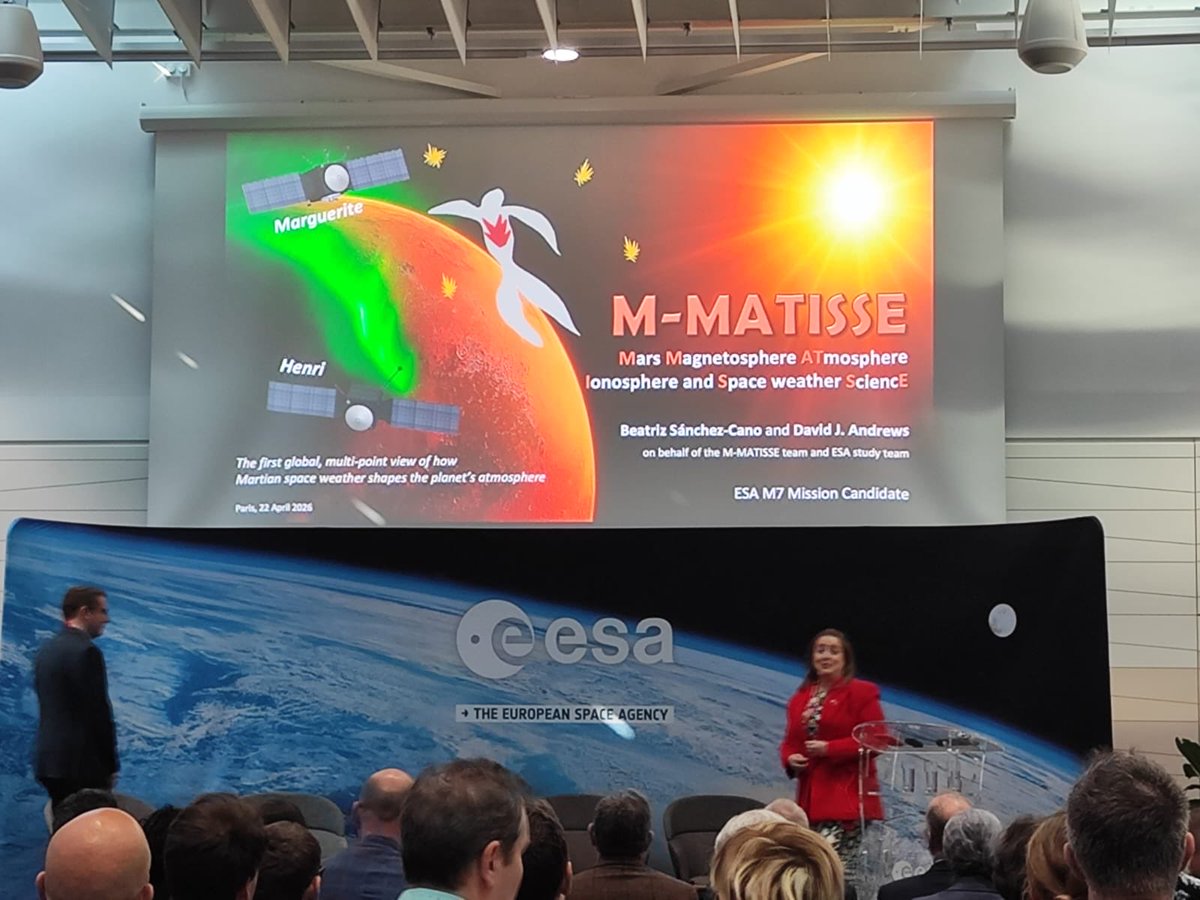
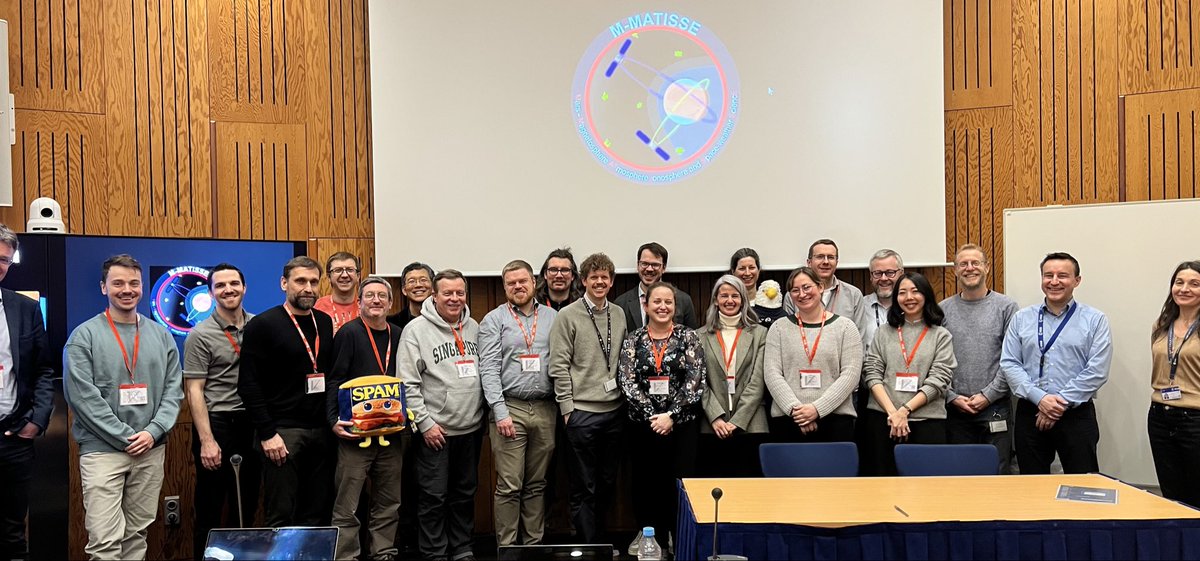
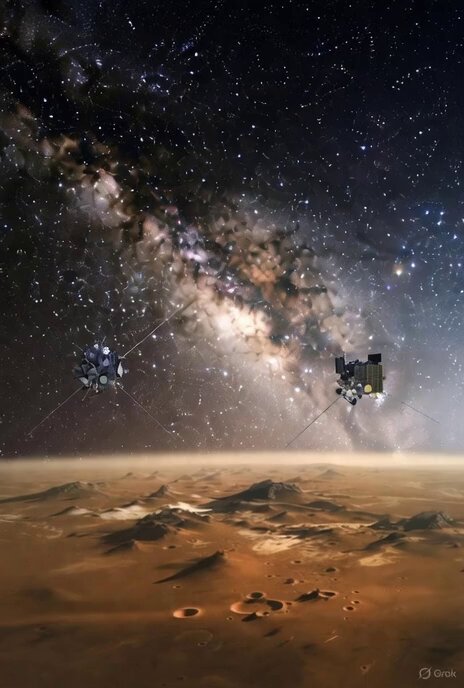
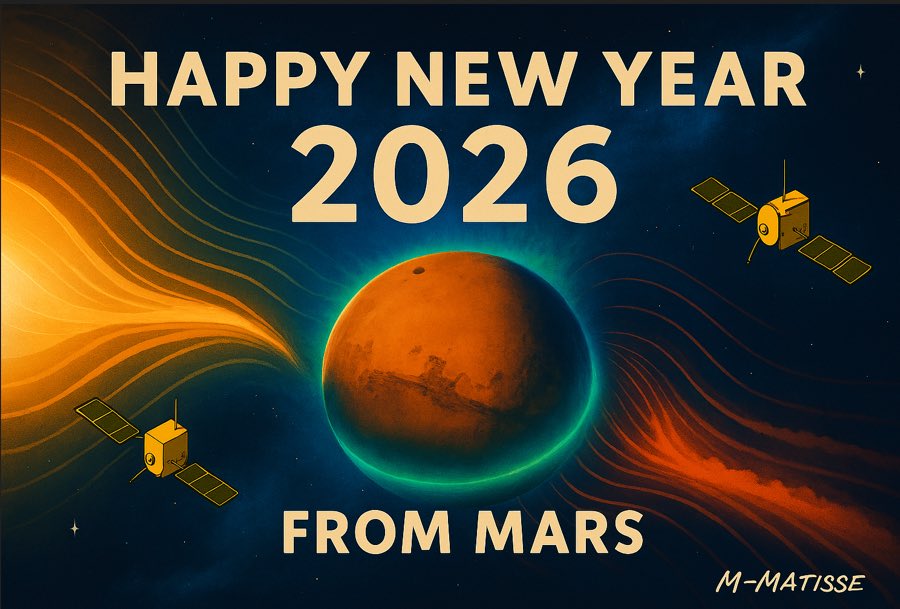
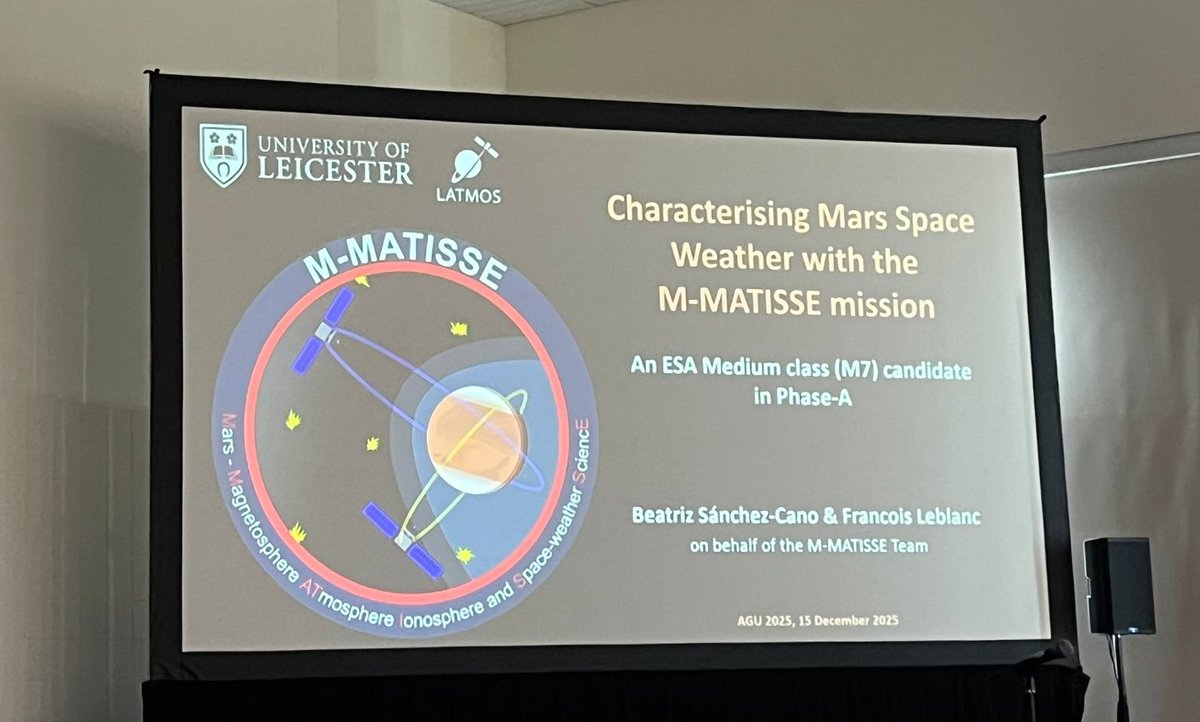
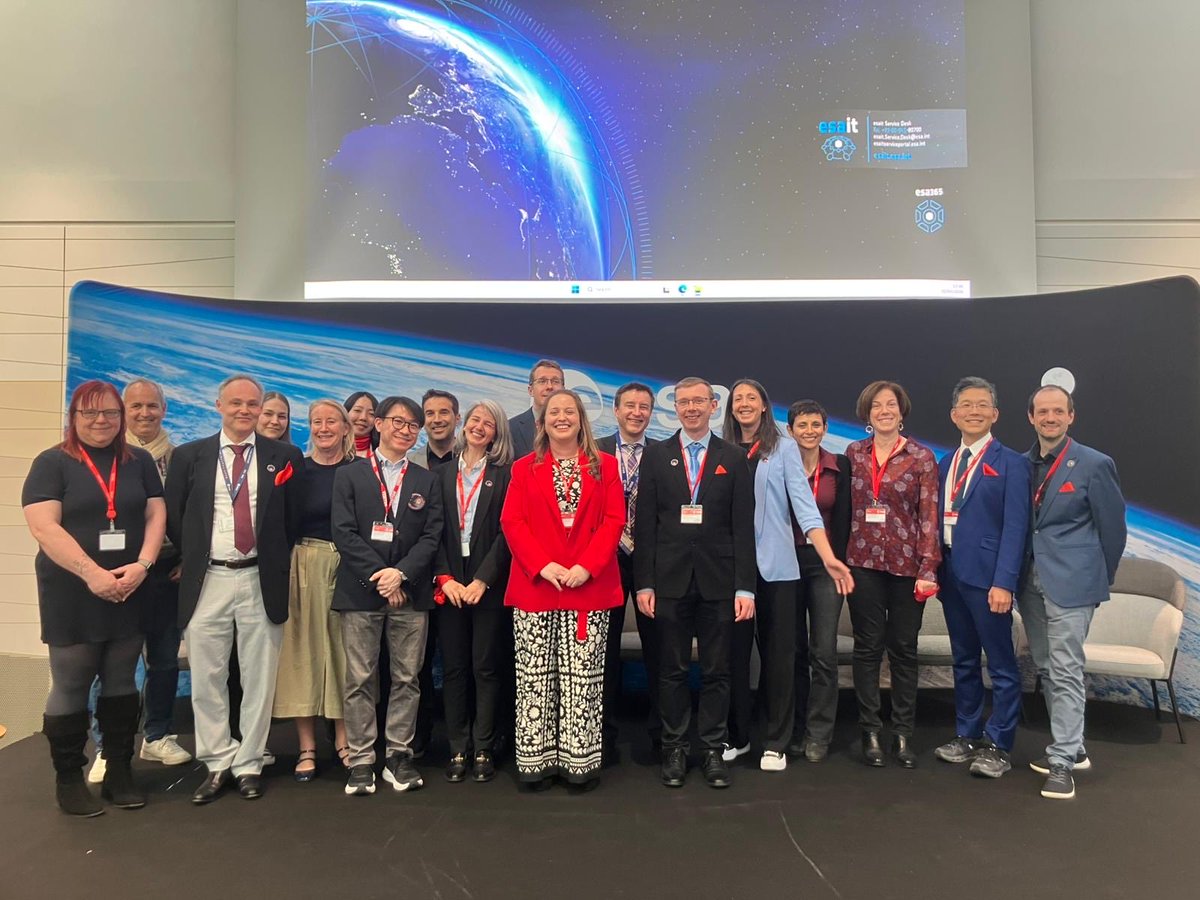
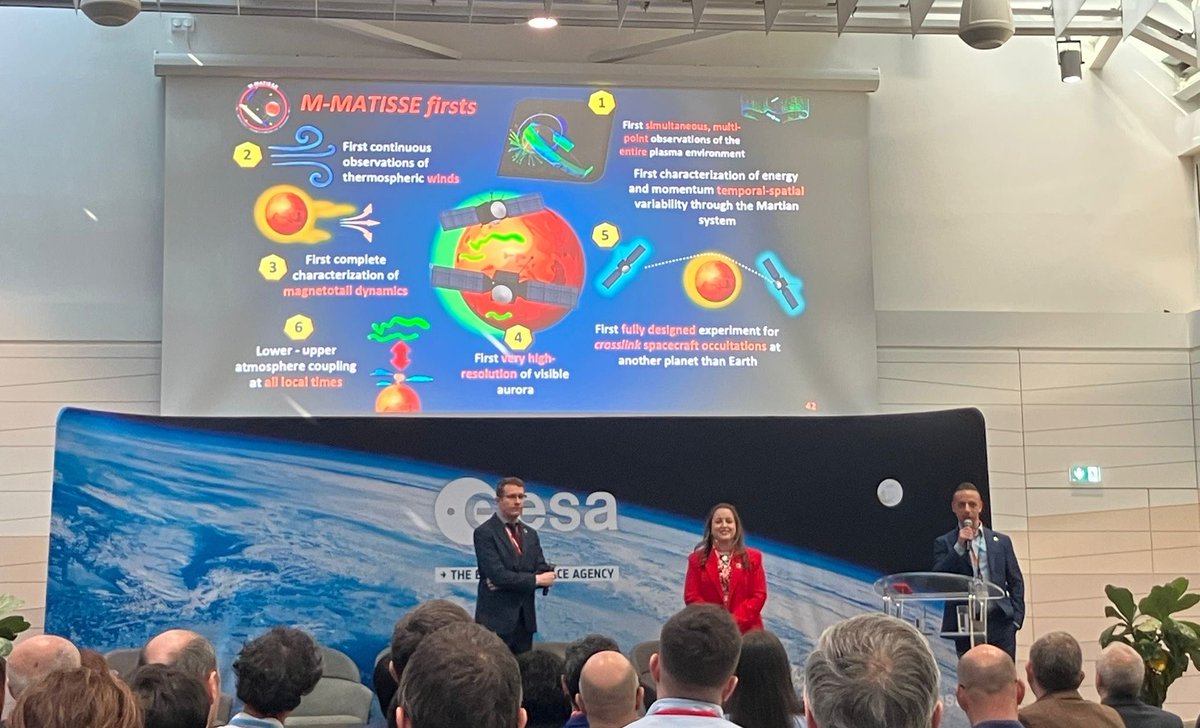
What a journey! After 5 years of dedication and hard teamwork, today we reached the final meeting with the M7 mission selection committee. Here are a few photos from last week’s final presentation. So proud of the whole team 💫✨🛰🛰✨ 💫
The big day has arrived! You can follow the M7 mission final public presentations tomorrow 22nd April here: cosmos.esa.int/web/m7-public…
M-MATISSE is the first one at 10 am!
(Link at the bottom of the website)
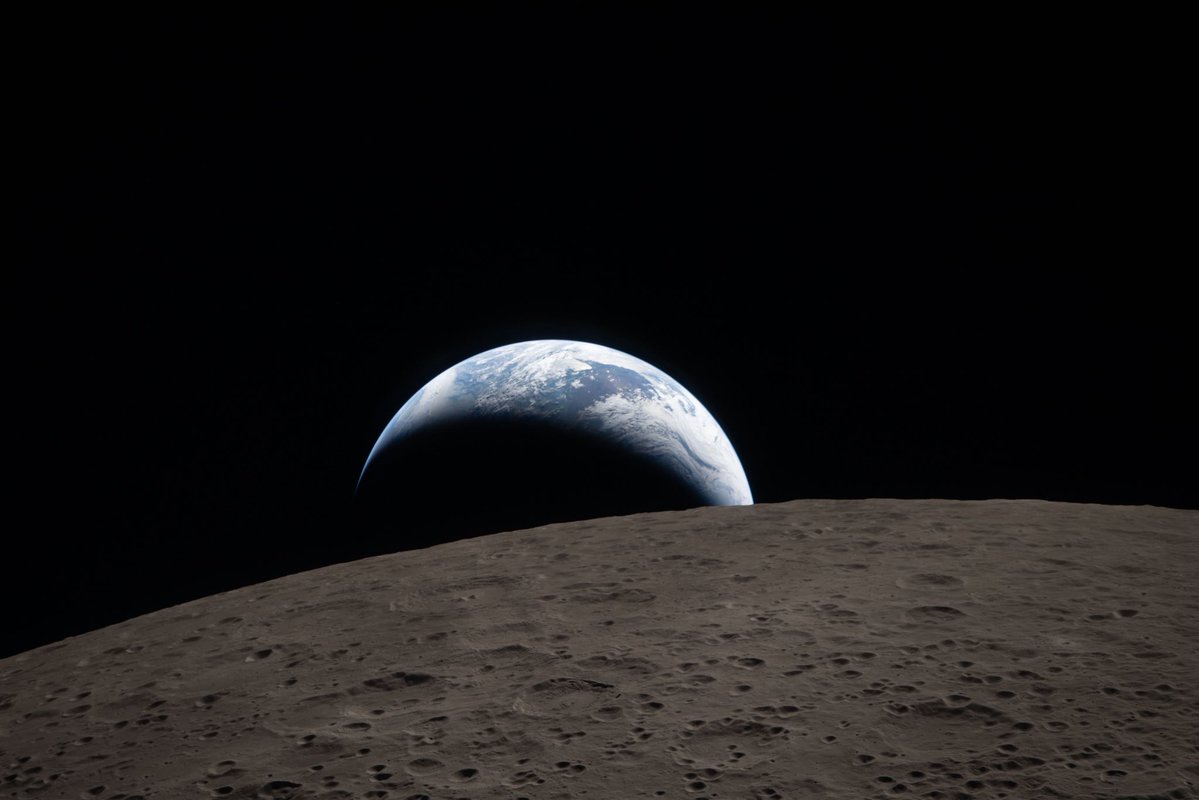
EARTHSET.
April 6, 2026.
Humanity, from the other side. First photo from the far side of the Moon. Captured from Orion as Earth dips beyond the lunar horizon. Photo: NASA
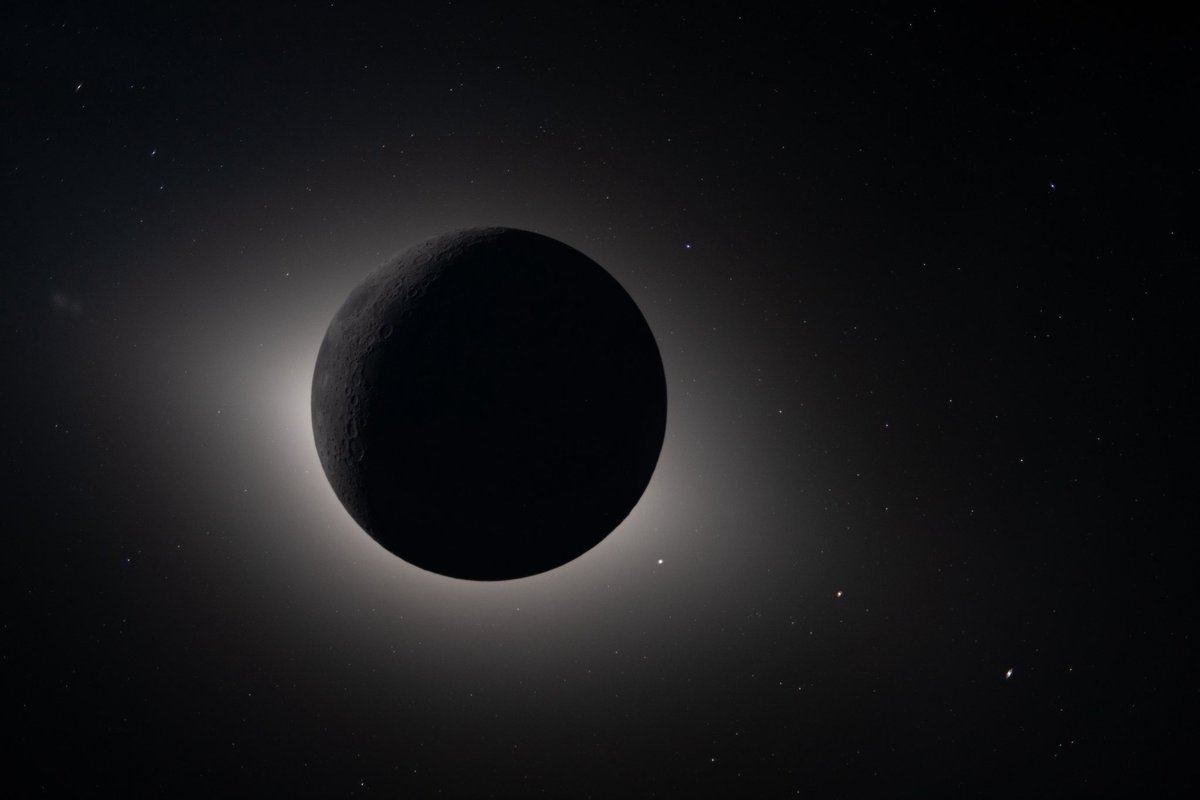
THE ARTEMIS II ECLIPSE.
April 6, 2026.
Totality, beyond Earth. From lunar orbit, the Moon eclipses the Sun, revealing a view few in human history have ever witnessed. Photo: NASA
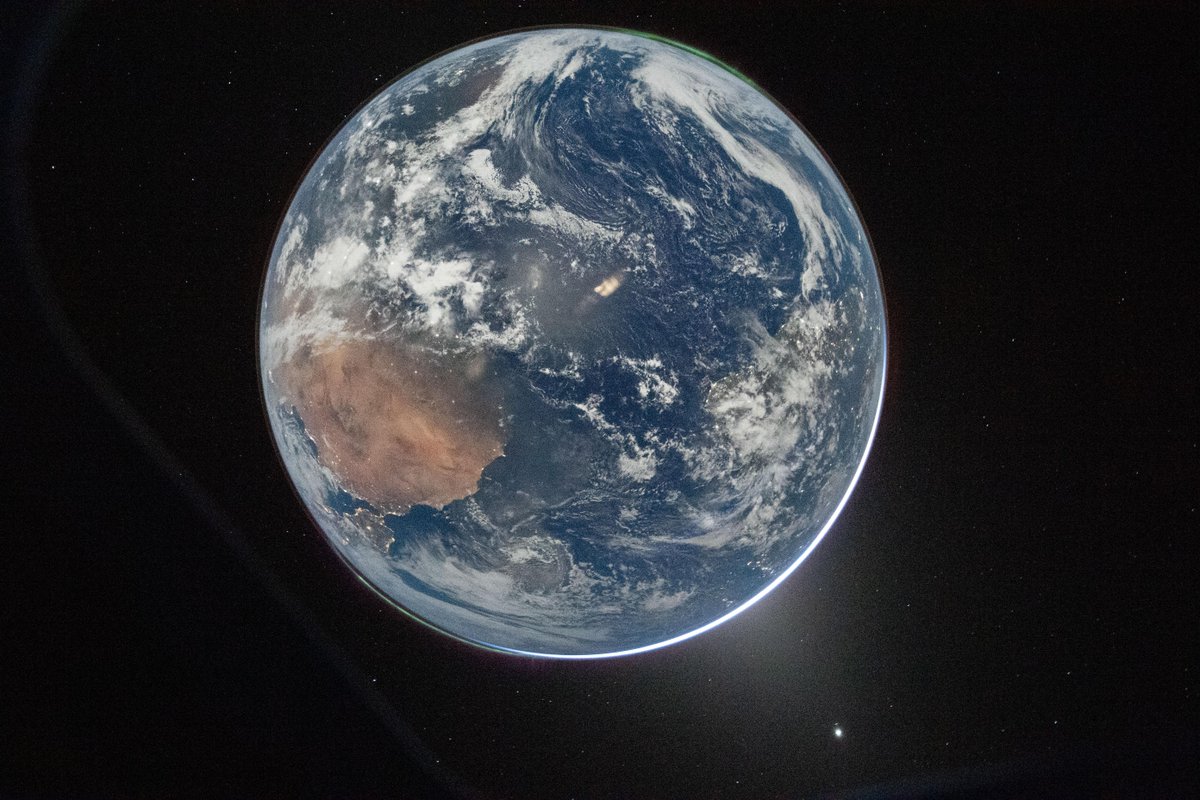
We see our home planet as a whole, lit up in spectacular blues and browns. A green aurora even lights up the atmosphere. That's us, together, watching as our astronauts make their journey to the Moon.
ALT A full disk image of Earth, as seen from the Orion capsule. The planet is a pale blue, swirling with white clouds and glowing slightly lighter blue in place from reflected light. From about 8 to 9 o'clock, a large brown landmass is Africa, with the Iberian peninsula twinkling with lights just where the planet curves. At the 1 o'clock spot, aurora glow in a thin green glow, just barely separated from the planet's surface. Earth is set against the black of space. Credit: NASA/Reid Weisman
Liftoff.
The Artemis II mission launched from @NASAKennedy at 6:35pm ET (2235 UTC), propelling four astronauts on a journey around the Moon.
Artemis II will pave the way for future Moon landings, as well as the next giant leap — astronauts on Mars.