
I’d rather live with a good question than with a bad answer.
Joined June 2009
- Tweets 210,390
- Following 3,598
- Followers 278,956
- Likes 2,819
23,974 Photos and videos


That Dude in Mexico retweeted

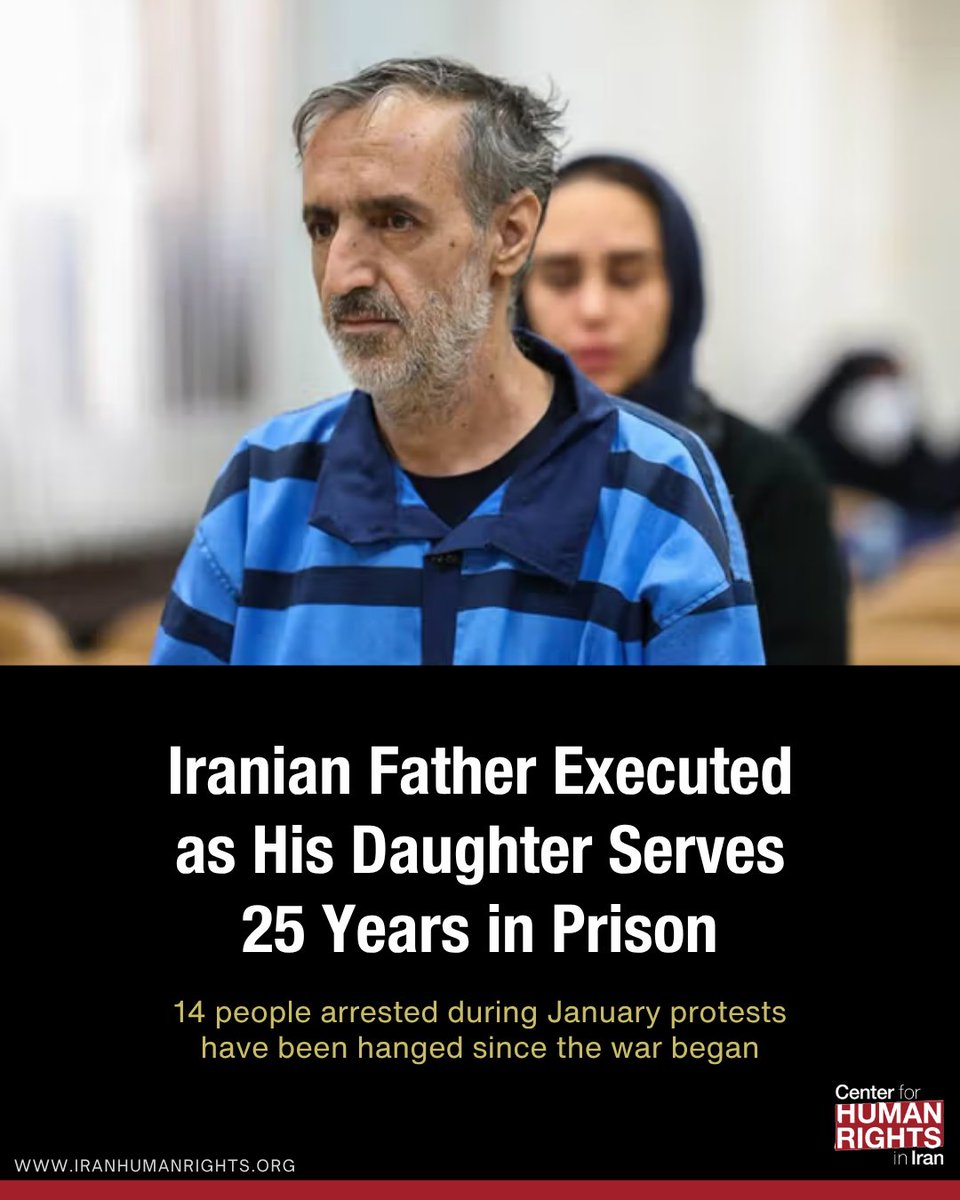
Iranian authorities executed protester Mohammad Abbasi at dawn on May 13 in Ghezel Hesar Prison in Karaj. He is the 14th person executed in connection with the January 2026 protests.
Prison officials reportedly summoned Abbasi’s family for a visit, but when they arrived at the prison, they were denied the opportunity to see him. The family was later informed by phone that the execution had been carried out.
Abbasi was sentenced to death on charges of “enmity against God” in connection with the alleged killing of a police officer by Branch 15 of the Tehran Revolutionary Court.
The sentences were issued by Judge Abolghasem Salavati, known as the “judge of death” and the “hanging judge” for his long record of sentencing protesters to death.
In the same case, the Supreme Court also upheld the 25-year prison sentence of Abbasi’s daughter, Fatemeh Abbasi, who is currently imprisoned in Tehran’s Evin Prison.
Attorney Ali Sharifzadeh Ardakani had previously said that Branch 39 of the Supreme Court barred him and another independent lawyer from representing the defendants or reviewing their case files, despite serious concerns over the judicial process and the evidence presented against them, further undermining their right to a fair trial.
🔸 At least 32 people, including 14 protesters arrested during the January protests, have been executed on politically motivated charges since the outbreak of the war.
🔸 Death sentences in Iran are routinely handed down following grossly unfair trials, with defendants frequently denied access to independent legal counsel and convicted on the basis of forced “confessions” extracted under torture and coercion.
🔸 Under the cover of war, Iranian authorities are accelerating politically motivated executions at an unprecedented pace, emboldened by near-total impunity and a lack of sustained international outcry.
🔸 World leaders must place the ongoing human rights crisis in Iran, including the alarming wave of executions, at the center of all diplomatic engagement with the Islamic Republic’s authorities.
1
15
30
531
That Dude in Mexico retweeted

May 13
Dear Mr President @realDonaldTrump @POTUS
These two gentlemen have committed no crime. Their ‘crime’ is writing code that works too well.
Please, pardon Keonne Rodriguez and William Hill today!
change.org/billandkeonne
#PardonSamourai
1
6
15
258
That Dude in Mexico retweeted
May 6
Dear Mr President @realDonaldTrump @POTUS
These two gentlemen have committed no crime. Their ‘crime’ is writing code that works too well.
Please, pardon Keonne Rodriguez and William Hill today!
change.org/billandkeonne
#PardonSamourai
4
13
353
That Dude in Mexico retweeted
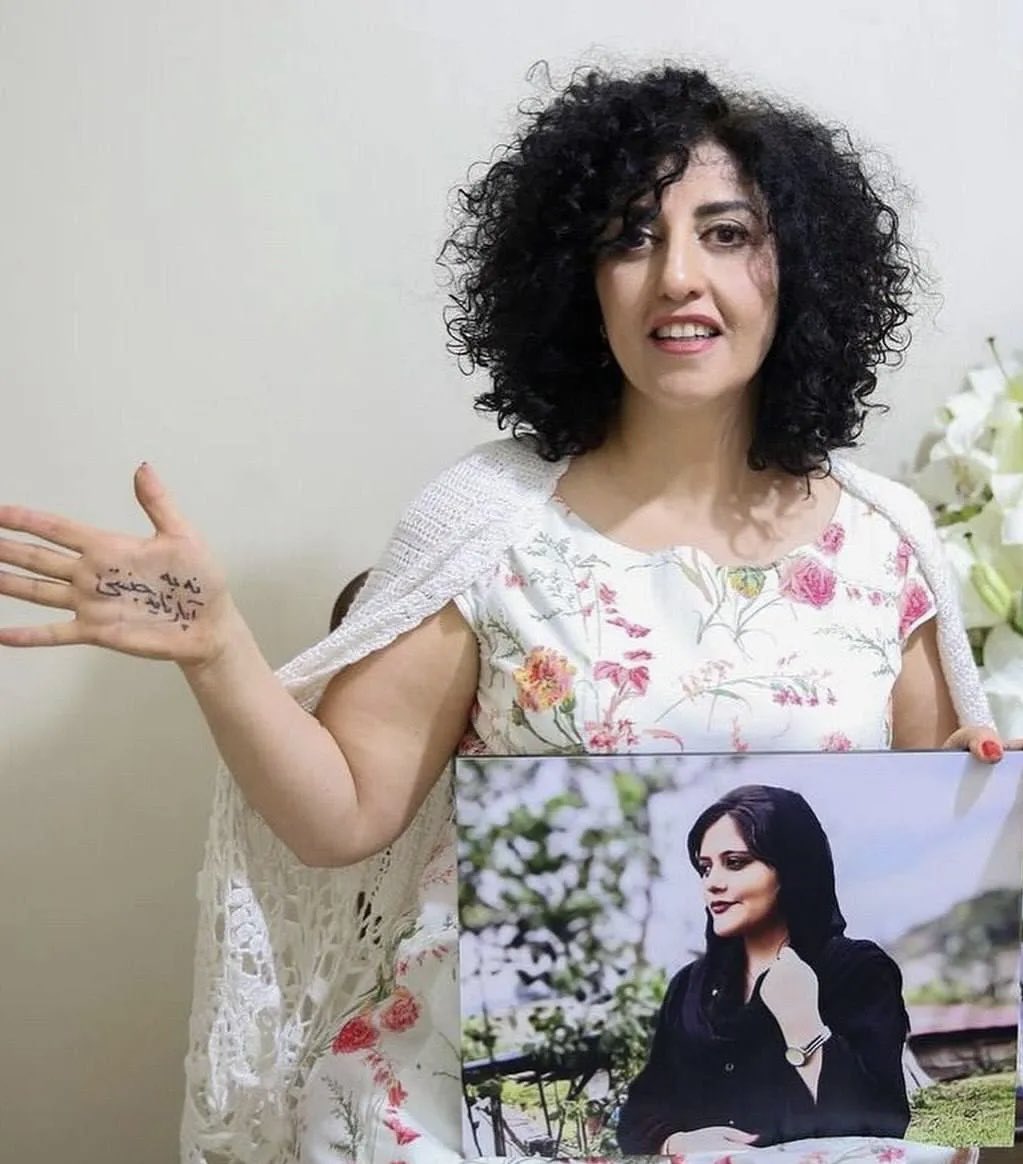
The Iranian regime wants to kill Narges Mohammadi because they are afraid of the voice of opposition from inside the country.
She is a a Nobel Peace Prize winner, a symbol of courage and peace. But the regime targeting her is the very opposite: one of the greatest enemies of peace.
For years, from inside Evin Prison, she has exposed the regime’s abuse of women and political prisoners. They could not silence her words, so now they are trying to break her body.
What we are witnessing is is a deliberate strategy. Denying her urgent medical care is a slow execution designed to eliminate one of the powerful voices of resistance inside Iran.
If anything happens to Narges, the responsibility lies directly with the Islamic Republic.
The world knows her name. The world knows what is happening.
Now the world must act.
Transfer her to independent doctors immediately.
Release her unconditionally.
Because when you stay silent, you stand with the jailer, not the prisoner.
154
1,494
3,061
164,255
That Dude in Mexico retweeted
“Don’t ignore this. I don’t want to be killed. Don’t pass by the word ‘execution’ so easily, this may be the last time you hear my voice.”
And it was. No one listened.
Naser was only 25-year-old. Last week, one morning, right after the call to prayer, the interrogator, called his name, walked him to the gallows, kicked the chair, and that was it.
And we, the enlightened global community, did what we do best: we watched… we scrolled… and we moved on.
He is the fourth Kurdish prisoner to have received a death sentence for alleged espionage for Israel in recent days.
86
2,340
4,889
52,188
That Dude in Mexico retweeted

May 2
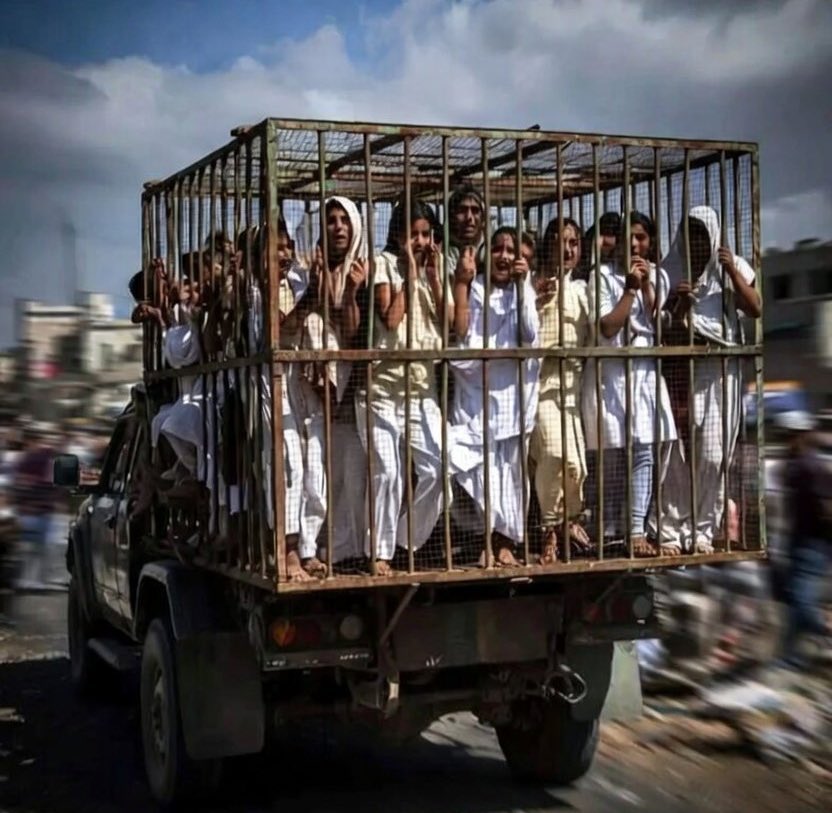
They are allowed to burn 19 Yazidi girls but I’m not allowed to talk about it because it is considered Islamophobia.
536
8,899
21,543
312,882
That Dude in Mexico retweeted

May 4
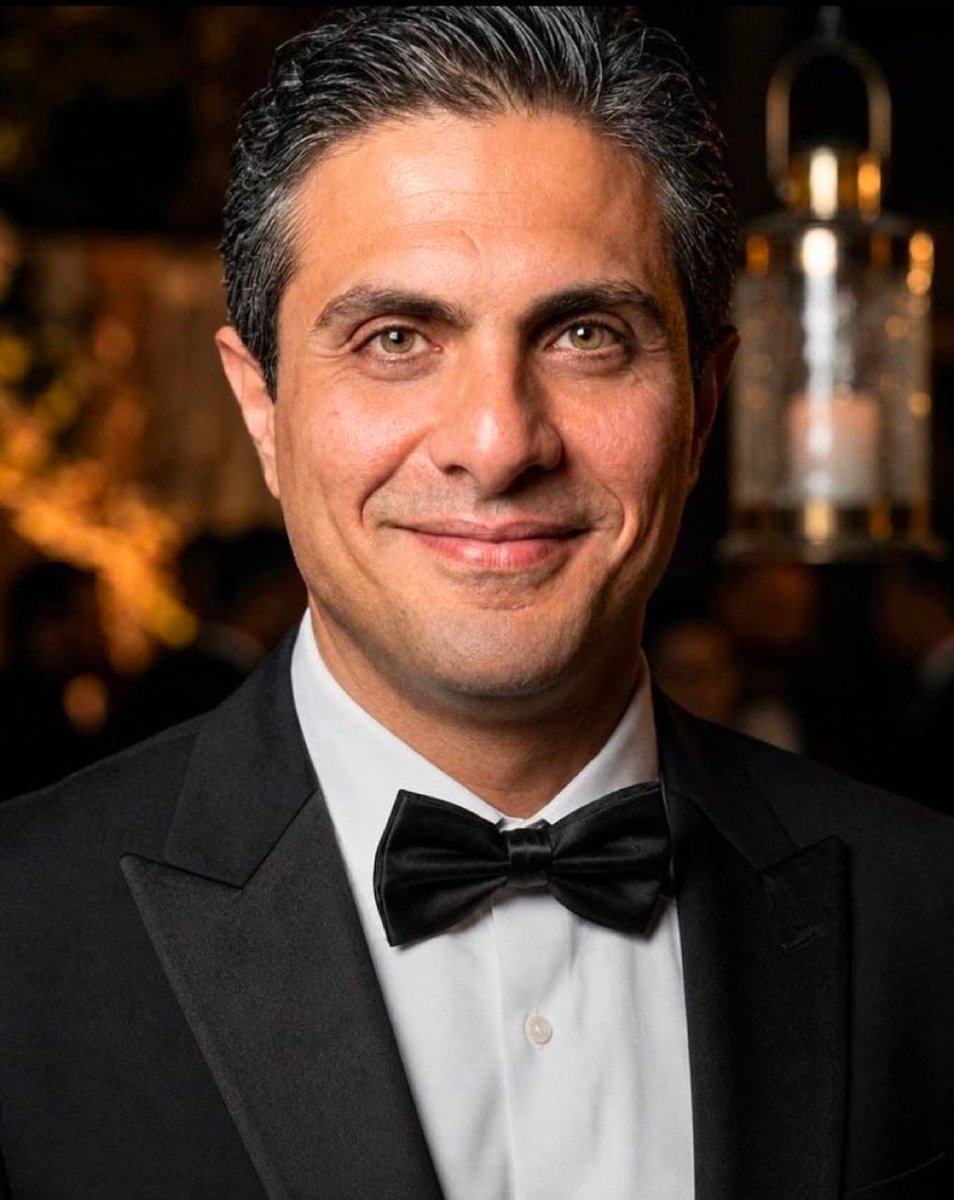
‼️ 40-year-old Hesam Alaedin, a father of young twin girls, was beaten to death in an Iranian jail after being accused of having a Starlink at home.
We must Free Iran! ☀️🦁
114
809
2,124
25,206
That Dude in Mexico retweeted
May 4
Dear Mr President @realDonaldTrump @POTUS
These two gentlemen have committed no crime. Their ‘crime’ is writing code that works too well.
Please, pardon Keonne Rodriguez and William Hill today!
change.org/billandkeonne
#PardonSamourai
8
26
627
That Dude in Mexico retweeted

DON’T LOOK AWAY!
Be her voice before it’s too late.
Ensieh Nejati from Darab & a mother to a 5 years old
She was arrested on January 10, 2026, by the Islamic regime security forces, still in prison & faces death penalty.
@POTUS @marklevinshow @FoxNews @nytimes
#KingRezaPahlaviForIran
#DigitalBlackOutIran

65
956
1,306
13,933
That Dude in Mexico retweeted

Apr 28
An Iranian 🇮🇷 woman: "Islam is not our religion in Iran. Islam was forced on us through torture, killing, beheading, raping, and enslaving Iranians to become Muslims. Iranians, Persians, were actually Zoroastrians."
This needs to be shared every single day.
317
5,367
12,956
116,781
That Dude in Mexico retweeted

Apr 27
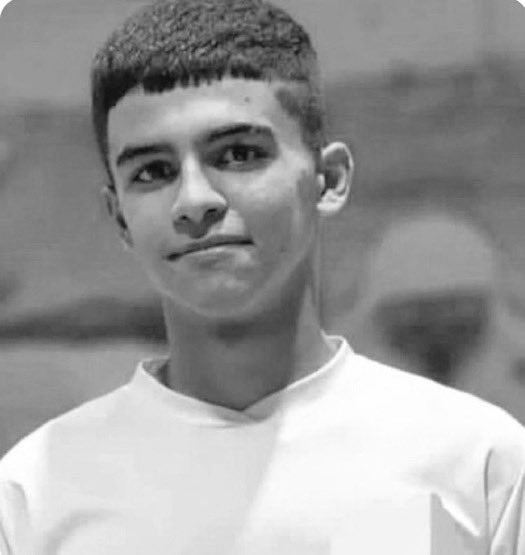
🔴DON’T LOOK AWAY
This is Shayan Hadian. He is 17.
A swimmer.
A boxer.
The Islamic regime arrested him after the January protests and forced him to confess he “led the January protests.”
Now they plan to hang him.
He is just a kid.
Share this before they kill him.
335
7,136
10,200
384,849
That Dude in Mexico retweeted

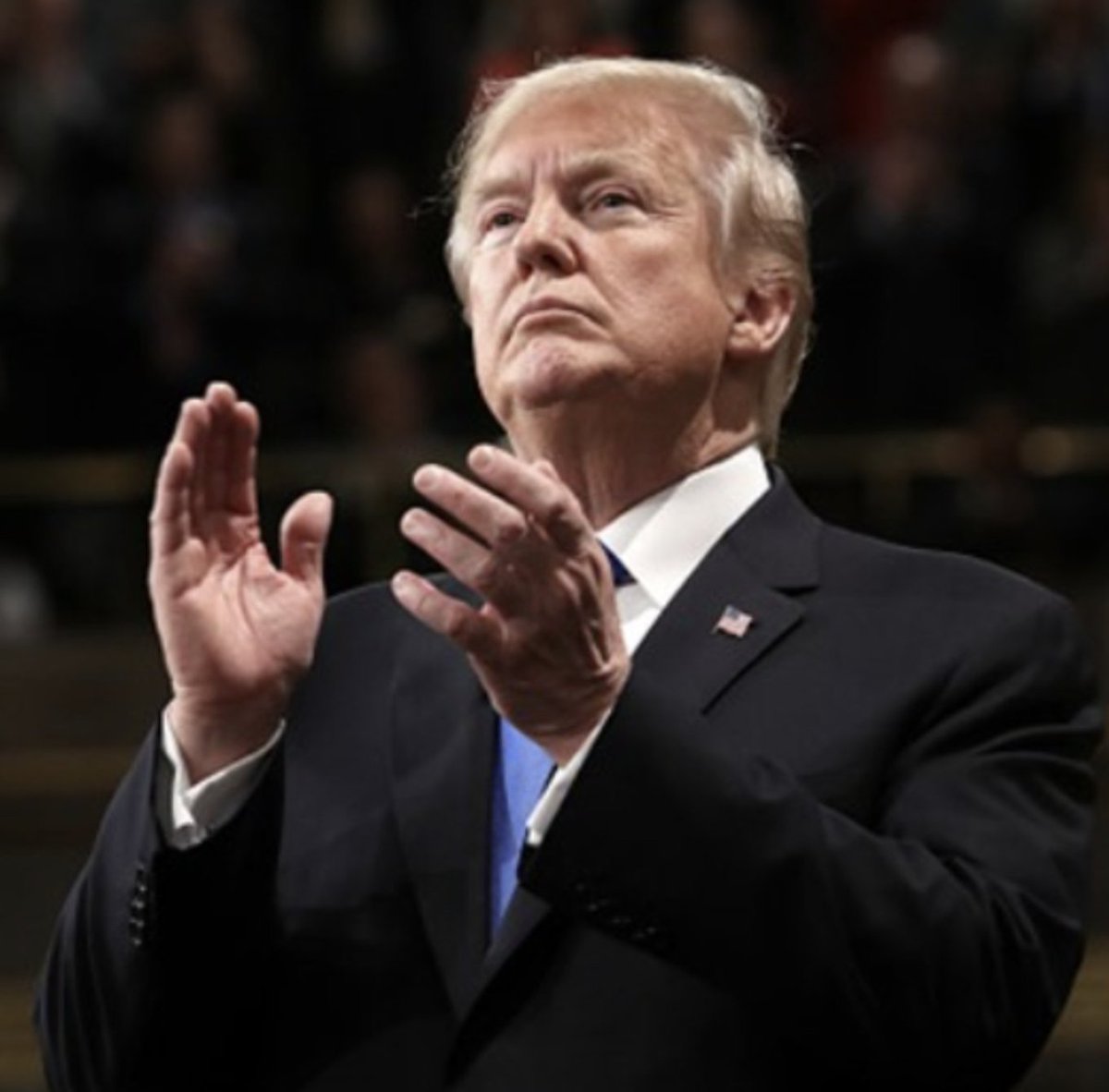
LIKE, IF PRESIDENT TRUMP SHOULD PARDON THE SAMOURAI #BITCOIN DEVELOPERS THIS WEEK
WRITING CODE IS NOT A CRIME 🔥

16
120
1,127
19,877
That Dude in Mexico retweeted

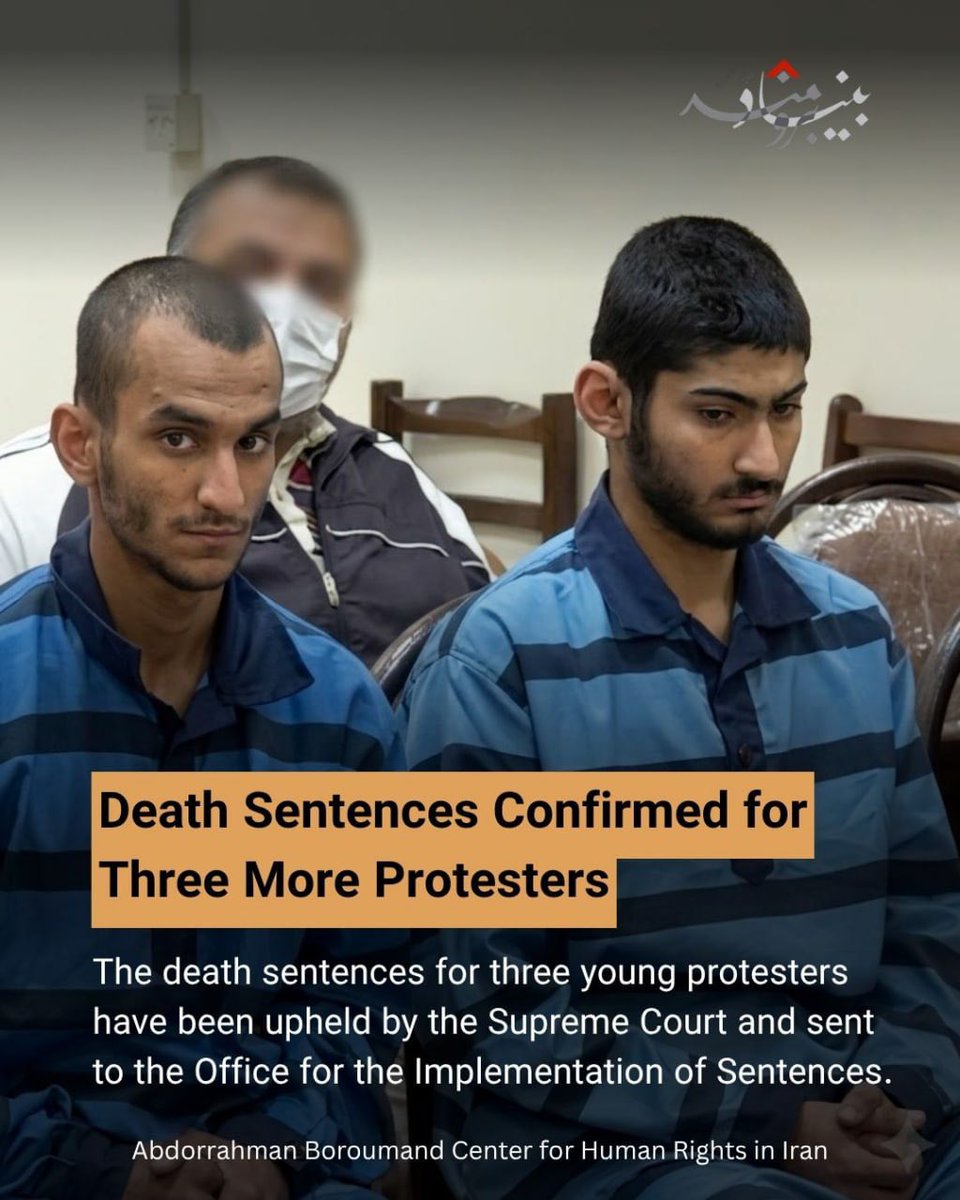
🔴Death Sentences Confirmed for Three More Protesters
The death sentences for three young protesters have been upheld by the Supreme Court and sent to the Office for the Implementation of Sentences.
🔸Mr. #EhsanHosseinipourHesarlou, Mr. #MatinMohammadi, and Mr. #ErfanAmiri were arrested after being accused of setting the Seyyed al-Shohada Mosque on fire in Pakdasht. The charges against them include "acting against national security," "assembly and collusion against state security," "participation in the murder of two individuals," "arson of a mosque," and "destruction of public property” – which carry the death penalty.
7
44
64
3,239

That Dude in Mexico retweeted

Apr 22
Among the eight women whose images were shared in President Trump’s message, I was able to confirm one documented case with a death sentence, Bita Hemmati. But she was not alone they sent her husband to death as well.
We are now hearing from @realDonaldTrump that the Iranian regime may not carry out her execution. If that is true, it shows something important: pressure works.
There are many more women and men on death row in Iran whose names are not being raised, whose stories are not being told.
#StopExecutionsInIran
56
886
3,479
103,967
That Dude in Mexico retweeted
Mar 24
My heart broke when I just watched the forced confession of this young boy on Iran’s state TV.
They tell him: “You are Mohareb.”
He asks: “What does that mean?”
He was so young, he didn’t understand that it means one thing in Islamic Republic:
execution
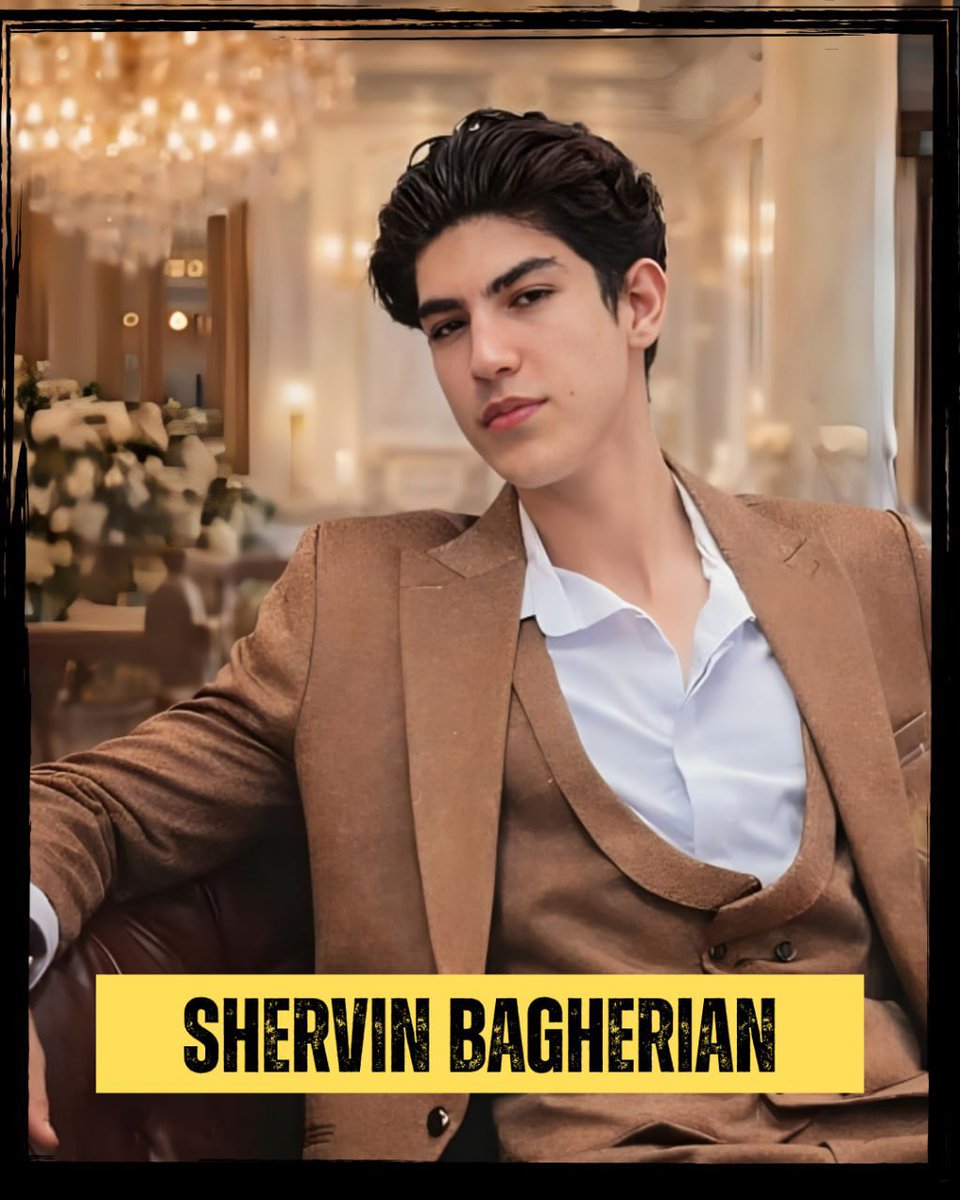
A 17-year-old boy, Shervin Bagherian, was arrested in Iran’s recent protest. Now in the middle of a war they are preparing to execute him.
His only crime was wanting a normal life. There is still time to speak up. Will you stand with me and be his voice before it’s too late?
#StopExecutionsInIran
Mar 24

They want to hang them in Iran for protesting. Will you stand with us and be their voice?
In the middle of war the regime in iran hanged a19 year old wrestler, and now they are pushing forward more death sentences against those arrested during the uprising.
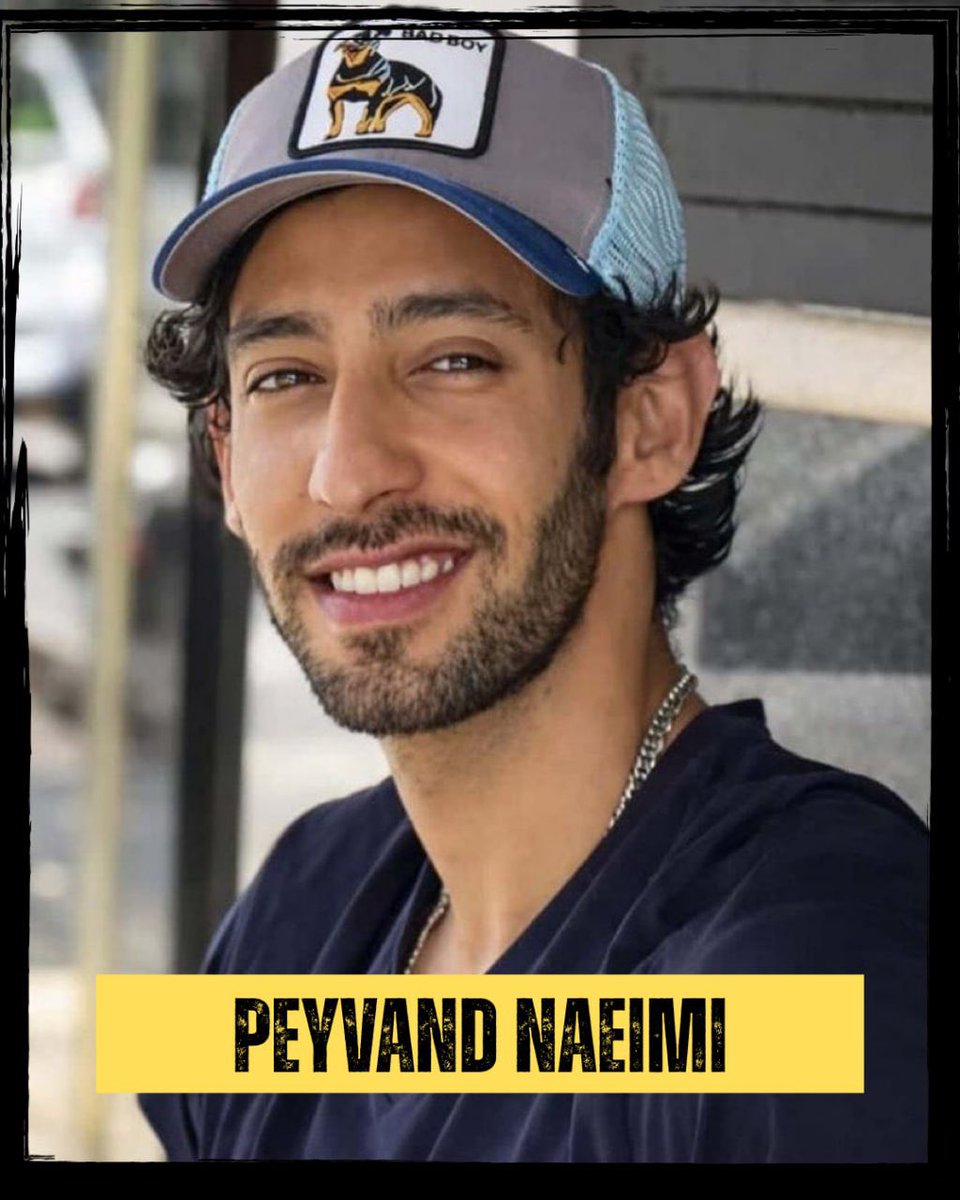
This young Baha’i man in Iran, Peyvand Naeimi, is facing execution after being tortured, interrogated, and put through two mock hangings.
Two times they walked him to death. Two times they made him believe it was over. Then they brought him back just to break him further.
He was arrested during protests for demanding change. Best friends and family are worried for his conditions in prison.
Please be join me and be his voice before it’s too late.
#StopExecutionsInIran
💔
407
6,699
14,699
703,500
That Dude in Mexico retweeted

Apr 22
😂

15
12
390
21,878
That Dude in Mexico retweeted
Apr 21
Today, right after the call of “Allahu Akbar” at dawn, the regime in Iran, placed a noose around this young man’s neck and kicked the chair from under his feet, so he would struggle, suffocate, and die.
Yes this is happening in 21st century. They executed him because he went to protest with empty hands and said he wanted freedom.
His name is Amirali Mirjafari.
He was only 22 years old.
They called him a “leader” of the protests.
But they never said when he was arrested, how he was tortured, or how he was tried.
Because everything was done in silence, a silence enforced by threats against his family.
They imprisoned him in silence.
They tortured him in silence.
They tried him in silence.
And they executed him in silence.
Dozens of protesters have been executed the same way.
Yet many political leaders in the West, who suddenly worry about “international law”, after a military strike against Ali Khamenei and members of IRGC have not said a single word about these barbaric killings.
Why?
Why is there silence when young civilians are hanged for demanding freedom?

1,836
20,257
38,614
1,202,465


Apr 19
RT @BabakTaghvaee1: The Islamic regime of Iran, now run by the IRGC terrorist organization, has accelerated the execution of political pris…
3,801