
Artisan programming.
Joined May 2023
- Tweets 298
- Following 219
- Followers 30
- Likes 3,379
22 Photos and videos
Bastiaan Veelo retweeted

Feb 19
There's a #dlang Symposium happening at Yale April 11 and 12. One day of talks, one day of hacking. The speaker list is now up on the site: dlangsymposium.com/
4
7
543
Bastiaan Veelo retweeted

22 Nov 2025
Tesla has been working hard toward shipping Full Self-Driving (Supervised) in Europe for over 12 months now. We have given FSD demos to regulators of almost every EU country. We have requested early access, pilot release programs or exemptions where possible.
We have developed & shared detailed safety evidence for FSD, now public in our latest Safety Report. And we have driven over 1 million kilometers safely on EU roads across 17 different countries (internal testing).
Our main path to success is partnering with the Dutch approval authority RDW to gain exemption for the feature. This involves proving compliance with existing regulations (UN-R-171 DCAS) filing an exemption (EU Article 39) for yet-to-be-regulated behaviors like Level 2 systems off-highway, system-initiated lane changes with hands-off the wheel etc.
Some of these regulations are outdated and rules-based, which makes FSD illegal in its current form. Changing FSD to be compliant with these rules would make it unsafe and unusable in many cases. While we have changed FSD to be maximally compliant where it is logical and reasonable, we won't sacrifice the safety of a proven system or materially deteriorate customer usability.
As a result, we are gathering evidence to get exemptions on a specific rule-by-rule basis. Unfortunately, the real world fleet-proven safety wins alone are considered insufficient.
Currently, RDW has committed to granting Netherlands National approval in February 2026. Please contact them via link below to express your excitement & thank them for making this happen as soon as possible. Upon NL National approval, other EU countries can immediately recognize the exemption and also allow rollout within their country. Then we will bring it to a TCMV vote for official EU-wide approval.
We're excited to bring FSD to our owners in Europe soon!
rdw.nl/en/contact/our-contac…
818
1,842
10,356
4,144,556
Bastiaan Veelo retweeted

9 Nov 2025
If you want to make C code safe, consider D instead of Rust. D has a much better migration path from C than Rust, as you can do it gradually. Most C can just be included as is. Then you can move individual functions from C to D, with minimal changes - often none at all. That alone gives you array bounds checking, which eliminates the most common cause of memory bugs. You can integrate unit tests that check feature completeness and against regressions. You can gradually start using the optional garbage collector, which eliminates another common type of memory bugs. You can mark portions of code `@safe` and have the compiler check against unsafe memory operations, thus limiting the cross section that requires extra scrutiny. You can use the new `@life` for (still limited) pointer lifetime and borrow checking.
And all this can be done as slowly and meticulously as necessary, and without reduction in platform support; D has been integrated in GCC since 2019.
The only thing that D lacks is a code of conduct.
1
4
167
26 Oct 2025
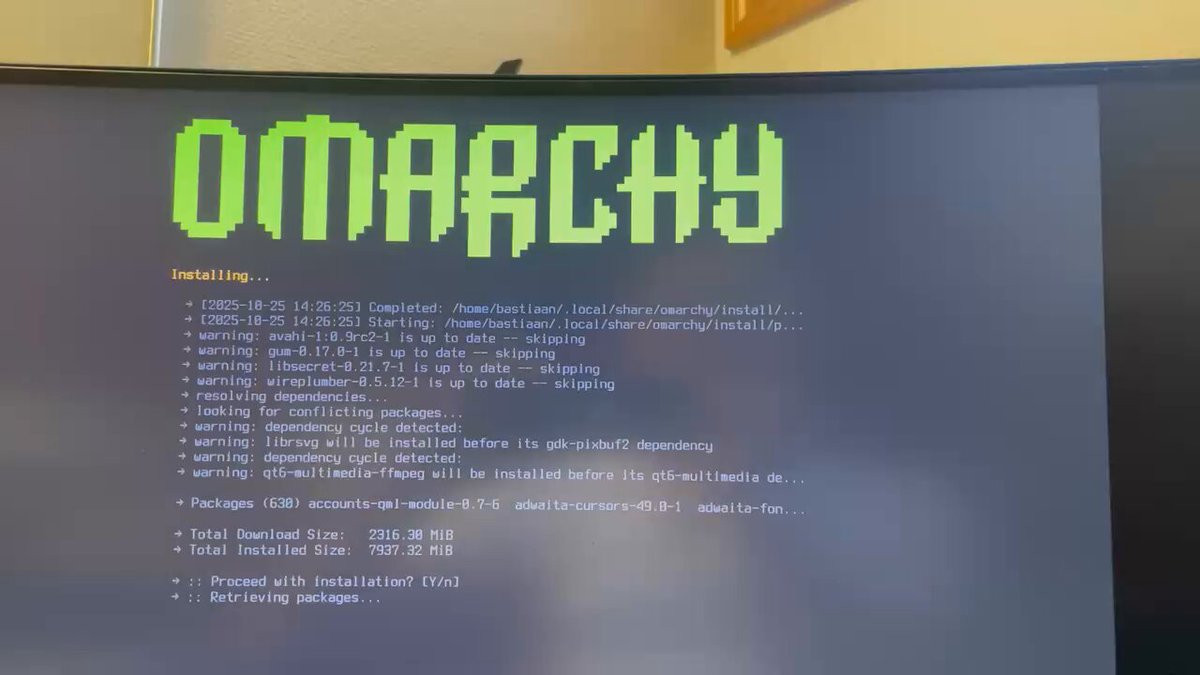
“Dinner is ready!”
“I’ll be right there, just quickly installing a new OS!”
@dhh
3
2
120
5,309
27 Oct 2025
I didn’t pay attention to the port I plugged the USB drive into, good chance it didn’t have the highest bandwidth.
1
35
25 Oct 2025
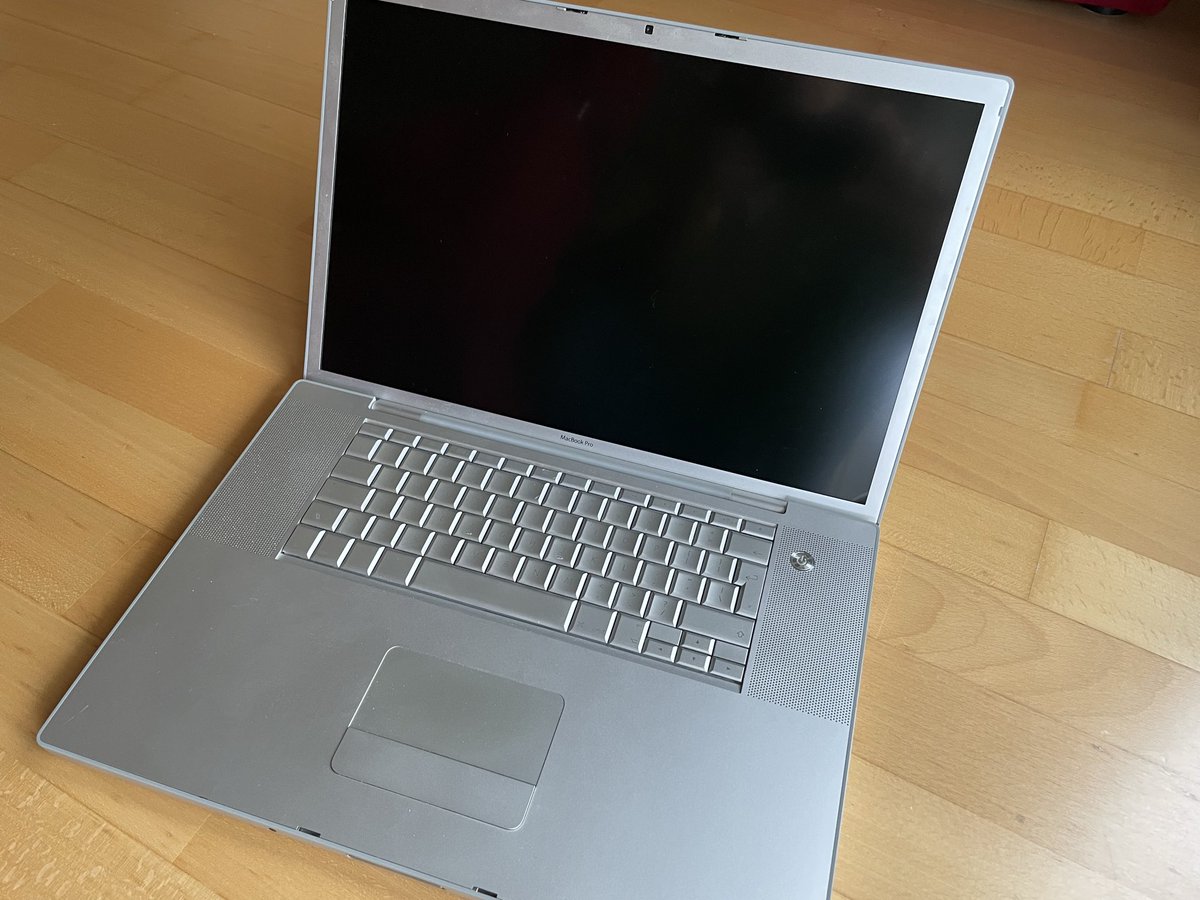
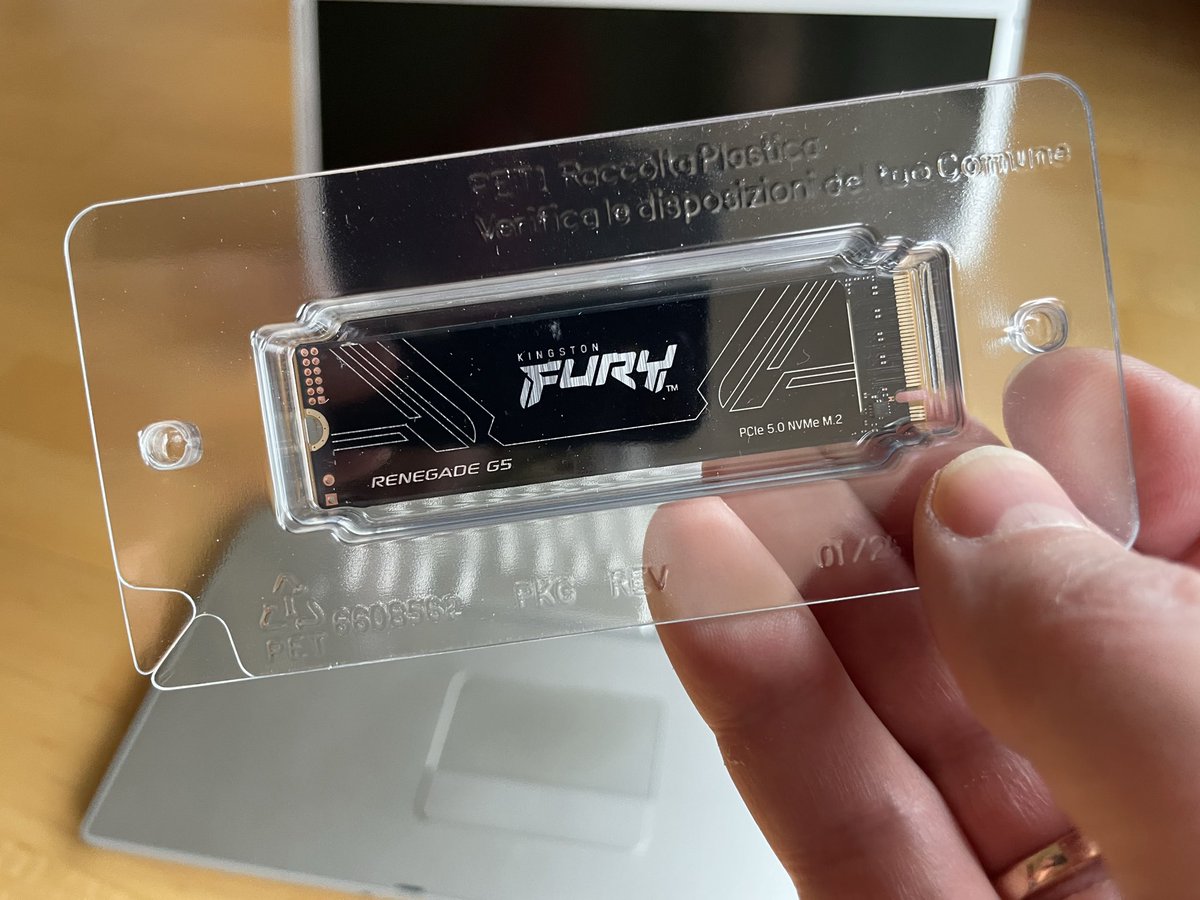
15 years ago, I abandoned Linux for the MacBook 17”. Then came Windows 10, and it was tolerable. Now the stars align and I am ready to return to Linux!
1
71

D is a programming language that has ALL the features. It has GC, it has Templates, it has Borrow Checker, it has Lazy Evaluation, it has Coroutines. Literally any unique Language feature you got in mind it probably has it. Does anybody know what it doesn't have?
357
43
1,470
166,335
Bastiaan Veelo retweeted

28 Feb 2025
Trump: “You don’t have strong cards.”
Zelensky: “I didn’t come here to play cards.”
🗿
2,139
20,461
277,308
6,336,649
15 Feb 2025
Wow!
I was asked to keep this confidential youtu.be/shFUDPqVmTg?si=9Phq… via @YouTube
54
16 Sep 2024
Live feeds for Tuesday, Wednesday and Thursday can be found on youtube.com/@thedlanguagefou….
66
Bastiaan Veelo retweeted
2 Jul 2024
Thanks to @SymmetryInvest, the Symmetry Autumn of Code 2024 (#SAOC) is kicking off in September. We are now accepting applications. Get paid to contribute to the #dlang ecosystem!
saoc.io
2
3
526
Bastiaan Veelo retweeted

2 Jul 2024
As we port things, we keep everything building, and I test with the examples. Already found one bug in raylib that was caught with array bounds checking that D uses! github.com/raysan5/raylib/is…
1
1
2
92
Bastiaan Veelo retweeted
16 Jun 2024
Early-bird registration for #DConf '24 was supposed to end on June 18th, but thanks to support from @weka, we're able to lock in the early-bird registration rate all the way to the start of the conference. Thanks WEKA!
dconf.org/2024/index.html
3
15
791
Bastiaan Veelo retweeted
4 Jun 2024
The #DConf '24 schedule is live! The last day of early-bird registration is June 17. See you in London!
dconf.org/2024/index.html
3
8
675
Bastiaan Veelo retweeted

11 May 2024
It's sad how good technologies are not even being recognised. D is the most optimal systems programming language.
2
1
90

Bastiaan Veelo retweeted
26 Mar 2024
Early-bird registration for #DConf '24 is open! We're in London September 17-20. General registration opens on June 18. We're taking submissions until May 17. Find the details at dconf.org/2024/. See you in London!
2
4
555