A nonpartisan public policy institute @RiceUniversity. Ranked the No. 1 university-affiliated think tank in the world.
Joined July 2009
- Tweets 19,293
- Following 764
- Followers 18,076
- Likes 2,398
3,059 Photos and videos

Jun 11
What is sportswashing? A new report by Vedant Khadiya & Kristian Coates Ulrichsen examines how the concept is framed across academic & media discourses & explores its role as a potential tool of soft power. bit.ly/4eh4CNw
#SportsPolitics #SportsDiplomacy#ForeignPolicy
4
2
492
Jun 10
Could Social Security benefits face cuts in the next decade?
In a new piece for @ConversationUS, @jw_diamond explains how demographic change, lower immigration, rising debt, & fiscalpressures are narrowing the options for reform. bit.ly/4vDY3LV
#SocialSecurity #Retirement#Economics #PublicFinance
3
1
193
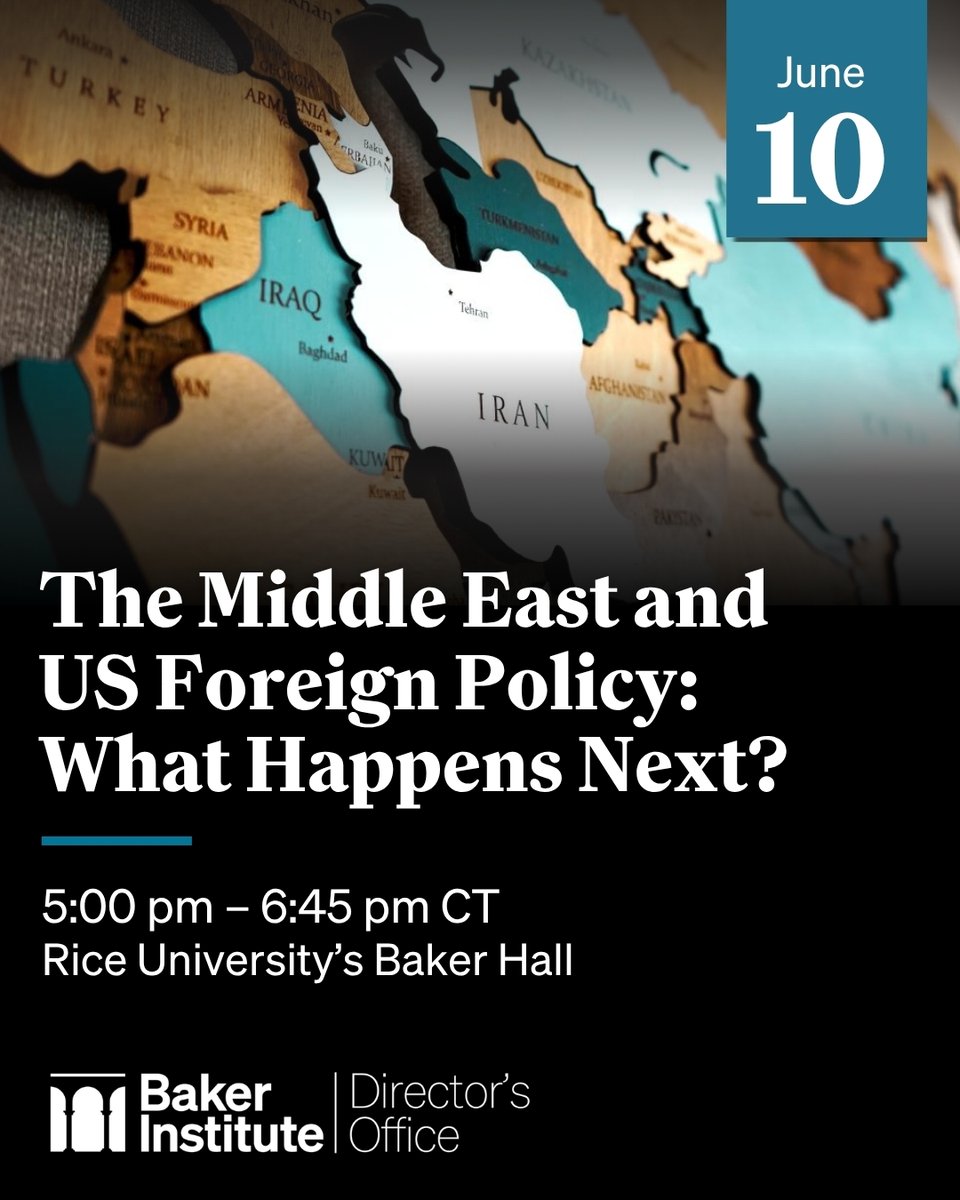
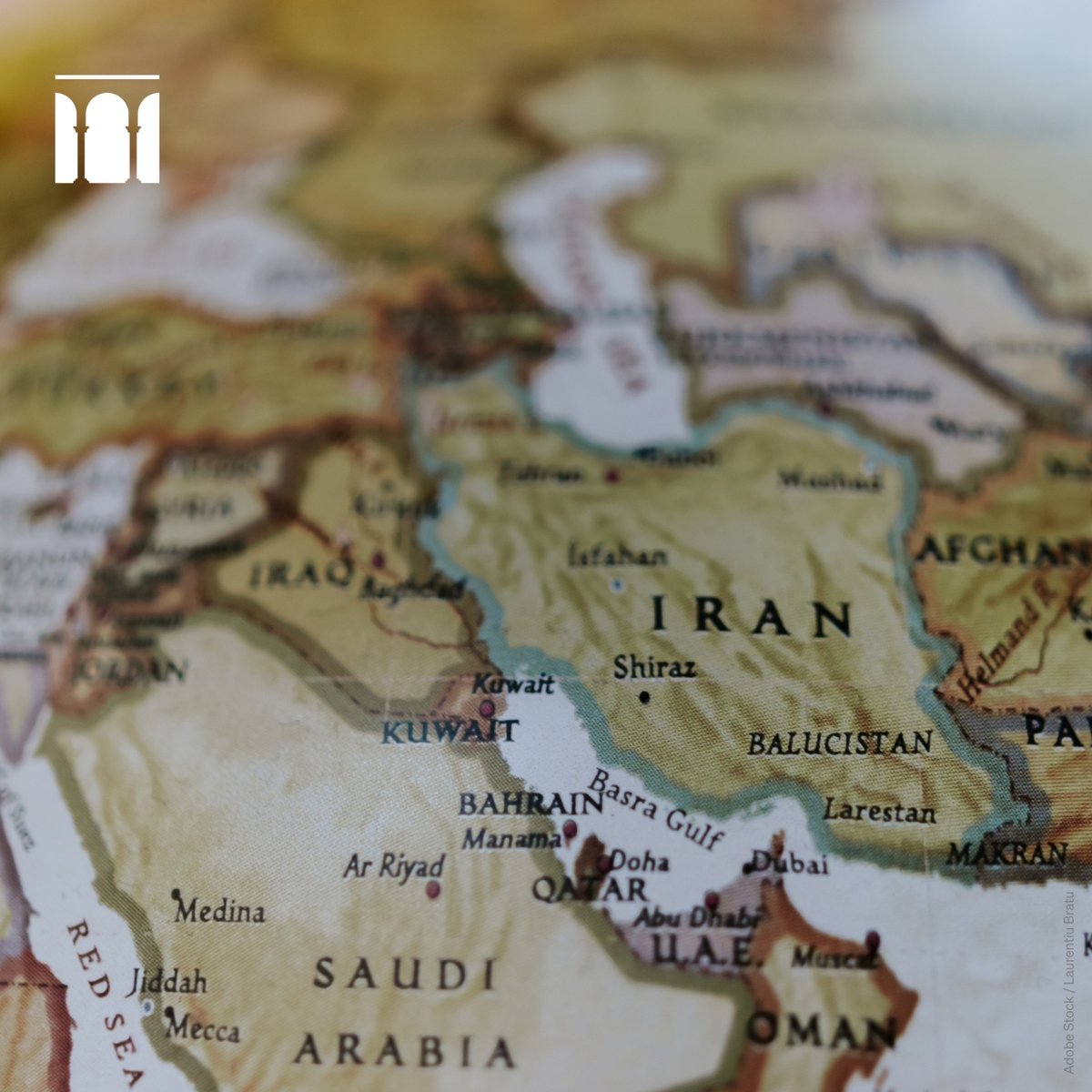
🌐 Happening This Week: “The Middle East and U.S. Foreign Policy: What Happens Next?”
Join Aaron Miller and Daniel Kurtzer this Wednesday for a discussion on the future of U.S. leadership in the Middle East and the challenges shaping policy across the region. Moderated by Baker Institute Director David Satterfield. bit.ly/3QWaPqa
1
3
234
🎙️ Why does health insurance cost thousands more for some people, even in the same state and in similar jobs?
A new Baker Institute study of Texas universities helps explain what’s driving these gaps in U.S. healthcare costs.
🎧 New episode of Baker Briefing:bit.ly/4e5xkkk
3
2
319
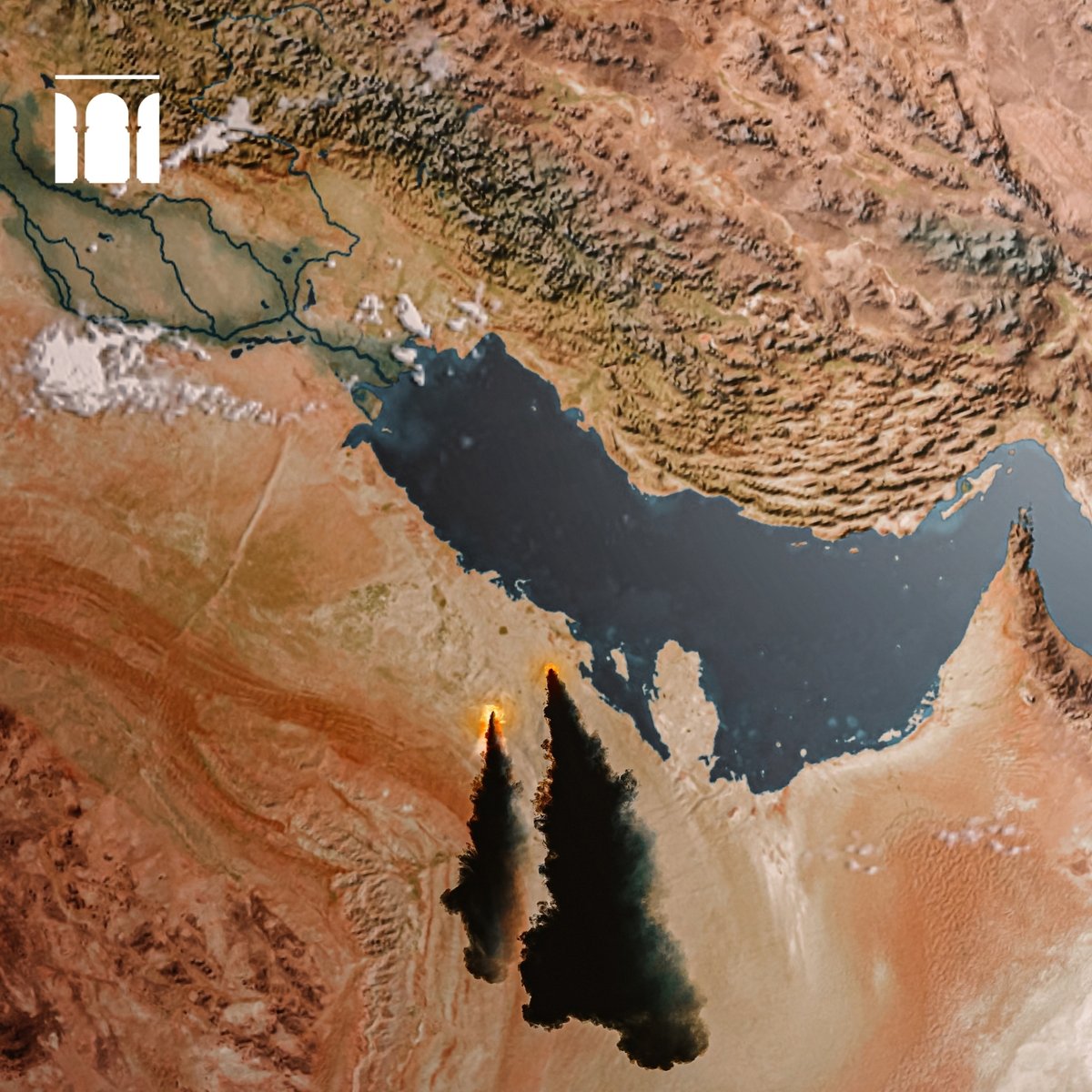
Why might Iran prefer conflict to diplomacy?
In @ForeignAffairs, BIPP Fellow Mohammad Ayatollahi Tabaar examines Tehran’s evolving strategic calculus and argues that Iran increasingly views prolonged confrontation as a source of leverage and influence.
Read: bit.ly/43aFH9e
1
2
2
289
Predictability is essential for investment & supply chains, yet the 2026 #USMCA review faces major hurdles.
In a new commentary, @BakerInstMexico’sDavid A. Gantz examines how U.S. trade priorities, policy volatility, & institutional erosion undermine regional stability.
bit.ly/3Q0sbSp
165
More than half of U.S. critical minerals aren’t mined directly. So why is supply still difficult to scale?
A new working paper by @ashzforbes shows how byproduct recovery economics shape mineral supply, investment incentives, & financing gaps — revealing why federal policy often misaligns with geological realities. bit.ly/4veoPdE
#CriticalMinerals #Mining #SupplyChains
217
May 29
Is the AI boom hiding the real impact of U.S. tariffs?
New research by @Baker_CTAB's @jw_diamond shows how AI infrastructure investment is inflating import totals even as traditional manufacturing sectors weaken. bit.ly/49pPUCi
#TradePolicy #AI #Economics #Manufacturing
1
1
222
May 27
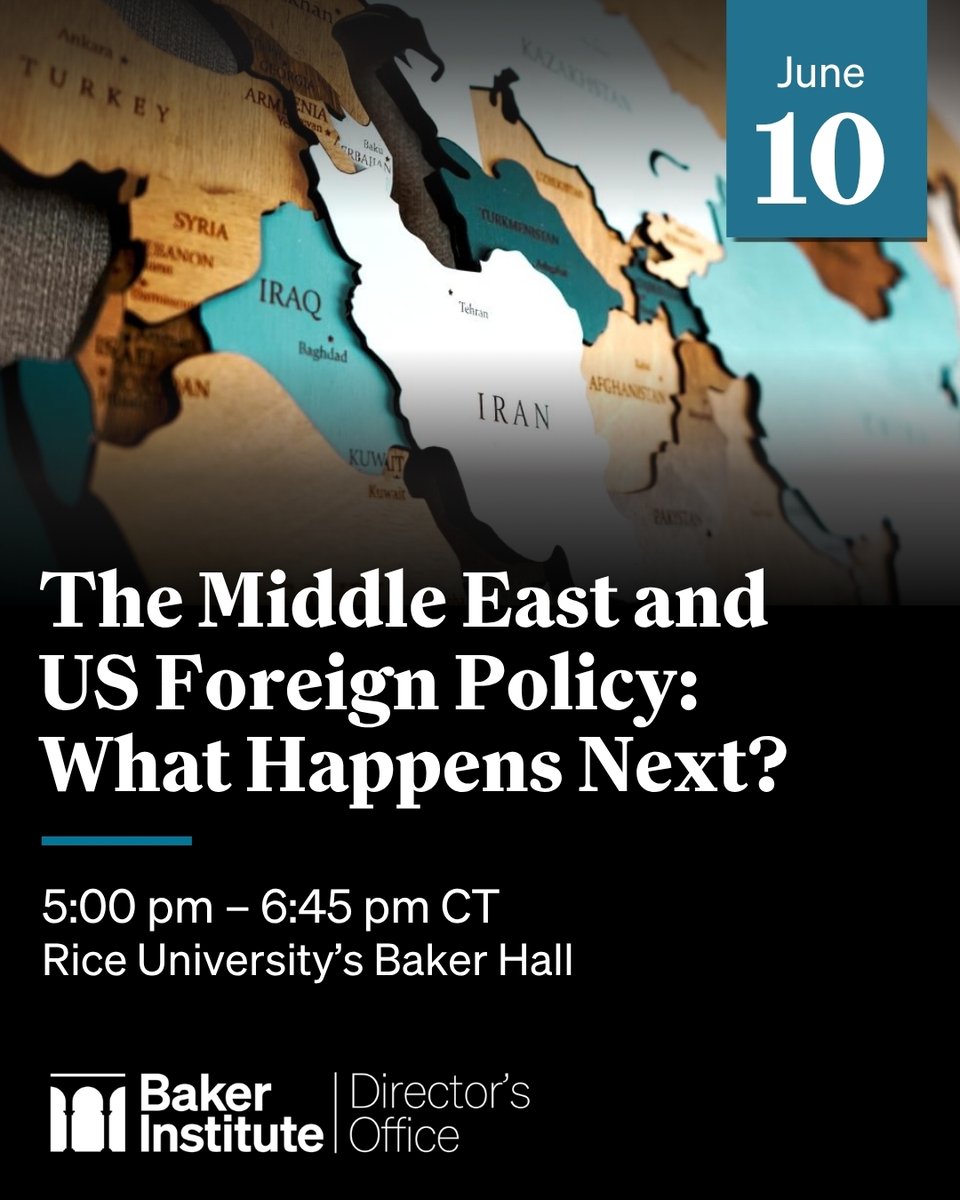
On June 10, join Aaron Miller (@aarondmiller2) and Daniel Kurtzer (@DanKurtzer) for a discussion on the future of U.S. leadership in the Middle East and the challenges shaping U.S. policy across the region, from Gaza and Lebanon to Iran. Moderated by Baker Institute Director David Satterfield.
Register today: bit.ly/3QWaPqa
1
3
208
May 20
Why do family health insurance premiums vary by as much as $25k within the same industry? 💸
A new Baker Institute Health Economics Program report examines insurance cost disparities across Texas universities & explores how plan design & transparency may improve affordability. bit.ly/4upVBbK
#HealthPolicy #Insurance #HigherEd
1
1
4
307
May 20
Civilian support can help legitimize military coups, but those alliances often don’t last.
In a new piece for @POMEPS, our postdoctoral research associate @SalahBHPoliSci explores “post-coup buyer’s remorse,” a pattern in which civilian supporters are later sidelined or repressed once juntas consolidate power.
Read his full analysis: bit.ly/43fBfWz
1
2
281
May 19
Last chance to register!
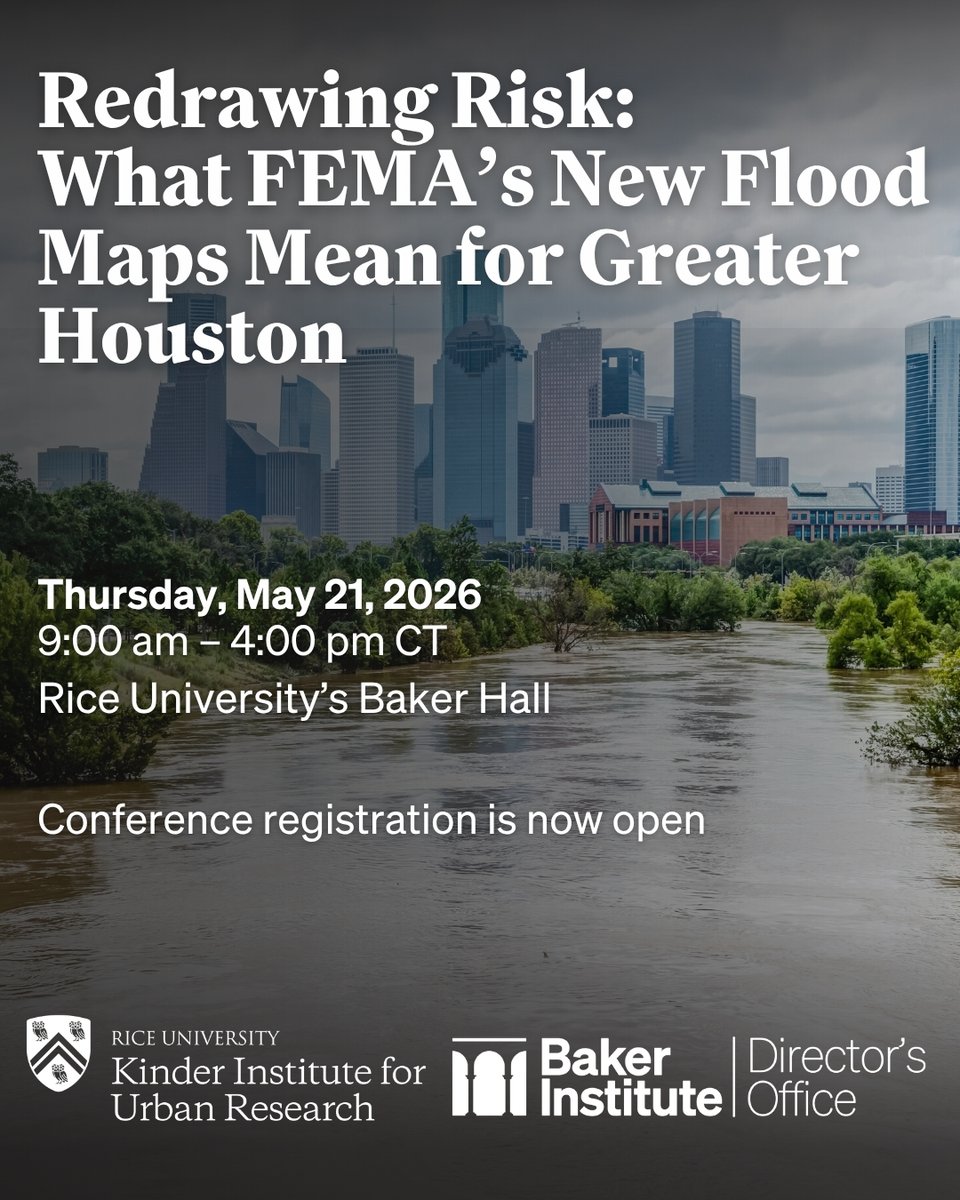
This Thursday: “Redrawing Risk,” a one-day conference on FEMA’s updated flood maps and what they mean for Greater Houston. In collaboration with @RiceKinderInst, this event is free & open to the public.
📅 May 21 | 9 am–4 pm
📍 Baker Hall
RSVP: bit.ly/4tt5mp2
1
3
4
1,979
May 19
How has U.S. health policy shifted in the second Trump administration’s first year?
A new brief from the Center for Health Policy examines how federal budget cuts are expected to affect insurance access, coverage, & care costs. bit.ly/42InpMo
#HealthPolicy #USHealthcare #PublicHealth
1
2
2
273
May 18
Why are military regimes in the Sahel becoming increasingly personalized?
In a new piece for @ConversationUS, @SalahBHPoliSci & coauthor Hiba Naciri examine how Mali’s General Assimi Goïta has consolidated authority following the killing of General Sadio Camara, & how similar patterns are emerging in Burkina Faso &Niger. bit.ly/42HFLwY
#Mali #Sahel #WestAfrica #MilitaryRule #Governance
3
6
767
May 18
How resilient is the global plastics system to geopolitical shocks?
@CES_Baker_Inst’s Rachel A. Meidl analyzes how Middle East conflict is exposing fragility in petrochemical supply chains & how circular carbon pathways may improve resilience through diversification & flexibility. bit.ly/4dBoN8v
#Plastics #SupplyChains #CircularEconomy #EnergySecurity #CarbonManagement
3
200
May 14
On April 20, the Trump administration invoked five Defense Production Act orders to expand energy infrastructure & supply. Gabe Arrington’s new brief examines how the orders frame energy as a national security priority & the uncertainties surrounding their scope. bit.ly/4dpTygm
#EnergySecurity #USPolicy #CriticalInfastructure
1
1
225
May 14
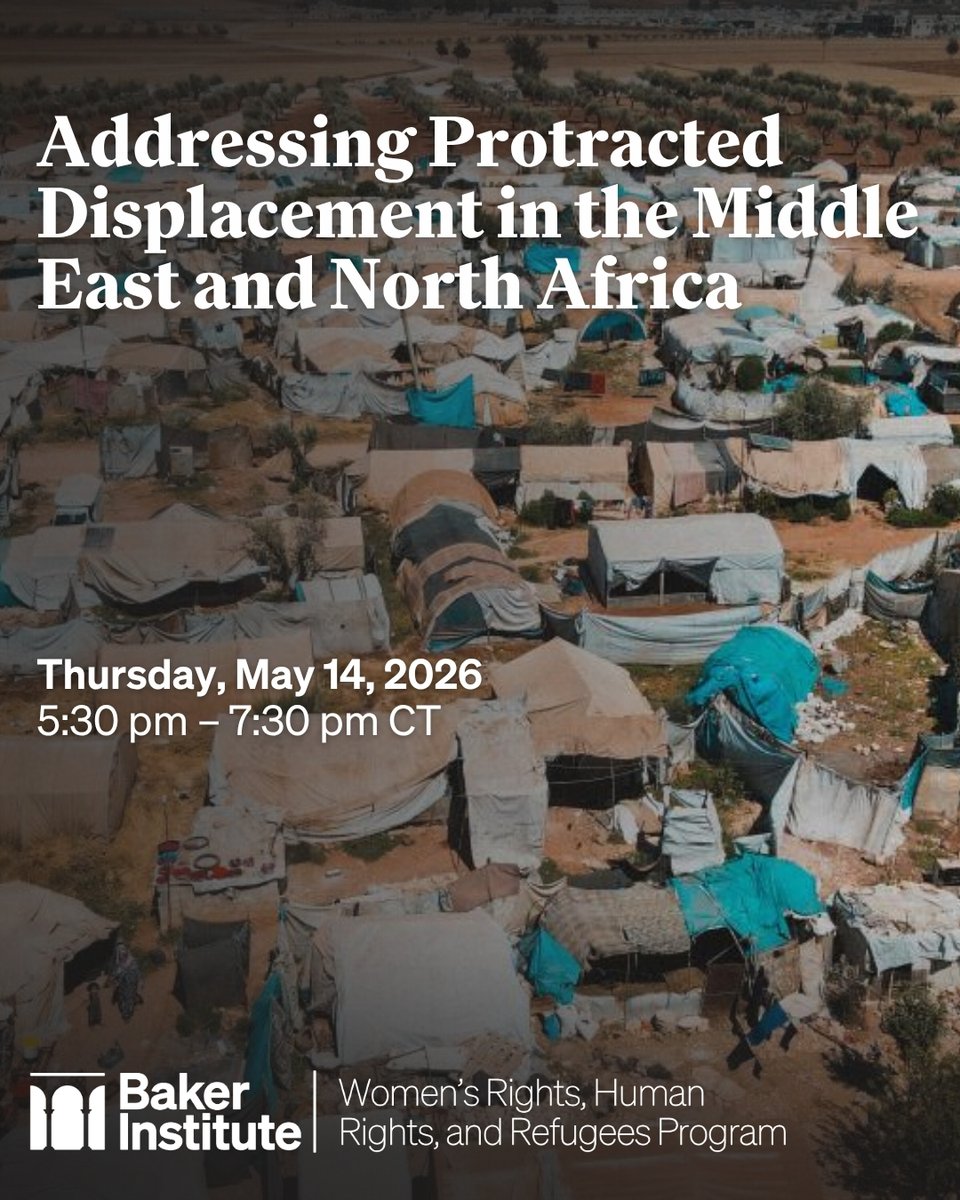
🌍 Protracted displacement in the MENA region is driven by political, security, & climate dynamics. This series spotlights innovative responses, offering lessons on governance, inclusion, & durable solutions.
Read more: bit.ly/3PBDwZ3
#MENA #Refugees #DisplacementPolicy #HumanitarianAid
1
1
219
May 13
How is U.S. competition with China reshaping Mexico’s economy? Alfonso Ortiz Brenner & @PayanTony examine rising geoeconomic pressures in a new brief & outline policy considerations to strengthen resilience & strategic autonomy. 🌎 📈 bit.ly/4dlGTuW
#Mexico #Geopolitics #TradePolicy
4
2
395
May 12
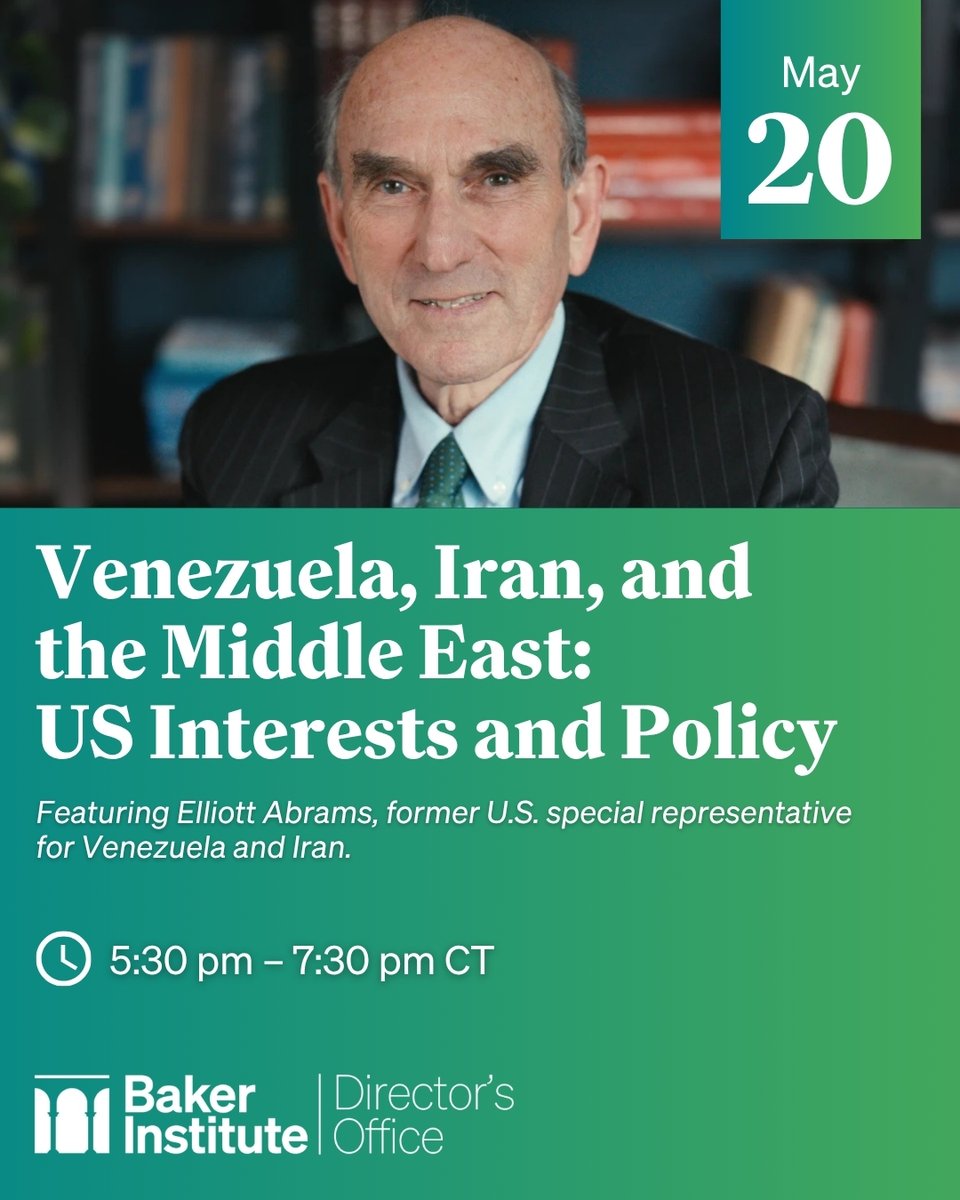
The U.S. faces rising instability across Venezuela, Iran, and the Middle East. How will its diplomacy adapt?
On May 20, join Elliott Abrams and David M. Satterfield as they will examine how evolving relationships across these regions are shaping U.S. diplomacy, security and economic priorities. Registration is now open: bit.ly/42wNFsO
#Event #Houston #Free
3
2
544
May 11
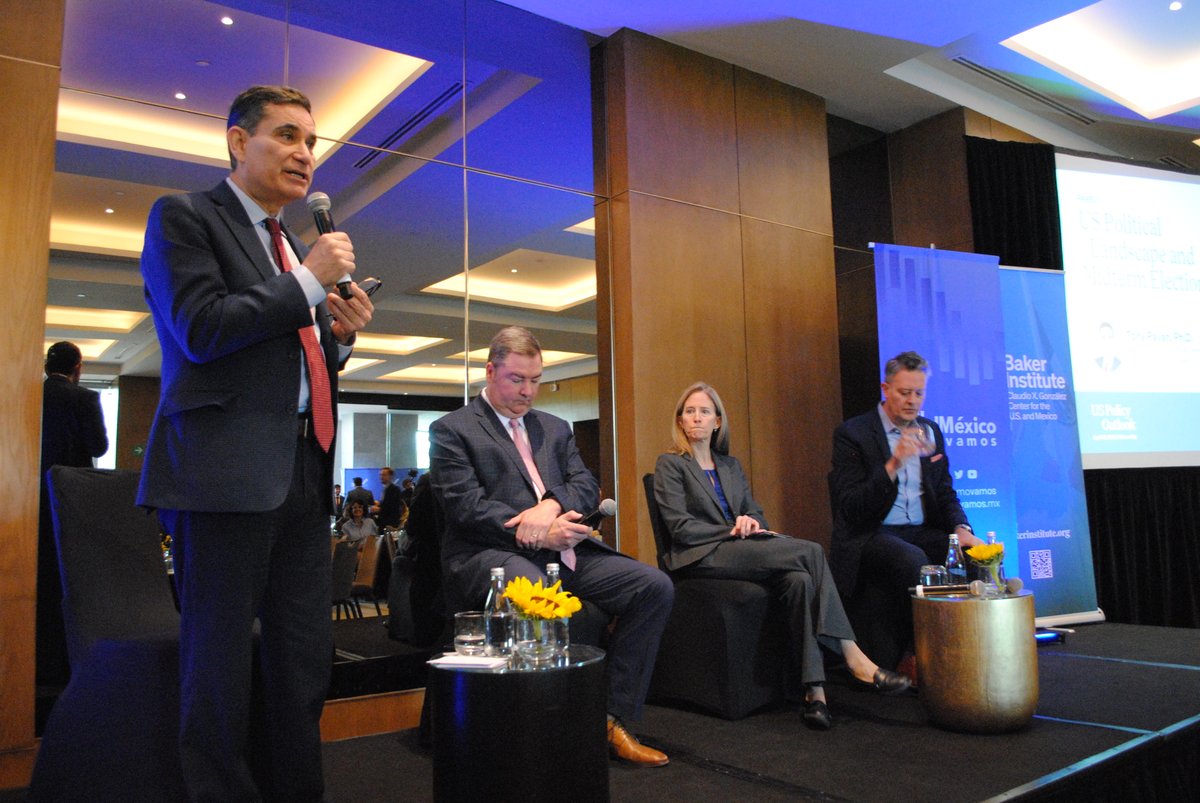
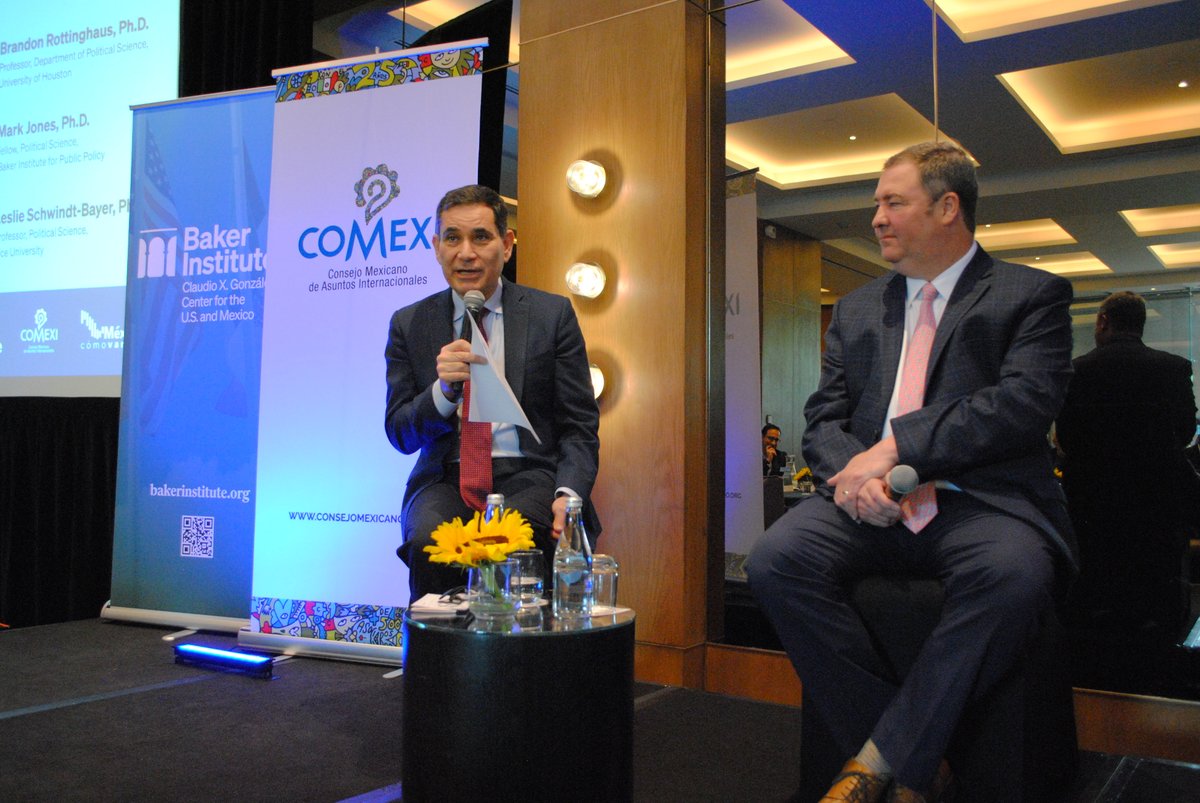
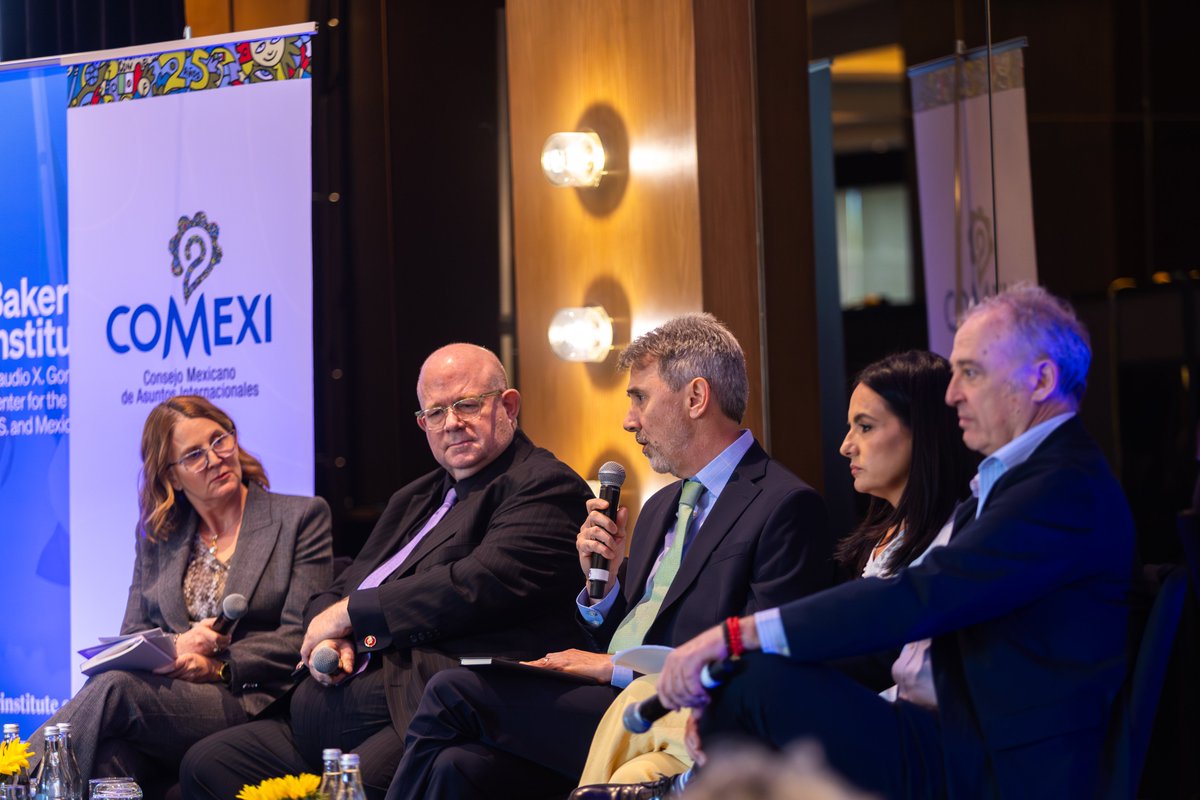
Mexico is closely watching evolving U.S. political dynamics, and the implications for the bilateral partnership are significant.
Baker Institute experts convened in Mexico City for the second annual U.S. Policy Outlook, examining how potential U.S. policy shifts could impact USMCA renegotiations, energy, immigration, and the growing importance of the Texas-Mexico relationship.
Learn more: bit.ly/429MOOz
1
285