Barmada lab @UMich. We study cellular mechanisms underlying ALS/FTD & RNA biology with focus on neurodegeneration. (group-run account)
Joined May 2020
- Tweets 61
- Following 46
- Followers 379
- Likes 53
3 Photos and videos

28 Apr 2023
New preprint from our and @BillDauerNeuro labs, also with @pappassa! @suminkim28 characterized neuronal NPC biogenesis and implicates mislocalized/delayed NPC assembly in DYT1 dystonia. See tweetorial below ⬇️
28 Apr 2023

Excited to share my thesis work!
Using super-resolution microscopy and a new HaloTag-Nup107 mouse line, we find that 1) NPC biogenesis is upregulated during neuronal maturation and that 2) torsinA is essential for normal localization and assembly kinetics of neuronal NPCs. (1/N)
1
8
1,382
11 Apr 2023
Our work on matrin3 is now out on PNAS: pnas.org/doi/10.1073/pnas.22…
Congratulations to all authors!
15 Apr 2022

Another preprint out from our lab! MATR3 abundance and RNA binding are regulated by neuronal activity, and pathological mutations disrupt activity mediated degradation of MATR3 via calpain1. This links activity dependent regulation of MATR3 and disease!
biorxiv.org/content/10.1101/…
2
5
30
6,879
Barmada Lab retweeted

15 Mar 2023
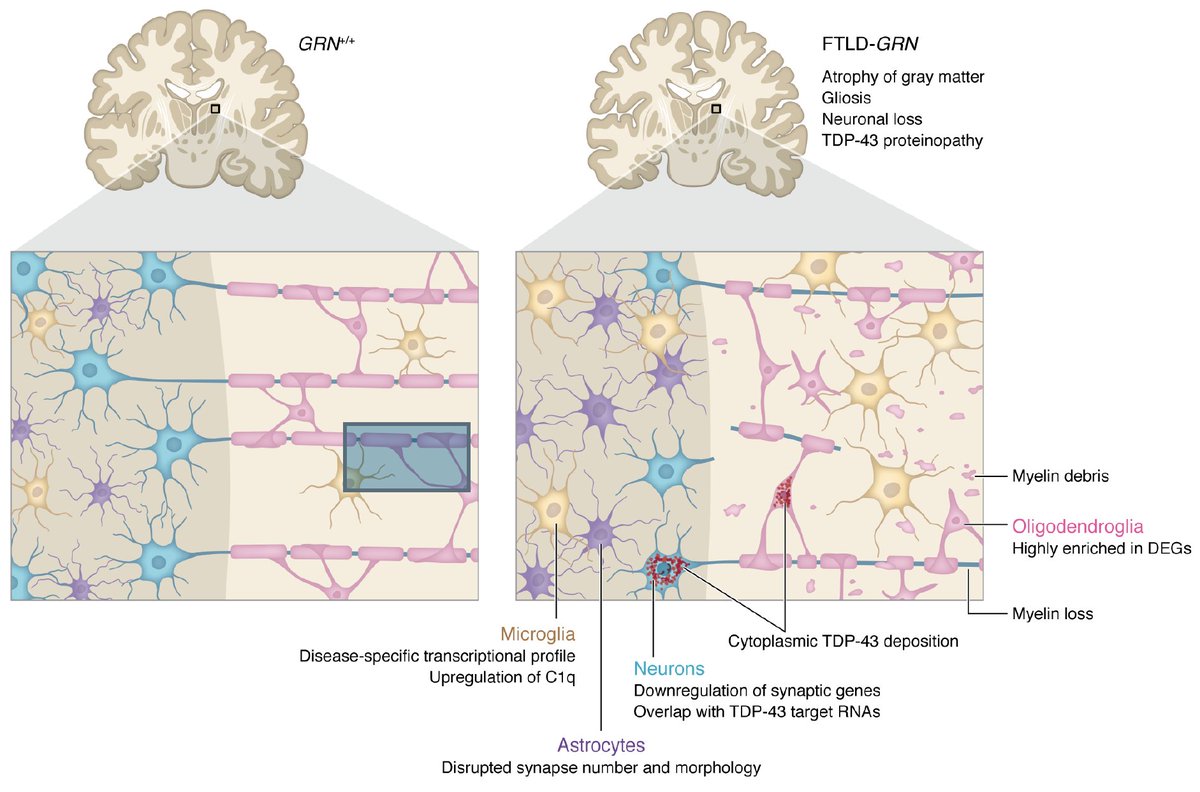
Just OUT: A fantastic commentary on our paper by @EmilePinarbasi & @BarmadaLab! @jclinicalinvest doi.org/10.1172/JCI168215 Thank you so much!
2
1
8
909

🎉NEW SPEAKER!
🗣️Dr. Sami Barmada @BarmadaLab
🗓️15th June '23, 11 am EST
📝us06web.zoom.us/webinar/regi…
2
2
1
4,271
24 Jan 2023
We have an opening for a postdoc! Come work with us on ALS/FTD ⬇️
7
10
3,970
12 Jan 2023
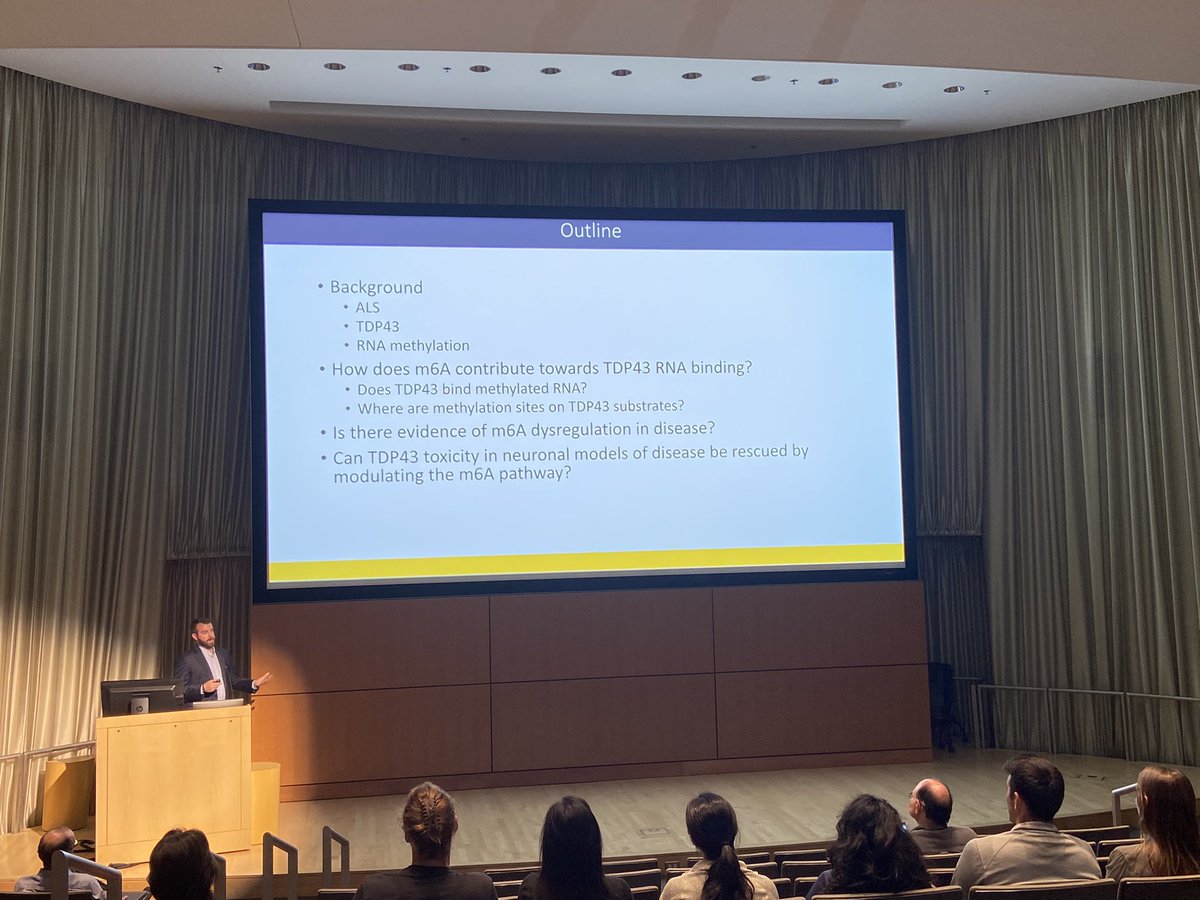
Our story on m6A and TDP43 is now out in Molecular Cell! sciencedirect.com/science/ar…
4 Apr 2022
Excited to share that our latest preprint is out! Here we show that m6A modulates TDP43 RNA binding and that RNAs are hypermethylated in ALS. We also found if you knockdown an m6A reader, YTHDF2, you can mitigate disease related toxicity!
6
8
75
19,982
4 Dec 2022
Also, Sami will be giving a talk on MTMR5 and neuronal autophagy at 4:53pm in the "Mechanisms of Autophagic and Endolysosomal Trafficking in Neuronal Function and Neurodegeneration" subgroup tomorrow! #CellBio2022
4 Dec 2022
Check out our lab's posters at #CellBio2022 tomorrow (Monday Dec 5)!
- Genesis Rodriguez on VPS13A function in mitochondria/ER (P2106/B430)
- Josephine Wu on calcium and calmodulin-dependent Matrin3 homeostasis (P2076/B399)
- Sumin Kim on neuronal NPC biogenesis (P2019/B339)
3
8
4 Dec 2022
Check out our lab's posters at #CellBio2022 tomorrow (Monday Dec 5)!
- Genesis Rodriguez on VPS13A function in mitochondria/ER (P2106/B430)
- Josephine Wu on calcium and calmodulin-dependent Matrin3 homeostasis (P2076/B399)
- Sumin Kim on neuronal NPC biogenesis (P2019/B339)
1
7
Barmada Lab retweeted

14 Nov 2022
6 @UMich scientists & engineers have been named the 2022 winners of the #MBioFAR Award, which recognizes exceptional mid-career faculty in the biosciences.
Congrats @BarmadaLab @fu_jianping @LyssiotisLab @AlisonNarayanUM, James Moon, Elizabeth Speliotes.
news.umich.edu/six-u-m-resea…

ALT Six U-M researchers receive Biosciences Initiative award for excellence among mid-career faculty
3
12
Barmada Lab retweeted

14 Nov 2022
Congratulations to @AlisonNarayanUM, who has been named a 2022 MBioFAR awardee!
This #UMBiosciences award recognizes exceptional mid-career faculty in the biosciences and supports their continued pursuit of innovative, high-risk research.
record.umich.edu/articles/si…

ALT Photos of the six MBioFAR awardees. Top row, from left: Sami Barmada, Jianping Fu, Costas Lyssiotis. Bottom row, from left: James Moon, Alison Narayan, Elizabeth Speliotes.
4
55
29 Jul 2022
Congrats @SEWrightPhD!
29 Jul 2022

Our newest paper is out! @SEWrightPhD and friends discovered that RAN translation of CGG repeats triggers translational frameshifts that create toxic aggregation-prone chimeric proteins! A quick 🧵1/5: #FragileX #ALS #dementia academic.oup.com/nar/advance…
1
29 Jul 2022
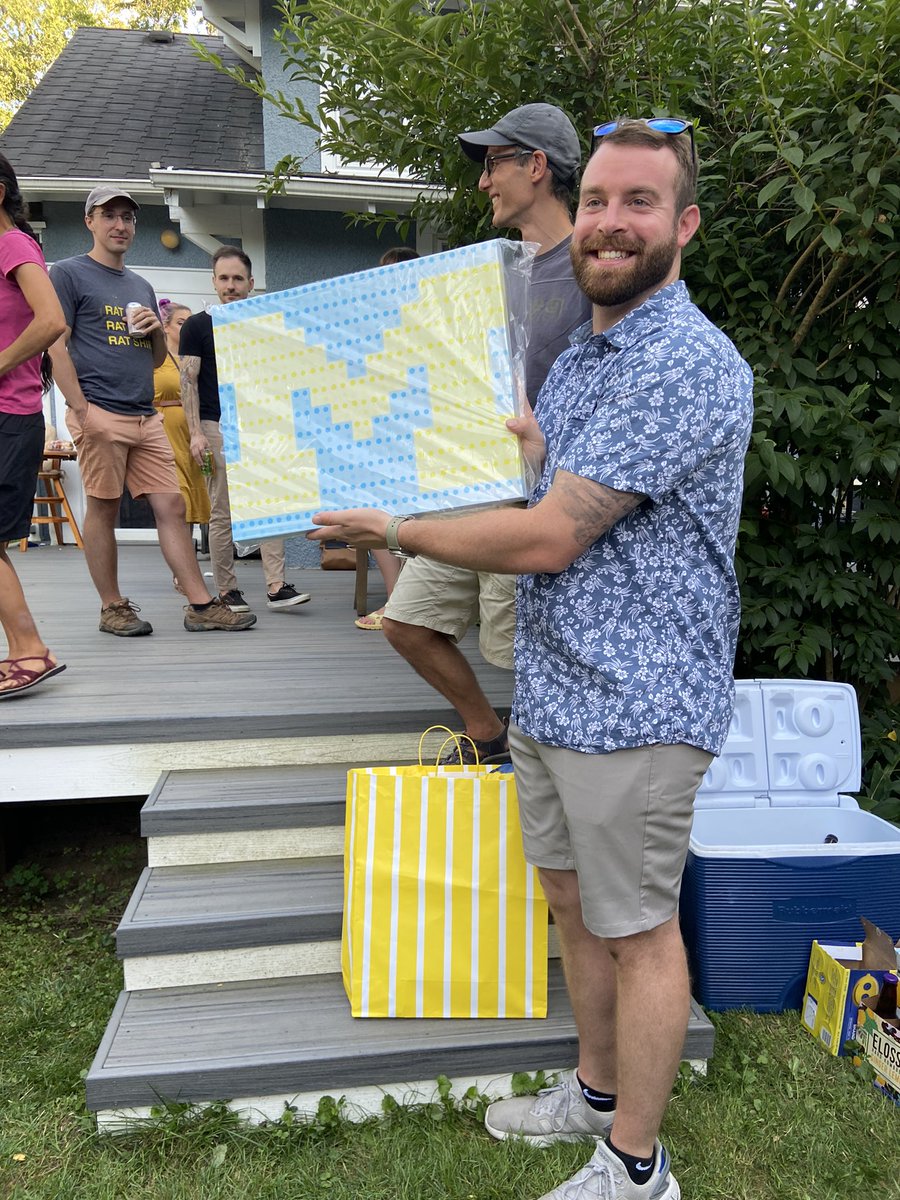
Congratulations to Mike on a fantastic thesis defense today! Mike’s work on m6A and TDP43 opened up many new avenues for the lab to pursue, and he has been pivotal in introducing the lab to science memes. Great job and many congratulations, Dr. McMillan!
2
27
29 Jul 2022
4 Apr 2022
Excited to share that our latest preprint is out! Here we show that m6A modulates TDP43 RNA binding and that RNAs are hypermethylated in ALS. We also found if you knockdown an m6A reader, YTHDF2, you can mitigate disease related toxicity!
4
6
Barmada Lab retweeted

5 Jul 2022
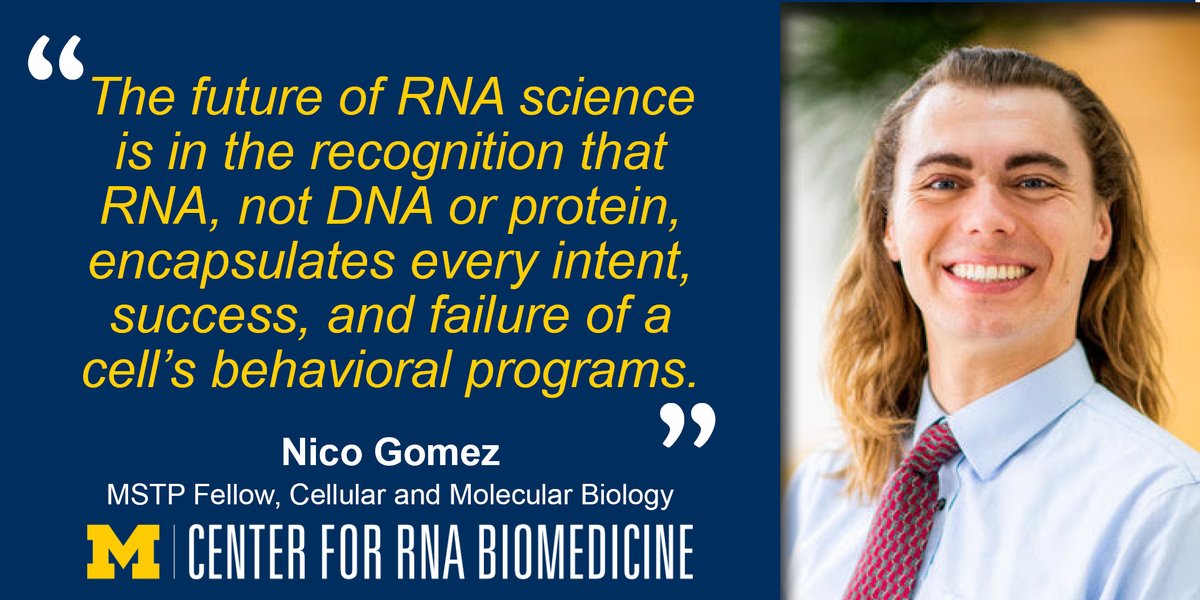
Nico Gomez from the @BarmadaLab is primarily interested in exploring how the regulation of nucleic acid, the primary bearer of durable biological information across all living things, can be used to understand and treat disorders of the brain.
Read more: rna.umich.edu/faculty/featur…
2
7

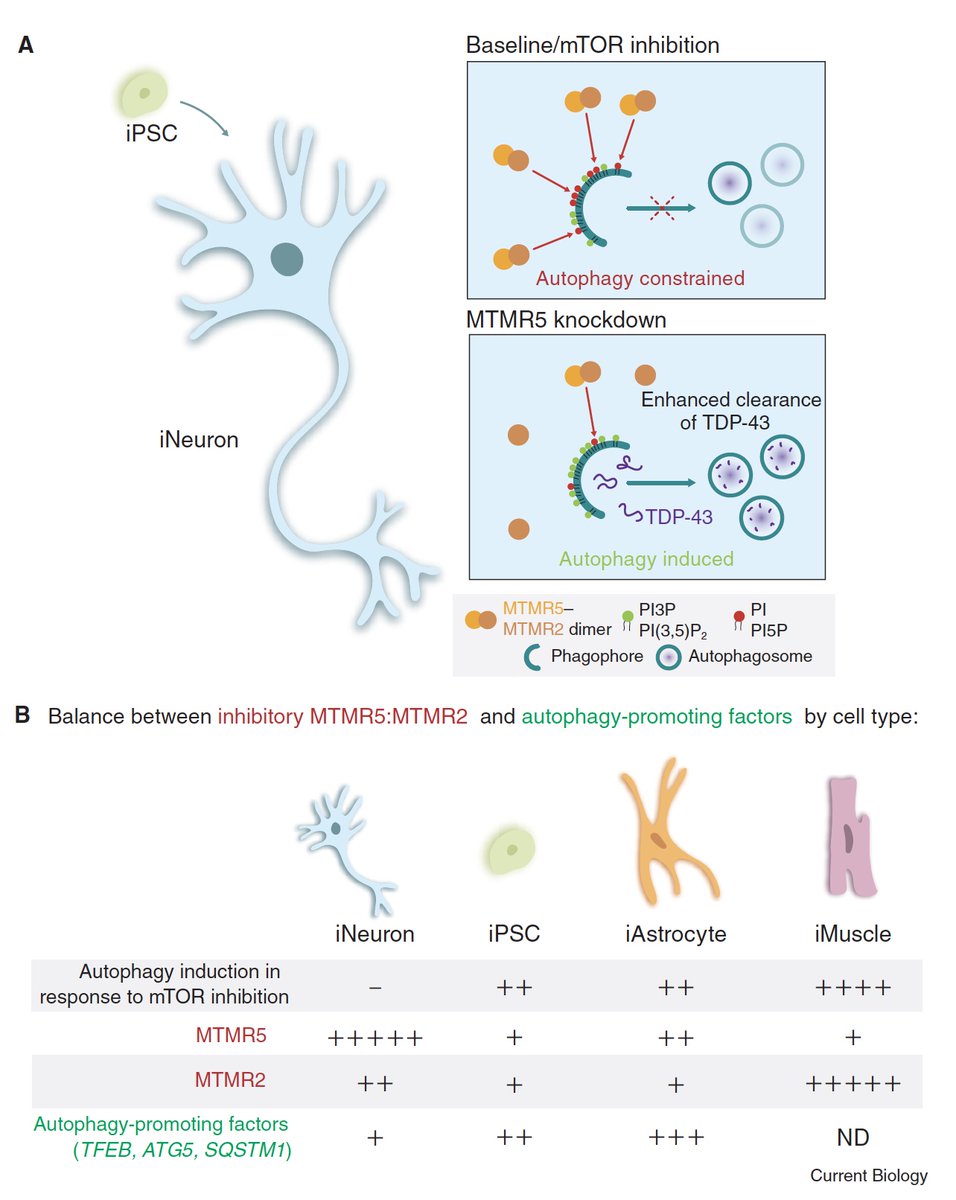
Honored to highlight exciting work from @BarmadaLab elucidating mechanisms that regulate autophagy in neurons! sciencedirect.com/science/ar…
12
52
18 May 2022
Our most recent paper is out! We used iNeurons to identify MTMR5 as a regulator of neuronal autophagy. Our findings suggest a potential strategy to modulate autophagy in neurodegenerative disease. authors.elsevier.com/a/1f4vZ…
1
15
48
18 May 2022
This work was led by Jason, who recently started his own lab at Johns Hopkins. Check out his review on autophagy and ALS (pubmed.ncbi.nlm.nih.gov/3405…) and other works on his profile: tinyurl.com/yc84cds5!
4
Barmada Lab retweeted

17 May 2022
Excited that this paper is out!
Grp78/BiP/ HspA5 binds directly to TDP‑43 and mitigates toxicity associated with disease pathology
A clever BioID to drive TDP-43 (not over-expressed) in cytoplasm and nucleus: which Hsp70 modulates TDP-43?
rdcu.be/cNJCa
1/4
3
7
59
Barmada Lab retweeted

12 Apr 2022
Neuronal activity regulates Matrin 3 levels and function in a calcium-dependent manner through calpain cleavage and calmodulin binding biorxiv.org/cgi/content/shor… #bioRxiv
1
2
15 Apr 2022
Another preprint out from our lab! MATR3 abundance and RNA binding are regulated by neuronal activity, and pathological mutations disrupt activity mediated degradation of MATR3 via calpain1. This links activity dependent regulation of MATR3 and disease!
biorxiv.org/content/10.1101/…
7
30