5,397 Photos and videos


Pinned Tweet

Jun 11
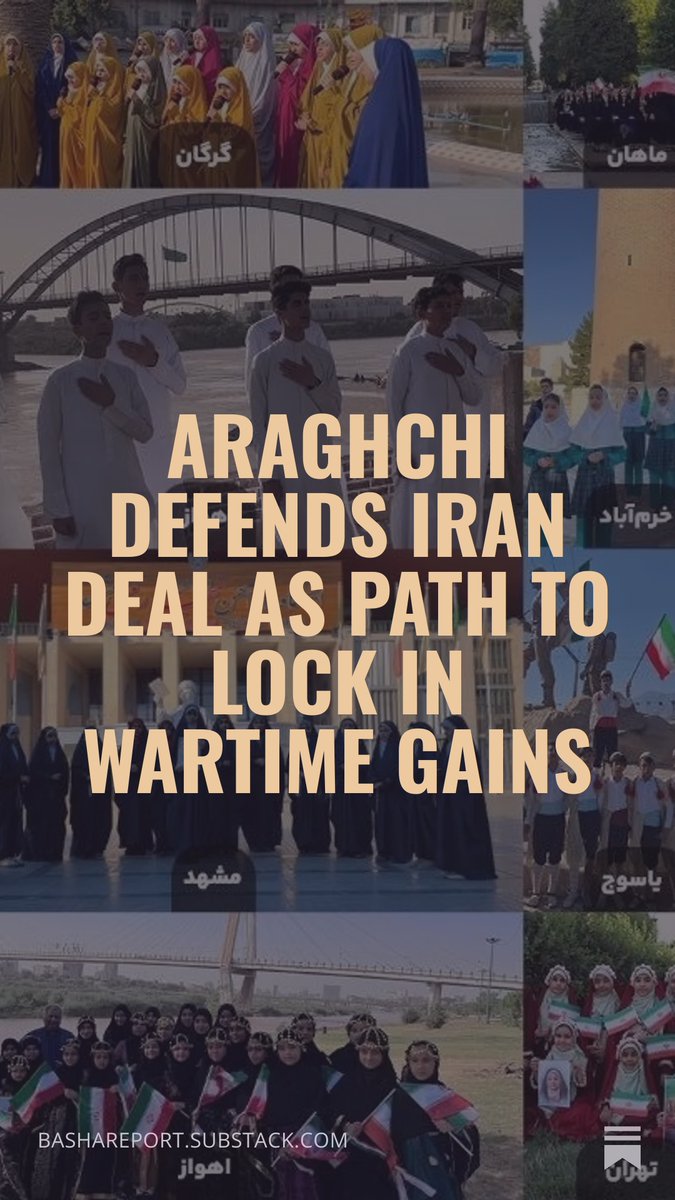
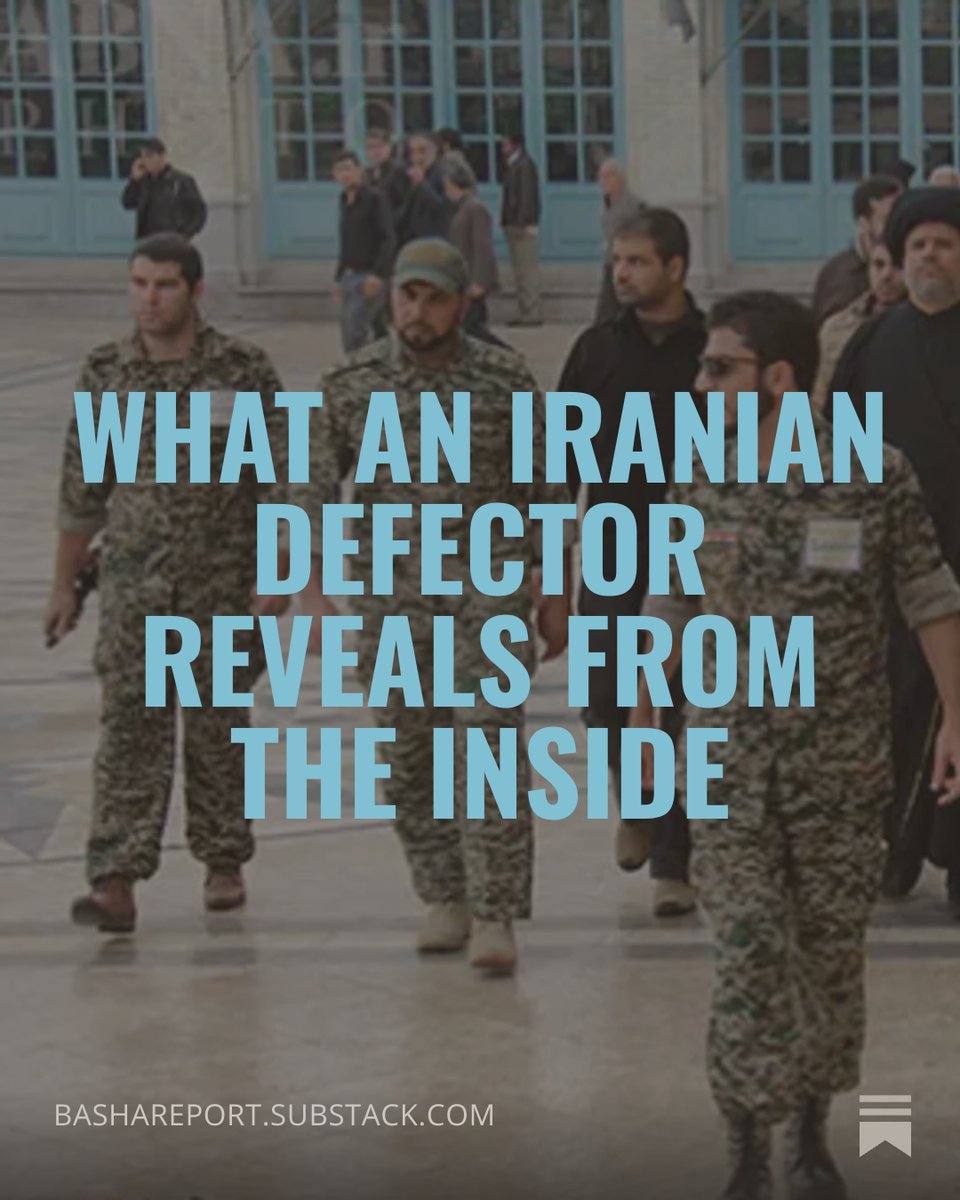
From @BashaReport's @Substack: What an Iranian Defector Reveals From the Inside
open.substack.com/pub/bashar…
1
5
2,121
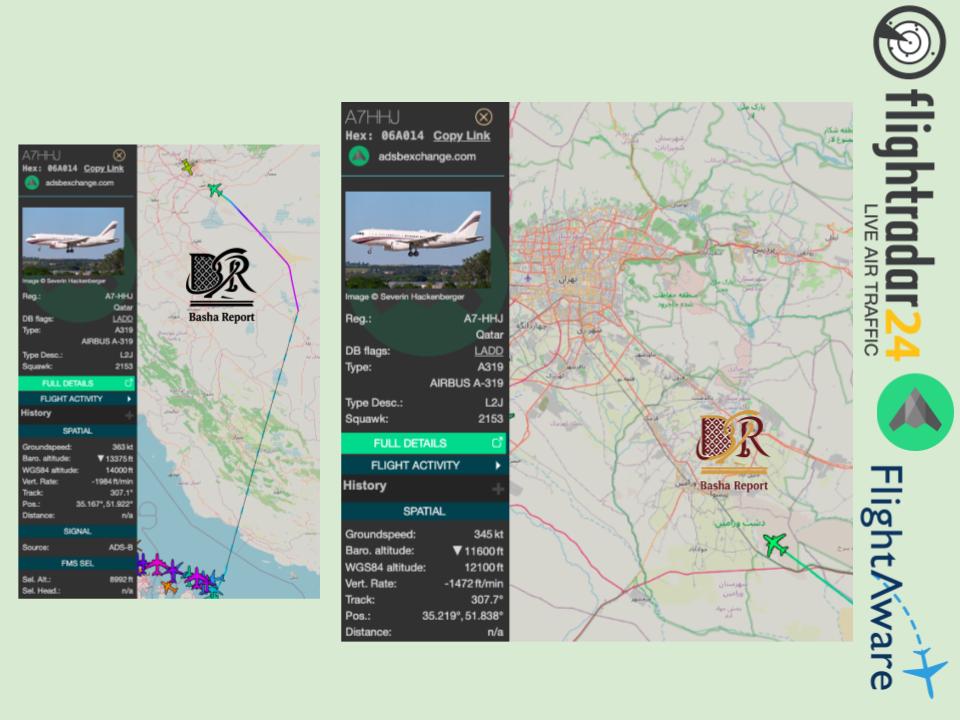
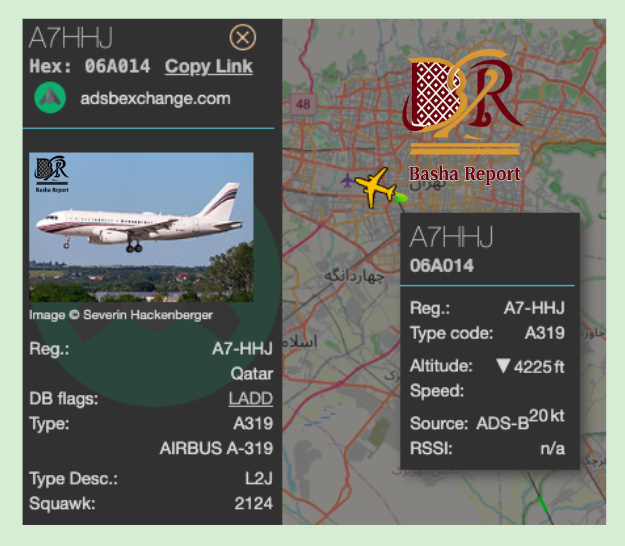
Confirmed: Qatar Negotiators Arrived in Iran | This was a particularly difficult @qatarairways flight to catch on flight trackers, appearing for less than a second south of Tehran at 05:45 UTC (01:45 EDT) on 13 June 2026 before disappearing again. The aircraft was A7-HHJ (hex 06A014), an @Airbus A319 that has been shuttling between Doha and Tehran for several days. It was operating with squawk 2153 and carries LADD database flags. Based on its recent flight pattern, the aircraft is believed to have been transporting negotiators from Qatar's Central Bank @QCBQATAR and the Qatari Ministry of Foreign Affairs @MofaQatar_EN.
Jun 11

More on the Qatari delegation that recently departed Tehran. The delegation arrived at 08:00 UTC on 10 June 2026 and departed at 05:00 UTC on 11 June 2026. The visit coincided with the presence of Qatar Amiri Flight A319 A7-HHJ (hex 06A014), which likely transported officials from @MofaQatar and @QCBQATAR.
One plausible area of focus is the management and oversight of frozen Iranian funds, an issue that has repeatedly surfaced in previous confidence-building measures between Washington and Tehran. Given Qatar's established role as an intermediary, the participation of central bank officials would be consistent with financial and technical discussions related to any future sanctions relief or escrow arrangements.
The visit also appears to align with the broader Pakistani-backed diplomatic track supporting indirect U.S.-Iran engagement. Qatar has frequently served as a trusted channel for sensitive negotiations, particularly when financial mechanisms and de-escalation measures are involved.
This may help explain the heightened scrutiny and criticism directed at Doha in recent weeks across some pro-Israeli media and political networks. Qatar's continued involvement in facilitating dialogue between the United States and Iran remains controversial among actors who oppose any diplomatic accommodation with Tehran.
1
5
961
Basha باشا retweeted

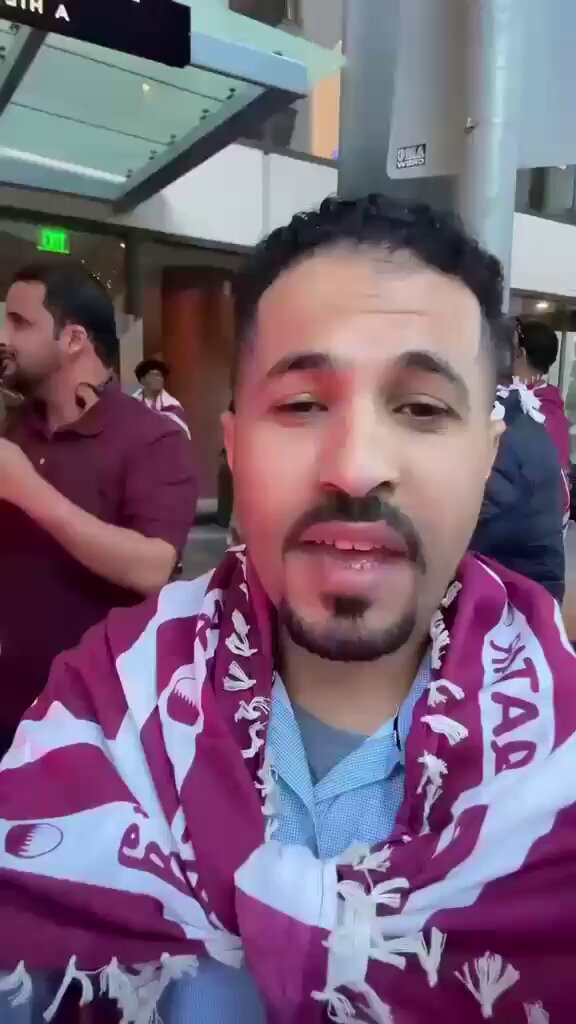
شكرا ل #اليمن وشعبة الشقيق

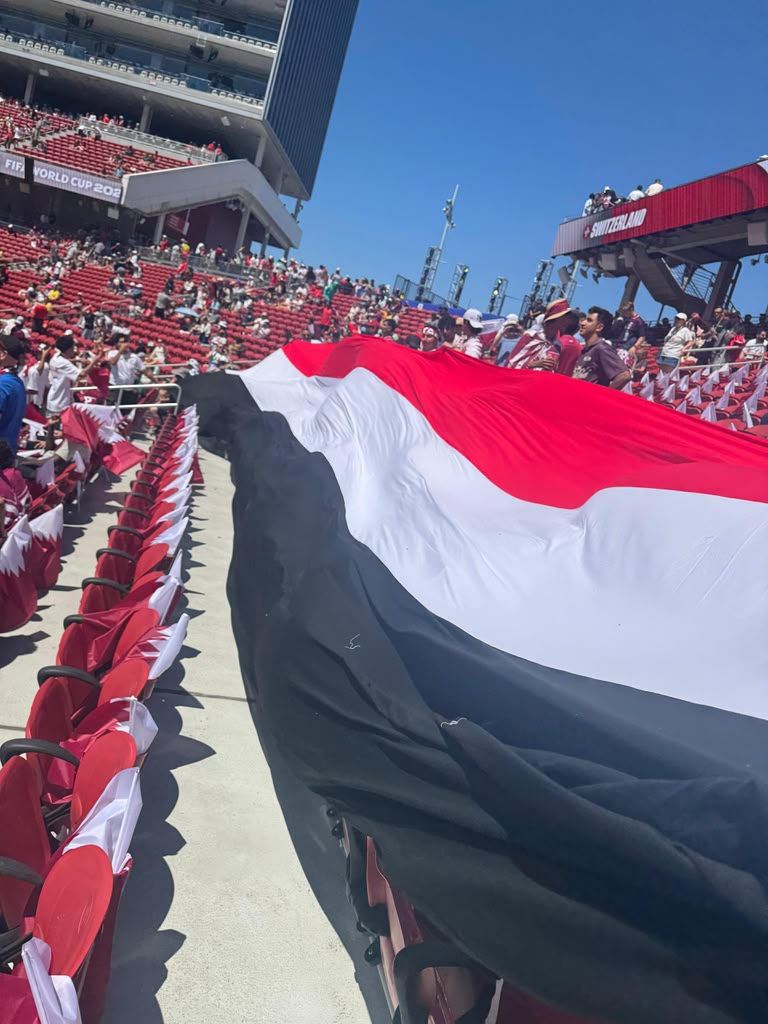
جانب من حضور الجالية اليمنية في الولايات المتحدة لدعم ومؤازرة العنابي في مواجهته أمس أمام سويسرا على ملعب ليفاي في مشهد يعكس حجم المحبة والمودة بين الشعبين الشقيقين.
18
34
371
12,769
Basha باشا retweeted

شووف |
الجالية اليمنية في سان فرانسيسكو تساند منتخبنا الوطني في مواجهته أمام سويسرا
#قطر_سويسرا
#كأس_العالم2026
#FIFAWorldCup
#قنوات_الكاس || #منصة_شووف
32
100
974
65,120

Iran 🇮🇷 posted high resolution satellite images of hit Bahrain 🇧🇭 Jabal ad Dukhan RADAR Facility confirming DESTRUCTION 👇

Bahrain 🇧🇭Jabal ad Dukhan Radar Facility hit by Iran 🇮🇷 ballistic missile spotted DESTROYED TODAY at
26.0380, 50.5421
BAE AR-327 RADAR capable of tracking ~470 km away.
Plays, I mean, played vital role in regional US 🇺🇸 missile defense & Persian Gulf shipping lanes monitoring.
3
17
58
64,023
Basha باشا retweeted

I hosted a delegation of political science students from the University of Wisconsin–Milwaukee. Our discussion focused on the latest developments in Yemen, regional and international dynamics, and the Yemeni government’s efforts to achieve a comprehensive and just peace based on the agreed references.
We also discussed the importance of international partnerships in supporting peace and stability in Yemen, safeguarding Red Sea security, and ensuring freedom of navigation and the protection of global trade routes.
I always value engaging with students and future leaders, and I believe academic dialogue plays a vital role in fostering deeper understanding of Yemen and international affairs.
4
3
25
1,368
Basha باشا retweeted

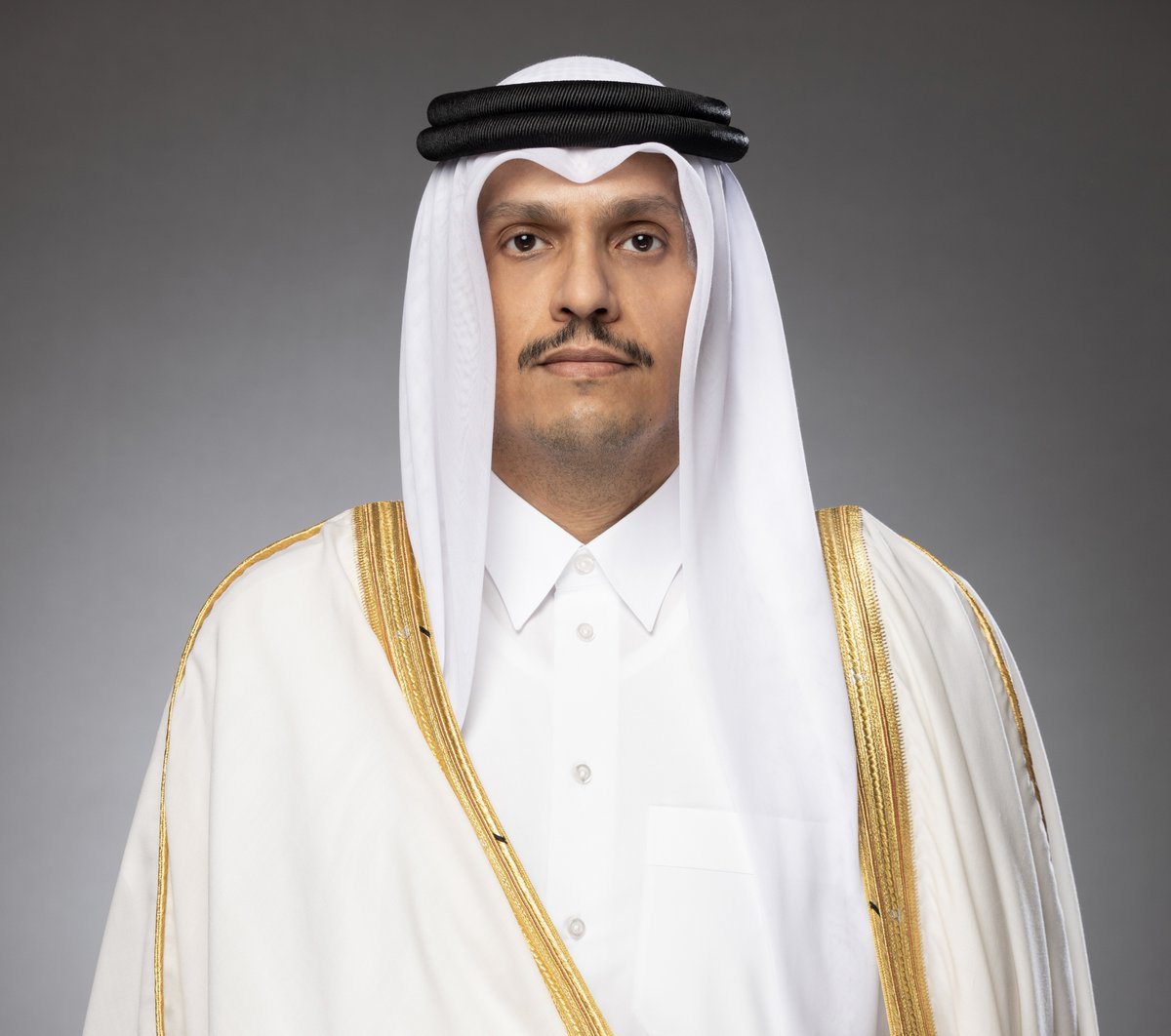
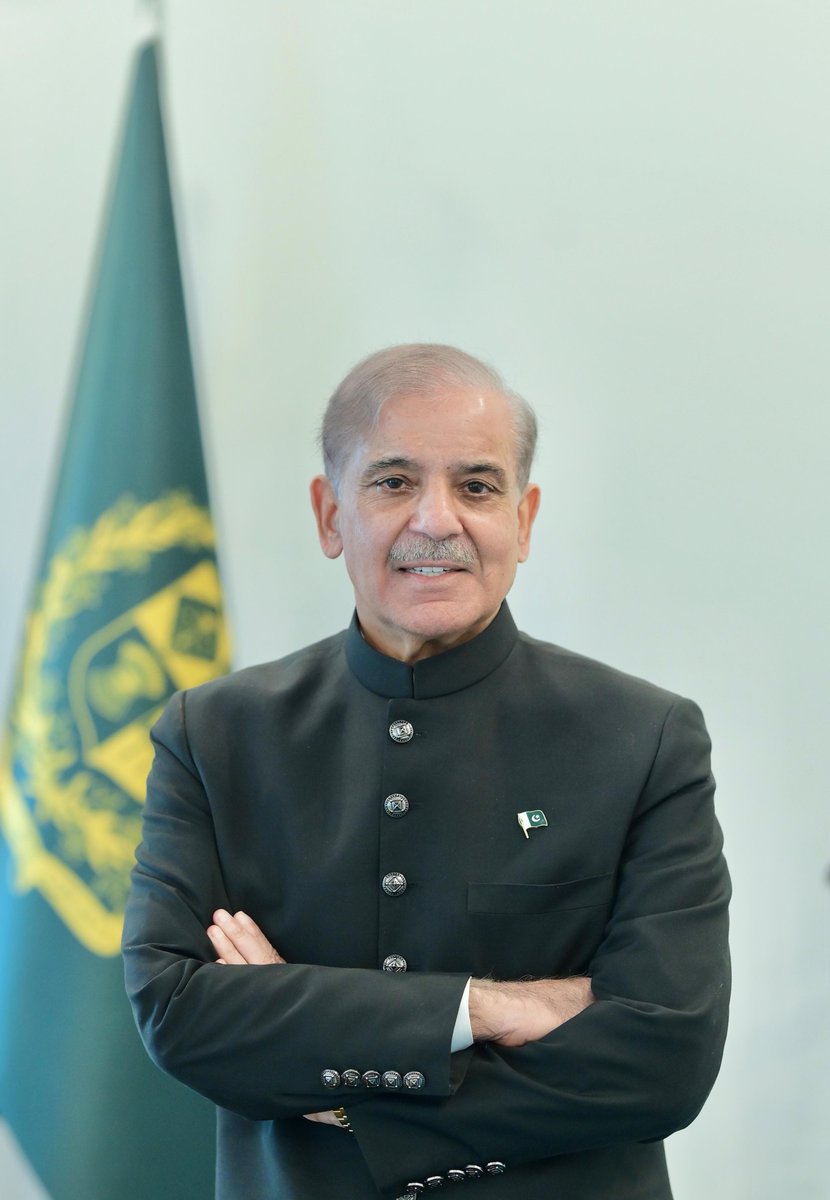
Prime Minister and Minister of Foreign Affairs @MBA_AlThani_ Holds Telephone Conversation with Pakistani Prime Minister @CMShehbaz
Doha | June 13, 2026
HE Prime Minister and Minister of Foreign Affairs Sheikh Mohammed bin Abdulrahman bin Jassim Al-Thani has held a telephone conversation with HE Prime Minister of the Islamic Republic of Pakistan, Muhammad Shahbaz Sharif.
Discussion during the call, addressed bilateral relations and ways to support and strengthen them. The two sides also discussed the latest developments in the region, and Pakistan's mediation efforts aimed at de-escalating tensions in a way that contributes to enhancing security and stability.
In this context, HE the Prime Minister and Minister of Foreign Affairs expressed the State of Qatar's great satisfaction with the progress in the negotiations and the Pakistani mediation's announcement of reaching the final text of the peace agreement, expressing hope that the American and Iranian sides will sign the agreement soon.
His Excellency reiterated the State of Qatar's full support for the Pakistani mediation efforts aimed at ending the crisis through peaceful means. He underlined the need for all parties to engage with these efforts to create the appropriate conditions, leading to a comprehensive agreement that brings about sustainable peace in the region.
#MOFAQatar
5
56
267
7,989
Basha باشا retweeted

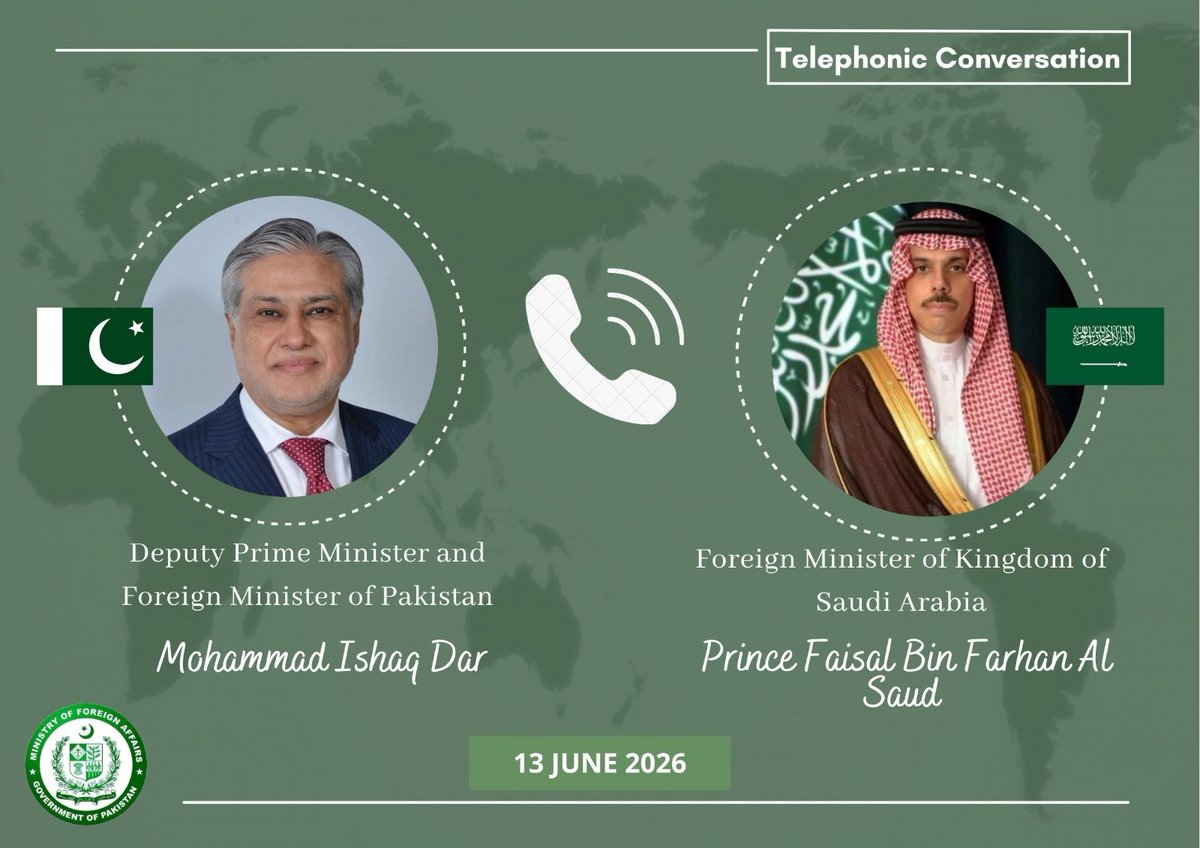
Deputy Prime Minister / Foreign Minister Senator Mohammad Ishaq Dar @MIshaqDar50 held a telephone conversation today with the Foreign Minister of the Kingdom of Saudi Arabia, Prince Faisal bin Farhan @faisalbinfarhan.
They welcomed the US–Iran negotiations in their final stage, with the electronic signing ceremony scheduled for tomorrow, and expressed the hope that this important development will contribute to lasting peace and stability in the region.
The Saudi Foreign Minister appreciated Pakistan’s consistent and sustained efforts in support of mediation and dialogue throughout the process.
Both sides also discussed the forthcoming Regional Four Foreign Ministers (R-4) meeting, scheduled to be held in Egypt later this month.
34
229
545
342,688
#Iran #SITREP
Aviation: No foreign government flights landed in or departed from Tehran during the past 24 hours.
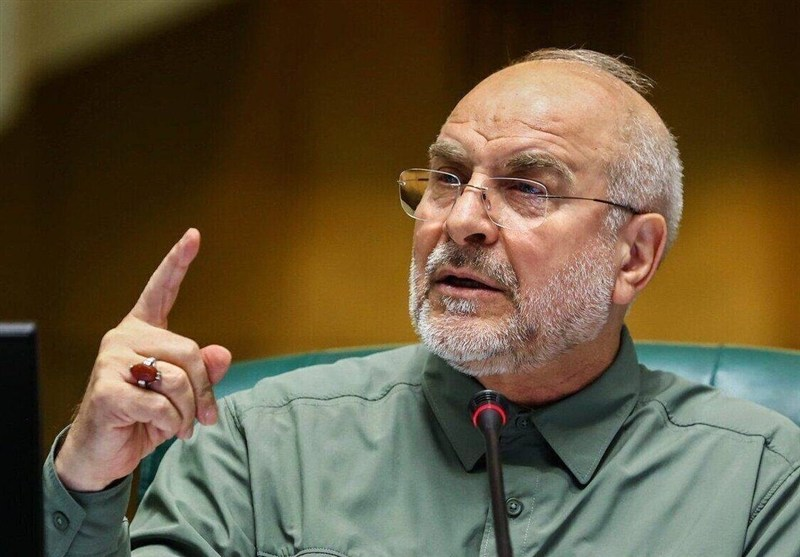
Parliament Speaker Mohammad Bagher Ghalibaf @mb_ghalibaf marked the first anniversary of the 12-Day War, stating that Iran continues to stand "until the final victory" in memory of those killed during the conflict. Ghalibaf accused Israel and the United States of carrying out attacks against Iran and reiterated support for continued national resistance.
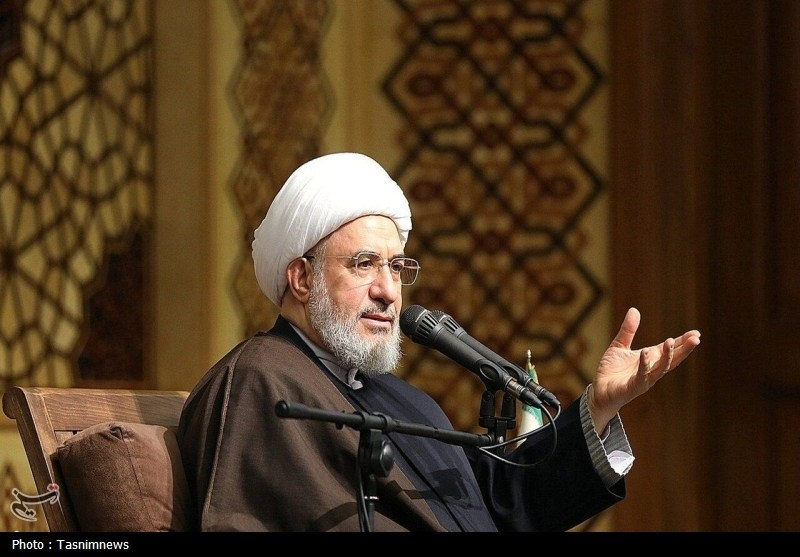
Assembly of Experts Presidium member Ayatollah Mohsen Araki stated that Iranian officials must remain fully within the strategic framework and red lines established by Supreme Leader Ayatollah Ali Khamenei. Araki argued that negotiations with the United States can only succeed from a position of strength and described adherence to the Supreme Leader's guidance as a religious obligation.
MP Mojtaba Yousefi said parliament's priorities remain economic legislation, cost-of-living reforms, and improved coordination between government institutions in line with guidance from the Supreme Leader. He warned against political polarization and called for greater institutional cooperation.
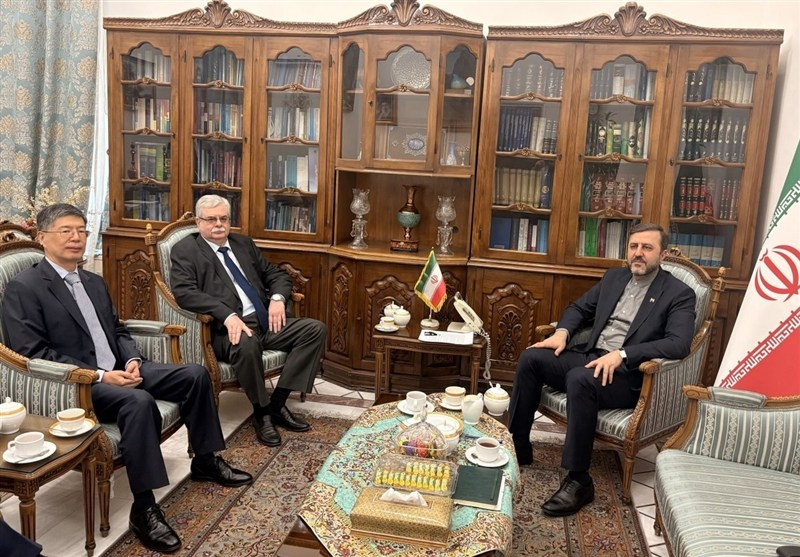
Deputy Foreign Minister Kazem Gharibabadi announced consultations in Tehran with the ambassadors of Russia and China regarding the draft Islamabad Memorandum of Understanding. Gharibabadi emphasized that strategic cooperation among Iran, Russia, and China would continue and described trilateral coordination as strong and ongoing.
Iranian media also published extensive commentary defending Tehran's support for Hezbollah. The analysis framed the relationship as a combination of historical, religious, strategic, and security interests. The commentary cited historical links between Iran and Lebanese Shiite communities and argued that Hezbollah remains a central component of Iran's regional deterrence architecture and the broader "Axis of Resistance."
Extensive coverage marked the first anniversary of the deaths of several senior Iranian leaders during the 2025 conflict.
The Hassan Bagheri Institute announced progress on a forthcoming memoir project documenting the life and wartime experiences of Maj. Gen. Mohammad Bagheri. Institute head Fathollah Jafari described Bagheri as one of the most influential military planners of the Iran-Iraq War and highlighted his role in intelligence and operational planning following the death of his brother, Hassan Bagheri.
National Security Committee member Esmail Kowsari described former IRGC Commander-in-Chief Hossein Salami as a commander who combined faith, military professionalism, Quranic scholarship, and strategic vision. Kowsari credited Salami with advancing Iran's missile, drone, and deterrence capabilities while maintaining strong attention to personnel welfare and national infrastructure concerns.
MP and former diplomat Abolfazl Zohrevand characterized Salami as more than a military commander, describing him as a strategic communicator who linked military operations, diplomacy, ideology, and public messaging. Zohrevand argued that Salami played a major role in explaining Iran's security doctrine to both domestic and foreign audiences.
Ali Akbar Velayati, Chairman of the Founding Board of Islamic Azad University, commemorated the first anniversary of the death of former university president Mohammad Mehdi Tehranchi. Velayati praised Tehranchi's efforts to strengthen scientific development and institutional reform within Iran's higher education sector, describing his work as tireless and transformative.
Jun 11
#Iran #SITREP | Iranian political, military, and diplomatic messaging on 11 June focused on resistance, military readiness, and the consequences of recent U.S. actions.
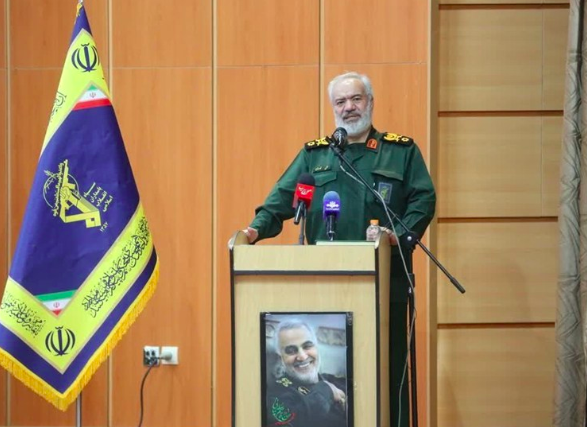
Commemorations marking the first anniversary of former IRGC Commander Hossein Salami's death featured coordinated messaging from senior military and religious officials. IRGC adviser Ali Fadavi described Salami as a unique figure who progressed through every level of military service before reaching command of the IRGC. Fadavi argued that Iran and the broader Axis of Resistance are approaching a major victory against what he described as U.S.-led pressure, claiming that Iranian resistance has challenged the world's leading power and altered regional dynamics.
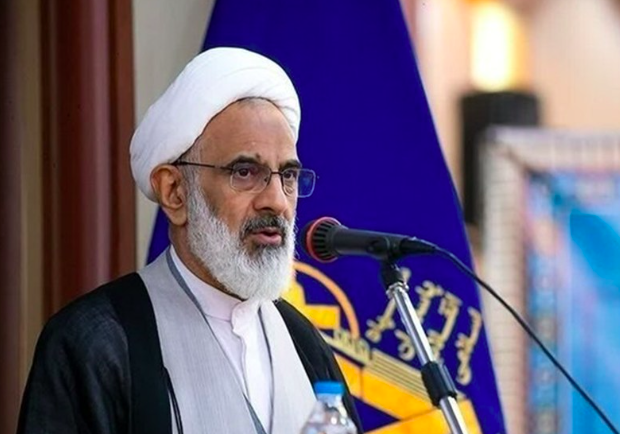
Abdollah Hajji-Sadeghi, the Supreme Leader’s representative to the IRGC, said Salami and other senior commanders strengthened the foundations of resistance and national defense. He argued that recent efforts by Iran’s adversaries to weaken the country had instead increased public unity and reinforced support for the Islamic Republic. Hajji-Sadeghi also emphasized the importance of leadership and the continued role of the Supreme Leader in navigating national crises.
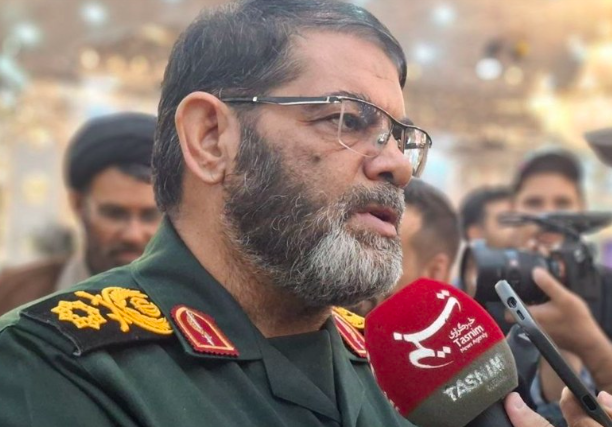
IRGC Cultural Deputy Mohammad Maroufi highlighted Salami’s role in developing Iran’s doctrine of asymmetric warfare. He credited Salami with helping shift the balance of power in Iran’s favor through strategic planning, accurate threat assessment, and close adherence to the guidance of the Supreme Leader.
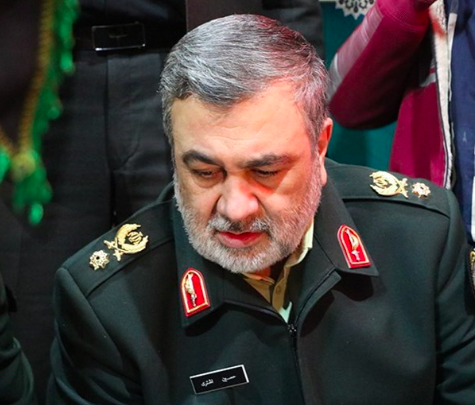
Former national police commander Hossein Ashtari described Salami as a loyal servant of the Islamic Republic who played an important role in strengthening Iran’s defense capabilities and national security. He said Iran’s current military strength is the result of efforts by commanders such as Salami.
On the diplomatic front, Foreign Minister Abbas @Araghchi spoke by telephone with EU foreign policy chief @kajakallas. Araghchi condemned recent U.S. military actions against Iran, describing them as violations of international law and warning that they had effectively undermined the existing ceasefire arrangement. He argued that Washington bears responsibility for any resulting escalation and criticized what he described as international silence regarding the attacks.
Iran’s Foreign Ministry echoed those remarks in an official statement, asserting that recent U.S. strikes had rendered the ceasefire framework meaningless. The ministry warned regional states against allowing their territory or facilities to be used for operations against Iran and reiterated Tehran’s intention to exercise what it described as its right of self-defense.
Iranian officials also rejected reports published by a British media outlet claiming that Tehran and Washington had finalized a draft agreement. Sources cited by Iranian media described the reports as unfounded and denied that any final text had been agreed.
Furthermore, to show that he is active and engaged, Iran's Supreme Leader Mojtaba Khamenei issued a message mourning the death of Grand Ayatollah Ishaq Fayyad, one of the most senior Shia clerics in Najaf.
Iranian state media devoted significant attention to recent comments by U.S. President Donald Trump. Iranian coverage focused on Trump’s remarks regarding possible future military action against Iran, continued pressure on Tehran, and references to Iranian energy infrastructure. Iranian outlets portrayed the statements as contradictory and escalatory while highlighting his simultaneous references to both negotiations and increased pressure.
In the economic sphere, Iranian media used National Agriculture Week to emphasize food security and agricultural self-sufficiency. Coverage highlighted decades of support by the late Supreme Leader Ayatollah Ali Khamenei for domestic agricultural production, particularly wheat self-sufficiency and strategic food security. Reports argued that current sanctions, conflict, and supply disruptions have demonstrated the importance of domestic production and reduced dependence on imports.
1
2
1,085
Basha باشا retweeted

Jun 13
We are closer to a peace deal than ever before. With finalisation likely expected in the next 24 hours, Pakistan is preparing for the electronic signing of the peace deal immediately after, followed by technical level talks next week.
We would like to thank United States of America and Islamic Republic of Iran for their ongoing commitment during the negotiations, and we extend our sincere appreciation to our brothers in the region for their support. We are confident that this historic peace deal will form a strong foundation for lasting peace.
@realDonaldTrump
@JDVance
@SecRubio
@SteveWitkoff
@SEPeaceMissions
@drpezeshkian
@araghchi
2,539
3,304
13,802
1,915,613
Jun 13
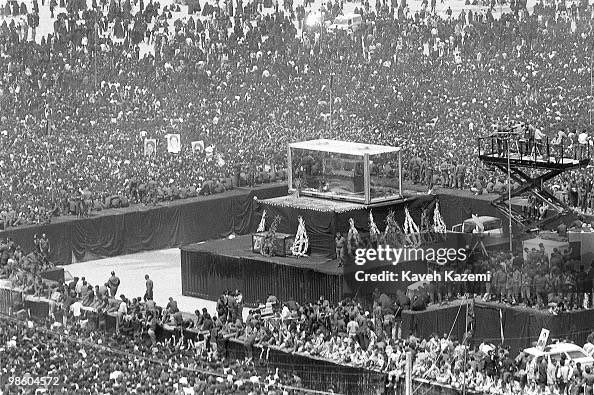
In another apparent sign of de-escalation, Iran has announced funeral arrangements for its slain supreme leader @khamenei_ir. Mourning, farewell and funeral ceremonies will take place from July 4 to July 9 across Tehran, Qom and Mashhad. Farewell and funeral processions are scheduled in Tehran and Qom from July 4 to July 7, while the burial ceremony will be held on July 9 at the Imam Reza Shrine in Mashhad.
Video of the funeral of late supreme leader Ayatollah Khomeini youtu.be/PlwFzZZ80YY?is=j1Lf…
Jun 11
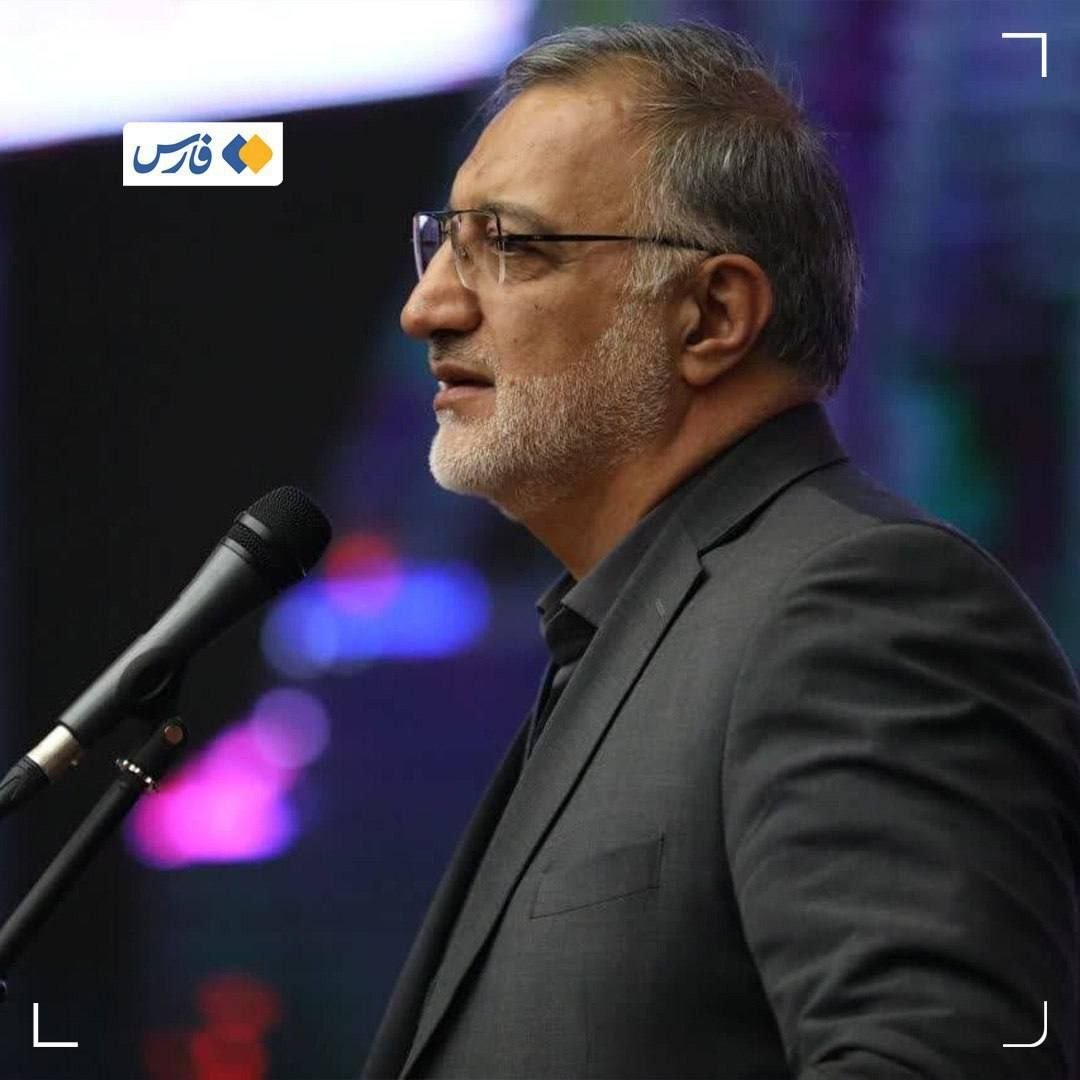
A clear sign of de-escalation? Tehran Mayor Alireza Zakani announced that the funeral procession for @khamenei_ir will be held during the second ten days of Muharram, roughly between June 26 and July 5, rather than immediately. The decision to schedule such a major state event weeks in advance suggests that Tehran does not anticipate an imminent escalation and expects sufficient stability to organize a large national gathering. While not conclusive on its own, the timing may also point to progress in ongoing diplomatic efforts and could be seen as an indication that the Qatari and Pakistani mediation track is producing results behind the scenes.
I wonder if this will be the first public appearance for the new Supreme Leader Mojataba Khamenei? It will no doubt be a mourning funeral, a public inauguration, and a victory lap.
1
5
1,852


Jun 13
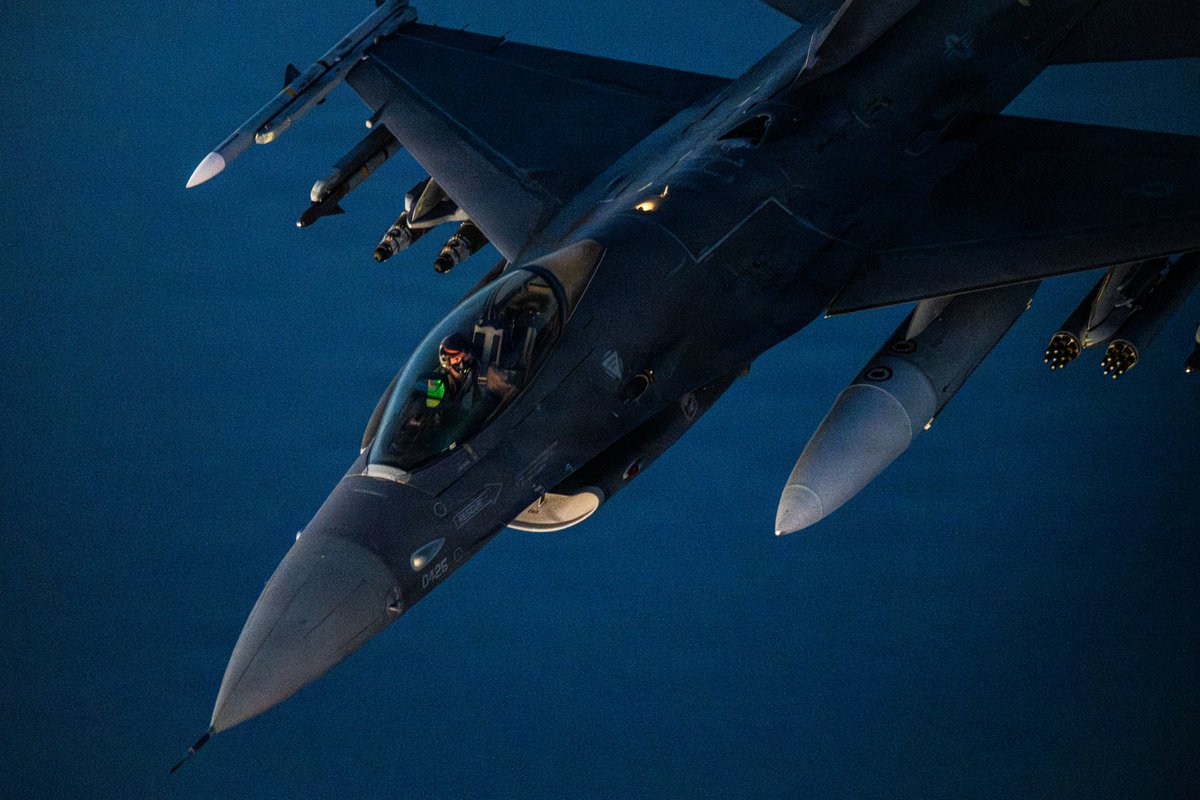
Interesting to see this @USAFCENT F-16 carrying what appear to be 7-tube 70 mm rocket launchers, likely LAU-131 pods loaded with APKWS-guided rockets. The setup provides a precision-guided, lower-cost alternative to traditional air-to-air missiles and is increasingly being used for counter-drone missions, including engaging incoming Iranian-made drones.
Jun 13

A U.S. Air Force F-16 fighter jet patrols the skies above the Middle East as American forces maintain regional presence and vigilance.
1
2
1,205
Basha باشا retweeted

Jun 13
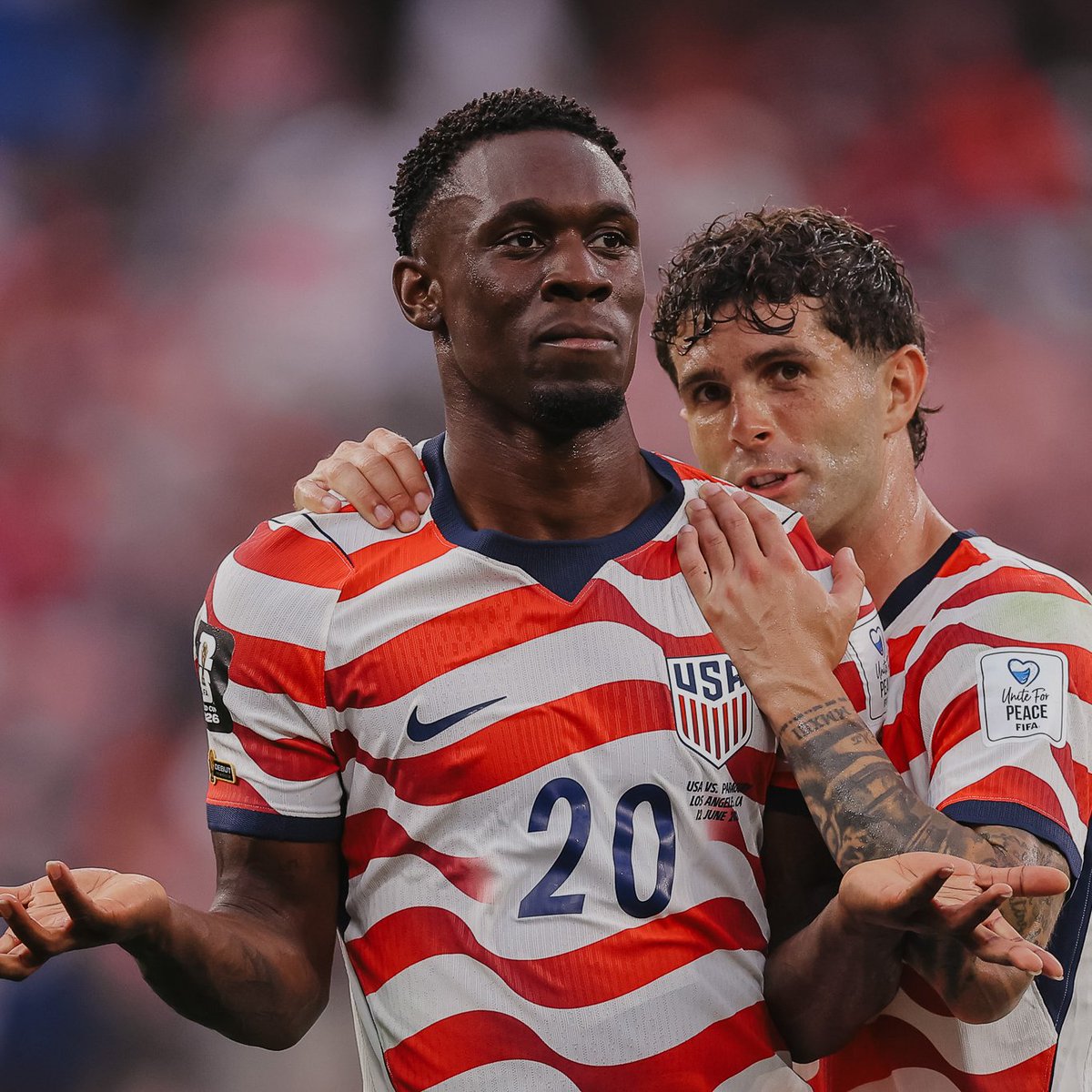
FOLARIN BALOGUN BRACE TO MAKE IT 3-0 @USMNT! 🇺🇸
A truly stellar FIFA World Cup debut for Flo.
155
1,165
7,439
3,519,148
Basha باشا retweeted

Really like that.

131
504
7,061
157,978


Basha باشا retweeted

Jun 13
Iran launched multiple one-way attack drones in an attempt to strike commercial ships transiting the Strait of Hormuz. U.S. forces have downed all of them in recent hours as traffic flow through the strait continues unimpeded. The international trade corridor remains open for transit.
1,192
3,692
20,866
1,340,494
Jun 13
🇺🇸🇺🇸🇺🇸🇺🇸🇺🇸🇺🇸🇺🇸🇺🇸🇺🇸🇺🇸🇺🇸🇺🇸🇺🇸
2
730
Jun 12
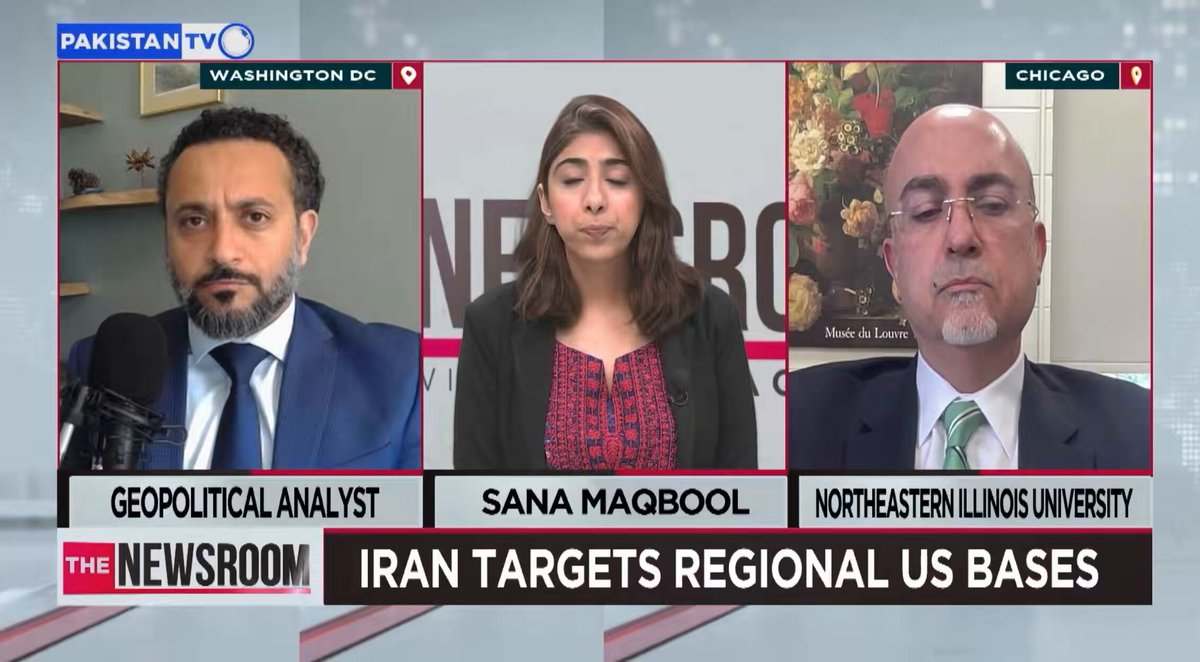
My two cents on the Memorandum of Understanding between USA 🇺🇸 and Iran 🇮🇷: “Even if they sign, even if tonight there is a miracle and both sides sit down and sign a memorandum of understanding,
I doubt this conflict will end anytime soon. I think that both sides are still gearing up for more military engagements at this point.”
@PakTVGlobal
1
4
12
1,223
Jun 12
No billions here from UAE to Iran, well for now at least
Jun 9
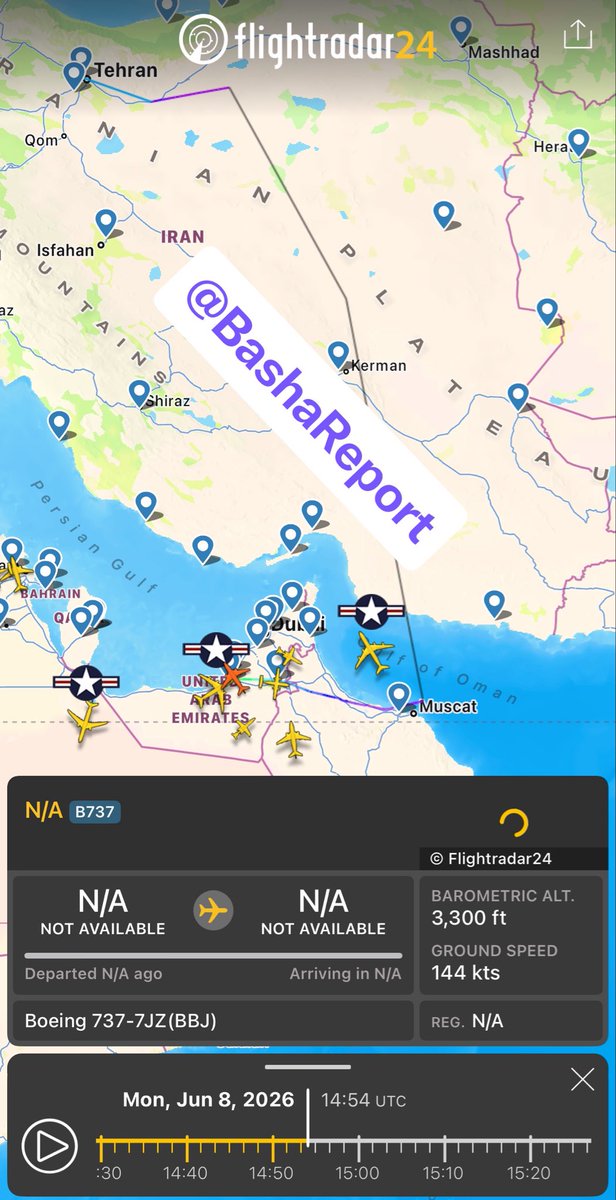
A regional diplomat tells @BashaReport that the anonymous UAE-linked @Boeing BBJ VIP flight from Tehran to Abu Dhabi, spotted amid the ongoing Israel-Iran exchange of fire, was an evacuation flight for UAE diplomatic personnel, not linked to @FIFAWorldCup.
3
6
2,074