
Joined May 2011
- Tweets 13,745
- Following 3,167
- Followers 289
- Likes 23,381
2,009 Photos and videos


#BREAKING | "Will Protect India If They're Attacked": US President Donald Trump To NDTV's @VishnuNDTV
205
74
700
80,418
somnath basu retweeted
TRUMP PRAISES MODI TO THE SKIES.
"..He's a very tough negotiator... You look at this man. I'll give you a lesson. He's the most beautiful-looking man. He looks so nice, like an angel. But actually, he's as tough as he is a killer... But he looks so good. So he gets you by surprise. But there are a few people like this. People say he's such a nice man. I said he's very tough. He's a tough trader, and he loves the Indian people, but he also loves the USA. We had 'Howdy Modi' in Houston. The stadium was full... We'll be going to India sometime in the future."
121
477
2,660
170,680
somnath basu retweeted

Jun 16
Prime Minister of Canada caught on a hot mic with President Trump.
He can clearly be heard saying: “less than 3% of our product”, “49,000 cars”, then while making a cut off gesture with his hands, “capped”, and “I thought you’d actually like that”, before walking away.
Presumably this is in relation to Chinese EV’s.
457
916
7,208
3,327,318
somnath basu retweeted

Jun 16
L’Inde est la grande économie ayant l’essor le plus rapide et est un moteur du commerce et de la technologie.
Le PM @NarendraModi et moi mettons les bouchées doubles pour libérer le potentiel des nouveaux partenariats entre nos pays – liés à l’énergie, aux talents et à l’IA.
147
364
2,622
52,690
somnath basu retweeted
Opinion | BEYOND HUG-PLOMACY: INDIA MUST SET REDLINES FOR AMERICA TODAY
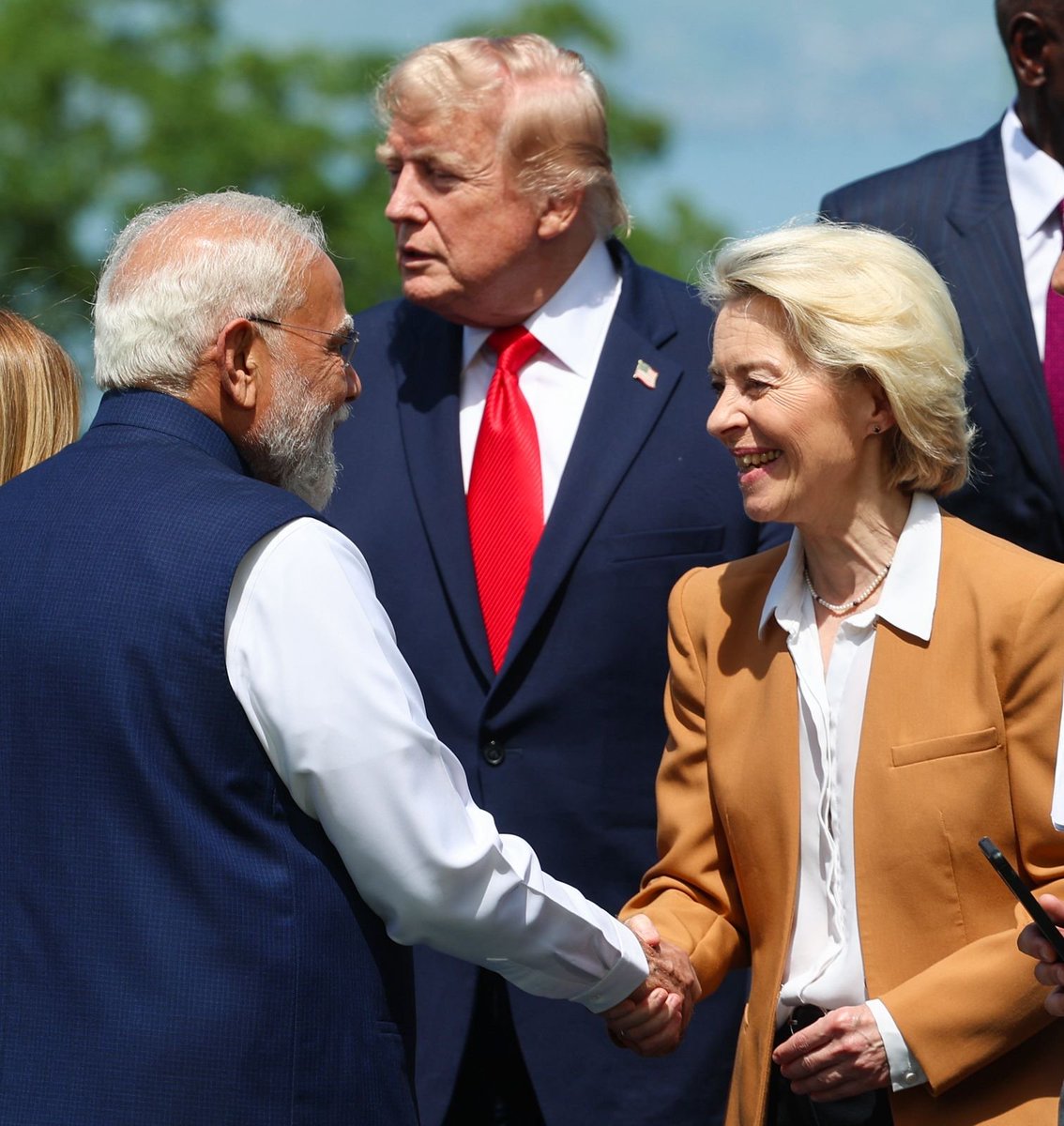
Today, Prime Minister Modi and President Trump will hold their first face-to-face bi-lateral meeting in 16 months. Of course, the ice has already been broken as the two found themselves in the same frame as G-7 leaders posed for the traditional family photo. The exchange between the two was not marked by the effusiveness that we have grown accustomed to in the past. Prime Minister Modi junked his signature hug and opted for a handshake. The interplay sets the tone for today's interaction between the two leaders since Trump’s somewhat arbitrary coercive diplomacy directed towards India over the last one year. The measures have included a recurring series of barely justifiable and visibly hypocritical unilateral punitive trade sanctions; a politically incorrect dalliance with India’s arch-nemesis Pakistan; reflected in Washington’s renewed outreach to Islamabad despite India’s security concerns; and unedifying verbal fusillades from Trump directed at India. But what has drastically added to the strain has been the death of three Indian seafarers in a US strike on a commercial oil tanker off the coast of Oman just days ago. The overreach by US forces tested India’s patience, and in an unusual show of disapproval, Delhi summoned the US charge-d’affaires to deliver a strongly worded demarche. It is in this roiled bilateral backdrop that the two leaders will hold the latest and perhaps the most consequential meeting in a long time.
The Prime Minister will be aware of the intense scrutiny that will accompany his meeting. There is an expectation in Indian domestic political and foreign policy circles that the Prime Minister will draw firm diplomatic redlines for America. This is of utmost importance. As one foreign policy analyst observed, “the Trump administration’s unilateral actions, tethered to Washington’s interests, may be undermining the promise of strategic frameworks” arrived at through mutual understanding. Whether on trade, regional security, or military action affecting Indian nationals, Delhi has increasingly found itself reacting to decisions taken without prior consultation. If the Prime Minister fails to communicate India’s reservations, he would have failed to protect India’s interests, which in turn would mean that Delhi would have reduced its own doctrinal phrase “strategic autonomy” to an empty slogan. While such an approach carries a risk, especially when dealing with the mercurial Trump, if America is truly India’s partner, it will understand where India is coming from. After all, no ally is truly an ally if they cannot understand your predicament. Partnerships endure only when both sides recognise each other’s core interests and sensitivities.
14
74
335
20,850

somnath basu retweeted

Jun 16
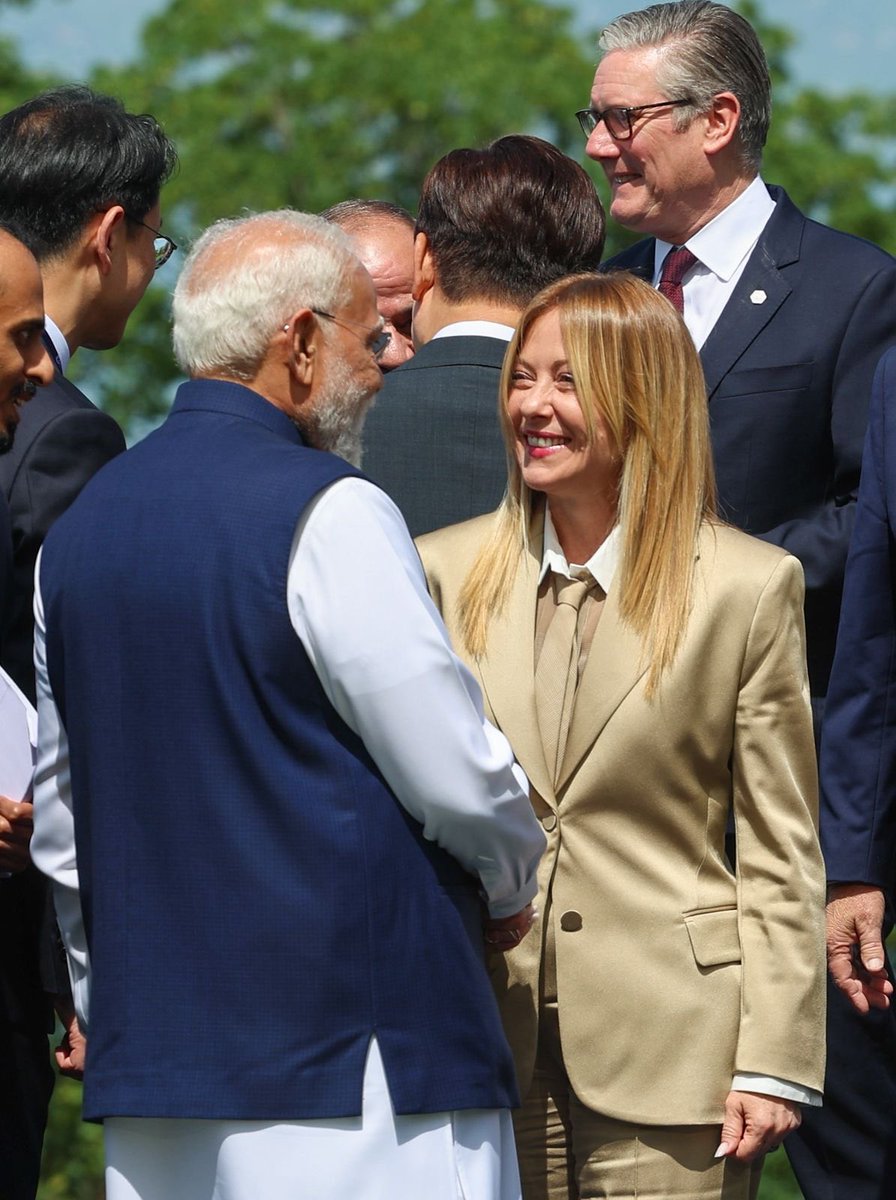
This picture is literally breaking the internet....
#Melodi
36
92
702
4,799
somnath basu retweeted

Jun 16
Modi offers Trump helping hand to climb the steps as leaders arrive to pose for the Family Photo at the G7 in France. Great metaphor of the times we live in.
427
912
8,772
224,089
somnath basu retweeted

Jun 16
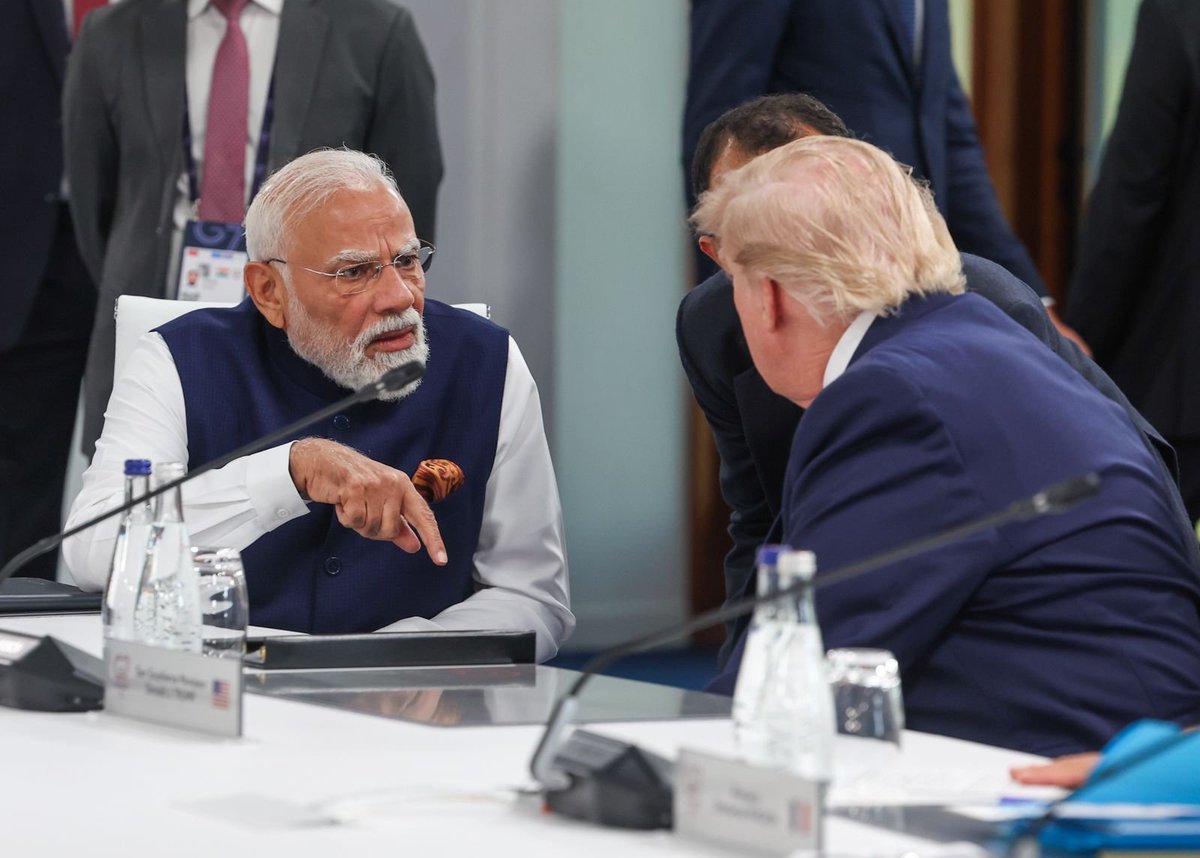
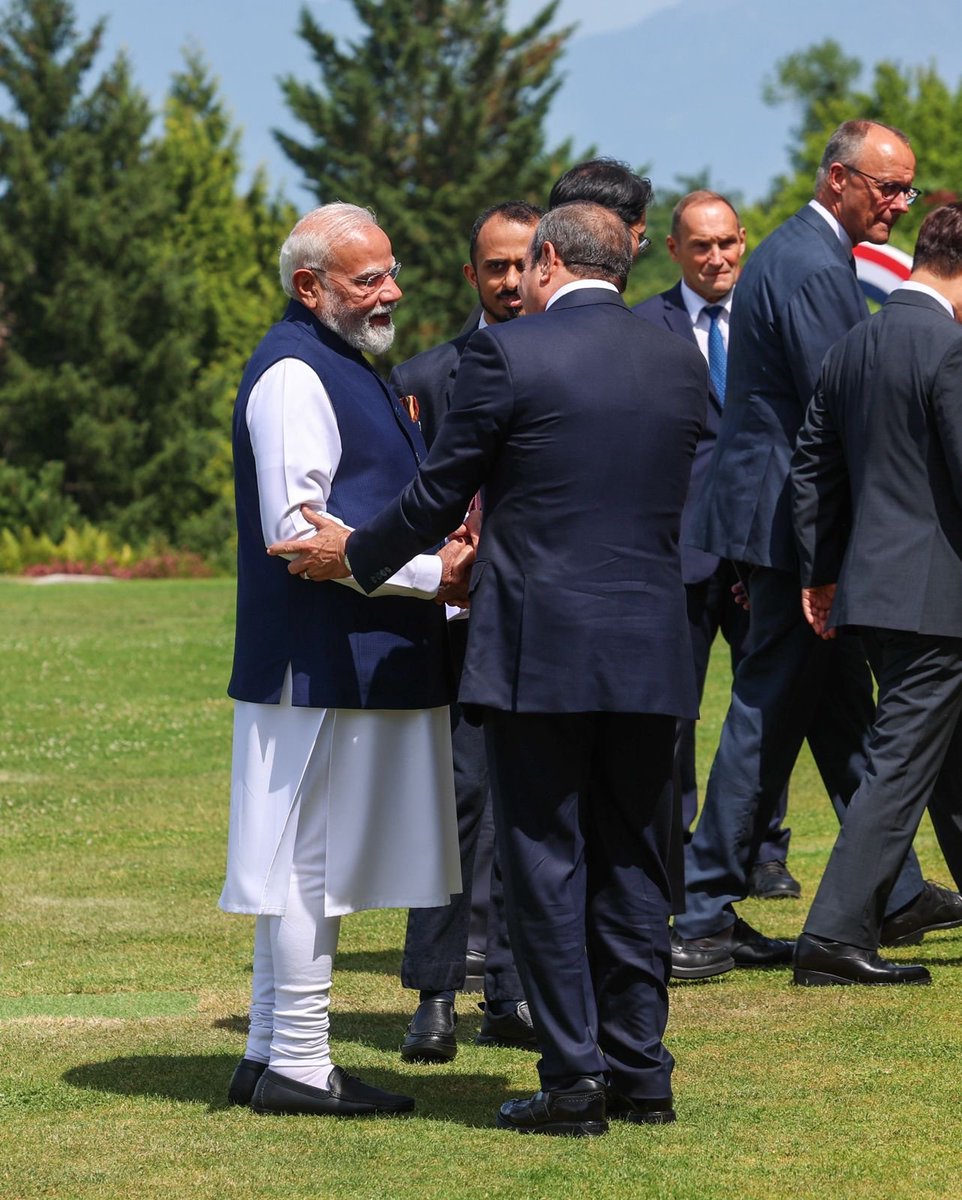
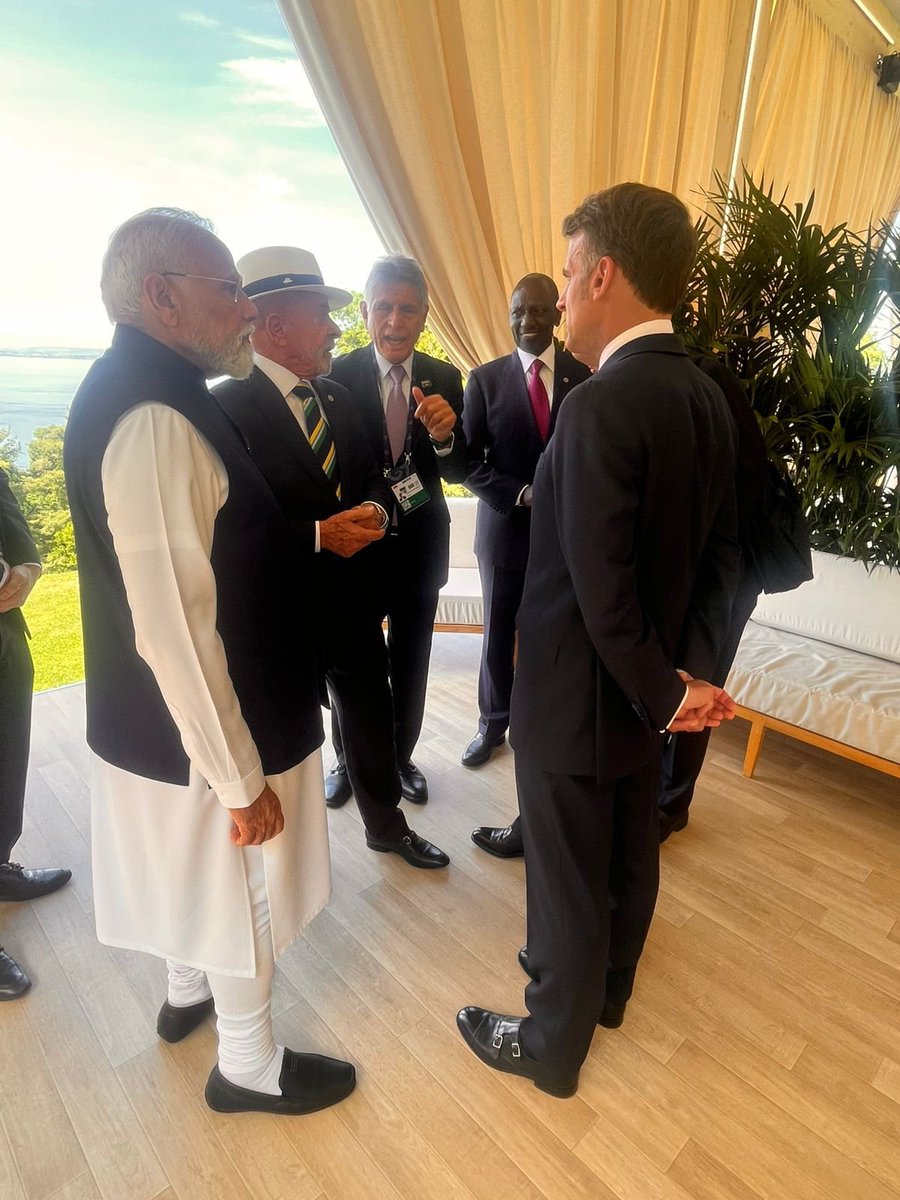
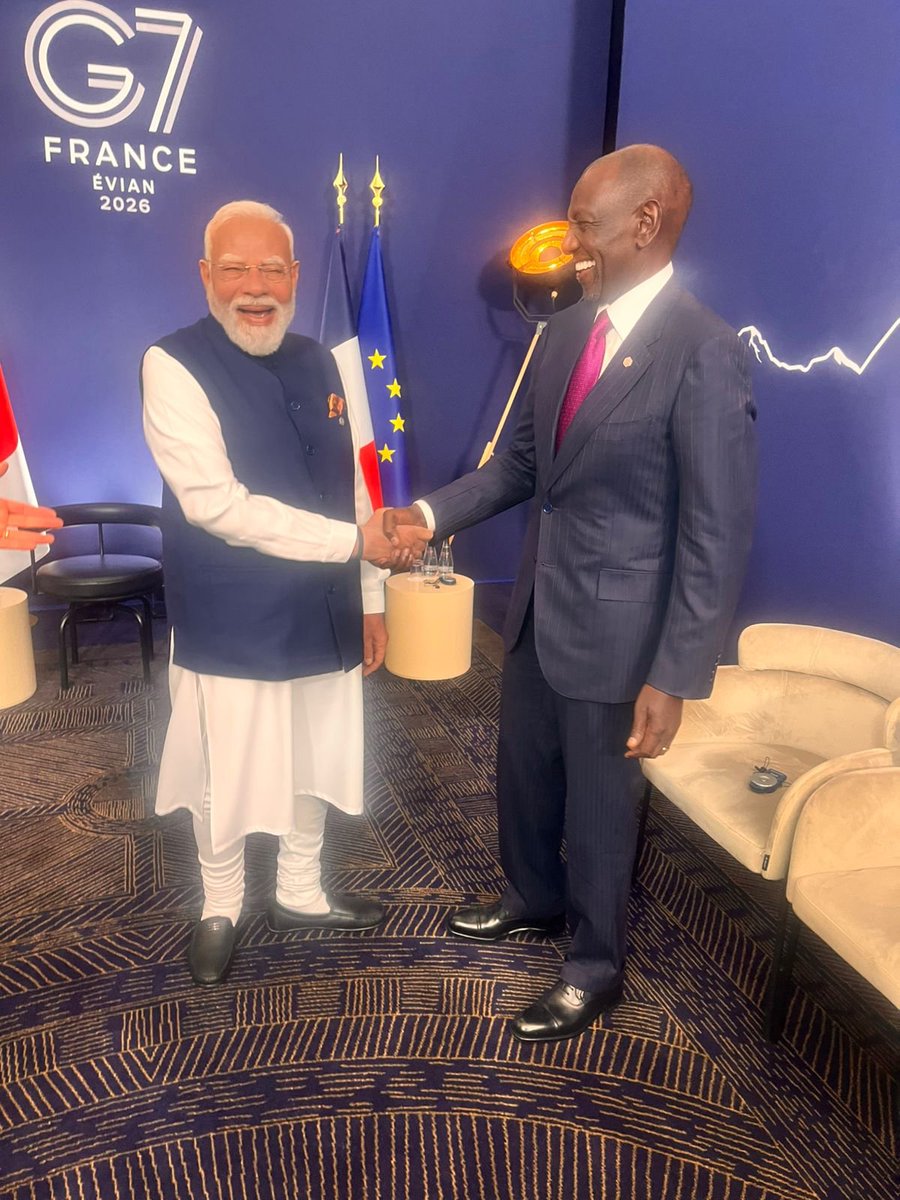
The interactions with world leaders continue at the G7 Summit in Evian.
@G7
2,066
6,789
85,248
5,972,234
somnath basu retweeted
Jun 16
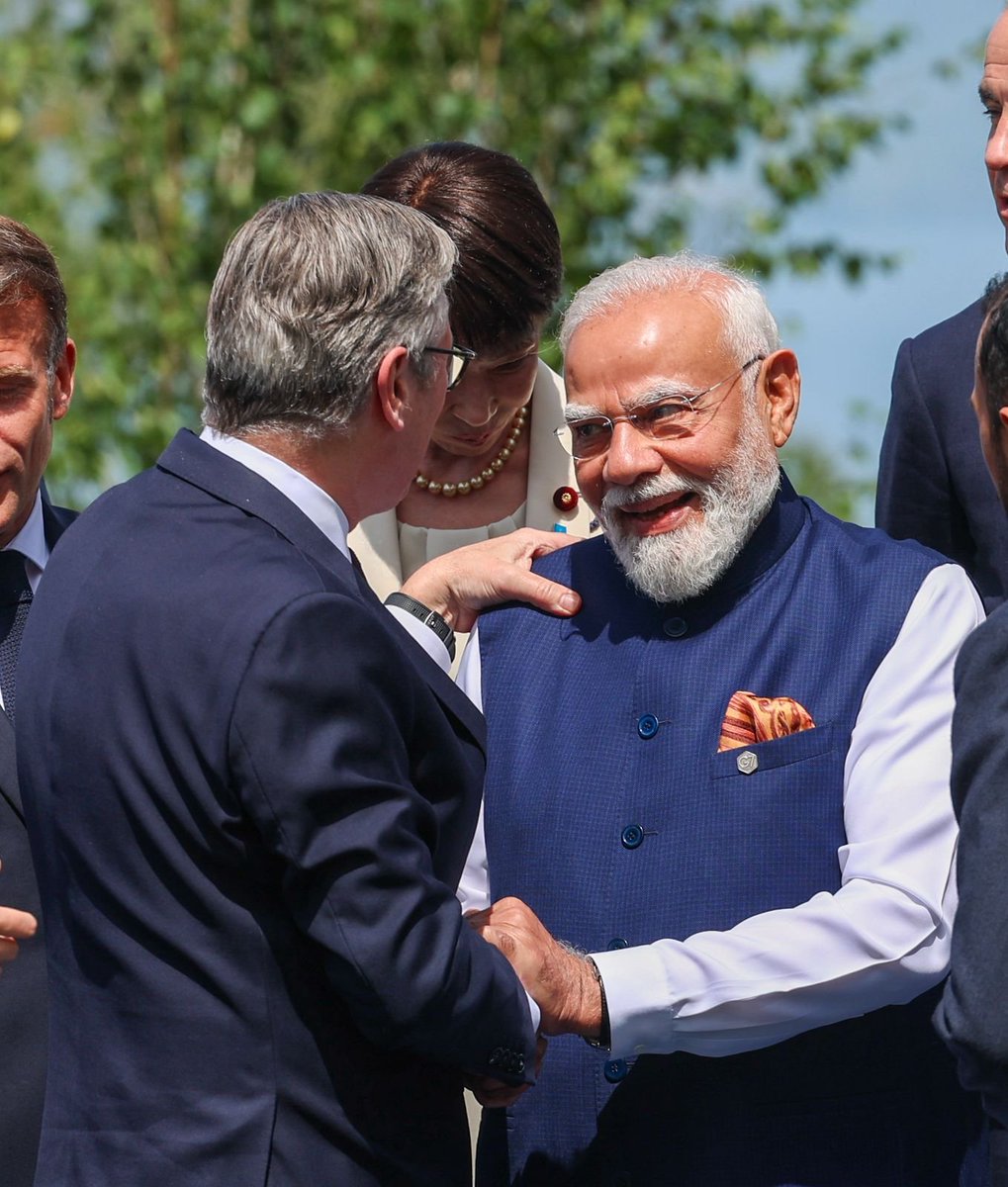
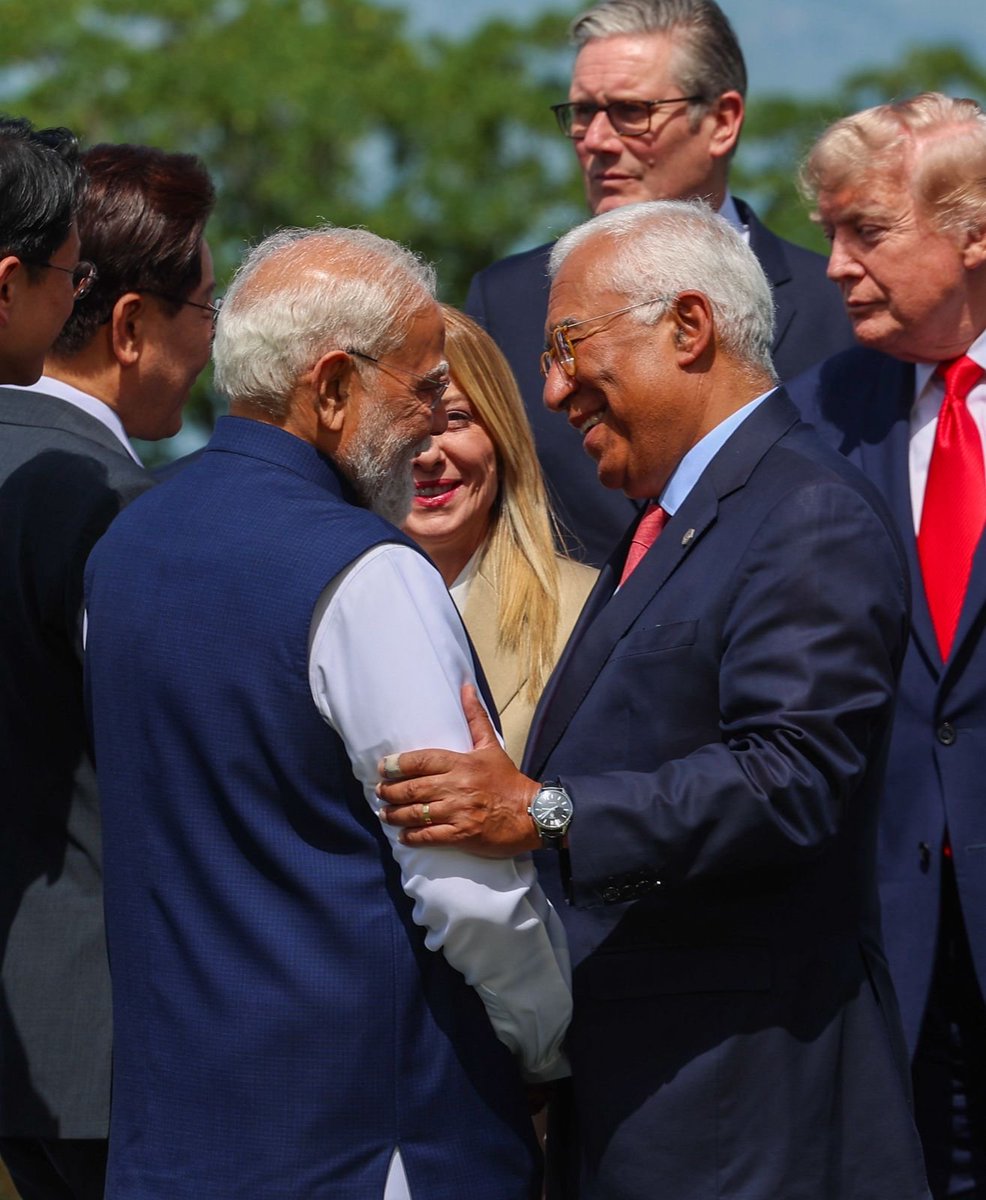
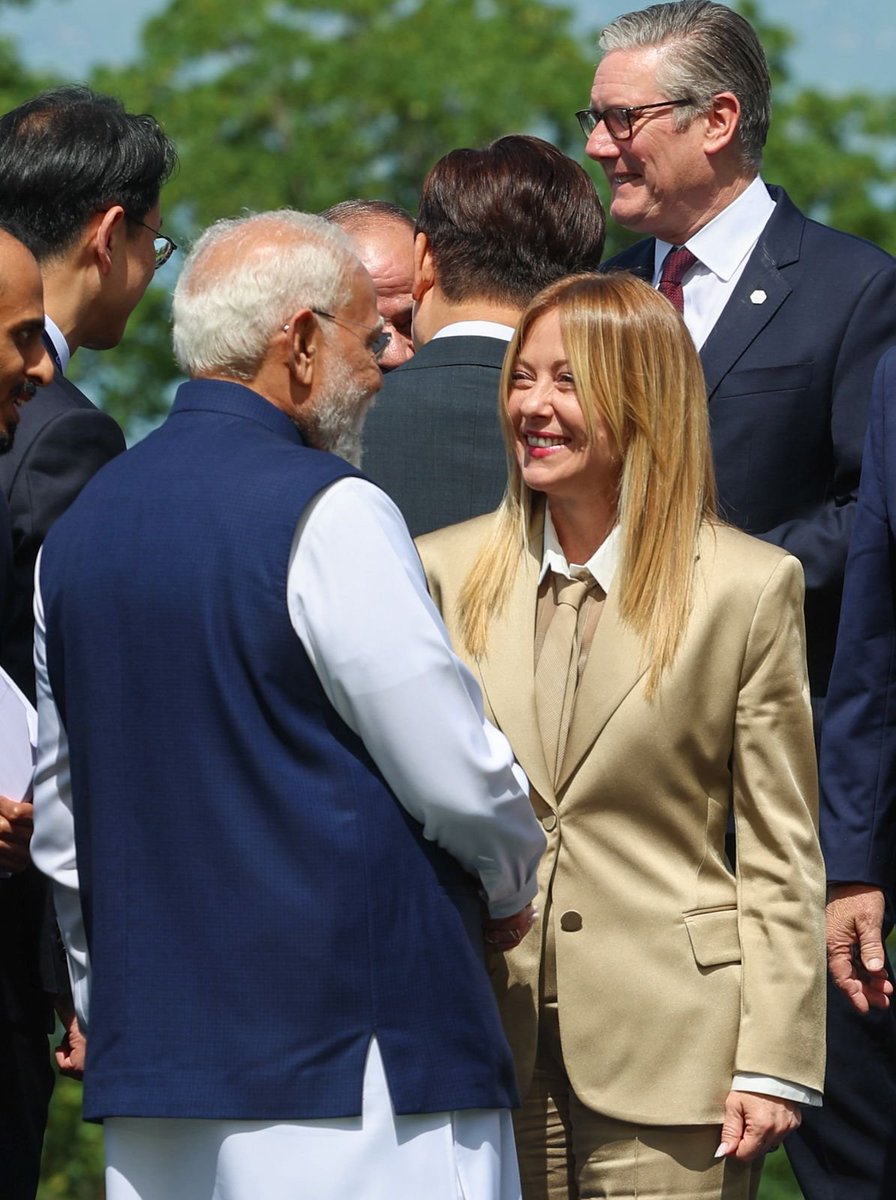
Before the start of the proceedings at the G7 Summit in Evian this afternoon.
Always insightful to exchange perspectives with G7 leaders.
@G7
1,811
7,629
73,972
3,625,558
somnath basu retweeted

Jun 16
Illegal blockades, threats of civil war, calls for foreign intervention - there will be reactions and consequences of every kind by Islamists and their cohorts, but Modi must not retreat. Uniform Civil Code has to be his enduring legacy.
Here I explain why the UCC is essential:
56
1,734
5,733
86,417
somnath basu retweeted

Jun 16
Breaking: PM Modi says ties with "friend" Canada have firmed up; Thanks Canada for extending invite for a visit.
31
856
9,335
148,385
somnath basu retweeted
Jun 16
JD Vance says US speaking directly to Iran, not through mediators or back channels. As usual Pakistan used and thrown into a dustbin?
365
1,370
8,473
196,542
somnath basu retweeted
Jun 16
#BREAKING: PM Modi-Trump Handshake In France As World Leaders Gather For The G7 Summit.
73
263
2,736
96,981

#WATCH | Washington DC, USA | On Pakistan's role as a mediator in the peace talks between the US and Iran, Director of Policy Analysis at the Middle East Forum (MEF), Dr Michael Rubin says, "...Pakistan may be a mediator, but it is likely to ensure behind the scenes that there is never a final agreement and that there is always enough chaos from which it can benefit"
"...Pakistan stands to win billions of dollars, gain great diplomatic prestige, and position itself as a key diplomatic mediator for supposedly solving the problem that it helped create. Pakistan should have been called out rather than embraced. Someone will one day write a book about how Pakistan has been able to turn lead into gold. They promoted the Taliban and then benefited from that. Rather than being bombed into oblivion, as some argued they should have been, they sponsored terrorism against India and the United States, and yet they seem to have been rewarded for it by having Donald Trump place them in a prime diplomatic position, rewarding Asim Munir with White House visits and Mar-a-Lago lunches. The fact of the matter is that Pakistan hosted Osama bin Laden. There has seldom been a government with more blood on its hands than Pakistan, and yet the international community somehow rewards it... Pakistan wants to see instability in the region because it engages in security extortion. As long as it can light fires within its region, Pakistan believes it can continue collecting funds. They don't want that billion-dollar gravy train to disappear. Pakistan may be a mediator, but it is likely to ensure behind the scenes that there is never a final agreement and that there is always enough chaos from which it can benefit..."
25
151
476
58,279
somnath basu retweeted

Jun 16
THIS IS REAL STRATEGIC AUTONOMY. LEARN FROM ISRAEL.
Netanyahu puts Israel first over best friend U.S.A.
Netanyahu: "It is his (Trump's) deal. I repeat it is his deal. We have our own interests."
What Netanyahu is really saying: no ally is truly an ally if they cannot understand your predicament.
230
1,198
5,189
263,153
somnath basu retweeted

Jun 15
As the India-A players remained locked in a lengthy discussion inside the dressing room following their dramatic Super Over defeat to Sri Lanka-A, a septuagenarian stood patiently outside, waiting for just one player.
The spectators had long left the Rangiri International Stadium. Ground staff was beginning to wrap up for the night, journalists were filing their reports and the emotions of a chaotic evening were still raw.
Yet, Anura Tennekoon remained where he was, occasionally glancing towards the dressing room entrance.
Sri Lanka’s first ODI captain and one of the country’s most respected cricketing figures had made the journey from Colombo with a simple purpose — to meet Vaibhav Sooryavanshi.
@ShayanAcharya writes what the Lankan veteran had to say about the Indian teen sensation: shorturl.at/CY1Jq
📹 @ShayanAcharya
7
155
1,031
450,935
somnath basu retweeted

Jun 15
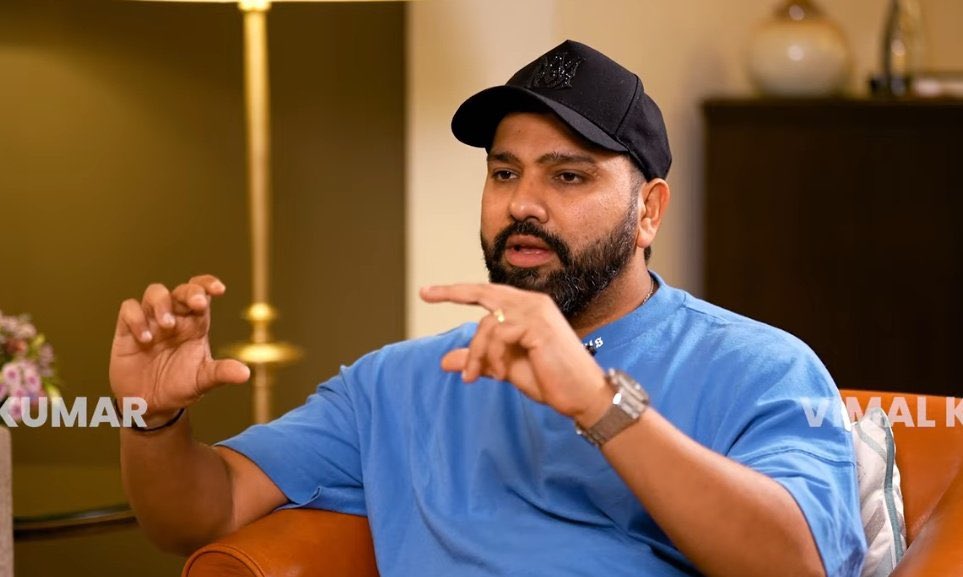
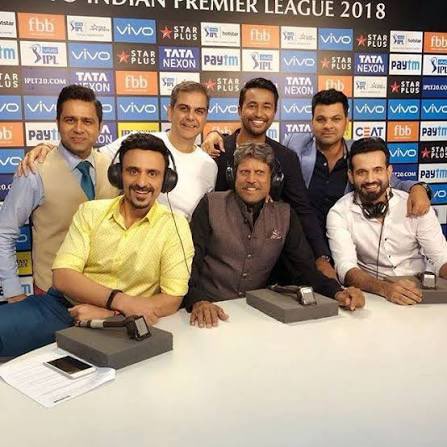
🚨 ROHIT SHARMA SLAMS HINDI COMMENTATORS 🚨
“Whenever we tour countries like Australia or England, the quality of commentary is on another level. But here in India, it’s often disappointing. Our commentators hardly talk about the game and spend the entire day discussing just one or two individuals. Because of that, I often switch to English commentary instead.”
18
3
48
5,507
somnath basu retweeted

Jun 15
Vikrant Gupta on Vaibhav Suryavanshi fight with Sri Lankan players:
- Cricket is not a contact sport, here rules & regulations are very strict. Vaibhav Suryavanshi pushed a Sri Lankan player, he literally pushed him & then Sri Lankan player also responded then Sri Lankan WK stopped that from going ugly.
I don't want to talk like this for Vaibhav Suryavanshi for just an India A game, he is our future superstar.
136
141
1,771
343,123