BatLab is a molecular evolution and genetics research group led by Prof. Emma Teeling, specialising in the weird and wonderful animals, the bats!
Joined March 2015
- Tweets 1,308
- Following 744
- Followers 1,501
- Likes 481
287 Photos and videos




UCD BatLab retweeted

5 Dec 2025
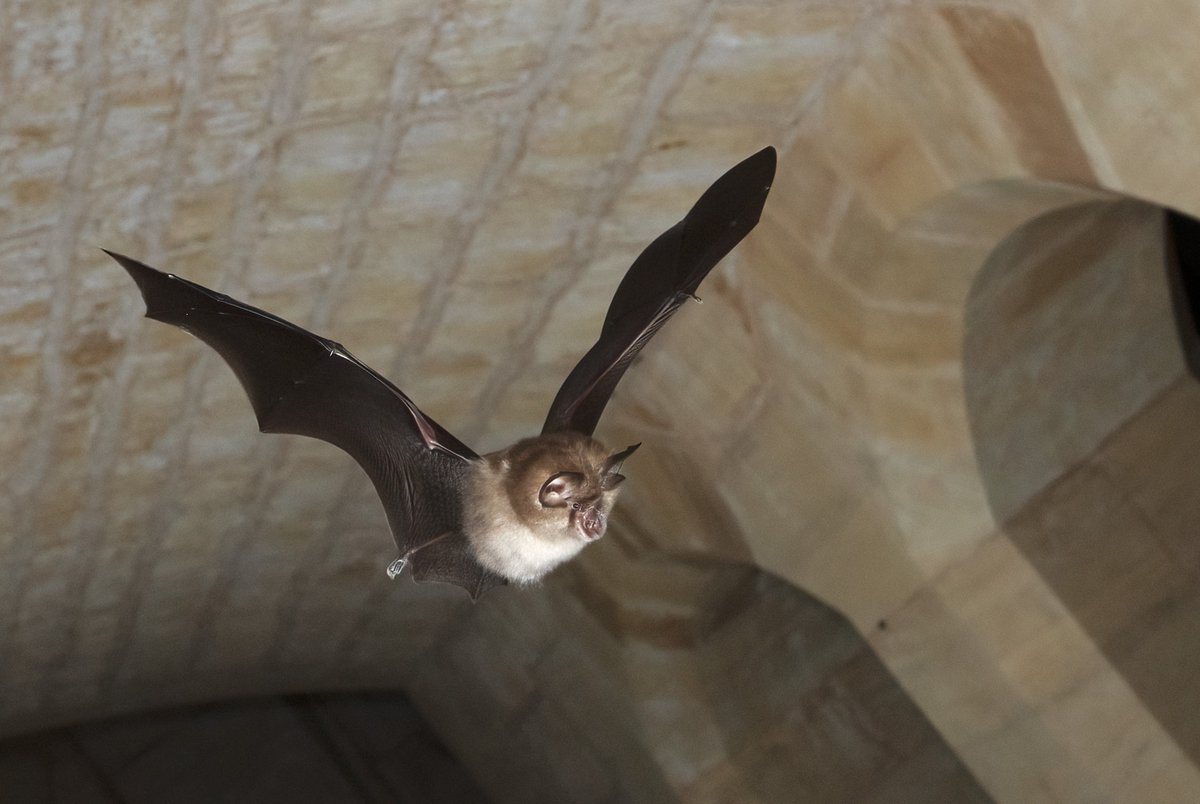
Is it better to have children early or later in life, and does parenthood speed up ageing? A new study from University College Dublin offers has tackled these questions with some help from Greater horseshoe bats. 🦇
Researchers found that reproducing early in life carries measurable costs but that some “super-mothers” defy the trend, living long, healthy lives while raising multiple offspring.
The team assessed the cost of reproduction by measuring telomere length, a biomarker of ageing and stress, in 200 female bats from a colony in the UK monitored continuously since 1959.
Telomeres shorten each time a cell divides and are considered a key marker of cellular health.
By pairing these biomarkers with each individual’s breeding history, the team uncovered a number of remarkable animals balancing reproduction and longevity.
“These ‘super-mothers’ have achieved the evolutionary jack-pot, living long healthy lives with lots of offspring. These are the individuals we need to study to uncover their longevity secrets,” said senior author Professor Emma Teeling.
1
5
5
816
UCD BatLab retweeted

1 Dec 2025
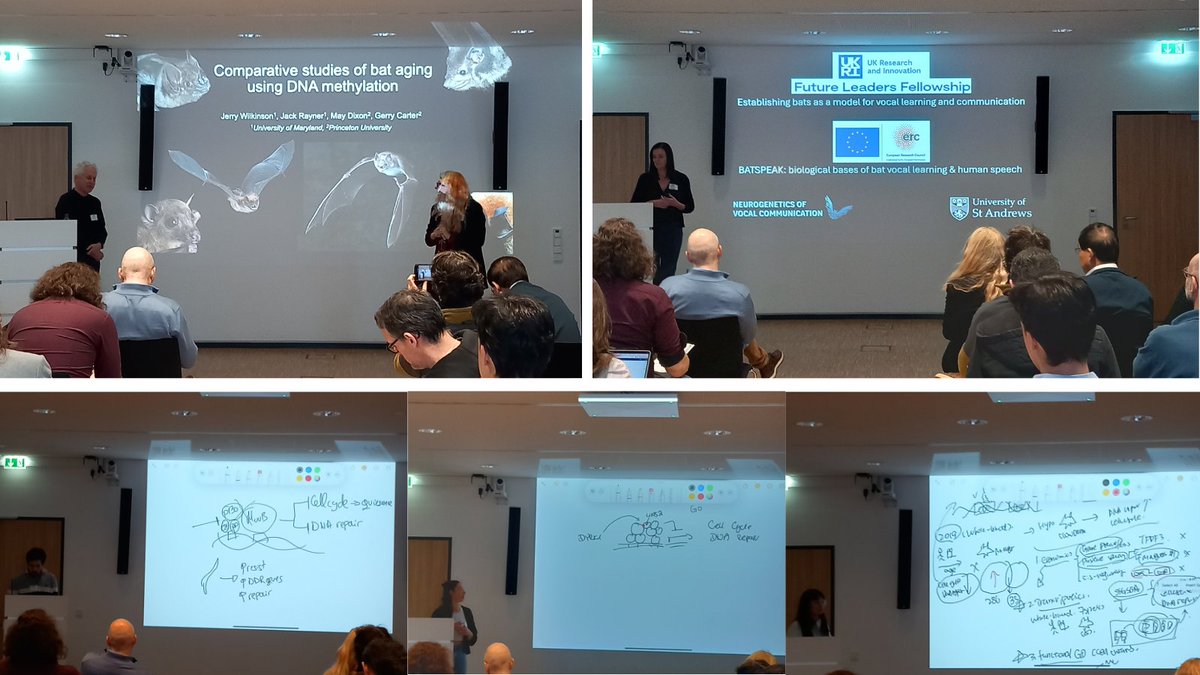
Afternoon kicked off by #GeraldWilkinson: Comparative studies of bat aging using DNA methylation
Theme 2 chalk talks: DREAM & repair #ArturoBujarrabal-Dueso, #NajaEckert & #XuanjingLi
Keynote by #SonjaVernes: Understanding bat adaptations by studying a captive bat colony
1
4
130
UCD BatLab retweeted
1 Dec 2025
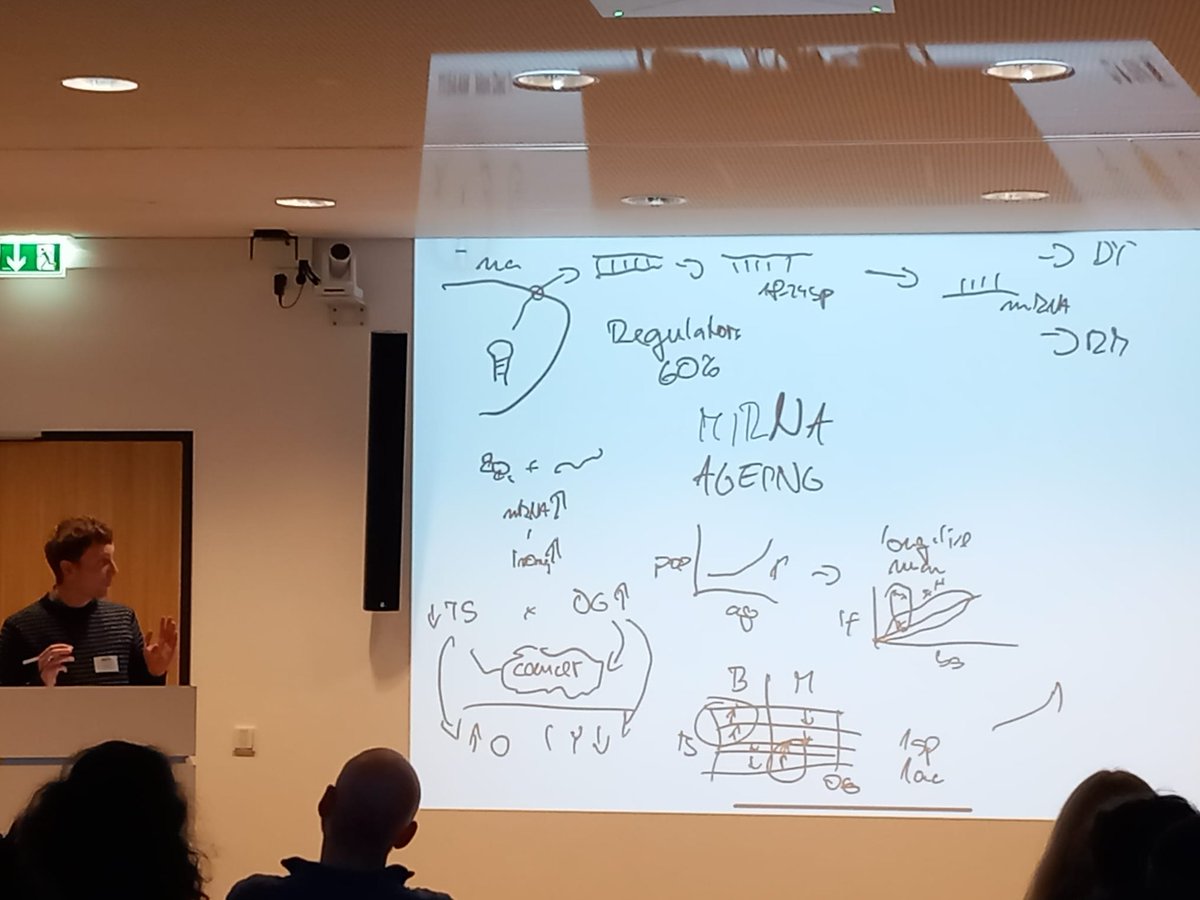
Part of our programme is Interactive Chalk talks and Theme 1 is on longitudinal sampling, biomarker & repair by #SebastienRiquier, #MaggieWeber, #IlzeSkujina & #MarekUvizl
Such a refreshing approach and aids discussion better than than typical PowerPoint 😀
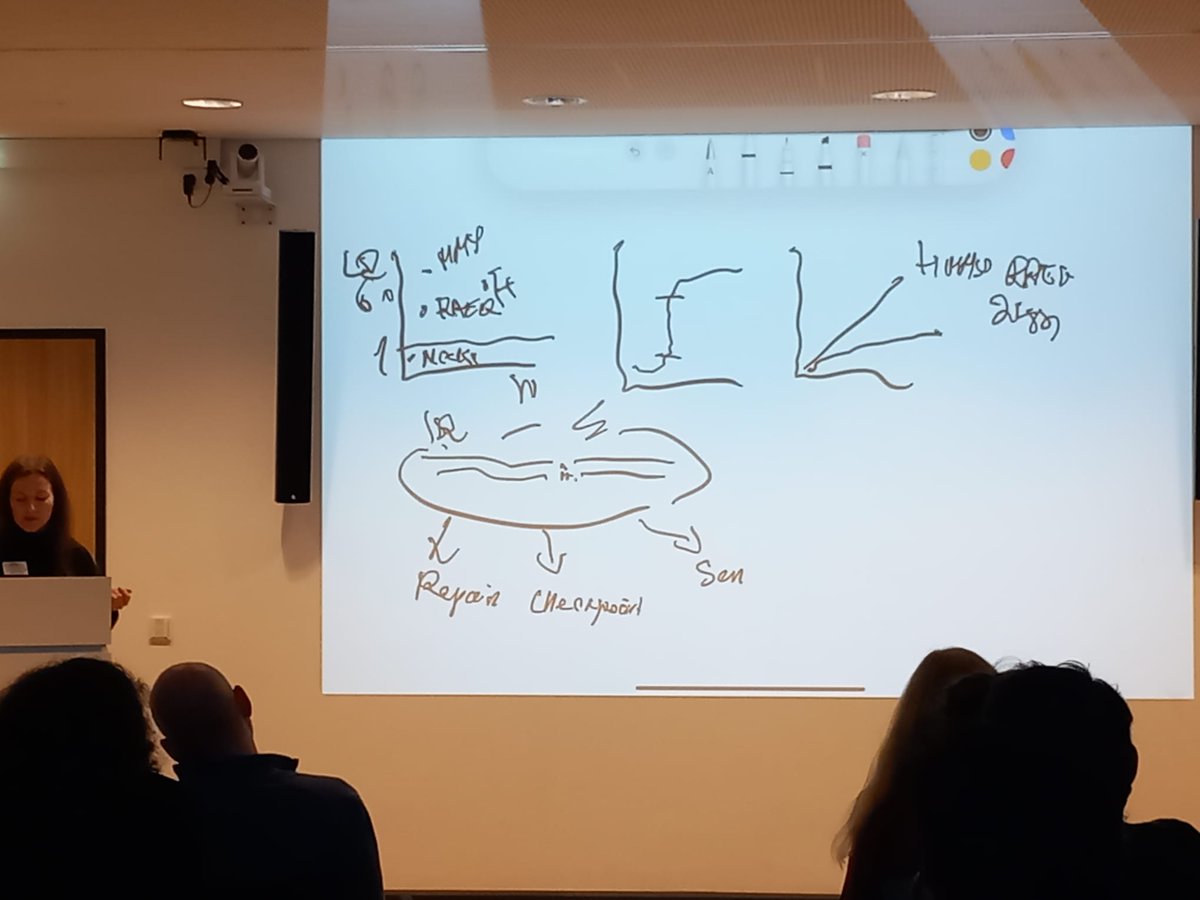
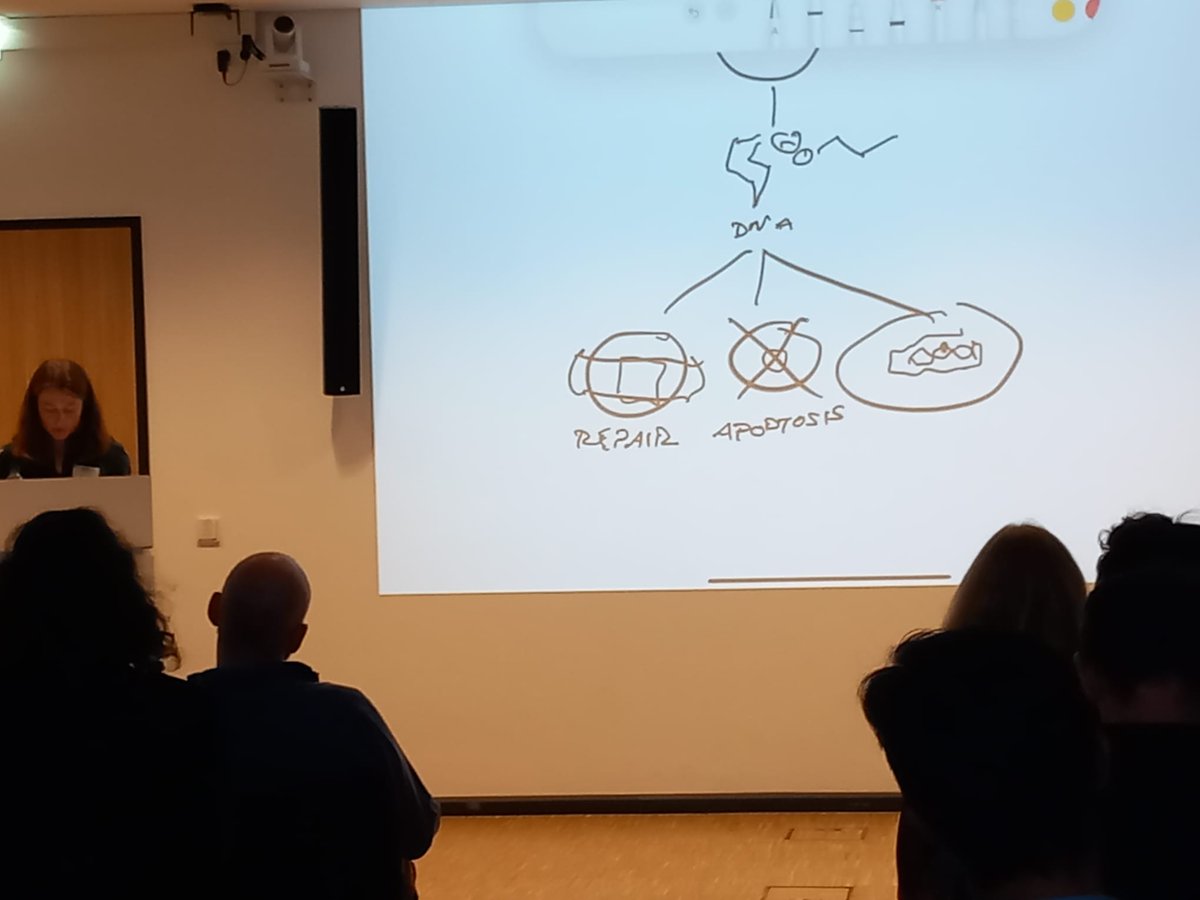
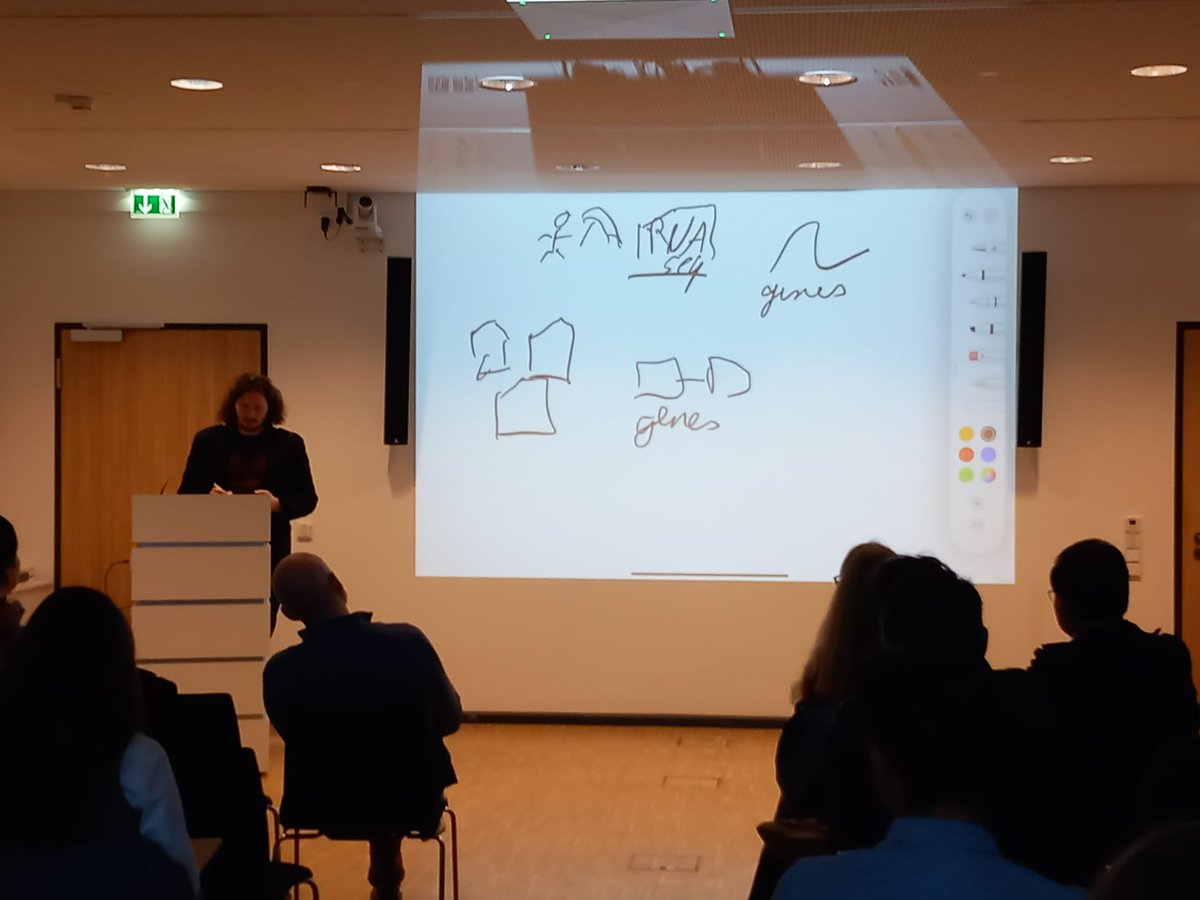
2
4
269
UCD BatLab retweeted
1 Dec 2025
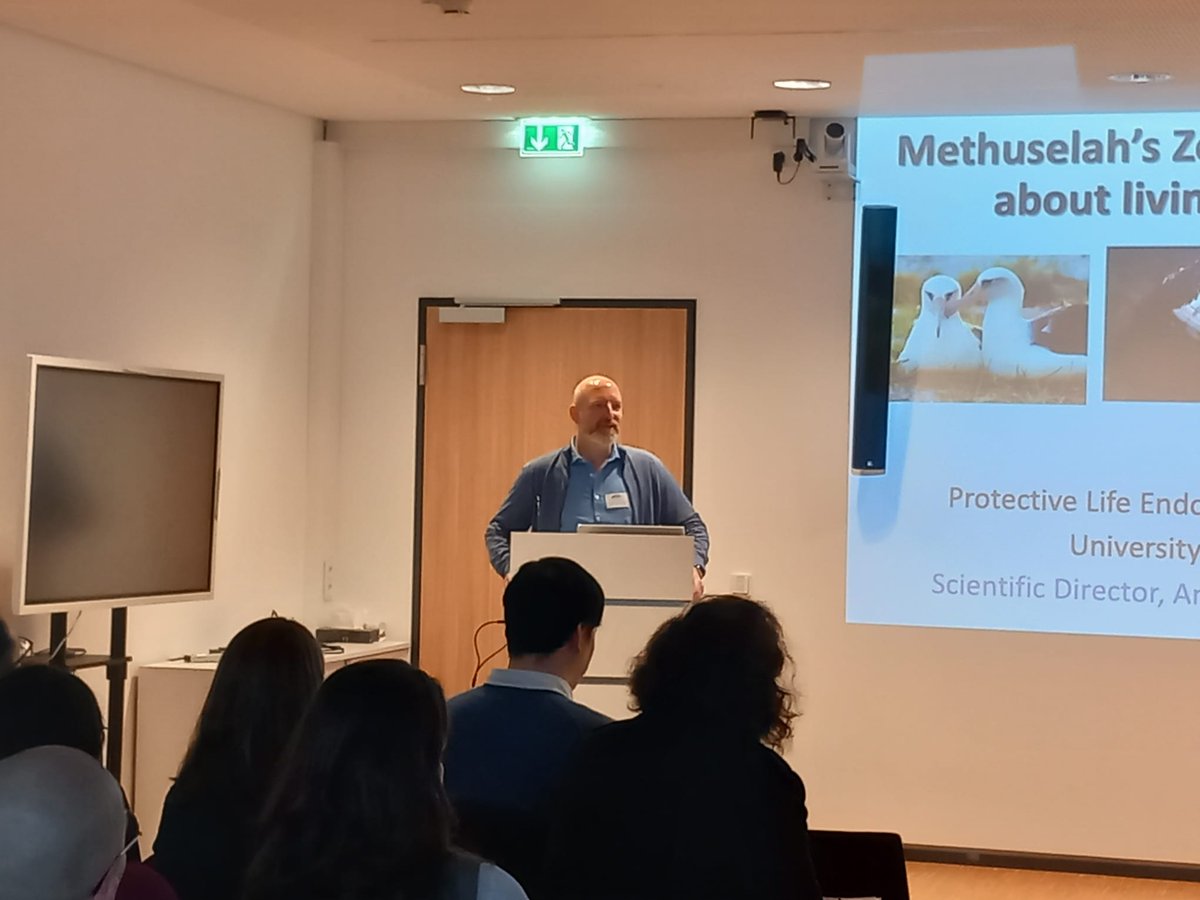
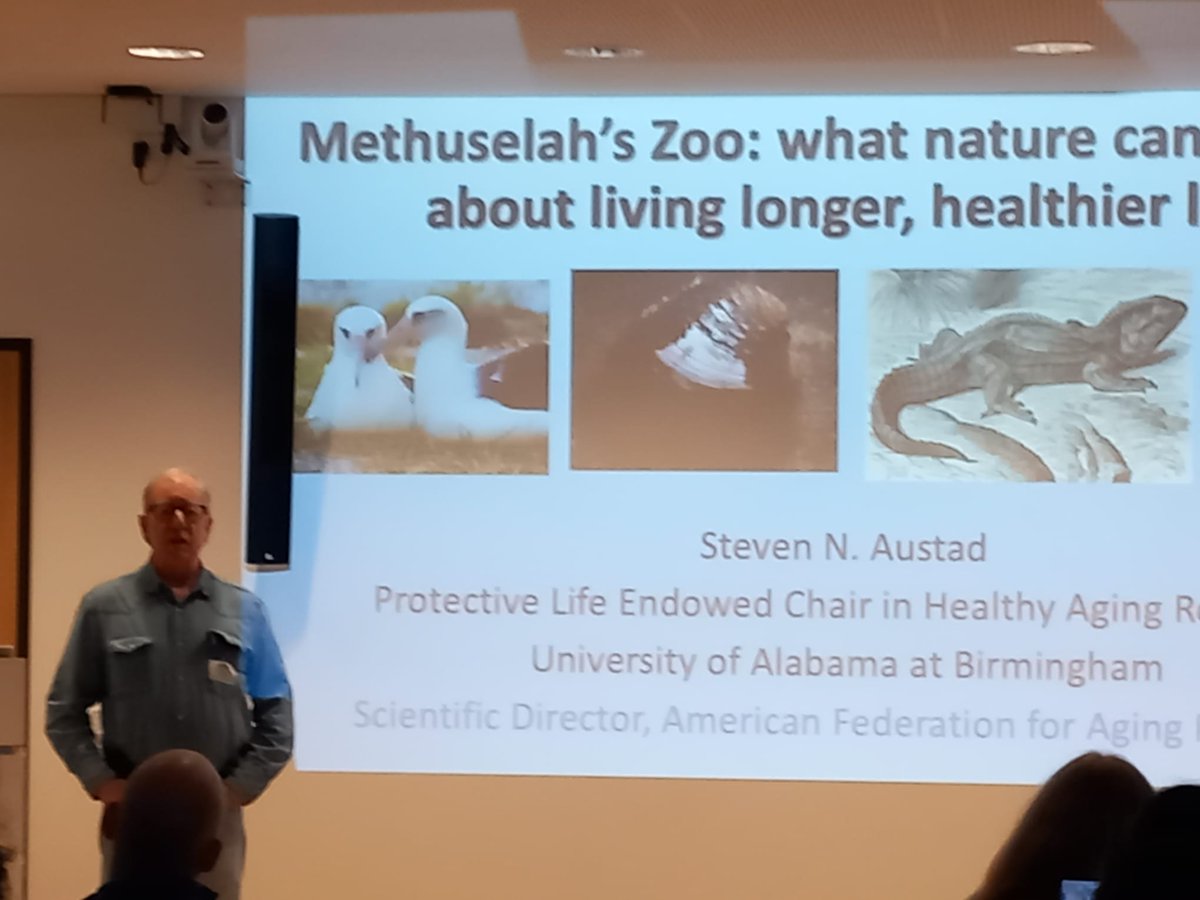
BatProtect - 3 day programme kicked off by @schumacherbj
Followed by first keynote of the day from #StevenAustad on Methuselah's Zoo: what nature can teach us about living longer, healthier lives
3
5
759
UCD BatLab retweeted
1 Dec 2025
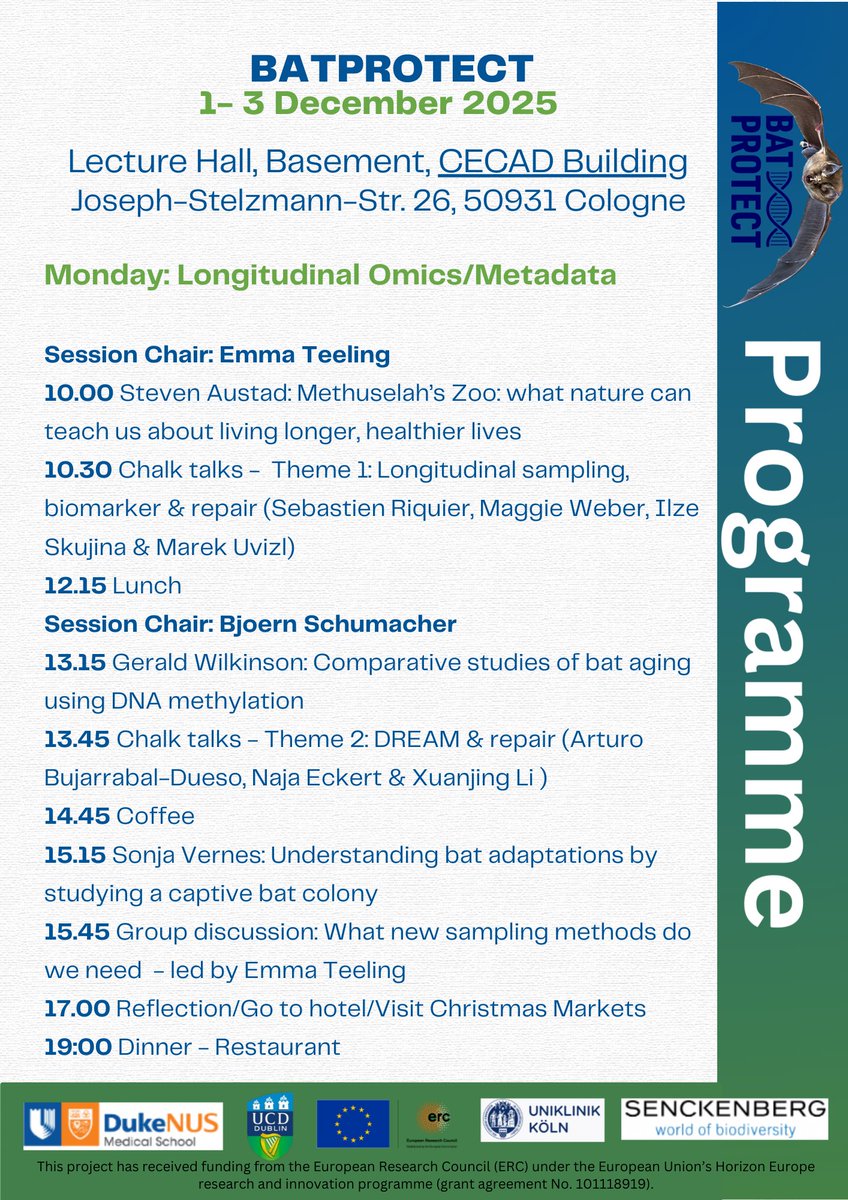
3 day programme has exciting blend of keynotes from leading experts, interactive chalk talks by BatProtect researchers from across consortium & group discussions focusing on new methods, opportunities and future research planning.
Day 1 focuses on Longitudinal Omics/Metadata
1
3
76
UCD BatLab retweeted

30 Oct 2025
Looking forward to talking about the superhero’s of the natural world @ExploriumI today 😊🦇
30 Oct 2025

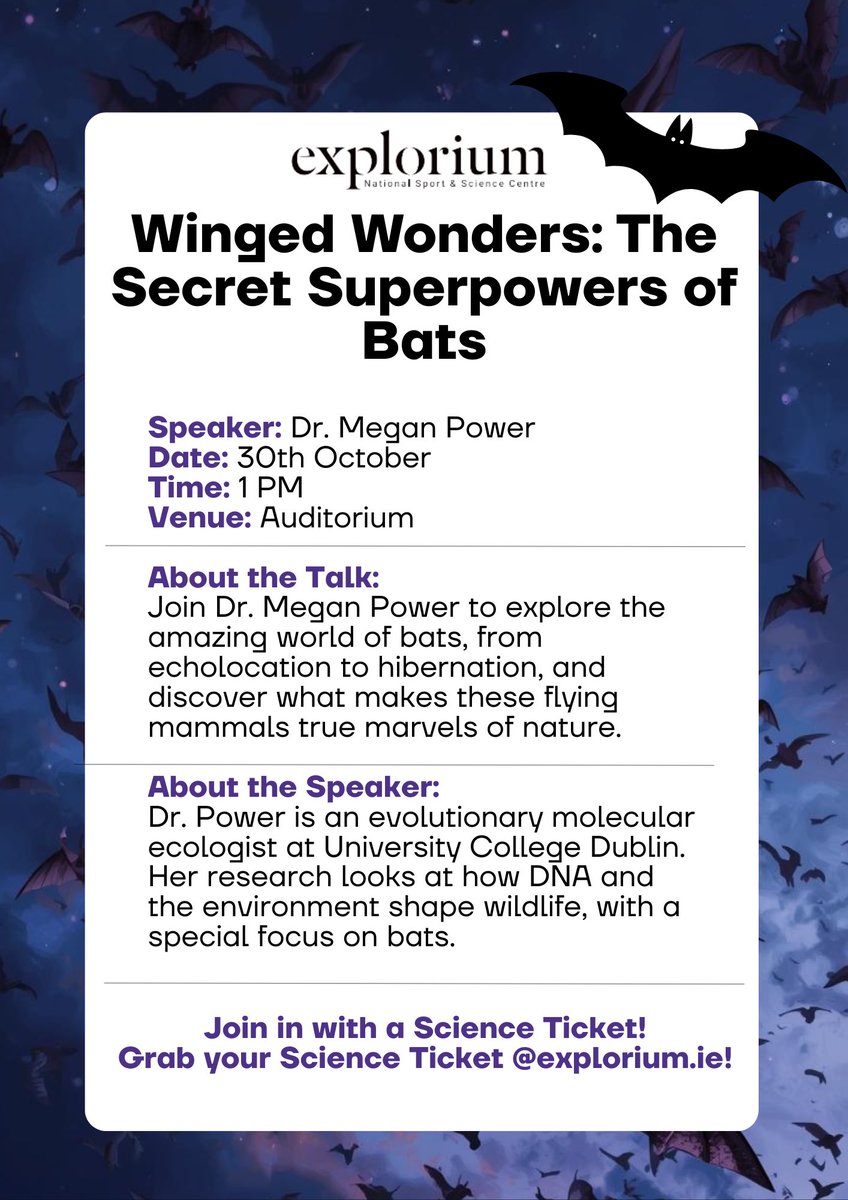
🦇 Winged Wonders: The Secret Superpowers of Bats! 🦇
Join Dr. Megan Power today at 1PM to uncover the amazing world of bats — from echolocation to hibernation! 🌍✨
Included with your Science Ticket 🎟️
#Explorium #ScienceInAction #Bats
1
3
181
UCD BatLab retweeted

13 Jun 2025
✨Research Laboratory Manager, UCD Bio and Envir. Science #ERC grant
Two of the greatest challenges that society faces are #HealthyAgeing and better resistance to #InfectiousDiseases
universityvacancies.com/univ…
@EmmaTeeling1 @UCDSBES @BatLabUCD
🦇🦇🦇🦇🦇
3
3
180
UCD BatLab retweeted

30 Jan 2025
Very proud of @BatLabUCD @bat1kgenomes @EmmaTeeling1 @GrahamMHughes and @ZixiaH for the publication of their paper on @Nature #bats
30 Jan 2025

Excited to share our new paper out in @nature, looking at the genomics of viral tolerance and immunity in #bats 🦇🧬with @ZixiaH, @EmmaTeeling1 and some incredible scientists as part of @bat1kgenomes. @UCDSBES @UCD_Research. Check it out: nature.com/articles/s41586-0…
3
7
520
UCD BatLab retweeted

7 Oct 2024
Large-scale comparative analyses of Amphibians give insights into their genome structure and adaptability to climate change. Check out the latest work from an international team of scientists including UCD’s own @MeganPower101 @UCDSBES
@UCD_Research
onlinelibrary.wiley.com/doi/…
3
10
544

13 Jun 2024
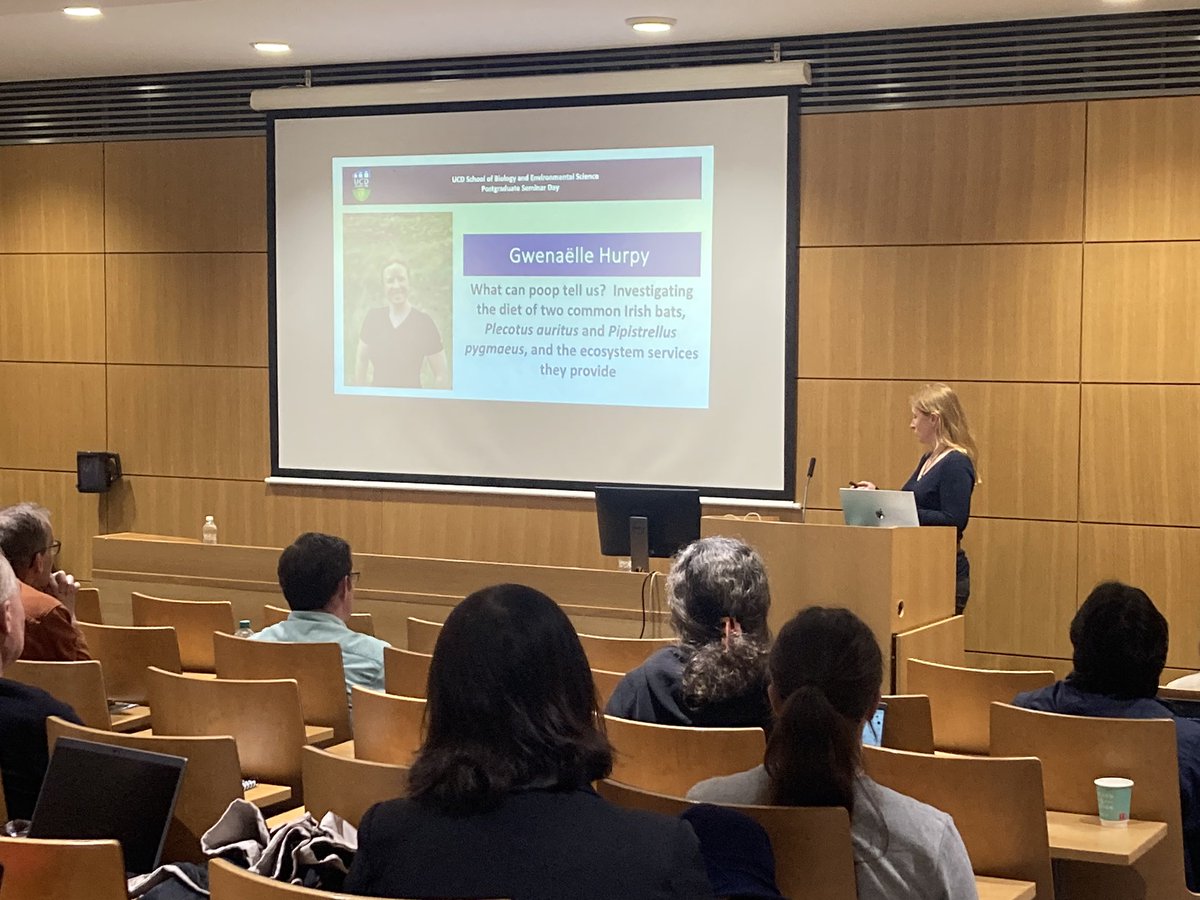
And the next of @BatLabUCD members @GwenaelleHurpy telling us what Irish bat poop can tell us about our ecosystems Irish bats provide! @UCDSBES
2
4
634
13 Jun 2024
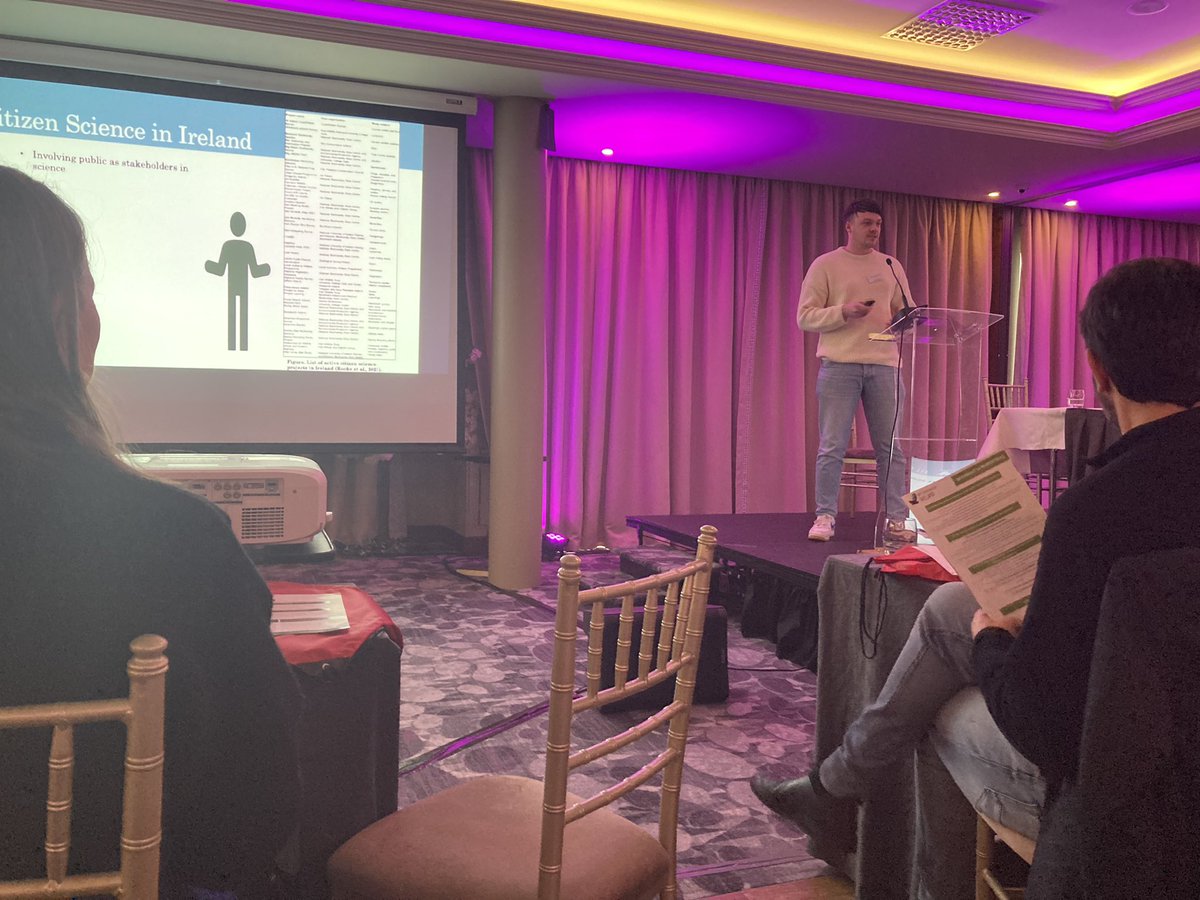
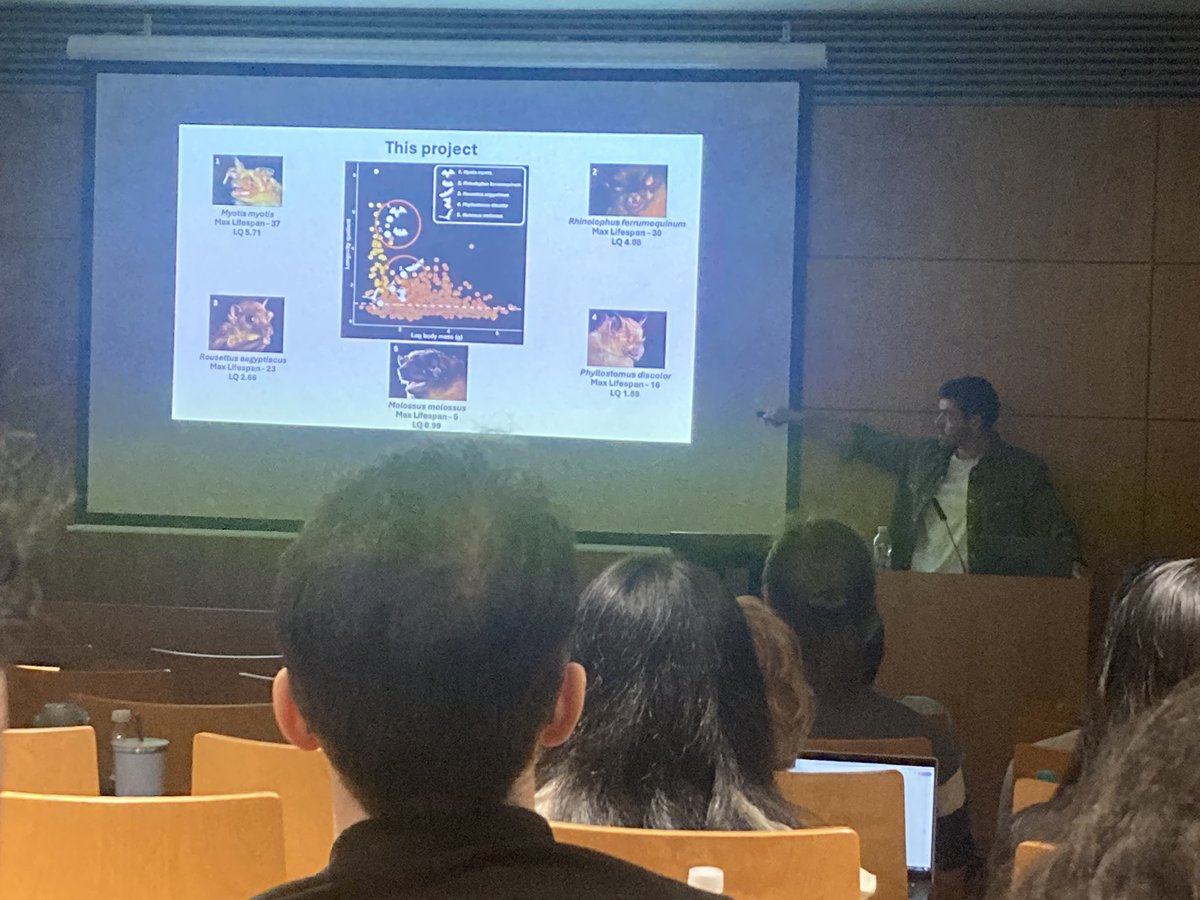
@BatLabUCD’s own @TadhgLonergan presenting his PhD work on #telomeres in long and short lived #bats @UCDSBES
13 Jun 2024

He’s all grown 🥹 super proud as always @TadhgLonergan talking about his research in #telomeres of #bats of varying longevities at the @UCDSBES postgrad seminar day!!!
1
6
641
21 Mar 2024
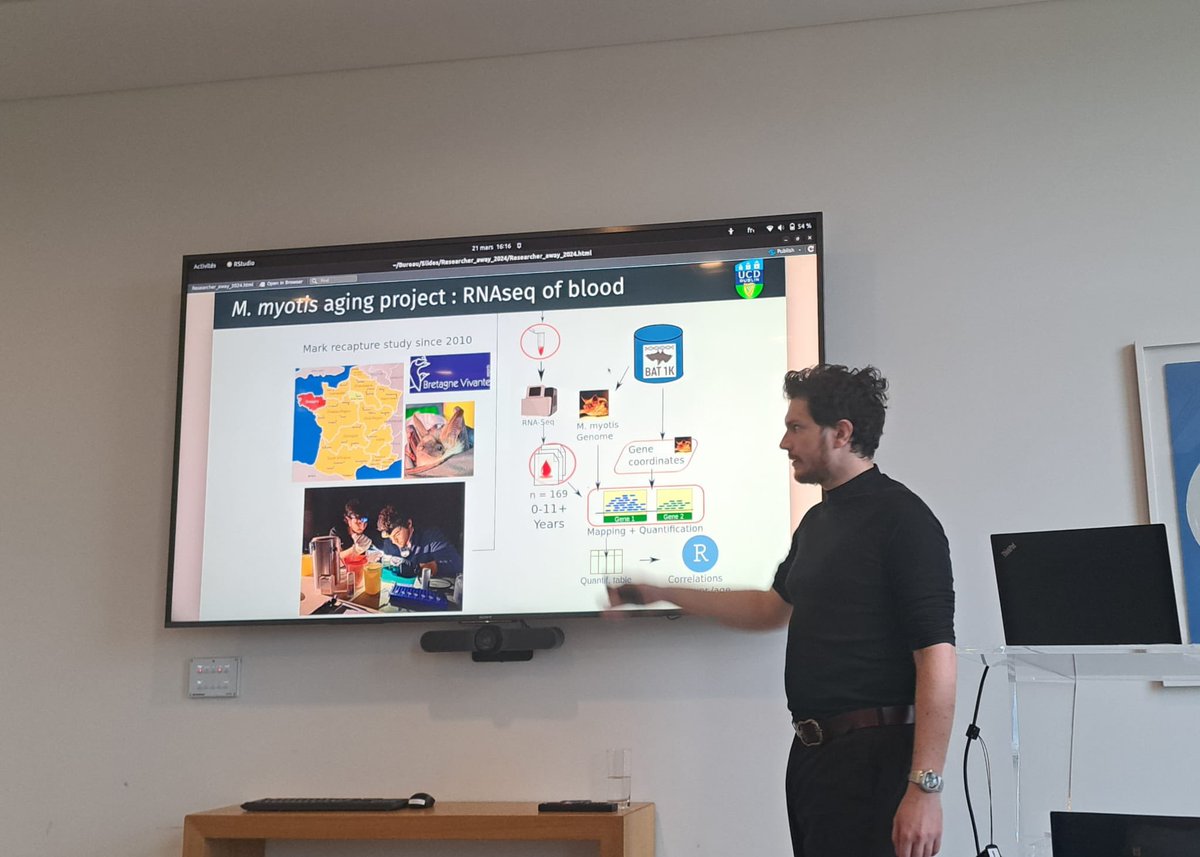
@BatLabUCD’s own Seb giving a talk on unlocking the secrets of #bat longevity at @UCDSBES researchers away day #ageing
2
11
744
12 Mar 2024
Calling all Irish Naturalists! New position available at @BatLabUCD working with @darwintreelife, closing date is soon!! #jobfairy @UCDSBES @UCDEarth @ucdscience
12 Mar 2024

Cool position: ‘Research Assistant’ with knowledge of Irish flora and fauna needed to further the collection of species from Ireland for the Darwin Tree of Life project. €30,025 - €35,429 per year, 24 months, closing 22nd March 2024
ucd.ie/workatucd/jobs, ref number 017081
6
8
1,421
UCD BatLab retweeted
18 Feb 2024
Huge congratulations to @BatLabUCD and the Hughes Lab’s @BatSamC on passing his PhD viva! A job well done @GenomicsCRT @UCDSBES

1
3
24
2,465
16 Feb 2024
16 Feb 2024

Big congratulations to @BatSamC who just passed his viva! Great work and big celebrations tonight🎉🎊🎉🎊
@GenomicsCRT @UCDSBES @ucdscience @BatLabUCD

1
1
13
1,028
UCD BatLab retweeted
11 Dec 2023
Definitely too big for the fridge, will have to put it on the wall instead 😂 @UCDTL

2
3
31
2,272
3 Nov 2023
🦇🦇🦇
3 Nov 2023
Was delighted to have chatted about Irish #bats, #hibernation & some of our recent work last night as part of #NatureNights on @RTERadio1 which can be listened to below! 🤗 @UCDSBES @UCD_Research @ucdscience @UCDEarth @IrishResearch
rte.ie/radio/radio1/clips/11…
1
391
UCD BatLab retweeted

🔊 Do not miss this 📰 by @MeganPower101 et al. about #telomeres in #hibernating ❄️🦇 and possible consequences of #climate #change 🌍🌡️ @royalsociety | @BatLabUCD | @JonesLabBris | @OdysysLab
🔎➡️ royalsocietypublishing.org/d…
17 Oct 2023

🦇🧬 How climate change could cause havoc to the extraordinary lifespans of bats
👩🔬 The extraordinary lifespans of bats could be under threat from rising global temperatures, according to new research.
A study by researchers from University College Dublin and University of Bristol found that the hibernation cycle of a group of wild greater horseshoe bats affected by fluctuations in the weather had affected the molecular mechanism thought to give bat species their long lives.
Telomeres are pieces of DNA that act as a protective structure at the end of chromosomes.
Each time a cell divides, they shorten. And it is this shortening that is associated with aging and aging-related diseases.
Data from the new study showed that bats who more frequently arose from hibernating due to warmer conditions during the 2019/2020 hibernation period had significantly shorter telomeres compared to those recorded in previous, colder, winters.
🗣️ UCD Professor Emma Teeling: “We were surprised and then worried at this finding, given that the predicted rise in global temperatures could limit the beneficial effects of hibernation in our wild bats.”
The lead author of study Dr Megan Power, from UCD School of Biology and Environmental Science, worked with a population of wild greater horseshoe bats (Rhinolophus ferrumequinum) in the UK, which have been monitored since 1959 by Dr Roger Ransome, who now holds the record for the longest mammal field study by an individual.
Carrying out the very first longitudinal study of telomeres in hibernating bats, she tracked over 200 individuals across three winters to determine the beneficial effects of hibernation on telomeres.
Her work showed hibernation acts like a form of rejuvenation, where the telomeres extend rather than shortening during the hibernation season.
This is most likely due to the expression of the enzyme telomerase which allows telomeric DNA to replicate itself in bats without causing harm. In other mammals, including humans, the enzyme usually drives cancer when switched on in non-egg and sperm cells.
University of Bristol Professor Gareth Jones: “It is fascinating that telomeres can extend in length, and it will be interesting to further investigate the potential role of telomerase in this process."
Hibernation is different from sleeping, as the latter does not involve the same large drop in body temperature and metabolism.
Dr Power said the study highlights the serious potential consequences that changing climatic conditions could have for the long-lived temperate of bats.
“We found that climate plays a huge role, showing how susceptible our native mammals can be to fluctuations in weather, with worrying implications given our forecasted climate changes. Species with long-life spans and a slow reproductive rate, like bats, are particularly vulnerable to environmental change. Therefore, it is important for us to understand how bats are affected by and cope with rapid climate change.”
This research was funded by an IRC PhD scholarship to Dr Power and an IRC Laureate and SFI Future Frontiers award to Professor Teeling, and was made possible by the ongoing collaboration between The Gareth Jones Lab and UCD Bat Lab.
---
✌️ @MeganPower101 | @EmmaTeeling1 | @BatLabUCD | @JonesLabBris | @UCDSBES | @ucdscience | @BristolUni | @BristolBioSci | @IrishResearch | @OdysysLab | @scienceirel | @UCD_Research
ucd.ie/newsandopinion/news/2…
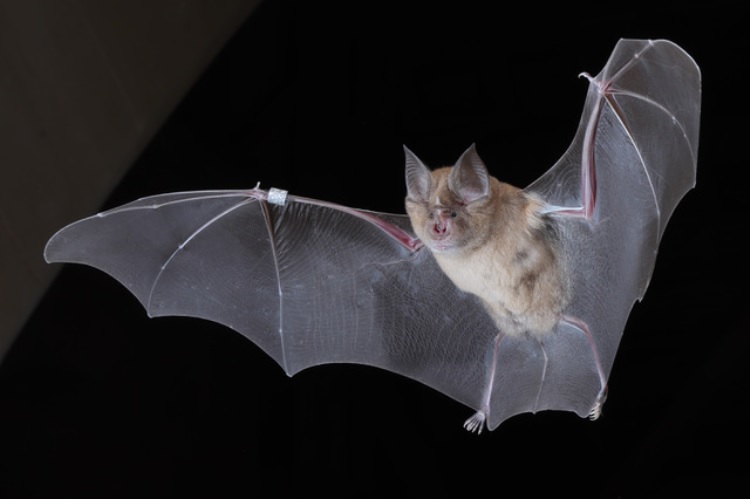
ALT A picture of a bat (mammal)
3
10
22
4,248
UCD BatLab retweeted
17 Oct 2023
🦇🧬 How climate change could cause havoc to the extraordinary lifespans of bats
👩🔬 The extraordinary lifespans of bats could be under threat from rising global temperatures, according to new research.
A study by researchers from University College Dublin and University of Bristol found that the hibernation cycle of a group of wild greater horseshoe bats affected by fluctuations in the weather had affected the molecular mechanism thought to give bat species their long lives.
Telomeres are pieces of DNA that act as a protective structure at the end of chromosomes.
Each time a cell divides, they shorten. And it is this shortening that is associated with aging and aging-related diseases.
Data from the new study showed that bats who more frequently arose from hibernating due to warmer conditions during the 2019/2020 hibernation period had significantly shorter telomeres compared to those recorded in previous, colder, winters.
🗣️ UCD Professor Emma Teeling: “We were surprised and then worried at this finding, given that the predicted rise in global temperatures could limit the beneficial effects of hibernation in our wild bats.”
The lead author of study Dr Megan Power, from UCD School of Biology and Environmental Science, worked with a population of wild greater horseshoe bats (Rhinolophus ferrumequinum) in the UK, which have been monitored since 1959 by Dr Roger Ransome, who now holds the record for the longest mammal field study by an individual.
Carrying out the very first longitudinal study of telomeres in hibernating bats, she tracked over 200 individuals across three winters to determine the beneficial effects of hibernation on telomeres.
Her work showed hibernation acts like a form of rejuvenation, where the telomeres extend rather than shortening during the hibernation season.
This is most likely due to the expression of the enzyme telomerase which allows telomeric DNA to replicate itself in bats without causing harm. In other mammals, including humans, the enzyme usually drives cancer when switched on in non-egg and sperm cells.
University of Bristol Professor Gareth Jones: “It is fascinating that telomeres can extend in length, and it will be interesting to further investigate the potential role of telomerase in this process."
Hibernation is different from sleeping, as the latter does not involve the same large drop in body temperature and metabolism.
Dr Power said the study highlights the serious potential consequences that changing climatic conditions could have for the long-lived temperate of bats.
“We found that climate plays a huge role, showing how susceptible our native mammals can be to fluctuations in weather, with worrying implications given our forecasted climate changes. Species with long-life spans and a slow reproductive rate, like bats, are particularly vulnerable to environmental change. Therefore, it is important for us to understand how bats are affected by and cope with rapid climate change.”
This research was funded by an IRC PhD scholarship to Dr Power and an IRC Laureate and SFI Future Frontiers award to Professor Teeling, and was made possible by the ongoing collaboration between The Gareth Jones Lab and UCD Bat Lab.
---
✌️ @MeganPower101 | @EmmaTeeling1 | @BatLabUCD | @JonesLabBris | @UCDSBES | @ucdscience | @BristolUni | @BristolBioSci | @IrishResearch | @OdysysLab | @scienceirel | @UCD_Research
ucd.ie/newsandopinion/news/2…
ALT A picture of a bat (mammal)
3
30
56
27,008
11 Oct 2023
🦇🥳🦇🥳
11 Oct 2023
🚨🦇New paper alert🦇🚨 super happy another PhD paper is out in Proceedings B!!! It is a first look at hibernation telomere dynamics in the greater horseshoe #bat so what exactly did we find? @UCDSBES @ucdscience @BristolBioSci @UCD_Research @UCDEarth 1/8 royalsocietypublishing.org/d…
1
459