
Joined October 2019
- Tweets 736
- Following 603
- Followers 701
- Likes 790
17 Photos and videos
Gareth Jones' Lab - University of Bristol retweeted

19 Feb 2024
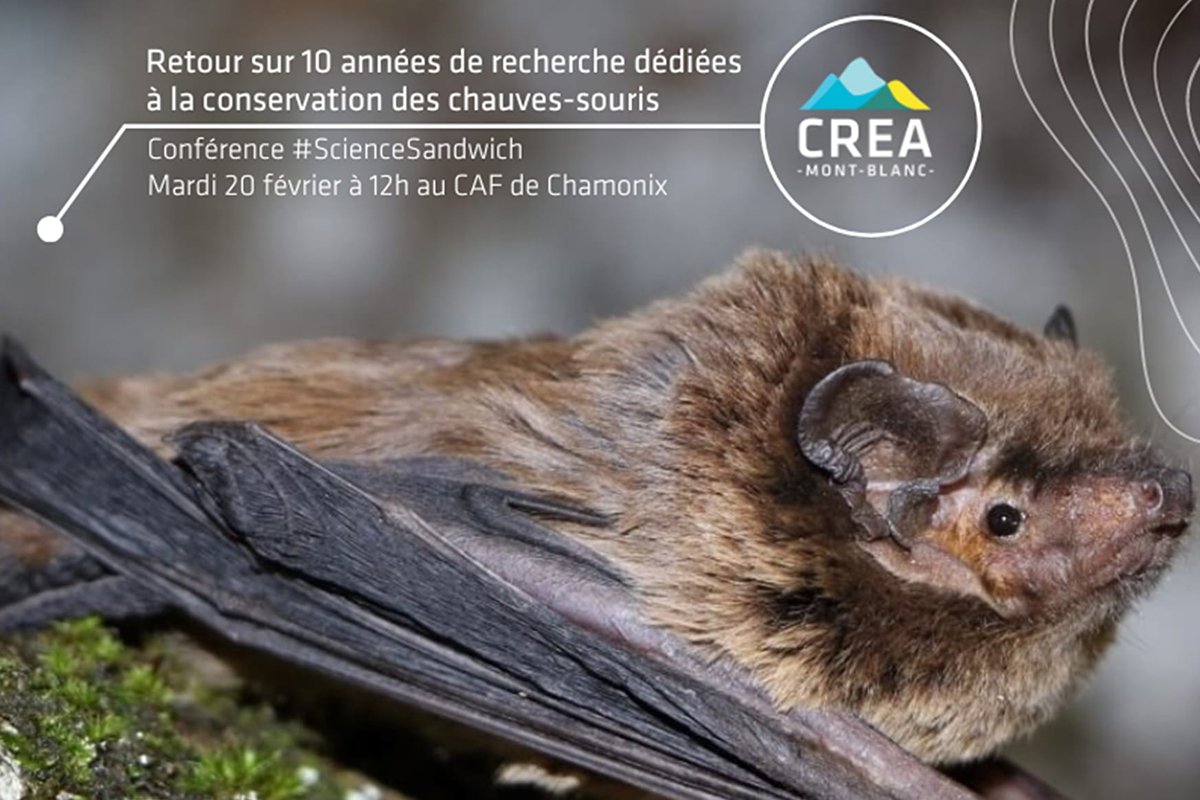
Hi everyone! Tomorrow at noon (French time, UTC 1), I will give a brief overview of my research on bats. You can follow it on youtube: blog.creamontblanc.org/?p=53… (it will be in 🇫🇷 with slides in 🇬🇧)
8
37
1,417
Gareth Jones' Lab - University of Bristol retweeted

16 Feb 2024
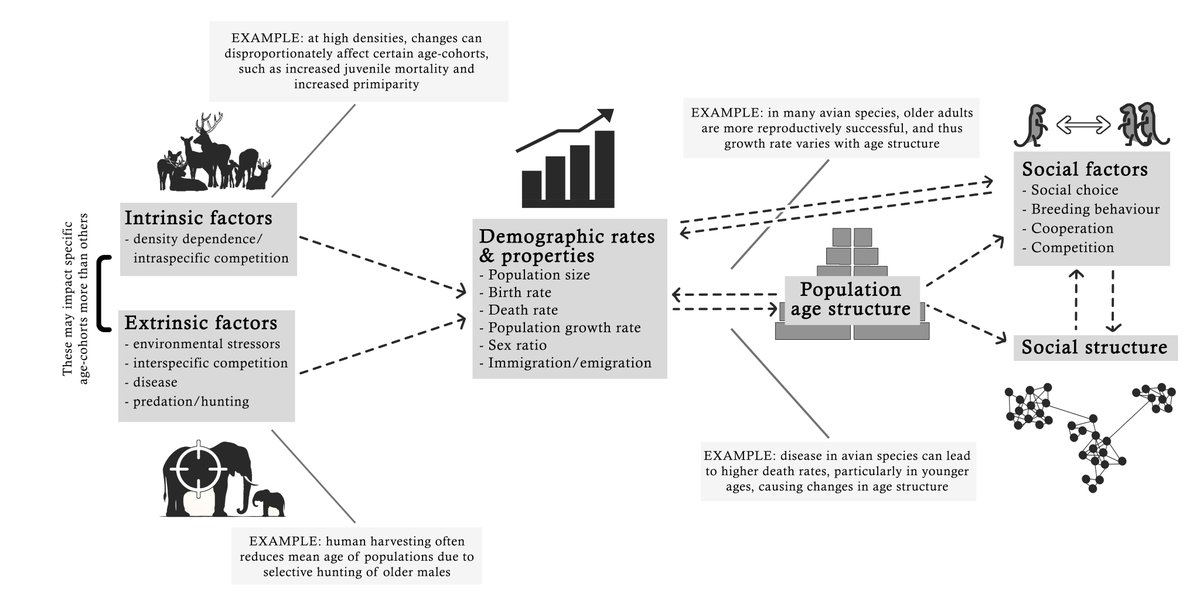
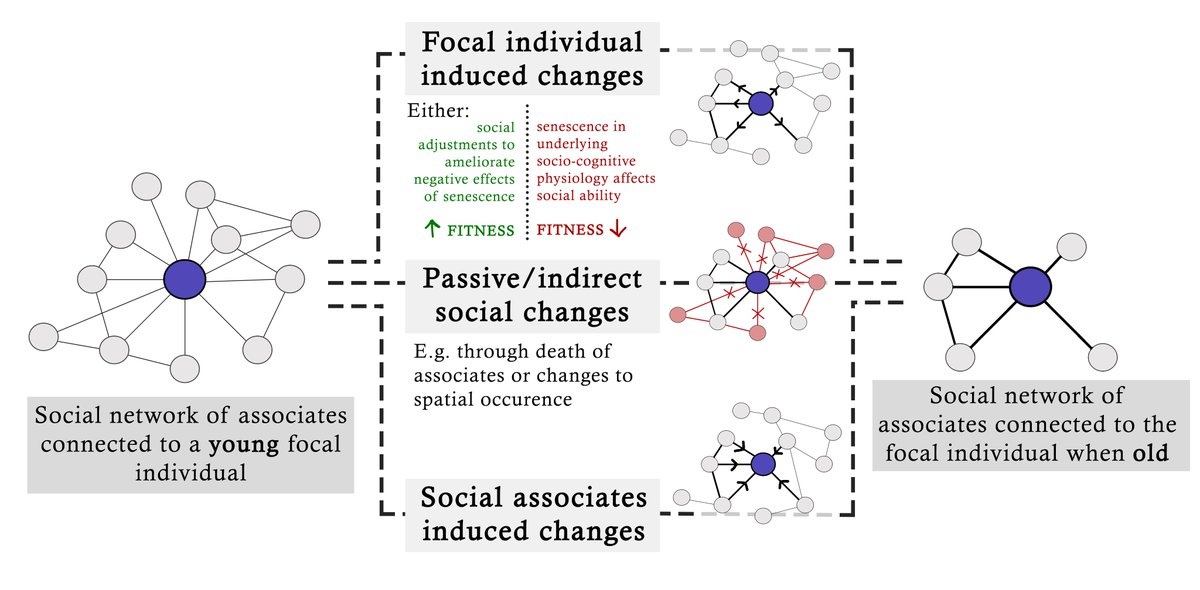
The ecology of ageing in wild societies: linking age structure & social behaviour doi.org/10.32942/X21893
Led by brill @Joe_Woodman1999.
Great to have this out after years in-the-works!
All welcome to our upcoming @royalsociety conf on this topic too:
royalsociety.org/science-eve…
1
16
51
6,448
Gareth Jones' Lab - University of Bristol retweeted

17 Oct 2023
🦇🧬 How climate change could cause havoc to the extraordinary lifespans of bats
👩🔬 The extraordinary lifespans of bats could be under threat from rising global temperatures, according to new research.
A study by researchers from University College Dublin and University of Bristol found that the hibernation cycle of a group of wild greater horseshoe bats affected by fluctuations in the weather had affected the molecular mechanism thought to give bat species their long lives.
Telomeres are pieces of DNA that act as a protective structure at the end of chromosomes.
Each time a cell divides, they shorten. And it is this shortening that is associated with aging and aging-related diseases.
Data from the new study showed that bats who more frequently arose from hibernating due to warmer conditions during the 2019/2020 hibernation period had significantly shorter telomeres compared to those recorded in previous, colder, winters.
🗣️ UCD Professor Emma Teeling: “We were surprised and then worried at this finding, given that the predicted rise in global temperatures could limit the beneficial effects of hibernation in our wild bats.”
The lead author of study Dr Megan Power, from UCD School of Biology and Environmental Science, worked with a population of wild greater horseshoe bats (Rhinolophus ferrumequinum) in the UK, which have been monitored since 1959 by Dr Roger Ransome, who now holds the record for the longest mammal field study by an individual.
Carrying out the very first longitudinal study of telomeres in hibernating bats, she tracked over 200 individuals across three winters to determine the beneficial effects of hibernation on telomeres.
Her work showed hibernation acts like a form of rejuvenation, where the telomeres extend rather than shortening during the hibernation season.
This is most likely due to the expression of the enzyme telomerase which allows telomeric DNA to replicate itself in bats without causing harm. In other mammals, including humans, the enzyme usually drives cancer when switched on in non-egg and sperm cells.
University of Bristol Professor Gareth Jones: “It is fascinating that telomeres can extend in length, and it will be interesting to further investigate the potential role of telomerase in this process."
Hibernation is different from sleeping, as the latter does not involve the same large drop in body temperature and metabolism.
Dr Power said the study highlights the serious potential consequences that changing climatic conditions could have for the long-lived temperate of bats.
“We found that climate plays a huge role, showing how susceptible our native mammals can be to fluctuations in weather, with worrying implications given our forecasted climate changes. Species with long-life spans and a slow reproductive rate, like bats, are particularly vulnerable to environmental change. Therefore, it is important for us to understand how bats are affected by and cope with rapid climate change.”
This research was funded by an IRC PhD scholarship to Dr Power and an IRC Laureate and SFI Future Frontiers award to Professor Teeling, and was made possible by the ongoing collaboration between The Gareth Jones Lab and UCD Bat Lab.
---
✌️ @MeganPower101 | @EmmaTeeling1 | @BatLabUCD | @JonesLabBris | @UCDSBES | @ucdscience | @BristolUni | @BristolBioSci | @IrishResearch | @OdysysLab | @scienceirel | @UCD_Research
ucd.ie/newsandopinion/news/2…
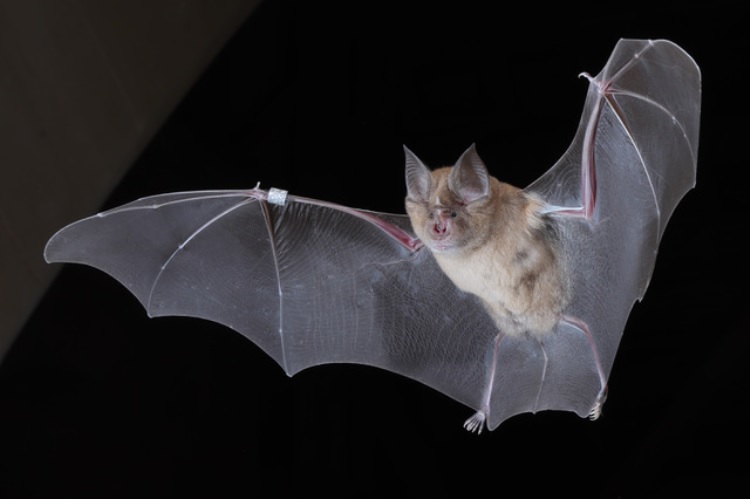
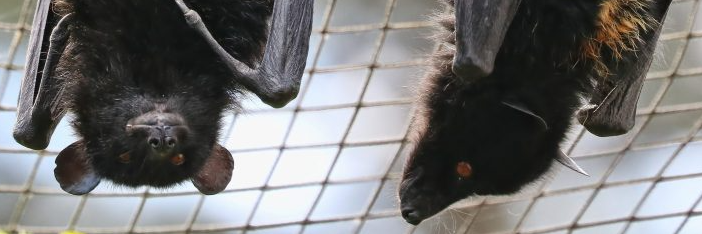
ALT A picture of a bat (mammal)
3
30
56
27,008
Gareth Jones' Lab - University of Bristol retweeted

Climate change could limit bats' lifespans!
The extraordinary lifespans of bats could be under threat from rising global temperatures, according to new research by @JonesLabBris et al.
Find out more by clicking below:
royalsocietypublishing.org/d…
@royalsociety
6
6
1,185
Gareth Jones' Lab - University of Bristol retweeted

6 Sep 2023
We are still looking for someone to fill this 🚨 FULLY-FUNDED PhD position 🚨 looking at immunity in bats at Queen Mary University London. Tight deadline so please get in touch quickly. 🦇🧬
13 Feb 2023

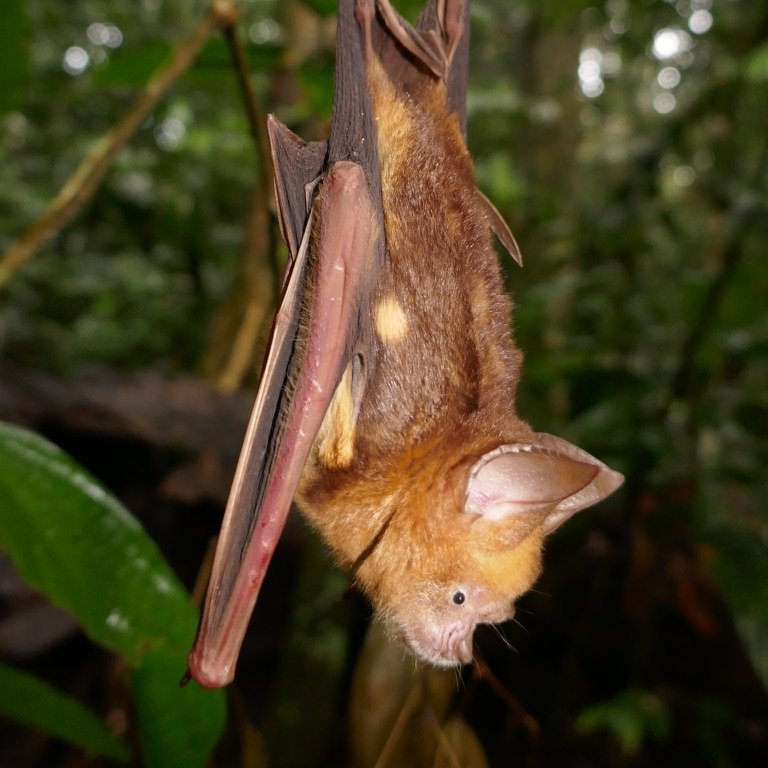
🚨🦇Please share widely 🦇🚨We have an exciting new funded PhD position going looking at the molecular adaptations underpinning immunity in bats. Interested in evolution, bioinformatics and/or viruses? Look no further -> findaphd.com/phds/project/mo…
2
86
79
23,244

Gareth Jones' Lab - University of Bristol retweeted

23 Aug 2023
Bat activity is reduced at solar farms compared to neighbouring sites☀️🦇
So how can we balance the need for solar farms against impacts on bats?
Gareth Jones @JonesLabBris explores this issue in @ConversationUK using new @JAppliedEcology research
theconversation.com/bats-are…
1
7
15
4,102
Gareth Jones' Lab - University of Bristol retweeted

20 Aug 2023
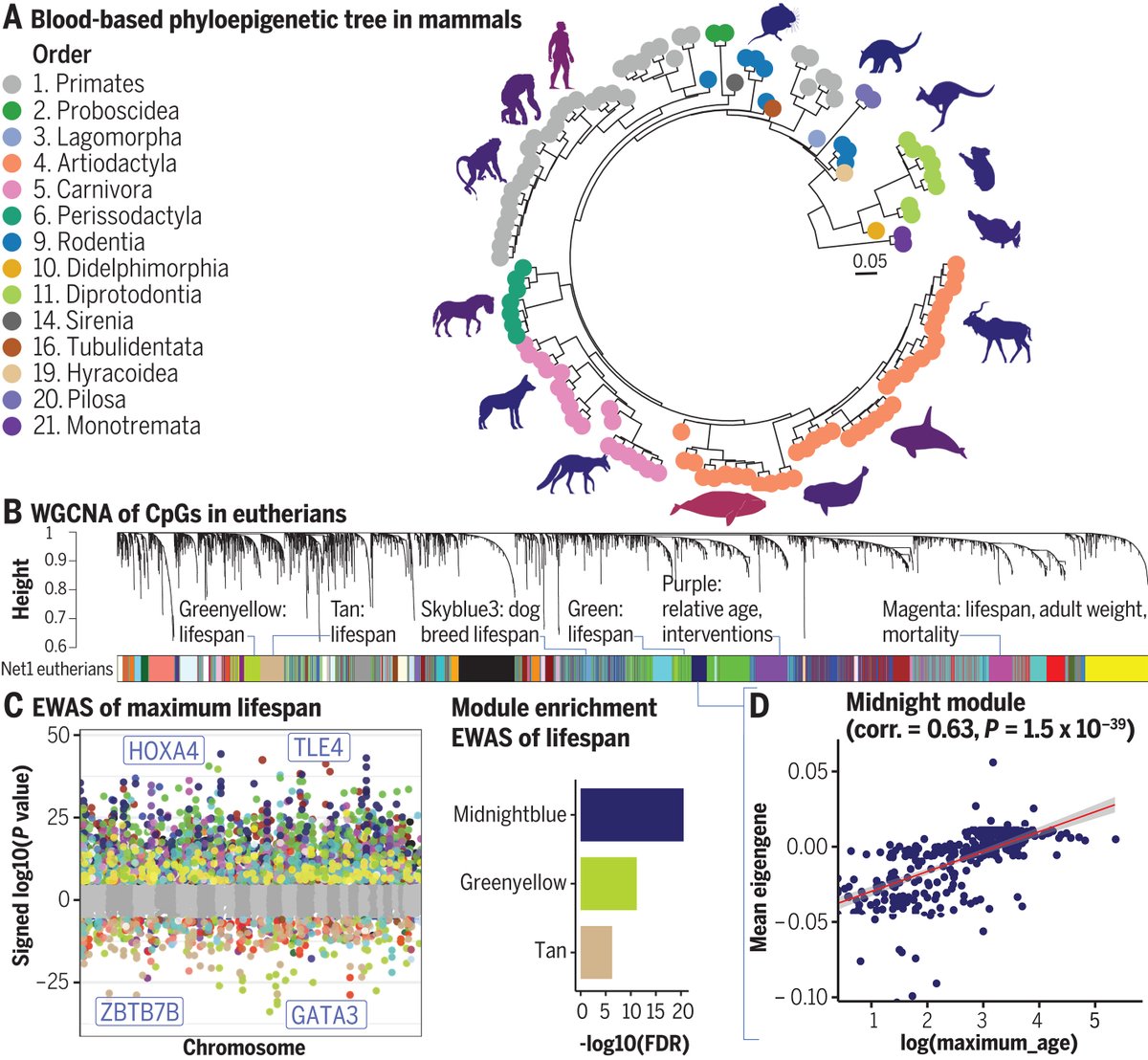
A new Science study of 348 species offers clues into the diversity of mammalian life spans.
Learn more ⬇️
📄: scim.ag/3NG
#SciencePerspective: scim.ag/3NF
3
99
330
88,091
Gareth Jones' Lab - University of Bristol retweeted

19 Aug 2023
Bat activity lower at solar farm sites, study finds focusingonwildlife.com/news/… It might be that the habitat is less good at providing insects, as partly covered by panels. It might be collisions with panels. More research is needed.
1
2
3
305
Gareth Jones' Lab - University of Bristol retweeted
DID YOU KNOW: Little is known about how wildlife is affected by the transition period when a farm goes organic.
@JonesLabBris has worked on exactly this, which you can find out more about at the link below:
bristol.ac.uk/news/2023/july…
2
619
Gareth Jones' Lab - University of Bristol retweeted

3 Jul 2023
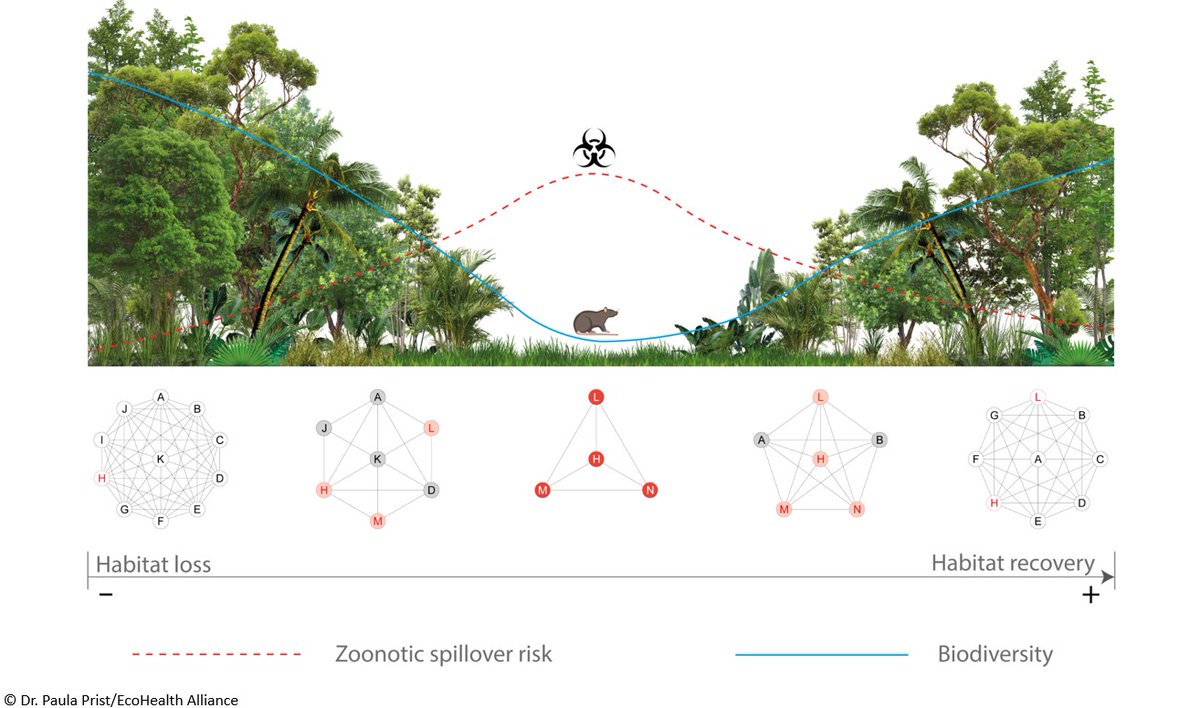
Zoonotic diseases are transmitted from animals to humans & emergence is often due to human-driven landscape changes📈
Prist et al reviewed evidence linking ecological restoration with disease risk & proposed restoration strategies to limit disease spread
doi.org/10.1111/1365-2664.14…
42
108
13,163
Gareth Jones' Lab - University of Bristol retweeted

1 Jul 2023
Introducing {ggflowchart} -Flowcharts can be a useful way to visualise complex processes, and the new R package {ggflowchart} makes them easy to create in R. This blog post shows you how. nrennie.rbind.io/blog/introd…… #rstats #ggflowchart #dataviz #rmarkdown #quartopub #rpackage #rstudio #posit
1
44
203
37,465
Gareth Jones' Lab - University of Bristol retweeted

27 Jun 2023
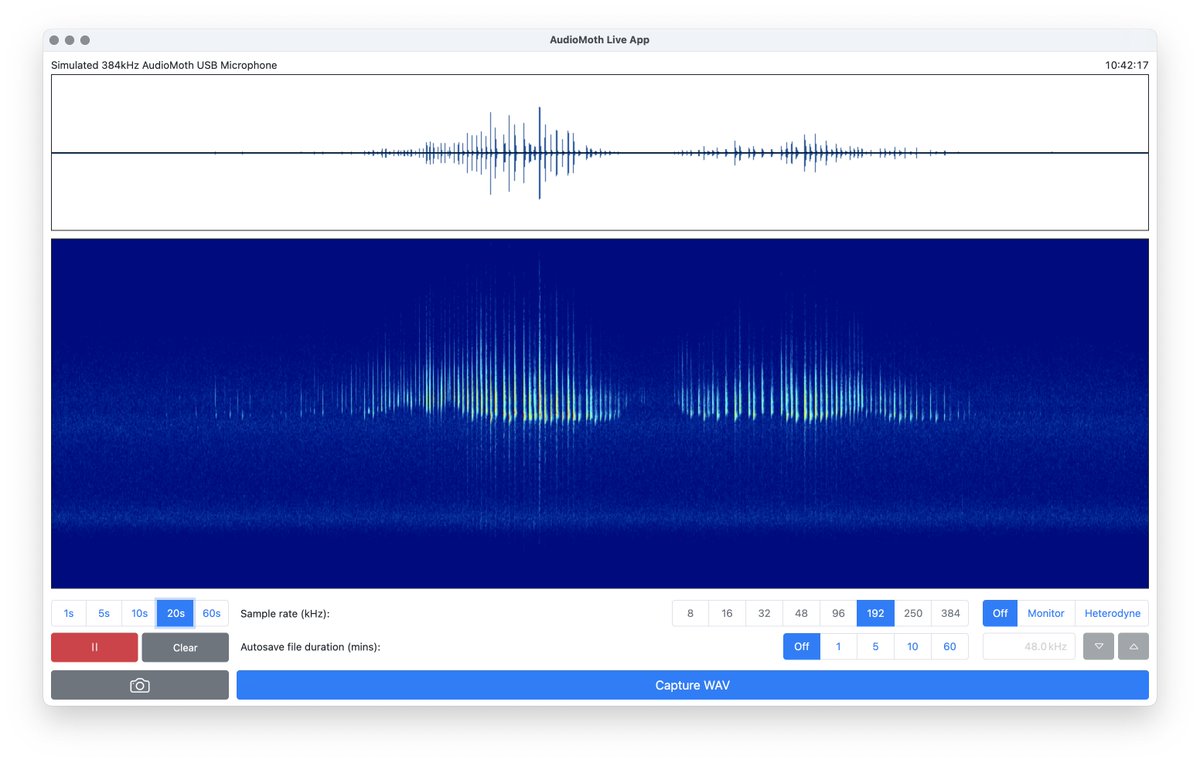
We've just released the AudioMoth Live App for Windows, Mac, and Linux!
Use any USB microphone to make continuous recordings, monitor the audio input, or apply a heterodyne bat detector to the input. It also supports sample rates up to 384 kHz.
openacousticdevices.info/liv…
3
31
144
13,766
Gareth Jones' Lab - University of Bristol retweeted

6 Jun 2023
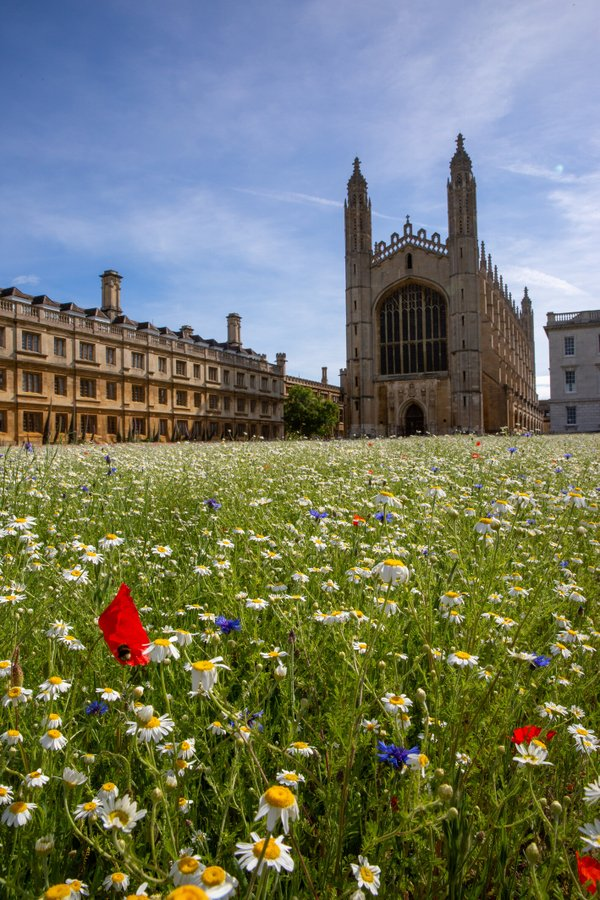
Here's some really good data on the benefit of Urban wildflower meadows for biodiversity, climate and society.
See thread for main findings
Paper here:
doi.org/10.1002/2688-8319.12… from @BrianE_Cambs among others.
1n
2
15
50
5,289
Gareth Jones' Lab - University of Bristol retweeted
6 Jun 2023
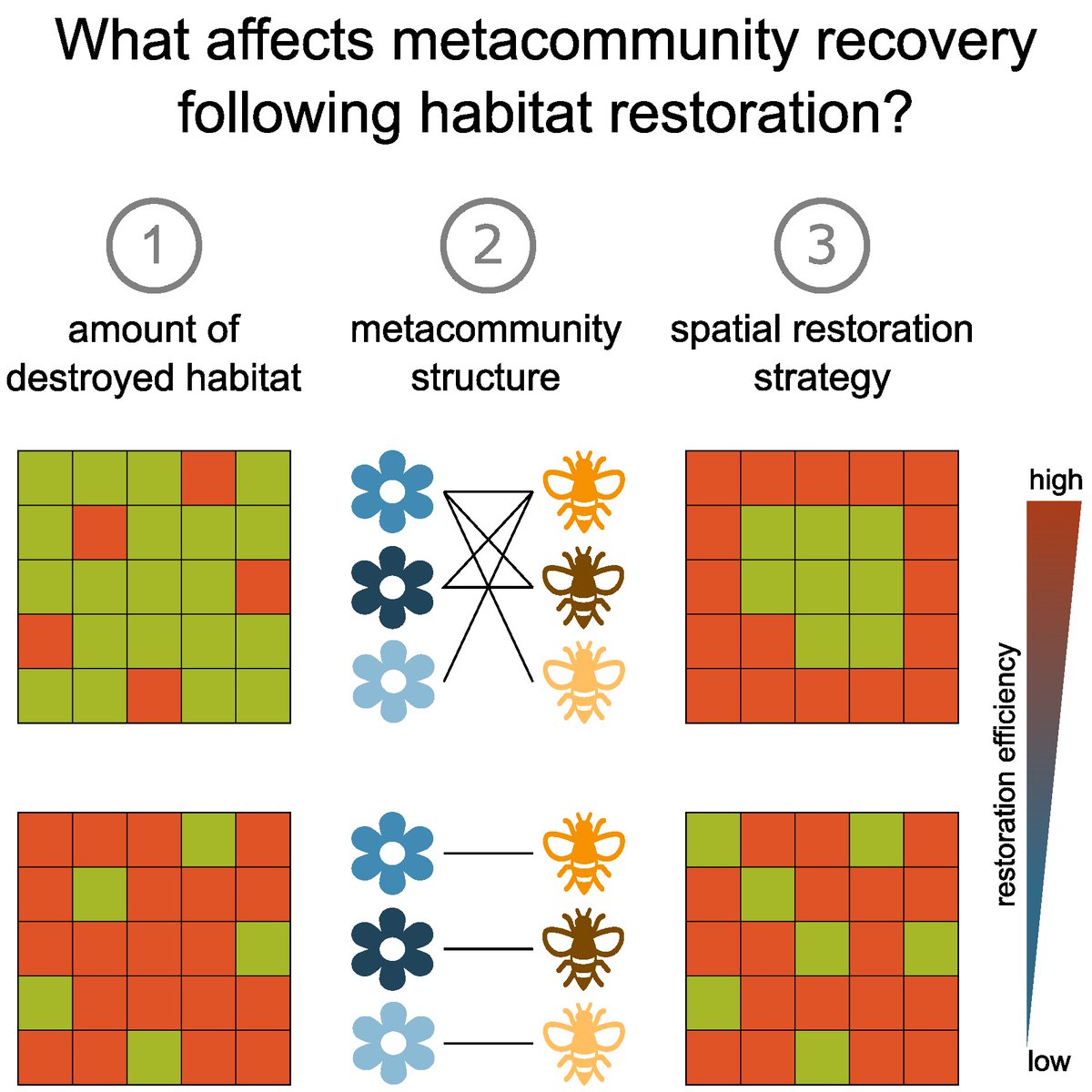
Habitat restoration and the recovery of metacommunities📈
Metacommunity recovery following habitat restoration is affected by...
👉the amount of destroyed habitat
👉the structure of metacommunity
👉the spatial restoration strategy
@KGawecka @UZH_Science
besjournals.onlinelibrary.wi…
14
78
16,029

New paper! 🚨 Ponds are a hidden acoustic underwater world - packed full of bizarre and mysterious sounds made by scratching aquatic insects 🪲, booming fish🐟, and popping plants🌿. A new study by @WildAudioJack shows diel variation in pond soundscapes.
onlinelibrary.wiley.com/doi/…
3
336
Gareth Jones' Lab - University of Bristol retweeted

22 Apr 2023
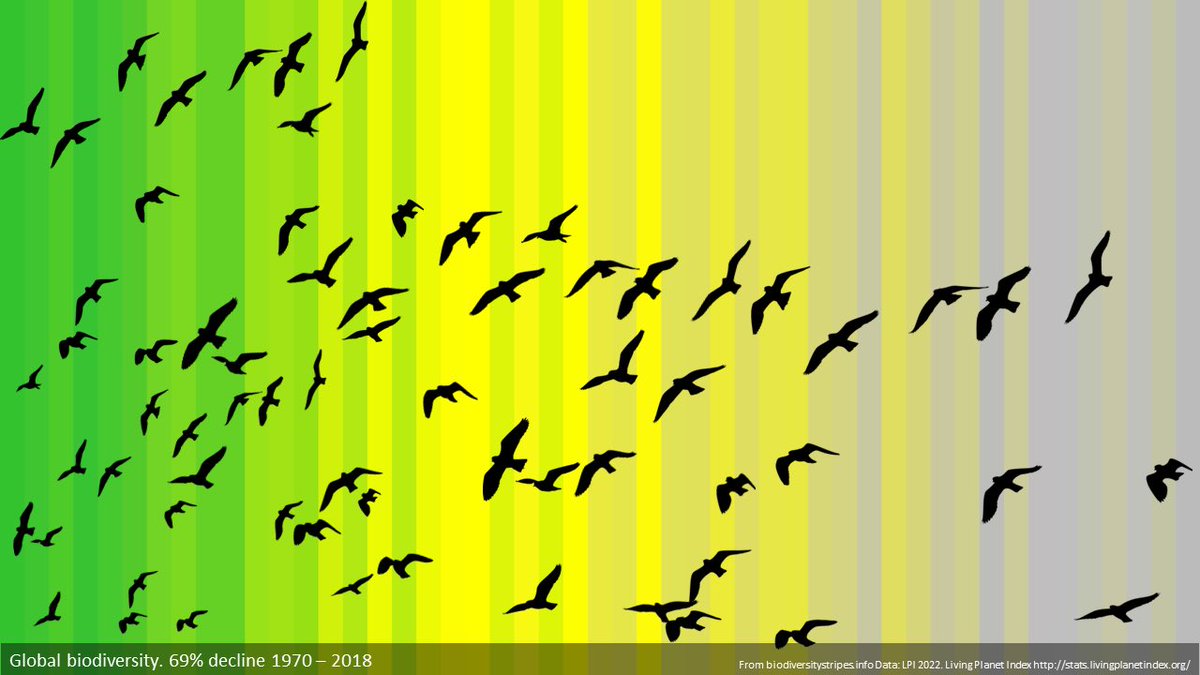
The biodiversity stripes highlight the global decline in species abundance.
They are already starting conversations about the nature crisis.
Created by @findingnature
Lots of designs: biodiversitystripes.info
17
221
497
44,699
Gareth Jones' Lab - University of Bristol retweeted

17 Apr 2023
Brecon Beacons National Park switches to Welsh name bbc.in/41vwh5k
143
92
906
684,140
Gareth Jones' Lab - University of Bristol retweeted

30 Mar 2023
On CBBC at 5:30pm today, I'll be talking urban peregrines with Tyler from the OZT goes wild team! It'll be the 4th episode not yet available.
bbc.co.uk/iplayer/episode/m0…
3
12
1,151
Gareth Jones' Lab - University of Bristol retweeted

24 Mar 2023
A nice review of the ongoing projects and works on bats' immune system responses to viruses. Exciting lessons to come!
Bats live with dozens of nasty viruses — can studying them help stop pandemics? nature.com/articles/d41586-0…
4
10
482