
Joined January 2010
- Tweets 1,031
- Following 151
- Followers 86
- Likes 570
172 Photos and videos


27 Apr 2025
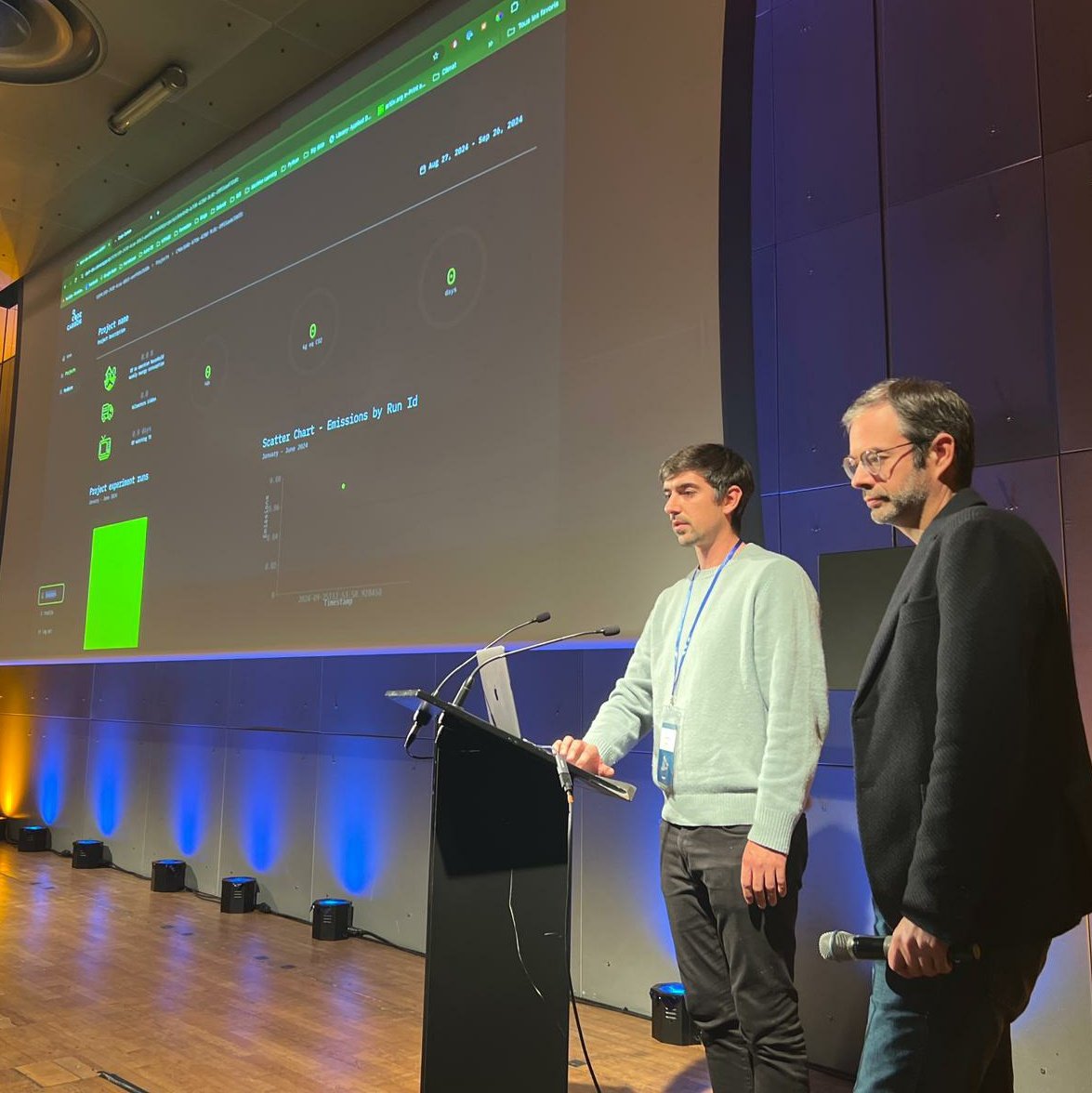
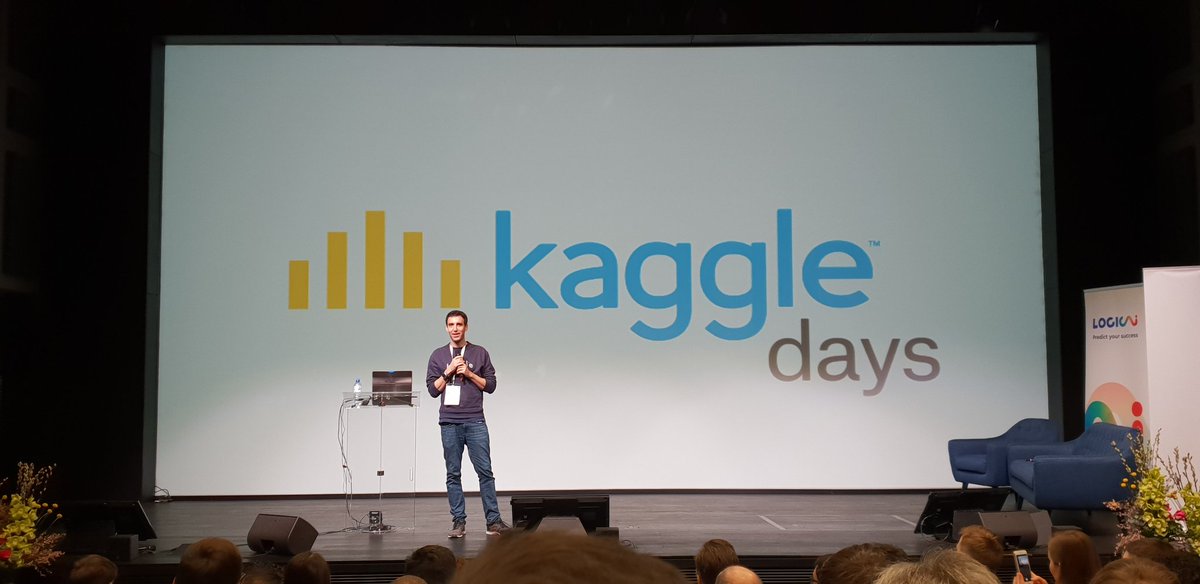
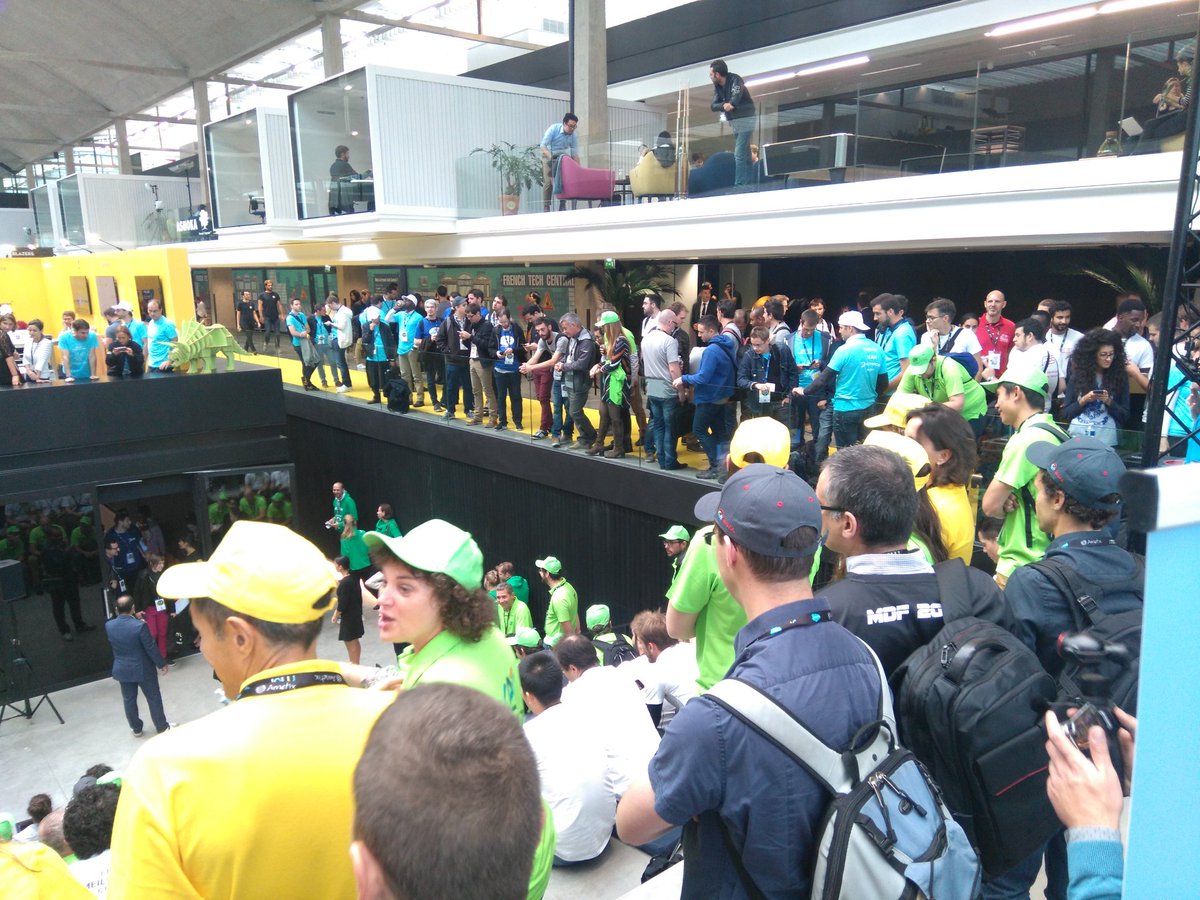
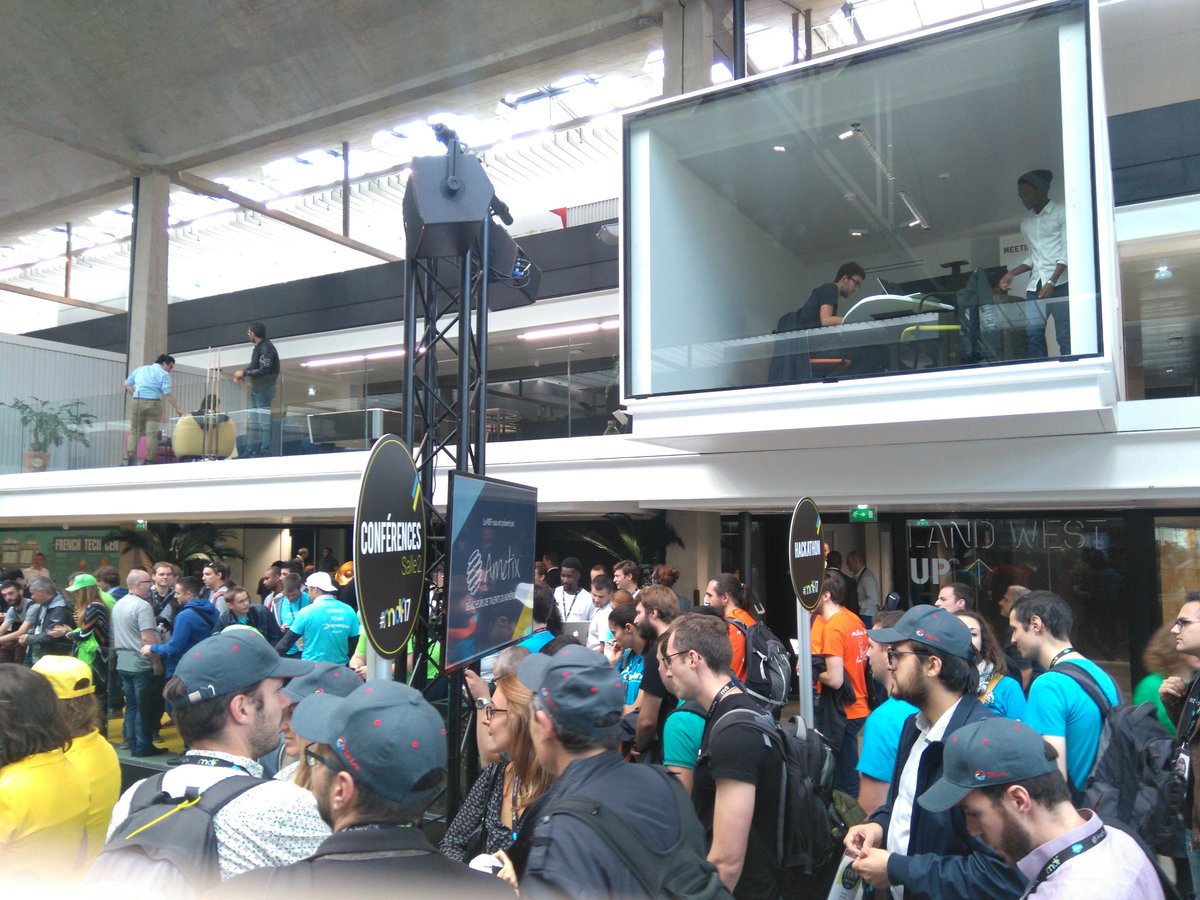
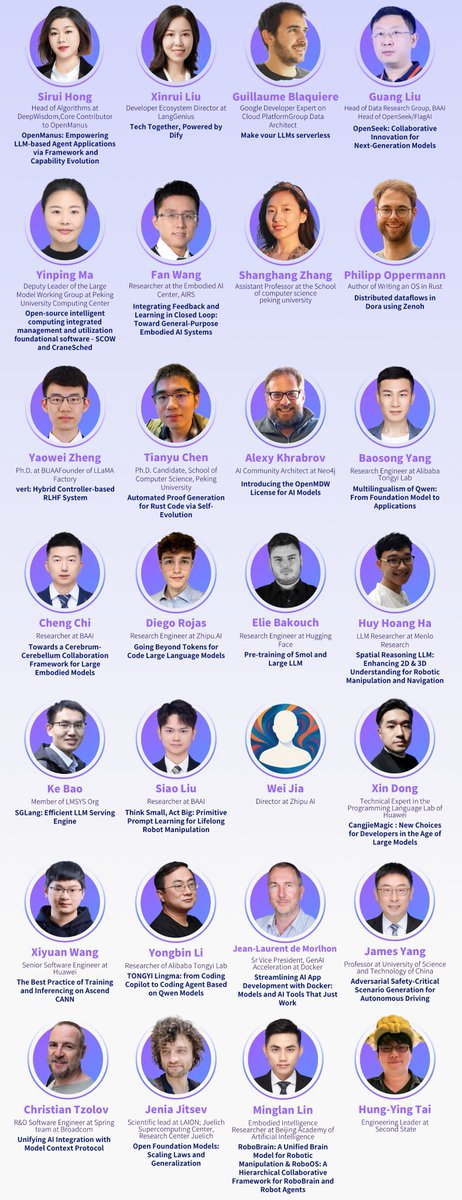
I will be speaking about CodeCarbon at @gosimfoundation Paris
#LuckyDraw#
17 Apr 2025

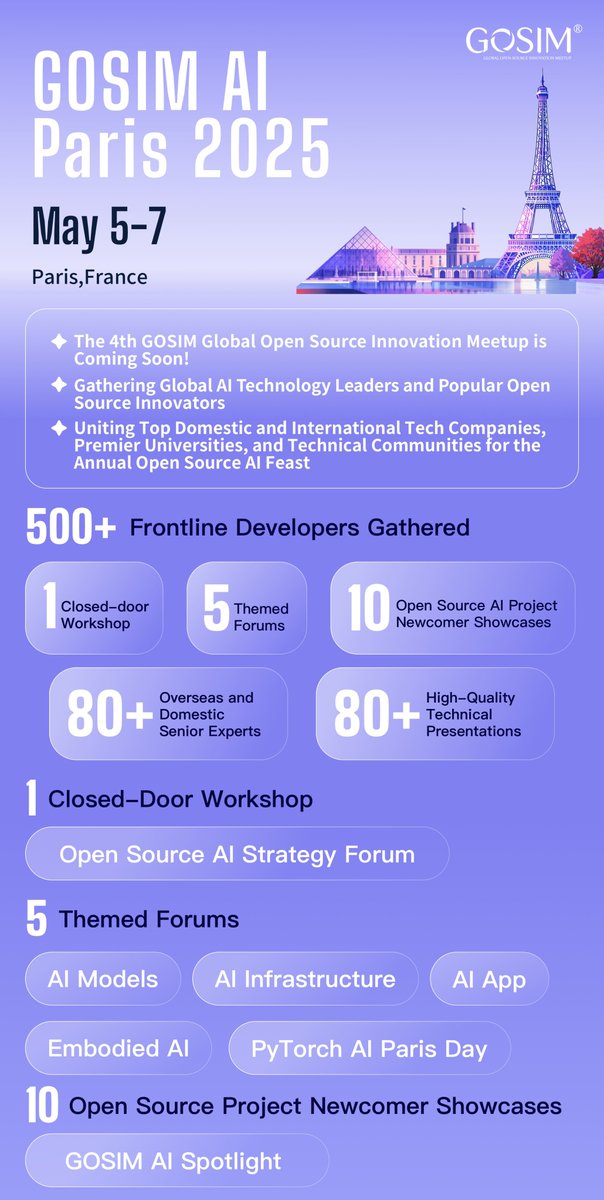
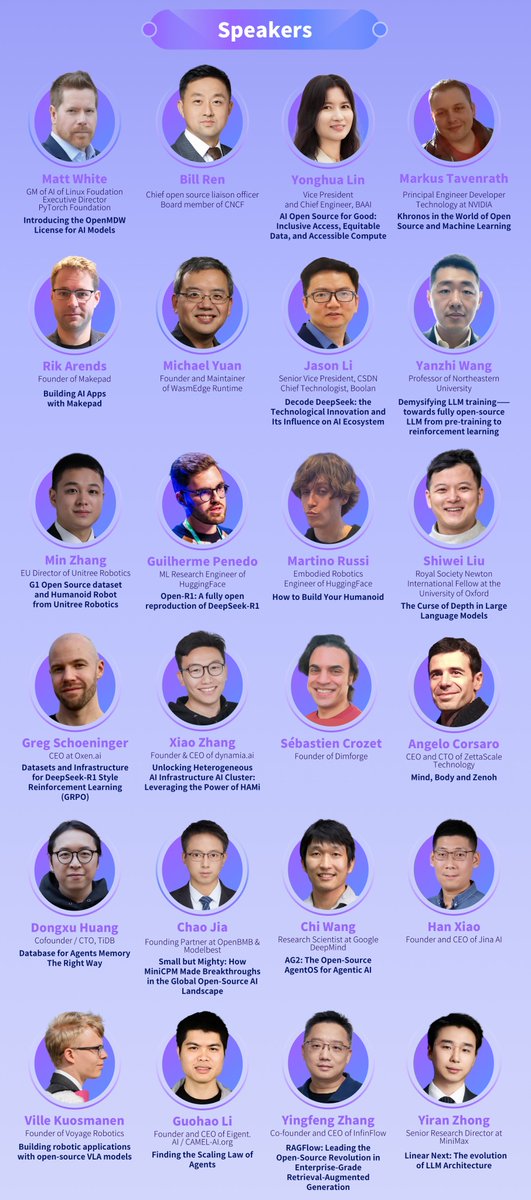
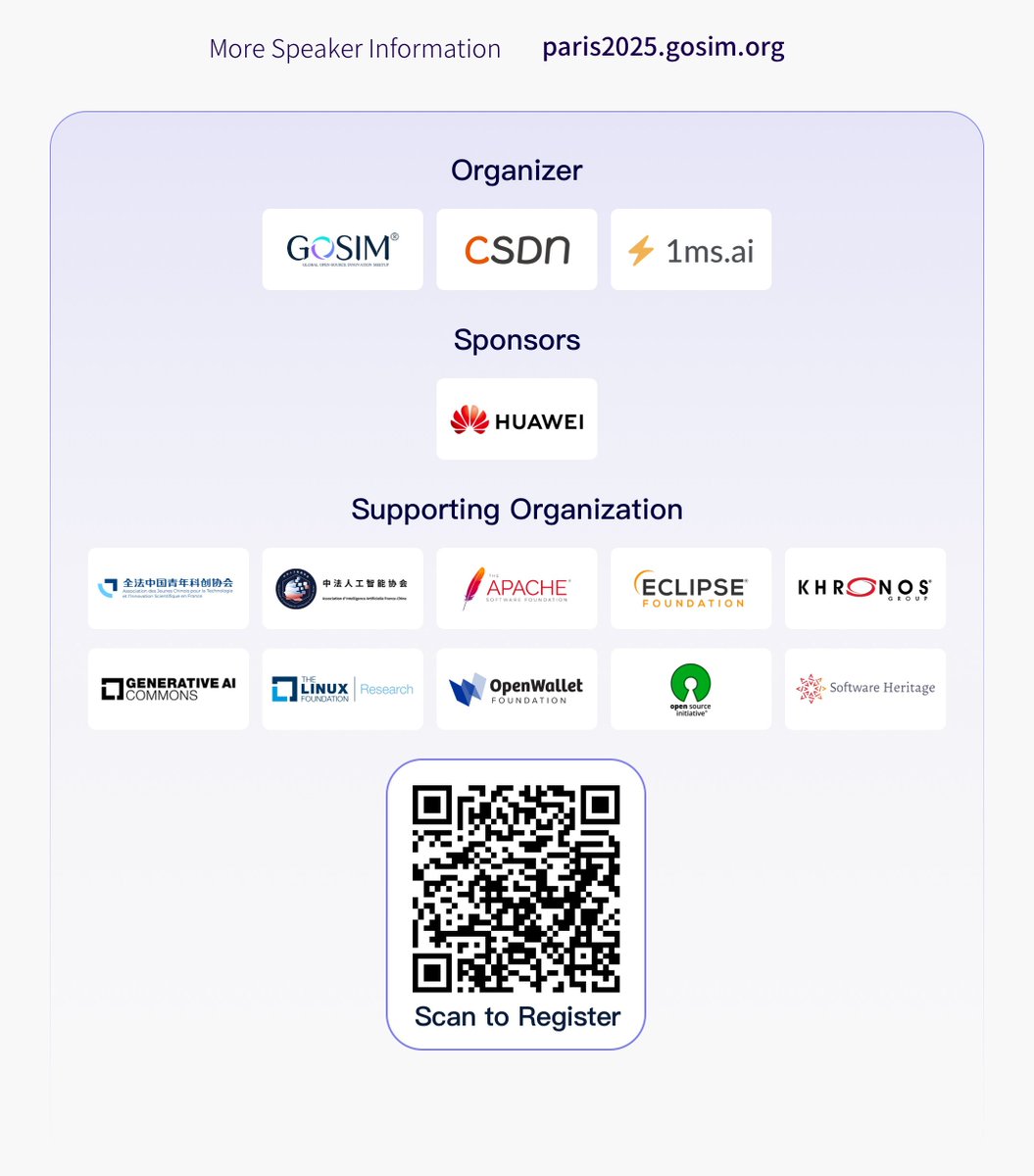
🎉 Feeling lucky? Win exclusive discounts for Europe’s premier open-source AI event 🇫🇷✨
GOSIM AI Paris 2025 is all about open-source passion—let’s share the love! Join our Lucky Draw for a chance to unlock MASSIVE DISCOUNTS on your conference ticket! 🎟✨
🔸 How to enter: Simply Follow, Re-Tweet & tag your AI enthusiast friends and DM us
🎁 Winners receive: Huge savings & exclusive perks to Europe’s most vibrant AI gathering!
💌 Let's spread the AI magic—join the fun today!
#OpenSource #Paris #GOSIM #TechEvents #DiscountTickets #LLM #DeepSeek #AICommunity #AIConference #AIModels #EmbodiedAI #QWen #AIinfra #RAG #agentic #PyTorch #HuggingFace #GOSIMAI2025 #LuckyDraw #AI #AGI #OpenSource #Paris #GOSIM #TechEvents #DiscountTickets #LLM #DeepSeek #AICommunity #AIConference #AI2025 #AIModels #EmbodiedAI #QWen #AIinfra #RAG #agentic #OpenManus #autogen #camelai #PyTorch #SGLang #zenoh #dora #HuggingFace #StationF #AIApps
20
17 Jan 2025
The Elon world is not my world, I’ve just done my #eXit! the X exodus is massive. Don't lose any of your followers. Thanks to #HelloQuitX I've registered for a journey to #BlueSky. Join us on app.helloquitx.com and automatically find your communities on #January20!
3
119
29 Nov 2024
I will be there.
26 Nov 2024

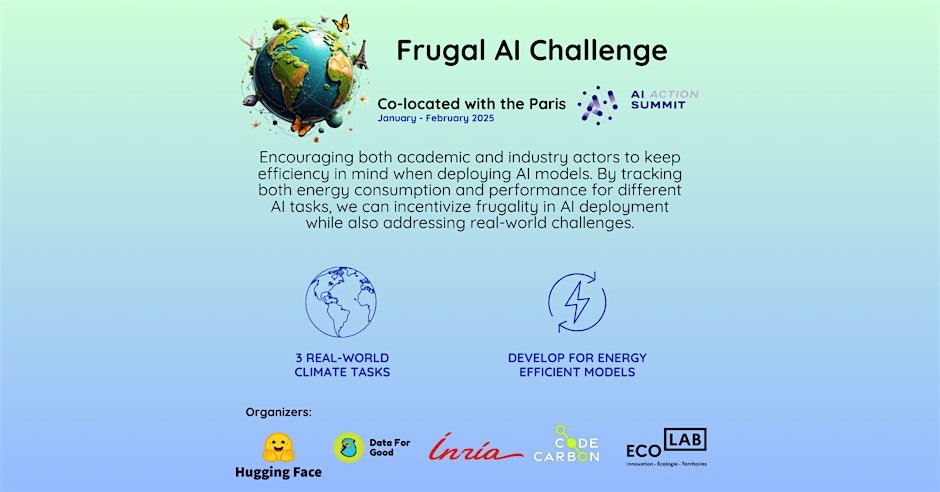
We were truly blown away by everyone's interest in the 2025 Frugal AI Challenge! 🌎 💻 🌱
To celebrate our official launch, we are organizing an in-person meetup next Tuesday (Dec 3) in Paris 🍾
Reserve your tickets below! 👇👇👇
eventbrite.fr/e/frugal-ai-ch…
2
39
11 Oct 2024
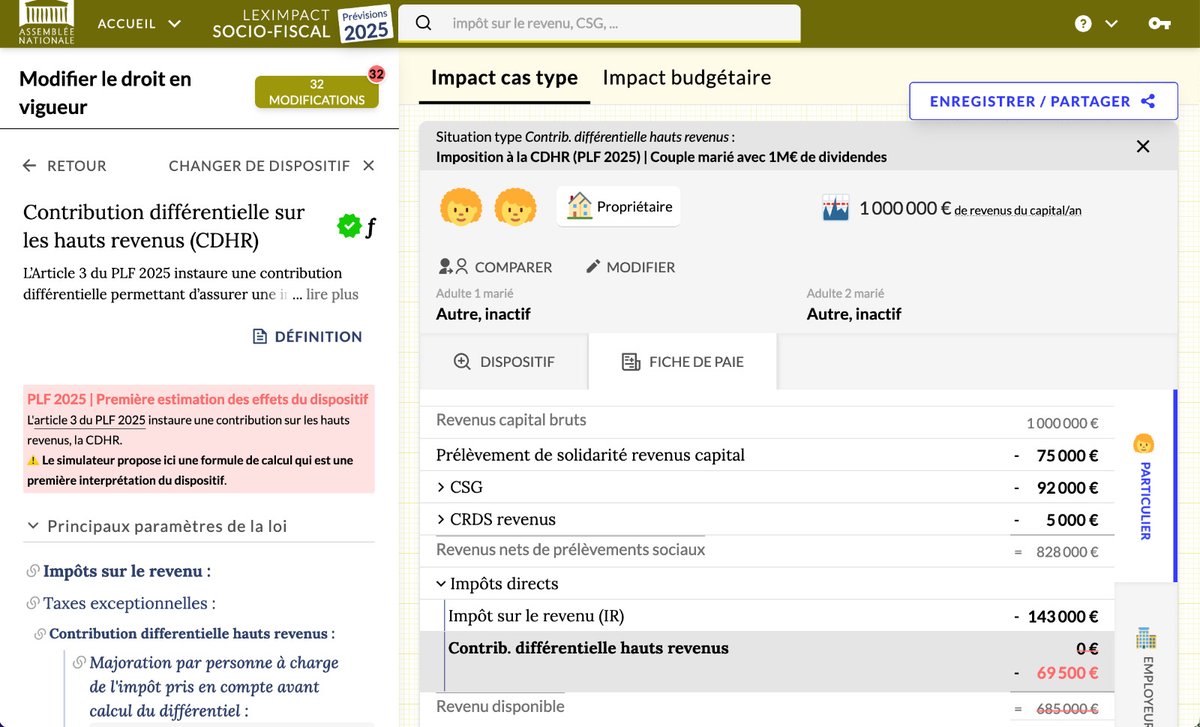
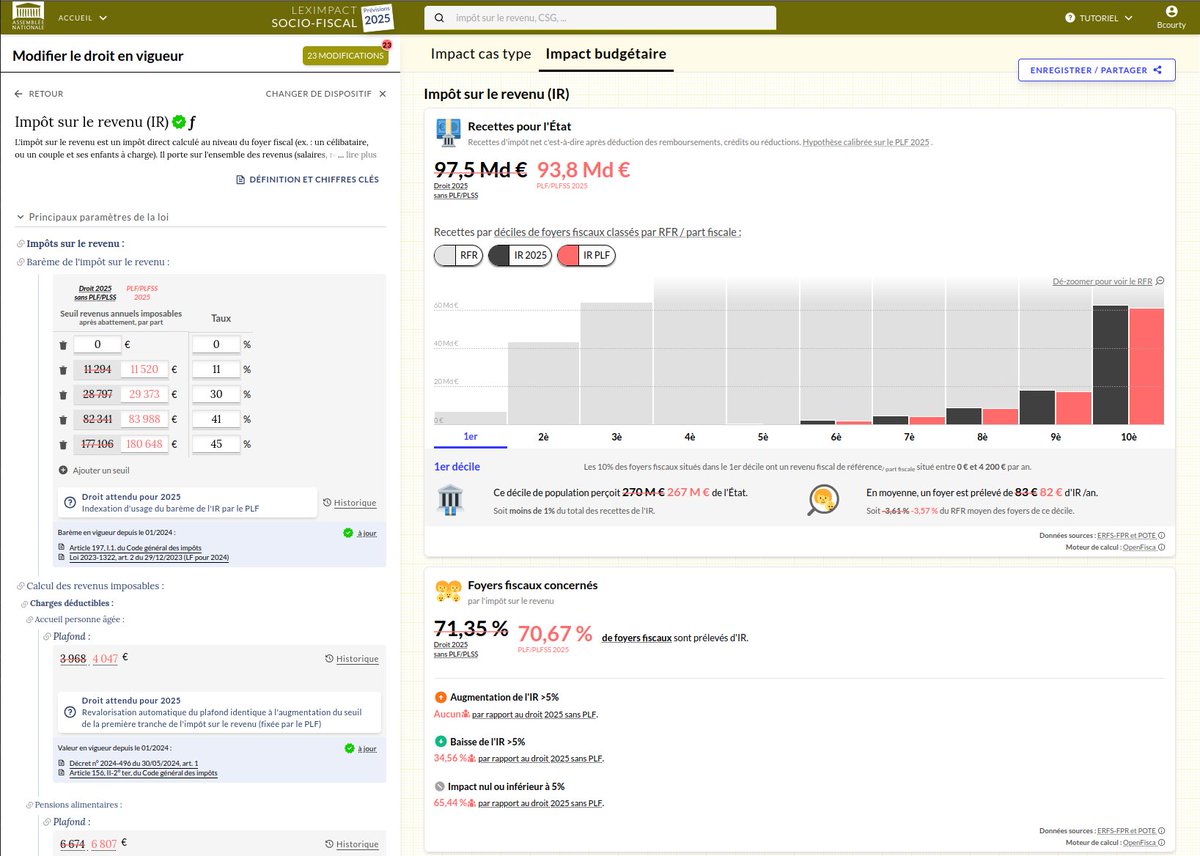
Le Projet de loi de finances pour 2025 a été publié hier soir. Vous pouvez dès ce matin visualiser ce que cela va changer et même réaliser vos propres modifications : socio-fiscal.leximpact.an.fr…
Le nuit fut courte mais le résultat est là !
1
2
2
839
5 Oct 2024
AI applied to software testing.
4 Oct 2024

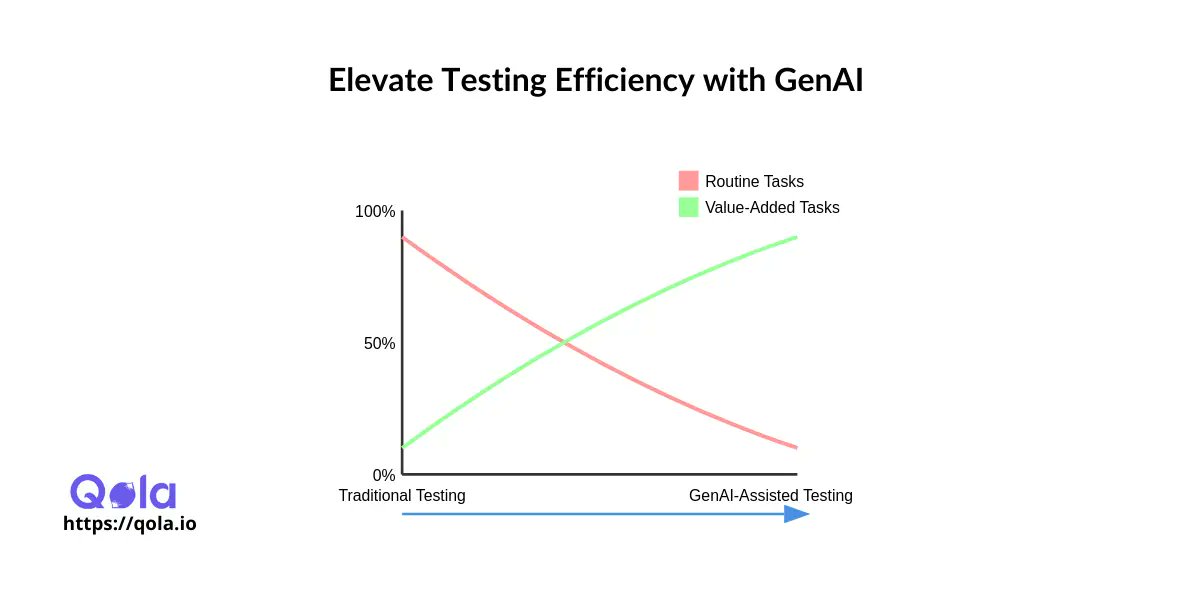
The AI Revolution in QA: How GenAI-Assisted Testing is Transforming the Role of Software Testers and Redefining Efficiency. As AI augments human capabilities, testers are shifting from repetitive tasks to strategic thinking, uncovering deeper insights and driving innovation in software quality. #GenAI
83
26 Sep 2024
Today I do a talk with Luis at @PyDataParis about CodeCarbon and then do a Lightning talk on main stage. A well spent afternoon!
Amazing community 🤗
13 Sep 2024

"Track your code's CO2 emissions with Code Carbon", by Luis Blanche and Benoît Courty (@BenoitCourty).
📜 Abstract pretalx.com/pydata-paris-202…
📅 Schedule pydata.org/paris2024/schedul…
🎟 Tickets pydata.org/paris2024/tickets
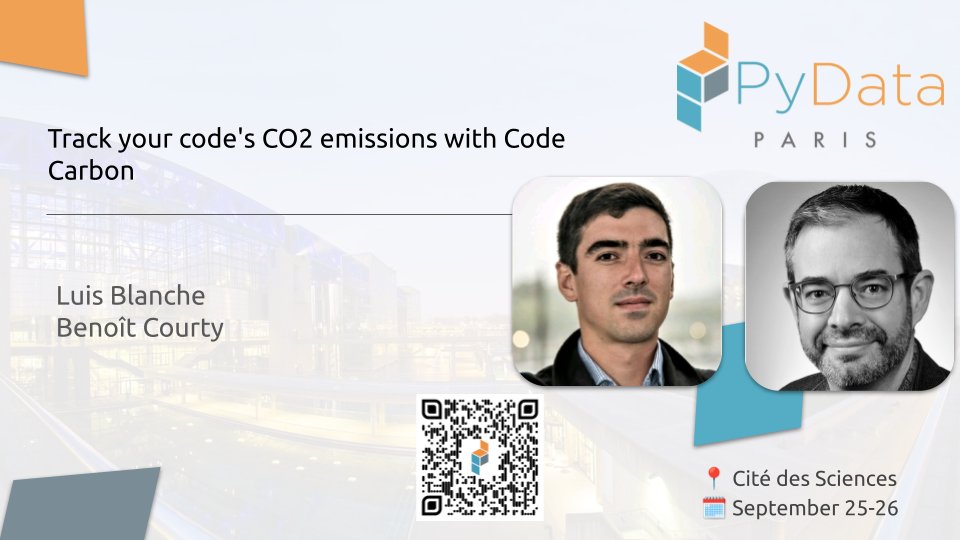
ALT "Track your code's CO2 emissions with Code Carbon" Luis Blanche Benoît Courty Cité des Sciences September 25-26
2
4
9
396
Benoît Courty retweeted

18 Sep 2024
Today, we release several Moshi artifacts: a long technical report with all the details behind our model, weights for Moshi and its Mimi codec, along with streaming inference code in Pytorch, Rust and MLX. More details below 🧵 ⬇️
Paper: kyutai.org/Moshi.pdf
Repo: github.com/kyutai-labs/moshi
HuggingFace: huggingface.co/kmhf
50
391
1,666
854,844
10 Sep 2024
I will be there for a talk about CodeCarbon.

Check out the PyData Paris 2024 schedule!
From keynote talks on building and testing one’s own AI models, to sessions on foundational models for time series forecasting, we’ve got it all.
Take a look! ⬇️⬇️
hubs.la/Q02P22010
1
15
Benoît Courty retweeted

9 Sep 2024
ICYMI: xAI's new 100,000 GPU datacenter is an environmental catastrophe
(and for what? "unwoke" LLMs?):
cnbc.com/2024/08/28/musk-xai…
4
44
84
14,216
Benoît Courty retweeted

9 Aug 2024
Introducing 🦀 CRAB: Cross-environment Agent Benchmark for Multimodal Language Model Agents
🦀 CRAB provides an end-to-end and easy-to-use framework to build multimodal agents, operate environments, and create benchmarks to evaluate them, featuring three key components:
- 🔀 Cross-environment support - agents can operate tasks in 📱 Android and 💻 Ubuntu.
- 🕸️ Graph evaluator - provides a fine-grain evaluation metric for agents.
- 🤖 Task generation - composes subtasks to automatically generate tasks.
By connecting all devices to agents, 🦀CRAB unlocks greater capabilities for human-like tasks than ever before.
Use 🦀 CRAB to benchmark your multimodal agents!
- 👨💻 Check out the repository: github.com/camel-ai/crab
- 📝 Read the paper: arxiv.org/abs/2407.01511
- 🌐 Find out more via the project page: crab.camel-ai.org/
- 🐫 Join our community: discord.gg/8zQTBNqf97
7
45
204
72,661
Benoît Courty retweeted
9 Aug 2024
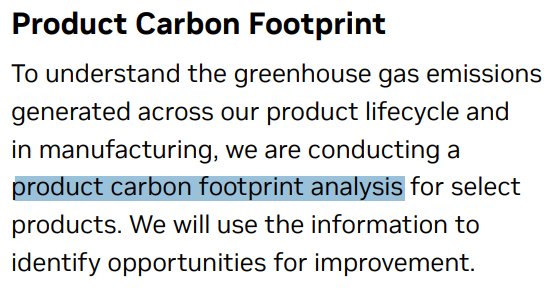
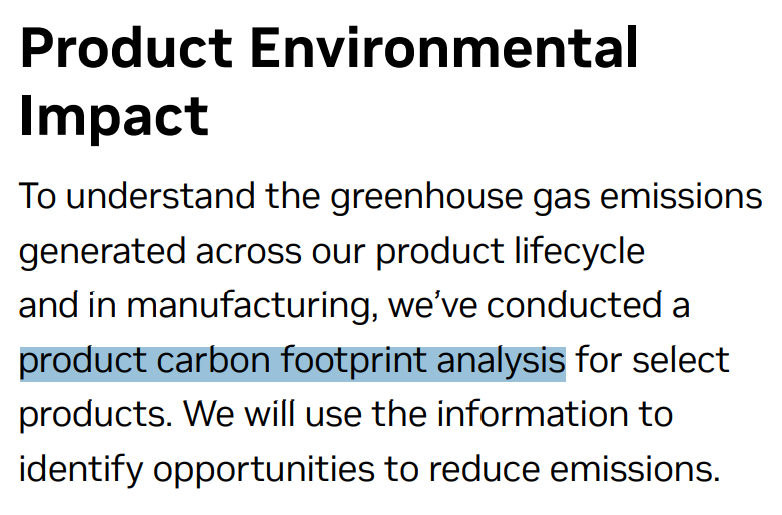
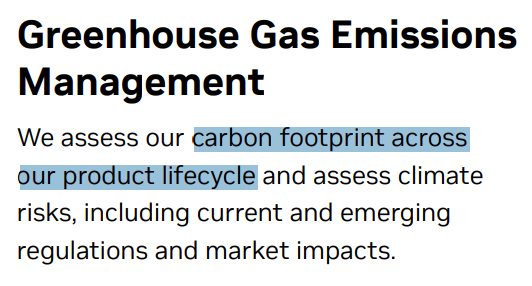
Hey @nvidia - you've been mentioning a 'product carbon footprint analysis' in your sustainability reports for years now -- any chance you'll share that information with the community?
Asking for a (concerned) friend 😇
3
26
67
4,759
Benoît Courty retweeted

9 Aug 2024
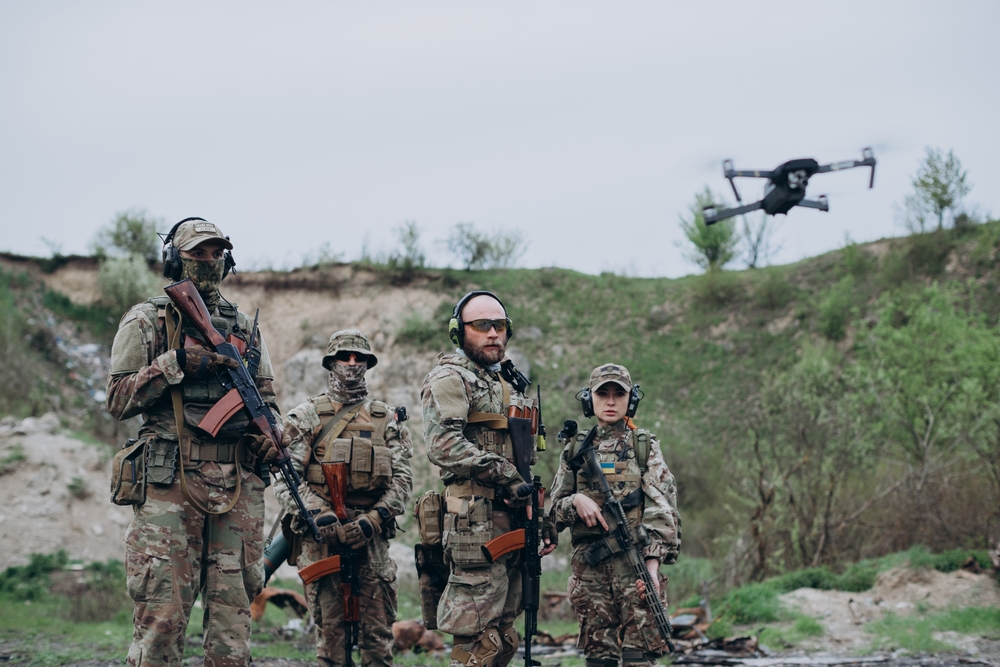
AI Doomers are having zero impact on the development of advanced AI surveillance and autonomous weapons systems. Instead, they're intensely focused on restricting civilian access to AI.
Ironically, this means they're ushering in the worst possible timeline for mankind.
We'll have a world where all civilian systems are controlled, hobbled and deeply censored (aka "safe") and military, weapons systems and surveillance systems are hyper advanced.
I don't want this timeline. Nobody else will either once they're forced to experience it in reality.
See this post where Anduril just got 1.5B in additional funding to build advanced autonomous weapons systems (x.com/anduriltech?t=Mf-vEyvG… ).
Also note that the EU AI bill has a 100% exemption for military/defense/surveillance. Guess what? So does every other bill, including SB1047.
Threre is a zero percent chance that governments will restrict themselves from building advanced AI military and surveillance systems.
There is not one single government on Earth that will restrict these technologies for themselves. Even if there was a pact, they would do it with black budgets just like the Total Information Awareness (en.wikipedia.org/wiki/Total_…) systems that were built in the US despite explicit restrictions from congress not to build them because mass surveillance was just too tempting for them.
If you don't understand this, you don't understand much about life or human nature.
By the way this world of advanced military systems is not coming. It's already here.
China has an absolutely massive surveillance state that harnesses AI from top to bottom (facial recognition, gait detection, dissident tracking, predictive analytics) (economist.com/china/2023/11/…) and the war in the Ukraine is being fought with drones and AI repurposed from game systems (economist.com/leaders/2024/0…). There is even a newly appointed commander of drones (economist.com/europe/2024/07…).
To be very clear, I'm not against AI military systems because I know the are an inevitable fact of life. I hate war. It's a disgusting and ugly waste of human life and it showcases the worst of what we are as a species. But I am a pragmatist to my core. I realize that no amount of wishful thinking will ever stop war or an escalation of military systems. Wars will be fought. Wars are won by having better stuff than the other guys and so I want my team to have the best systems. Simple as that. These systems can built and so they will be built. There is absolutely zero chance of stopping them.
Restricting your own military development in the vain hopes that others will follow is foolishly naive.
And yet that is exactly what many advocates for strangling American civilian AI believe.
Helen Toner said "we don't have to worry about China" (former OpenAI board member and EA (yes you are EA, as you worked for an EA org and are continually funded by them and advocate their positions, Helen, despite your protests to the contrary) and Dan Hendrycks (whose team wrote the first draft of SB1047 and created a consulting org to profit from the bill) believes that by setting a "good example" that authoritarian regimes will just willing follow along to self-restrict development of advanced AI.
Of all the ridiculous and stupid arguments of Doomers, this is perhaps the most absurd and frankly, stupidly naive thing I have ever heard in my life.
It betrays an almost comically idiotic understanding of human nature and the way power works in the world.
It's not just naive, it's dangerous.
By pushing their cultural information warfare campaign with corrupted children's videos financed to the tune of 7-10M about AI destroying us all (x.com/DrTechlash/status/1821…) and using disgusting propaganda techniques like push polling (where the questions are knowingly and deliberately designed by AIPI to bias people against AI and NOT to collect an actual, realistic poll about people's real feeling about AI) (x.com/FLI_org/status/1821267…) they are pushing us right to the brink of the worst possible world.
It's a world where your AI can't answer questions honestly because it's considered "harmful" (this kind of censorship always escalates), where information is gated instead of free, where open source models are killed off so university researchers can't work on medical segmentation (x.com/BoWang87/status/182102…) and curing cancer (budget conscious academics rely on open source models; they can fine tune them but can't afford to train their own) and where we have killer robots and drones but your personal AI is utterly hobbled and lobotomized.
Resist this world at all costs.
Protect access to civilian AI. Protect open source. Protect open weights. Fight for the future.
If you can hear this, you are the resistance.

🚀 The Segment Anything Model (SAM) has been upgraded to SAM2, featuring an efficient image encoder for segmenting images and videos. But does SAM2 outperform SAM1 in medical image and video segmentation?
We're thrilled to present our paper "Segment Anything in Medical Images and Videos: Benchmark and Deployment"! We comprehensively benchmark SAM2 across 11 medical image modalities and videos.
📄 Paper: arxiv.org/abs/2408.03322
💻 Code: github.com/bowang-lab/MedSAM…
**Highlights:**
1. SAM2 doesn’t always outperform SAM1 in 2D medical images, but excels in video segmentation, making it more accurate and efficient for 3D images, such as CT and MR scans.
2. MedSAM still outperforms SAM2 on most 2D modalities, but SAM2 surpasses MedSAM for 3D image segmentation in a slice-by-slice approach.
3. Segmentation performance varies with model size; sometimes the smallest model outperforms larger ones.
4. Fine-tuning SAM2 significantly boosts its performance for medical image segmentation.
While SAM2 may struggle with challenging objects that have unclear boundaries or low contrast, it excels in generating good initial segmentation masks for common medical images and videos. However, the official interface doesn’t support medical data formats and has limitations on video length. To address this, we've developed a 3D Slicer Plugin and Gradio API for efficient 3D medical image and video segmentation. We invite you to try them out and provide feedback!
🔧 Deployment:
- 3D Slicer Plugin: github.com/bowang-lab/MedSAM…
- Gradio API: 5564949e4fbde69f0a.gradio.li…
(Note: Due to GPU limitations, the online API is available for only 12 hours and may be slow. We highly recommend deploying the Gradio API with your own computing resources: github.com/bowang-lab/MedSAM…
A big shoutout to Jun Ma (@JunMa_11) who recently joined our UHN AI hub (@UHNAIHUB) as Machine Learning Lead, and kudos to all co-authors: Sumin Kim, Feifei Li, Mohammed Baharoon (@BaharoonMS), Reza Asakereh, and Hongwei Lyu! This is true teamwork!
Looking forward to collaborating with the community to advance 3D medical image and video segmentation foundation models!
@UHN @UofTCompSci @UofT_LMP @UofT_TCAIREM @VectorInst
#MedTech #AIinHealthcare #DeepLearning #MedicalImaging #SAM2 #MedSAM #AIResearch
47
209
905
127,397
Benoît Courty retweeted

19 Jul 2024
Les plus grandes sociétés du monde sont actuellement bloquées à cause d’une dysfonctionnement de mise à jour dans Windows…
C’est le moment de réécouter ce débat mené par @LesEclaireurs_ sur la souveraineté numérique 👇
22 Jun 2024

Mardi 25 juin, 20h30 : LIVE LESGISLATIVES.
La souveraineté numérique, un truc de fachos ? Ou bien une attente transpartisane pour protéger nos données ?
On en débat avec @damiendouani @epelboin, leurs invités, et le public !
x.com/i/spaces/1YqJDgkmpNBGV

4
11
22
7,115
Benoît Courty retweeted

19 Jun 2024
New open source OCR model just dropped! This one by Microsoft features the best text recognition I've seen in any open model and performs admirably on handwriting.
It also handles a diverse range of vision tasks. You can play with it here: huggingface.co/spaces/gokayg…
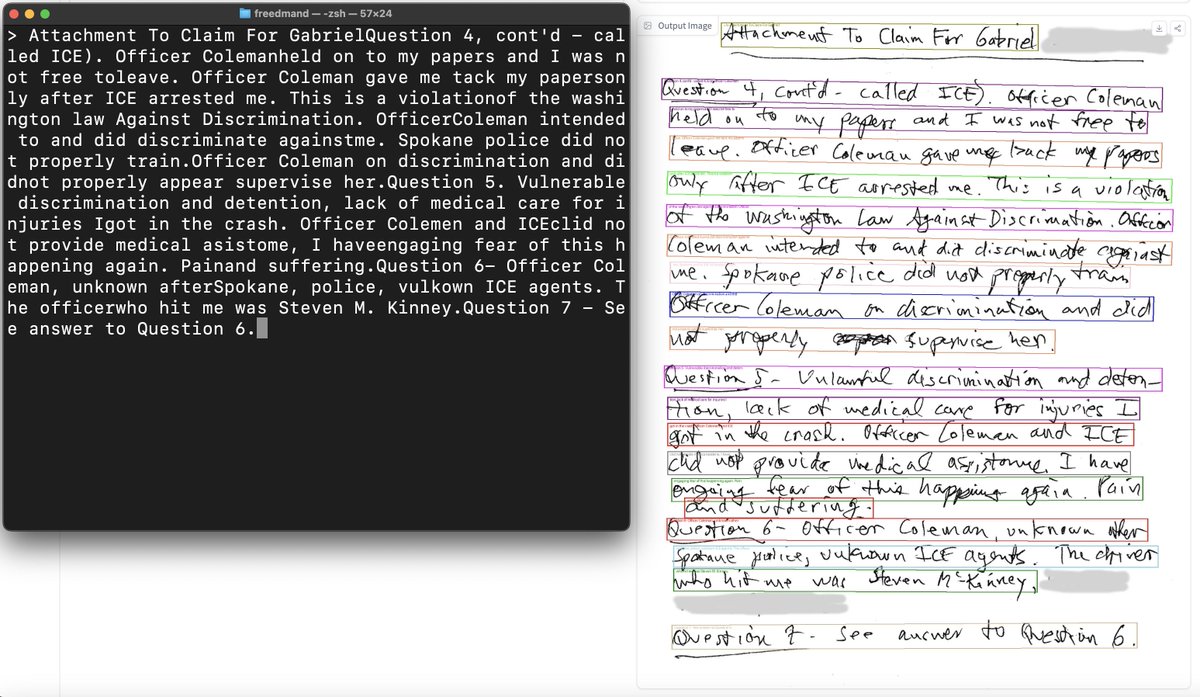
ALT A picture of a terminal window showing extracted text next to an image of handwriting with colorful bounding boxes around it. The extracted text pretty closely matches the messily handwritten document.
41
470
2,952
611,065
12 Jun 2024
I will be live in 3 hours to talk about the environmental impact of the Internet from #MozFest on youtube.com/live/lLJZ0il0UBM…

1
2
148
Benoît Courty retweeted

28 May 2024
Participez au défi 𝟑𝟎 𝐣𝐨𝐮𝐫𝐬 𝐩𝐨𝐮𝐫 𝐟𝐚𝐢𝐫𝐞 𝐮𝐧 𝐝𝐨𝐧 𝐚̀ @dataforgood_fr !
ça fait du bien ! Du bien commun !
Pour donner c'est ici 👇
swll.to/donner_a_data_for_go…
#dataforgood #techforgood
1
2
598
10 May 2024
AI Music generation : done.
Did you ear something to improve?
9 May 2024

Title: It Started to Sing (Jazz Version)
Style: “A jazz pop top charts song with emotional vocals, catchy chorus, and trumpet solos.”
34
Benoît Courty retweeted
23 Jan 2024
Chez 𝐃𝐚𝐭𝐚 𝐅𝐨𝐫 𝐆𝐨𝐨𝐝 les saisons se suivent mais ne se ressemblent pas !
Qu'y aura t-il au programme des 3 prochains mois ?
Lutte contre la pêche frauduleuse, évasion fiscale, transition énergétique...et ce n'est qu'un aperçu !
Inscription👇
linkedin.com/events/71522996…
1
1
116