
Dir, JHU Institute for Education Policy @JHUEdPolicy and loving it! D.Phil History, Oxford @UniofOxford Tweets are my own.
Joined May 2020
- Tweets 576
- Following 1,758
- Followers 1,170
- Likes 290
57 Photos and videos
Pinned Tweet

2 Jan 2024
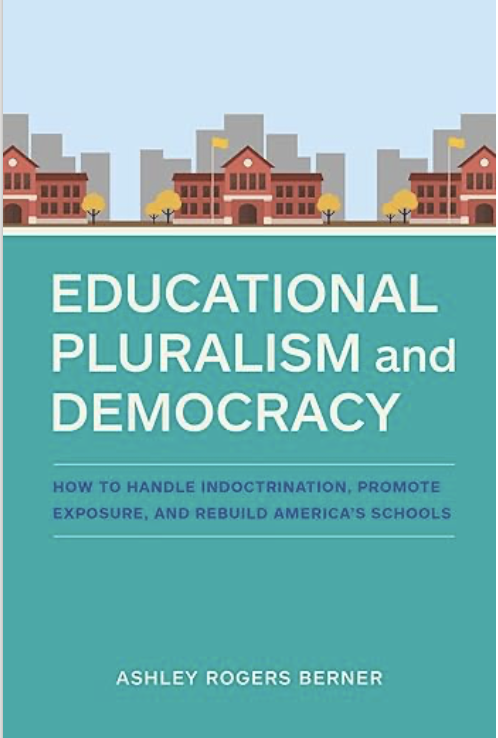
Can education help solve the problem of polarization? Yes it can! Check out my book trailer on Youtube talking about educational pluralism, and exposure versus indoctrination. youtube.com/watch?v=IapalmX-…
13
27
5,446
Pleased to join my colleagues from around the world on this important project! @oidel_edu @JHUeducation
Jun 4

📚 The Draft
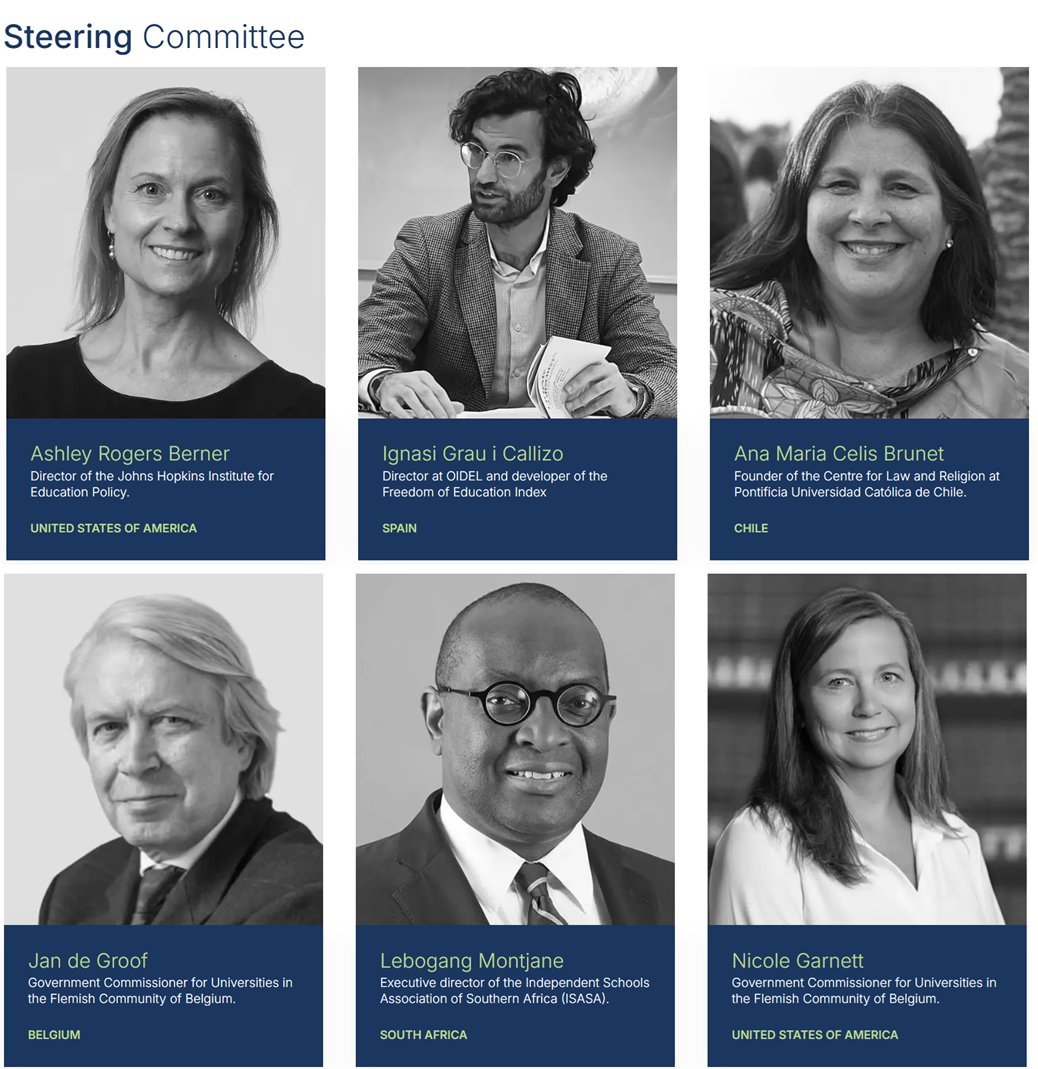
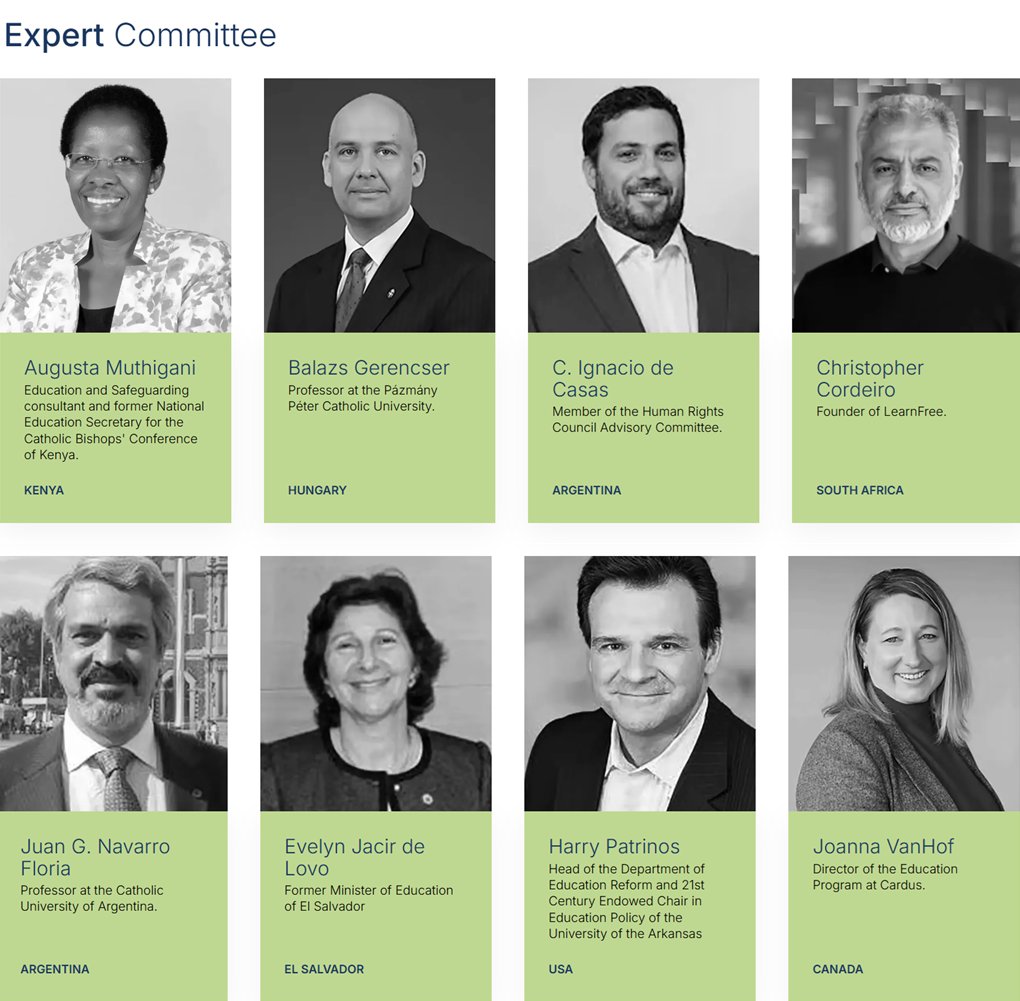
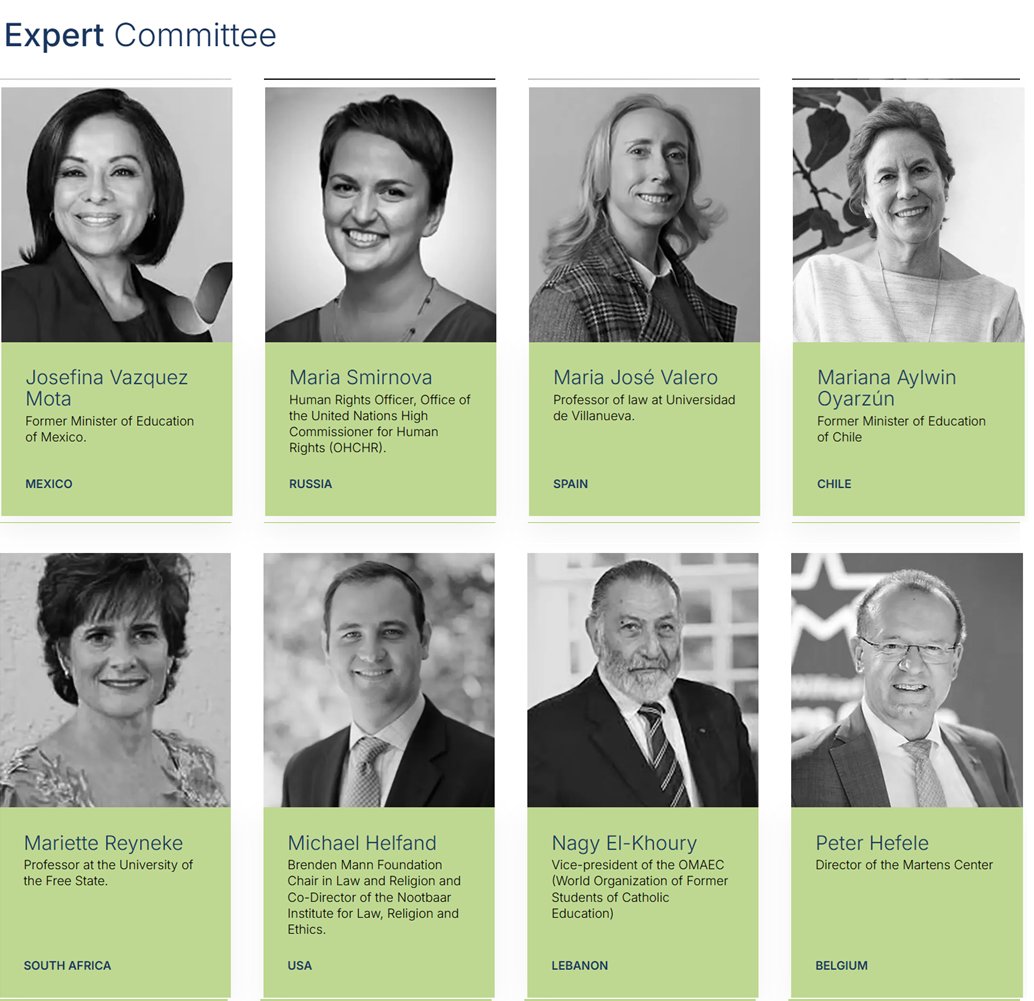
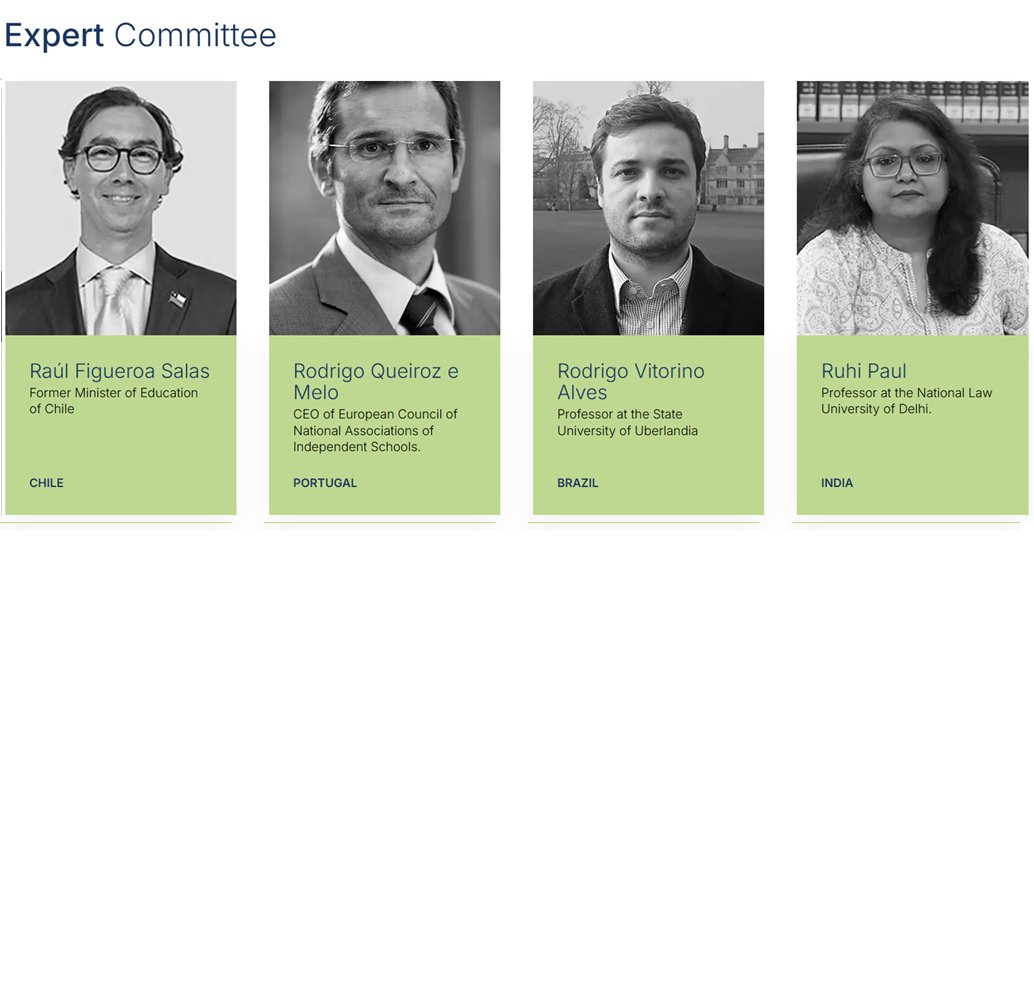
A first draft on the Guiding Principles on Educational Pluralism has been developed by 26 international experts on education.
@BernerEd @nsgarnett @JosefinaVM @hpatrinos @raulfiguersa @IgnaciodeCasas, @jnavarrofloria @joannavanhof @MariaJValeroEst @MAHelfand
1
5
125
May 28
"An open society needs an open education system." Well said, @Jorge_Elorza at @NYULawDemProjct! Educational pluralism works for students around the world. @JHUEdPolicy
democracyproject.org/posts/a…
1
1
109
May 19
Civics is a family sport! Listen in at @ConstitutionCtr with @JMSilverbrook, @DCInbox, @SarahVacchiano, and me as we talk about civic hope and resilience. @JHUEdPolicy @JHUeducation @SNFAgora
constitutioncenter.org/educa…
1
2
108
May 16
Yes, giving ALL families access to a variety of educational options can unite rather than divide us. Listen to @RobertEnlow, @Jorge_Elorza, @DeAngelisCorey, me, and Lindsay Freyer unpack why and how - at @asugsvsummit!
open.spotify.com/episode/6LW…
1
84
It was a privilege to be there! Thank you, @OIDEL_EDU. @JHUeducation
May 7
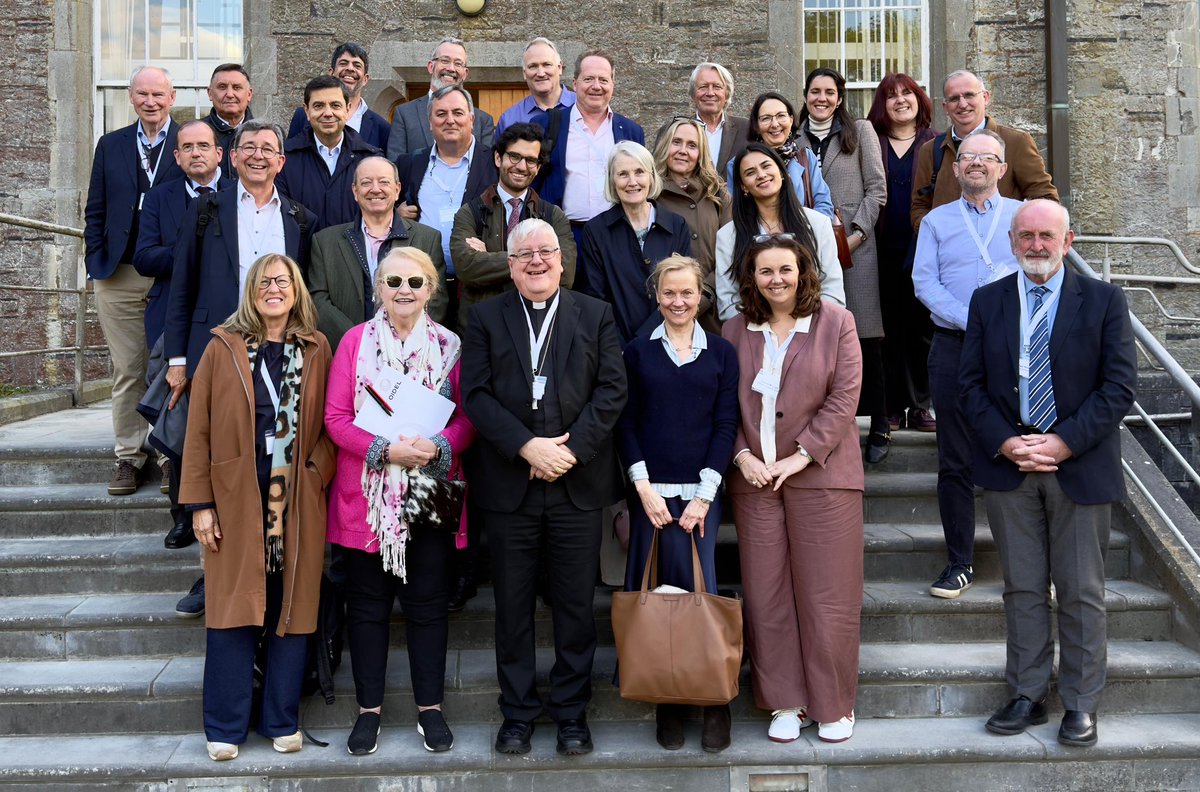
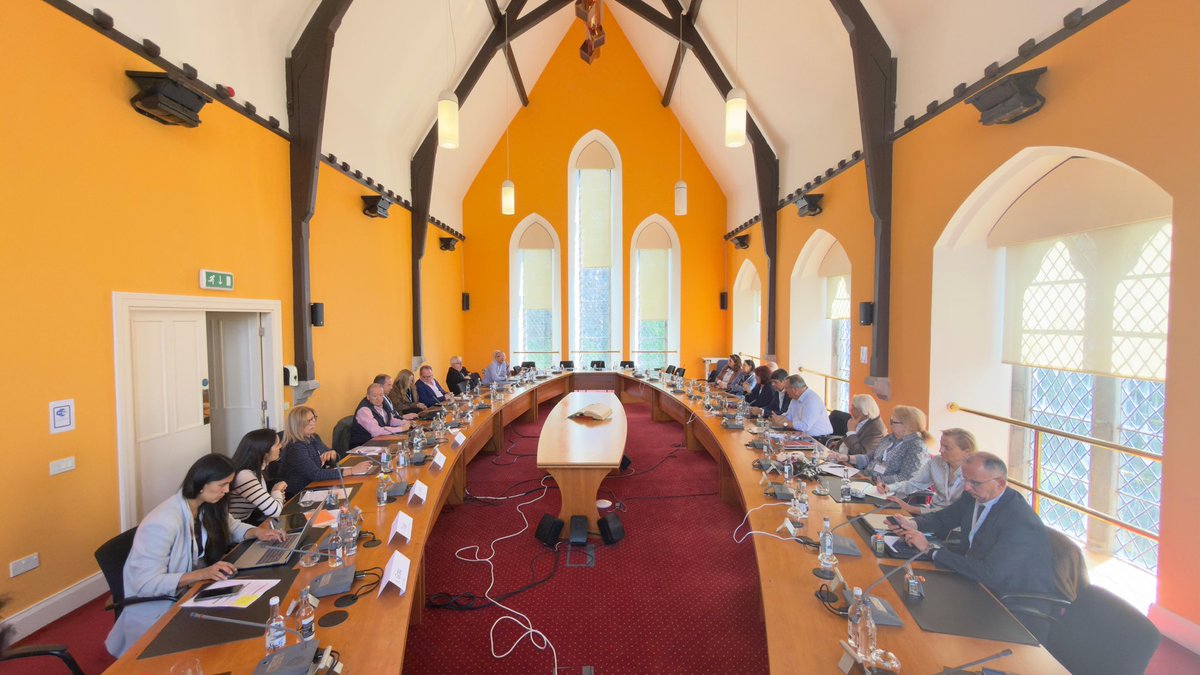
We are holding our 40th General Assembly in Ireland 🇮🇪
Yesterday, we held the formal session of the General Assembly, and today we are at the Irish Parliament exchanging views on educational pluralism.
We are very grateful to our Irish partners for their warm welcome!


3
125
Feb 10
Americans are disconnected from one another, but civil society orgs are making a difference. @AEIeducation @rickhess99 @JHUeducation @Harvard_Ed_Pub @WhitebdAdvisor
Feb 10

Americans are spending more time alone on their devices, further eroding civil society. How can schools help reverse that trend? @rickhess99 discusses w/@BernerEd. edweek.org/policy-politics/o…
1
4
655
Agree with Chris 100%

"Diplomas for all" isn't "equity." Without exit exams, high school grads can't show they have minimal skills needed for jobs, training or college.
tinyurl.com/nj9vuuf3
@ExcelinAction @MichaelPetrilli @rickhess99 @rpondiscio @MrDanielBuck @BernerEd @Dale_Chu @VodkaPundit
1
142
Excellent piece by Chris Cerf! @ExcelinEd lent
Feb 5

As graduation exam requirements quietly disappear across America, ExcelinEd Board Member Chris Cerf reminds us why maintaining rigorous accountability standards matters. ⤵️ the74million.org/article/new…
1
266
Tocqueville thought that civil society protected democratic life from the extremes of Individualism and Statism. Well-designed school choice programs do the same - as most countries of the world understand! @JHUeducation @WhitebdAdvisor
floridapolitics.com/archives…
1
1
4
127
Right on, @rickhess99! Young people need content knowledge more than ever.
Jan 7

We’re constantly told by tech bros & education impresarios that “the age of AI” demands less focus on traditional academics and more on “soft skills” like “communication” and “collaboration.”
Harvard’s Howard Gardner predicts that, by 2050, children will need just a few years of “reading, ’riting, ’rithmetic, and a little bit of coding” because “most cognitive aspects of mind . . . will be done so well by large language machines and mechanisms that whether we do them as humans will be optional.”
Instead of academics, OpenAI CEO Sam Altman advises students to pursue a “deep familiarity with the tools” and “sort of evolve yourself with technology.”
Economist Tyler Cowen says “the curriculum itself is now radically obsolete” and filled with “wasteful instruction.”
TL;DR: Academic content is out; skills and learning “how to think” are in.
If this all feels familiar, it should.
The purveyors of 21st Century Skills have spent decades insisting that it’s foolish for students to spend so much time learning academic content when there are so many more valuable things for students to learn.
Two decades ago, in the 2006 TIME Magazine cover story on “How to Build a Student for the 21st Century,” Deborah Stipek, the then-dean of Stanford University’s esteemed Graduate School of Education, mocked the idea that students should still learn South American geography, Civil War battles, or the periodic table of elements. Why? As she put it, “You can look it up on Google.”
Harvard’s Tony Wagner has gone even further,declaring, “Knowledge has become a commodity. Free like air, like water . . . available on every internet connected device. There is no longer a competitive advantage in knowing more than the person next to you because they’re going to Google it and figure it out just in time.”
The impulse isn’t new, but it was terrible advice then and it’s terrible advice now.
1
99
9 Dec 2025
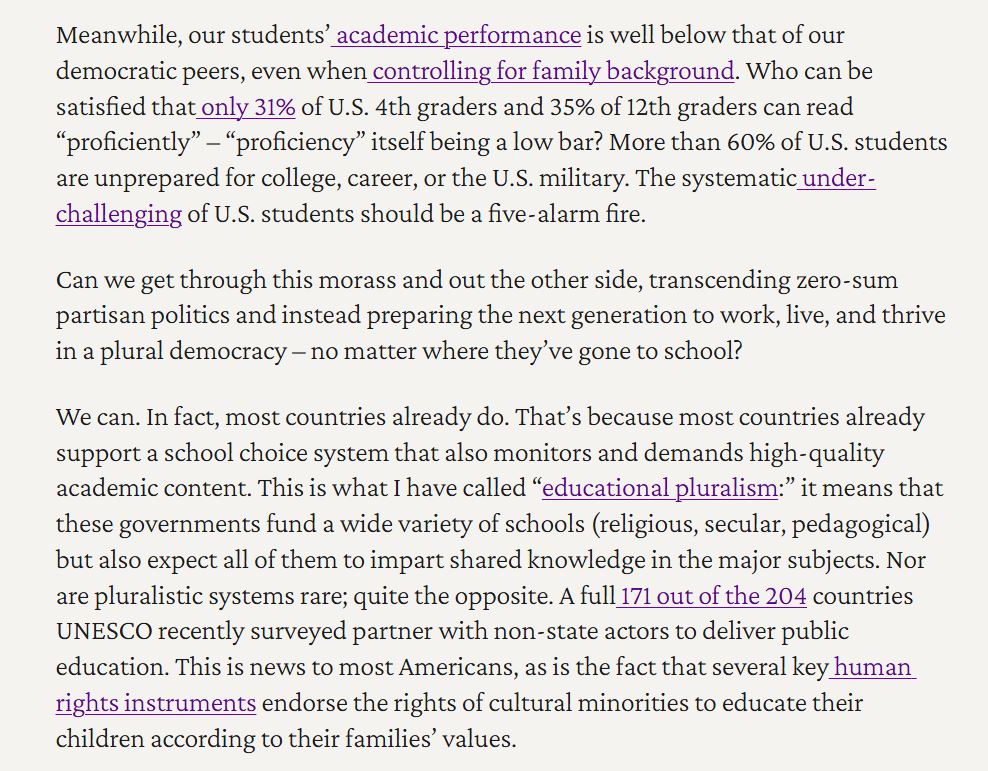
Our students’ academic performance should be a five-alarm fire- not an occasion for culture-warring and zero-sum political games. Educational pluralism offers a more generous path. @JHUeducation @MichaelPetrilli @SNFAgora

3
6
857
9 Dec 2025
Want to reduce polarization in education policy? Read on! @NYULawDemProjct @JHUeducation @Jorge_Elorza @rickhess99 @Harvard_Ed_Pub
9 Dec 2025
🟣 Idea #63 — New by @BernerEd, Director @JHUEdPolicy — "Education in an Age of Polarization"
Part of @nyulaw Democracy Project's "100 Ideas in 100 Days" series
Read the full piece here: democracyproject.org/posts/e…
2
5
1,699
18 Nov 2025
So great to be part of the conversation with my favorite people! @CandalCara @rpondiscio @MsKurto
18 Nov 2025
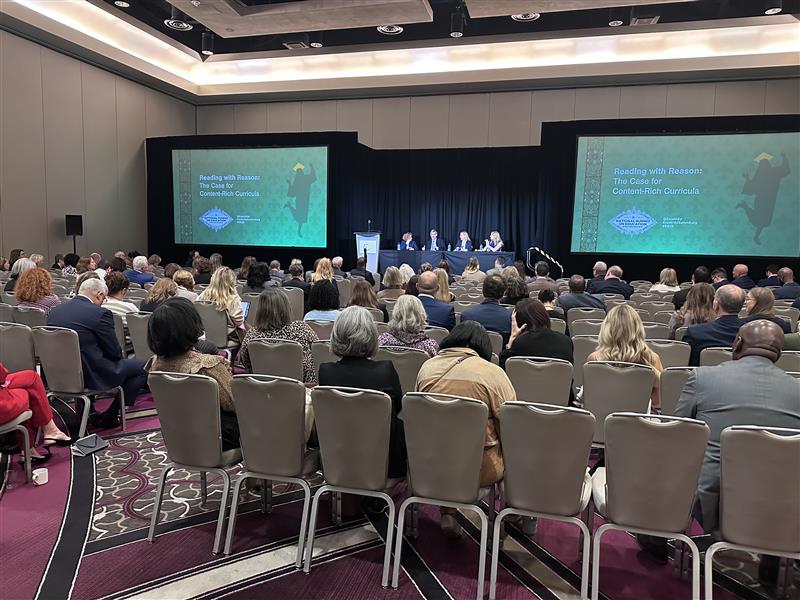
A great discussion with @rpondiscio, @BernerEd, @MsKurto and @CandalCara on the importance of content-rich instruction, what sets strong curricula apart and how states are improving literacy outcomes. #LiteracyMatters #EIE25
1
2
8
1,984
Ashley Rogers Berner retweeted

18 Nov 2025
A great discussion with @rpondiscio, @BernerEd, @MsKurto and @CandalCara on the importance of content-rich instruction, what sets strong curricula apart and how states are improving literacy outcomes. #LiteracyMatters #EIE25
7
11
2,846
13 Nov 2025
Why should Democrats be open minded about religious schools? @Jorge_Elorza and I unpack this issue! @JHUeducation @Harvard_Ed_Pub @rickhess99 @MichaelPetrilli
substack.com/inbox/post/1718…
1
1
2
315
31 Oct 2025
Excited to join some of my favorite people to talk about KNOWLEDGE! @rpondiscio @CandalCara @MsCurto and @JHUeducation
31 Oct 2025
“Reading with Reason: The Case for Content–Rich Curricula” ➡️ #EIE25 Strategy Session with @rpondiscio, @BernerEd, @MsKurto and @CandalCara on the importance of content-rich instruction, what sets strong curricula apart and how states are improving literacy outcomes. Learn more: nationalsummit.streampoint.c… #LiteracyMatters
1
4
1,867
Ashley Rogers Berner retweeted
31 Oct 2025
“Reading with Reason: The Case for Content–Rich Curricula” ➡️ #EIE25 Strategy Session with @rpondiscio, @BernerEd, @MsKurto and @CandalCara on the importance of content-rich instruction, what sets strong curricula apart and how states are improving literacy outcomes. Learn more: nationalsummit.streampoint.c… #LiteracyMatters
3
8
3,887
7 Oct 2025
Lots of questions about the new education tax credit! Rick and I unpack them in today’s Ed Week. @AEIeducation @JHUeducation!
7 Oct 2025
The new federal scholarship tax credit was a historic win for school choice in the U.S. But questions remain: Will states opt in? How many students will be supported? What types of schools will be eligible? @rickhess99 & @BernerEd break it down @educationweek ⬇️
3
6
1,168
9 Sep 2025
9 Sep 2025
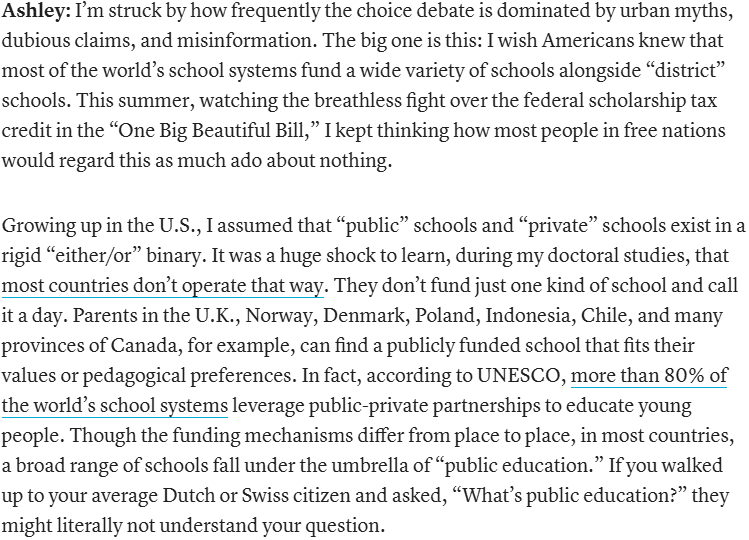
School choice in America is contentious, but @BernerEd of @JHUEdPolicy tells @rickhess99 that "most of the world's school systems fund a wide variety of schools":
1
6
672
19 Aug 2025
One of my recent articles published in Frontiers in Education just reached a new impact milestone! Here is the link if you would like to read why "privatization" is the wrong term for non-state actors in education. @JHUeducation
frontiersin.org/article/1621…
2
2
222