All about biological anthropology! Be sure to join our large FB group for discussions, and subscribe to our YouTube Channel & Instagram accounts (Bioanth_news).
Joined September 2012
- Tweets 3,219
- Following 562
- Followers 3,425
- Likes 189
85 Photos and videos

BioAnth News retweeted

16 Feb 2022
AI is now advanced enough to help humans explain their own brains. But what if it’s telling us a false story? What if its narrative makes sense, but it's not the story of our brain at all? @BaharGholipour eavesdrops on neurons w/ @EngelTatiana @NautilusMag nautil.us/ai-is-helping-scie…
3
5
17
BioAnth News retweeted

20 Feb 2022
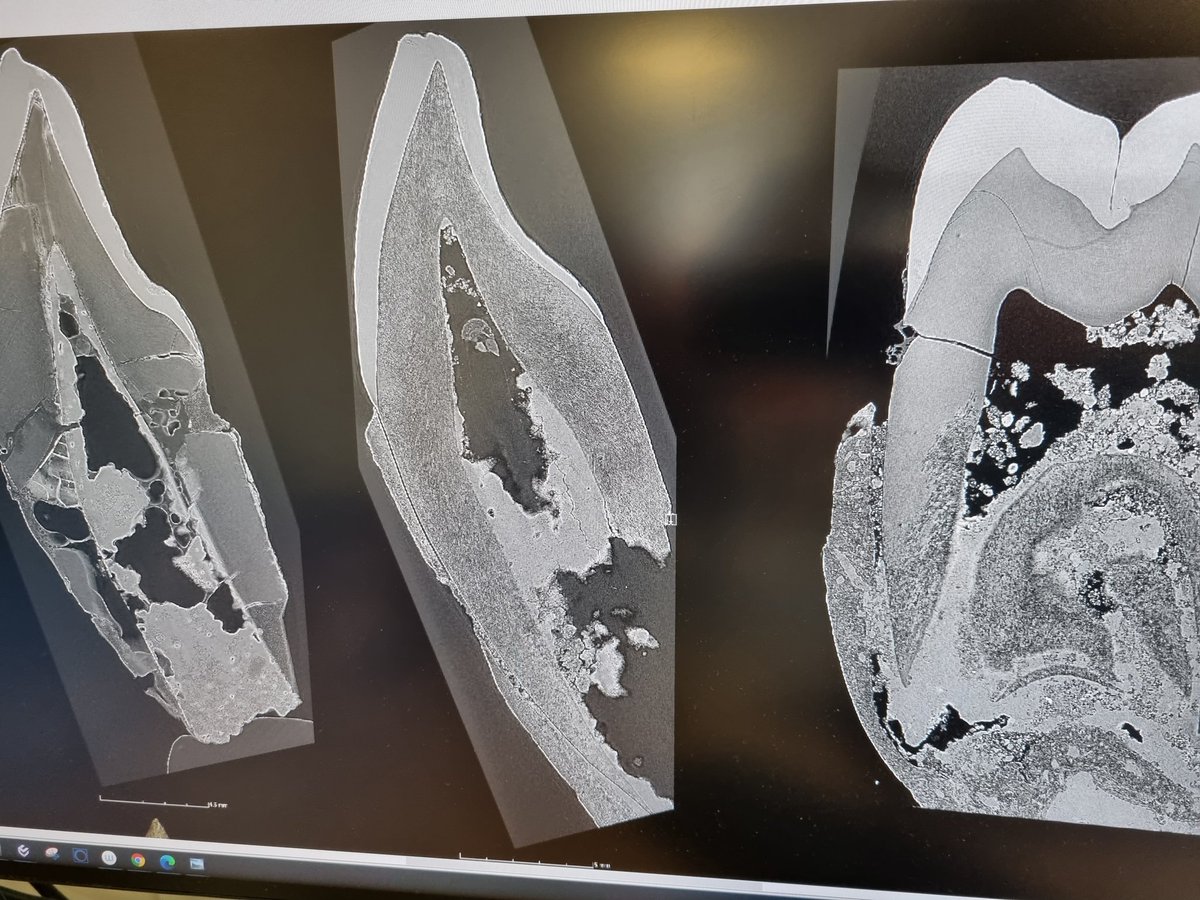
We had scanned #sediba @esrfsynchrotron years ago but the tech has advanced significantly and we have new specimens! The goal of this experiment is to see disruptions in incremental growth lines in teeth and by matching them across teeth establish the exact age of death of Karabo
2
20
94

2 Feb 2022
Vertebra discovered in the Jordan Valley tells the story of prehistoric migration from Africa heritagedaily.com/2022/02/ve… via @HeritageDaily - Archaeology News
4
1 Feb 2022
Ancient DNA Boom Underlines a Need for Ethical Frameworks the-scientist.com/news-opini…
2
6
BioAnth News retweeted

For our 150th episode...(yes, 150!), we are pleased to have Drs. @AHGoodman18 & Joseph Graves "back" to promote their new book "Racism Not Race: Answers to Frequently Asked Questions." soundcloud.com/humanbiologya…
1
5
6
BioAnth News retweeted

25 Jan 2022
Emocionado por nuestro nuevo artículo en @AmAnthroJournal sobre " Asymmetries and praxis in aDNA research: a bioanthropological critique ". Ha sido increíble realizar este trabajo con J.M. Argüelles y @Anthrofuentes . Gracias por su tiempo y amabilidad. 1/ doi.org/10.1111/aman.13692
1
12
30
24 Jan 2022
Evidence that RNA Viruses Drove Adaptive Introgression between Neanderthals and Modern Humans
cell.com/cell/fulltext/S0092…
4
8
20 Jan 2022
‘Acquired by dubious means’: Should museums give back the bones of Black people? newsobserver.com/news/local/…
1
1
19 Jan 2022
First archaeological experiment in space phys.org/news/2022-01-archae… via @physorg_com
1
18 Jan 2022
Tracing the origins of plants in West African cuisine phys.org/news/2022-01-west-a… via @physorg_com
1
13 Jan 2022
Digging deep: DNA molecules in ancient dirt offer a treasure trove of clues to our past theconversation.com/digging-… via @ConversationEDU
1
BioAnth News retweeted

11 Jan 2022
Clovis hunters have long been assumed to have been mammoth hunters. But their status as adept killers of giant beasts has come under fire sciencenews.org/article/clov…
4
14
32
BioAnth News retweeted

7 Jan 2022
Paleoanthropologist Richard Leakey died on January 2 at age 77. He was part of the team that discovered ‘Turkana Boy,’ a Homo erectus skeleton—one of the most complete early hominin skeletons ever found.
On #SciFriLive📻, revisit our 2011 conversation.
sciencefriday.com/segments/r…
6
15
BioAnth News retweeted

6 Dec 2021
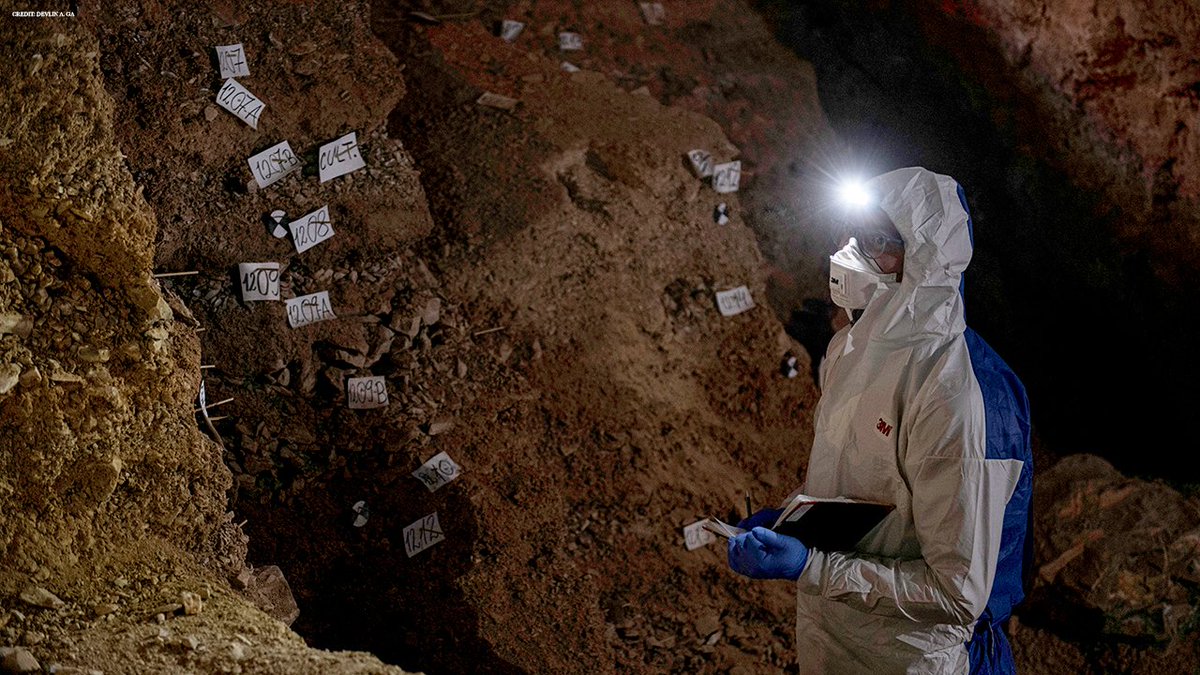
For years, scientists have known that ancient sediments harbor DNA samples from our earliest human relatives. But this year, multiple teams made strides in finding—and untangling—those threads, rewriting the histories of humans and animals living in caves from Spain to Siberia.
2
10
38
29 Oct 2021
Check out the discussion on Homo bodoensis over in the BioAnth News Facebook group! facebook.com/groups/BioAnthN…
BioAnth News retweeted

29 Oct 2021
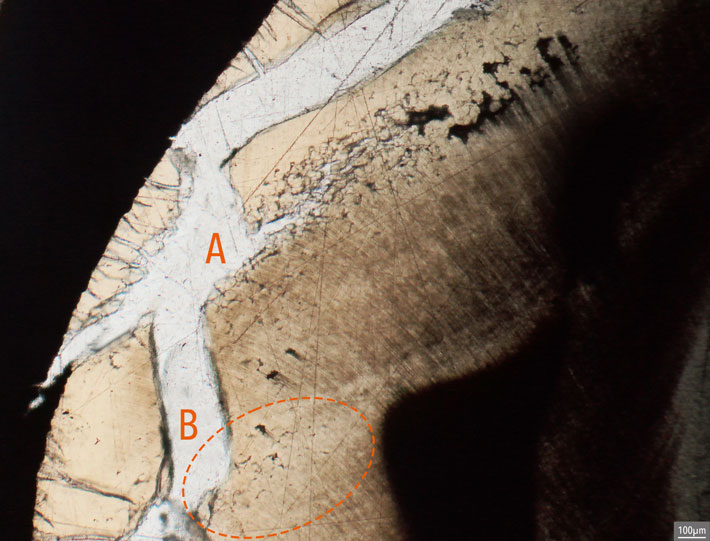
Researchers have developed a method to detect vitamin D deficiency in cremated human remains.
archaeology.org/news/10107-2…
9
59
12 Oct 2021
1
1
BioAnth News retweeted

23 Sep 2021
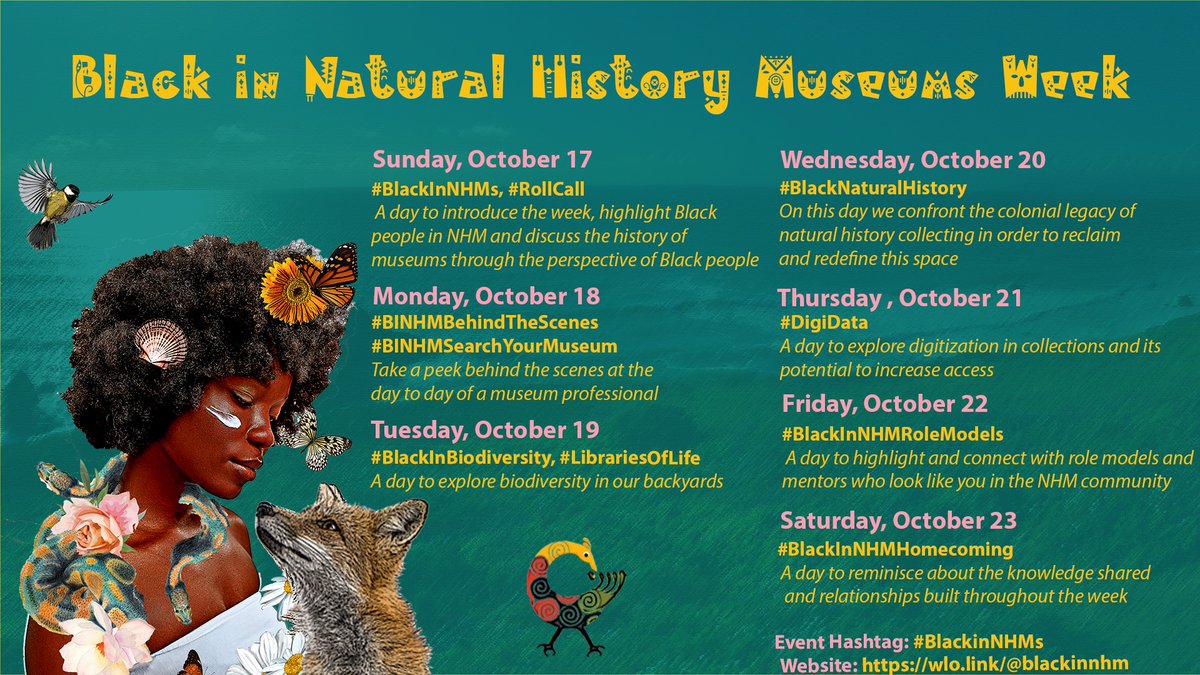
The schedule is here!!👇👇👇
Looking forward to a great week! 🦊🕷️🐍🦉🌹🐞
#BlackInNHMs #BlackInSTEM #BlackinNature
3
207
357
BioAnth News retweeted

23 Sep 2021
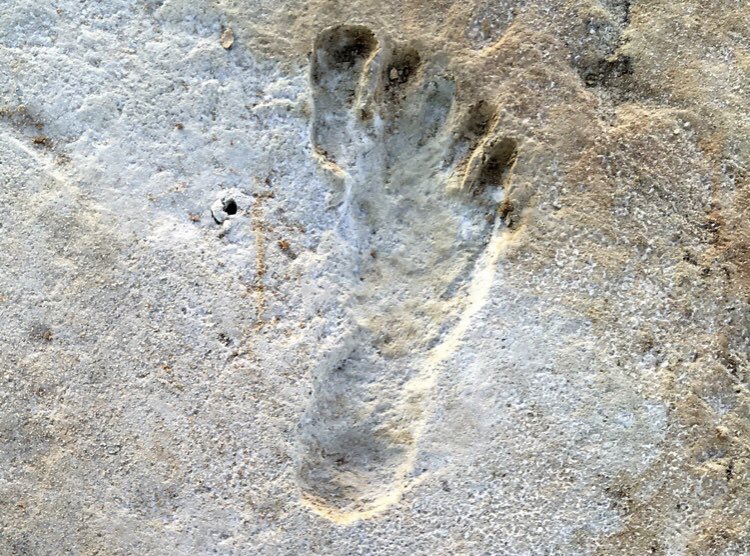
BREAKING: Ancient footprints provide evidence of humans in North America at the Last Glacial Maximum 📷 Dan Odess #IceAgeAmerica wsj.com/articles/ancient-foo…
15
97
547