Joined December 2010
- Tweets 148,897
- Following 2,842
- Followers 28,791
- Likes 47,943
3,902 Photos and videos





Pinned Tweet

21 Sep 2022
I have big news!
I will be leaving @roslininstitute and @EdinburghUni at the end of September to take up a new position as Principal Data Scientist at @DSM!
87
20
586
Mick W@tson ↙️ retweeted

Jun 10
EXCL: The Green Party has received a damning audit of its workplace culture and pay to staff by Unite the Union.
A staff survey found that 47 per cent of workers for the party are struggling financially and 46 per cent believe they are underpaid.
Among the workers, 30 per cent were unsure whether they wanted to stay in their job, while 14 per cent intended to leave.
Unite also warns that ‘salaries remain considerably below market rates for comparable roles in the campaigning and political sectors’.
30
221
706
134,891
Mick W@tson ↙️ retweeted

Jun 8
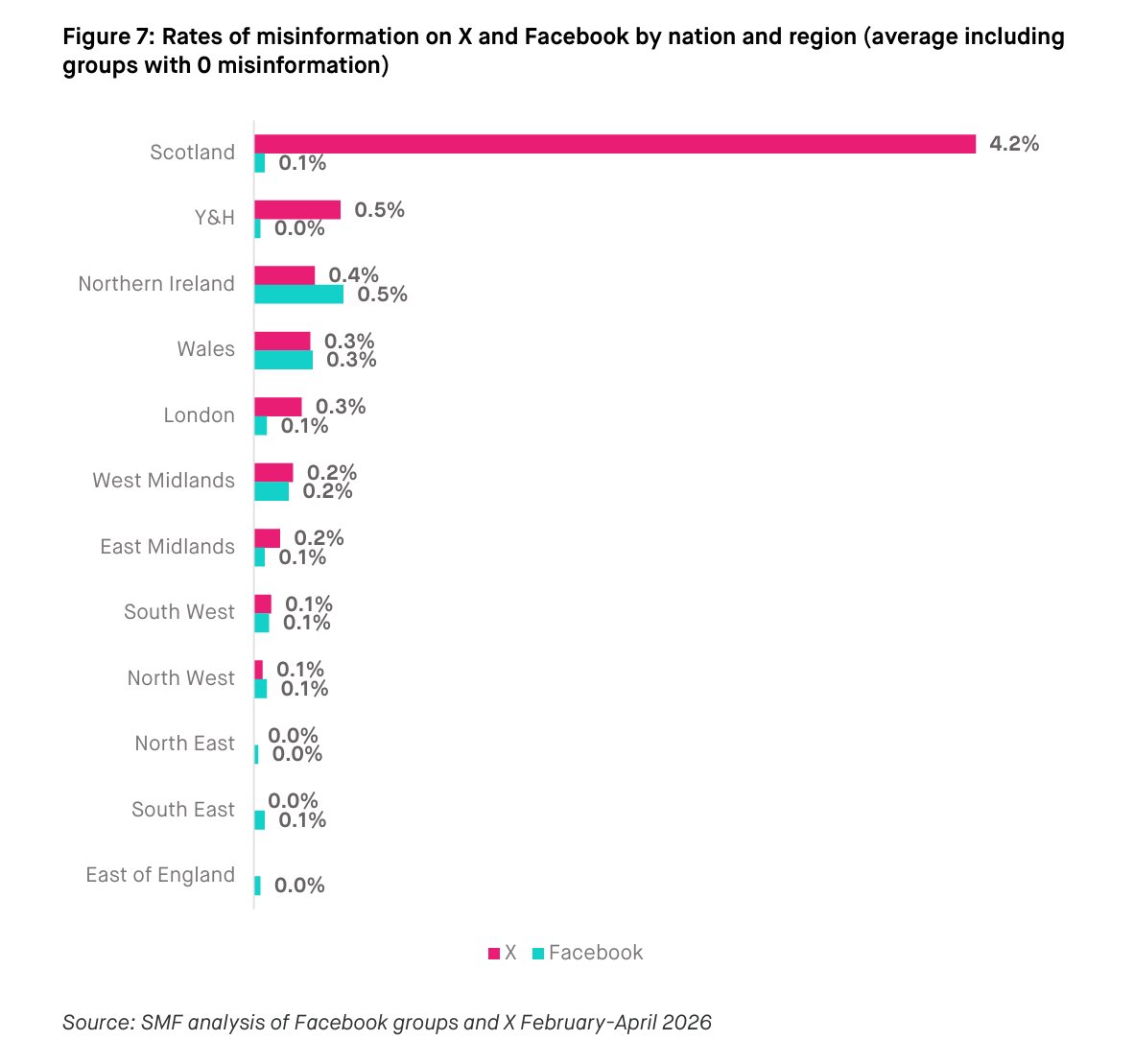
Why does Scotland have the highest rates of local misinfo on X by a mile?
77
90
185
284,110
Mick W@tson ↙️ retweeted

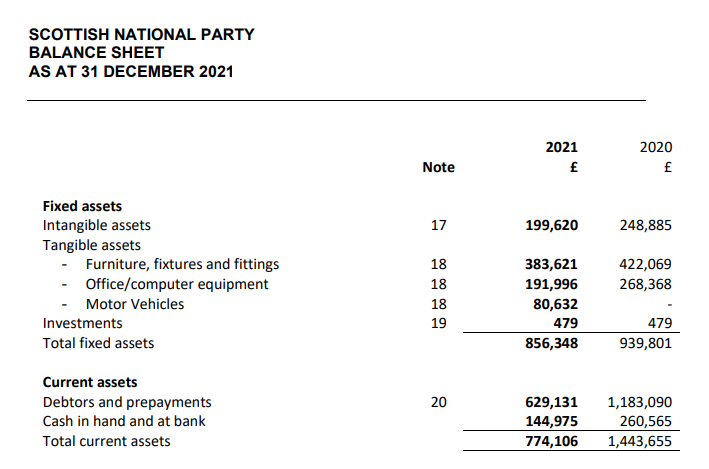
A note on Nicola Sturgeon's claim 'motor vehicle' expenditure would have been normal to see in the accounts.
She's wrong, and even more so given the campervan was listed *clearly* as an asset, i.e. something *owned*, not rented by the SNP
41
110
352
148,345
Mick W@tson ↙️ retweeted

May 28
Worth remembering: after Chapman resigned in May 2021 as SNP treasurer - citing prevented from fulfilling his legal obligations - only 3 folk were capable of signing off the books: Nicola Sturgeon (the incurious), Peter Murrell (the criminal), and Colin Beattie (the retread)
May 28

2/In 2021, Nicola Sturgeon told the public she was "not concerned" about party finances. The accounts were "independently and fully audited."
That same year, the auditors flagged "the greatest potential for fraud" in SNP revenue recognition procedures — a warning that had never appeared in previous years' reports.
16
55
1,537
Mick W@tson ↙️ retweeted

May 25
Never forget: Nicola Sturgeon may not have been directly involved in the crime, but she went on TV and told blatant lies to cover up the fact that a crime had been committed. By this stage the published accounts had proved beyond any doubt that the money had indeed gone missing.

Nicola Sturgeon has rejected allegations that £600,000 of SNP funds raised by activists has ‘gone missing’. bit.ly/3g17gJ2
58
597
1,843
56,976
Mick W@tson ↙️ retweeted

May 19
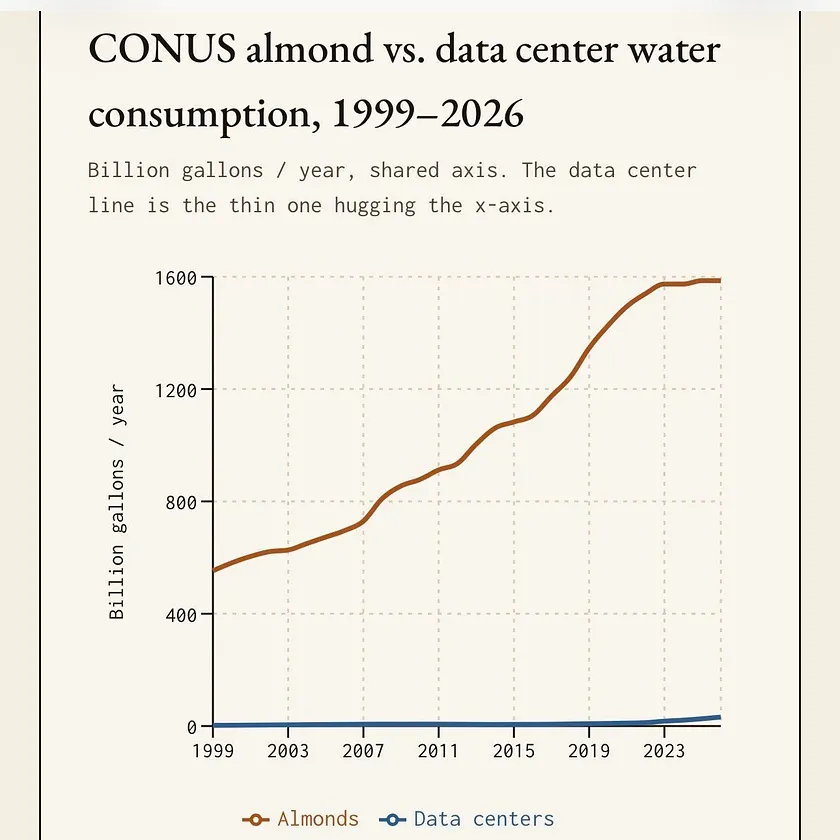
Over at Substack, @JoshEakle asks: "It's 2026, and I have yet to see an anti-almond farm protest."
200
686
3,769
974,025
Mick W@tson ↙️ retweeted

May 15
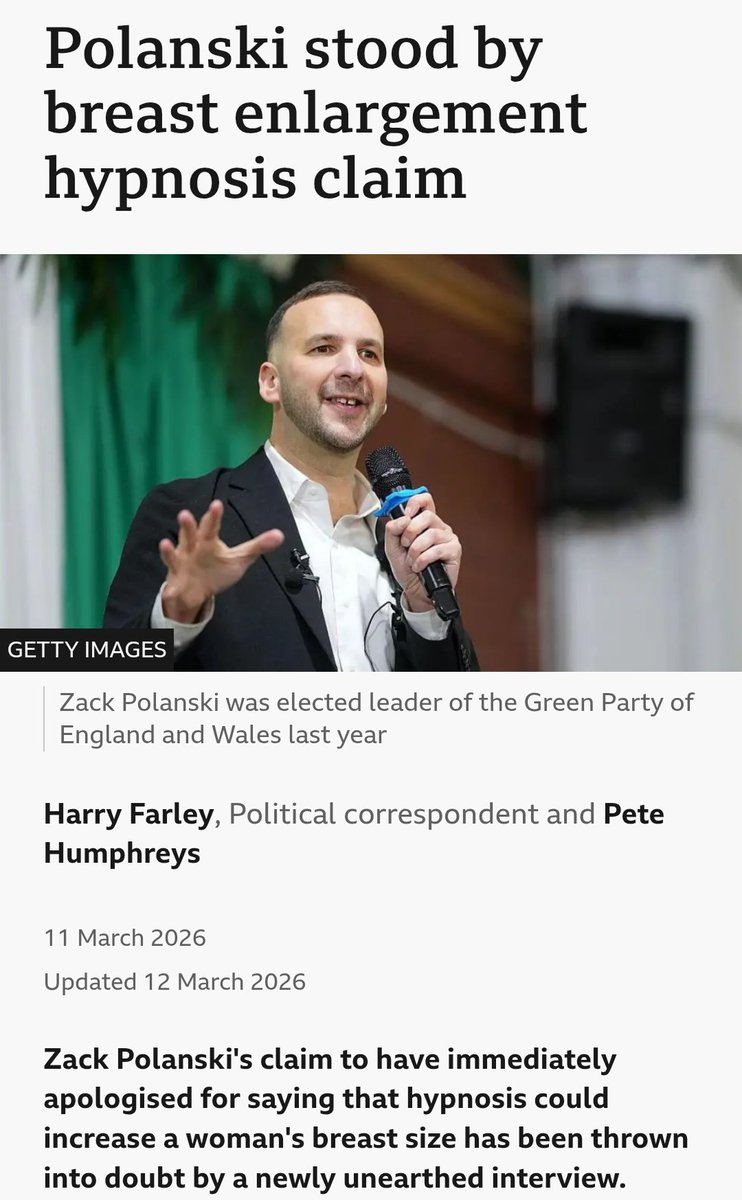
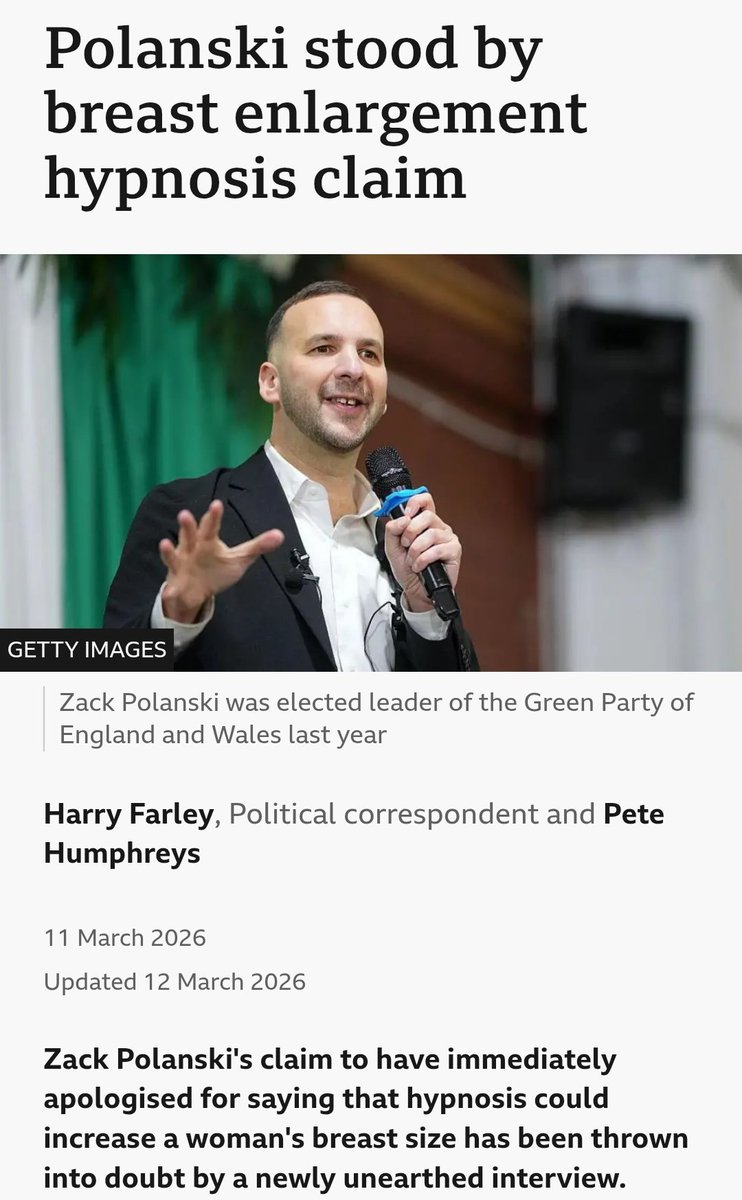
Polanski admits he did not vote & Green Party lied about him voting by post. He wasn’t even registered. Then they said it was for security reasons. But public figures are able to vote whist excused giving public address. So why all the lies?
thetimes.com/uk/politics/art…
24
107
321
6,997
Mick W@tson ↙️ retweeted

May 11
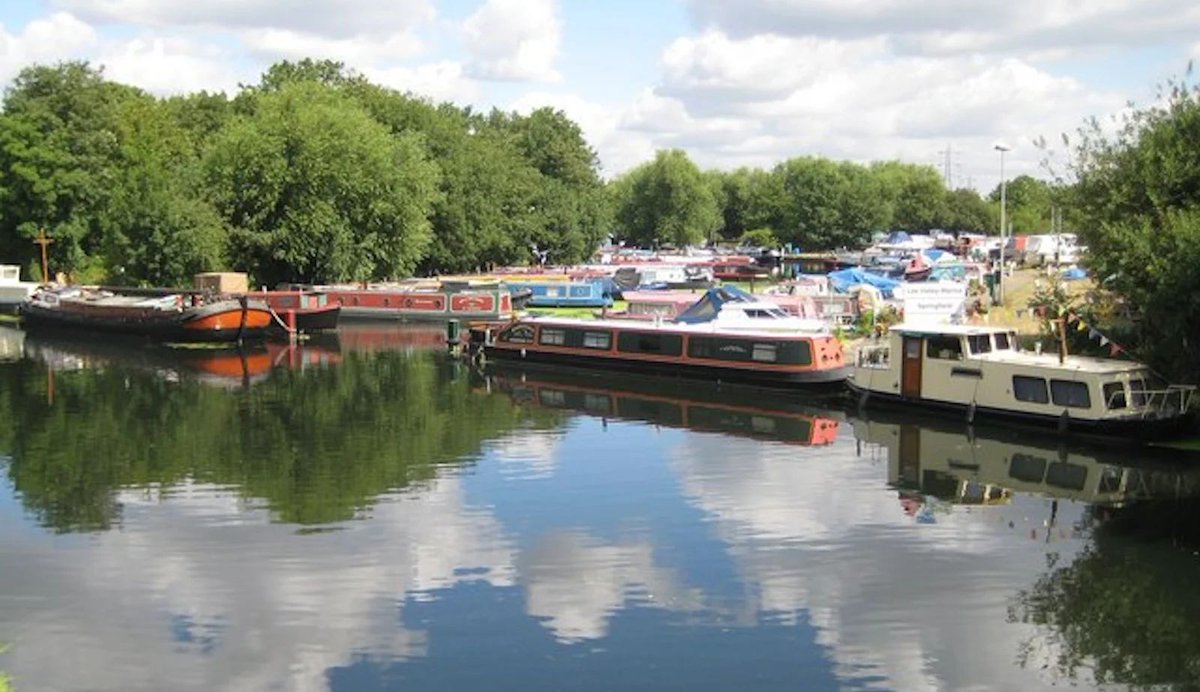
Zack Polanski and his partner called their narrowboat their “amazing home” for three years. He registered to vote there.
If it was his main residence, council tax was due. None was paid.
His team says he stayed there only “occasionally” - if true, there's a very big problem.
689
3,246
14,202
2,277,941
Mick W@tson ↙️ retweeted
May 11
That £5bn budget crisis will hit around 2027/8. SNP will rue the day they made so many reckless pledges in Holyrood 2026. When politics meets mathematical reality, the numbers always win.

A senior SNP minister refuses to rule out asking some Scots to pay more if that is demanded by the Greens in return for supporting legislation or Budgets.
mol.im/a/15805919 via @DailyMail
7
33
99
5,235
Mick W@tson ↙️ retweeted
May 10
An MSP should introduce a Member’s Bill during this parliament to reform the voting system for Holyrood elections. Of course the SNP and Greens would shoot it down. But they should be made to stand up and explain why 57% of the seats with 41% of the votes is a good system.
80
84
348
34,119
May 10
If you voted for The Green Party, I hope it don't like house building....
May 9

Oh look. The Green Party in Enfield Council agree to support a minority Tory administration after Labour loses majority.
Central objective: to block the development of the New Town in Crews Hill.
The Greens, working with the Tories: opposing new homes in London.
Marvellous.
1
431
Mick W@tson ↙️ retweeted

May 9
Oh look. The Green Party in Enfield Council agree to support a minority Tory administration after Labour loses majority.
Central objective: to block the development of the New Town in Crews Hill.
The Greens, working with the Tories: opposing new homes in London.
Marvellous.
32
247
1,525
119,985
Mick W@tson ↙️ retweeted

The ambition is real, but "end the way drugs have been developed" is doing a lot of work in that sentence, and the part that gets glossed over is where computational prediction meets biological reality.
AlphaFold predicting protein structure was genuinely revolutionary. But structure is one layer. A drug candidate still has to navigate absorption, distribution across tissues, metabolism by liver enzymes, and elimination, and those dynamics are governed by differential equations that are exquisitely sensitive to biological variability between patients. The math exists. The models exist. What resists clean prediction is the probabilistic noise in living systems, which is something I worked through in some depth at onhealthcare.tech/p/mathemat… when looking at how pharmacokinetics modeling keeps running into the same wall: biology doesn't hold still the way a physics equation expects it to.
Isomorphic Labs is collapsing one genuinely hard problem, which is molecular fit. The harder problem downstream, clinical translation, toxicity in heterogeneous populations, emergent off-target effects, remains stubbornly wet and biological in ways that no protein structure database fully captures.
The project deserves the attention. The framing of it as an ending rather than a significant acceleration of one specific phase probably needs complicating.
Apr 17

Demis Hassabis, the Nobel Prize winner who runs Google DeepMind just described the most consequential project on earth, and most people have no idea it exists.
The project is called Isomorphic Labs and the goal is to end the way drugs have been developed for the last century.
Here is the problem it is trying to solve.
Developing a single drug today takes an average of 10 years, costs billions of dollars, and fails 90 percent of the time before it ever reaches a patient.
Of every 10 drugs that enter clinical trials, only one makes it through.
The other nine years of work, the other billions of dollars, the other scientific careers, gone.
Hassabis believes AI can collapse that entire process from identifying a disease target to designing a compound that binds to it, predicts how it behaves in the body, and minimizes side effects , end to end, on a computer, before a single experiment is run.
The foundation is AlphaFold, the AI system that solved one of biology's hardest problems predicting the 3D structure of every protein in the human body and won him the Nobel Prize in Chemistry in 2024.
But knowing a protein's shape is only one part of designing a drug.
Isomorphic is building what Hassabis describes as adjacent systems , AlphaFold 3, AlphaFold 4, and now a unified model called IsoDDE , that take the next steps.
From designing the actual chemical compound that binds to the protein, predicting its binding strength, identifying new pockets to target that no one has ever found before.
IsoDDE more than doubles the accuracy of AlphaFold 3 on the hardest protein-ligand prediction benchmarks that exist.
Isomorphic is already running 18 to 19 live drug programs, cardiovascular disease, cancer, immunology in partnership with Eli Lilly, Novartis, and Johnson and Johnson.
The first human clinical trial of a fully AI-designed drug is expected by the end of 2026.
If that trial succeeds, it will be the first time in history that a drug put into a human body was designed not by a team of chemists working for a decade but by an AI working for months.
Hassabis's long-term vision is even more direct, one day you describe a disease, click a button, and a drug blueprint comes out the other side.
AI will solve almost all diseases within 10 years.
2
3
1,441
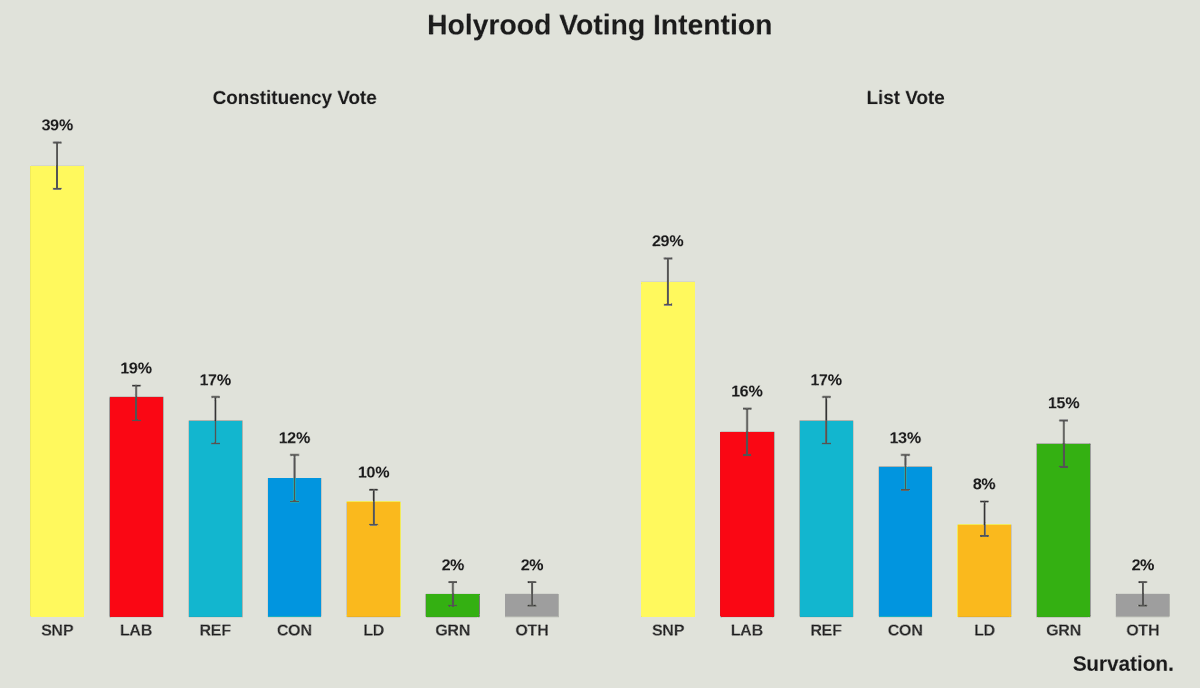
Clear majority of votes for unionist parties
May 6

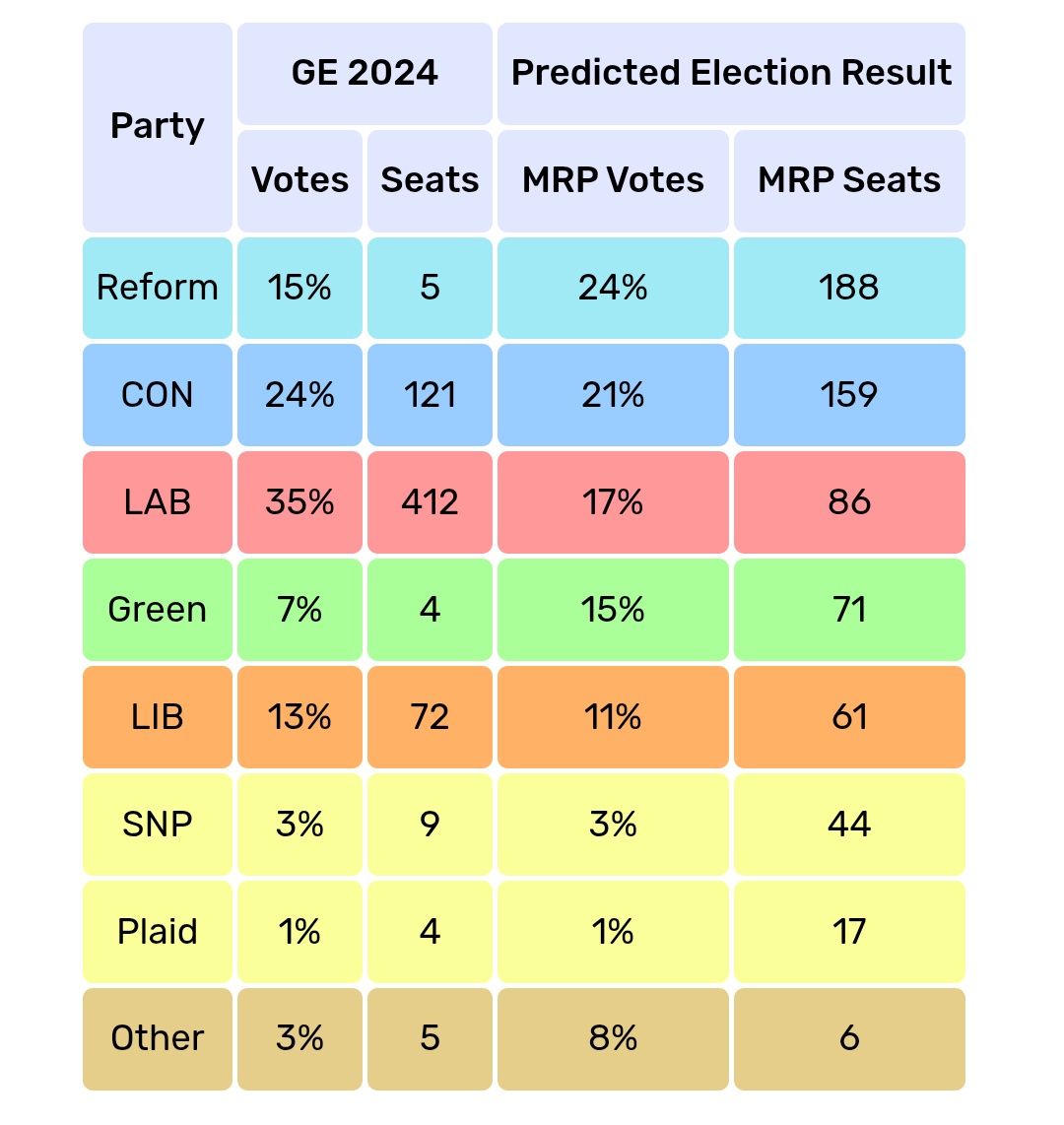
Implied vote share from the MRP suggests the SNP leads the Constituency vote by 20 points, and the Regional List vote by 13 points.
Constituency Vote:
SNP: 39%
LAB: 19%
REF: 17%
CON: 12%
LD: 10%
GRN: 2%
OTH: 2%
Regional List Vote:
SNP: 29%
LAB: 16%
REF: 17%
CON: 13%
LD: 8%
GRN: 15%
OTH: 2%
1
1
744
Mick W@tson ↙️ retweeted
Fraser of Allander Institute *scathing* about John Swinney's plans for price caps on food
1) It's "almost certain" he doesn't have the power
2) He knows he doesn't and the policy is "designed to provoke a stooshie"
3) And it won't "provide any relief in the short run"
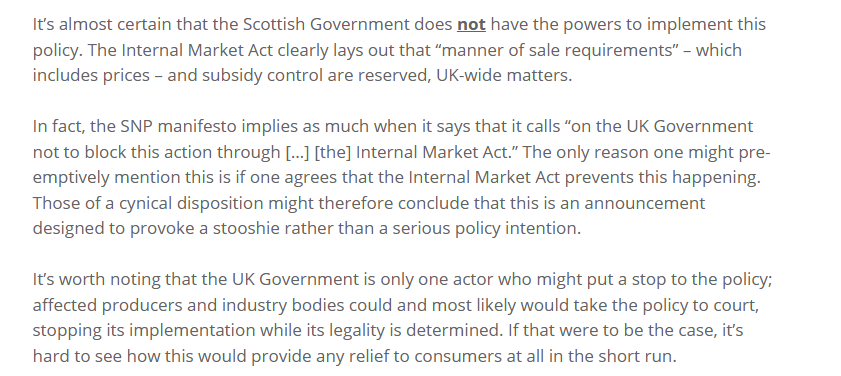

Our next Scottish manifesto analysis: the SNP. Would the food price cap work? And does the manifesto face up to the fiscal reality?
Read it below: fraserofallander.org/2026-sc…
48
178
317
45,254
Mick W@tson ↙️ retweeted

Apr 18
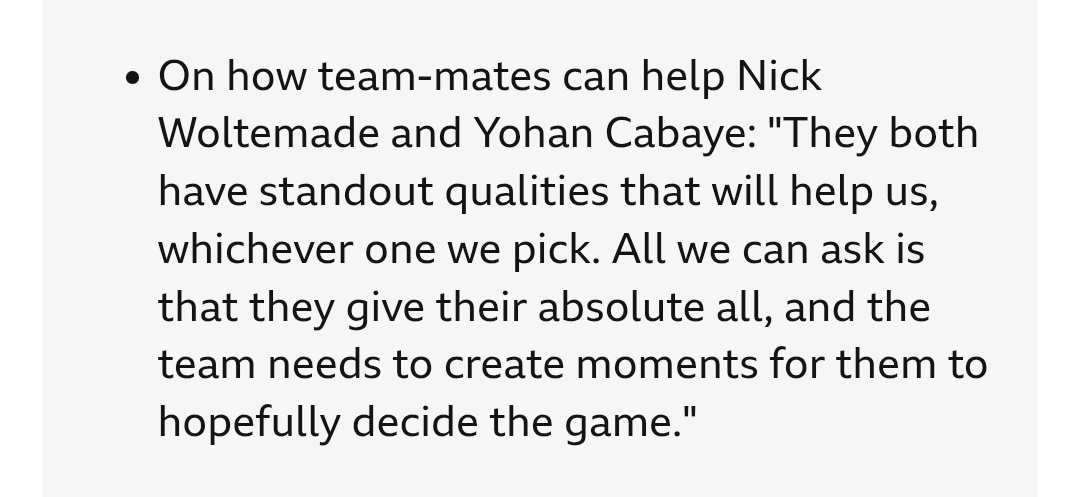
We have German CF.
We play him in midfield or Will Osula.
But remember that’s not Eddie’s fault that.
Same as us playing the same system that got figured out last season. That’s not his fault either.
#NUFC
3
2
39
2,545
Apr 16
The SNP truly are a meme party 🤣🤣
Apr 15

The SNP has pledged to roll out a new “minimum income” for Scotland’s writers, musicians, filmmakers, playwrights, comics and visual artists if it returns to power after the Holyrood election. heraldscotland.com/news/2601…
1
258
Mick W@tson ↙️ retweeted

Apr 13
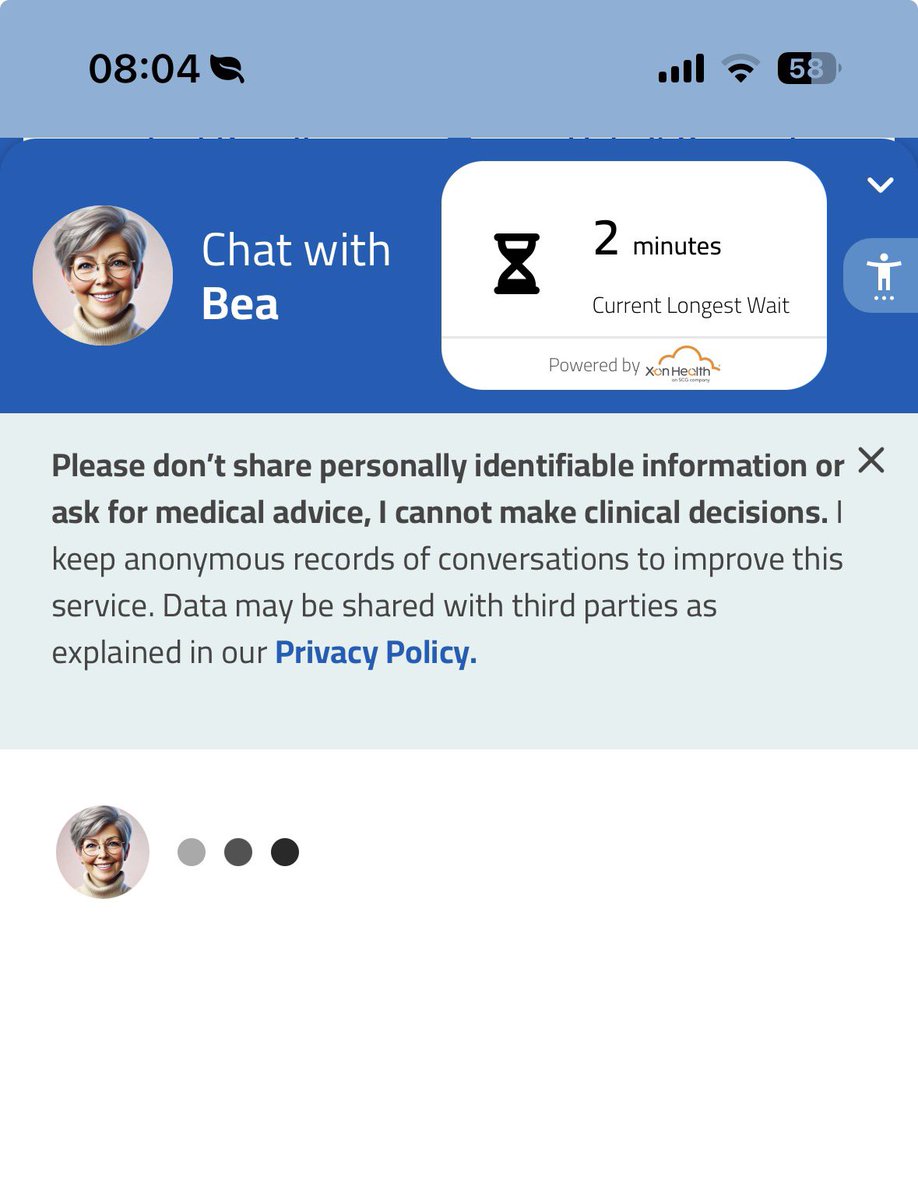
Why is there a wait time for Bea, my GP’s AI assistant who they’ve actively made look like all the evil receptionists I’ve encountered?
9
2
68
4,675
Mick W@tson ↙️ retweeted

Apr 9
Sam Altman has admitted he is on a waitlist for a procedure that would digitize his brain.
The procedure would kill him. He considers this an acceptable trade for digital immortality.
This is the person making decisions about the future of artificial intelligence for hundreds of millions of users. A man who views ending his own biological life as a reasonable step toward uploading his consciousness to the cloud.
These are not the priorities of a stable leader.
3,099
6,123
43,432
2,992,810