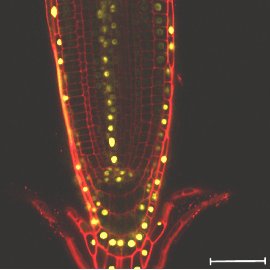
We are based at the University of Nottingham, UK and focus primarily on understanding the regulatory processes controlling root patterning.
Joined December 2018
- Tweets 48
- Following 60
- Followers 616
- Likes 12
8 Photos and videos


11 Oct 2024
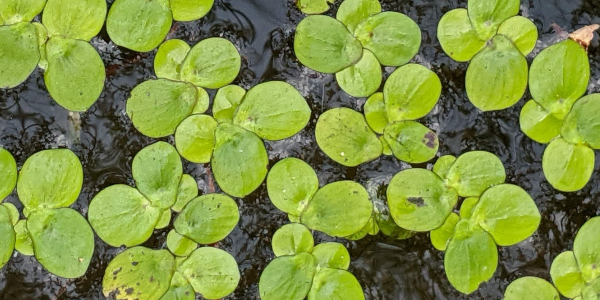
We are looking for a PhD candidate interested in the evolution and development of plants who can start in October 2025. Please see the link below for more details and contact information.
findaphd.com/phds/project/ex…
20
29
4,486
10 May 2024
We're looking for two postdocs to work in Nottingham on an interdisciplinary collaborative project with the @etienne_farcot and @RabhoRoot labs. One experimental biologist
jobs.nottingham.ac.uk/Vacanc… and one mathematician
jobs.nottingham.ac.uk/Vacanc…
2
36
49
7,723
10 May 2024
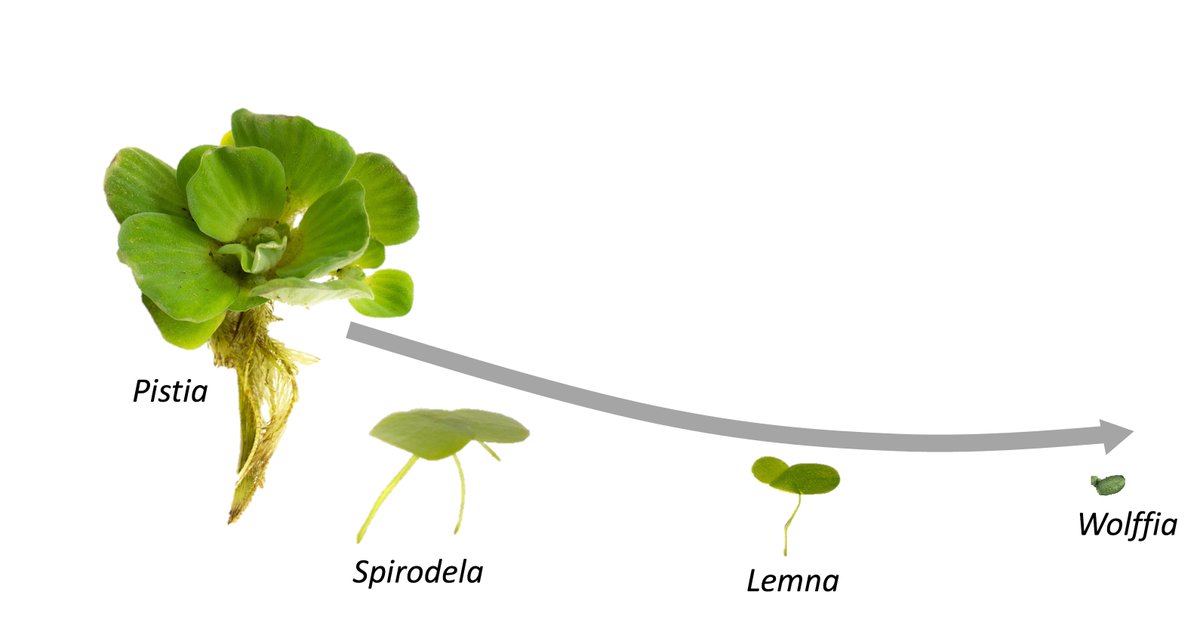
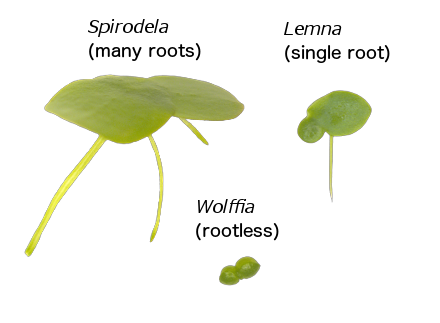
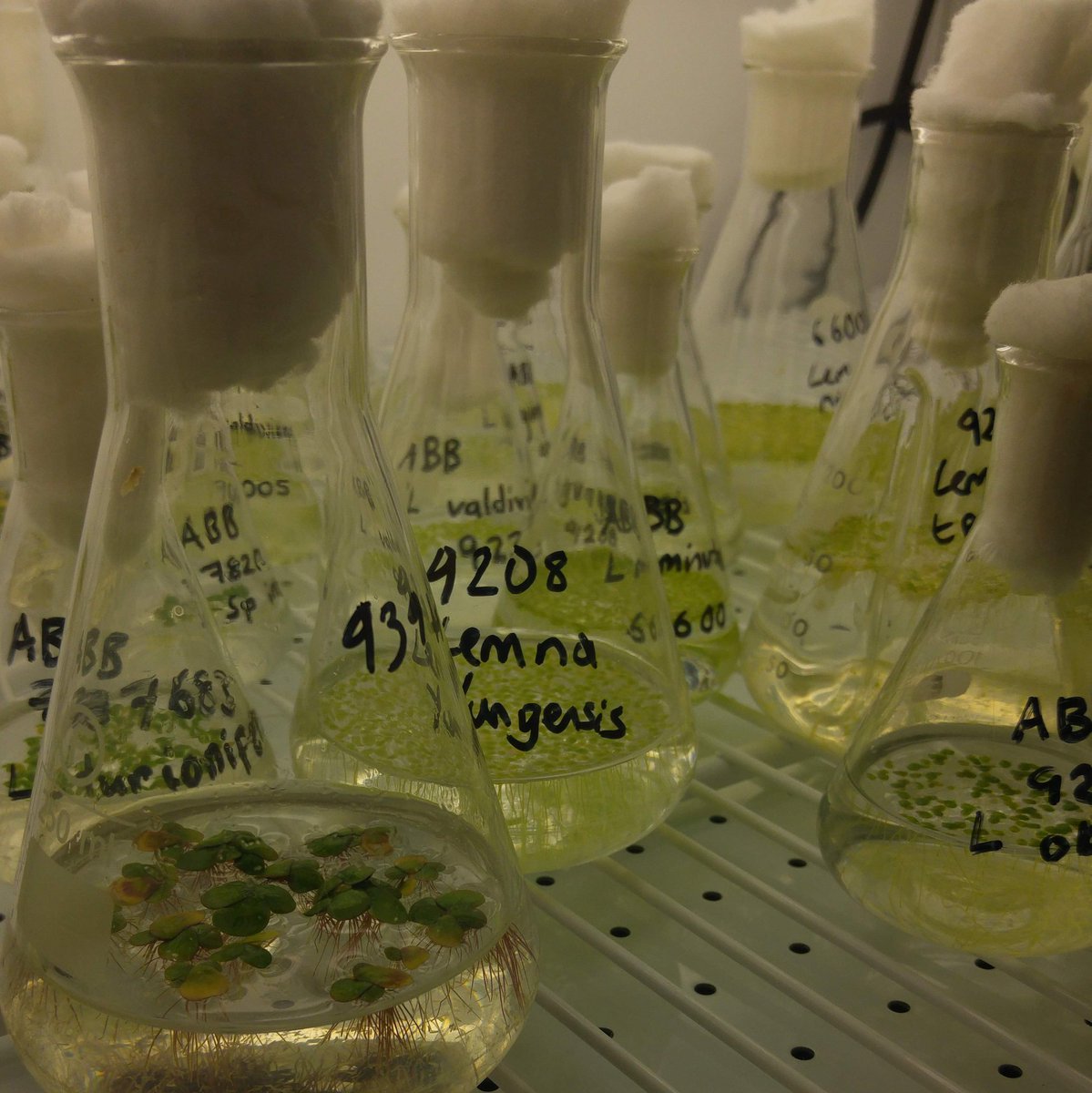
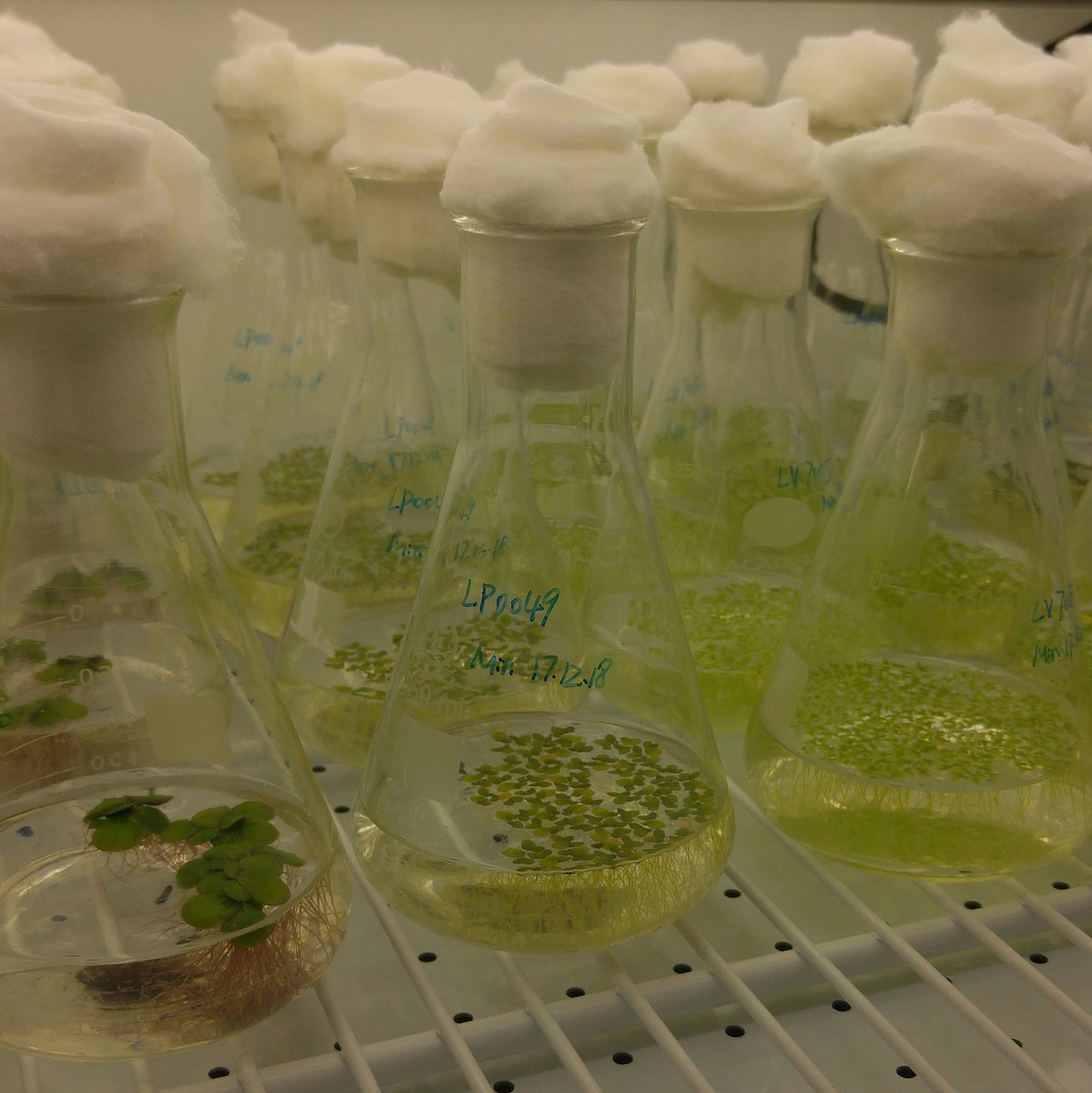
Duckweeds are free-floating angiosperms that have lost many developmental features, including apical growth, root hairs, root branching, and, in some cases, the ability to produce a root. This is coupled with a reduced number of auxin signalling components.
1
2
329
10 May 2024
Does reducing the number of auxin components limit the number of auxin responses? Does it change the kinetics? More importantly, would you be motivated to find out?
2
277
24 Apr 2023
We've been really excited to see the interest in our recent paper about duckweed root vestigiality. It's a privilege to feature in the PNAS Front Matter journal club. Thank you @amygmcdermott for writing such an inspiring piece.
pnas.org/post/journal-club/h…
2
33
104
12,786
28 Mar 2023
What do snakes, cavefish and duckweed have in common? They are now all models for understanding organ loss. Inspired by research on limblessness in snakes and vision loss in cavefish, we examined root loss in duckweed. Paper here: doi.org/10.1016/j.cub.2023.0… in @CurrentBiology.
1
73
241
30,156
28 Mar 2023
What sets them apart from snakes and cavefish, is that many of the intermediate forms are still alive today. This makes them ideal models to understand root loss, and we are starting to look at the molecular mechanisms that underpin this.
1
9
777
28 Mar 2023
1
1
1
784
30 Jul 2021
We are looking for a postdoc to work on an interdiscplinary project on root hair patterning. The ideal applicant will have good skills in image acquisition and analysis. Please RT and feel free to contact me for more information.
nottingham.ac.uk/jobs/curren…
2
71
66
Anthony Bishopp retweeted

26 May 2021
Abscisic acid signaling activates distinct VND transcription factors t... sciencedirect.com/science/ar…
8
28
127
Anthony Bishopp retweeted

24 Mar 2021
Remember the deadline for abstracts for talks is this Friday (March 26th at 23:59CDT, that’s 4:59am in the UK, 5:59am in Europe, 4:59am UTC)
Get your abstract in! We’re looking forward to selecting some great talks.
Poster abstract deadline is April 30th, still plenty of time!
1
6
12
8 Feb 2021
There have been so many crucial roles identified for AHP6, but we didn't have any idea if the psuedo phosphotransfer proteins had any role in other species. In this collaboration with Joe Kieber's lab we show functionally diverged roles for PHPs in rice. onlinelibrary.wiley.com/doi/…
8
Anthony Bishopp retweeted

21 Jan 2021
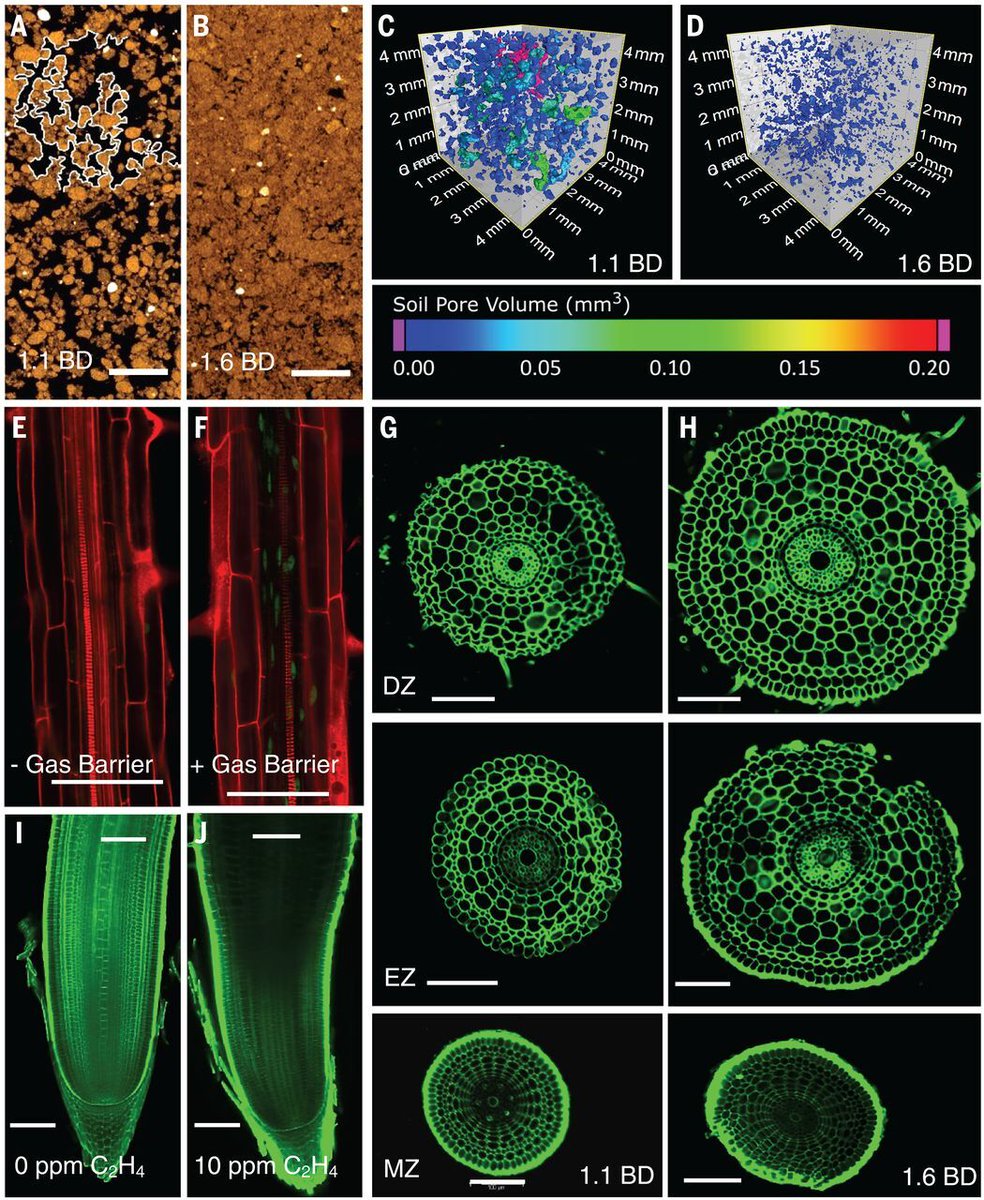
The volatile plant hormone ethylene allows plant roots to sense & avoid compacted soils, researchers report in Science. The findings reveal how plants regulate their growth in response to soil compaction—a growing challenge facing modern agriculture. ($) fcld.ly/mr4r1hl
1
37
134
18 Nov 2020
wonderful collaboration with @teva_vernoux @RDPlab @bradylabs
@AP_Mahonen @Francois_Parcy
showing a network of transcriptional repressors upstream of the activating ARFs.
nature.com/articles/s41586-0…
19
59
Anthony Bishopp retweeted

3 Aug 2020
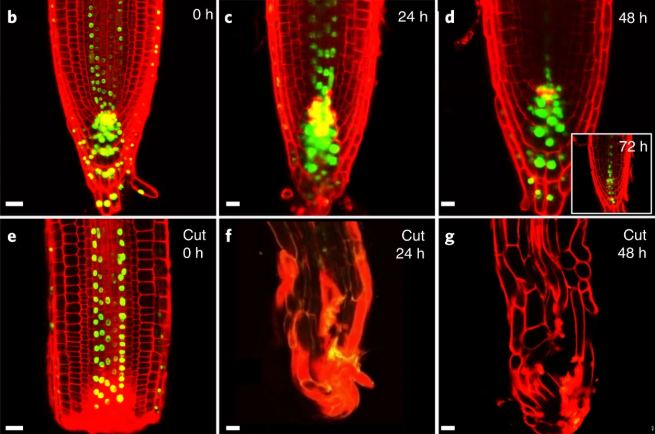
We had a beautiful hypothesis about how auxin triggers root regeneration. It flows down from the stele and because it can't flow back when you cut the root it forms a new auxin peak. A simple and beautiful self-repair mechanism. The only problem was that it was wrong...
3 Aug 2020

New Article: "Local auxin biosynthesis is required for root regeneration after wounding" by @efronilab, free to read at rdcu.be/b53rp
Auxin transport vs auxin local biosynthesis after root tip is cut and regenerates.
5
36
181
Anthony Bishopp retweeted

9 Apr 2020
Have a look at this free online course on "Image Analysis Methods for Biologists" by @UniofNottingham starting on 11 May: ow.ly/PLyL50z980M

12
24
Anthony Bishopp retweeted

5 Apr 2020
New preprint! Genome of a duckweed Wolffia reveals a single canonical NLR (plus 2 non-canonical) in its reductionist immune system biorxiv.org/content/10.1101/… great collaboration, NLR analysis by @erinbaggs_
28
64