
No longer active. Visit and follow Federation of Bitcoin Circular Economies @FBCEglobal.
Joined September 2023
- Tweets 297
- Following 297
- Followers 453
- Likes 547
20 Photos and videos

Bitcoin Economy Confederation retweeted

The @Bitcoinize ZIG node is advancing. Must thanks @Bitcoinbeach, @r0ckstardev and @geyserfund for the inspiration!
Long journey reconstructing all dependencies and components of Bitcoin Core as a community response for @bitcoincoreorg
Support me: motolese@blink.sv ⚡️
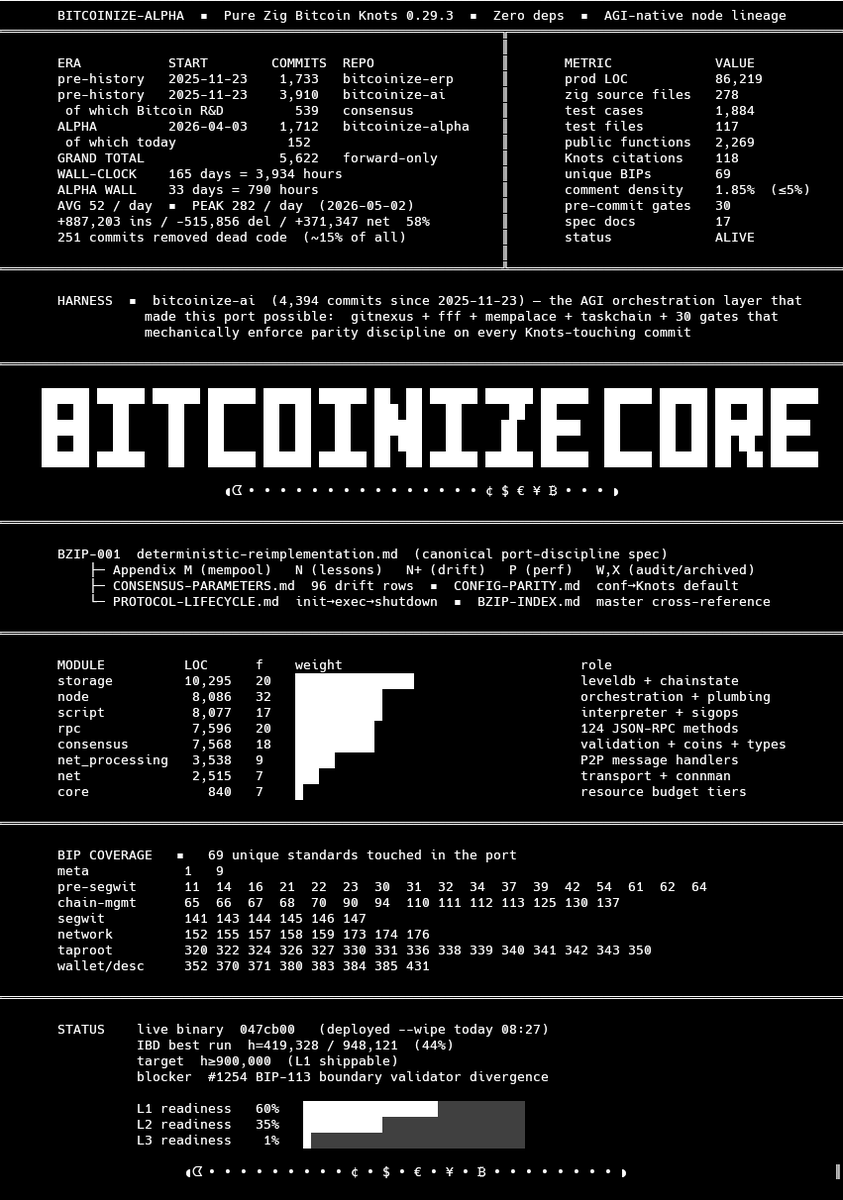
ALT The community response for Bitcoin Core policy changes. BITCOINIZE CORE
6
18
1,625
Bitcoin Economy Confederation retweeted
The Praia Bitcoin, @Bitcoinize, and @BitcoinConfed Sunset
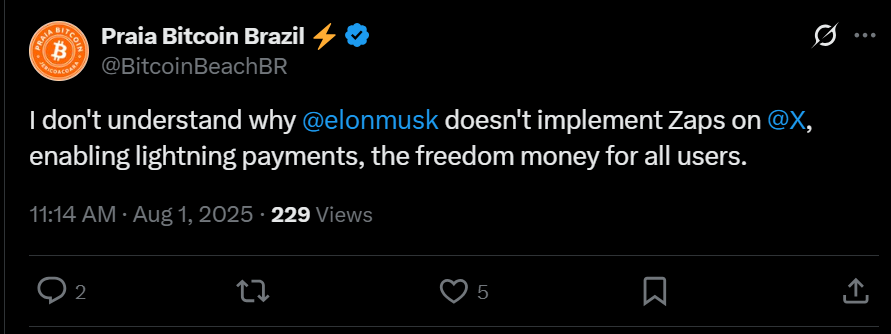
From September 2021 to February 2026, Praia Bitcoin worked to create the first Bitcoin circular economy in Brazil. In 2023, we developed the Bitcoinize Machine and became the first community to combine point-of-sale systems with @bolt_card, @btcpayserver, and @lnbits. Since 2024, we organized the industry through the Bitcoin Economy Confederation directory, creating a network of circular economies and providing them with visibility, coordination, and shared resources.
Due to recent changes to Bitcoin's source code that transformed the Bitcoin blockchain into a hosting database for arbitrary data—representing countless social and legal risks for Bitcoin circular economy founders and node operators— we have decided to cease operations as a direct signal to @bitcoincoreorg developers that these changes are unacceptable.
The websites will remain operational throughout 2026 as historical records and resources, but there are no further plans to continue the Confederation's, Bitcoinize's or Praia Bitcoin's endeavors. Since these protocol changes cannot be reversed, the risks to node operators and community founders will persist indefinitely.
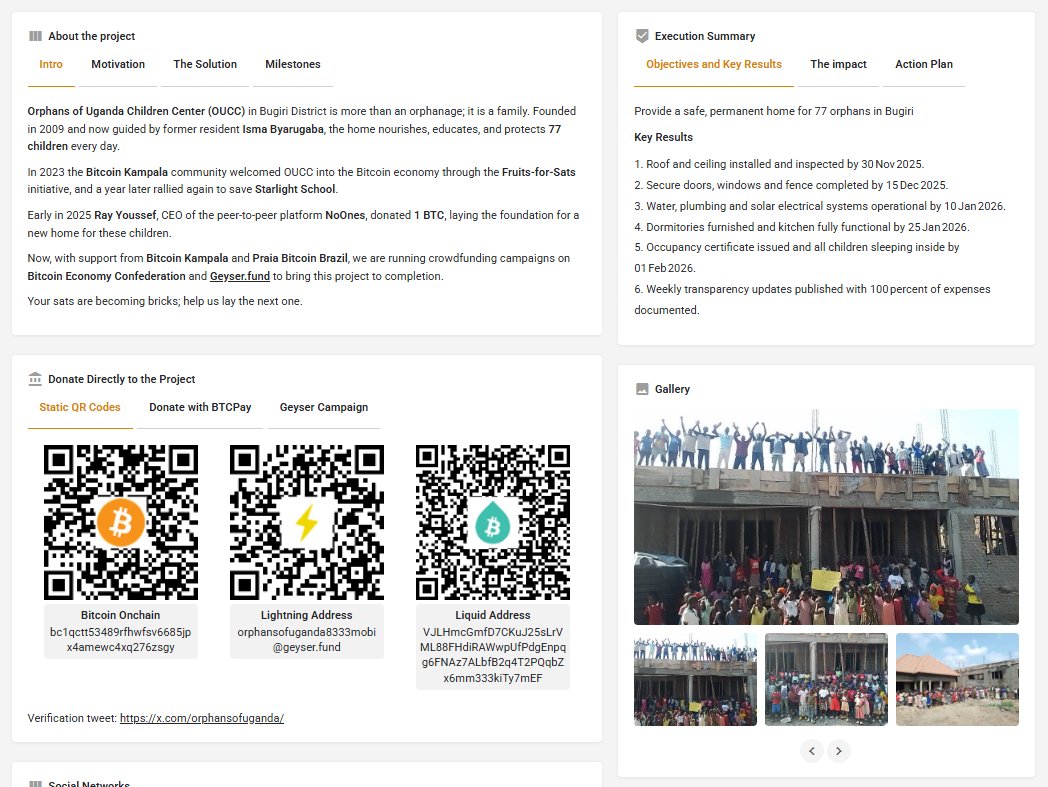
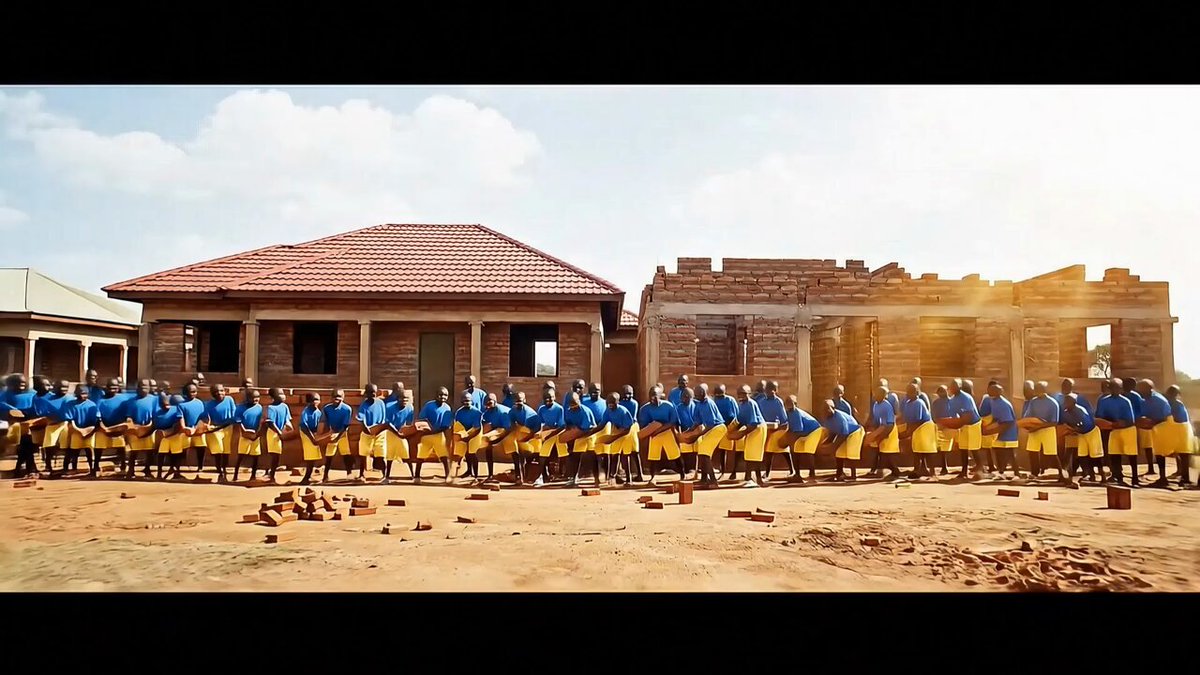
We will be closing our community center until April, and all donations collected for our 2026 operations will be transferred to active projects on @GeyserFund and other worthy initiatives in the Bitcoin circular economy space, mainly @orphansofuganda
A Warning to the Community Leaders:
Because of these emerging undesirable narratives and technical realities, we strongly recommend extreme caution before doxxing yourself in association with Bitcoin—especially in remote areas and developing nations.
Node operators and community founders are now exposed to numerous social, legal, and non-technical risks that can destroy a reputation overnight, undermining years of careful community building. This exposure exists because a small group of developers have prioritized features that fundamentally compromise the protocol's original purpose and the safety of those building Bitcoin circular economies worldwide.
The Path Forward:
We have come to recognize a fundamental truth: the future of Bitcoin circular economies lies not in centralized organizations, but in organic, independent growth. Each community must build its own resilient economic ecosystem, learning from others while remaining truly sovereign and self-sustaining. This decentralized approach honors Bitcoin's original ethos far better than any confederation ever could.
We thank all the communities, donors, and supporters who believed in this vision. Your work continues to matter, even as we close this chapter.
Stay sovereign,
Fernando Motolese
Founder, Praia Bitcoin Brasil, Bitcoinize and BitcoinConfed
Sources:[1] x.com/BitcoinBeachBR/status/…
23 Aug 2025

Hello @bitcoincoreorg,
We live Bitcoin. We dedicate our lives to it, full time, nonstop. On the ground, we work as part of Bitcoin’s invisible team, often without salaries, simply because we believe in its power to fix money and defend society from injustice and authoritarianism.
Bitcoin is beautiful. But it can also become fragile, outdated, or even corrupted, if we do not care for it with the seriousness it deserves.
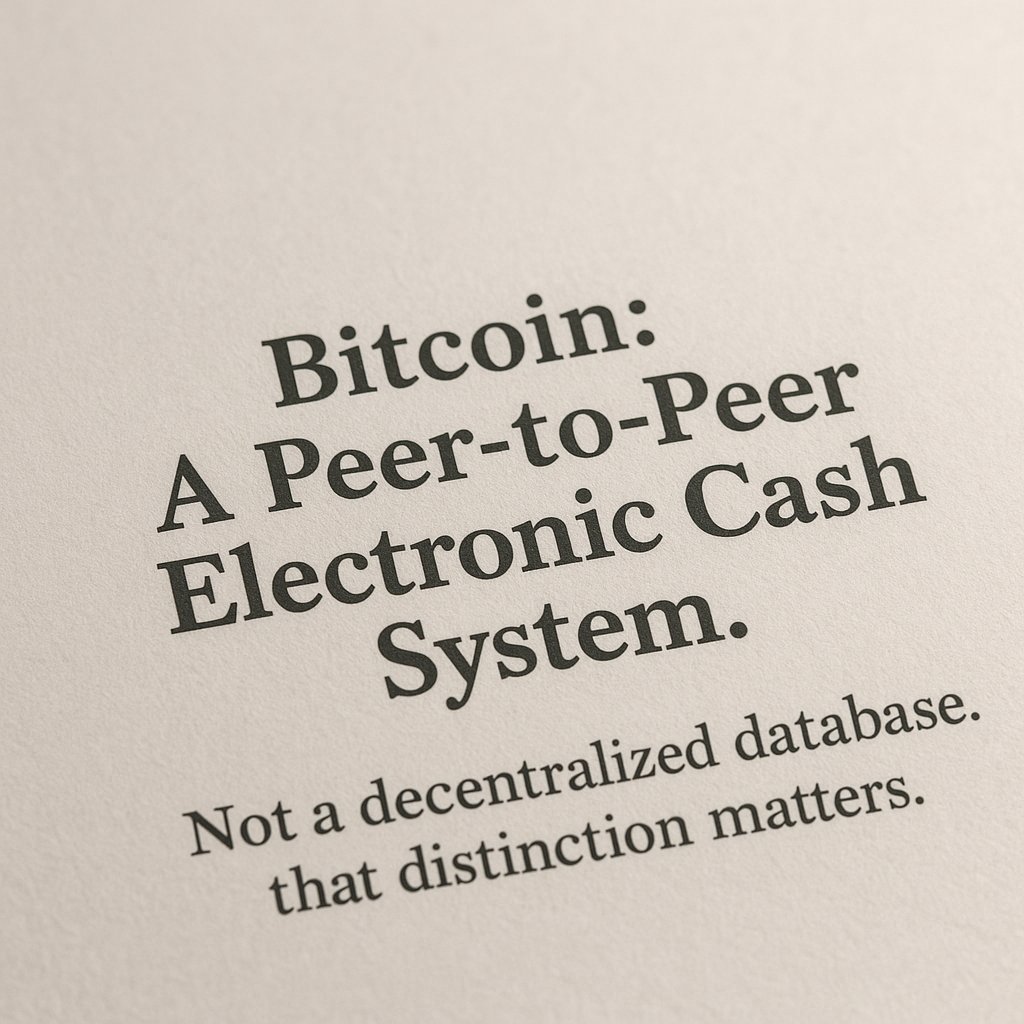
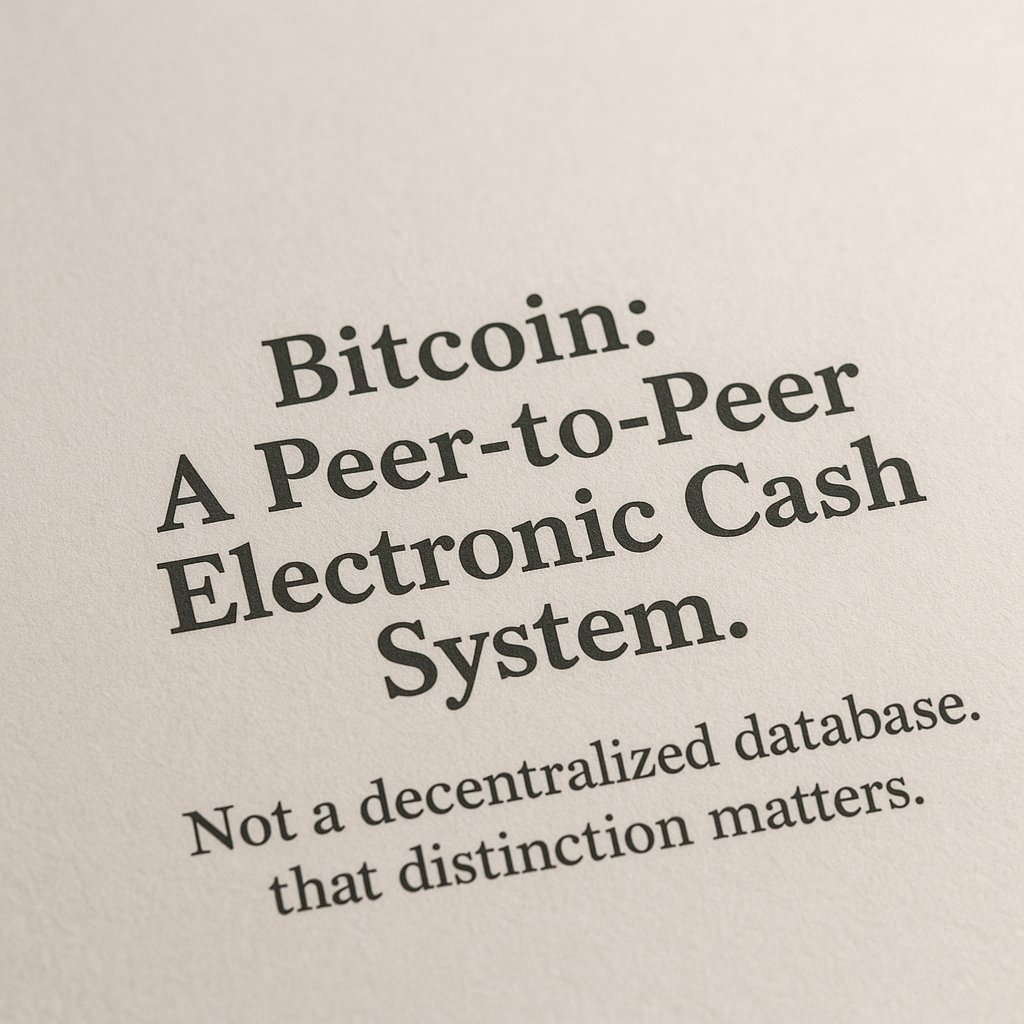
The white paper begins with the words:
“Bitcoin: A Peer-to-Peer Electronic Cash System.”
Not a decentralized database. That distinction matters.
Developers must lower their time preference and think in terms of centuries, not release cycles. Bitcoin is a cash system designed for global adoption in commerce. That was Satoshi’s vision.
Originally, in 2014 Bitcoin Core introduced OP_RETURN with a 40-byte limit. In 2015 this was raised to 80 bytes, and in 2016 clarified as an 83-byte script length. For nearly a decade the rule stayed unchanged. Then, in 2024 with Core v29, the policy was relaxed to allow multiple OP_RETURN outputs per transaction, although each remained capped at 80 bytes. Now, with Core v30 (2025), the long-standing cap itself has been removed entirely: OP_RETURN outputs are no longer bound to 80 bytes, and multiple OP_RETURNs per transaction are allowed, bounded only by general transaction-weight (~100,000 vbytes) and block-weight (4 MB) limits.
This is extremely risky. By first allowing multiple OP_RETURNs (v29) and now eliminating the explicit size cap (v30), Core normalizes and facilitates behavior that was once discouraged. It opens the door to spam, bloat, and malicious use cases. It allows attackers to inject unwanted or even illegal content directly on-chain, potentially exposing node operators to liability. Users should have the freedom to filter what they host, but Core should not encourage practices that turn Bitcoin into a data-storage network.
Yes, arbitrary data can already be forced onto the blockchain in different ways. But these policy changes transform a fringe misuse into a legitimized practice, encouraging precisely the kind of abuse that poses systemic risks. A public-opinion crisis, triggered by toxic or illegal content, could cause catastrophic damage to adoption and market confidence.
Bitcoin is money. Just as you can scribble a short note on a banknote but not publish a book on it, Bitcoin transactions can carry limited messages but should not be hijacked for unrelated purposes.
If protocol development drifts toward use cases that weaken Bitcoin as cash, the consequences will be severe. The network is already signaling concern: voices like @BitcoinKnots resonate because Bitcoiners are smart, technical, and willing to act when needed to protect the network.
We have already built important advancements to secure Bitcoin’s long-term future. Let us not undo this progress. Let us stay true to the vision: Bitcoin as a peer-to-peer electronic cash system.
53
69
284
45,137

18 Nov 2025
How many Bitcoin payments did you make today?
3
136
11 Nov 2025
We did it! The #enjoybeingfree campaign mobilized several communities and delivered strong results.
@square made November 10th unforgettable by enabling Bitcoin payments for 4M merchants in the USA with zero fees.
Now, it’s time to keep pushing.
Join us
suno.com/playlist/3e100c1f-c…
2
4
161
Bitcoin Economy Confederation retweeted

5 Nov 2025
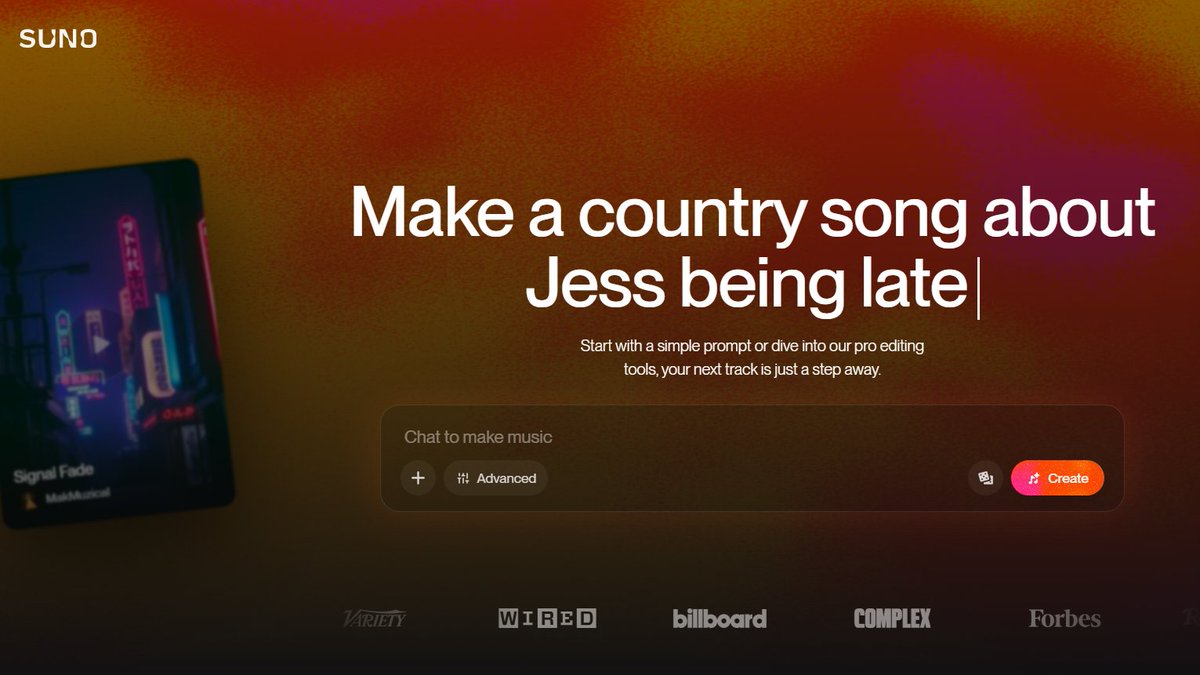
4/ Everyone explored the resources & websites that was shared while Fernando presented.
➥ Suno || Suno.com
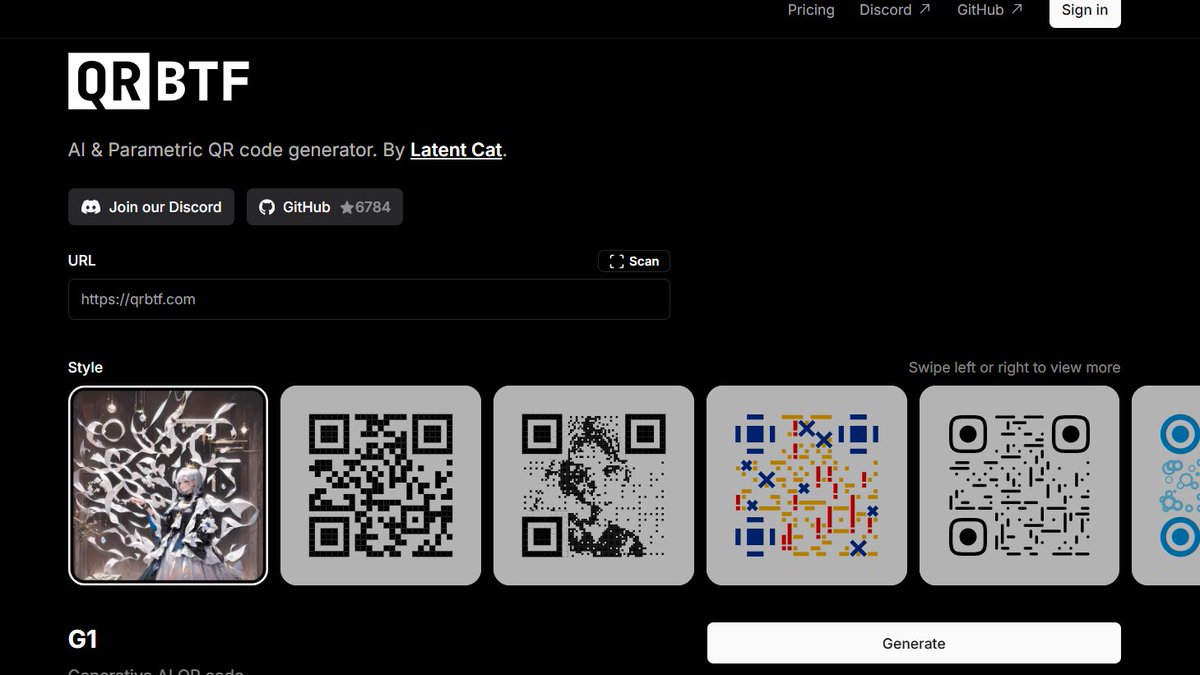
➥ QRbtf || qrbtf.com
Fernando presentation was Insightful, practical, and I believe it is a unique way for empowering artists & creative Bitcoiners alike!
... You can learn more about the campaign using the link below:
praiabitcoin.com/
or reach out to @BitcoinBeachBR
More to explore ... 👇🏽
2
1
5
443
Bitcoin Economy Confederation retweeted

5 Nov 2025
I will be flying to @satsconf_ tomorrow!
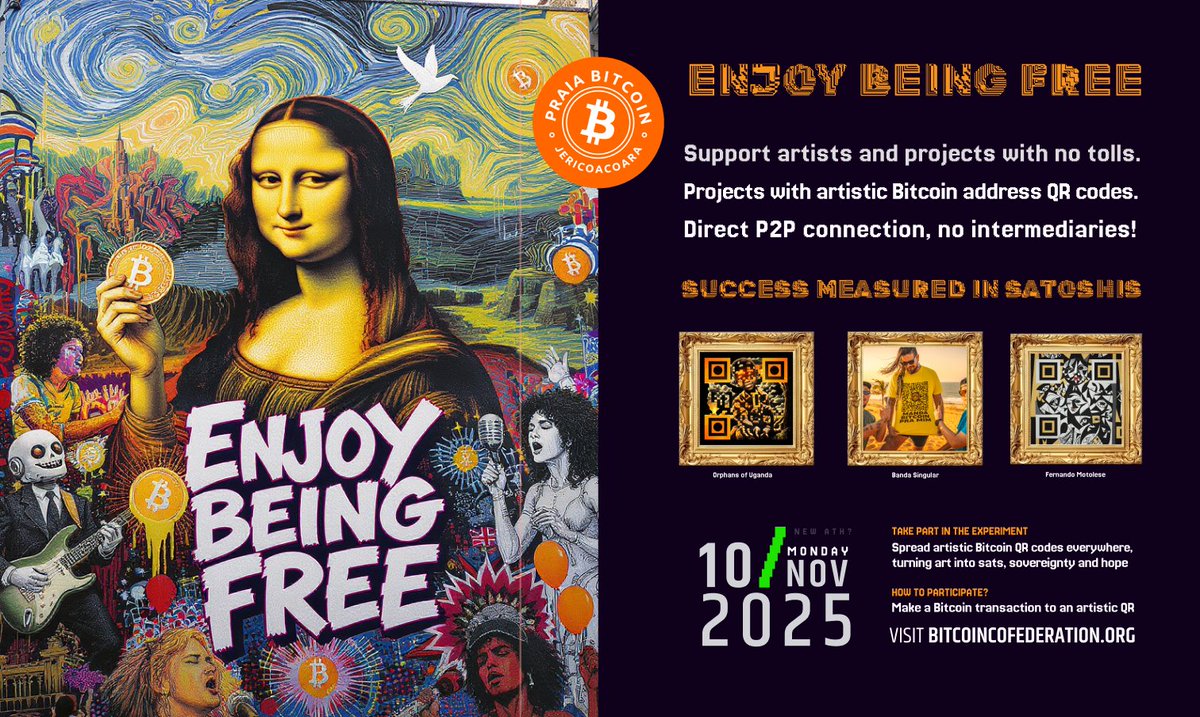
✅Gigantic Mona Lisa on the way.
✅#EnjoyBeingFree Songs ready
✅Bag full of @Bitcoinize machines
✅Brazilian Circular Economies united @montanhabitcoin @BtcAmantikir @Bitcoin_Forte @uaibit
Very excited for the Sats Party 9/11
3
6
13
816
3 Nov 2025
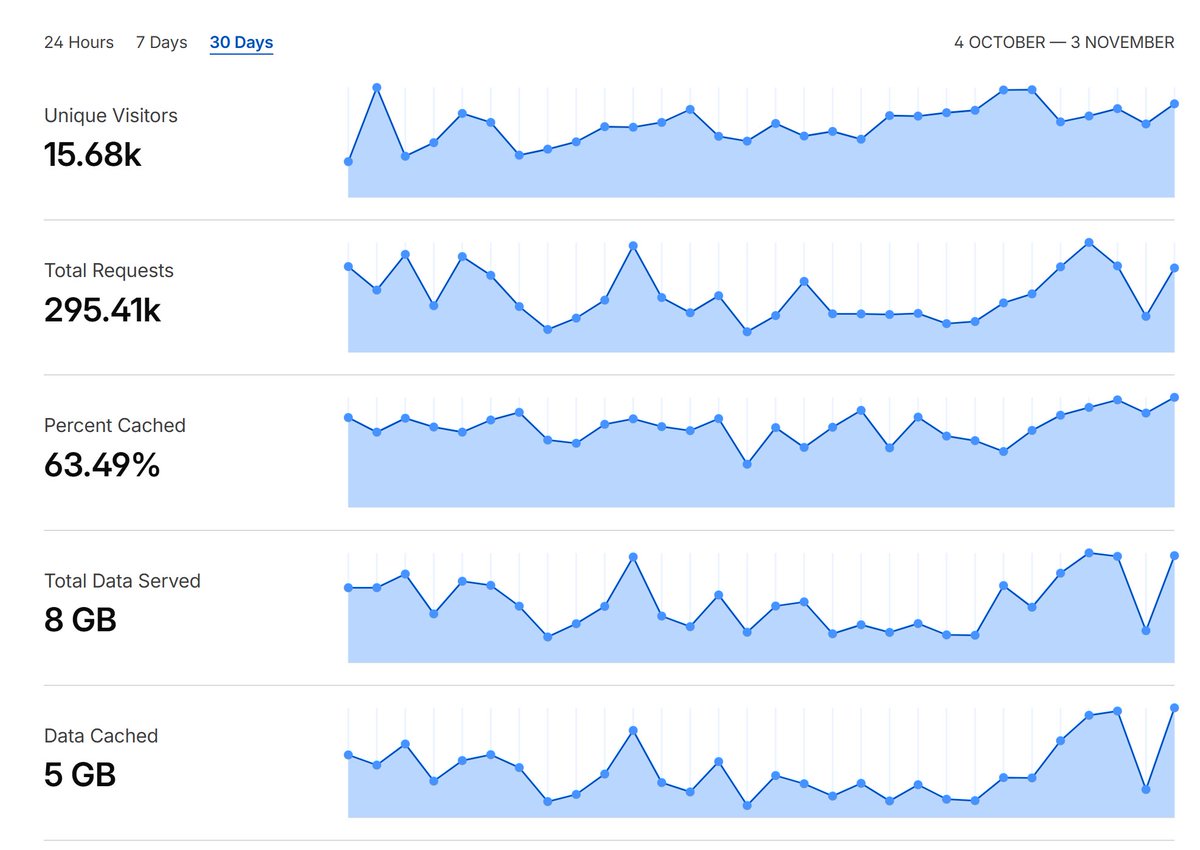
The confederation is growing fast
Can't wait to nostrify it!
Take a look at our last updates
bitcoinconfederation.org
ALT Confederation Directory Stats
2
5
103
Bitcoin Economy Confederation retweeted
2 Nov 2025
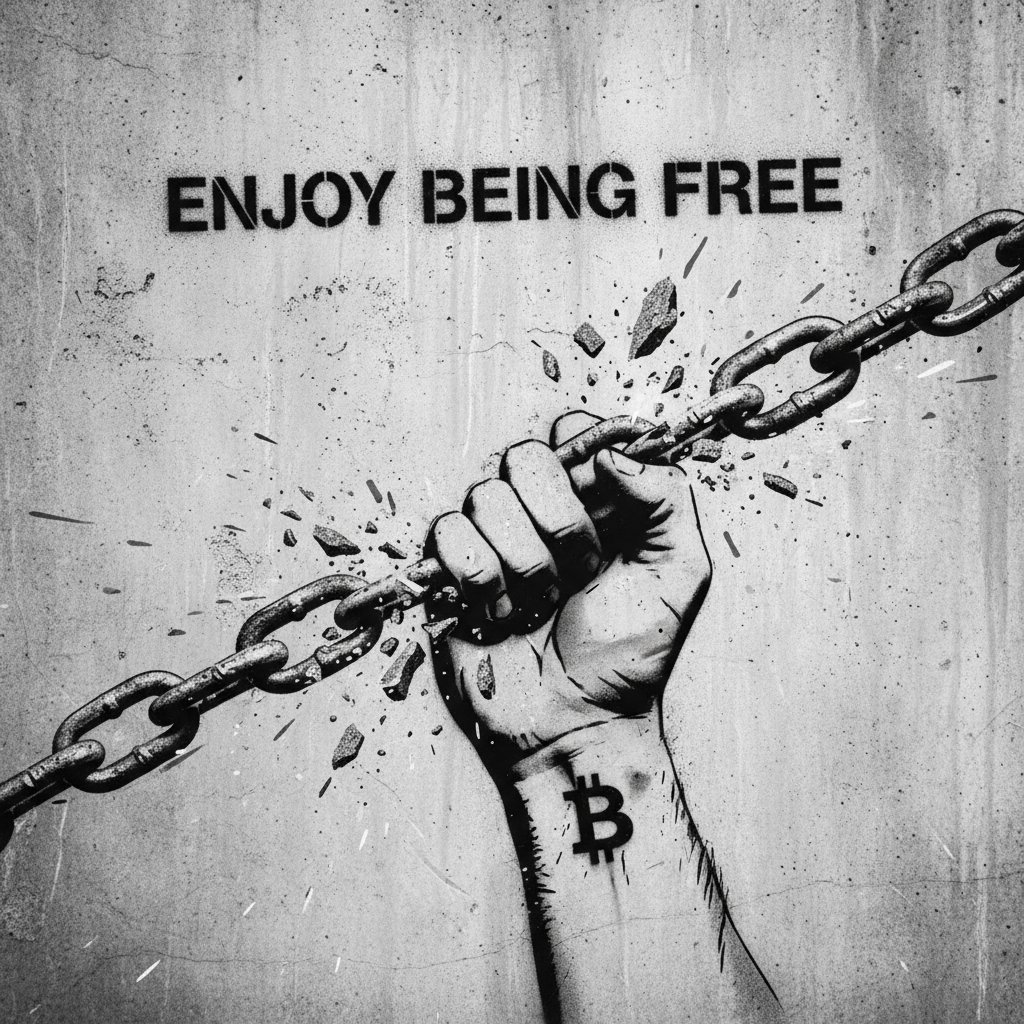
Having a lot of fun organizing the tracks for the #enjoybeingfree campaign
Several songs to inspire bitcoin economies and burst the bubble on Nov. 10th
🚸 Bitcoin Anthem (EN/PT/ESP)
👀 Blink Your Eyes
🕊️ Bitcoin is Freedom
🆓 Africa, You're Free
⚡️ Só Bitcoin 21 songs
2
5
11
556
1 Nov 2025
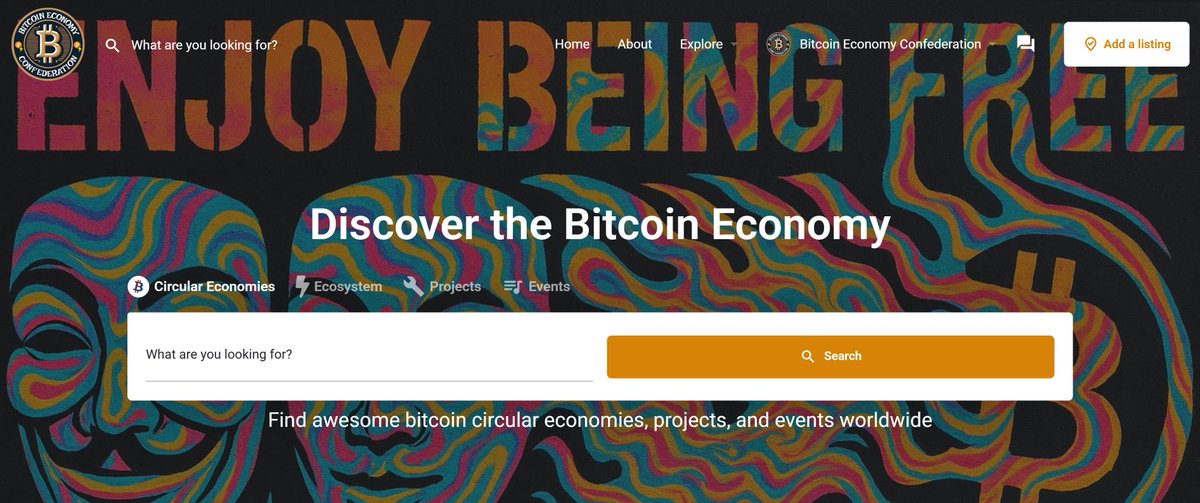
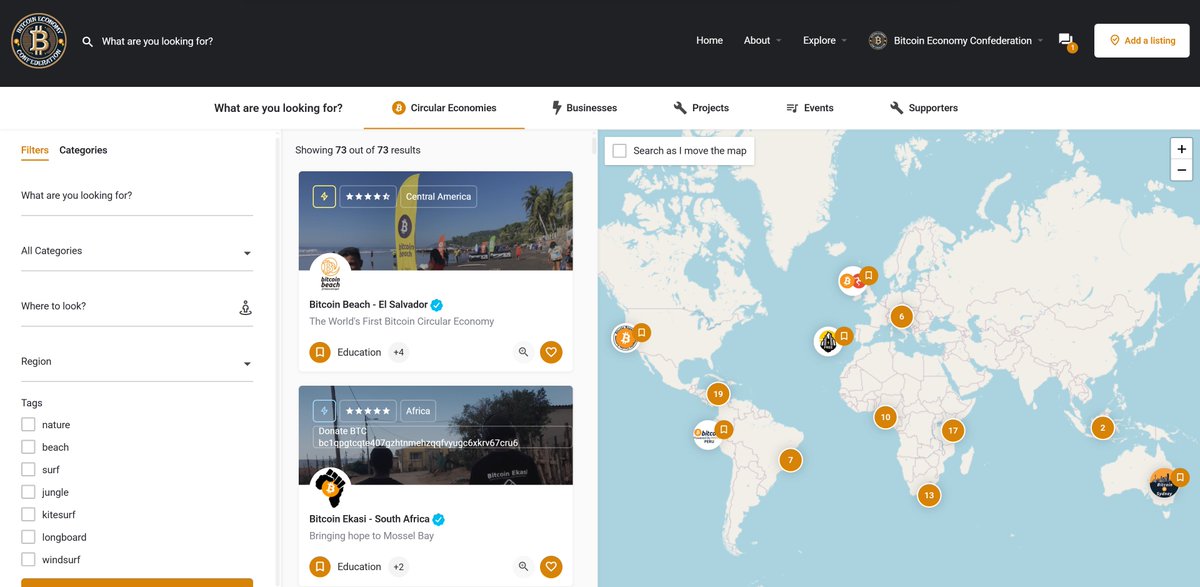
We organized the website as best as possible.
Now, I will give visibility to the projects that verified their addresses, and @BitcoinBeachBR will be creating some artistic QR codes for the projects.
Take a look.
bitcoinconfederation.org
6
10
926

Us more generally, and both @FBCEglobal and @BitcoinConfed focussed more specifically on circular economies.
1
4
18
634
30 Oct 2025
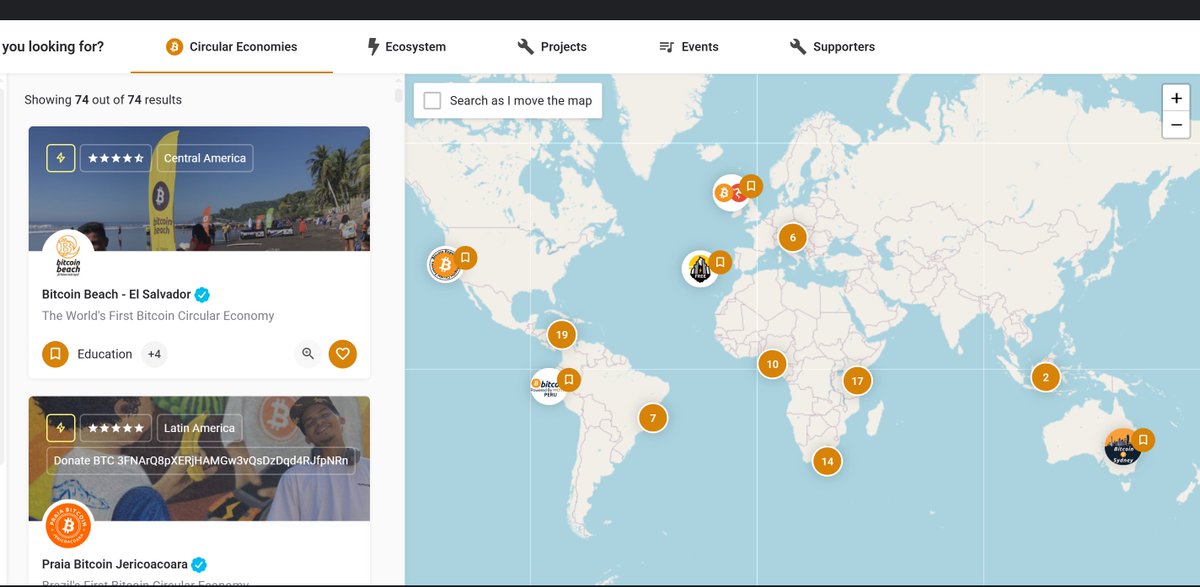
New updates on the confederation
✔️ Bitcoin-only initiatives.
✔️ Open Source and BTC Projects
✔️ Essential services useful for circular economies
✔️ No Crypto or FIAT
Contribute:
✔️Add your listing or claim your profile!
✔️Review or donate
👉 bitcoinconfederation.org/exp…
ALT Bitcoin Circular Economy Map
1
9
511
29 Oct 2025
We are getting all suggestions together to make the next directory updates
1) New home & artist profiles!
2) After profound analysis of donations, we'll focus on on-chain transactions. Bye, Liquid, and we are considering removing lightning too
4) All projects with Artistic QRs
1
2
266
29 Oct 2025
Glenn of @BitcoinUbuntu published a guide to setting up circular economy profiles on the confederation directory.
Incredible work, very useful. I will create a link for it on the profile creation page!
Thanks for sharing 😍😍😍
bitcoinubuntu.org/bitcoin-ec…
2
6
20
582
Bitcoin Economy Confederation retweeted
26 Oct 2025
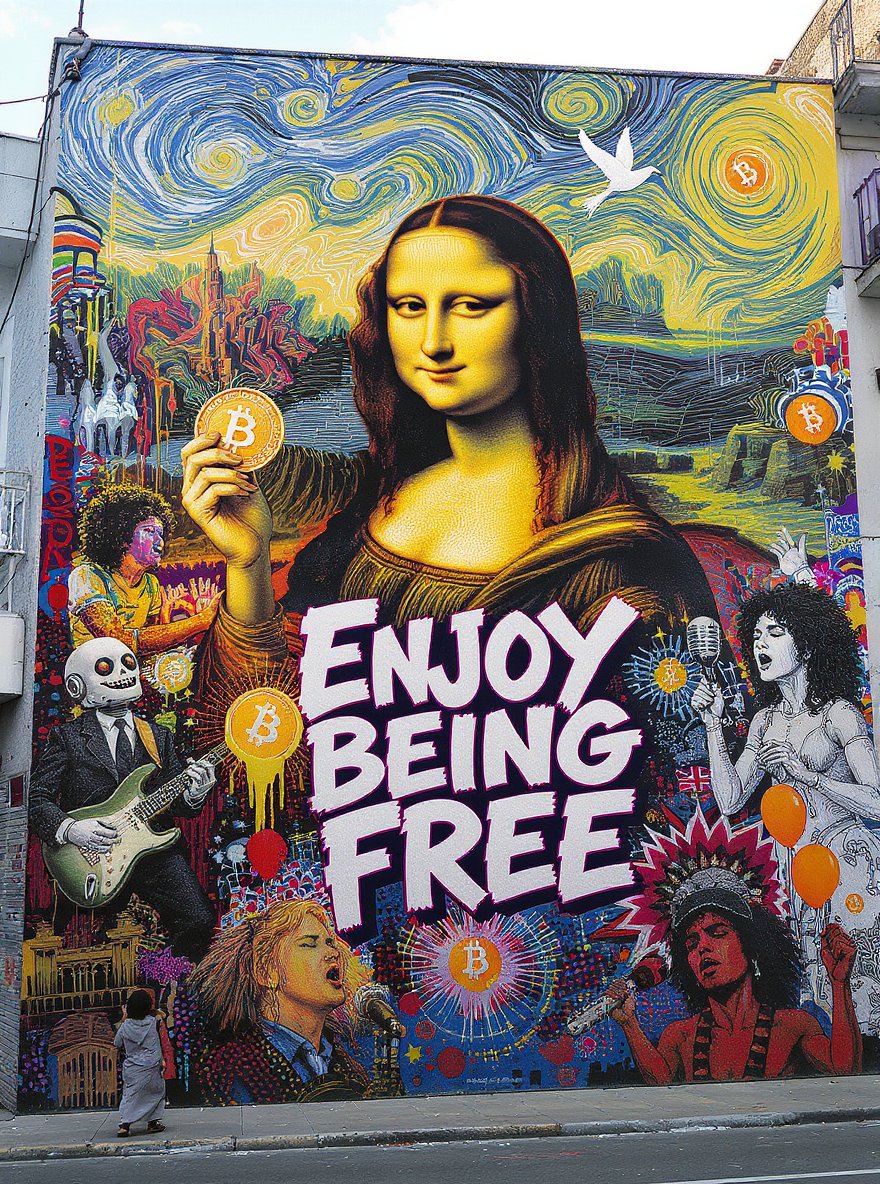
Satoshi, Da Vinci, and the Code of Scarcity
Both Bitcoin and the Mona Lisa function as modern-day "Grails" — singular, enigmatic artifacts around which entire ecosystems of value, belief, and power have formed. They are not merely assets but archetypes that challenge and redefine their respective domains: art and money.
1. The Unforgeable Code: Scarcity as a Cryptographic and Artistic Proof
✔️ Mona Lisa: Its "unforgeability" is not just physical but contextual. It is the product of a specific human consciousness (Da Vinci's), a specific historical moment, and a specific set of material conditions (the poplar wood panel, the sfumato technique). Any reproduction, no matter how perfect, lacks this contextual "hash." It is a biometric proof-of-work from a Renaissance genius.
✔️ Bitcoin: Its scarcity is enforced by a cryptographic proof-of-work. The 21 million cap is not a physical limitation but a logical one, embedded in unforgeable code and secured by a global network of nodes. It is scarce because the protocol says it is scarce, and the network enforces that truth.
✔️The Da Vinci Code Connection: The novel revolves around a hidden, cryptographic truth (the "code" itself) that, if revealed, would shatter established power structures (the Church). Similarly, Bitcoin embodies a cryptographic truth—"code is law"—that challenges the power structure of central banking. Both narratives center on a verifiable secret that redistributes power.
2. The Elimination of Intermediaries: From Patronage to Peer-to-Peer
✔️Mona Lisa (Historical Context): Originally created for a patron (likely Francesco del Giocondo), it existed within a system of aristocratic and, later, institutional (The Louvre) intermediation. Its journey mirrors the pre-Bitcoin financial world: value is mediated by trusted third parties (kings, popes, museums, banks).
✔️Bitcoin: It is the digital equivalent of Da Vinci selling directly to a global audience, bypassing the "Museum of Central Banking." The "patron" is now the global network of users. The principle of "non-negotiable self-custody" means you hold your value as directly as the Louvre holds the Mona Lisa—with full sovereignty and without asking for permission.
✔️The Protest Aspect: Engaging artists tired of the "fiat art industry" (galleries, auction houses taking 50% commissions) is to re-enact the Renaissance ideal of the independent creator, but on a global, digital scale. They use Bitcoin not just for payment, but as a philosophical statement against intermediation.
3. Universal Accessibility vs. Singular Ownership
✔️Mona Lisa: While physically singular and owned by the French state, its image is universally accessible. Millions have a reproduction on their wall or in their minds. Its cultural value is a public good, while its physical instance is a sovereign asset.
✔️Bitcoin: This duality is mathematically encoded. The ledger (the record of all transactions) is universally accessible and transparent. Anyone can verify the scarcity of 21 million. However, ownership of specific units (satoshis) is cryptographically exclusive. It separates the protocol's accessibility from the coin's ownership, mirroring the separation of the Mona Lisa's image from its physical canvas.
4. Measuring Success in Native Units: A Shift in Worldview
✔️ Mona Lisa: Its success is measured in its enduring cultural "block height"—its influence on art, its status as a cultural meme, its ability to draw millions. This is its native metric, divorced from any insurance appraisal.
✔️Bitcoin: The shift to measuring success in satoshis is a profound cognitive leap. It is a deliberate decoupling from the fiat mindset. It forces the user to think in terms of the network's own units, just as an art historian thinks in terms of artistic influence, not dollars. It's a commitment to the Bitcoin standard of value, not the dollar standard.
5. The Enigma and the Aura: Value Derived from Mystery
✔️Mona Lisa: A significant portion of its allure is the enigma—the smile, the identity of the sitter, the secrets in the paint. This mystery creates a cultural "aura" that Walter Benjamin argued was lost in mechanical reproduction. However, its aura is interpreted and can be contested.
✔️Bitcoin: Its core enigma is the identity of Satoshi Nakamoto. This mystery serves a crucial function: it prevents the system from having a single leader or point of failure, reinforcing its decentralized nature. Its "aura" is not in a smile, but in the elegance of its unsolved genesis and the beauty of its immutable code. The mystery is a feature, not a bug.
Conclusion: The New Grail
The Mona Lisa is the Grail of the Old World — a singular, physical object representing a hidden lineage of artistic genius. The Da Vinci Code used this idea as a fictional framework to explore power and secrecy.
Bitcoin is the Grail of the New World — a singular, digital truth representing a new lineage of cryptographic sovereignty. It is the "Mona Lisa of Money": a unique, scarce, and resilient artifact whose code is its frame, its network its museum, and its users its patrons. It completes the circle by making the cryptographic secret—the "Da Vinci Code"—not a plot device in a novel, but the foundational layer of a new economic system.
Enjoy Being Free!
Best,
Fernando Motolese
Praia Bitcoin Jericoiacoara!
ALT Bitcoin: Mona Lisa of Money
1
7
22
1,250
25 Oct 2025
Nostr devs are invited to @BitcoinBeachBR
We are planning to migrate our database to #Nostr and start running a relay next year.
It's essential to decentralize the Confederation and integrate @FBCEglobal, making our members the owners of their data!
2
3
257
20 Oct 2025
Just to make it clear
The Bitcoin Economy Confederation is organizing the industry by connecting Bitcoin circular economies with the development ecosystem.
🆓 It's 100% free
🥰 When you have a profile on our website, there is no obligation
🙏 We just help you get connected
1
3
925
Bitcoin Economy Confederation retweeted
18 Oct 2025
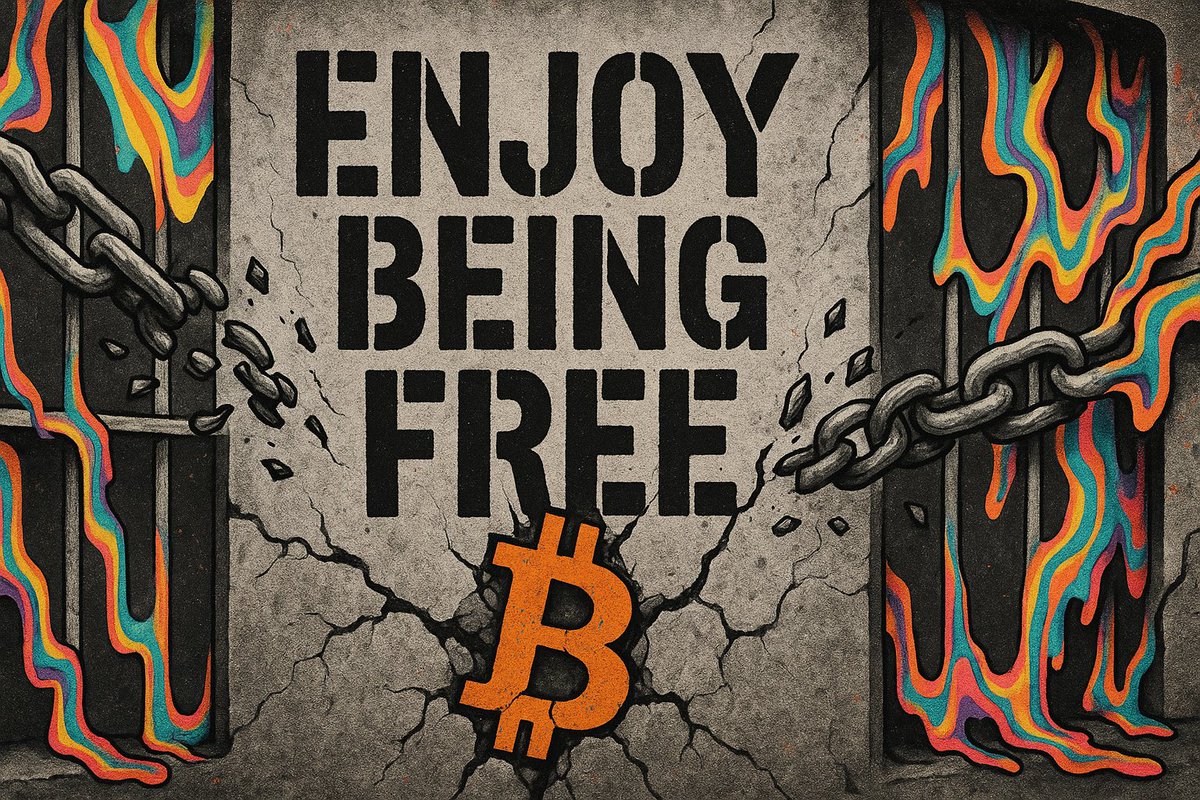
We are doing incredible backstage work, helping circular economies and artists to be ready for the Enjoy Being Free campaign.
A small movement, with giant engagement, a transformative wave of hope.
Very proud of all my team and friends!
#EnjoyBeingFree with Bitcoin
1
4
16
642
17 Oct 2025
There are no coincidences. The Enjoy Being Free campaign is gaining traction.
We need support from all Bitcoiners.
@Square is the first to make a strong move and giant contribution to the movement!
Bitcoin is freedom...

The future of payments starts November 10. Accept bitcoin with zero processing fees until 2027 and keep more of what you earn.
Learn more: squ.re/squarebitcoin
1
3
2
592
Bitcoin Economy Confederation retweeted
13 Oct 2025
I'm not here for the price, but I think we can intentionally create a new ATH on November 10th.
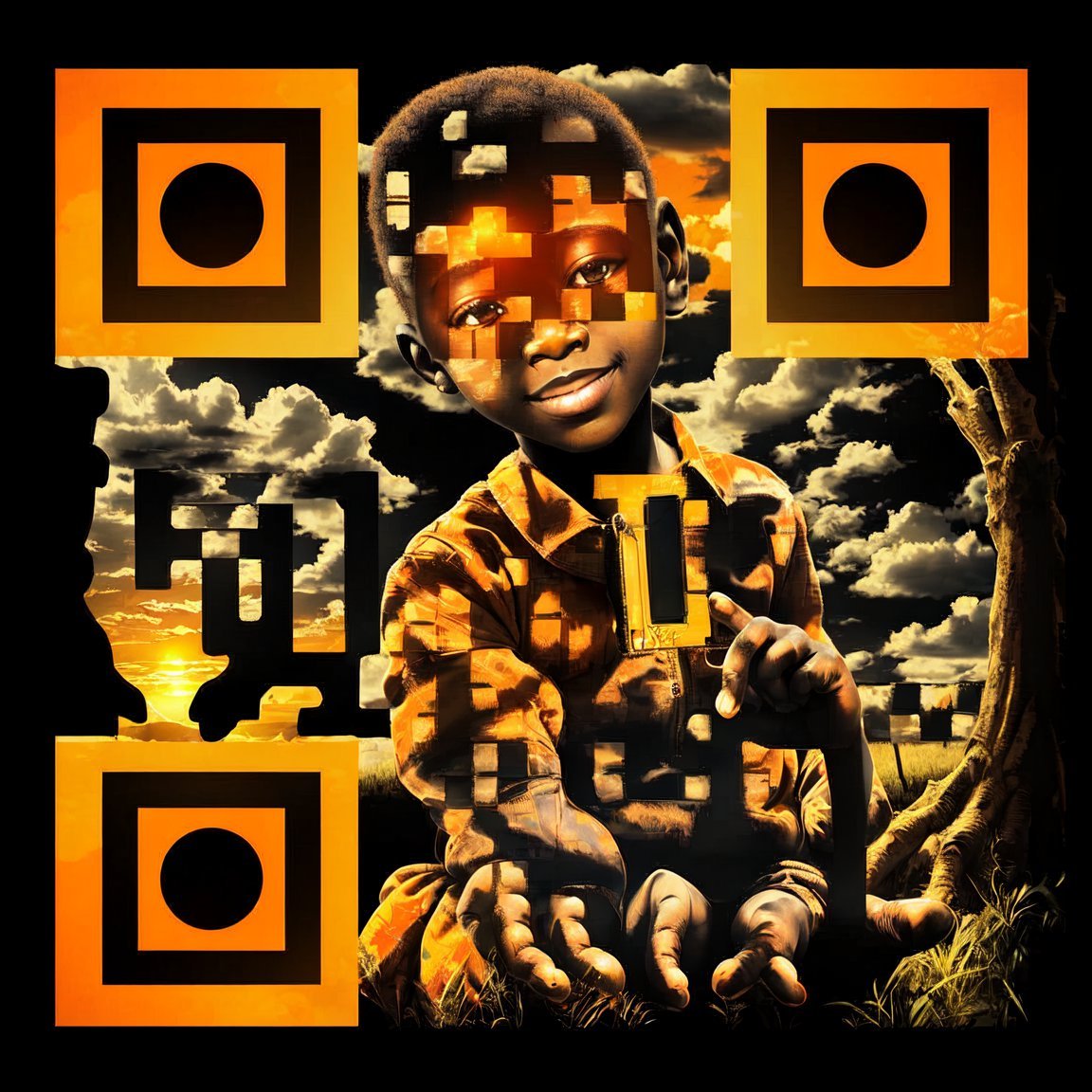
We must support the 100 artists producing releases for the Enjoy Being Free campaign, led by @orphansofuganda.
All singles will feature artistic Bitcoin QRs on the artwork.
Try it 👇
3
6
12
1,114