
Bitcoin for generations, Christian values. Relax. Monitoring the situation. Supercycle this!
Joined September 2018
- Tweets 1,191
- Following 591
- Followers 735
- Likes 94
86 Photos and videos

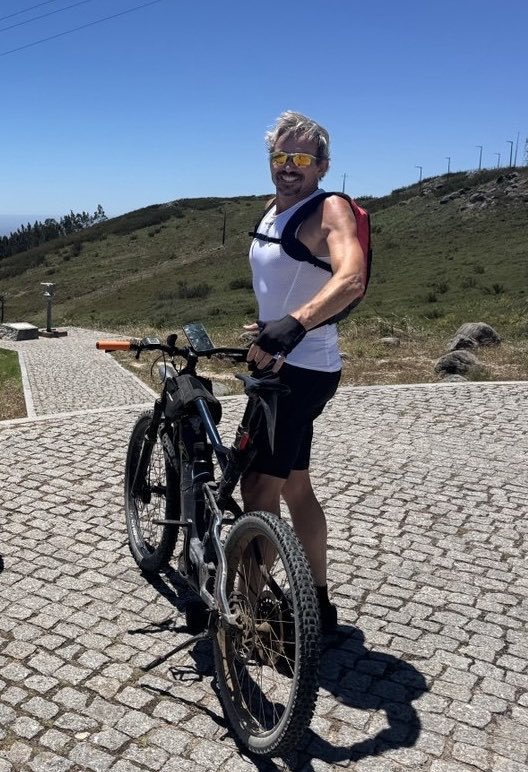




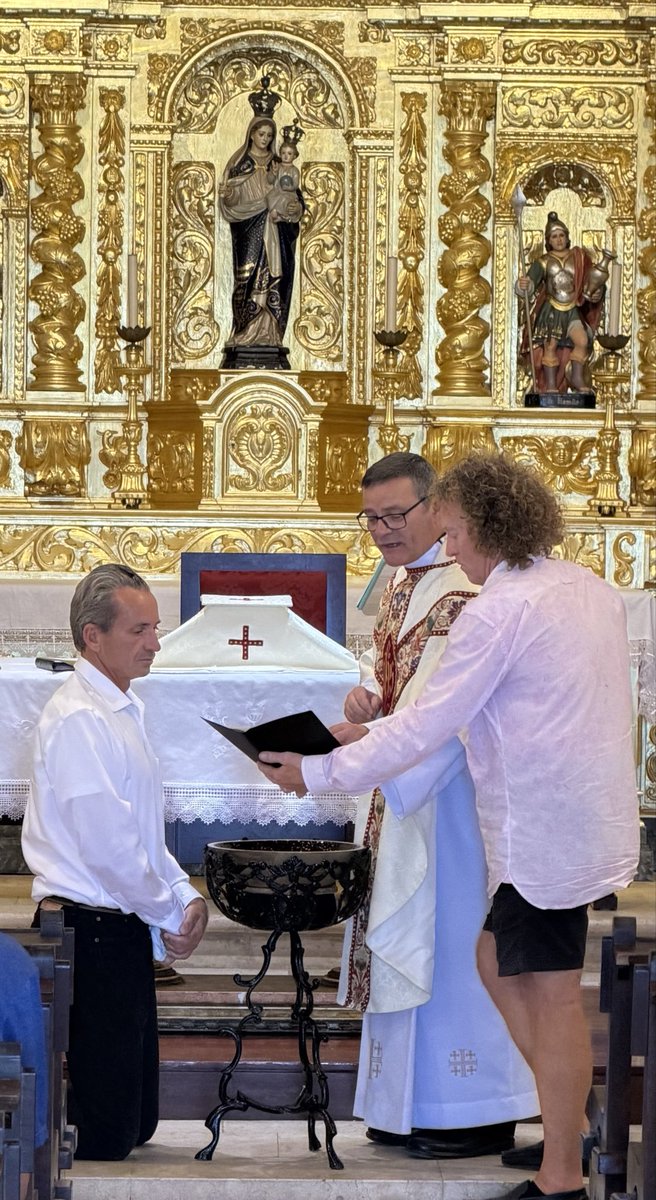
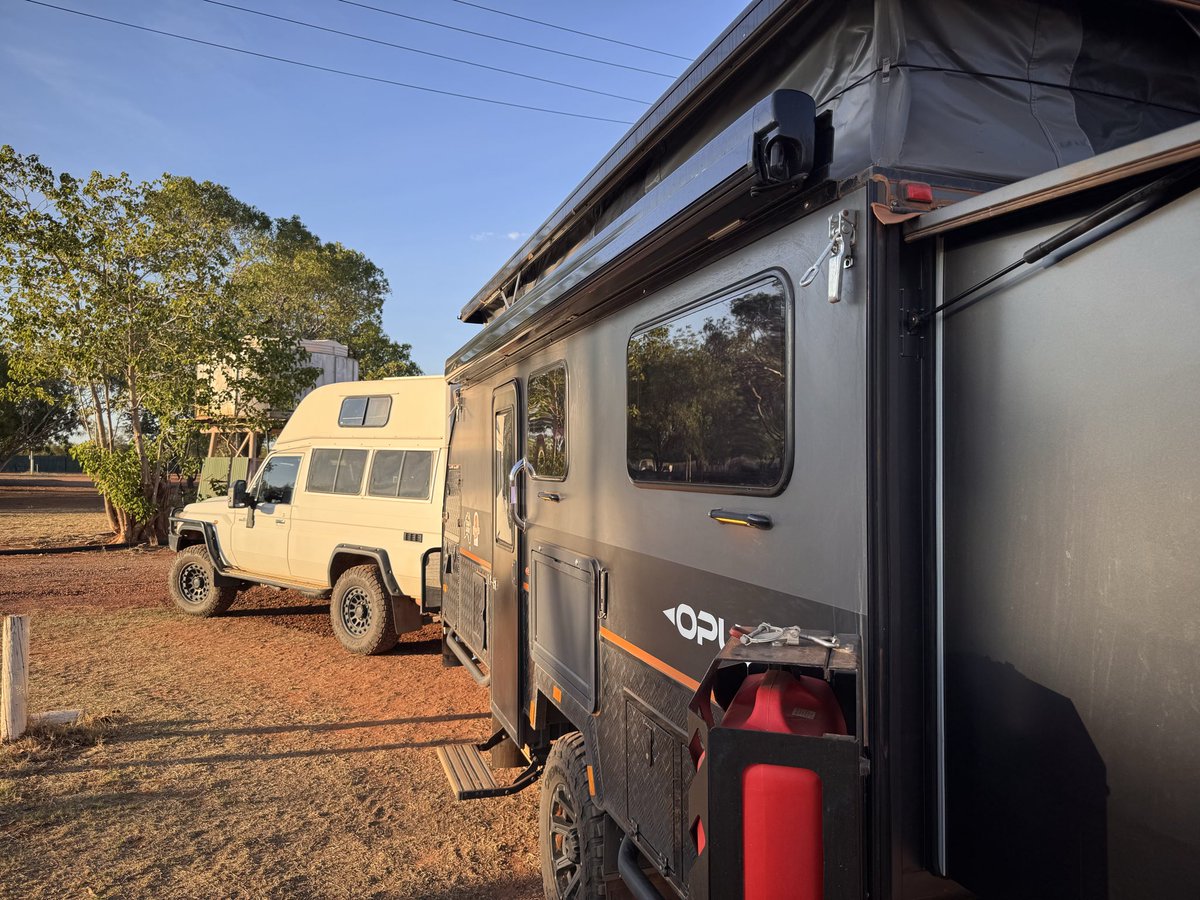
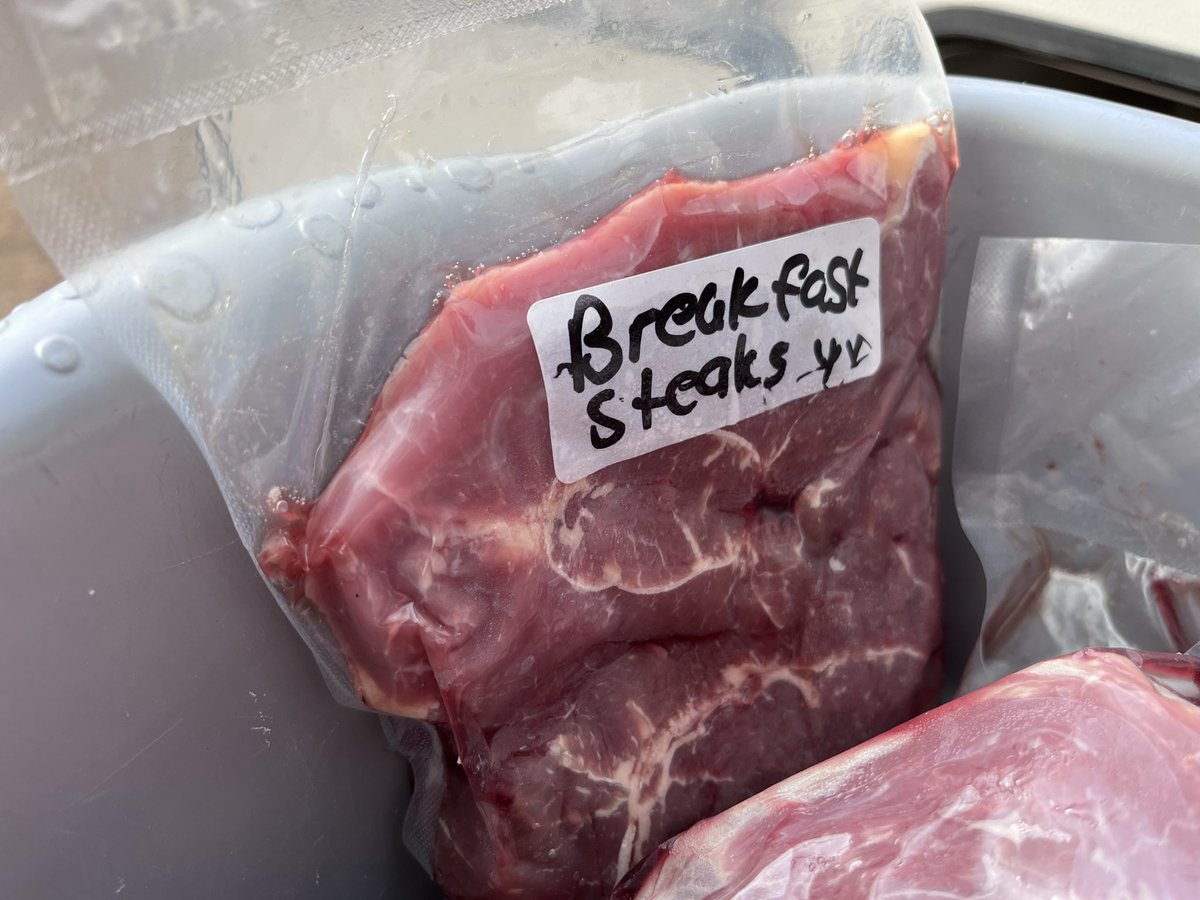




The Fed guidance means more market-driven uncertainty in money’s value, so money’s value in decisions will become less decisive
1
21

Jun 16
So SpaceX is up around 1 bitcoin total market cap in the 2 days since the IPO, promising!
1
35
Jun 15
Everywhere around the world you get the service or product you want with a more or less subtle ‘this is how we do things here’ powerplay. Except in Dubai, where the clear aim is to get you the product or service you want your way, and they are very good at it.
1
1
38
Jun 13
This funny little egg needs it own basket
Jun 13

Those Bitcoins aren't going to be custodying themselves.
1
24
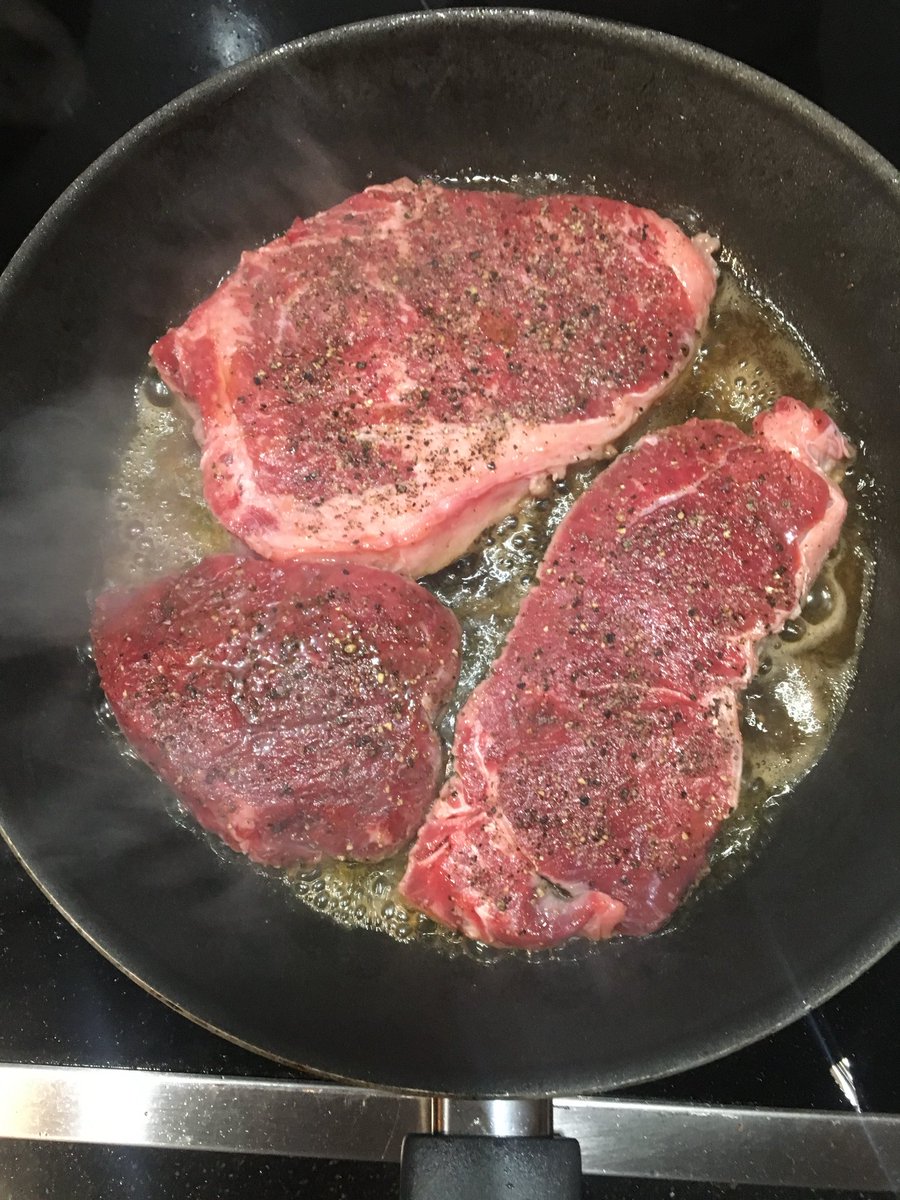
Bitcoin my savings, TSLA-SPCX my investment, VO2MAX and Body Fat% my health, beef my nutrition, Jesus my savior and the world my oyster
3
5
83
At least in Dubai my bitcoin HODLiday spending power now higher than ever, time to keep improving my fitness with some nice resort facilities for a few weeks
1
1
60
When I heard @RealPaulElam speak about the Magtow brothers I wondered who they were but it turns out they’re my MGTOW brothers!
1
48
May 31
Being 54 and the youngest in a local church community is not very heartening
1
46
May 31
So is a dowry a necessary capital investment in a marriage, does that make sense?
1
43
May 31
There is a difference between money and capital and as good as sound money is, artificial intelligence levered capital (instead of human intelligence and labour levered) should/does accrue more value
1
35
May 31
With bitcoin in three halvings my life got 10X better and 100X cheaper. Now AI looks to 10x both again the coming decade, what a prospect!
27
May 30
Portugal with an ancient manor and an old Merc, Dubai with a fancy apartment and a new Roadster, Australia with a macadamia hobby farm and a Landcruiser. Migrate with the seasons.
1
39
SebHODLiday retweeted

May 29
Great talk here on the state of men's rights with Jeff St. James of the Ask a Brotha Podcast. You can follow him here. @askabrothapod
3
7
36
782
May 18
Money, even bitcoin, is getting less important to hedge future uncertainty if you can harness more intelligence
3
69
May 16
When the going gets tough… got myself down to 12.1% body fat, without peptides, after my massive motorcycle crash, VO2max back to excellent, time to get to ‘elite’ and my fittest ever.
2
82
May 11
Bitcoin below 100k is most of all an opportunity to make it more valuable to bitcoiners by moving to a more tax favorable jurisdiction
1
1
85
SebHODLiday retweeted

May 10
70
100
624
165,883
SebHODLiday retweeted

Apr 29
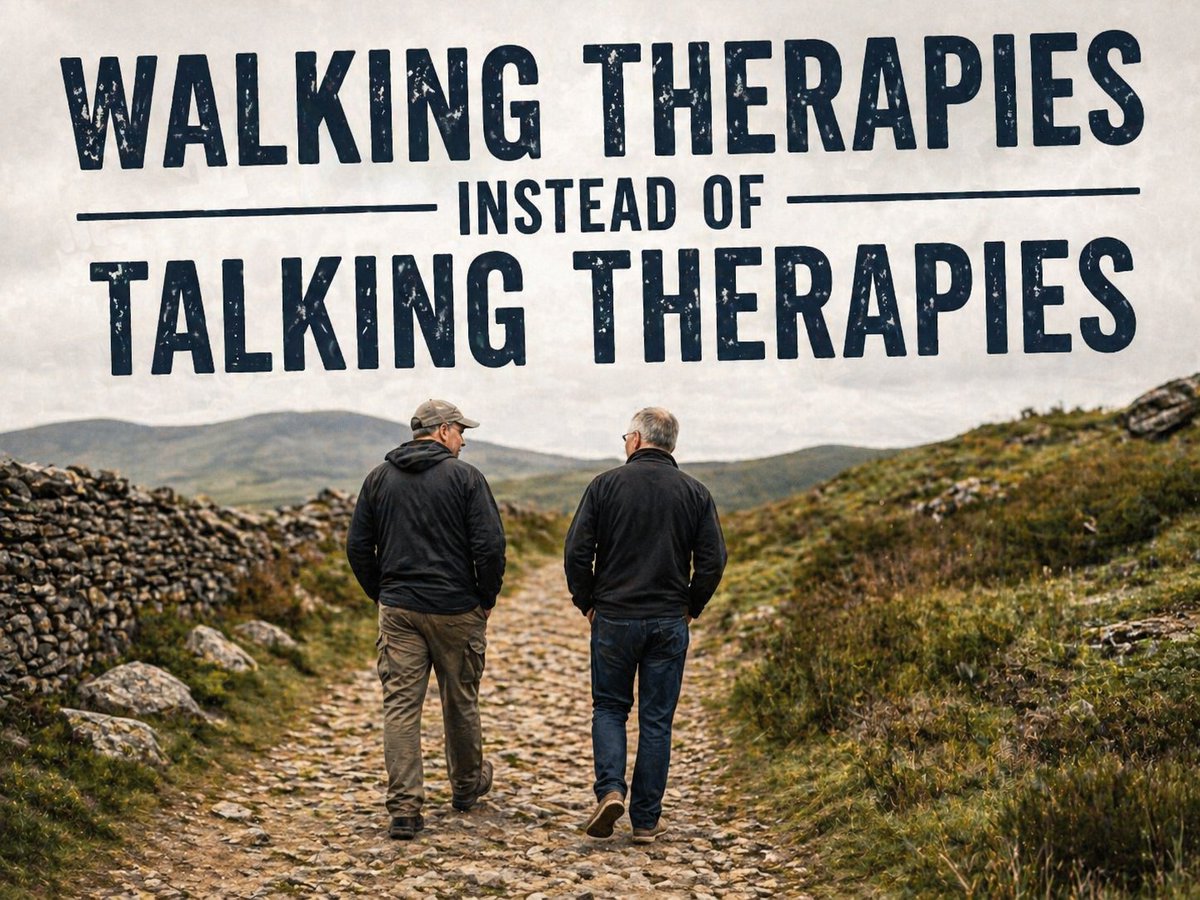
Walking Therapies Instead of Talking Therapies... Men’s mental health services need a serious rethink, because we're wasting money and pushing approaches that simply don't work.
For too long, therapy has often been designed around a narrow model: sit down, talk about feelings, disclose vulnerability, process emotions verbally, then repeat.
This works for a few men. But it doesn't work for most males.
John Barry, Martin Seager and the Centre for Male Psychology have argued for male-friendly approaches that understand how most men deal with stress, distress and grief. Tom Golden, through his book The Way Men Heal and his Substack Men Are Good, has made a similar point for decades: men often heal through action, purpose, problem-solving, responsibility, movement, work, humour, practical support and side-by-side connection.
This is why “walking therapies” matter.
Not only the literal action of walking, although that helps. But also therapy that moves. Therapy that does. Therapy that builds. Therapy that gives men agency, instead of endlessly asking them to emote on command...
The organic growth of Men’s Sheds shows this beautifully. Across Australia (and now around the world), men gather in safe male spaces, they work on the tools, repair things, make things, learn skills, drink tea and coffee, joke around, and have healthy incidental conversations.
Often the most important words between males are spoken while doing something else (fishing, driving, building, cooking, cycling, working, or playing pool)... That isn't emotional avoidance. It's male-typical connection.
Male mental health is fundamentally different from female mental health with less talking. Male grief isn't failed female grief. Male psychology isn't defective female psychology...
Men often need different doors into support: practical activity, trusted mateship, physical movement, mission, mentoring, fatherhood, faith, service, craftsmanship, and belonging.
If we want fewer men isolated, addicted, angry, ashamed or suicidal, then we need services that respect men as they are:
- Not lectures about “toxic masculinity”.
- Not feminised therapy dressed up as "universal care".
- Not systems that treat male silence as pathology, while ignoring the environments that make men feel judged, unwanted or misunderstood...
Walking therapies instead of talking therapies means this:
=> Meet men in motion.
=> Respect their dignity.
=> Build trust side by side.
And help men heal in ways that actually work for them...
@DanRepacholi @BrienLlew
1
4
9
193