Joined August 2008
- Tweets 17,026
- Following 1,125
- Followers 1,135
- Likes 53,824
3,578 Photos and videos




Pinned Tweet

1 Nov 2025
I just want to say my life is good. While working in San Francisco years ago, paying a $2,600/month mortgage, I kept asking myself how I could get out of it all.
From 1/4 acre:
$2,600 mortgage
$500 water/power
To 40 acres:
$0
I did it, I'm here.
17
1
94
2,276
We have one package of belly left out of eight.
People buy them uncured to escape the nitrates of bacon.
Feb 19

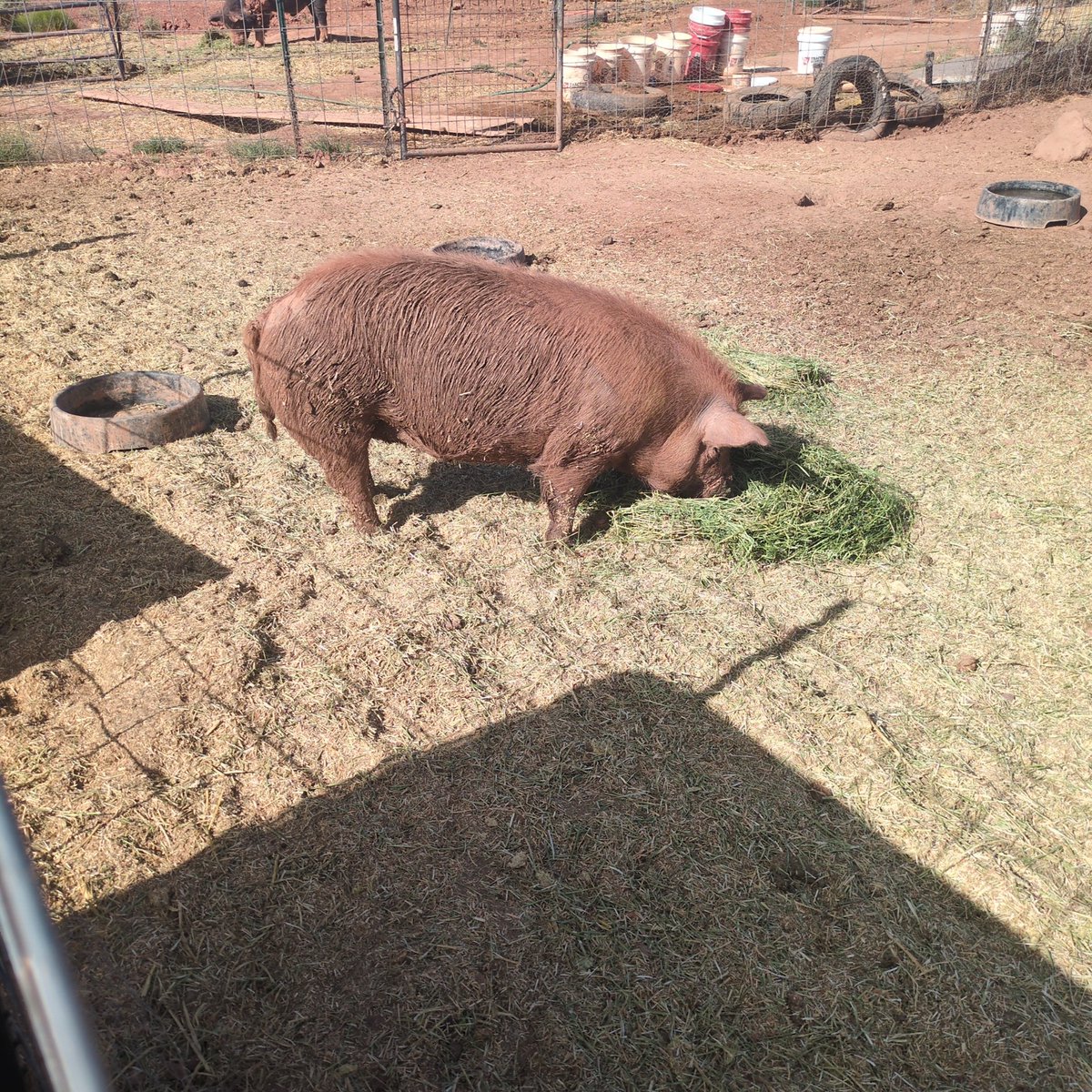
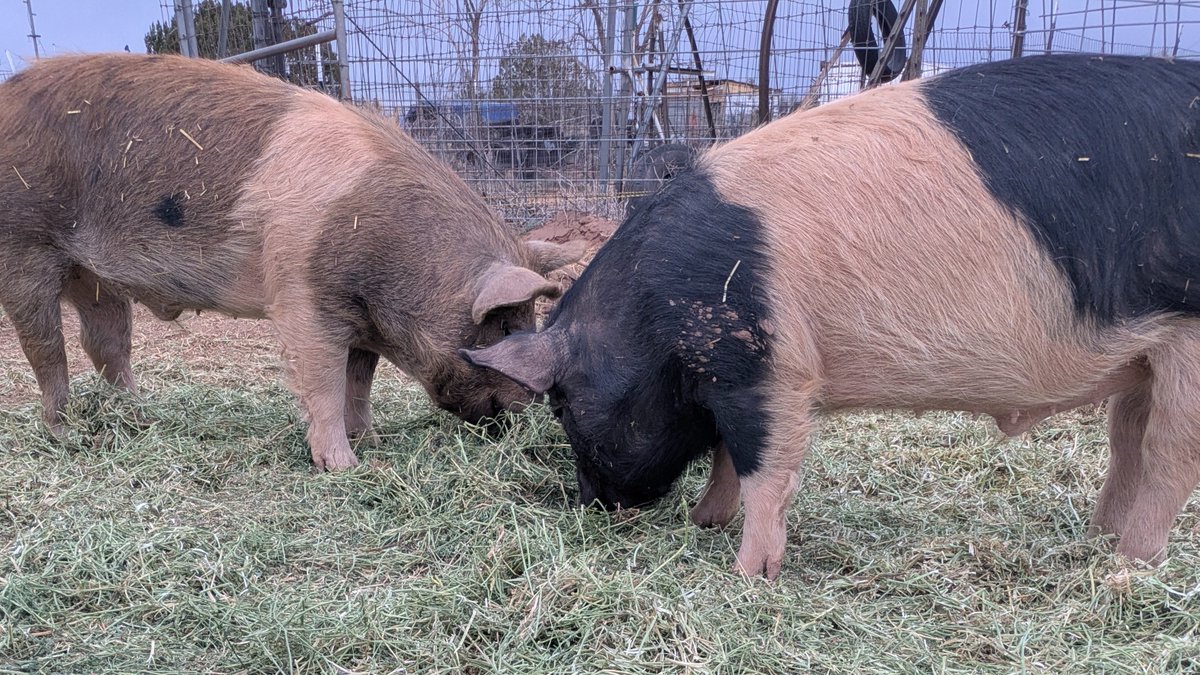
We have a butcher slot for April. They'll be processing three pigs. One born and raised onsite.
They don't do curing so I need to do that onsite or sell pork bellies and uncured hams.
6
160
Jun 14
Welp today was another great day selling products from our farm.
Even with a good amount of rain people still came out to buy from us.
The rain was great though, we need more rain.
Jun 6
Finally had a real chef stop by and buy from us. Overall this was one of our best days so far. To the point we were worried about running out of meat.
5
165
Jun 12
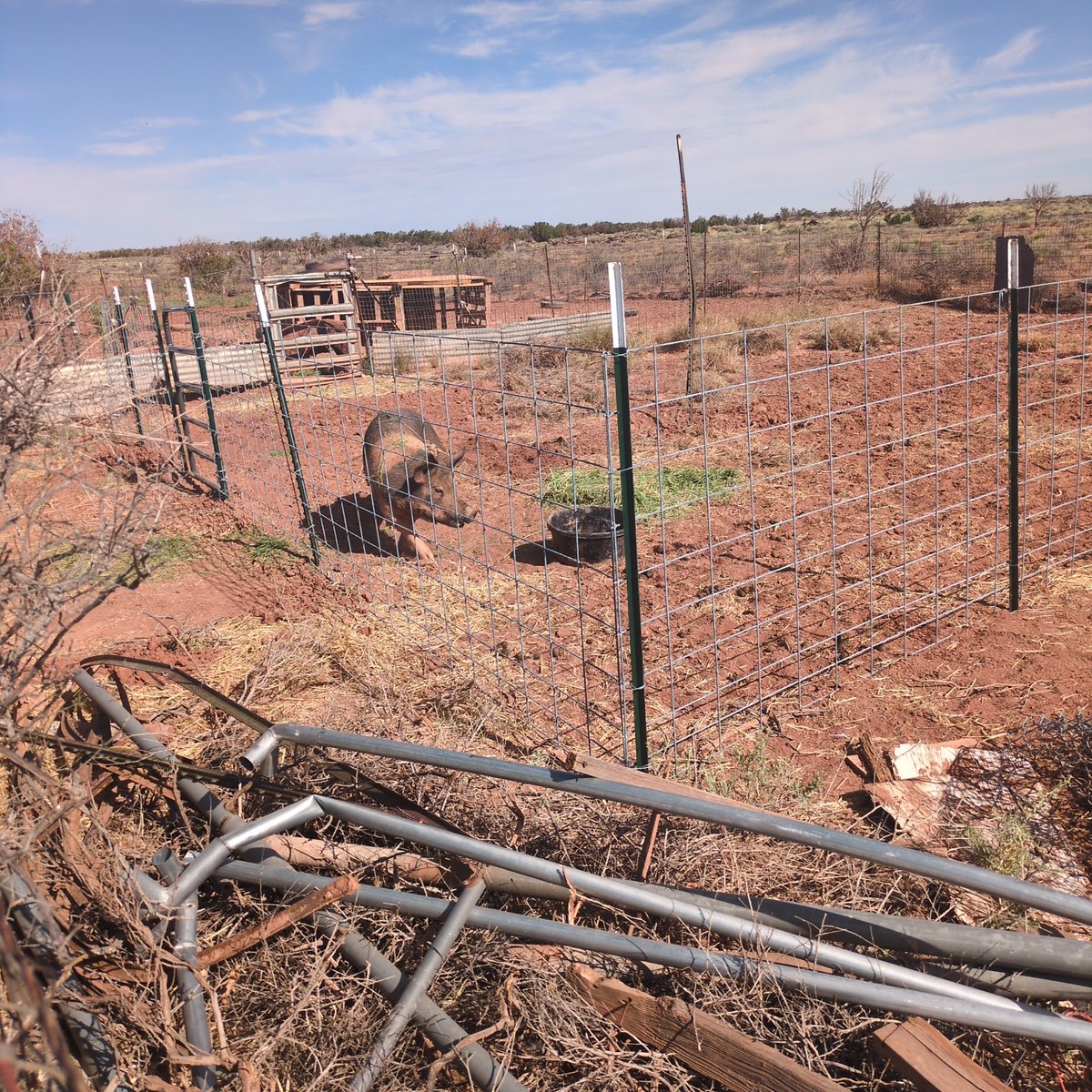
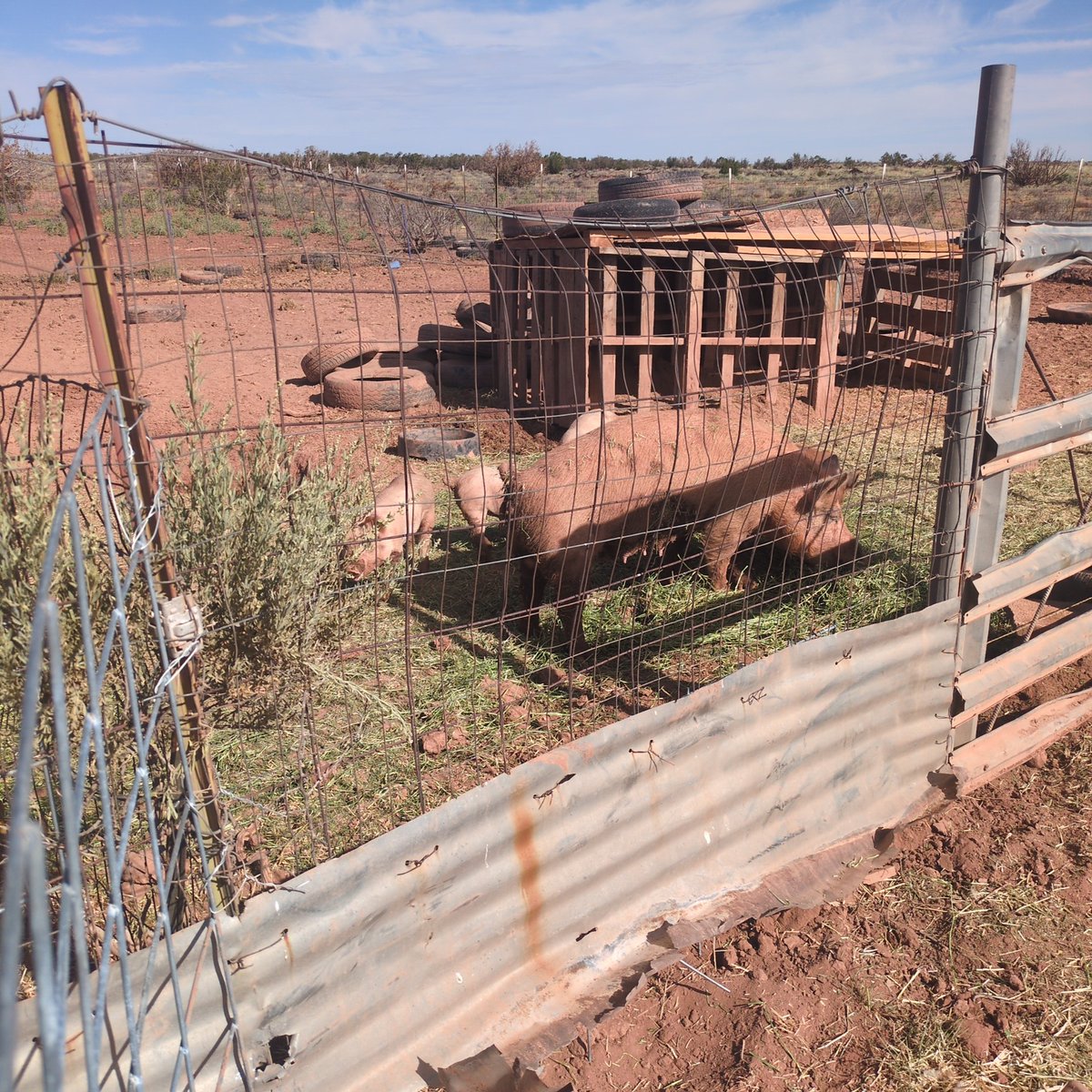
One of the gilts is about to drop piglets. Had to build out a new pen and move everyone around.
Of course pigs being pigs, the little ones found a way out. First they were in with the unbred gilt, then one walked through the gate to play with the chickens.
1
6
112
Jun 12
Meat.
Jun 12
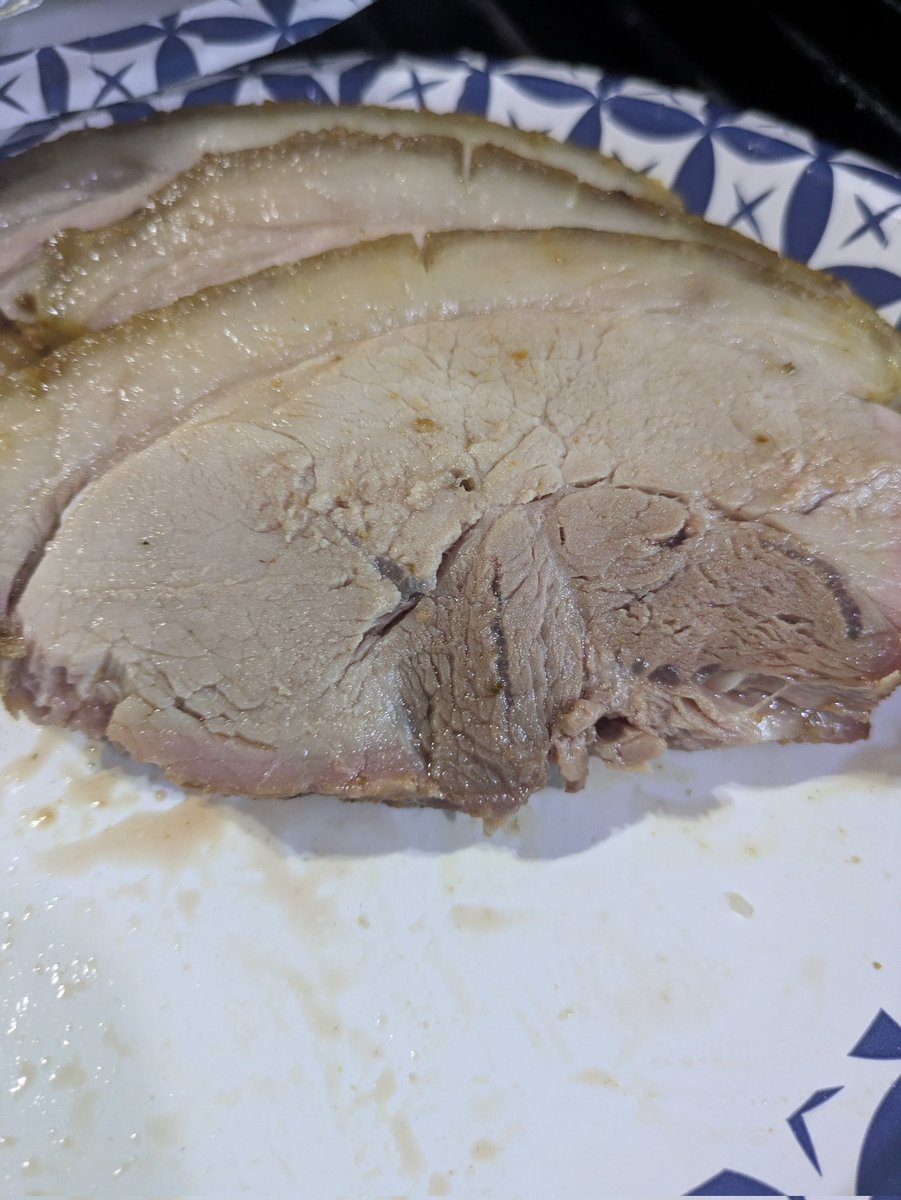
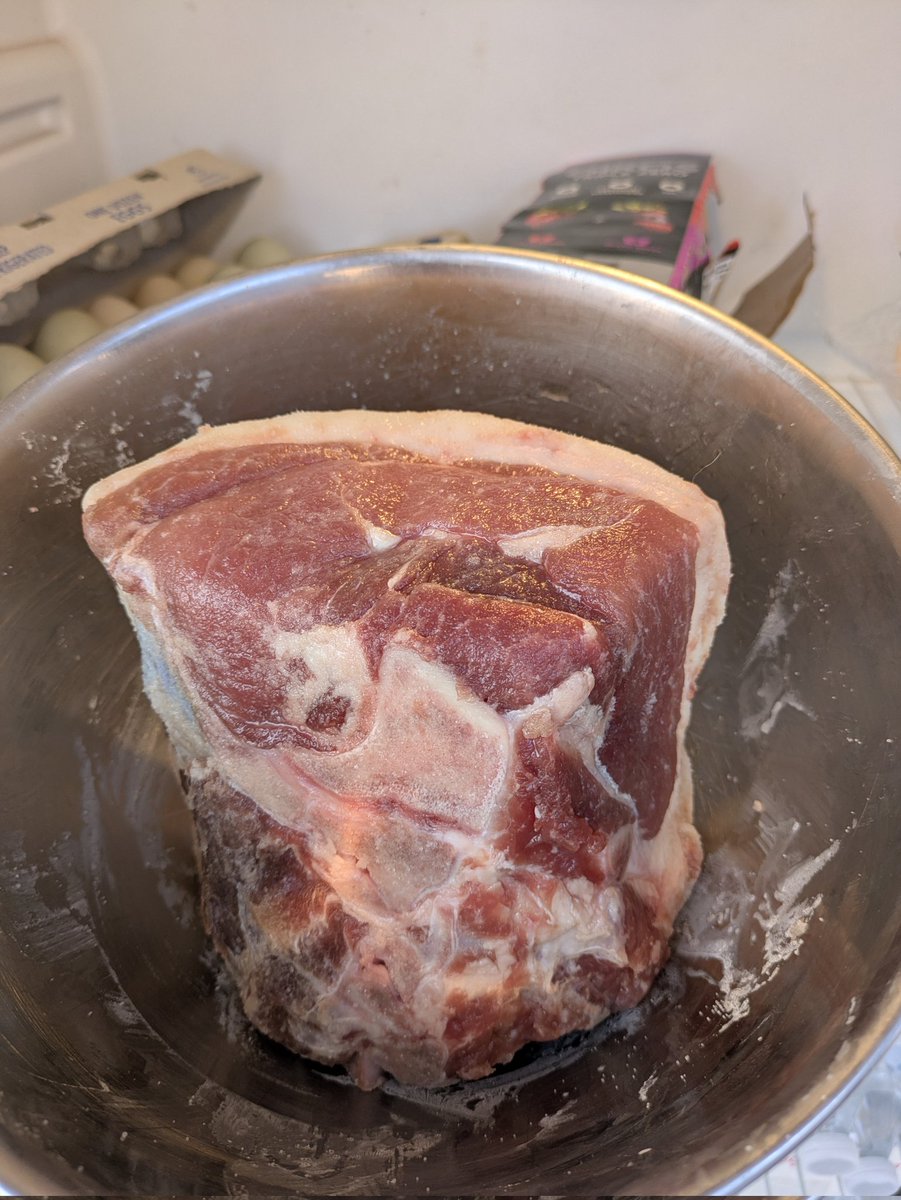
We ate the tenderloin of one of our pigs. Butcher screwed up the label so we had to. Smoked it for ~45 minutes.
The boys ate every bite, even though it was "stubby".
Tomorrow we have a loin roast that didn't seal good in the machine. I like this butcher.
4
195
Jun 12
We ate the tenderloin of one of our pigs. Butcher screwed up the label so we had to. Smoked it for ~45 minutes.
The boys ate every bite, even though it was "stubby".
Tomorrow we have a loin roast that didn't seal good in the machine. I like this butcher.
1
151
gun nerd retweeted

Jun 8
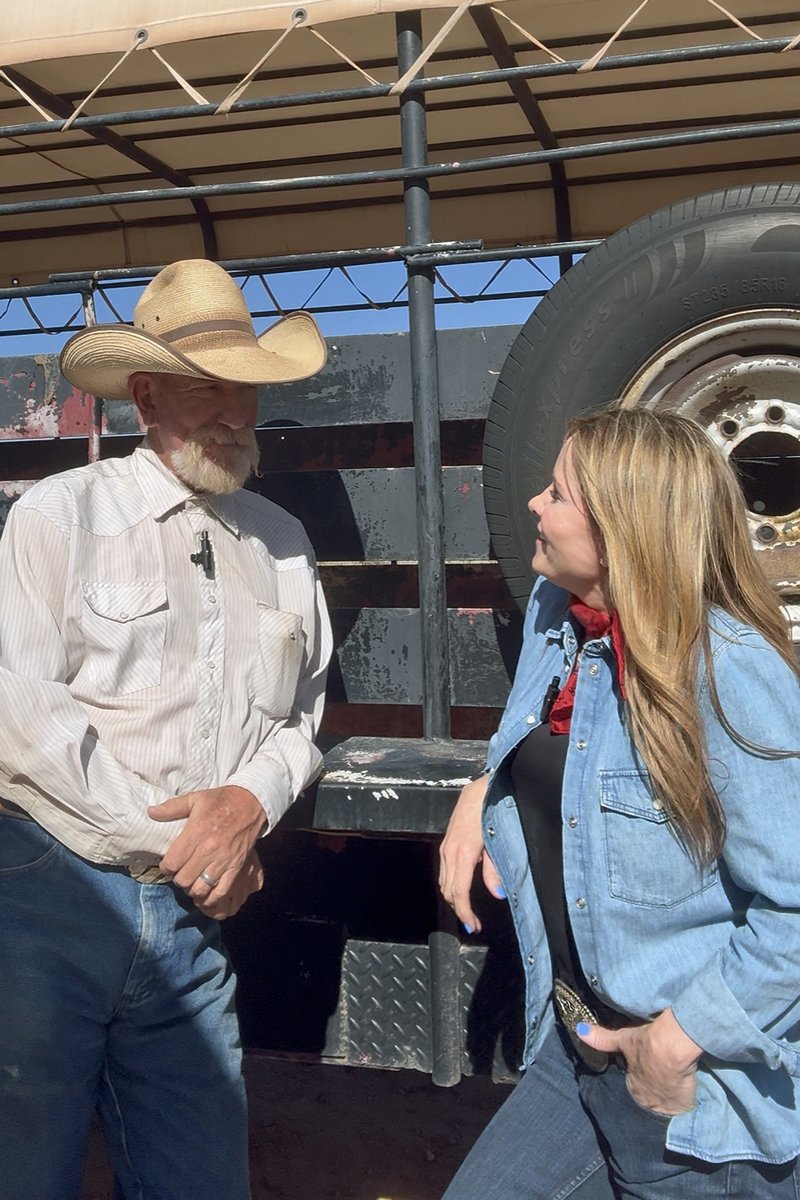
🇺🇸Meet Casey Murph. For five generations, his family has been raising cattle on the same ranch since before Arizona was a state. Ranches like Murph's have worked on AZ State Land Department (ASLD) grazing allotments because private acreage alone can't sustain commercial cattle operations.
🚨But now, foreign investors are eyeing his land for short term profits from subsidy-driven solar conversion
@A1Policy @a1states @GarretLewis @andybiggs4az @RepEliCrane @jakehoffman @codyreim247 @SecRollins @johnrich
9
76
212
4,301
Jun 6
Finally had a real chef stop by and buy from us. Overall this was one of our best days so far. To the point we were worried about running out of meat.
May 24
We sold a tenderloin and the lady was doing the whole, "how much fat do I need to trim off". I told her that most people want the fat these days, but she didn't seem to care.
She was stubborn but still very kind. It started with, "how can you sell your pork for so much money".
4
250
Jun 6
There is no Democratic Republic of the United States.
This problem exists outside California but outrage is very selective. Nothing will be done, or if SAVE is passed it will include some other clause to be easily exploited.
Vote with your money and vote with your feet.

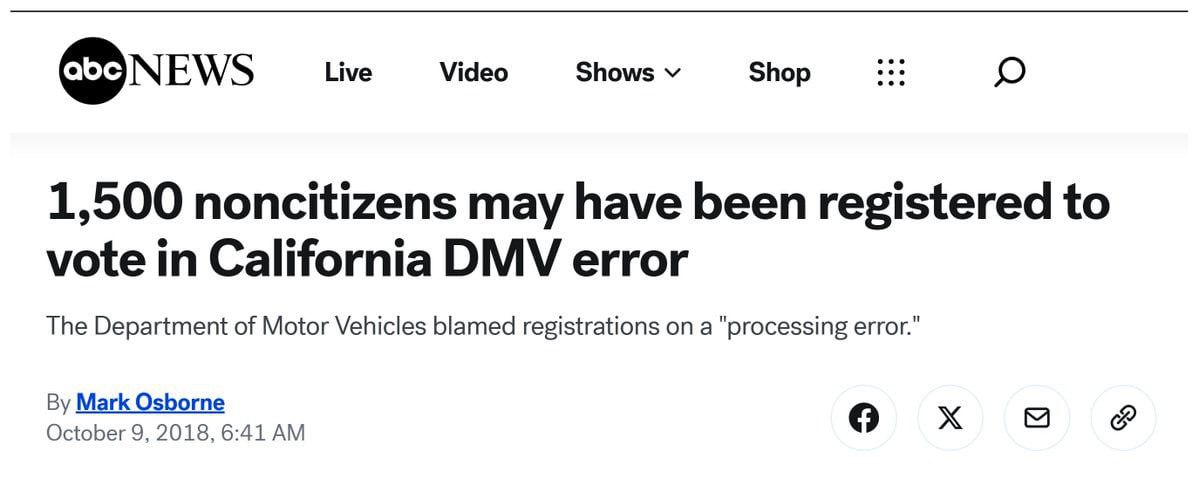
This isn't even new. In 2018, California's DMV admitted that approximately 1,500 noncitizens were 'accidentally' registered to vote through their "motor voter" program.
The Secretary of State couldn't even confirm if any of them voted in the primary or not.
At least one Canadian permanent resident was mailed voter registration after trying to replace his driver's license at the DMV, leading to the discovery.
35
Jun 5
Bro needs to touch grass.
Jun 5

i'm obsessed with AI DIY projects.
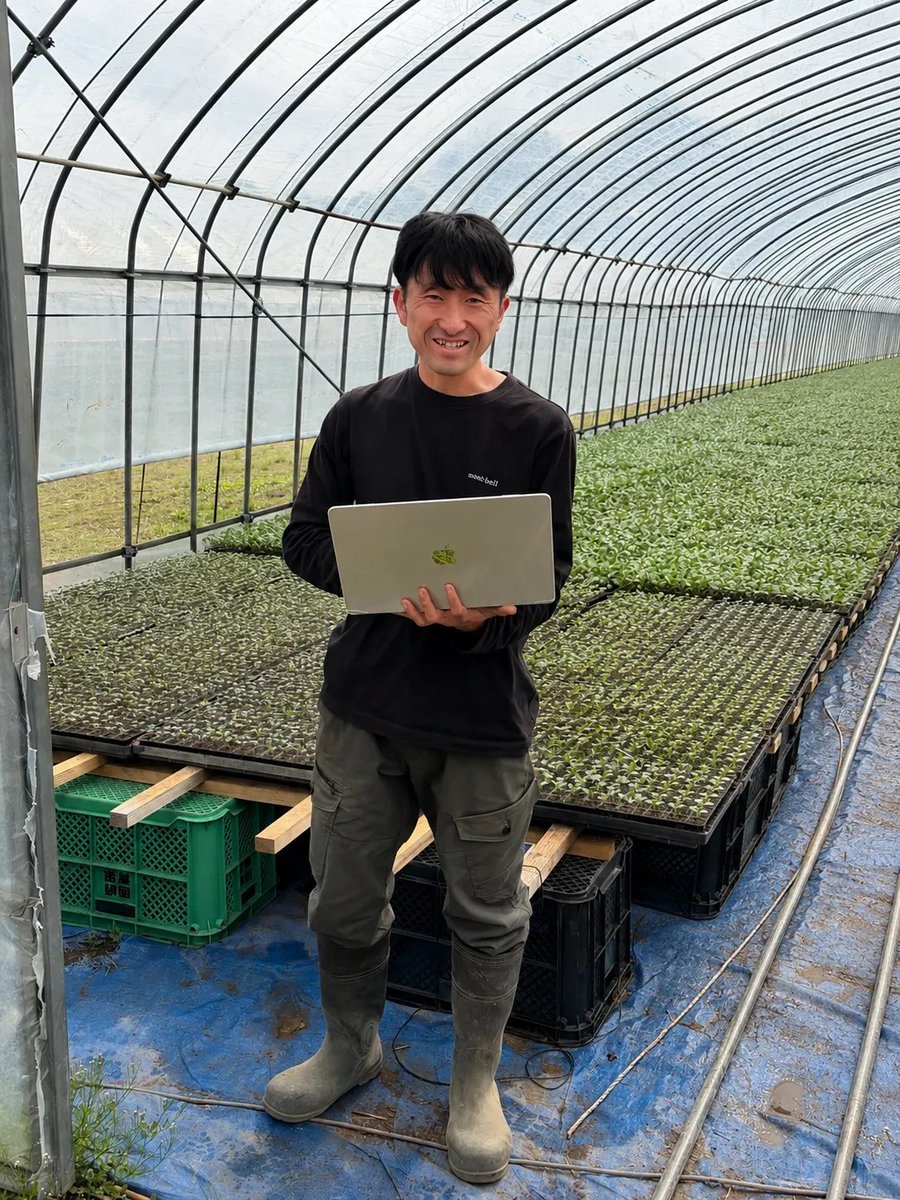
my favorite one right now is this broccoli farmer in hokkaido, japan using Codex to run his 100-hectare farm
this guy never studied agriculture, never inherited land, started out as a civil servant.
but he wanted his farm to run better, and instead of paying an engineering firm he couldn't afford, he just built the tools himself.
here's what he's built on his own:
> remote control of his greenhouse vents from a chat app, wired up with an esp32 board, a motor driver, and cloudflare workers
> a bot that checks each greenhouse's temperature and opens the vents when it gets too hot
> satellite crop-health data laid over a map of his own fields
> an airtable base linking his plots, tasks, materials, and sensors
> wiring diagrams of his electrical panels, generated from a photo
stuff like this used to be locked behind machinery and engineers only the big agribusinesses could pay for.
but this legend just breezed past all of it with a laptop and Codex lol
1
62
Jun 5
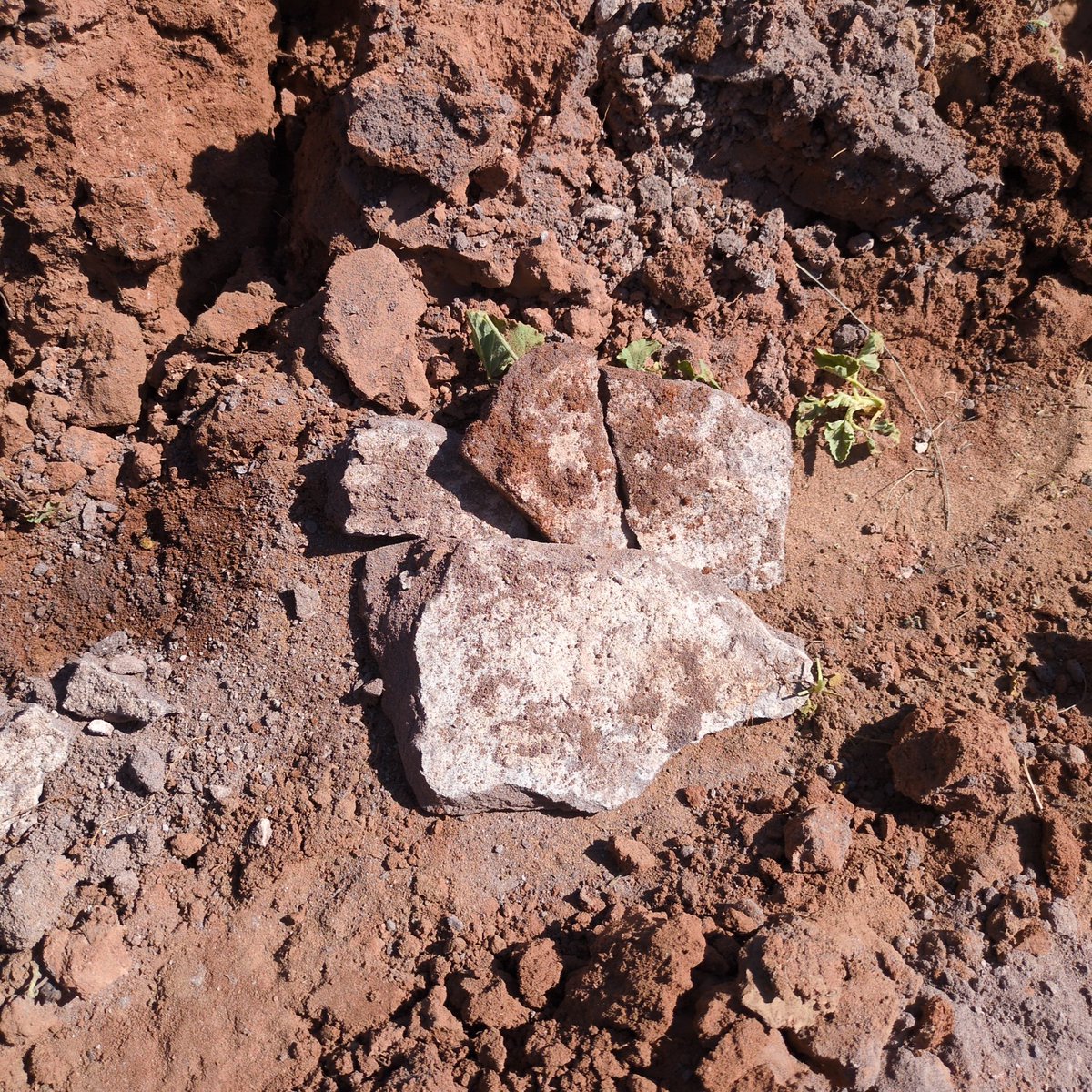
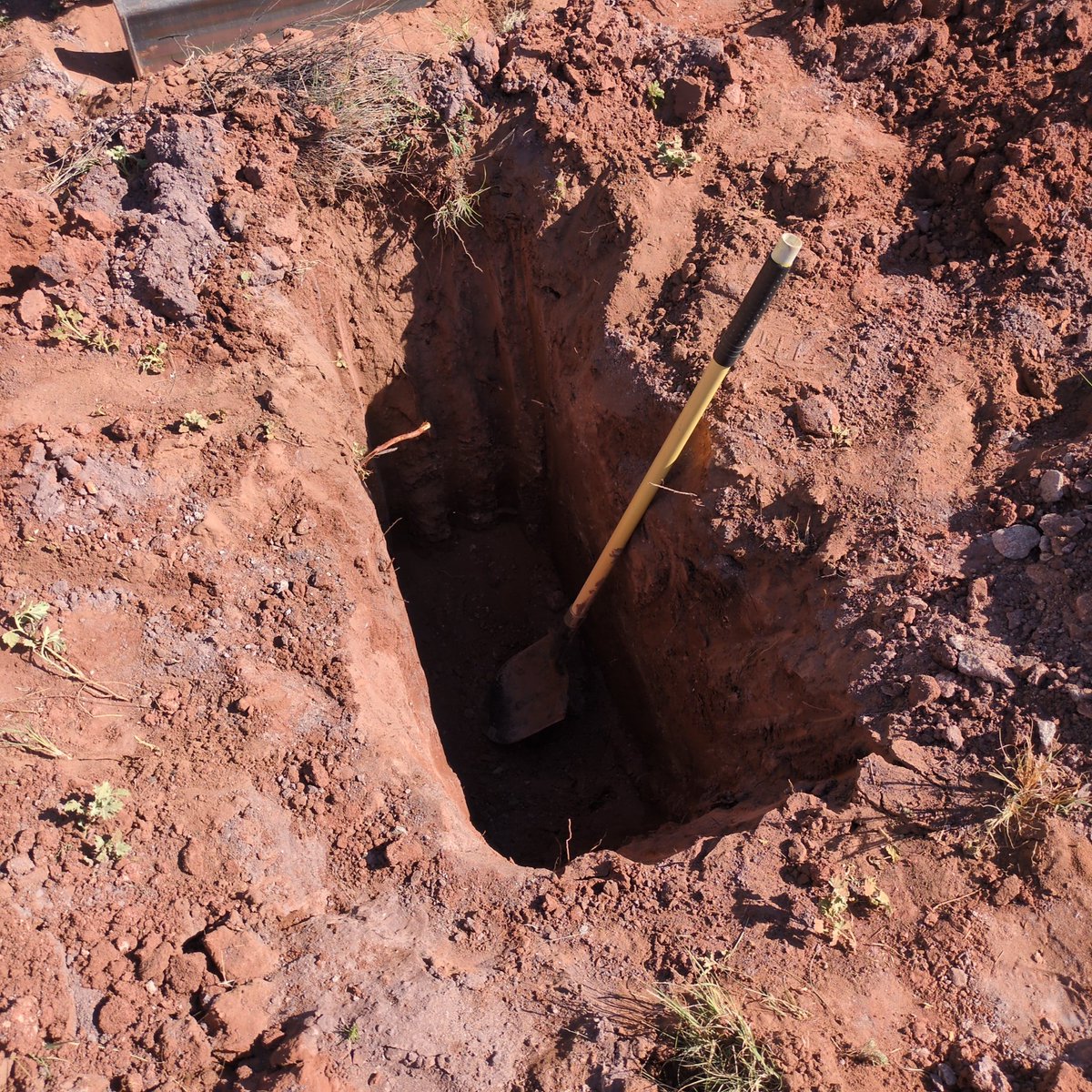
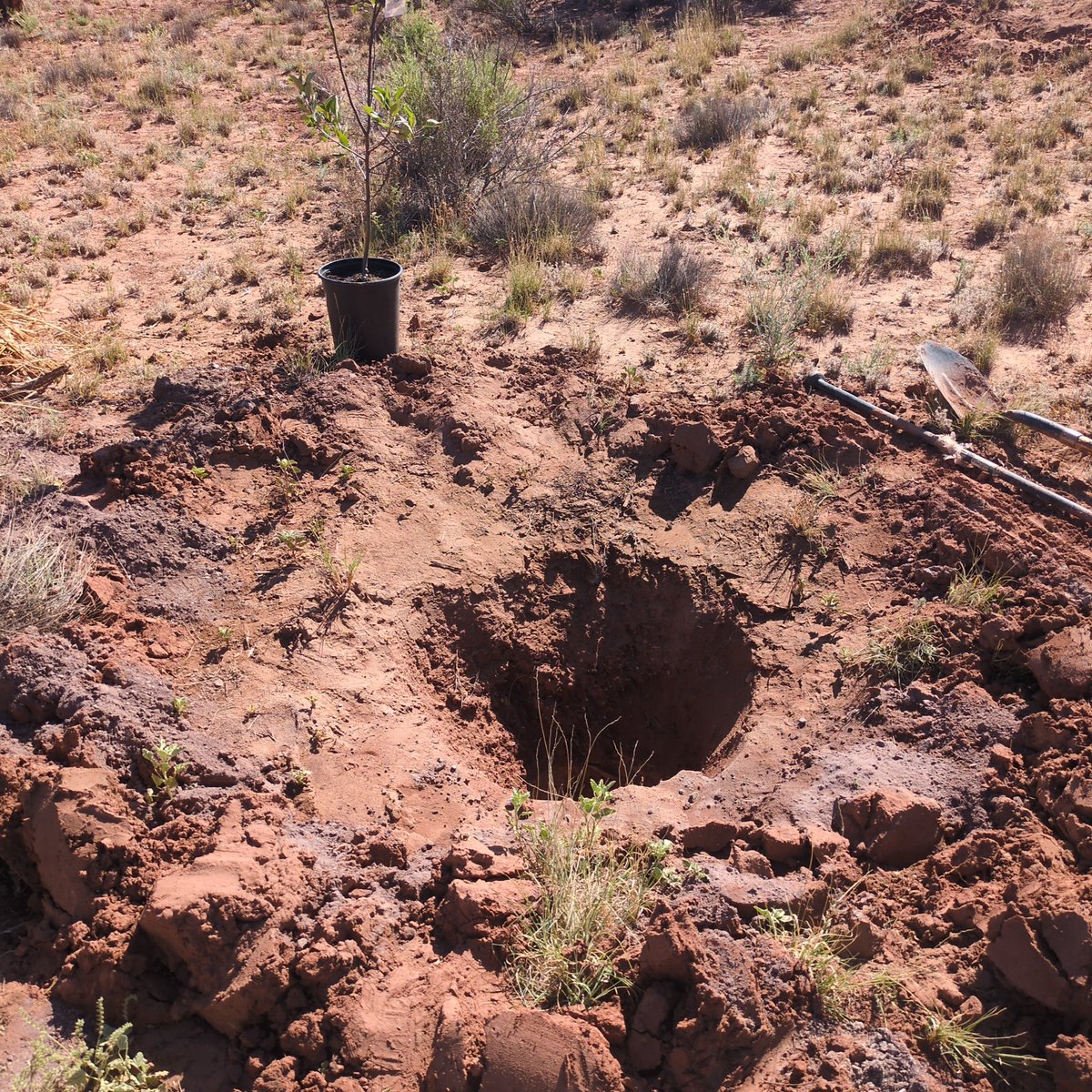
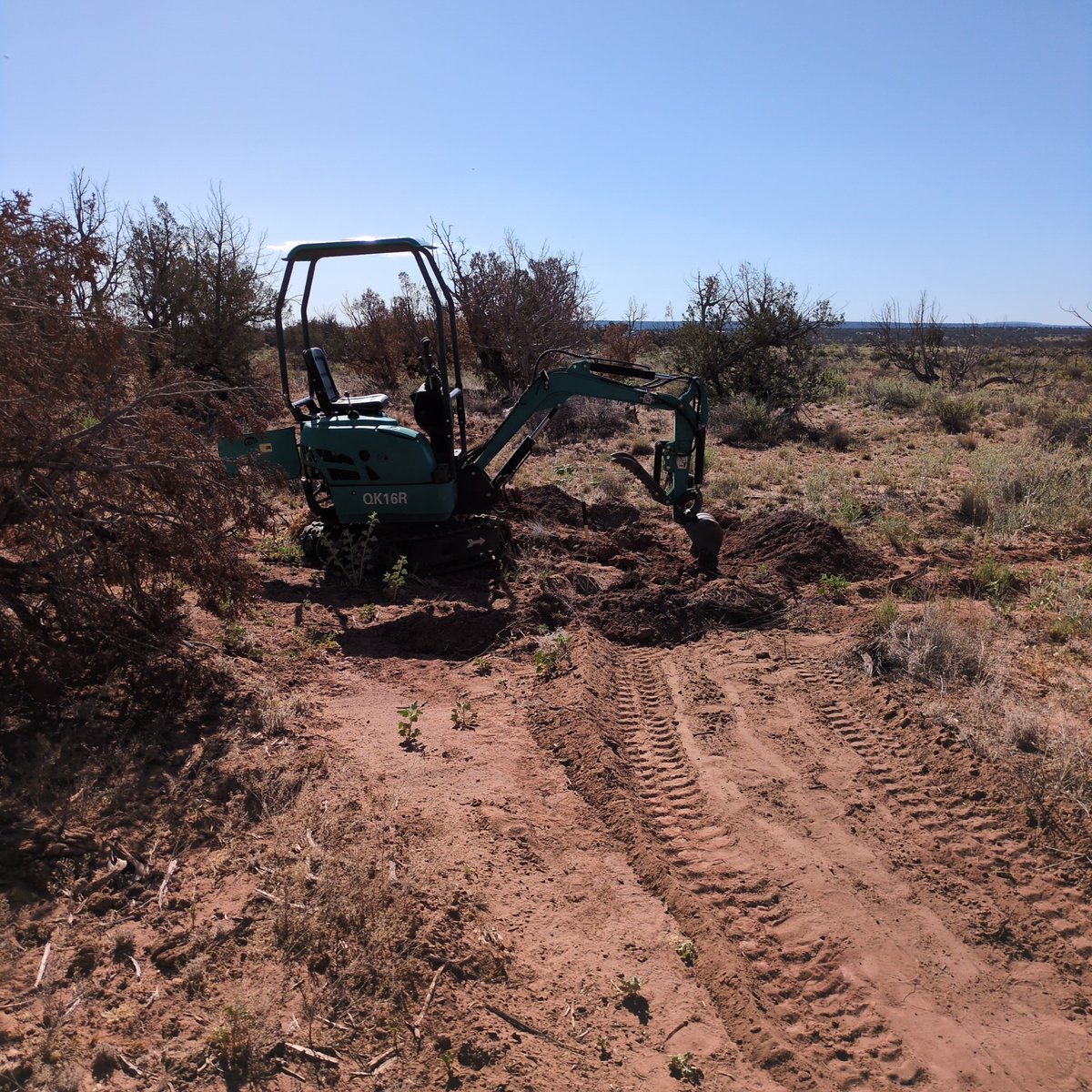
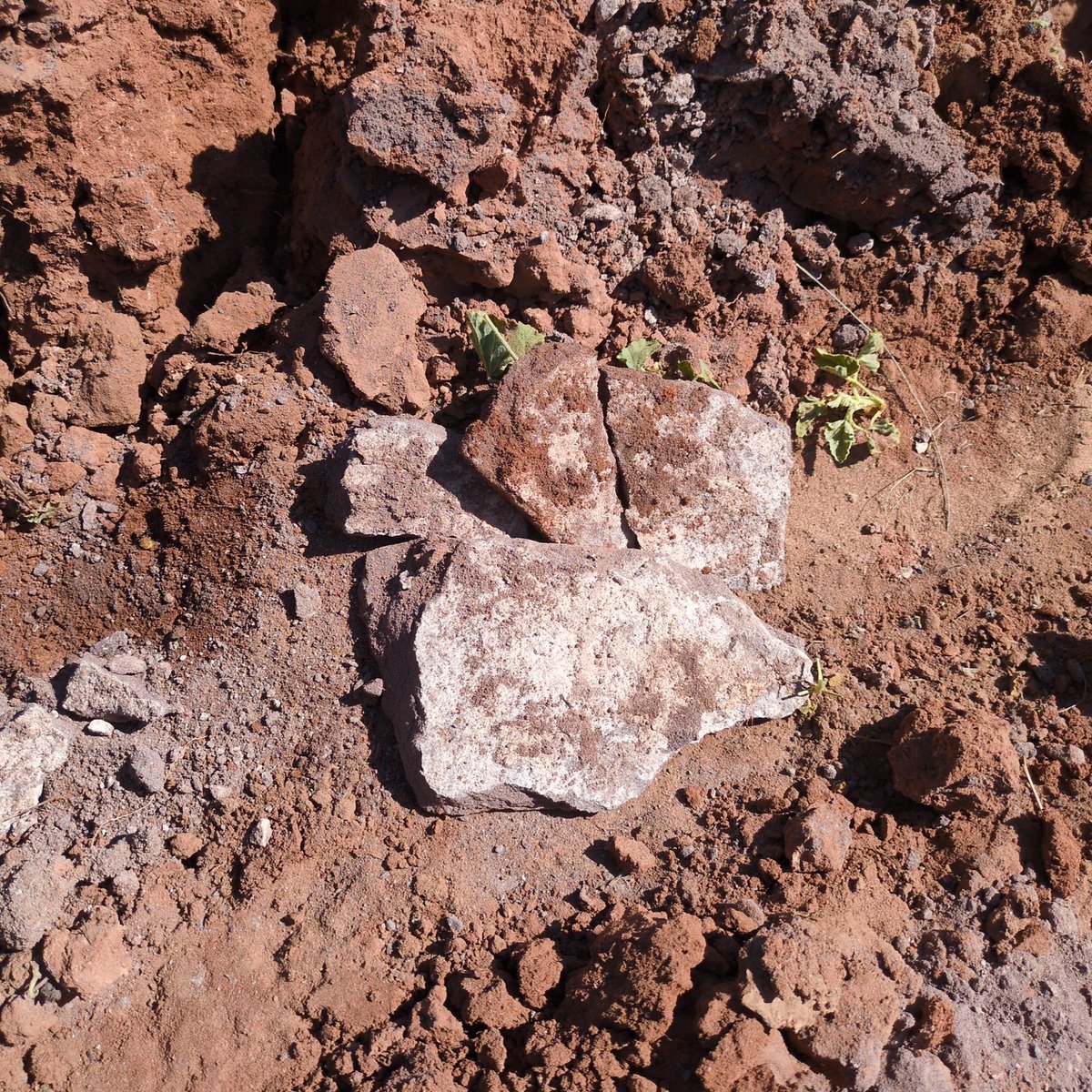
Pretty big hole.
Still hitting calichi. Stuff is pretty much concrete.
Jun 4
Trying to get an Apple tree in and hit a layer of calichi. Gonna have to get in here with the mini excavator.
5
191
Jun 5
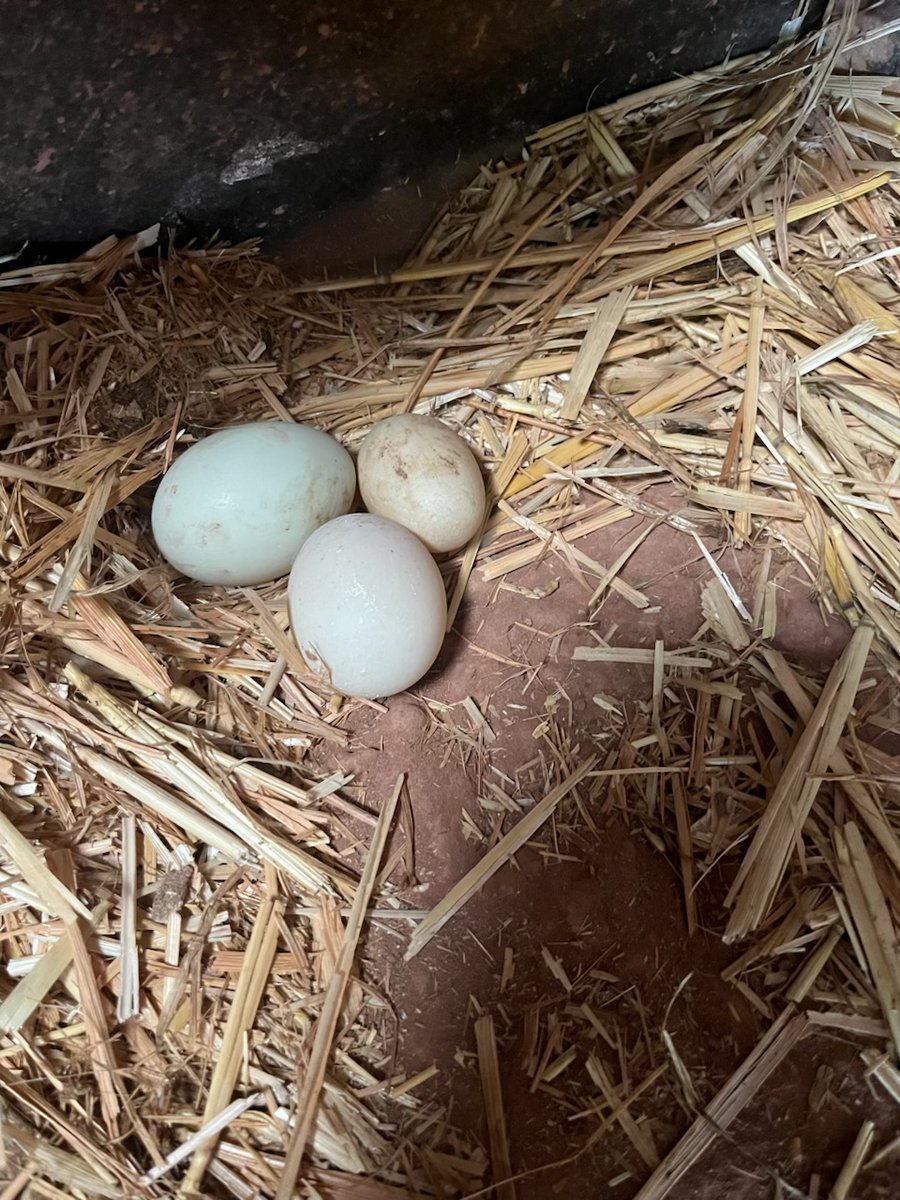
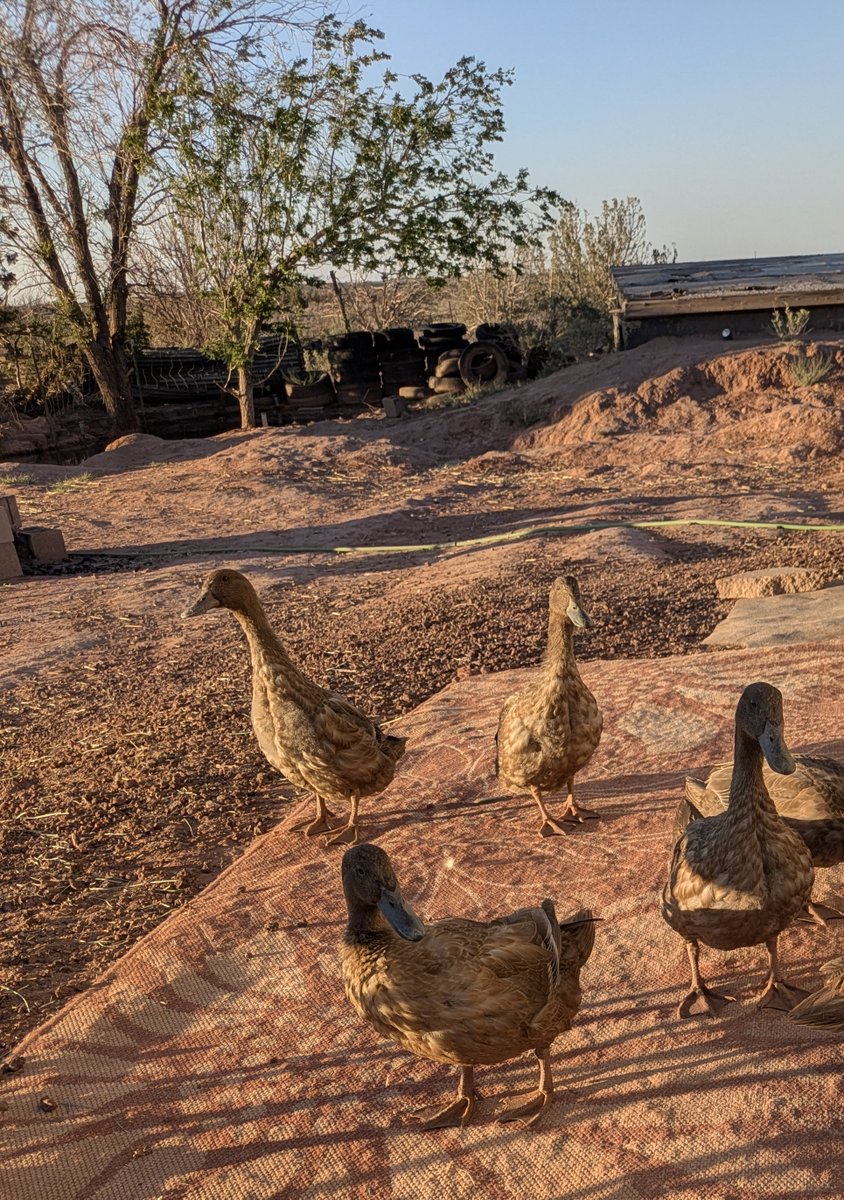
We had 3 eggs in the duck house!
The little babies from January are starting up production.
2
12
120
gun nerd retweeted

Jun 5
Eat more pork. 😊

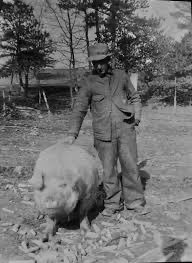
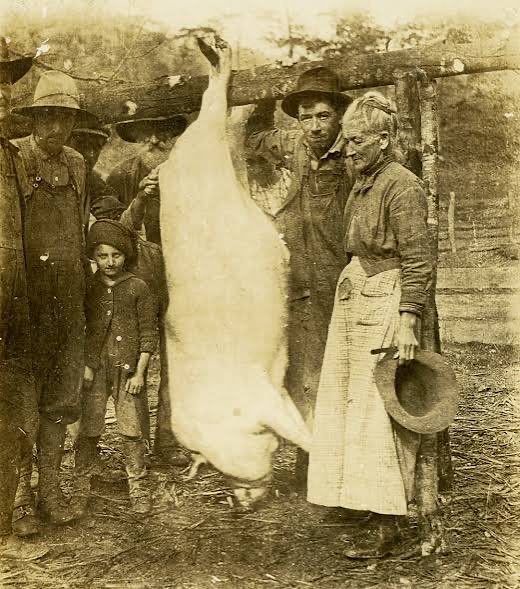
Last week, I wrote about how the average cotton farmer got most of his calories from a corn and molasses diet. This week, I figured I’d cover the other cornerstone of his diet, pork. Pork provided the average cotton state Southerner with most of his proteins and fats, and it could be eaten year around without refrigeration. The pig was one of the few domesticated animals that could survive the pine forests, hot and humid climate, and parasites of the American South before the modern era. Survival is an understatement. Pigs thrive in the South. Owing to their omnivorous nature, they can make a meal out of nearly anything from roots, tubers, berries, mushrooms, nuts, seeds, grasses, worms, grubs, insects, lizards, snakes, rodents, frogs, birds, eggs, and baby larger mammals. They have no qualms about scavenging dead animals, even in advanced states of decay. Even in the Colonial Era, the deep South had few natural predators, and almost none that would chance a fight with a healthy adult. Our swamps, coastal plains, sprawling pine forests, and mountain hollers provided the pig with a veritable all-you-can-eat buffet. Their only major weakness as a domesticated animal in the premodern era is a susceptibility, especially for young pigs, to extreme cold. But the winters in the South are mild and even the coldest of cold snaps are short lived. The Conquistadors may have been the ones looking for paradise, but the pigs that came to America in the holds of those Spanish galleons are the ones that actually found it.
Wheeler, you may ask, why didn’t the South try raising other animals? Why not cows? Cows require that the land be converted first to pasture, and any plot of land large enough to sustain cows would be far more valuable as a cotton field. Spanish Goats do well in the American South, why didn’t the South raise more goats? There were some goats, but goats before the advent of barbed wire and electric fences are notoriously difficult to contain. A half Chinese, half black homosexual Jewish prostitute would receive a warmer welcome in a community of cotton planters than a largescale goat herder. Goats had plenty of natural predators in the South, even once they reach maturity. More importantly, goats reproduce slower and grow slower than pigs. A goat’s gestation period is roughly 150 days. A pigs gestation period is 114 days. A Spanish goat will usually have 1-2 babies. A pig will litter 8-12 babies. A goat struggles to give birth twice a year. A pig can reliably do 2.3-2.5 litters a year. A one-year-old pig will weigh 200-300 pounds. A goat will only get to 60-100 pounds during the same time period.
Why wasn’t the chicken the cornerstone of the premodern Southerner’s diet? Before chicken wire, it was incredibly difficult to protect chickens from predators. The South was full of hawks, opossums, snakes, foxes, owls, skunks, bobcats, and raccoons looking for a nice chicken or egg dinner. More importantly, a chicken cannot reliably forage its diet like a pig can. You’d be planting crops that have only a third of the value of cotton to input into a chicken operation that won’t produce as much meat as pigs. And before refrigeration, the only reliable way to preserve a significant quantity of chicken was canning. Self-sealing canning jars were not invented until 1915. Sheep? I’ll let you come to the conclusion why an extremely humid climate that has average summer highs in the 90’s won’t be ideal for sheep. There were some around the coasts, but it was never more than a cottage industry.
So fellow Southerner, you are what you ate, and what you ate was pork. Lots of it. More than any other animal until the 1960’s. Soon, I’ll explain the process of turning live pigs into shelf stable meat before refrigeration or electricity. Until next time, Deo vindice friends.
3
3
23
845
Jun 4
Trying to get an Apple tree in and hit a layer of calichi. Gonna have to get in here with the mini excavator.
10
382
Jun 4
There is now a smoker in my yard. Lady gave it to me for $150 and it all works except the Wifi App.
For some reason I don't care too much about having a Wifi connection to update when I least need it.
It smokes but needs a good cleaning. Even came with a half used bag of pellets.
Jun 1
I really need a meat smoker. My competition is selling full on bacon and I'm out there trying to slang uncooked belly.
The butcher won't do it so he's able to use a Cottage Food license.
3
8
1,514
Jun 3
I'm winning battles and the garden is slowly pulling through.
But the war will never be over.
1 jack rabbit
2 ground squirrels
6 pack rats
That little Ruger American sends them true.

1
15
395
Jun 1
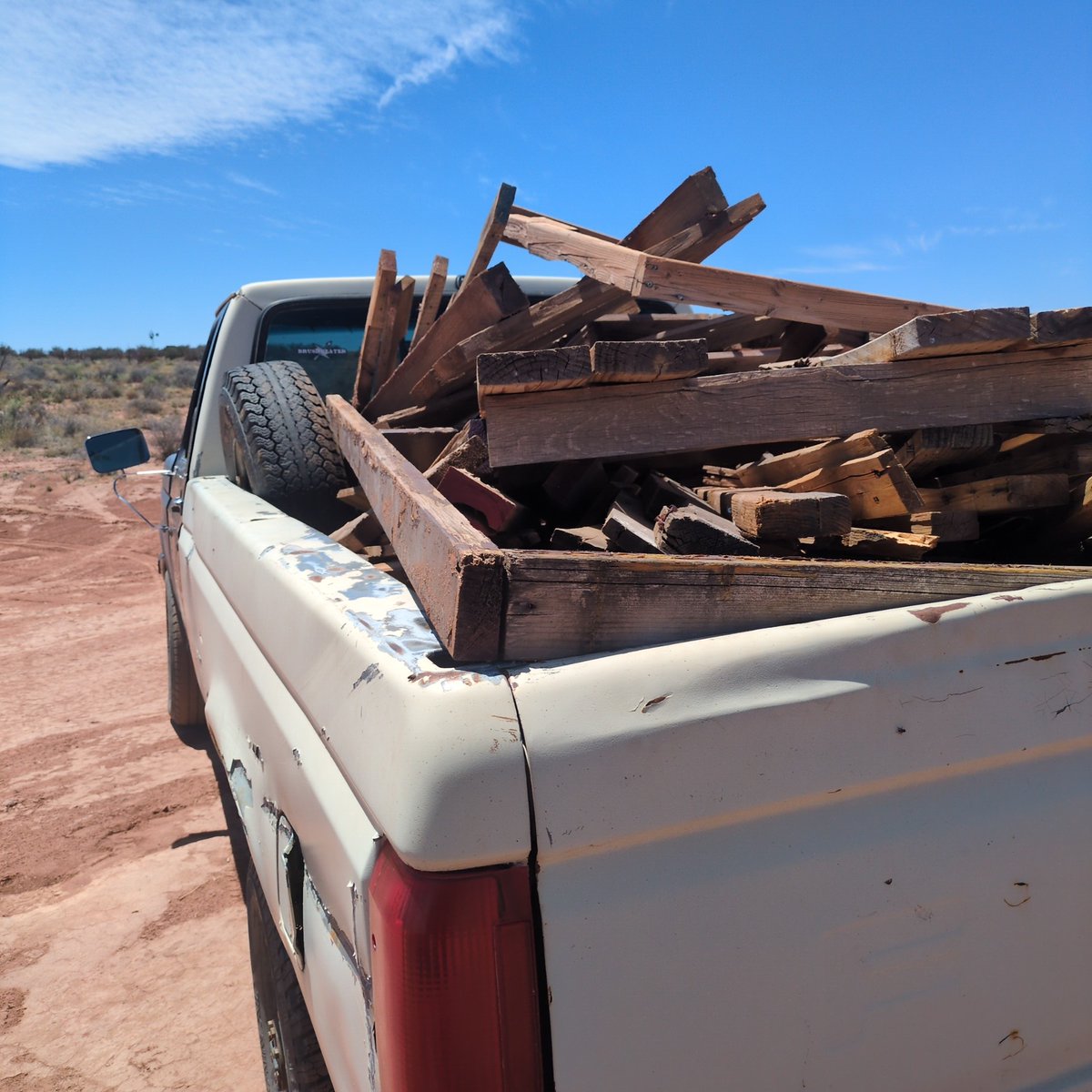
Someone was giving away wood. Filled my entire 8' truck bed.
2
1
19
237
Jun 1
I really need a meat smoker. My competition is selling full on bacon and I'm out there trying to slang uncooked belly.
The butcher won't do it so he's able to use a Cottage Food license.
1
1
1,579


gun nerd retweeted

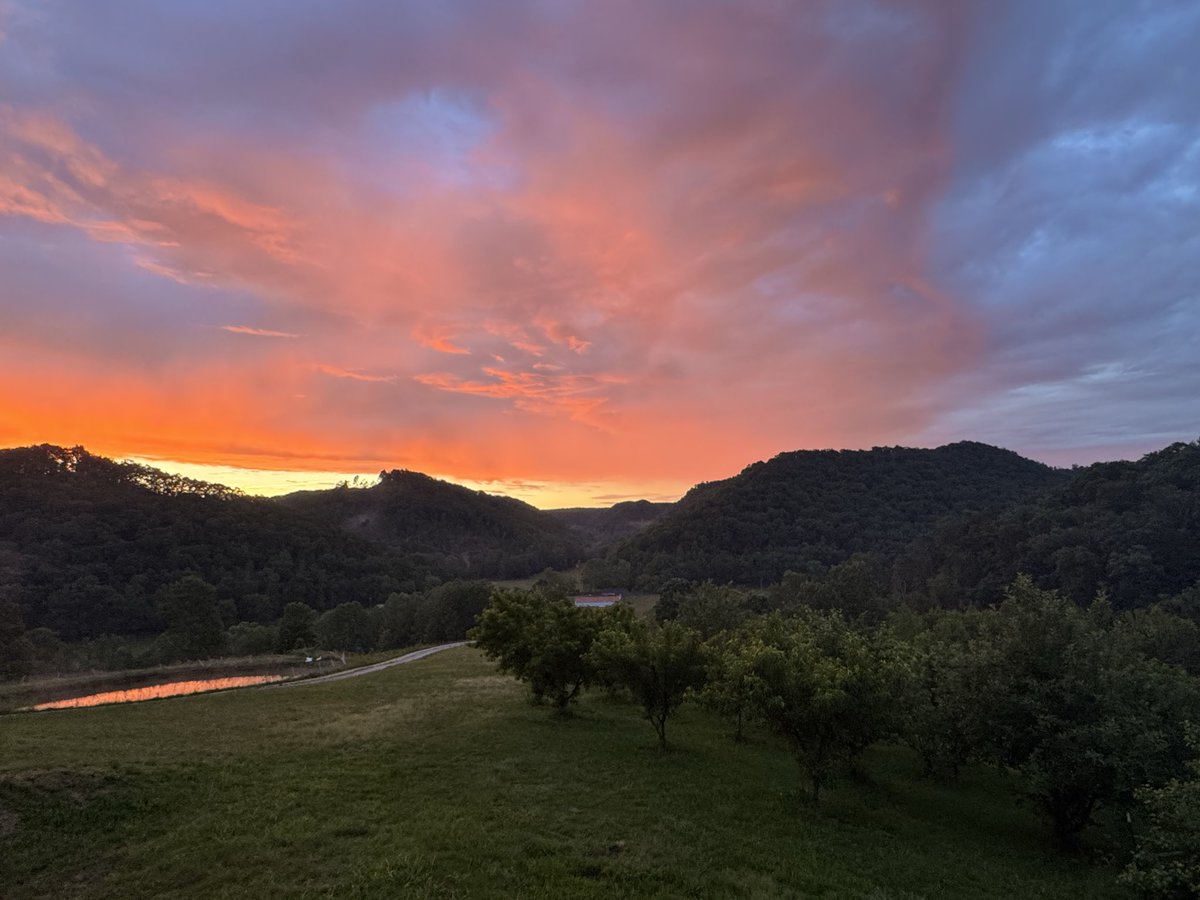
Good morning from the foothills of Appalachia!
852
1,072
27,555
251,249