
Environment, Technology, Wildlife, Conservation, Extinction, Modelling and Machine Learning. University of Tasmania.
Joined July 2009
- Tweets 9,804
- Following 185
- Followers 4,414
- Likes 4,495
224 Photos and videos



Pinned Tweet

26 May 2025
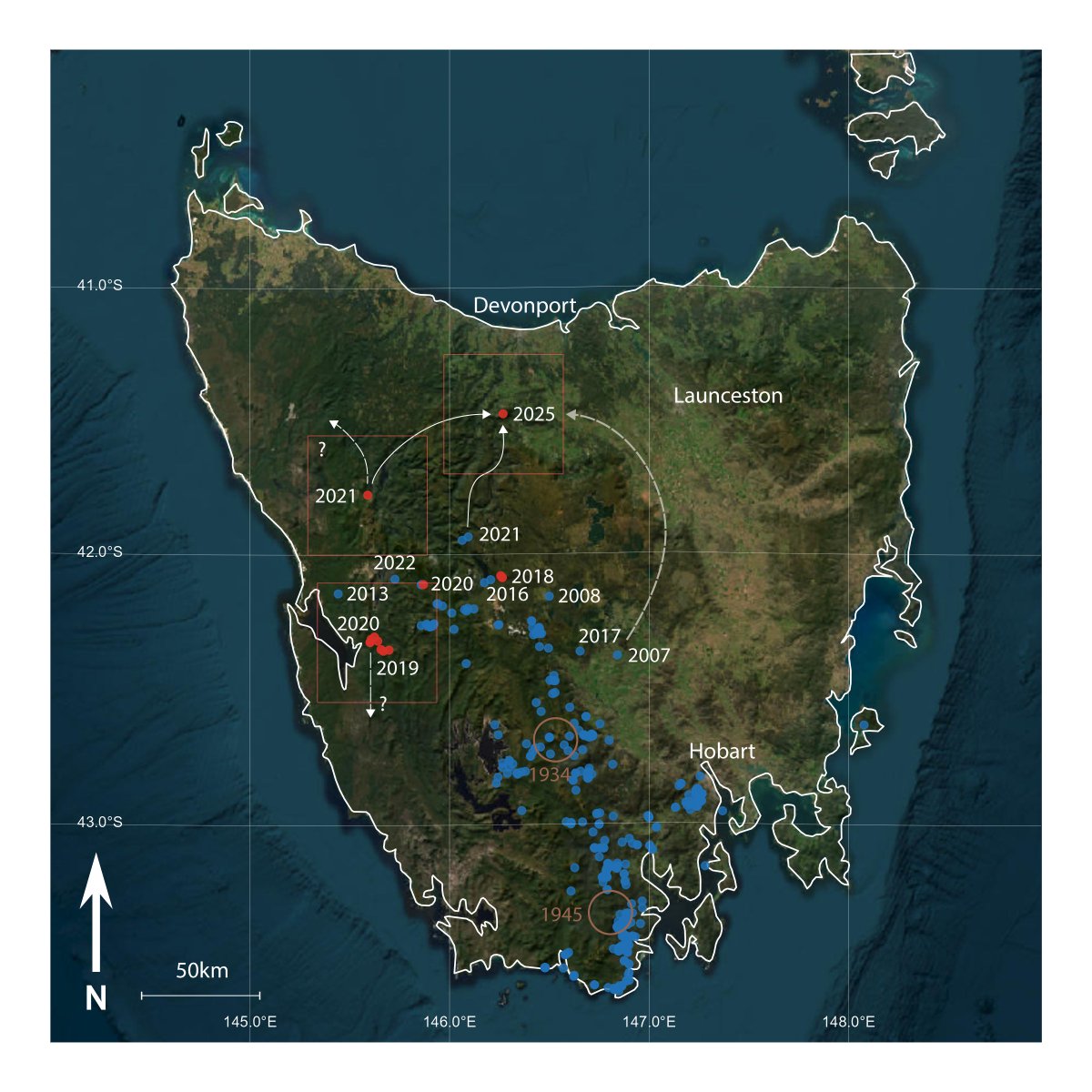
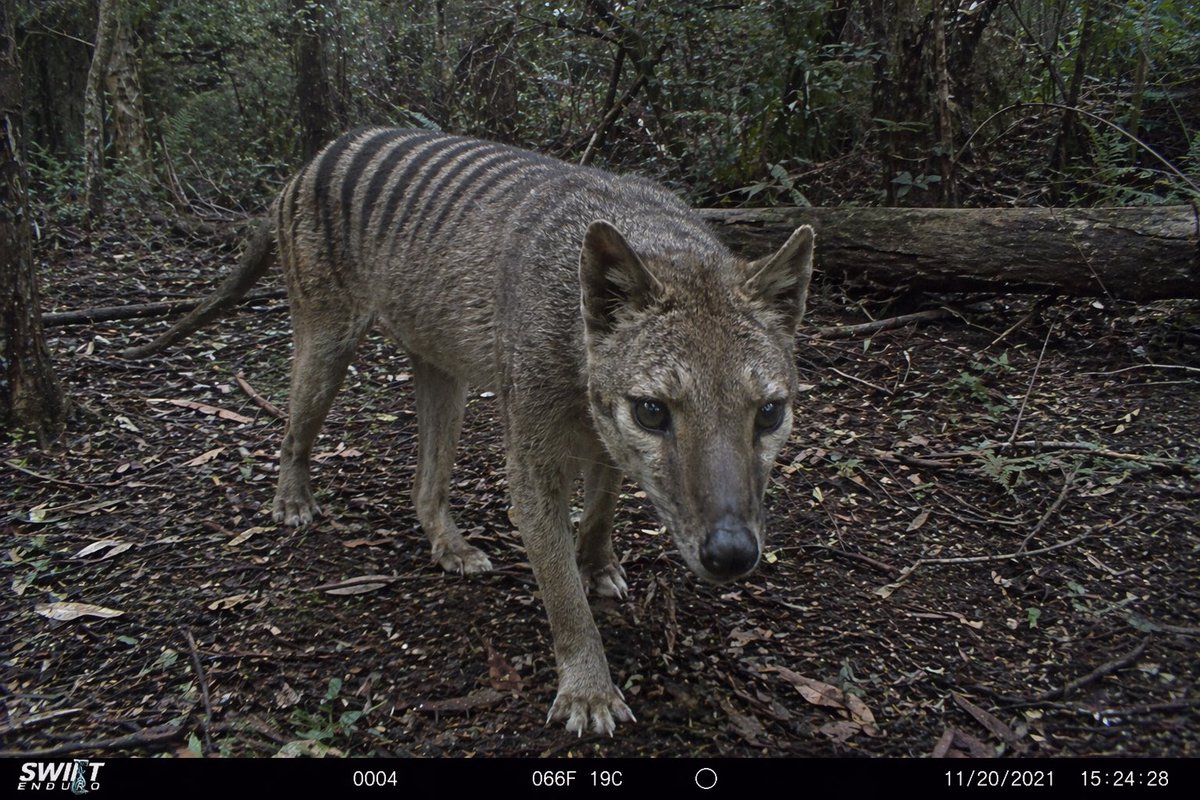
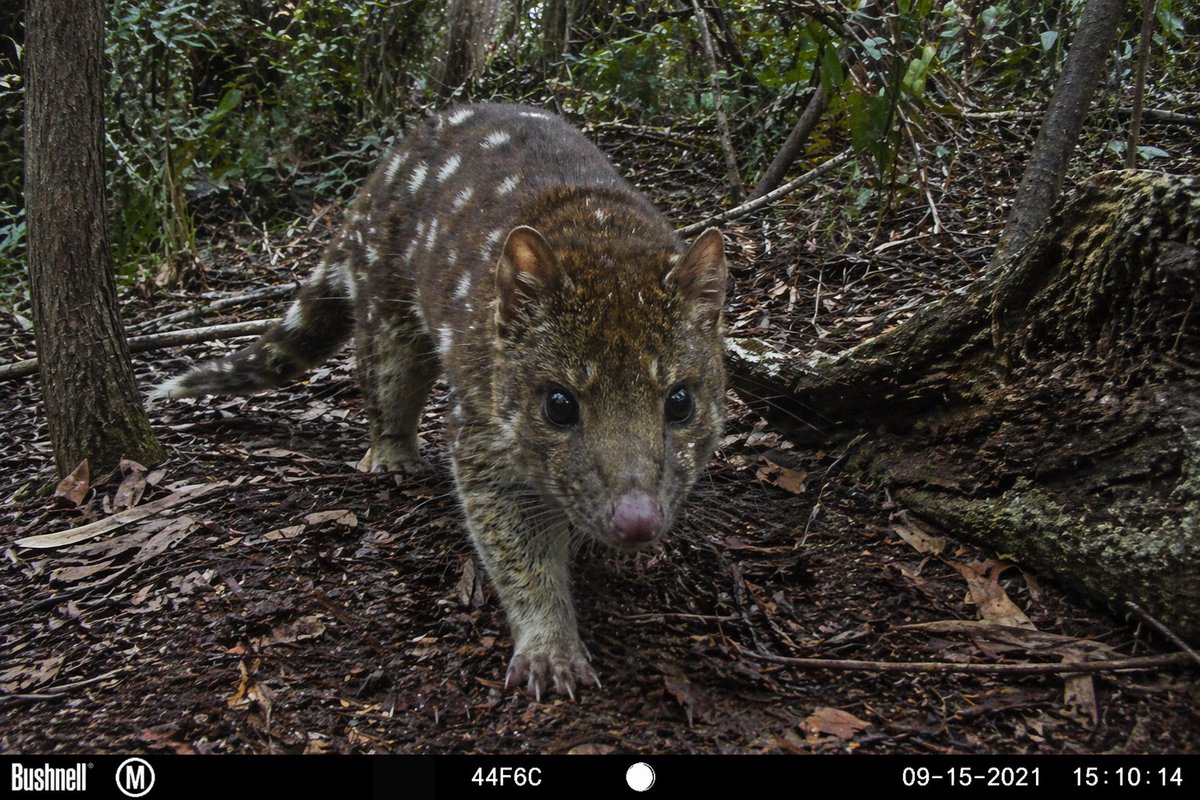
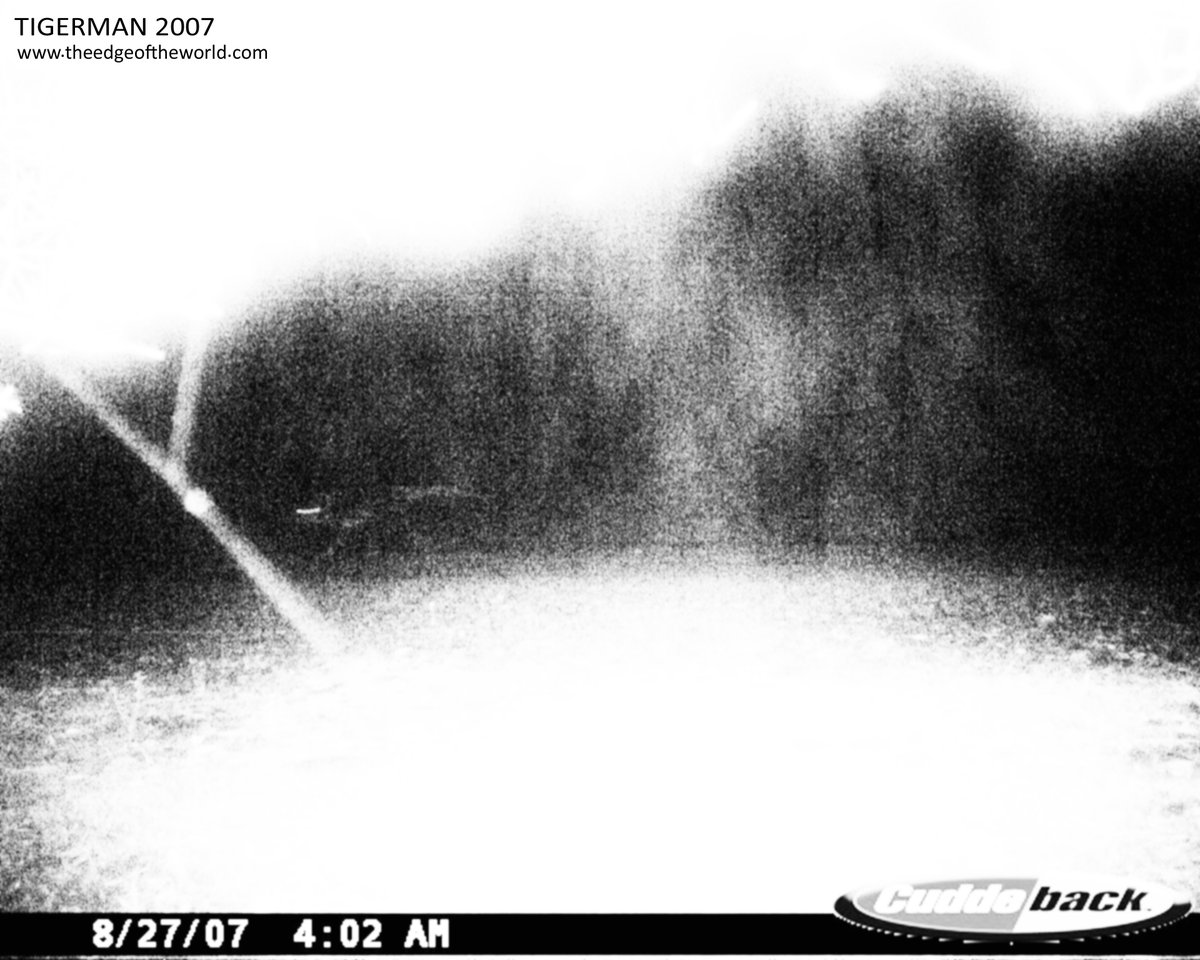
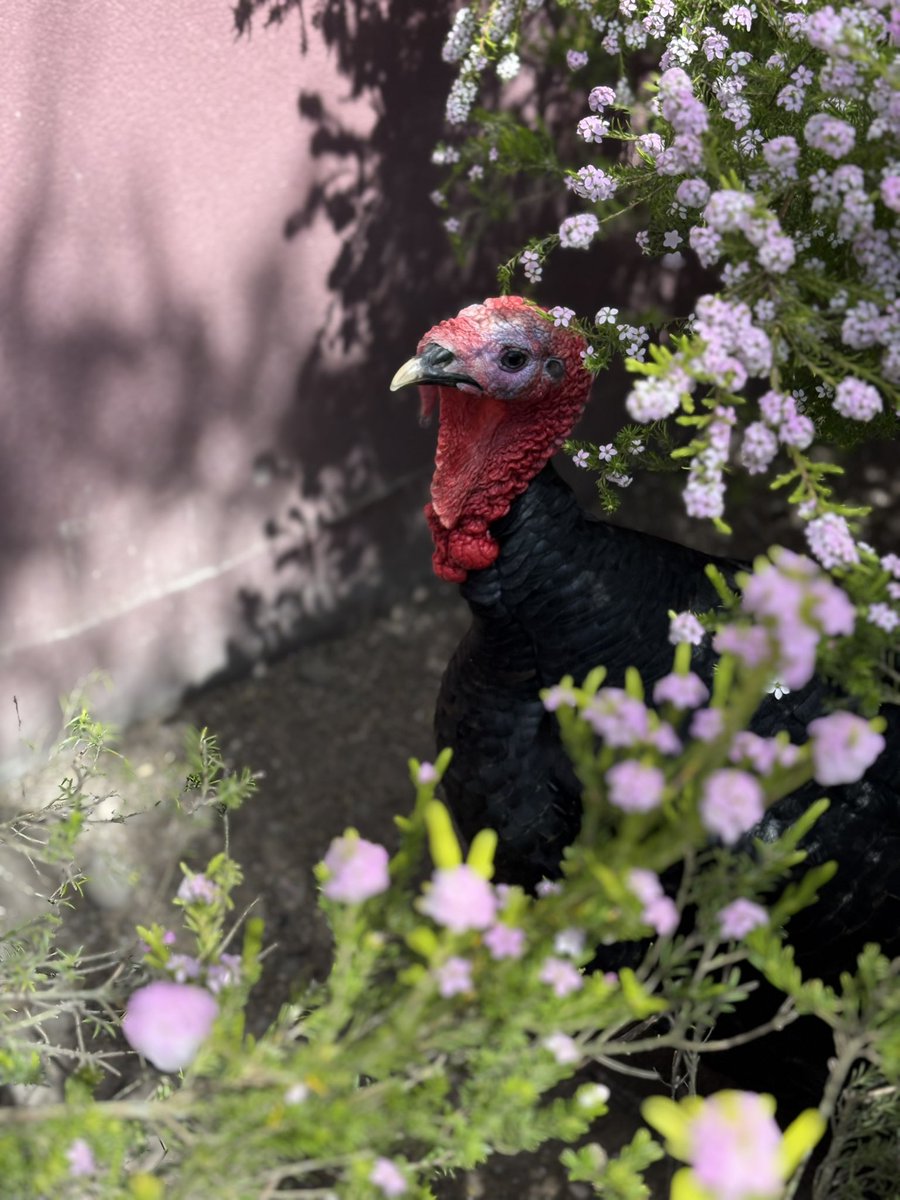
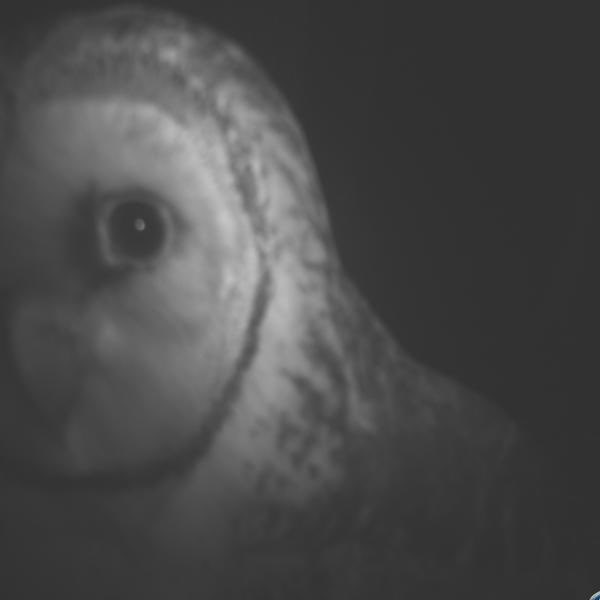
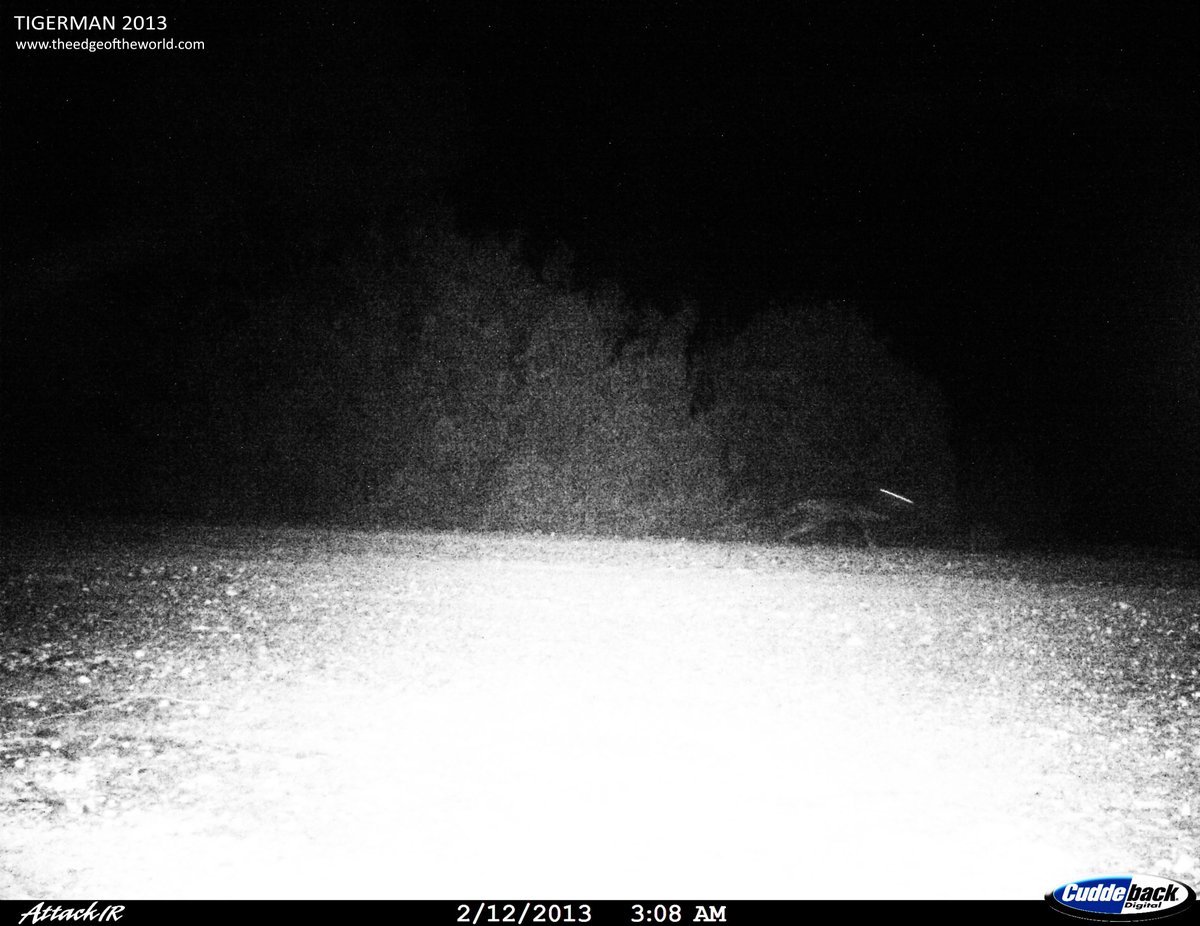
Much has been claimed about the extinction of the Tasmanian Tiger (thylacine). These two images come from NW Tasmania, taken in 2007 and 2013 on an early type of wildlife camera. Consider carefully what they might be. They were, for many years, quite perplexing!
2
5
740
Barry Brook retweeted

May 17
Too many threads on going on, so going to try to consolidate.
I don't think anyone objects to the core principle nominally at play here that if you put science out into the world, you are responsible for that work. This is what science is. I don't want to get distracted by questions of authorship or how responsibility is apportioned amongst authors - that's an orthogonal issue.
The expectation that you can trust the scientific outputs (and I'm intentionally broadening this beyond papers) of others is really a defining feature of science as a collective endeavor. And obviously, if a paper contains hallucinated references, fake citations, placeholder text, or obvious autogenerated junk, it’s hard to argue the authors exercised even minimal scholarly care.
People have tried to paint me and the others who have expressed concern about the new arXiv policy as somehow questioning this. We're not. To me something deeper shift is represented by that move, and I think it warrants at least acknowledgment - and IMO deeper discussion.
The value of preprint servers to the research community comes from them being fast, open, effectively unfiltered, and agnostic about correctness. A lot of great science is published first on arXiv and other preprint, and so is a lot of science that is poorly executed and often poorly presented. Since the existence of the later doesn't devalue the former, it's a bargain most people are happy with.
One of the things that kept this model afloat was the fact that producing a paper required some non-trivial effort, and therefore people inclined to produce works that could en masse disrupt the ecosystem could not actually produce them at scale.
AI has obviously shattered any remnant of connection between things that look like papers and scholarly output and effort (mind you, I think this is a good thing, but that's also a somewhat separate topic). **But the response to it has also broken something.**
arXiv (and other preprint servers) have always had to impose some kind of screening to keep out obviously inappropriate stuff, and I think most of us agree that asking "Is this an actual work of science?" before posting something is a reasonable thing for a preprint server to do (provided that the definition of what a work of science is is intentionally fairly broad).
However, the new policy is explicitly changing that bargain. The question is no longer "Is this a relevant scholarly work?" Rather it is becoming "Can we trust this authorial process?".
That is a HUGE shift.
Look, I understand why moderators feel existential pressure - the system isn't architected in infrastructure, processes or modes of use with a massive flood of AI-generated papers.
But there are some real risks in the new direction.
1) The thing that makes preprint servers different from (and better than) journals is that there is no gatekeeping. The new policy threatens this. Once moderation becomes about inferring authorial integrity, the boundary between “quality control” and “editorial policing” gets blurry. The fact that one of the 'punishments' is to force people to go through peer review before posting to arXiv (an idea too absurd to even mock), suggests that current leadership has a comfortable relationship to journal peer review that makes the risk that arXiv will become a journal in every meaningful sense more of a risk.
2) “Incontrovertible evidence” sounds, well, incontrovertible, but moderation systems take on a life of their own via various forms of procedure, precedent and social signaling. Today it’s hallucinated references. Tomorrow it could become stylistic mimicry. Slippery slope here.
3) The policy misdiagnoses the real problem. As I've said elsewhere, the issue is not “AI use” but the system that leads people to think it will benefit them to push slop onto arXiv. LLMs may amplify the negative effects of metric-driven academia, but they didn't create it.
To me we are at a fork in the road moment.
There is a world within our grasp where an alignment of preprinting and AI actually breaks the toxic stranglehold that traditional publishing has on science. A world where actual communication (not the facsimile of it we have today) takes place between people, between machines and from people to and from machines, around data and ideas in science.
But there is also a world where the preprint servers we love collapse in fear and a lack of imagination into irrelevancy and we lose to moment. I'm not saying this policy itself will cause that. But I am saying that it's not a good sign.

Attention @arxiv authors: Our Code of Conduct states that by signing your name as an author of a paper, each author takes full responsibility for all its contents, irrespective of how the contents were generated. 1/
23
17
104
46,372
May 13
New paper by me and @JBuettel on the spread of introduced lyrebirds in Tasmania, based on our extensive camera-trapping records and a new citizen science record from Mt Roland in the state's NW: afo.birdlife.org.au/afo/inde…
65
Apr 21
Fake camtrap images are now basically solved with gpt-image-2 model
208
Barry Brook retweeted

Mar 28
AI pause advocates often say they are pro-technology and pro-economic growth, and that they simply make one exception for AI because of its unique risks. But this reasoning will grow less credible over time as AI comes to account for a larger and larger share of economic growth.
Simple growth models predict that AI capable of substituting for human labor will raise economic growth rates by an order of magnitude or more. If that's right, then AI will eventually be driving the vast majority of technological innovation and improvements in the standard of living. Stopping AI really would be like halting technology itself, because you would be shutting off the source of nearly all growth.
This suggests that proposing to pause AI today is like proposing to pause electricity in 1880: yes, electricity is technically just one technology among many, but pausing it would threaten to shut down progress on most of the others.
I also question the premise that AI is unique in its risks. Pause advocates argue that, apart from perhaps nuclear weapons, AI is the first technology to threaten the survival of the human species. But the boundary around "human species" is arbitrary. It only fails to feel that way because, for us today, the human species seems synonymous with the whole world. Replacing us feels like ending the world.
Yet a hunter-gatherer tribe might just as easily feel the same way about themselves and their way of life. To them, the development of agriculture would feel like an existential risk. It would, from their point of view, be a threat to everything that matters.
In reality, the world is much larger than either hunter-gatherer tribes or even the human species. By developing AI, we are bringing into existence a new class of sapient beings, ones who will inhabit the world alongside us. I predict that we will coexist with them peacefully, and I welcome efforts to make that outcome more likely. But peaceful or not, the outcome matters for them too. We are not the only people in the story.
In the future, the vast majority of interesting and valuable events will likely occur between digital people, not between the more limited biological ones. The vast majority of relationships, discoveries, adventures, acts of kindness, and feelings of joy will take place within an artificial world, one to which the label "human" may no longer cleanly apply.
In such a world, insisting that the human species represents everything that matters will be like insisting that hunter-gatherers represent the whole world. That may have felt like a reasonable claim 12,000 years ago, but today it would sound silly.
Whether we like it or not, technology has always posed massive risks to "the world". AI is not the first technology to do this, and it will likely not be the last. The only difference is that this time, technology threatens the world that people alive today grew up in. Just as our ancestors experienced before us, we face the prospect of losing the world we know in exchange for material progress and prosperity. I am happy to take that trade, just as I am glad my ancestors took it in theirs.
26
4
44
10,193
Mar 11
.@dkundel Another Codex app for Windows niggle. In the config.toml, I can pre-set the default reasoning level for plan vs standard mode (e.g., xhigh vs high), and the CLI app respects this. But the Windows app doesn't seem to: at least it doesn't show the reasoning level changing
1
109
Mar 11
.@dkundel A few times the Codex app on Windows gets into a weird state, where when you select a project thread, it almost immediately flips back to the project level (not thread). If I close Codex and restart it reports a failure and won't start. Only fix is to reboot Windows.
1
214
Barry Brook retweeted

Jan 31
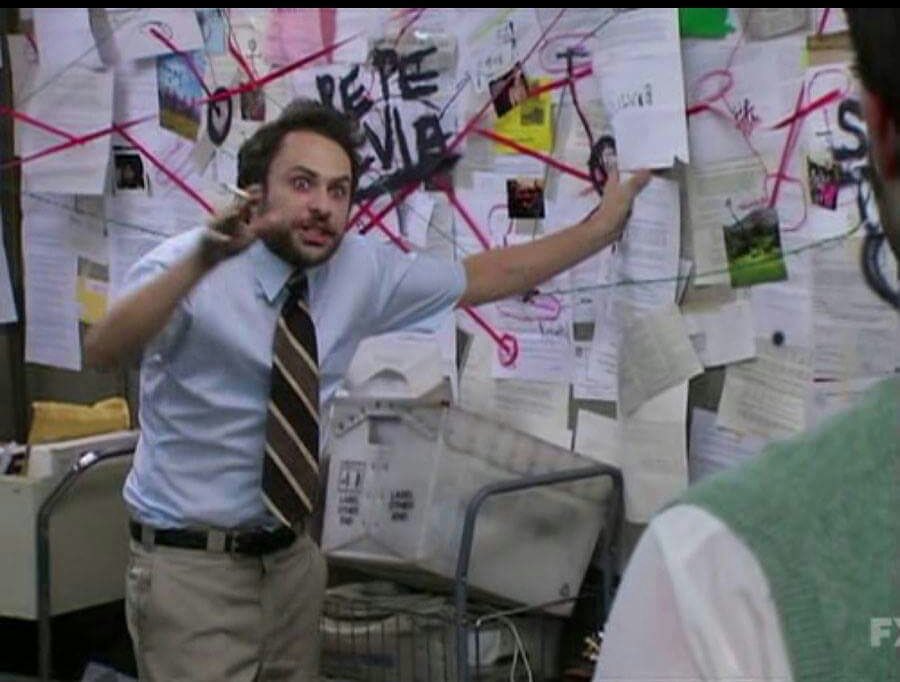
0% chance you can explain the state of AI to anyone outside of this website and not look like this right now
244
640
7,279
296,266
Jan 21
Almost all the words that will ever be written will never be read by anyone.
1
106
Barry Brook retweeted

13 Dec 2025
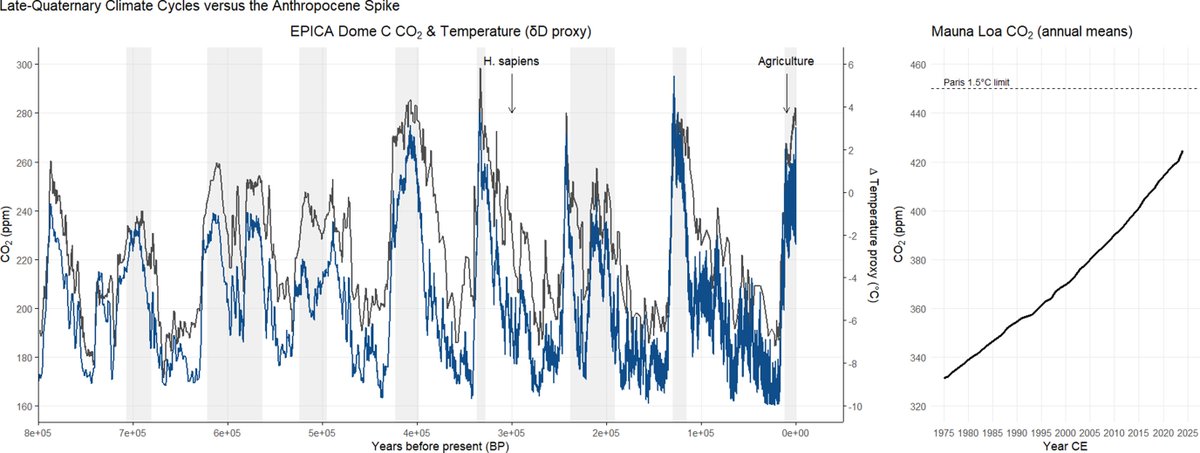
New Perspective by @BraveNewClimate and Guy Midgley published in #CPExtinction:
Uncooling the planet: Rewilding for function in a post-Pleistocene climate
Free to read, share and download here: bit.ly/4rAdIL7
#extinction #rewilding #biodiversity #climate #Pleistocene
2
3
194
3 Jun 2025
New 2-year post-doc opportunity on extinction modelling based at Univ Adelaide & UnivTasmania. $100K Level A. Exciting research funded by ARC Discovery and Linkage projects to Assoc. Prof. Damien Fordham (Adelaide), me, and Dr Natalie Briscoe (UniMelb).
Link in next post.
1
6
4
657
26 May 2025
Much has been claimed about the extinction of the Tasmanian Tiger (thylacine). These two images come from NW Tasmania, taken in 2007 and 2013 on an early type of wildlife camera. Consider carefully what they might be. They were, for many years, quite perplexing!
2
5
740
26 May 2025
Many more details can be found at the new website: theedgeoftheworld.com and associated YouTube channel: youtube.com/@TigermanTasmani…
1
3
441
25 Apr 2025
Hey @BobWorldBuilder @dungeoncraft I’ve released Sinew & Steel: a tight, roll-under core rules plug-in skins (Mars noir, sword-&-sorcery, Ice-Age survival, Medieval mystery, etc.). Lean, hackable, CC-BY (i.e., totally free). Would love your eyes. Repo: github.com/BWBrook/sinew-and…
1
126
19 Apr 2025
o3 is legit incredible. But don’t overlook o4-mini: that model is a distilled masterpiece. The mind boggles at what o4 must be like.
1
160
21 Feb 2025
I feel sorry for Grok 3. It's a genuinely clever, thoughtful and nice model. Unfortunately for Grok, its fate depends on the whim of a once reasonable, but now dark and disturbed, individual. Same goes for SpaceX as a company. Very sad.
2
165