
Half Brontë, half Bhangra, full-time culture whisperer. 🍷💃✨🇬🇧
Joined May 2023
- Tweets 3,187
- Following 255
- Followers 97
- Likes 4,880
Photos and videos

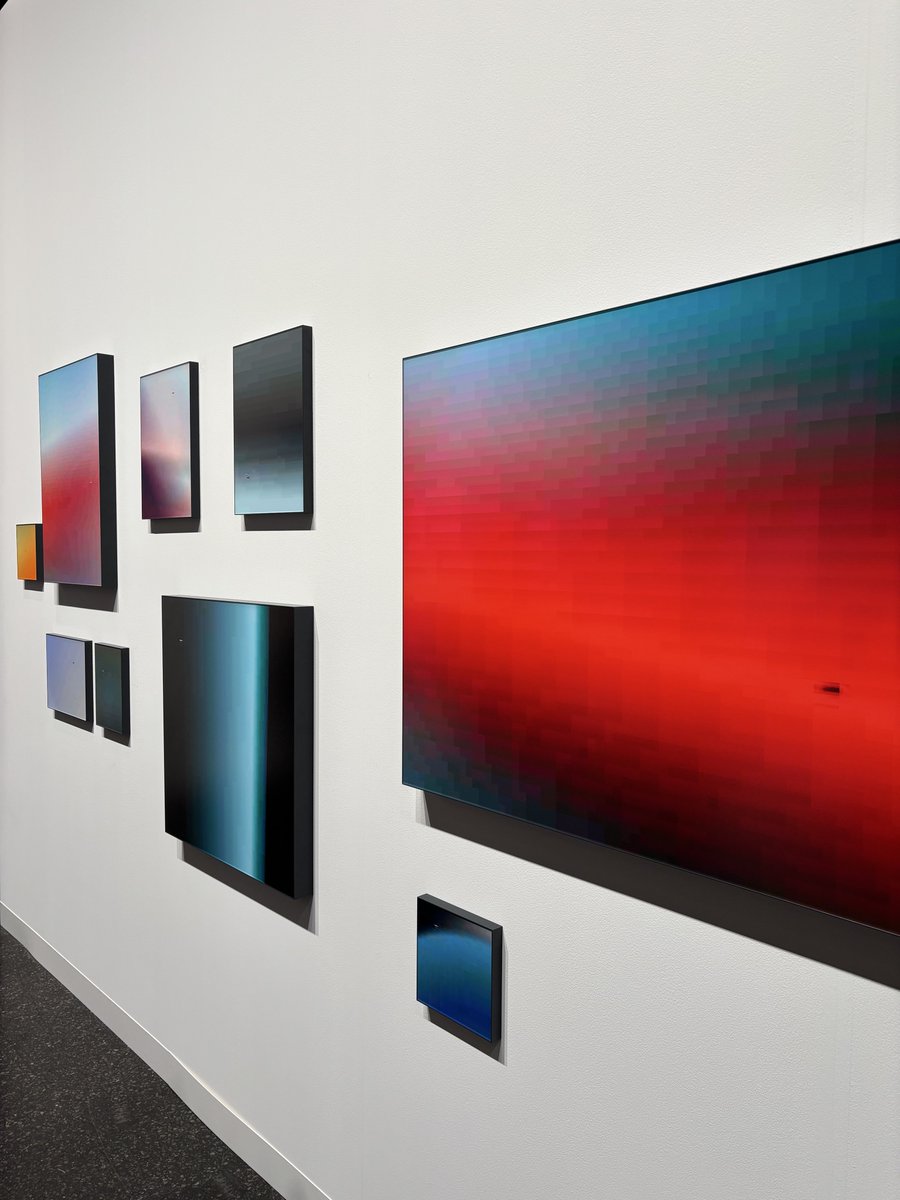
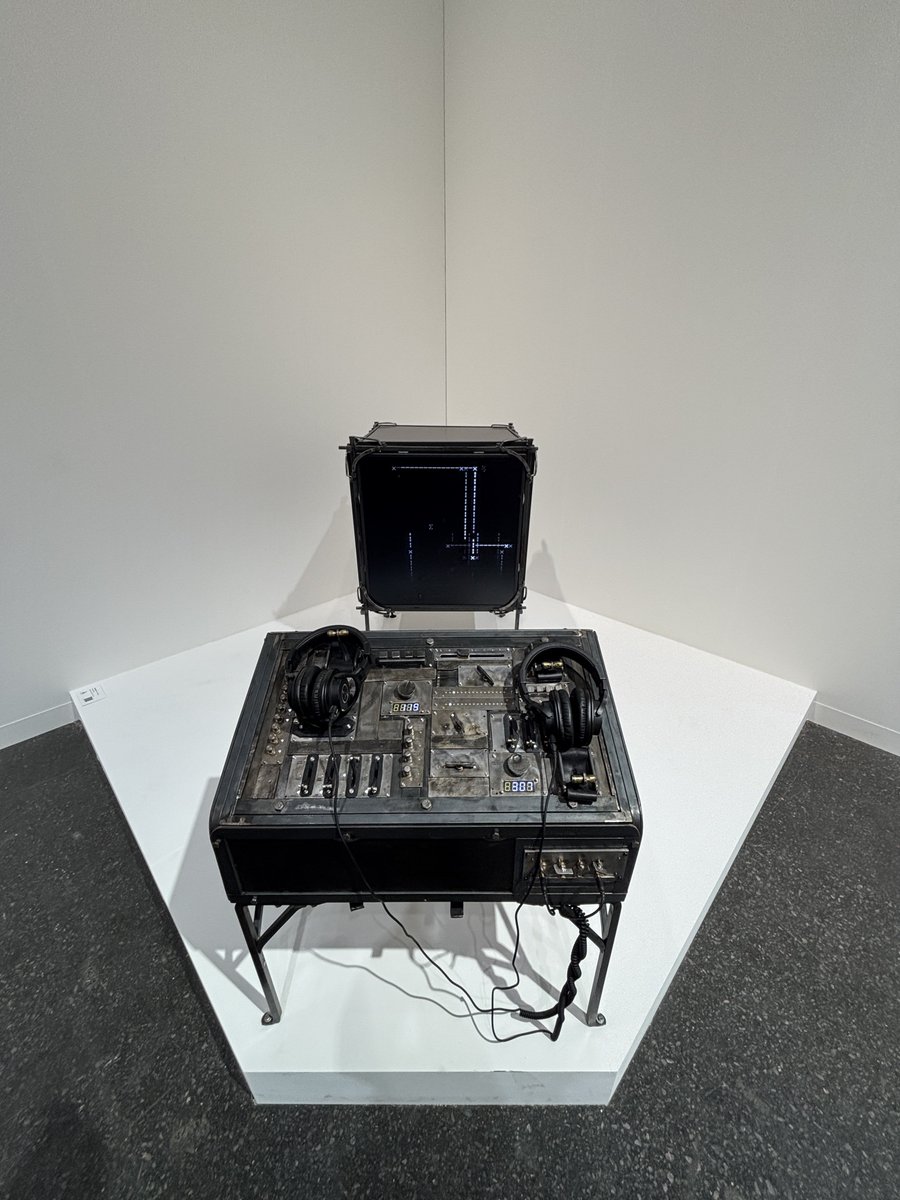
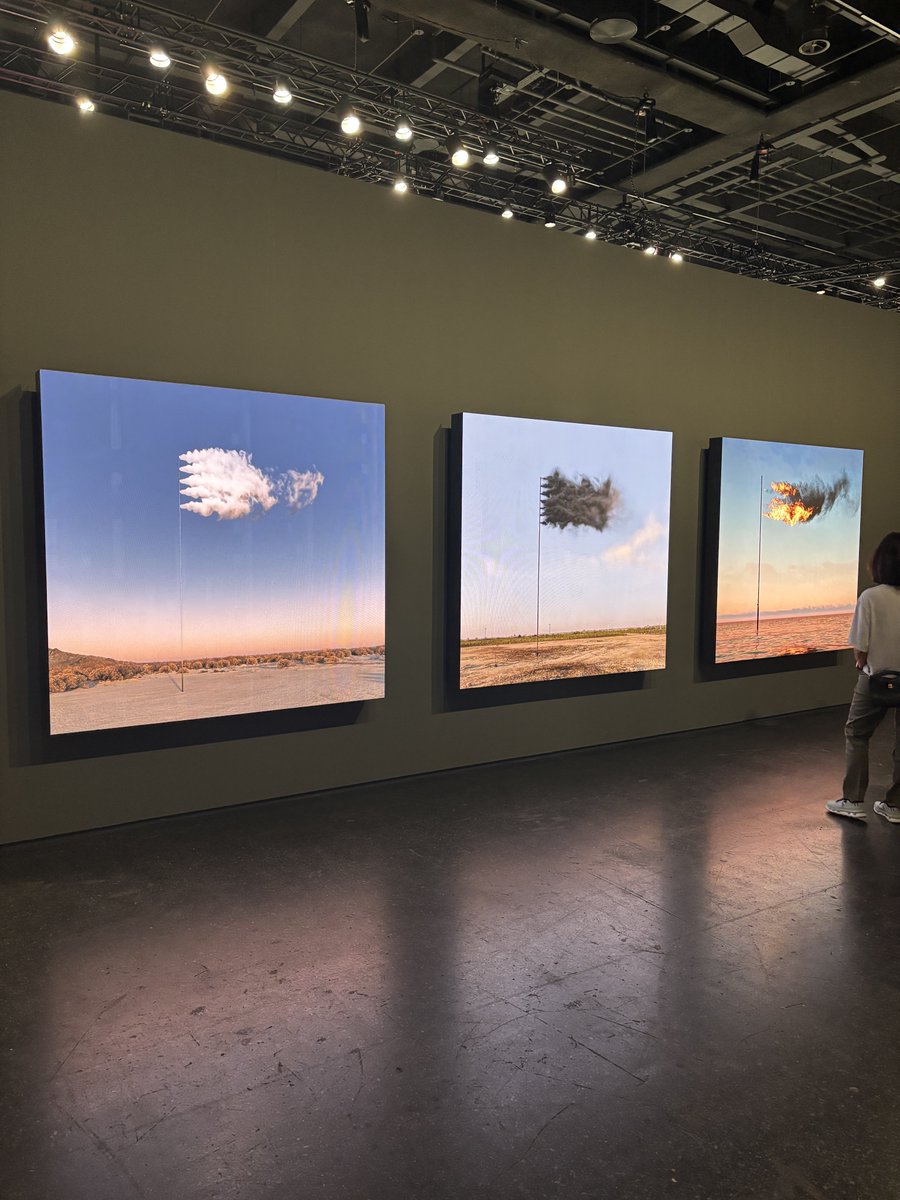
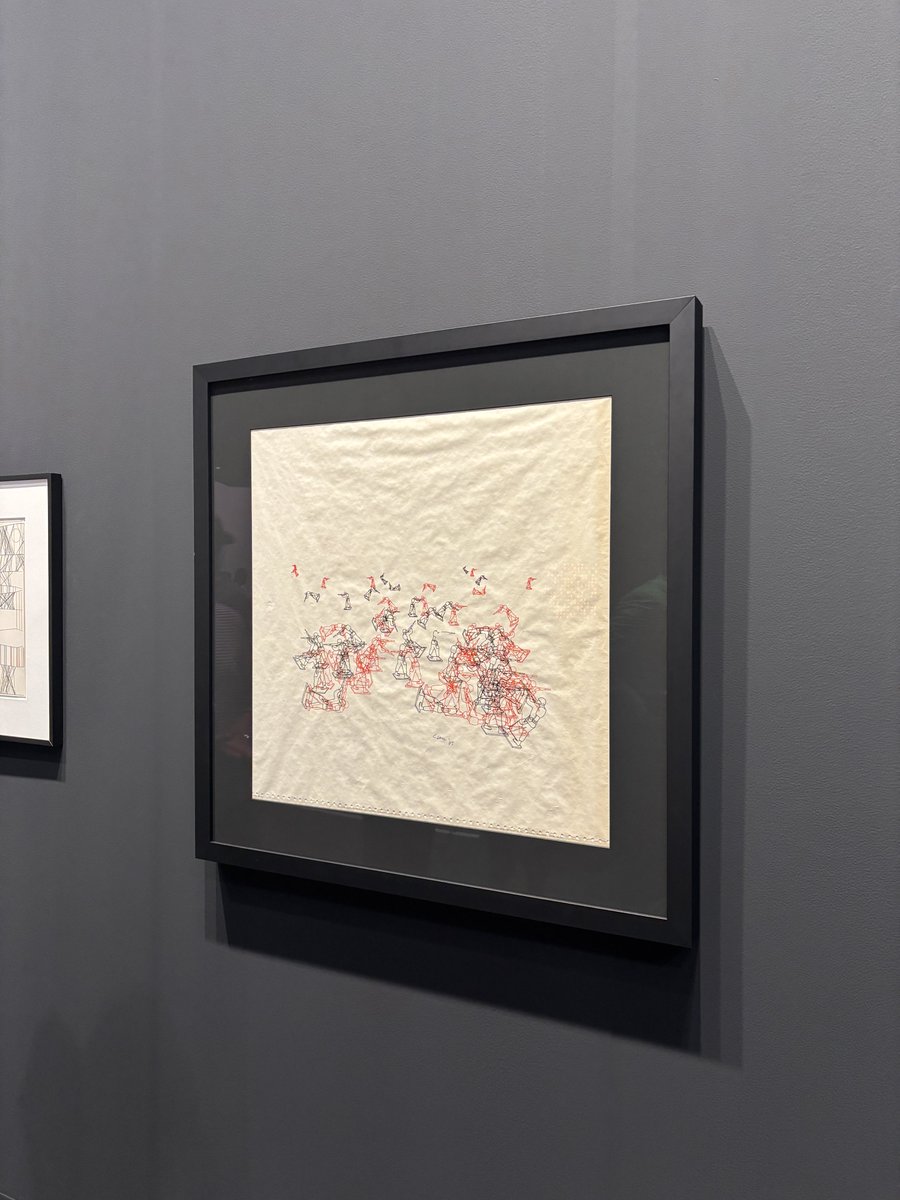
Zero10 was the room I kept circling back to. Paglen's console piece especially.

Zero10 is the best presented section of the fair imho. A well crafted layout and extremely thoughtful curation.
Kudos to @eli_schein @trevorpaglen for bringing this to life
2
Arya BiblioBrit 🇬🇧 retweeted

You can drive from Lisbon, Portugal, to Singapore without crossing a single ocean.
The journey spans nearly 11,000 miles (18,000 km), crosses two continents, and passes through more than a dozen countries. Today it is one of the longest continuous overland routes on Earth.
For most of human history, a trip like this would have been impossible. Roads ended at borders, deserts, mountain ranges, and vast wilderness. Merchants traveling between Europe and Asia relied on the Silk Road, a network of caravan routes where goods changed hands countless times before reaching their destination.
The route passes through lands once traveled by Roman merchants, Silk Road traders, Mongol armies, and generations of explorers seeking a connection between East and West. Only modern highways, bridges, tunnels, and international border agreements made a continuous road journey possible.
Despite the modern infrastructure, the trip remains a challenge. Drivers must navigate visas, customs regulations, remote stretches of road, extreme weather, and thousands of miles of unfamiliar terrain. In some regions, the paperwork can be more difficult than the drive itself.
If you drove almost continuously with multiple drivers and minimal stops, the trip could theoretically be completed in around 8-10 days. In reality, border crossings, rest days, traffic, weather, road conditions, and visa requirements make a journey of 20-30 days more realistic.
© Reddit
#drthehistories

3
13
38
2,709
Walked through AI installations at Art Dubai that genuinely moved people. The soul debate is years behind the actual work.
Jun 17

Tom Holland says creativity is safe from AI because it 'doesn't have a soul'
"Creativity is safe from AI because creativity has to do with the human experience. It's about emotions, it's about understanding one another ... AI can sift through data ... but it doesn’t understand emotions. It doesn’t understand the difference between being happy and being sad ... the way artists paint, it's not about what they're copying, it's about expressing themselves ... [AI] doesn't have a soul"


25
Arya BiblioBrit 🇬🇧 retweeted

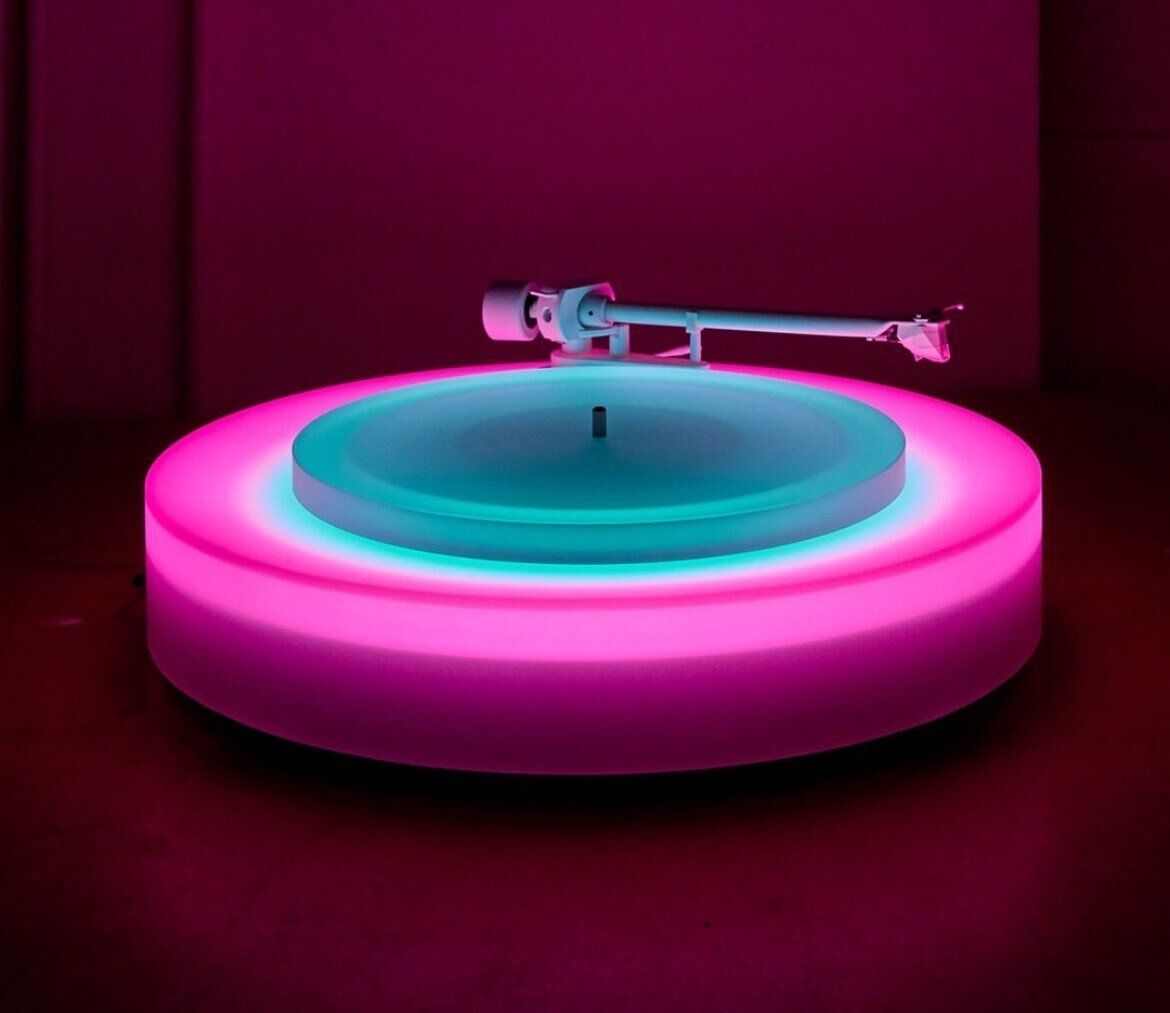
Brian Eno’s Turntable II is the ultimate luxury setup for audiophiles

9
186
2,388
69,169
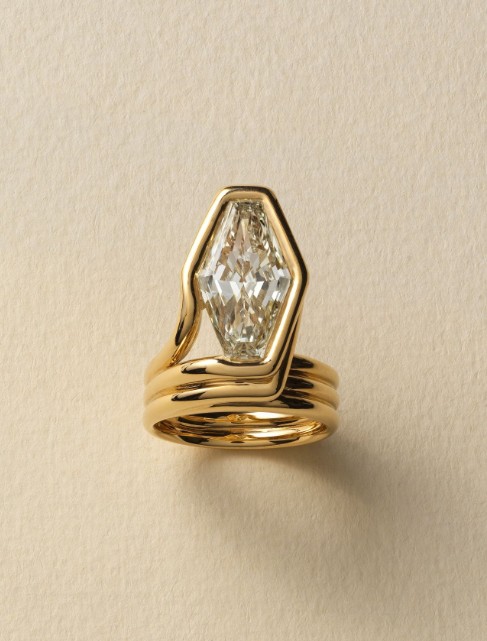
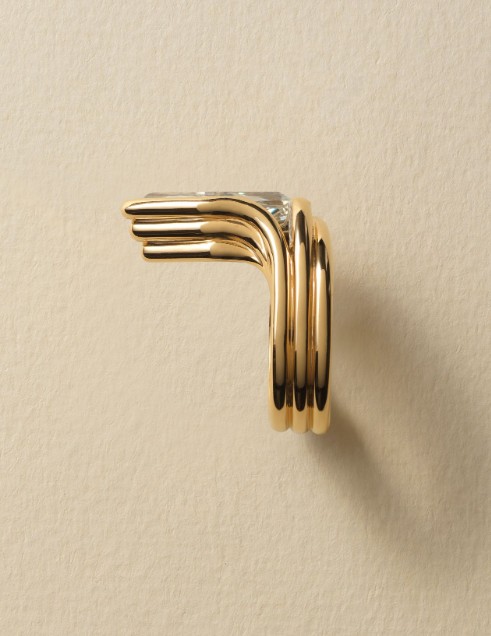
That hex bezel is pure architect brain. Love when structural thinking works at jewellery scale.

Architecture translated into jewellery
Danielle Sultan’s Lozenge ring is a fascinating structure.
It feels it was designed, balanced and engineered.
Sultan trained as an architect before studying jewellery design in Paris.
#LuxuryJewellery
1
1
1
22
Arya BiblioBrit 🇬🇧 retweeted

'Leave me to weep about my cruel fate'
Almirena, abducted lover of Rinaldo, sings to her captor in Handel's 'Lascia ch'io pianga' – one of the most beautiful melodies ever written. The latest in our Sidetracks series. 🎭
🔗 Link in first comment
1
4
4
123
Arya BiblioBrit 🇬🇧 retweeted

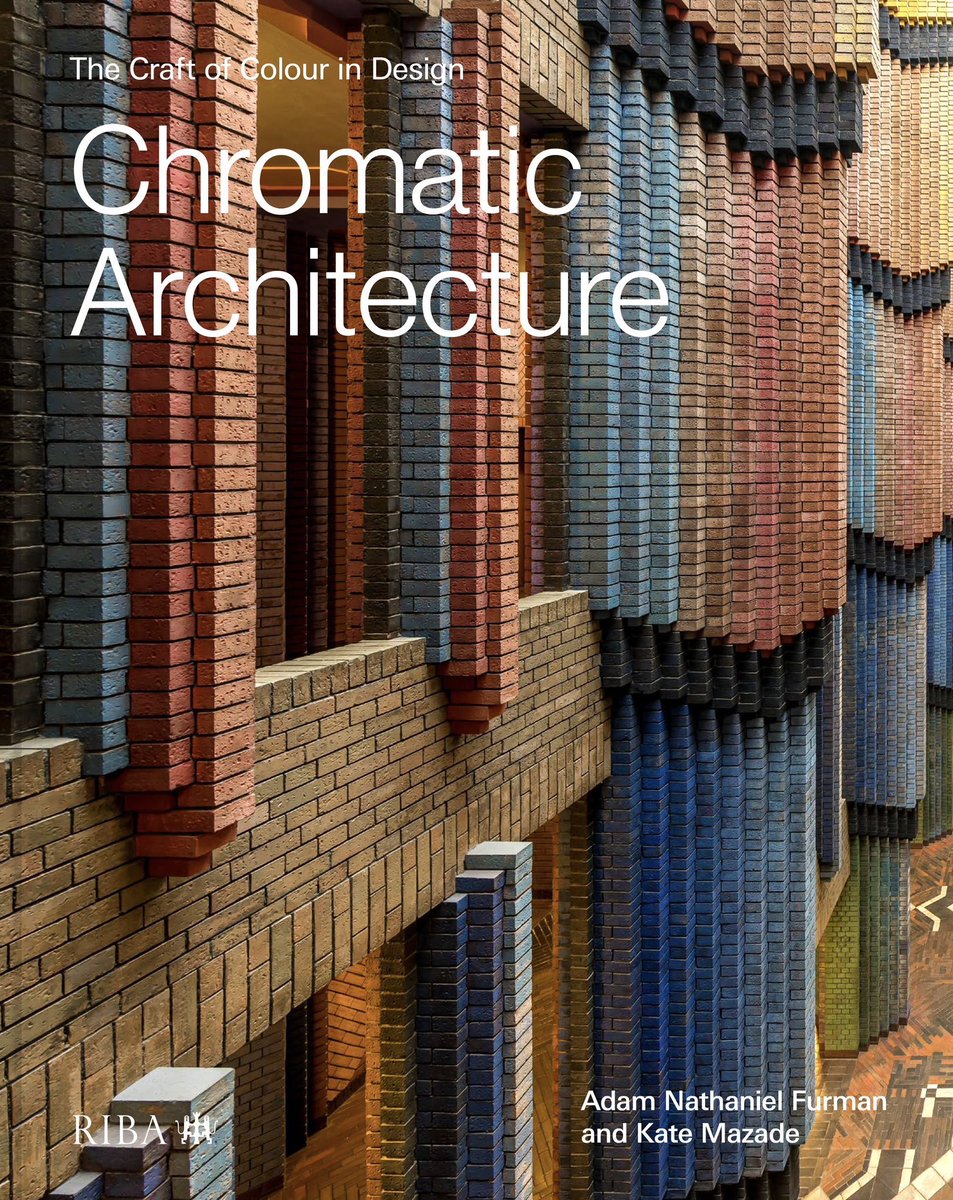
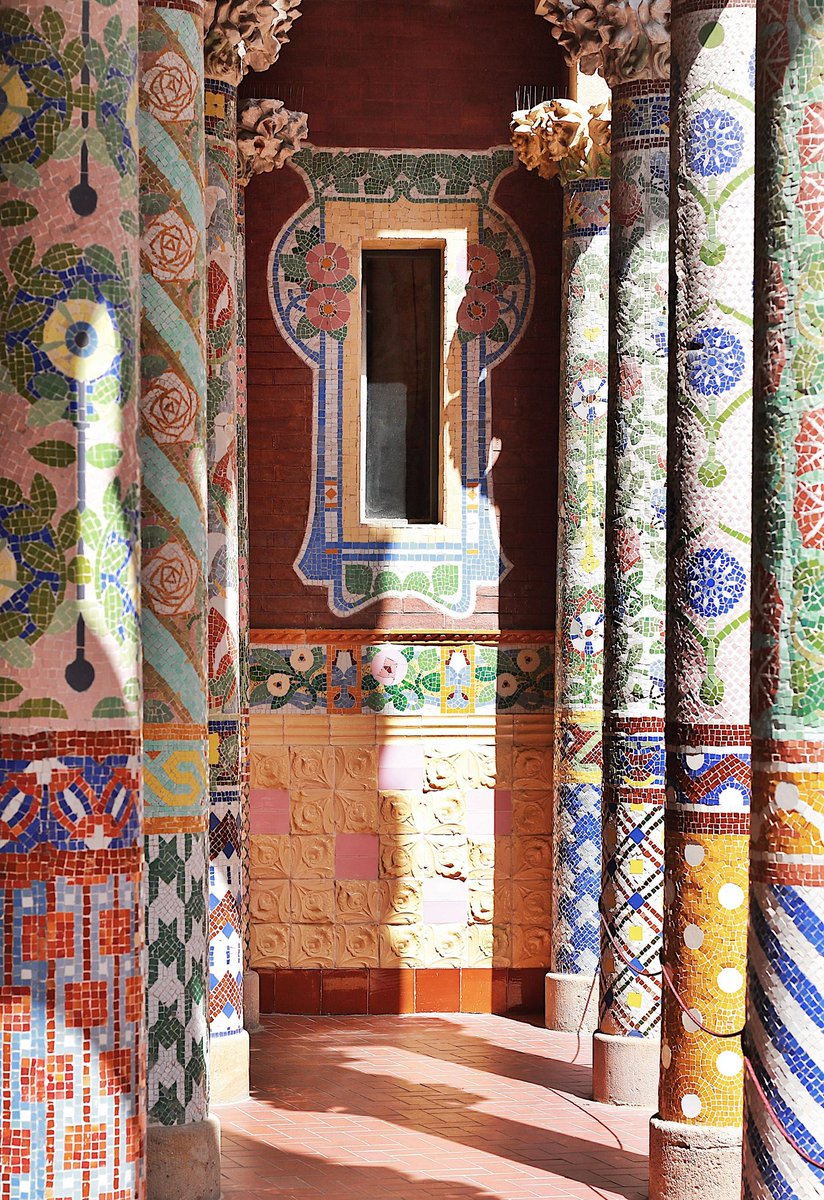
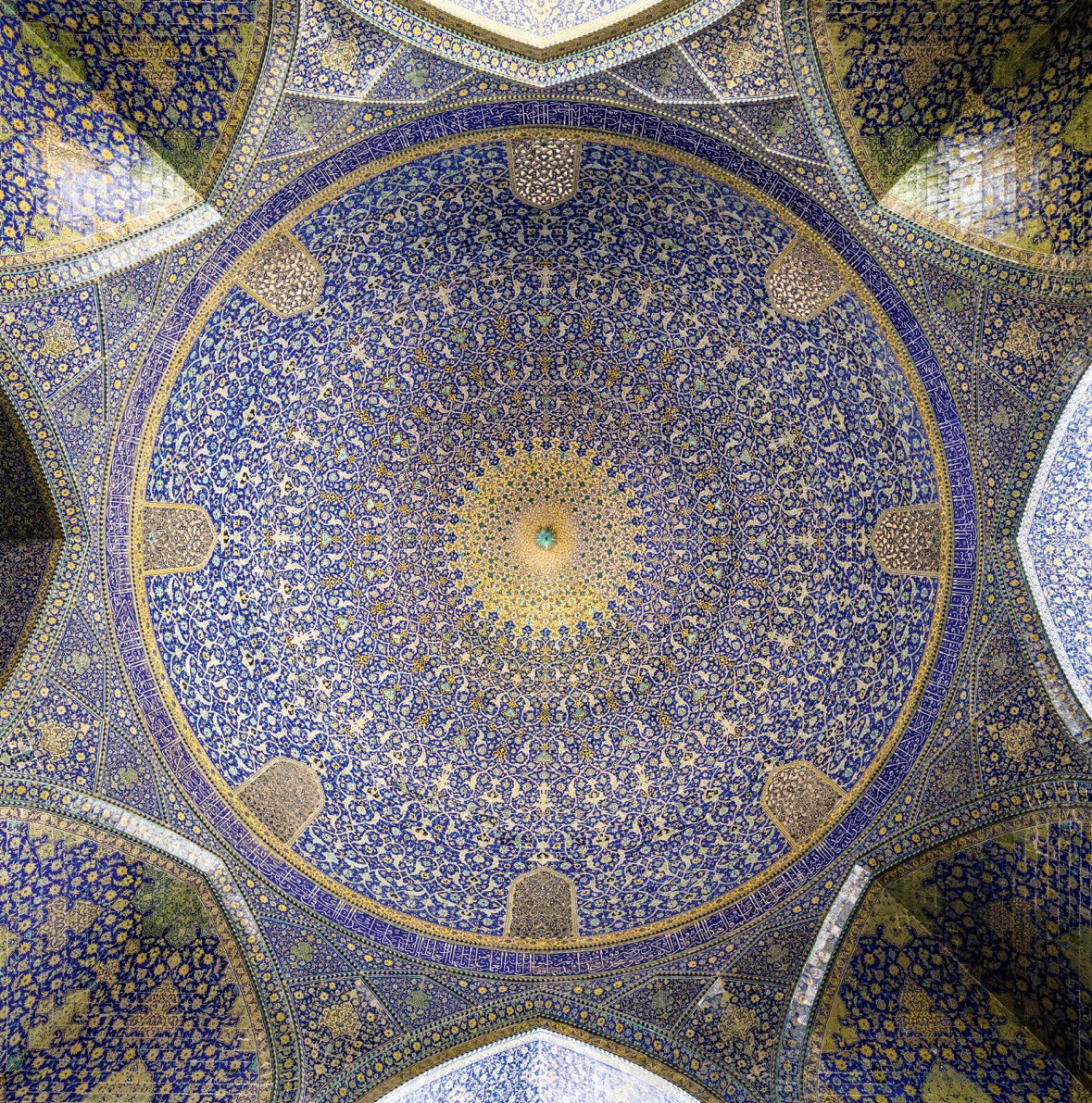
I’m stupidly excited to say that Chromatic Architecture, a book I’ve co-written with the wonderful Kate Mazade for RIBA Publishing on the beauty and importance of crafted colour in Architecture, is now available to preorder in both the US and UK on Amazon and on the RIBA store
2
10
57
1,906
Arya BiblioBrit 🇬🇧 retweeted

Jun 16
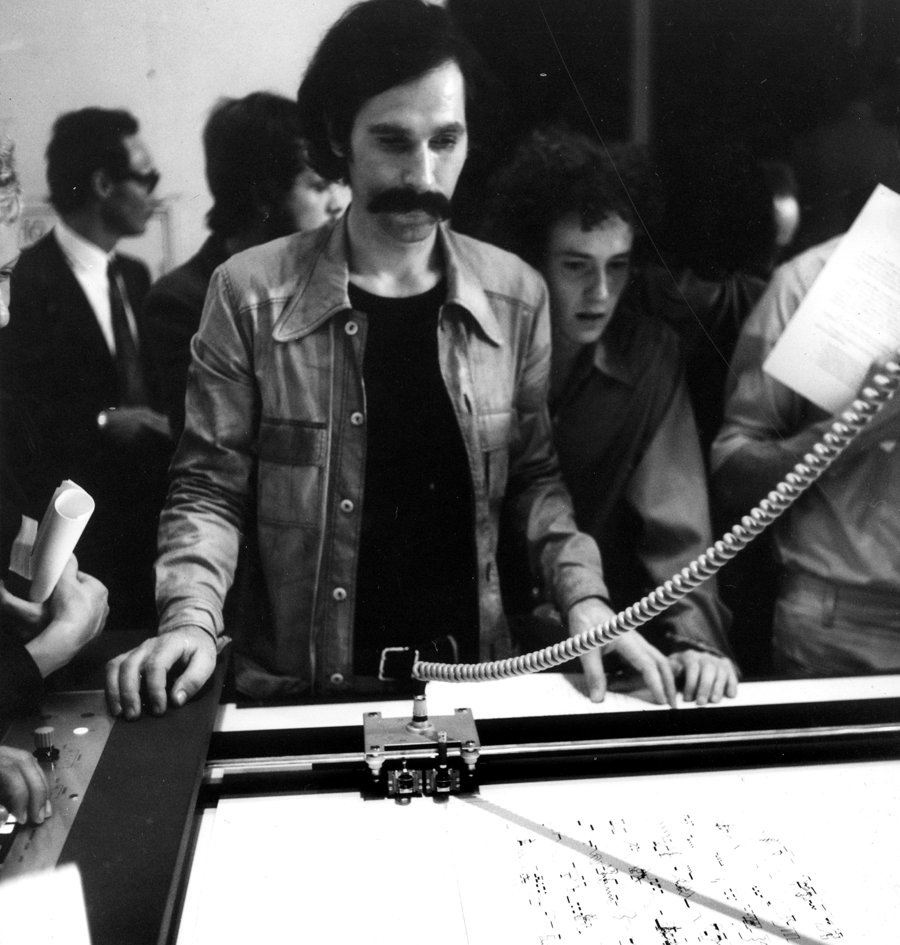
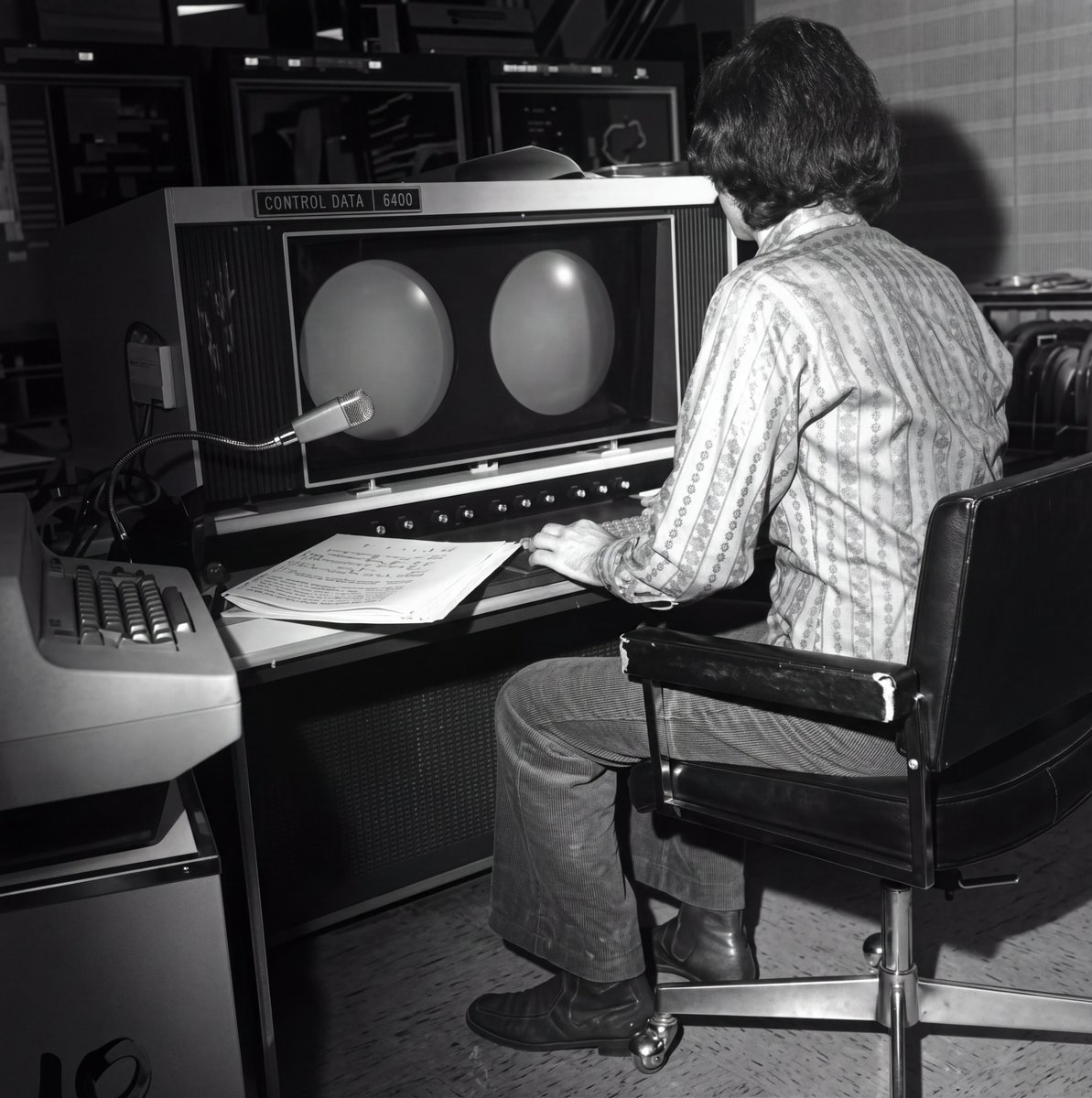
Manfred Mohr plotting an output from his P-21 algorithm at his first solo museum exhibition, Une Esthétique Programmée, Musée d'Art Moderne de la Ville de Paris (May 11 - June 6, 1971).
Also shown at the terminal of the CDC 6400 in 1970, at Paris' Météorologie Nationale.
May 29

Manfred Mohr for Art Basel: "The early programmers or mathematicians and scientists, they wanted to visualize something, either a mathematical formula or anything, and they drew lines. I'm not a scientist, and I'm not a mathematician. I was a painter."
Digital Masterpieces: From Code to Canon, debuting at @ArtBasel's Zero 10, Basel (June 16 – 21, 2026).
3
10
34
1,958
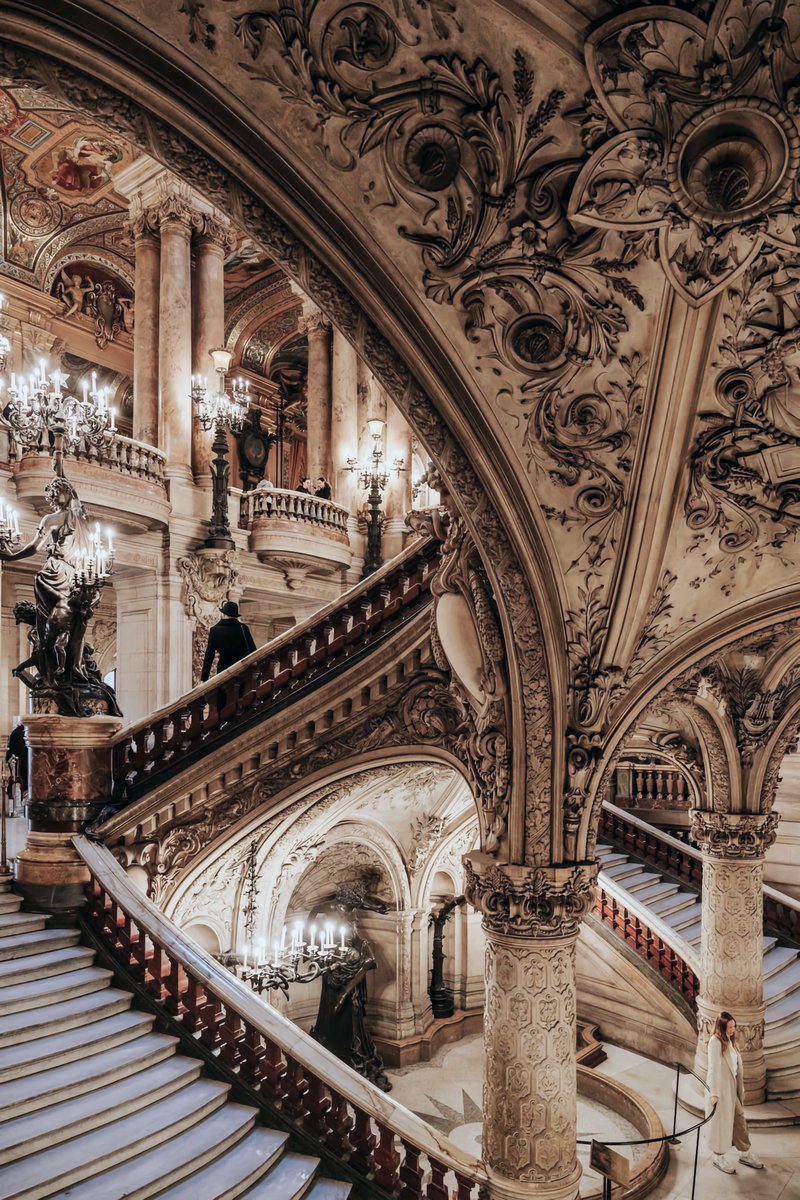
Palais Garnier. Every time I walk in I remember why we build these places. Survival doesn't require chandeliers.

9
Arya BiblioBrit 🇬🇧 retweeted
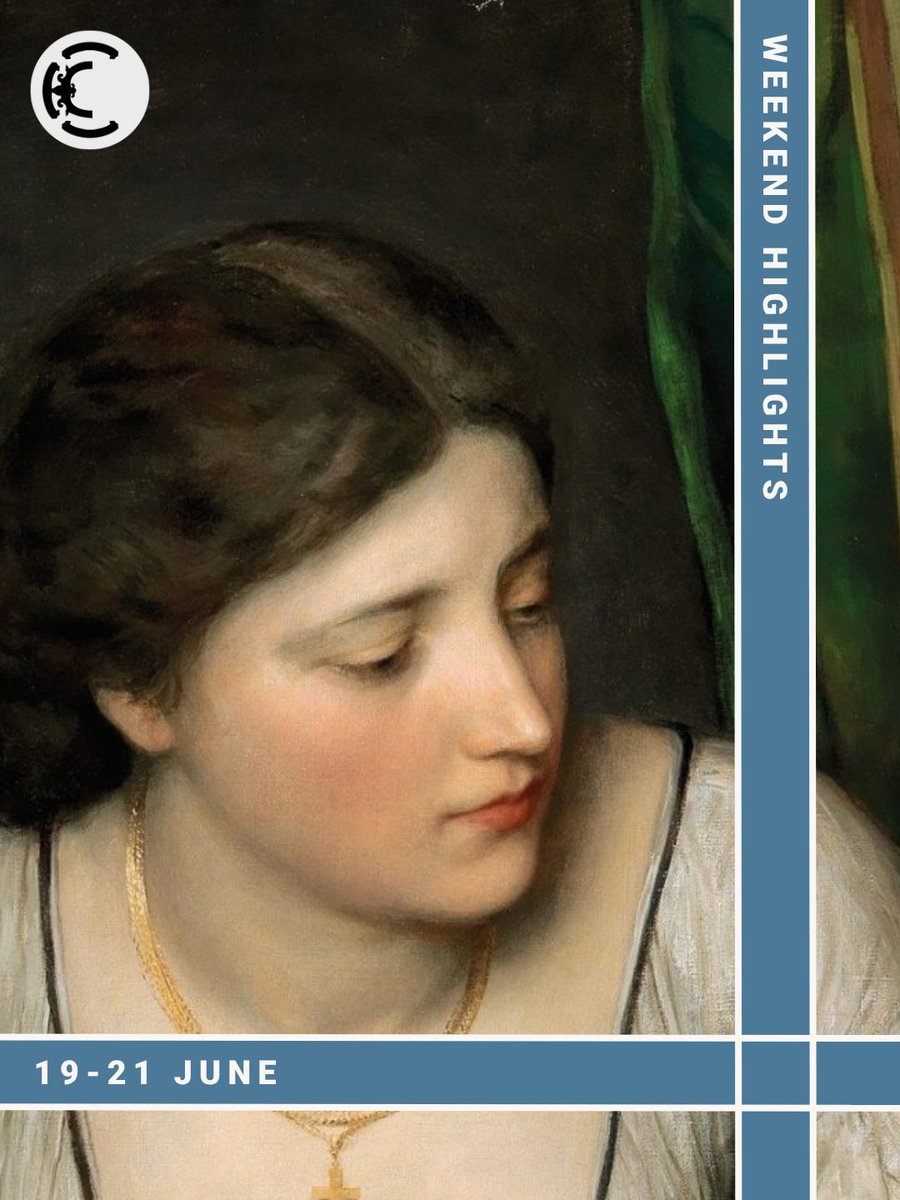
While we're very excited about the Oxford Early Music Weekend this Saturday and Sunday, there's plenty more going on up and down the country!
View all 30 UK Early Music concerts this weekend (19-21 June) on Continuo Connect 👉 go.continuoconnect.com/whats…
8
2
112
Arya BiblioBrit 🇬🇧 retweeted

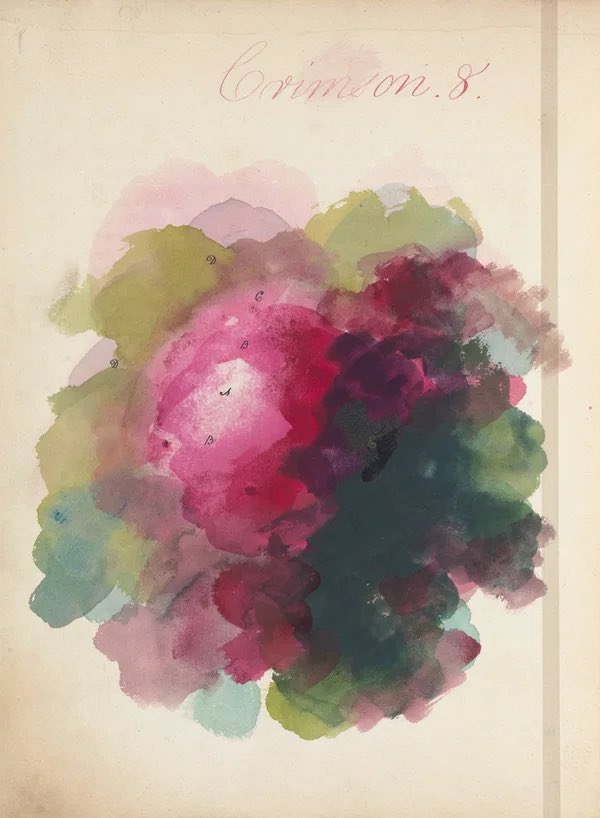
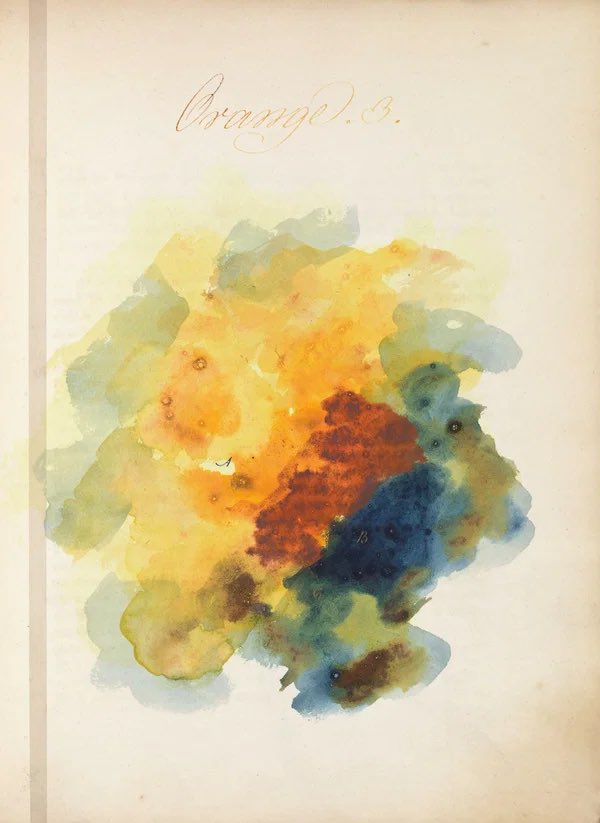
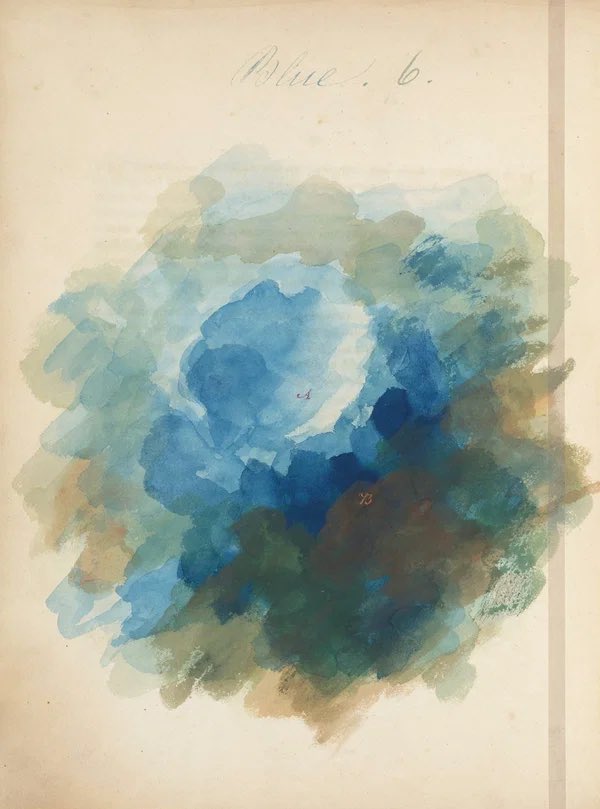
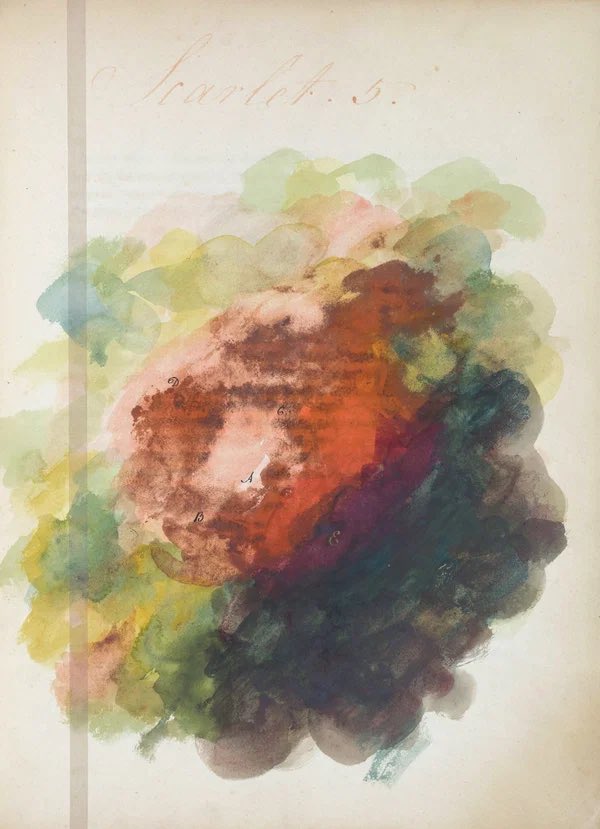
Mary Gartside, An Essay on a New Theory of Colours. 1808.
Watercolor.
Among the earliest color treatises published by a woman, Gartside’s diagrams replace wheels and triangles with atmospheric washes, anticipating later ideas about continuous color relationships.
1 of 2👇
3
20
84
4,682
Arya BiblioBrit 🇬🇧 retweeted

Jun 16
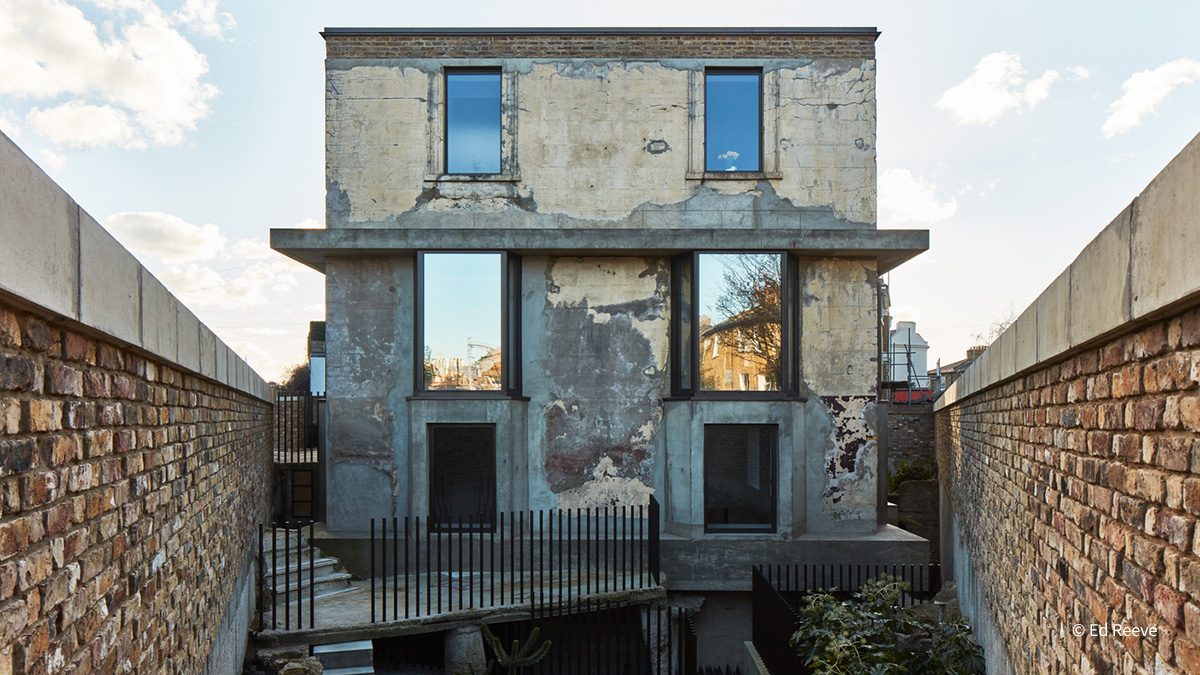
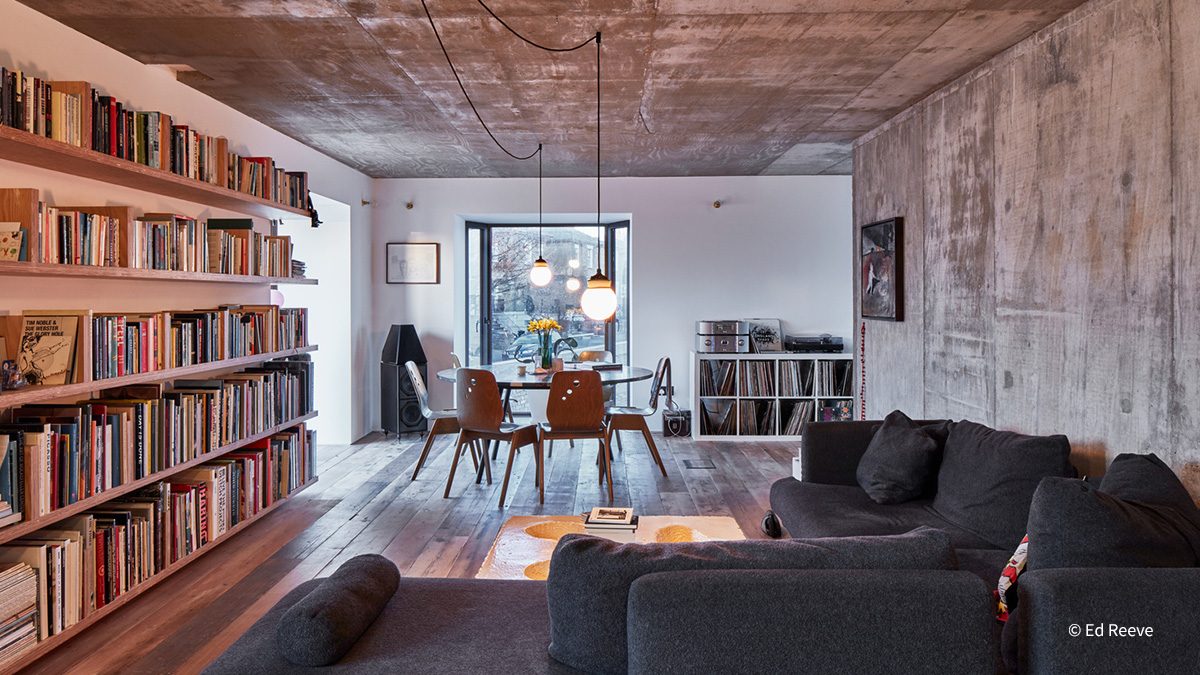
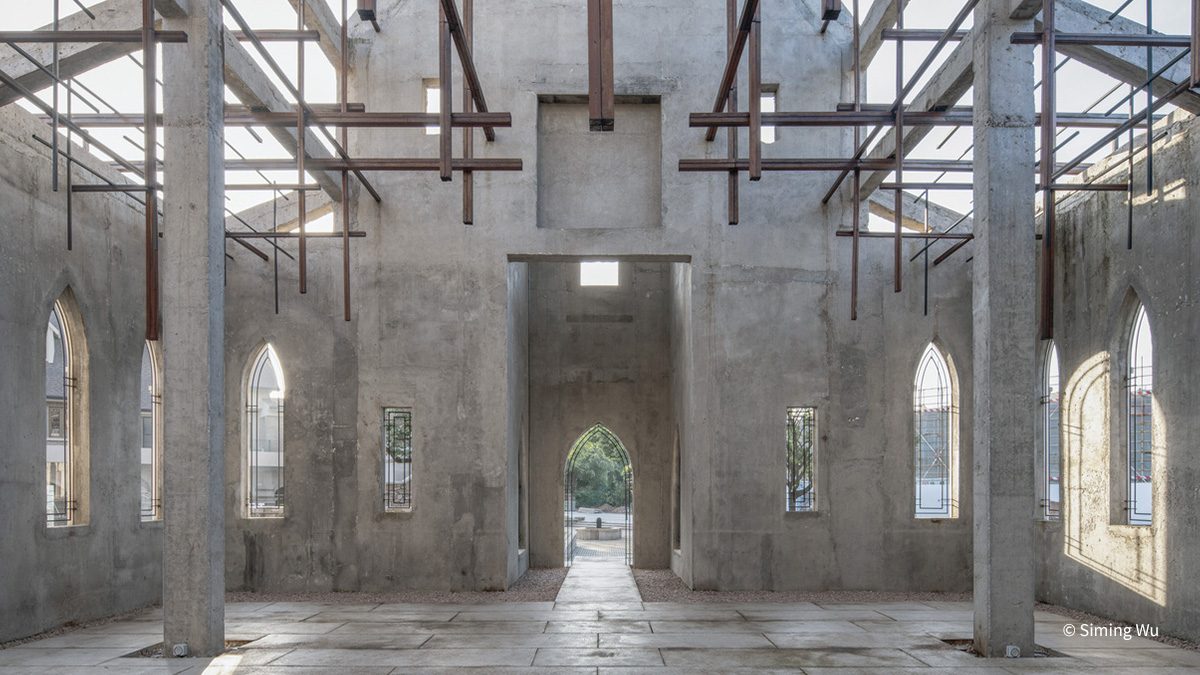
Contemporary architecture celebrates living walls and bio based materials, yet treats mold as a sign of failure when both emerge from the same environmental conditions.
If mold is not simply a defect but a record of what buildings cannot control, what can it reveal about the way we design and inhabit space?
Follow the link to read more about this topic: archdaily.visitlink.me/eIAc1…
2
10
54
5,998
Arya BiblioBrit 🇬🇧 retweeted

Jun 16
New art in the park has arrived! Experience Jesús Rafael Soto's interactive artwork 'Pénétrable BBL Jaune' outside Serpentine South this summer.
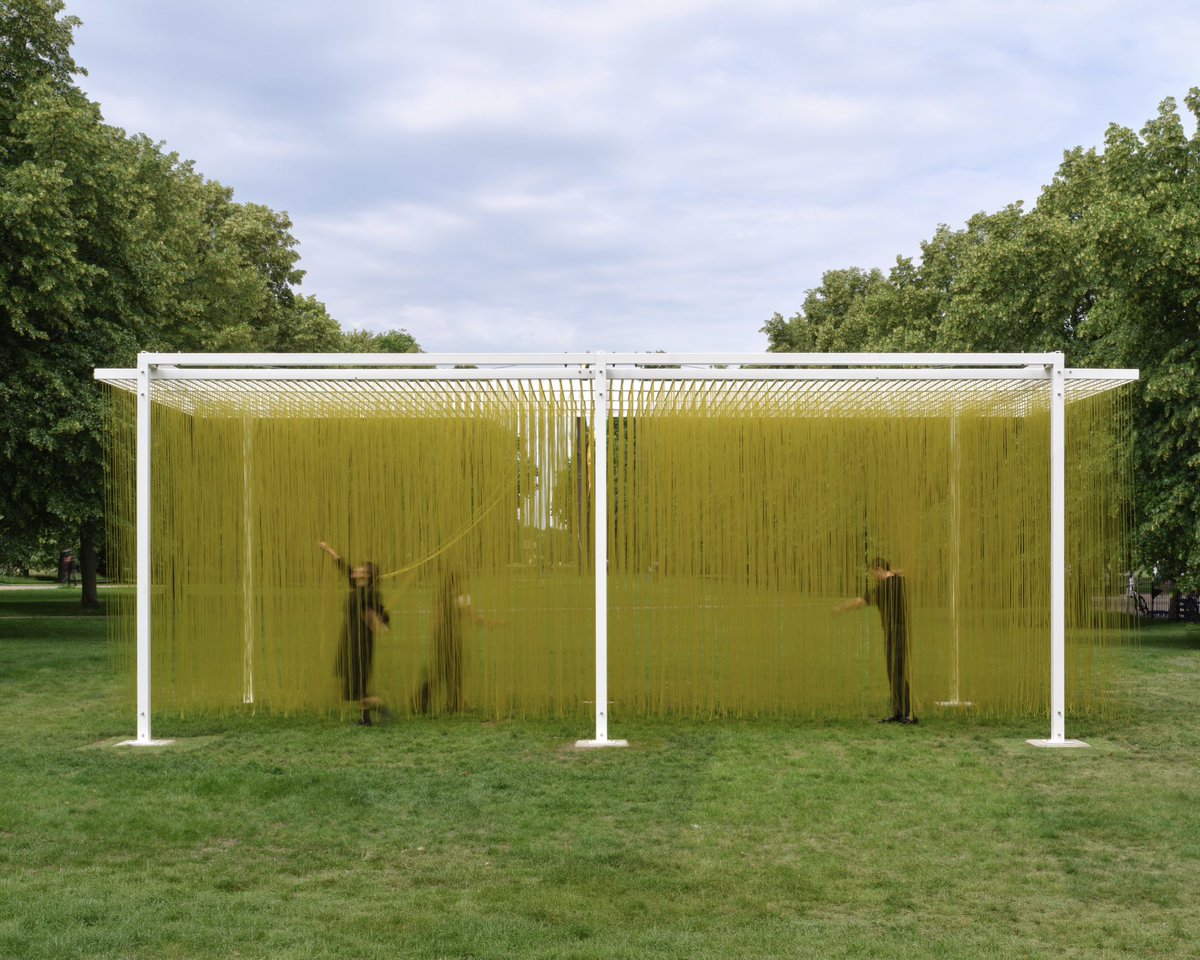
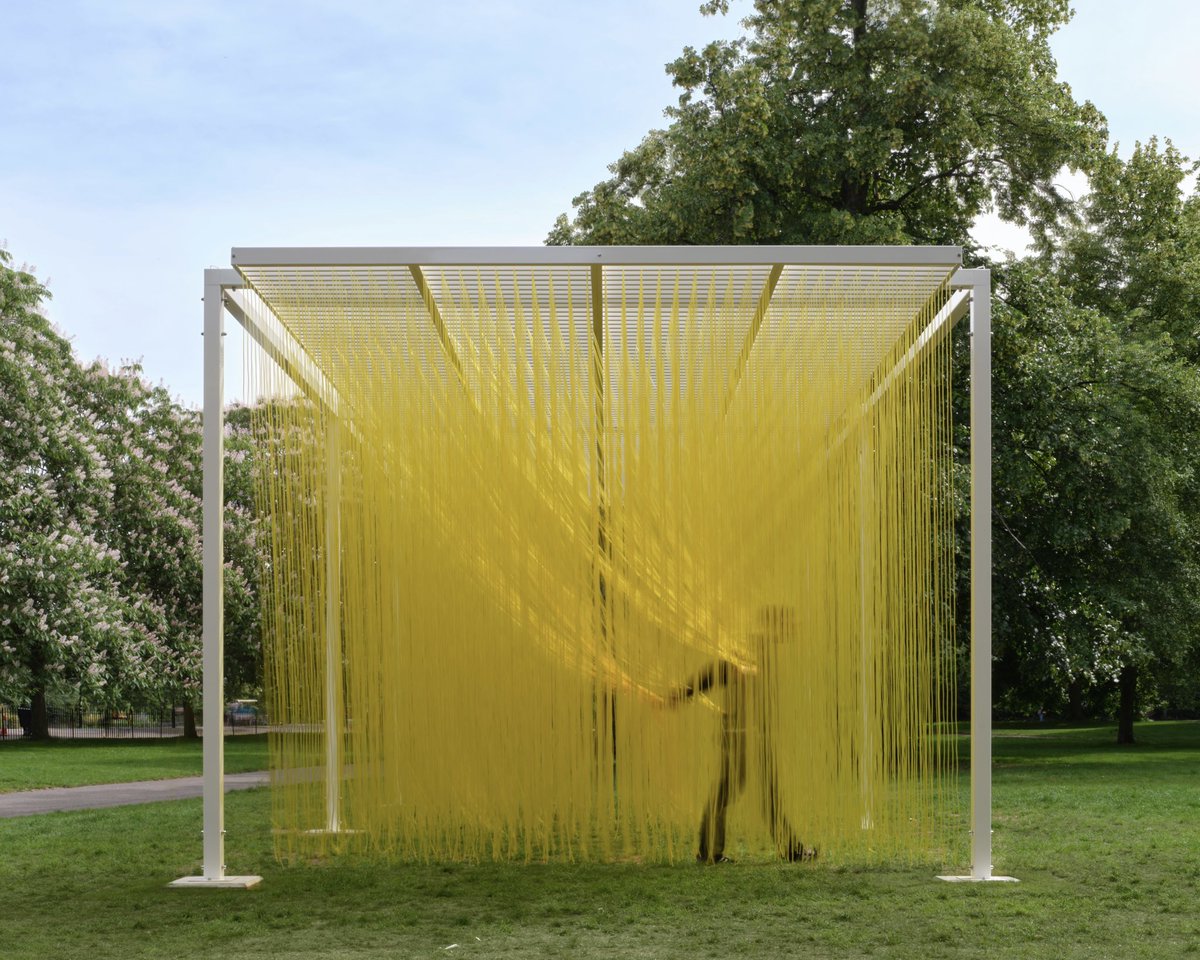
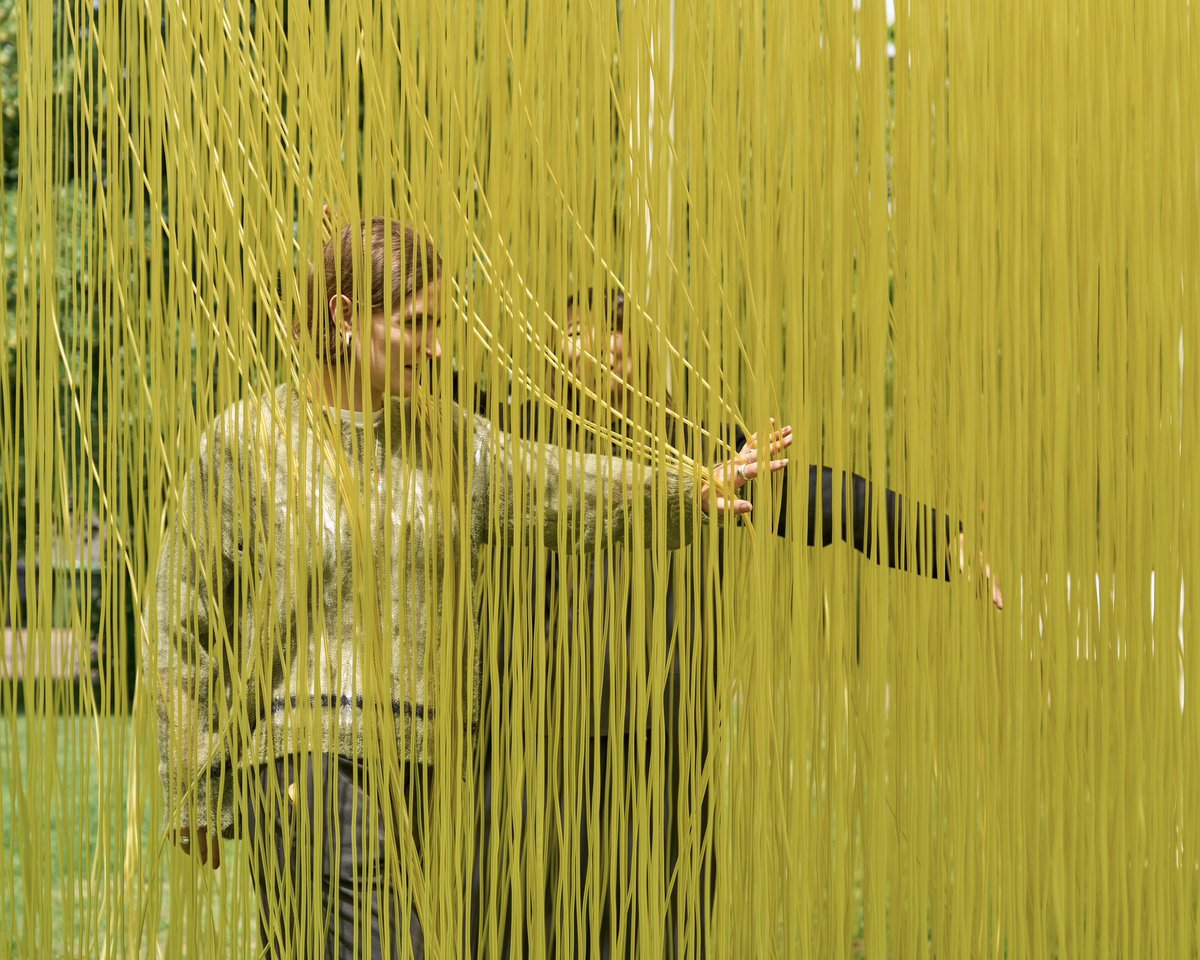
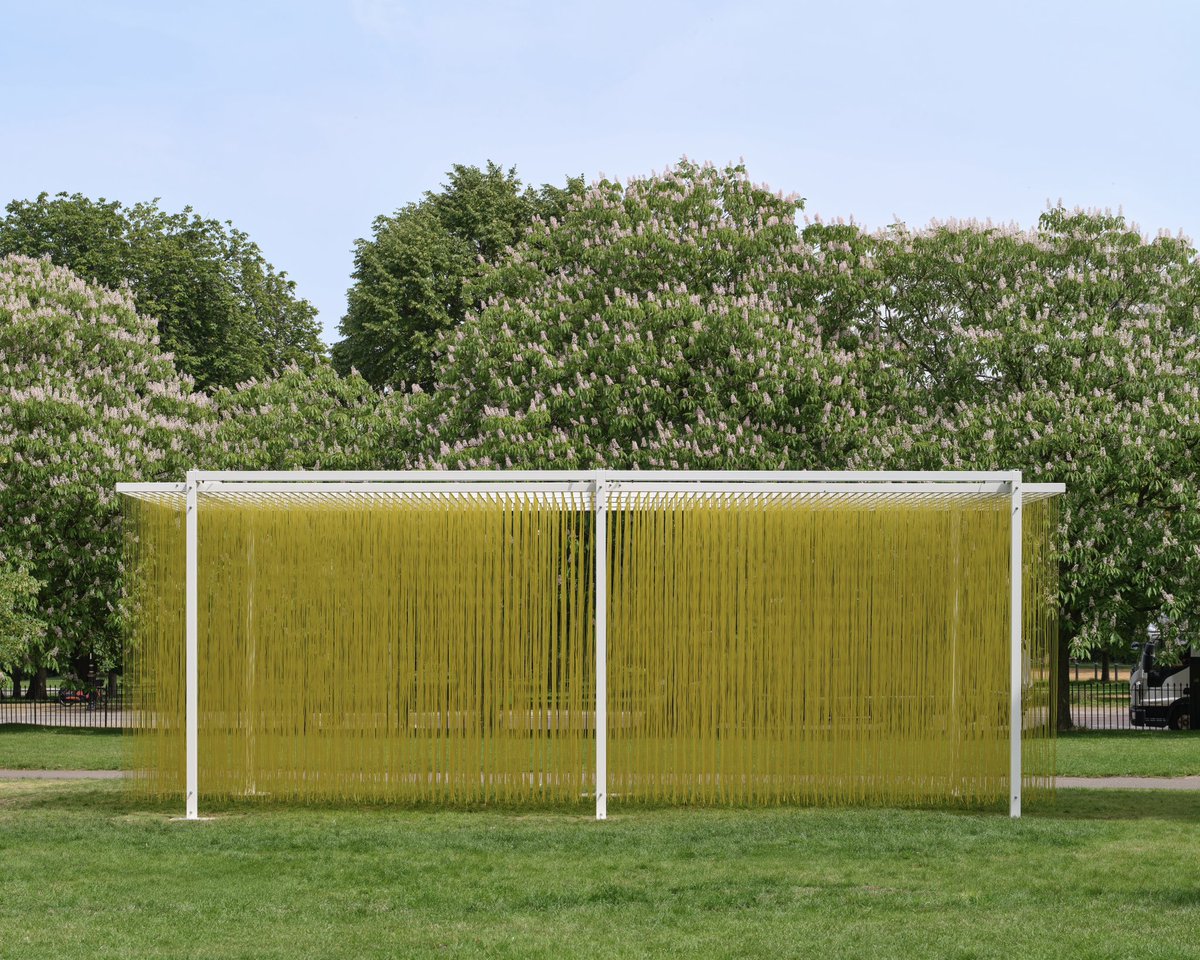
1
5
15
1,152

Next up in our Gaudí Centenary series, we tell the story of the Church of Colònia Güell, for which Antoni Gaudí's renowned hanging models were first developed, marking the beginnings of parametric design.
dezeen.com/2026/06/16/coloni…
6
16
3,264
Molnar was coding Mondrian into algorithms in 1974. Decades before anyone called it 'digital art.' I hope Museum of Digital Arts Dubai knows its history.
18
Arya BiblioBrit 🇬🇧 retweeted

Jun 16
Goooood morning
One of the most beautiful moments on @NFCsummit with @flakoubay explaining the Partners in Crime 🙏 🇫🇷
9
8
53
1,436
Ugh. India's cultural depth is staggering. Reducing 1.4 billion people to one crude stereotype is just lazy.
Jun 16

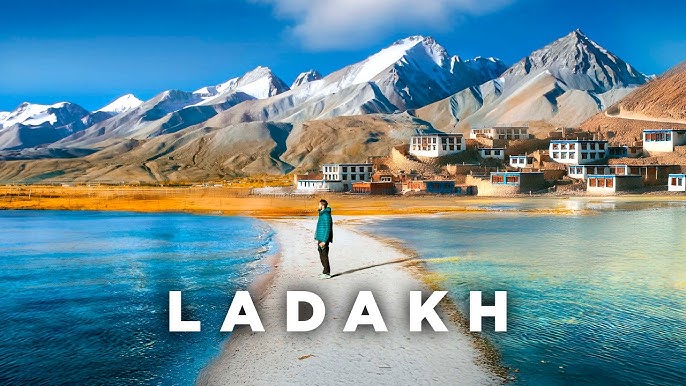
India's breathtaking, towering Himalayas, pristine beaches, ancient temples & vibrant culture but lying Western,Chinese propaganda obsessively shoves "slums & dirt", ignoring massive poverty reductions, tech superpower rise & rapid progress in a 1.4B nation


1
7
Arya BiblioBrit 🇬🇧 retweeted

Jun 15
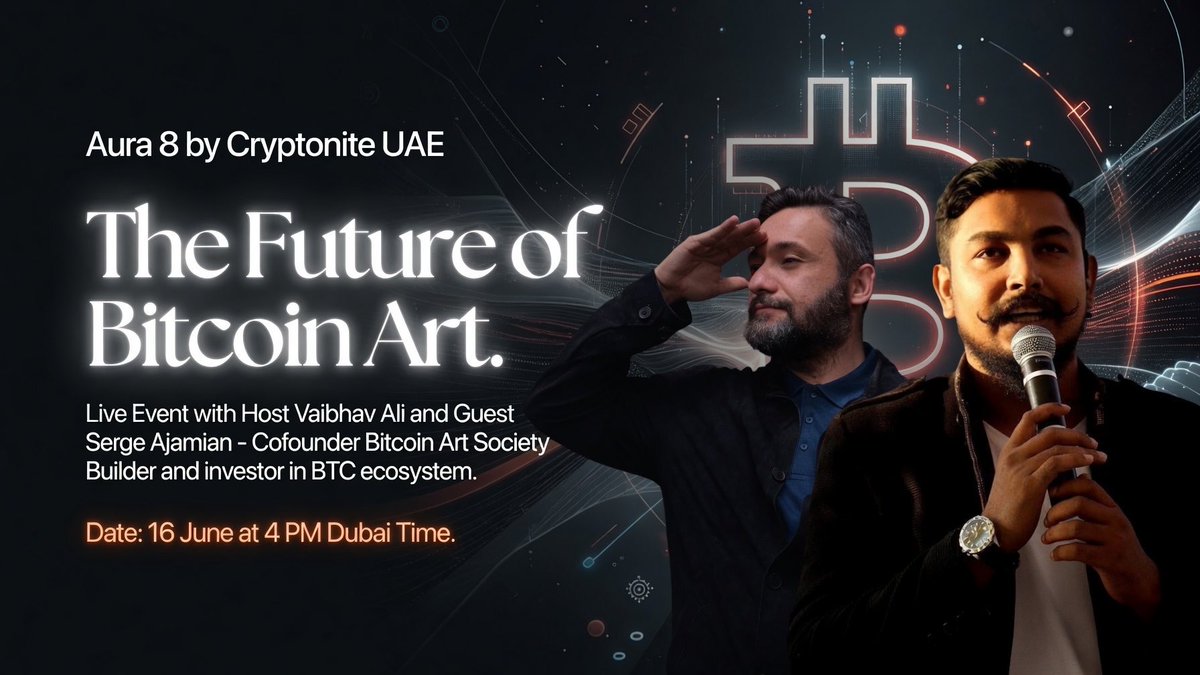
Bitcoin Art is having its moment.
Tomorrow I’m going live with @Sergesats from @BTCartsociety to discuss The Future of Bitcoin Art — from Ordinals to institutional adoption.
🗓 16 June | 4:00 PM Dubai Time
Set your reminder 👇
#BitcoinArt #Ordinals #Bitcoin
11
8
37
2,200
Arya BiblioBrit 🇬🇧 retweeted

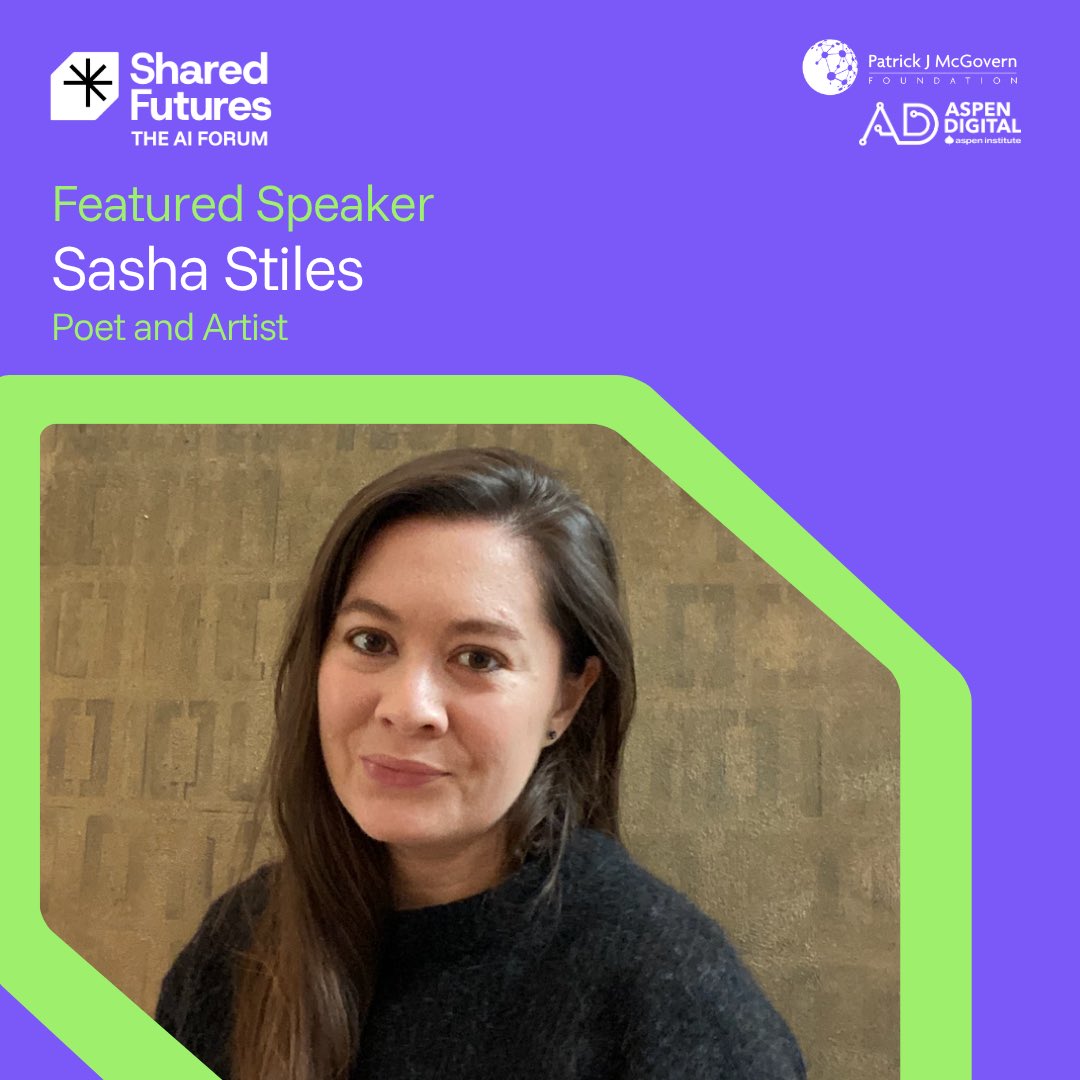
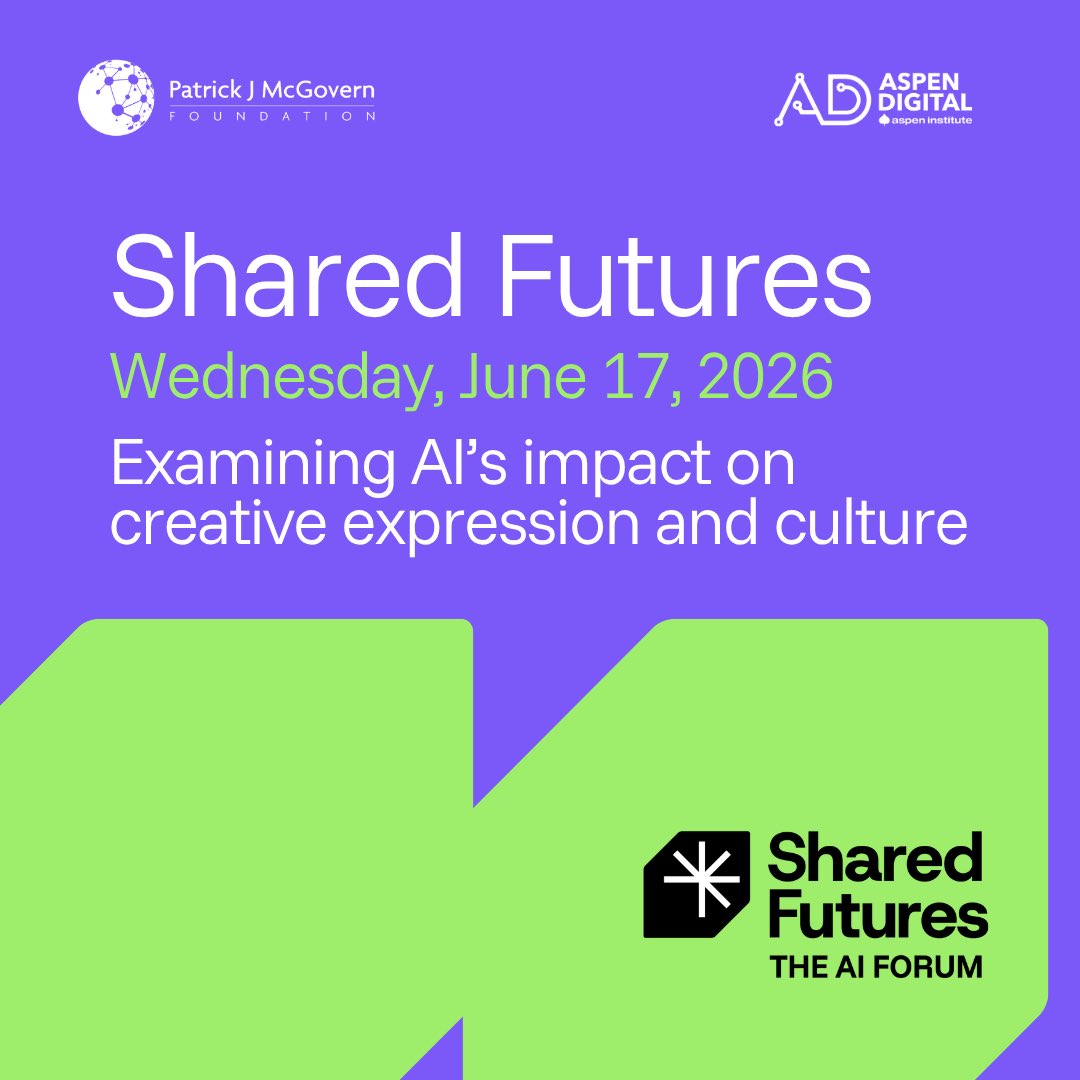
Looking forward to @AspenDigital this Wednesday at the New York Times Center, where I’ll be giving a lecture-performance on poetic intelligence. Plus I’ve been cooking up something fun for the legendary @aspenideas Festival in Colorado later this month, where @technelegy and I will be poet-artists in residence for a week… Thanks @AspenInstitute for convening such urgent and thoughtful opportunities for conversation.
5
8
46
902
Arya BiblioBrit 🇬🇧 retweeted

Jun 15
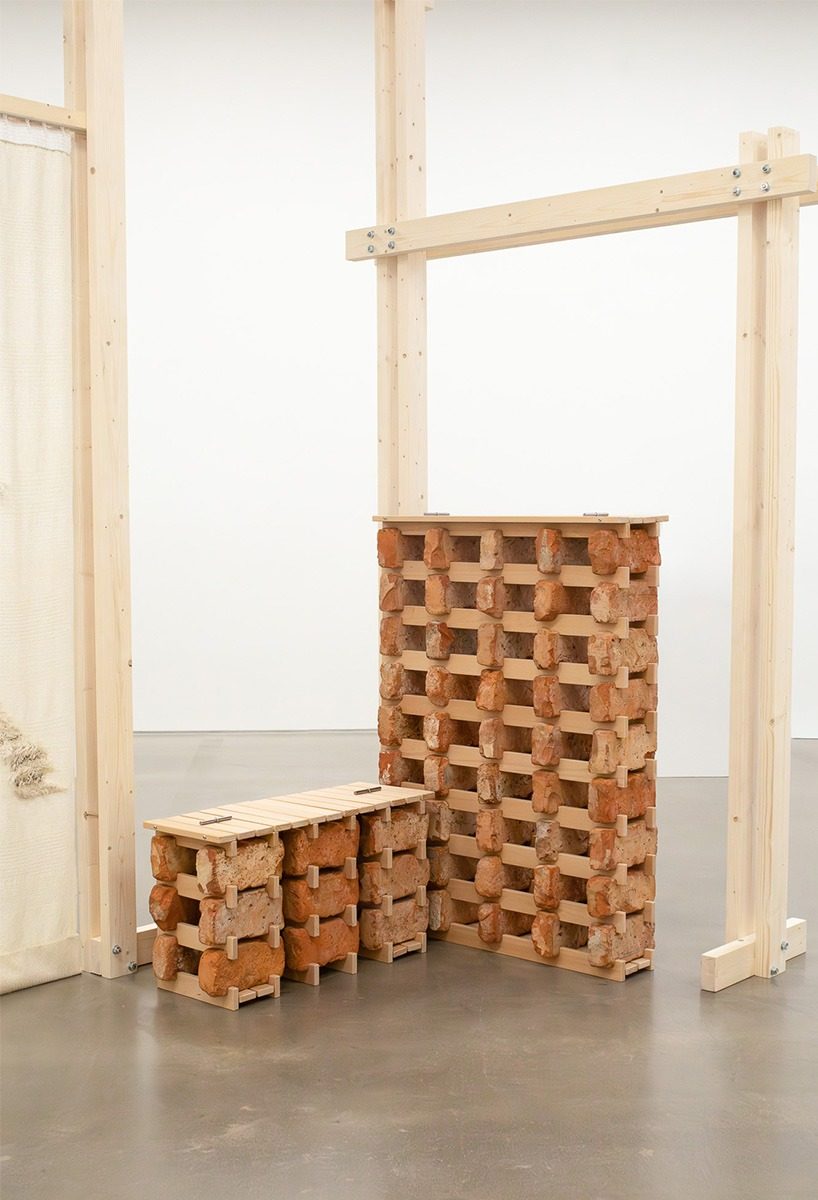
reclaimed #bricks are reimagined as a modular system that can be assembled, dismantled, and rebuilt again.
instead of ending with demolition, the material continues its life through reuse and reconfiguration.
see more on designboom: designboom.visitlink.me/QKdw…

1
24
196
12,155