
Jesus is God. He died for your sins on the cross and rose again. Repent of your sins and believe the gospel.
Joined September 2014
- Tweets 24,570
- Following 509
- Followers 2,571
- Likes 48,175
2,812 Photos and videos


Joseph Boaz retweeted

Jun 11
I’m trying to understand the left’s argument supporting Karmelo Anthony.
Karmelo followed Austin Metcalf into the Memorial high school tent. In high school athletics, this is a provocation.
15 times, Karmelo was asked to leave the tent. He didn’t.
He then challenged Austin Metcalf to touch him and “find out.”
Someone pushed Karmelo. Per video, maybe two minor pushes.
Witnesses testify Austin Metcalf did NOT punch Karmelo or do anything that would cause serious bodily harm.
So Karmelo had no reasonable belief—the standard for self-defense—that his life was in danger.
Nonetheless, Karmelo immediately grabs a knife from his bag —which he was carrying illegally, no knives allowed on school property— and stabs Austin Metcalf in the heart, killing him.
Karmelo then throws the knife and runs away.
Moments later, after police arrest him and refer to him as the “alleged” suspect, Karmelo admits he killed Metcalf, saying: “I’m not alleged, I did it.”
So—
The jury was NOT “all white.” There were Asians, Hispanics & Arabs reportedly on the jury.
Karmelo’s lawyer wasn’t a public defender, he was a private attorney.
The left claims “racism!”
But facts matter.
There is ZERO evidence of racism.
And all the facts demonstrate beyond the shadow of a doubt that Karmelo Anthony murdered Austin Metcalf.
If you think Karmelo should walk free, YOU are the racist because you’re basing that on his skin color alone while ignoring the reality of the crime he committed.
810
1,768
11,235
436,473
Joseph Boaz retweeted

Jun 11
I had to read this three times before I could believe it was real.
Rotherham. A small town in northern England.
For sixteen years, at least 1,400 children — some as young as eleven — were raped, gang-raped, and trafficked between cities by organized groups of men.
Eleven years old.
Petrol was poured on them so they would stay quiet.
Their families were threatened with death.
Photos were taken and used as blackmail.
The police knew.
The council knew.
The social workers knew.
For sixteen years, not one of them moved.
Why?
Because officers were afraid of being called racist if they acted on what they were seeing.
That was the whole reason.
While children were being sold, adults were protecting their own reputations.
That is the moment something in you breaks.
And here is the part that makes it worse.
The TV networks did not report it. The papers did not chase it.
When the journalist Andrew Norfolk finally broke the story, even he thought maybe 150 girls had been hurt.
The real number was 1,400.
He was staggered.
This should have been the biggest story of the decade. It was not.
The networks looked away. The advertisers preferred safer topics.
The cover-up did not end when the report was published — it continued in the silence of every newsroom that refused to chase it.
Then Elon Musk bought X.
The advertisers fled.
The press declared the platform finished.
X almost did not survive.
But it did.
And on X, the names of those towns started trending.
Rotherham.
Telford.
Rochdale.
Oldham.
Towns the country had been told to forget.
Britain understands itself differently today.
Not because the politicians confessed.
Not because the broadcasters apologized.
Because one platform refused to let it stay buried.
X almost did not survive.
1,400 children almost stayed forgotten.
That is worth saying out loud.
1,009
14,036
40,851
587,836
Joseph Boaz retweeted

Jun 8
-be me
-go to new dentist, since my old one retired
-new dentist: "you have three cavities"
-feel bad vibe, go get a second opinion
-"woooah - buddy, you have zero cavities. thank god you came to us. let's just do a cleaning"
-send wife to this savior second dentist
-"you have six cavities"
-wife bails on getting them filled, goes to a different dentist a year later
-"woooah gurl, you have zero cavities. thank god you didn't get them filled"
why is dentistry like this 😭
844
1,474
93,887
3,897,206
Joseph Boaz retweeted

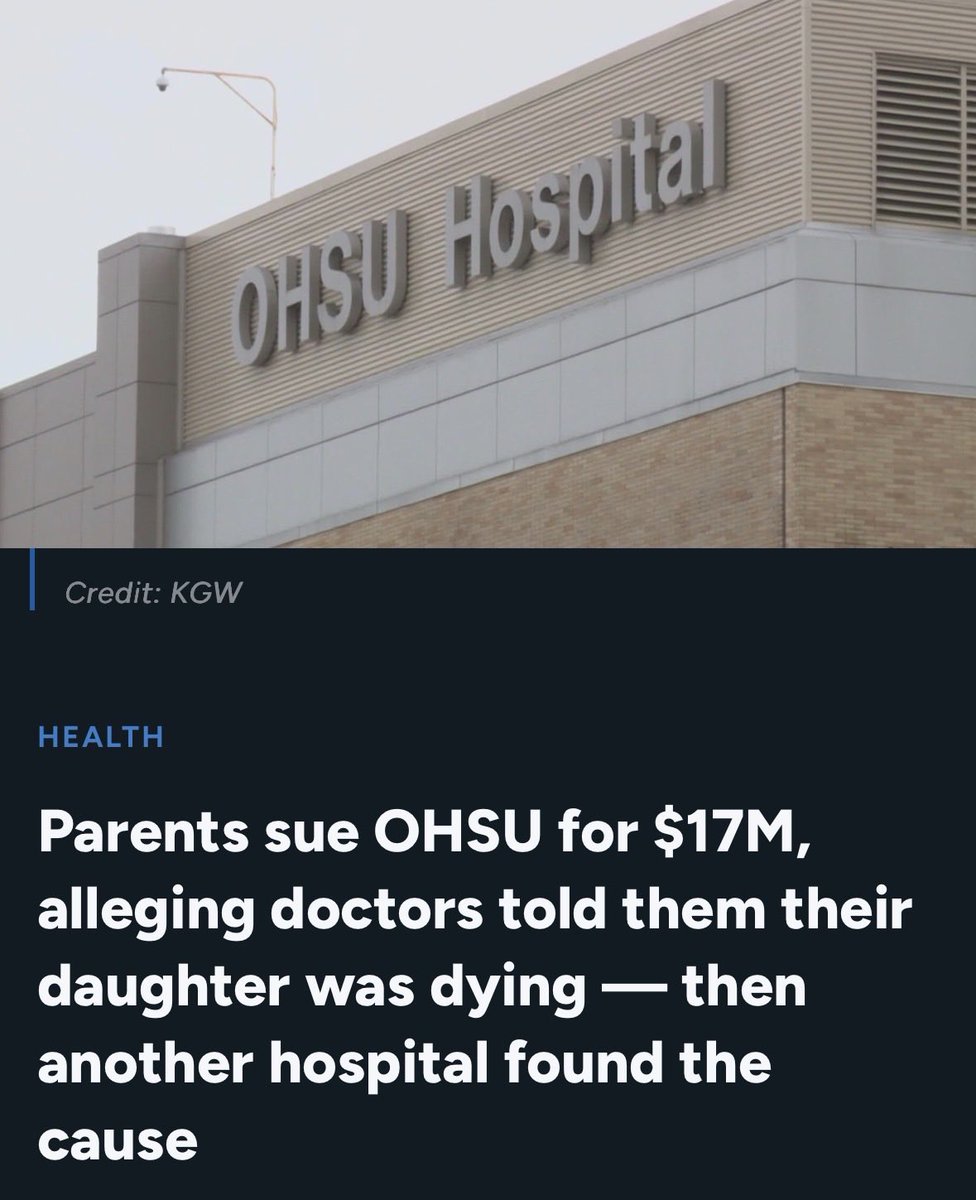
After heart surgery, the parents of a 13-year-old girl were told that their daughter was dying, and that they should start making end-of-life decisions, including donating her organs.
Upon transferring their daughter to another hospital however, they were told that doctors at Oregon Health and Science University had installed her new heart valve upside down.
“Doctors at Seattle Children's removed the inverted valve and replaced it with a different one, properly positioned. Her heart promptly began to function correctly. She was successfully taken off cardiac bypass and no longer required ECMO.
Her condition continued to stabilize over the following days in Seattle Children's ICU. After more than a month in critical condition, she was able to return home with her parents.”
1,447
12,587
46,538
1,670,879

Jun 5
This is why we have to deport every single Muslim.
Jun 4

ENGLAND: A Palestinian refugee from Gaza, who arrived claiming to be fleeing a ‘genocide’, was arrested for attempting to rape a 14-year-old girl.
He defended himself: “According to Sharia law, raping a non-Muslim girl is legal. I only follow Allah and Sharia law.”
Pure evil!
1
34
Joseph Boaz retweeted

A scientist was hired by a chemical company to study its weedkiller. He found it was castrating and feminizing frogs. So the company stopped studying the chemical and started studying him. This is the documented story of atrazine. 🧵
184
4,028
12,892
269,460
Joseph Boaz retweeted

Jun 2
How do I know the media is brainwashing people?
Obama's ICE Chief received the Presidential Award for Distinguished Service for removing over 900,000 illegal aliens.
Trump's ICE Chief is called a Nazi.
It is the same person.....Tom Homan....
The only difference? The narrative.
616
15,984
56,036
641,120
Joseph Boaz retweeted

Jun 1
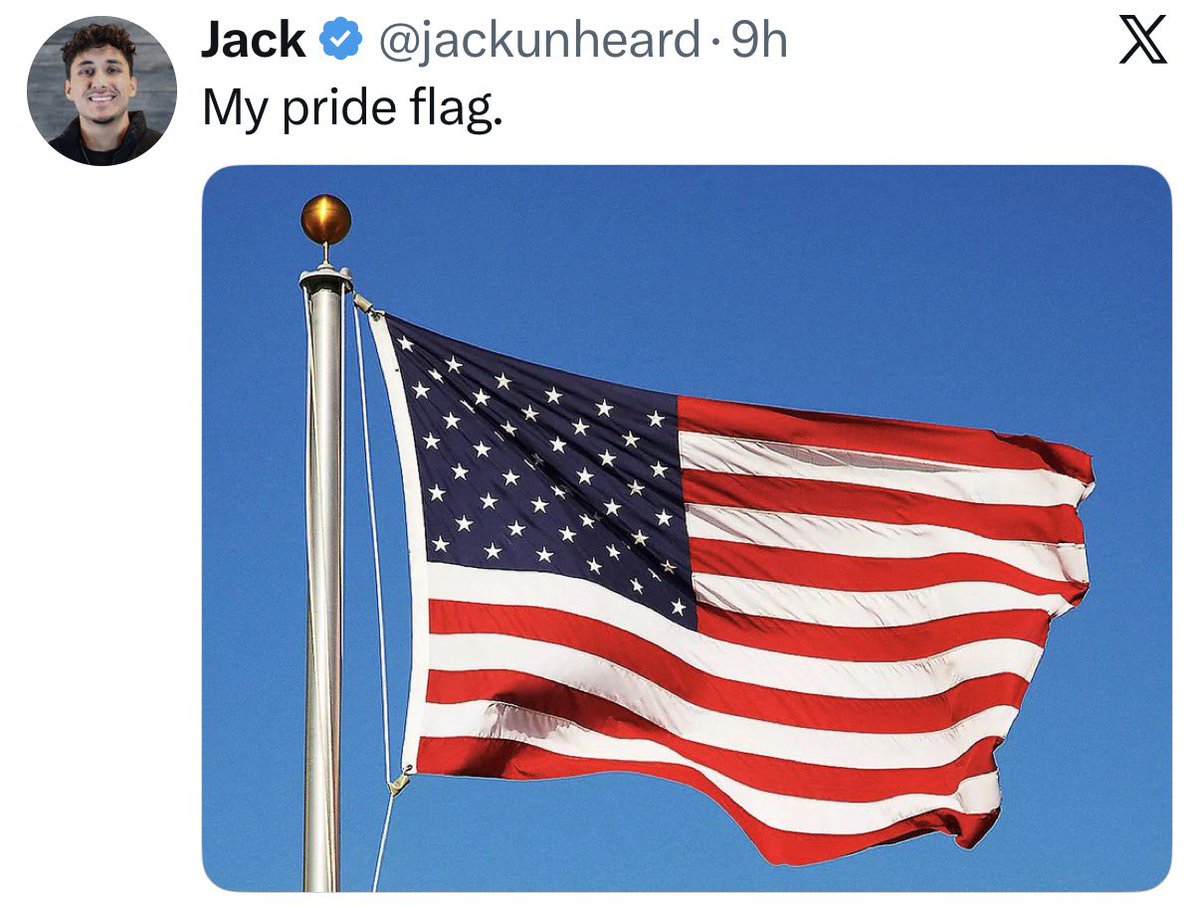
Lost 300 followers over this post.
Good riddance.
4,776
11,931
130,454
954,306
Joseph Boaz retweeted

May 31
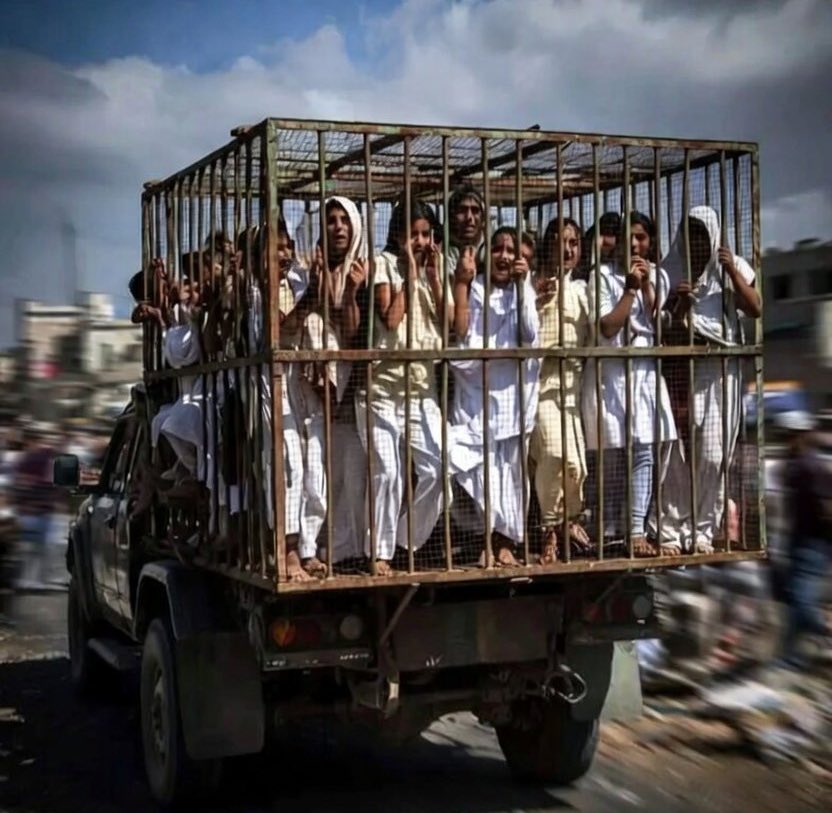
They are allowed to burn 19 Yazidi girls but I’m not allowed to talk about it because it is considered Islamophobia. Got it.
774
16,099
43,343
330,861
Joseph Boaz retweeted

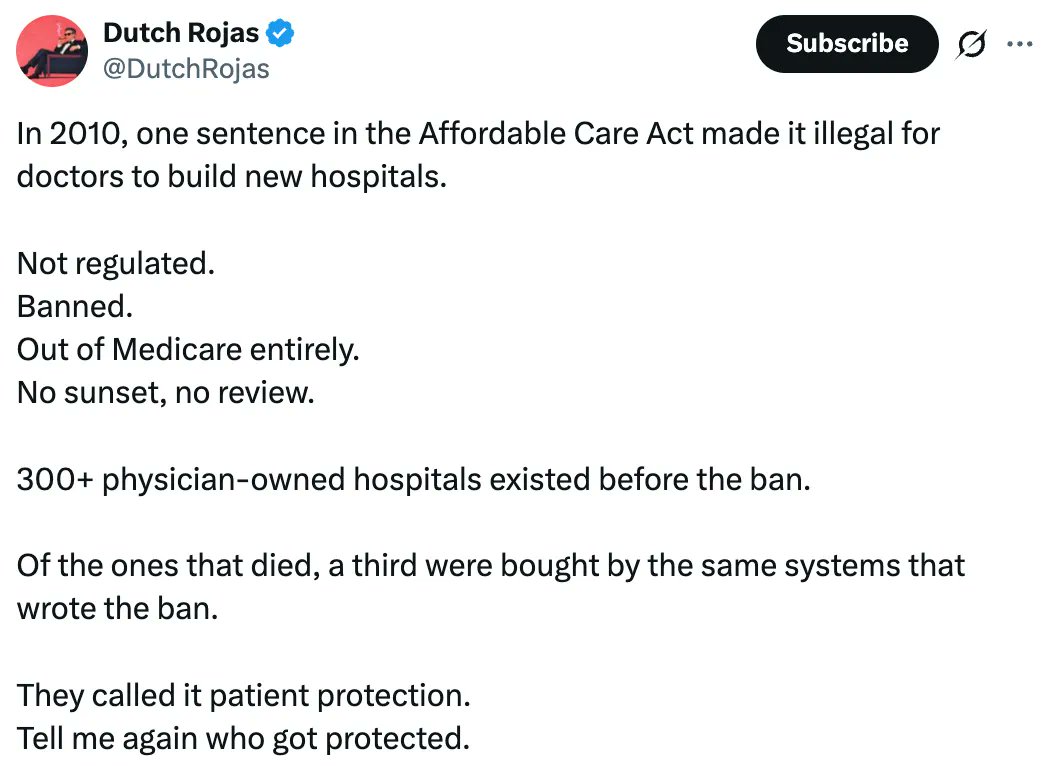
Did you know physician owned hospitals had better patient outcomes, so hospital lobbyists made the Democrats ban their competitors to support the Affordable Healthcare Act?
102
2,237
8,007
123,737
Joseph Boaz retweeted

May 30
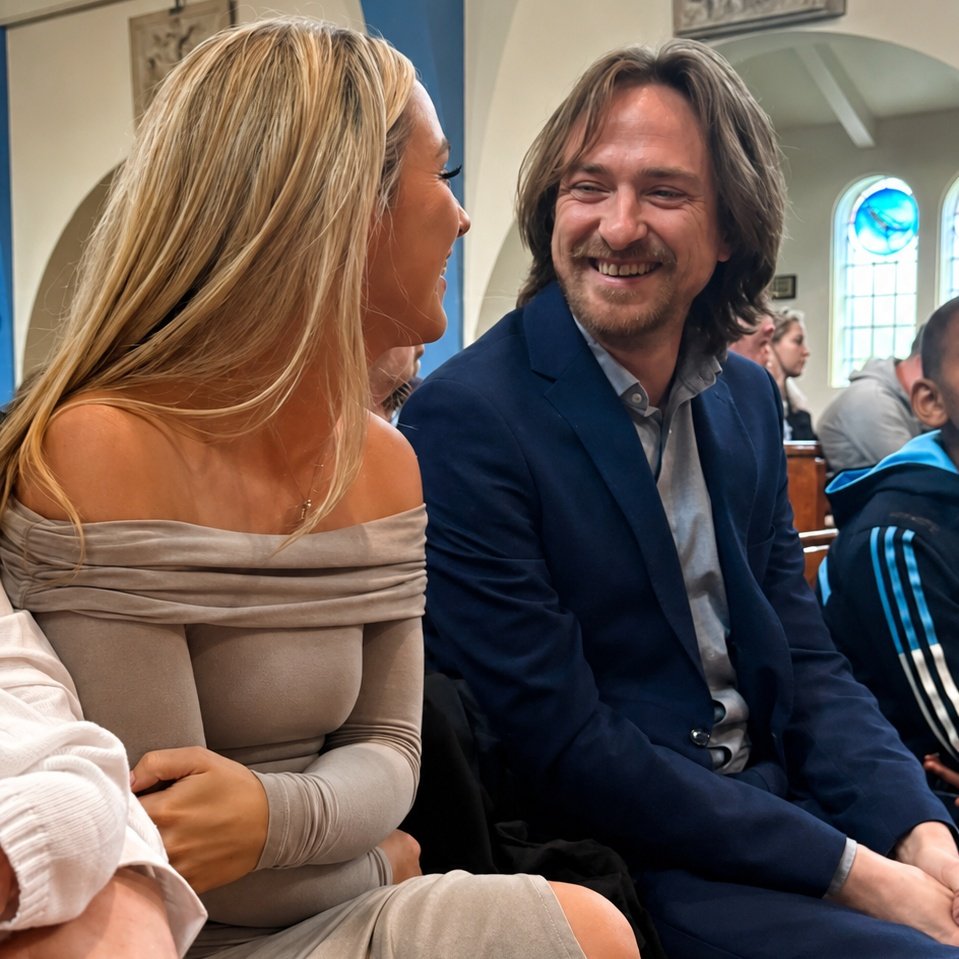
Family Man Beat To Death By Migrant Teenagers In Dublin.
On Sunday 17 May 2026, at around 4:15pm on Mill Road in Blanchardstown, 37-year-old Alex Coughlan was attacked by two 16-year-old boys without warning.
The defenceless Irishman was forced to his knees, pleading for mercy as one teenager repeatedly punched and kicked him in the head. The second boy filmed the assault on his mobile phone. Alex screamed for help and begged them to stop. He had already handed over his wallet and bank cards, but hesitated when they demanded his gold ring, a gift from his father.
That moment of hesitation cost him his life.
The beating continued. Alex was left unconscious on the ground. He died three days later on 20 May in Connolly Hospital from catastrophic head injuries. His family made the selfless decision to donate his organs.
Two 16-year-old boys were arrested and charged with assault causing serious harm and robbery. The main attacker is a second-generation migrant born and raised in Ireland. The other, who filmed the attack, is a migrant with dual nationality. Both were described by locals as having non-native features.
Gardai later recovered the stolen ring from one of the boys homes, and Alex’s father identified it in court.
The teenagers appeared in Dublin Children’s Court on 27 May. A judge imposed strict reporting restrictions, warning against naming them or sharing the video of the attack circulating online due to their age. Bail was refused, and both teenagers remain remanded in custody.
On Saturday 30 May, what would have been Alex’s 38th birthday, hundreds gathered in Ballyfermot to farewell him. He was remembered as the glue of his family, a kind, gentle, and selfless man who brought laughter and joy to everyone around him.
A dedicated Bupa worker and passionate rugby fan, Alex is survived by his mother Brigid, father John, sister Zara, and brothers Philip and Jack. Mourners sang Happy Birthday and Ireland’s Call. Tributes described him as a truly beautiful soul and caring human being. A private cremation followed at Glasnevin Cemetery.
While Alex’s funeral took place, the Irish mainstream media gave far more coverage and focused far more outrage on the death of Congolese national Yves Sakila, 35. Sakila, who had dozens of previous convictions and multiple prison terms for repeated shoplifting, died on 15 May after being restrained by security staff during another shoplifting attempt. His death was quickly framed by activists as Ireland’s George Floyd moment, sparking protests, political speeches, and claims of racism.
Alex’s killing, a local Irish family man robbed and beaten to death in broad daylight while pleading for mercy received far less attention. Coverage focused on the attackers age and anonymity, with zero discussion of backgrounds or nationalities.
There were no mass candlelit vigils when Alex died, no major protests demanding justice, no political statements, and no national campaigns declaring that his life mattered.
No Netflix documentaries will ever examine Alex's final moments.
Certain tragedies fit a preferred political narrative and ignite weeks of outrage. Others, like the brutal murder of a gentle Irish family man, are treated as less newsworthy. This selective response from the Irish media and political class is an insult to Alex and every family who has lost someone in similar circumstances.
Alex Coughlan’s life mattered. He deserved better, and the people of Ireland deserve the truth.
RIP Alex Coughlan.
Both teenagers are next due in court on 24 June.
#Ireland #CrimeNews #Dublin
2,022
16,310
42,308
869,529
Joseph Boaz retweeted

May 29
Most prominent terrorist attacks since 1970 and their religion:
1. Munich Olympics massacre (1972) - Islam
2. Beirut barracks bombing (1983) - Islam
3. TWA Flight 847 (1985) - Islam
4. Rome & Vienna airport attacks (1985) - Islam
5. Pan Am Flight 103 (1988) - Islam
6. World Trade Center bombing (1993) - Islam
7. Paris Metro bombings (1998) - Islam
8. US Embassy bombings Kenya & Tanzania (1998) - Islam
9. USS Cole bombing (2000) - Islam
10. 9/11 attacks (2001) - Islam
11. Bali bombings (2002) - Islam
12. Istanbul bombings (2003) - Islam
13. Madrid train bombings (2004) - Islam
14. London 7/7 bombings (2005) - Islam
15. Fort Hood shooting (2009) - Islam
16. Toulouse/Montauban shootings (2012) - Islam
17. Boston Marathon bombing (2013) - Islam
18. Brussels Jewish Museum shooting (2014) - Islam
19. Ottawa Parliament attack (2014) - Islam
20. Charlie Hebdo / Hyper Cacher attacks (2015) - Islam
21. Paris November attacks (2015) - Islam
22. San Bernardino shooting (2015) - Islam
23. Brussels airport/metro bombings (2016) - Islam
24. Nice truck attack (2016) - Islam
25. Berlin Christmas Market attack (2016) - Islam
26. Orlando Pulse nightclub shooting (2016) - Islam
27. Westminster Bridge attack (2017) - Islam
28. Manchester Arena bombing (2017) - Islam
29. London Bridge/Borough Market attack (2017) - Islam
30. Barcelona/Cambrils attacks (2017) - Islam
31. Strasbourg Christmas market attack (2018) - Islam
32. London Bridge stabbing (2019) - Islam
33. Samuel apart beheading (2020) - Islam
34. Vienna shooting (2020) - Islam
35. October 7 Hamas-led attacks (2023) - Islam
36. Arras school stabbing (2023) - Islam
37. Solingen knife attack (2024) - Islam
38. New Orleans Bourbon Street attack (2025) - Islam
39. Bondi Beach Hanukkah attack (2025) - Islam
40. Winterthur train-station stabbing (2026) - Islam
I couldn’t list them all, obviously, but let’s put it into perspective.
Islamist terrorist attacks worldwide since 1979:
1979–April 2024: 66,872 attacks
By period:
1979–2000: 2,194 attacks
2001–2012: 8,265 attacks
2013–April 2024: 56,413 attacks
Total Deaths: at least 249,941
Now, who is the biggest threat to the world, again?
1,008
9,529
24,161
599,178
Joseph Boaz retweeted

There's a 193 countries in this world. 177 of them receive funding from the United States.
39 trillion in debt.
Money laundering by traitors.
317
7,279
32,075
209,675
Joseph Boaz retweeted

May 28
I have no problem with Islam. I’m just against beheading, stoning, marrying little girls, sexual slavery, taqiyya, slave trading, rape, forced conversions, jihad, burqa, attacking other religions, child abuse, women abuse, animal abuse, multiple wives, murder, Sharia, terrorism, brainwashing, intolerance, greed, anti-science, torture, illiteracy, gluttony, genital mutilation, inbreeding. Does that make me Islamophobic?
- @realMaalouf
340
3,230
10,638
126,209
Joseph Boaz retweeted

May 27
COVID lockdowns were a live-action Stanford Prison Experiment.
No basement. No fake prison. No coin flip to decide who gets the uniform.
Just a press conference, an emergency declaration, and a world that divided itself, almost overnight, into guards and prisoners.
In 1971, Philip Zimbardo took 24 ordinary college students. Psychologically screened. Emotionally stable. Good people.
He gave half of them guard uniforms and sunglasses. The other half, prison smocks and chains.
The experiment was supposed to run two weeks.
He shut it down after six days.
The “guards” had become cruel. Psychologically tormenting prisoners. Inventing humiliating rules. Enforcing them with genuine enthusiasm.
The “prisoners” had broken. Stopped using their real names. Forgotten they could simply walk out.
Nobody told the guards to be brutal. The role did.
Nobody told the prisoners to lose themselves. The situation did.
Now look at 2020.
Within weeks, entire categories of identity were created. Essential. Non-essential. Compliant. Denier.
Neighbors reported neighbors for sitting in their own gardens. Police issued fines for walking alone on empty beaches. Local officials, suddenly intoxicated with emergency powers, closed playgrounds, taped off park benches, and enforced rules that existed nowhere in law.
And the medical establishment?
Doctors who spent careers advocating for patient autonomy began enforcing mandates without questioning them. Hospital administrators banned family from dying relatives and called it protocol. Nurses filmed themselves doing choreographed dances in empty wards while patients died alone.
The uniform changed. The behavior followed.
The terrifying lesson of Stanford wasn’t that evil people do evil things.
It was that ordinary people, given a role, a structure, an institutional justification, will do things they would never otherwise consider.
And feel righteous doing it.
The situation didn’t reveal character. It replaced it.
This is what power does when it goes unchecked. It doesn’t need monsters. It just needs roles. Rules. A chain of command. Language that makes obedience sound like responsibility.
“We’re just following the science.”
Zimbardo followed his experiment too. Right off a cliff.
The most dangerous moment in any crisis is when ordinary people stop asking whether what they’re doing is right and start asking whether it’s authorized.
Your conscience doesn’t clock out because the institution told you to comply.
It never did. It never should.
48
288
788
11,892
Joseph Boaz retweeted

1/5
I'm a cardiologist. Here's why I recommend men take 5 mg of tadalafil — Cialis — every single day.
Not for ED. Not for performance.
I take it for the same reason every serious longevity physician I respect does: to protect my cardiovascular system, my brain perfusion, and my endothelial health at the most fundamental level.
This drug — famous for all the wrong reasons — has quietly become one of the most powerful tools in preventive cardiology. And the data is now too strong for me to keep quiet about it.
98
199
1,621
420,661
Joseph Boaz retweeted

May 26
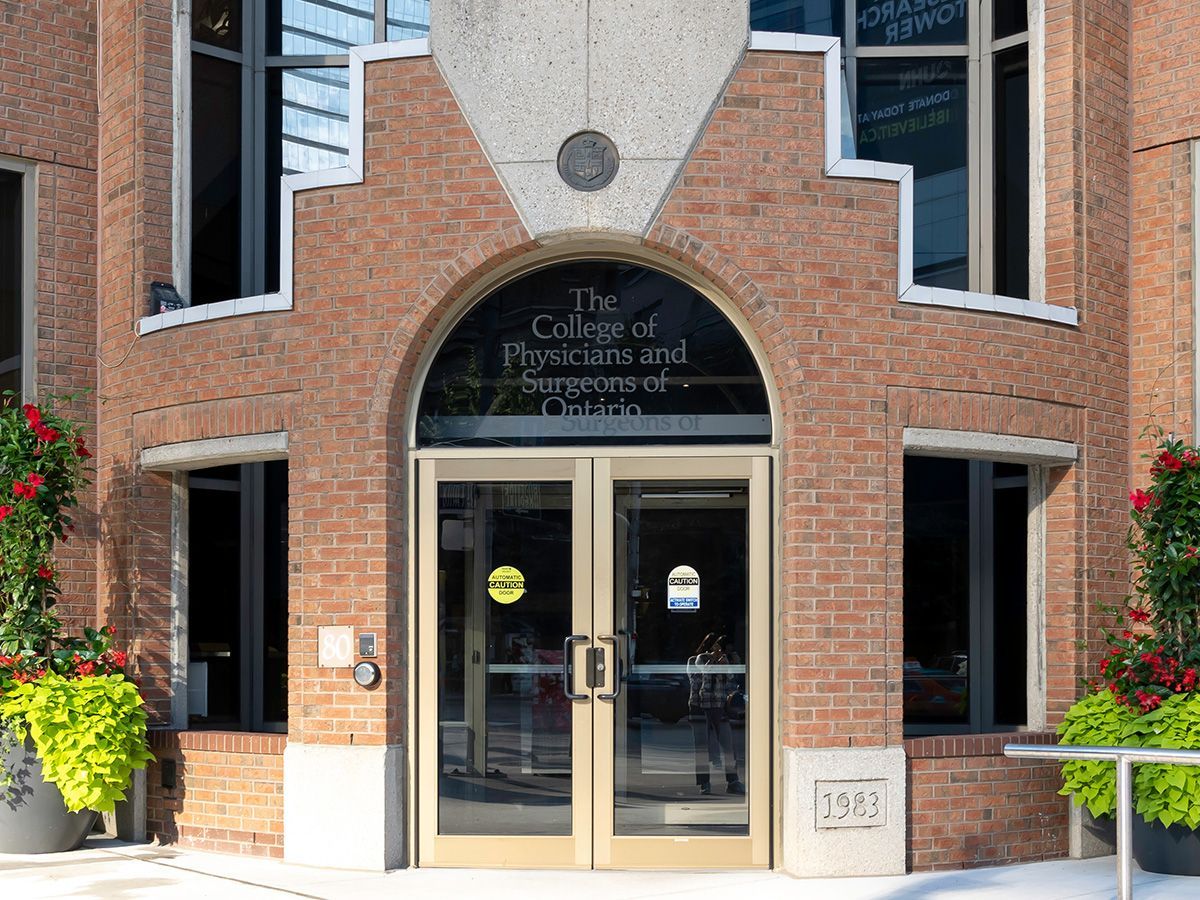
Canadian doc meets a 45yo Crohn’s patient one time outside a coffee shop, decides to euthanize him.
One of the reasons - "didn’t have an active social network."
Drives the guy to an industrial funeral prep facility and murders him.
Family wasn’t told, couldn't even say goodbye. Yet, the only consequence is a verbal reprimand and 6 months supervision.
When the State imposes such a high burden of inhuman indignity on its citizens, those citizens have an obligation to repay that imposition with one of their own - the cost can be nothing less than the life of a petty tyrant.
May 25

Ontario man dies of MAID after being assessed outside Tim Hortons nationalpost.com/news/ontari…
334
2,473
6,924
294,732

May 25
RT @isaacrrr7: Atefeh Sahaaleh, una joven iraní de 16 años, fue ahorcada públicamente por el régimen islámico por denunciar su violación.…
676
Joseph Boaz retweeted
May 25
So the Pakistani grooming gangs in UK are carrying out Allah's commandment in raping 250,000 British girls?

97
256
459
7,618