We are a charitable foundation promoting research into CASK gene mutations and associated neurological conditions in hope of finding therapies and treatments
Joined June 2023
- Tweets 465
- Following 324
- Followers 150
- Likes 416
262 Photos and videos

Pinned Tweet

16 Nov 2023
Thanks to the dedication and generosity of all involved, the CASK Coalition is thrilled to share that the first ever research into gene therapy for CASK with @ucdavis @finklab is set to commence in 2024! We are so grateful to the UC Davis team for this opportunity! #cureCASK
2
10
1,572
21 Aug 2025
📄 Our Annual Report is out! See how your support accelerates CASK research & helps families. 💙 From funding Bristol’s drug screening platform to launching the Kicking CASK podcast — every penny makes an impact. 👉 caskresearch.org/wp-content/…
15
30 Jun 2025
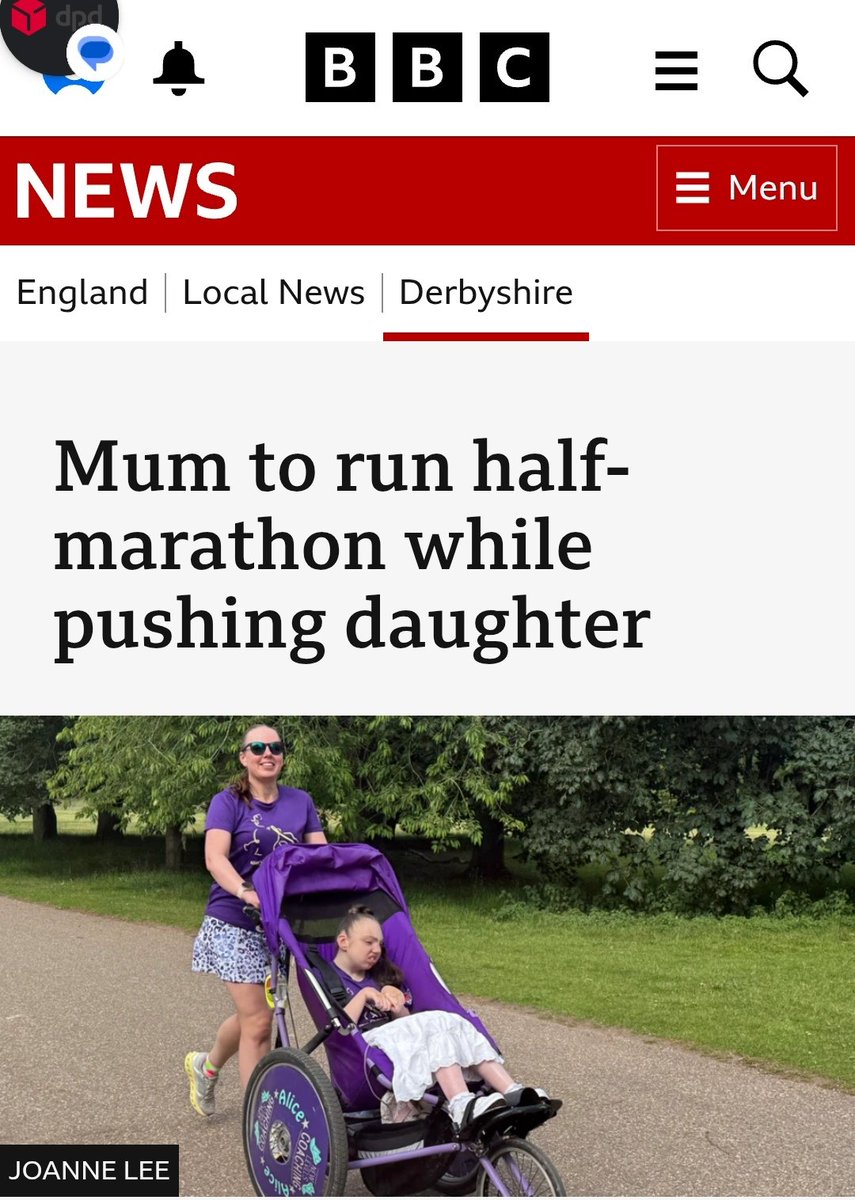
"I'll be pushing Alice every mile of the way, for her, and for a future where others like her don't have to face this alone. We need to find something before it's too late." - Joanne Lee
You can support this amazing duo at justgiving.com/page/curecask…
bbc.co.uk/news/articles/c3en…
99
16 Jun 2025
Tune in now!
YouTube
youtu.be/JpOhMutm8u0?si=mR06…
Spotify
open.spotify.com/episode/0k4…
#caskgene #cask #rarediseasepodcast #podcast #caskmutation
16
10 Jun 2025
Personalise your social media profile picture today!
#caskgene #cask #kickingcask
canva.com/design/DAGp47qEYVY…
15
21 May 2025
Thank you to everyone who donated to the Cure CASK campaign over the past few years. It's exciting to see the results coming in!
#hope
#caskgene #geneediting #epigenetics #curecask
13
20 May 2025
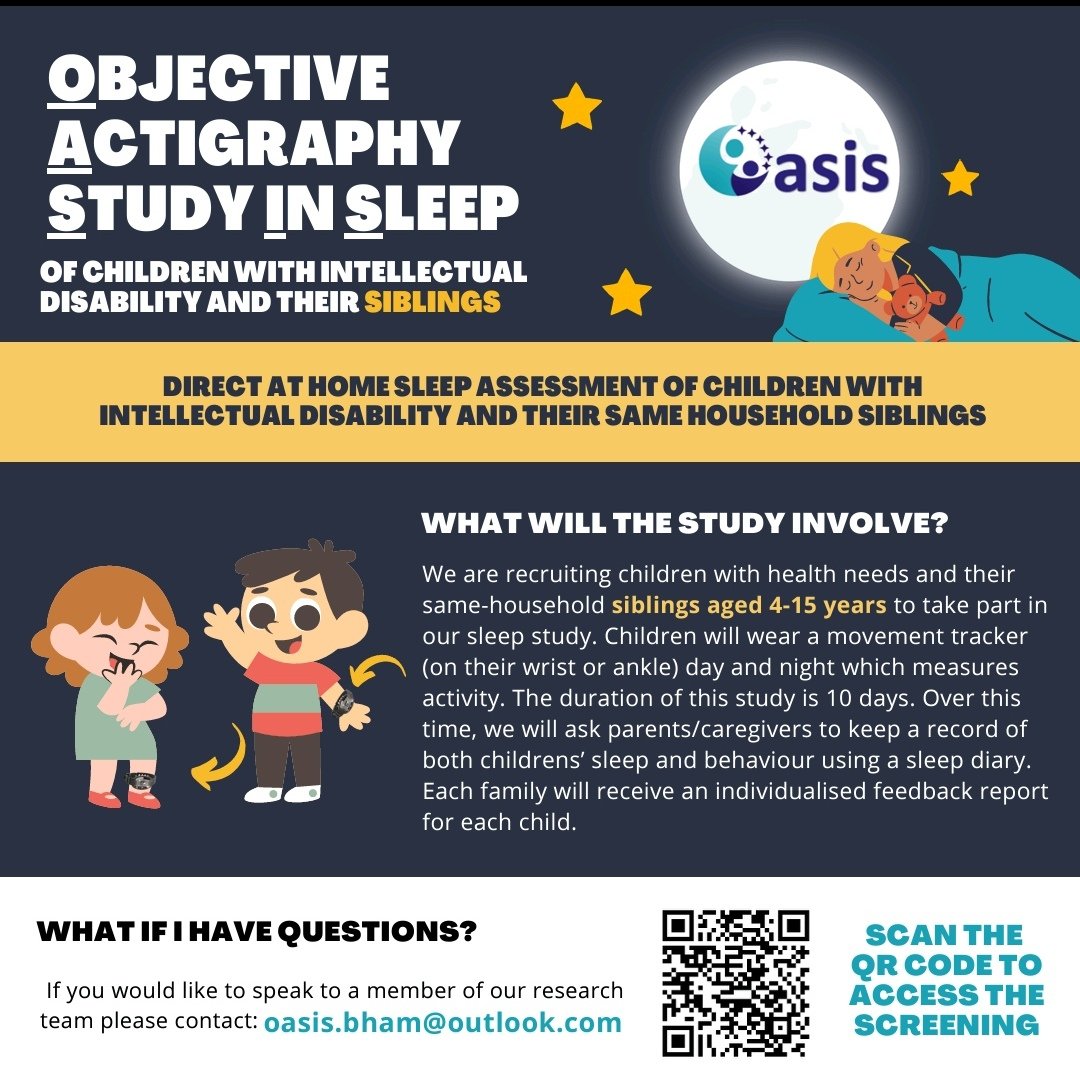
Register your interest via the QR code or here:
bhampsychology.eu.qualtrics.…
We already have five families taking part! With a few more families the researchers at University of Birmingham should be able to share some meaningful CASK-specific outcomes with our community.
#caskgene
2
36
16 May 2025
Listen on YouTube:
youtu.be/ukajpAbSujs?si=YVKx…
Listen on Spotify:
open.spotify.com/episode/1xy…
#rarediseasepodcast #podcast #raredisease
1
12
15 May 2025
1
16
14 May 2025
Our incredible @easyuk community has raised £15.49 for CASK Research this #DonationDay! Help continue our success by supporting us on @easyuk. Sign up & turn your online shopping at over 8,000 retailers into free donations: join.easyfundraising.org.uk/…
10
13 May 2025
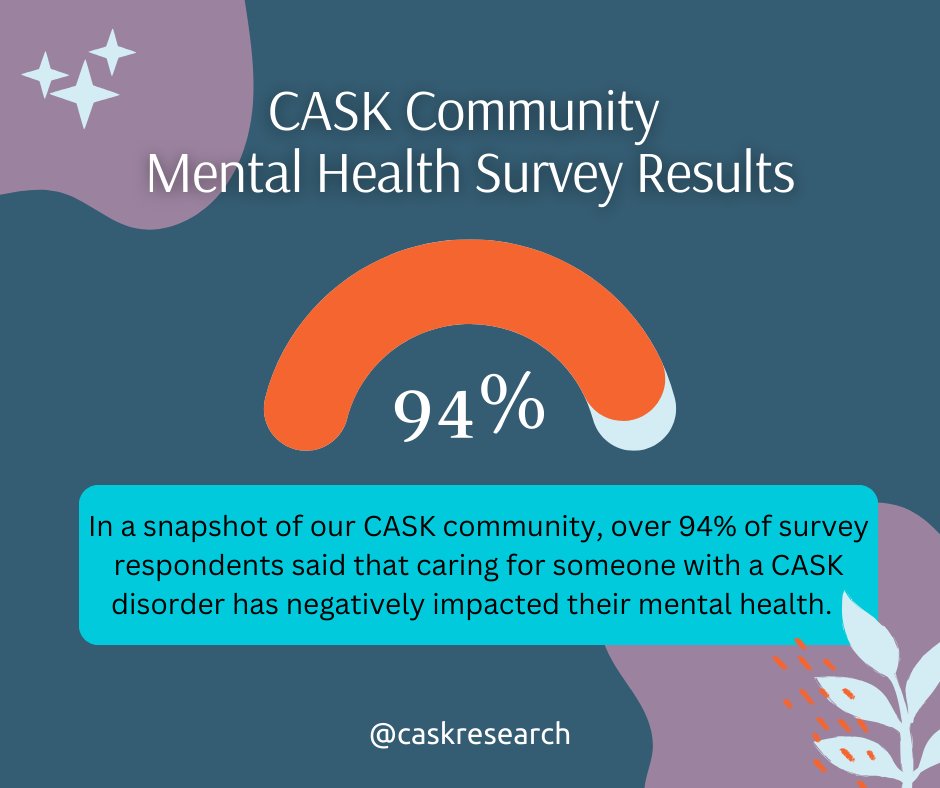
12-18 May is Mental Health Awareness Week.
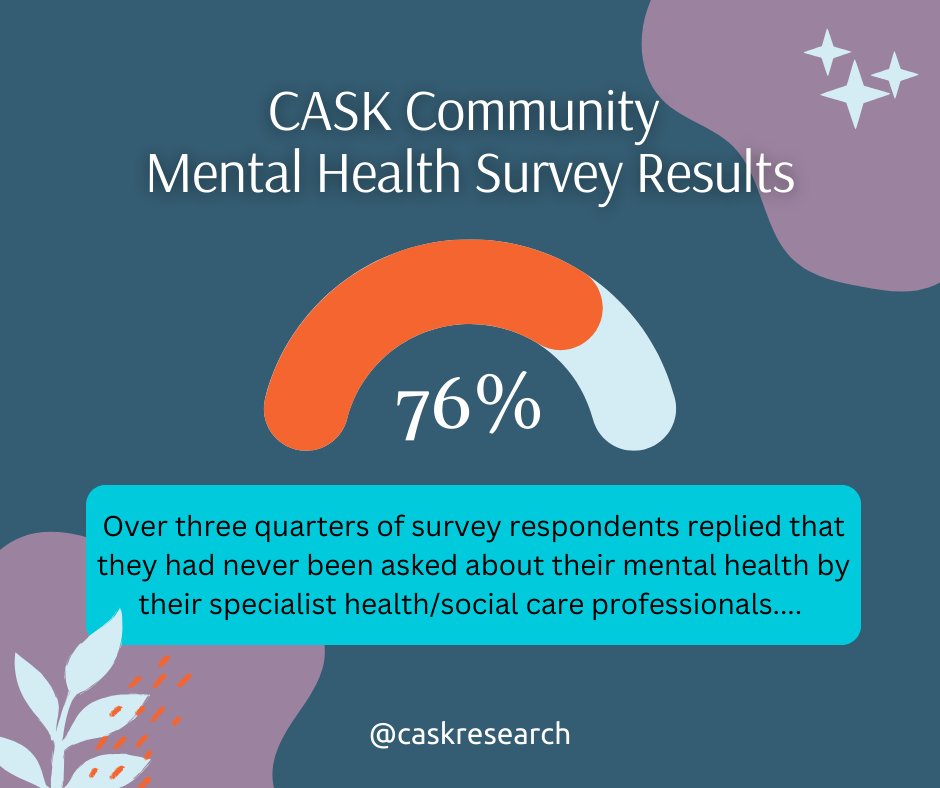
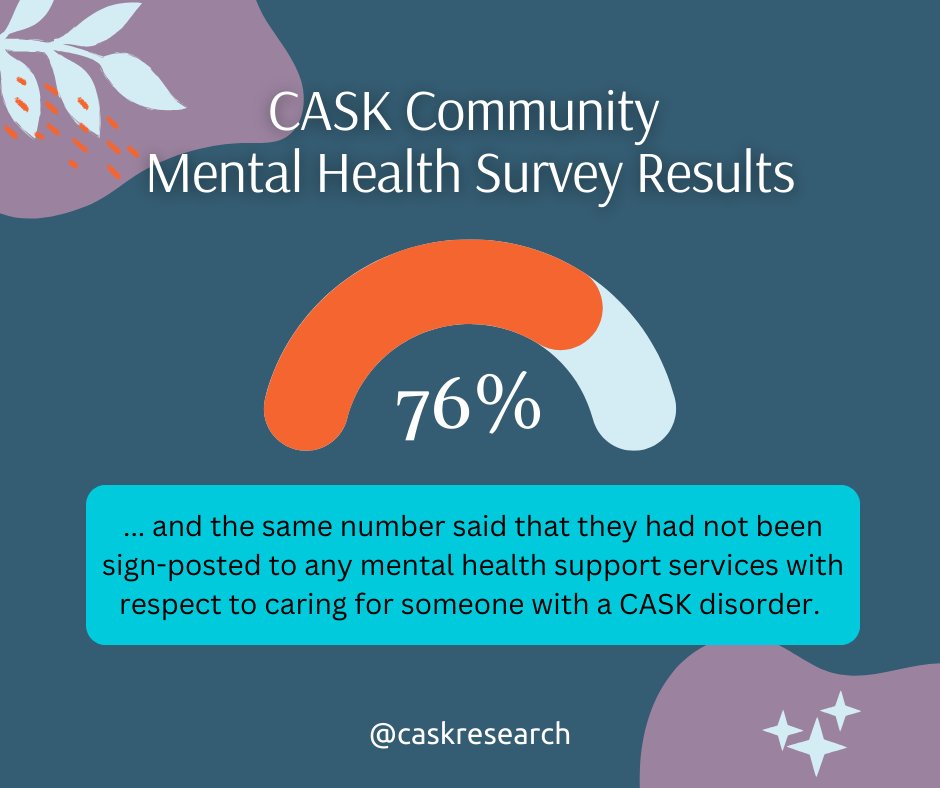
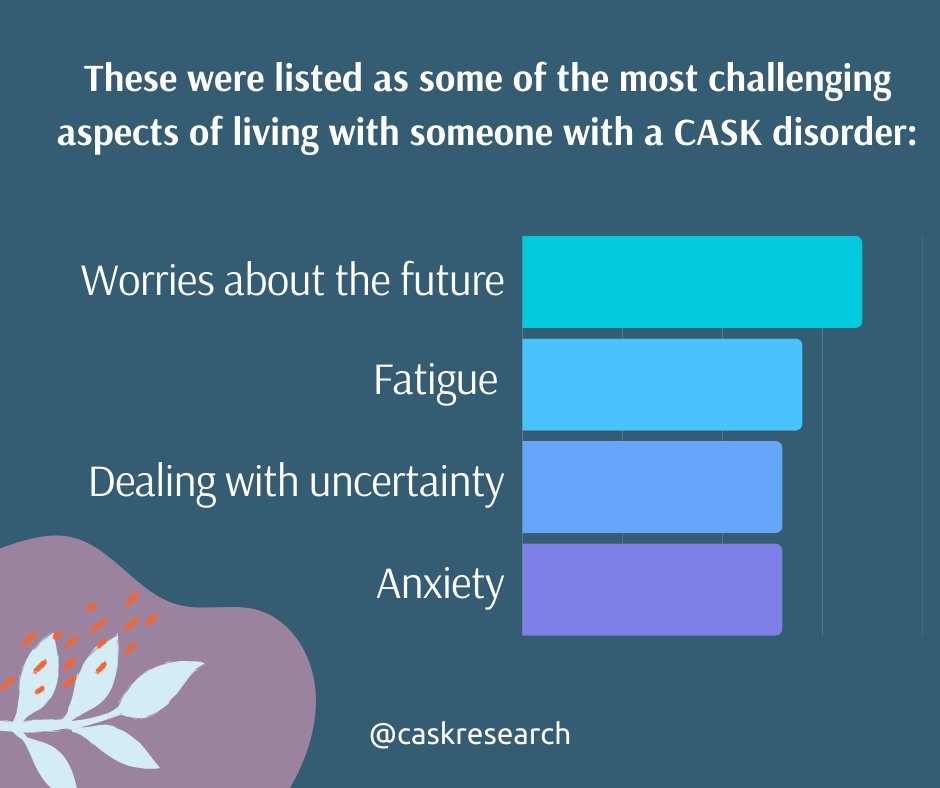
We recently conducted a mental health survey among our CASK community. Here is a snapshot of the results.
#MentalHealthAwarenessWeek #caskdisorders #community #StrongerTogether #RareDiseaseCommunity #caskcoalition
2
43
7 Apr 2025
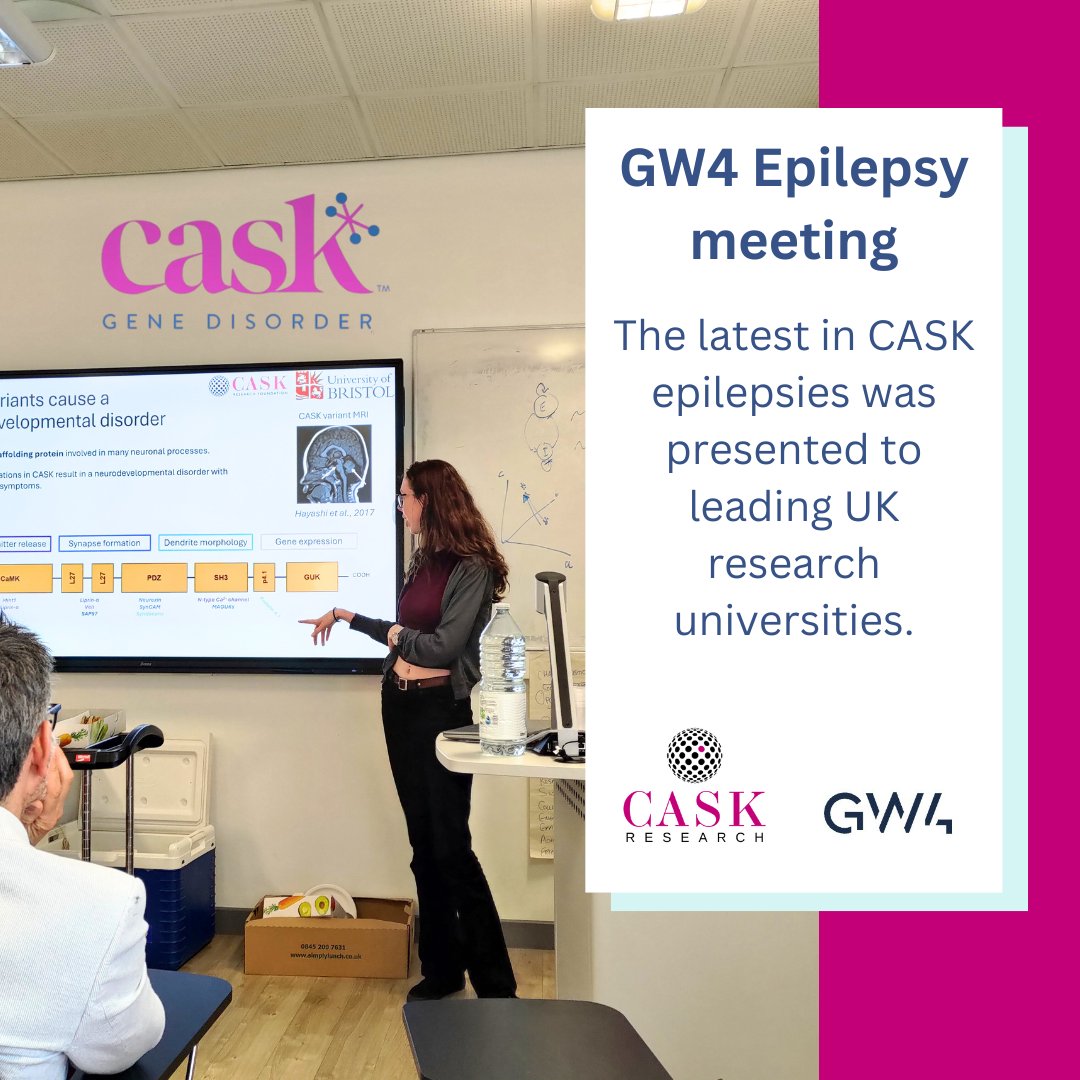
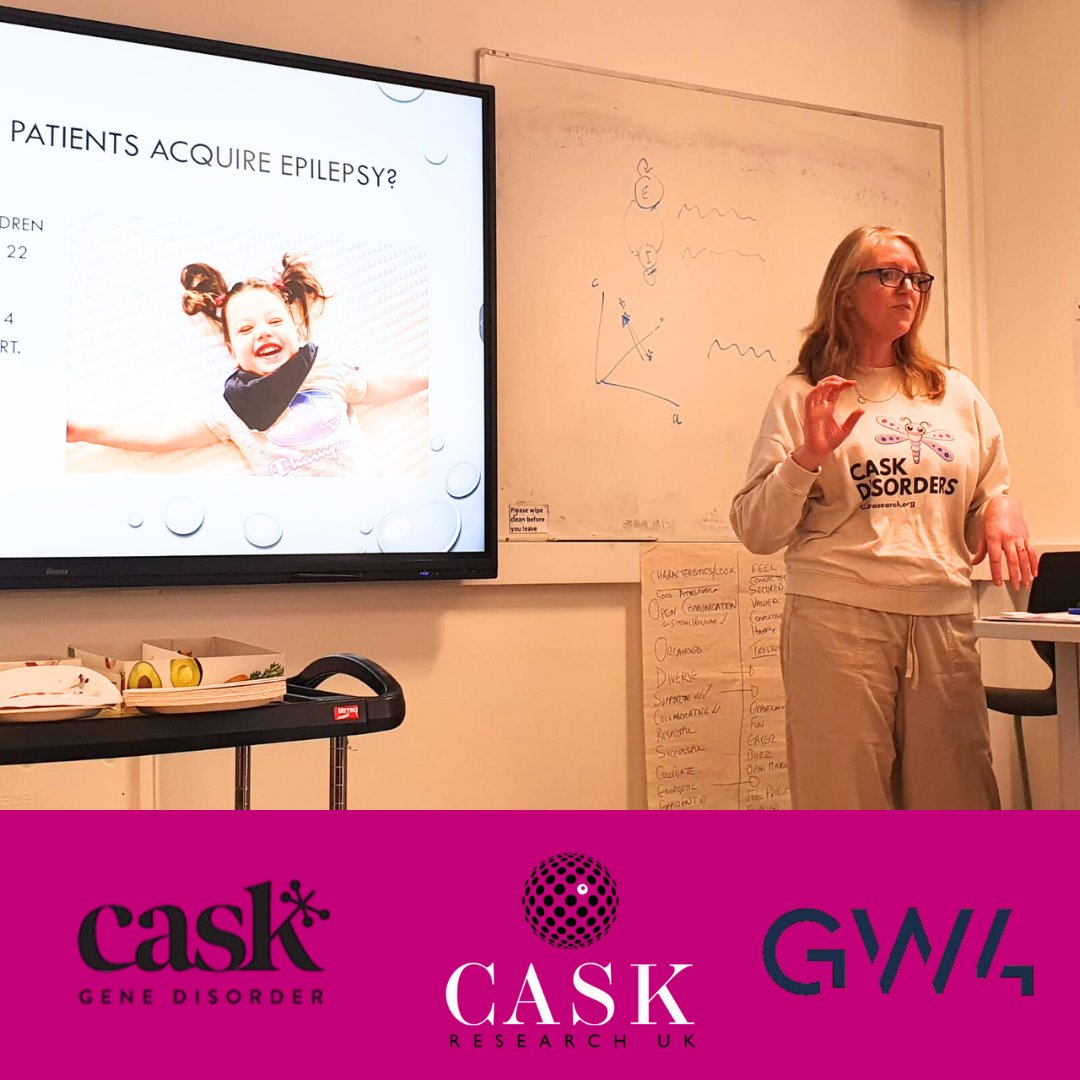
Founder of CASK Research, Laura Hattersley, attended the GW4 Epilepsy meeting on Thursday, at the University of Bristol. She presented on the latest understanding of CASK-associated epilepsy, whilst the wonderful MRes student, Anya, presented her findings in Drosophila.
1
3
121
28 Mar 2025
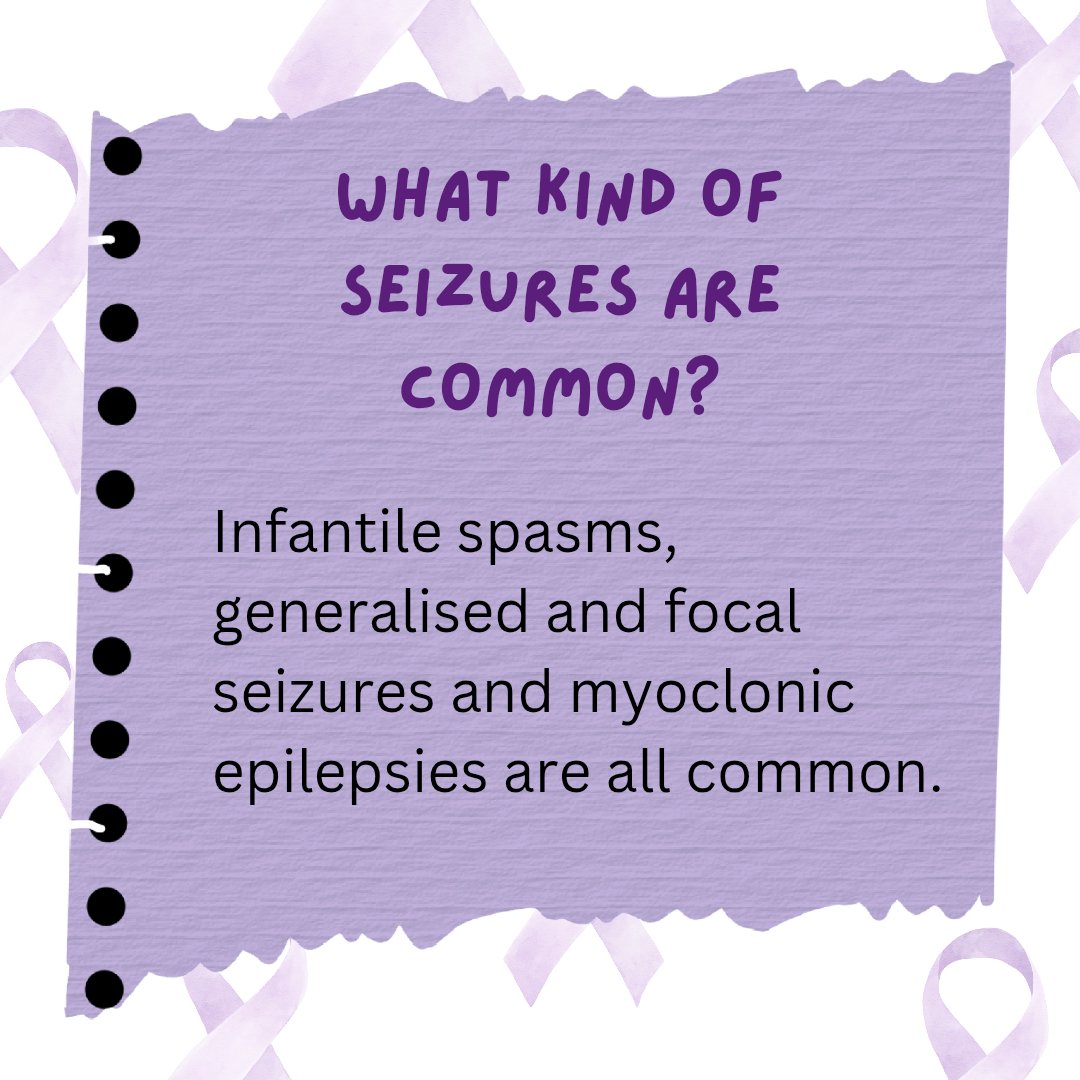
A literature review of 151 patients as well as the recent Cambridge University study revealed that infantile spasms, generalised seizures, focal seizures and myoclonic epilepsies can all occur in our children. In addition, many individuals have more than 1 type of seizure.
1
1
58
28 Mar 2025
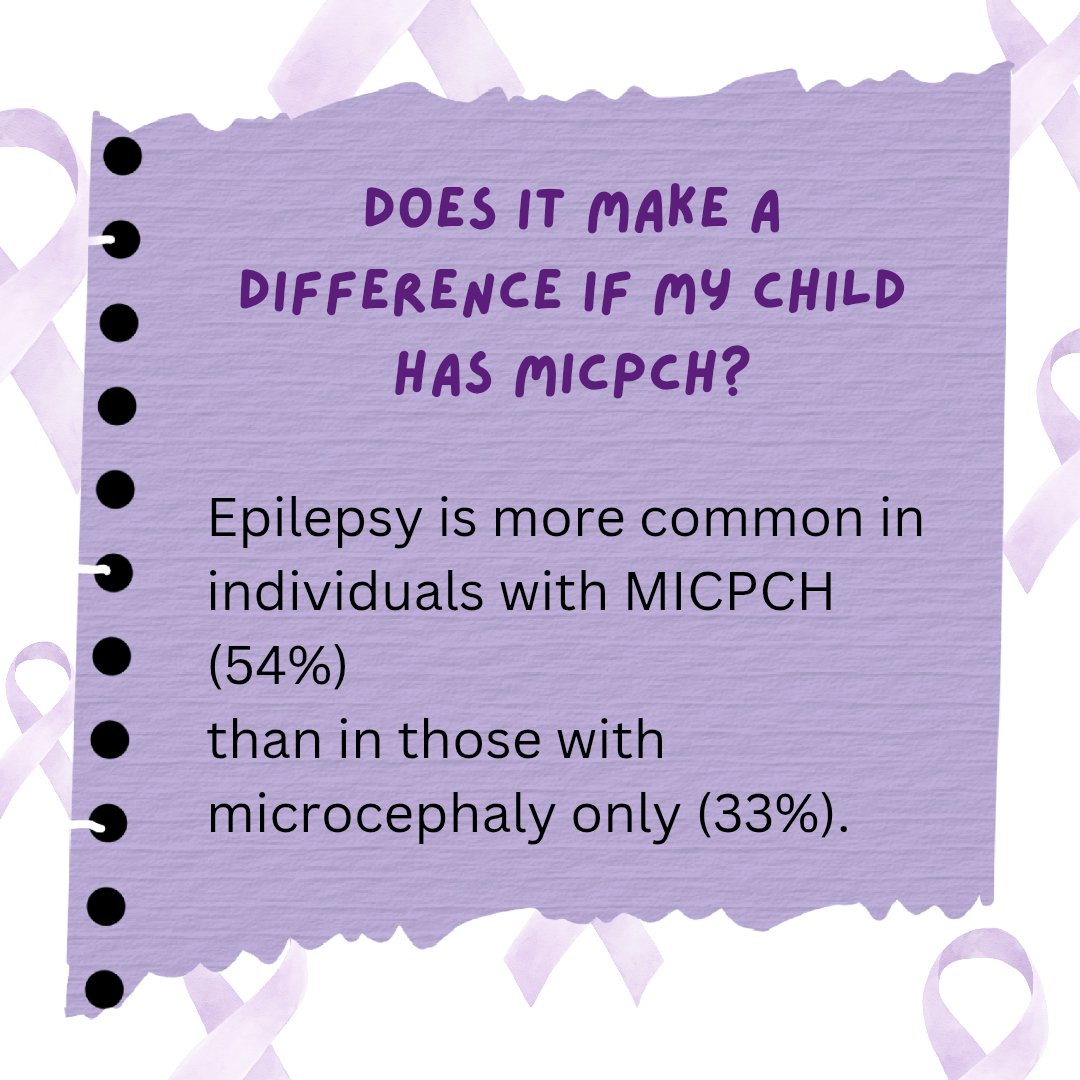
The Cambridge University study found that epilepsy was more common in individuals with MICPCH (53.85%)
than microcephaly only (33.33%).
Current ongoing studies into CASK and epilepsy will reveal more detailed information on this, so stay tuned!
#awareness #epilepsy #purpleday
1
1
86
27 Mar 2025
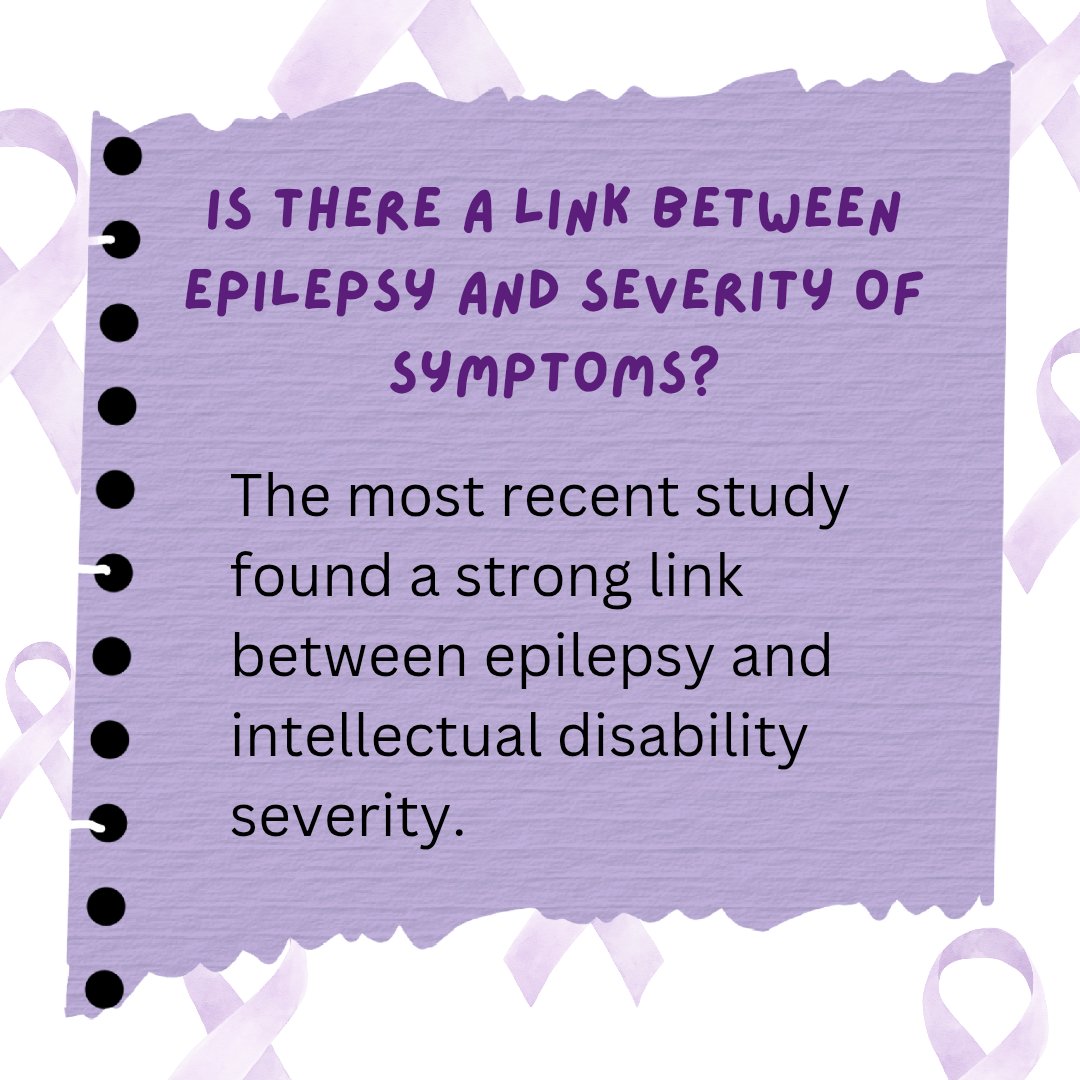
A study found that seizures are a significant predictor of adaptive ability in children with CASK.
Does seizure activity disrupt cognitive development in our children, or is that the individuals with more severe intellectual disability are more susceptible to seizures?
1
2
40
26 Mar 2025
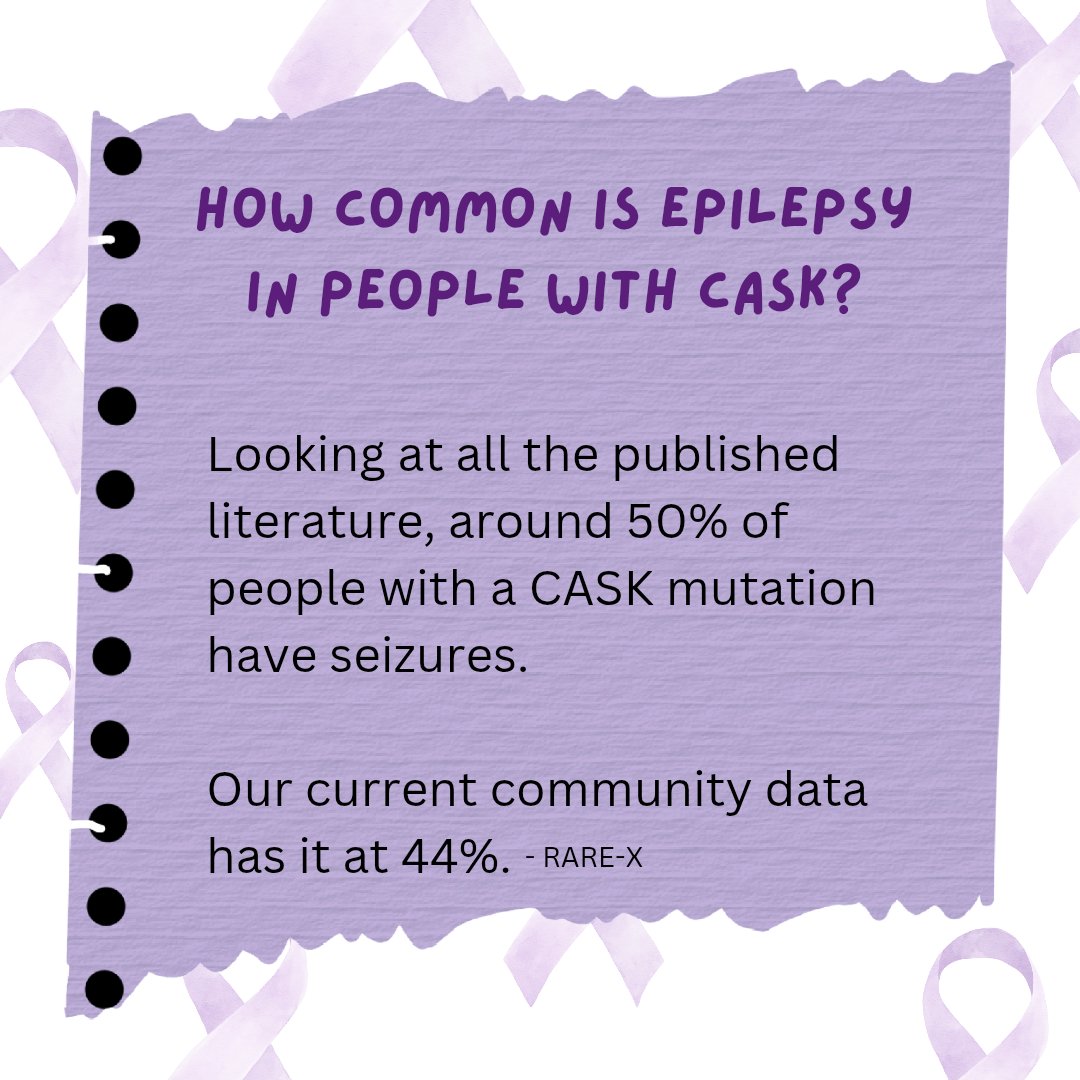
A literature review which had data on 151 individuals revealed a prevalence rate for epilepsy of around 49%, whilst the recent Cambridge University study found similar.
Recent information from our data collection programme has the number at 44% (sample size 58) for seizures.
3
62
19 Mar 2025
🌟 Meet Mia! 🌟
Mia is living proof that a diagnosis does not define you ❤️
#caskwarrior #caskgene #caskresearch #caskmutation #micpch #microcephaly #developmentaldelay #kickingcask
1
112
17 Mar 2025
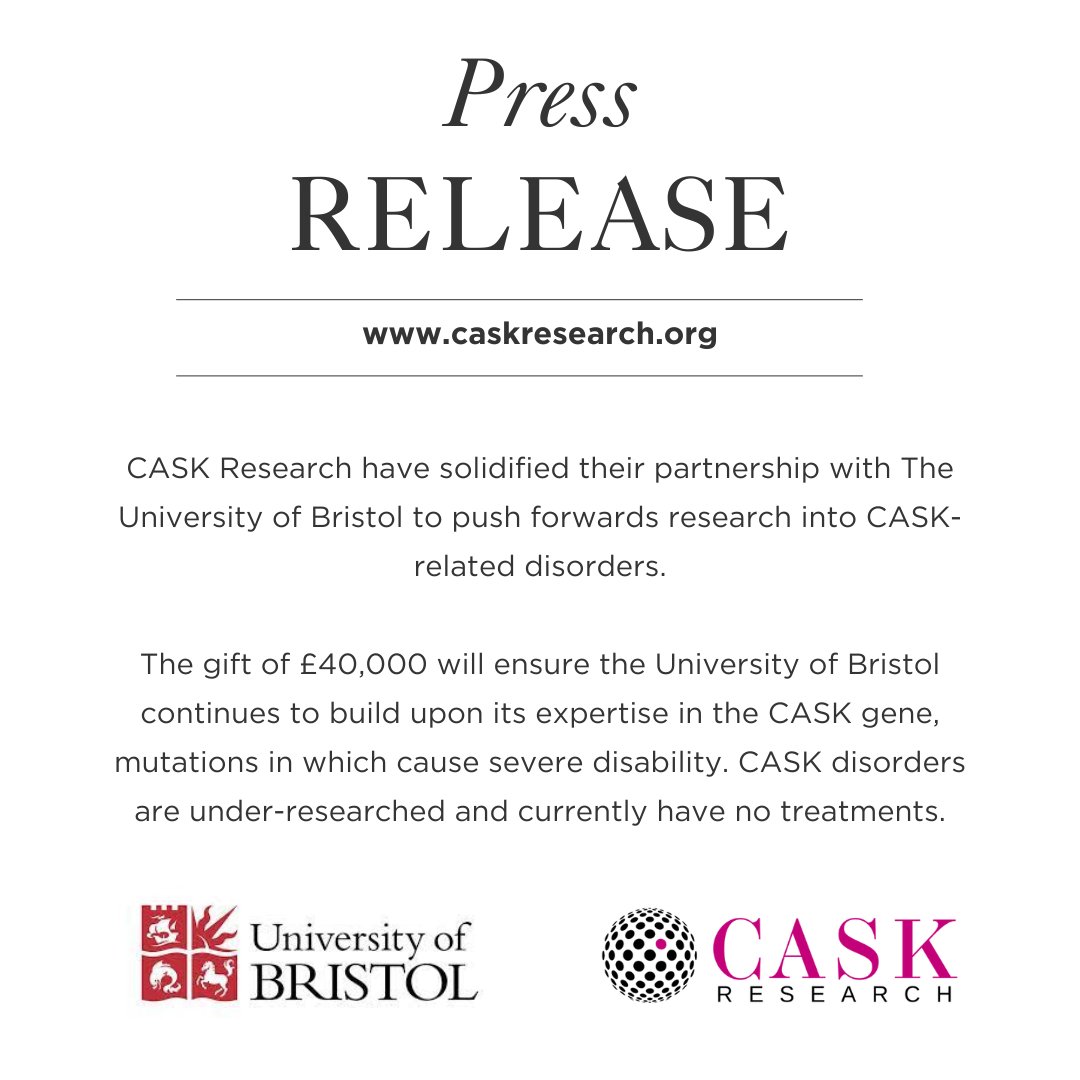
Read full press release caskresearch.org/2025/03/17/…
#caskgene #caskresearch #bristoluniversity #cask #neuroscience
1
2
4
114
6 Mar 2025
We have been awarded £20,000 worth of probono support from Costello Medical!
This incredible support will help us:
Conduct longitudinal data analysis of RARE-X registry data
Create a compelling infographic to highlight key findings
Improve registry sign-ups
And more!

1
32