
I travel places, listen to people and tell their stories. Chief National Correspondent for CBS News. Check out: mattgutman.komi.io
Joined August 2009
- Tweets 12,163
- Following 2,140
- Followers 55,797
- Likes 2,786
917 Photos and videos

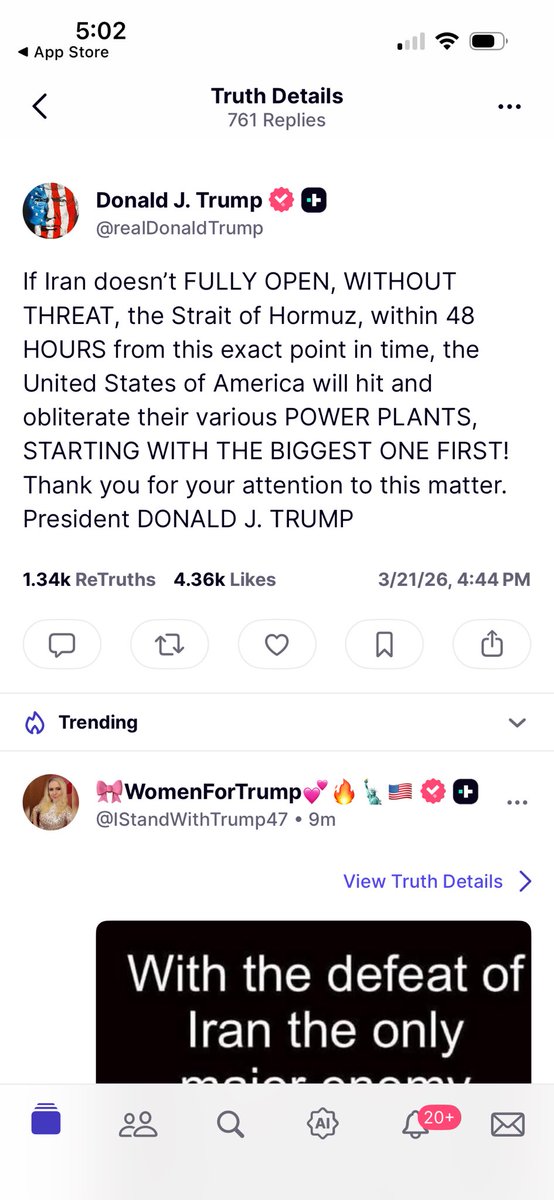









A brutal breakdown and takedown of the Iran deal from the eyes of one of the most well sourced Israeli journalists.

“What we know is this agreement is going to make Israel safer, it’s going to make the entire region safer,” Vice President JD Vance told NBC News, adding that he “feels confident” Israel will join the U.S.-Iran deal “further down the road.” It is difficult to share Vance’s confidence when the rest of the cabinet has remained entirely silent on the matter.
Though that isn’t entirely true. According to Axios’s Barak Ravid, CIA Director John Ratcliffe told Donald Trump and other senior officials that evidence gathered by U.S. intelligence agencies raises serious doubts about Iran’s willingness to make the nuclear concessions the U.S. is seeking in any final deal. He was joined by Secretary of State Marco Rubio and Secretary of Defense Pete Hegseth, both of whom expressed concerns and raised questions about the memorandum of understanding—while Vance and the White House’s Don Quixote and Sancho Panza, Steve Witkoff and Jared Kushner, advocated for it.
I’ll try to sprinkle in some optimism and sweeten this bitter pill. But first, we should go through the details as they appear so far. Vance says the deal runs “about a page and a half.” That’s not a lot of room for an American victory—especially once you fit in all those Iranian concessions. Let’s look at what has been conceded so far:
Just a week ago, Trump declared there was absolutely no way he would release frozen assets before a comprehensive peace deal was signed. Yet by Iran’s account, the regime gets a significant signing bonus the moment the ink is dry. “The agreement says they are not getting a single dime of American money,” Vance insisted on Fox—reassuring, I’m sure, for American taxpayers, but a strange thing to stress, since he’s calming a concern no one raised. The money in question was never America’s; it’s Iran’s own frozen assets. The administration insists they’ll be released only as Iran complies with the deal, but given how compliant the U.S. has been to Tehran’s demands so far, I don’t see it holding the line on a few billion the moment Iran threatens to walk.
Trump also stated he would not agree to any arrangement that doesn’t include dismantling Iran’s proxies and halting their terrorism. No such language seems to appear anywhere in the MOU. In place of any written commitment to dismember the Axis of Resistance, the Americans simply claim the funds headed to the regime will be kept strictly out of terrorist hands. After all, the White House assured everyone, the bulk of the money is expected “to go into spending that improves the economy” they are under “intense pressure to deliver results at home”—whoops, that was Obama in 2015. Silly me. But we needn’t reach back that far: this is the oldest trick in the Hamas playbook—insisting Qatari or humanitarian aid serves purely legitimate, benevolent civilian needs, when in reality it just frees up other capital for far more nefarious ends.
Trump also once insisted on the destruction of all Iranian nuclear facilities and zero uranium enrichment. Now he has told The New York Times that Iran would be permitted low-level enrichment—meaning “zero enrichment” won’t even make it to the negotiating table.
The agreement reportedly requires Iran to “open” the strait. Vice President JD Vance asserts this means open and “toll-free” for the long term. Iranian officials and state media, however, claim they will merely pause fees for sixty days, but plan to resume charging “service fees” after that period, and maintain that keeping the strait “open” implies keeping it under Iranian and Omani management.
Israel is far from thrilled with this deal—just ask the markets. On Wall Street, the signs of peace sent the tech-heavy Nasdaq Composite up about 795 points, a three percent jump and its best day in months. In Tel Aviv, the mood was the opposite: as global markets rallied, the benchmark TA-35 slid roughly 1.3 percent, with banks and insurers falling harder still—local investors reading the agreement as more likely to bring war than peace.
As Netanyahu told me yesterday: “You can stretch the rope with the Americans, but you must not tear it.” Israel can’t do much about the U.S.’s Iran policy—but it can still shape facts on the ground in Lebanon.
In a public statement congratulating Iran on its diplomatic victory, Hezbollah noted that the deal includes a comprehensive ceasefire across all fronts, and framed it pointedly as “a prelude to completing the liberation” of Lebanon.
Hezbollah continues to insist on a maximalist condition for any truce: the complete withdrawal of the IDF from southern Lebanon. One Hezbollah official told Reuters outright that the group rejects any IDF “freedom of movement” inside Lebanese territory, and Iranian media has amplified this line heavily, implying that an IDF withdrawal is built into the U.S.-Iran deal. U.S. officials, however, tell a different story: a senior official indicated that Israel will hold its current front lines—far forward of where they stood on the eve of the war—and retains the right to respond if attacked.
That leaves a single point of contention: whether Israel may act preemptively against an emerging threat. By “emerging threat,” I mean spotting a weapons depot under construction or rockets being moved from place to place. In terms Israelis know all too well: are we back to the October 6 paradigm, watching them arm themselves and doing nothing? That remains to be seen.
Here is the silver lining, thin though it is.
The Iranian people took to the streets over a horrific economic crisis at the end of 2025 and early 2026. Since then, their economy has deteriorated even further, suffering at least $300 billion in damages—one trillion if you take Netanyahu’s numbers—alongside galloping inflation. Even if $12 billion, or a bit more, is unfrozen and the blockade is ended, it’s just a drop in the bucket. Economically, the Iranian public is now nostalgic for the terrible conditions of January. We can hope that eventually, the Iranian people might finish the job themselves.
Unfortunately, we won’t be able to help them with that task—neither by supporting Kurdish factions nor through direct military strikes. It has been 165 days since Trump declared the U.S. would “come to their rescue,” and that has never looked further from the case.
To read the rest of today's newsletter click here.
newsletter.amitsegal.net/p/i…
36
Matt Gutman retweeted

📣 @JoshTBoswelll and Cho Park are joining @CBSNews’ already stellar I-Unit to expand on our groundbreaking investigative journalism...
🔍 From fraud to coverups to deceptive practices, deep and trusted investigative reporting could not be more important today.


1
4
27
5,139

Jun 12
This is a devastating indictment of the Iran war and specifically its results and the yawning gap between operational acumen's and what he calls the strategic failure.

לפני שכל מיני גורמים יספרו לנו על ההישגים הנפלאים של ההסכם המתגבש, ראוי לזכור כמה עובדות בסיסיות:
א. המלחמה שהחלה ב־28 בפברואר לא נועדה להביא להסכם על דילול מלאי האורניום של איראן. מטרתה המוצהרת הייתה להביא לקריסת המשטר האיראני. ישראל לא חיסלה, לראשונה בתולדותיה, מנהיג של מדינה ריבונית כדי להגיע בסופו של דבר להסכם גרעין משופר.
ב. בשורה התחתונה, ואיך שלא נסובב זאת, המשטר באיראן צפוי לצאת מההסכם הזה מחוזק – כלכלית, מדינית ואזורית. די להביט בהתקרבות הגוברת בין איראן לבין מדינות המפרץ, ובראשן איחוד האמירויות, כדי להבין שהמשטר בטהרן רחוק מאוד מבידוד.
ג. חשוב לזכור שרוב ה"וויתורים" האיראניים המוצגים כיום כבר היו על השולחן בפגישה בג'נבה לפני המלחמה, כאשר שר החוץ האיראני עבאס עראקצ'י הציג אותם בפני סטיב ויטקוף. איראן לא מוכנה לדון בהגבלת תוכנית הטילים שלה, לא בתמיכתה בשלוחותיה האזוריות ולא במרכיבי הכוח האחרים שלה. בפועל, לא נותרה ברירה אלא להתמקד בסוגיית הגרעין בלבד, מתוך ההבנה שעדיף הסכם שמרחיק את איראן מפצצה בטווח הקרוב, גם אם הוא מחזק את המשטר, מאשר המשך לחץ שעלול לדחוף את טהרן להחלטה לרוץ לנשק גרעיני.
ד. ההסכם הוא תוצאה ישירה של הכישלון האסטרטגי של המערכה. לאחר חודשים של לחימה, הממשל האמריקני נותר ללא פתרון לסוגיית מצרי הורמוז וללא יכולת לכפות על איראן ויתור על מלאי האורניום המועשר שבידיה. ההישגים המבצעיים המרשימים של המערכה נבלעים בתוך אותו כישלון אסטרטגי רחב יותר.
ה. חמור מכך, עצם קיומו של הסכם עקרונות והקלות כלכליות אינו מבטיח כלל שיושג הסכם גרעין סופי. לא ברור אם לארצות הברית יהיה בעתיד הרצון לחזור לאיום צבאי, כאשר כבר כיום היא אינה מגלה נכונות לכך. במבט קדימה, ספק גדול אם ממשלים עתידיים יהיו מוכנים לחזור להרפתקה מהסוג הזה.
ו. נכון לעכשיו, שום דבר עדיין לא סגור עד שהכול ייחתם, וטראמפ עוד עשוי לשנות כיוון. אולם גם אם יעשה זאת, קשה לראות אילו חלופות טובות יותר עומדות בפניו. במצב הנוכחי, ההסכם נראה כהמחשה של הפער שבין הצלחות טקטיות ומבצעיות לבין כישלון אסטרטגי. ומי שמביט על התוצאה הכוללת מתקשה להתעלם מהשאלה מי באמת יצא כשידו על העליונה.
1
3
760
Matt Gutman retweeted

Jun 12
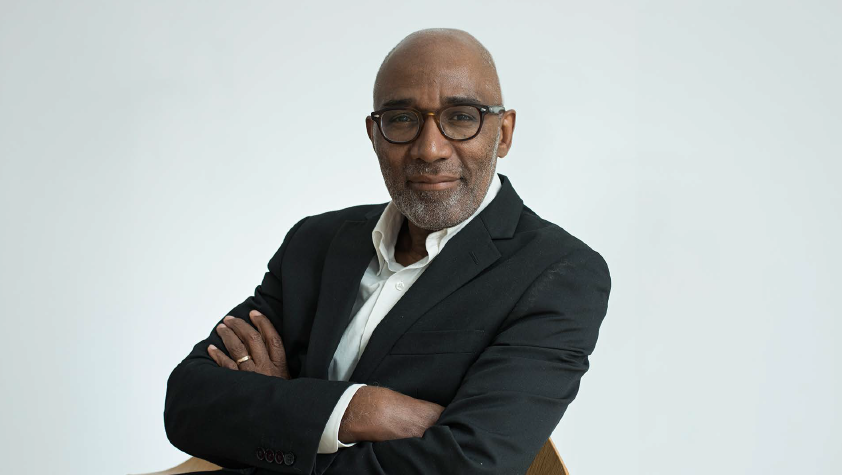
Thrilled to welcome @TrevorPTweets to @CBSNews.
Jun 12

Trevor Phillips (@TrevorPTweets) is one of the sharpest and most fearless journalists anywhere in the world. We’re thrilled to have him join @CBSNews as senior global affairs correspondent
Read more below 👇
604
375
4,802
391,951
Jun 10
"War is a co tinting of politics by other means"... but what Citrinowitz says below is that POTUS is checkmated here. If he launches reprisals it could likely begin a new cycle of violence because Iran will retaliate. If he holds back, it will make US seem like a paper tiger and its future threats empty. But either way seems to weaken its negotiating position.
Like Cato the Elder, we should keep returning to the fundamental question: What is the United States' endgame in Iran?
First, President Trump can choose to launch additional strikes against Iran. However, there is little reason to believe that such actions would compel Tehran to surrender or abandon what it considers its core red lines.
Second, a return to military confrontation would likely further destabilize the global economy and push the prospect of a negotiated agreement farther away rather than bring it closer.
Third, even if President Trump is considering renewed military action, it remains difficult to understand the strategic rationale given that the same administration has repeatedly expressed its desire to reach an agreement with Iran. It is possible that the threat of force is intended to increase pressure on Tehran and extract concessions, but there is little evidence that such pressure would alter Iran's fundamental positions. Tehran's red lines are unlikely to change.
Fourth, any strike on Iranian infrastructure would almost certainly trigger a significant Iranian response. At the same time, if Washington issues threats that it ultimately does not carry out, it risks further undermining the credibility of its deterrence posture at a moment when Iran has already absorbed substantial setbacks.
For that reason, the key question is not whether the United States should strike Iran or refrain from doing so. The real question is how Washington's current policy serves its broader strategic objective. If that objective is to secure a diplomatic agreement, then additional military threats or strikes are more likely to complicate that goal than to advance it.
#Iran
#IranWar
1
1
781
Matt Gutman retweeted

Like Cato the Elder, we should keep returning to the fundamental question: What is the United States' endgame in Iran?
First, President Trump can choose to launch additional strikes against Iran. However, there is little reason to believe that such actions would compel Tehran to surrender or abandon what it considers its core red lines.
Second, a return to military confrontation would likely further destabilize the global economy and push the prospect of a negotiated agreement farther away rather than bring it closer.
Third, even if President Trump is considering renewed military action, it remains difficult to understand the strategic rationale given that the same administration has repeatedly expressed its desire to reach an agreement with Iran. It is possible that the threat of force is intended to increase pressure on Tehran and extract concessions, but there is little evidence that such pressure would alter Iran's fundamental positions. Tehran's red lines are unlikely to change.
Fourth, any strike on Iranian infrastructure would almost certainly trigger a significant Iranian response. At the same time, if Washington issues threats that it ultimately does not carry out, it risks further undermining the credibility of its deterrence posture at a moment when Iran has already absorbed substantial setbacks.
For that reason, the key question is not whether the United States should strike Iran or refrain from doing so. The real question is how Washington's current policy serves its broader strategic objective. If that objective is to secure a diplomatic agreement, then additional military threats or strikes are more likely to complicate that goal than to advance it.
#Iran
#IranWar
Jun 10

🚨Trump on Truth Social: Iran’s Military is a complete and total mess. Much of it, like their Navy and Air Force, doesn’t even exist anymore - They have been completely defeated. Iran is all talk and no action. The Bully of the Middle East is DEAD!!! They’ve taken too long to negotiate a deal that would have been great for them, now they will have to pay the price!!!
30
60
202
59,087
This guy has been a near oracle on this war, which he called from the start would be complicated and longer than almost anyone anticipated.
Returning back to war?
From Tehran's perspective, the United States and Israel are pursuing a coordinated strategy aimed at weakening both Iran and the broader Axis of Resistance.
This perception, combined with President Trump's continued insistence that no meaningful economic relief will be granted to Iran, reinforces the Iranian leadership's belief that it must take action rather than remain passive.
This dynamic is closely linked to a simple reality: as long as there is no agreement between Washington and Tehran, spoilers on all sides will continue to drive escalation.
The absence of an agreement means there is no sustainable status quo to preserve. Given the profound gaps between the Iranian and American positions on key issues, including uranium enrichment and the future of regional proxy networks, the potential for escalation can only be contained for so long.
If President Trump genuinely seeks a deal with Iran, he will need to create diplomatic space for negotiations. That would require pressuring Israel to halt its military operations in Lebanon and approving at least limited economic relief during the initial phase of negotiations. Without such steps, the likelihood of dangerous escalation remains significantly higher than the prospects for a negotiated settlement.
Above all, it is increasingly clear that Iran is far from being deterred. In fact, the opposite appears to be true. After 39 days of conflict, Tehran is behaving as though it emerged from the confrontation in a stronger strategic position. Rather than projecting caution or restraint, Iranian leaders continue to signal confidence, emphasizing their resilience, their ability to absorb pressure, and their determination to maintain their regional posture.
Whether this perception reflects reality is almost beside the point. What matters is that Iran does not appear to view itself as a defeated or intimidated actor. As long as Tehran believes it can withstand military, economic, and political pressure, the prospects for coercing major concessions through pressure alone remain limited. This reality increases the risk of further escalation and complicates efforts to reach a diplomatic settlement.
The coming hours are likely to be critical in determining whether the current escalation can be contained. With tensions running high and all sides seeking to shape perceptions of deterrence and resolve, the risk of miscalculation remains significant. Decisions made in the immediate future both in Tehran and Washington / Jerusalem, as well as by regional actors, could determine whether the crisis moves toward de-escalation or enters a far more dangerous phase.
#IranWar
3
1,455
Breaking: Iran has fired missiles at Israel after Israel attacked its proxy, Hezbollah in its Beirut stronghold. Israel now saying it will retaliate. The ceasefire is in serious jeopardy. And for those keeping score: a ceasefire between the US and Iran, and negotiated partly in Pakistan is now being upended by a fight over the existence of Iran's biggest proxy, in Lebanon where even the Lebanese government says it wants to see it disarmed
1
1
5
747
Matt Gutman retweeted
May 28
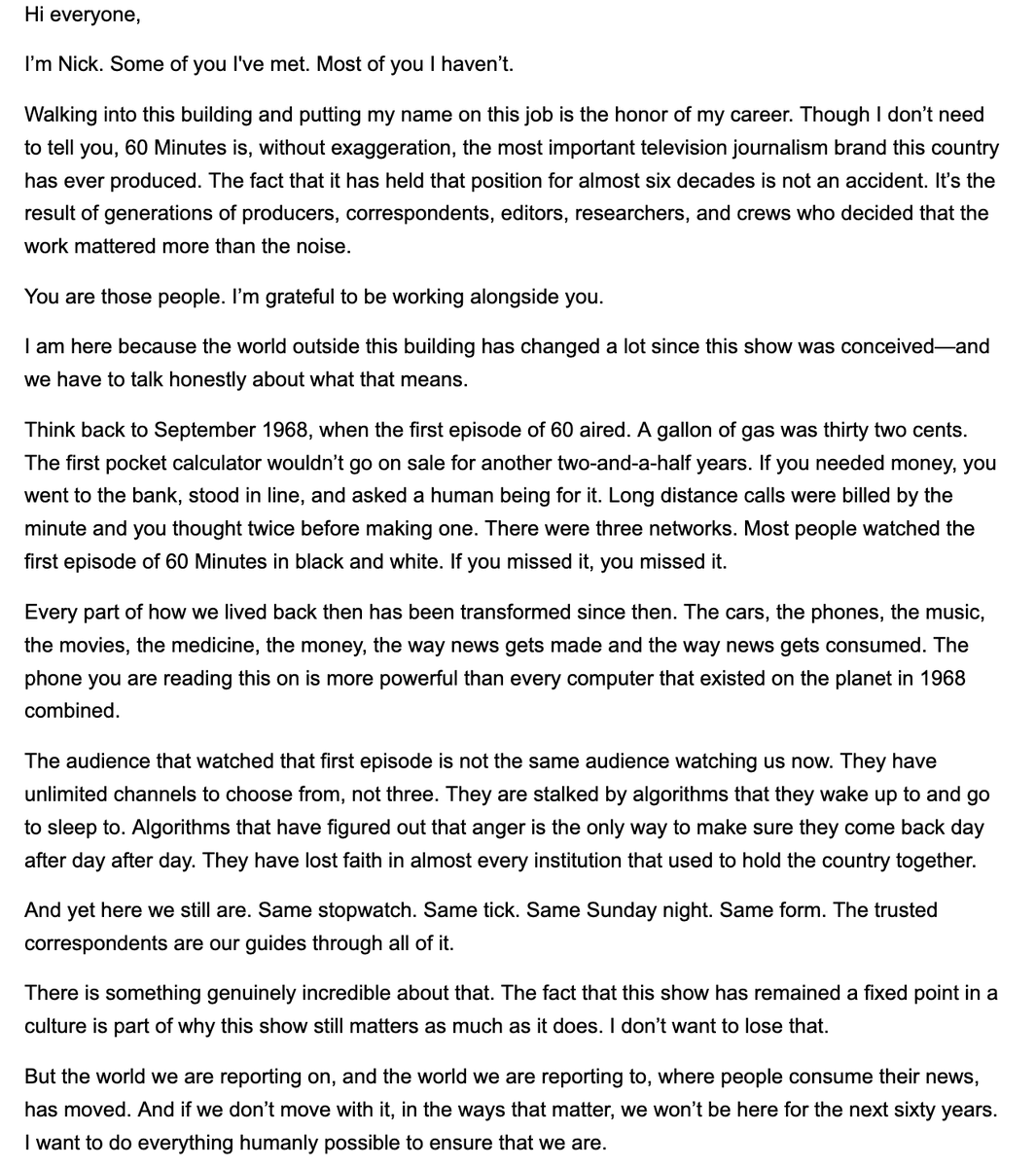
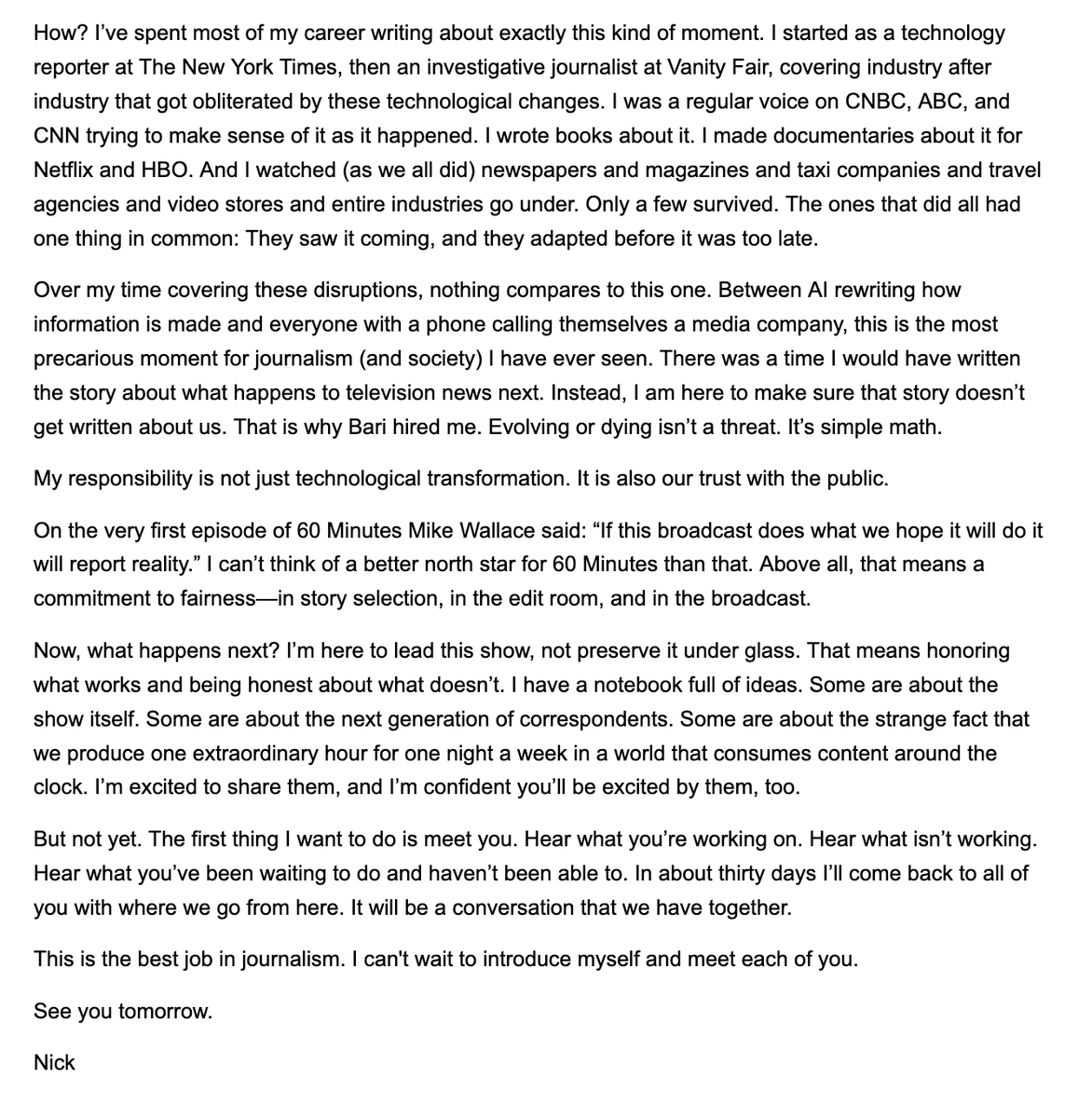
Nick Bilton is one of the most entrepreneurial and ambitious journalists working today. I am thrilled that he is the next executive producer of 60 Minutes. His note here:
May 28

It's the honor of my career to become the executive producer of 60 Minutes. I just shared the note below with the incredible staff and can't wait to get started.
1,217
156
1,618
210,883
Matt Gutman retweeted

May 28
It's the honor of my career to become the executive producer of 60 Minutes. I just shared the note below with the incredible staff and can't wait to get started.
2,554
245
2,091
1,539,768
May 27
Breaking: 5 of the 7 villagers/miners went missing in a cave in the jungles of Laos have been found. Just got off the phone with Mikko Passi who is in the cave right now, and trying to search for the other two. He says the divers they found were disoriented they didn't know what day it was they were weak tired but alive!
6
7
24
14,587
Matt Gutman retweeted

Rescuers are crawling through pitch-black, flooded tunnels in Laos in a desperate race to reach seven gold miners trapped deep inside a collapsing cave system for nearly a week. @CBSMattGutman reports that some passages are so tight divers must exhale just to squeeze through.
3
11
30
12,565
Matt Gutman retweeted

May 24
Plane slams into a paraglider’s canopy near Schmittenhöhe mountain in northern Austria.
The woman, Sabrina, was captured on camera gliding through the air before a small plane came slamming into her parachute.
The 44-year-old woman was able to untangle herself before deploying her reserve parachute. She safely landed and was rescued by a police helicopter.
"I actually still can’t believe that I’m sitting here typing this and apart from a few nasty bruises and some general contusions, nothing happened," she said.
The pilot, a 28-year-old man, says there was no way he could have avoided Sabrina. He was able to land safely at a nearby airport.
Video: sab_thi / ig.
332
497
4,450
737,989
Matt Gutman retweeted
After nearly a century on the air, our colleagues at CBS News Radio will sign off for the final time Friday. @SteveKathanCBS, who has anchored the “CBS World News Roundup” since 2010, reflects on the stories, moments and voices that defined generations of radio news listeners.
16
106
266
77,034

It took 30 times longer to get into Tuesday's Department of Justice press briefing than to get into the White House Correspondents' Dinner ballroom on Saturday, CBS News' @CBSMATTGUTMAN said, who attended both and noted a dramatic change in security measures.
He reports a discrepancy in the official time the DOJ says the shooting incident began on Saturday compared to when he started recording the incident on his phone.
13
8
31
14,295
Matt Gutman retweeted
Authorities are digging through the background of the suspected gunman, 31-year-old Cole Allen, a teacher from California. @CBSMATTGUTMAN reports on the investigation.
59
89
897
40,001
Matt Gutman retweeted
Apr 26
Unforgettable detail of the night: @lloydblankfein asking @coldxman, crouched under the table, “Are you going to finish that salad?”
Apr 26

Was at the WH Correspondents dinner last night, a rare DC trip for me without a subpoena. On the positive side—was exciting, no one was killed, and ended early. I noted a new litmus for status among the gov’t elite—whether you were whisked away by secret service, or left to fend.
65
80
1,708
255,221
Singer and songwriter d4vd has been charged with first-degree murder in connection with the death of 14-year-old Celeste Rivas Hernandez, whose dismembered body was found in a Tesla belonging to the musician last year.
Los Angeles County District Attorney Nathan Hochman announced the charges on Monday morning, saying he was charged with first-degree murder with special circumstances, lewd and lascivious acts with an individual under 14, and mutilating a body.
D4vd, whose real name is David Burke, was arrested last week after becoming the target of a grand jury investigation into the death of Hernandez. @CBSMATTGUTMAN
13
23
107
18,469

@nmoralestv and @CBSMATTGUTMAN break down the trial’s most stunning moments before diving into the chilling trend of headlines about vacations that turned deadly. Listen now wherever you get your podcasts.
1
1
3
997

Video of a humanoid robot chasing wild boars out of a Warsaw neighborhood and into the woods — and then waving goodbye — has gone viral in Poland. abcnews.link/jGIt1Lm
305
873
5,003
927,357